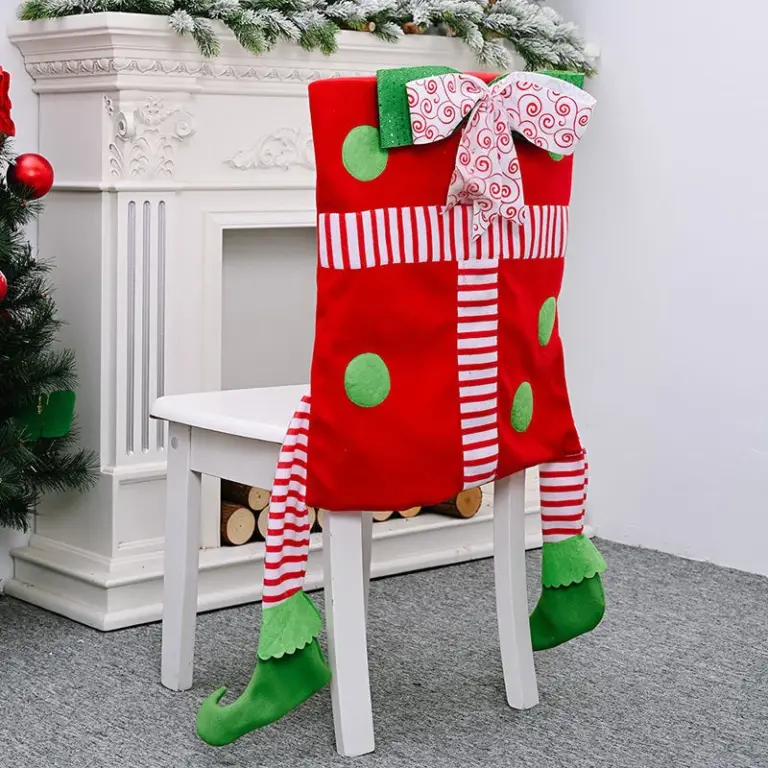
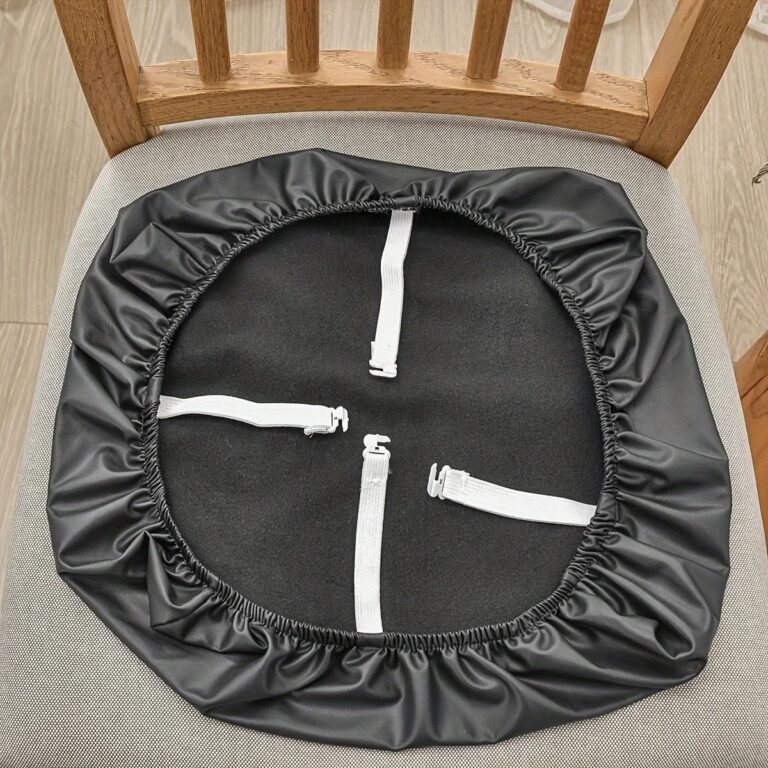
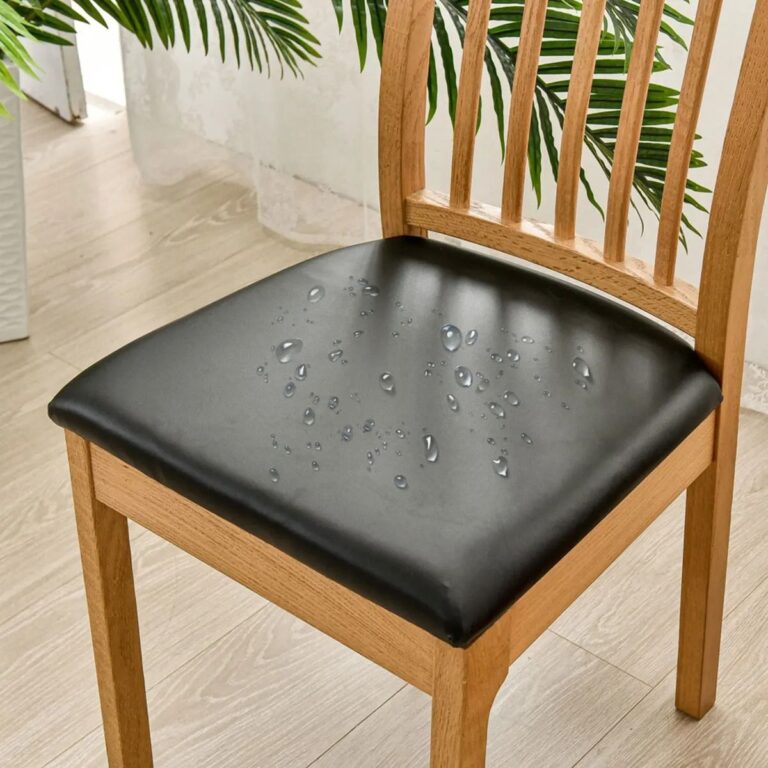
The first thing I do with a chair cover is grab the fabric at the seam and pull, just a little, to see if it's got any give. A cover with zero stretch is going to fight you every single time you try to wrestle it onto a dining chair with arms, and you will know this fight intimately if you host more than four people a year. The good ones have a bit of spandex worked in so they snap back into shape instead of sitting there wrinkled like a bedsheet that lost an argument with the dryer.
Measuring is where most people get it wrong, me included, the first time I tried to cover six mismatched chairs I'd pulled from three different estate sales. You need the back height, the seat width at its widest point, and whether the chair has arms, because a cover sized for an armless chair will not stretch over an arm no matter how much you believe in it. Measure the tallest chair in the set if they're not identical, and expect a little extra fabric pooling at the base of the shorter ones rather than trying to find six separately sized covers and losing your mind over it.
Where covers fall short is on anything with a distinctive shape you actually like looking at. A carved wooden chair back, a nice curved spindle, anything with personality gets flattened into the same soft blob under a cover, so if the chair itself is the good part, cover it for one dinner and then take it right back off. They're also not much good in a sunny room you don't plan to launder often, because the fabric will fade unevenly in the patch that gets the afternoon light and you'll end up with one chair looking distinctly more tired than the rest of the set.
What they sit well with is an ordinary table that sees real use, weekday breakfasts, a toddler with a crayon, a dinner where someone inevitably knocks over the gravy. A plain cover in a color that's a shade lighter or darker than your walls reads as intentional rather than like you're hiding something, and it makes the room feel calmer in the low light of early evening, when mismatched chairs usually look their most chaotic. They're also the easiest fix I know for a thrifted dining set where every chair came from a different decade and none of them agree with each other.
The one mistake to avoid is buying before you've measured the arms. Guess on that and you'll spend an evening stretching fabric that was never going to reach.

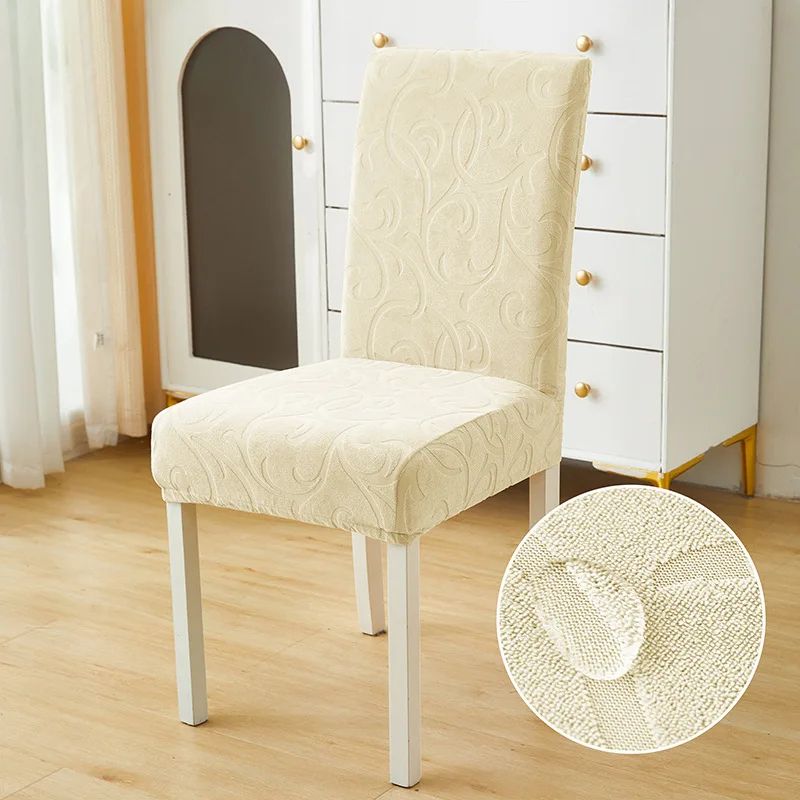
 Aisha's pickJacquard Chair Covers That Keep Their Color Wash After Wash
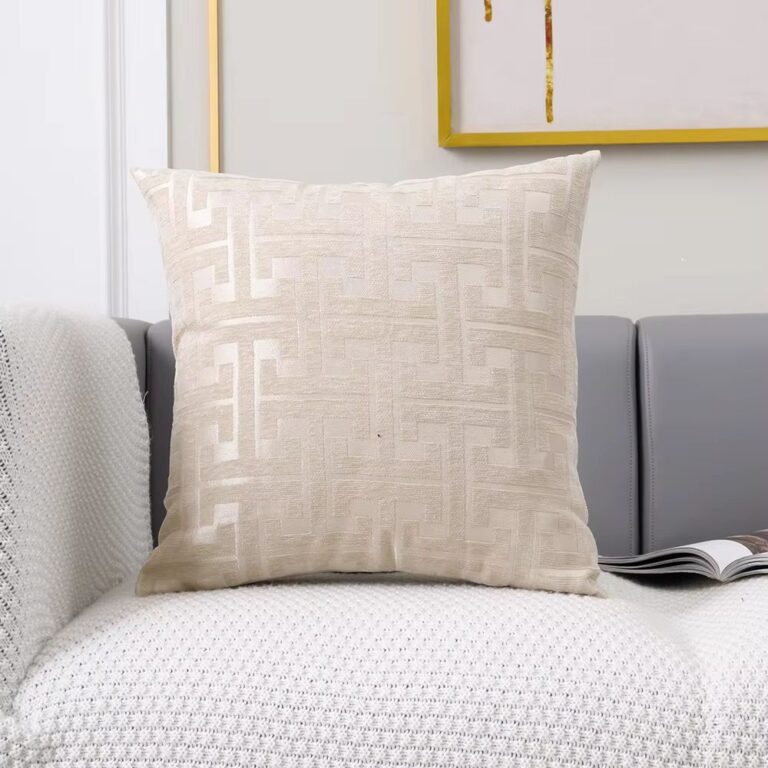 Aisha's pickWoven Chair Covers That Keep Their Color Wash After Wash

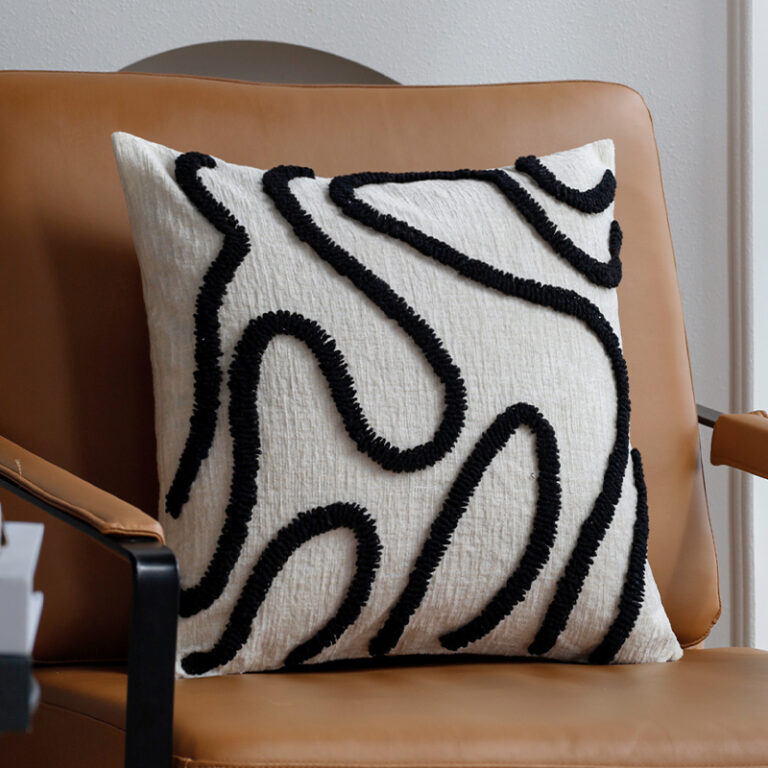 Aisha's pickDecent Large Chair Covers Without the Hassle
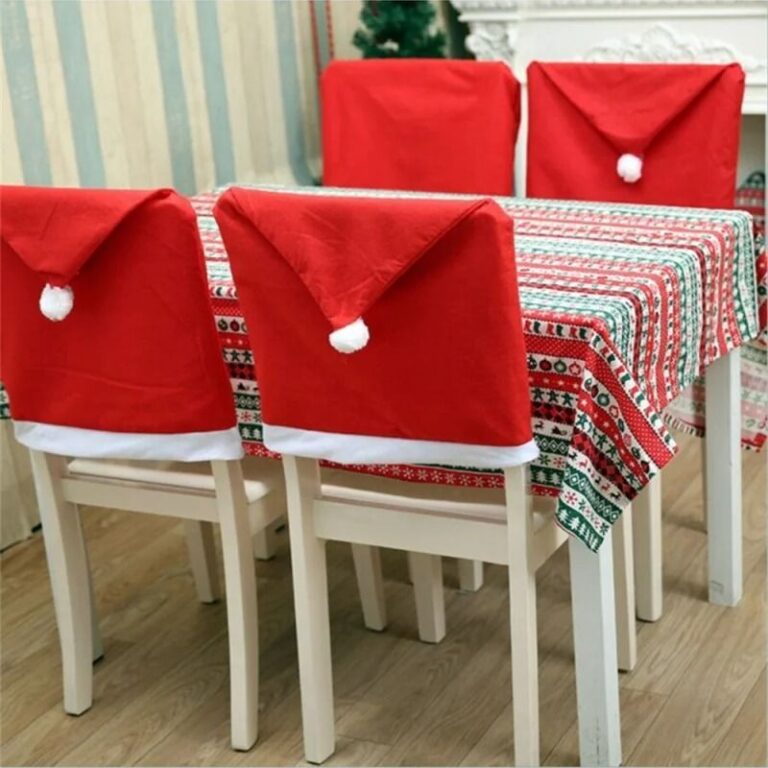
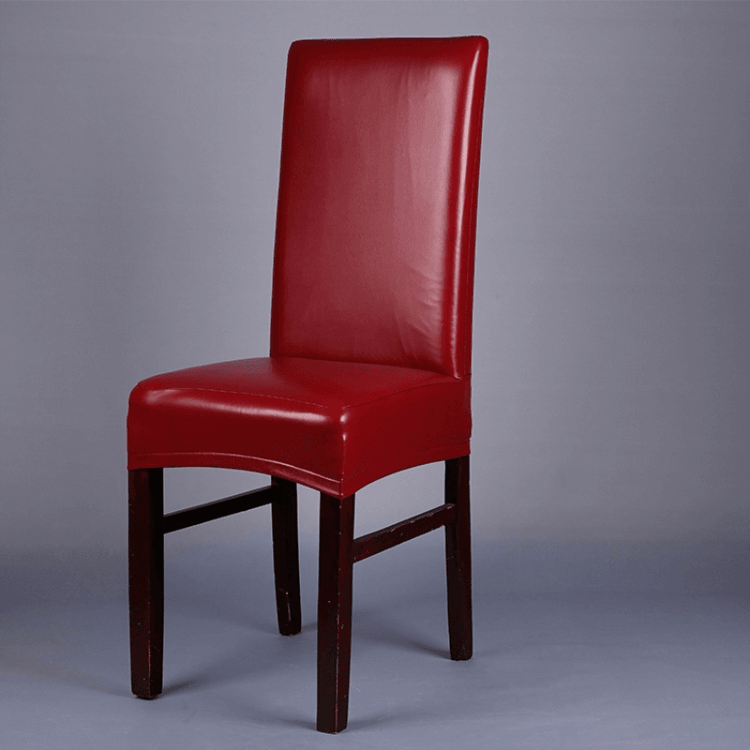 Aisha's pickLeather Chair Covers That Won’t Date in a Year
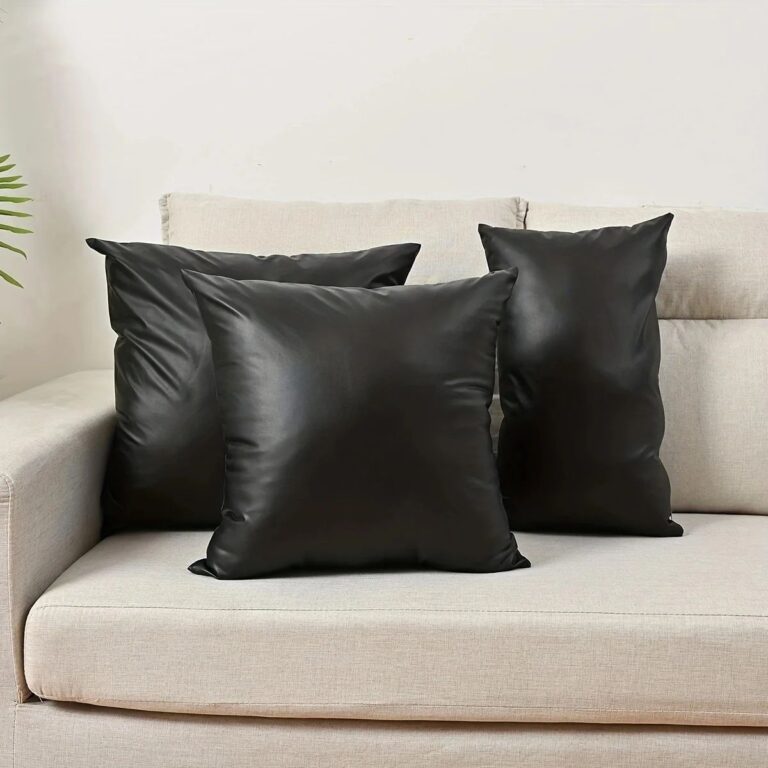
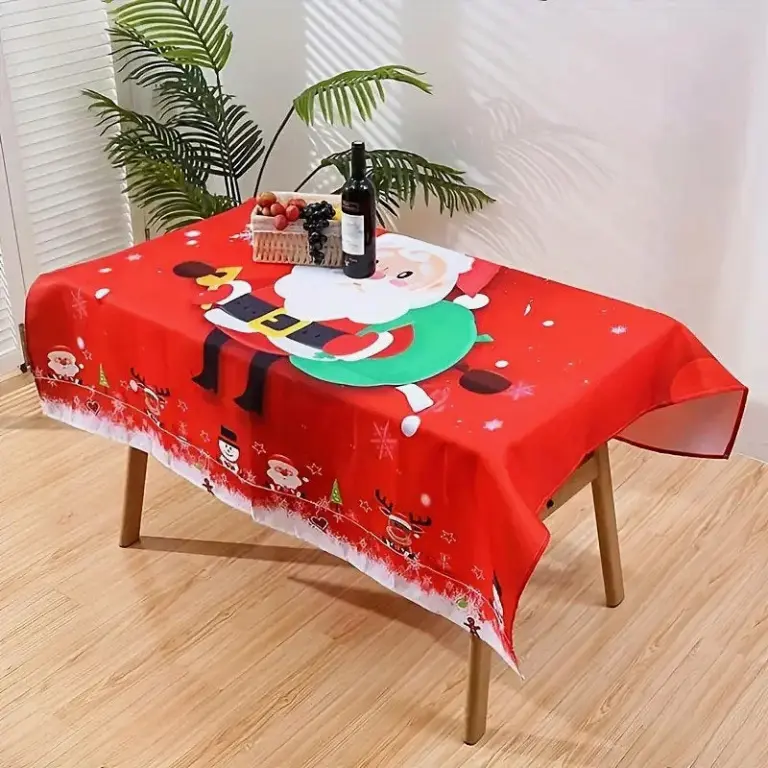 Aisha's pickLinen Chair Covers Pulled From Dozens of Stores
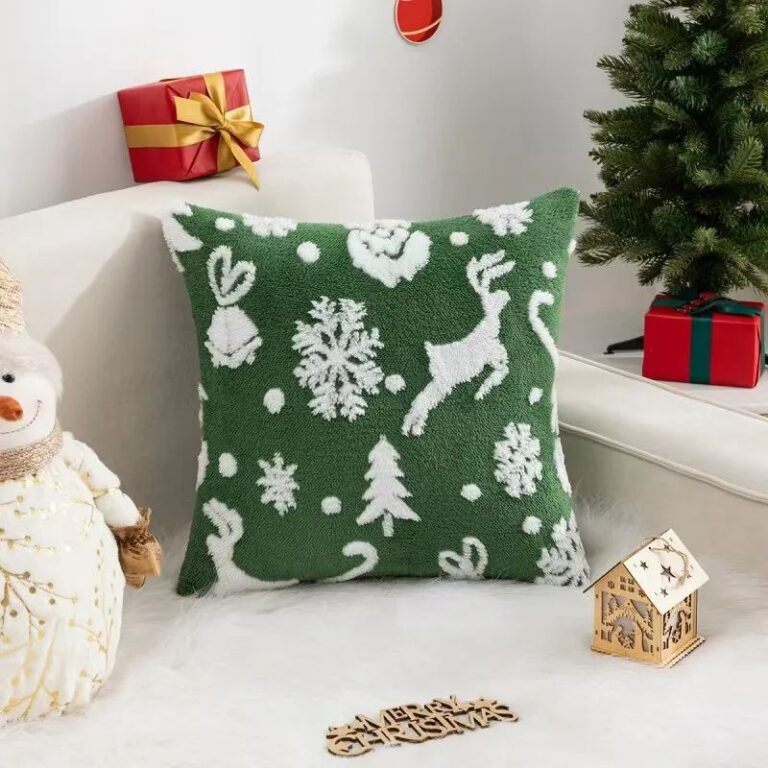
 Aisha's pickLuxury Chair Covers That Make Rented Places Feel Like Home

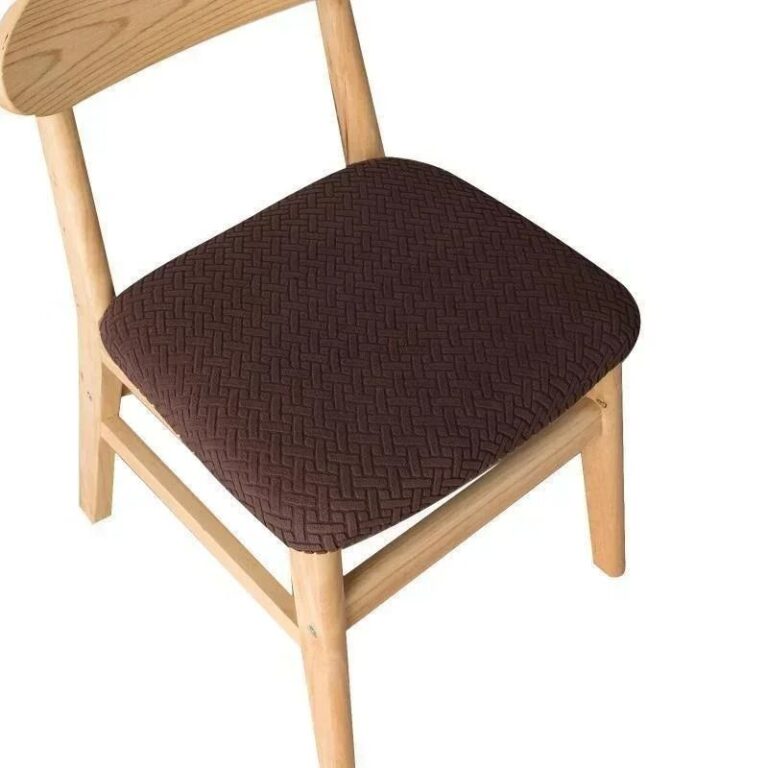 Aisha's pickBeige Chair Covers at Every Price Point
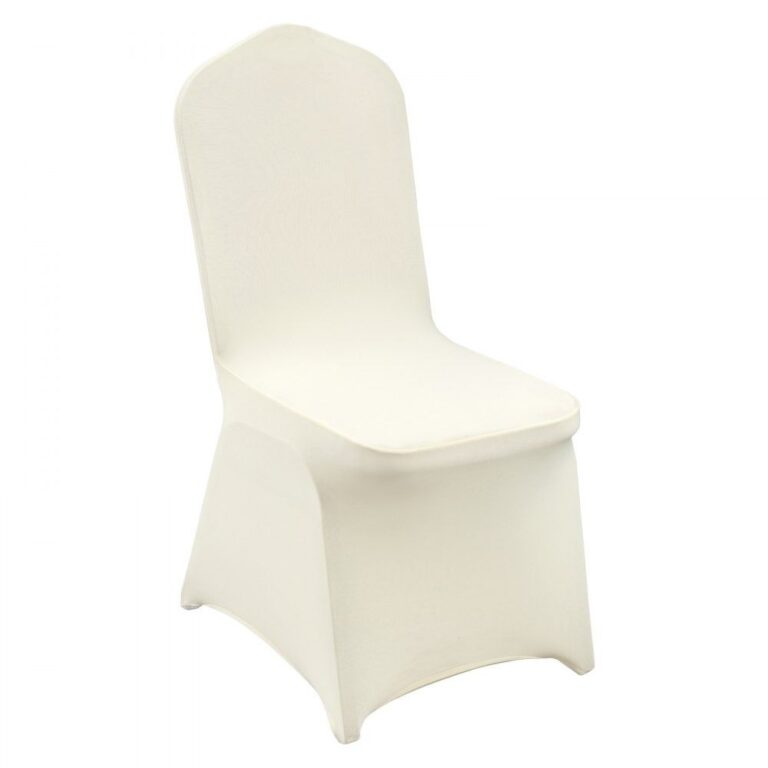
 Aisha's pickModern Chair Covers That Fit Into Real Life

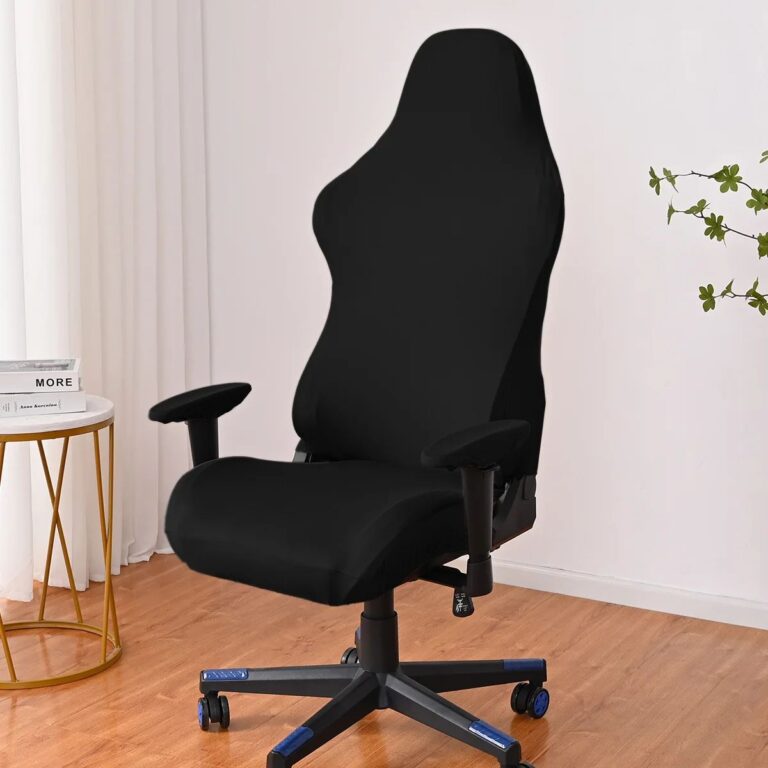 Aisha's pickBlack Chair Covers Hunted Down So You Don’t Have ToAlso worth a lookPillow CoversThe question I get most is whether it's worth buying new covers or just buying new pillows, and…See the collections →
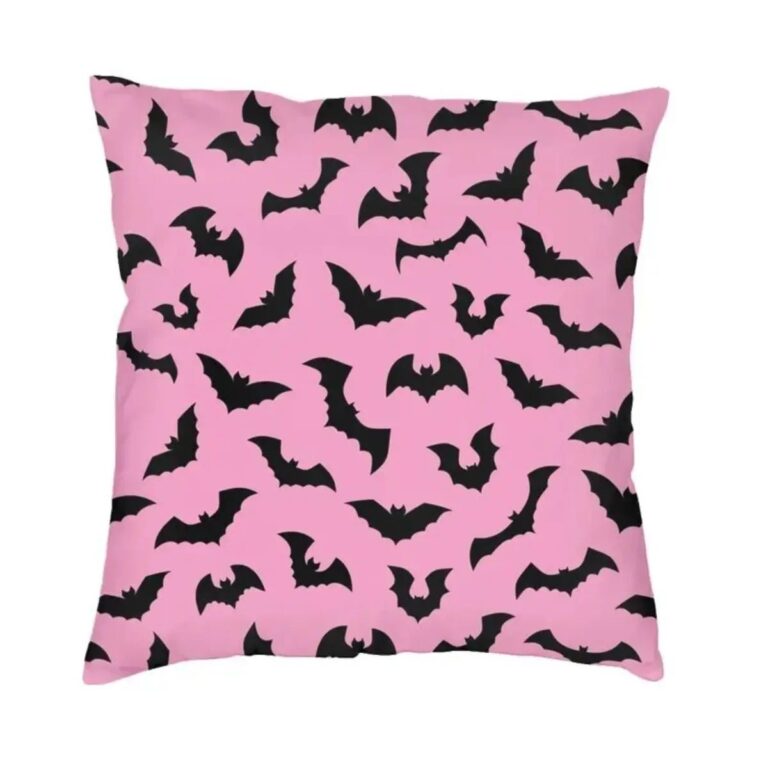
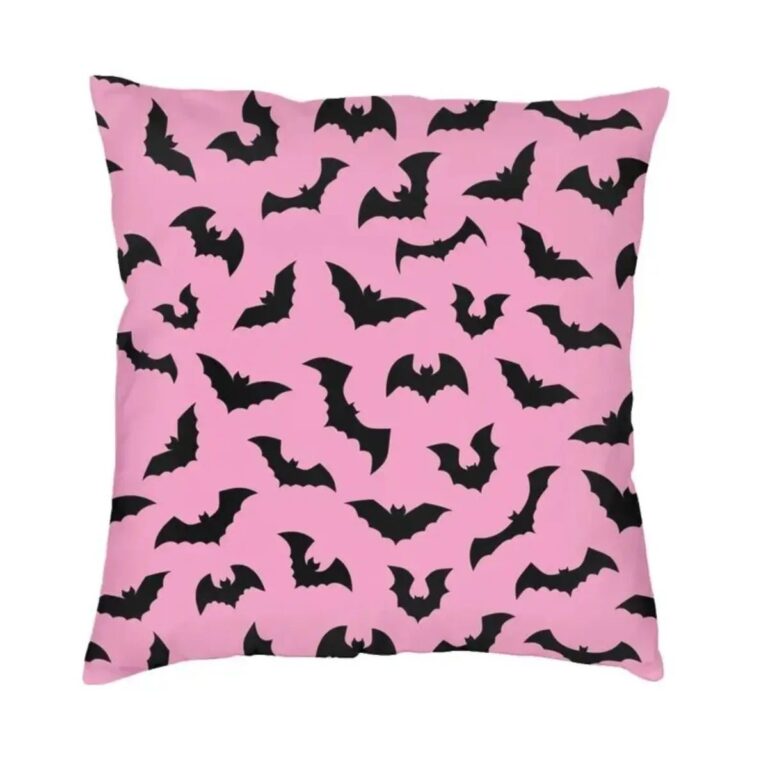 Aisha's pickPink Chair Covers That Don’t Shout About It
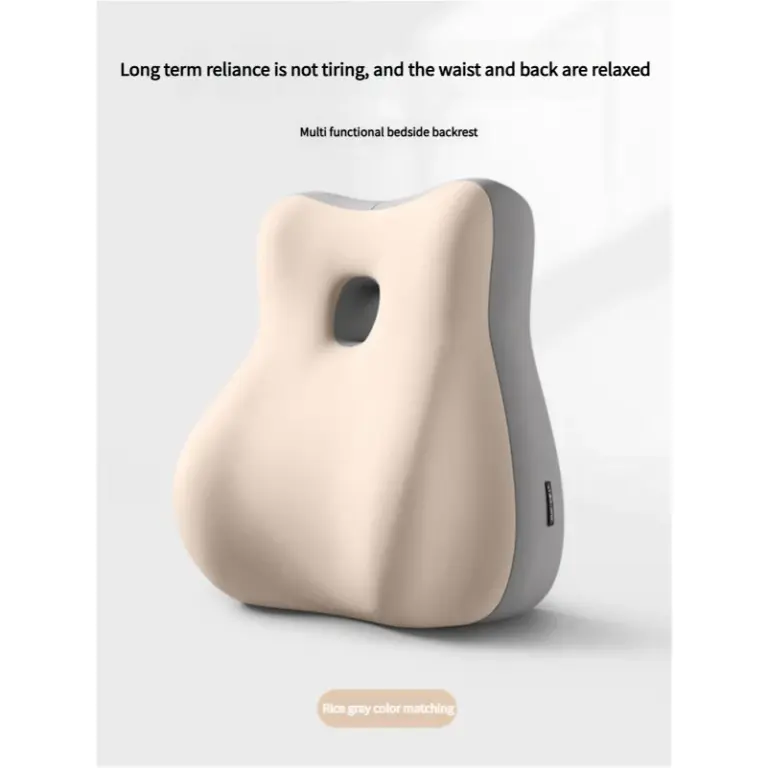
 Aisha's pickBlue Chair Covers With a Soft, Lived In Feel
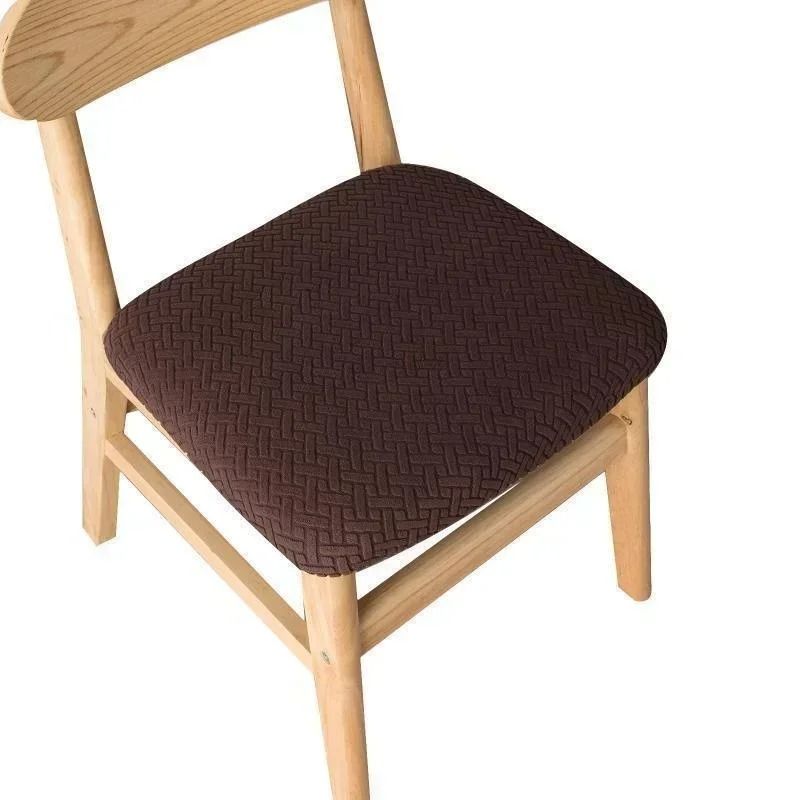
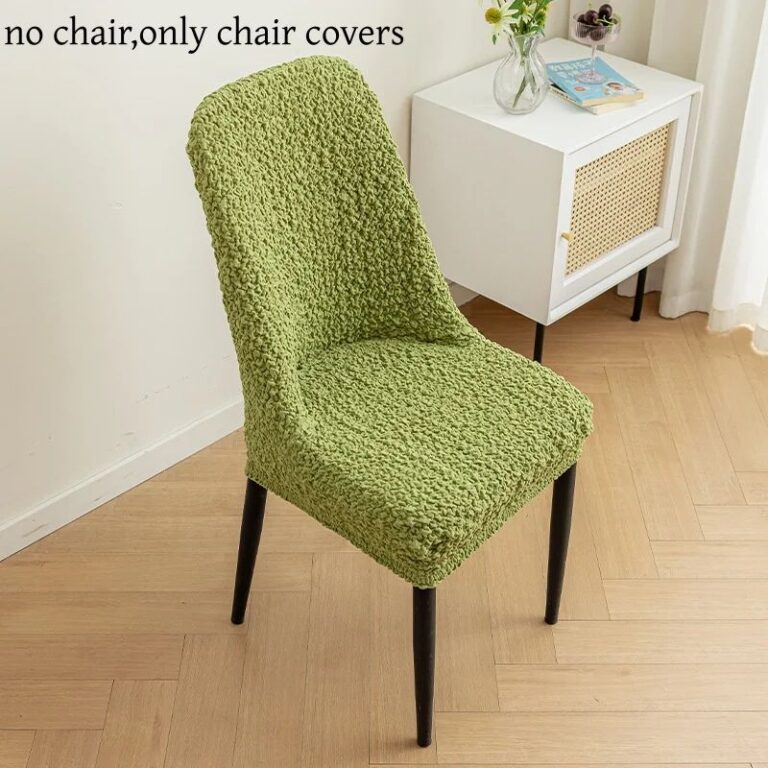 Aisha's pickRound Chair Covers You Won’t Want to Hide Away
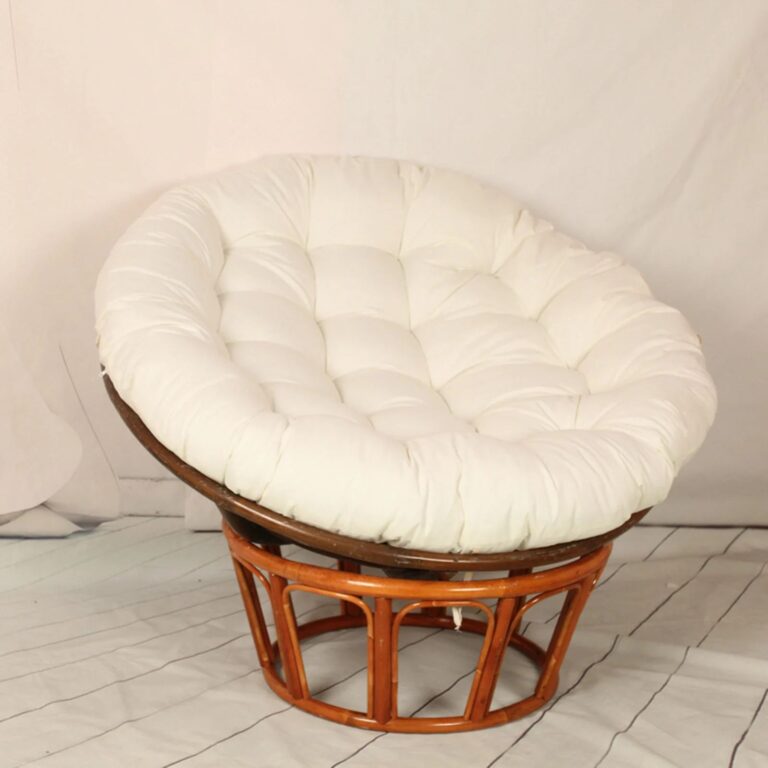
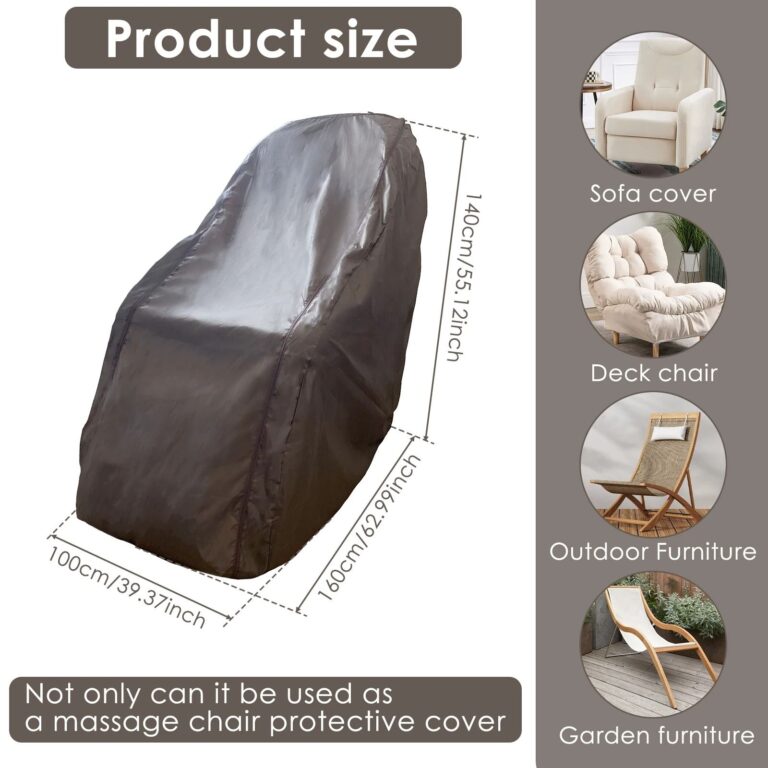 Aisha's pickChair Covers for Making a House Feel Like Yours
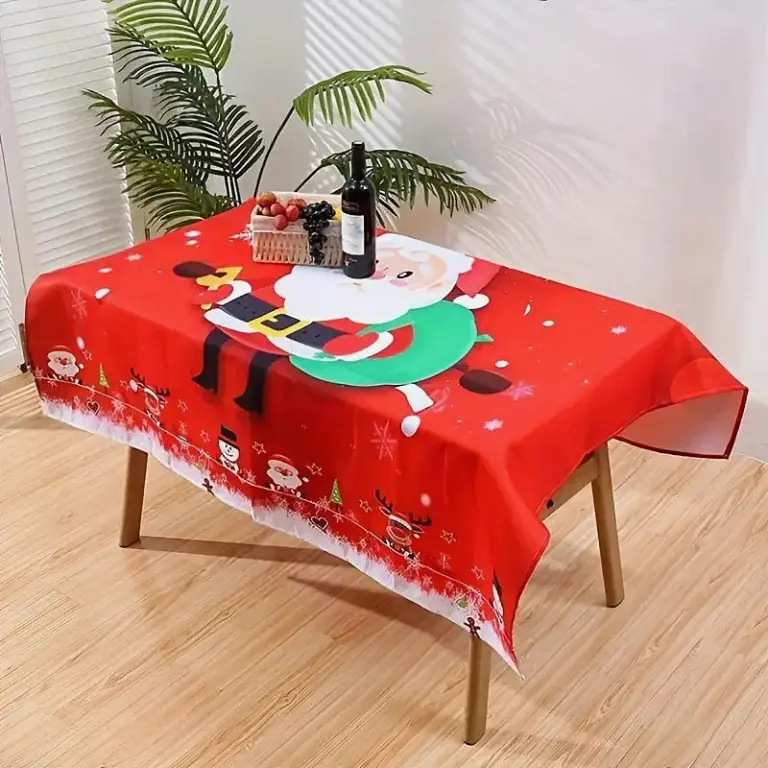
 Aisha's pickSmall Chair Covers That Don’t Need Babying

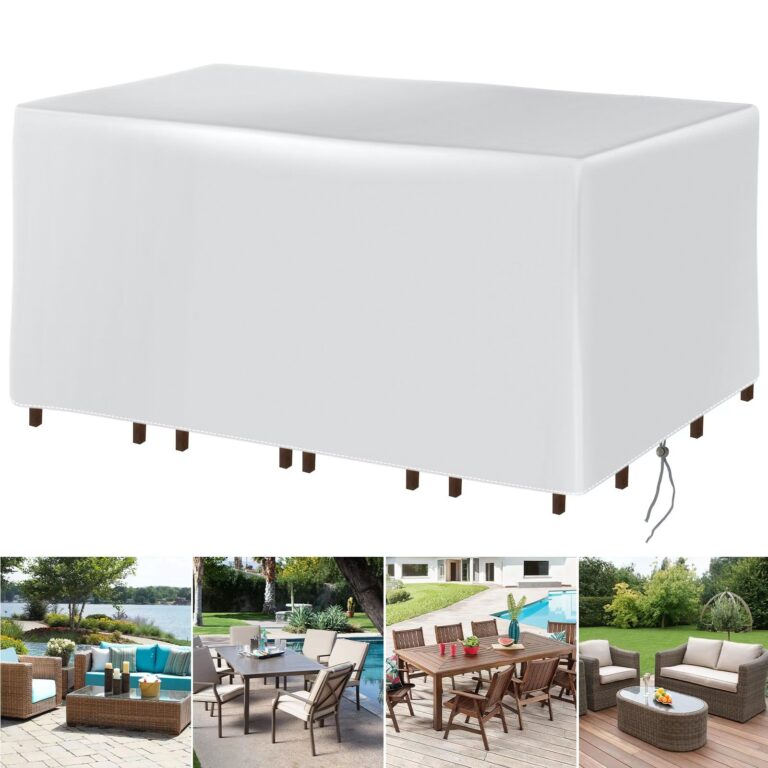 Aisha's pickChair Covers for Dining Table We’d Buy Again
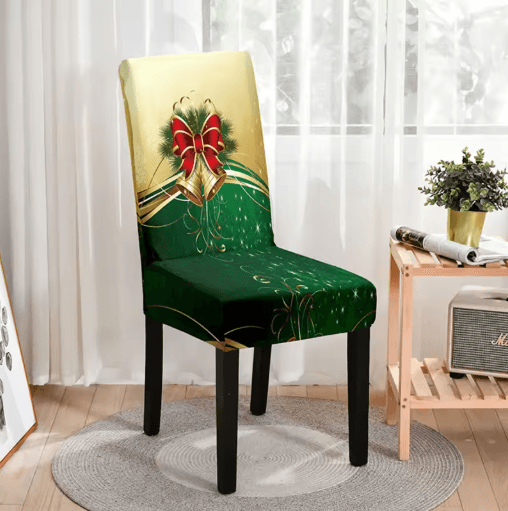
 Aisha's pickSquare Chair Covers With a Soft, Lived In Feel

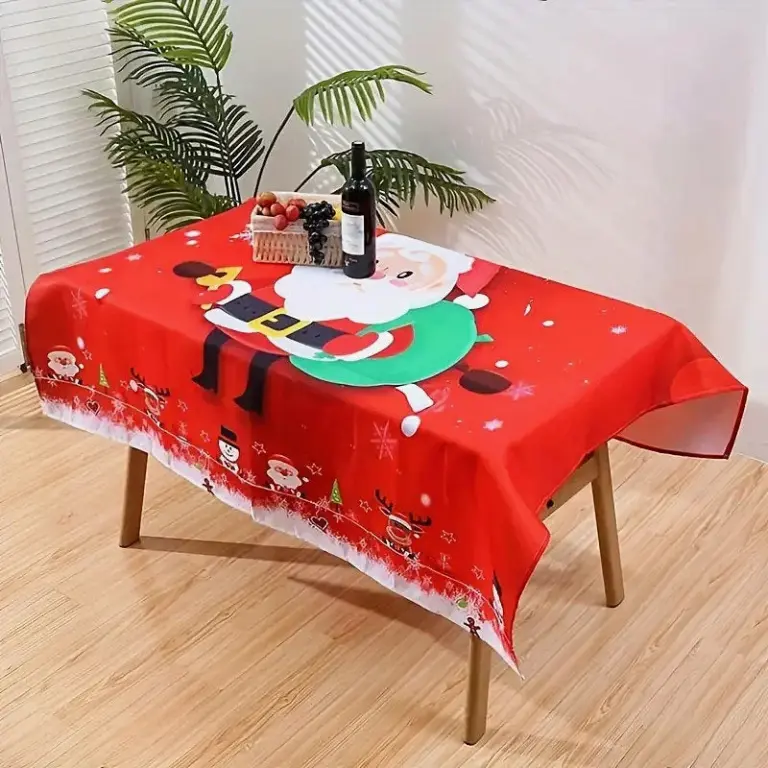 Aisha's pickChair Covers for Round Table From Brands You Know and a Few You Won’t
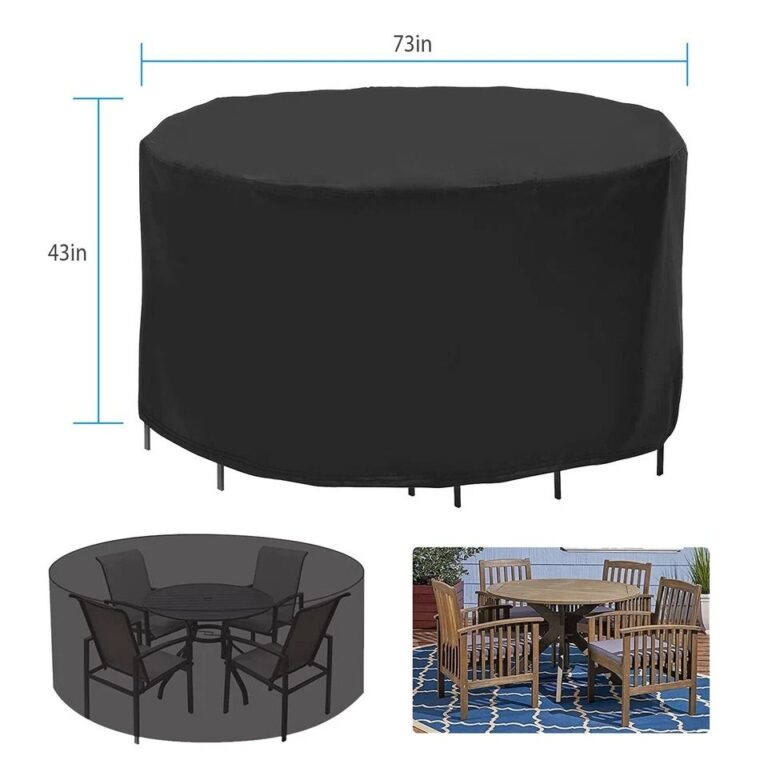
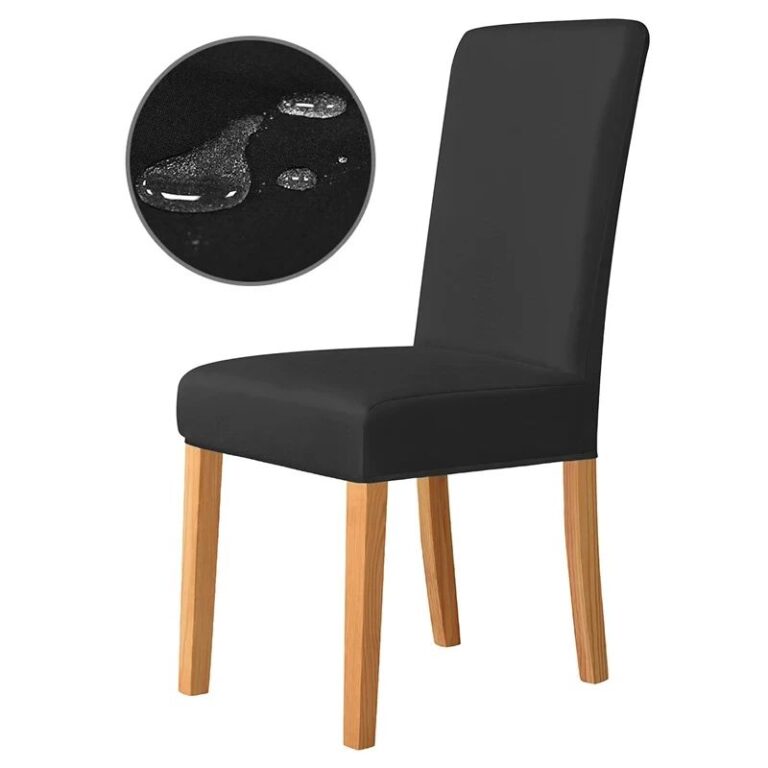 Aisha's pickStain Resistant Chair Covers That Look Good Up CloseAlso worth a lookSofa CoversMost people buy a sofa cover the way they buy a bandage, grab the first one that says…See the collections →
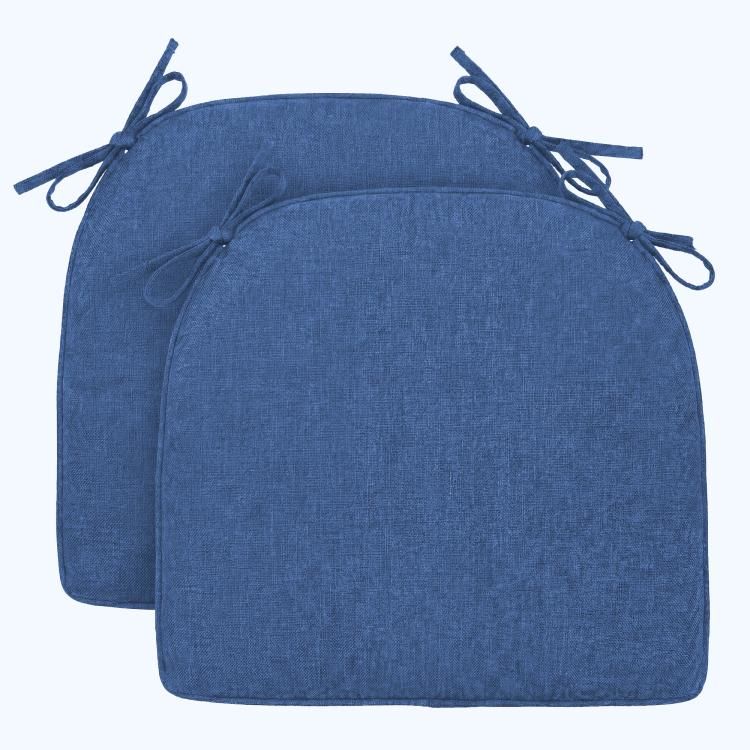
 Aisha's pickChair Covers with Ties You’ll Still Like in Five Years
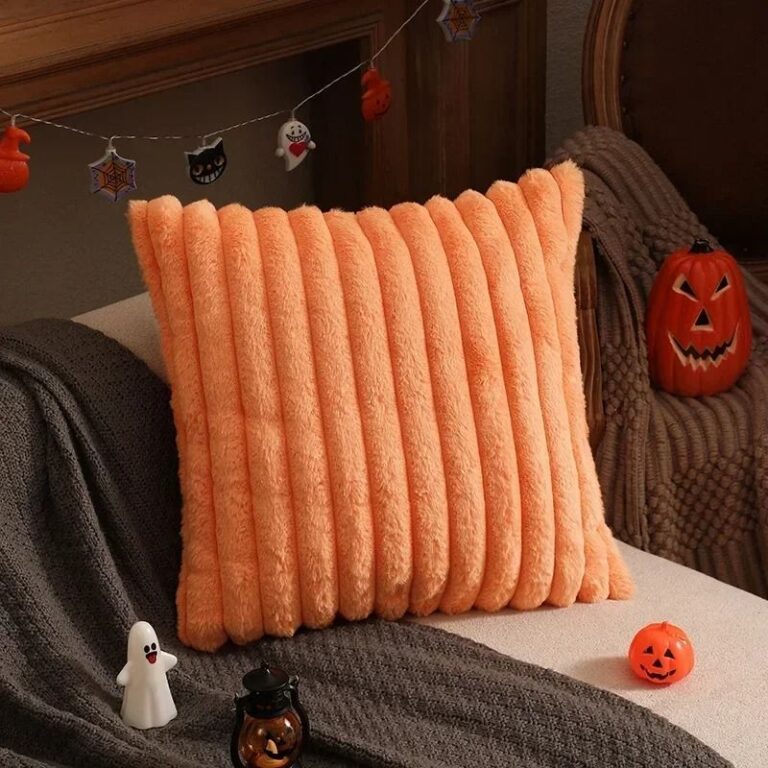 Aisha's pickStriped Chair Covers That Soften a Room
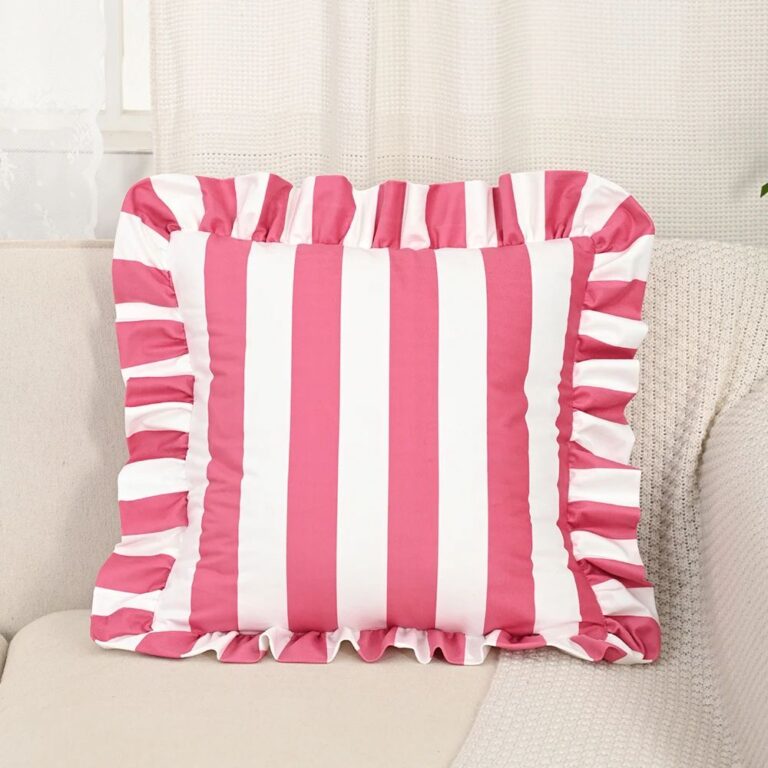
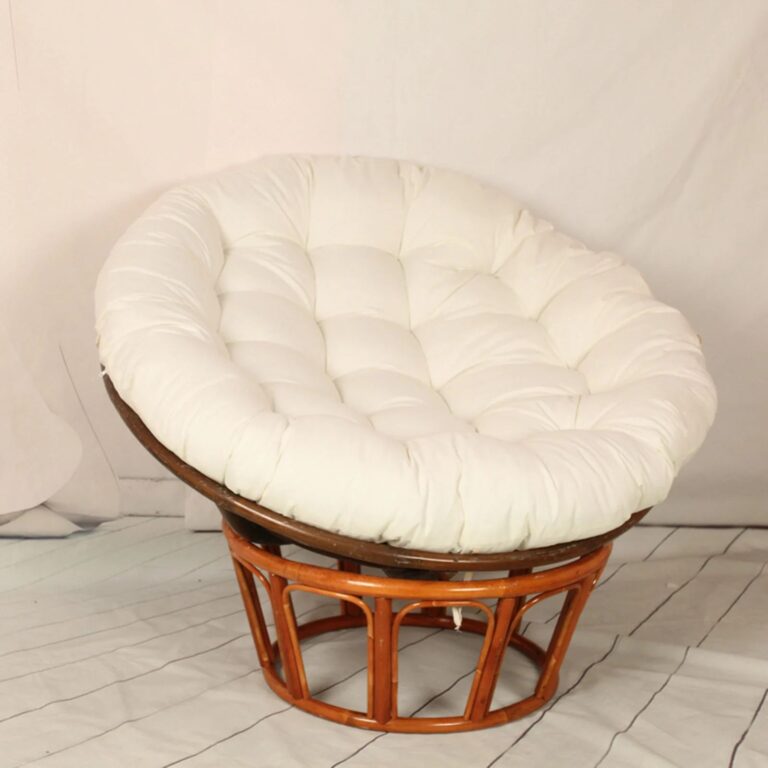 Aisha's pickCotton Chair Covers You’ll Want to Curl Up With

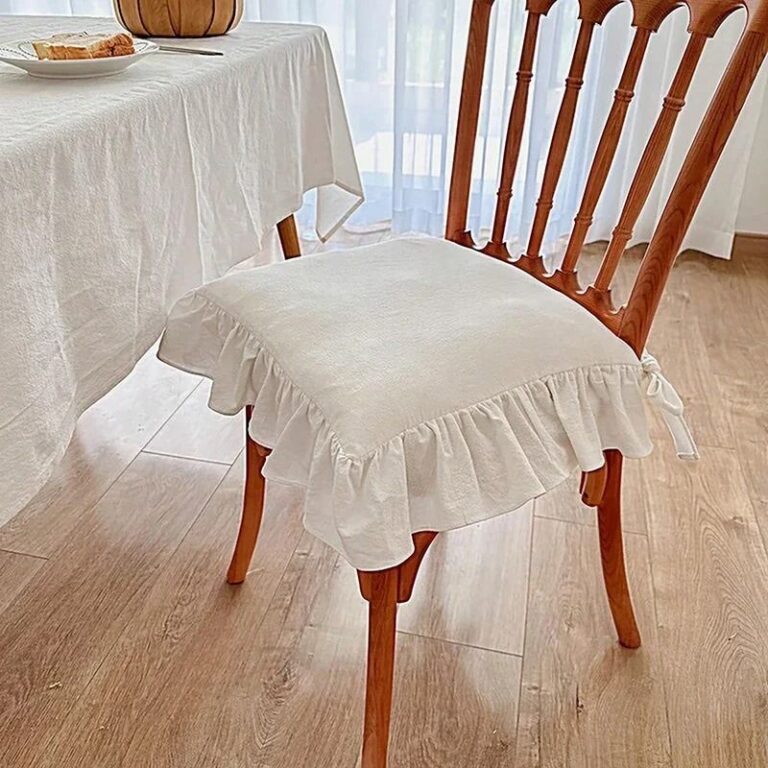 Aisha's pickWashable Chair Covers That Won’t Date in a Year
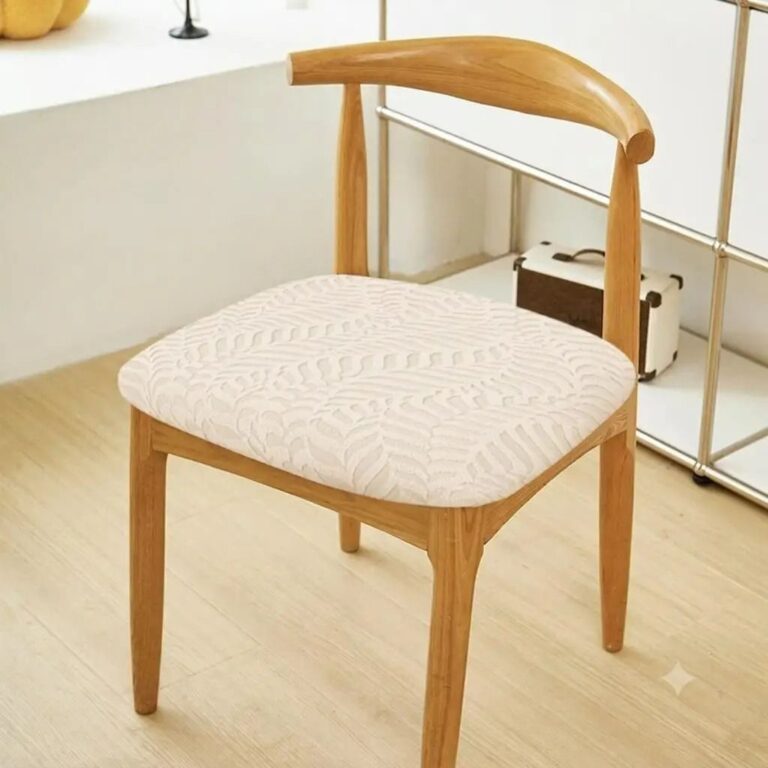
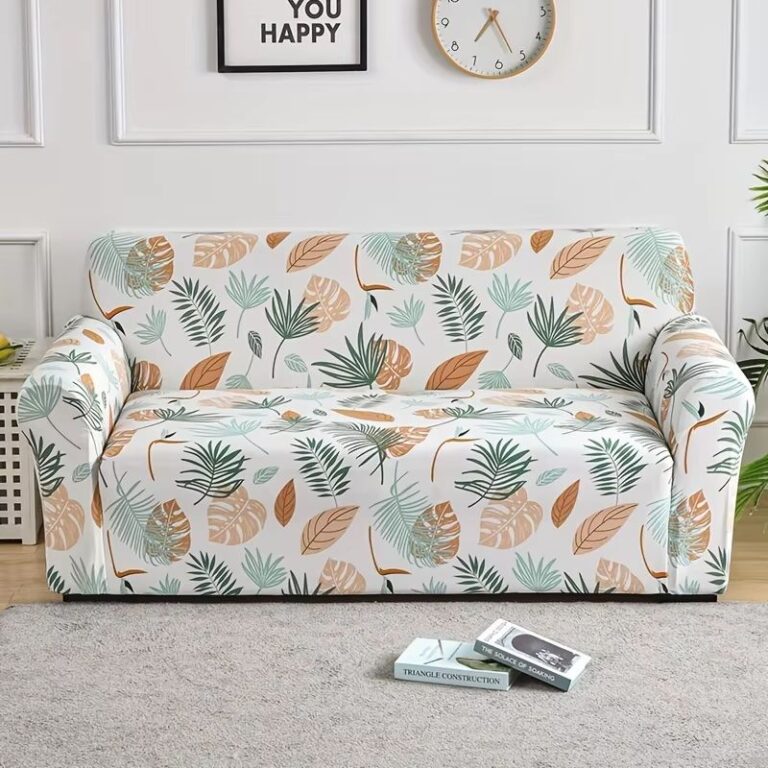 Aisha's pickFloral Chair Covers That Survive the Washing Machine
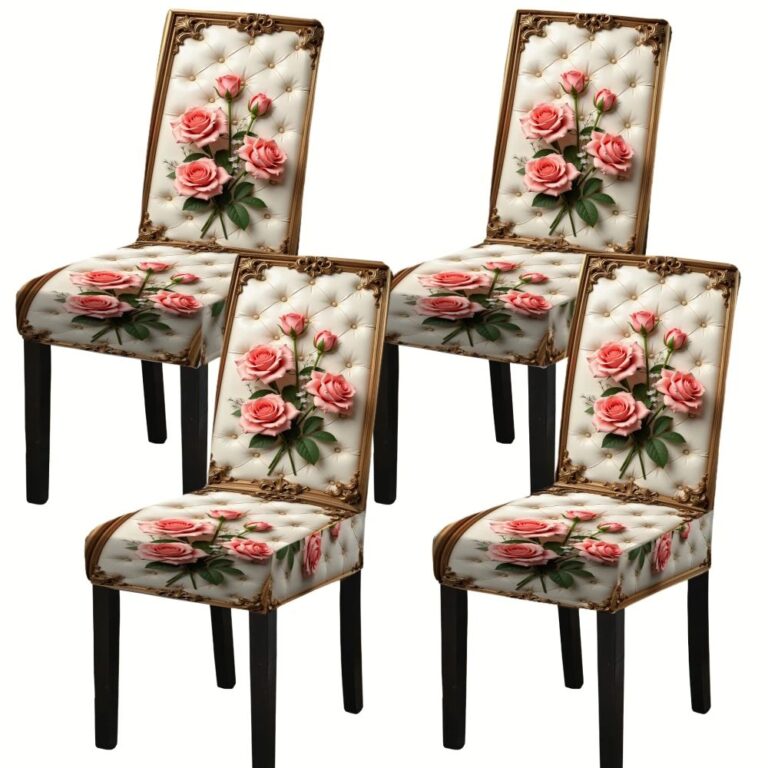
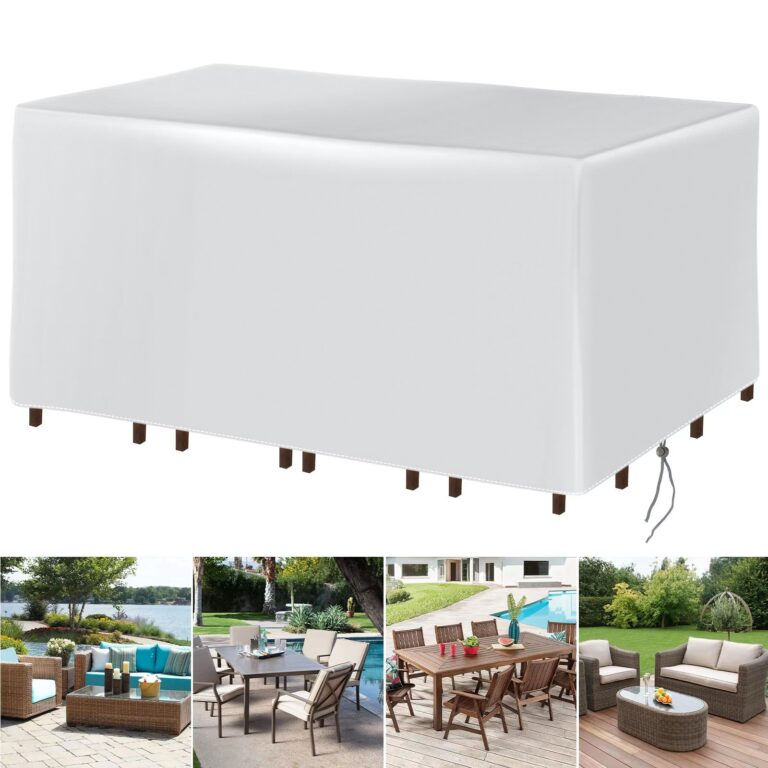 Aisha's pickWaterproof Chair Covers You Won’t Regret Buying
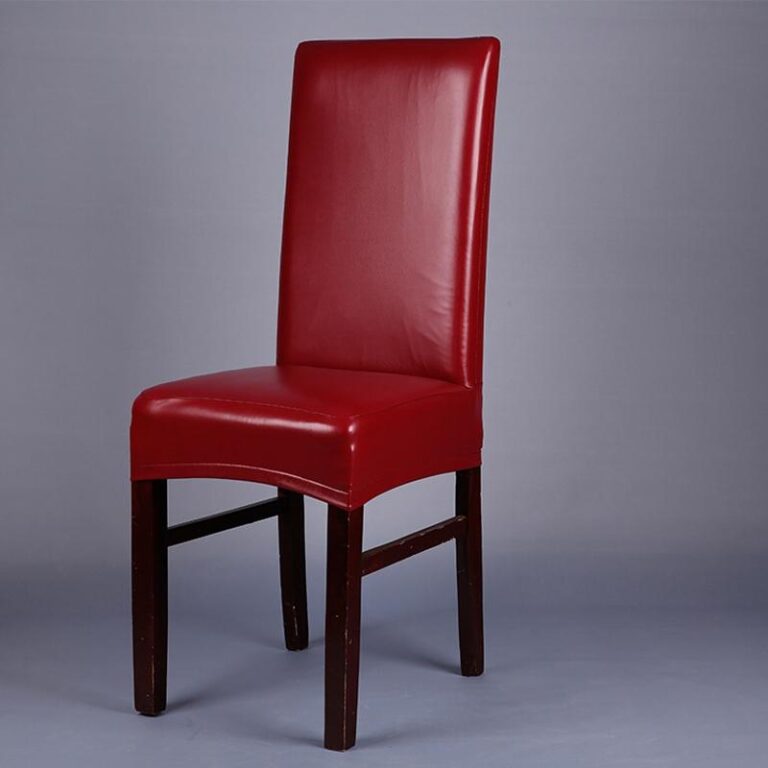
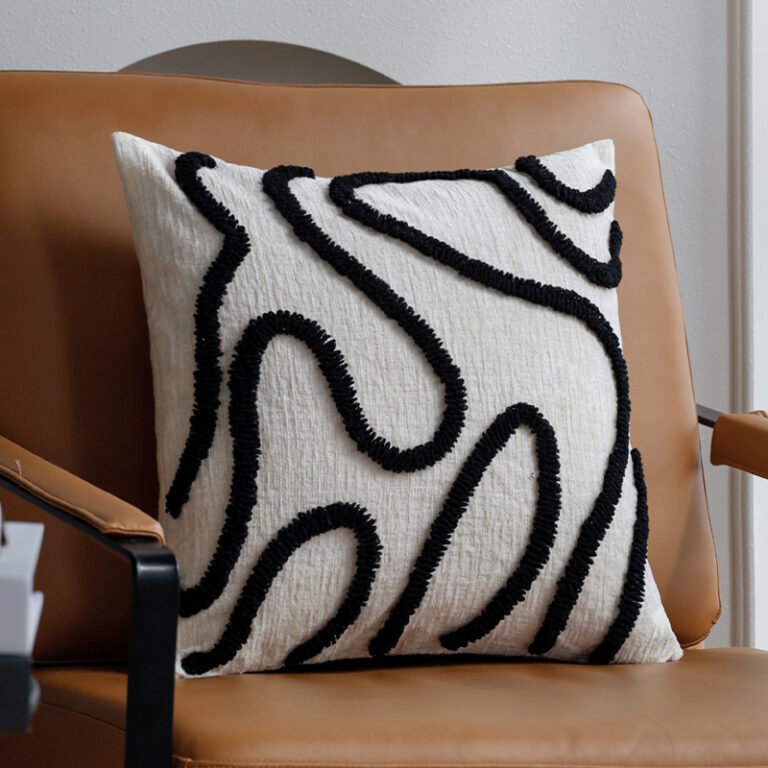 Aisha's pickGeometric Chair Covers That Keep Their Color Wash After Wash
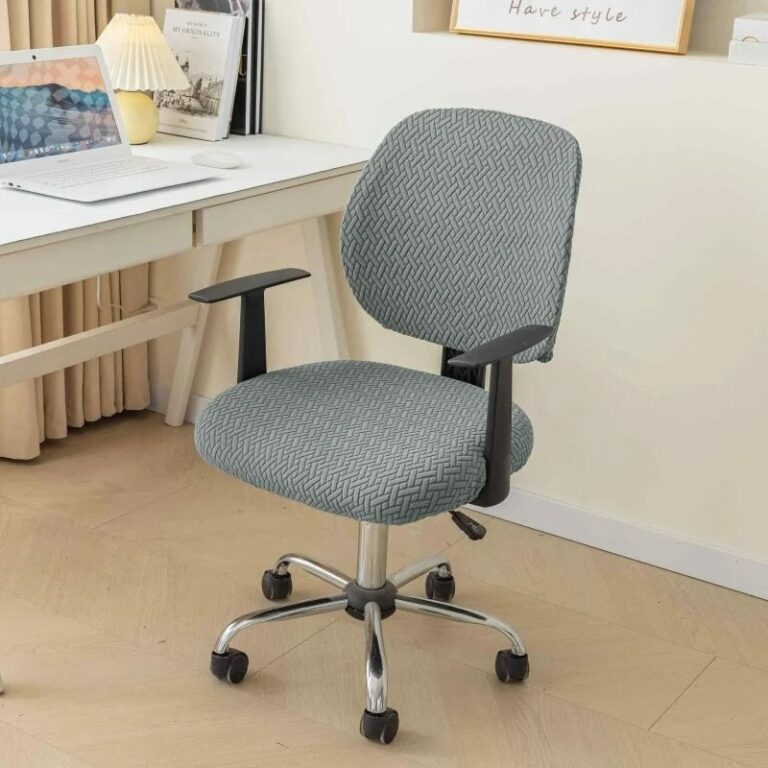
 Aisha's pickWhite Chair Covers That Feel as Good as They Look
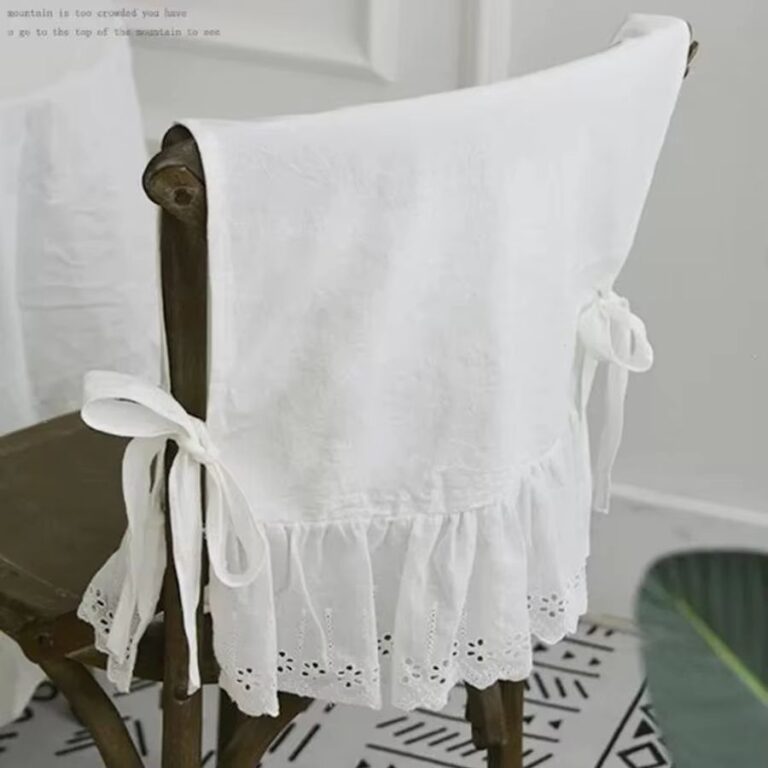
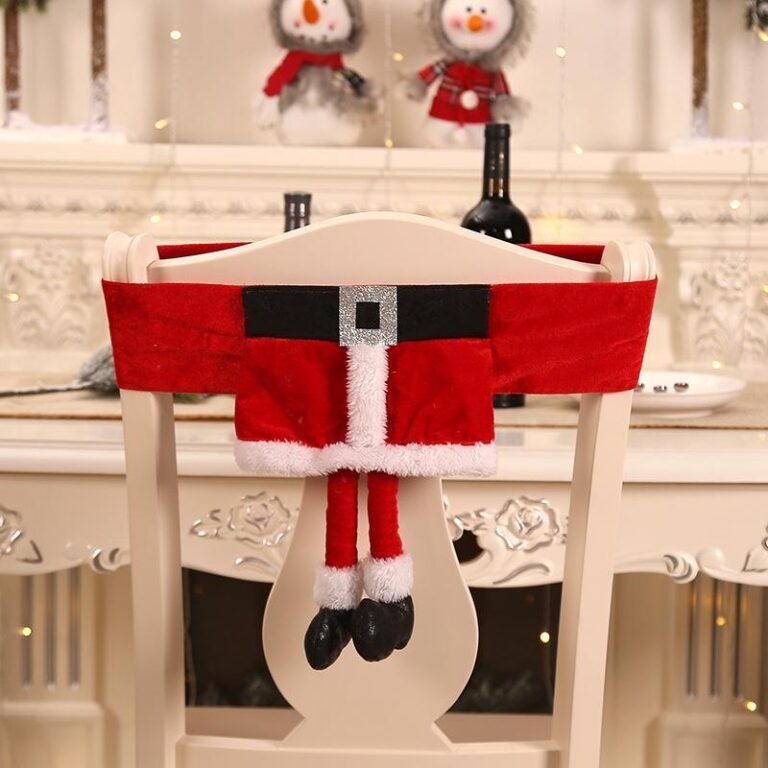 Aisha's pickGreen Chair Covers Pulled From Dozens of StoresAlso worth a lookDuvet CoversThere is a particular moment, somewhere around the second cup of coffee, when you glance back at an…See the collections →