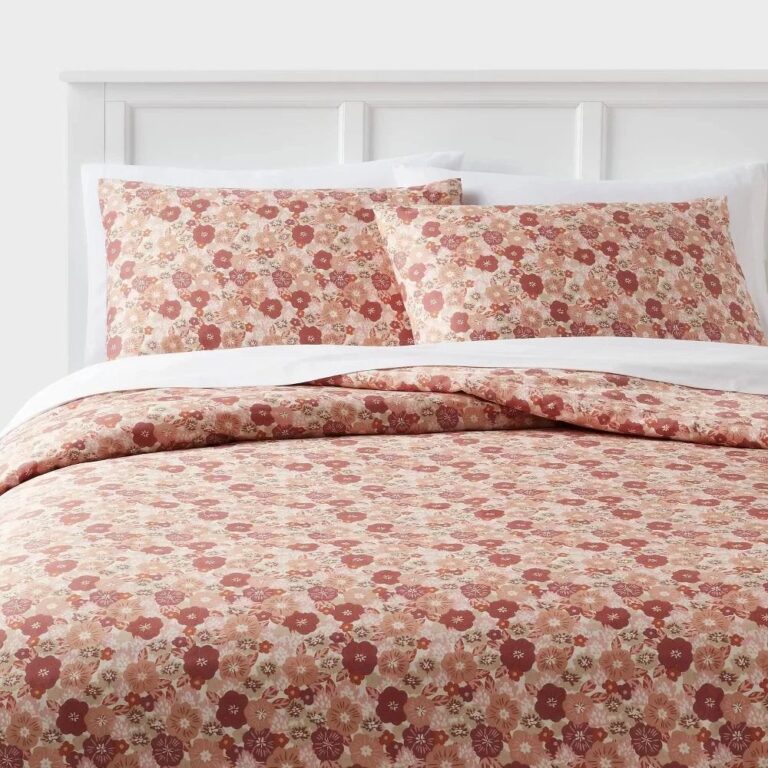
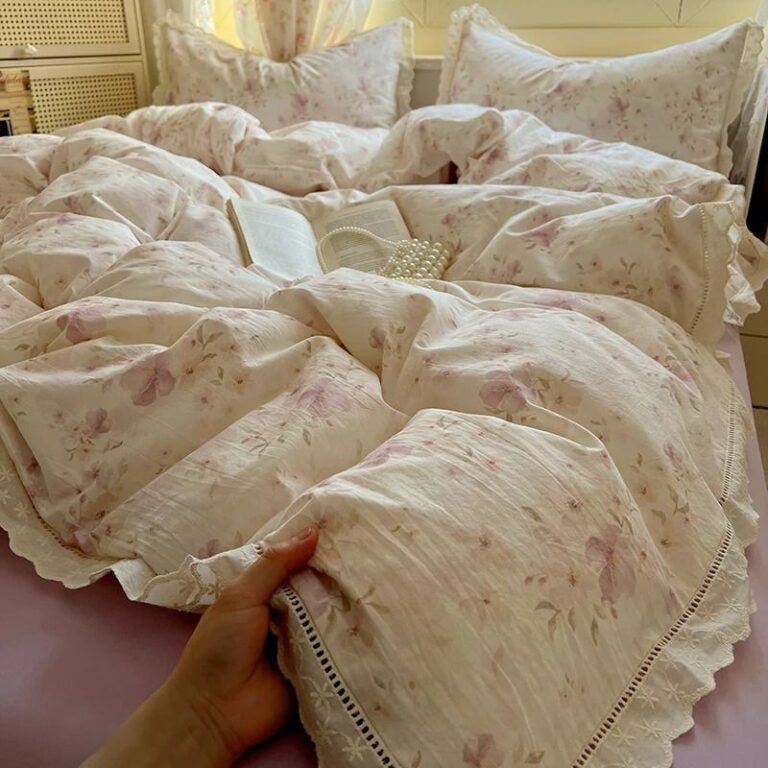
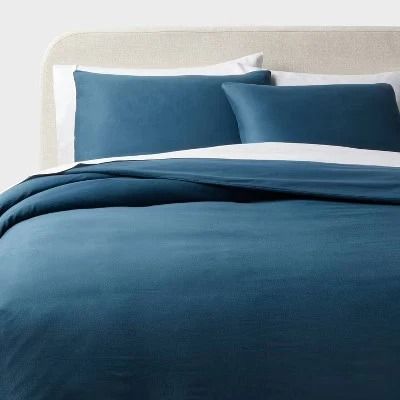
There is a particular moment, somewhere around the second cup of coffee, when you glance back at an unmade bed and the cover alone makes the whole room look pulled together, even if the rest of the house is a mess of laundry and shoes by the door. That is the quiet job a good duvet cover does. It is not the mattress or the pillows doing the heavy lifting, it is the layer you actually see every morning and every night, so it is worth caring about more than it usually gets credit for.
Cotton softens with every wash and gets better for a couple of years before it starts to thin, so do not panic the first time it comes out of the dryer looking slightly less crisp than the day it arrived, that is just it settling in. Linen does something similar but faster, and it is meant to look a little rumpled, so skip the iron entirely and let it do its own thing. Wash on a gentle cycle, skip the fabric softener since it coats the fibers and cuts down on breathability, and dry on low heat if you can, since high heat is what actually ages cotton and linen before their time, not the washing itself. A cover that is cared for this way will outlast several mattress changes, easily.
When it arrives, or when you are holding one in a shop, run your hand across the whole surface, not just the corner they leave out on display. You are feeling for consistent weight and a weave that does not feel thin or papery in patches. Check the corner ties or buttons closed, since loose ties are the main reason a duvet insert bunches up into one lump by morning, and count the button spacing if there is a closure, more buttons means less shifting over months of use. Give the seams a light tug too, a well finished cover will not pucker or strain at the stitching.
For colors that stay easy to live with, I would steer toward soft neutrals, warm whites, oatmeal, pale gray, or a muted clay, since these hide the inevitable fading from sun and washing far better than anything bold or dark. A deep navy or charcoal looks wonderful for about a year and then shows every wash line at the seams. White work shirts and good duvet covers share that problem, bleach and bright light are not kind to either one. These quieter shades also pair with almost any wood tone or wall color, which matters if you repaint more often than you replace bedding.
This kind of cover suits almost any bedroom, year round, but it earns its place most in homes where the bed is the main event of the room, whether that is a small apartment with little space for much else or a guest room that needs to feel finished without much effort. I think a good one is worth choosing carefully and keeping for years, not swapping out every season.

 Aisha's pickGreen Duvet Covers for When the Old Ones Give Up

 Aisha's pickHotel Duvet Covers With a Bit More About Them

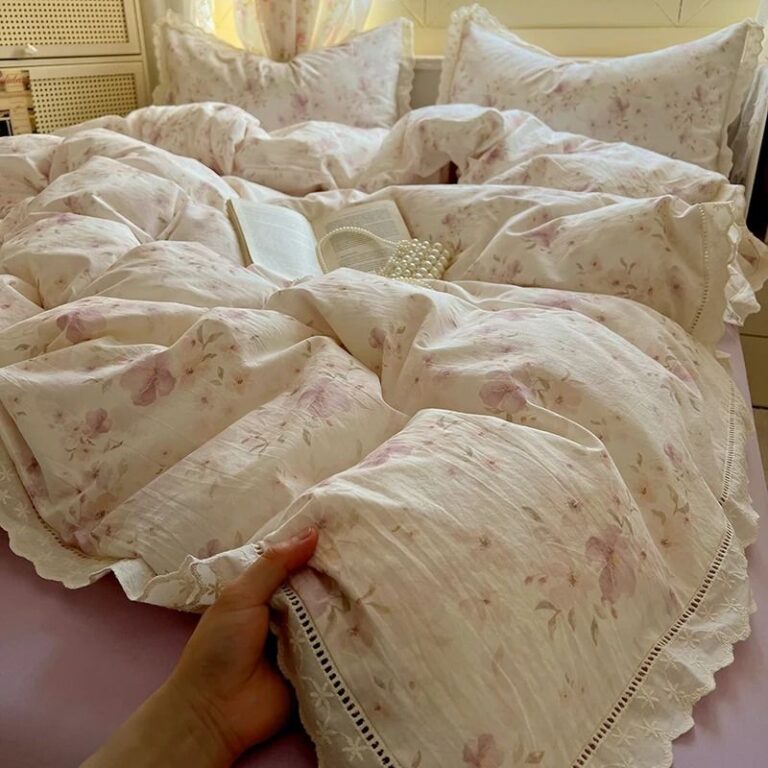 Aisha's pickKing Duvet Covers Hunted Down So You Don’t Have To
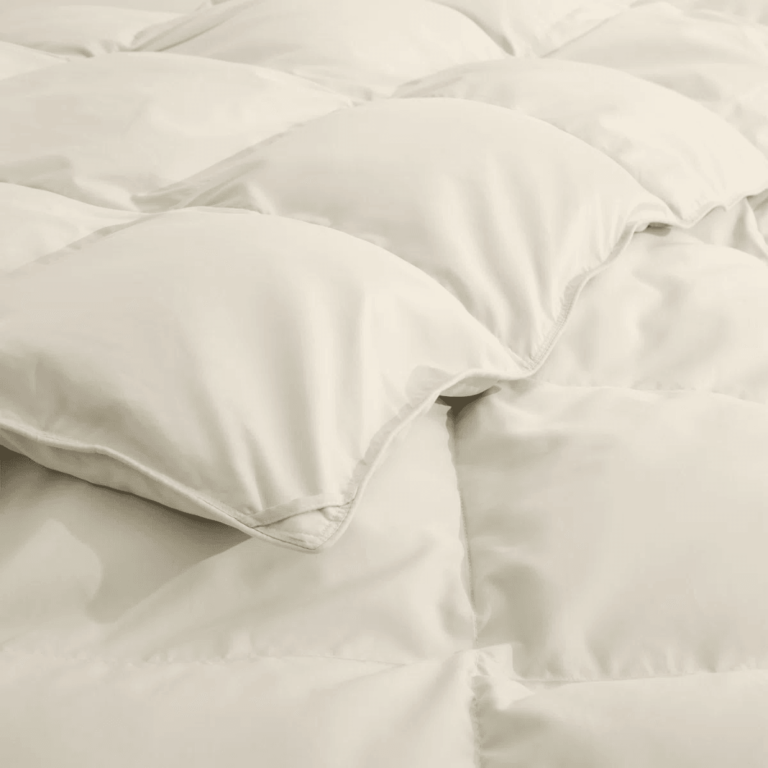
 Aisha's pickShopping for King Size Duvet Covers? Start Here
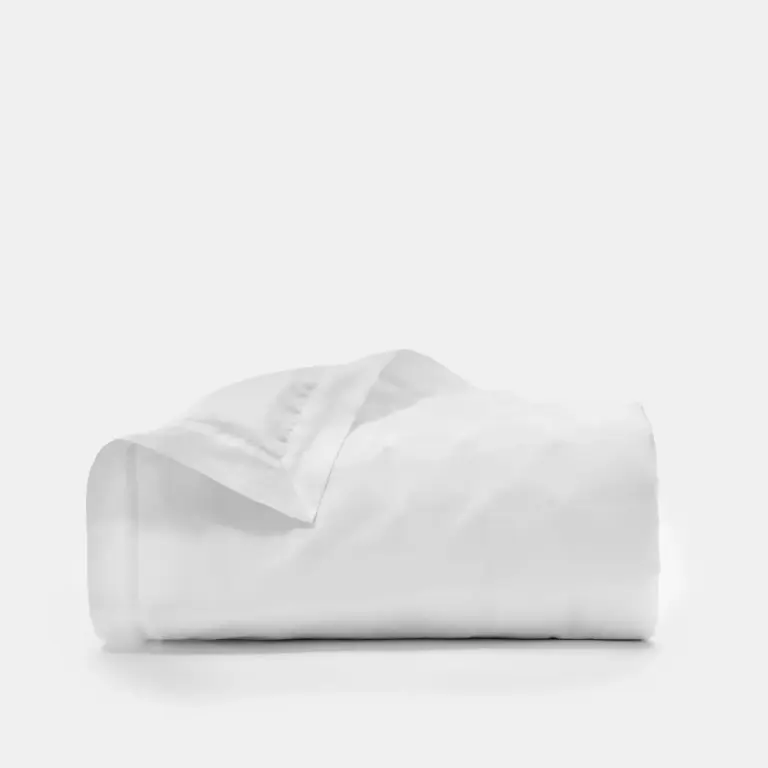
 Aisha's pickOur Shortlist of Linen Duvet Covers

 Aisha's pickDecent Luxury Duvet Covers Without the Hassle

 Aisha's pickModern Duvet Covers That Soften a Room

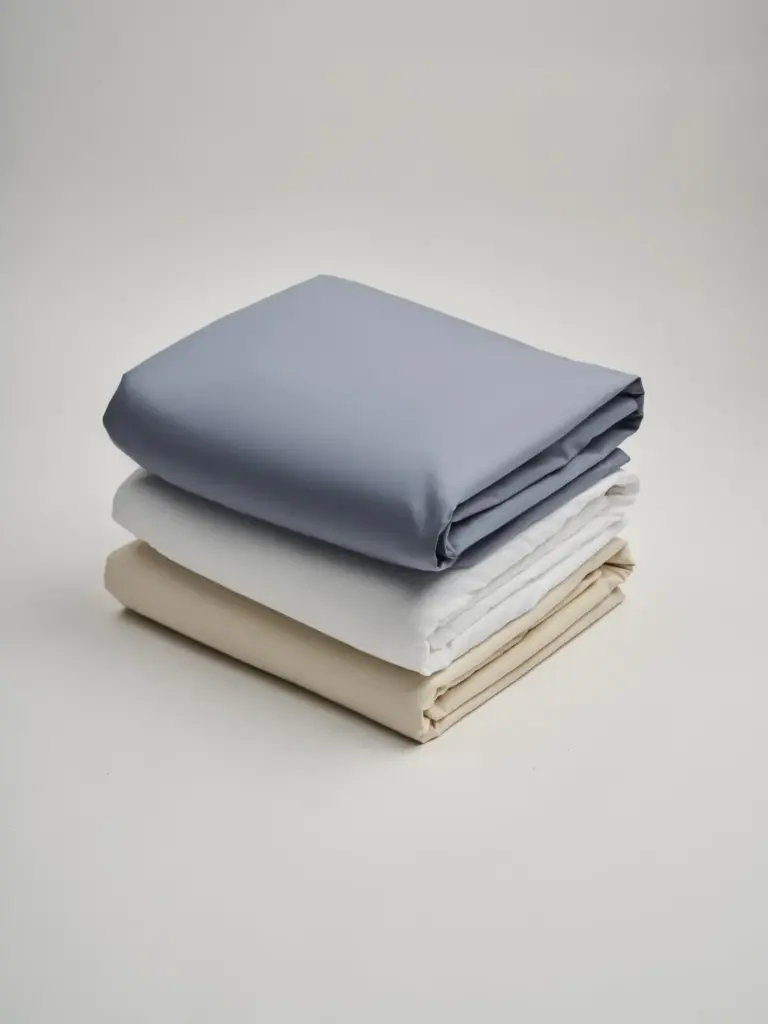 Aisha's pickOrganic Cotton Duvet Covers That Keep Their Color Wash After Wash
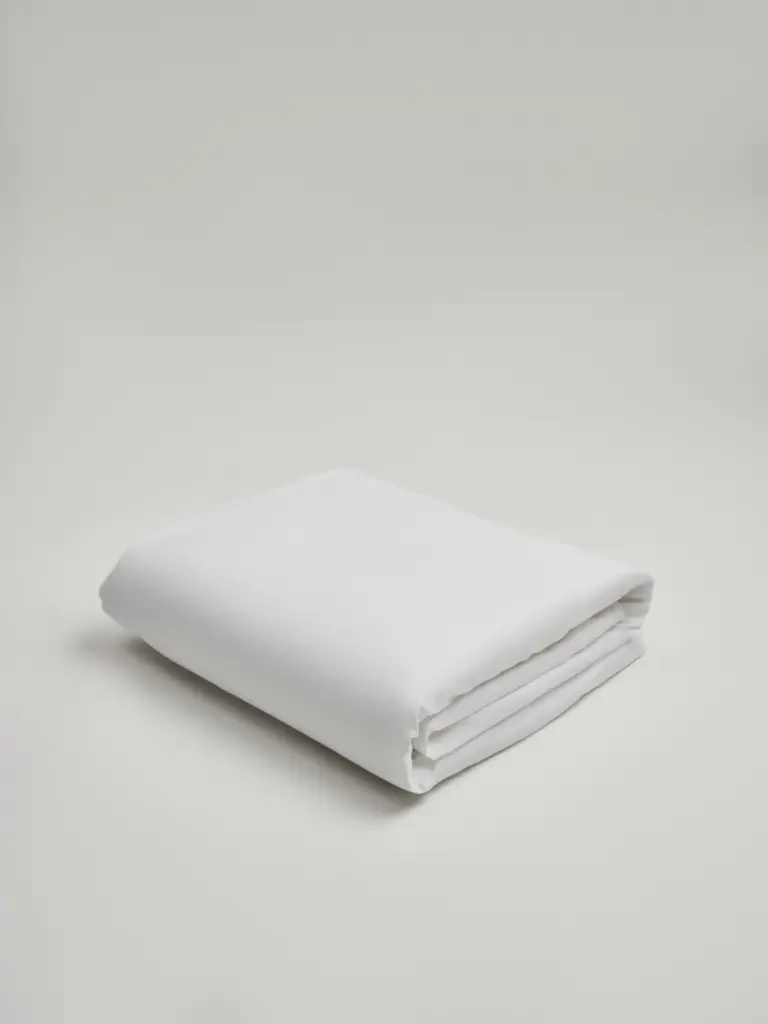
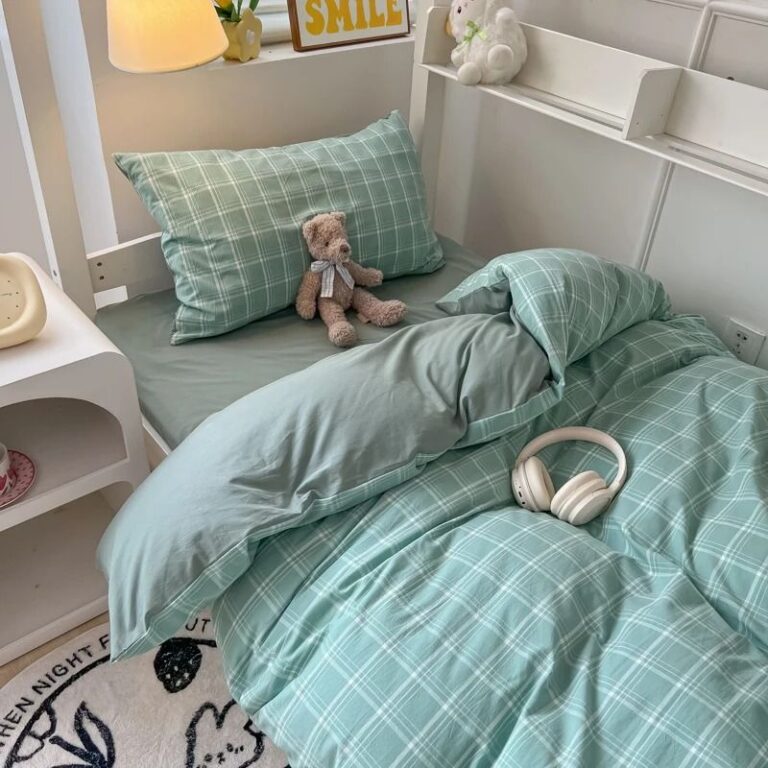 Aisha's pickQueen Duvet Covers for When the Old Ones Give UpAlso worth a lookPillow CoversThe question I get most is whether it's worth buying new covers or just buying new pillows, and…See the collections →
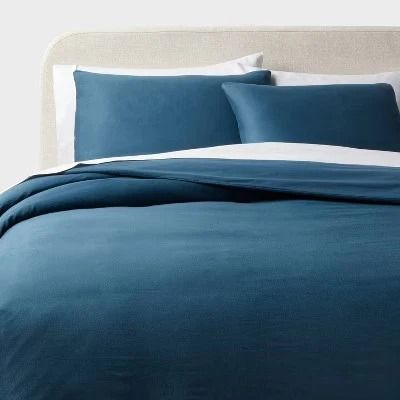
 Aisha's pickSimple Bamboo Duvet Covers Done Well

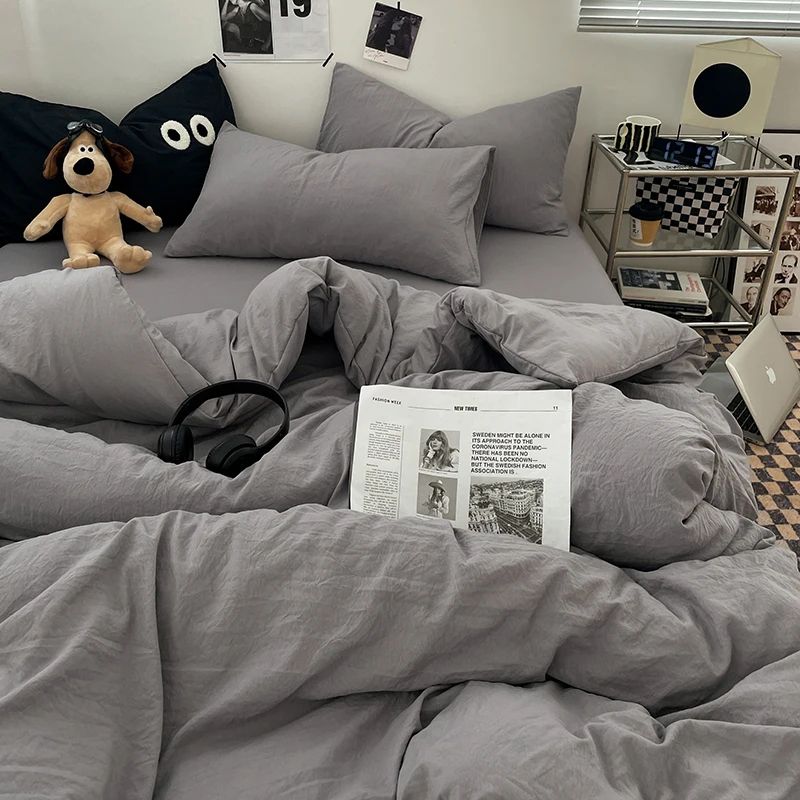 Aisha's pickQueen Size Duvet Covers That Make Rented Places Feel Like Home
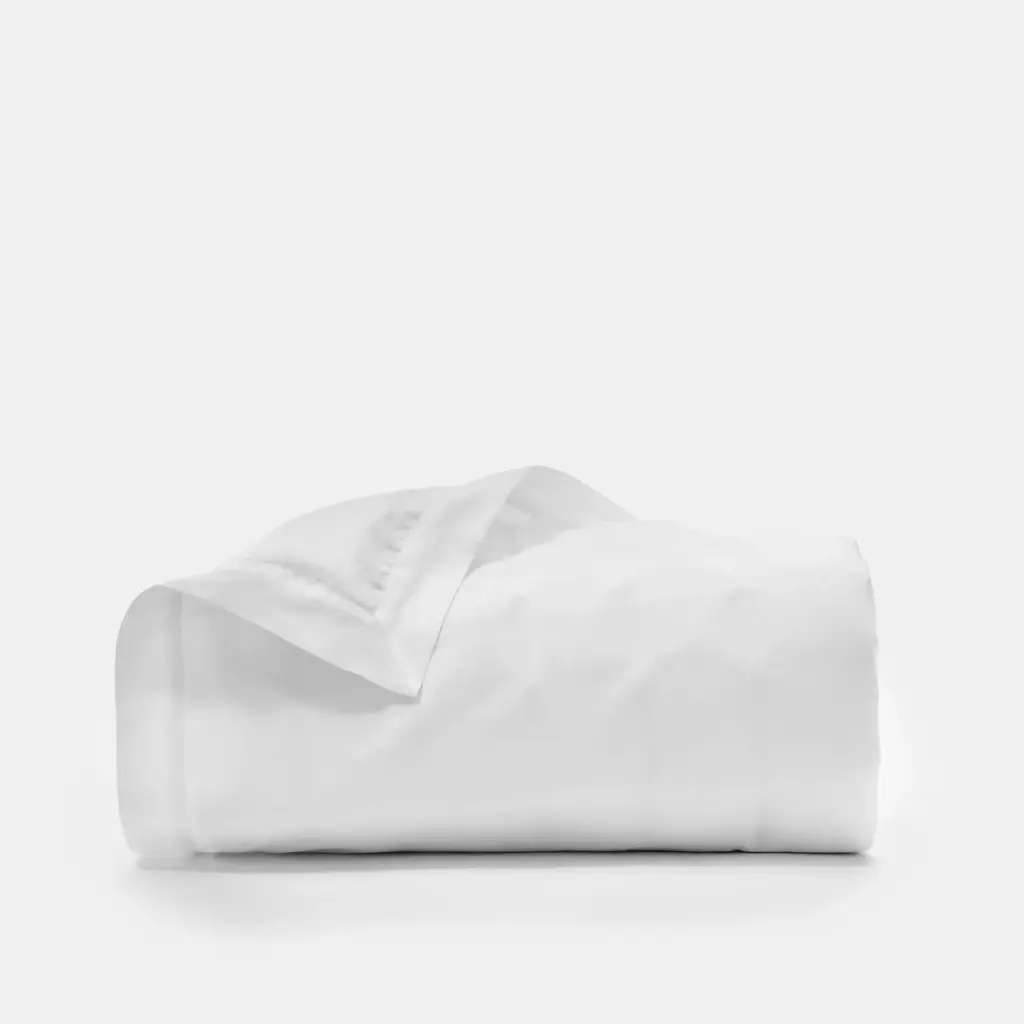
 Aisha's pickCotton Duvet Covers for Adding Color Without Painting
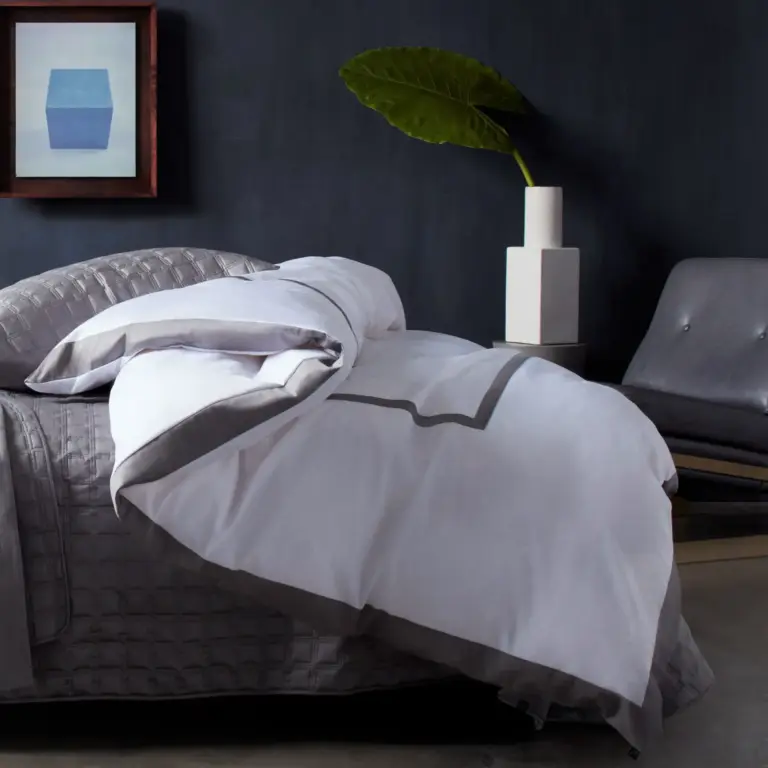
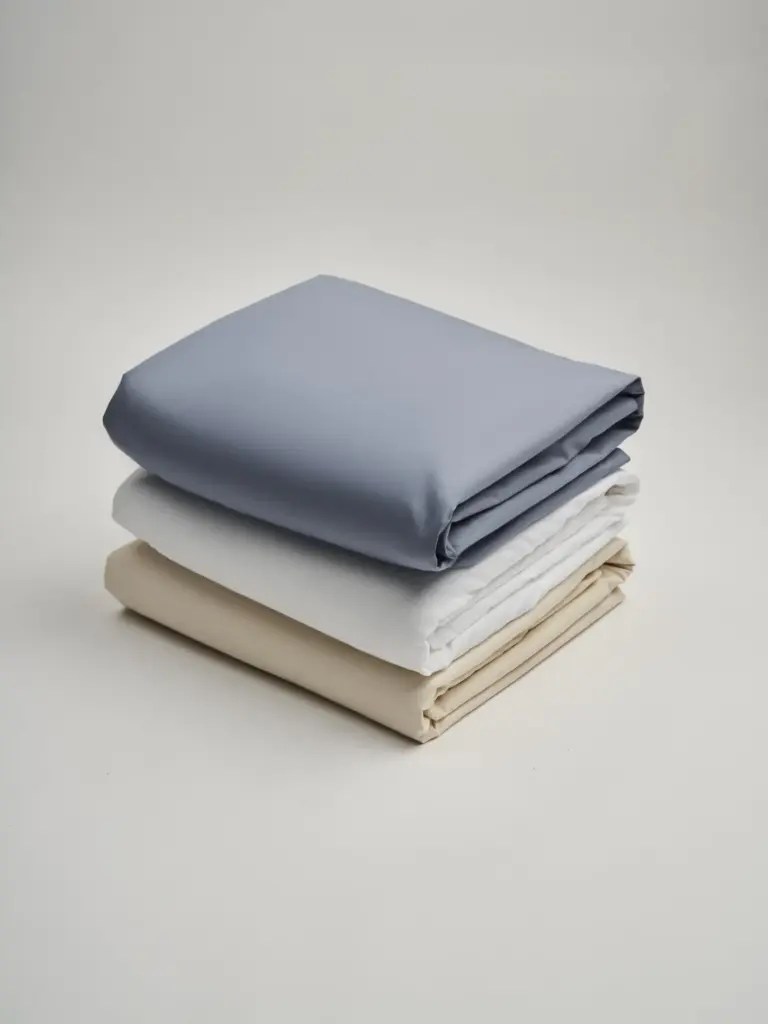 Aisha's pickSingle Duvet Covers for Making a House Feel Like Yours

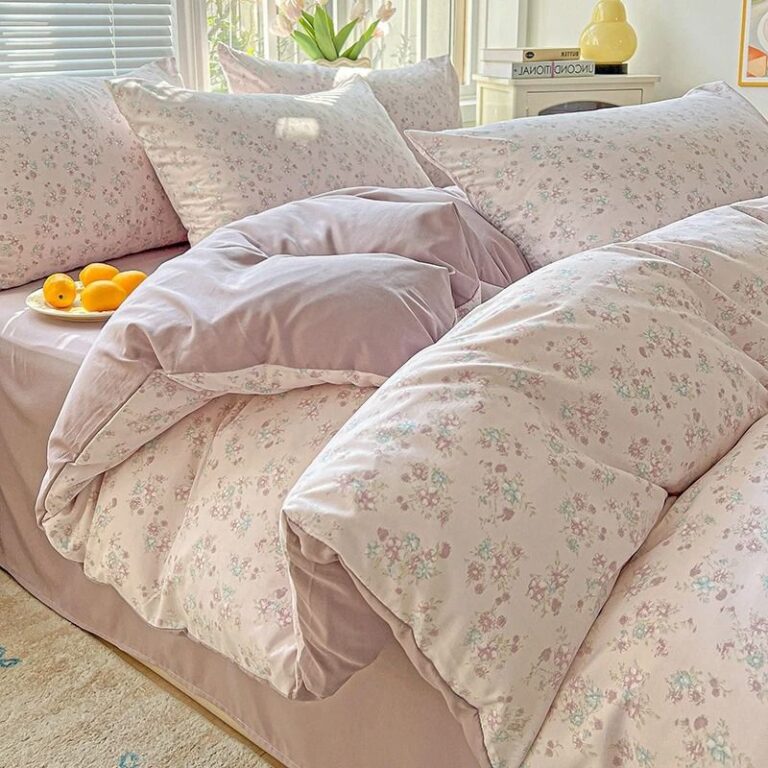 Aisha's pickDouble Duvet Covers We Swap Around With the Seasons

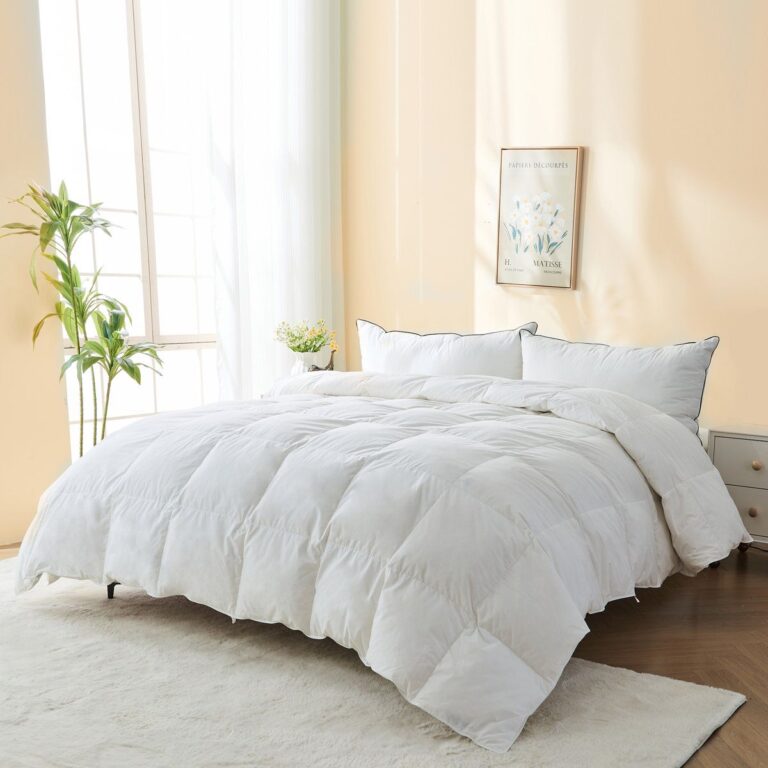 Aisha's pickWhite Duvet Covers for Adding Color Without Painting
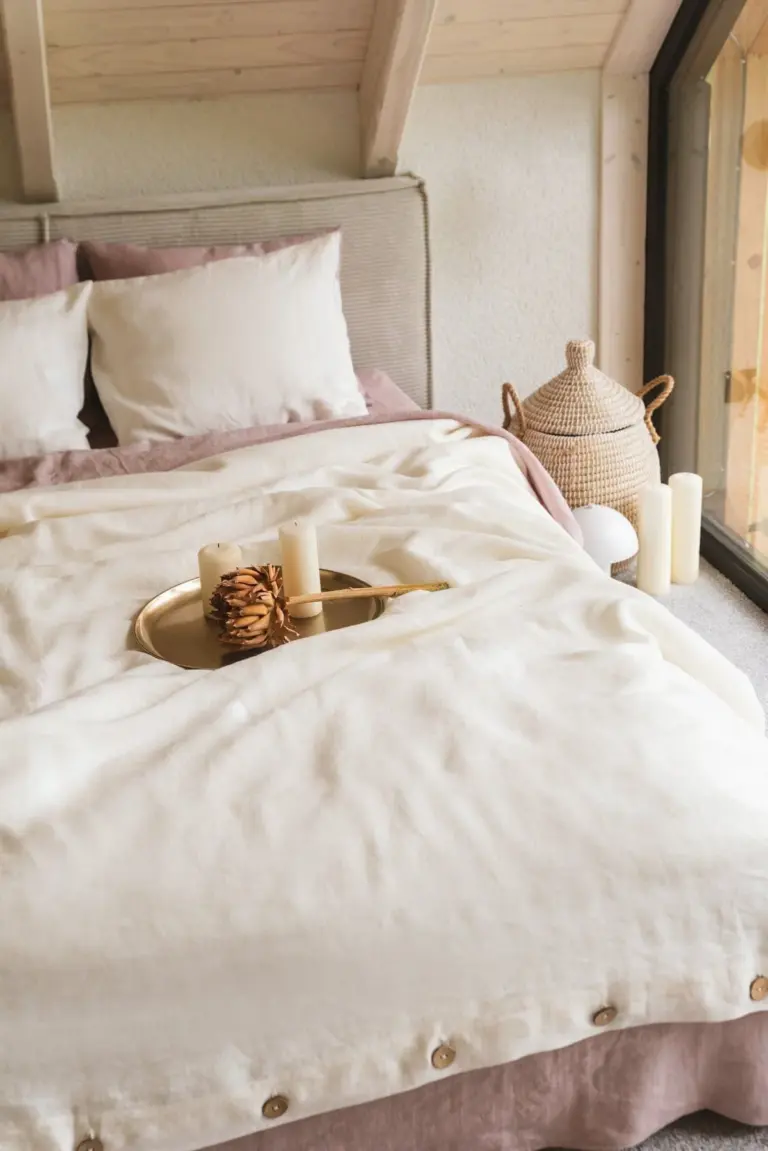
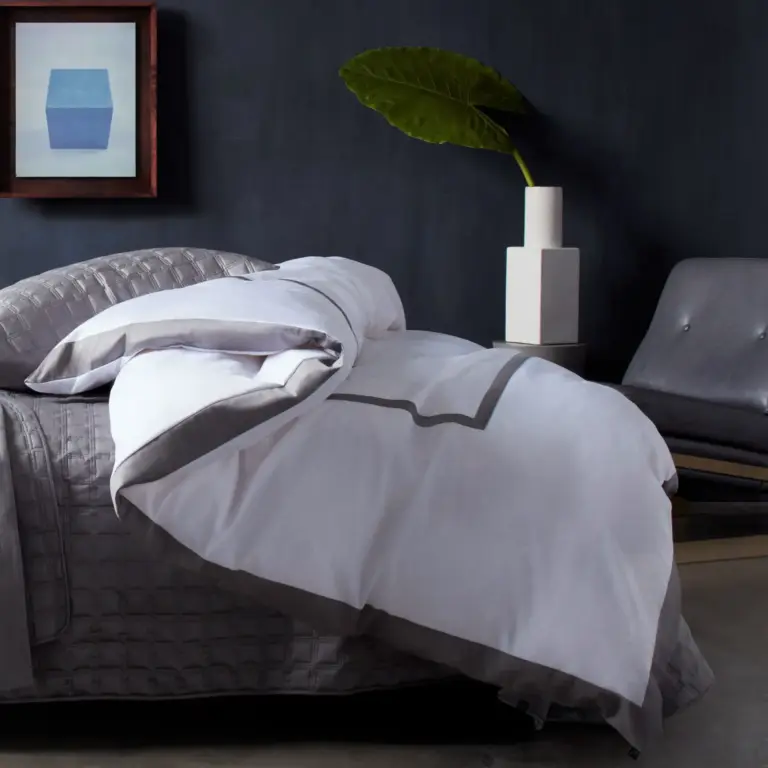 Aisha's pickDuvet Covers That Fit Into Real LifeAlso worth a lookSofa CoversMost people buy a sofa cover the way they buy a bandage, grab the first one that says…See the collections →