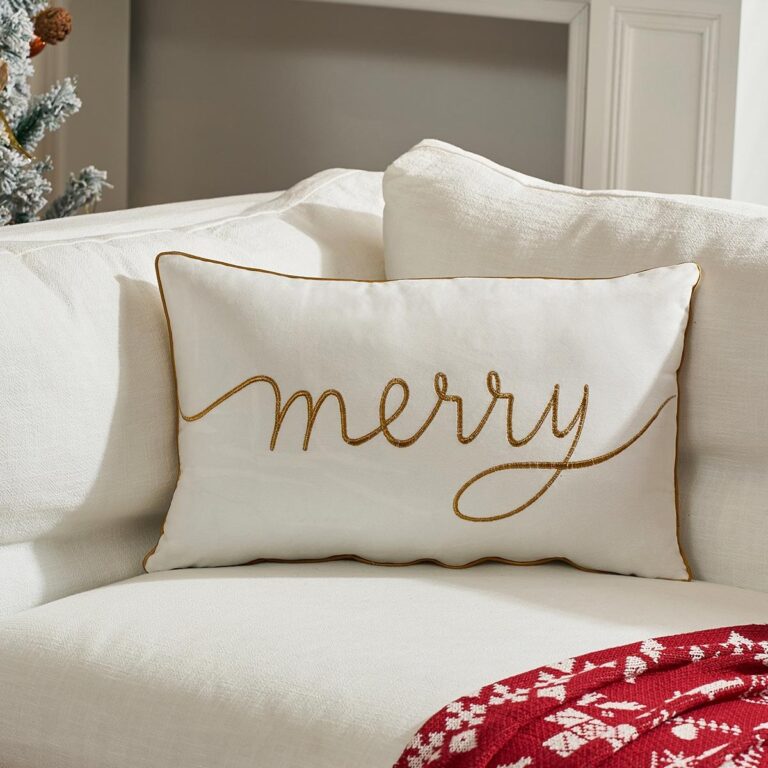
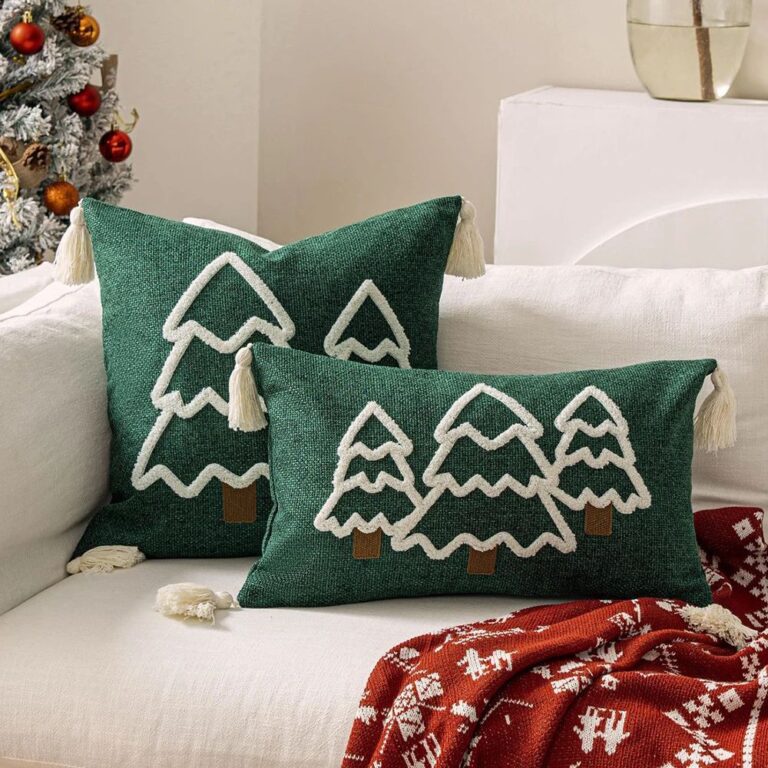
The first thing I do with any cover is pinch the fabric and give it a tug, because that tells you more than reading the label ever will. Thin, slippery stuff will look fine on the hanger and then slide around on a cushion or bunch up under a duvet insert within a week. You want something with a bit of weight and grip to it, a cotton or a linen blend that pulls taut and stays put.
Covers live a hard life compared to most soft furnishings, since they're the layer that takes the coffee spills, the dog hair, the toddler elbows, so how they age matters more than how they look on day one. A good cover washes well for years if you treat it right from the start, cold water, mild detergent, and resist the dryer on anything with a weave you like the texture of, since heat flattens that out fast. Linen gets softer and a little more lived in with every wash, which I happen to like, though I know people who find that look sloppy rather than relaxed. Cotton holds its shape longer and shows less of that change. Either way, iron or steam while slightly damp if wrinkles bother you, because bone dry cotton fights you the whole way.
Sizing is where most of the disappointment happens, and it is almost always because someone measured the item, not the result they actually want. A chair cover needs you to measure the chair at its widest points, arms included, and check the drop length against the floor, not just the seat height. A sofa cover wants the same plus a few extra inches of give, since a cover pulled drum tight across cushions looks stretched and cheap, while one with a little ease drapes properly. For a duvet, match it to the insert size exactly, a queen cover on a full insert leaves you with sad, sagging corners. For pillow covers, go slightly smaller than the insert, maybe an inch, so the cover looks full rather than deflated.
On delivery day, check the closures first, zippers, ties, or envelope backs, since that is what fails first and is the most annoying thing to deal with once it's full of feathers. Check that seams are straight and the pattern lines up at any visible seams, and look at the underside too, not just the front, because that's where corners get cut. Give it a smell test too, some shipping treatments linger longer than you'd expect.
This kind of thing suits a home where the furniture gets used hard and the cover is doing the forgiving for you.

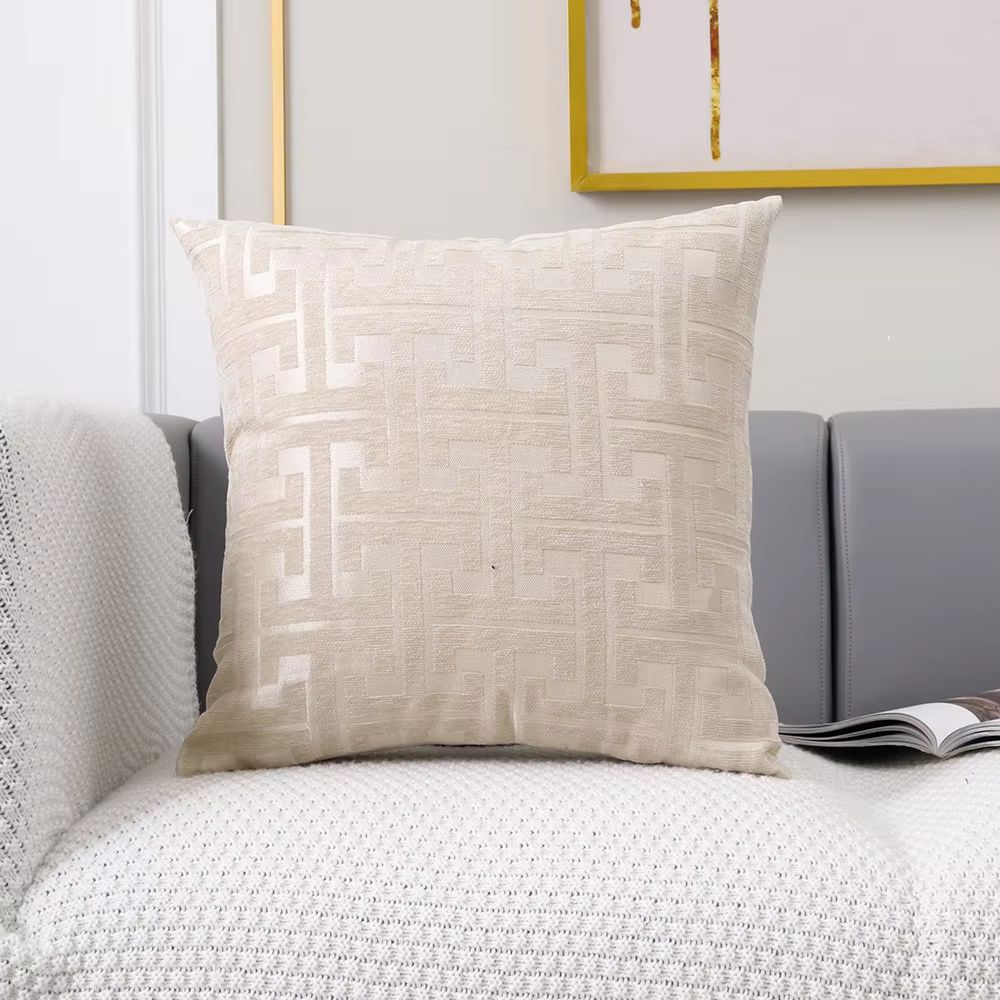 Aisha's pickJacquard Chair Covers That Keep Their Color Wash After Wash
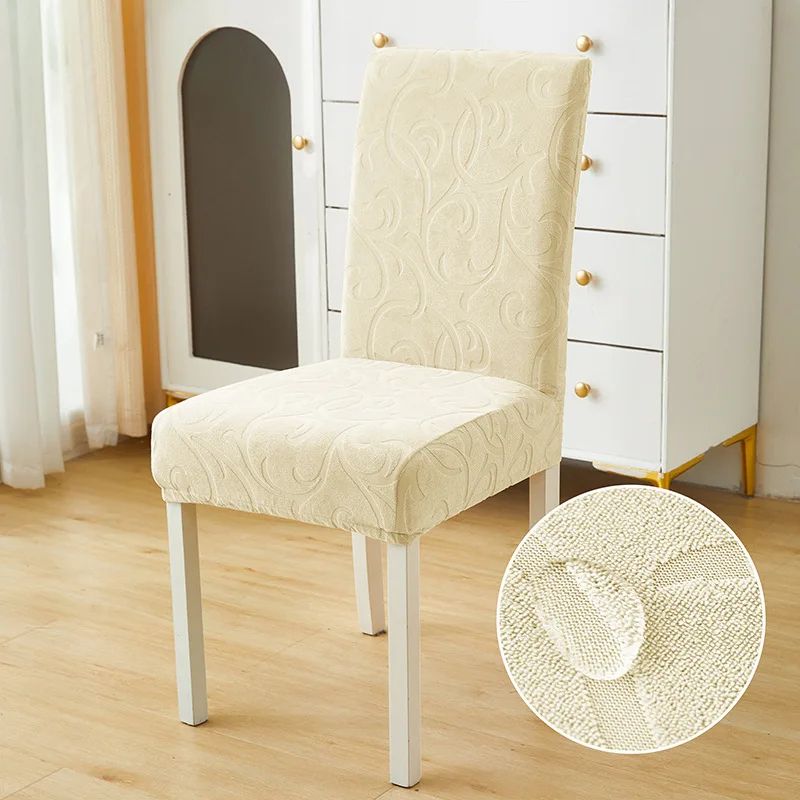
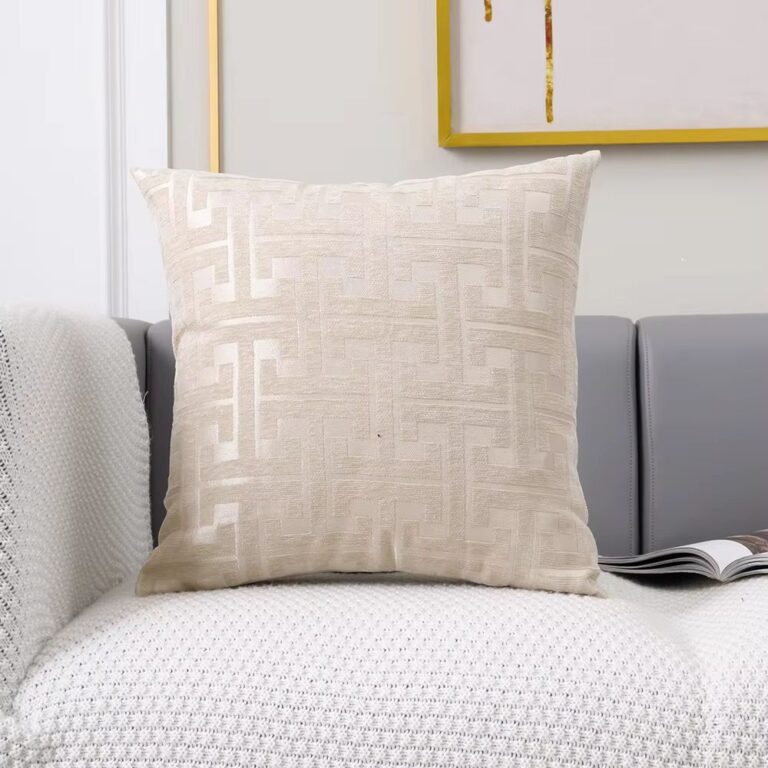 Aisha's pickWoven Chair Covers That Keep Their Color Wash After Wash
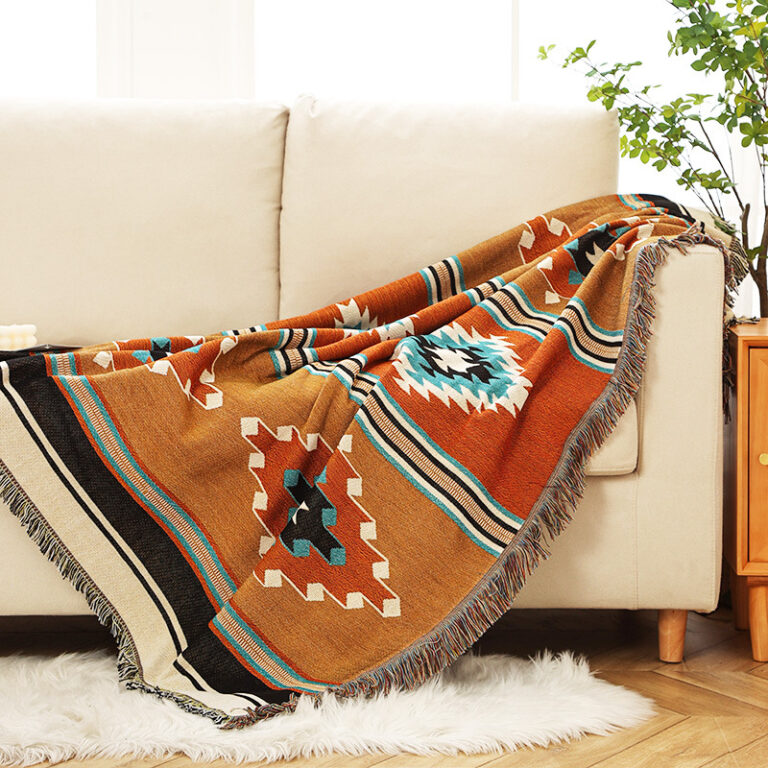
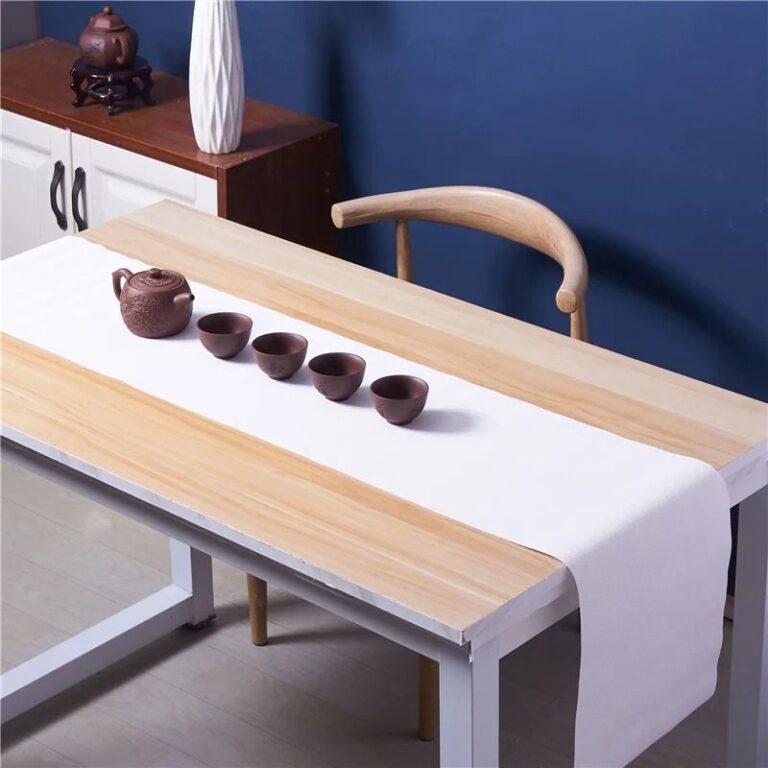 Aisha's pickWaterproof Table Covers We Swap Around With the Seasons
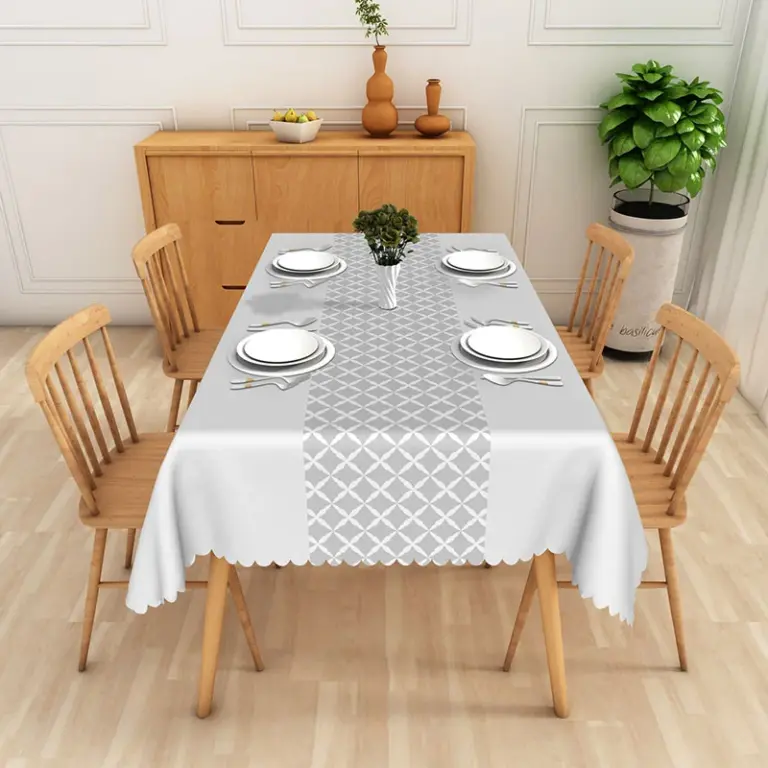
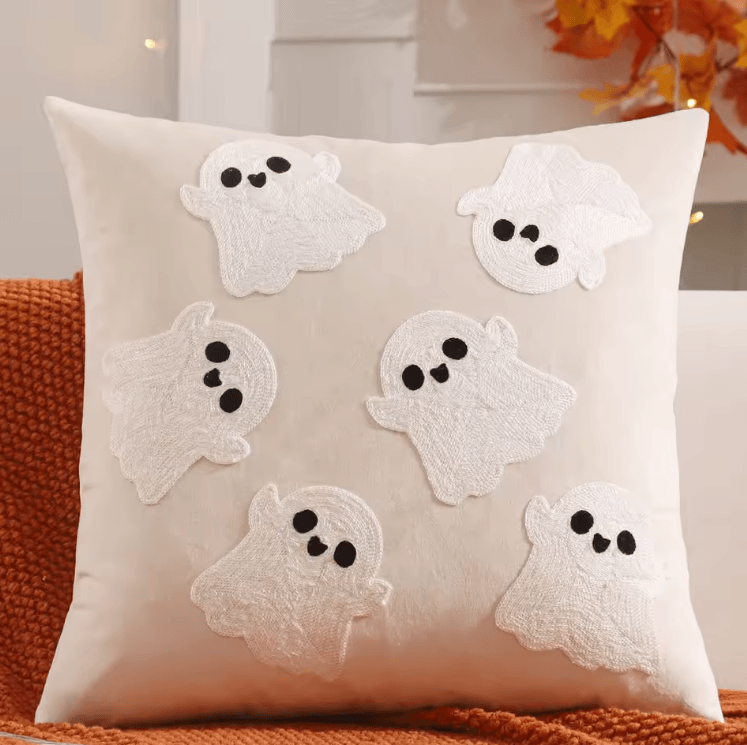 Aisha's pickShopping for Embroidered Pillow Covers? Start Here
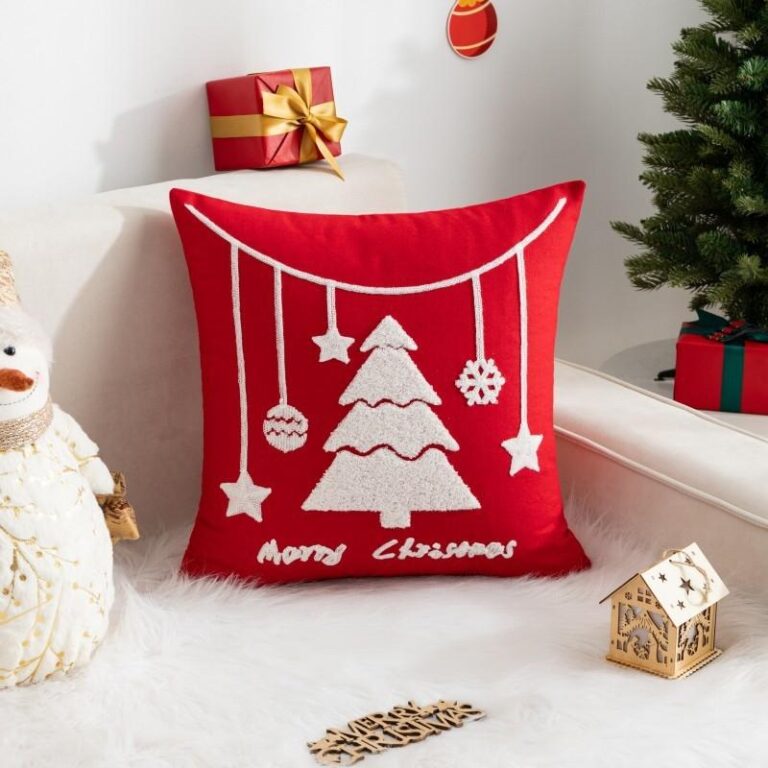
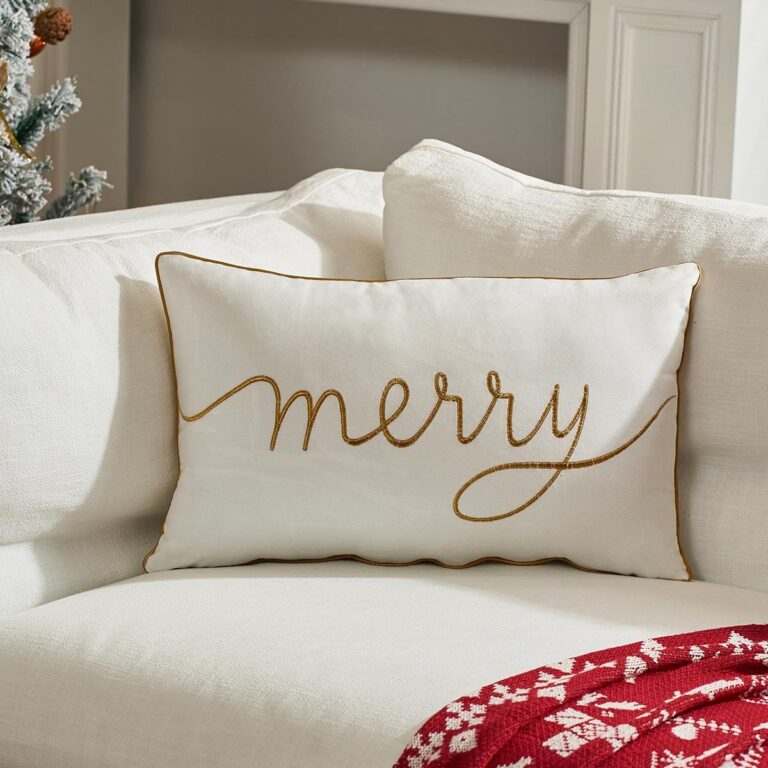 Aisha's pickRectangular Pillow Covers That Earn Their Keep
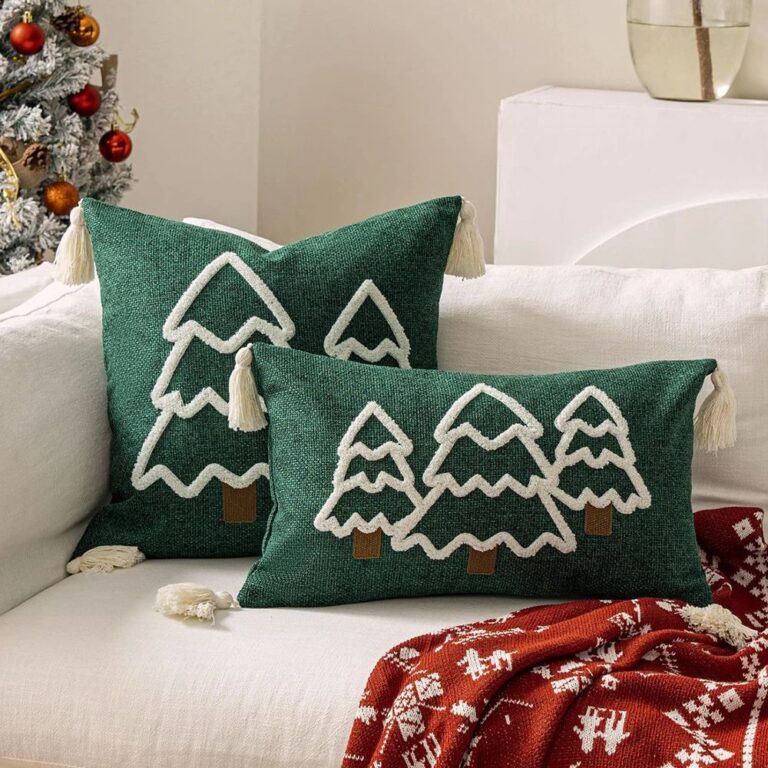
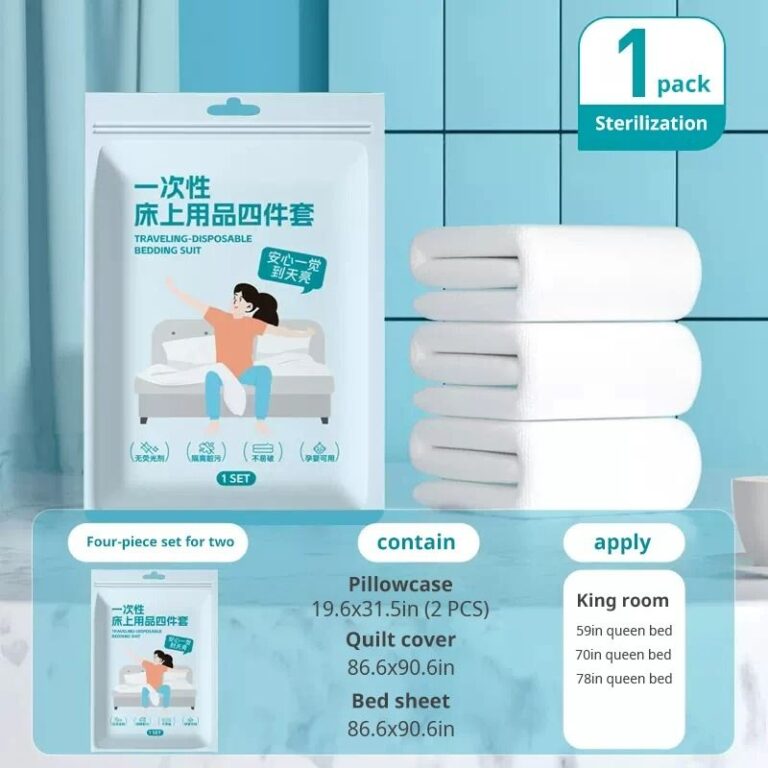 Aisha's pickSimple Duvet Covers with Pillowcases Done Well

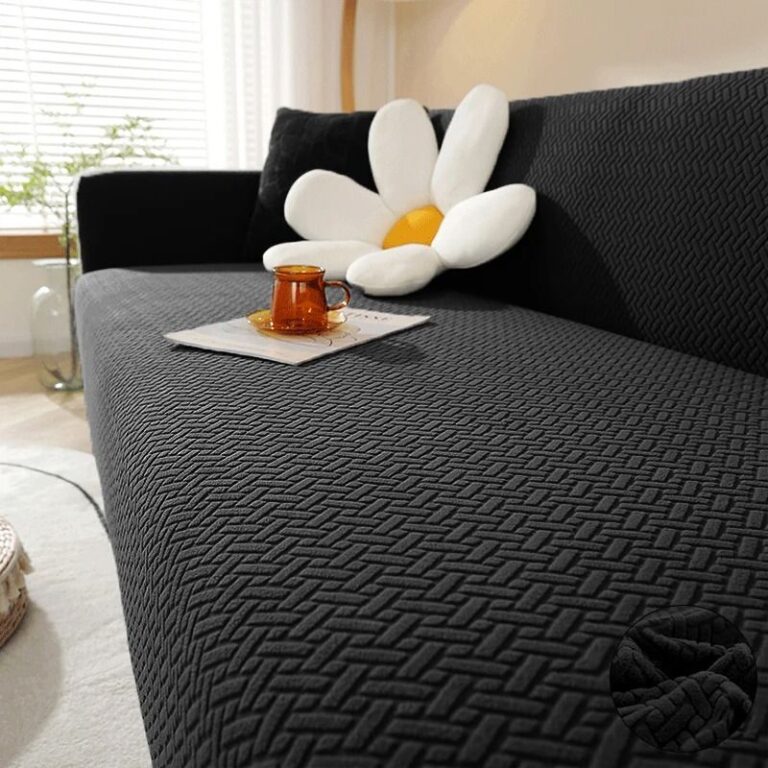 Aisha's pick3 Seater Sofa Covers for Making a House Feel Like Yours
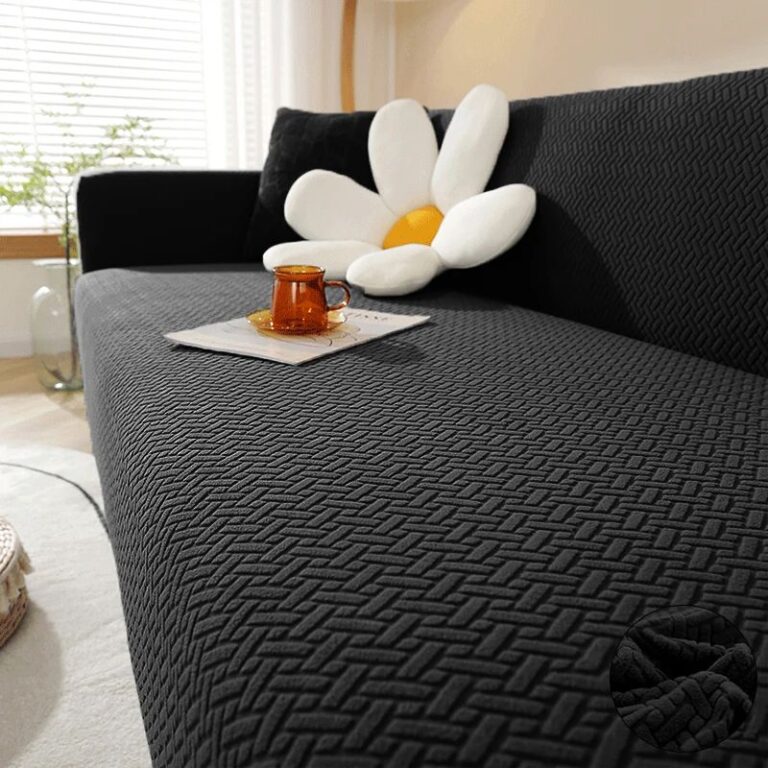
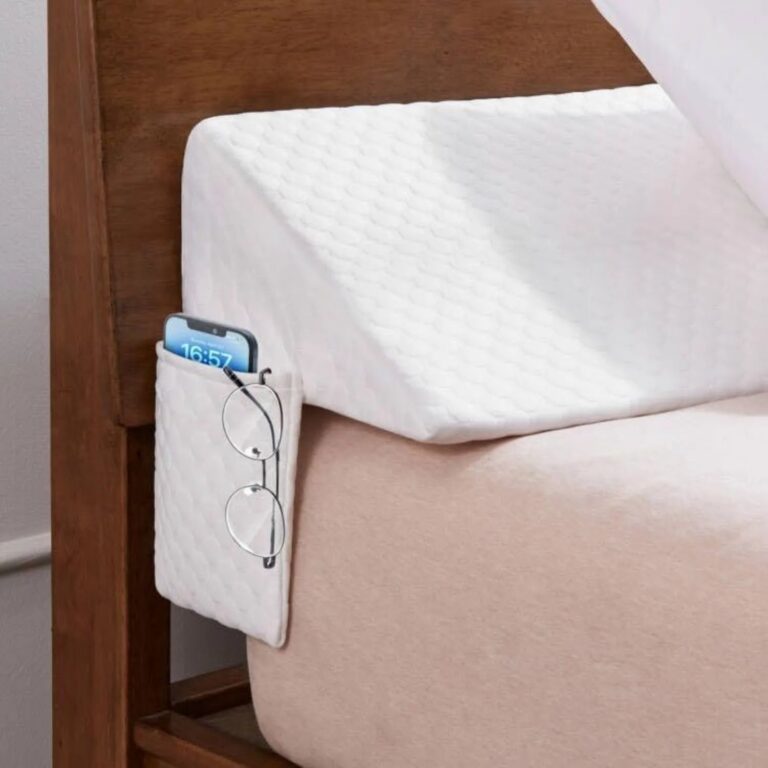 Aisha's pickOur Shortlist of Recliner Covers for Sofa
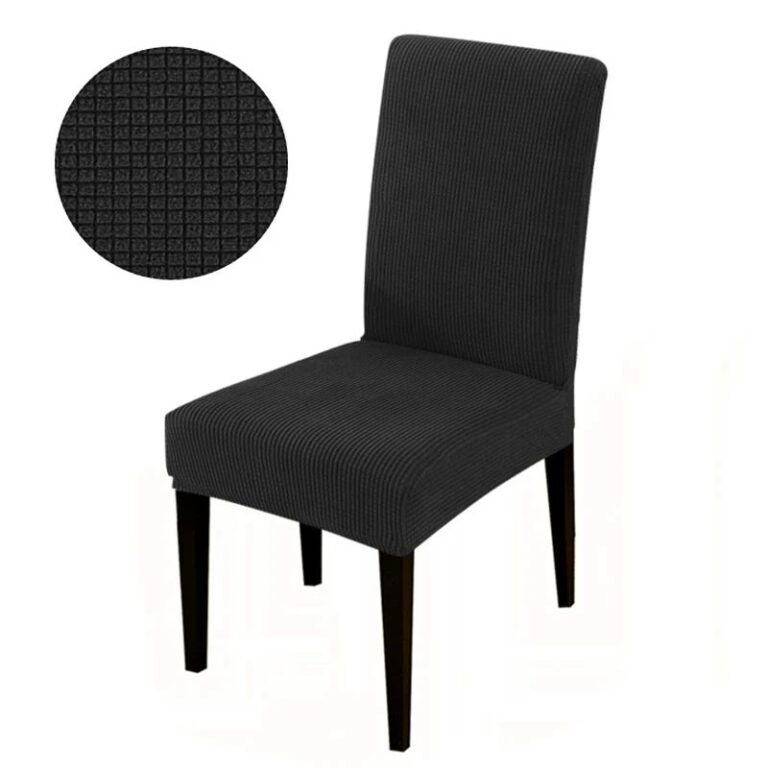
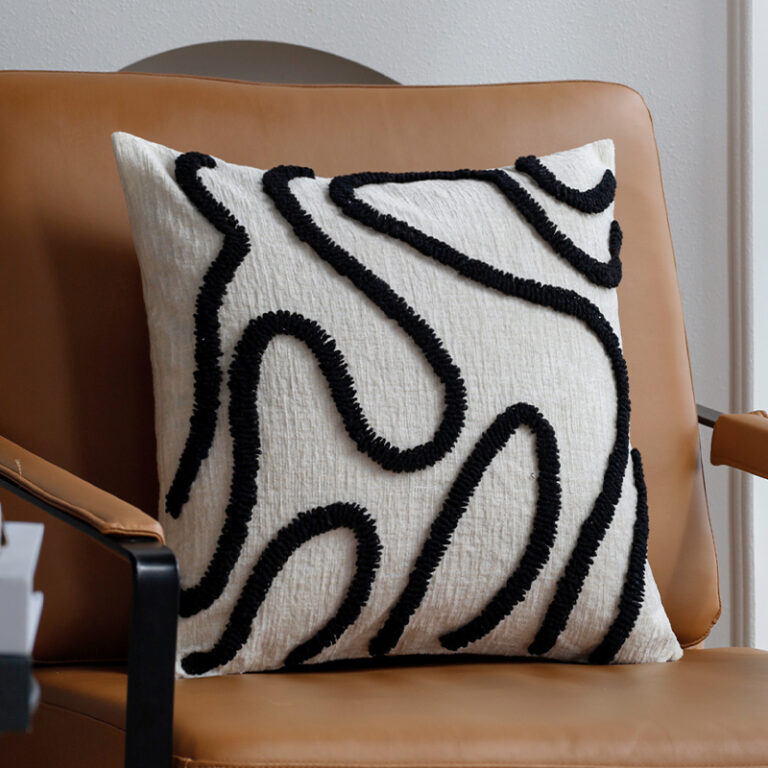 Aisha's pickDecent Large Chair Covers Without the HassleAlso worth a lookPillow CoversThe question I get most is whether it's worth buying new covers or just buying new pillows, and…See the collections →

 Aisha's pickArmchair Covers for Making a House Feel Like Yours

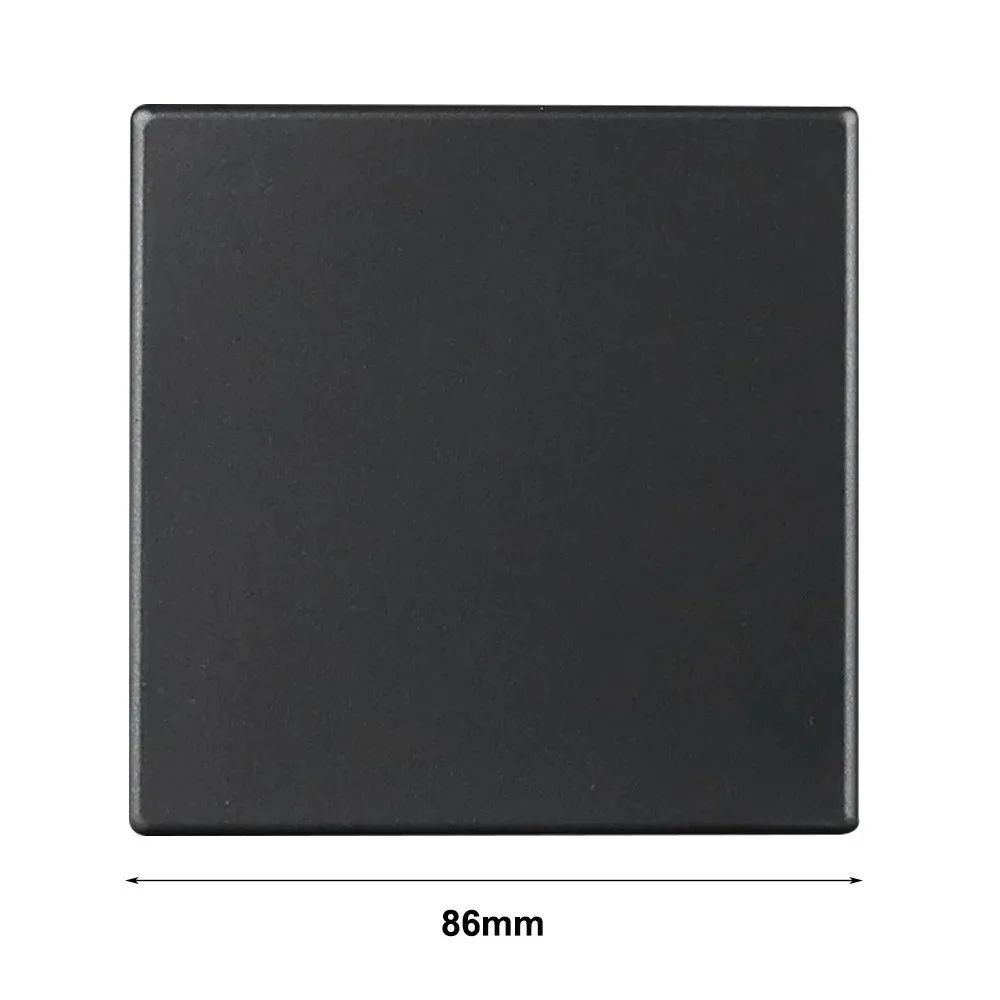 Aisha's pickWhite Socket Covers Picked by People Who Care Too Much
 Aisha's pickFaux Leather Pillow Covers Worth Knowing About
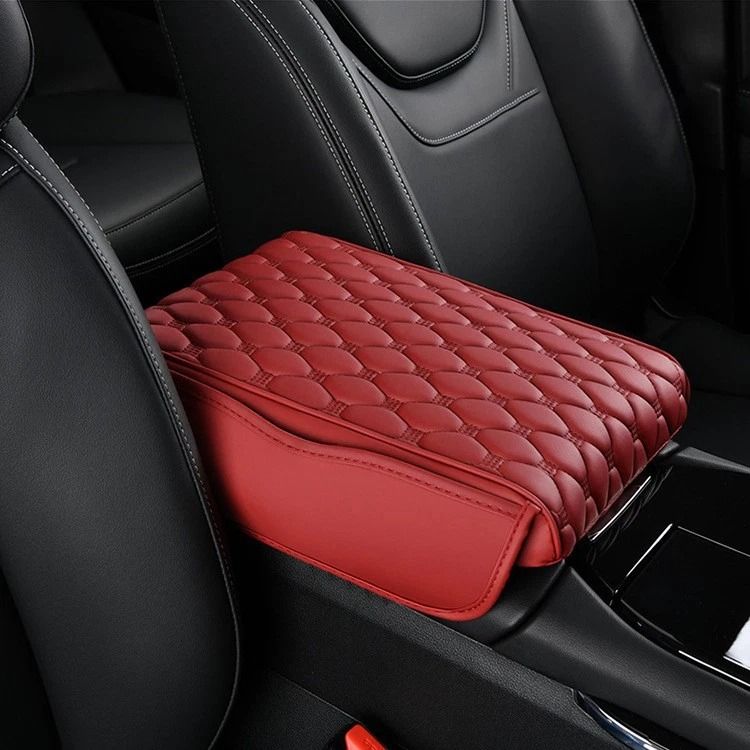
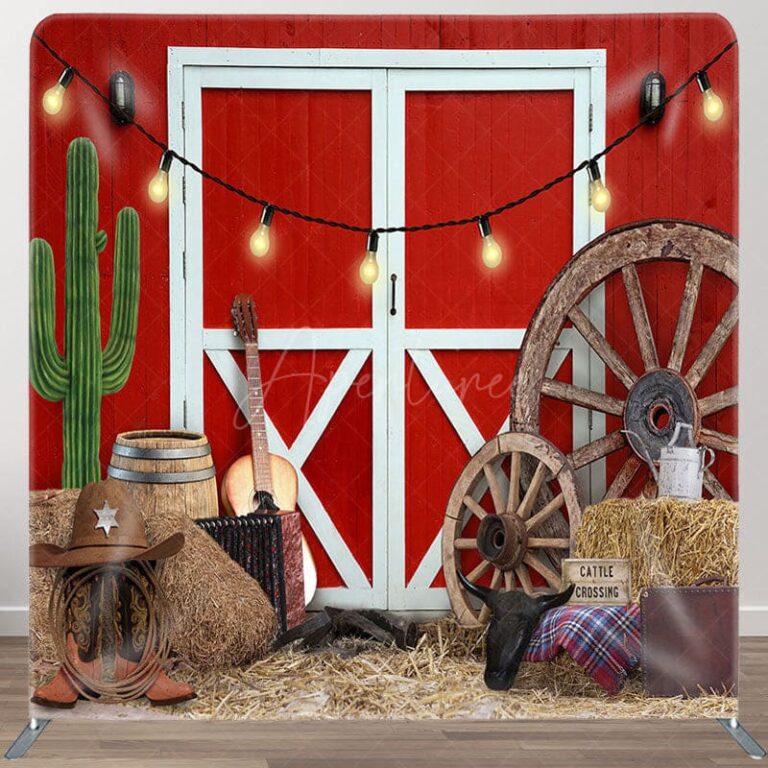 Aisha's pickRed Pillow Covers That Feel as Good as They Look
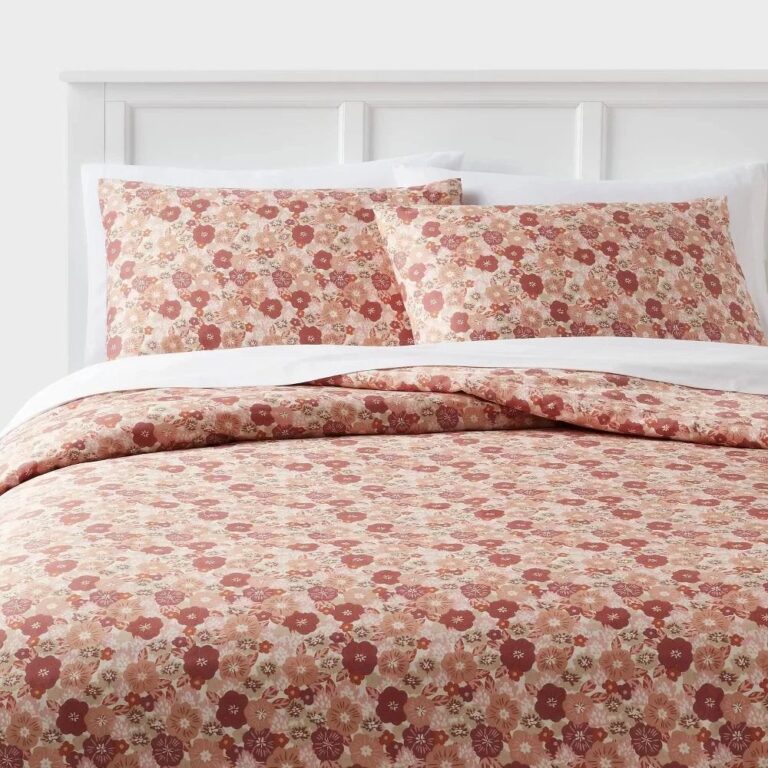 Aisha's pickFloral Duvet Covers You Won’t Regret Buying
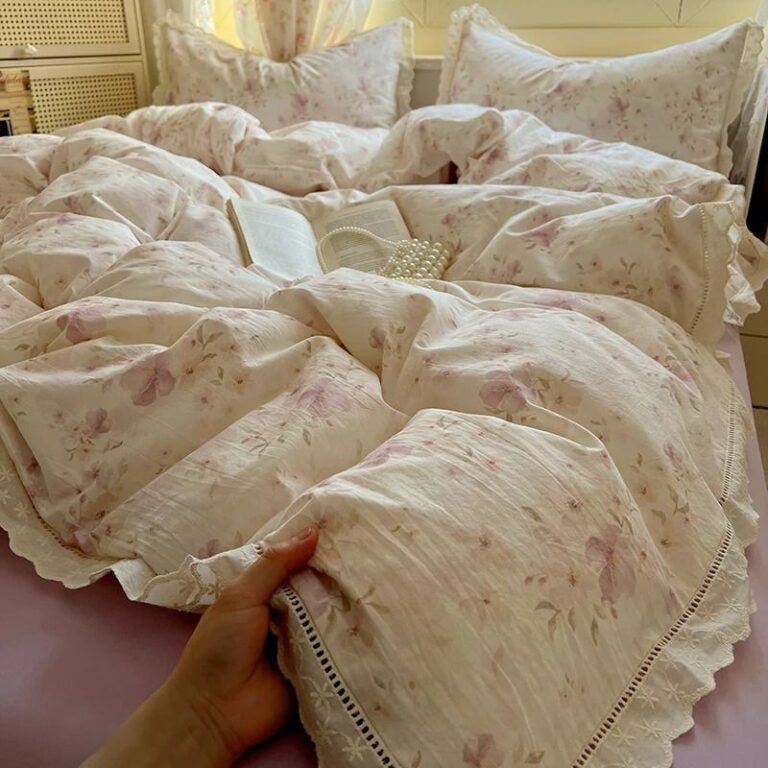
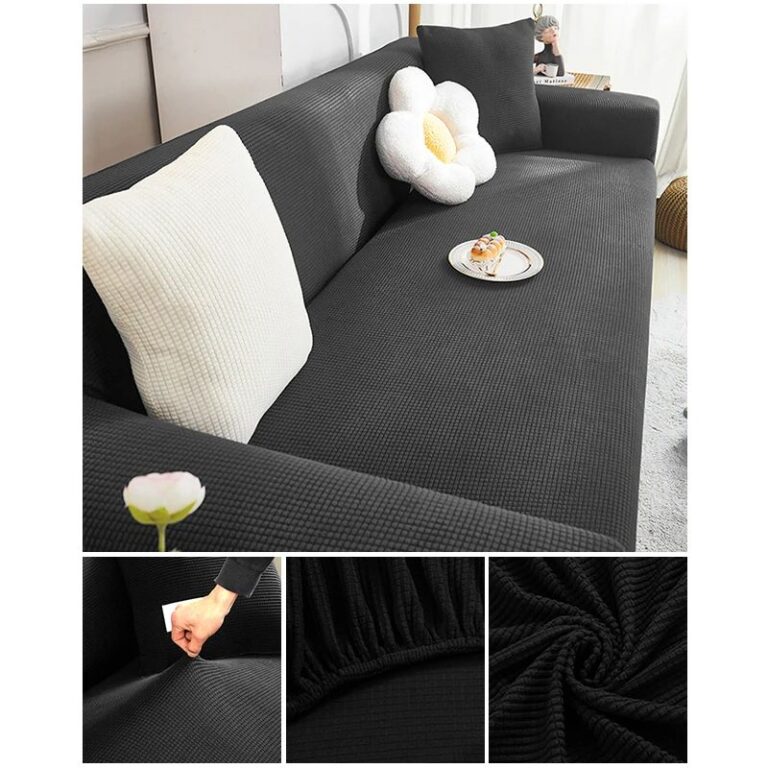 Aisha's pick4 Seater Sofa Covers That Look Better in Real Life
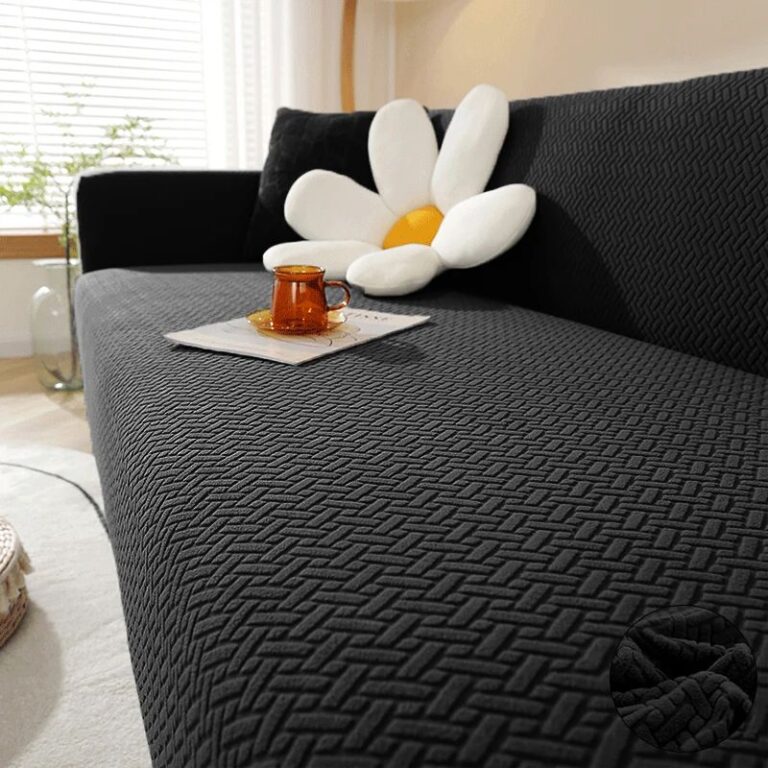
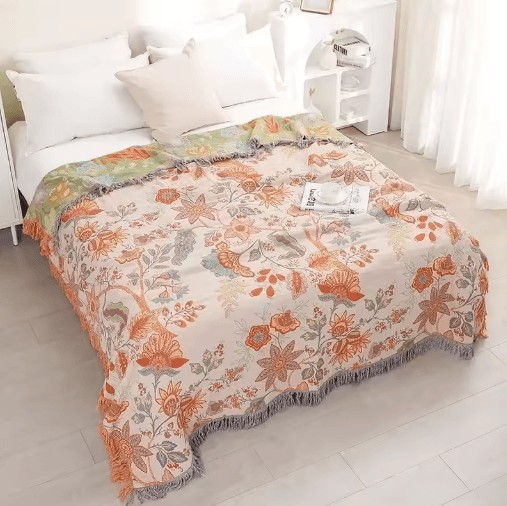 Aisha's pickReversible Sofa Covers for Cozy Nights In
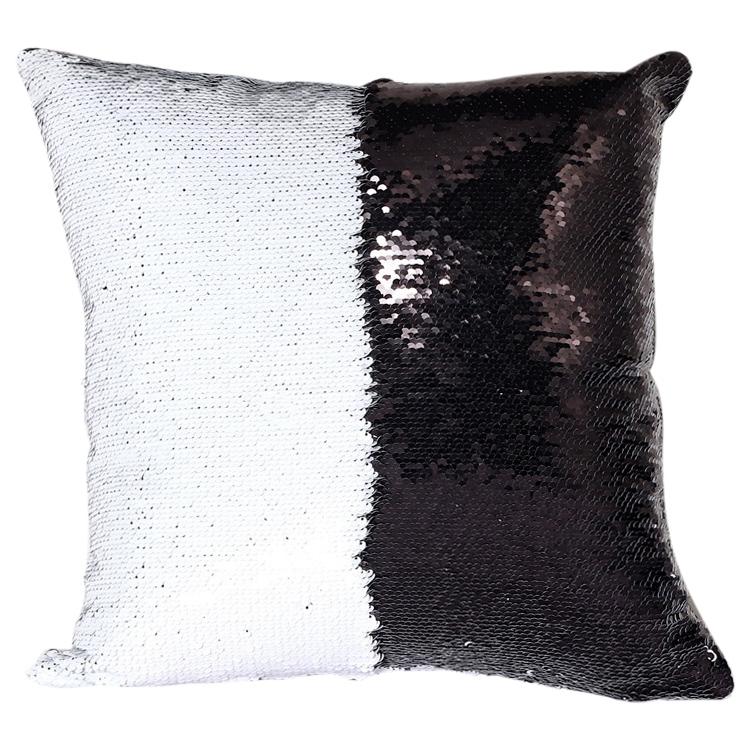
 Aisha's pickLeather Chair Covers That Won’t Date in a Year
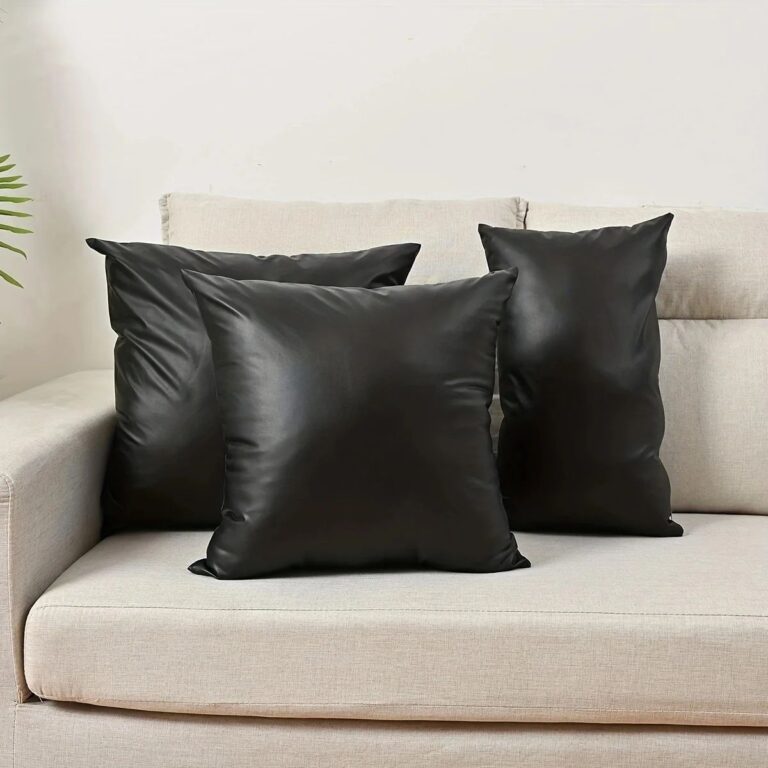
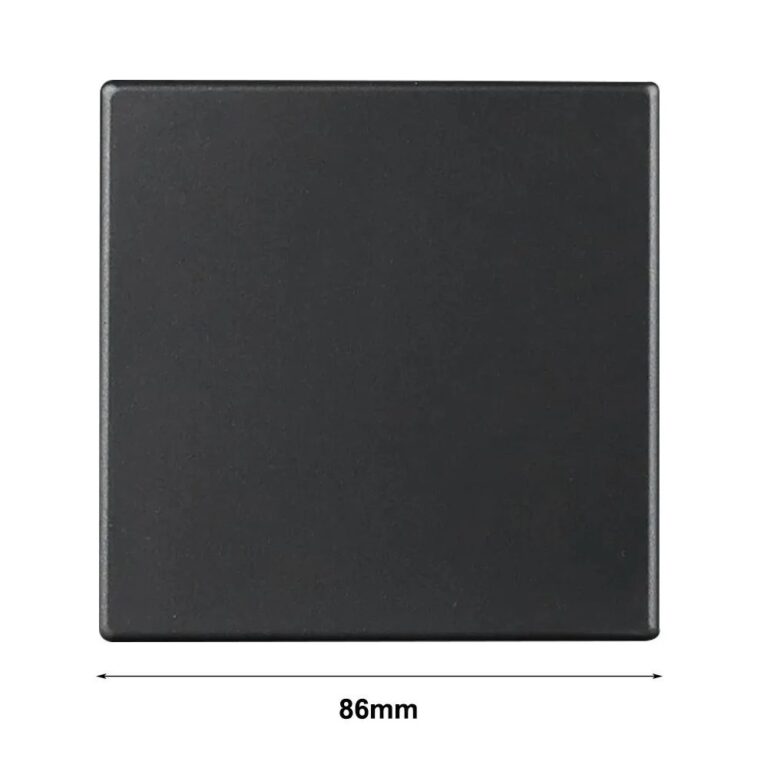 Aisha's pickBlack Socket Covers That Survive the Washing MachineAlso worth a lookSofa CoversMost people buy a sofa cover the way they buy a bandage, grab the first one that says…See the collections →
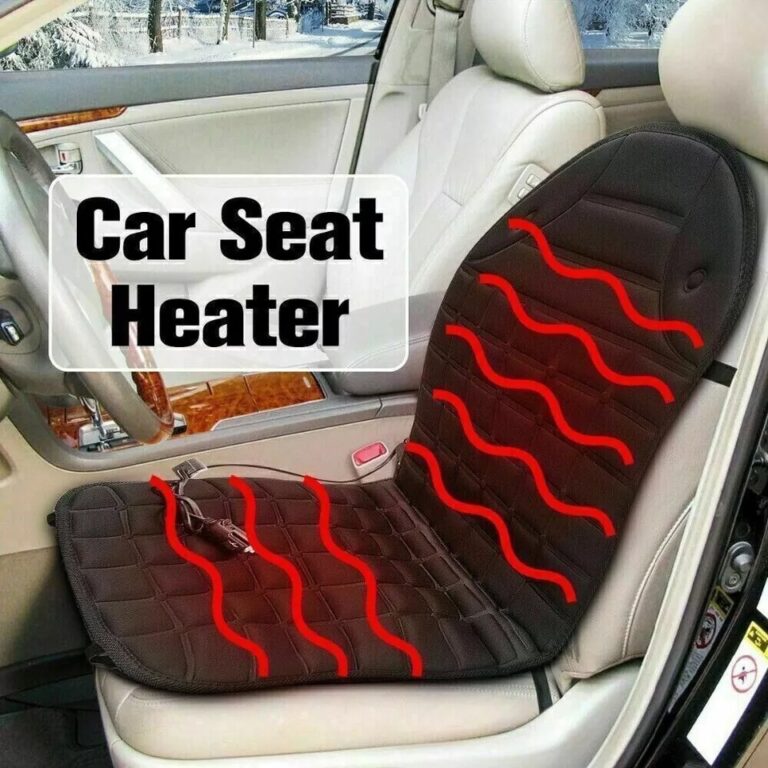
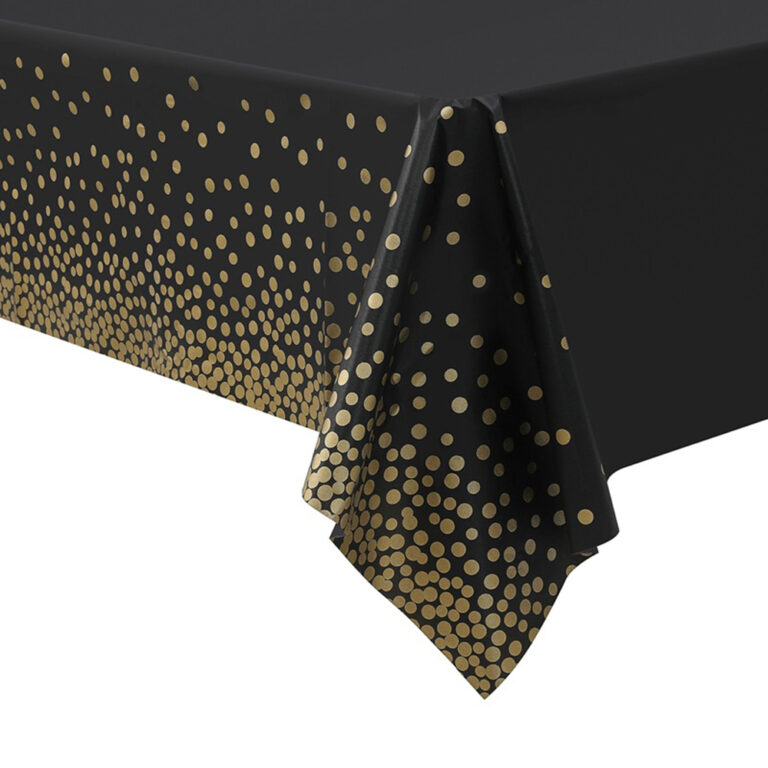 Aisha's pickWhite Waterproof Table Covers for Cozy Nights In
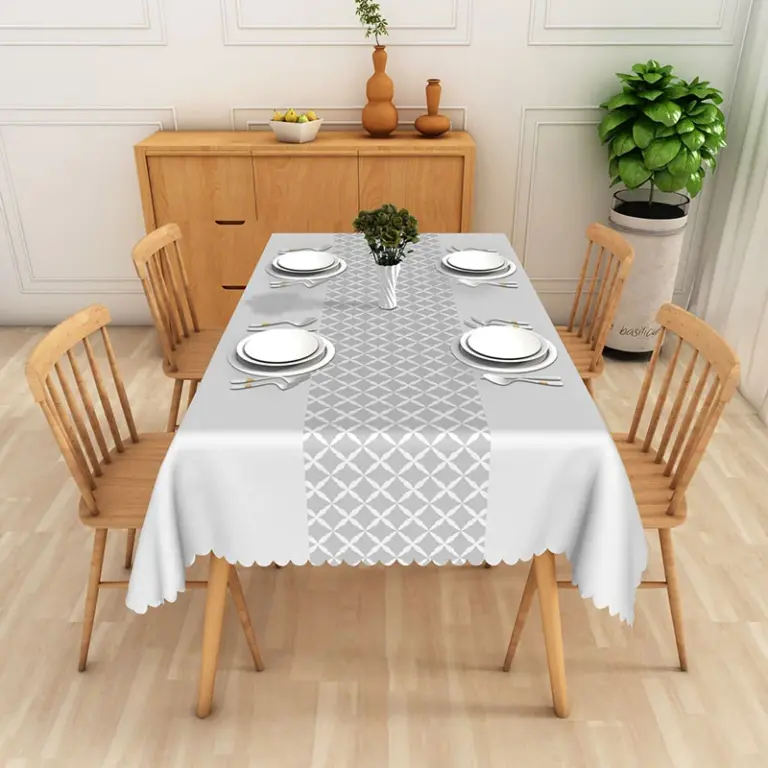
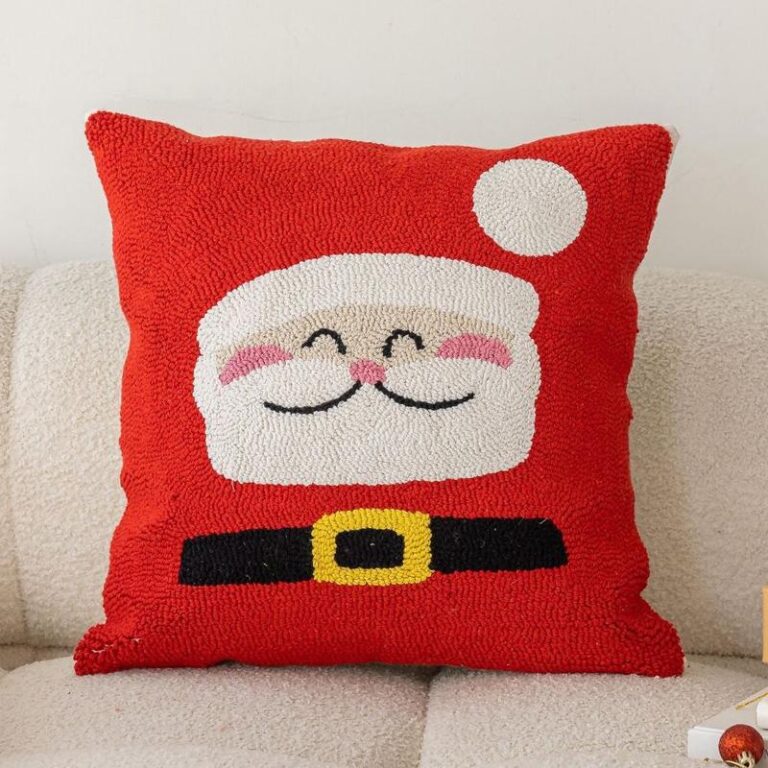 Aisha's pickFloral Pillow Covers for Making a House Feel Like Yours
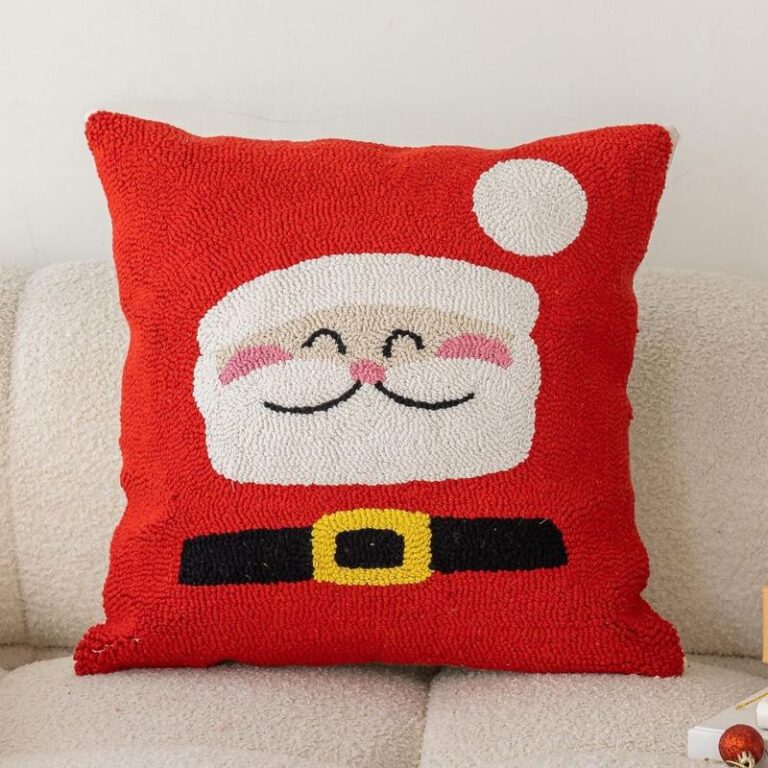
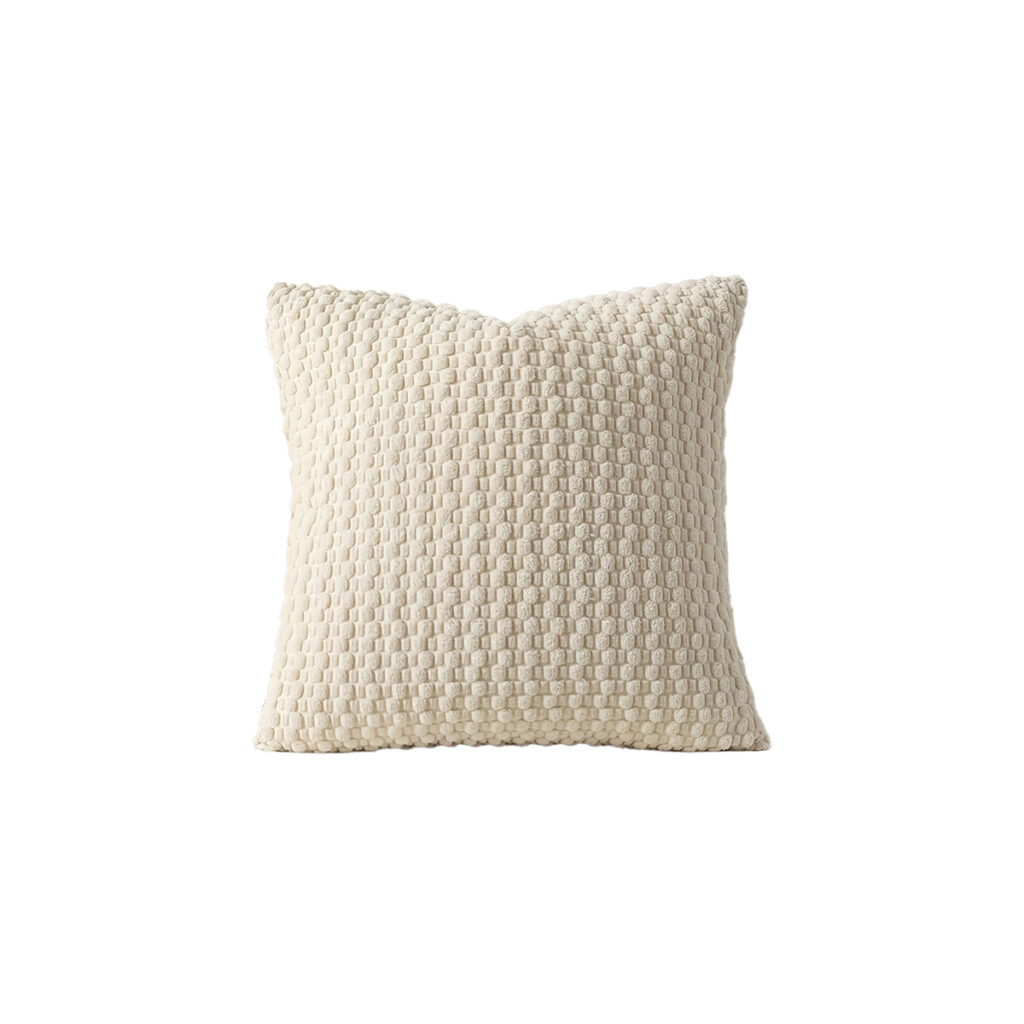 Aisha's pickReversible Pillow Covers Without the Silly Price Tag
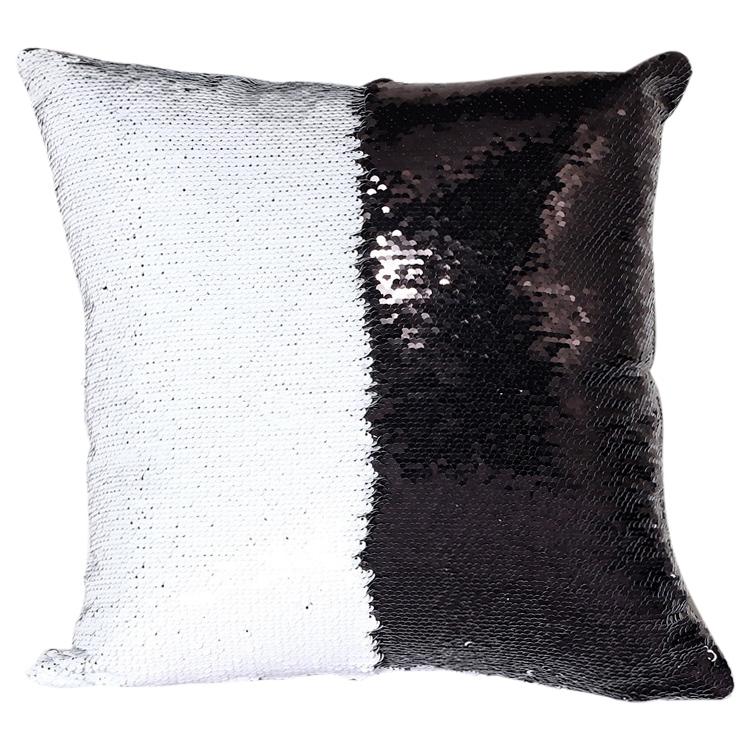
 Aisha's pickFull Duvet Covers That Won’t Date in a Year
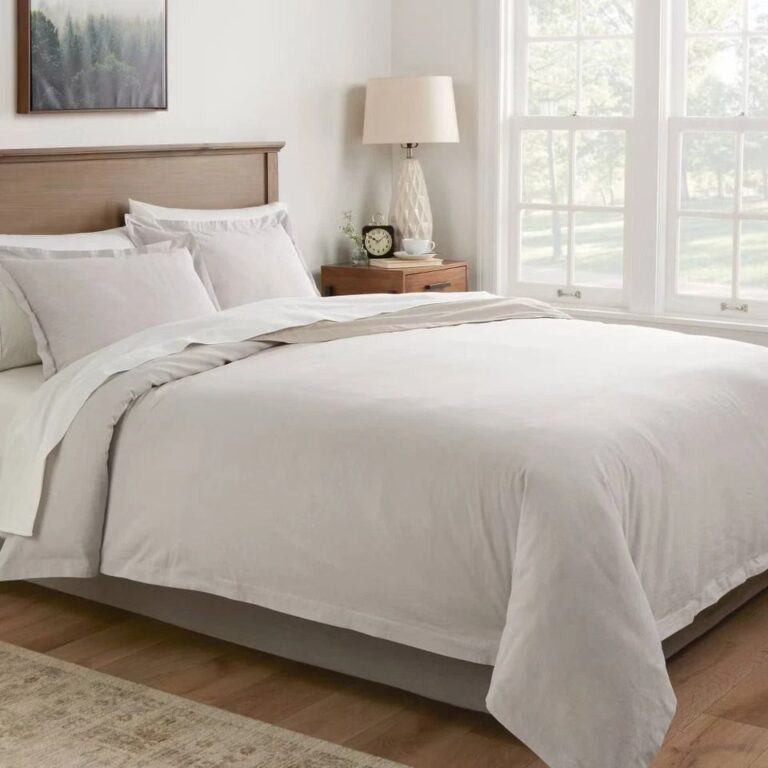
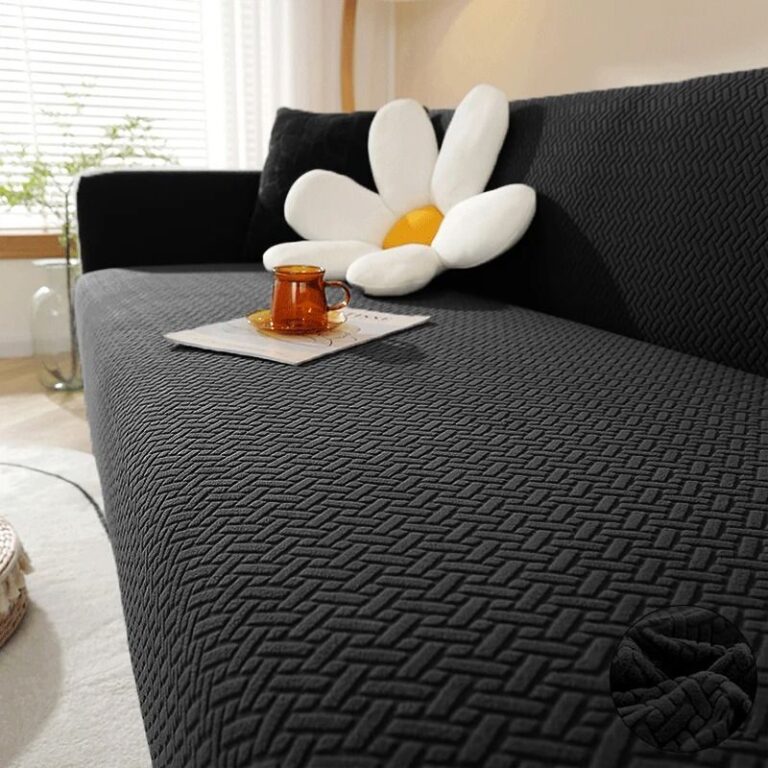 Aisha's pickGood Armchair Covers for Sofa That Don’t Cost a Fortune
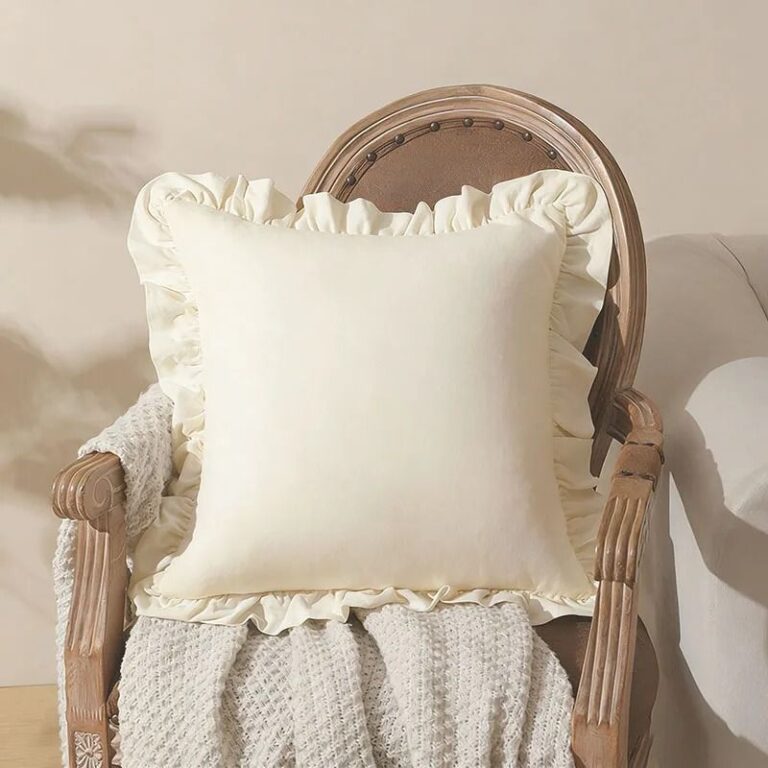
 Aisha's pickSmall Sofa Covers With Some Character
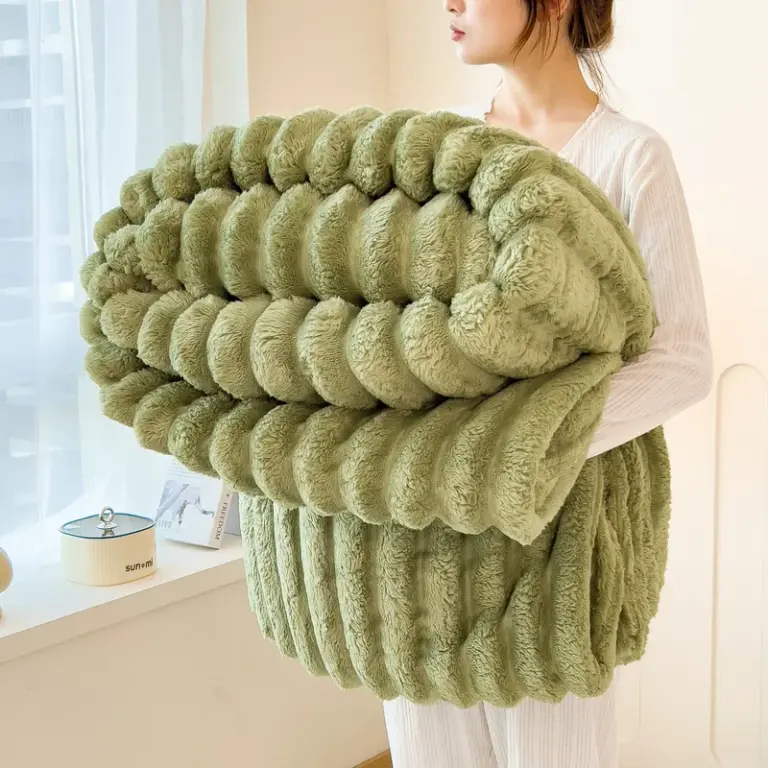
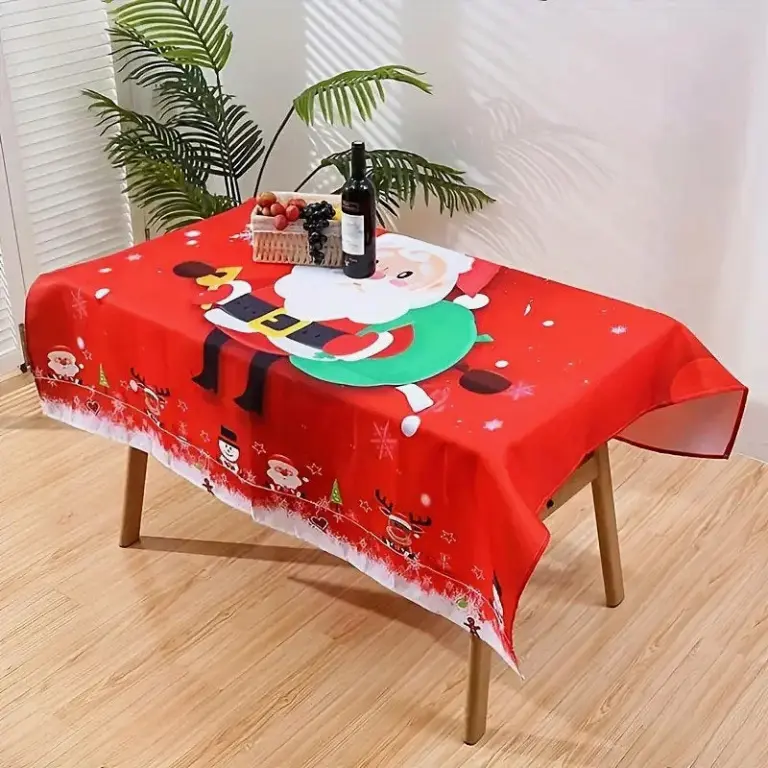 Aisha's pickLinen Chair Covers Pulled From Dozens of Stores
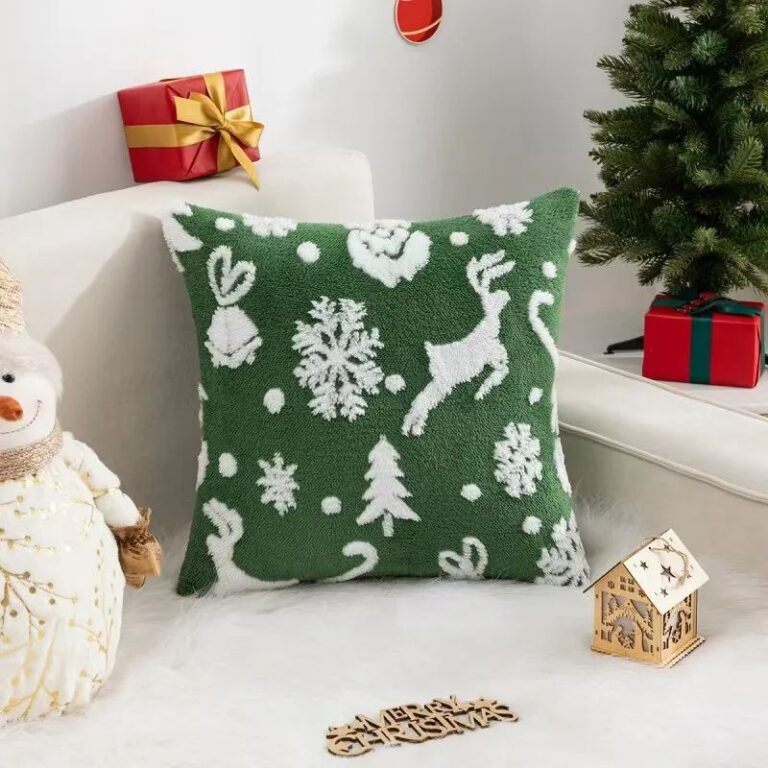
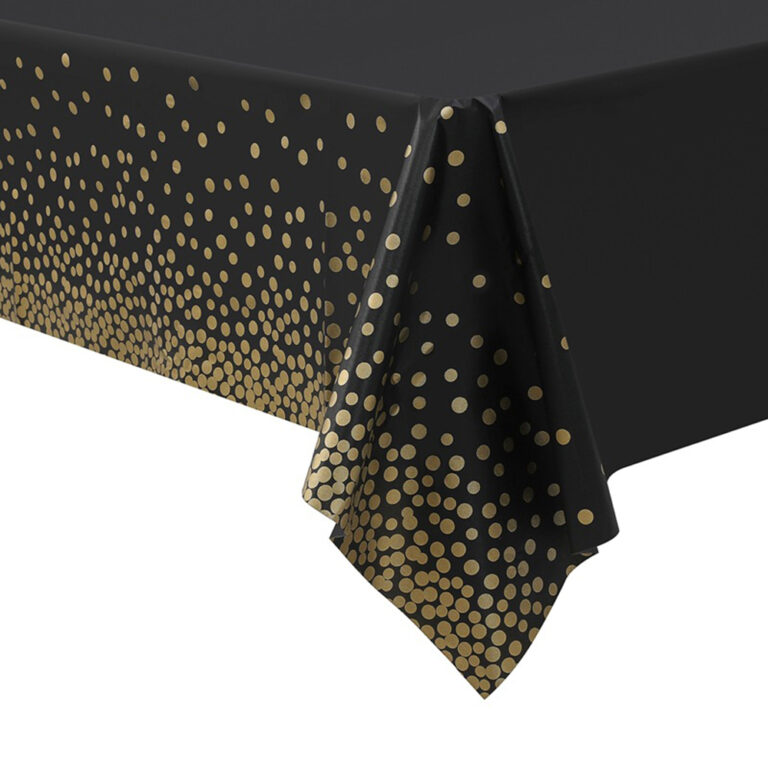 Aisha's pickOur Shortlist of Black Waterproof Table Covers
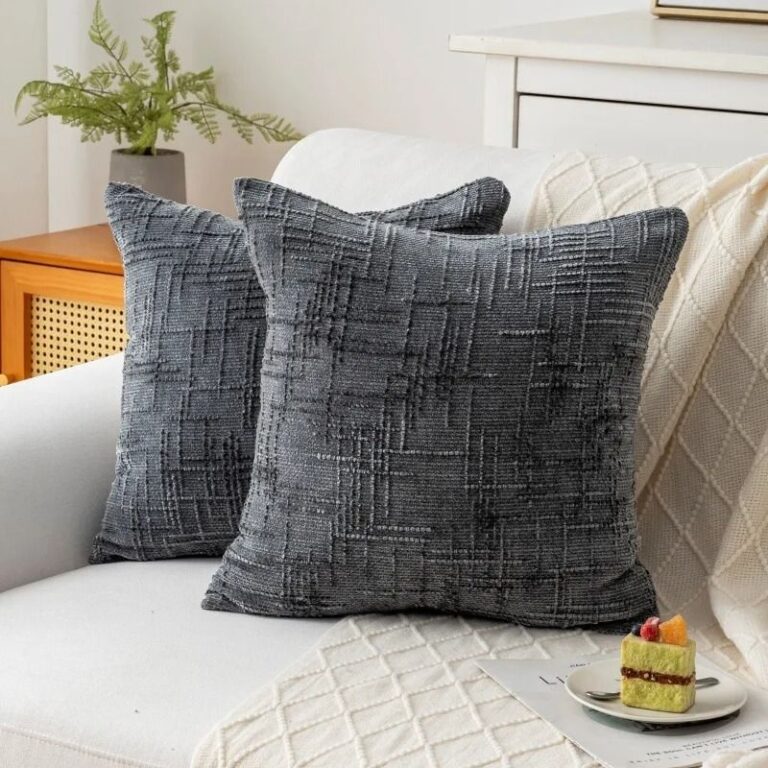 Aisha's pick45cm Pillow Covers at Every Price PointAlso worth a lookChair CoversThe first thing I do with a chair cover is grab the fabric at the seam and pull, just a little, to see if it's got any give.See the collections →
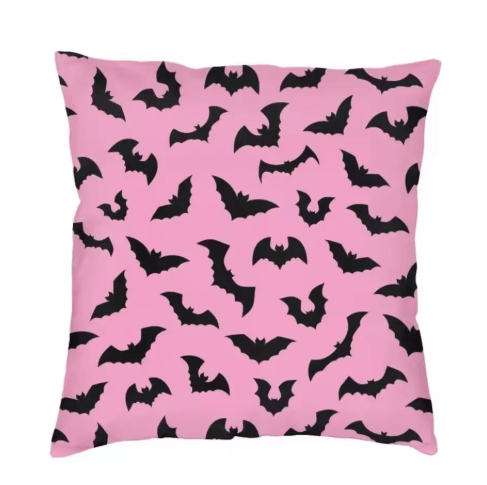
 Aisha's pickSimple Gold Pillow Covers Done Well

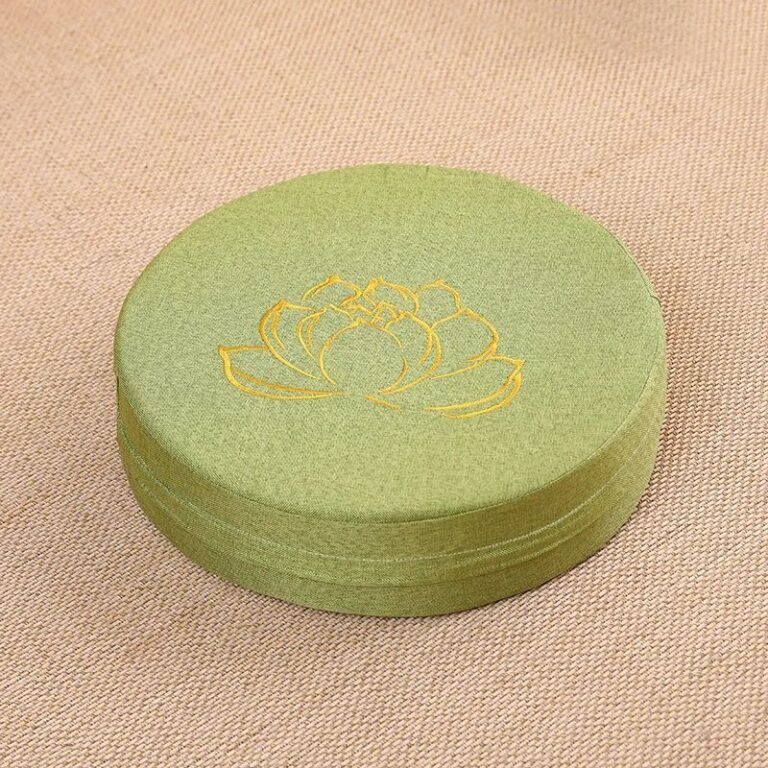 Aisha's pickRound Pillow Covers With a Soft, Lived In Feel
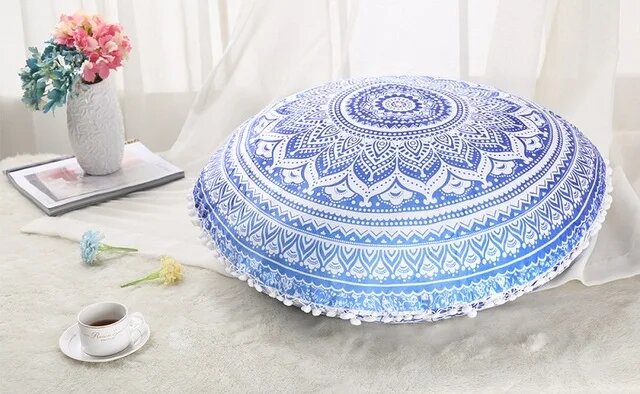
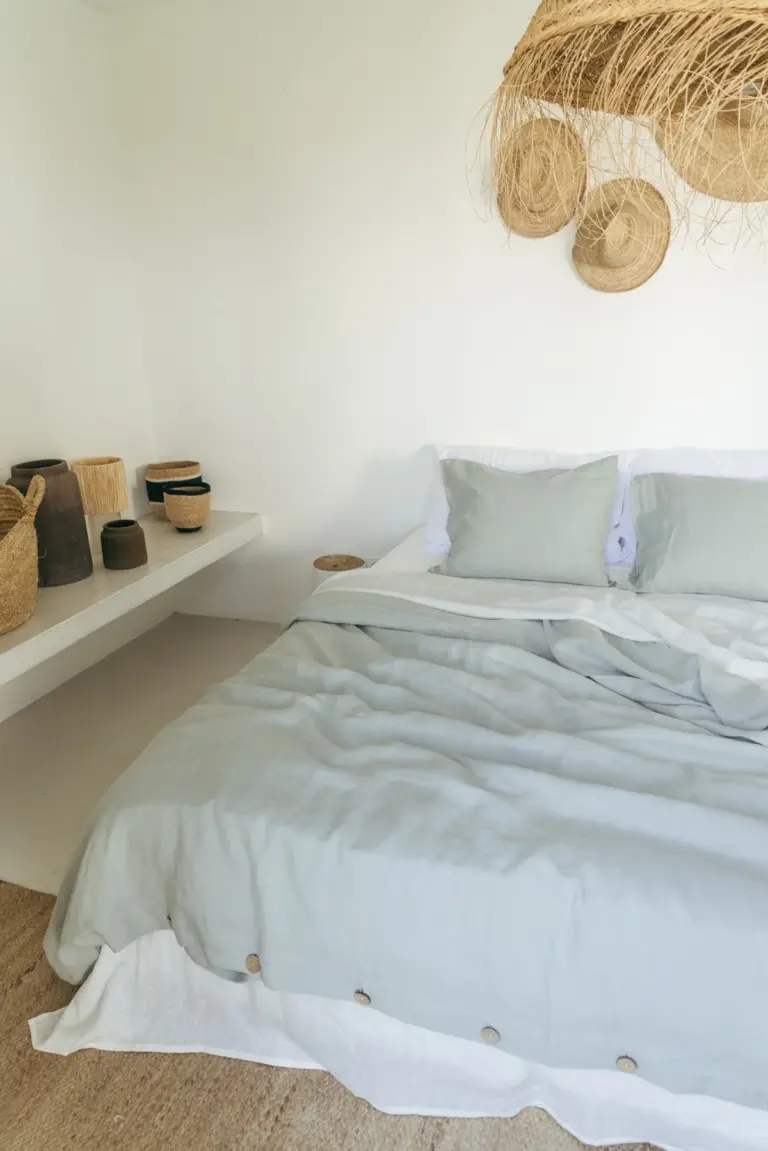 Aisha's pickGreen Duvet Covers for When the Old Ones Give Up

 Aisha's pickBlack Sofa Covers We Keep Coming Back To

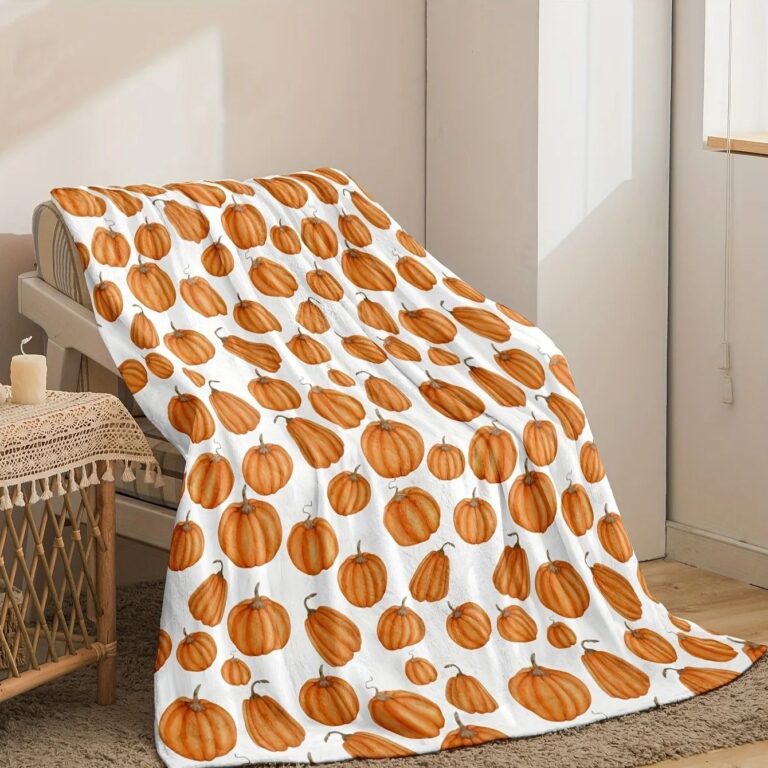 Aisha's pickSofa Covers We’d Buy Again
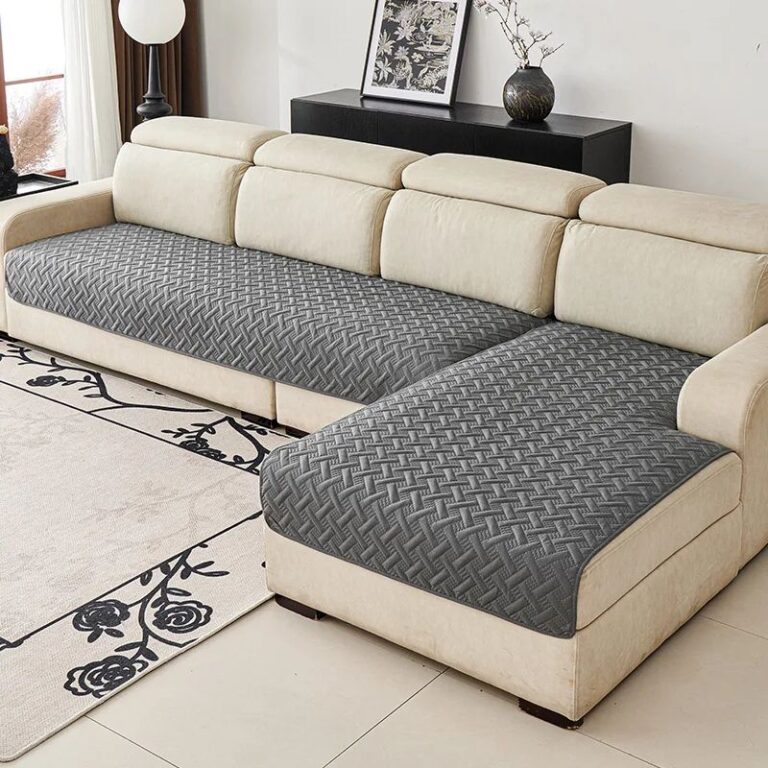
 Aisha's pickLuxury Chair Covers That Make Rented Places Feel Like Home

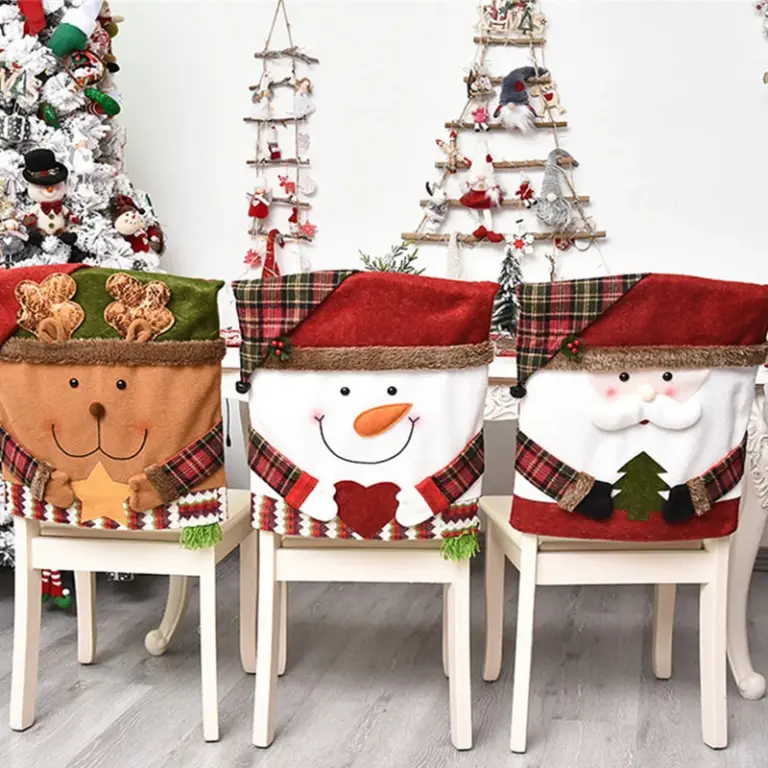 Aisha's pickDining Chair Covers That Don’t Need Babying

 Aisha's pick50cm Pillow Covers You’ll Still Like in Five Years