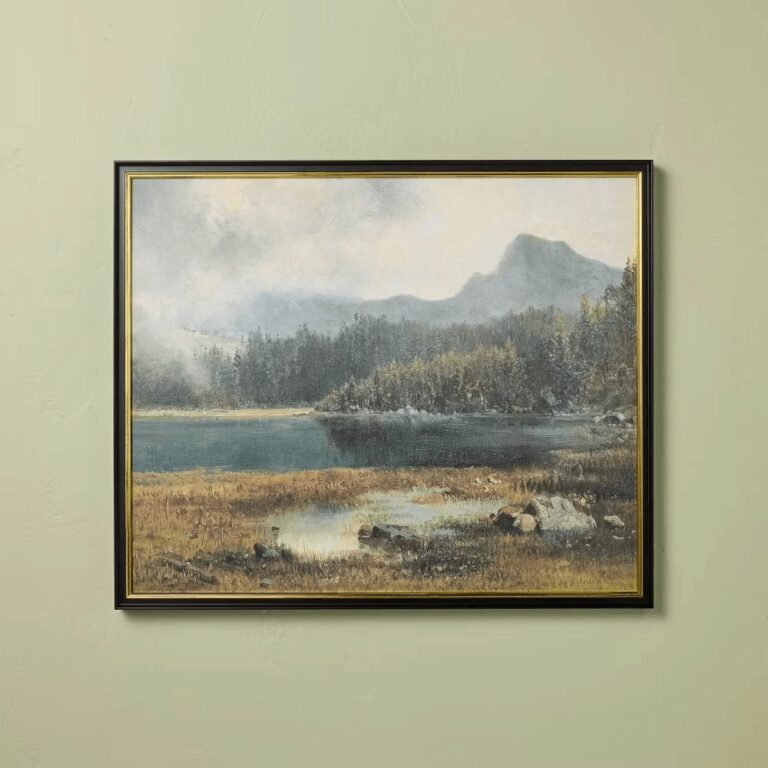
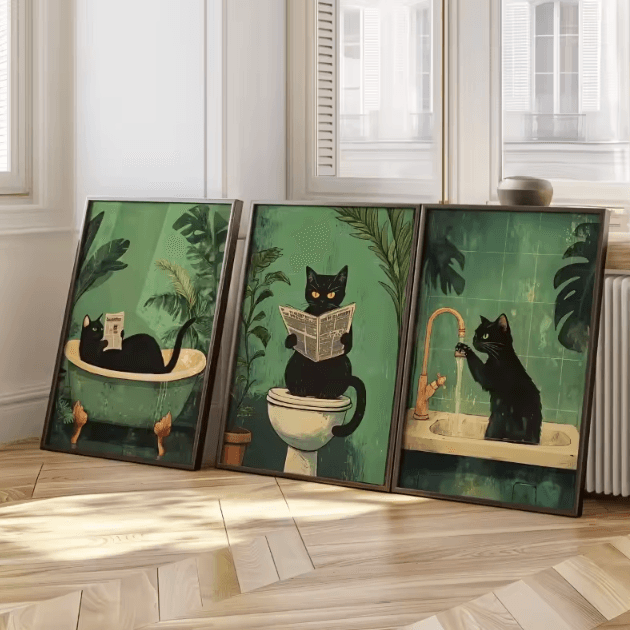
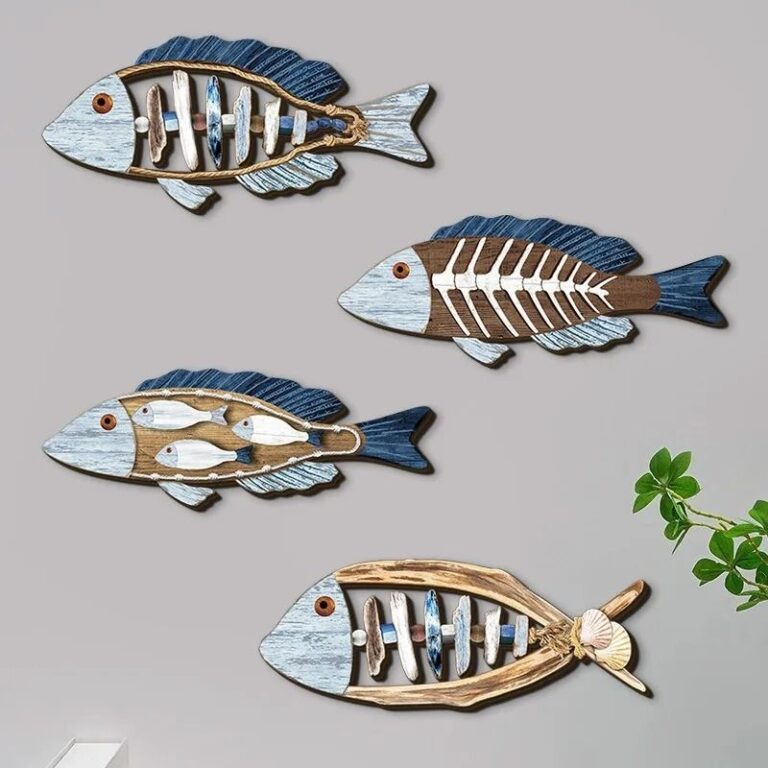
For years I wouldn't put a matched set of anything on a wall. Felt like buying your opinions off a shelf instead of forming your own. What changed was a blank stretch of wall by the stairs that I stared at for about eight months doing nothing, and finally admitted a set would solve in an afternoon what I'd failed to solve in two thirds of a year.
Where they go wrong is when you try to make them do too much. A set that already has its own internal rhythm, three or four pieces meant to be read together, doesn't want to share a wall with your grandmother's clock, a mirror, and whatever framed thing you got as a wedding gift. It starts looking like a committee meeting. It also struggles in a room that's already busy with pattern, a heavily tiled kitchen or a room with bold wallpaper, because now you've got two things competing to be the one your eye lands on, and neither wins. Put it somewhere with a bit of quiet around it instead.
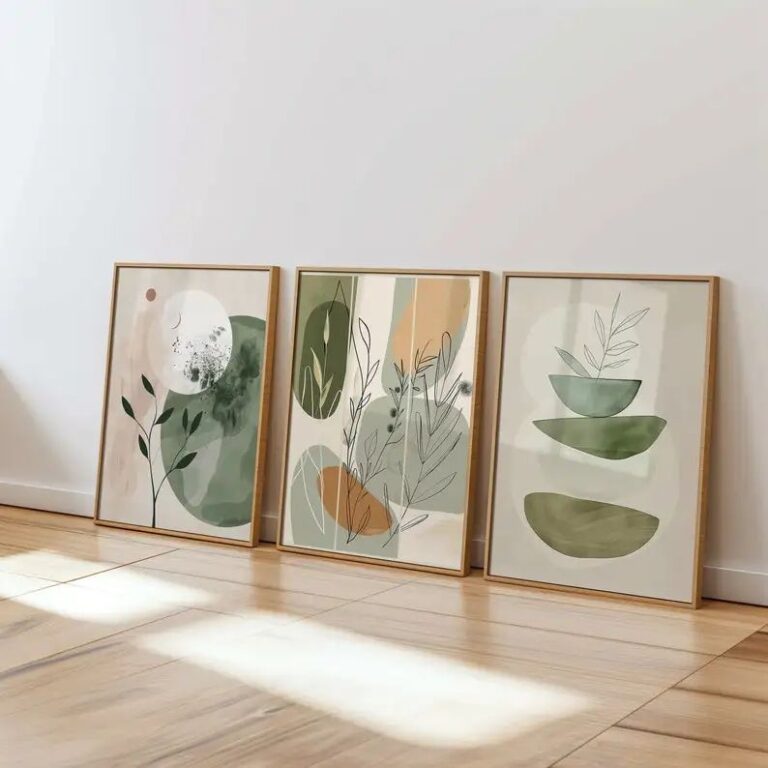
Where it does its best work is on a long, plain wall that gets decent light at some point in the day, a staircase, a hallway, the stretch above a sofa in a room where the furniture is simple. In older houses with a bit of wall height to play with, a vertical arrangement up a staircase catches morning light in a way that makes the whole climb feel less like a climb. In smaller apartments, a tighter horizontal set above a low console does the opposite job, it makes a short wall feel intentional instead of just narrow. Rental homes benefit most, honestly, because a set gives you the feeling of a considered room without touching a single wall permanently, assuming you're smart about what you hang it with.
In an ordinary room, it sits best with furniture that isn't asking for attention itself, plain wood, a neutral sofa, a rug that stays in its lane. A warm lamp nearby helps more than you'd expect, because by evening the set stops being something you look at critically and starts being something the room just has, the way a good chair just gets sat in without anyone remarking on it.
What's interesting is how these age differently than a single large print. The individual pieces fade or shift tone at slightly different rates depending on how the light hits each one, so a set that looked uniform in year one starts to look like it was assembled slowly, over time, by someone with actual taste. Which, by then, you'll have talked yourself into believing you are.

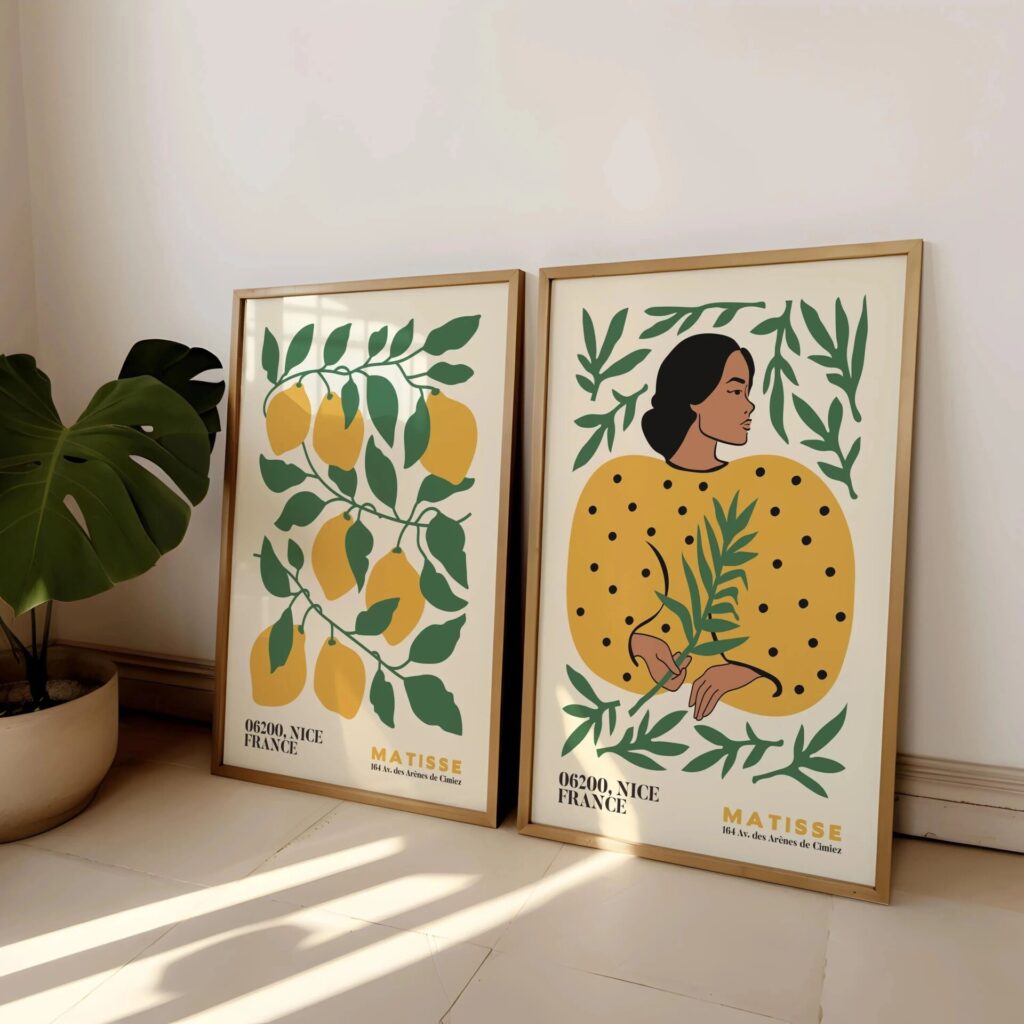 Aisha's pickWall Art Sets for Hallway That Start Conversations
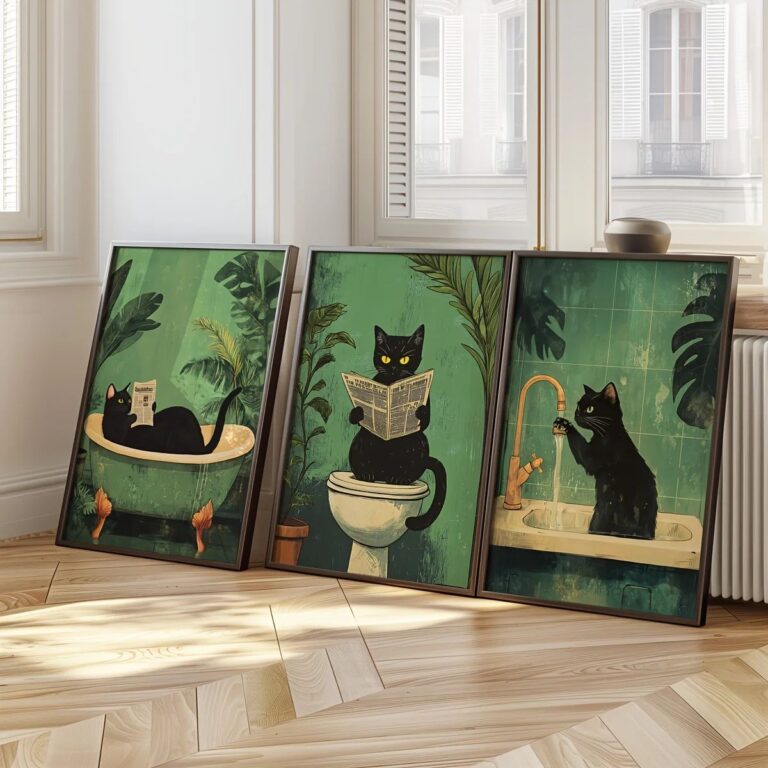
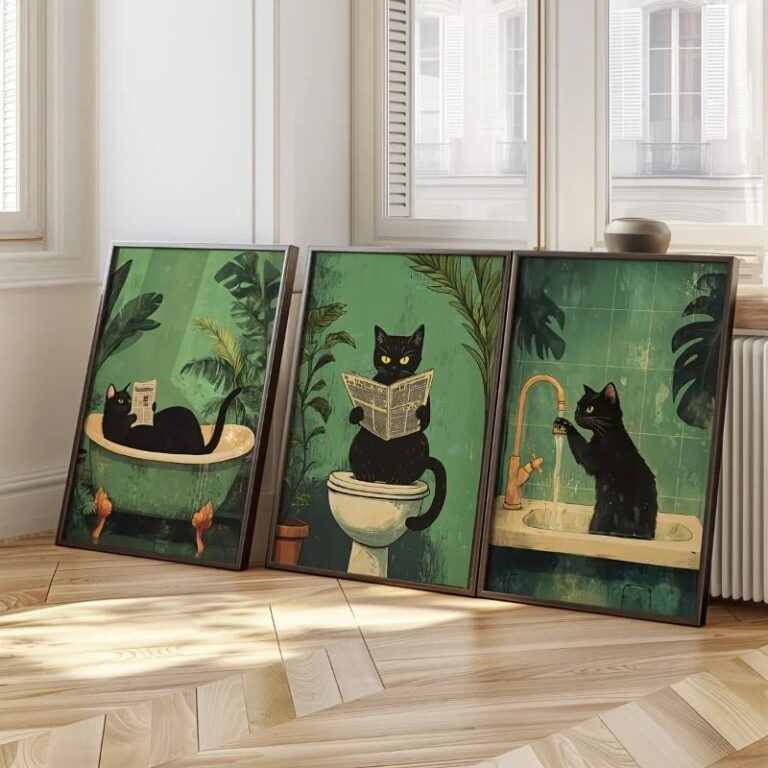 Aisha's pickThe Animal Wall Art Sets Worth Your Cash
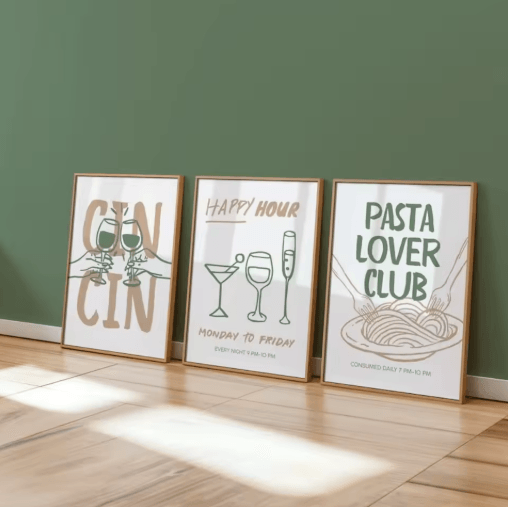
 Aisha's pickWall Art Sets for Kitchen That Make Great Housewarming Gifts
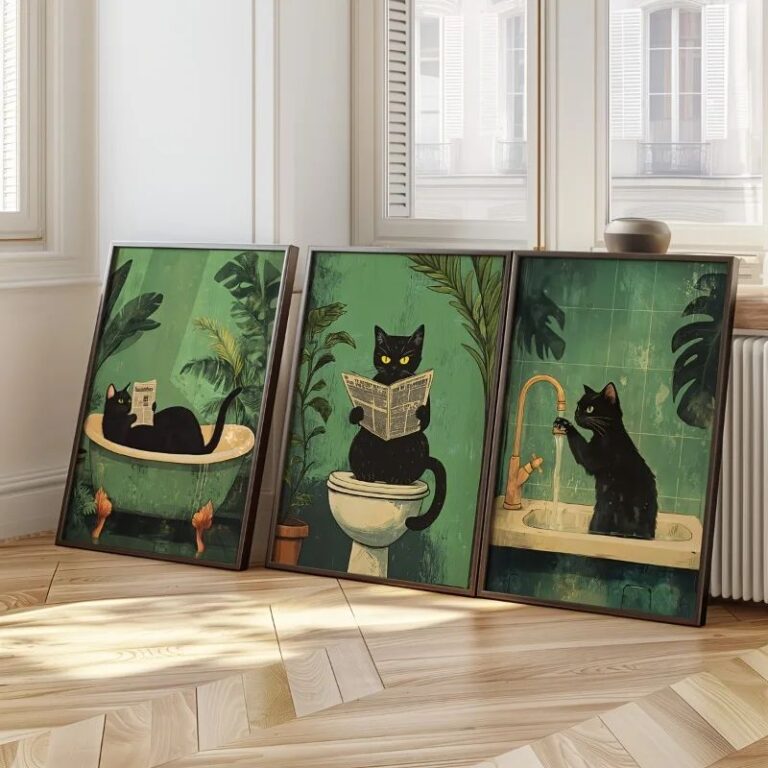 Aisha's pickBlack Wall Art Sets With a Story to Them
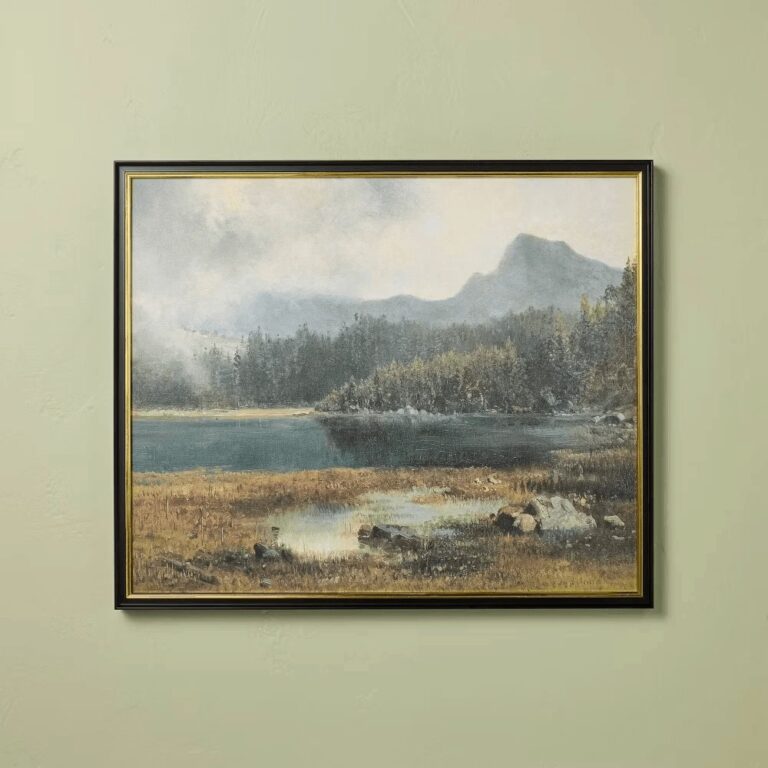
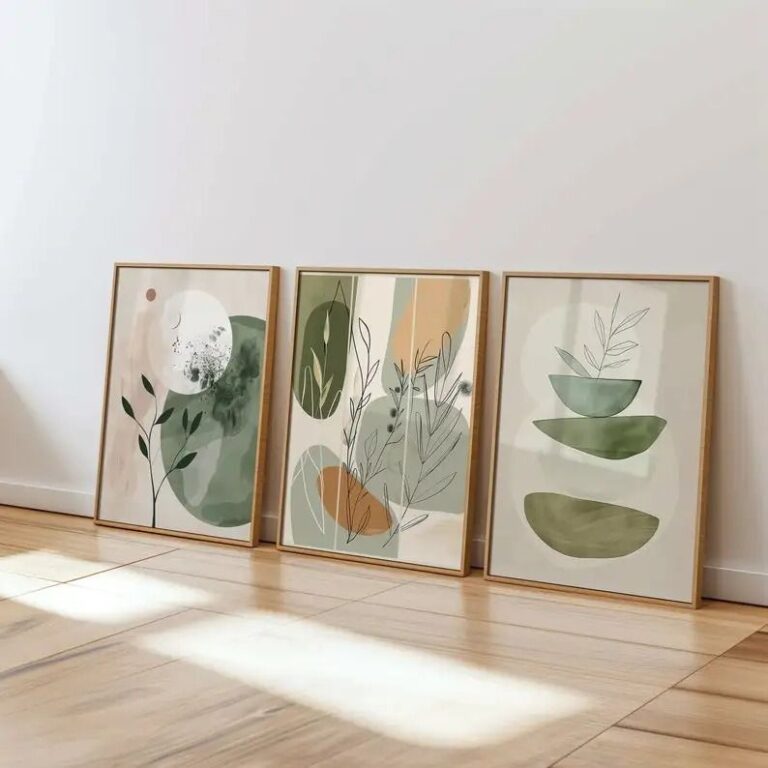 Aisha's pickWall Art Sets for Living Room That Won’t Let You Down

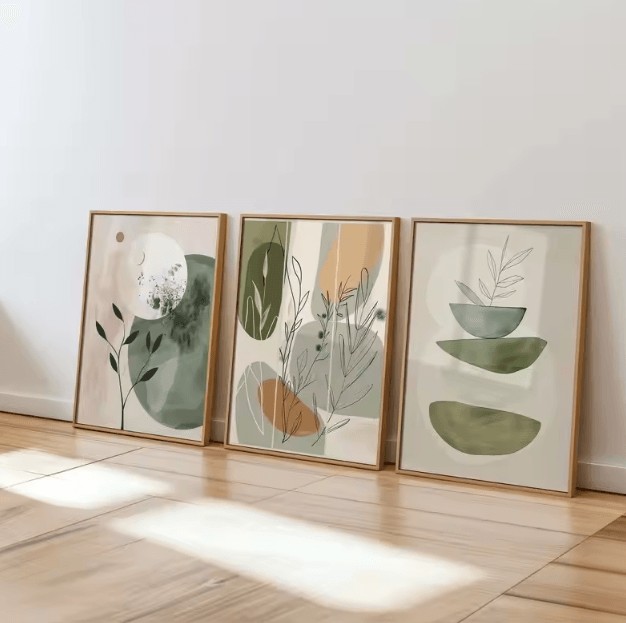 Aisha's pickFloral Wall Art Sets That Look Good Up Close
 Aisha's pickWall Art Sets for Office That Keep the Desk Clear
 Aisha's pickGood Flower Wall Art Sets That Don’t Cost a Fortune
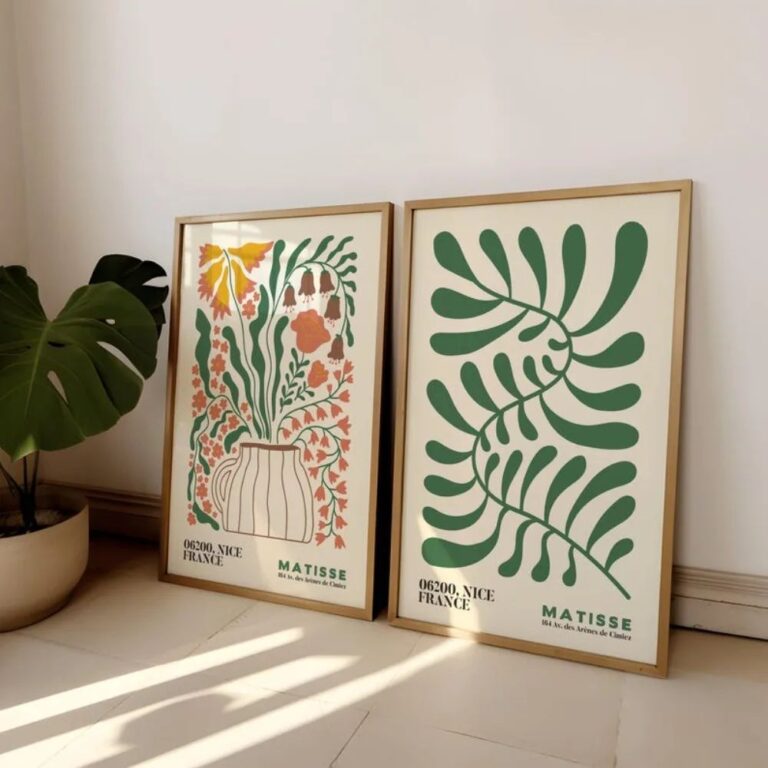
 Aisha's pickWhite Wall Art Sets for Filling an Awkward GapAlso worth a lookPrintsThe thing nobody tells you about a print is that it changes with the light, and you won't…See the collections →

 Aisha's pickGreen Wall Art Sets That Make Great Housewarming Gifts
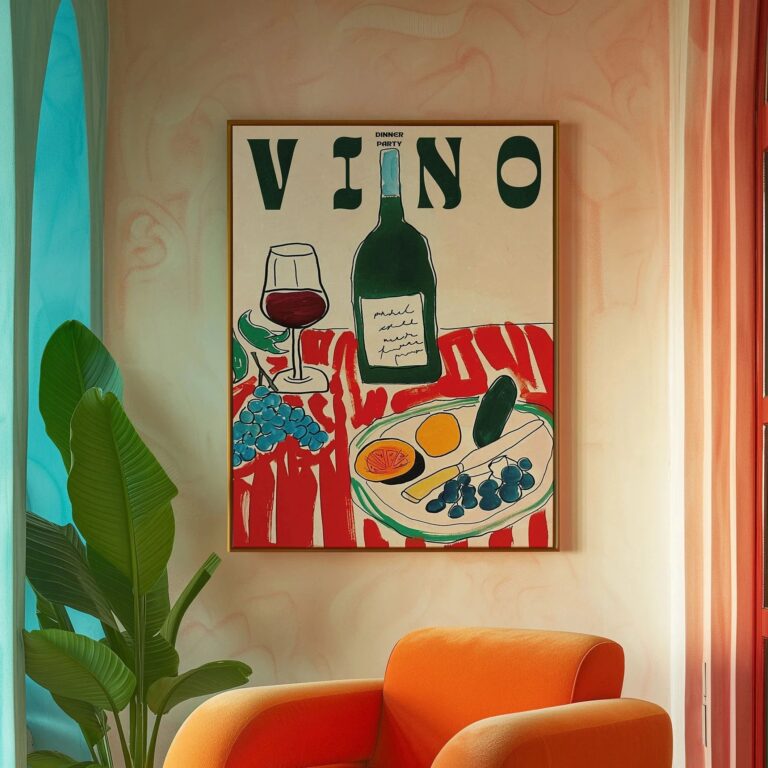
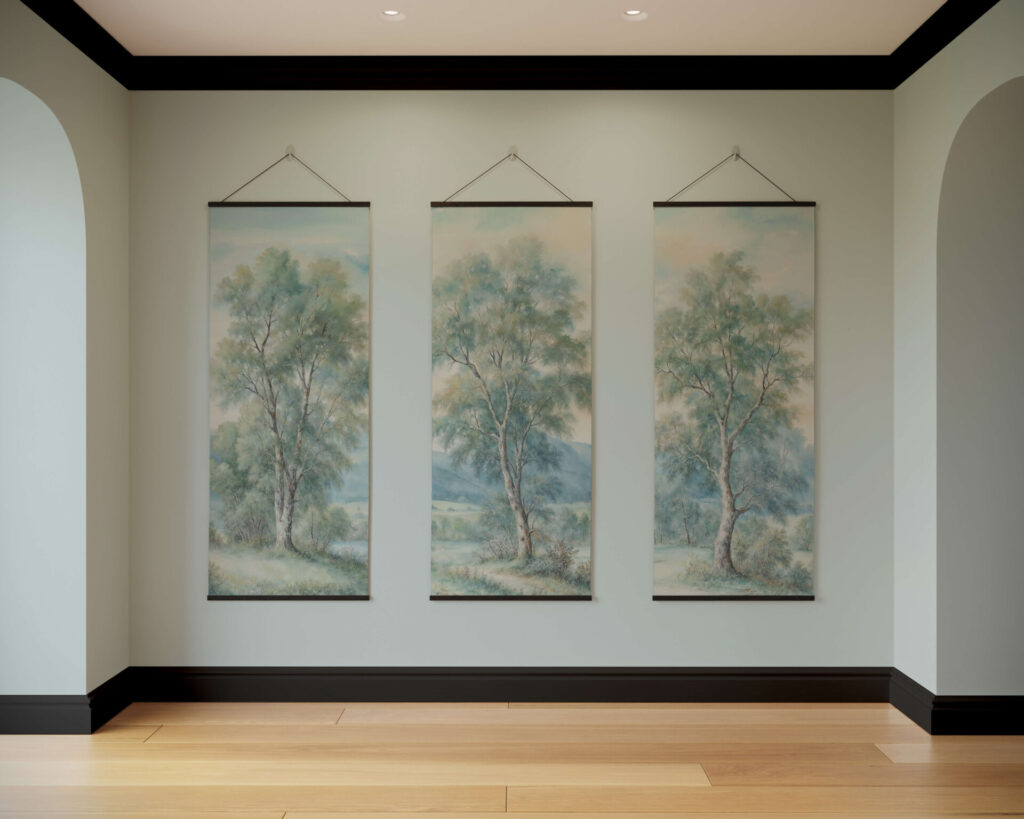 Aisha's pickLandscape Wall Art Sets That Catch the Eye Without Taking Over
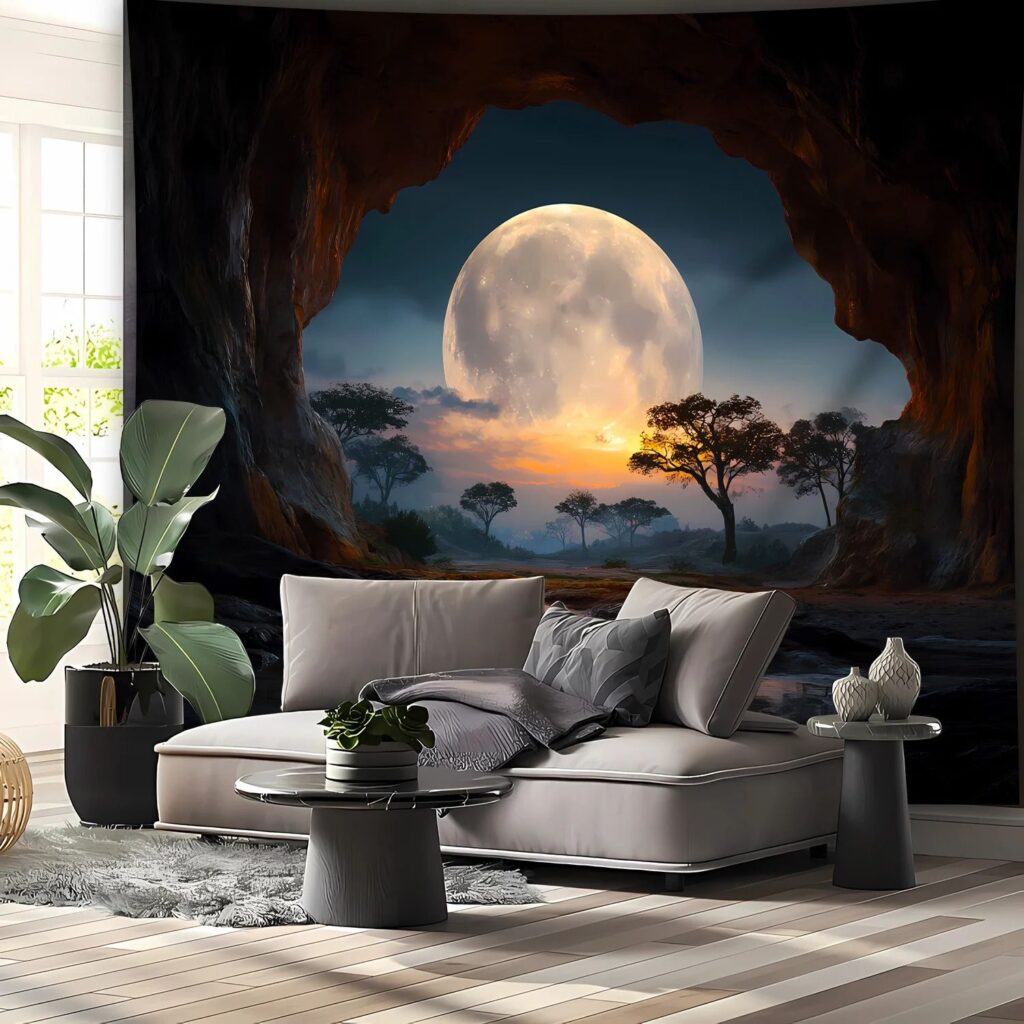
 Aisha's pickLarge Wall Art Sets With a Bit More About Them
 Aisha's pickMinimalist Wall Art Sets From Stores Big and Small
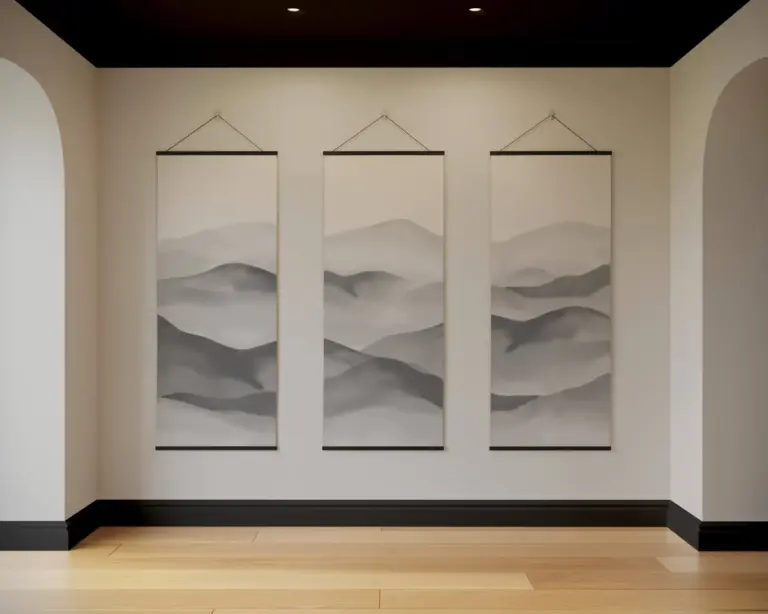 Aisha's pickNeutral Wall Art Sets That Don’t Look Mass Produced
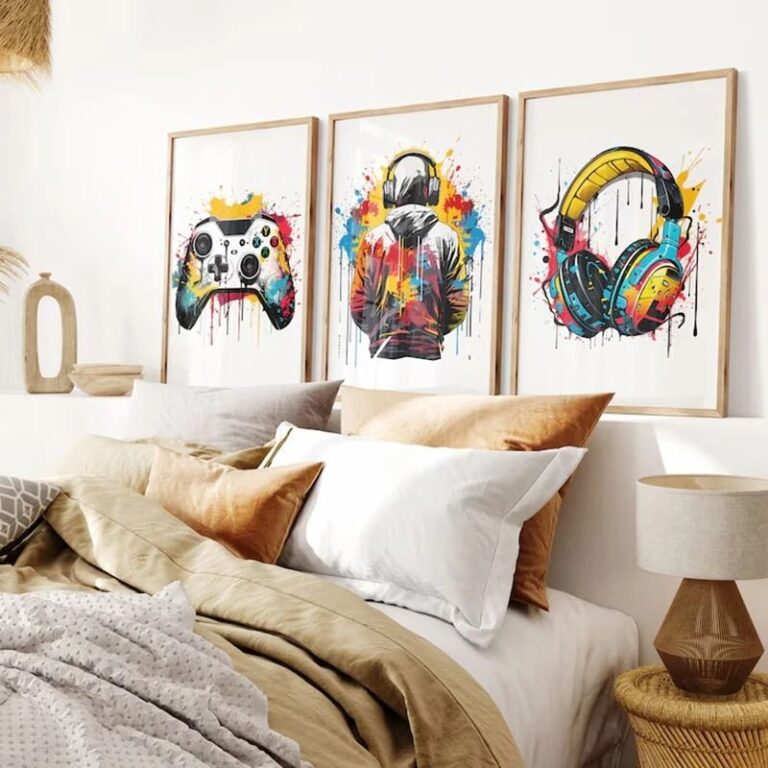
 Aisha's pickPink Wall Art Sets That Catch the Eye Without Taking Over
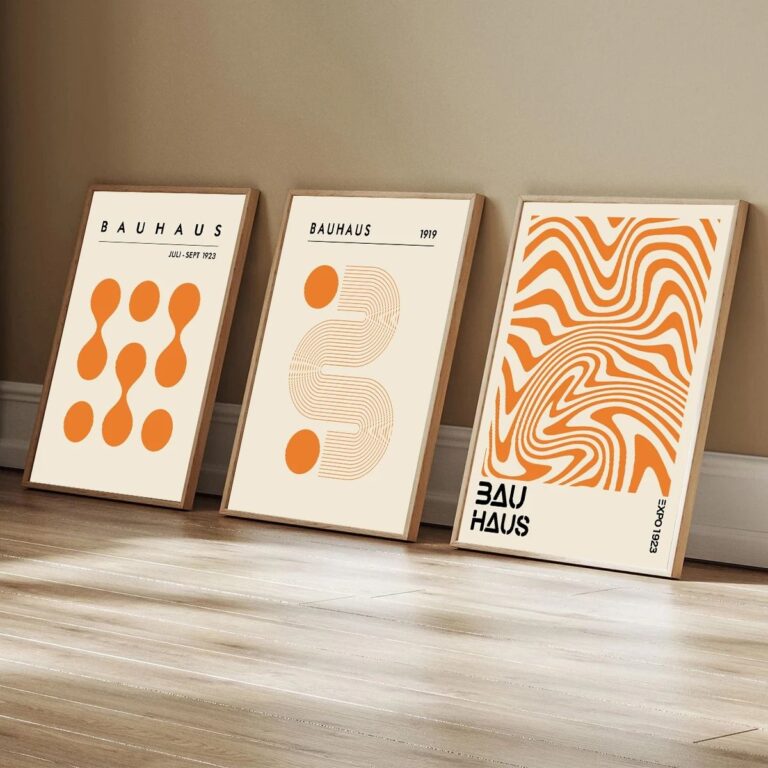
 Aisha's pickOur Shortlist of Retro Wall Art Sets

 Aisha's pickGood Tree Wall Art Sets That Don’t Cost a Fortune
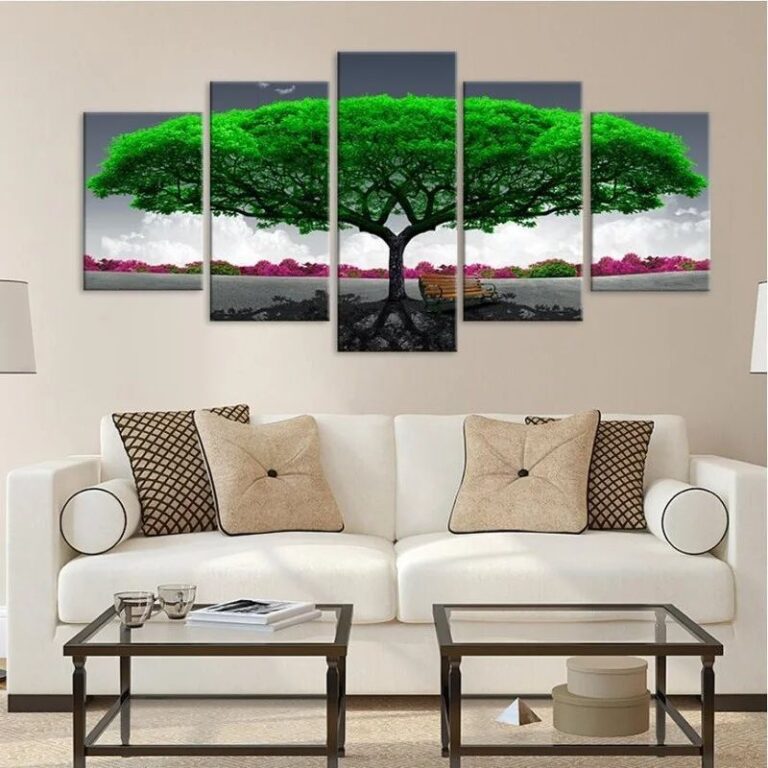
 Aisha's pickVintage Wall Art Sets for People Who Know What They LikeAlso worth a lookModern Wall ArtFor years I figured modern wall art meant one big canvas, something abstract and gray, hung dead center…See the collections →
 Aisha's pickWall Art Sets That Do the Job Right