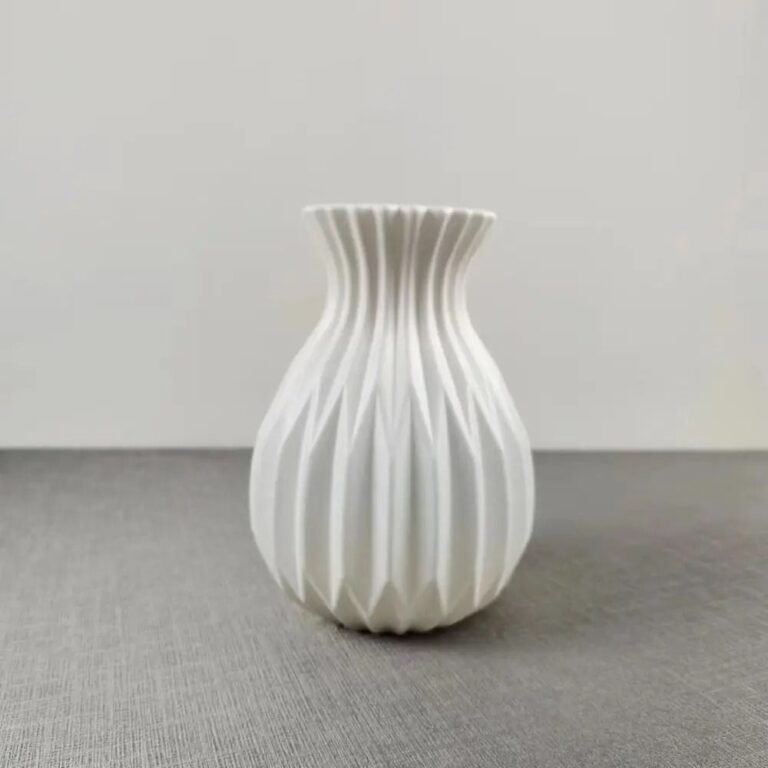
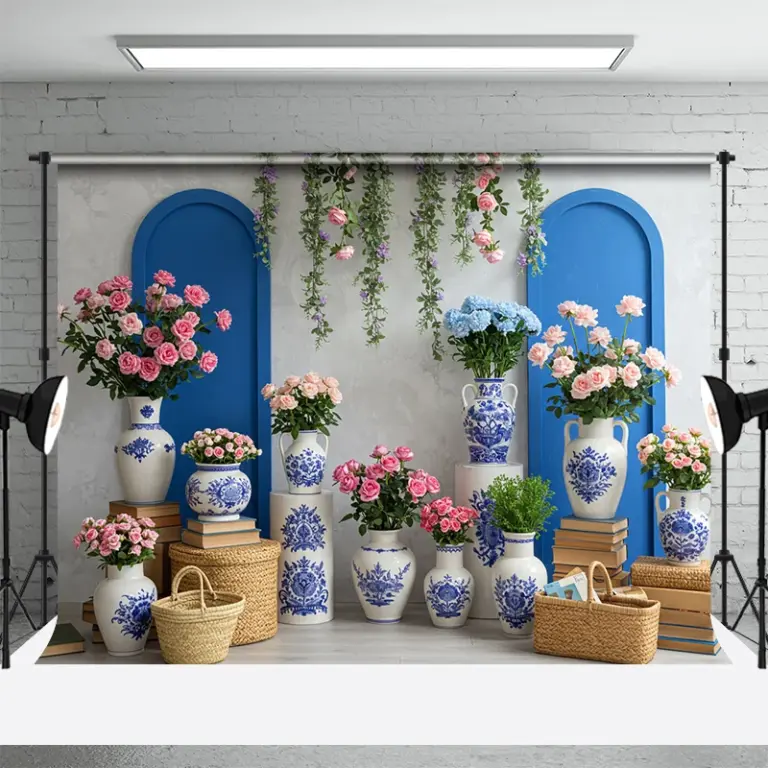
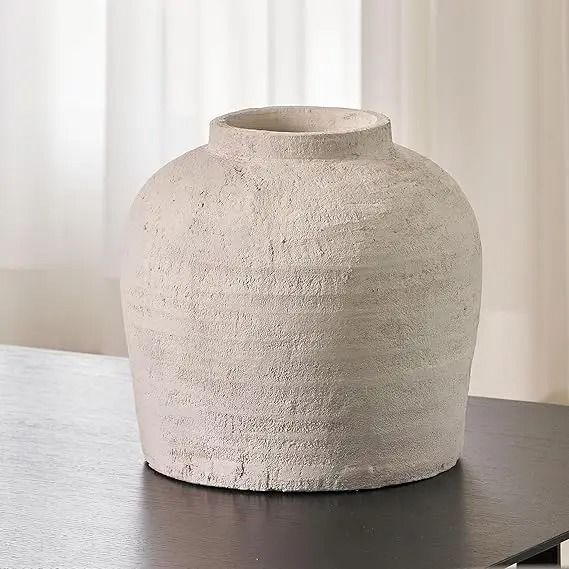
There's a particular kind of evening, late in the day, when the light comes in low through the kitchen window and lands on whatever's sitting on the table, that tells you fast whether a vase is worth having around. An empty one, just catching that light, either looks like something or looks like nothing. That's the test I use now, long after I stopped trusting myself to pick these out in a shop under fluorescent lights where everything looks fine.
What separates a good one from a disappointing one usually comes down to weight and the bottom edge. Pick it up. Glass should feel like it has some substance to it, not like it would tip in a light breeze from an open window. Ceramic ones, run a finger around the base, it should be smooth and finished, not gritty or rough where it was cut from the wheel. Cheap vases often give themselves away at the seam, a visible ridge where two mold halves met, or a glaze that pools unevenly and leaves a thin patch near the bottom. A well made one has an even glaze, a base that sits flat without rocking on the table, and a weight that makes it feel anchored rather than decorative in the bad sense, like it would survive a cat walking past it, which in my house is the only standard that matters.
If you own none, start plain. A simple cylinder or a gentle bulb shape, in clear glass or a single matte color, something that could hold a bunch of grocery store tulips just as well as a few stems cut from the yard. Avoid anything with a strong pattern or an unusual silhouette as your first one, those only work once you already have a plain one to fall back on. A good neutral vase goes on a kitchen table, a hallway console, a bookshelf between stacked paperbacks, it doesn't fight with anything because it isn't trying to be the main event. Where it struggles is in a room that's already busy, a mantel full of frames, a shelf crowded with other objects, it just gets lost or makes the whole thing look cluttered.
When it arrives or when you're holding one in the shop, check the opening is wide enough to actually arrange stems in, some narrow necks look lovely empty and are miserable to use, and check for a strange sweet smell from new glass or ceramic, which usually means it needs an airing before anything goes in it. Hold it up to a window too, air bubbles in cheap glass are fine, but a cloudy patch rarely goes away.
A good vase should look like it belongs there even on the one day a year it's actually got flowers in it.
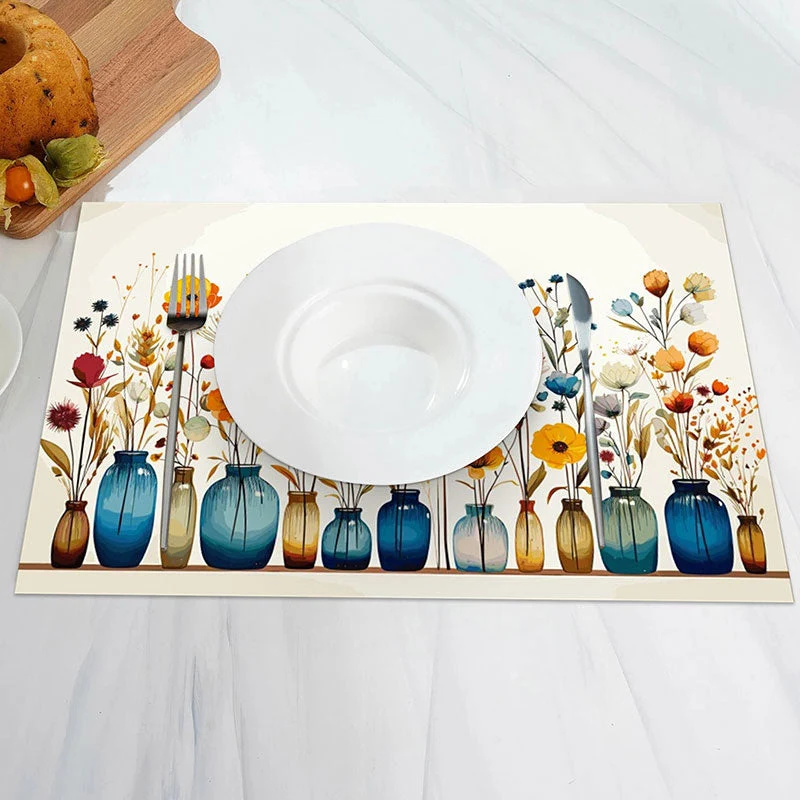 Aisha's pickBlue Vases From Brands You Know and a Few You Won’t
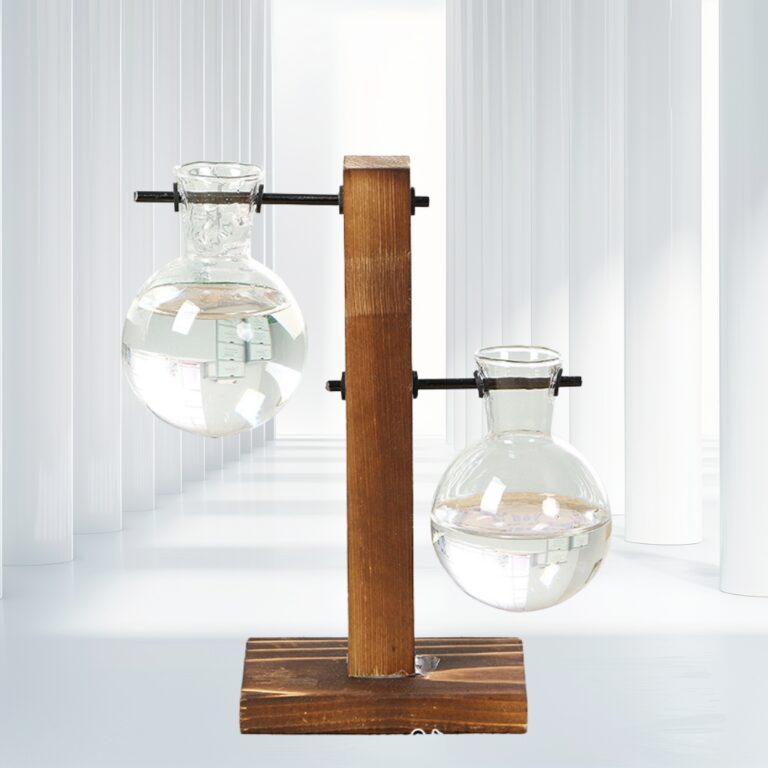 Aisha's pickGreen Flower Vases Worth Knowing About
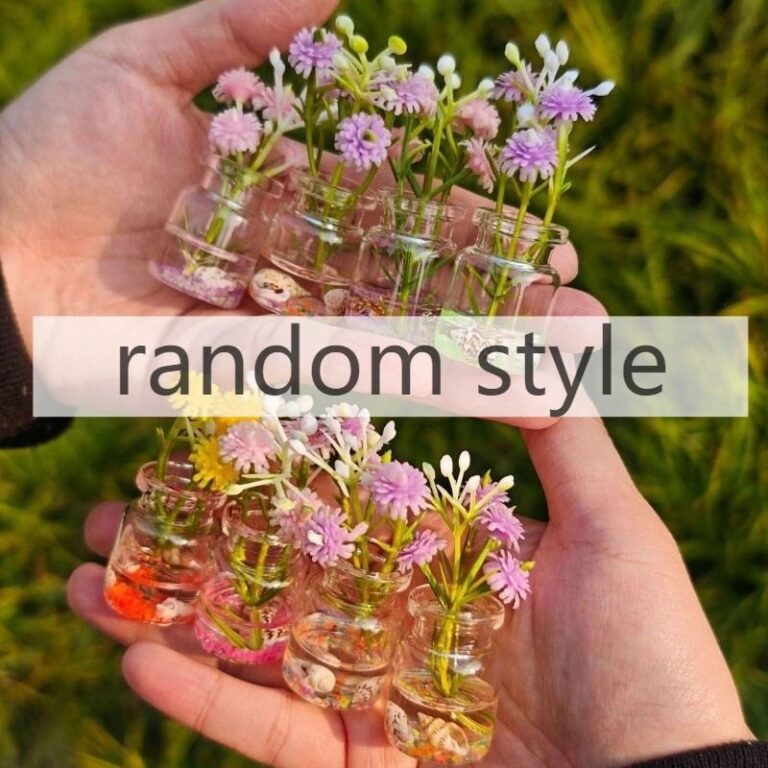
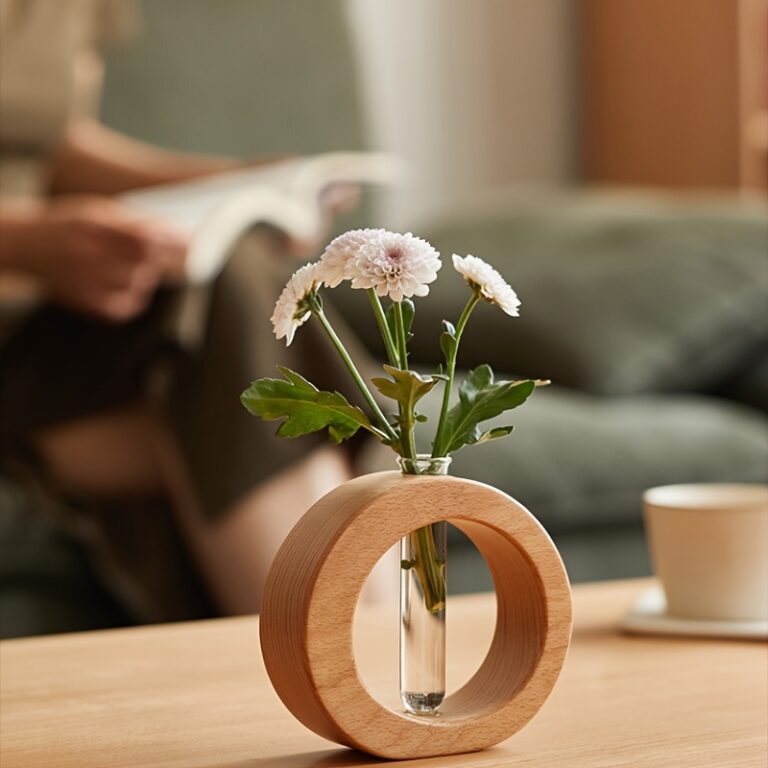 Aisha's pickRound Vases With a Story to Them
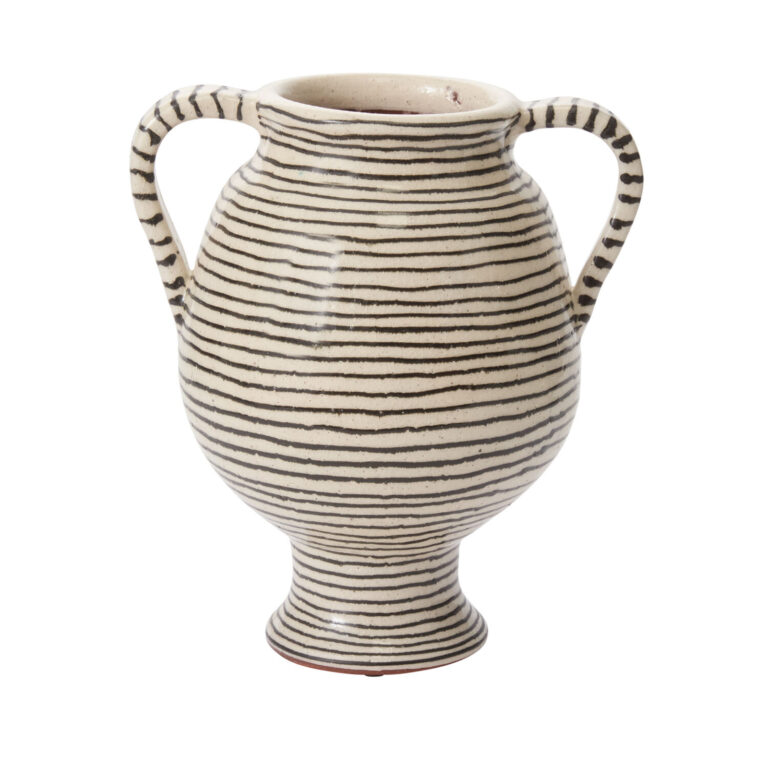
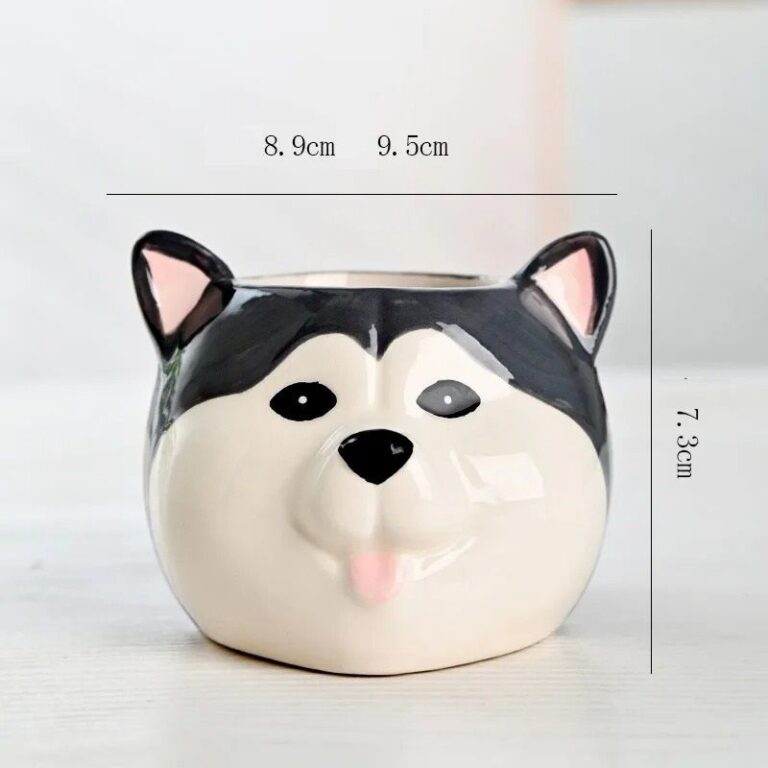 Aisha's pickBoho Vases for Filling an Awkward Gap
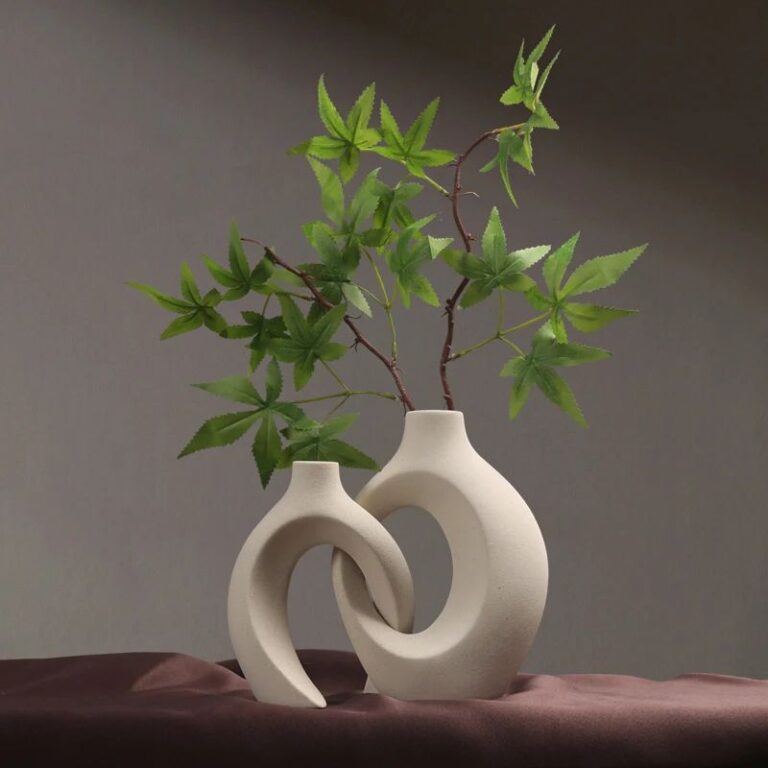
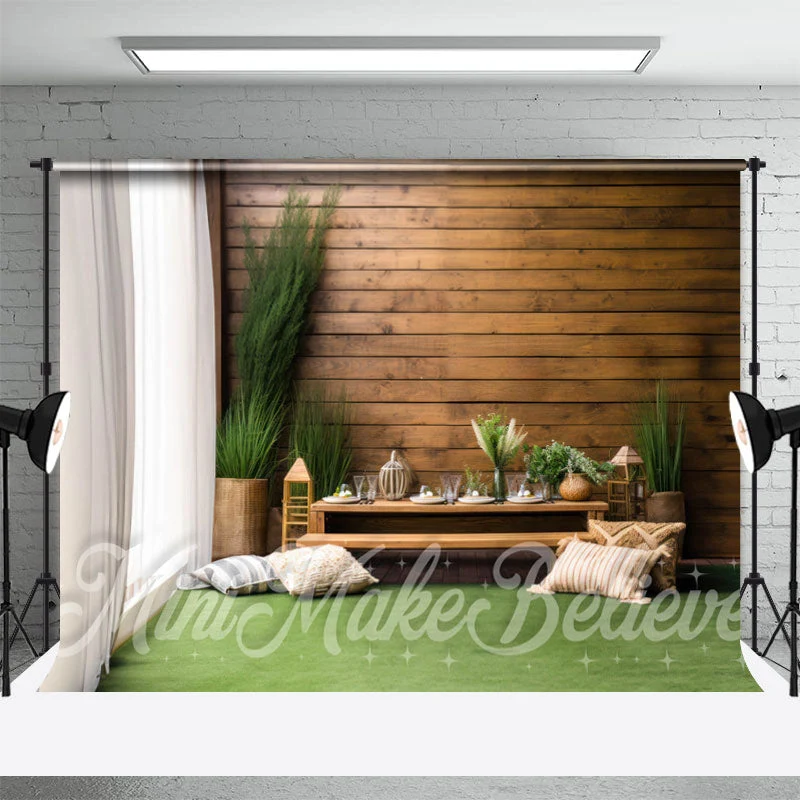 Aisha's pickGreen Vases for Blank Walls and Empty Shelves
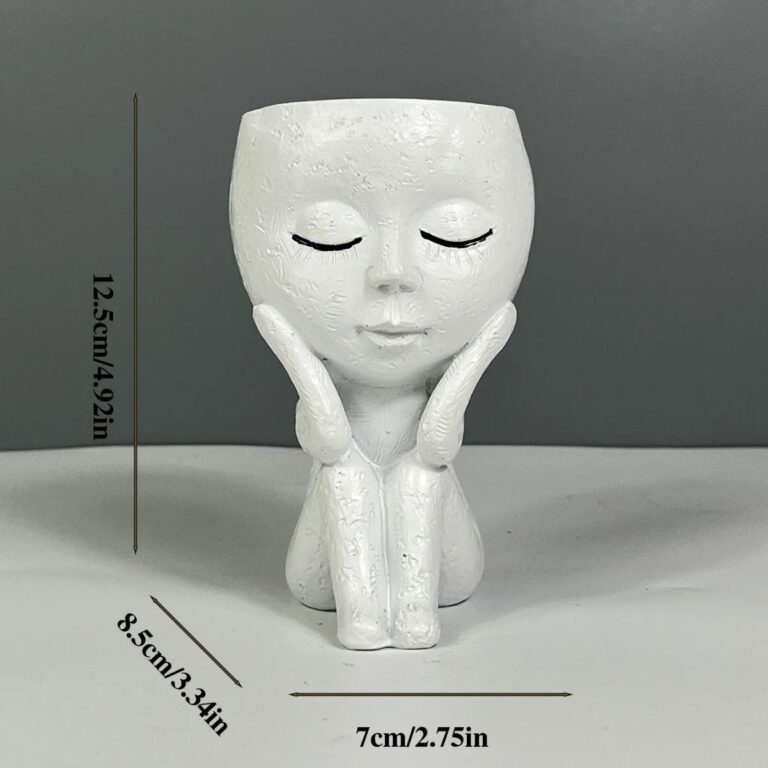
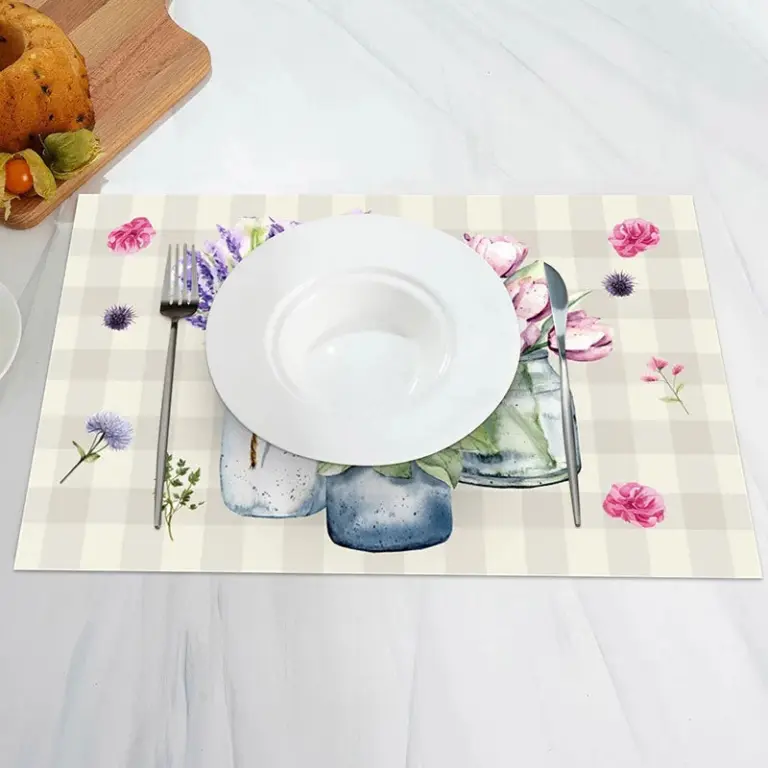 Aisha's pickNo Fuss Silver Vases
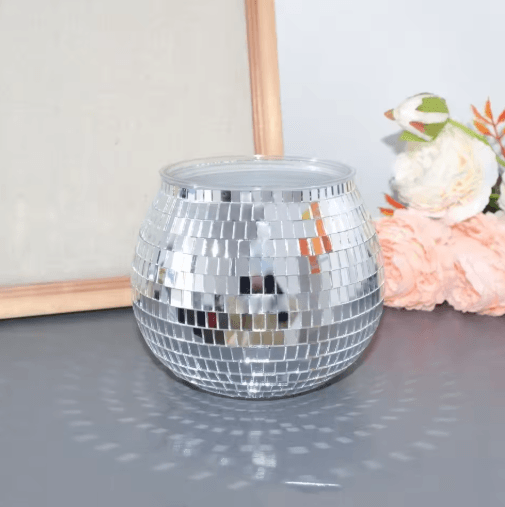
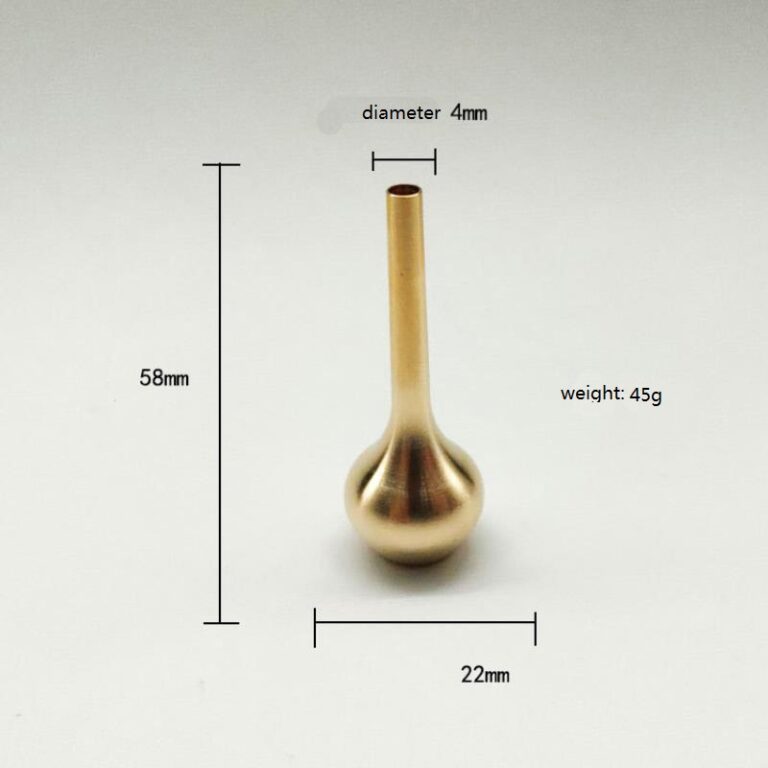 Aisha's pickBottle Vases We’d Make Room For
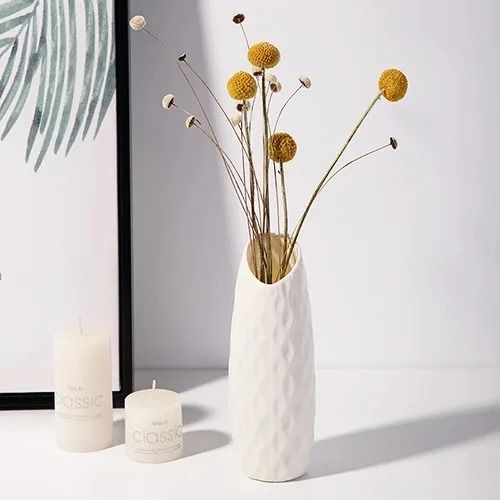
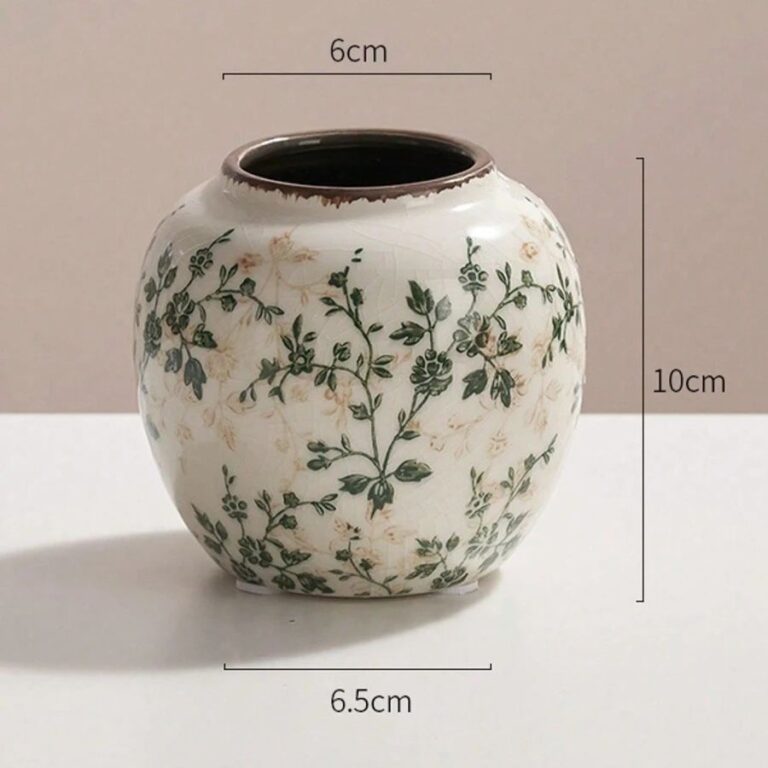 Aisha's pickHandmade Vases That Make Rented Places Feel Like Home
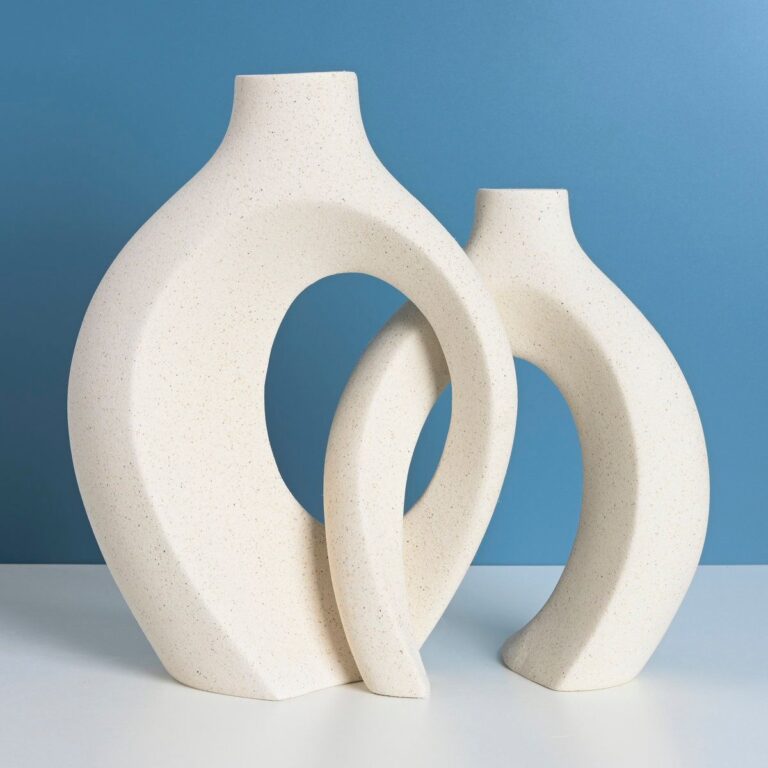
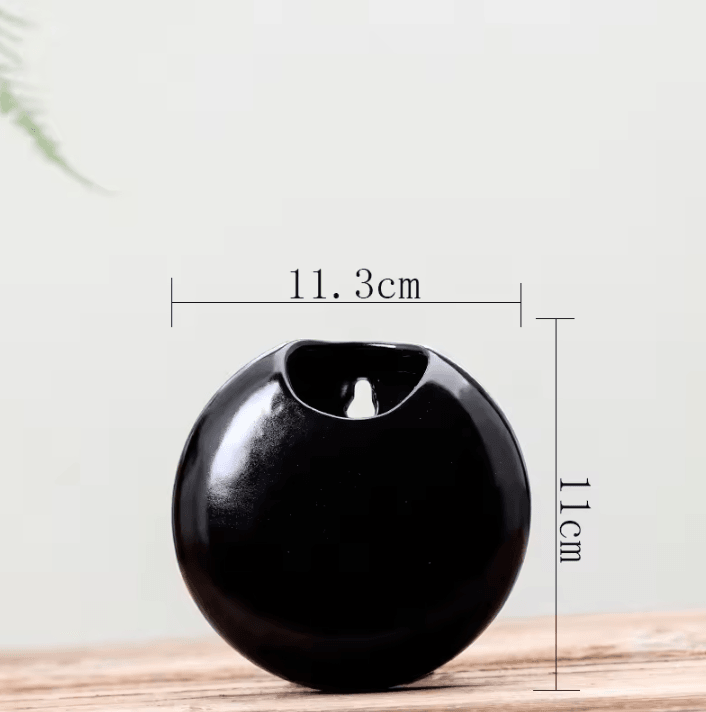 Aisha's pickSmall Ceramic Flower Vases That Make Great Housewarming GiftsAlso worth a lookArtificial Plants & VasesCan you really tell a good fake plant from across the room?See the collections →
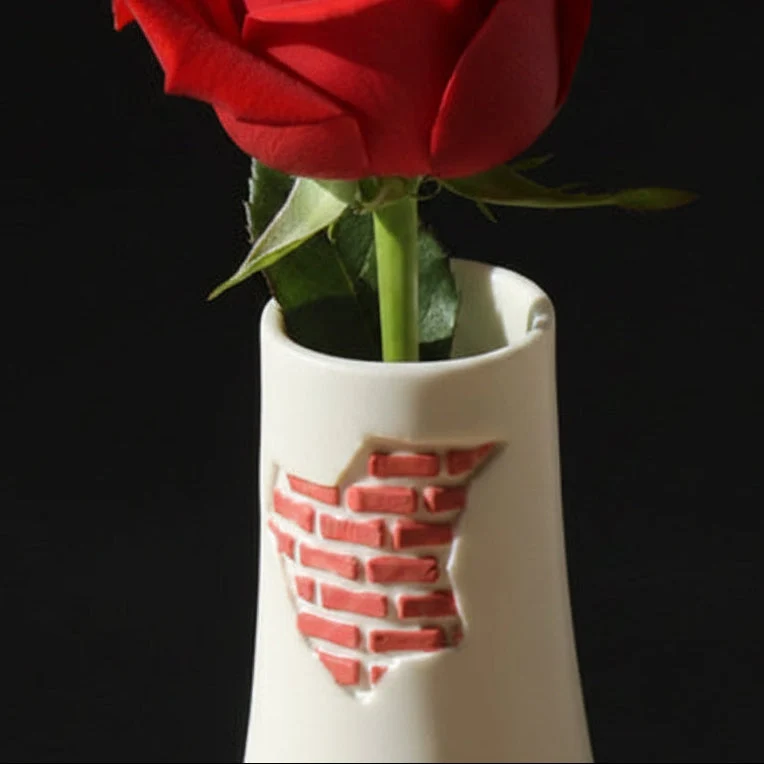
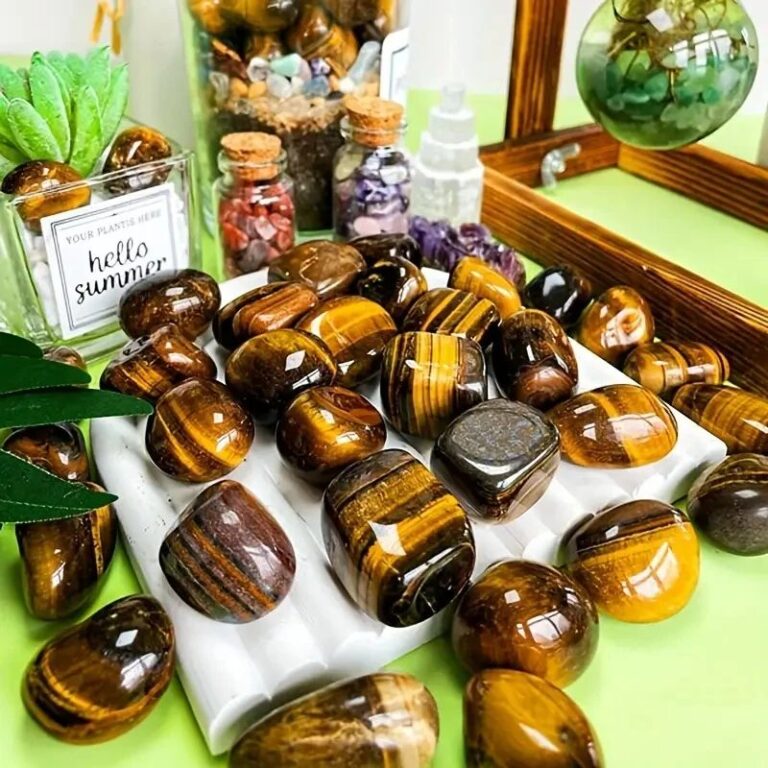 Aisha's pickBrown Vases We’d Make Room For
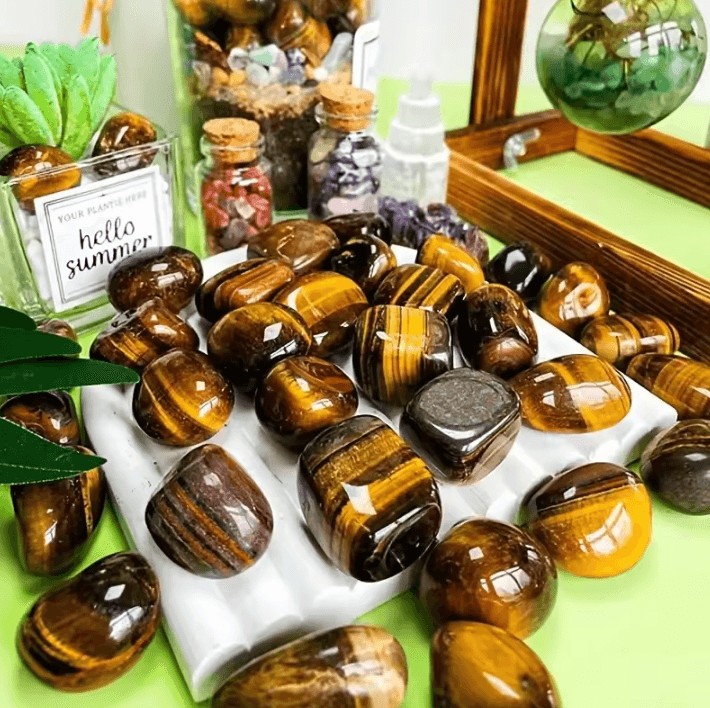
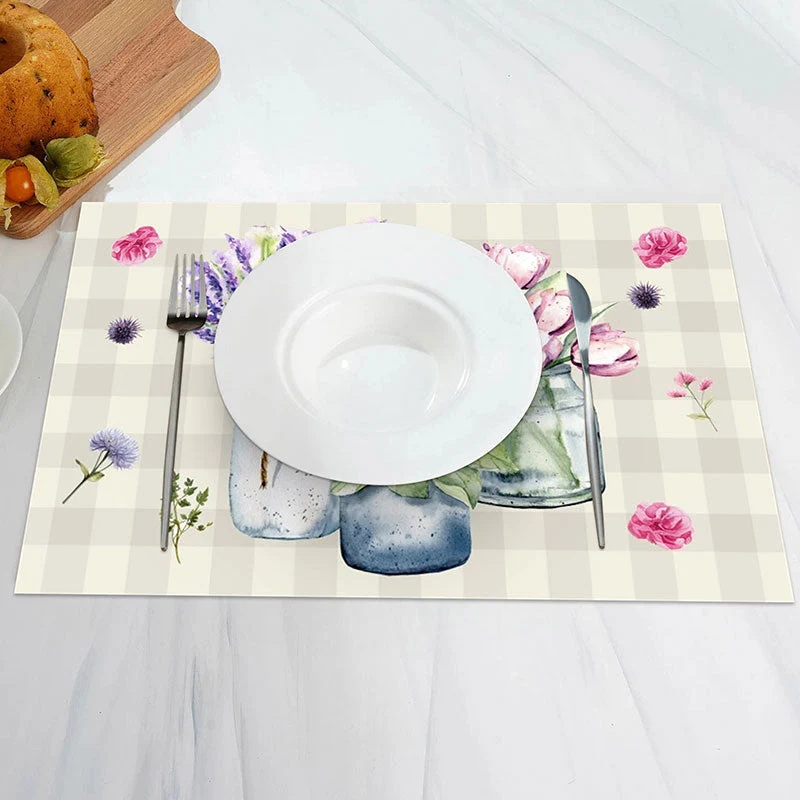 Aisha's pickLarge Vases That Start Conversations

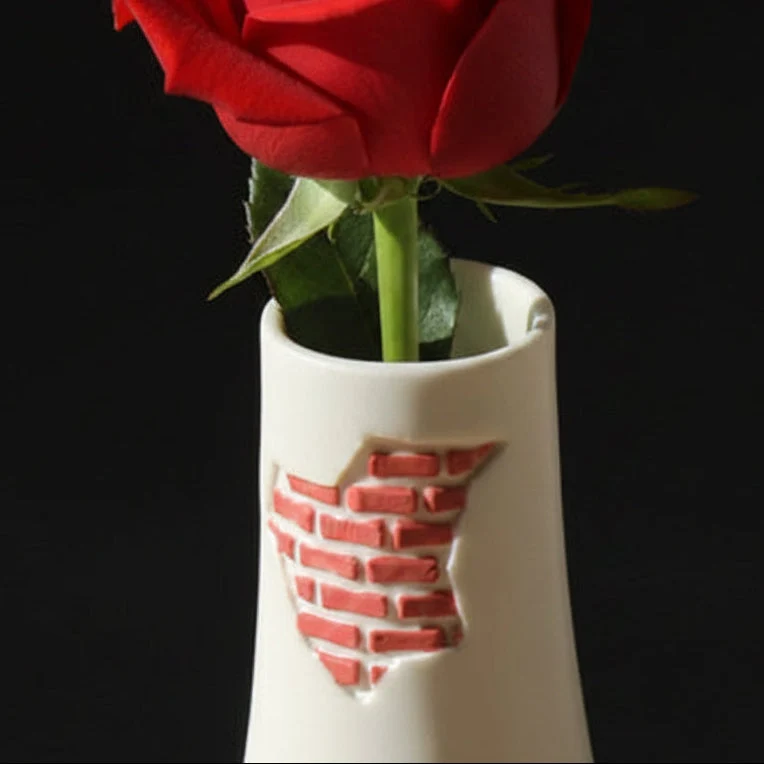 Aisha's pickSmall Ceramic Vases With a Story to Them
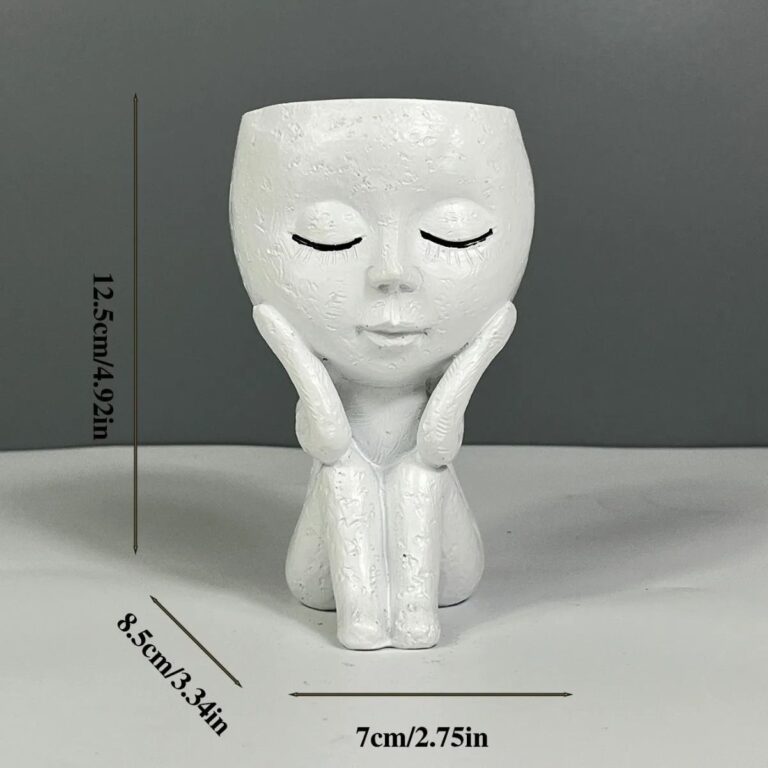
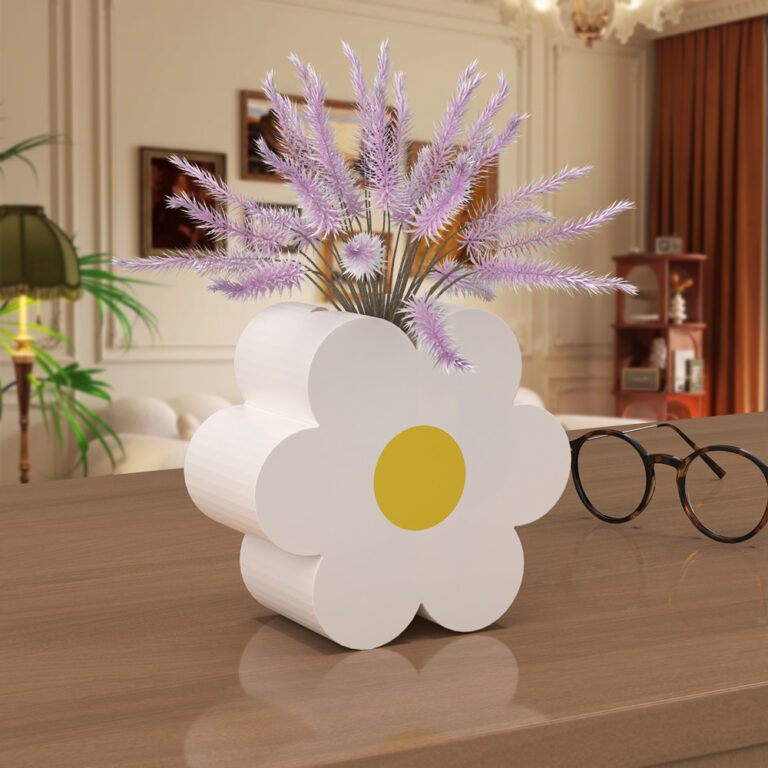 Aisha's pickBud Vases That Give a Room Some Personality
 Aisha's pickLuxury Flower Vases With Some Character

 Aisha's pickSmall Decorative Vases You’ll Still Like in Five Years
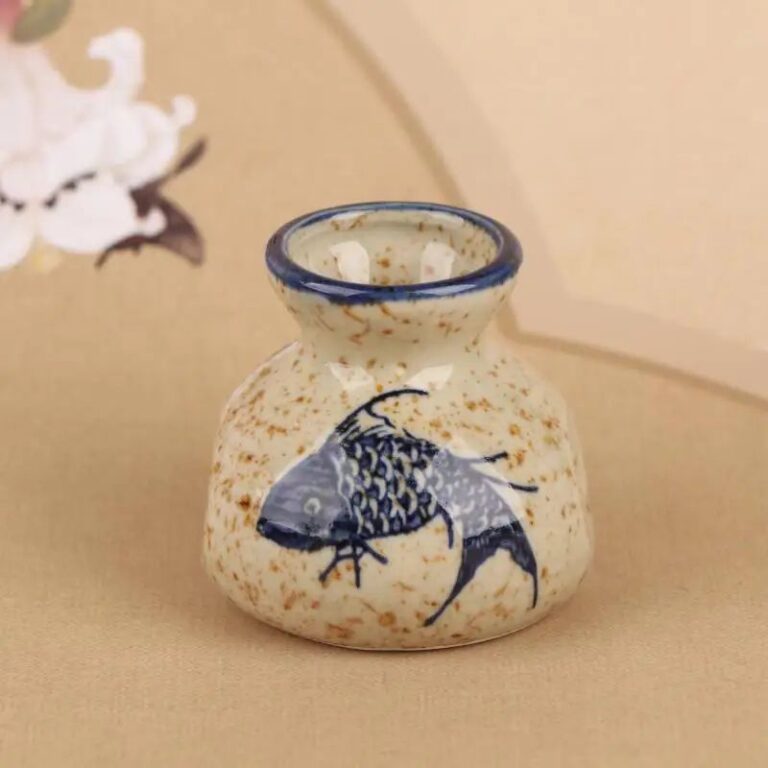 Aisha's pickCeramic Decorative Vases Picked From the Stores We Trust
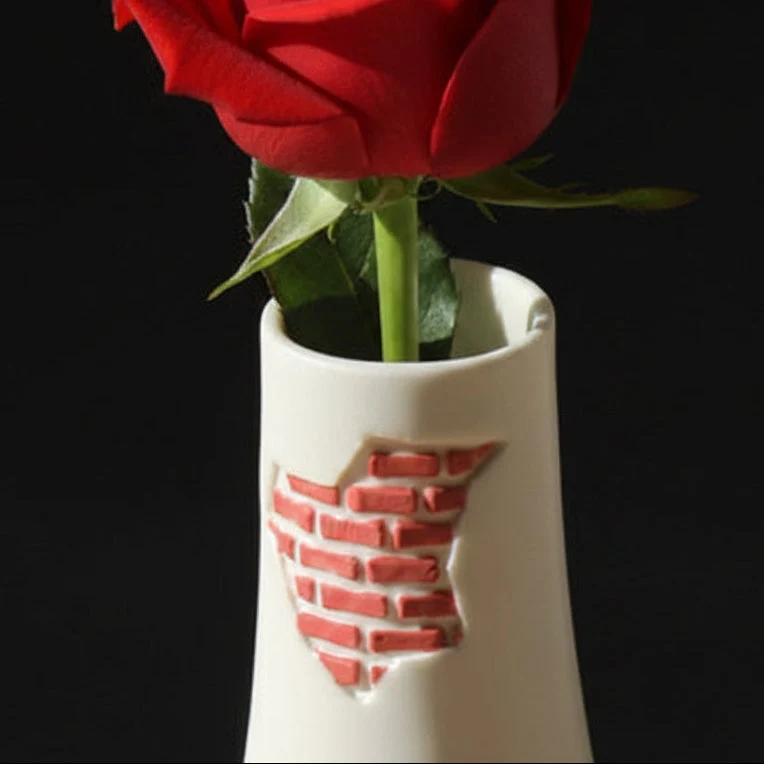
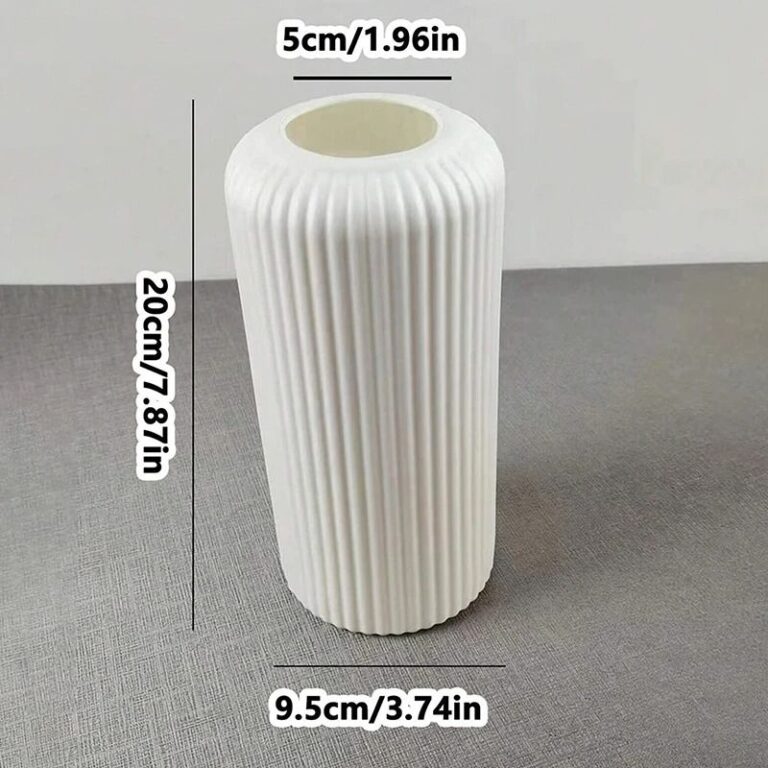 Aisha's pickLuxury Vases That Make a Shelf Look Styled
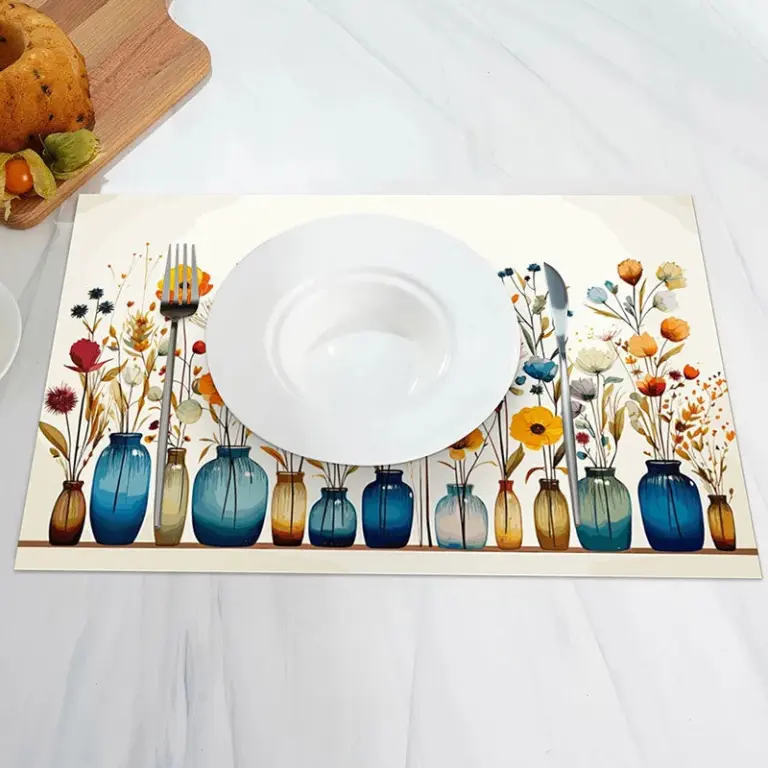
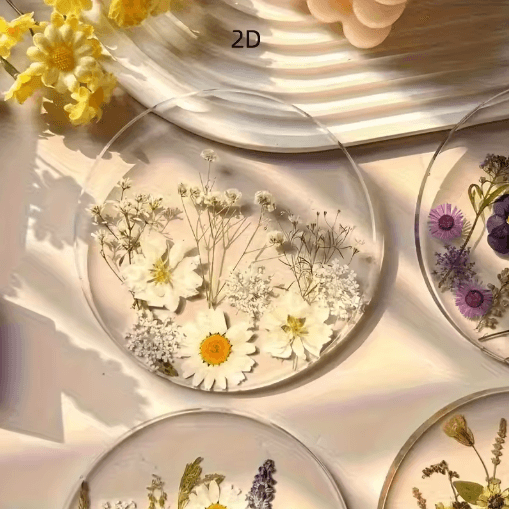 Aisha's pickNo Fuss Small Flower VasesAlso worth a lookFlowersGood artificial flowers should make someone touch them to check, and bad ones announce themselves from across the room.See the collections →
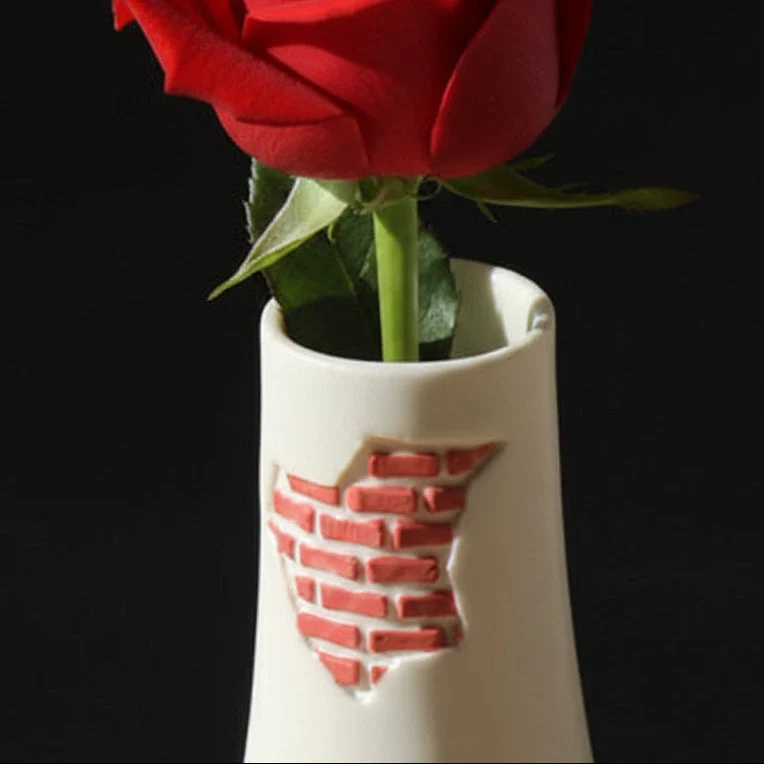
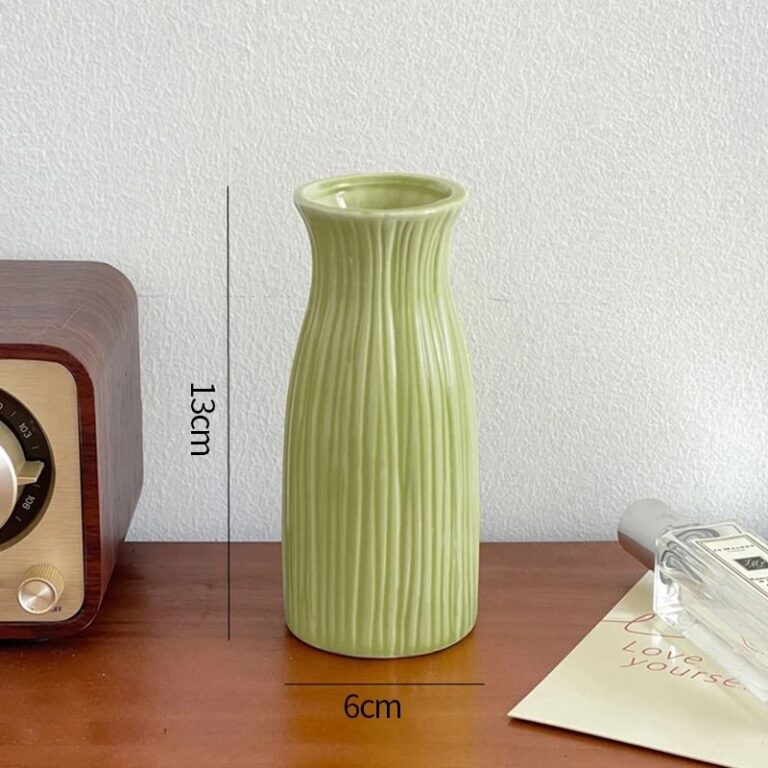 Aisha's pickCeramic Flower Vases for Rooms That Feel a Bit Bare
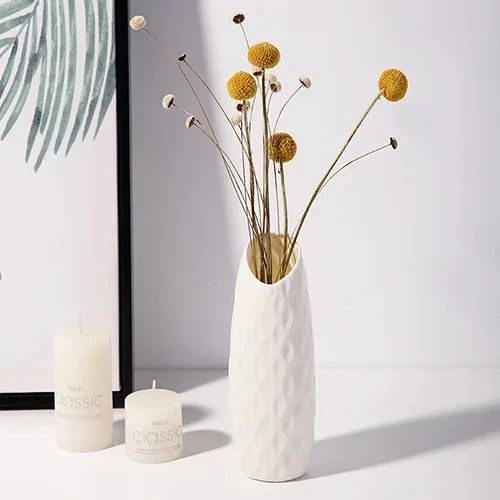
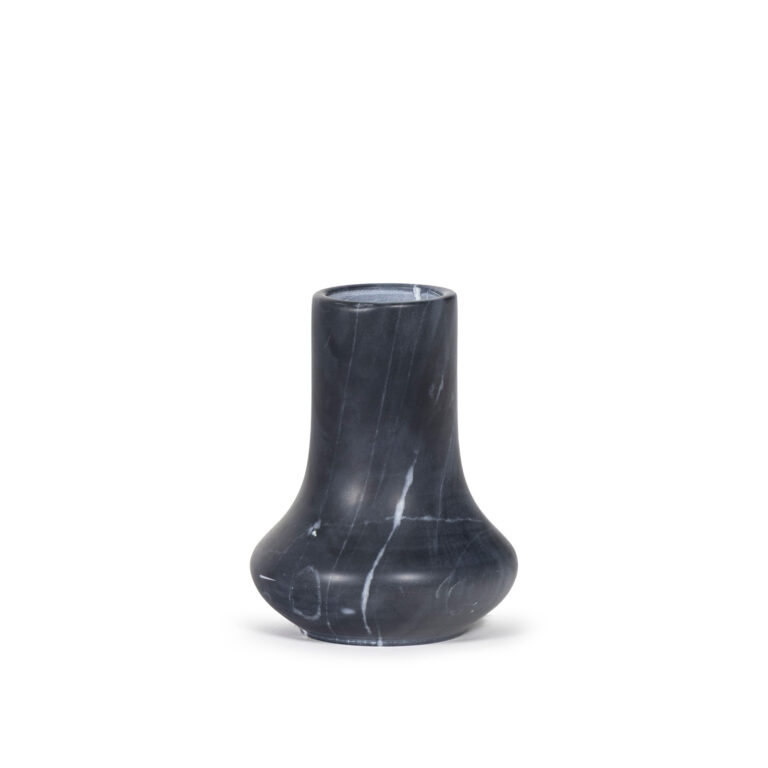 Aisha's pickMarble Vases That Catch the Eye Without Taking Over
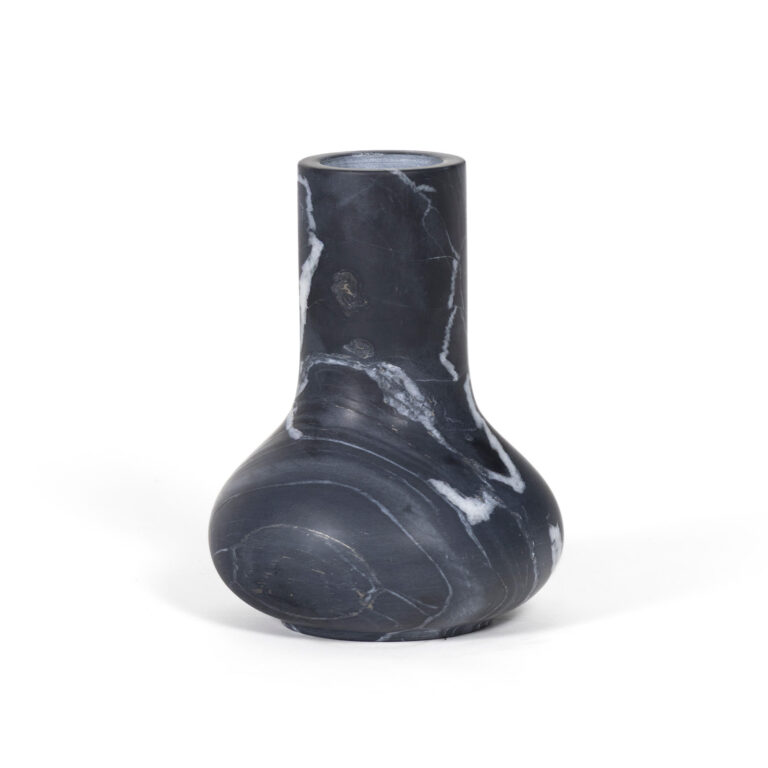
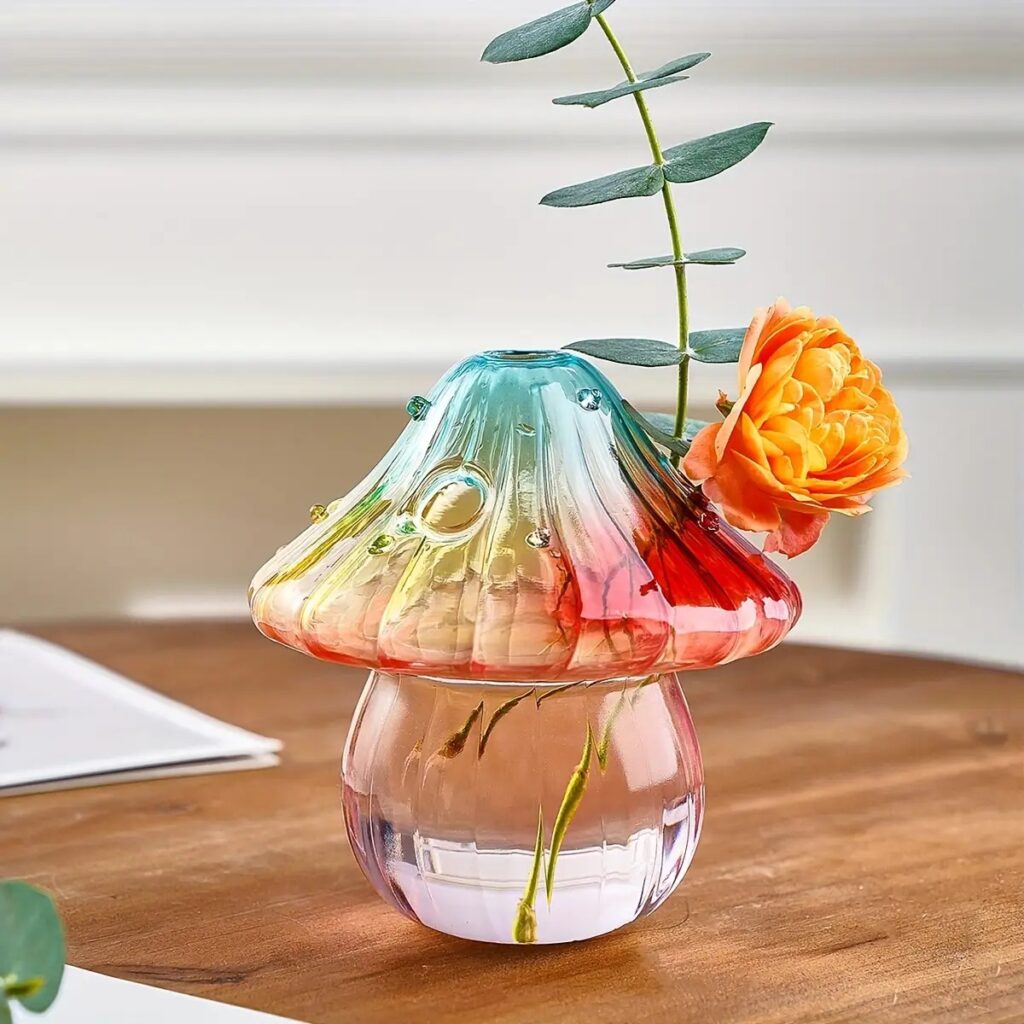 Aisha's pickSmall Vases That Hold Up to Everyday Life

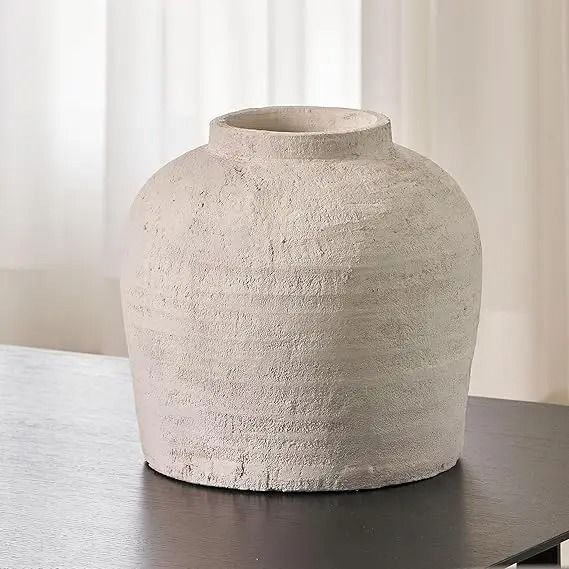 Aisha's pickCeramic Table Vases We’d Buy Again
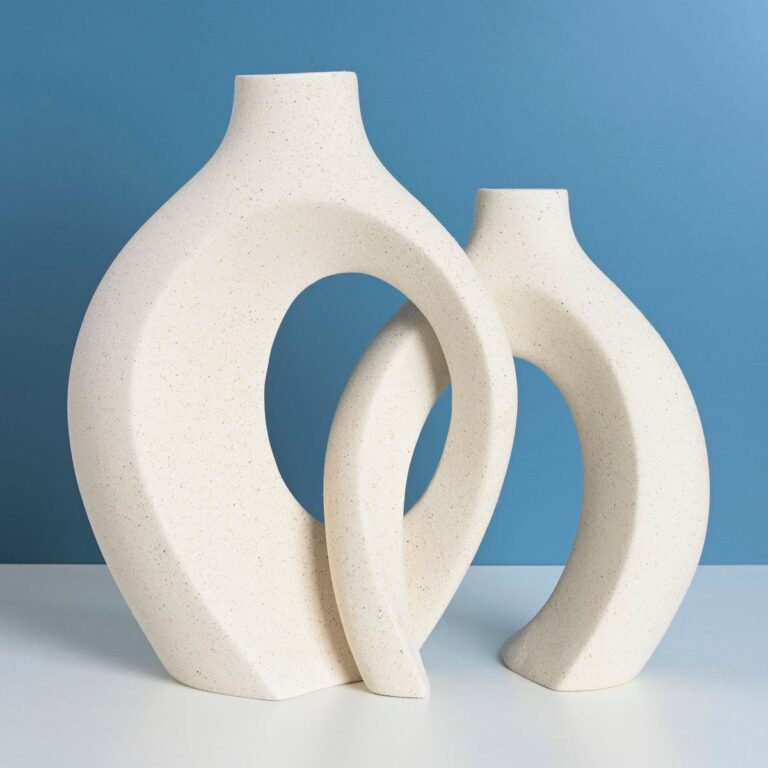
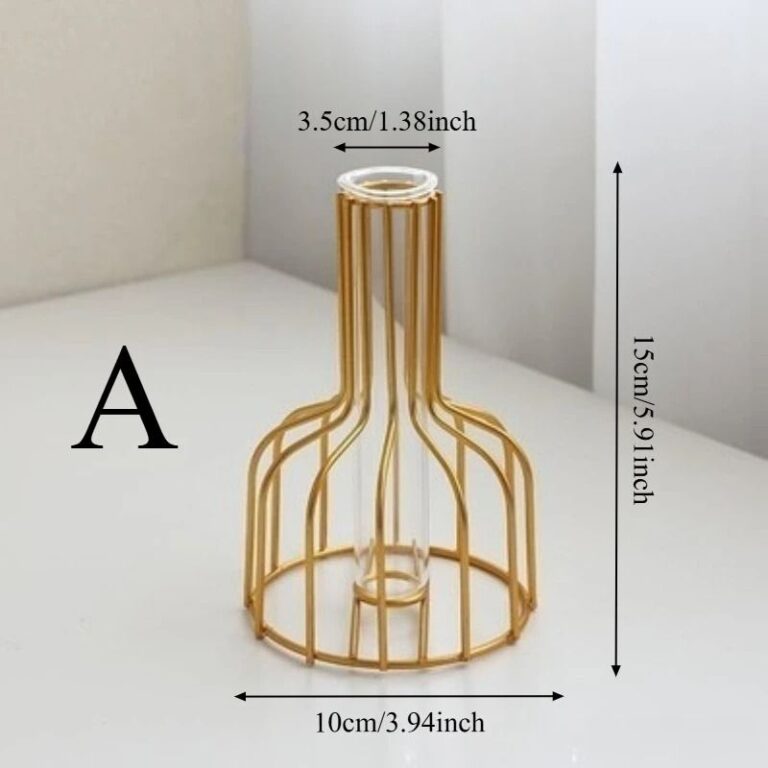 Aisha's pickOur Shortlist of Metal Table Vases
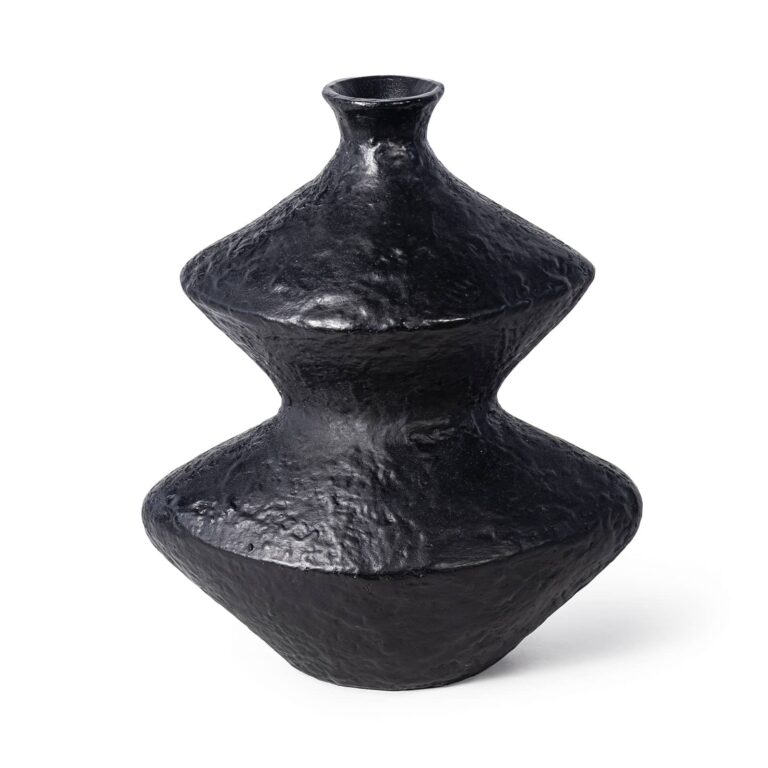
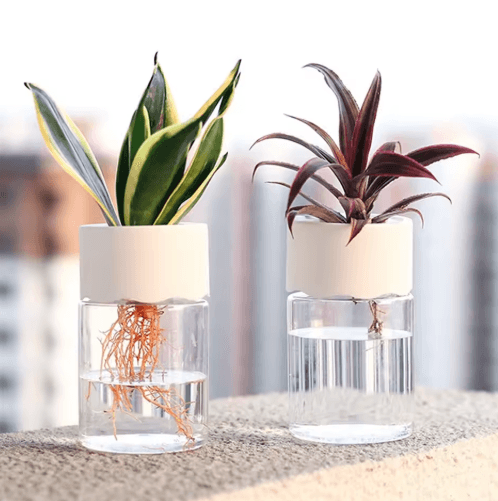 Aisha's pickStem Vases for Filling an Awkward Gap
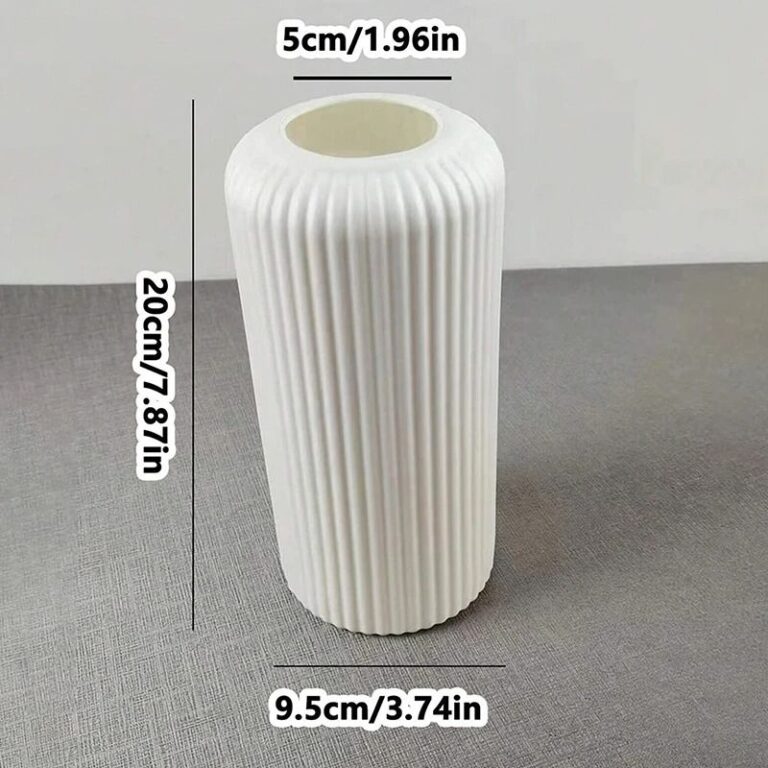
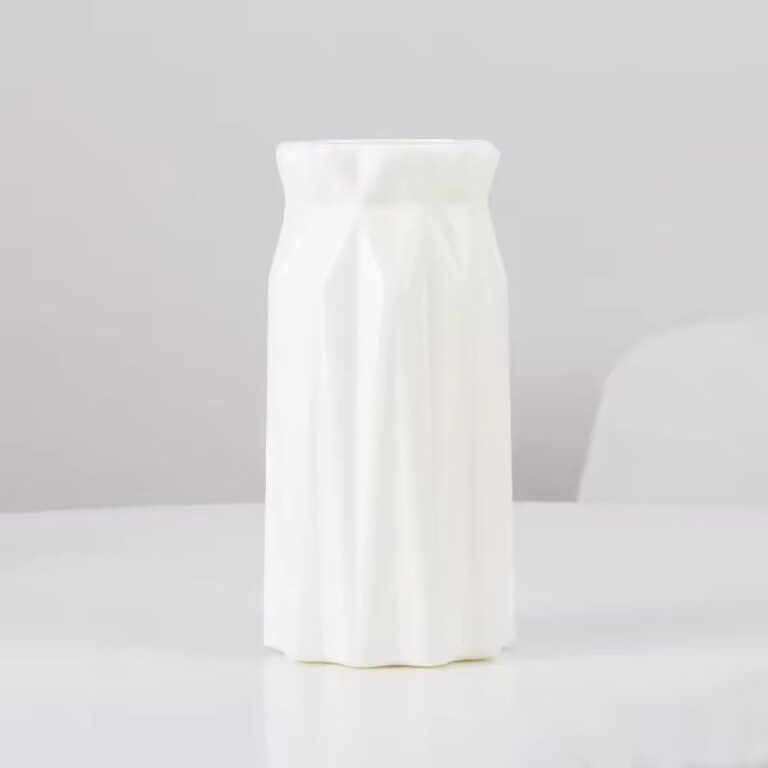 Aisha's pickCeramic Vases for When the Old Ones Give Up
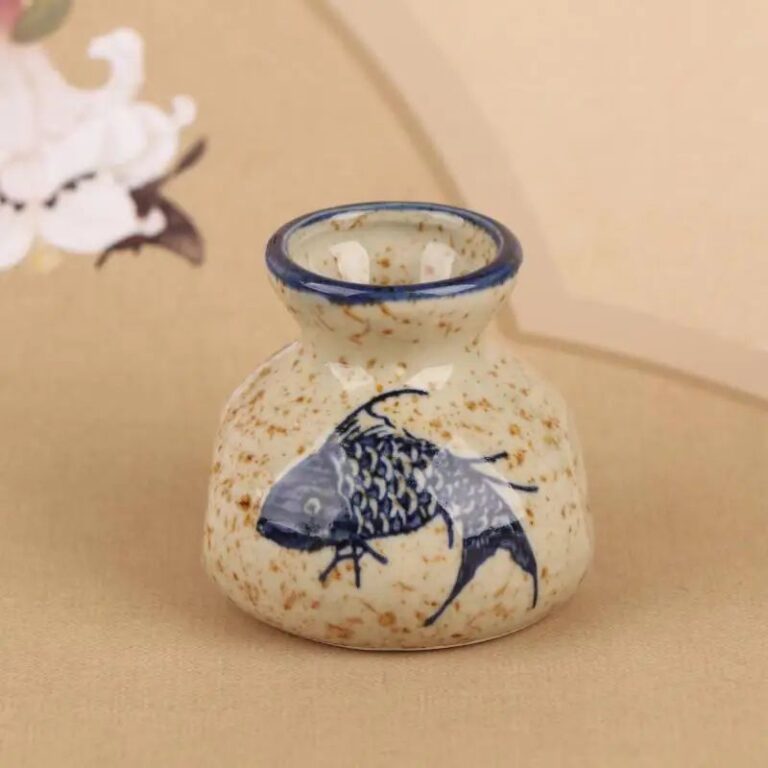
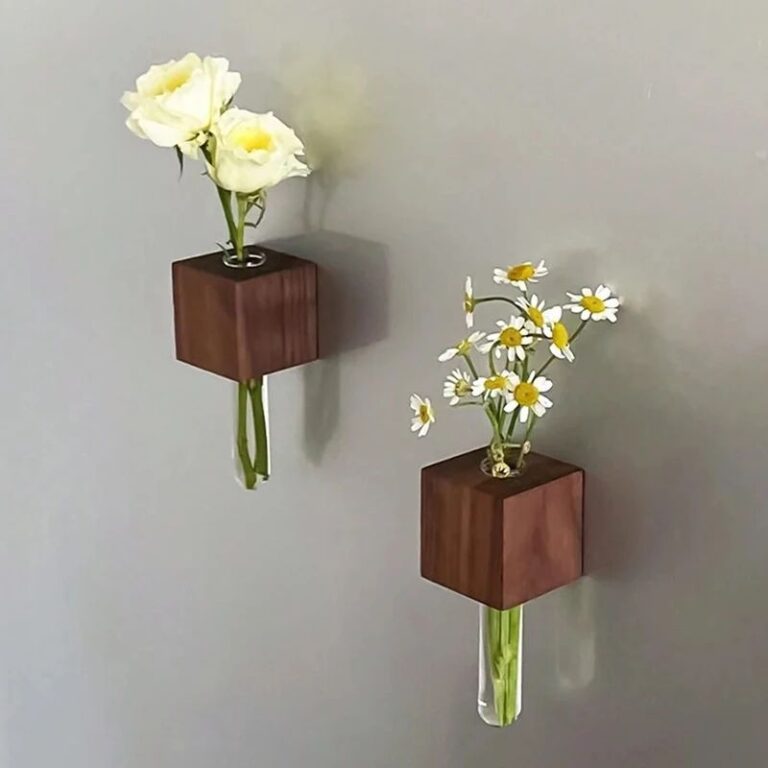 Aisha's pickMetal Vases That Make a Shelf Look Styled
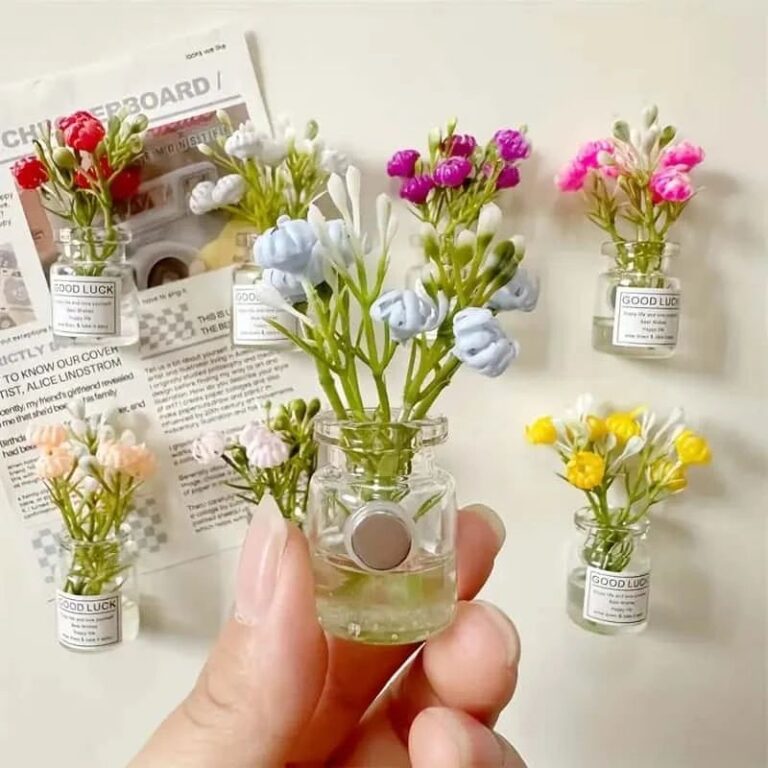
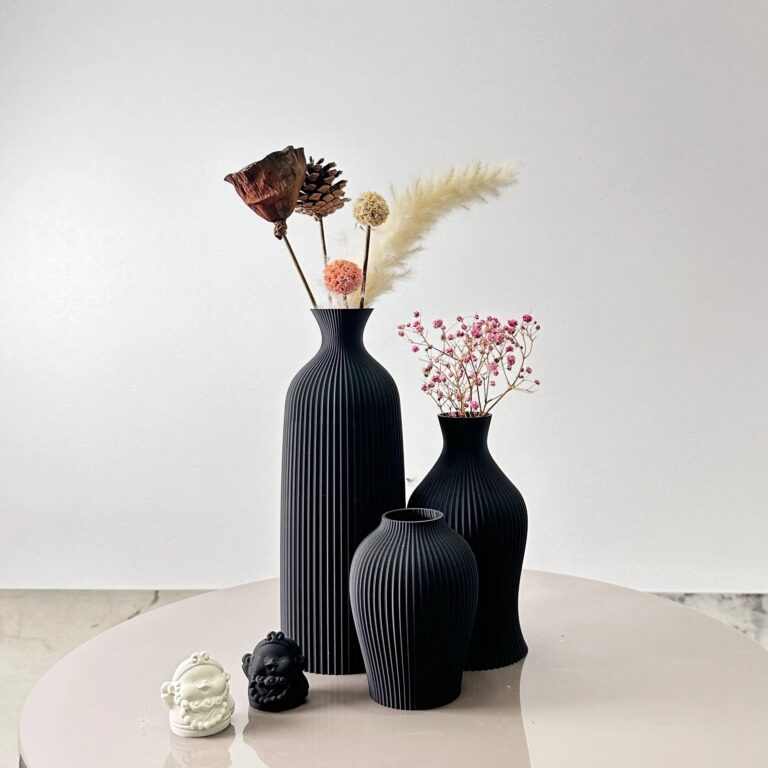 Aisha's pickTable Vases With a Story to ThemAlso worth a lookPlantsThe moment it clicked for me was a dark corner of my dining room that had been empty…See the collections →
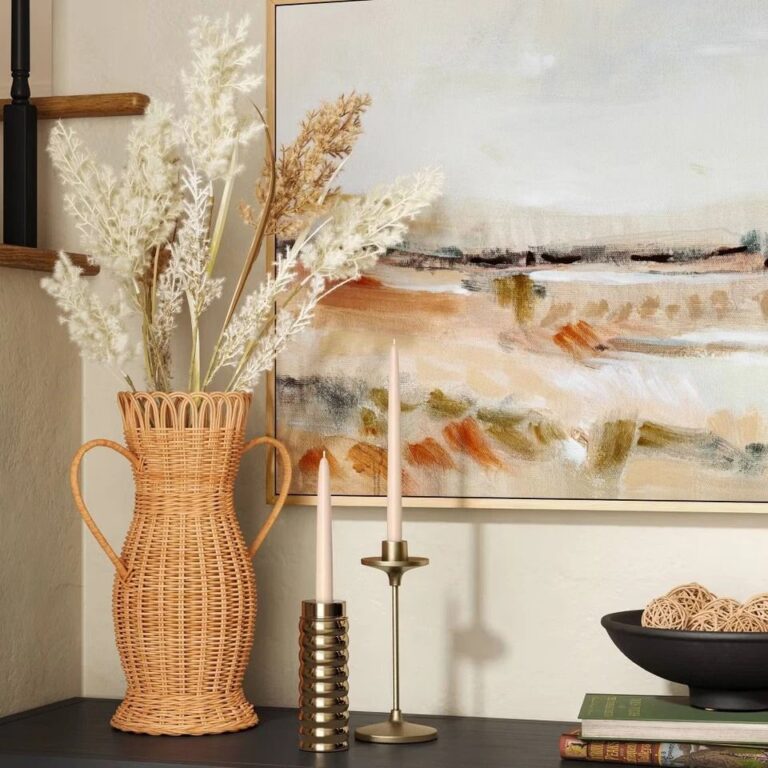
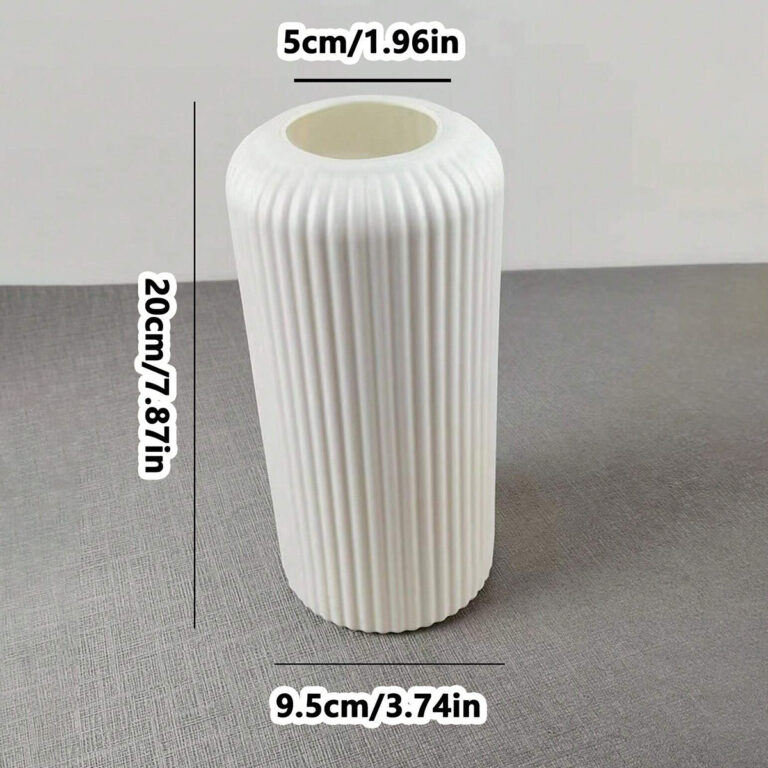 Aisha's pickDecorative Vases for Filling an Awkward Gap

 Aisha's pickModern Decorative Vases With a Story to Them
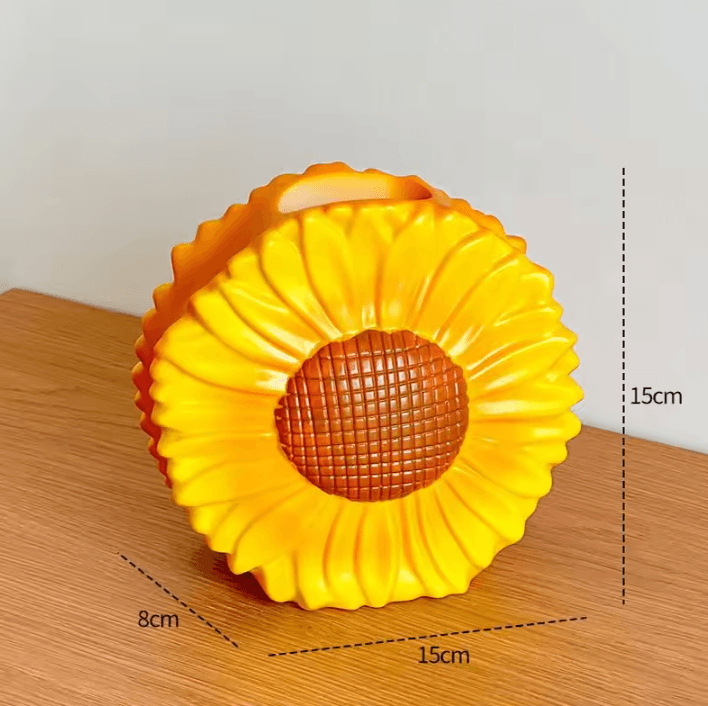
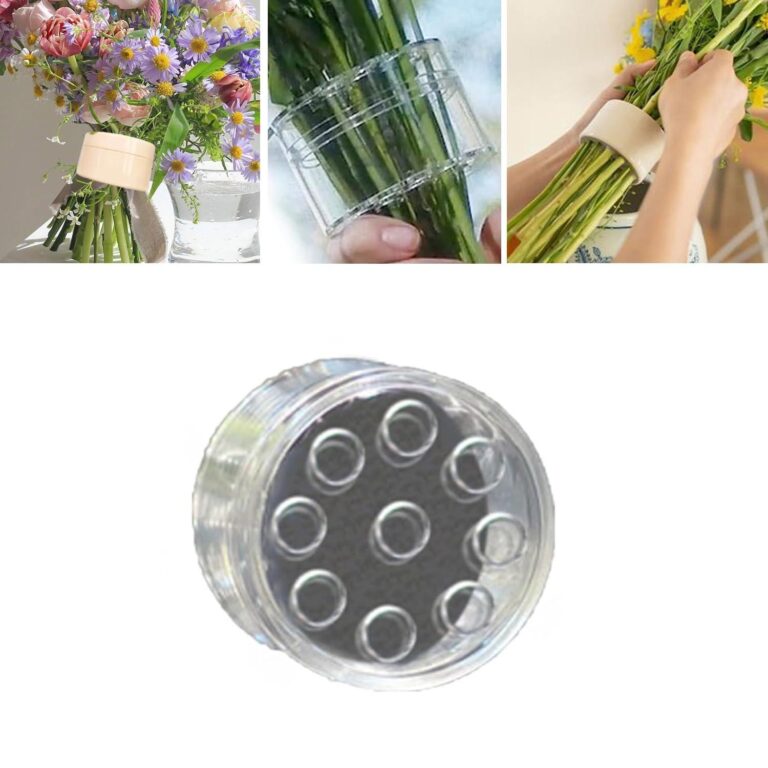 Aisha's pickTable Vases for Flowers That Give a Room Some Personality
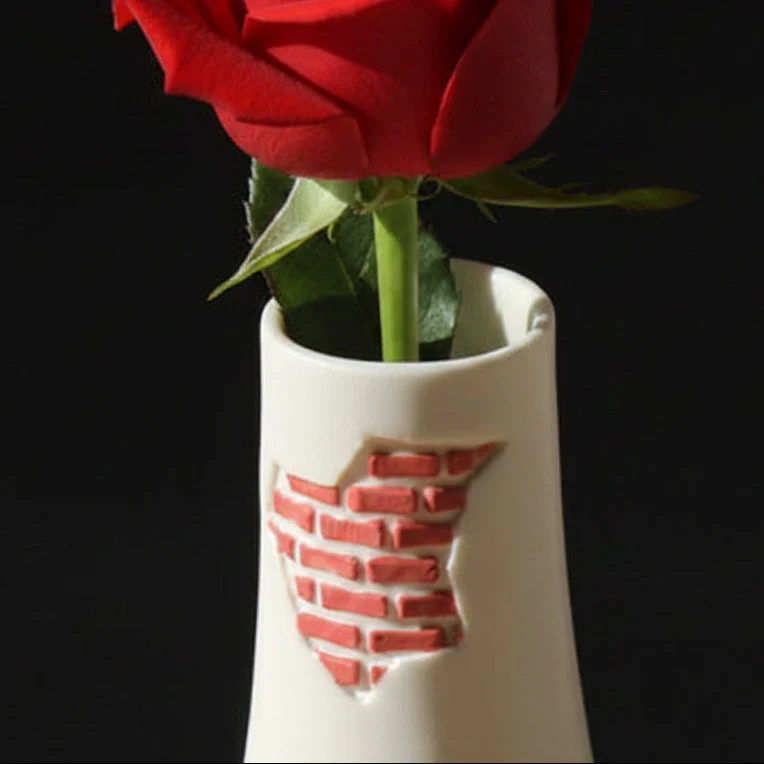
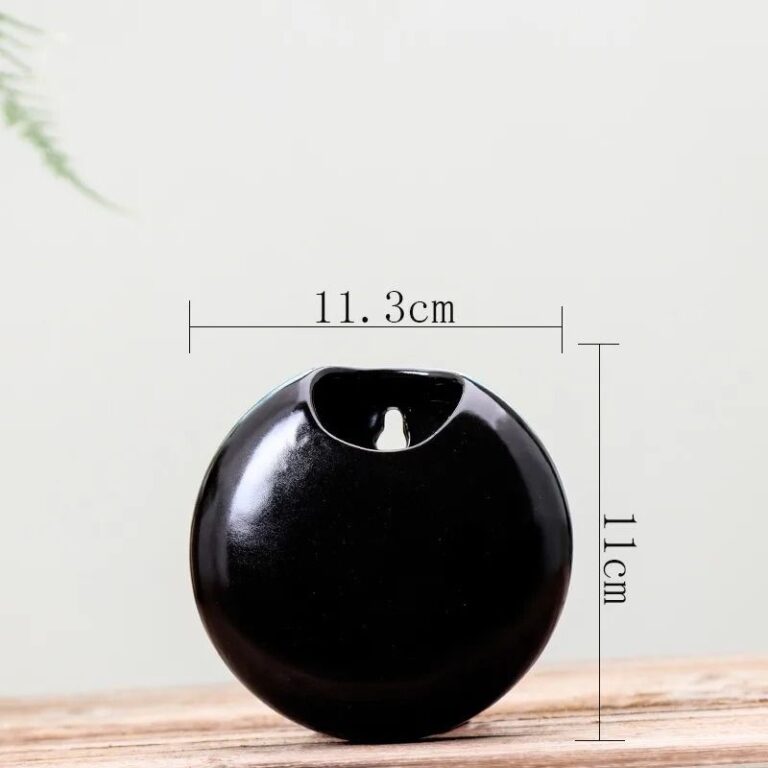 Aisha's pickFloor Vases That Make Small Changes Feel Big
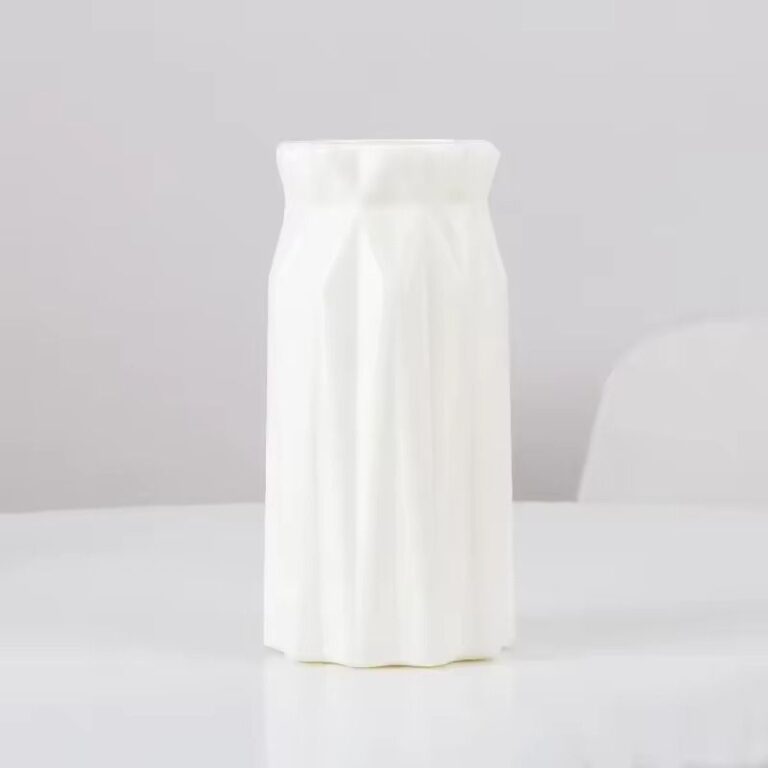
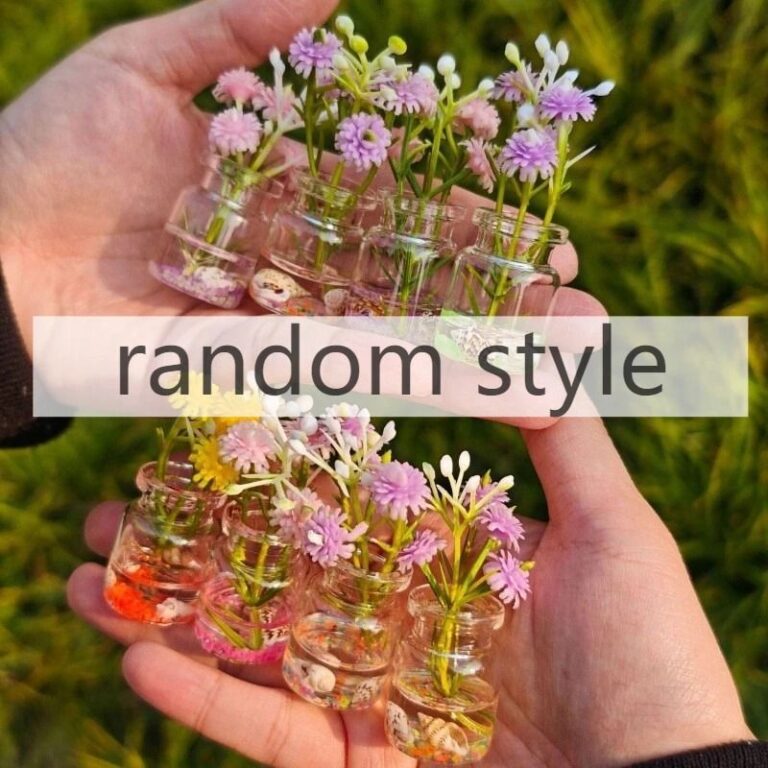 Aisha's pickModern Flower Vases That Feel Personal, Not Store Bought
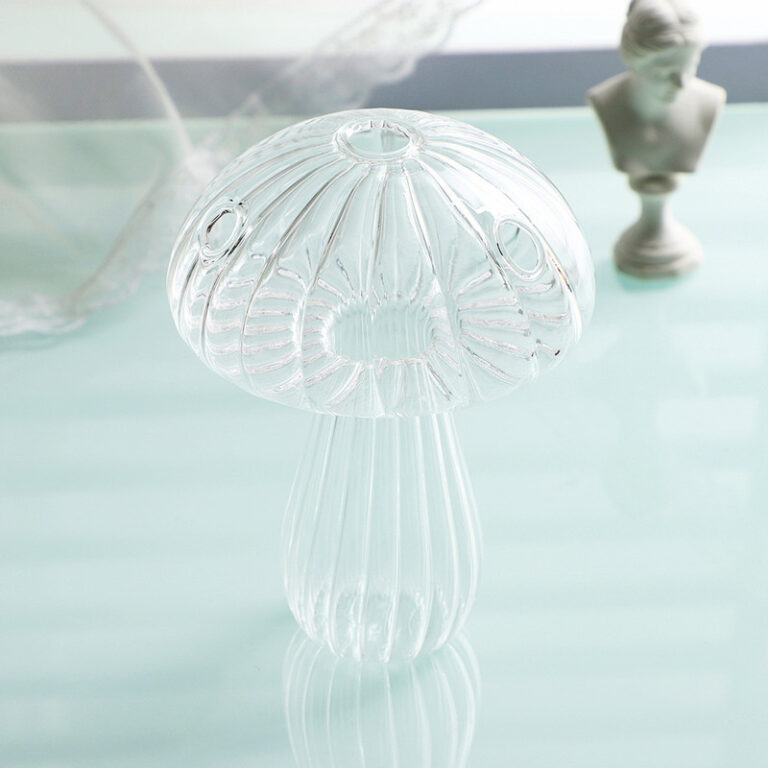
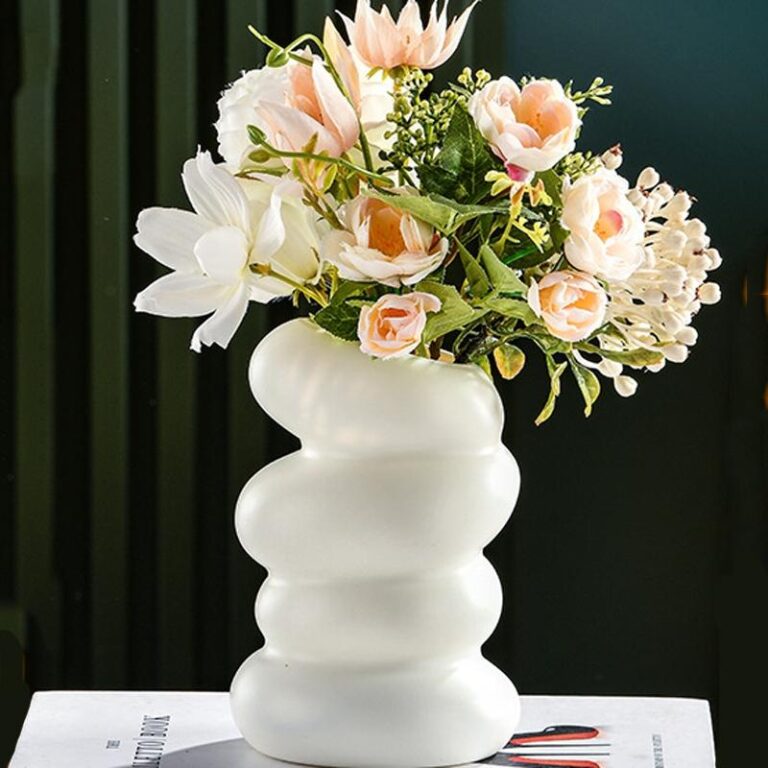 Aisha's pickOur Shortlist of Vases
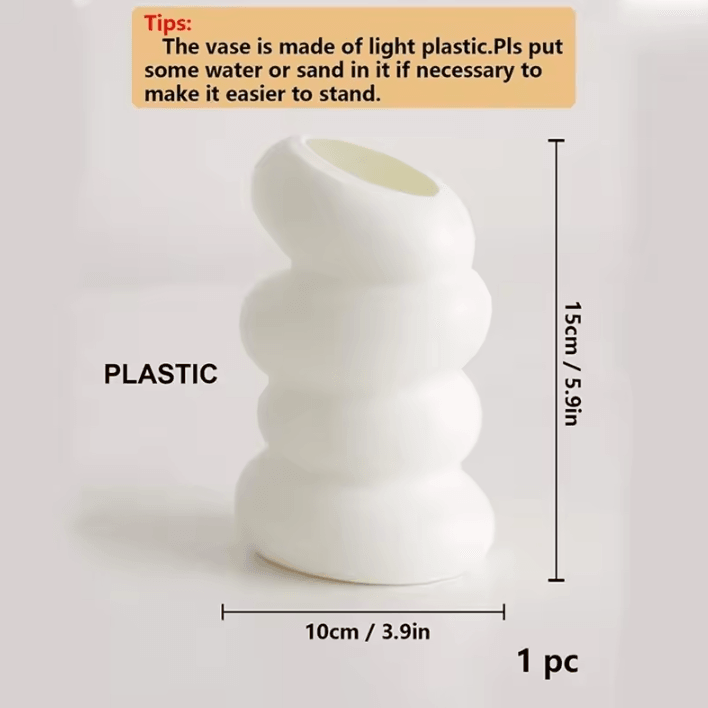
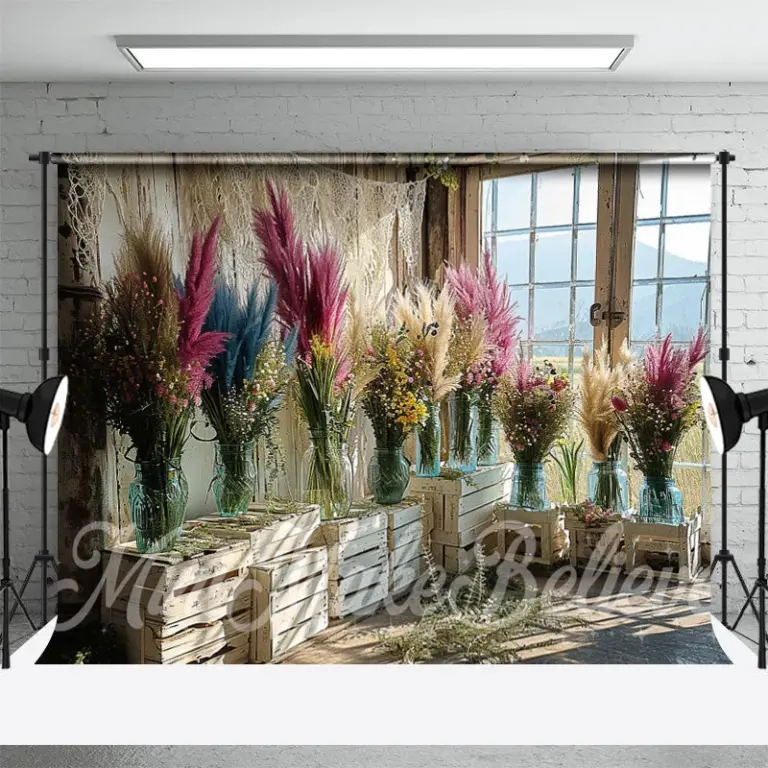 Aisha's pickFlower Vases From Stores Big and Small
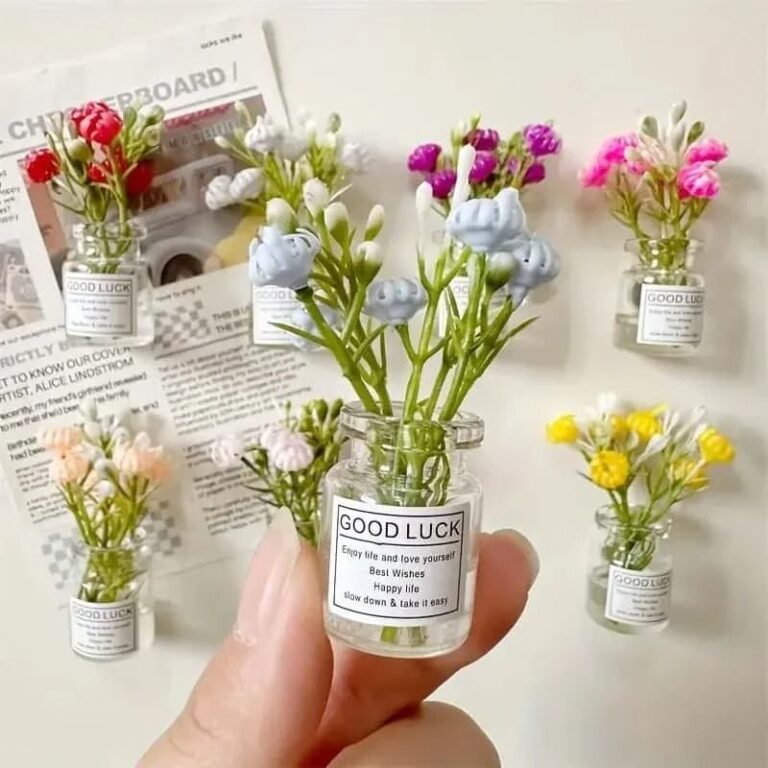
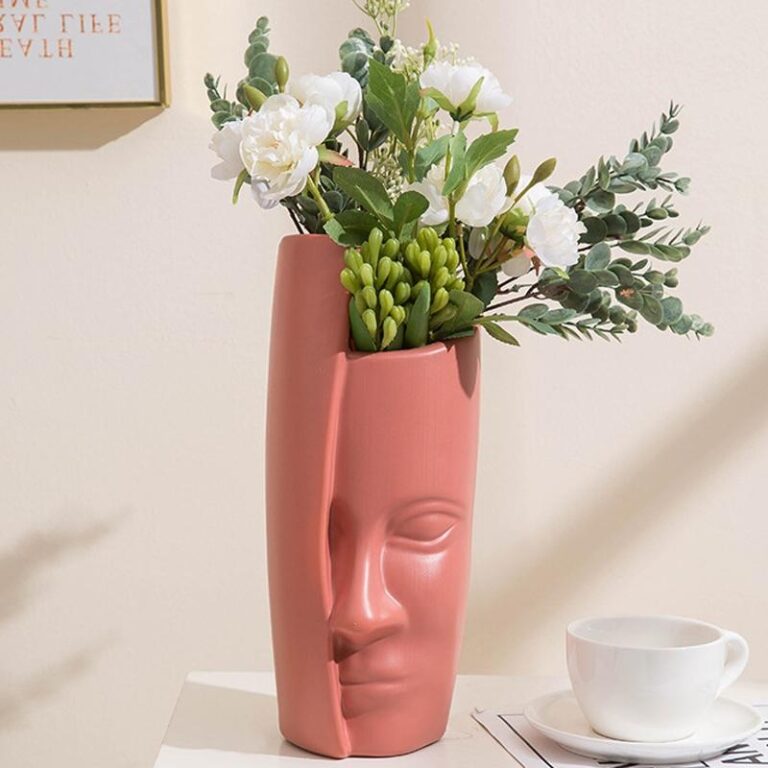 Aisha's pickModern Table Vases That Make Great Housewarming Gifts