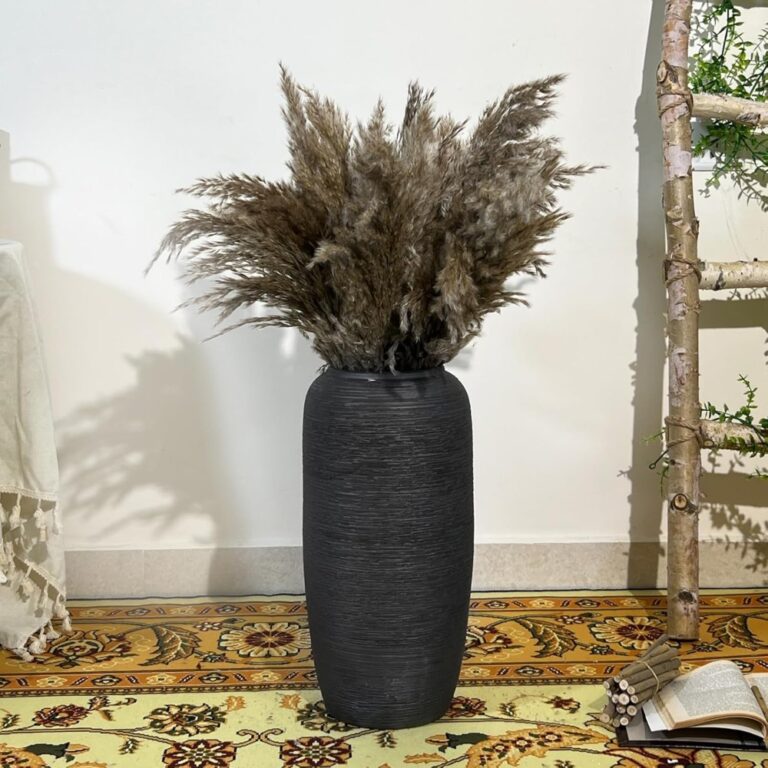
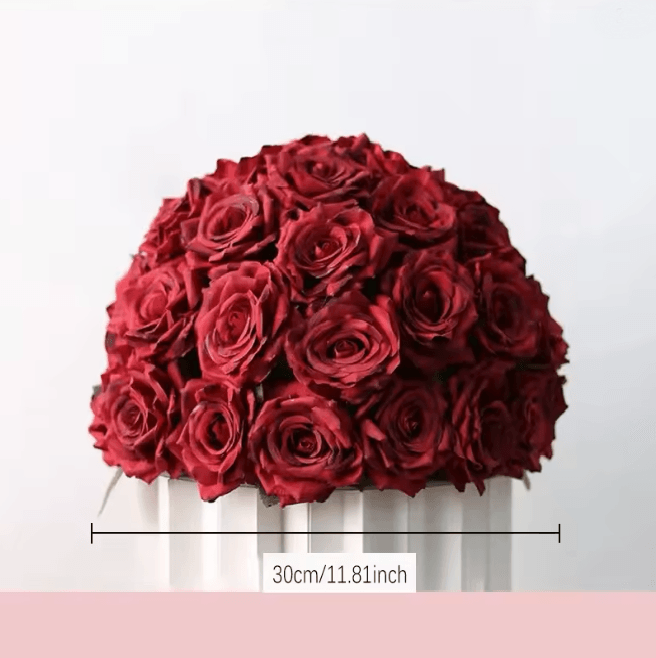
Good artificial flowers should make someone touch them to check, and bad ones announce themselves from across the room. That's really the whole test. If the first thing you notice is the flower, something is off. If the first thing you notice is just a nice bit of color on the table, you got it right.
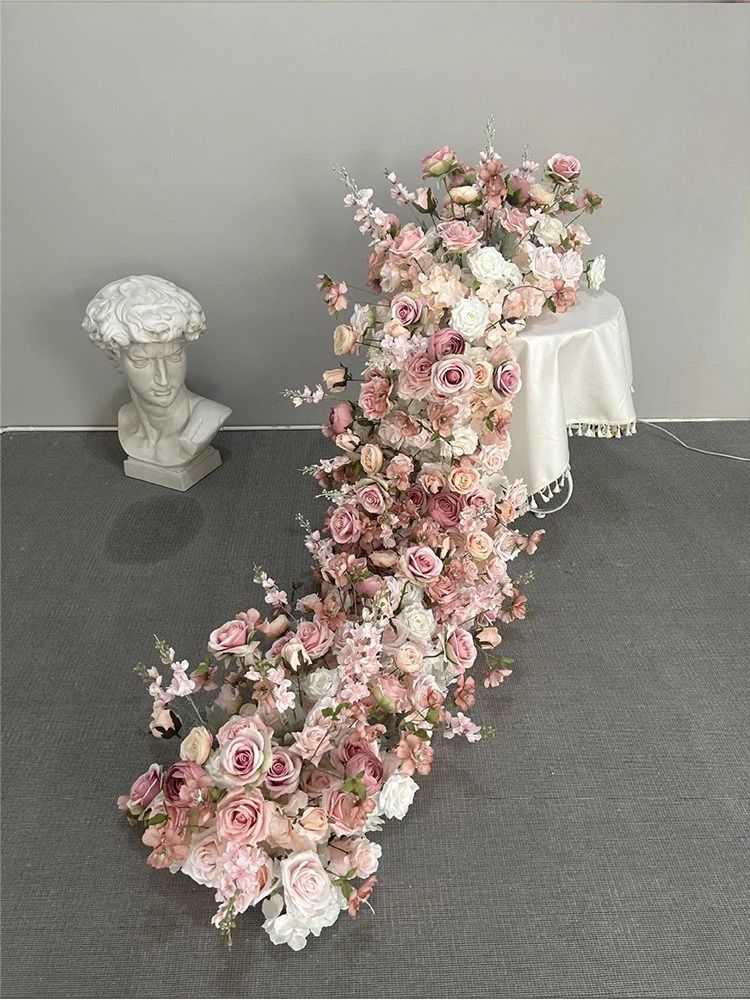
Check the stems before anything else, because that's where the cheap ones fall apart first. Real stems have a slight irregularity to them, a little variation in thickness, a bend that isn't perfectly uniform. Molded plastic stems are too smooth and too green, the color of a highlighter rather than a leaf. Look at the base of the petals too, where they meet the stem. On a good one that join is tight and almost invisible. On a bad one you'll see the glue, or worse, feel it, a hard little bump under your fingers. Give the whole stem a gentle bend when you're looking at it in person. It should hold a soft curve and not spring back like a coat hanger.
They age fairly well if you treat them with a bit of respect, which mostly means keeping them out of direct sun. Fabric petals fade the same way a cushion on a sunny windowsill fades, unevenly, so the side facing the window goes pale while the back stays rich, and once that happens there's no fixing it. Dust is the other enemy, though it's an easy one. A quick pass with a hair dryer on the cool setting knocks dust out of petals far better than wiping, which just presses it into the fabric. Every few months, pull the stems out of whatever they're sitting in and fluff the petals back into shape with your fingers, since they do flatten and droop a little from gravity and from being jostled in a vase.
The difference between a good bunch and a sad one usually comes down to weight and leaf detail. Pick it up. A well made stem has some heft to it, a proper wire core rather than thin plastic, and the leaves have visible veining and slightly varied shades of green rather than one flat color across the whole bunch. Cheap ones also tend to use too few stems to fill a vase properly, so you end up with that thin, lonely look no matter how you arrange them. And scale matters more than people think. A single oversized bloom can swamp a small side table, while a delicate little bunch disappears on anything larger than a nightstand. They're also the wrong call if you actually love the ritual of fresh flowers, the water change, the smell, the slow droop over a week. That's a different pleasure and no fake stem replicates it.
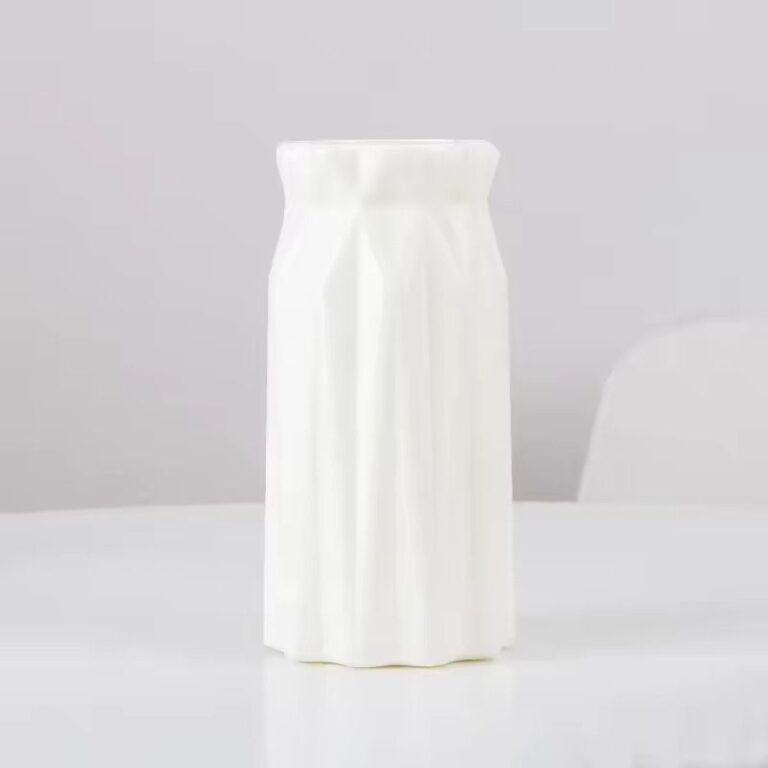
I'd put mine in something plain and a little heavy, so the vase doesn't look like it's trying as hard as the flowers are.
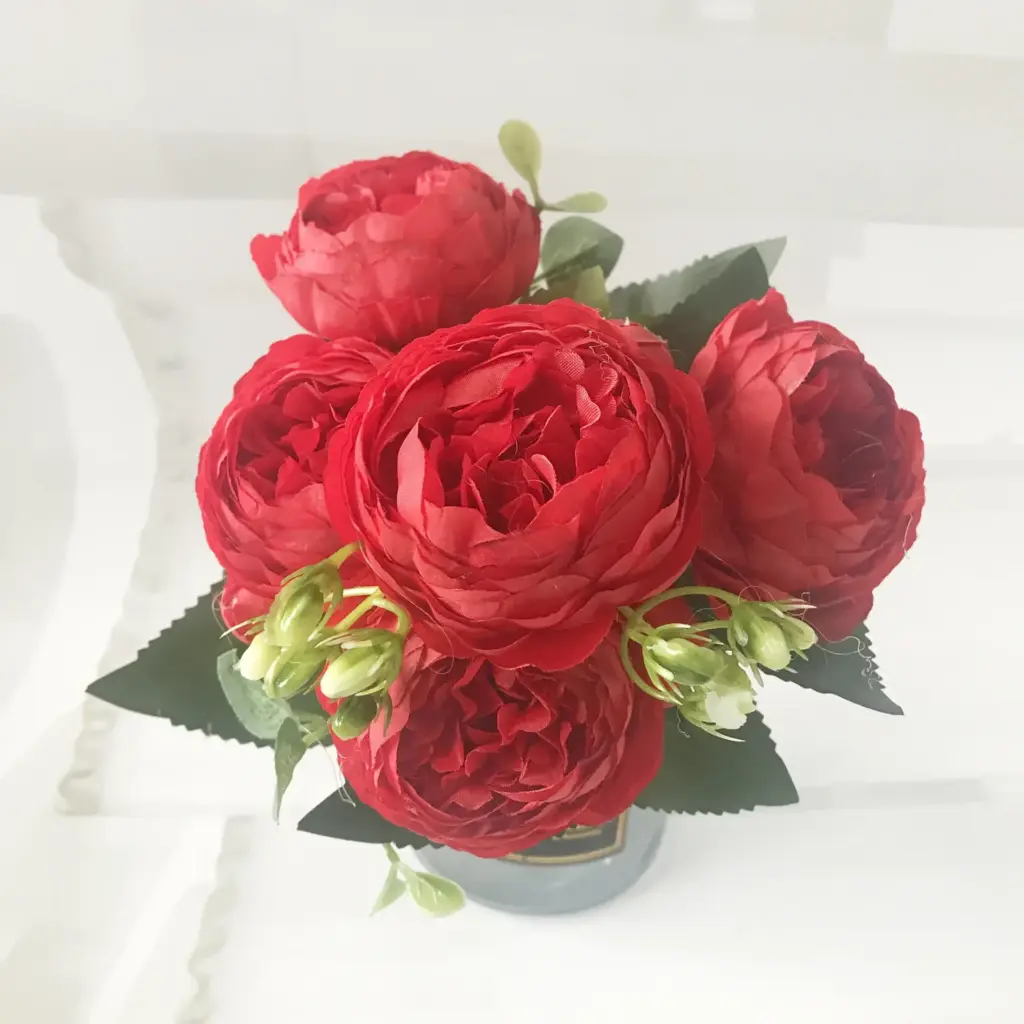
 Aisha's pickLarge Artificial Flowers That Hold Up to Everyday Life
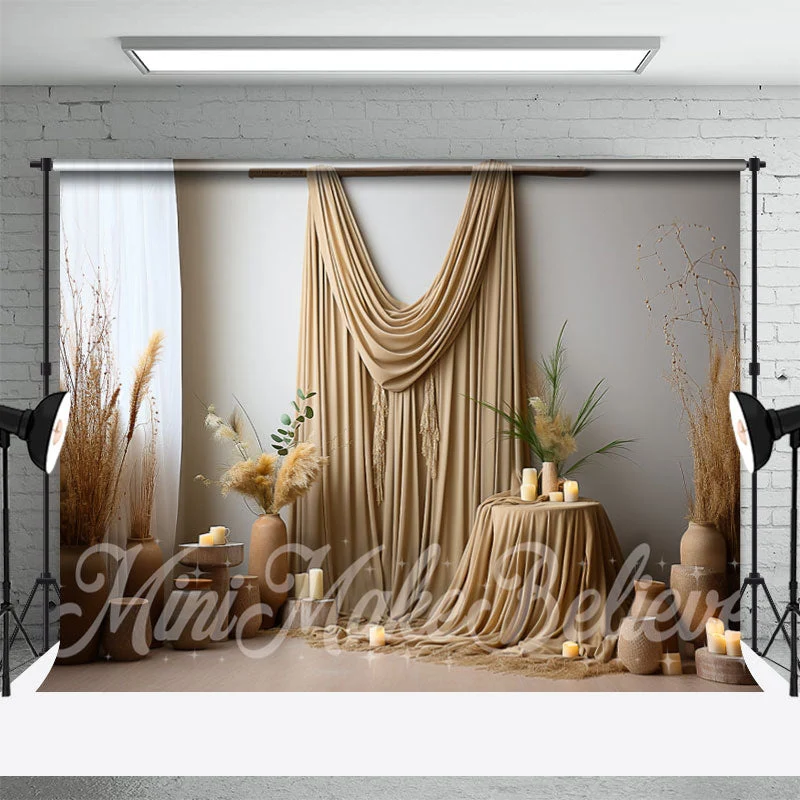 Aisha's pickBoho Dried Flowers We’d Make Room For
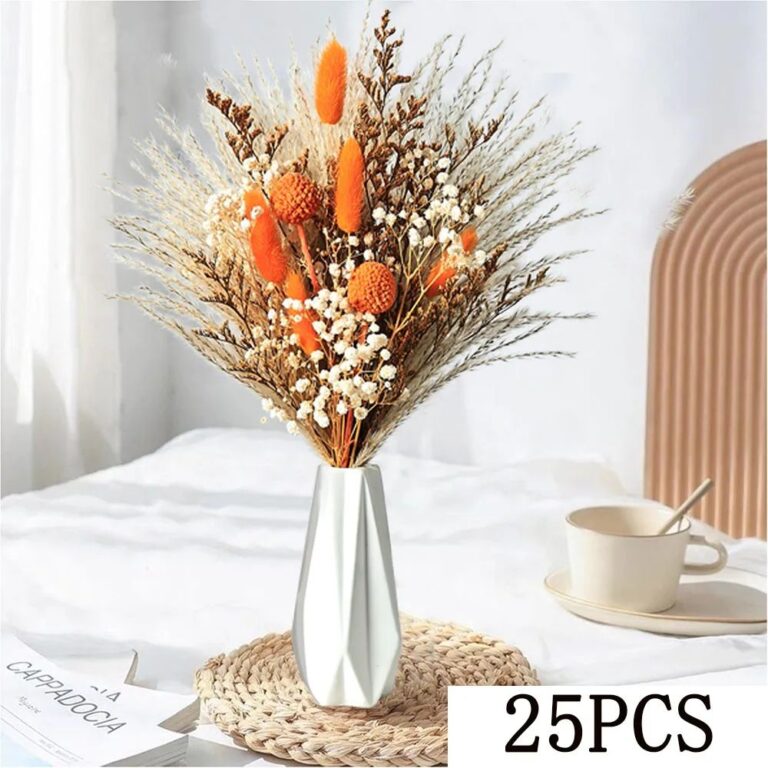
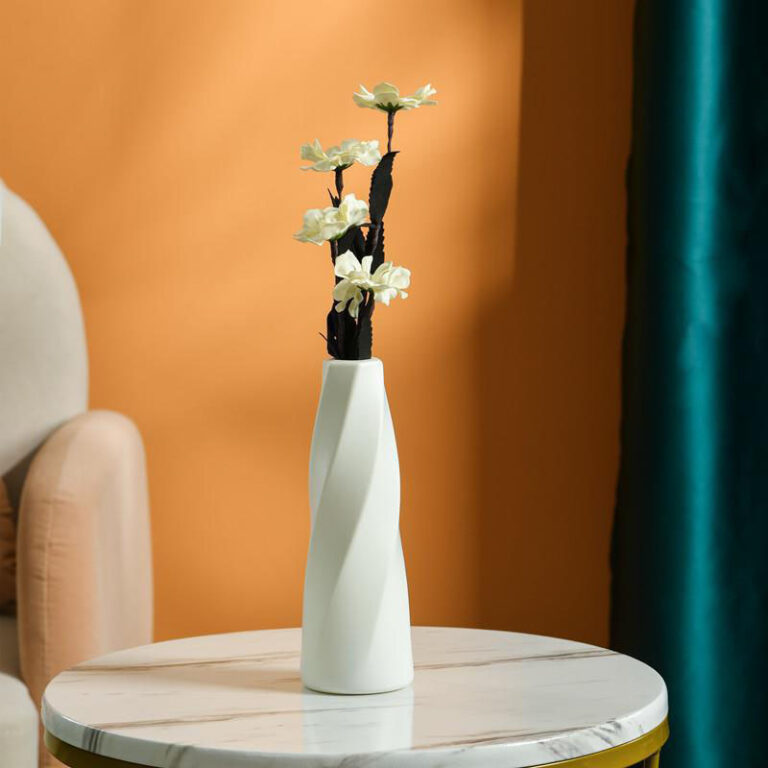 Aisha's pickWhite Dried Flowers With a Story to Them
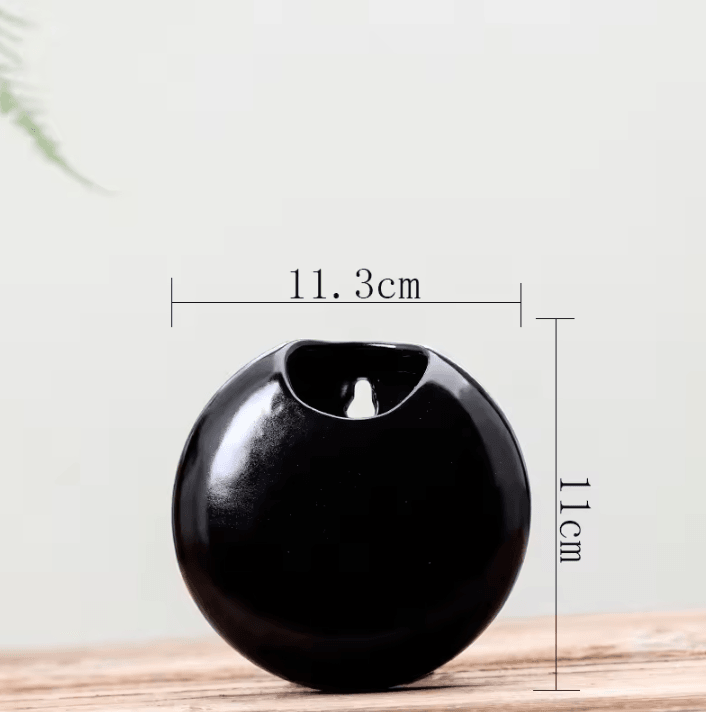
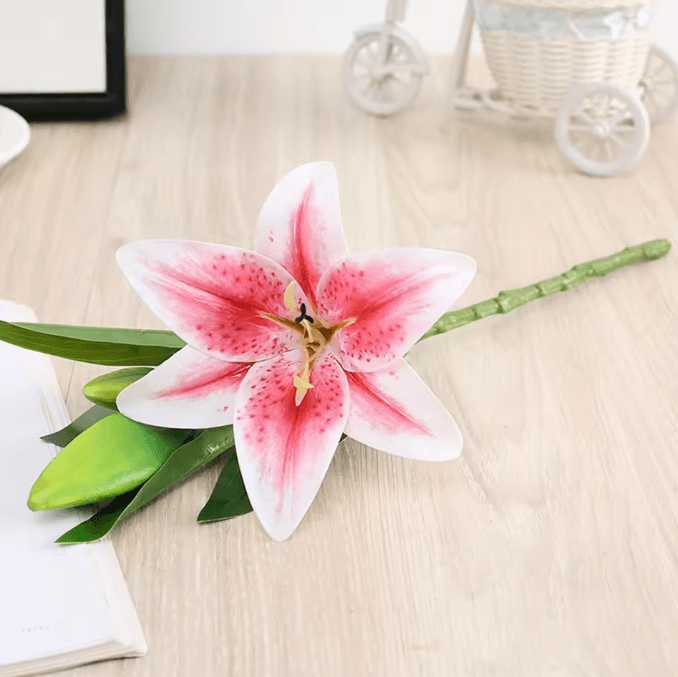 Aisha's pickLarge White Artificial Flowers That Give a Room Some Personality
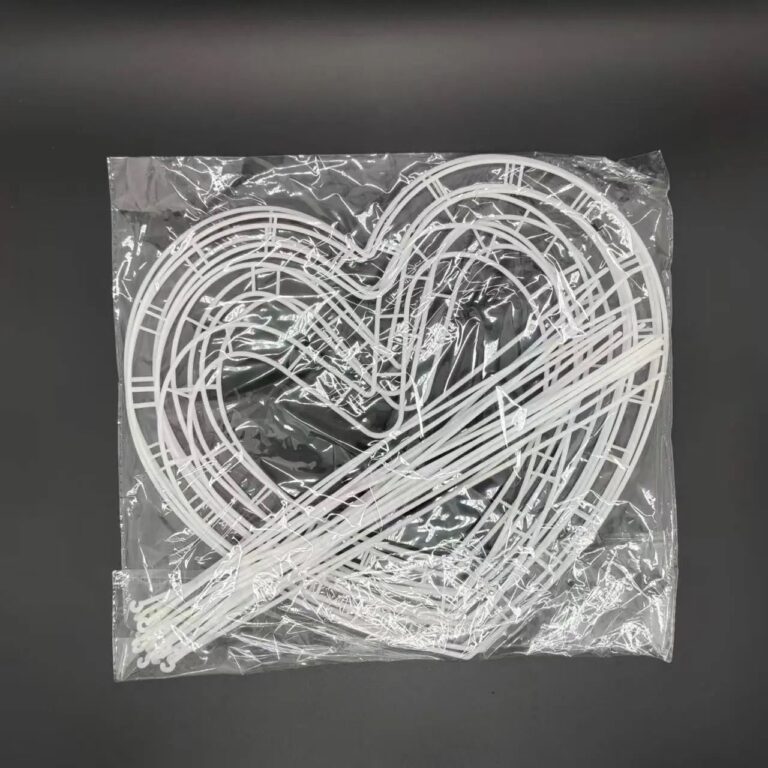
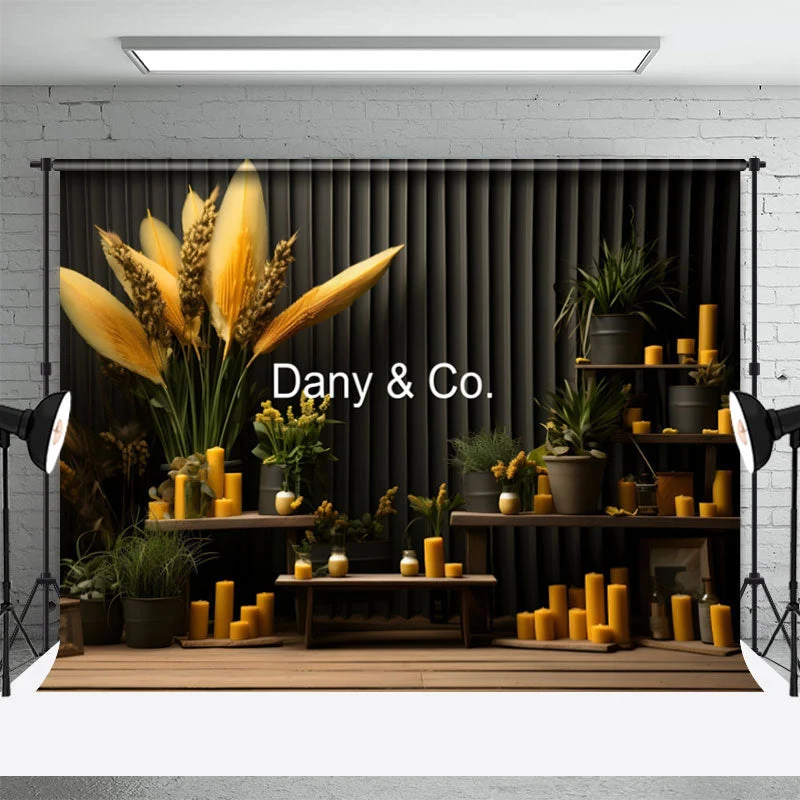 Aisha's pickDried Flowers That Make Small Changes Feel Big
 Aisha's pickWhite Faux Flowers That Give a Room Some Personality
 Aisha's pickDecent Natural Artificial Flowers Without the Hassle
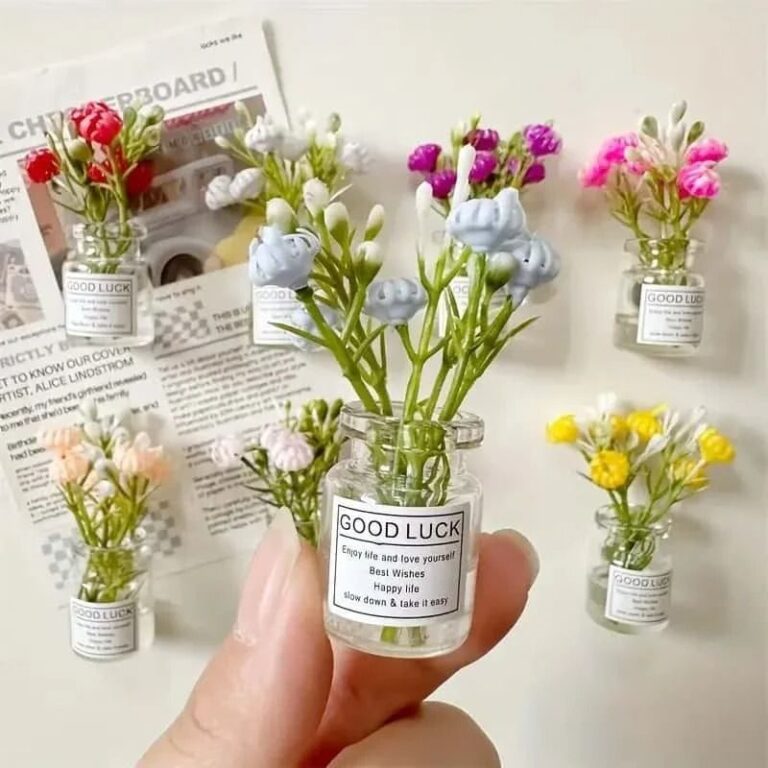 Aisha's pickFaux Flowers for Rooms That Feel a Bit Bare
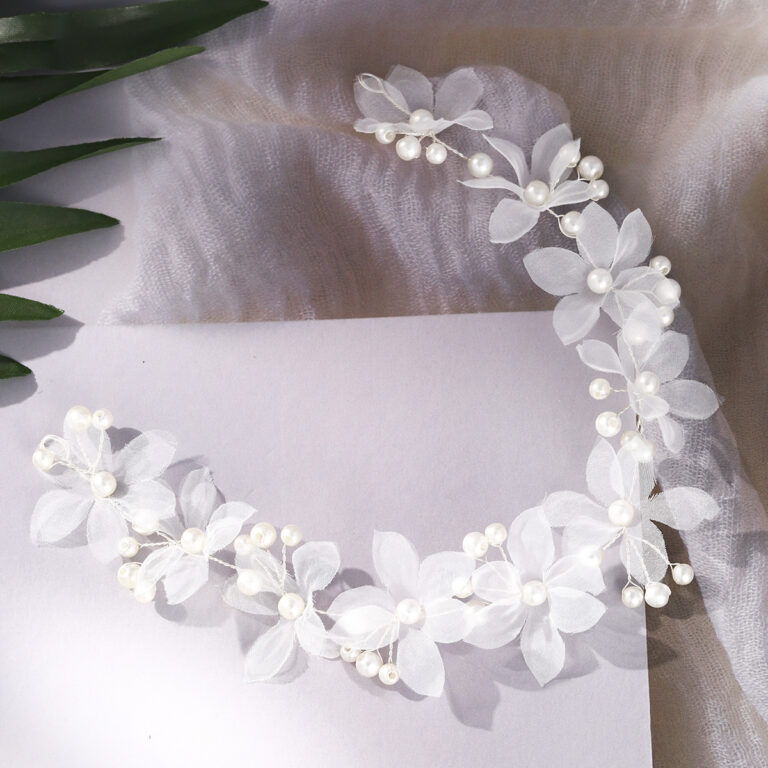
 Aisha's pickWhite Silk Flowers That Make Great Housewarming GiftsAlso worth a lookArtificial FlowersThe ones that fool people for more than a week aren't the ones that look perfect under the shop lights.See the collections →
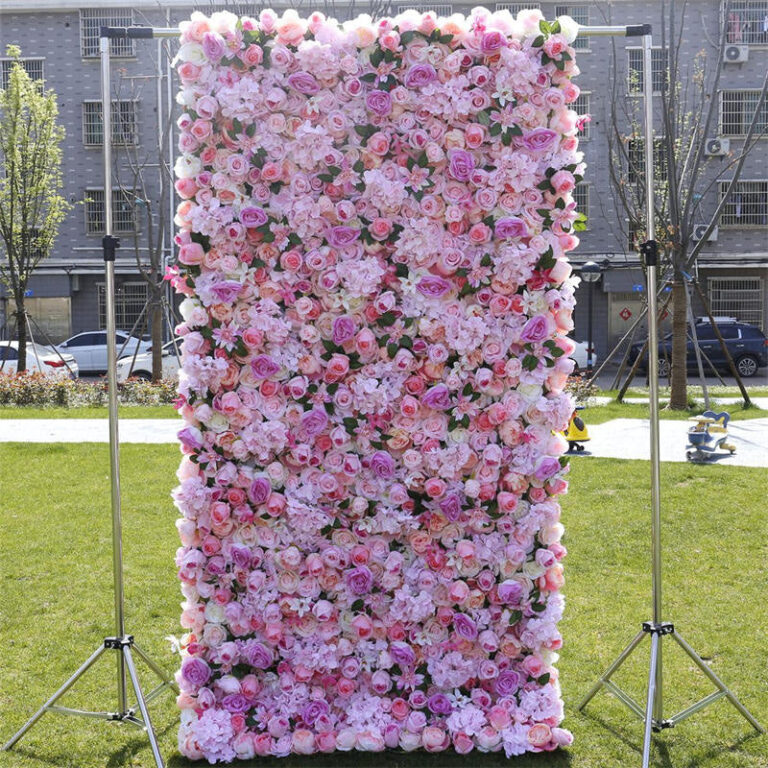 Aisha's pickPink Artificial Flowers for Filling an Awkward Gap
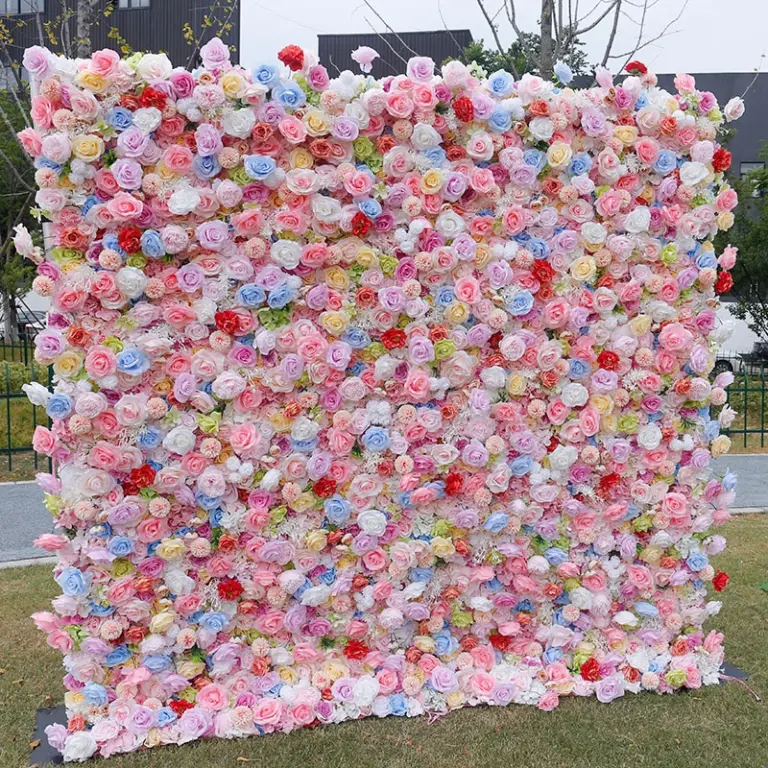
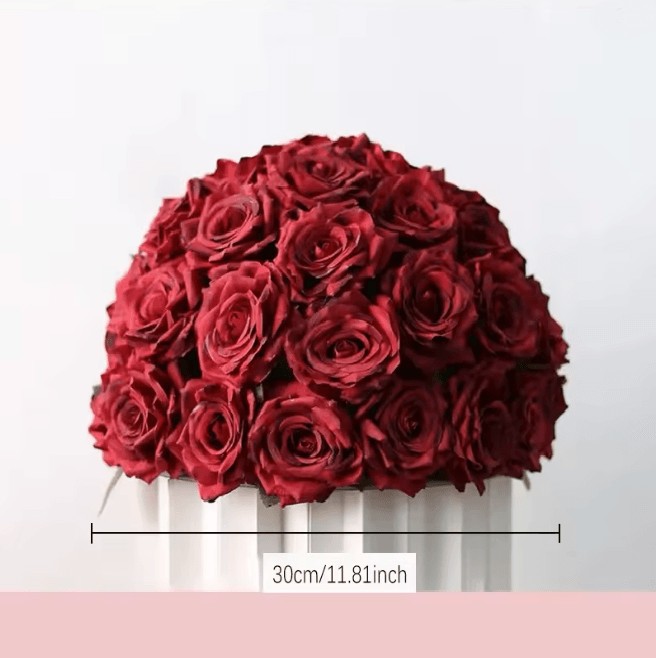 Aisha's pickGreen Silk Flowers You Won’t Want to Hide Away
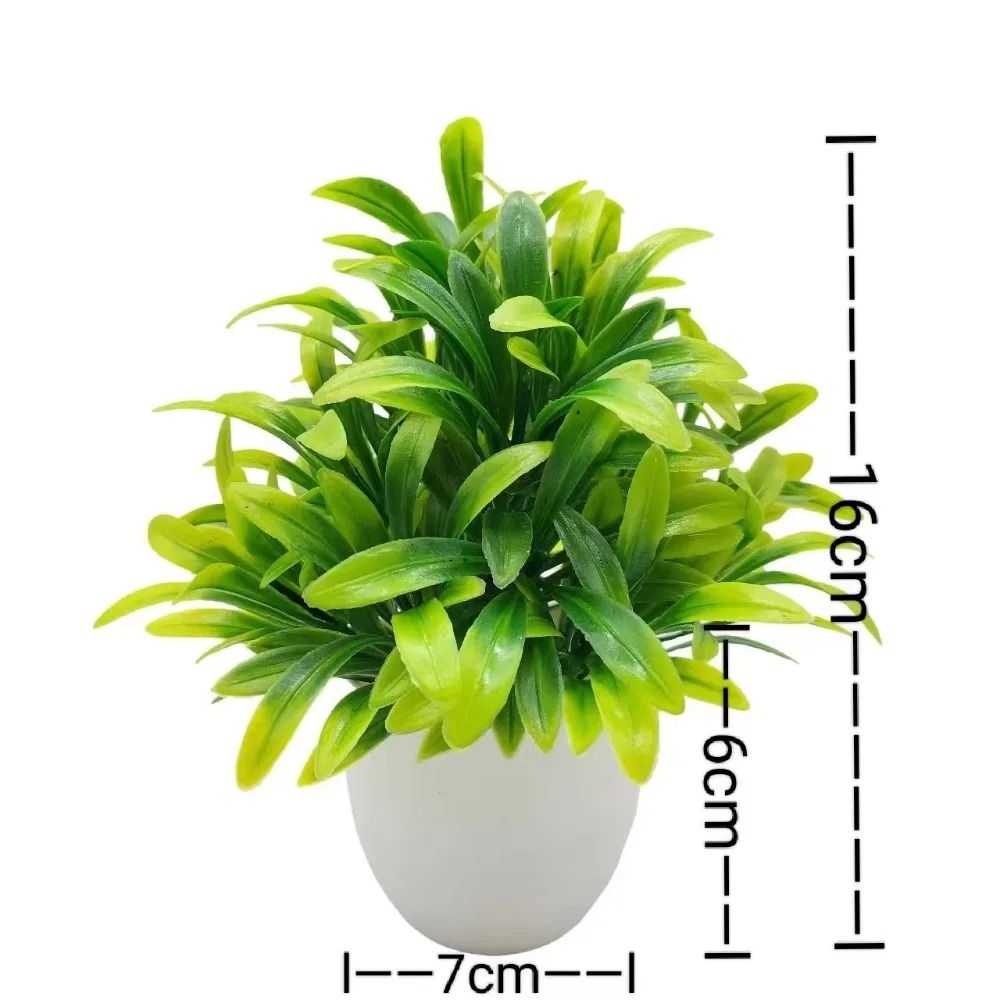
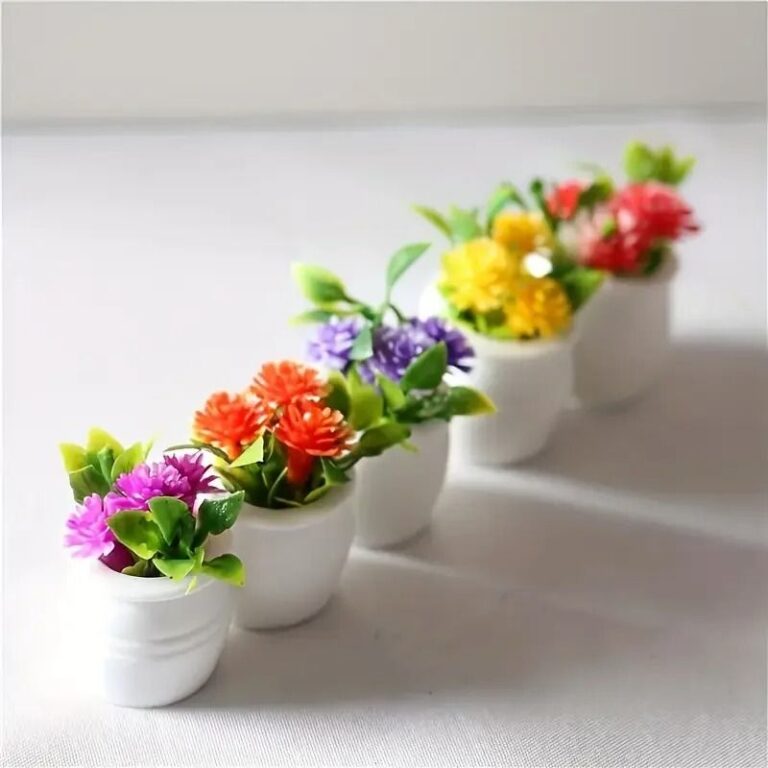
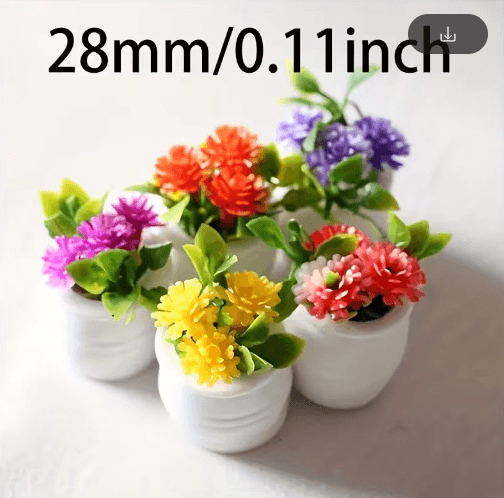 Aisha's pickPotted Artificial Flowers for Rooms That Feel a Bit Bare
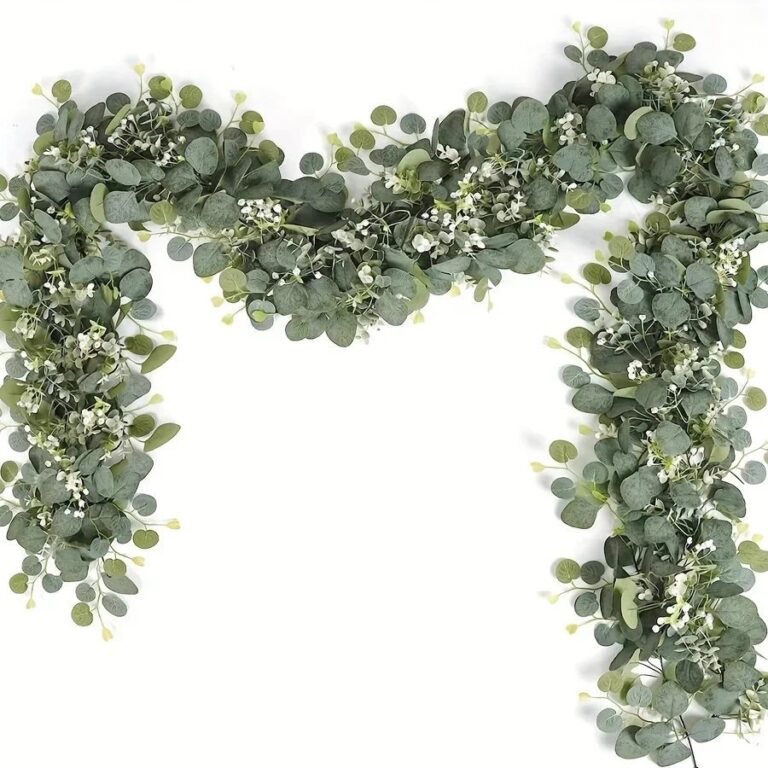 Aisha's pickIndoor Faux Flowers for Blank Walls and Empty Shelves
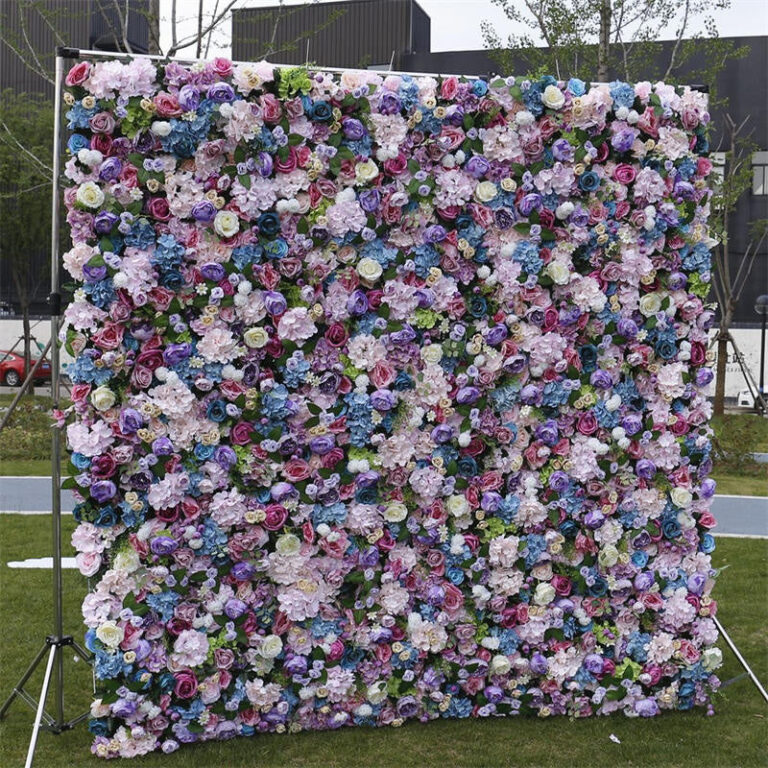 Aisha's pickPurple Artificial Flowers Picked by People Who Care Too Much
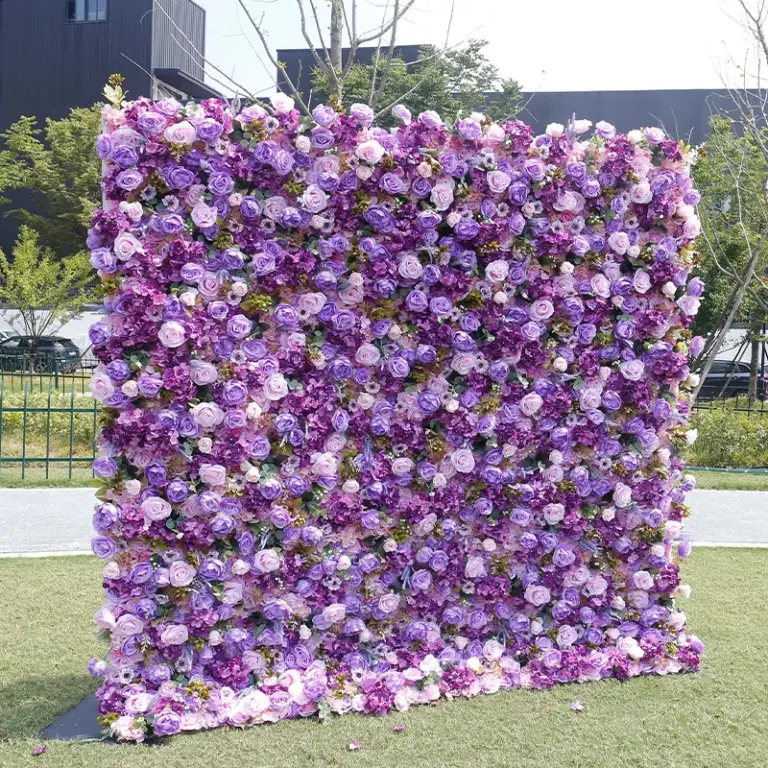
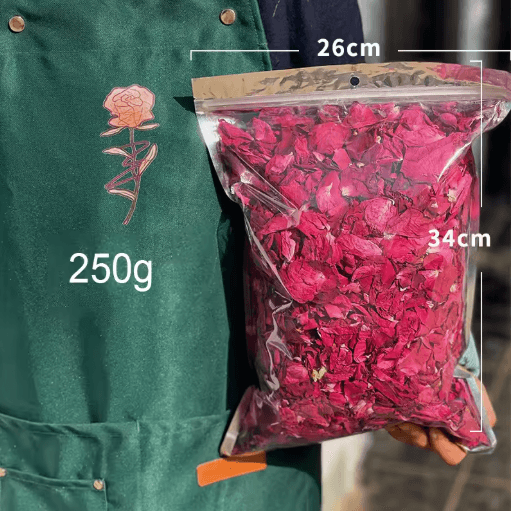 Aisha's pickLarge Dried Flowers That Don’t Look Mass Produced
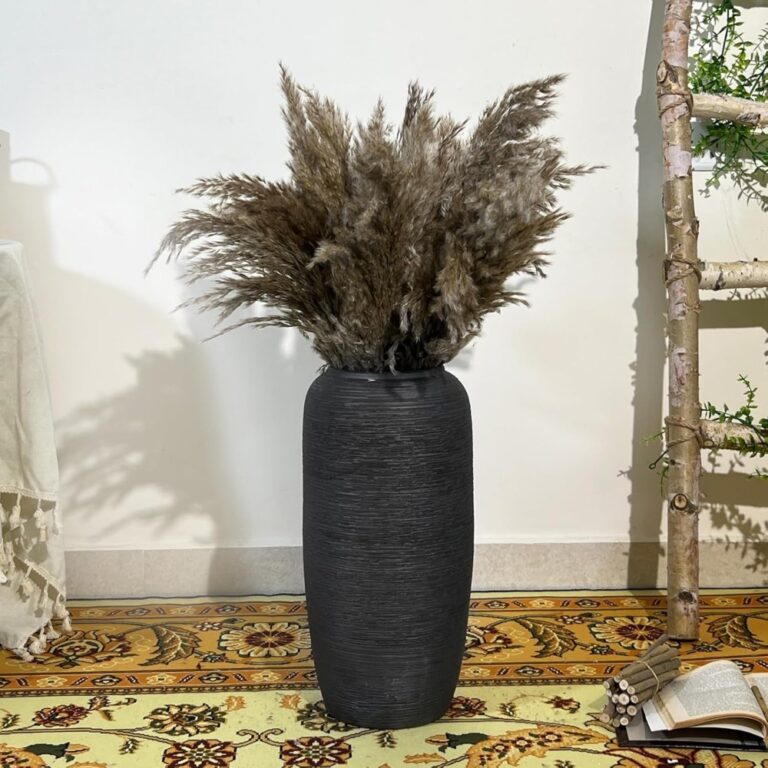
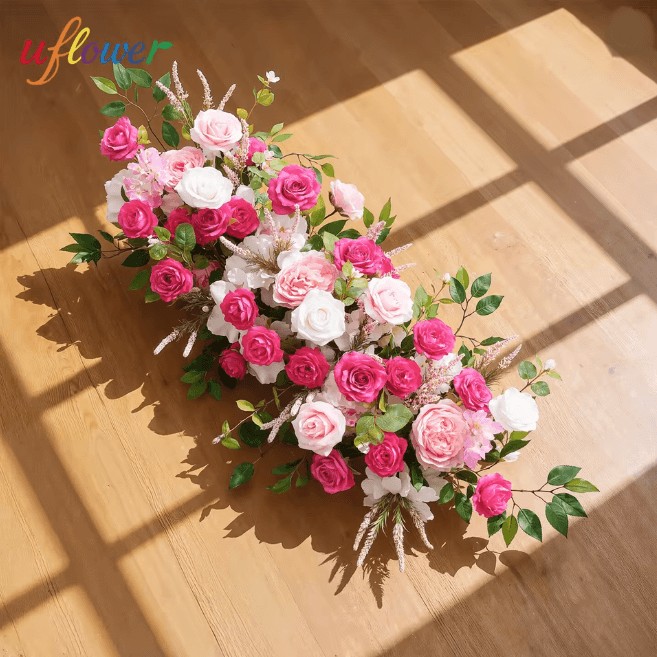 Aisha's pickRealistic Artificial Flowers at Every Price Point
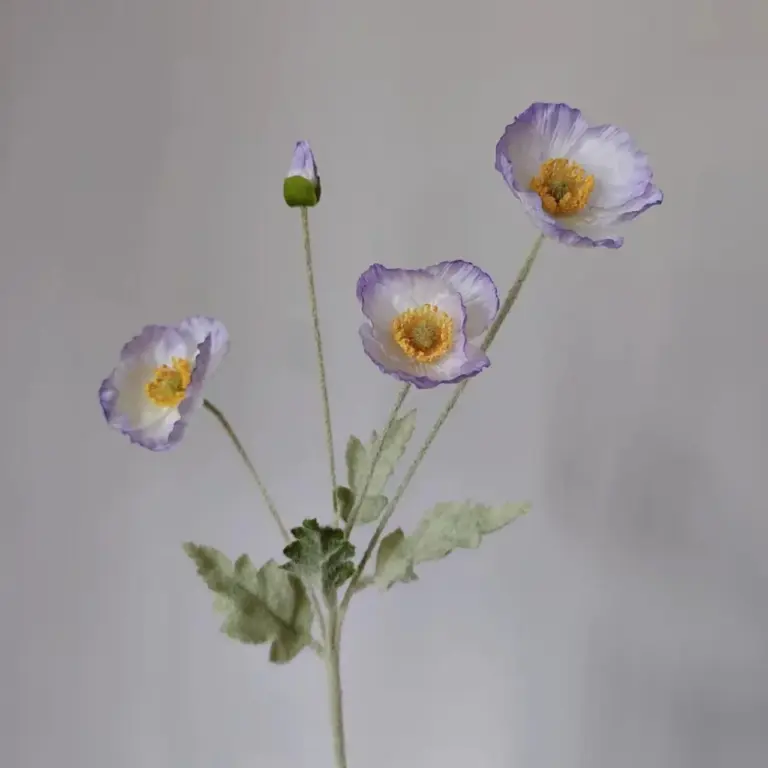
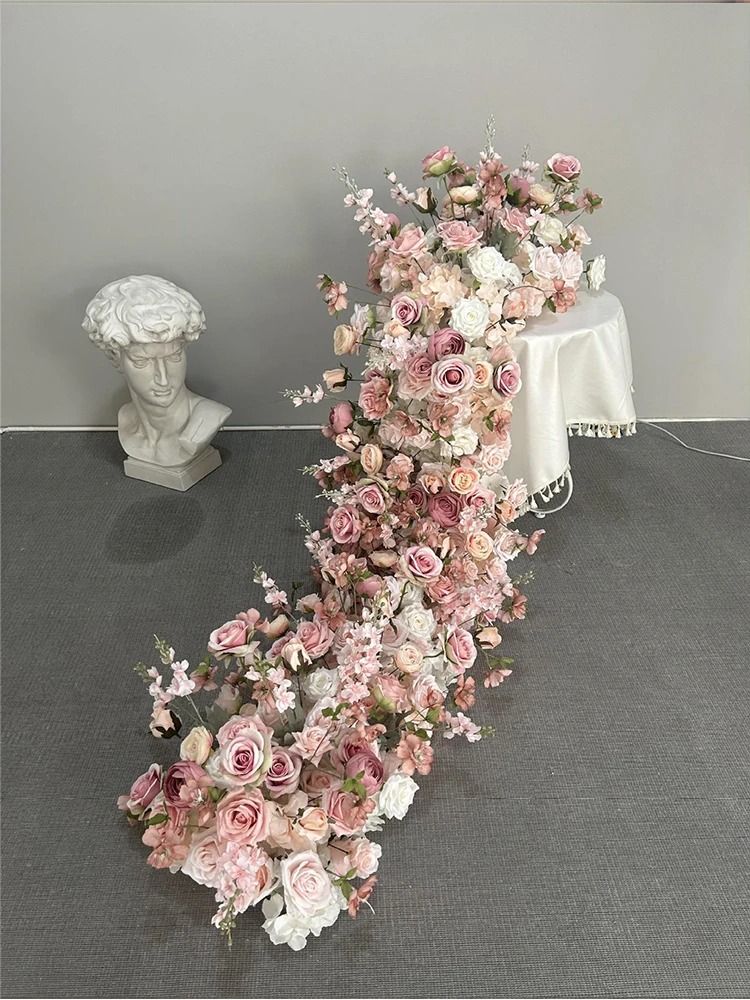 Aisha's pickLarge Silk Flowers We’d Make Room For
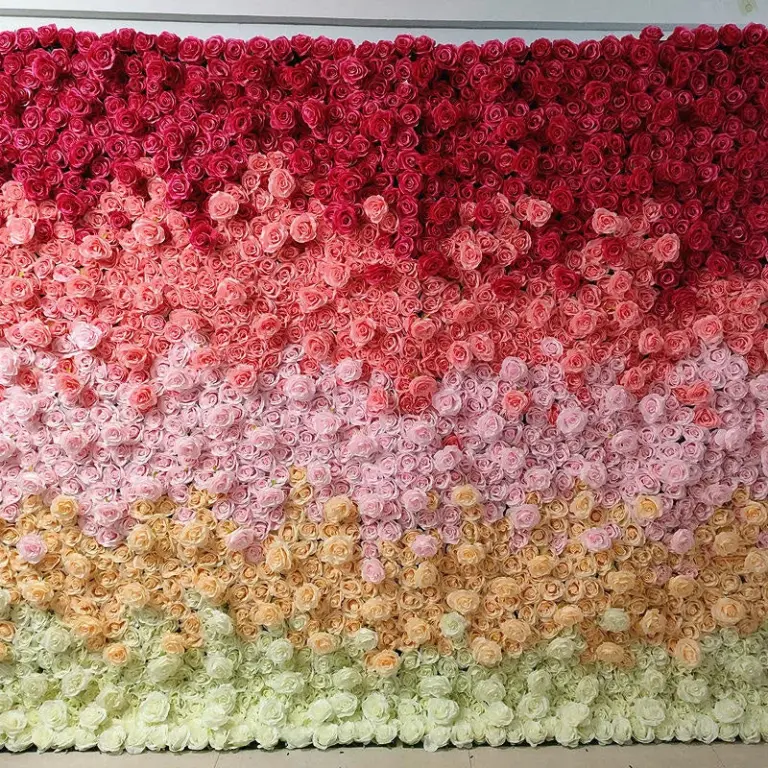 Aisha's pickRed Artificial Flowers That Make Great Housewarming GiftsAlso worth a lookVasesThere's a particular kind of evening, late in the day, when the light comes in low through the…See the collections →
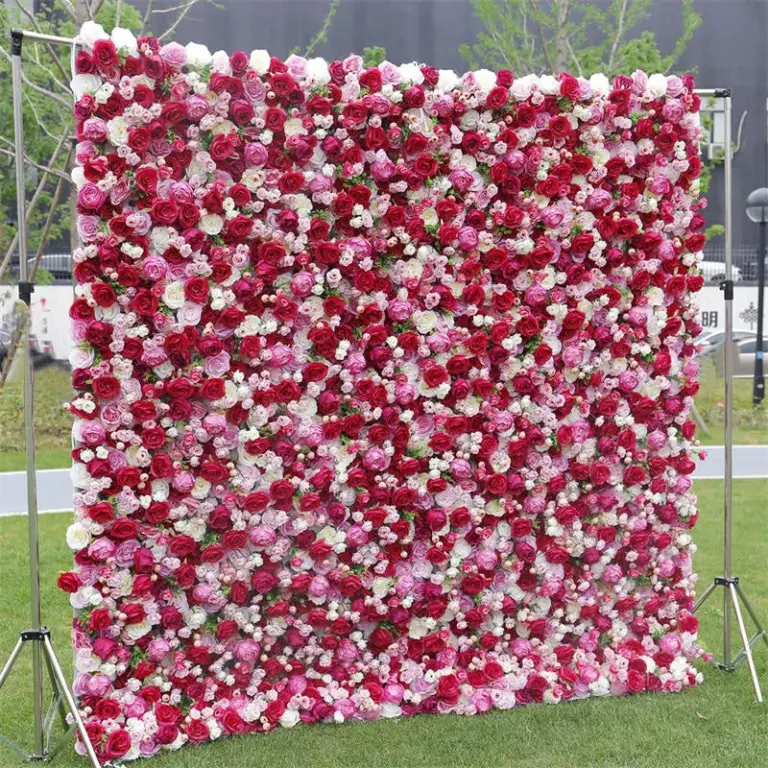
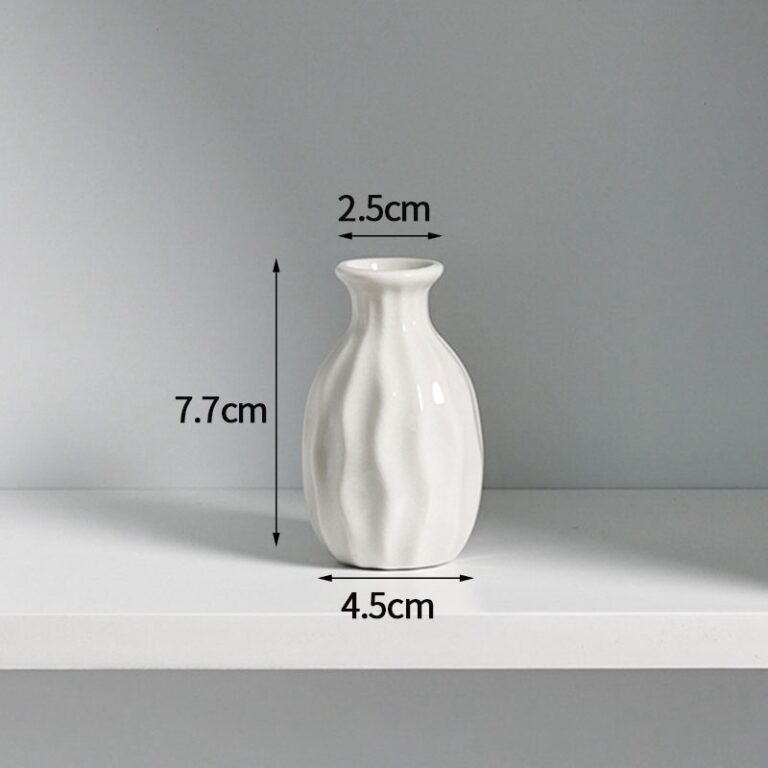 Aisha's pickOur Shortlist of Natural Dried Flowers
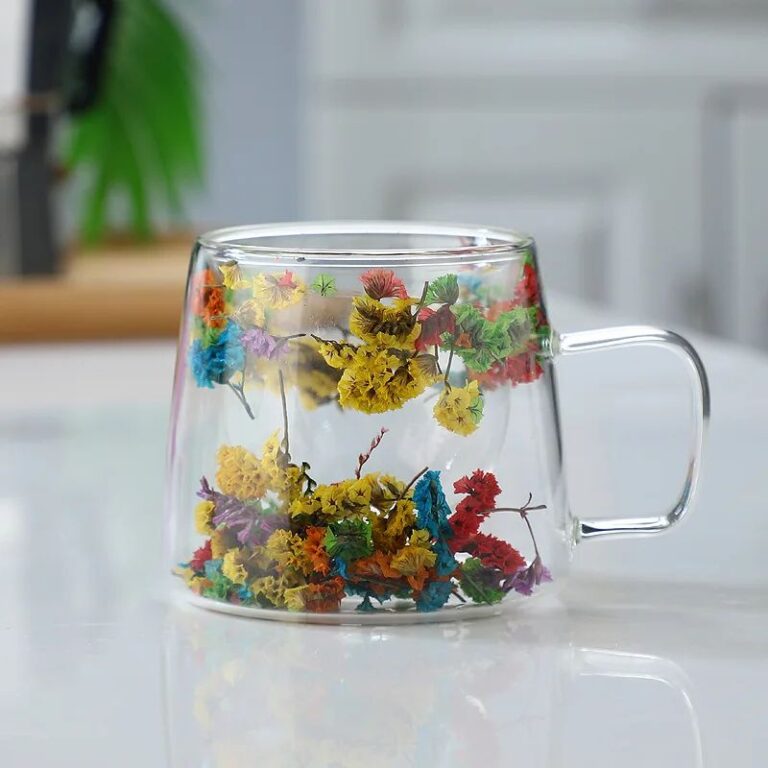
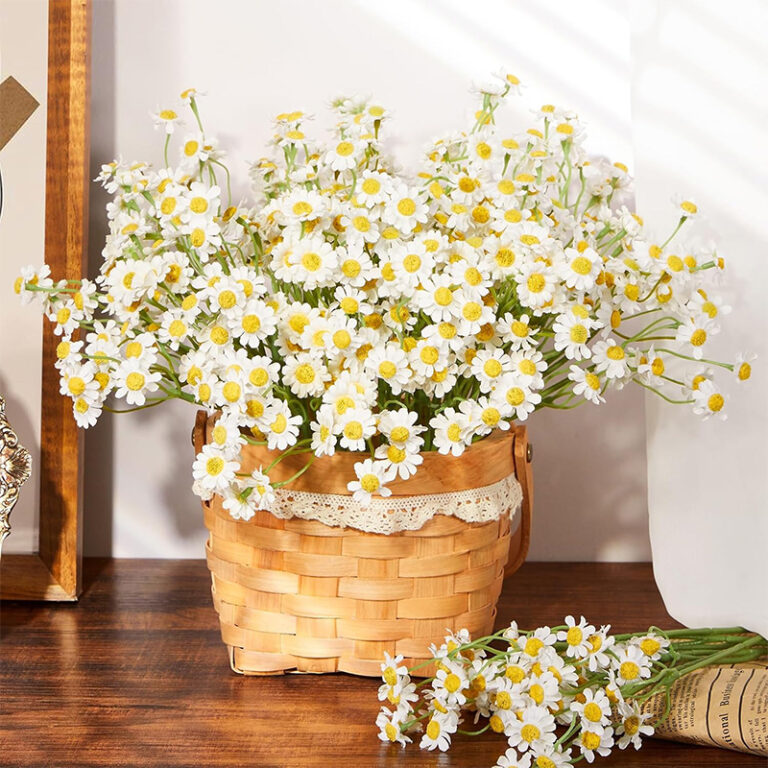 Aisha's pickRustic Artificial Flowers That Make Great Housewarming Gifts
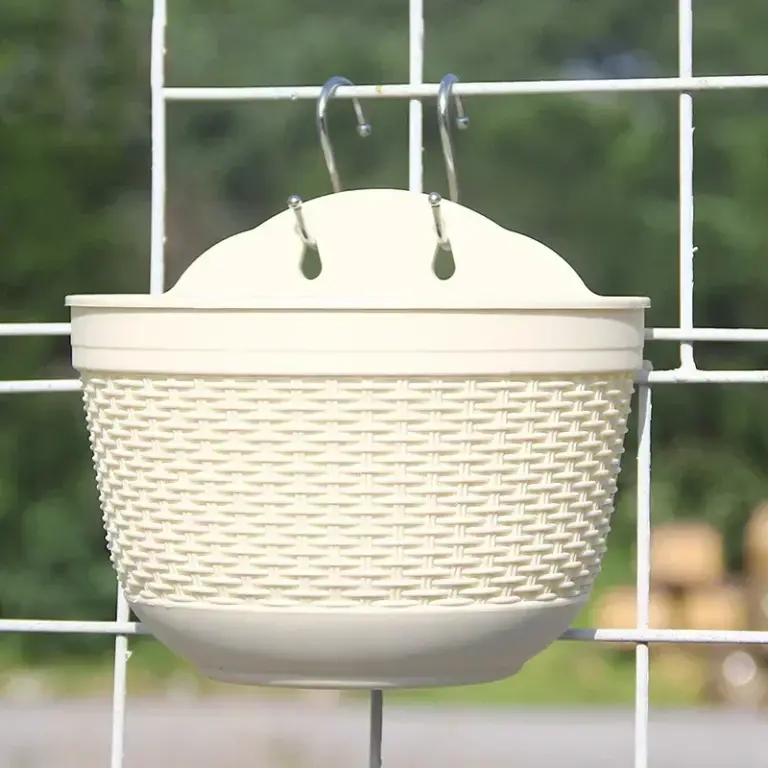
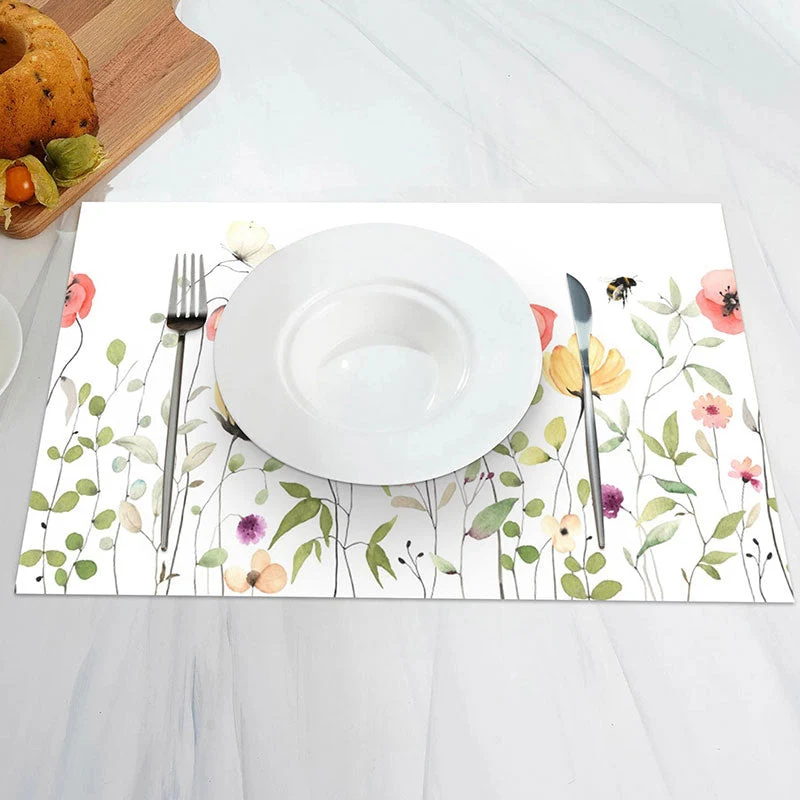 Aisha's pickPink Faux Flowers That Catch the Eye Without Taking Over
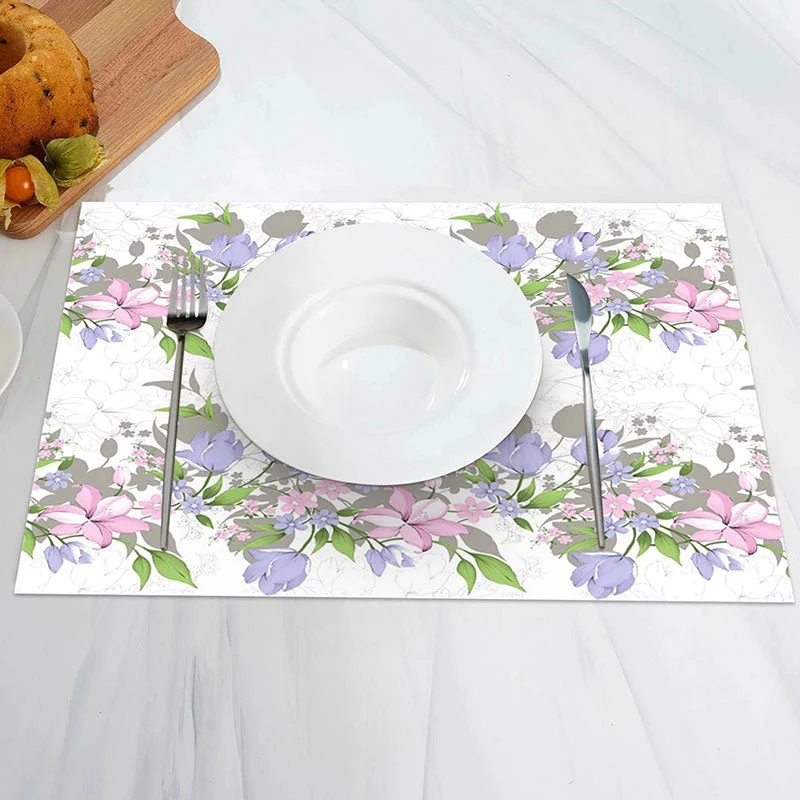
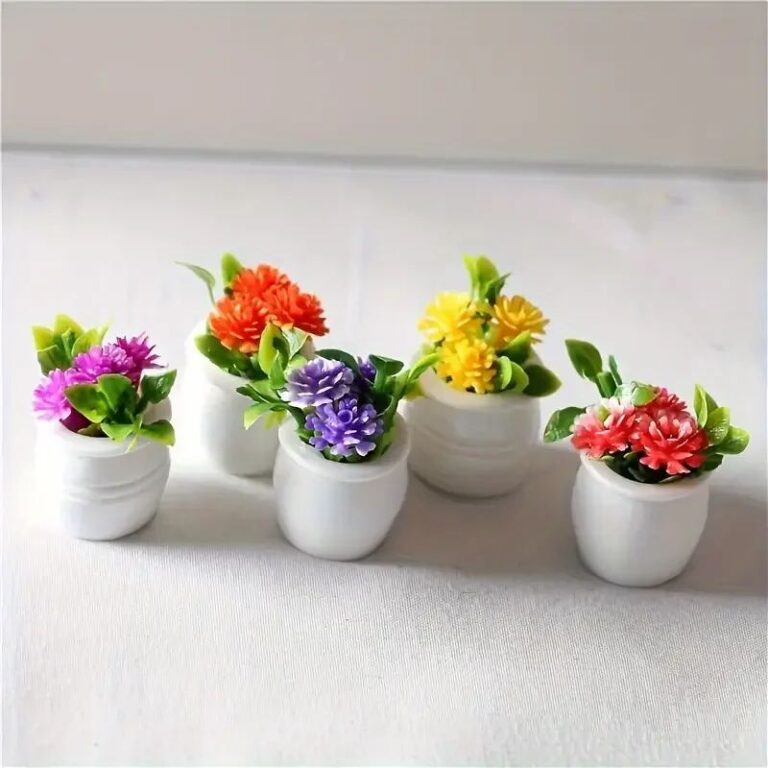 Aisha's pickArtificial Flowers for Filling an Awkward Gap
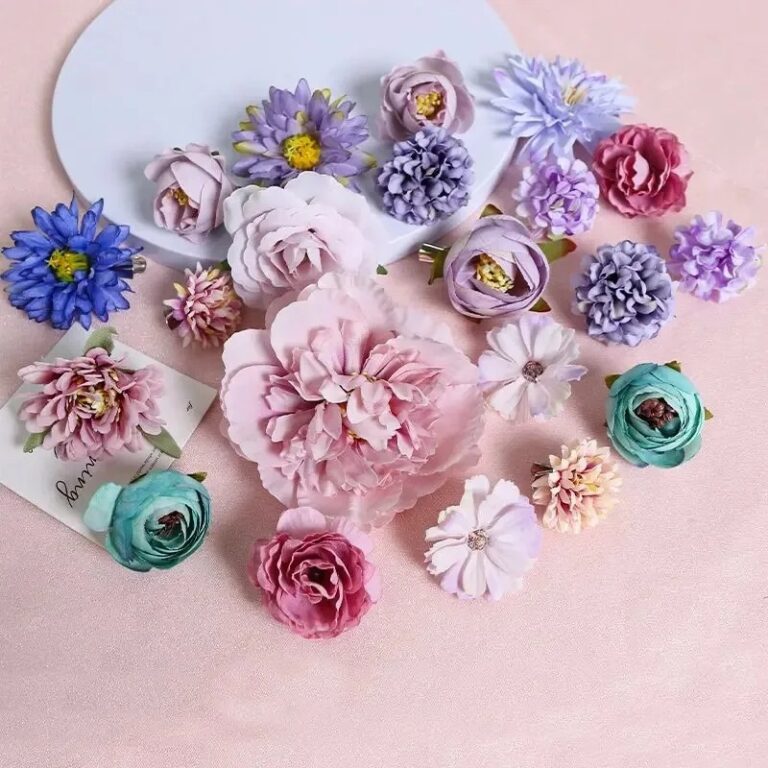
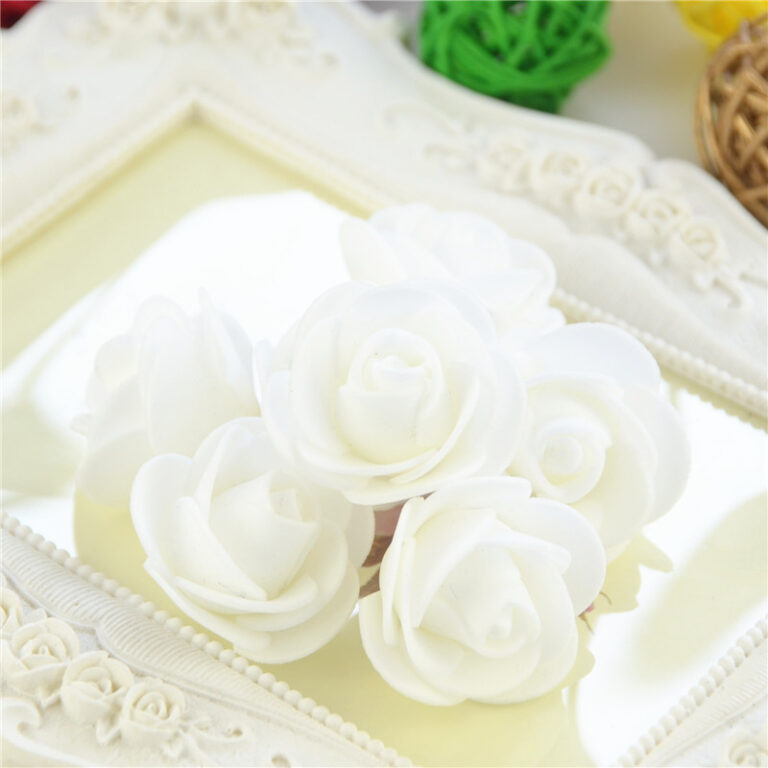 Aisha's pickSmall Artificial Flowers That Feel Personal, Not Store Bought
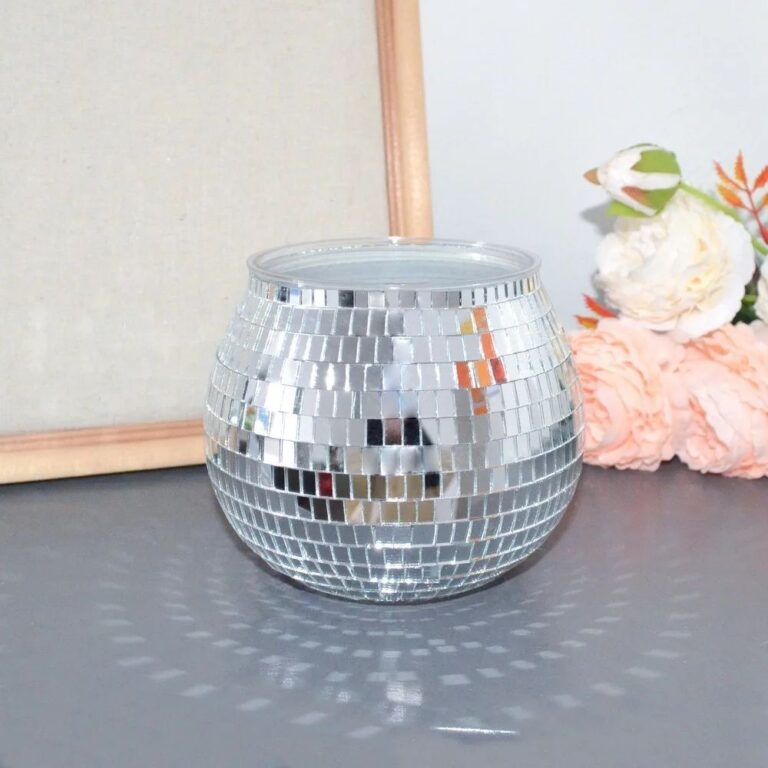
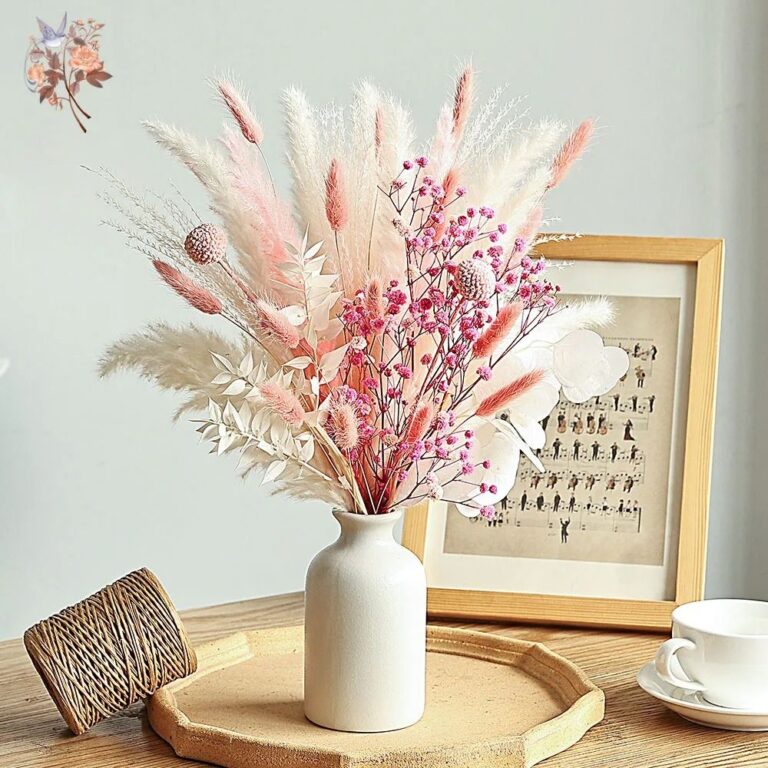 Aisha's pickPink Silk Flowers That Visitors Always Ask About
 Aisha's pickBlack Artificial Flowers Worth Knowing About
 Aisha's pickSpring Artificial Flowers Pulled From Dozens of Stores
 Aisha's pickRealistic Faux Flowers With a Story to ThemAlso worth a lookArtificial Plants & VasesCan you really tell a good fake plant from across the room?See the collections →
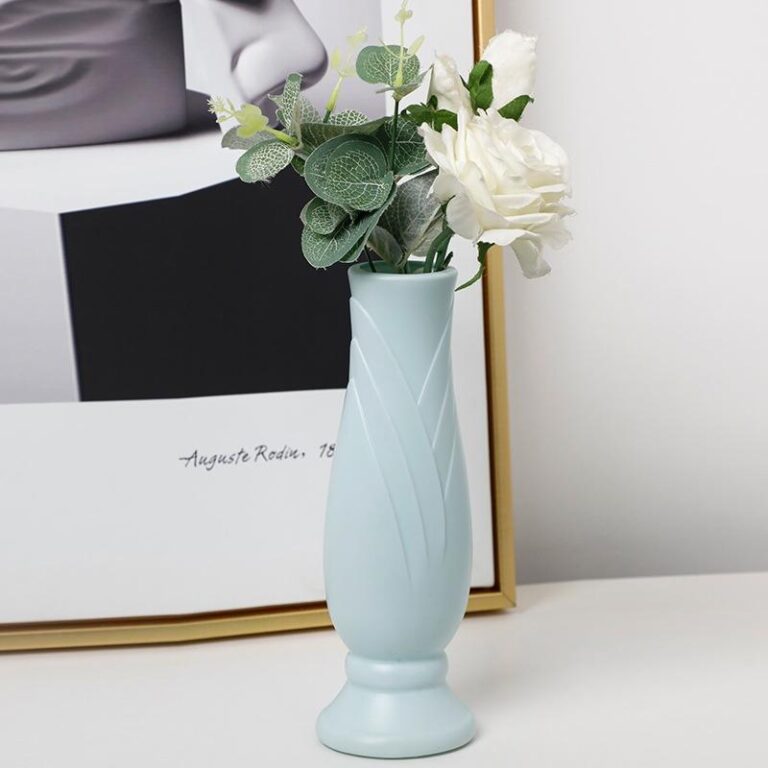
 Aisha's pickBlue Artificial Flowers That Start Conversations
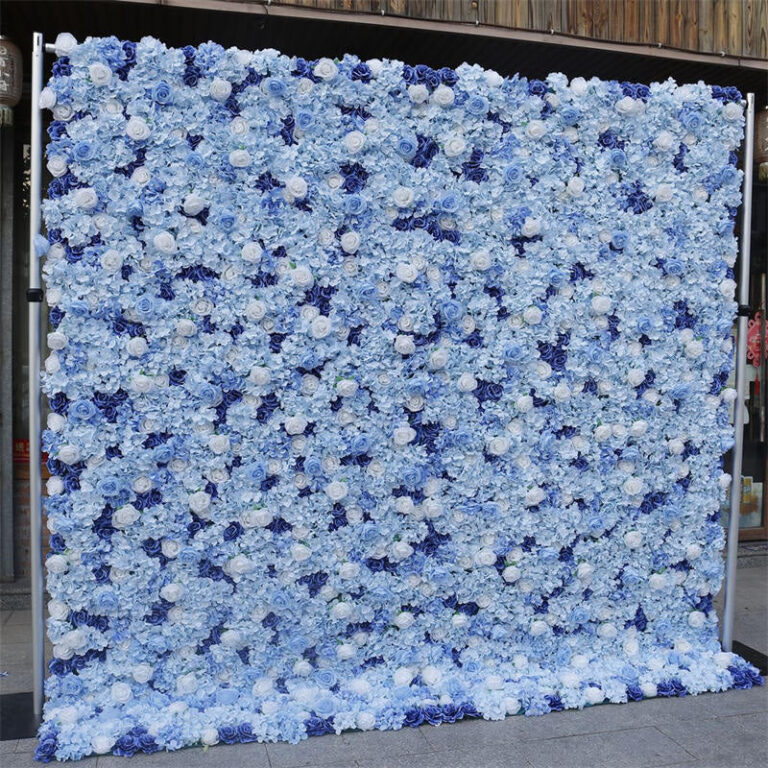
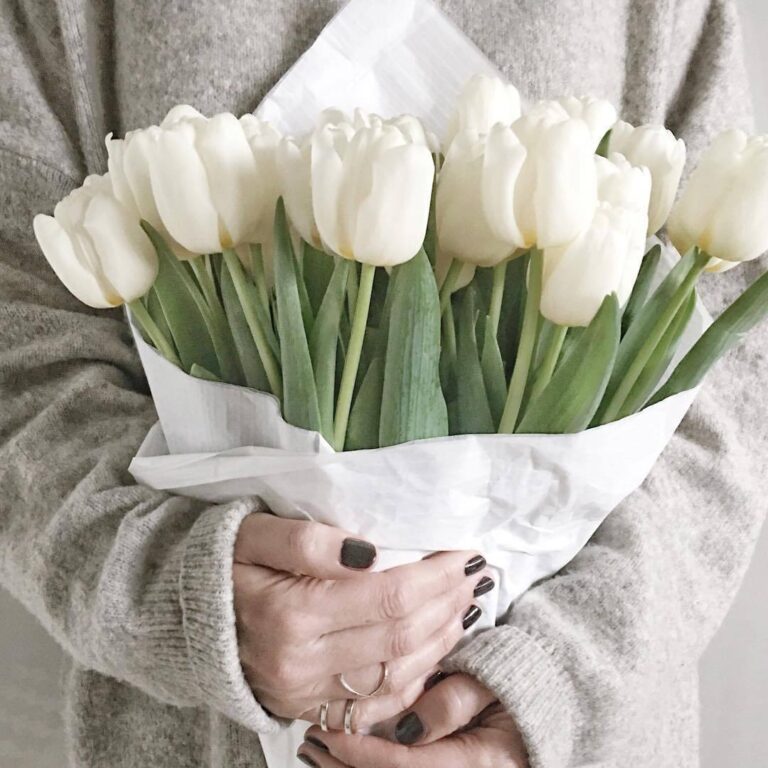
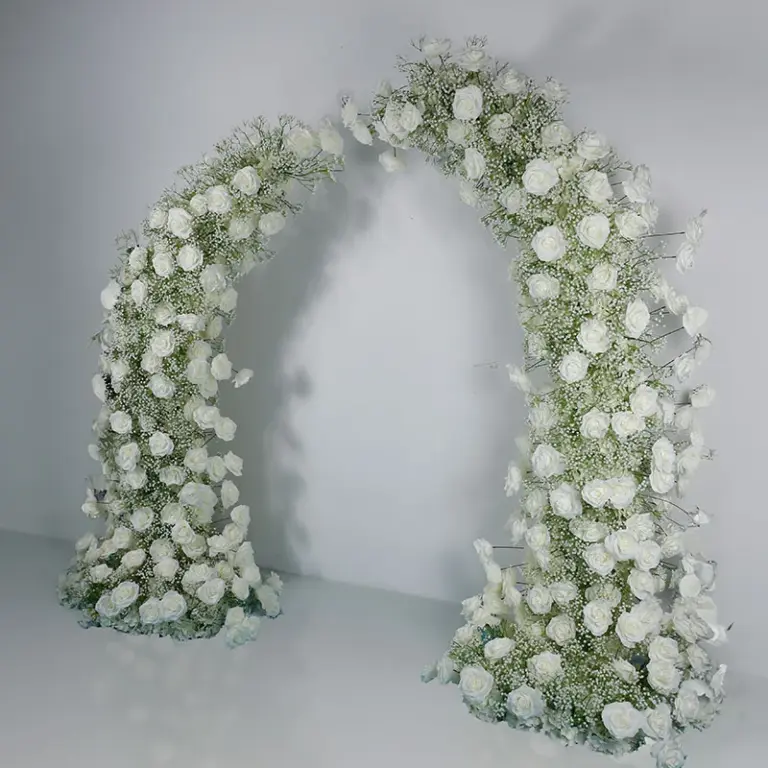 Aisha's pickWhite Artificial Flowers That Hold Up to Everyday Life
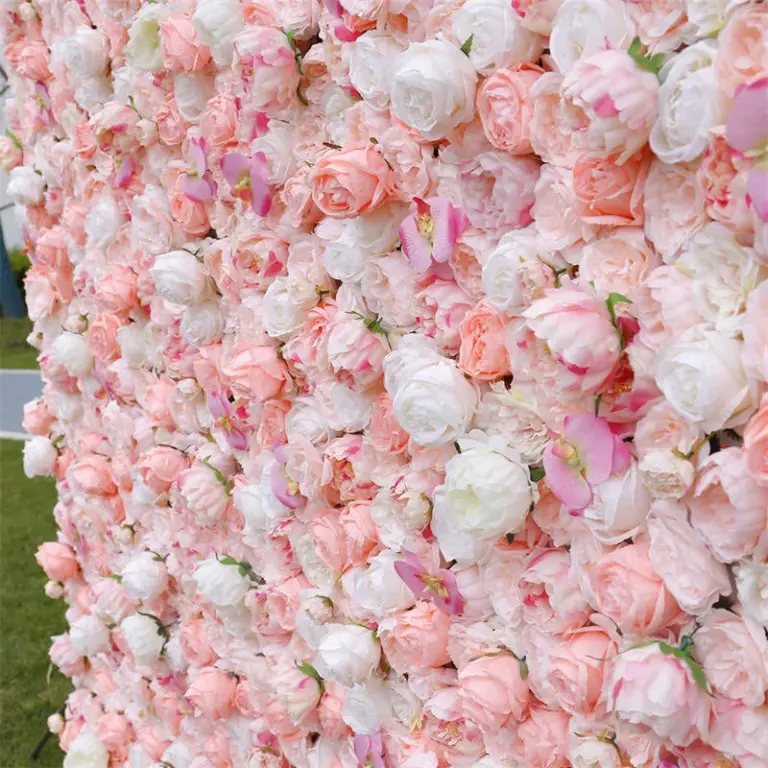
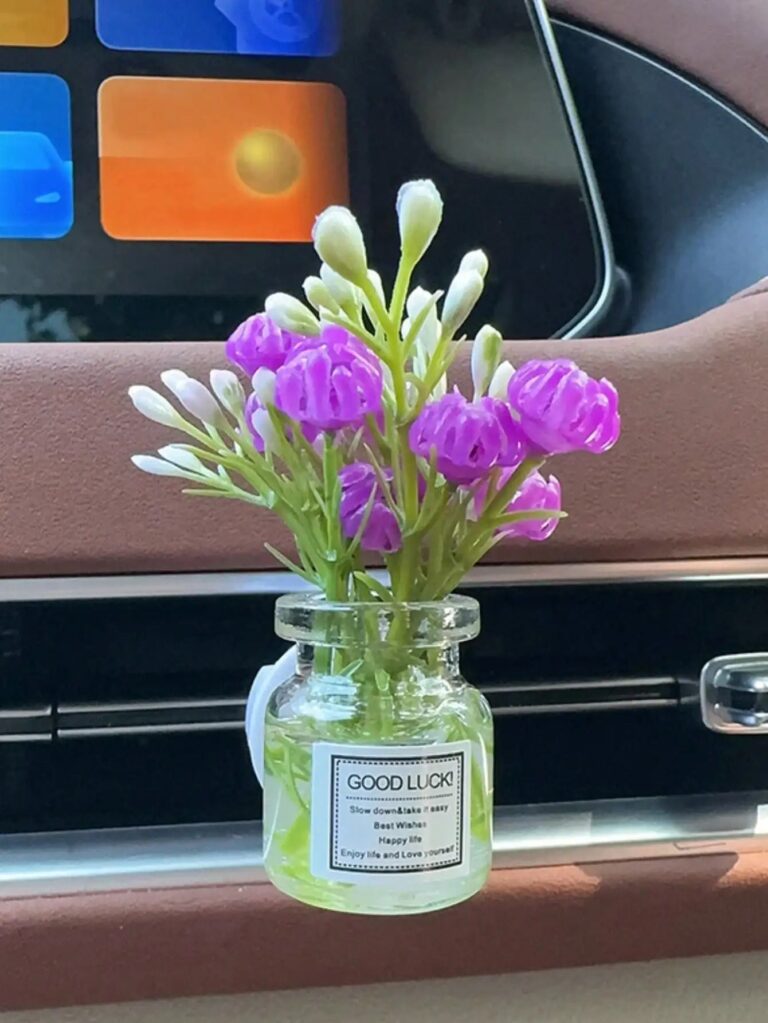 Aisha's pickRealistic Silk Flowers Without the Silly Price Tag
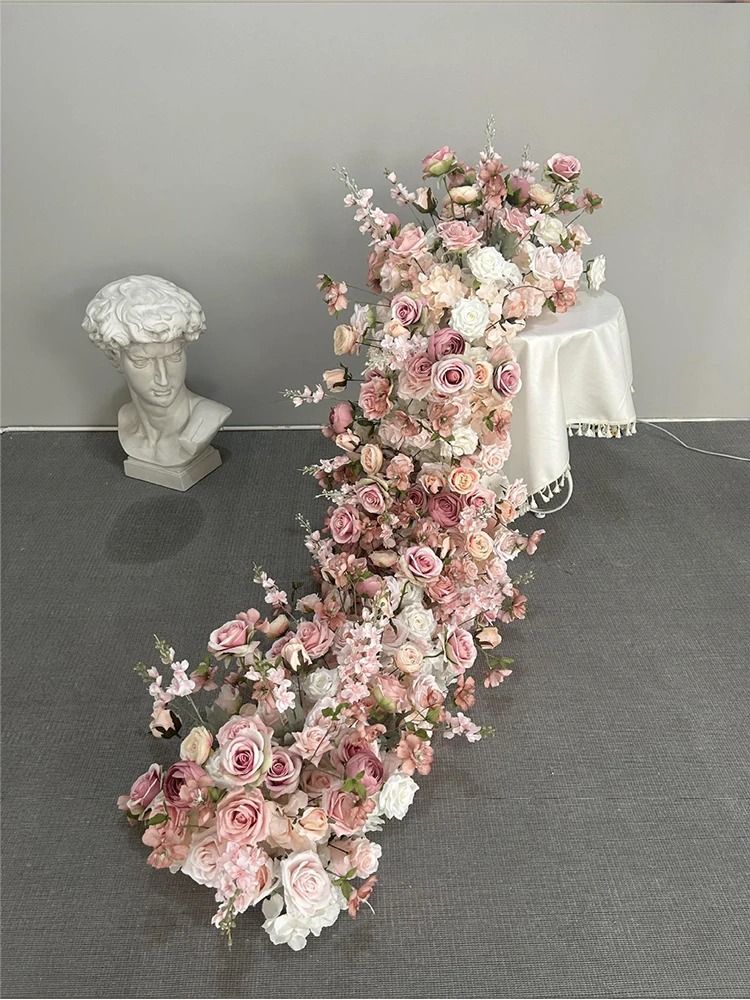
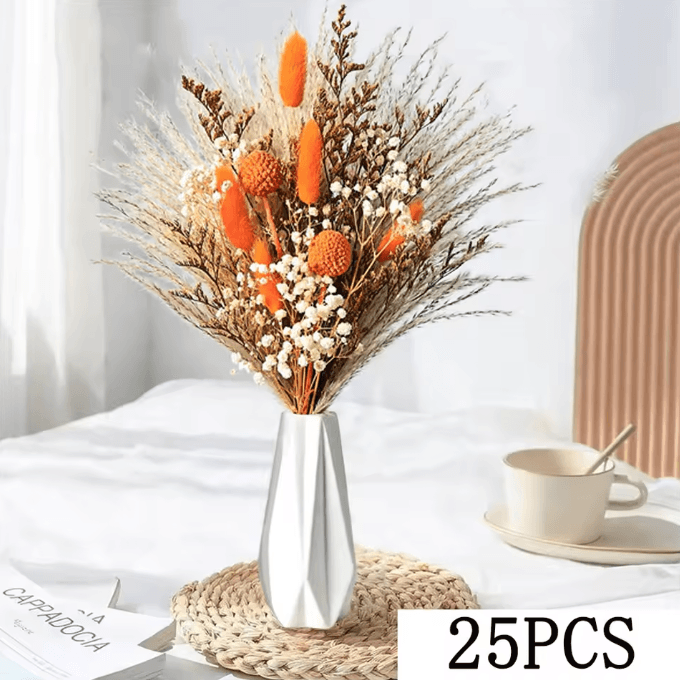 Aisha's pickBoho Artificial Flowers That Won’t Date in a Year
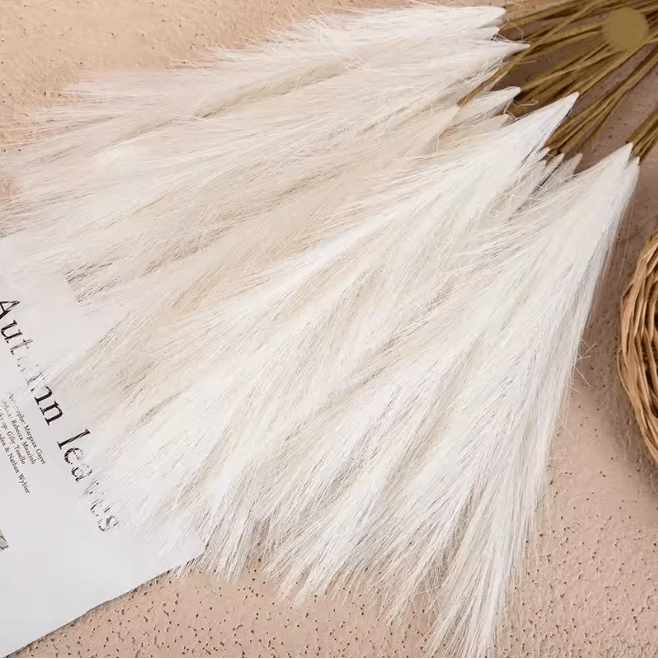
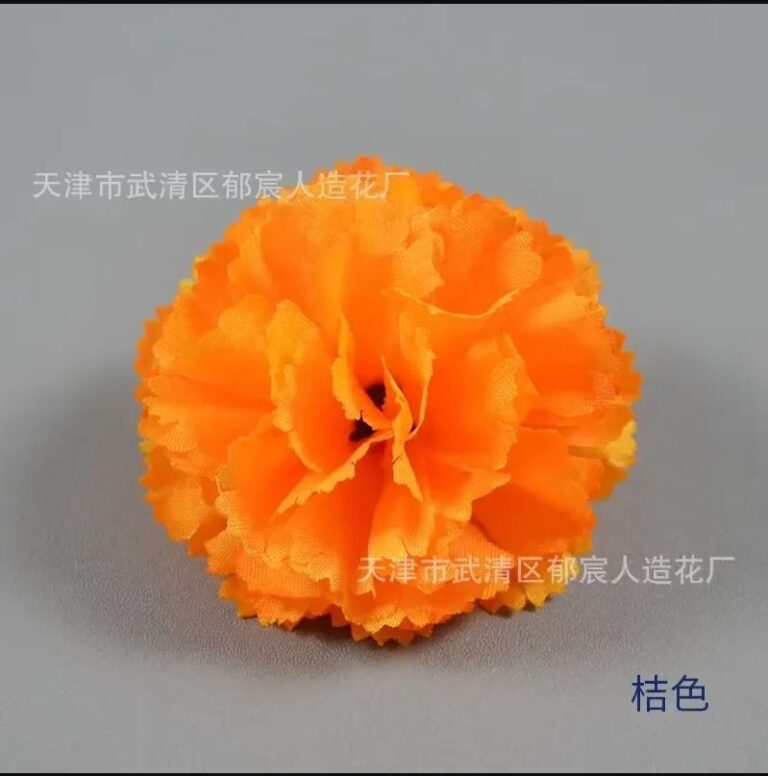 Aisha's pickYellow Artificial Flowers That Catch the Eye Without Taking Over
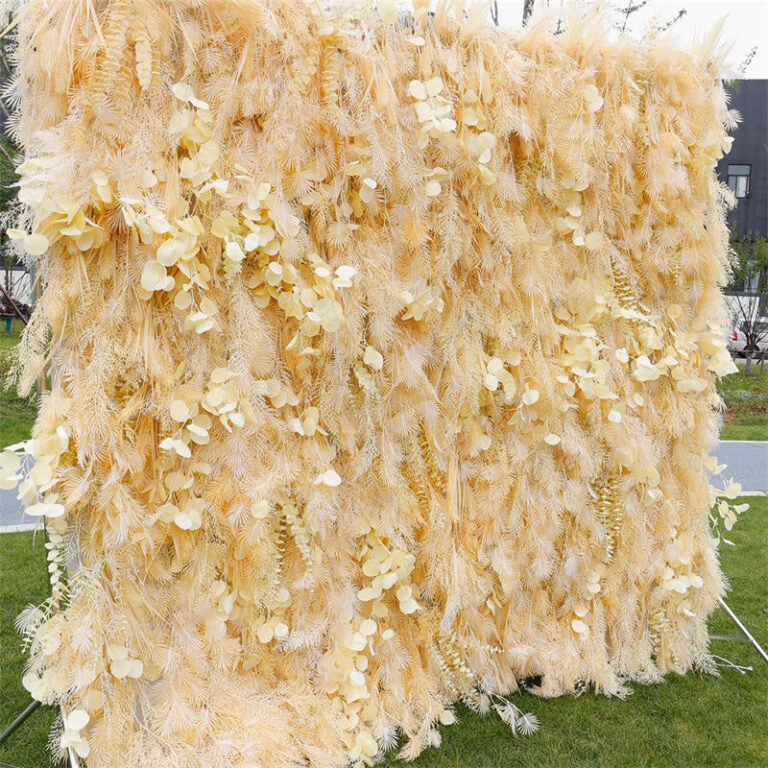
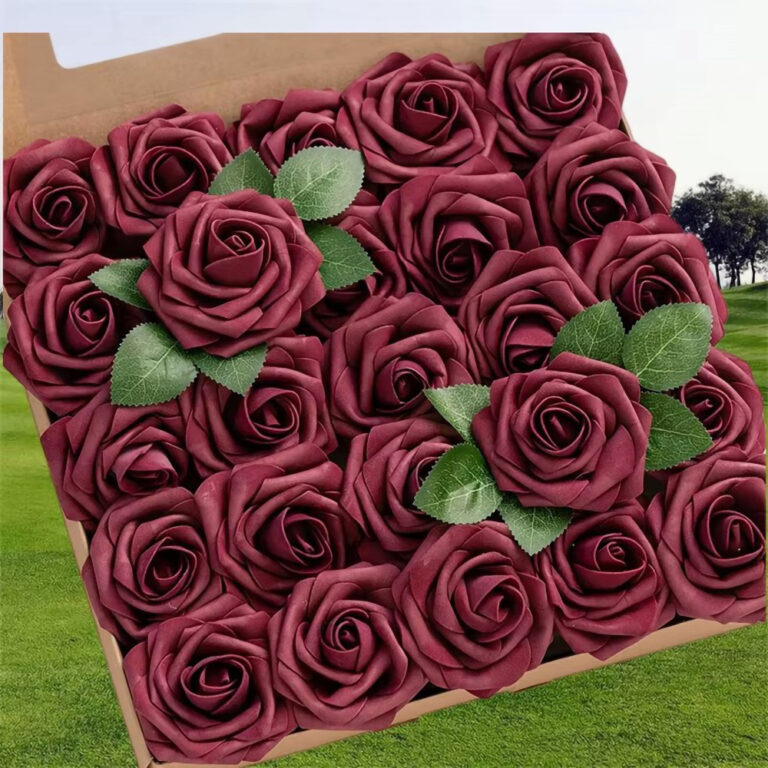
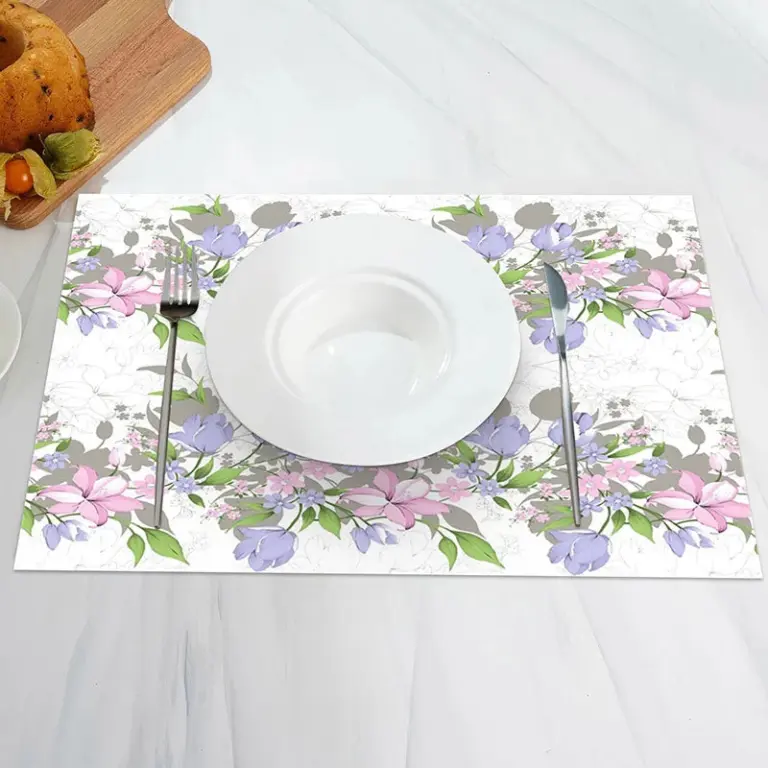 Aisha's pickRed Faux Flowers for Rooms That Feel a Bit Bare
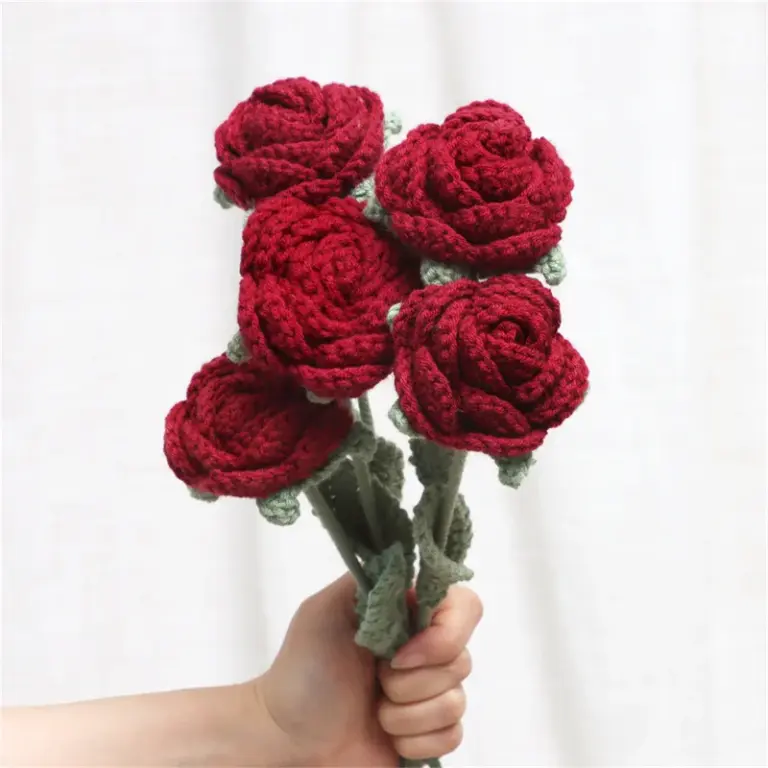
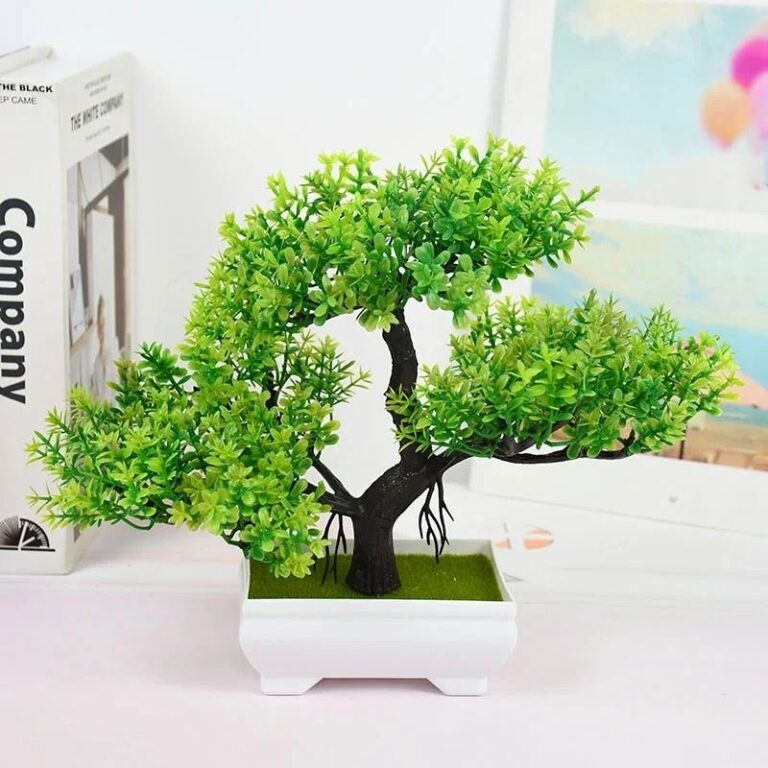 Aisha's pickGreen Artificial Flowers Without the Silly Price Tag
 Aisha's pickSimple Black Dried Flowers Done Well