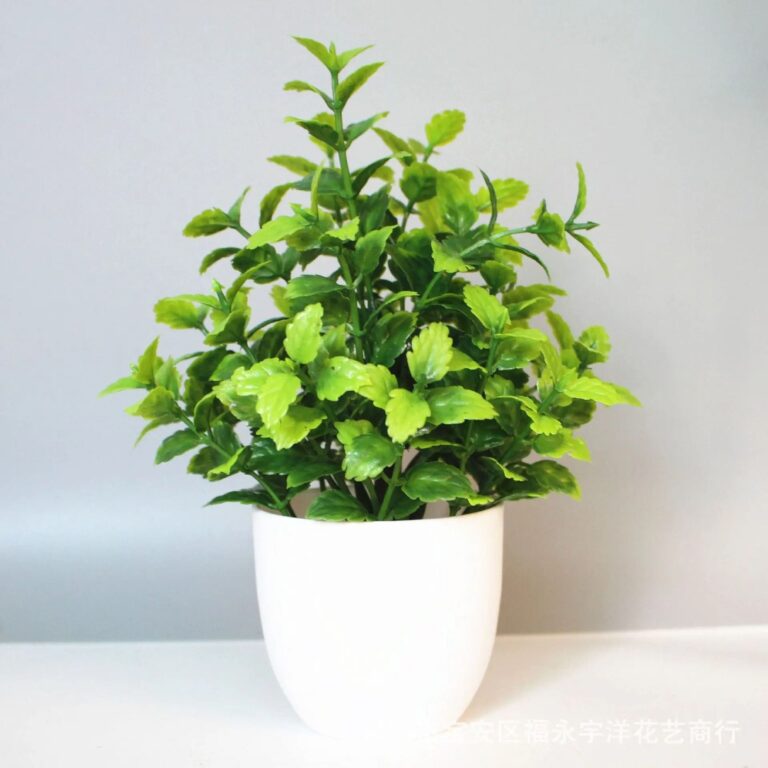
The moment it clicked for me was a dark corner of my dining room that had been empty for two years because I kept putting dead furniture there, a side table, a stack of books, nothing that belonged. I put a tall plant in that corner and suddenly the whole room had somewhere for your eye to land. That corner had a job now. It still does.
A good plant, meaning the actual living kind, comes down to the roots and the leaves telling you the truth before you even get it home. Check the drainage hole is real and not painted on for looks, check the soil isn't bone dry or swamp wet, check the leaves aren't shiny with that waxy spray some places use to fake good health for a week. The pot matters too, terra cotta breathes and forgives overwatering, glazed ceramic holds moisture longer and needs a lighter hand, plastic nursery pots are ugly but honest, they tell you exactly how root bound the plant is the second you lift it out. A plant that's been babied in a greenhouse and then dumped straight into a dim apartment hallway is going to sulk, and you'll think you killed it when really nobody told it the move was coming.
Where it lives decides almost everything. A fiddle leaf fig wants a bright room with some real space to spread its arms, gorgeous in a living room with high ceilings, miserable in a dark rental hallway where it'll drop leaves like it's auditioning for a sad movie. A pothos or a snake plant does not care about your lighting situation, your travel schedule, or your ability to remember Tuesdays, which makes them the ones I hand to friends who swear they kill everything. Humid bathrooms are perfect for ferns and some wounds-to-neglect are hard to get right in bone dry forced air apartments come winter, that's the season plants struggle most, not summer. Big sunny kitchens, cozy reading nooks, even a bright bathroom windowsill, there's a plant built for almost every real room in a real house.
They change on you, and that's the good part. New growth looks different from old growth, some plants get leggy reaching for light and need a turn every week so they don't grow sideways out the window, some drop a leaf or two in a new home and then settle in for good. Dust the big leaves with a damp cloth now and then, they breathe through them. Repot every year or two when roots start circling the bottom, into something only a size up, not a dramatic jump, plants sulk in pots too big for them the same way they sulk in the dark.
Before you buy, measure the actual ceiling height and the window width of the spot you have in mind, not just the floor space, because a plant that's perfect in the store can hit the ceiling by spring.
 Aisha's pickGreen Artificial Plants With a Story to Them
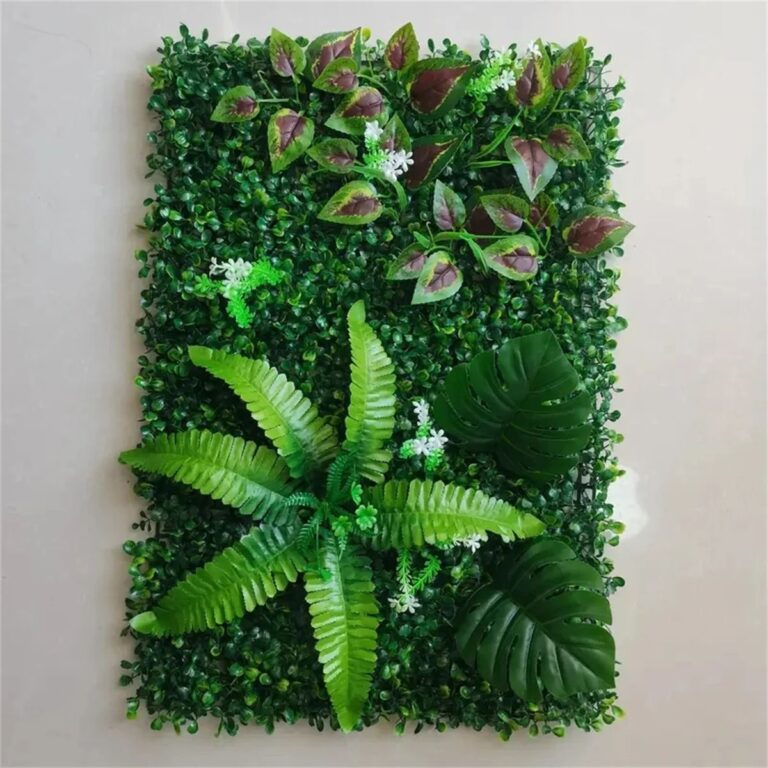 Aisha's pickRealistic Fake Plants We’d Make Room For
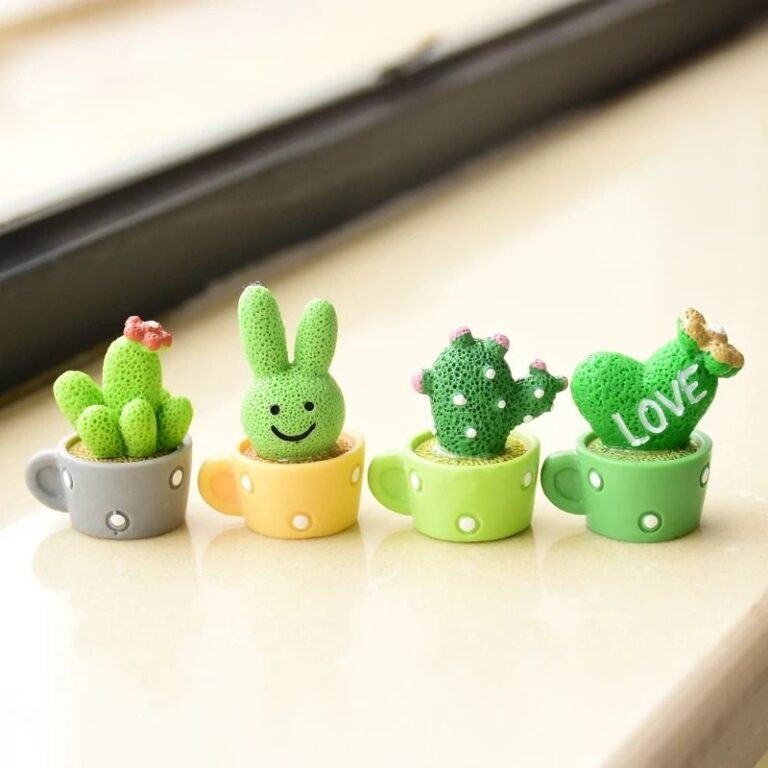
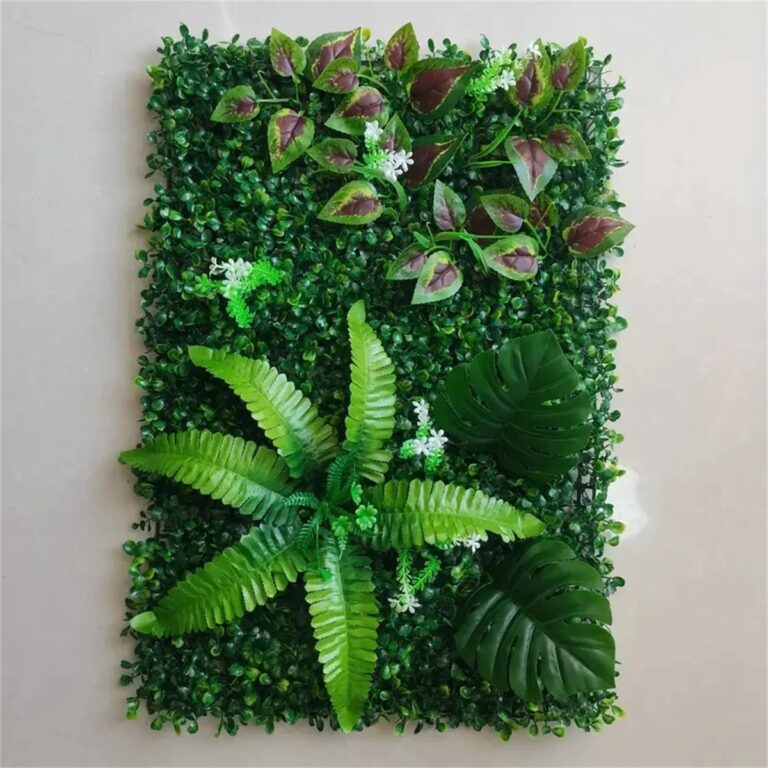 Aisha's pickGreen Fake Plants That Don’t Look Mass Produced
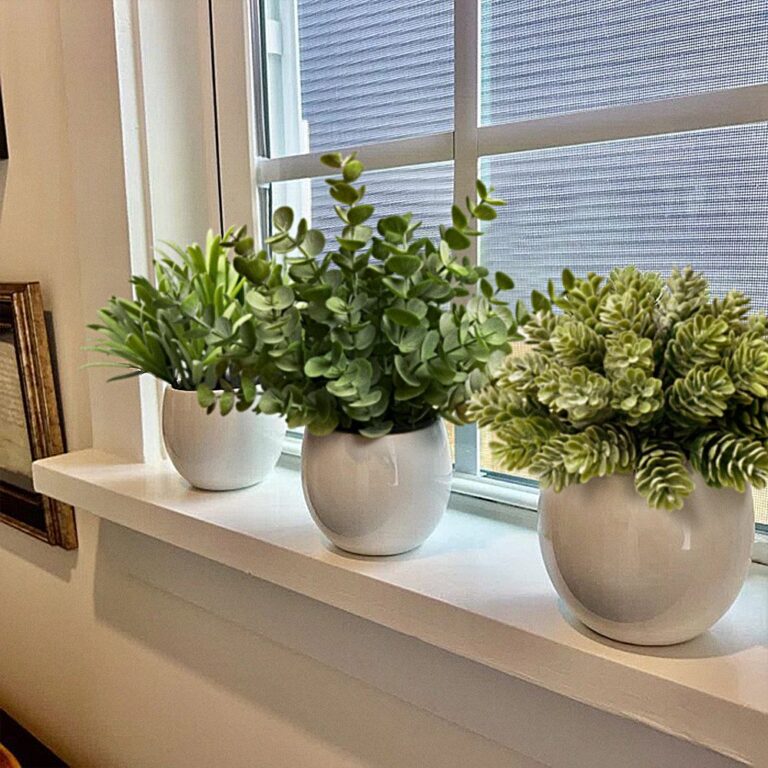
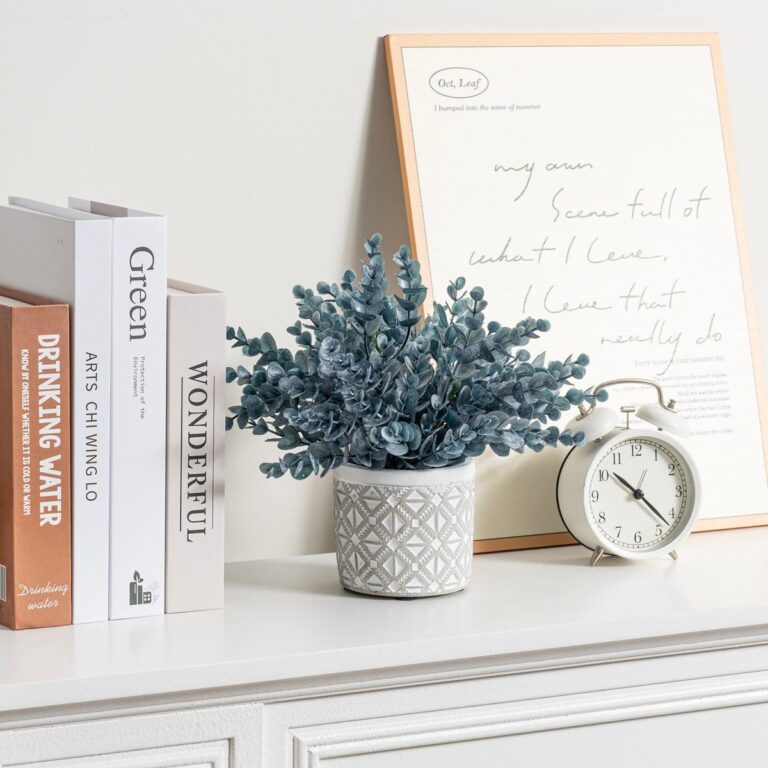 Aisha's pickOur Shortlist of Realistic Faux Plants
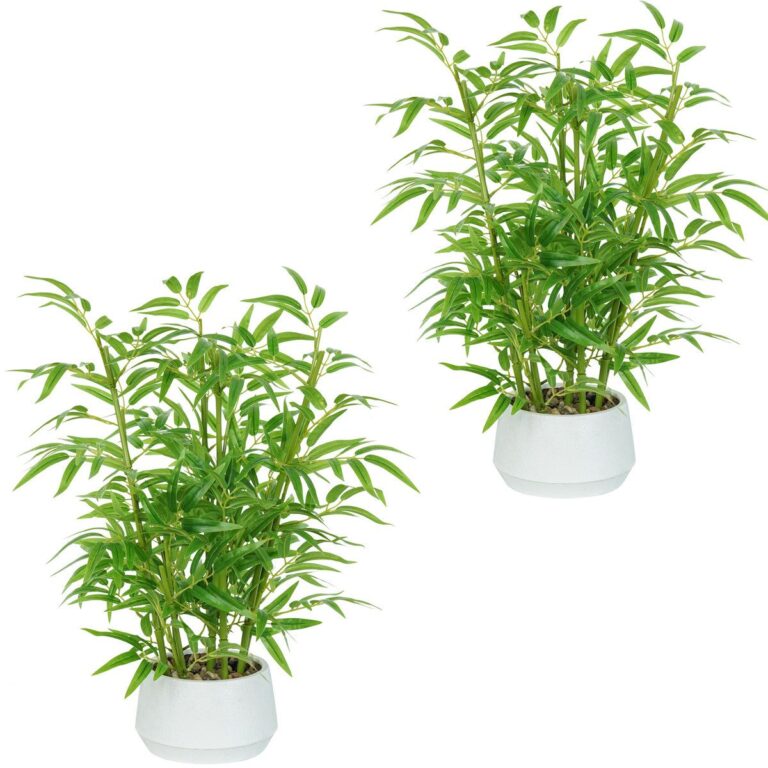
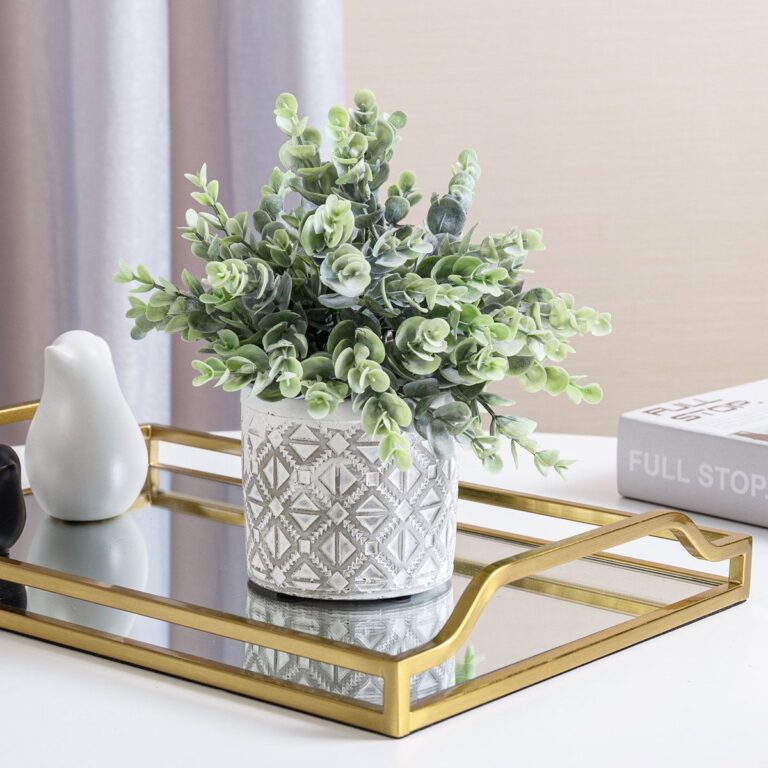 Aisha's pickGreen Faux Plants That Give a Room Some Personality

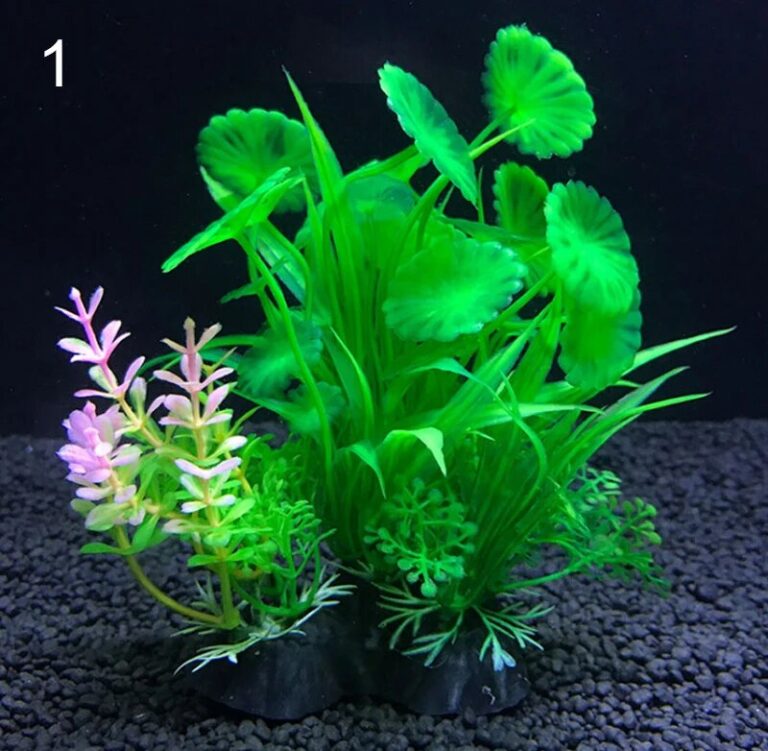 Aisha's pickRed Artificial Plants for Blank Walls and Empty Shelves
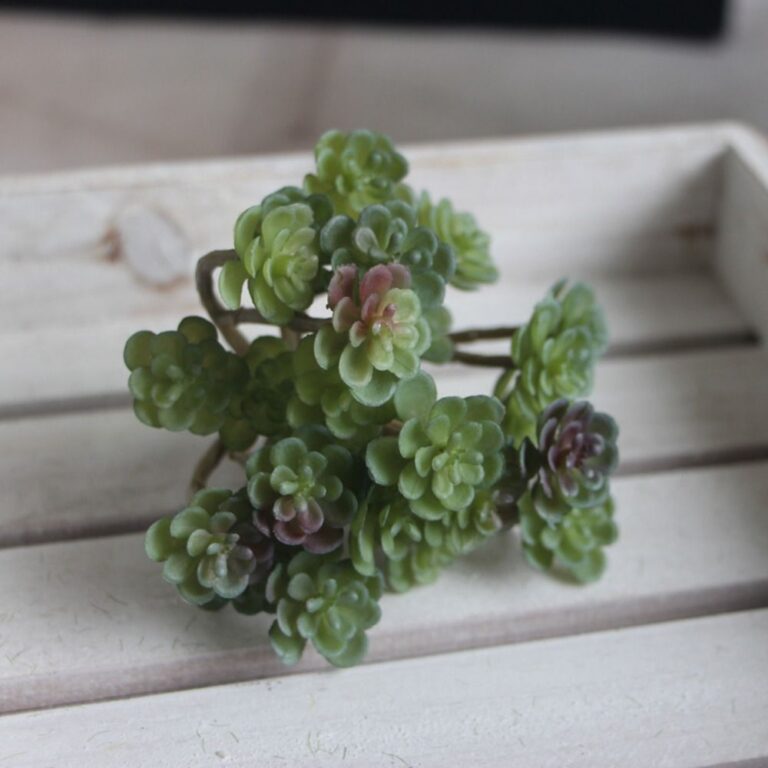
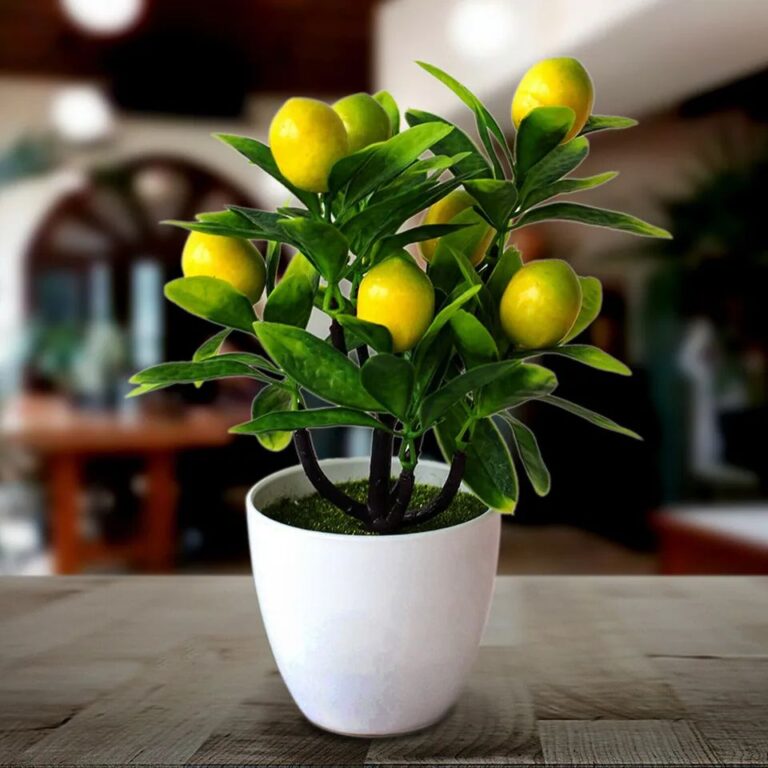 Aisha's pickGreen Potted Artificial Plants Without the Silly Price Tag
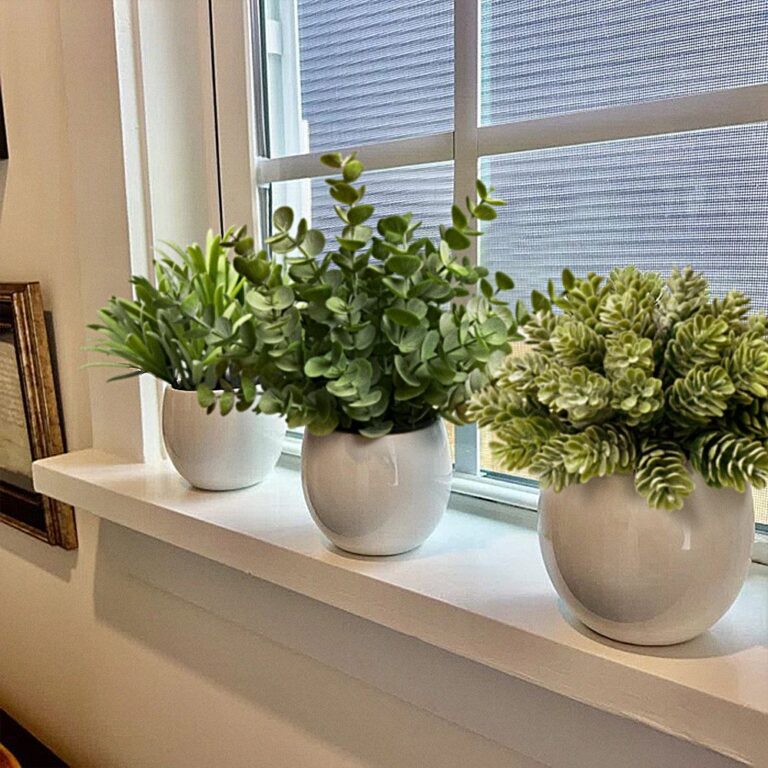
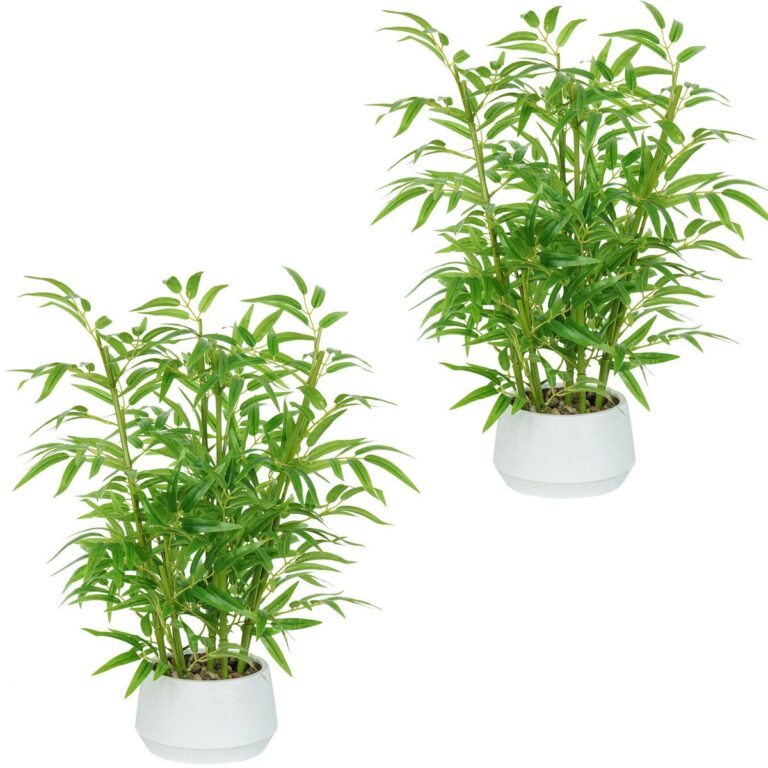 Aisha's pickSilk Plants That Make Great Housewarming Gifts
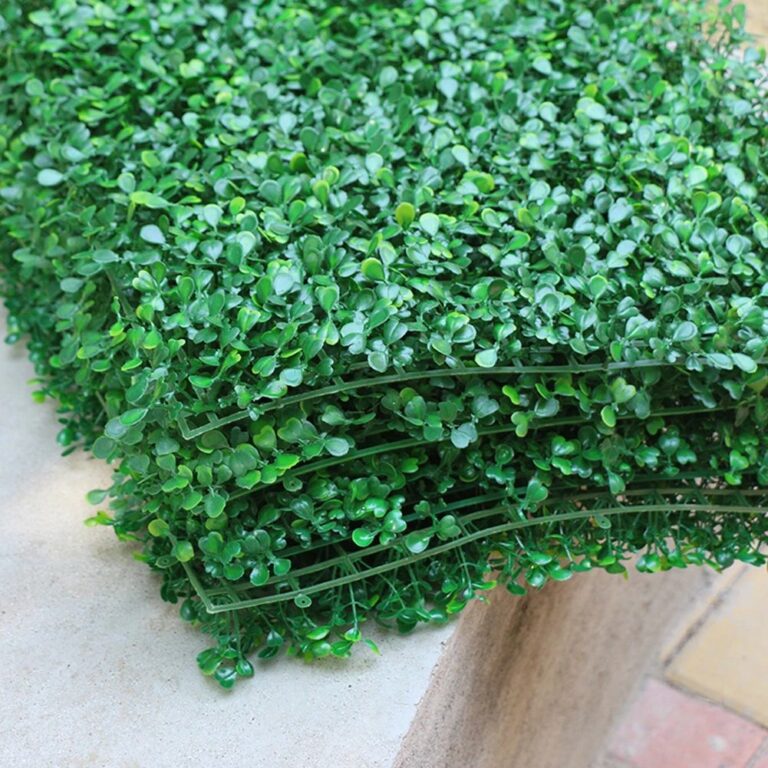 Aisha's pickGreen Realistic Artificial Plants Worth Knowing AboutAlso worth a lookVasesThere's a particular kind of evening, late in the day, when the light comes in low through the…See the collections →
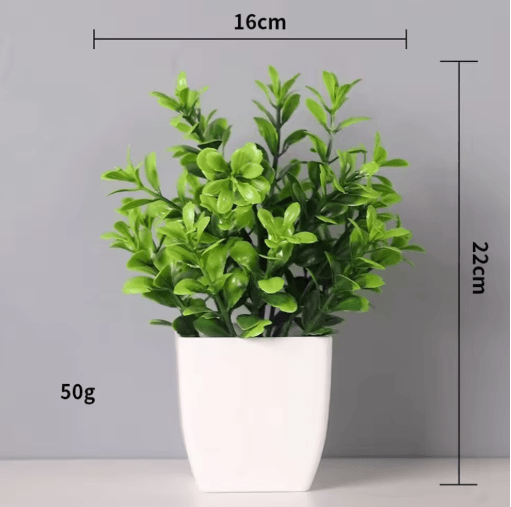
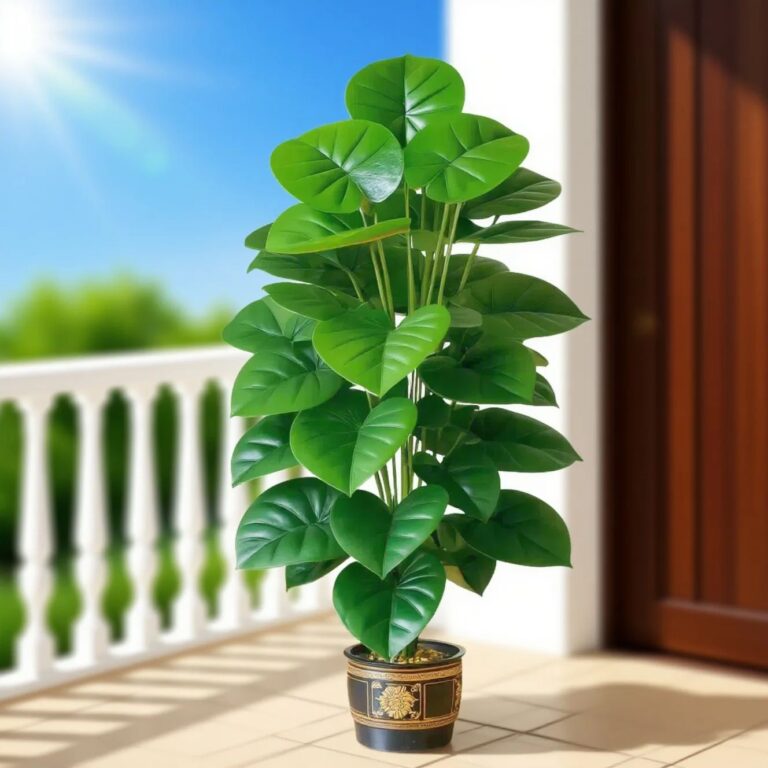 Aisha's pickTall Artificial Plants for Filling an Awkward Gap
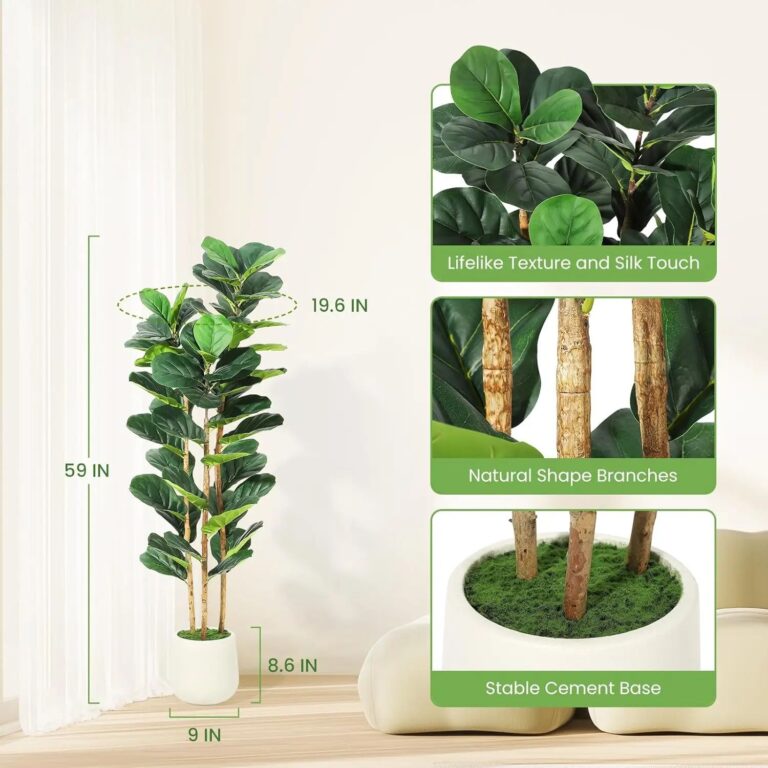
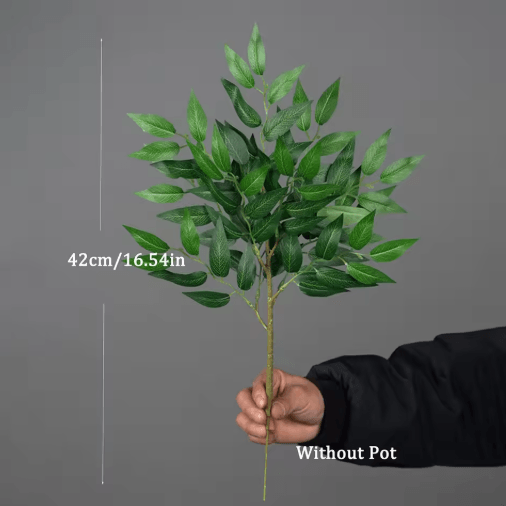 Aisha's pickIndoor Artificial Plants That Give a Room Some Personality
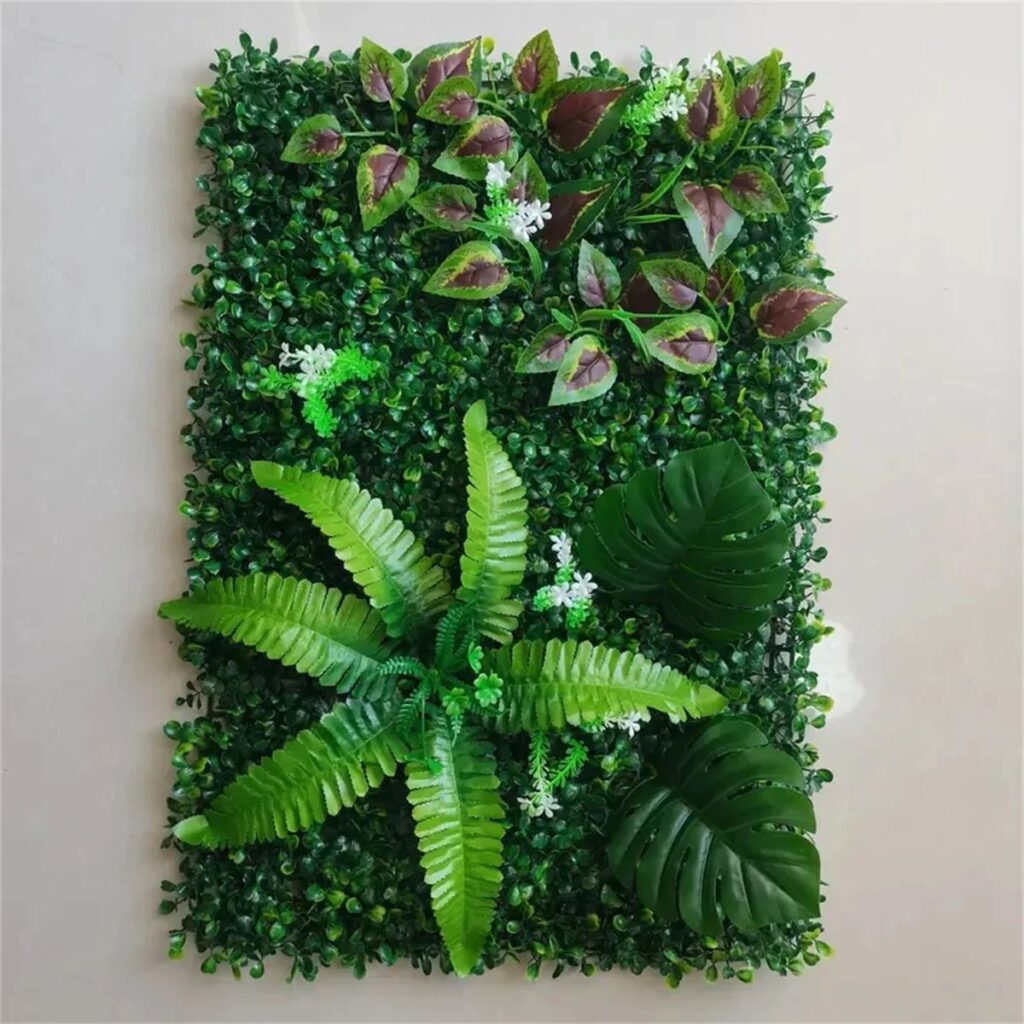
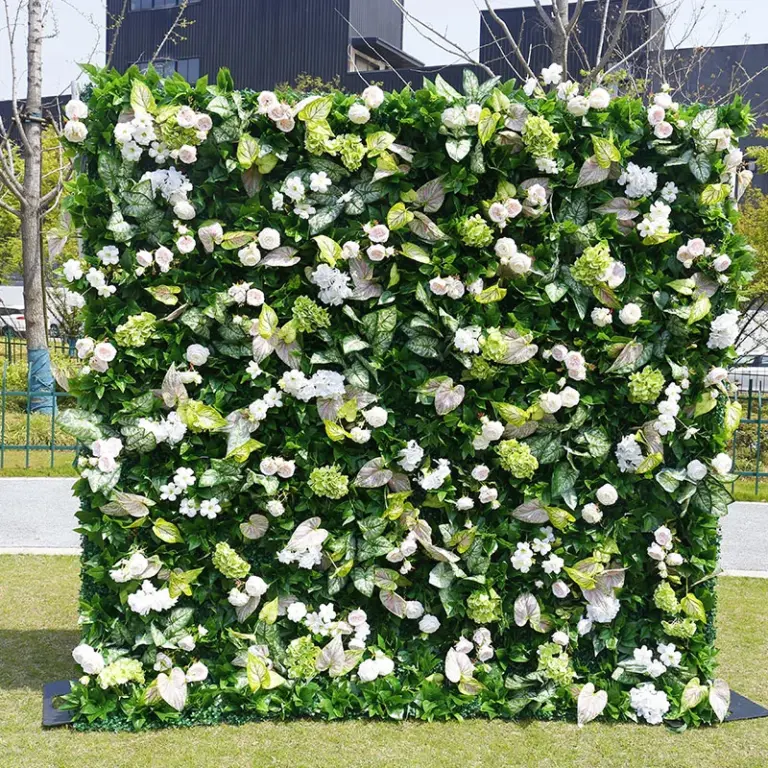 Aisha's pickWhite Artificial Plants That Catch the Eye Without Taking Over
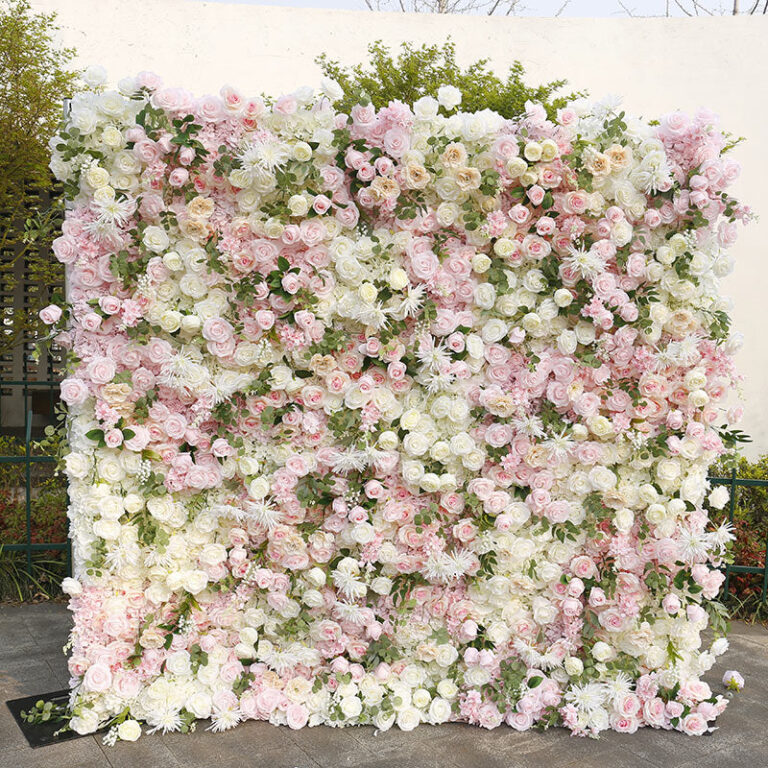
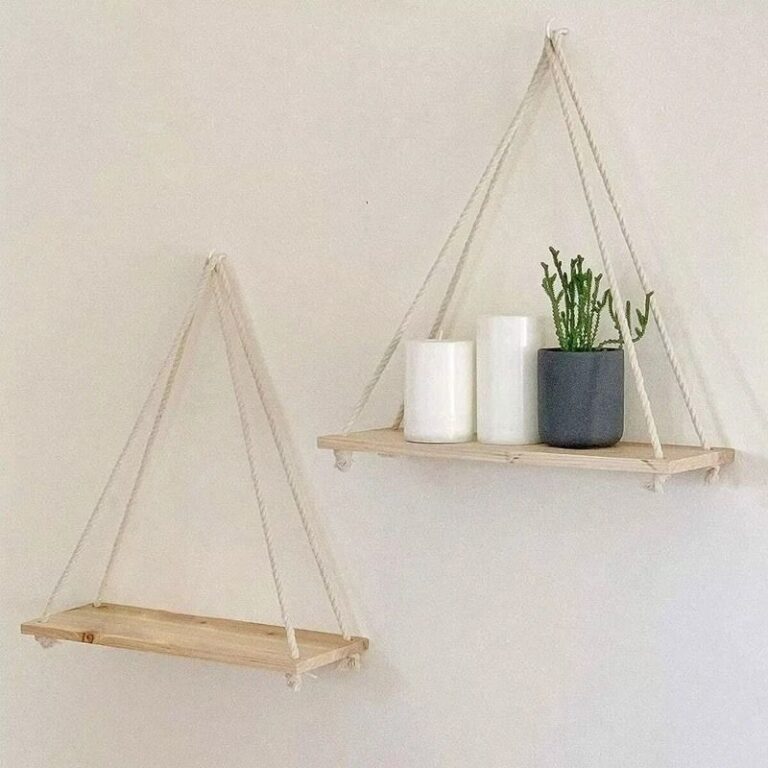 Aisha's pickShopping for Indoor Faux Plants? Start Here
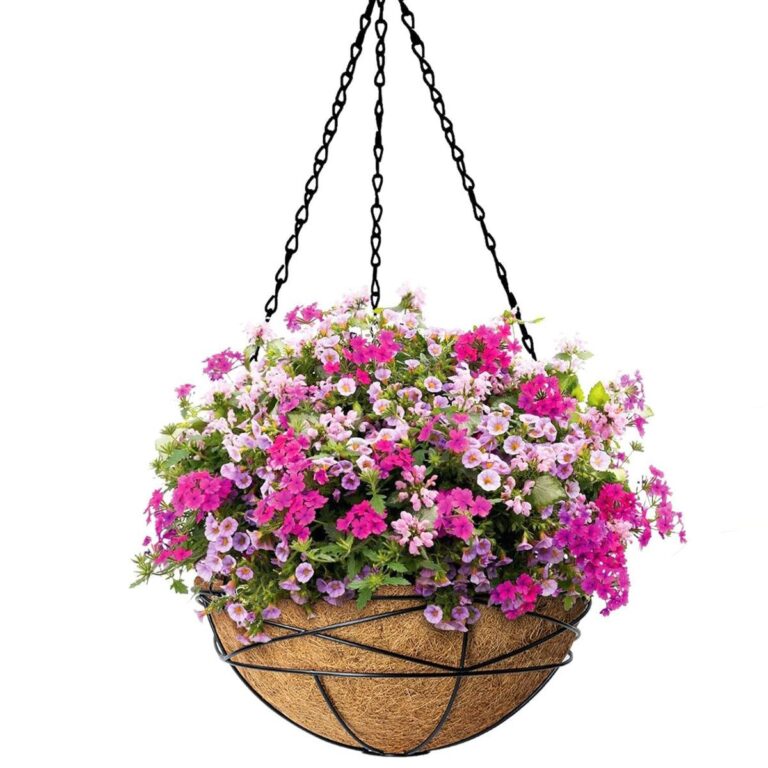
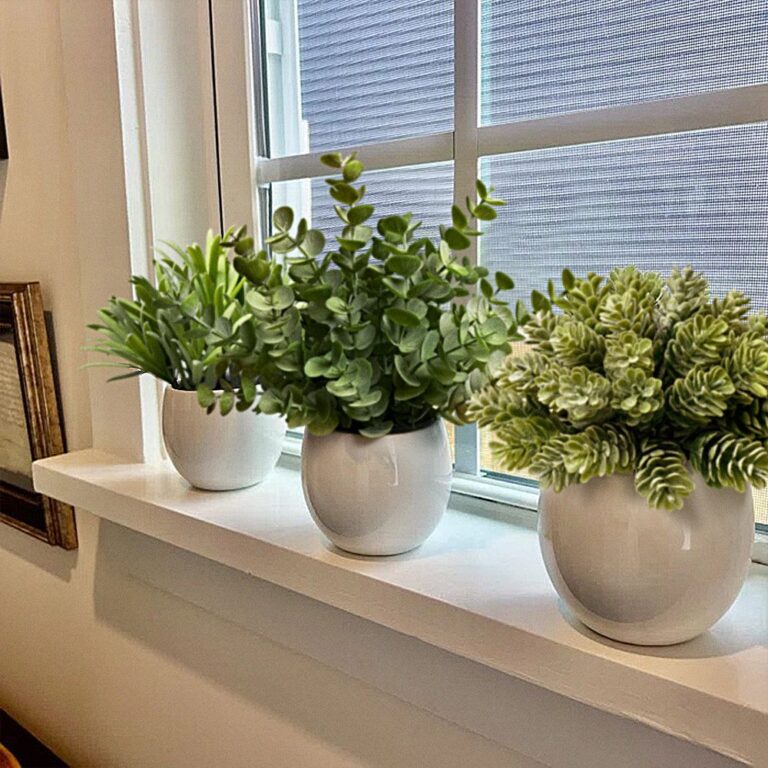 Aisha's pickWhite Faux Plants You’ll Keep for Years
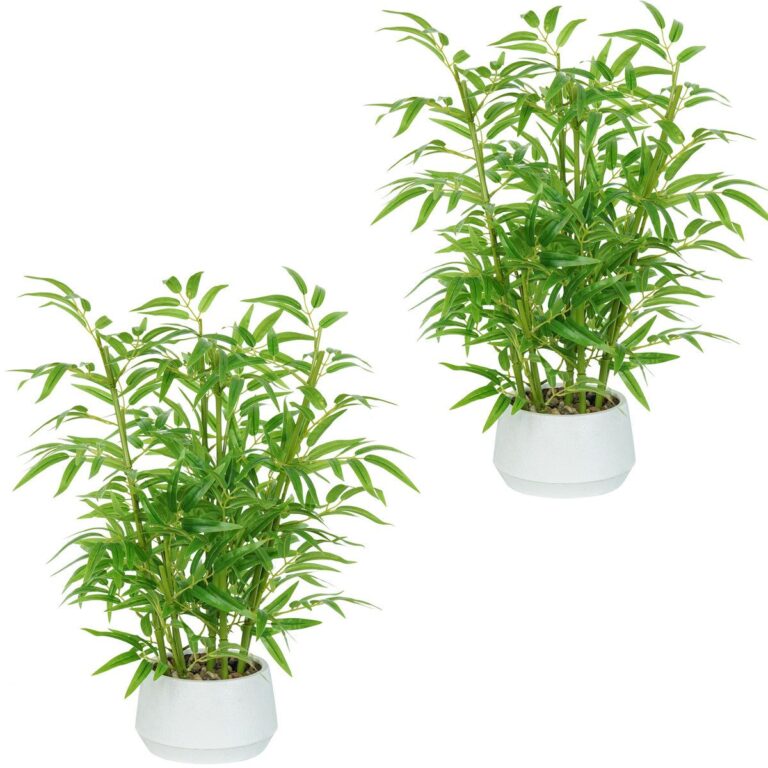
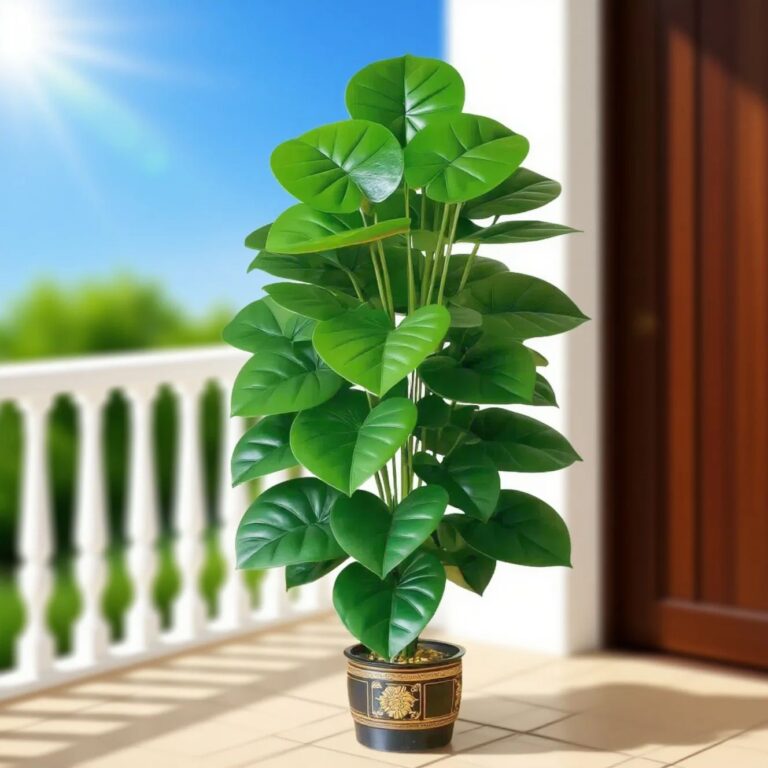 Aisha's pickLarge Artificial Plants That Look Like They Cost More
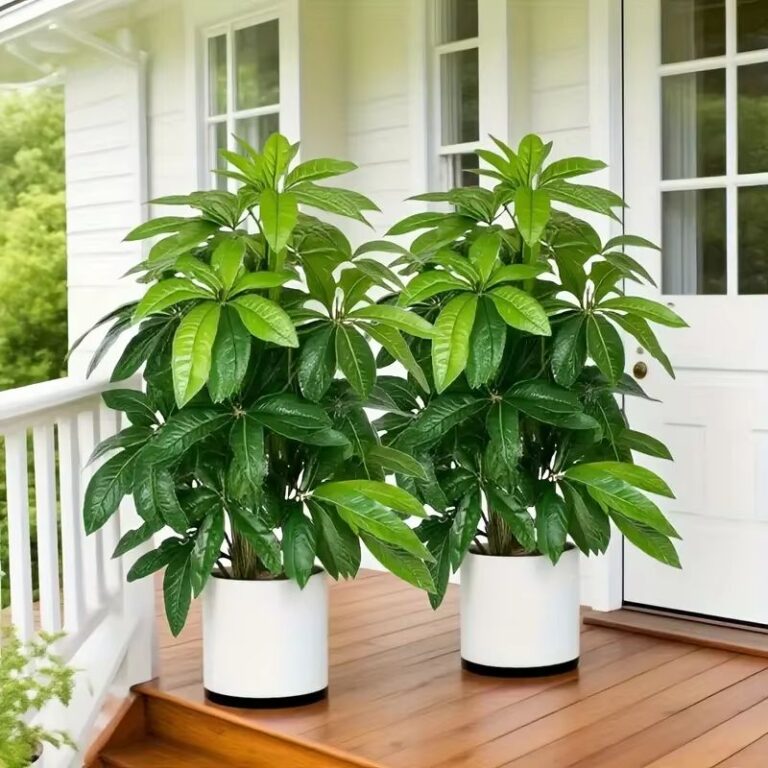
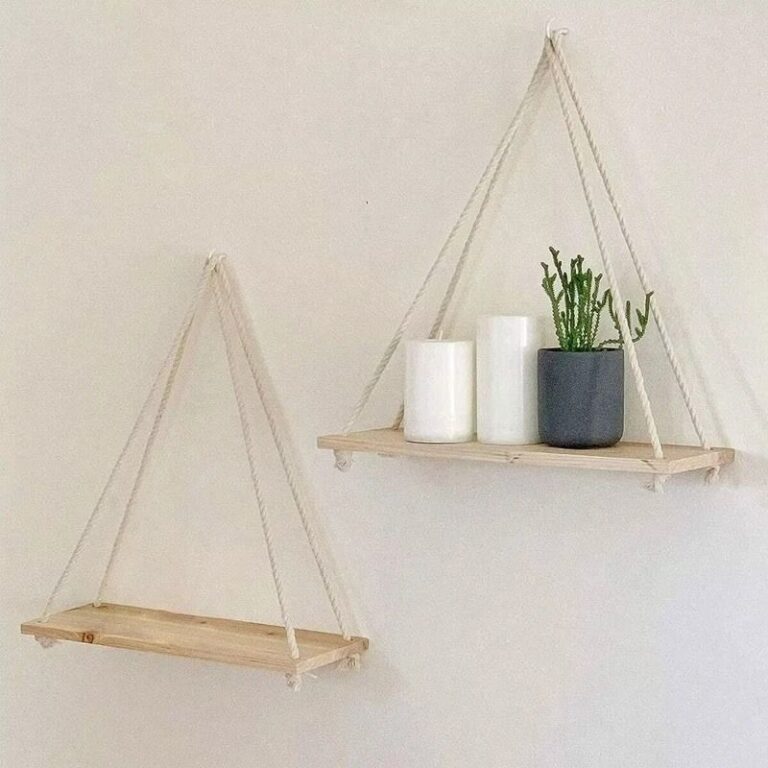 Aisha's pickLarge Faux Plants That Make a Shelf Look Styled
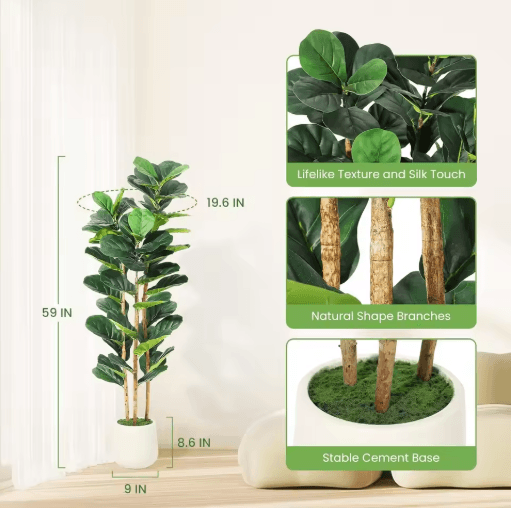 Aisha's pickSimple Natural Artificial Plants Done Well
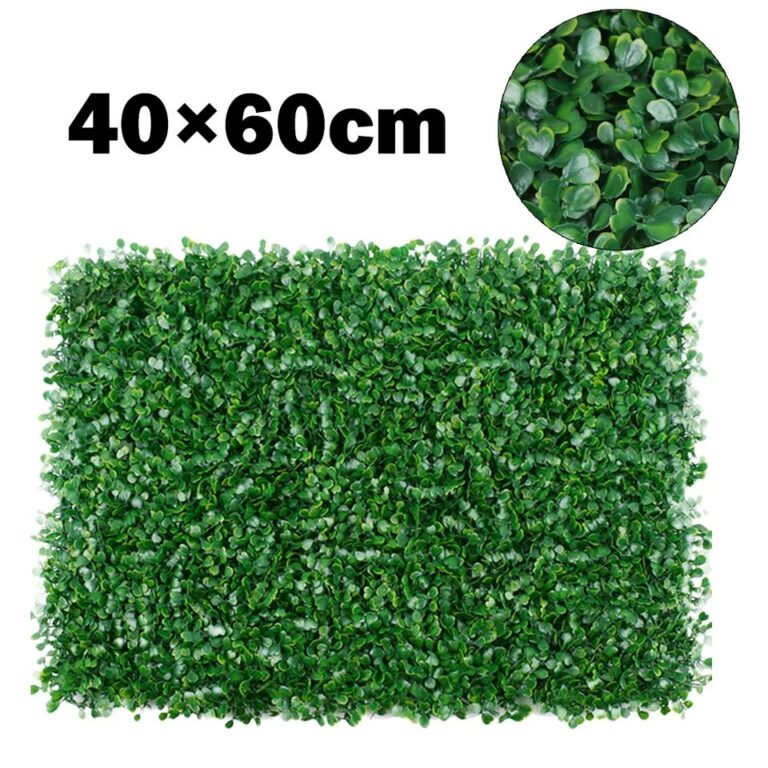
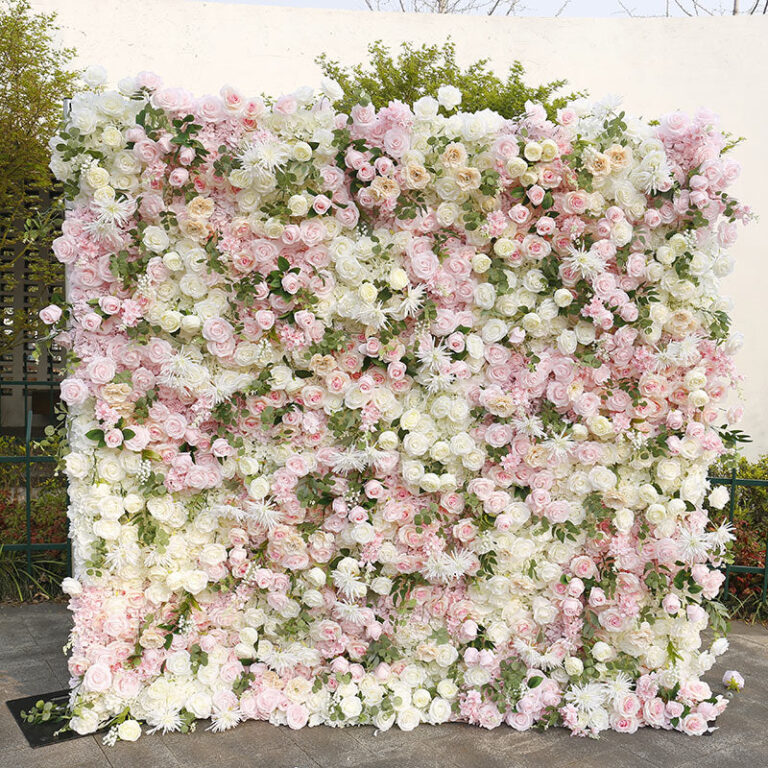 Aisha's pickPink Artificial Plants You’ll Still Like in Five YearsAlso worth a lookArtificial Plants & VasesCan you really tell a good fake plant from across the room?See the collections →
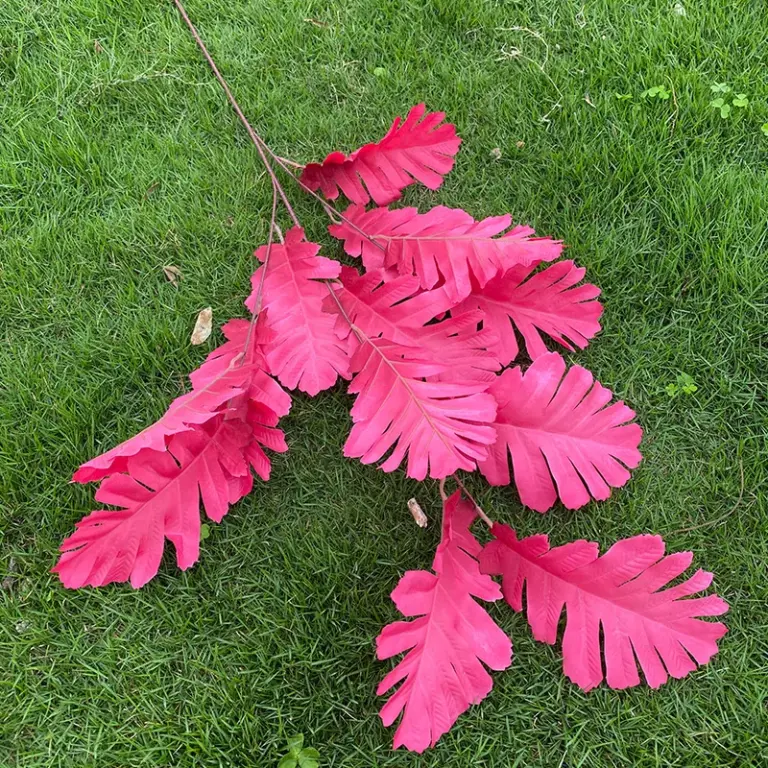
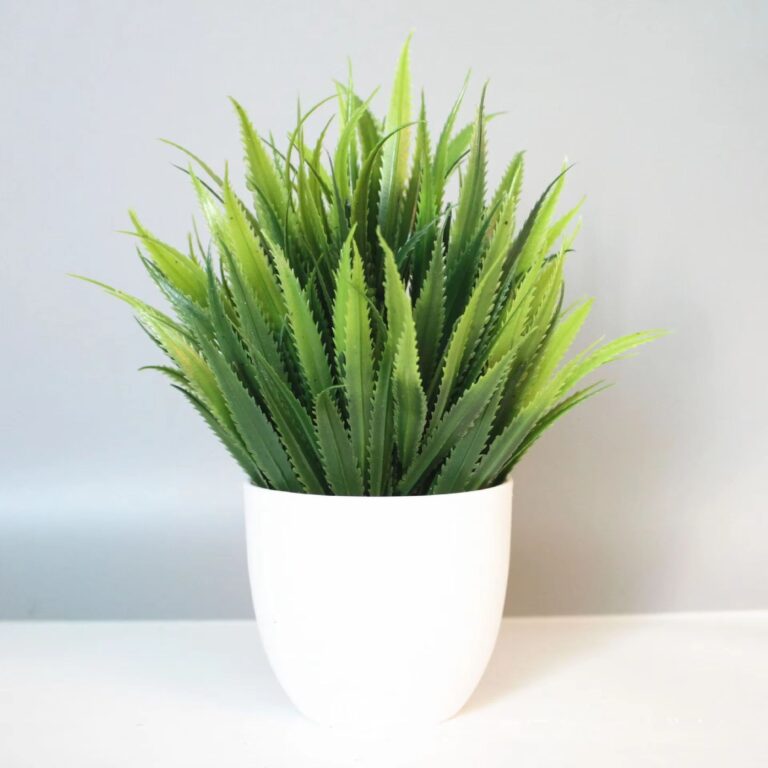 Aisha's pickPotted Artificial Plants for Filling an Awkward Gap
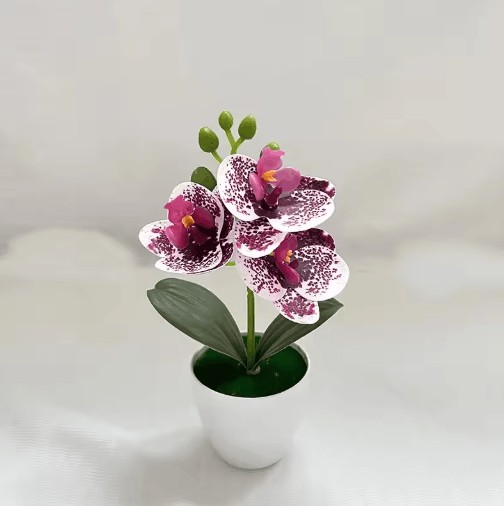
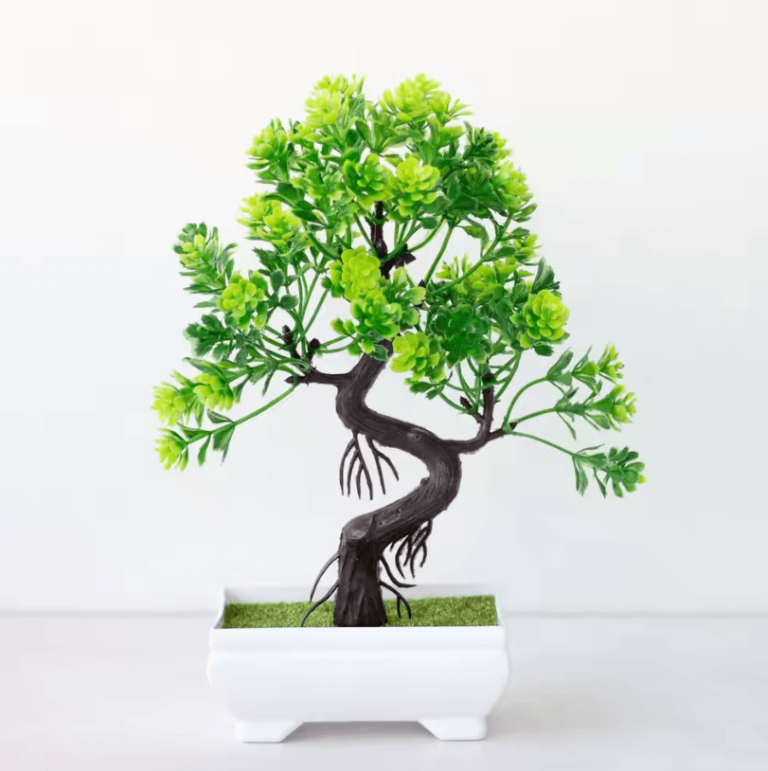 Aisha's pickPotted Fake Plants That Fit Into Real Life
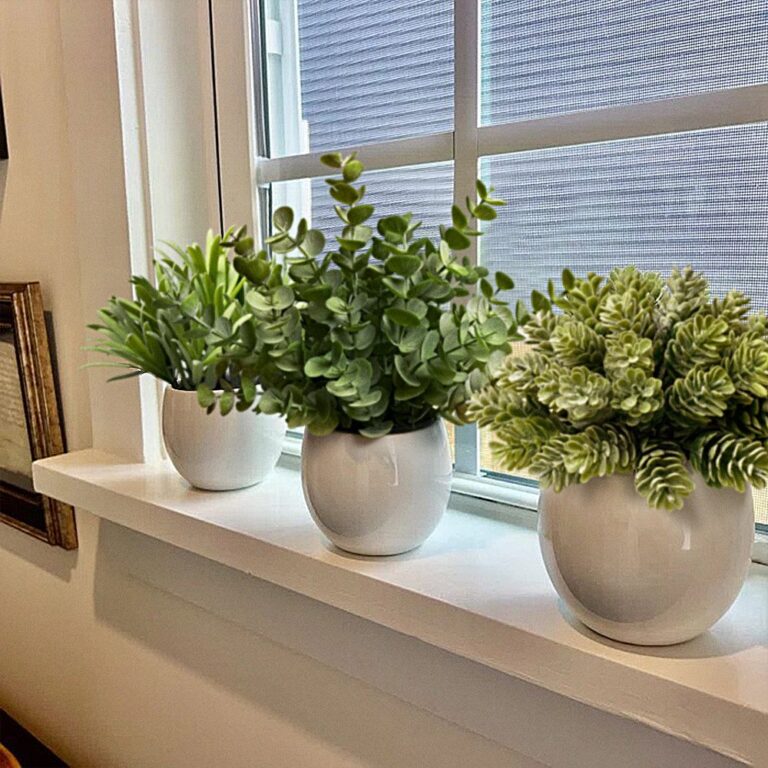
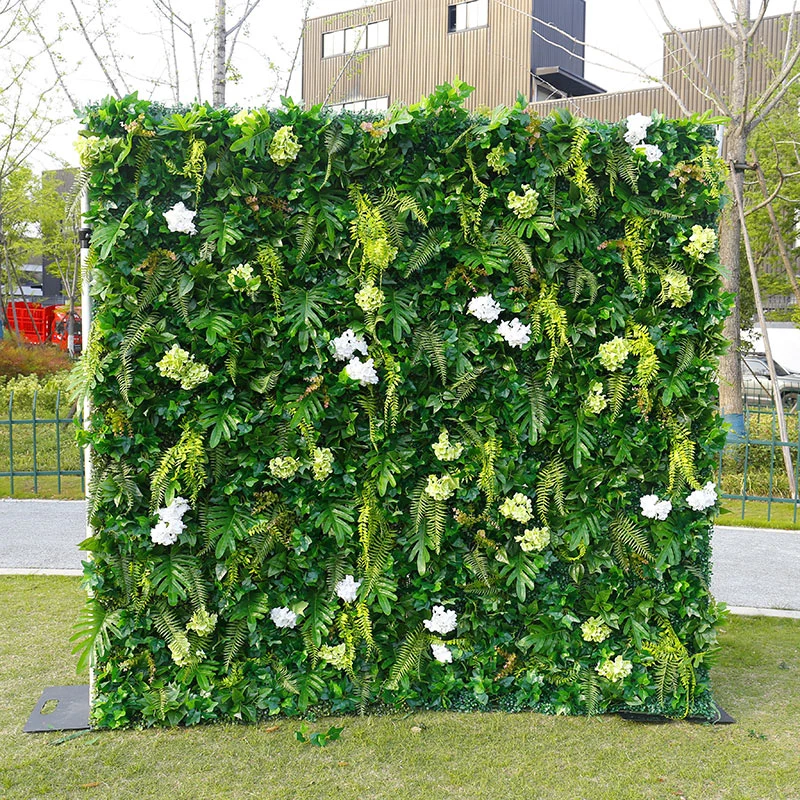 Aisha's pickArtificial Plants That Won’t Date in a Year
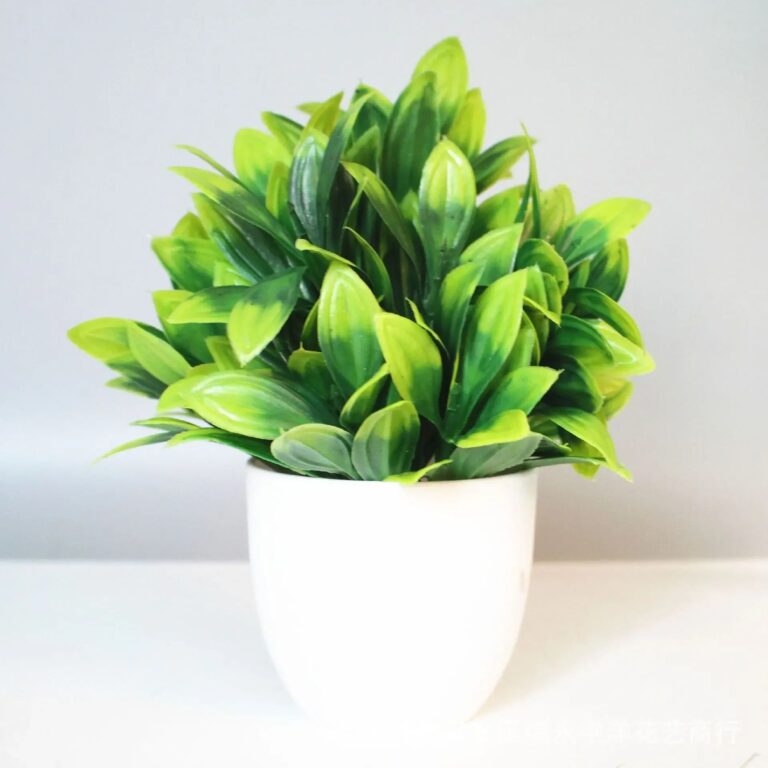
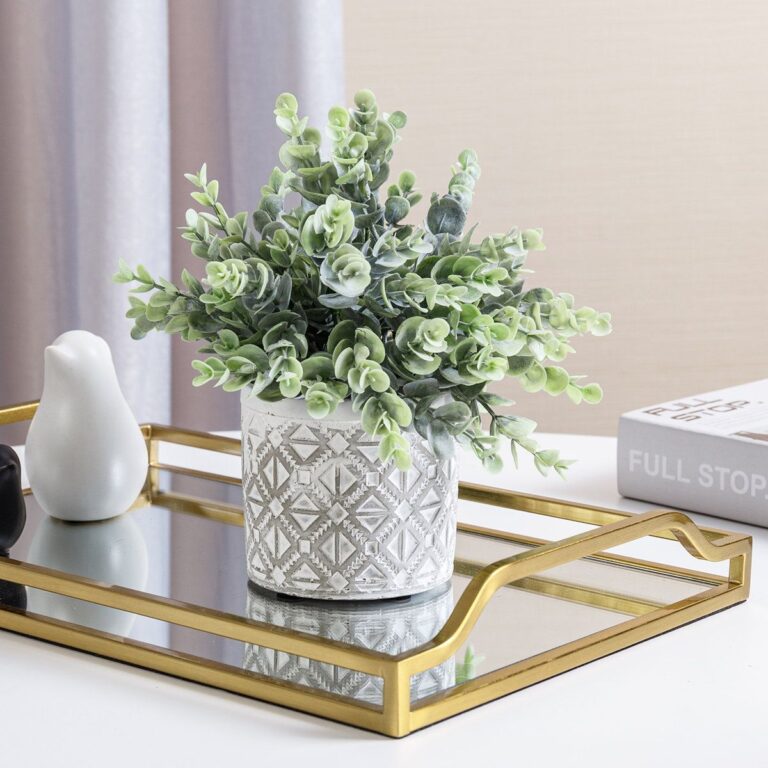 Aisha's pickPotted Faux Plants for People Who Know What They Like
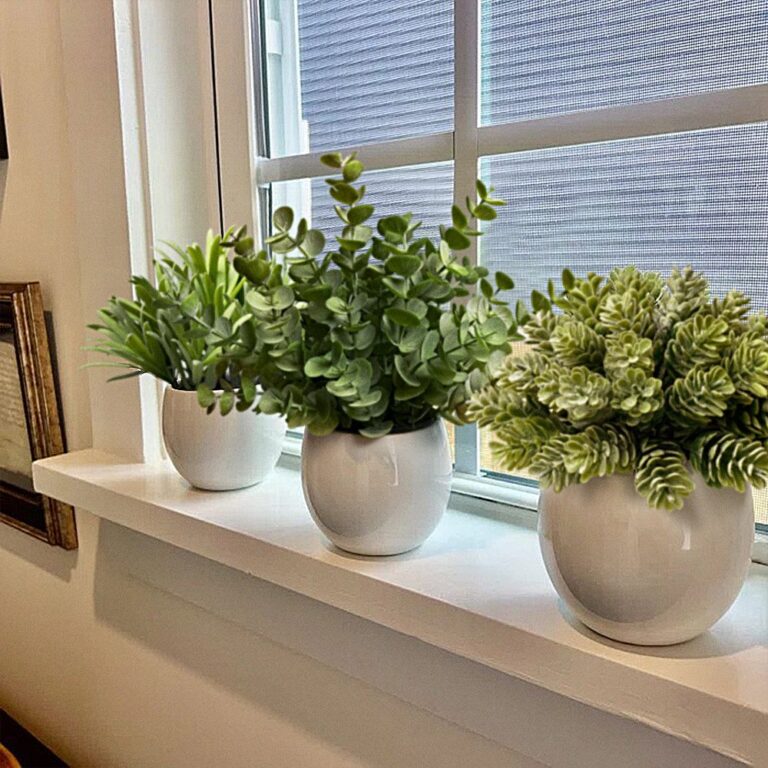
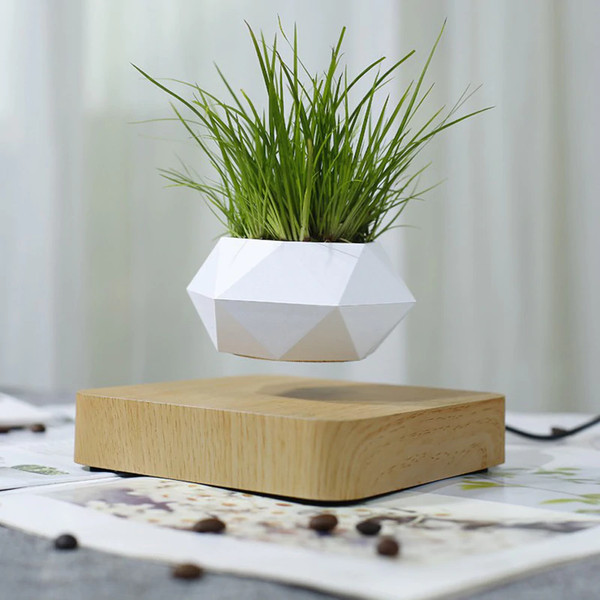 Aisha's pickFake Plants for Rooms That Feel a Bit Bare
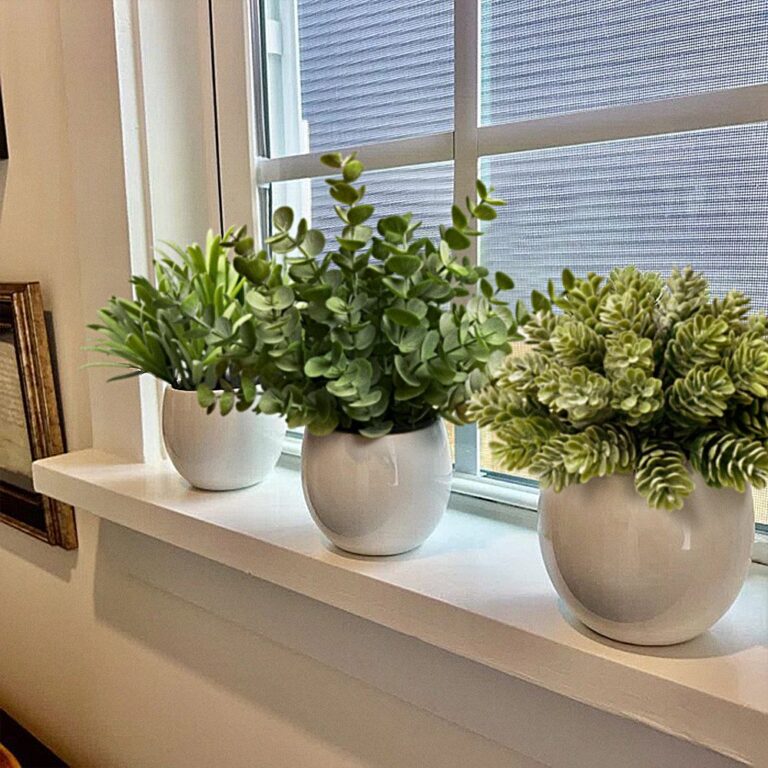
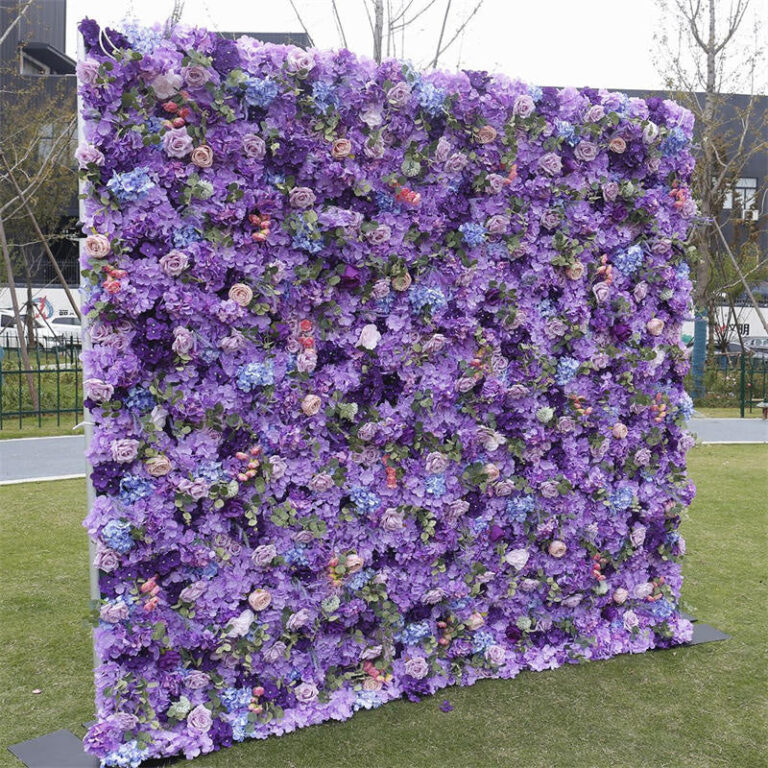 Aisha's pickPurple Artificial Plants at Every Price Point