Wooden furniture used to mean one of two things: something heavy and brown that belonged to someone's parents, or flat pack veneer that swelled the second a glass of water got near it. That middle ground, solid wood that's actually built well but doesn't look like it came out of a 1987 dining set, has gotten so much easier to find. Better for all of us, especially anyone trying to furnish a real room on a real budget without it looking like a compromise.
Wood is the rare material that gets better looking as it takes a beating, which is exactly the opposite of how most furniture behaves. A coffee table will pick up watermarks, a few dings, maybe a scratch from a moved lamp, and instead of looking tired it starts looking lived in, especially with oak or walnut where the grain only gets more visible with age. A dining table takes it harder, obviously, four meals a day plus homework plus whatever a toddler decides to do with a fork, so wipe spills before they sit, use a mat under anything hot, and give it an oil or wax pass every six months or so if it's an open grain finish. That's genuinely all the maintenance most of these need. What you want to check before it leaves the shop or the moment it's delivered is the joinery, not the surface. Push on a leg, see if it wobbles, check that drawers run smooth and the underside isn't stamped with something suspicious like particleboard pretending to be a frame. A table with good bones will outlast two or three sofas.
If you've got nothing yet, start with a round or oval table in a mid tone wood, something like oak rather than a very dark walnut or a pale whitewash, because mid tones sit happily next to almost any other wood you bring in later and don't demand the room match them. That's the real trap with wooden furniture, not clashing colors but clashing tones, a warm honey oak table next to a gray washed coffee table can look like two different arguments happening in one room. Keep your wood tones within shouting distance of each other and you'll never have that problem. Avoid putting a heavily grained, rustic piece in a room that's otherwise sleek and glossy, it reads like it wandered in from another apartment.
If I had to pick one finish to start with, I'd go with a warm, medium oak. It photographs well in low winter light and still looks right under a bright July window, and it gives you years before you have to think about it again.

 Aisha's pickWooden Coffee Tables We Use Every Single Day
 Aisha's pickWood Entryway Tables That Won’t Date in a Year
 Aisha's pickBamboo Dining Tables for Long Dinners With Friends
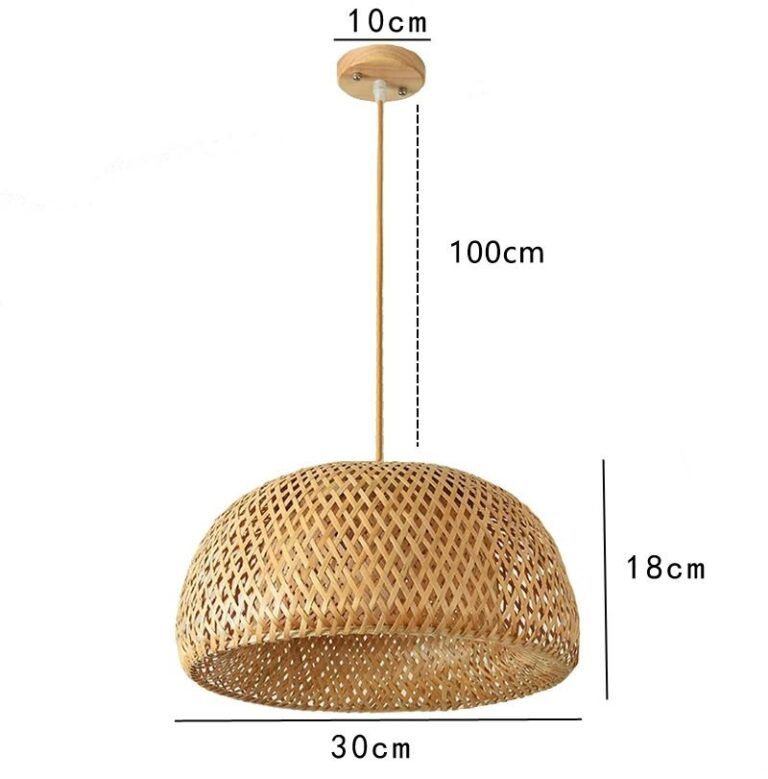
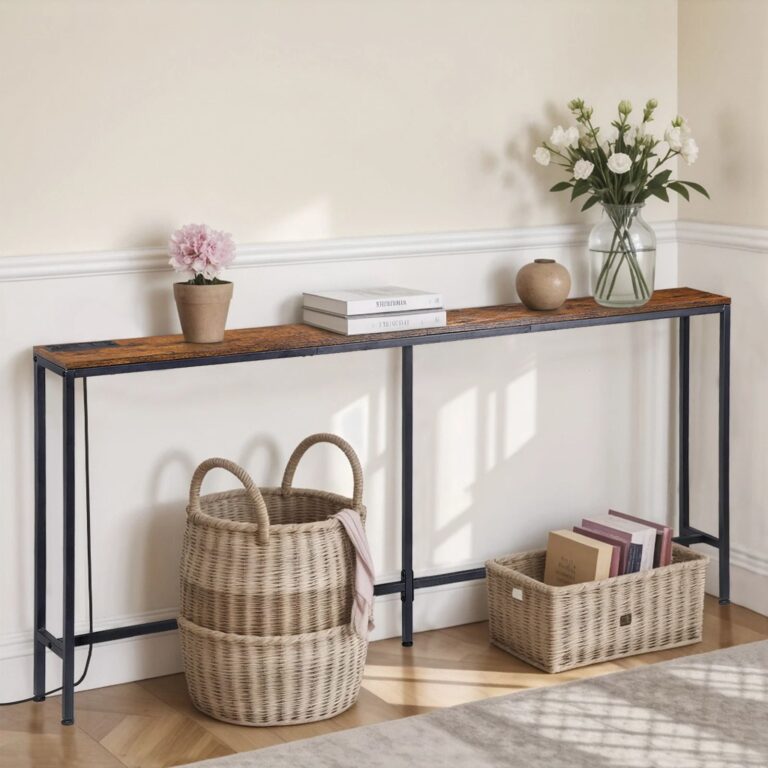 Aisha's pickWood Hallway Tables That Don’t Shout About It
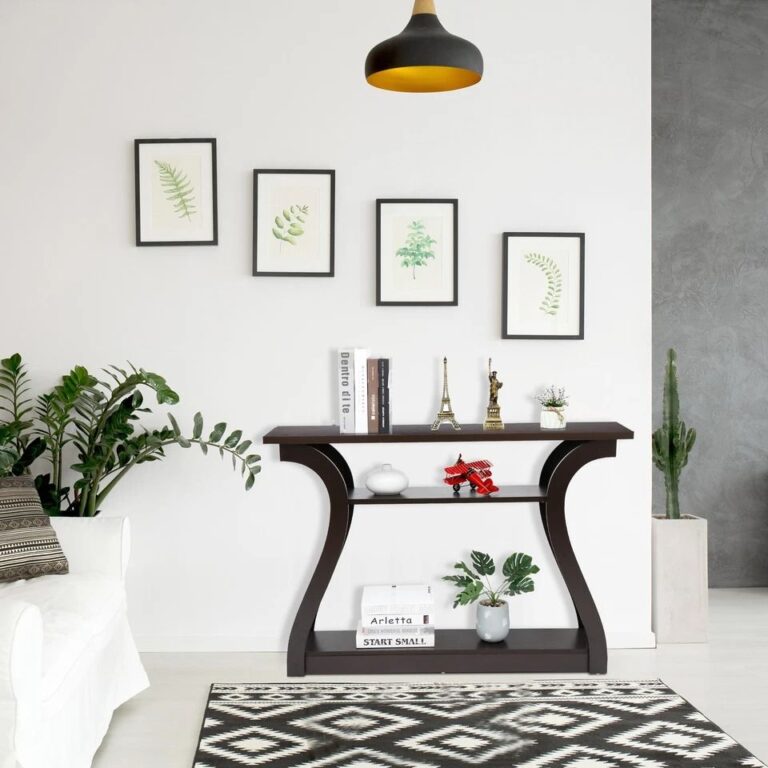
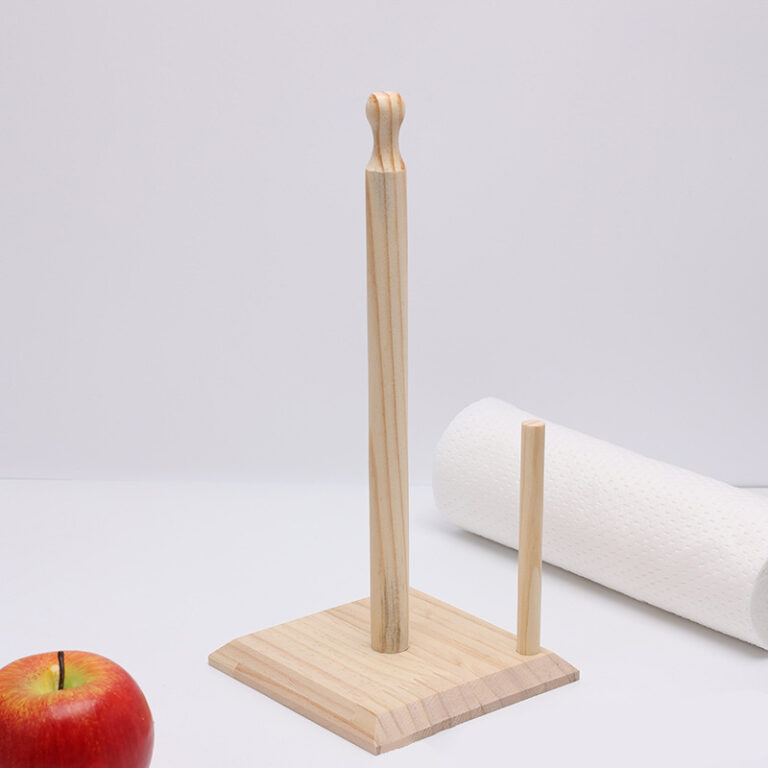 Aisha's pickContemporary Solid Wood Dining Tables We’d Buy Again
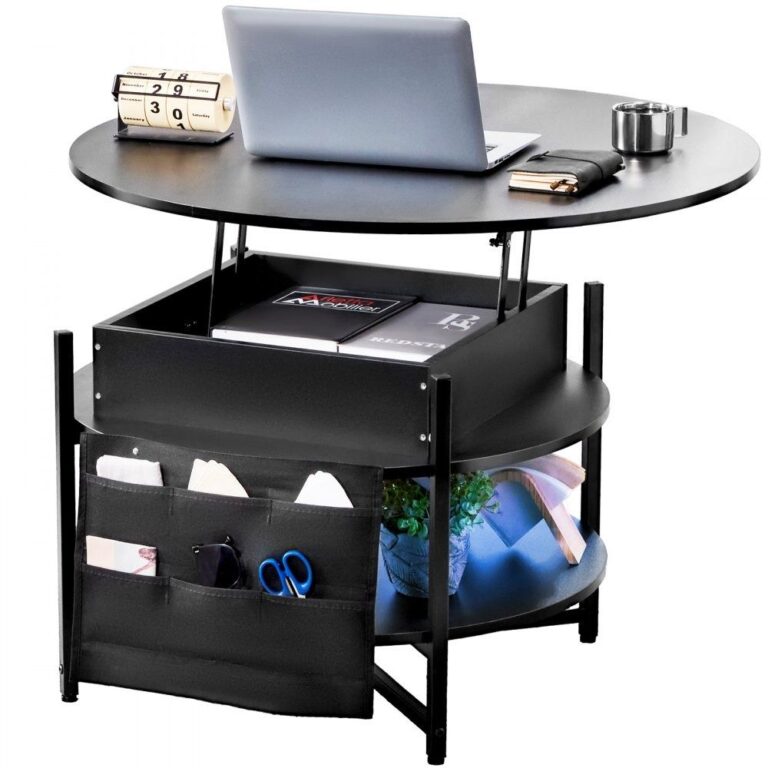
 Aisha's pickWood Kitchen Islands That Clean Up With a Wipe
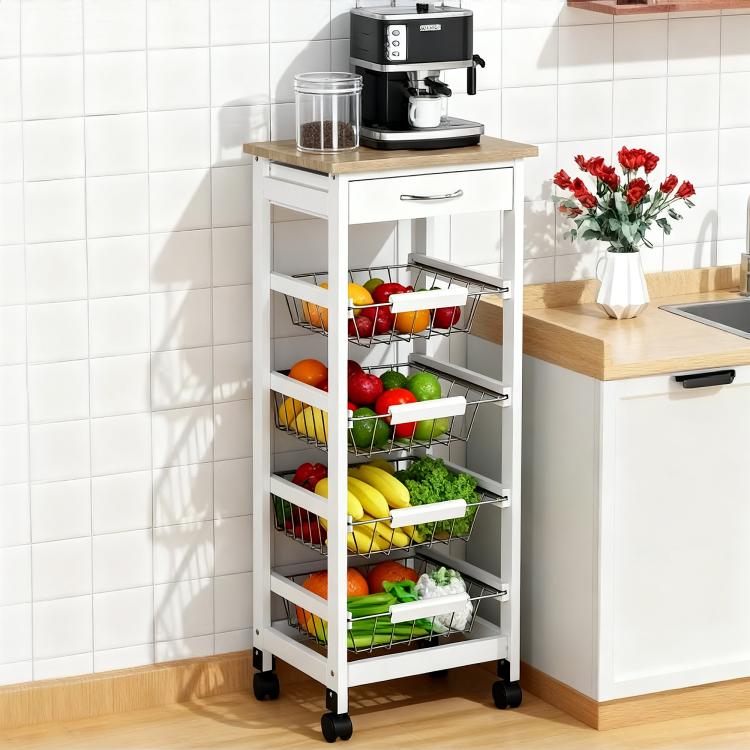
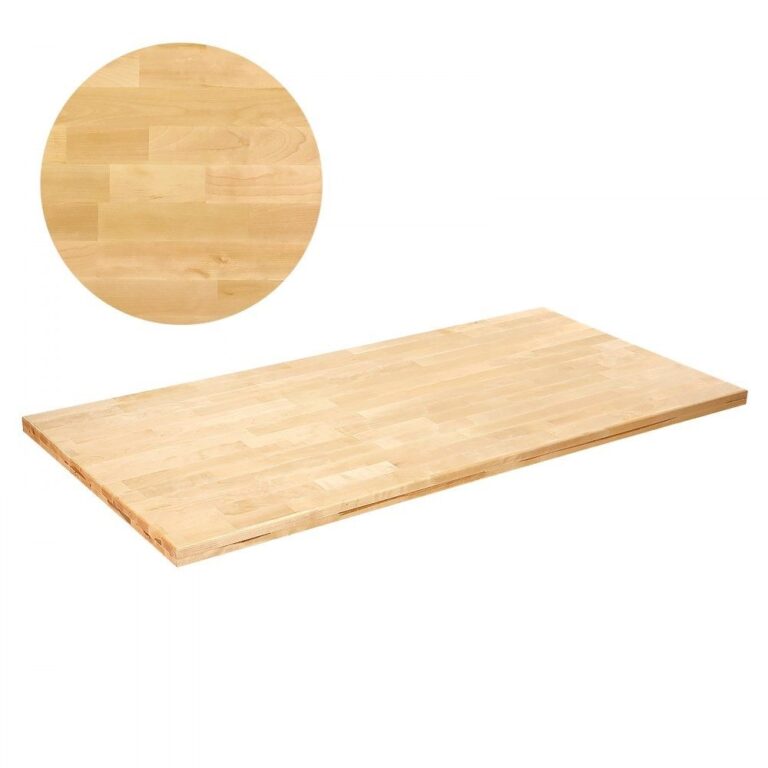 Aisha's pickLarge Solid Wood Dining Tables That Clean Up With a Wipe
 Aisha's pickWood Kitchen Tables at Just the Right Height
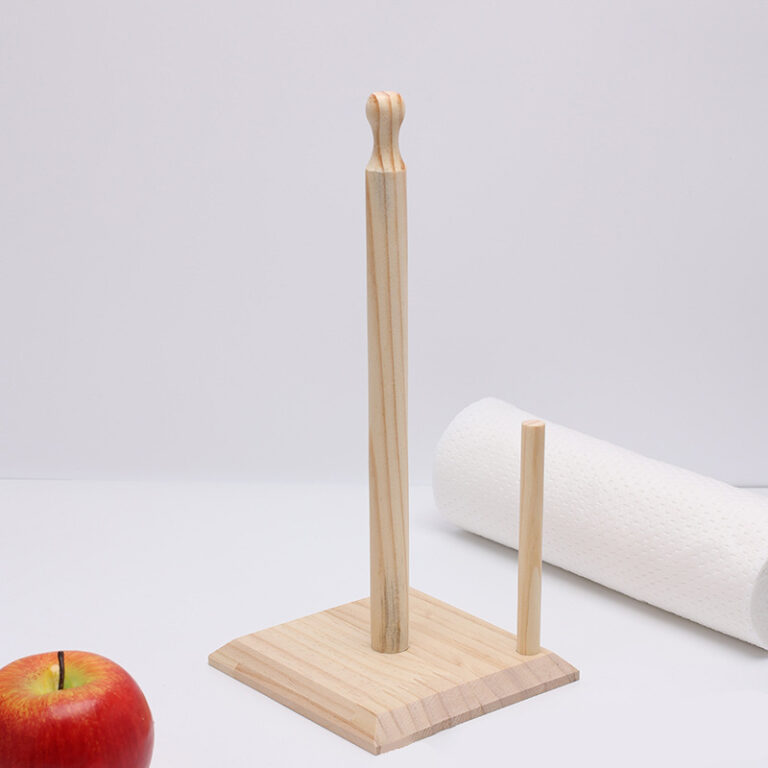 Aisha's pickModern Solid Wood Dining Tables That Anchor a RoomAlso worth a lookWooden Coffee TablesFor years I judged a coffee table by its top, same mistake every time.See the collections →

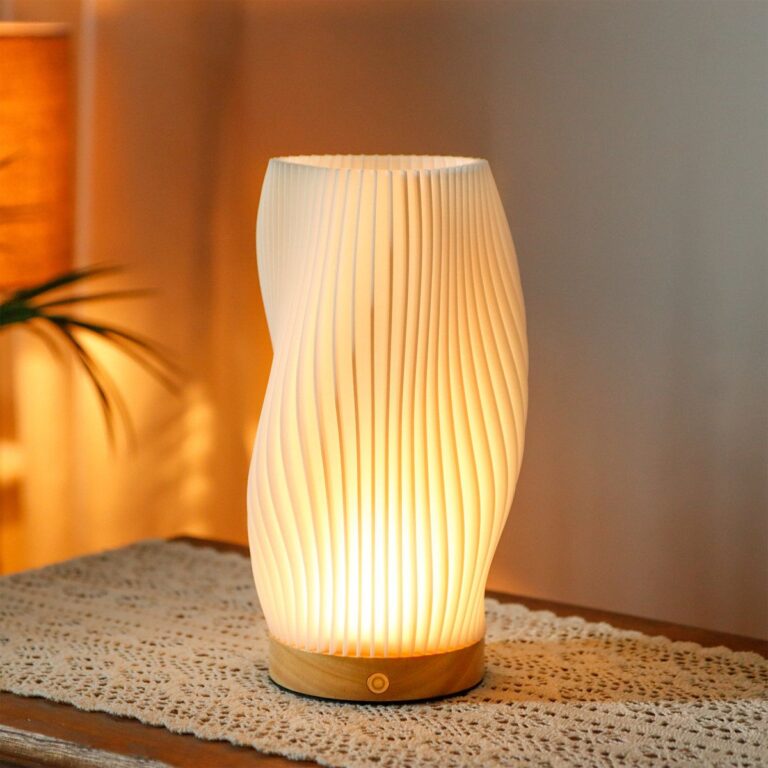 Aisha's pickWood Lamp Tables With Room for Everything You Put Down
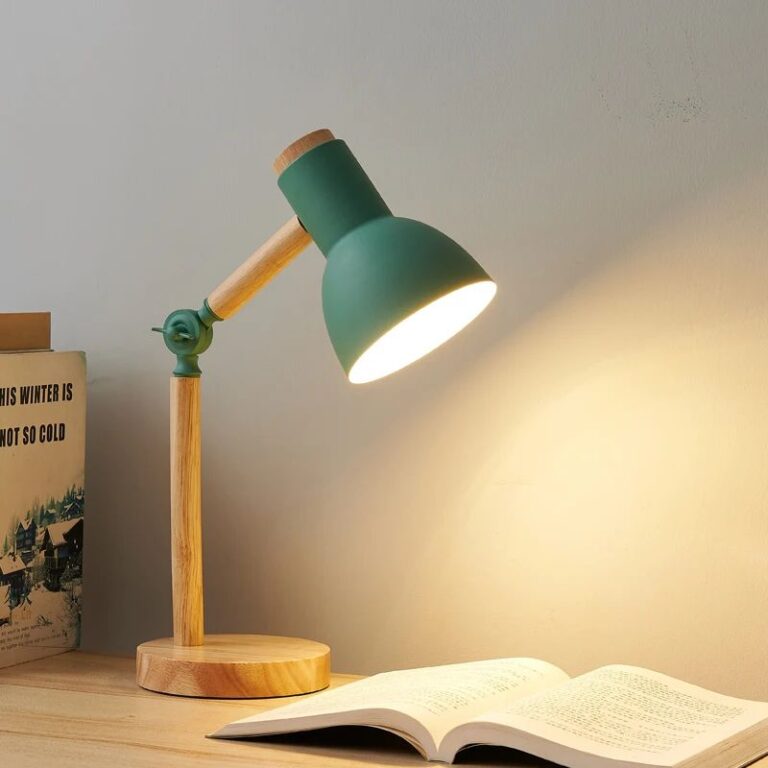
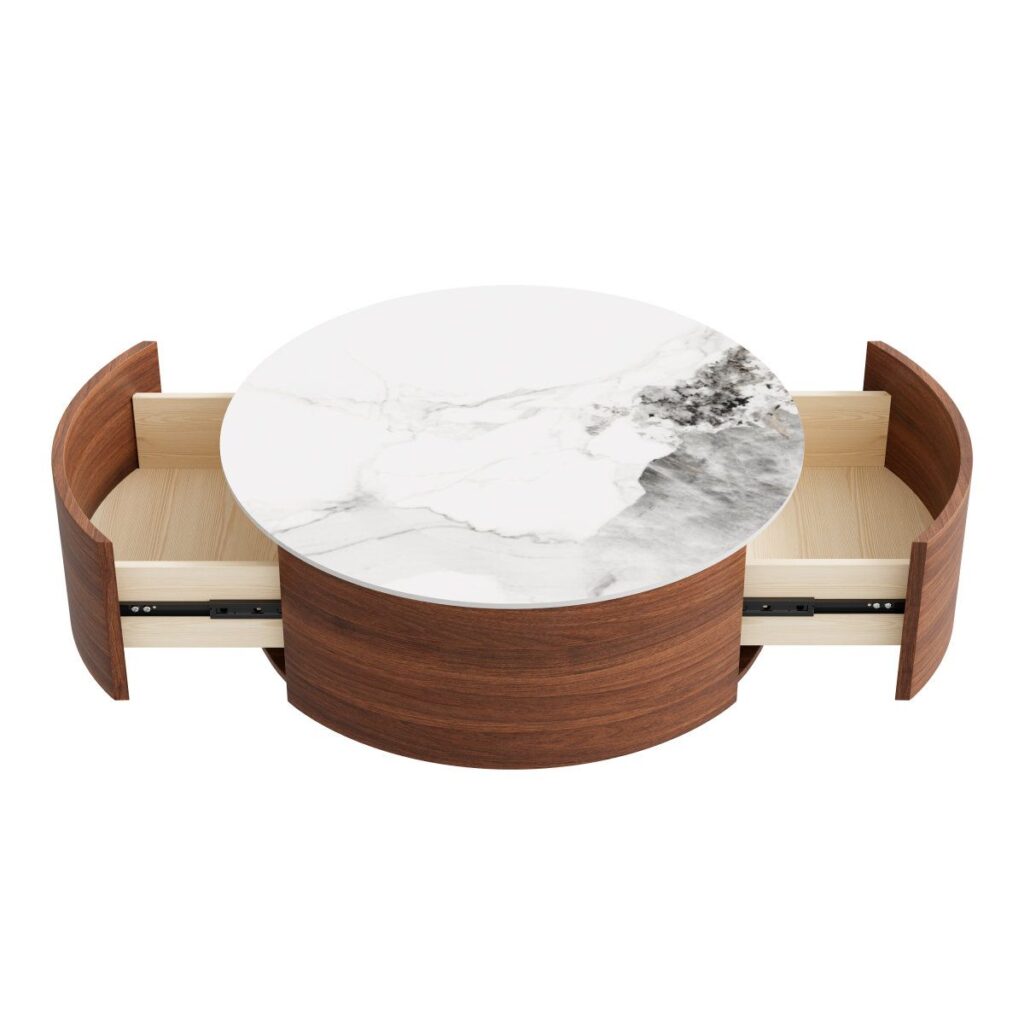 Aisha's pickModern Walnut Coffee Tables That Make the Living Room Feel Cozier
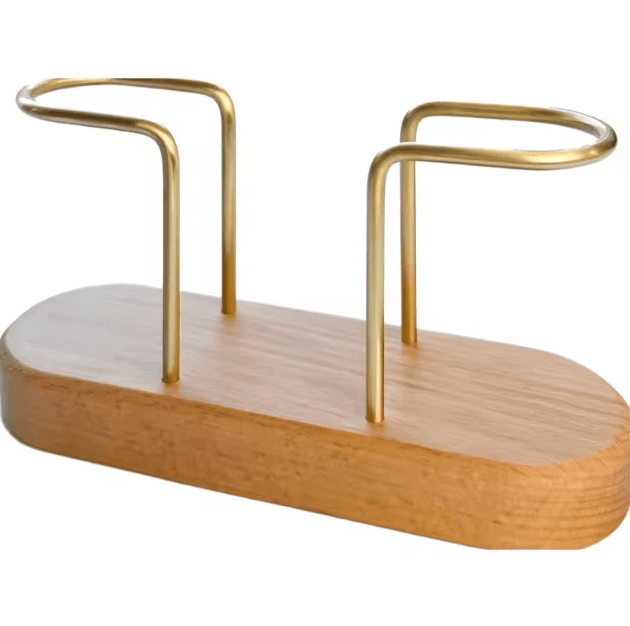
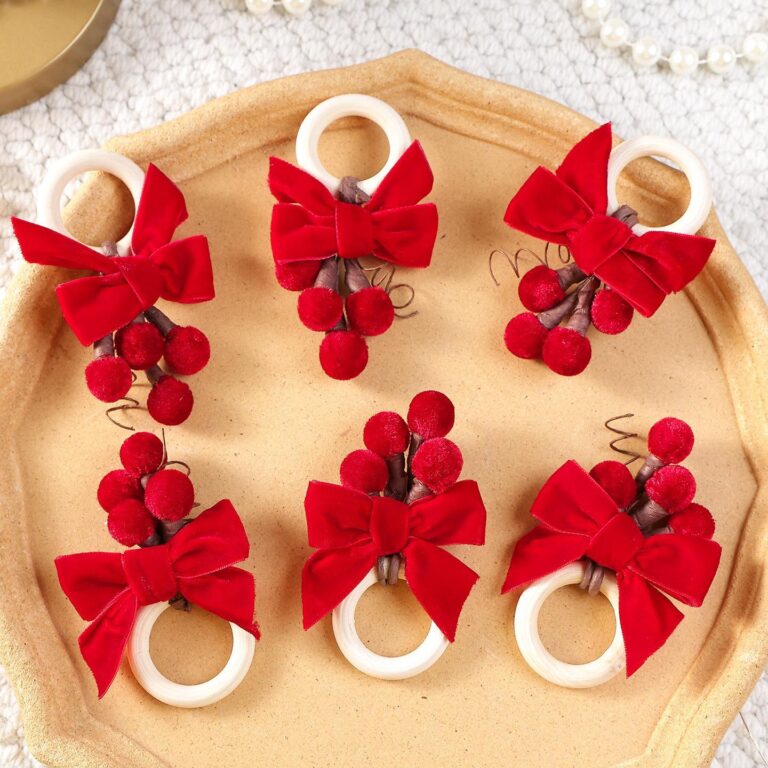 Aisha's pickNo Fuss Pine Dining Sets
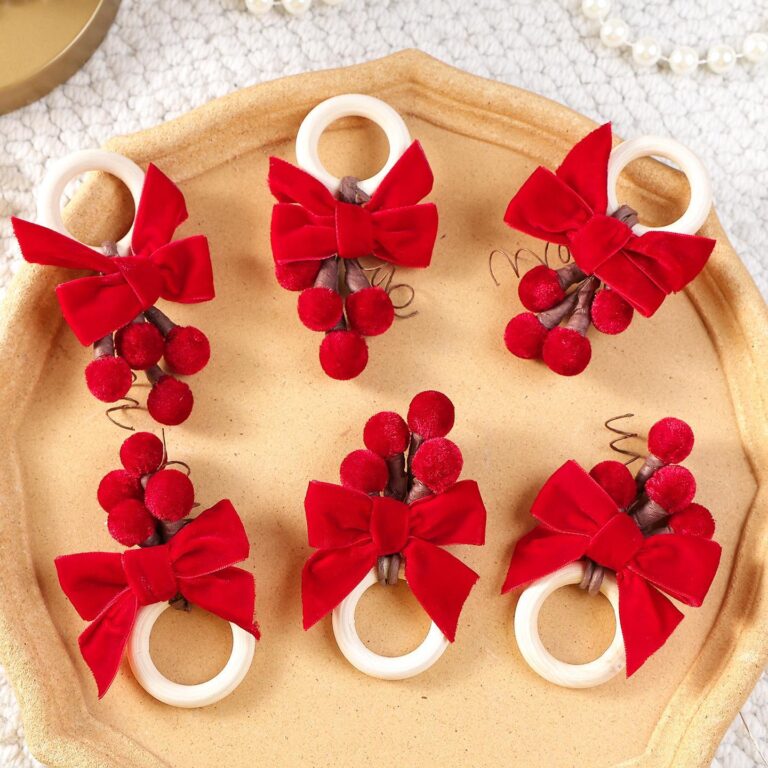
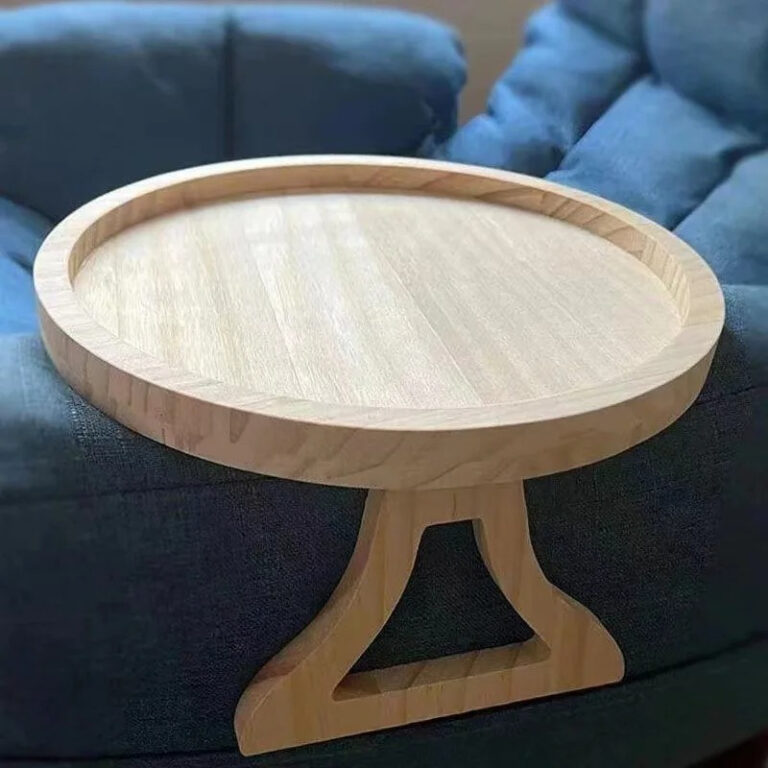 Aisha's pickWood Side Tables That Take a Knock

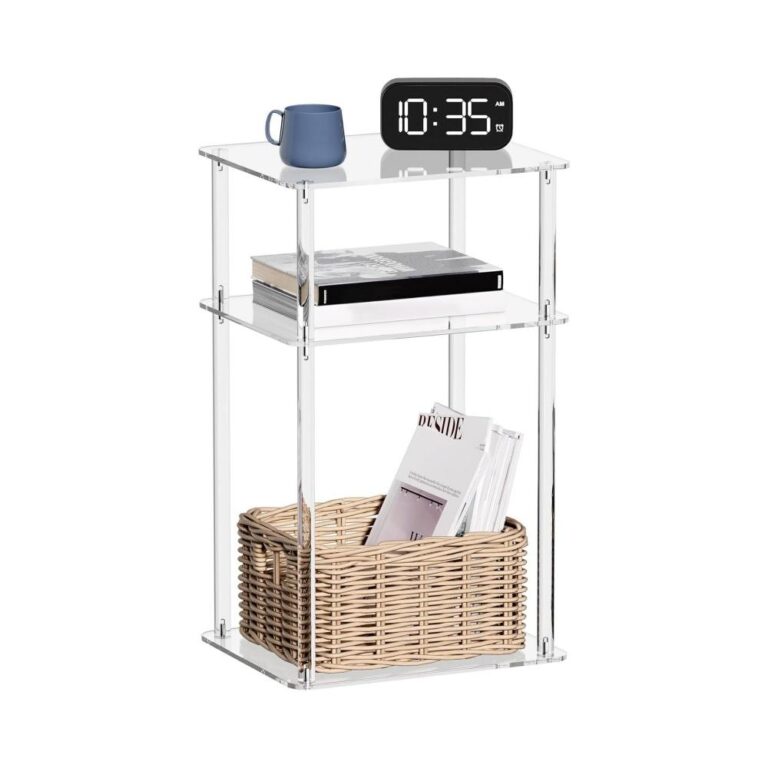 Aisha's pickModern Wooden Coffee Tables That Look Like They Cost More
 Aisha's pickWood Dining Sets Big Enough for Sunday Dinner

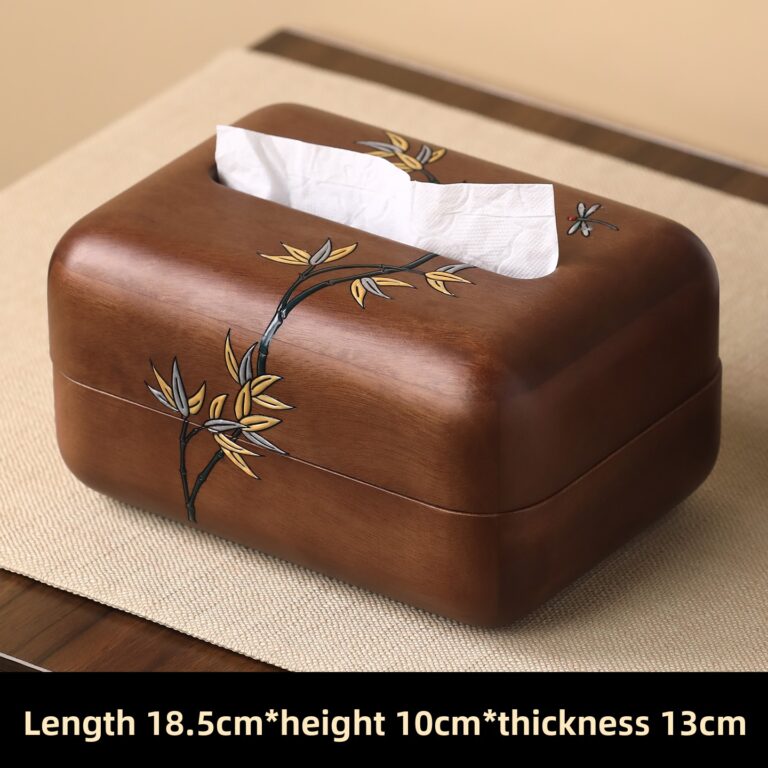 Aisha's pickWooden Nightstands That Hide the Odd Scratch
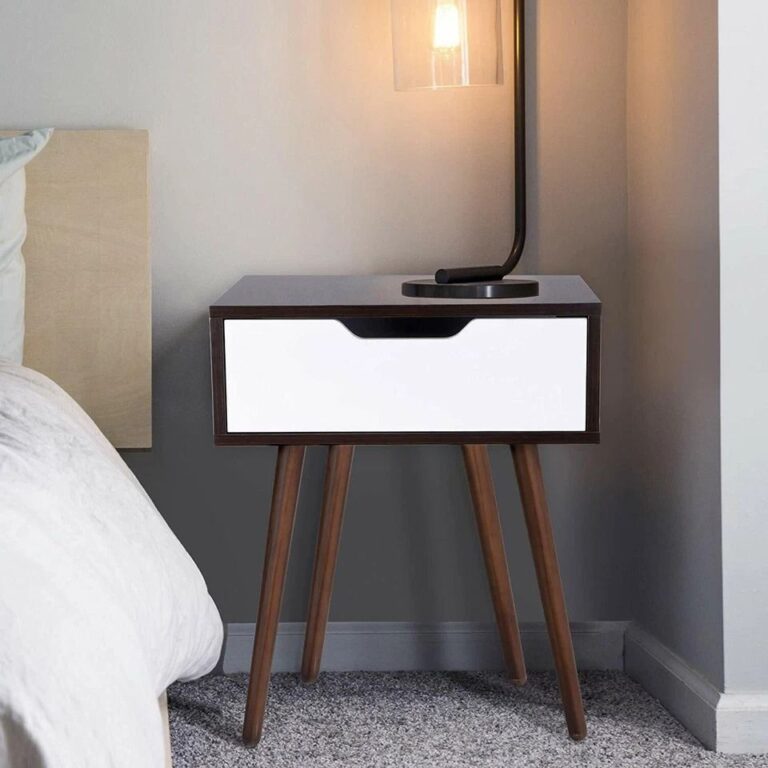
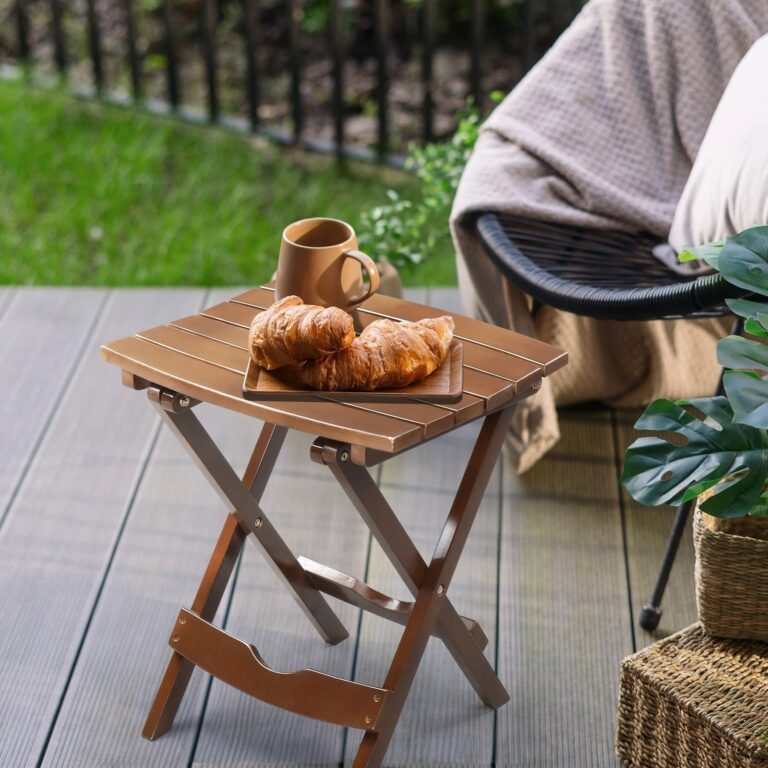 Aisha's pickRound Solid Wood Coffee Tables That Make the Living Room Feel Cozier
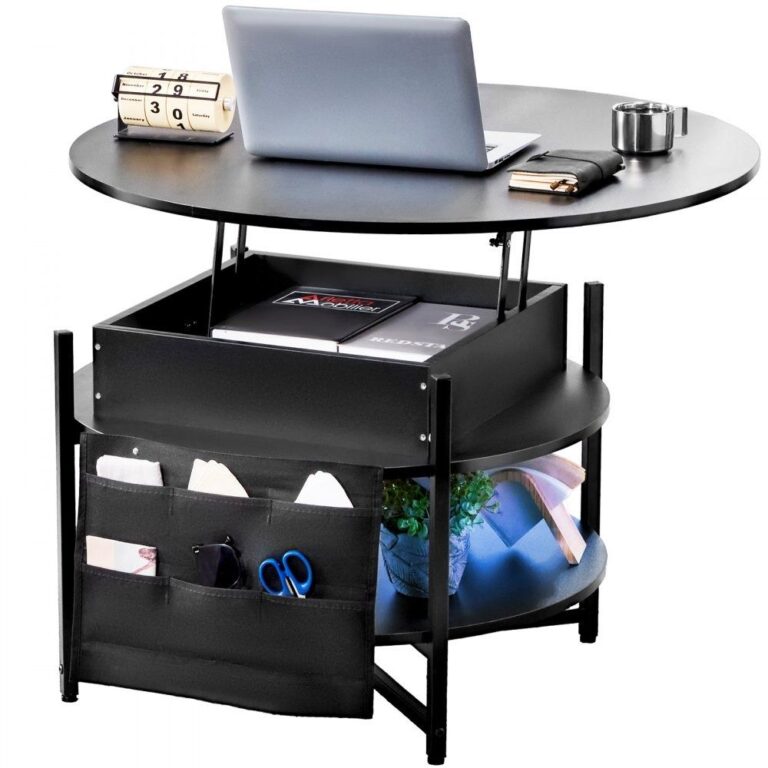
 Aisha's pickWood Dining Tables for Long Dinners With FriendsAlso worth a lookWooden Dining TablesMost people buy the dining table last, after the sofa and the rug and the art, and then wonder why the room never quite settles.See the collections →
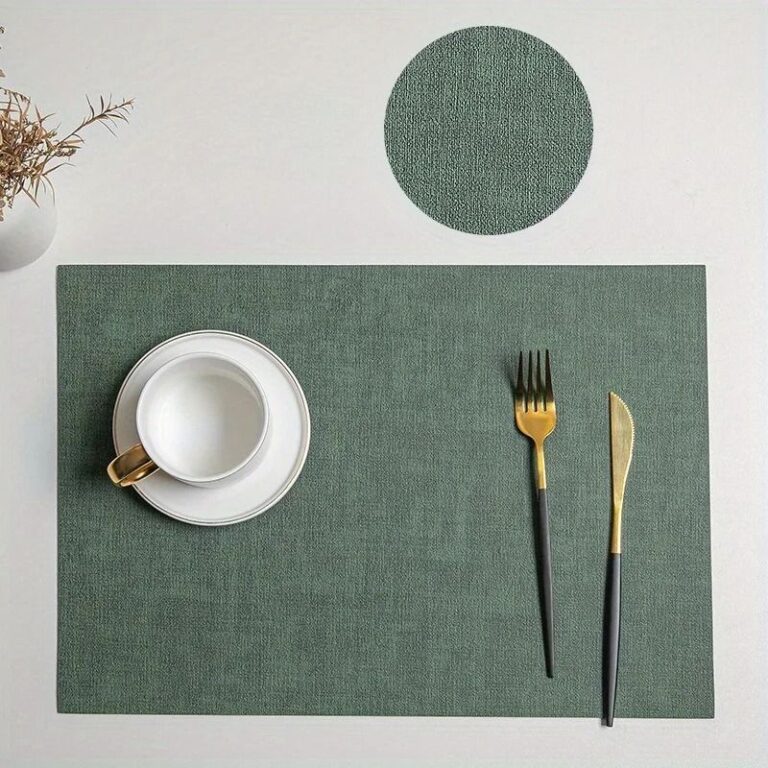
 Aisha's pickWooden Dining Room Tables That Fit Where You Need Them
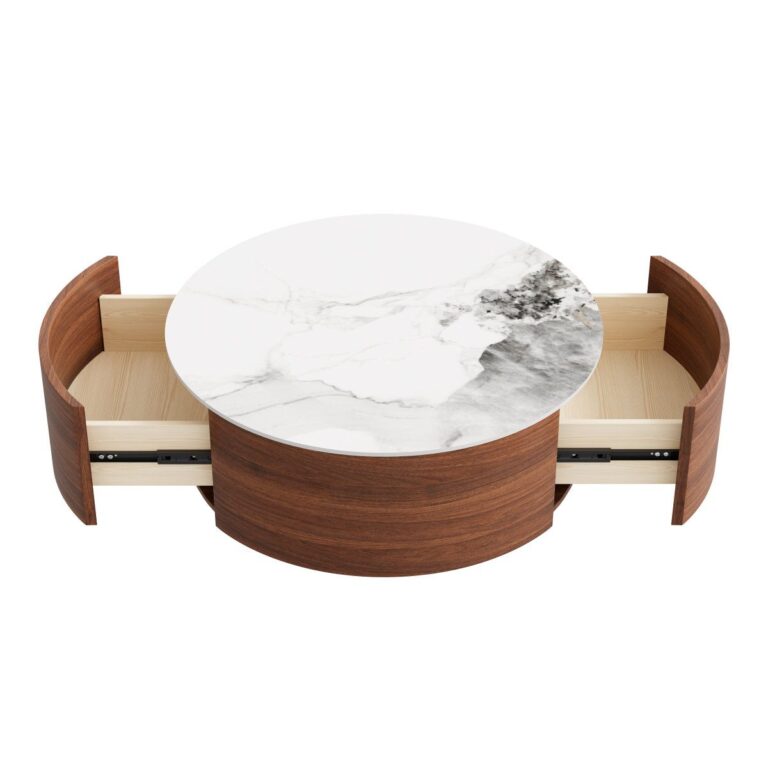 Aisha's pickRound Walnut Coffee Tables for the Living Room
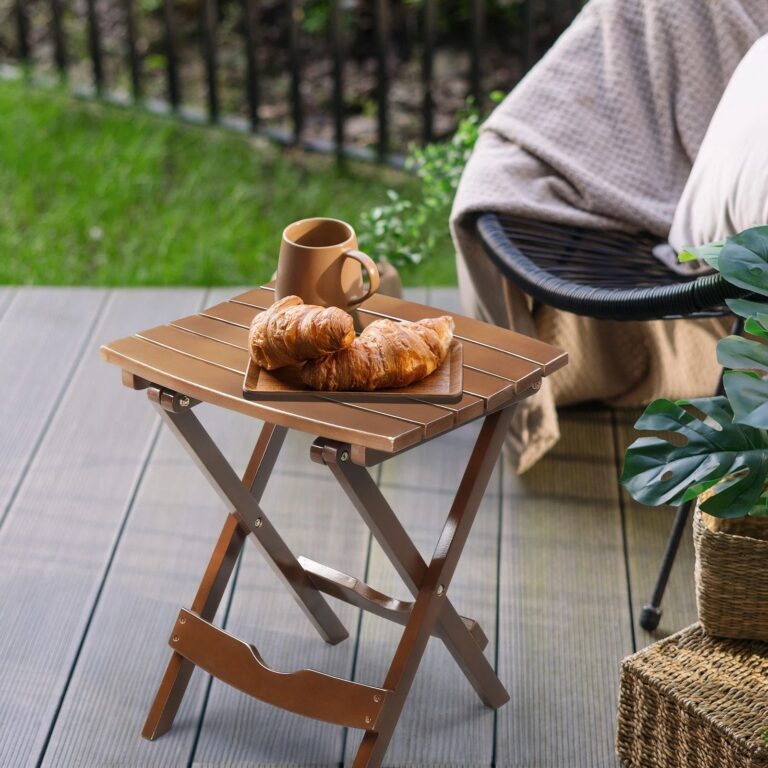
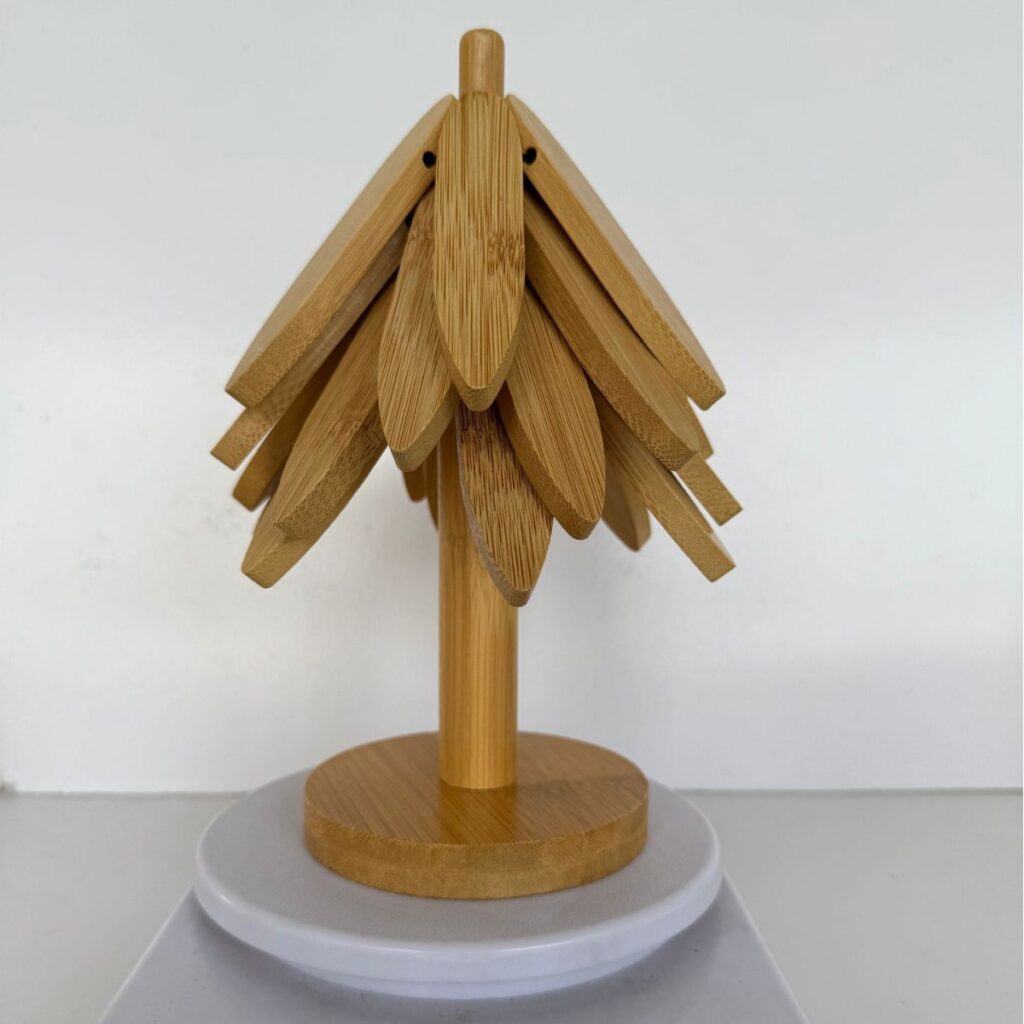 Aisha's pickWooden Dining Sets Big Enough for Sunday Dinner
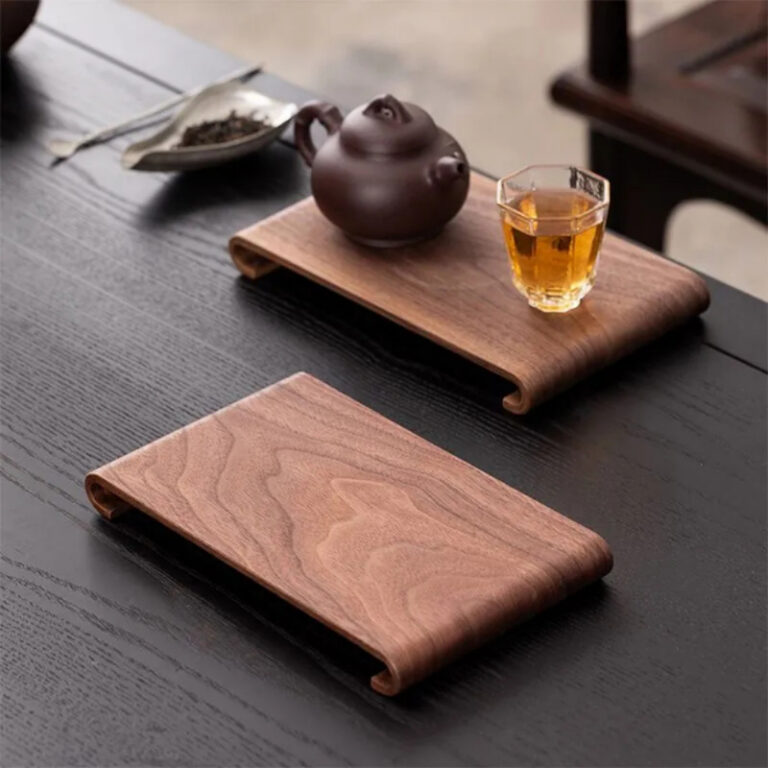 Aisha's pickWooden Serving Tables That Hide the Odd Scratch
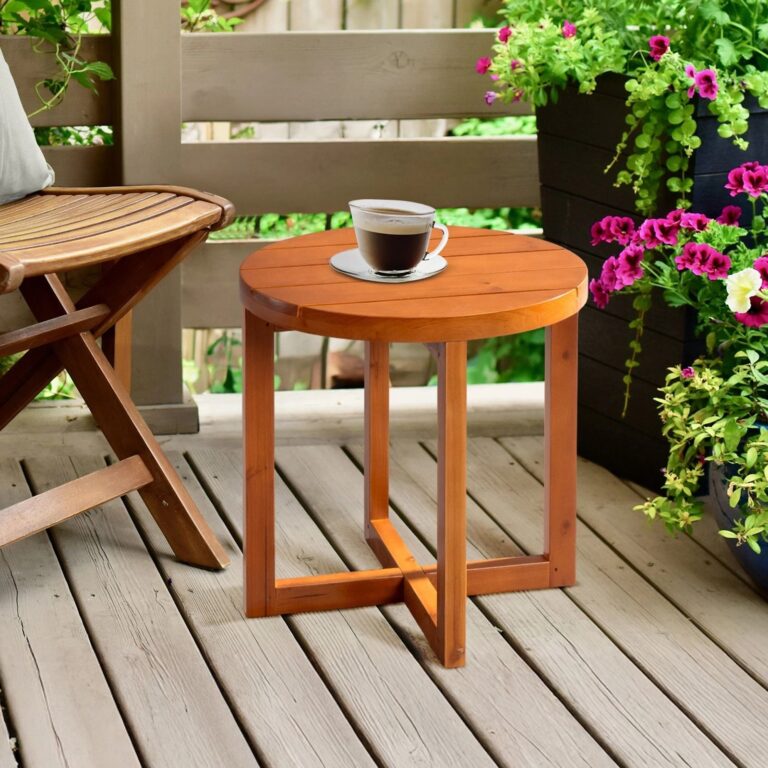
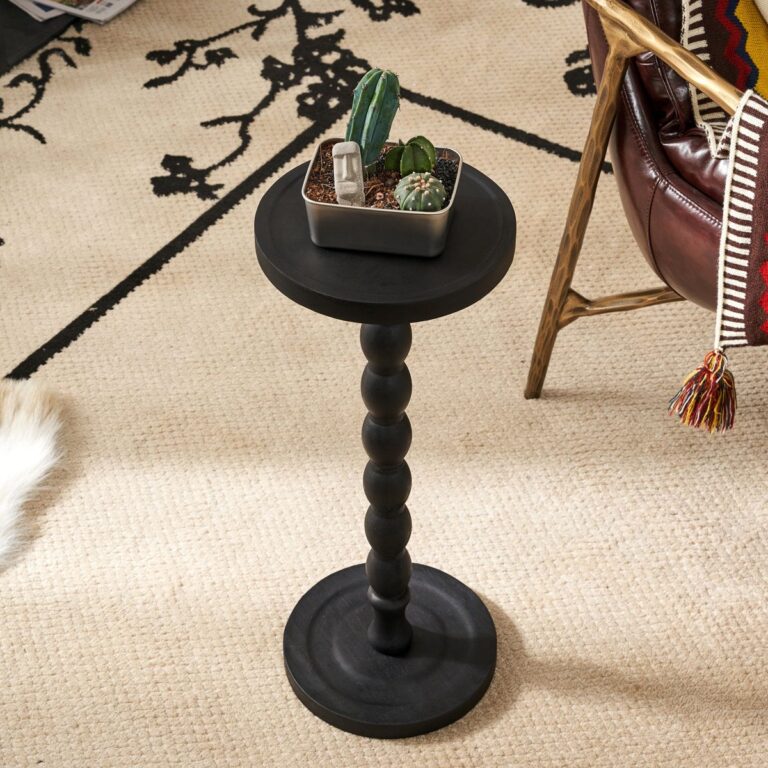 Aisha's pickSmall Solid Wood Coffee Tables for the Living Room
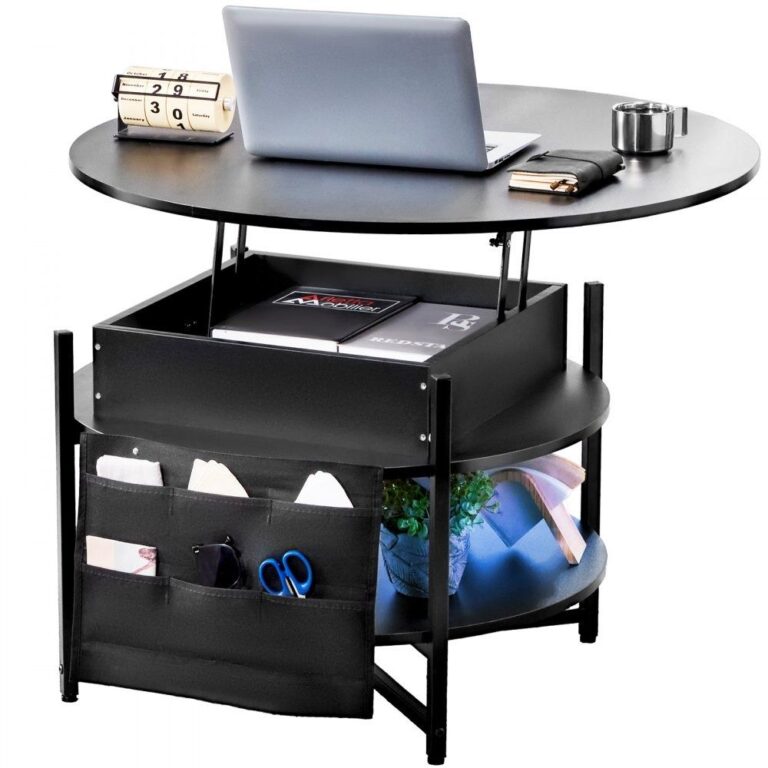
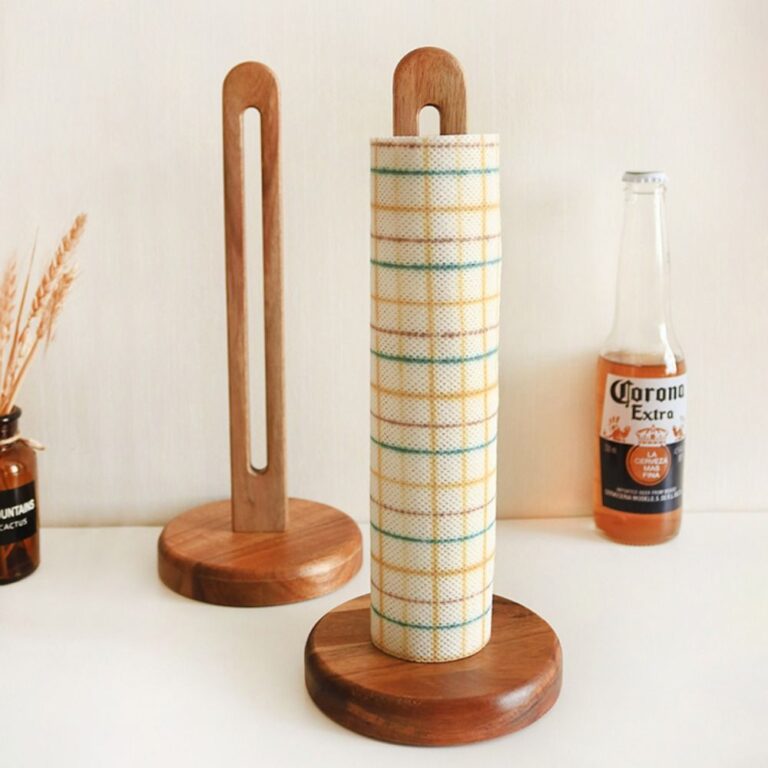 Aisha's pickWooden Dining Tables That Work in Old Houses and New Ones
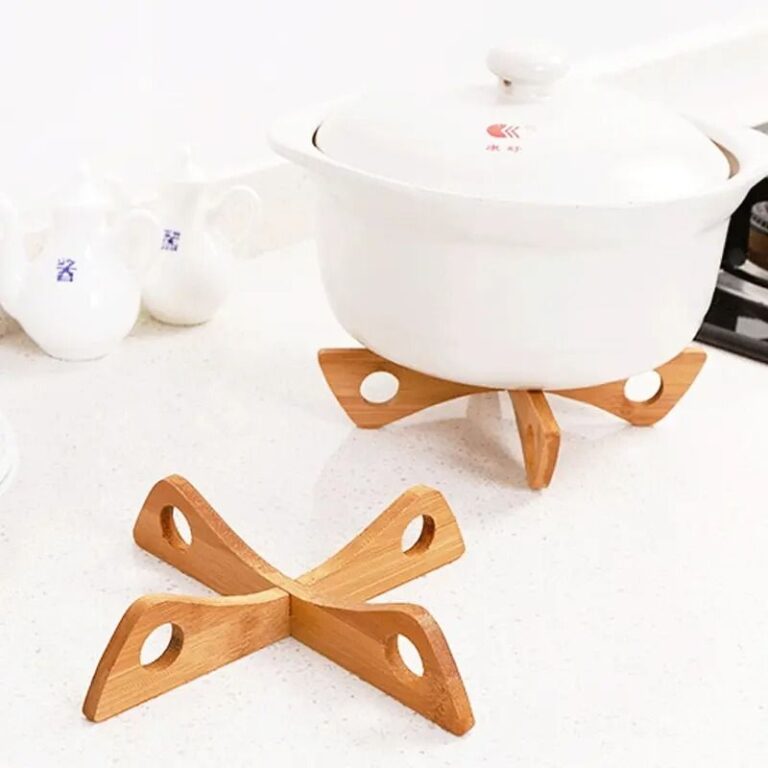
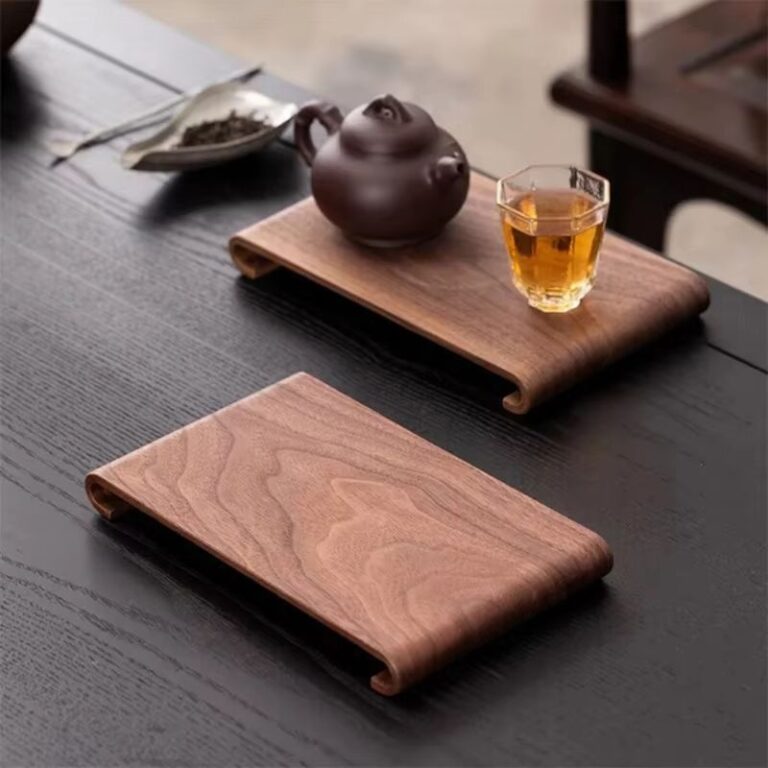 Aisha's pickWooden Tea Tables From Stores Big and Small
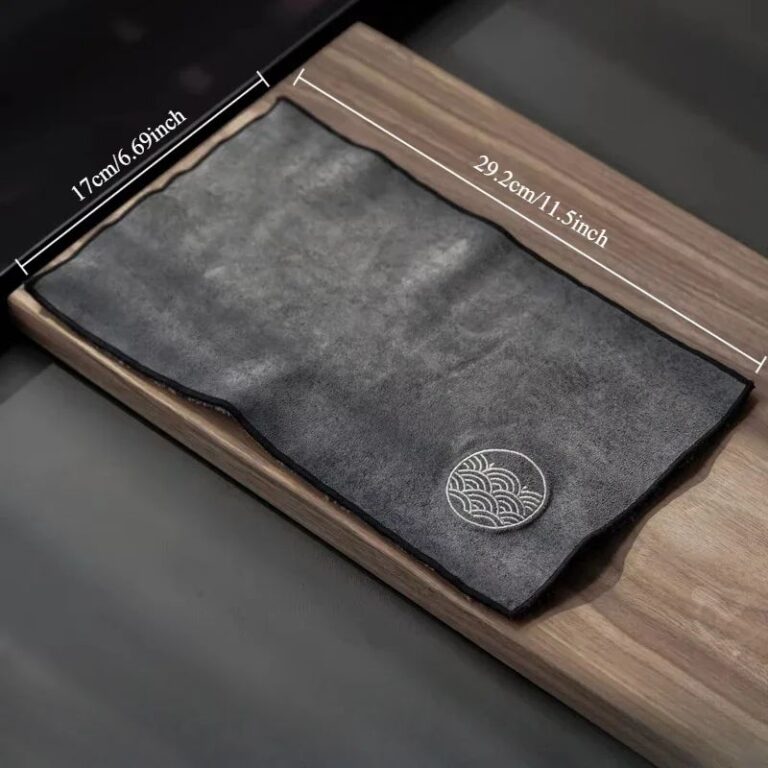
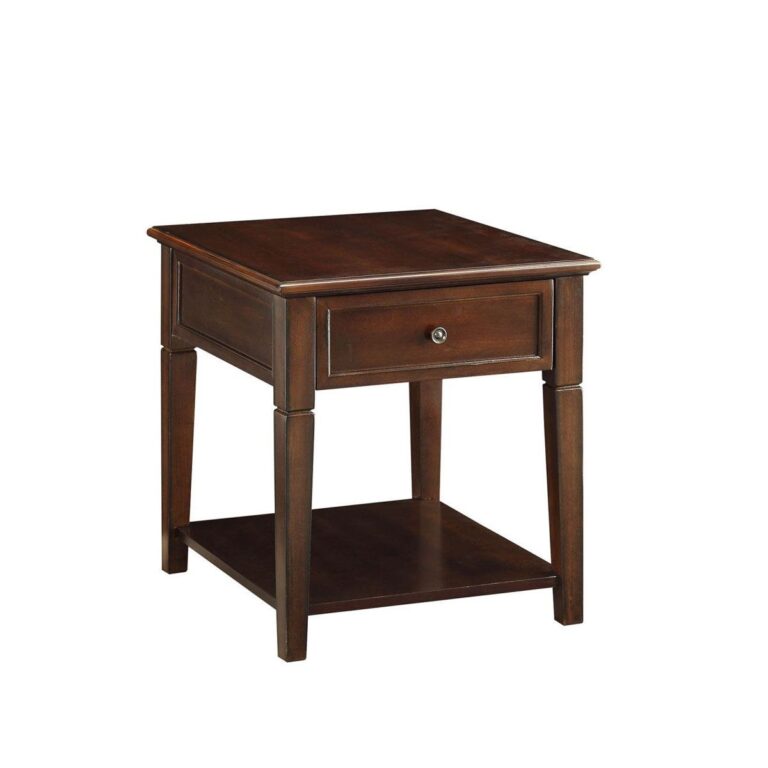 Aisha's pickSmall Walnut Coffee Tables That Survive Hot Mugs and Spills
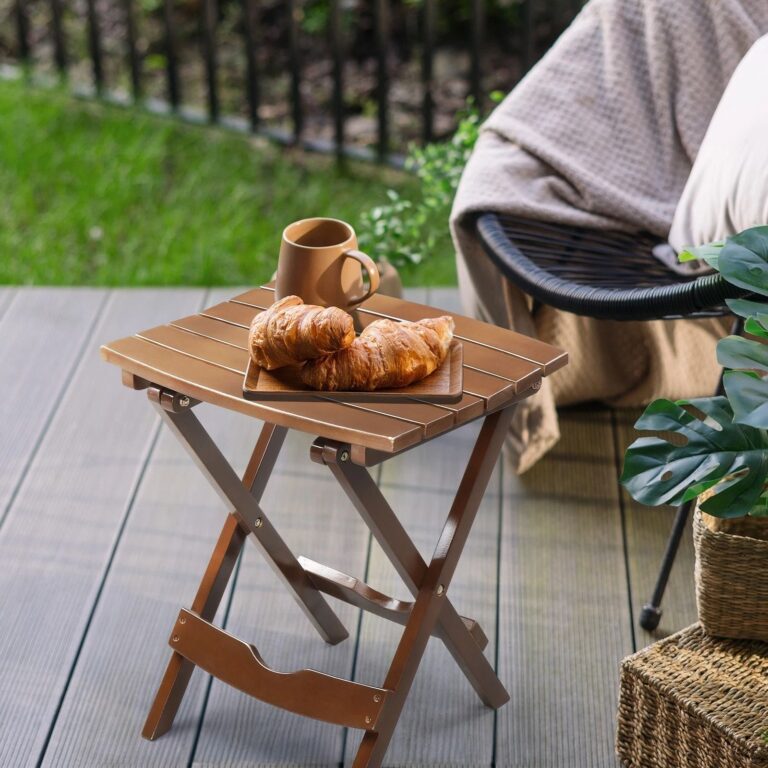
 Aisha's pickAsh Nightstands for Bedrooms Big and SmallAlso worth a lookVintage TablesThere's a particular kind of late fall afternoon, light going gold and low through the windows, when an…See the collections →
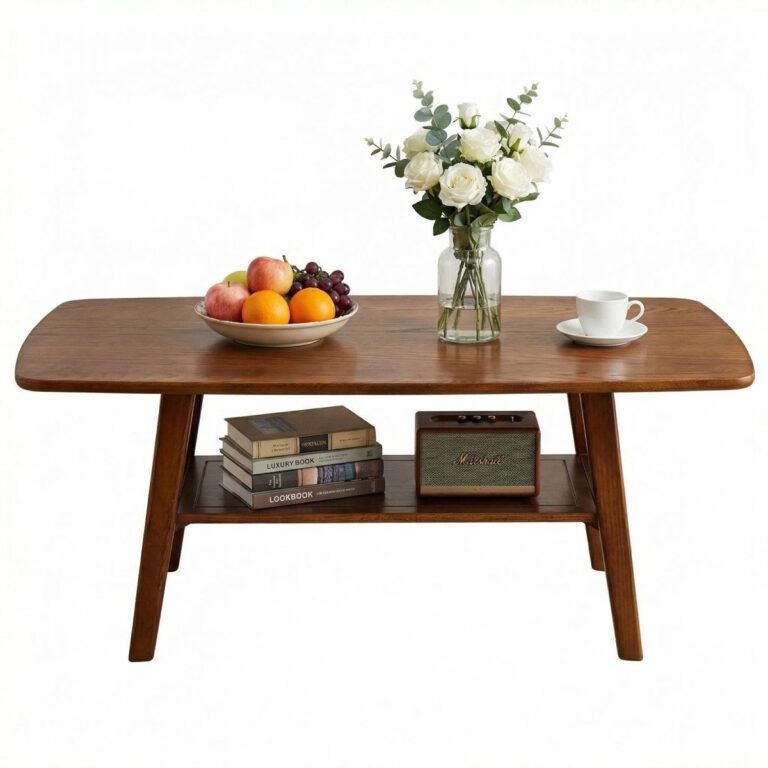 Aisha's pickSolid Oak Coffee Tables for the Living Room
 Aisha's pickPine Living Room Tables We Use Every Single Day
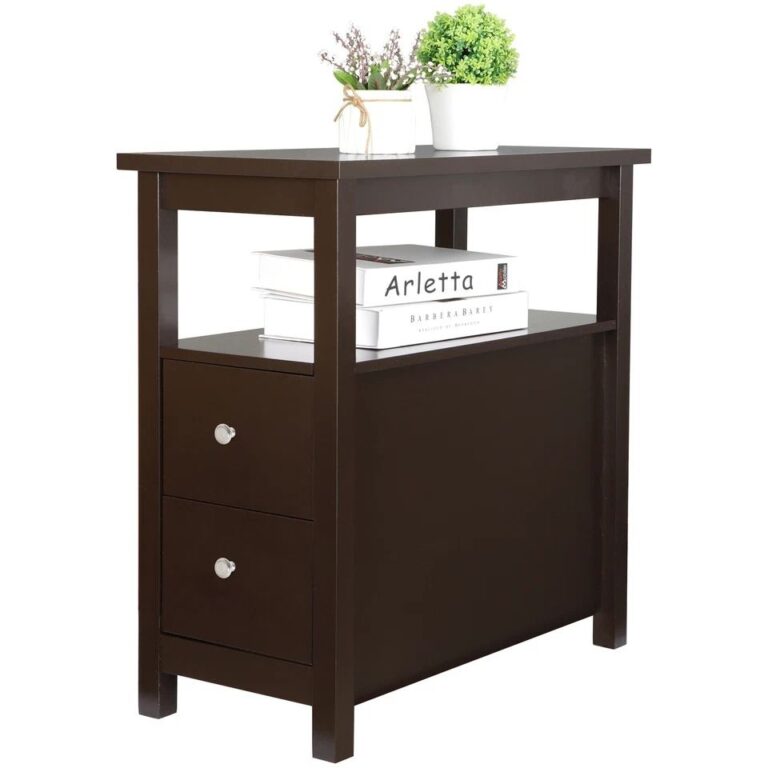
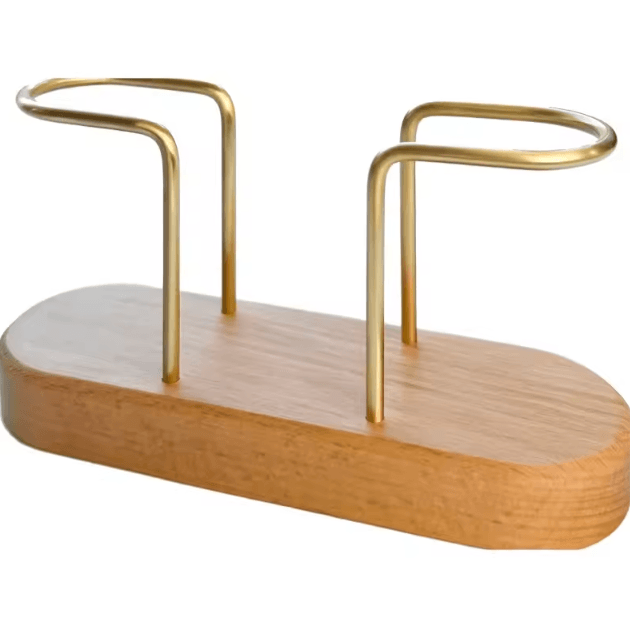 Aisha's pickSolid Walnut Coffee Tables That Survive Hot Mugs and Spills
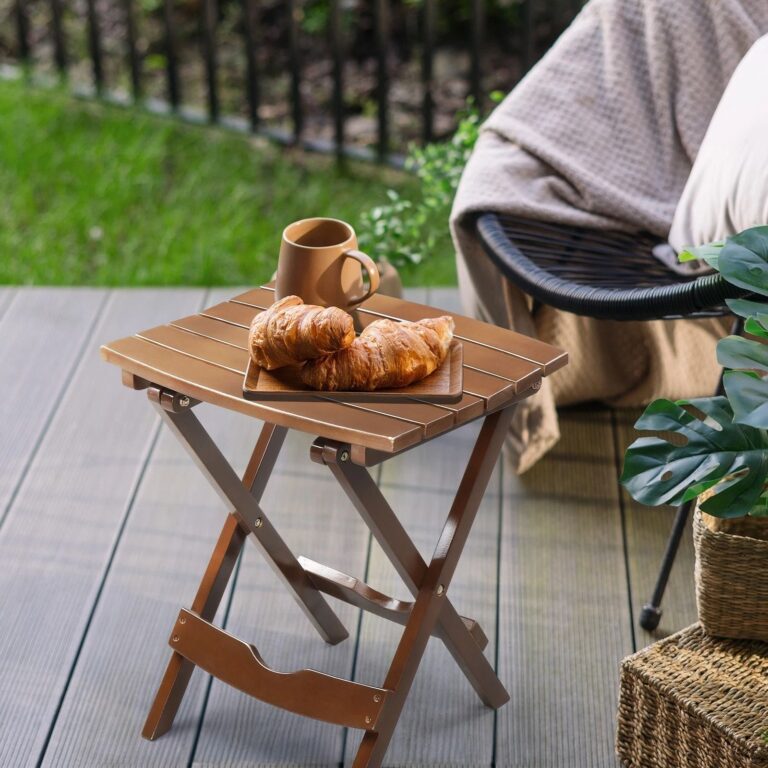
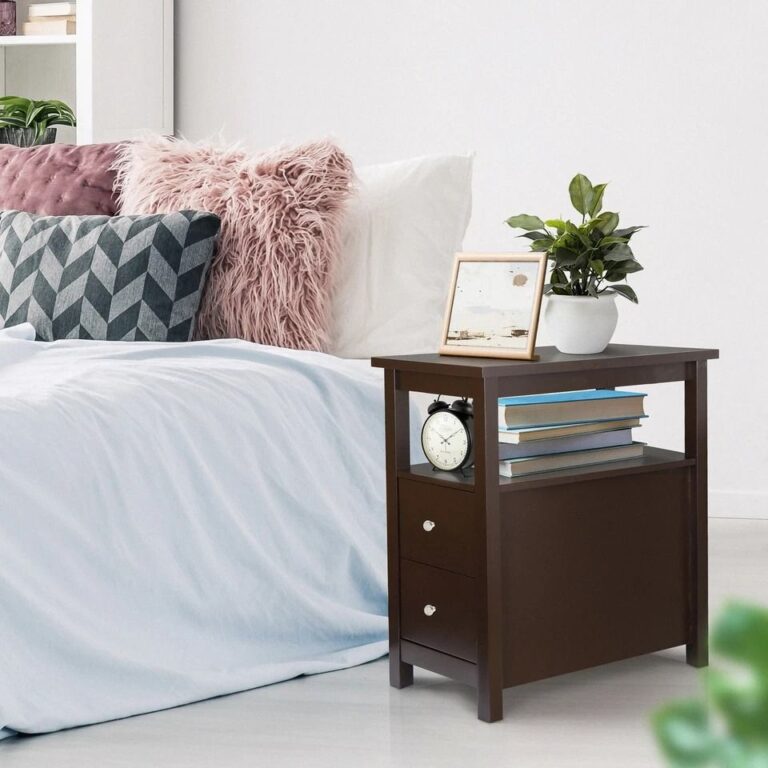 Aisha's pickPine Side Tables That Look Good Up Close
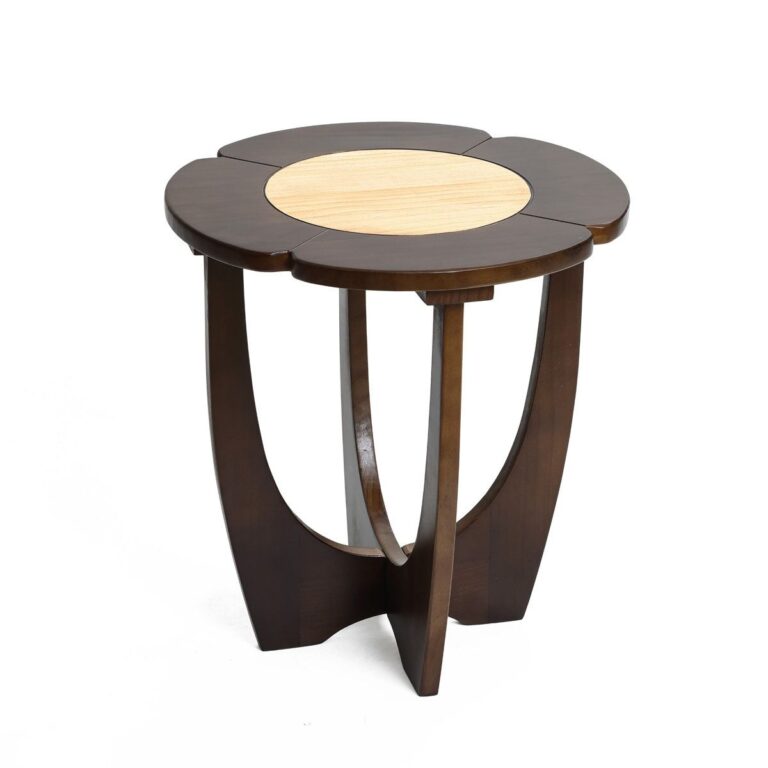
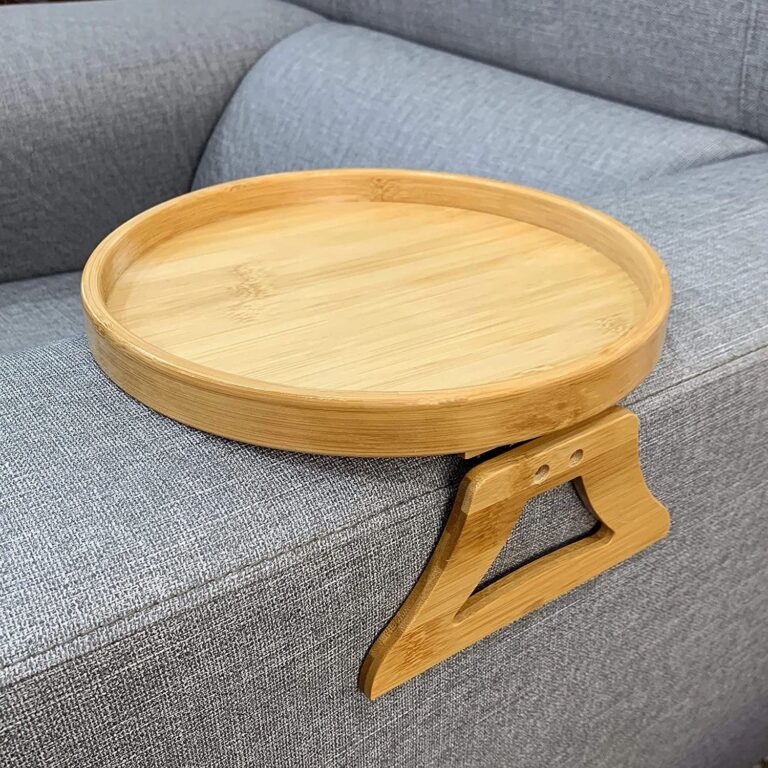 Aisha's pickSolid Wood Coffee Tables for Movie Nights and Slow Sundays
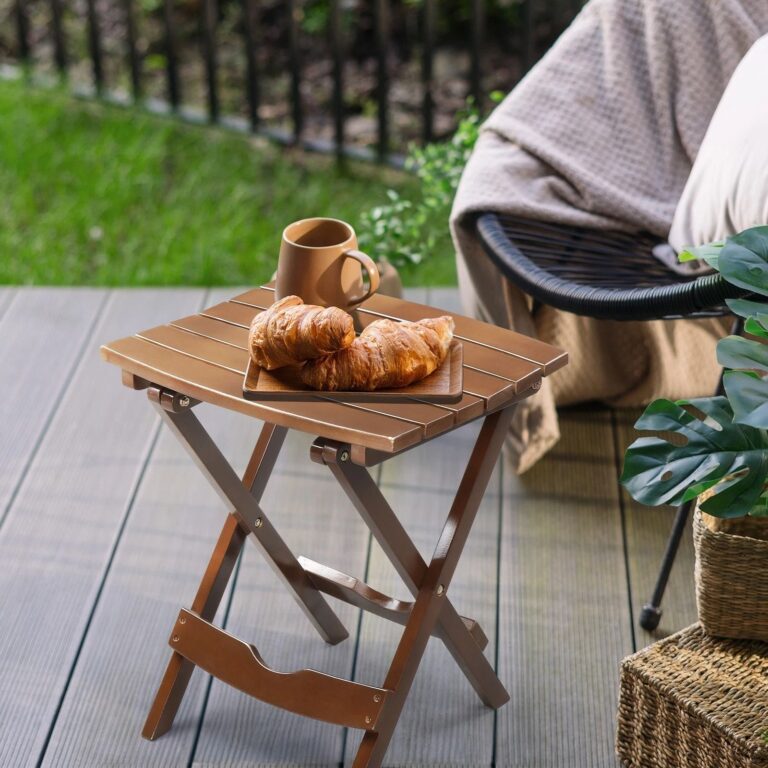
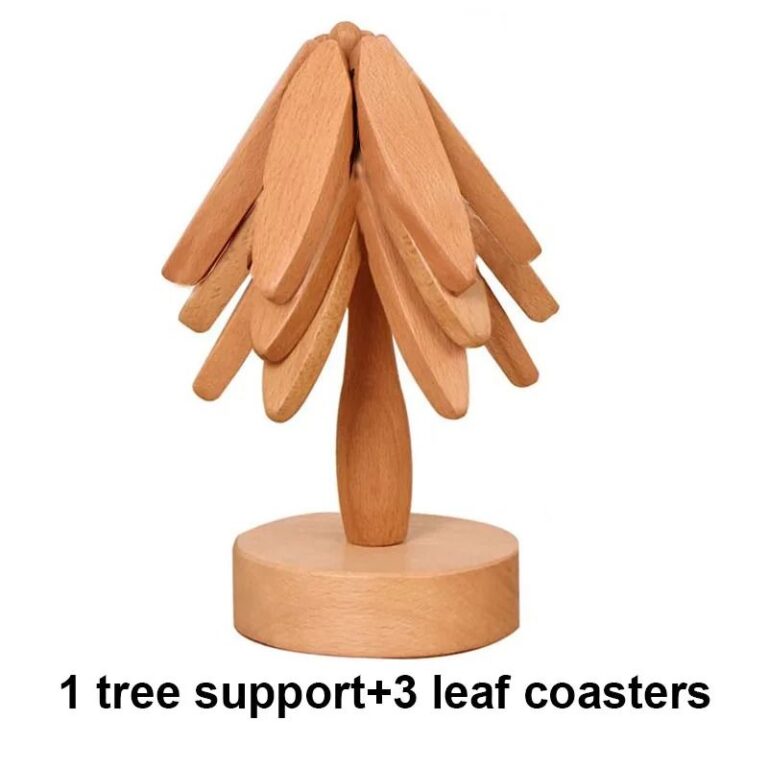 Aisha's pickSets of 3 Wooden Tables for Making a House Feel Like Yours

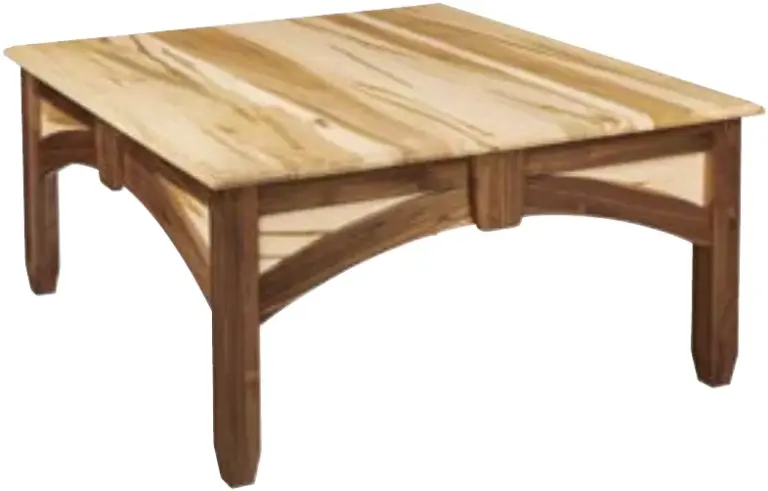
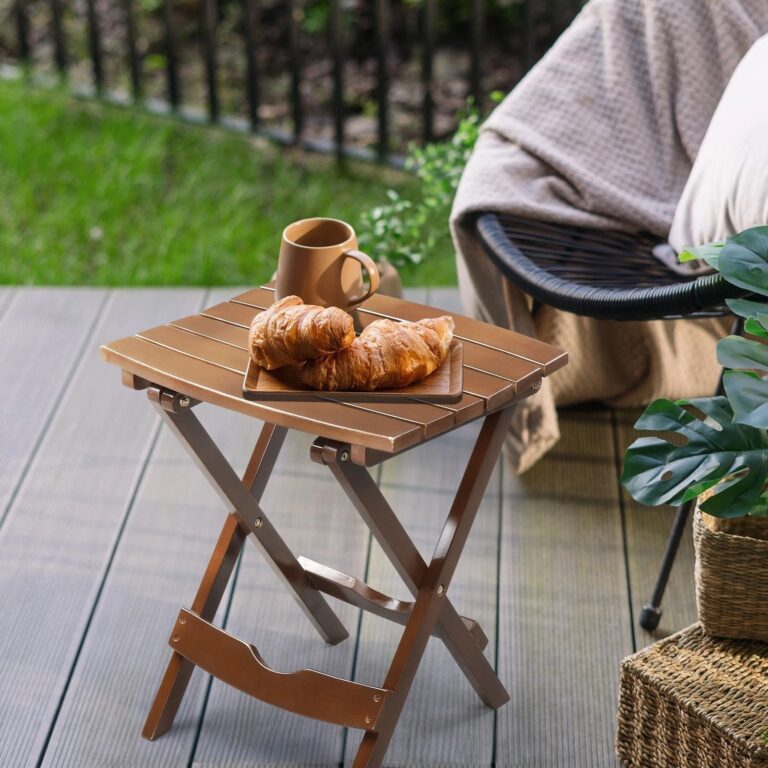 Aisha's pickWalnut Coffee Tables That Make a Room Feel Finished
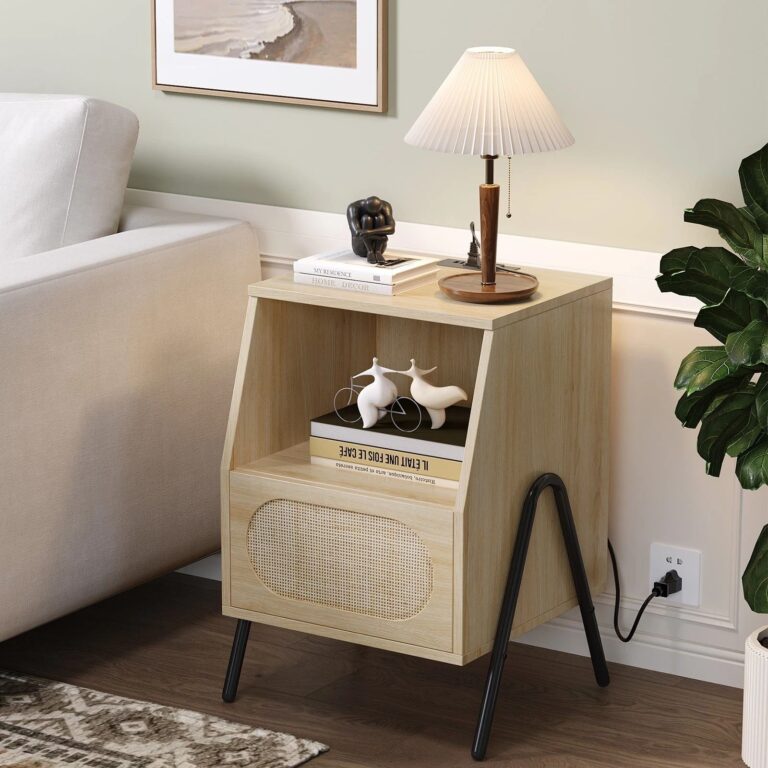 Aisha's pickWood Nightstands for a Calmer Bedroom