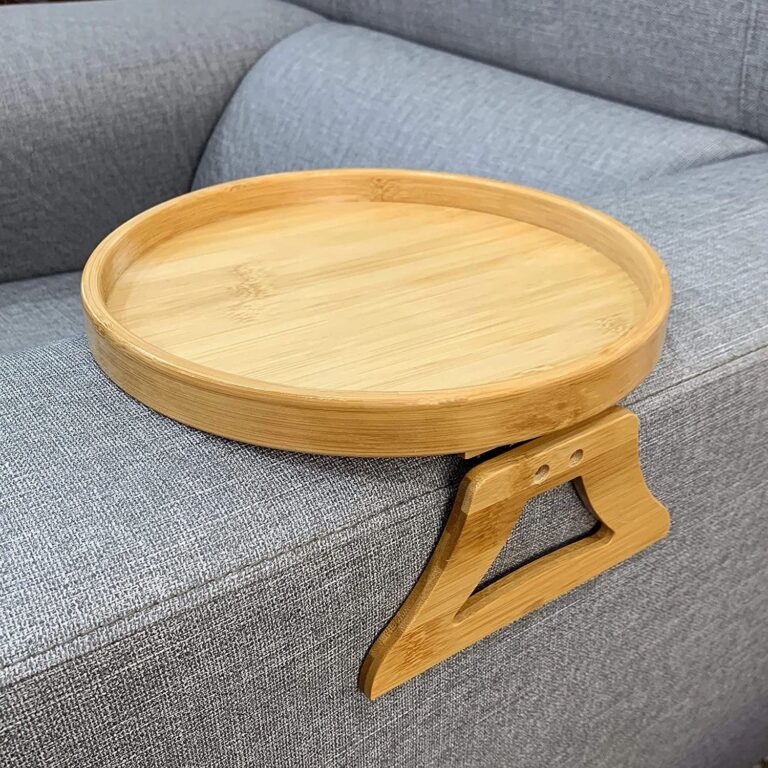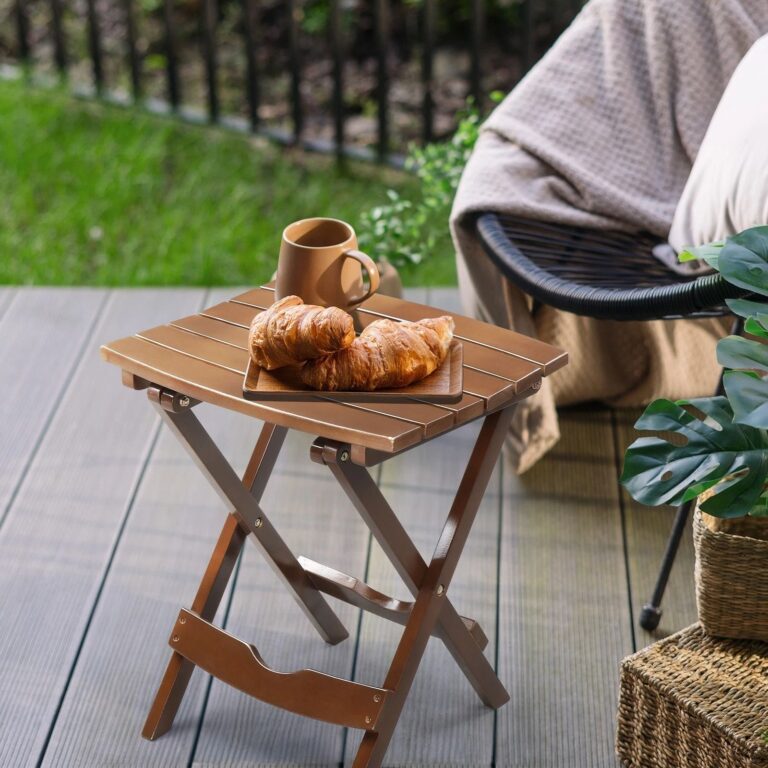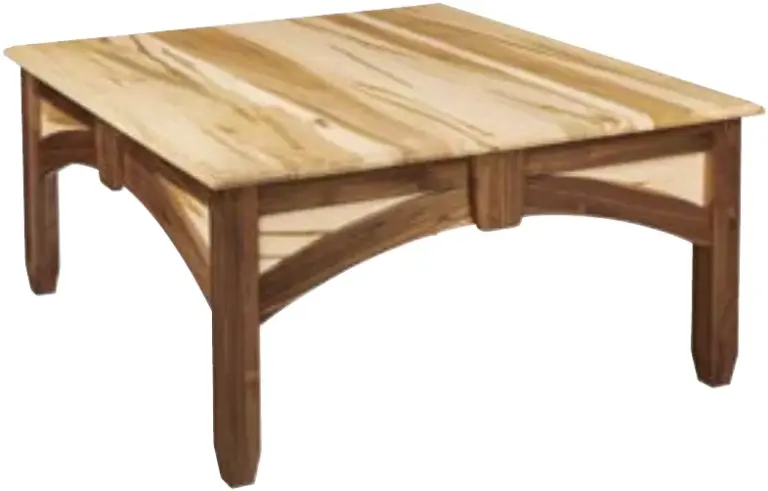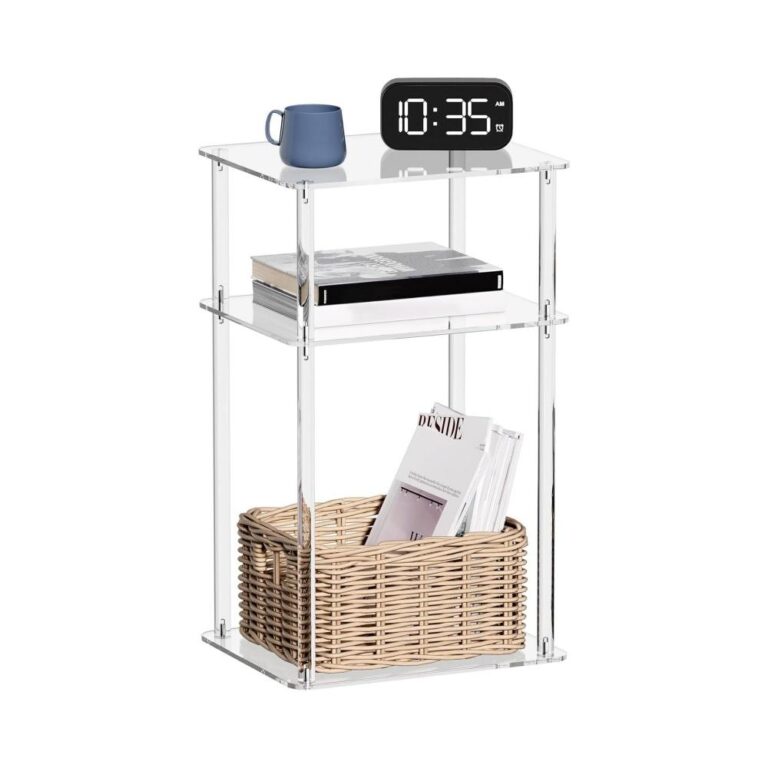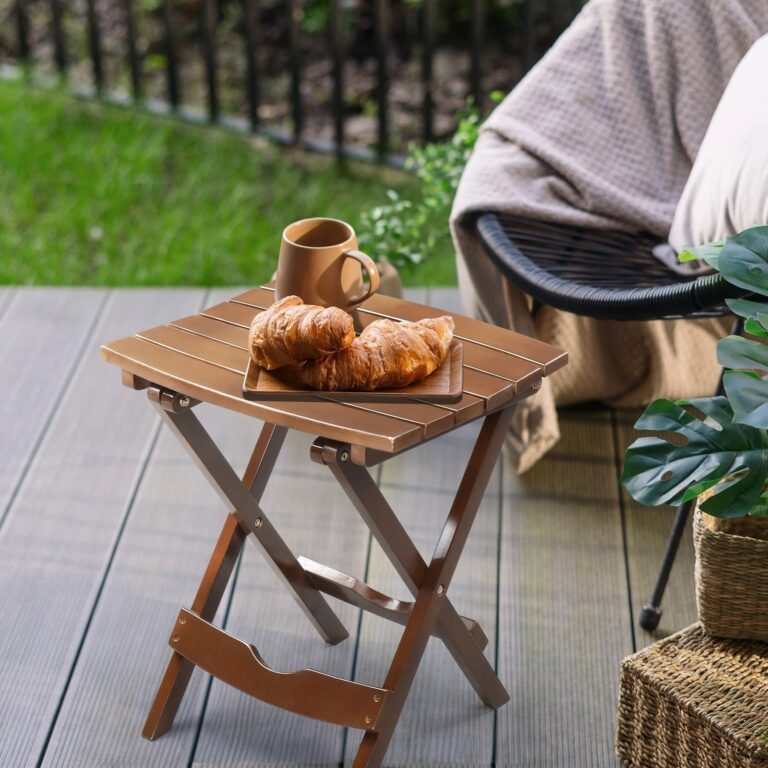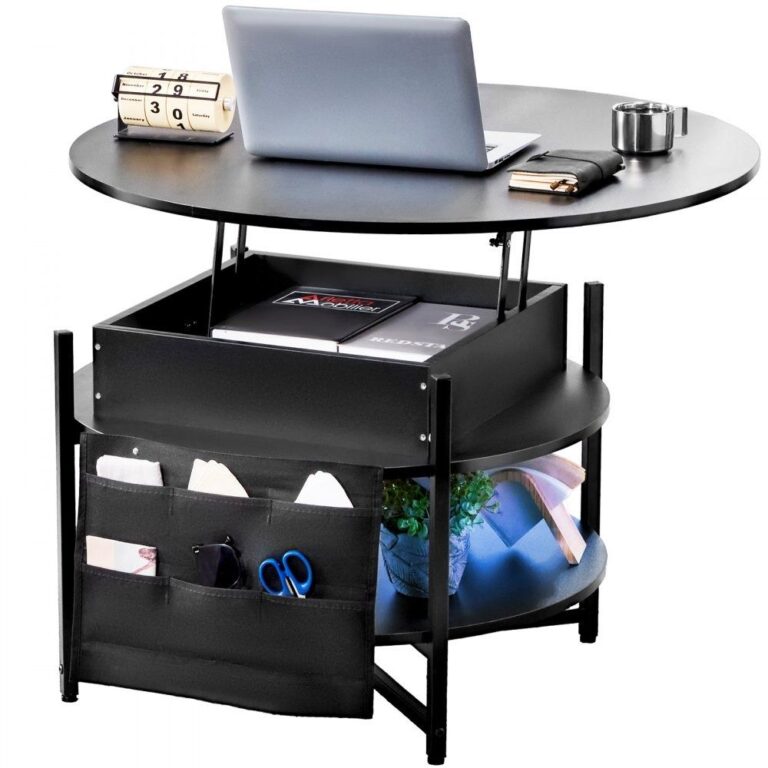
For years I judged a coffee table by its top, same mistake every time. Good grain, nice finish, looked solid on the showroom floor, then it got home and wobbled the second a kid or a dog leaned on it. What fixed it was crawling around underneath a few of these things and actually looking at how the legs meet the frame, instead of just the part you see with a cup of coffee on it.
The top matters less than the joinery holding the base together. Legs that bolt into corner blocks, with the bolt going through solid wood rather than into a strip of particleboard, will outlast the ones glued and screwed straight into a thin apron. Check the underside for a maker's stamp or any paper label claiming "solid wood," then press your thumbnail into an unfinished edge if you can find one, veneer dents different than the real thing. On delivery day, open any drawer or shelf it has and slide it a few times, a sticky drawer on day one does not get smoother with age. Also worth checking the finish feels even across the whole top, not just shinier in the middle where the showroom lights hit it.
If someone has none of these and is starting from scratch, go simple. A rectangular table in a plain wood, oak or ash, straight legs, no glass insert, no drawers to fuss over. It sits with almost any sofa, takes a mug ring without becoming a crisis, and if you scratch it you can sand and refinish rather than replace. Save the pedestal bases and the live edge slabs for later, once you know what the room actually needs rather than what looked good online at eleven at night.
Where it goes wrong is in small rooms with low, heavy sofas and not much else going on, a thick chunky table in that setup just eats the floor space and makes the whole room feel like it's wearing a table that belongs to someone else's living room. It also clashes badly with a glass dining table nearby, two different material languages arguing in the same sightline. Morning light is honest about wood, it shows every real grain line and every bit of orange pretending to be walnut, so if you can see one in daylight before buying, do that rather than trusting the lamp lighting in the store.
Next time you're looking at one, turn it over before you look at the top.