The question I get most is whether a big table will actually swallow the room, and the honest answer is almost always no, it's the chairs and the walking space around it that eat the room, not the tabletop itself. A large table reads as big in a showroom with nothing else around it. In an actual dining room with a sideboard and a doorway and a kid's backpack always dumped somewhere, it usually settles in fine.
Measuring is where people get it wrong, and I did too the first time, going by the table's footprint alone and forgetting that a person needs about two feet of pulled out chair behind them to sit down without elbowing the wall. So measure the table, then add roughly three to four feet on every side where chairs need to go, and check that against your actual room, not the empty rectangle you're imagining. Walkways matter too. If people have to turn sideways to get past the table to the kitchen, it's too big for that spot, no matter how good it looks on its own. Wood tops in oak or walnut are forgiving here because they visually ground a room rather than filling it, where a glass top in a tight space can make the whole room feel more crowded, not less, since your eye keeps tracking all that reflective surface.
Where a large table goes wrong is in rooms already busy with pattern or with a lot of other large furniture competing for attention. A heavily grained wood table next to a patterned rug and patterned curtains starts to look like a lot of noise, and a glass or glossy lacquer top in a room with big windows can throw glare around at certain times of day, which nobody warns you about until you're squinting through dinner. It also doesn't love uneven flooring. Older houses with floors that have settled a bit will rock a four legged table no matter how good it is, and you'll be shimming it with a folded napkin forever, which looks fine until a guest notices.
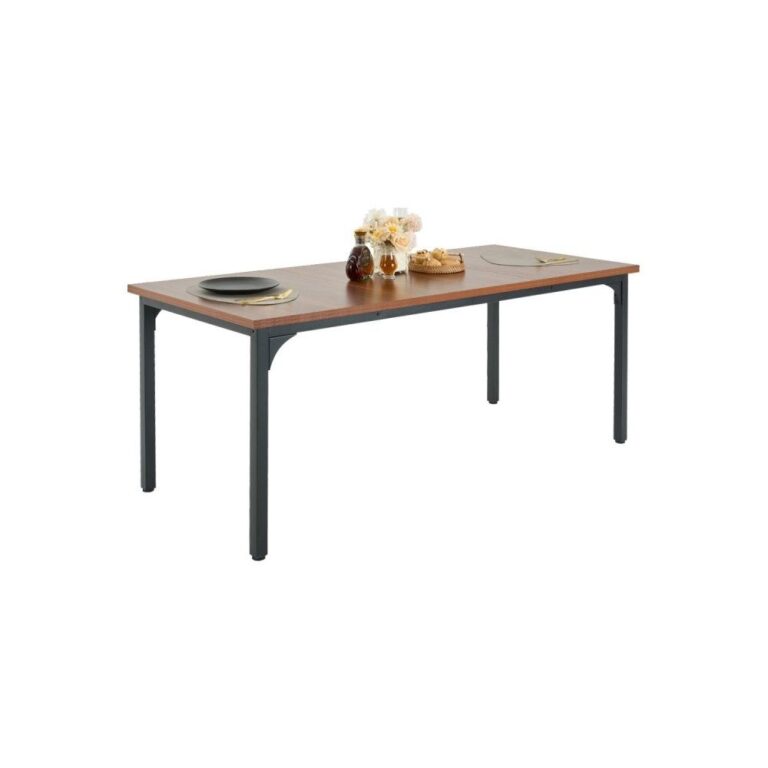
If you've got nothing to start from, go with a solid wood table on a simple trestle or four leg base, something plain enough that it doesn't compete with whatever chairs or rug you add later. Avoid starting with a heavily styled or very dark finish, because that commits the whole room to a mood before you've picked anything else. A lighter or mid tone wood gives you room to change your mind about everything around it for years.
And they do change. A good wood table picks up its own history, water rings nobody owns up to, a scratch from moving house, a faded patch where the sun hits every afternoon. That's not damage, that's just the table becoming yours, and it tends to look better for it, not worse.

 Aisha's pickLarge Nightstands With Some Character

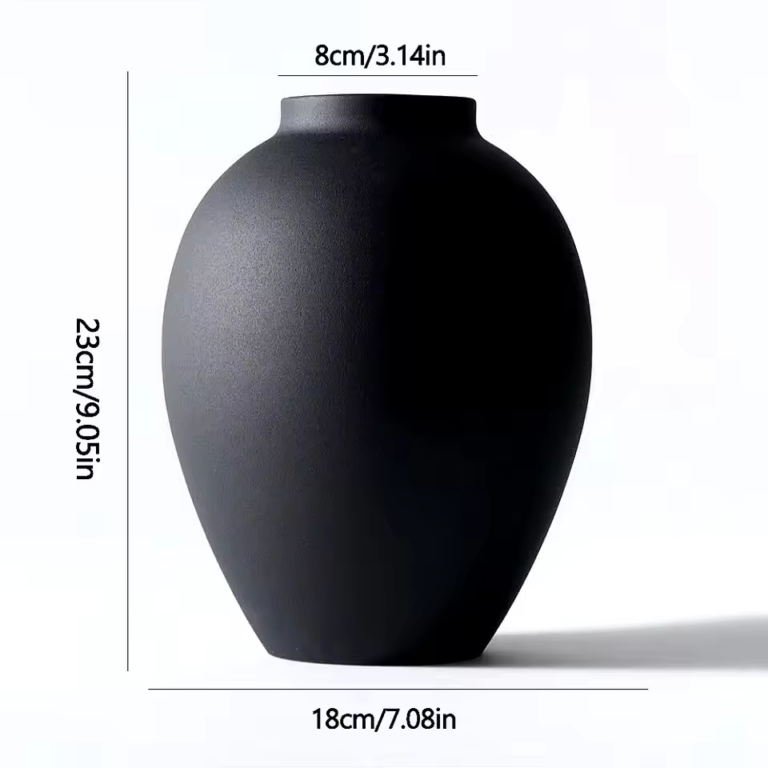 Aisha's pickLarge White Coffee Tables We Use Every Single Day
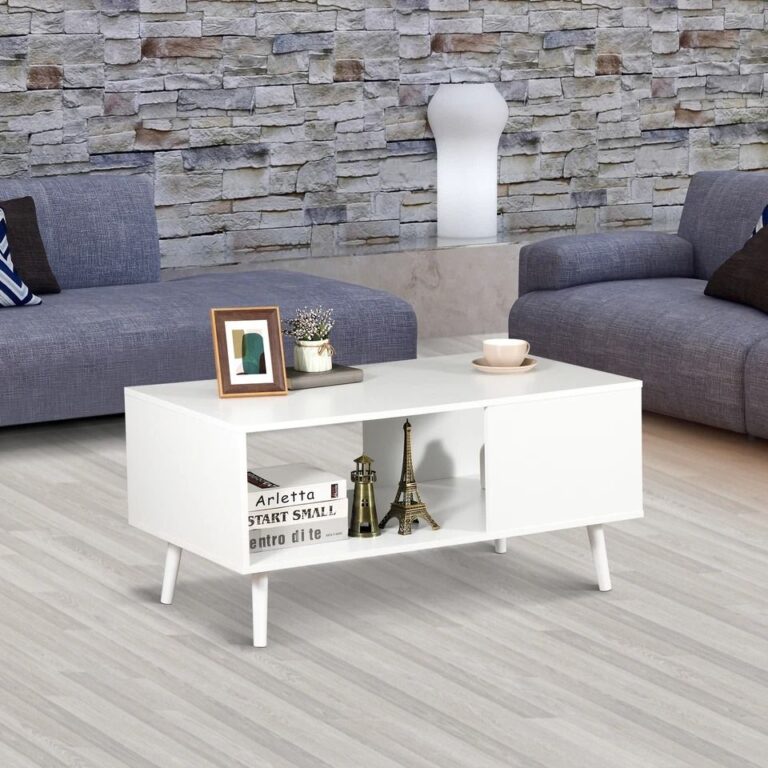
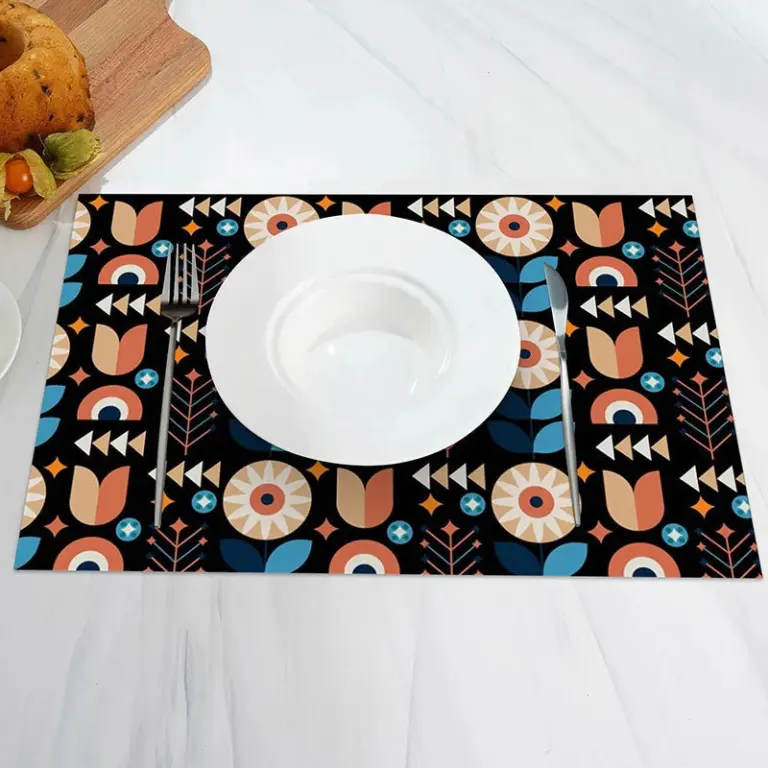 Aisha's pickExtra Large Dining Sets for Long Dinners With Friends
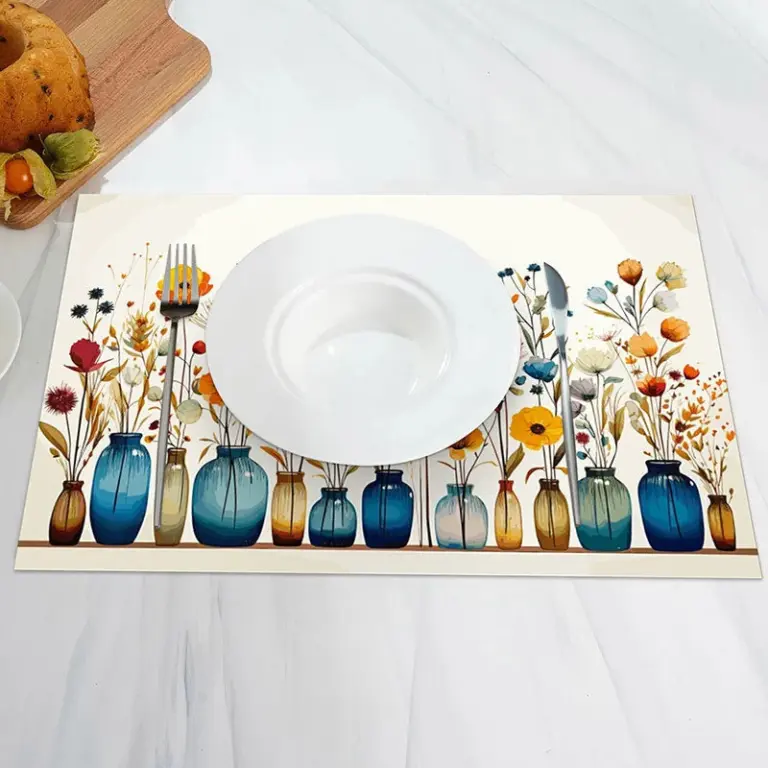
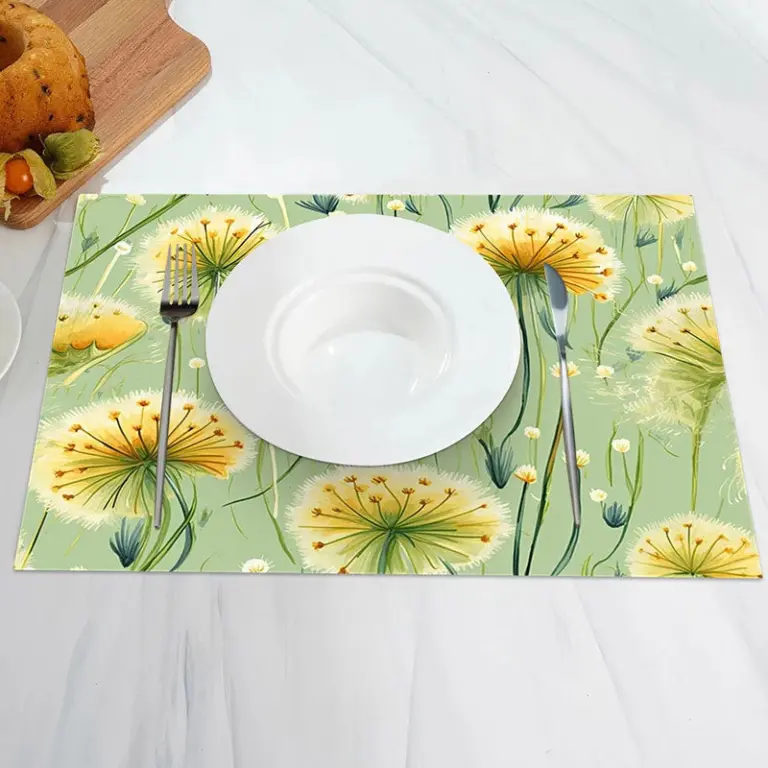 Aisha's pickLarge Coffee Tables for Movie Nights and Slow Sundays

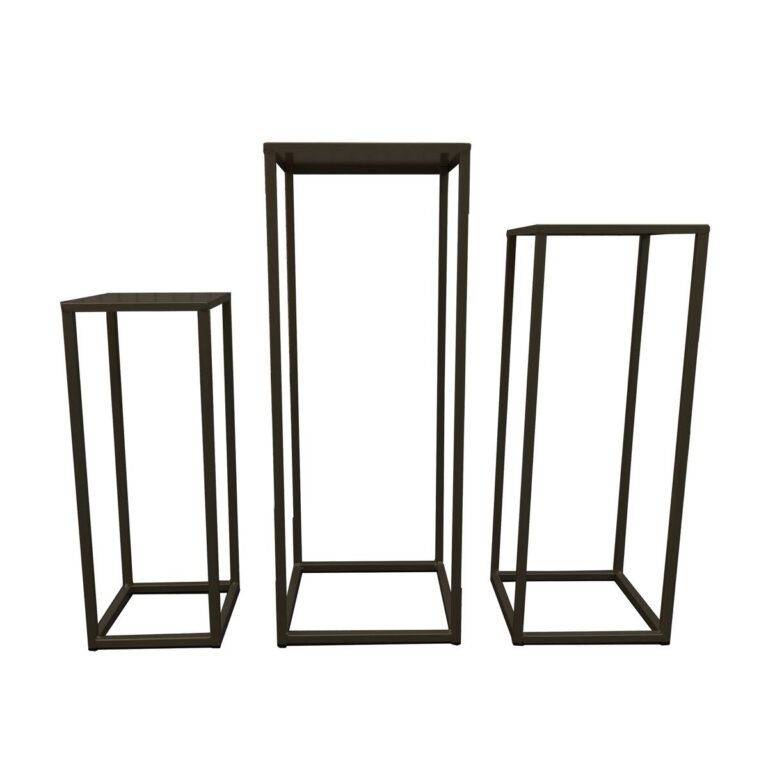
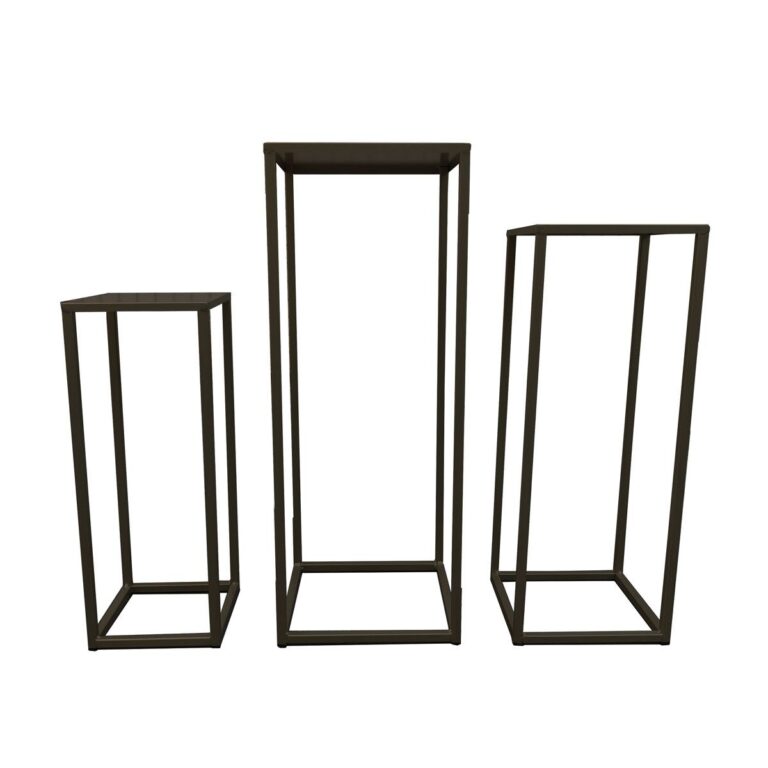 Aisha's pickWhere to Start With Sets of 3 Large Tables
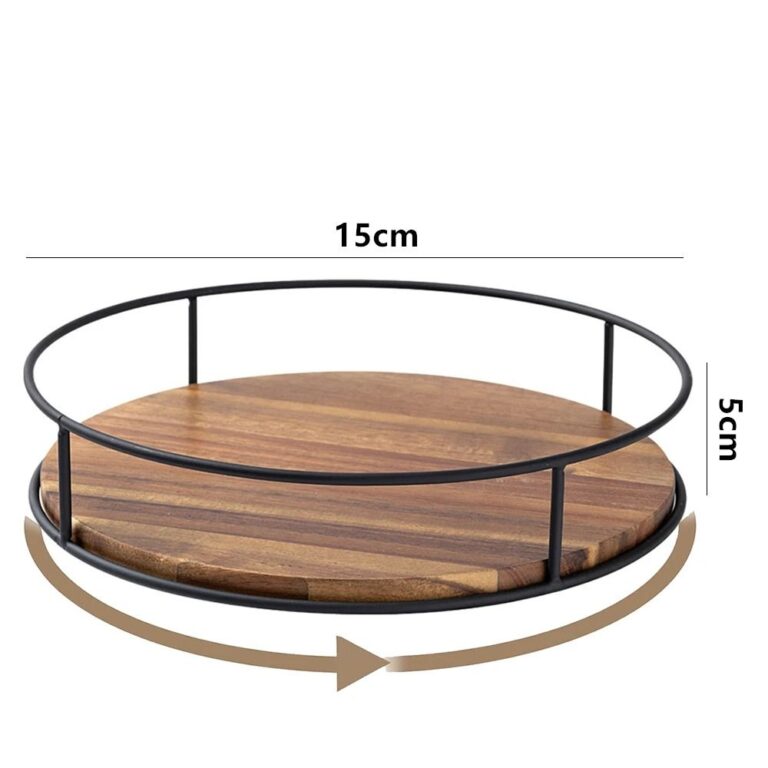 Aisha's pickExtra Large Dining Tables With Room for Everything You Put Down

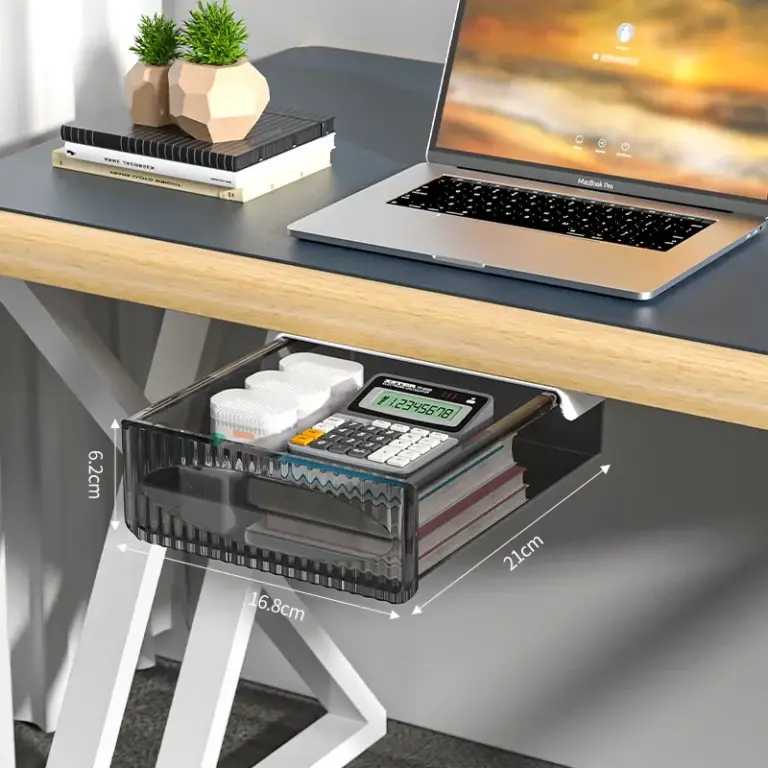 Aisha's pickLarge Craft Tables That Anchor a Room

 Aisha's pickLarge Black Dining Tables That Get the Family Around the Table
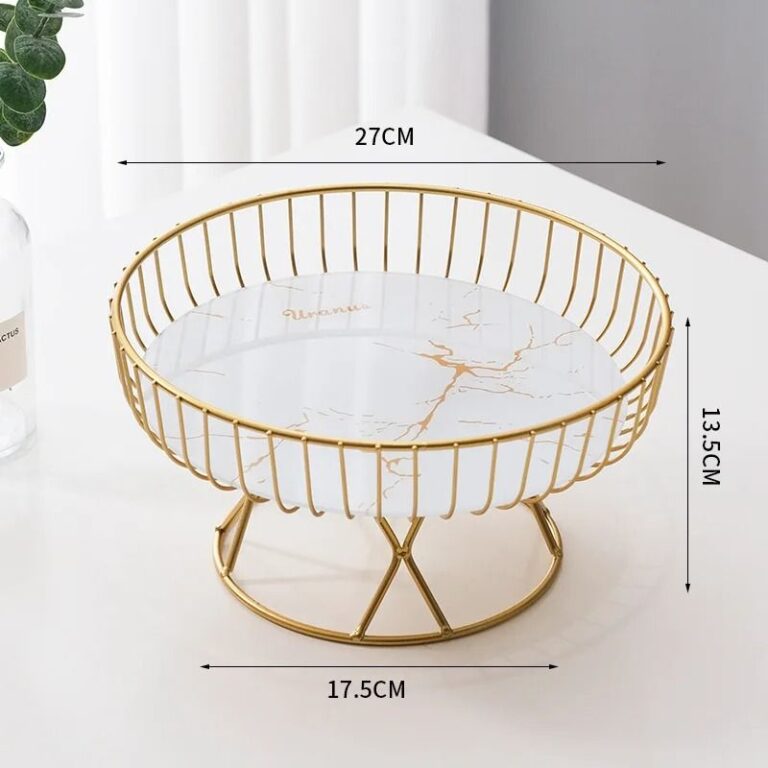
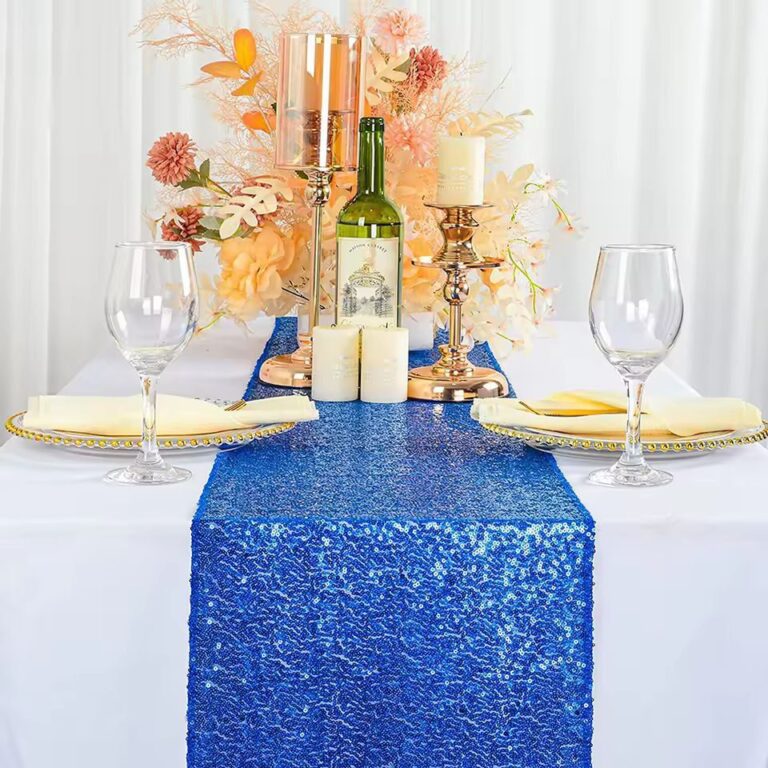 Aisha's pickLarge Dining Room Tables That Fit Where You Need ThemAlso worth a lookLarge Dining TablesStand next to one before you buy it and picture ten people actually sitting down, not six with elbows tucked in politely.See the collections →

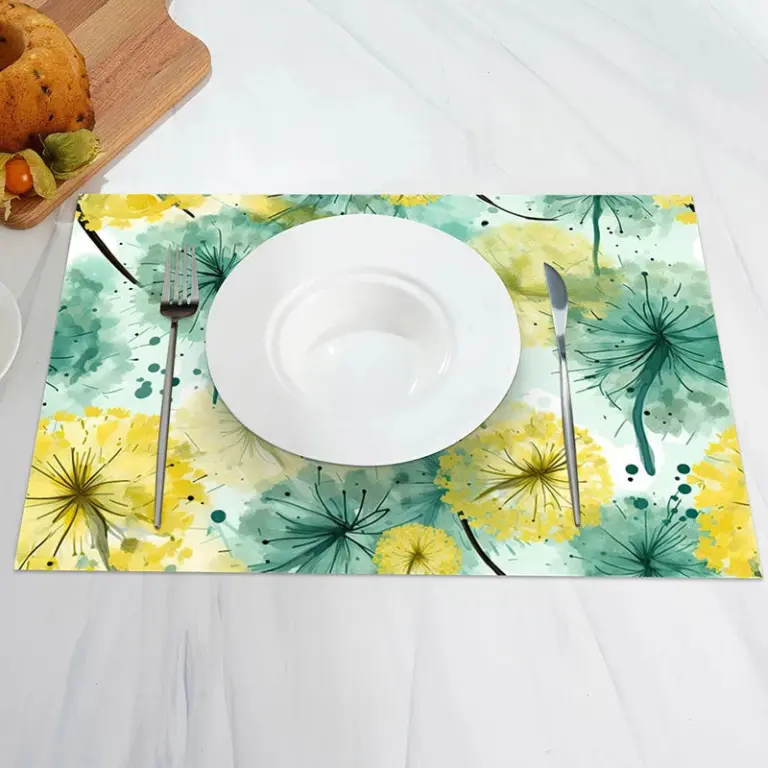 Aisha's pickLarge Dining Sets That Survive Hot Mugs and Spills
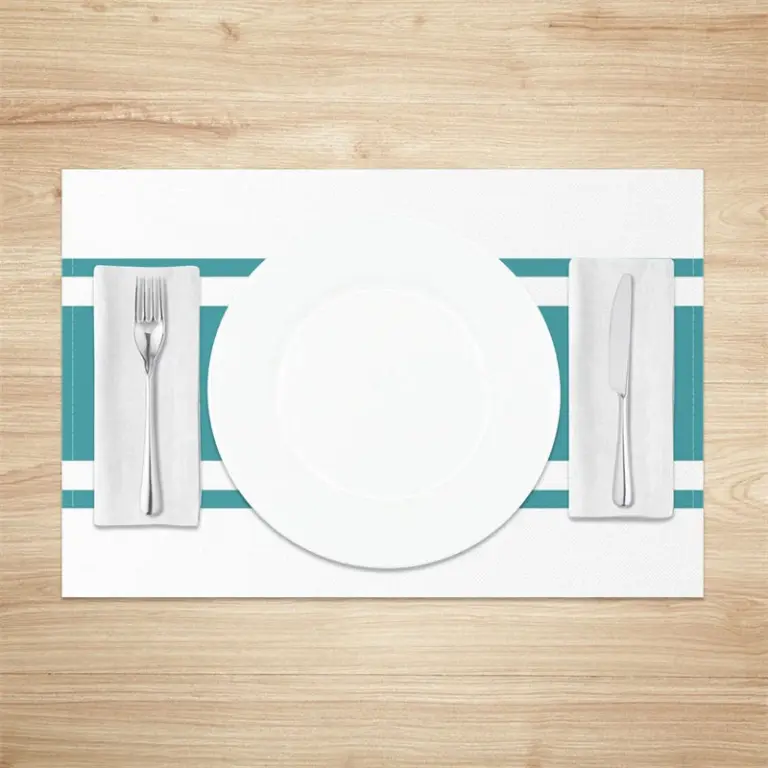
 Aisha's pickLarge Entryway Tables at Just the Right Height

 Aisha's pickLarge Dining Tables You’ll Still Like in Five Years

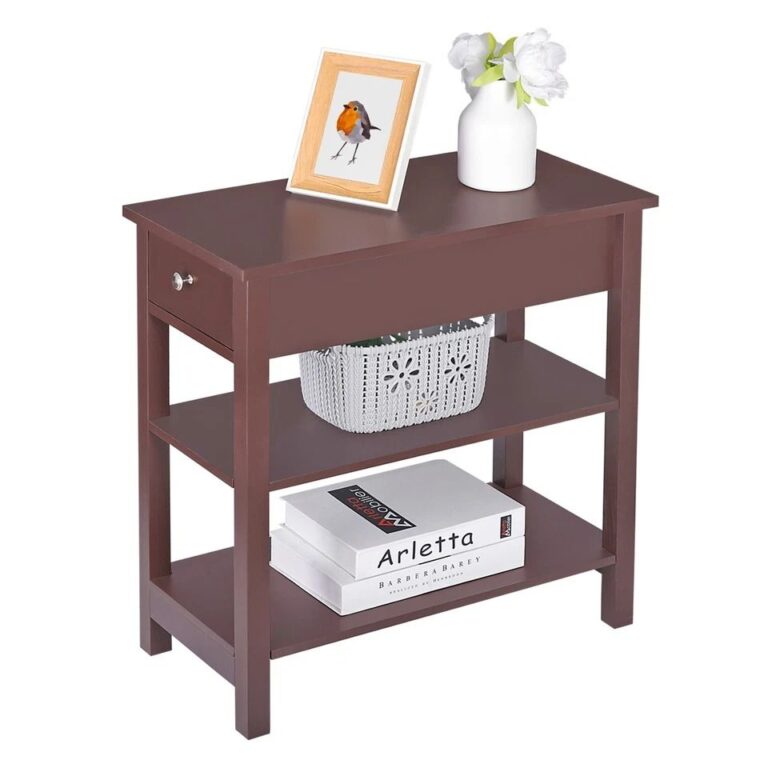 Aisha's pickLarge Hallway Tables From Brands You Know and a Few You Won’t
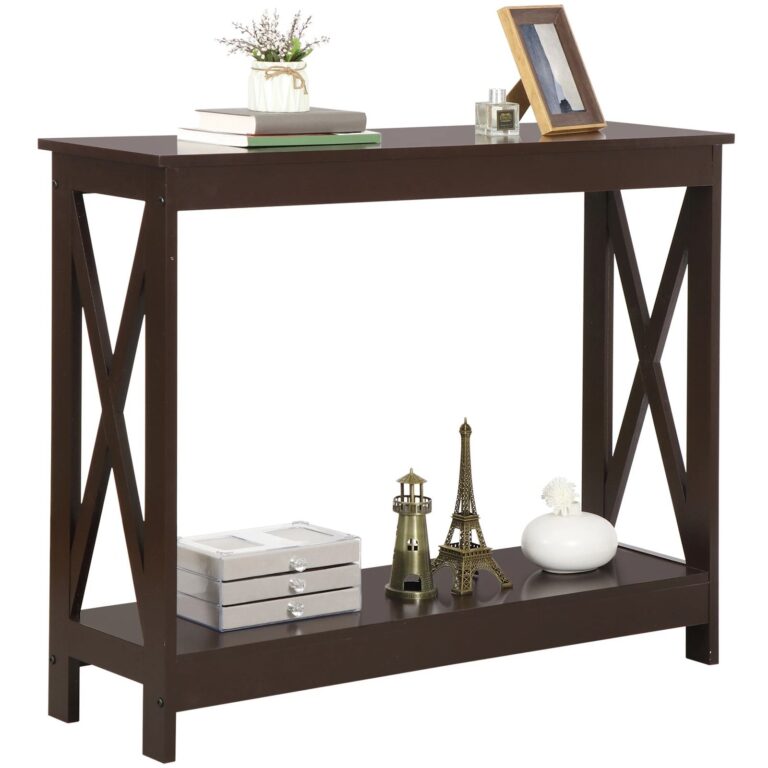
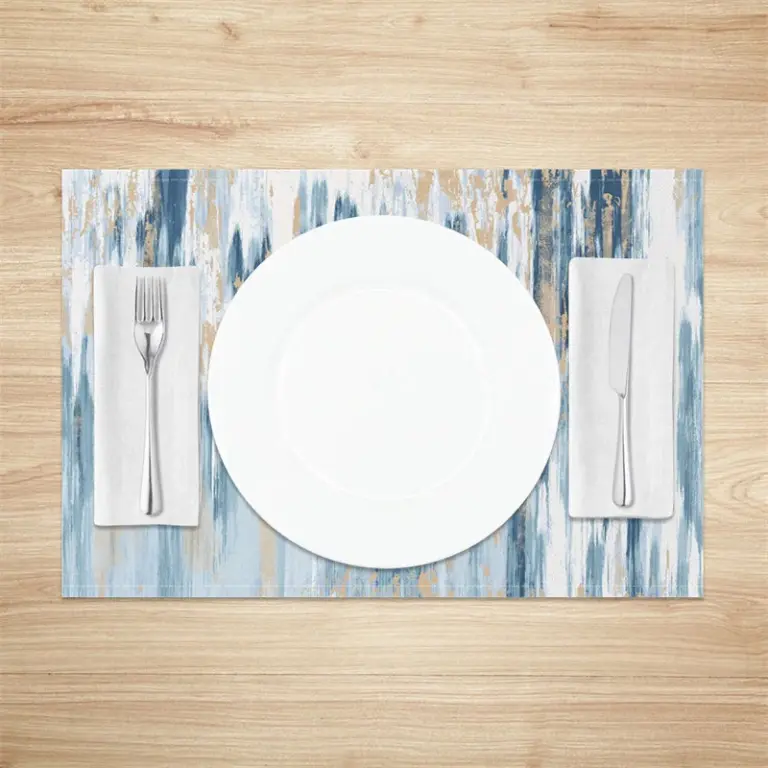 Aisha's pickLarge Glass Dining Sets We Use Every Single Day

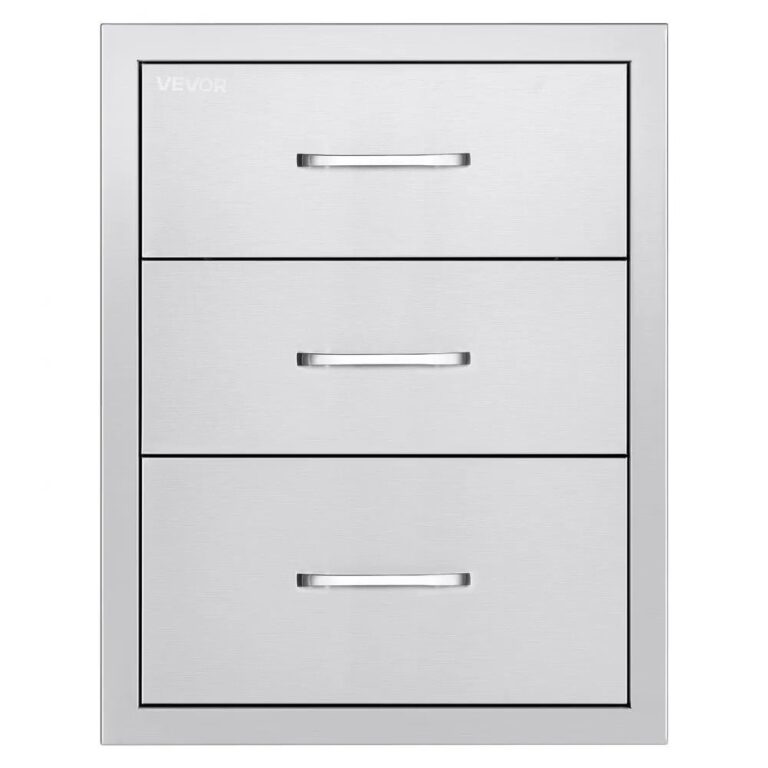 Aisha's pickLarge Kitchen Islands With Room for Everything You Put Down
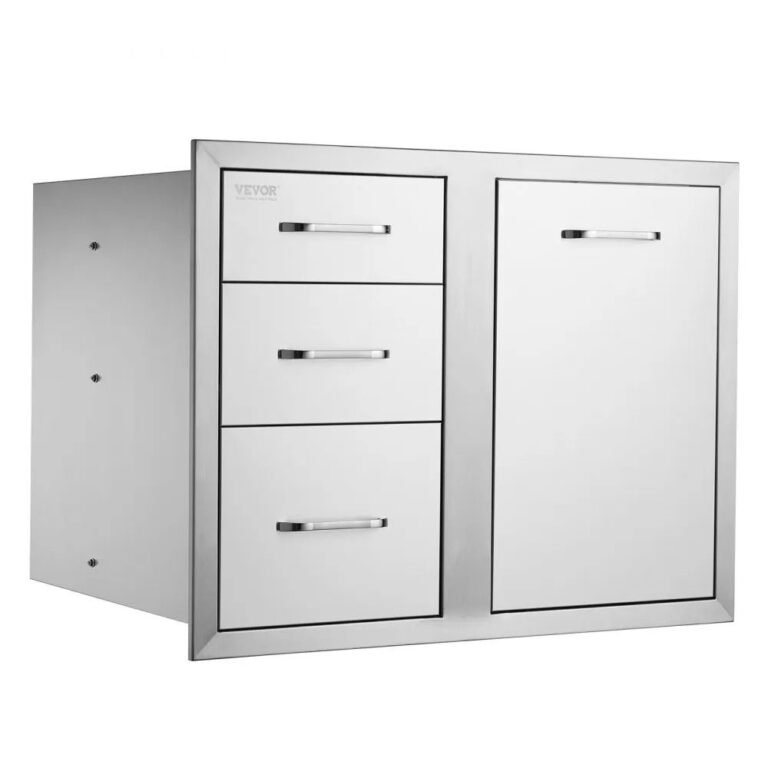
 Aisha's pickLarge Glass Dining Tables for Long Dinners With Friends
 Aisha's pickLarge Kitchen Tables That Hide the Odd Scratch

 Aisha's pickLarge Kitchen Dining Tables That Clean Up With a WipeAlso worth a lookVintage TablesThere's a particular kind of late fall afternoon, light going gold and low through the windows, when an…See the collections →
 Aisha's pickLarge Kitchen Table Sets That Anchor a Room

 Aisha's pickLarge Marble Dining Tables That Fit Where You Need Them
 Aisha's pickLarge Living Room Tables That Make Rented Places Feel Like Home

 Aisha's pickLarge Metal Dining Tables That Survive Hot Mugs and Spills
 Aisha's pickLarge Make Up Tables You Won’t Regret Buying

 Aisha's pickLarge Round Dining Tables That Take a Knock
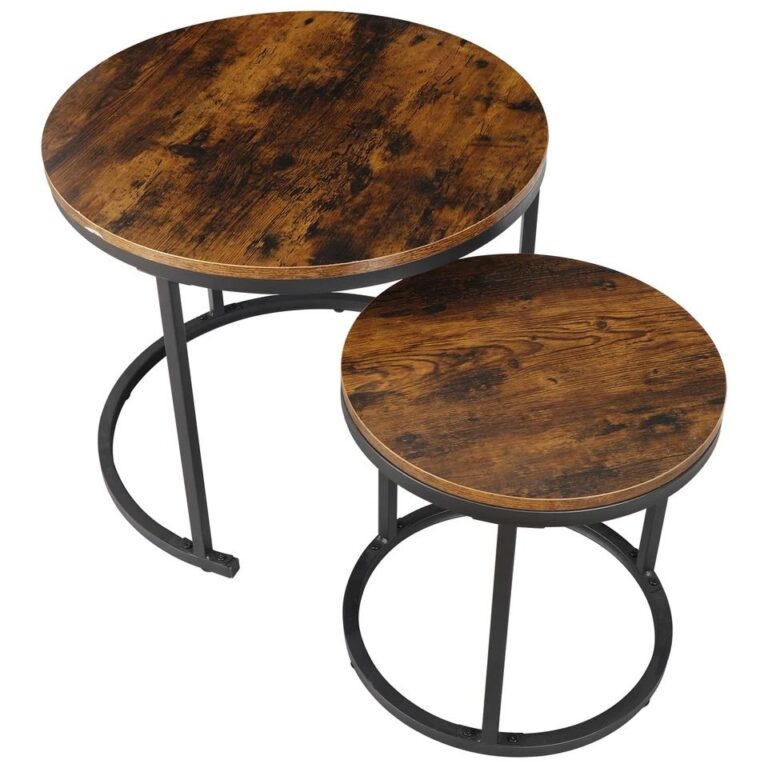
 Aisha's pickLarge Nesting Tables That Look Like They Cost More
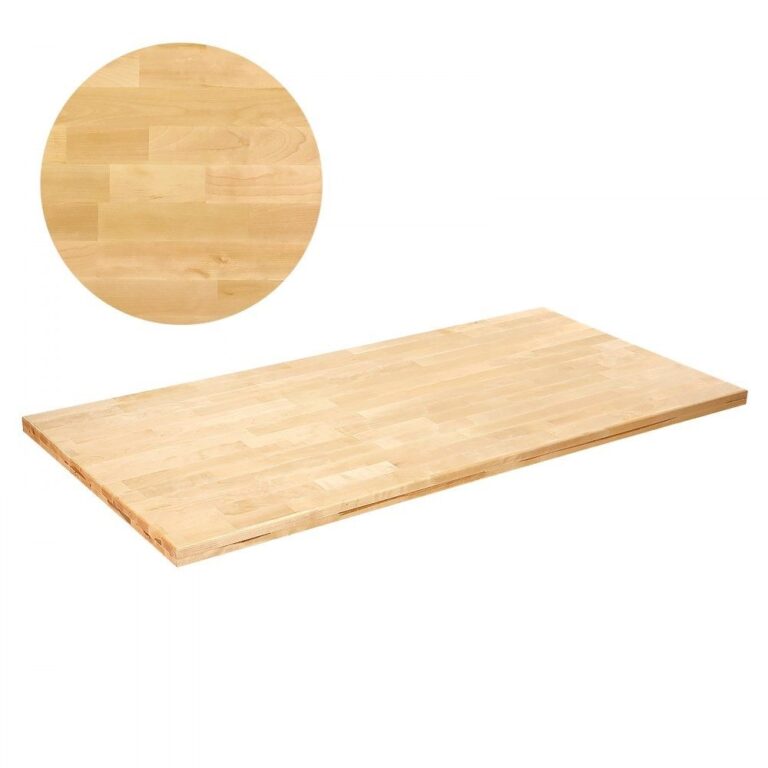 Aisha's pickLarge Solid Wood Dining Tables That Clean Up With a Wipe
 Aisha's pickLarge Night Tables That Don’t WobbleAlso worth a lookEnd TablesThe first one I bought looked perfect in the store and then came home to a sofa it…See the collections →

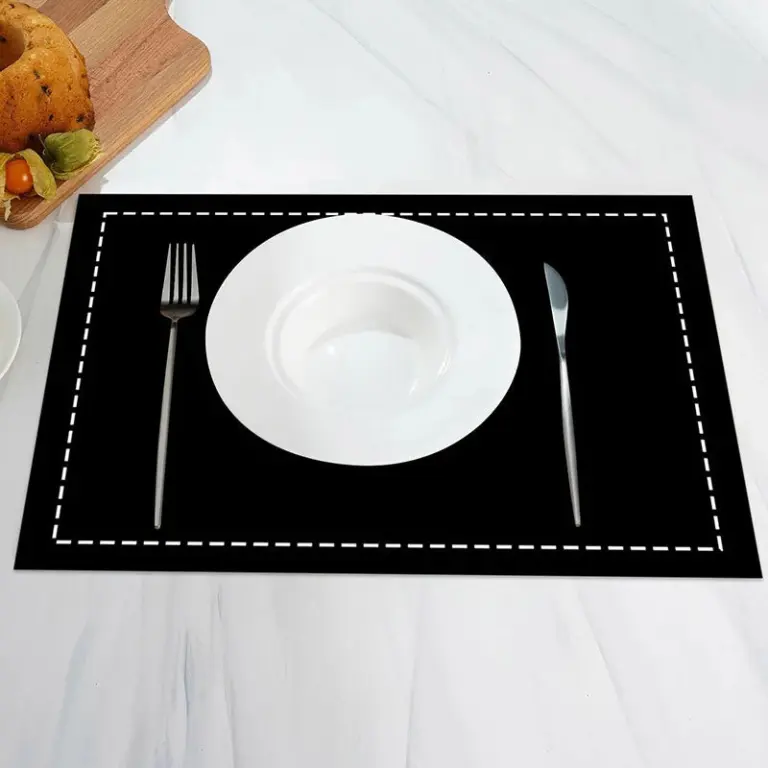 Aisha's pickLarge White Dining Sets That Hide the Odd Scratch
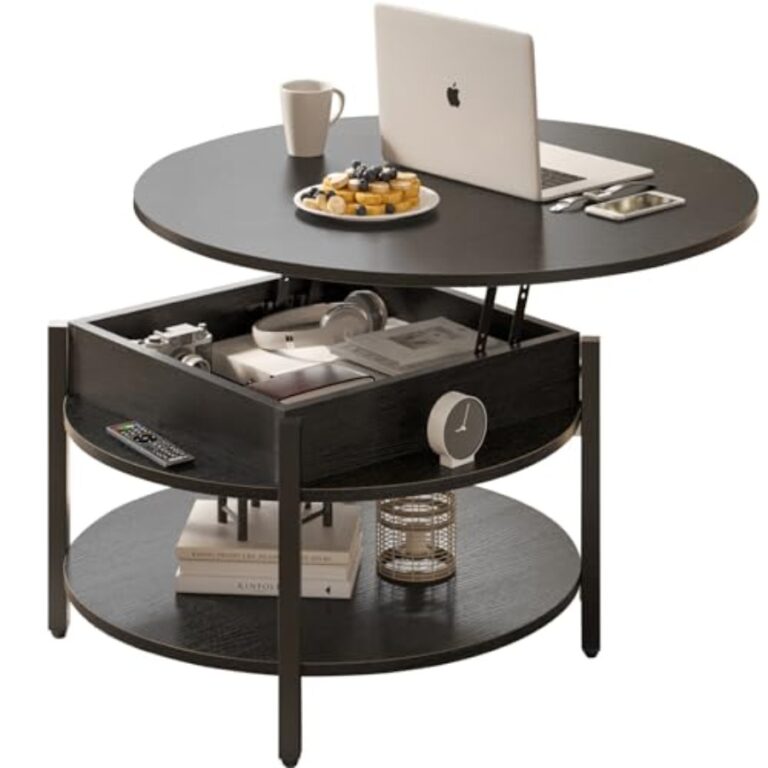 Aisha's pickLarge Round Coffee Tables for the Living Room
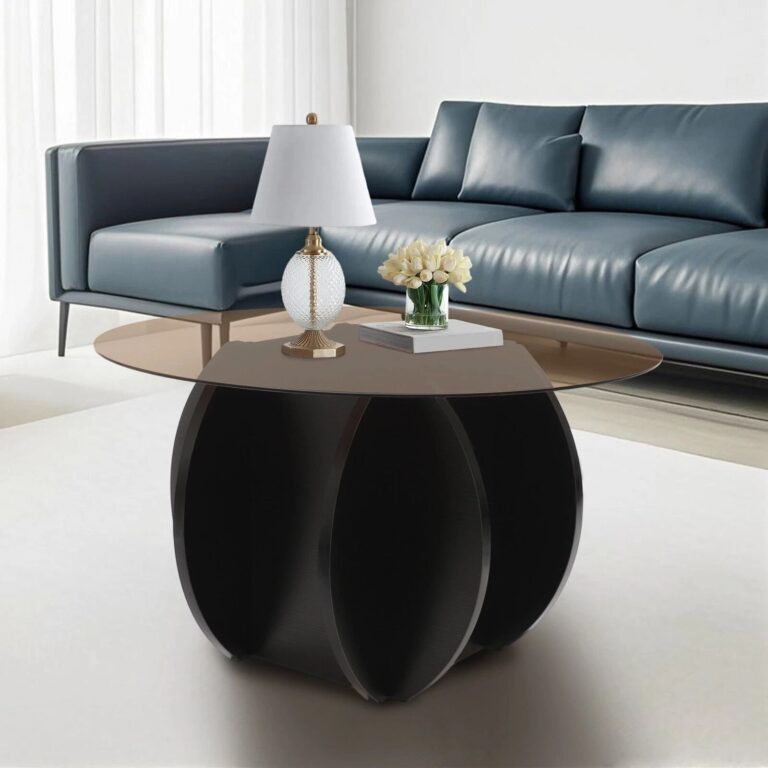
 Aisha's pickExtra Large Coffee Tables for Movie Nights and Slow Sundays
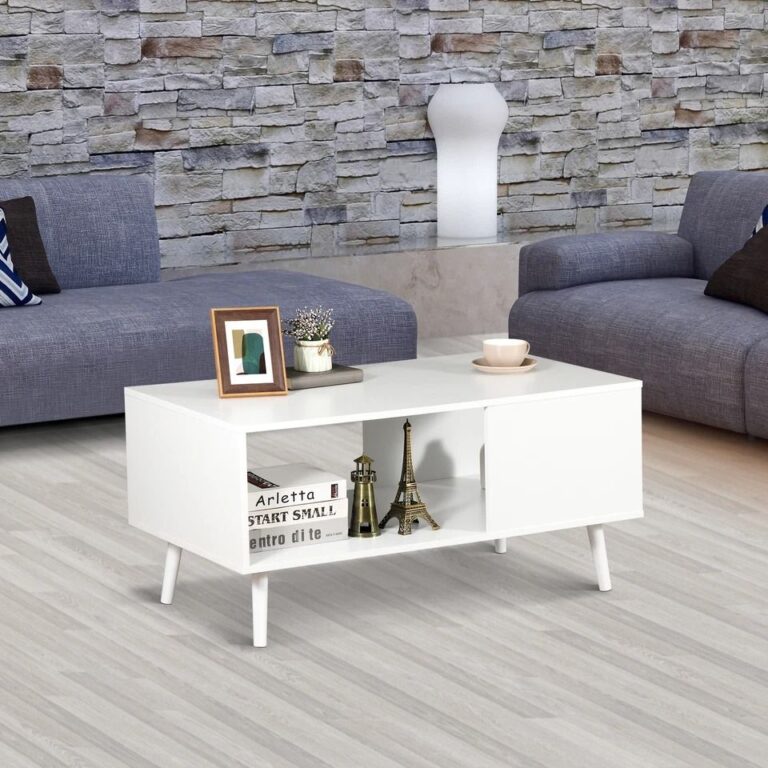
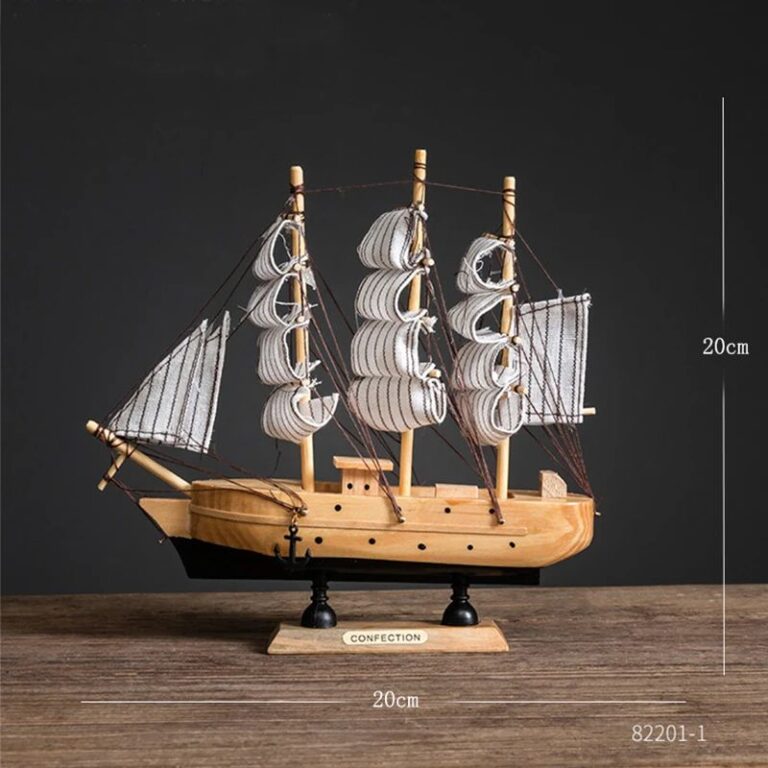 Aisha's pickNo Fuss Large Side Tables
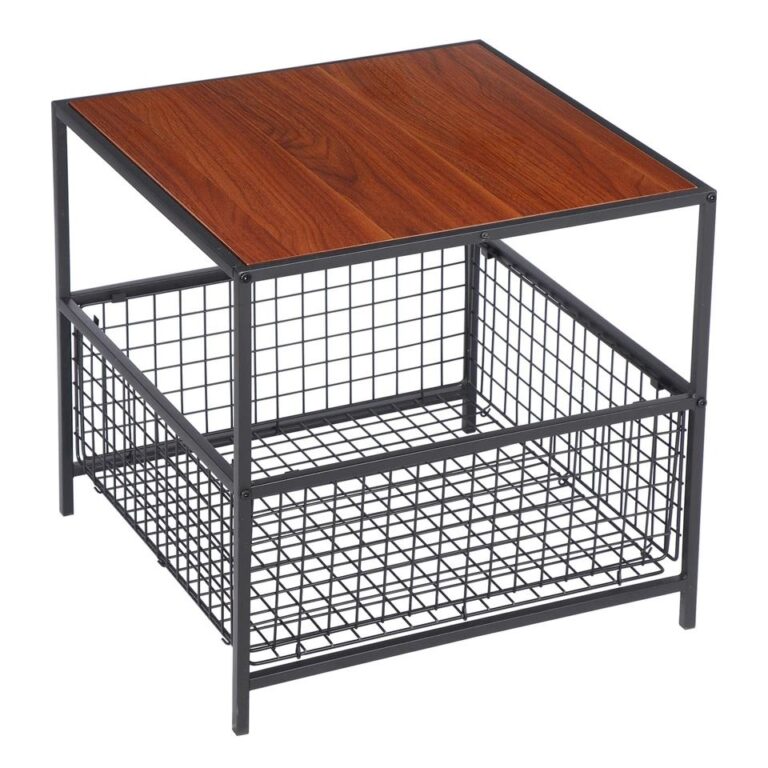
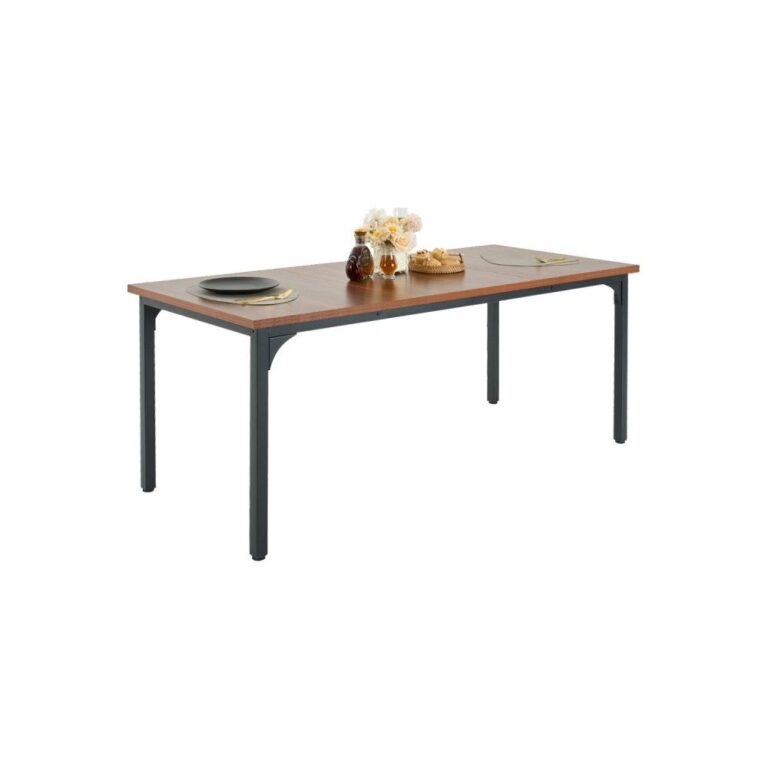 Aisha's pickGood Large Activity Tables That Don’t Cost a Fortune