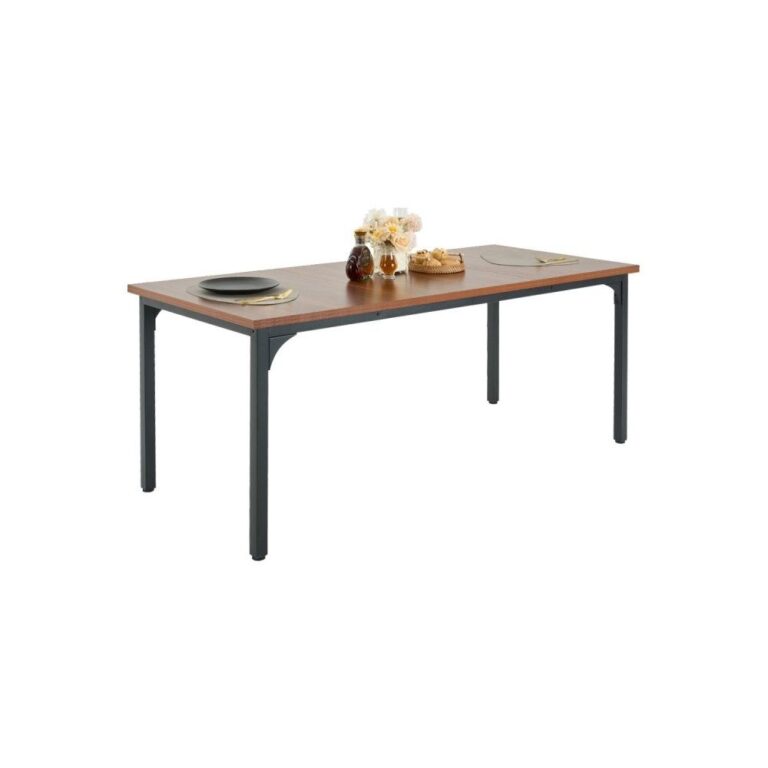
Stand next to one before you buy it and picture ten people actually sitting down, not six with elbows tucked in politely. A large dining table only earns the word "large" if it seats the whole extended crowd at Thanksgiving without someone balancing a plate on their knee in the next room, so go bigger than feels comfortable in the showroom. It will look smaller once it's surrounded by chairs and a centerpiece and someone's wine glass that's always about two inches from the edge.
In a real room, this kind of table wants calm around it, not competition. A simple rug underneath, a sideboard or buffet along one wall for serving dishes, and lighting that hangs low and centered rather than a ceiling fixture off to one side, that's about all it needs. Measure the room, not just the table, and leave at least three feet of clearance on all sides so chairs can pull out and people can walk behind someone eating without doing the sideways shuffle. The classic mistake is buying for the table's footprint alone and forgetting that eight chairs need to slide back at once, which turns a lovely table into an obstacle course. If your dining area is open to the kitchen or living room, make sure the table doesn't swallow the walkway between them, because nothing kills a room's flow like a dining table acting as a toll booth.
Where this size stops making sense is the smaller apartment or the room that doubles as an office three days a week. A table built for ten people in a space that fits six comfortably will dominate the room year round for the sake of two Thanksgivings. In that case, a smaller table with leaves you pull out for company is the honest answer, not the big one you'll apologize for every other day. Also worth saying, if you've got a narrow doorway or a tight stairwell, measure that too, because a one piece top that won't bend around a corner is a problem nobody thinks about until moving day.
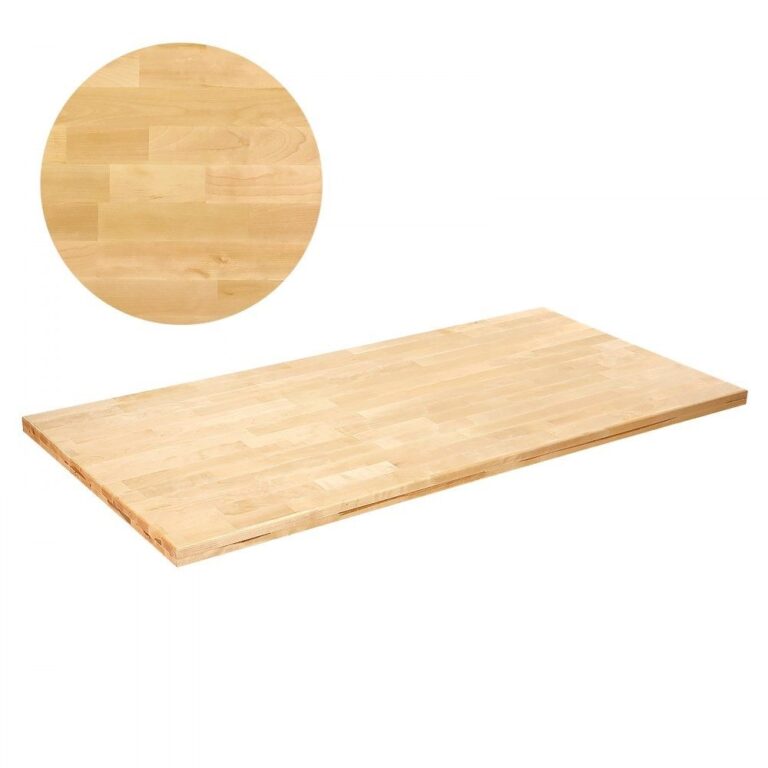
When you're actually looking at one in person, or standing in the doorway when it's delivered, check that the legs or pedestal don't fight with where people's knees actually go, run a hand along the underside for rough spots near the apron, and confirm the finish is sealed enough to survive a spilled glass of red without a panic grab for a coaster. Wood with some grain and a bit of texture hides daily life far better than a flawless white lacquer does.
I'd start with a warm, medium toned wood, something that reads lived in rather than precious from day one.
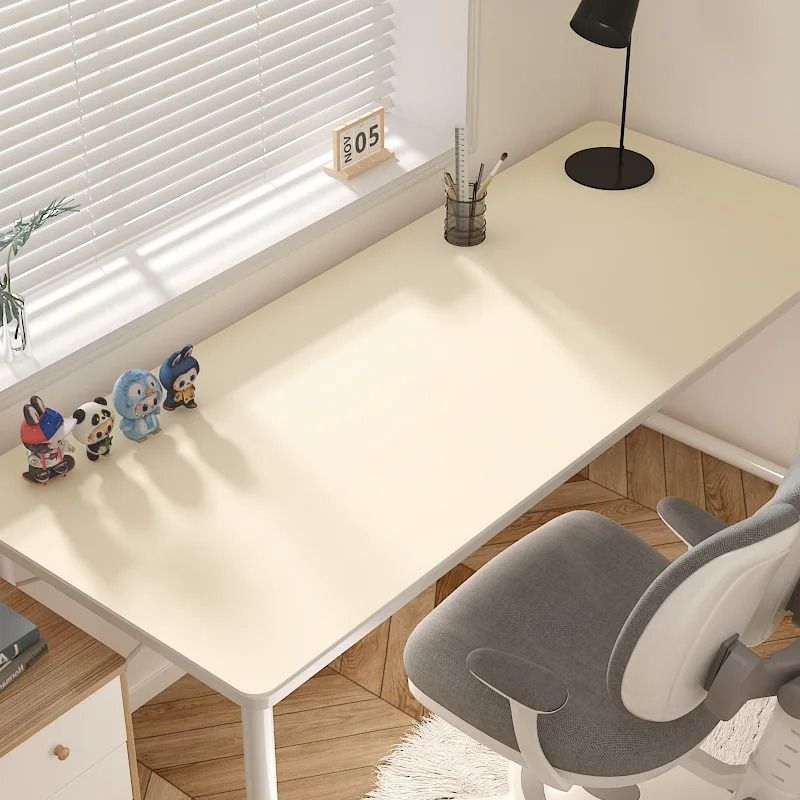 Aisha's pickLarge Kitchen Dining Tables That Clean Up With a Wipe
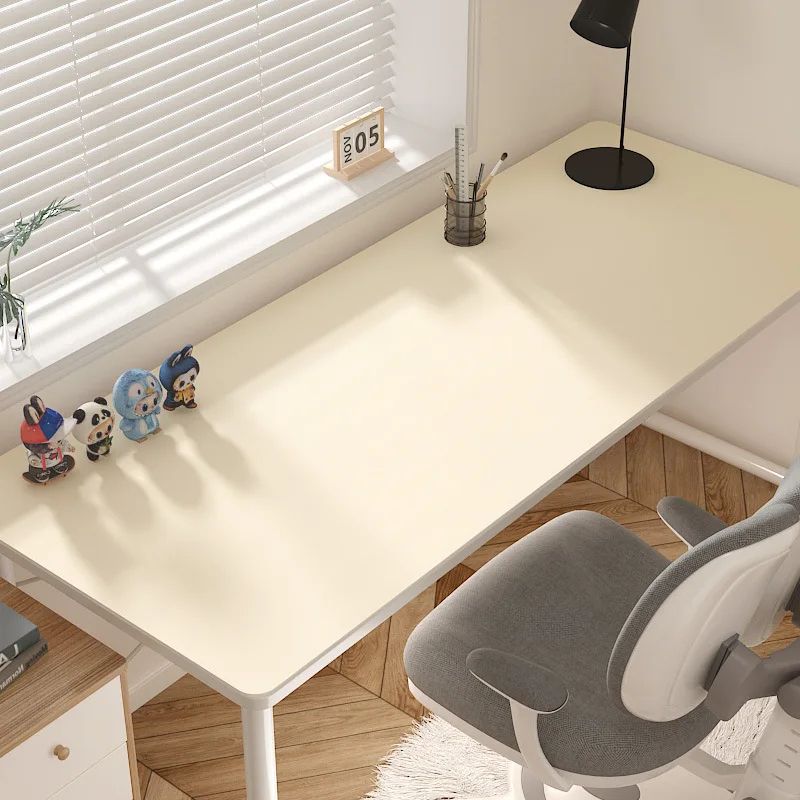
 Aisha's pickLarge Marble Dining Tables That Fit Where You Need Them
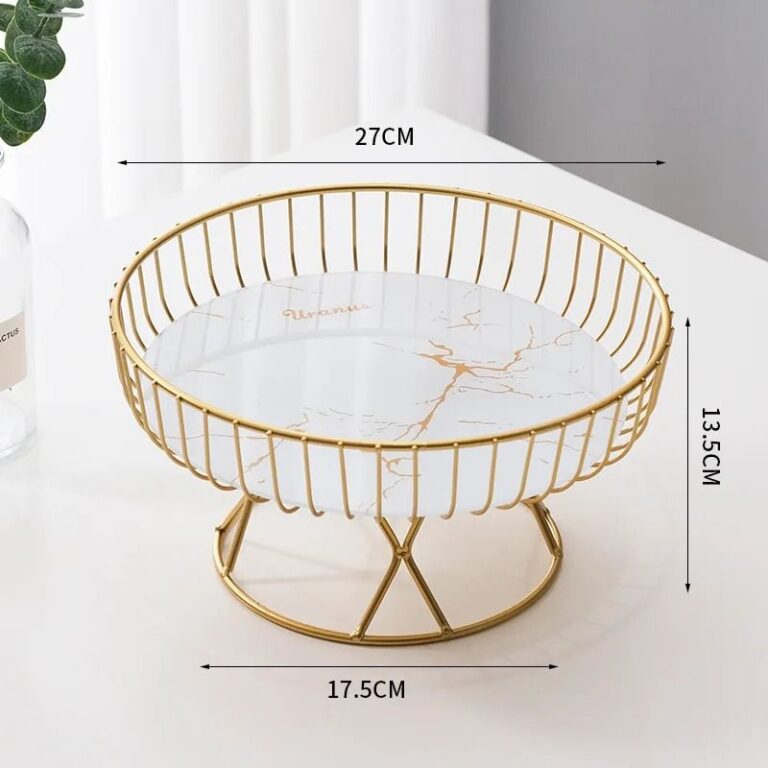
 Aisha's pickLarge Metal Dining Tables That Survive Hot Mugs and Spills
 Aisha's pickLarge Round Dining Tables That Take a Knock
 Aisha's pickLarge Solid Wood Dining Tables That Clean Up With a Wipe
 Aisha's pickLarge White Dining Sets That Hide the Odd Scratch
 Aisha's pickExtra Large Dining Sets for Long Dinners With Friends
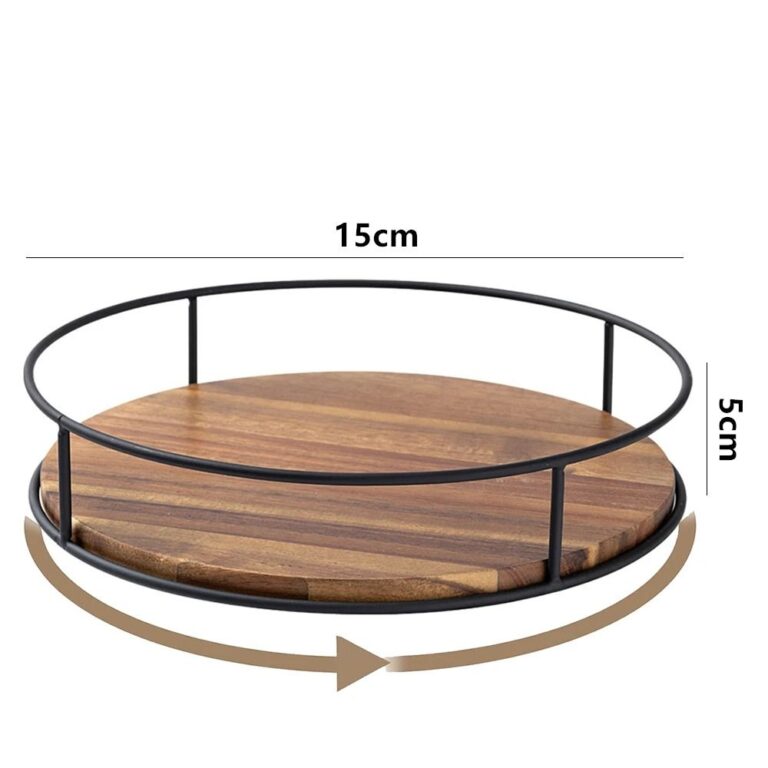 Aisha's pickExtra Large Dining Tables With Room for Everything You Put Down

 Aisha's pickLarge Black Dining Tables That Get the Family Around the TableAlso worth a lookLarge TablesThe question I get most is whether a big table will actually swallow the room, and the honest…See the collections →
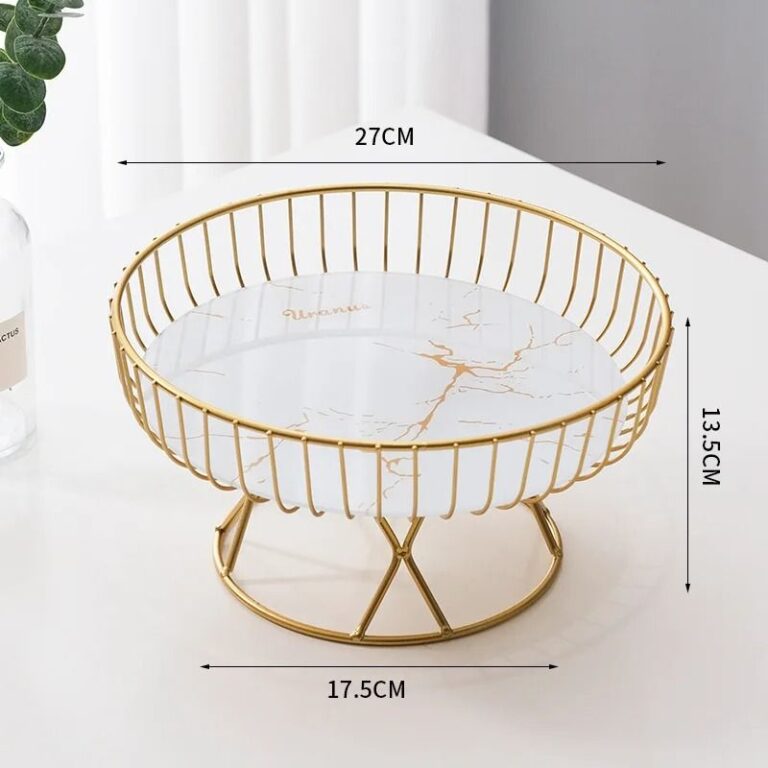
 Aisha's pickLarge Dining Sets That Survive Hot Mugs and Spills
 Aisha's pickLarge Dining Tables You’ll Still Like in Five Years