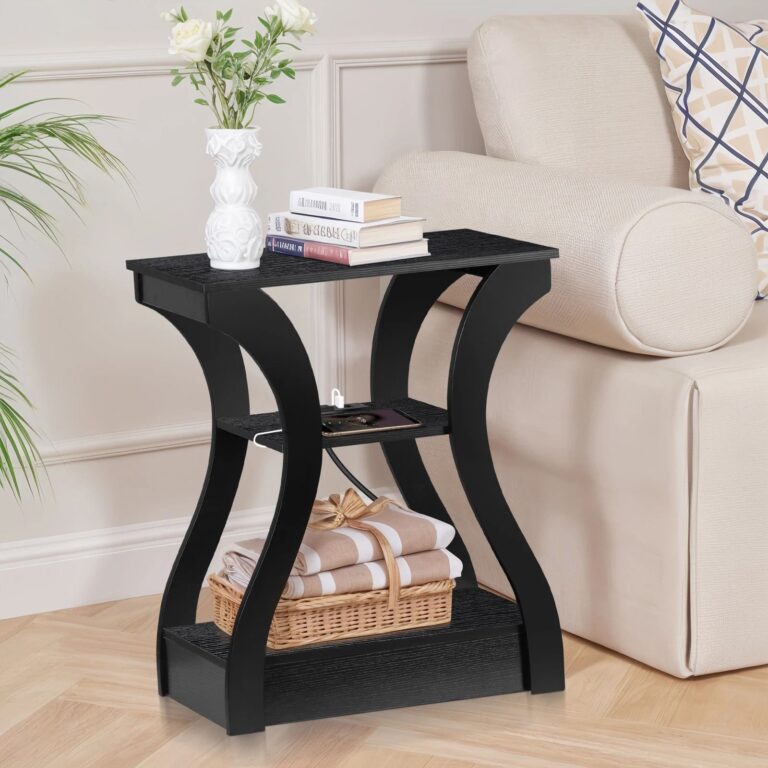
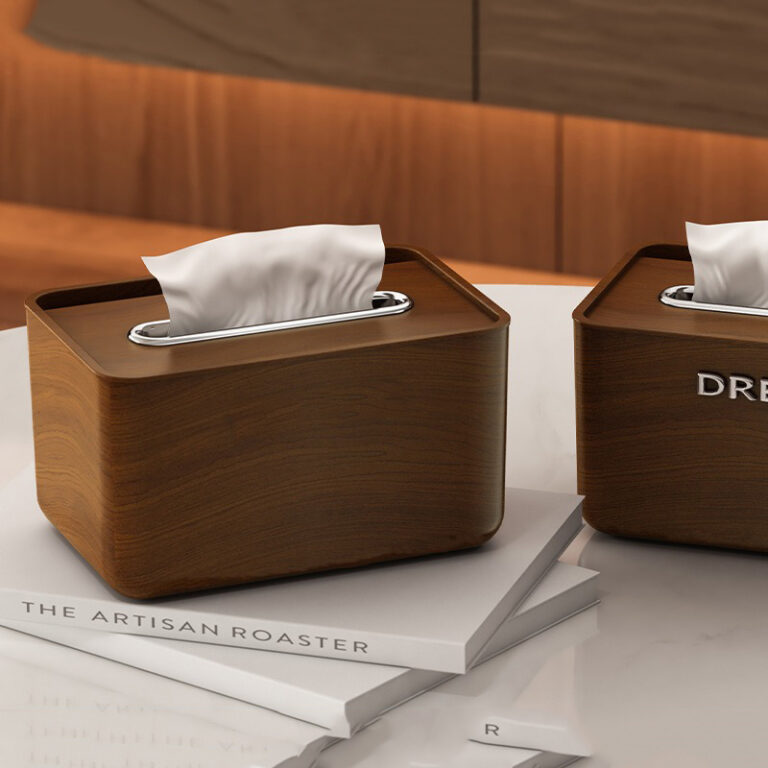
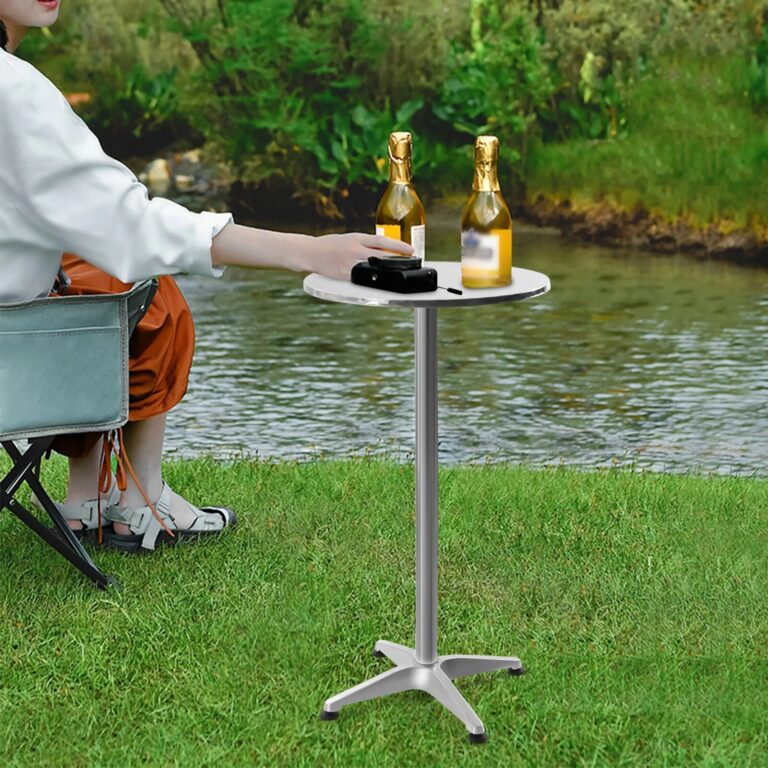
The thing nobody tells you about contemporary tables is that the finish can lie to you under shop lighting. That matte concrete look or the pale ash top can read as cool and solid in a showroom, then come home and show every water ring and coffee cup within a month. Still worth it, though, because when the shape and the proportions are right, a contemporary table does more to make a room feel put together than almost anything else you'll buy.
Over time these tables tend to wear in one of two ways, and it depends almost entirely on the top. Solid wood with an oil finish will pick up small marks and dings but they blend in, and a light sand and reoil once a year keeps it looking lived in rather than tired. Veneers and lacquered finishes stay pristine looking for longer, right up until something chips or a hot pan leaves a cloudy ring, and then there's no fixing it, only covering it up with a runner and pretending. So wipe spills fast, use coasters even when you feel silly doing it, and if you have kids or a dog that treats furniture as a racetrack, lean wood over anything glossy. Metal legs, which show up a lot in this style, hold their shape forever but the joints where they meet the top are where cheap ones fail first, so that's where to look.
When you're in the shop, or the day it's delivered, put your hand flat under the top and push sideways, gently, to feel for wobble in the leg fixings. Run a finger along any edge that's meant to be sharp and clean, contemporary design loves a crisp edge, and a cheap one will feel slightly rounded or uneven where it was cut in a hurry. Check the underside for the finish continuing a few inches in, rather than stopping abruptly, which tells you whether they bothered finishing what you won't see. And always check the actual height against your existing chairs before anything leaves the van, because a table that looks fine in a photo can sit two inches wrong with the seating you already own.
These tables suit open plan spaces and smaller apartments more than grand dining rooms, since the clean lines don't need a big room to make their case. They also read better in homes with some warmth already in them, a rug, some wood, plants, because a cold room with a cold table just looks like a waiting area.
Measure your space with the chairs pulled out as if someone's sitting in them, not just the table footprint on its own.
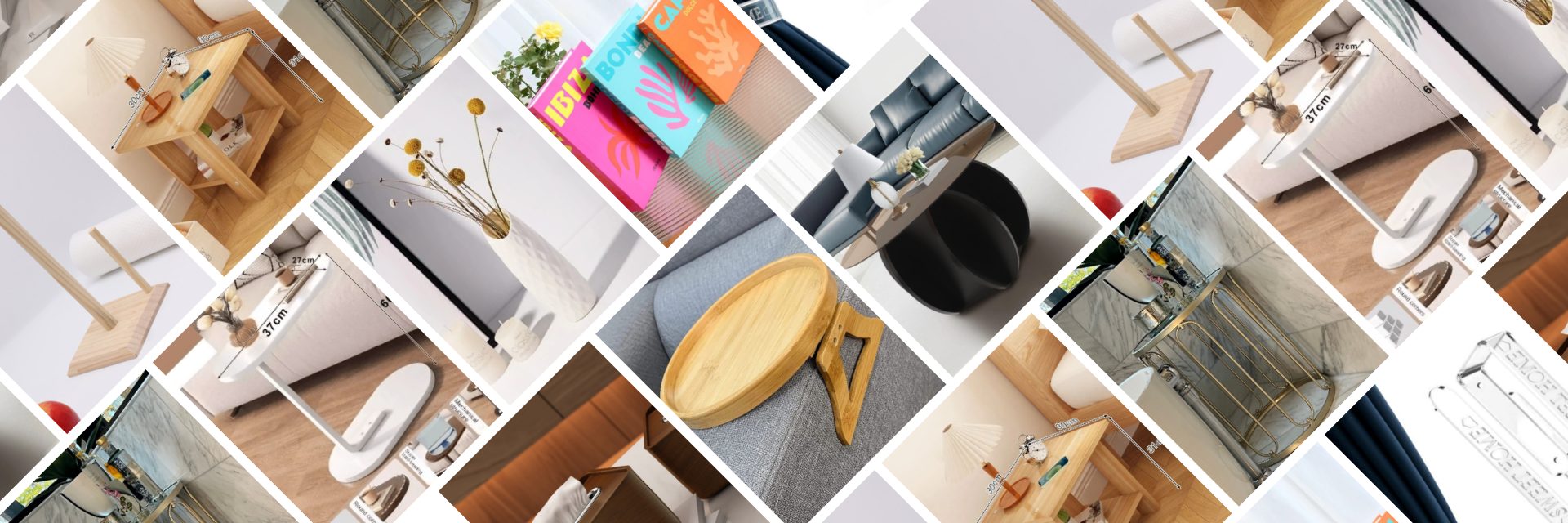
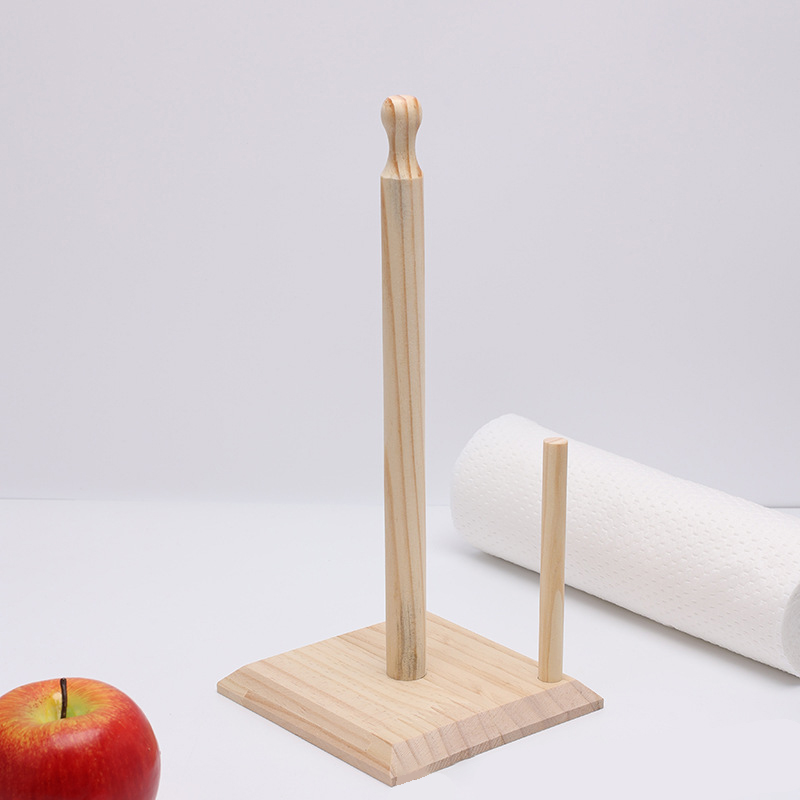 Aisha's pickContemporary Kitchen Dining Tables That Get Better With Age
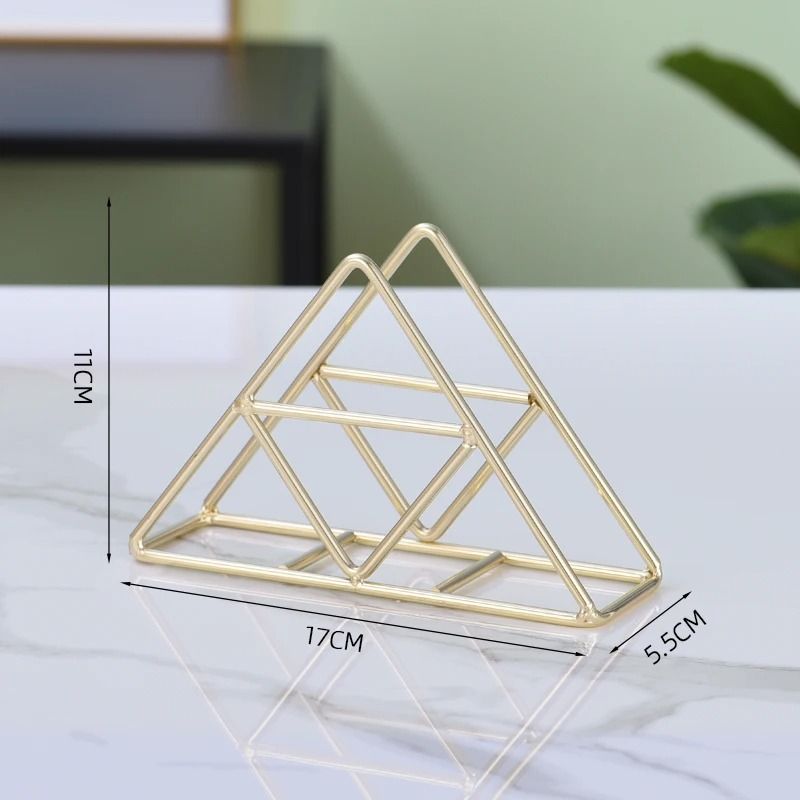
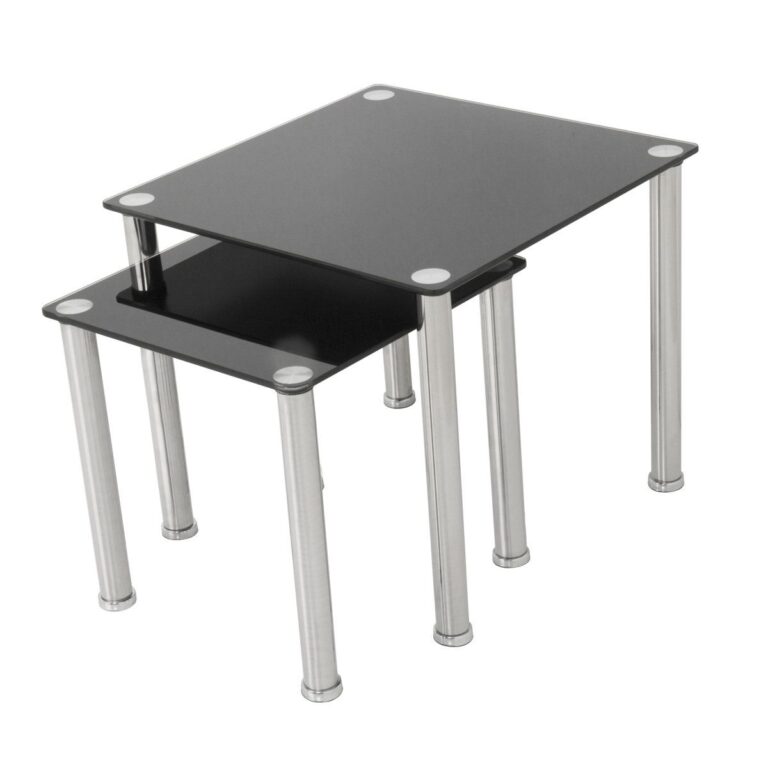
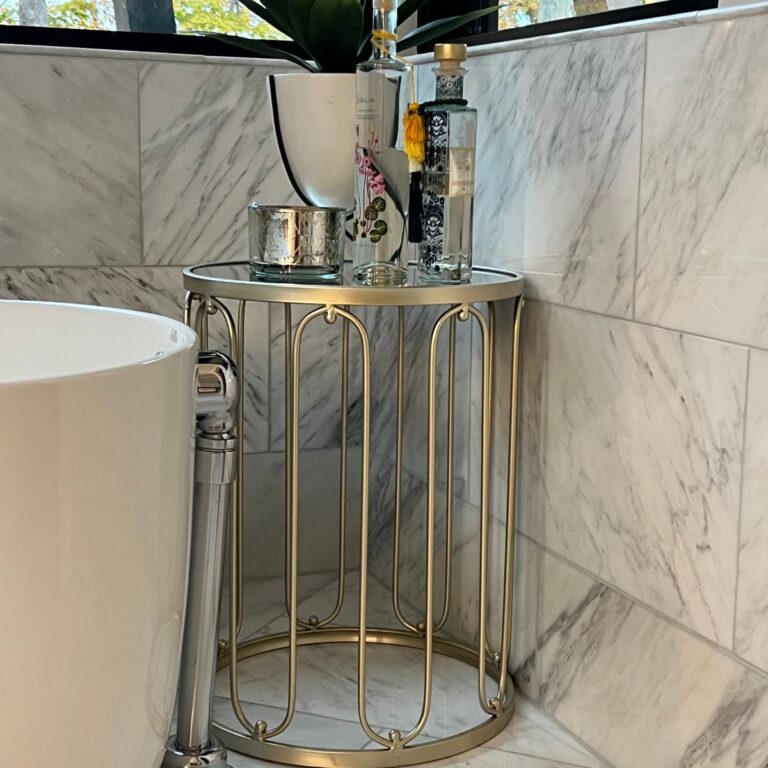 Aisha's pickContemporary Nesting Tables Picked From the Stores We Trust
 Aisha's pickContemporary Metal Dining Sets That Anchor a Room
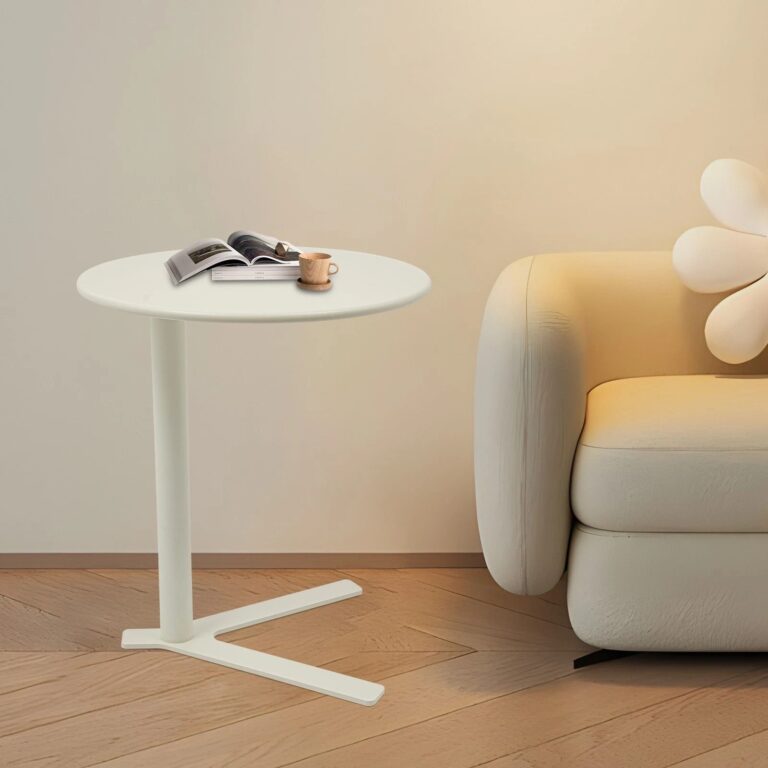 Aisha's pickContemporary Round Table and Chair Sets for Long Dinners With Friends
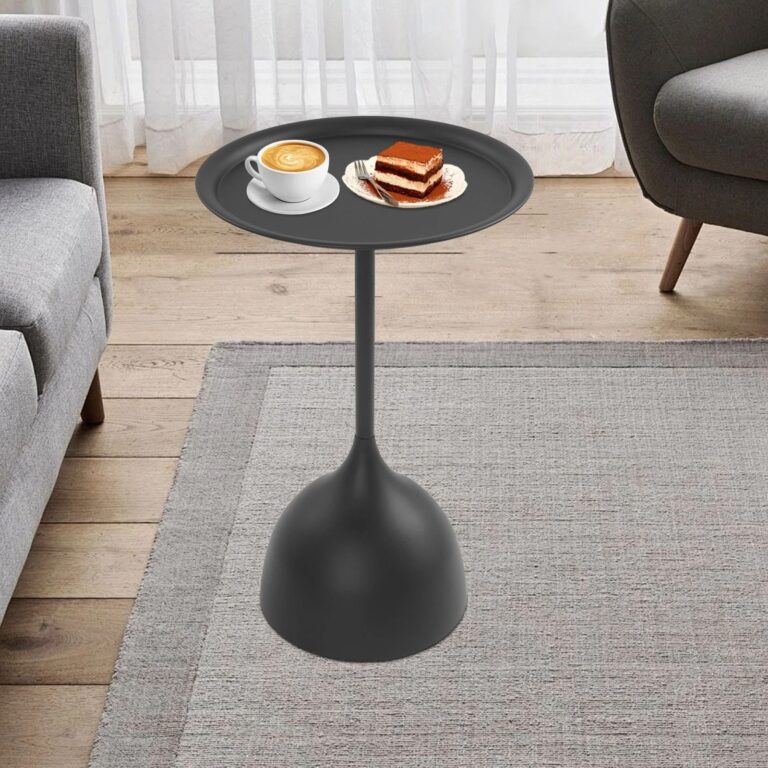
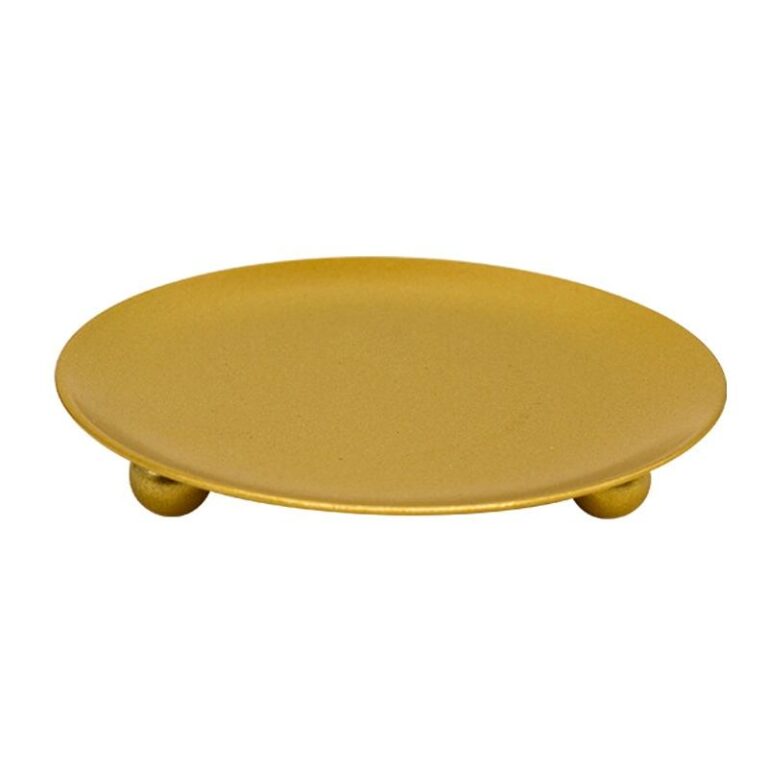 Aisha's pickSimple Contemporary Metal Dining Tables Done Well
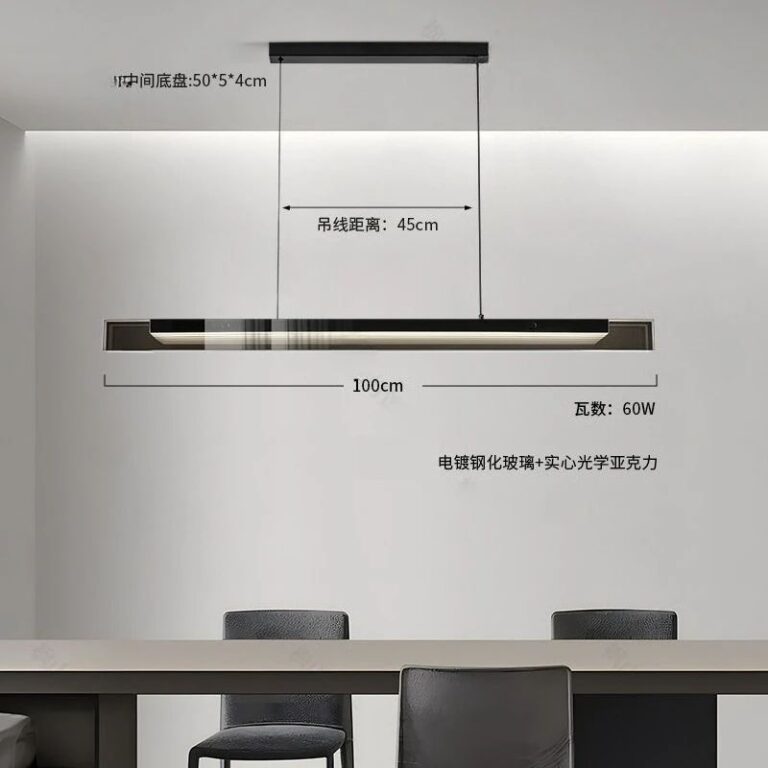
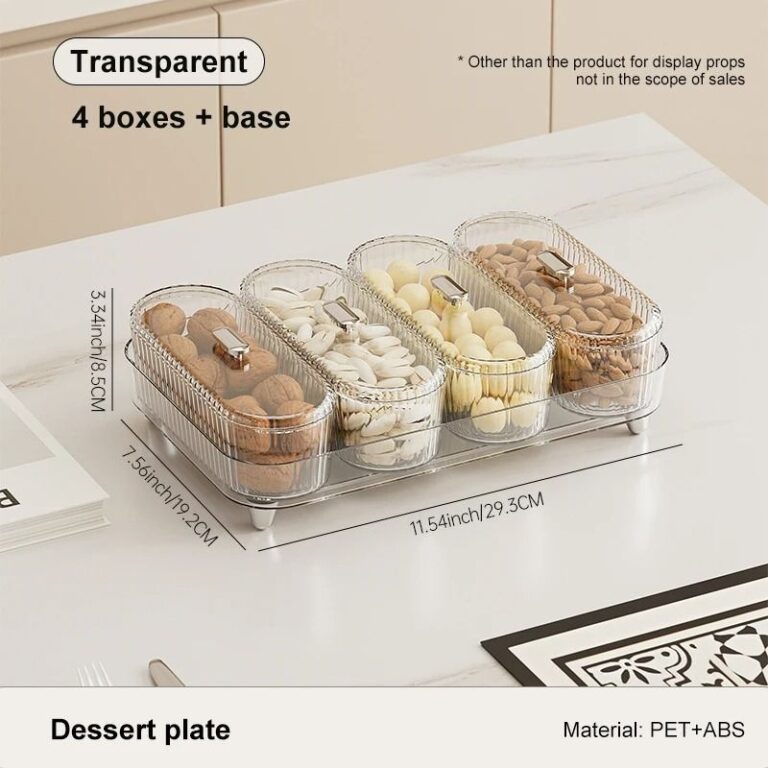 Aisha's pickContemporary Serving Tables From Stores Big and Small
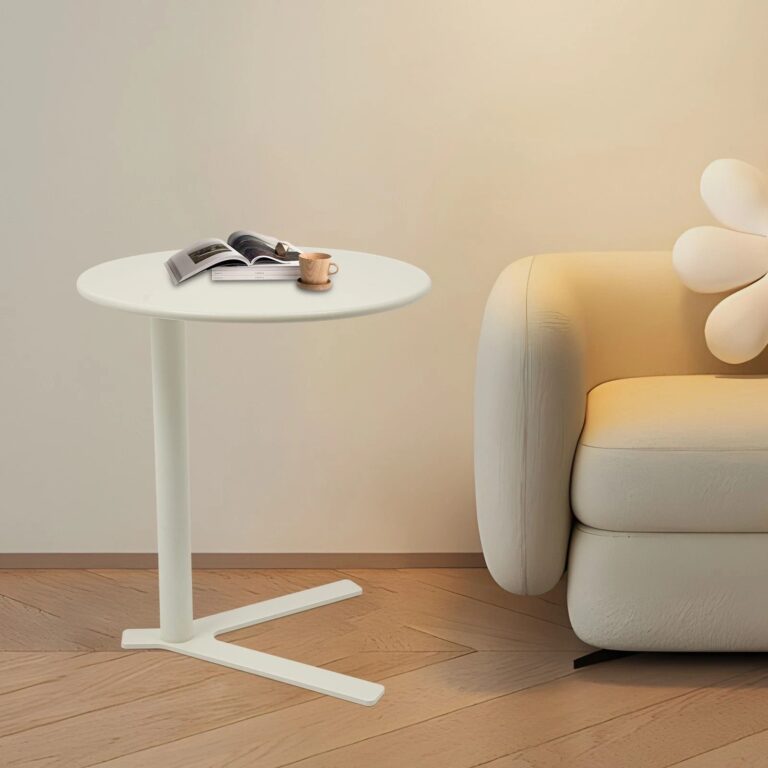
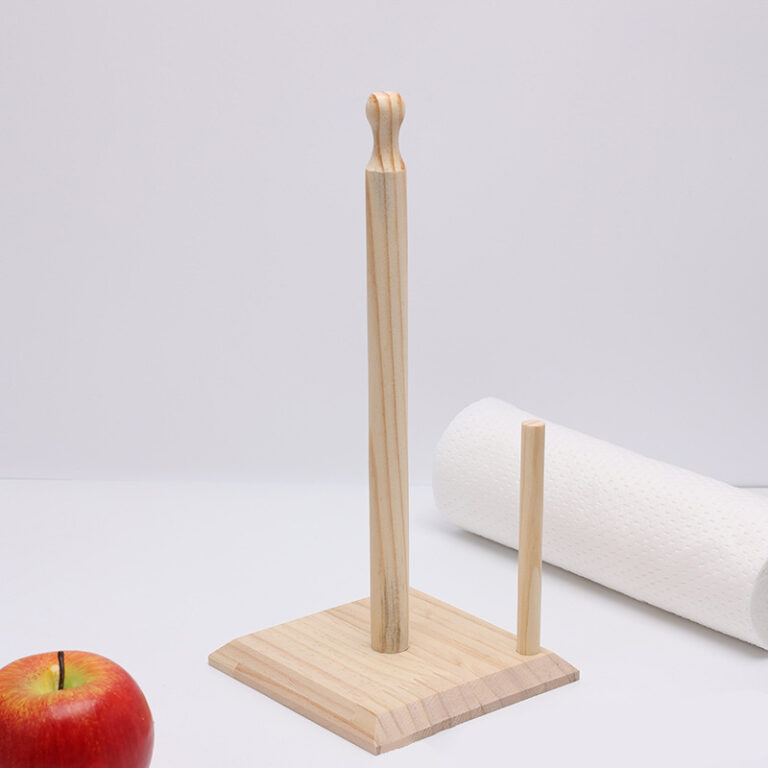 Aisha's pickContemporary Solid Wood Dining Tables We’d Buy Again
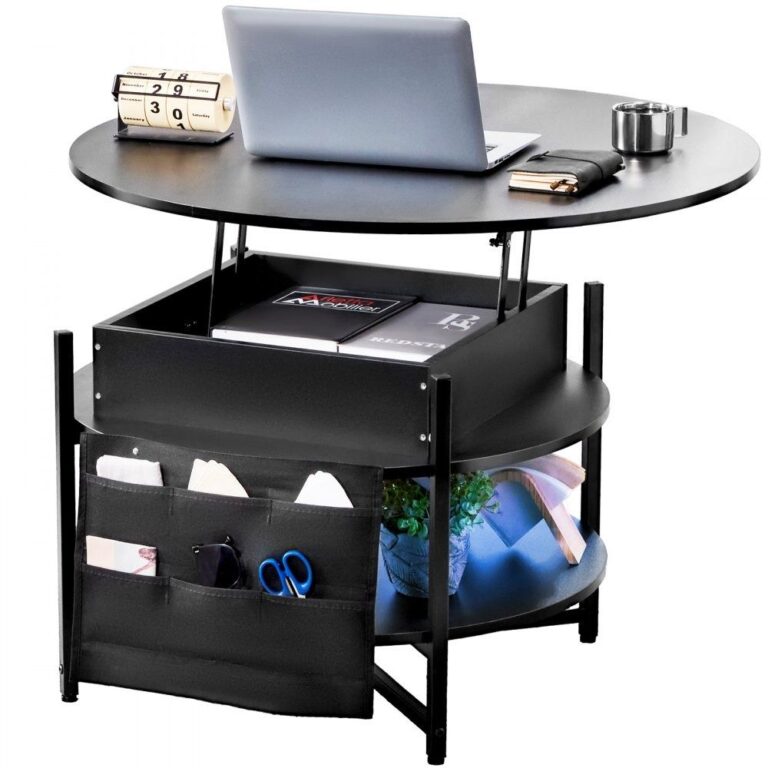
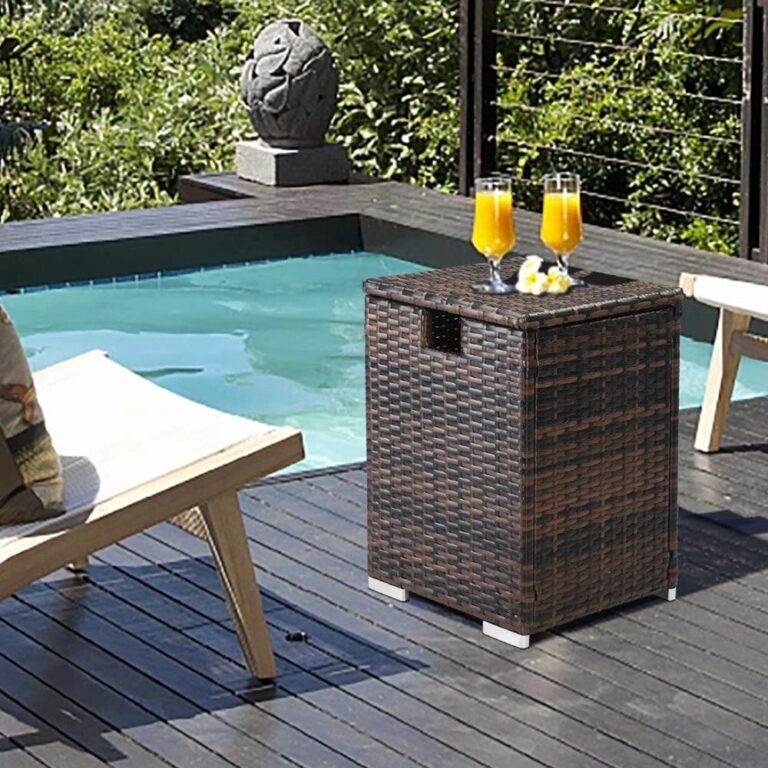 Aisha's pickContemporary Side Tables That Fit Where You Need Them
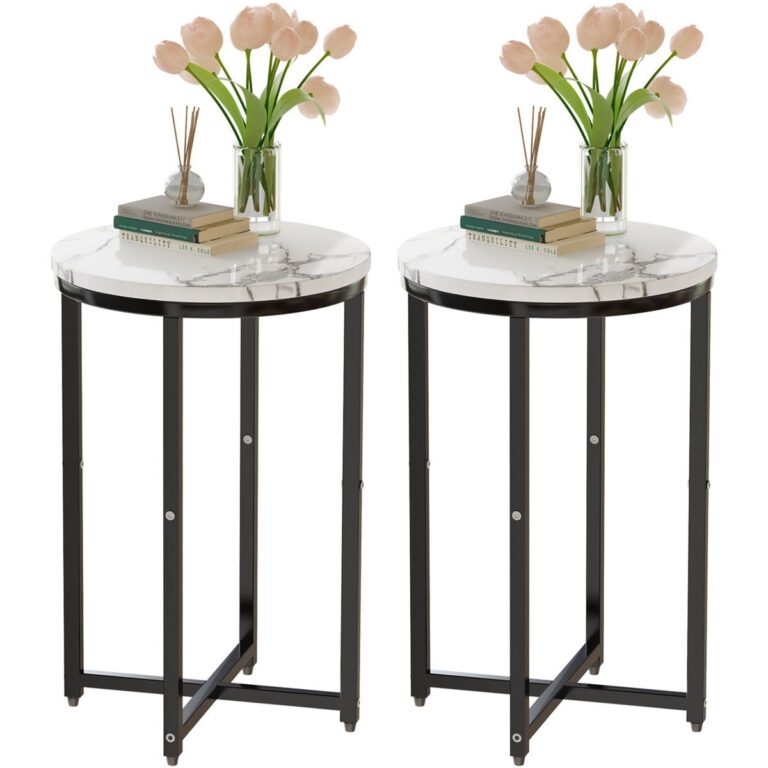
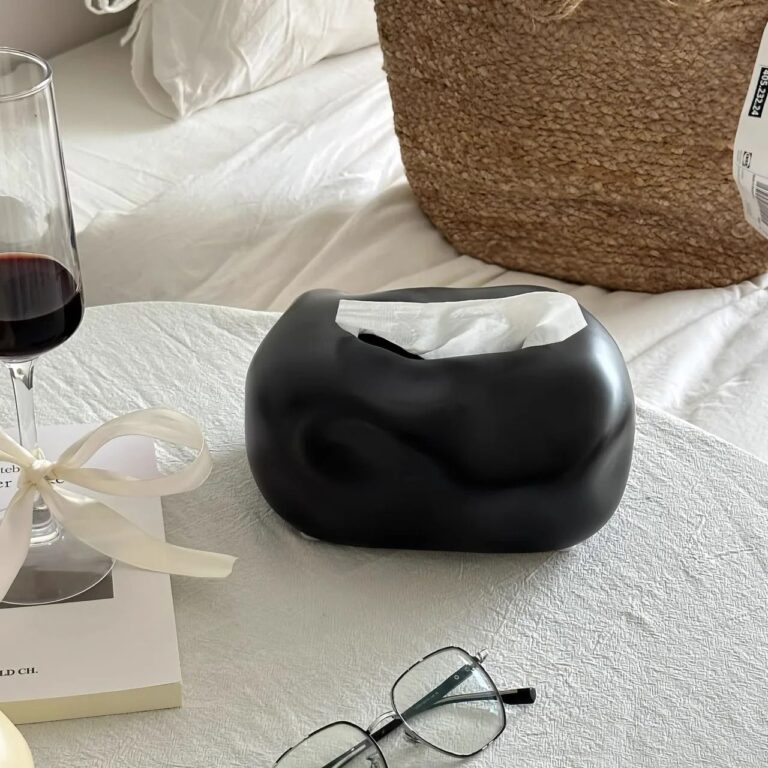 Aisha's pickContemporary Accent Tables We Keep Coming Back ToAlso worth a lookContemporary Dining TablesWhat you don't notice in the shop is how a table actually sounds when your house is full.See the collections →
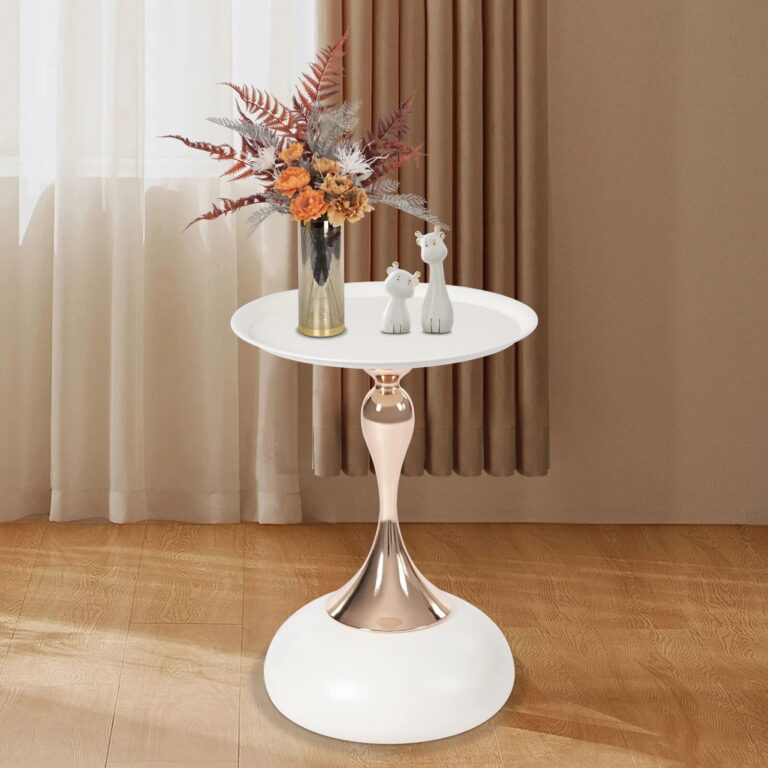
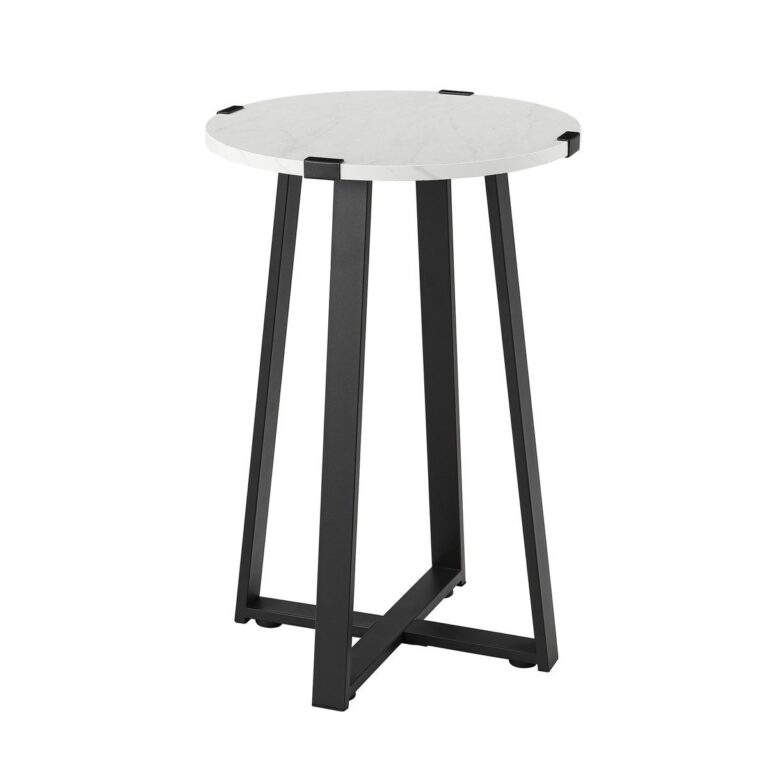 Aisha's pickContemporary Table and Chair Sets With Real Back Support

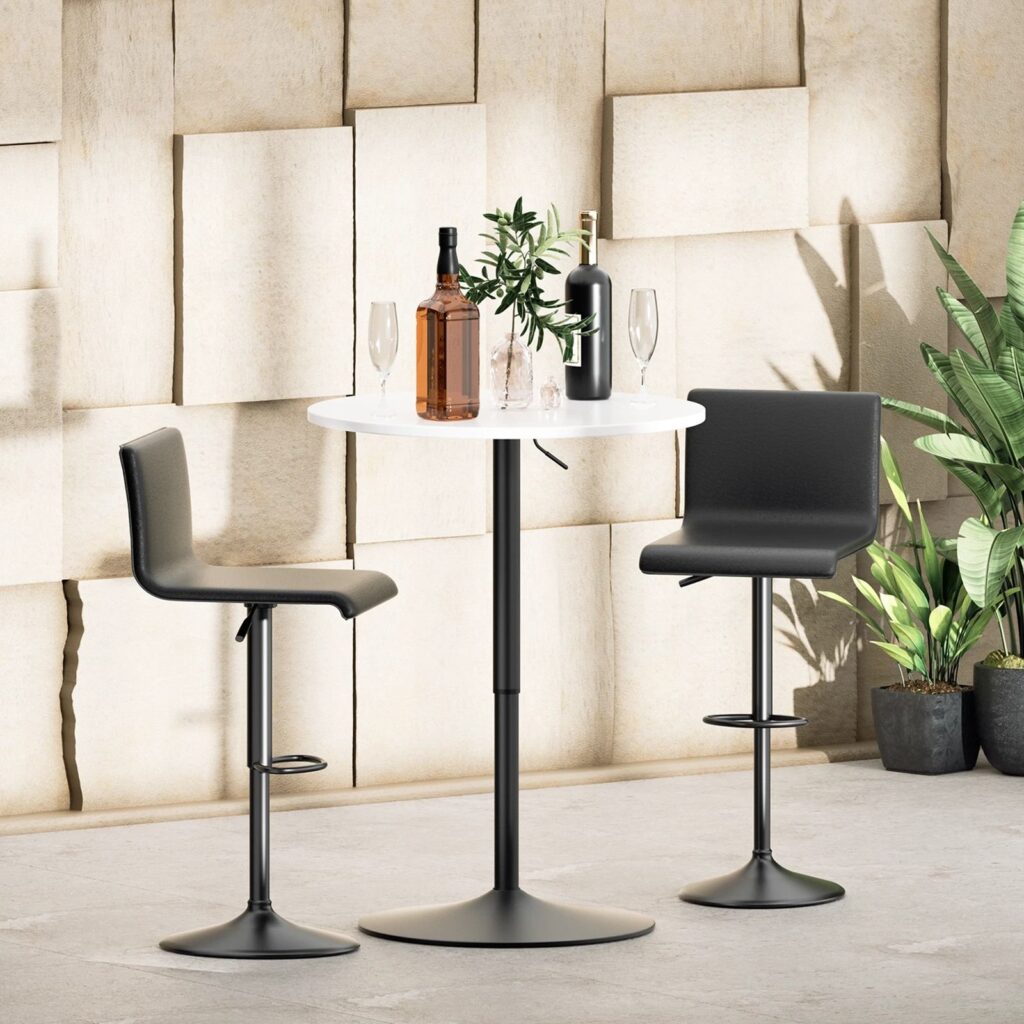 Aisha's pickContemporary Bar Tables for When the Old Ones Give Up
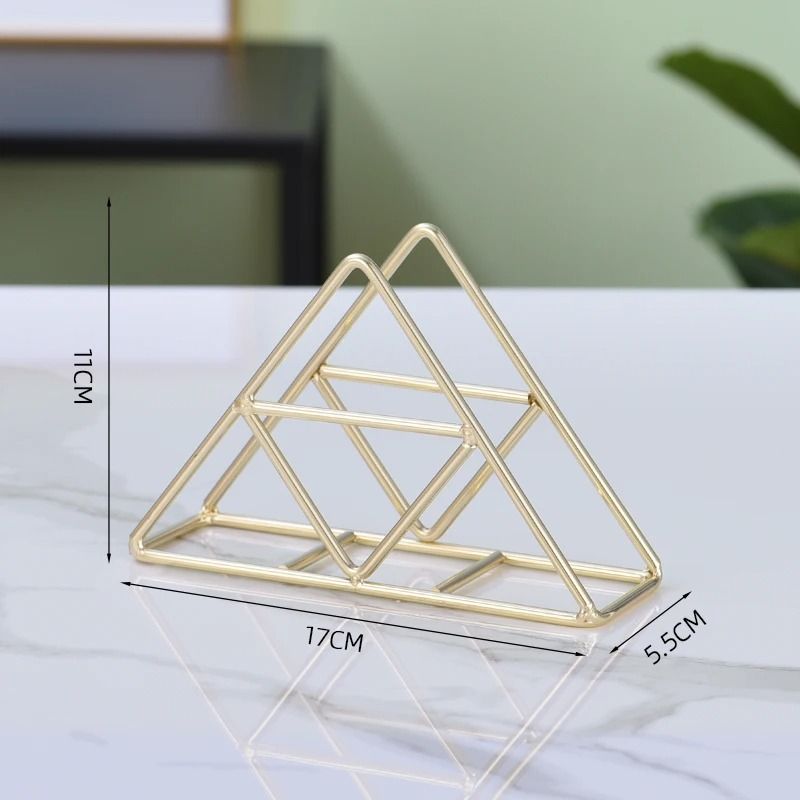
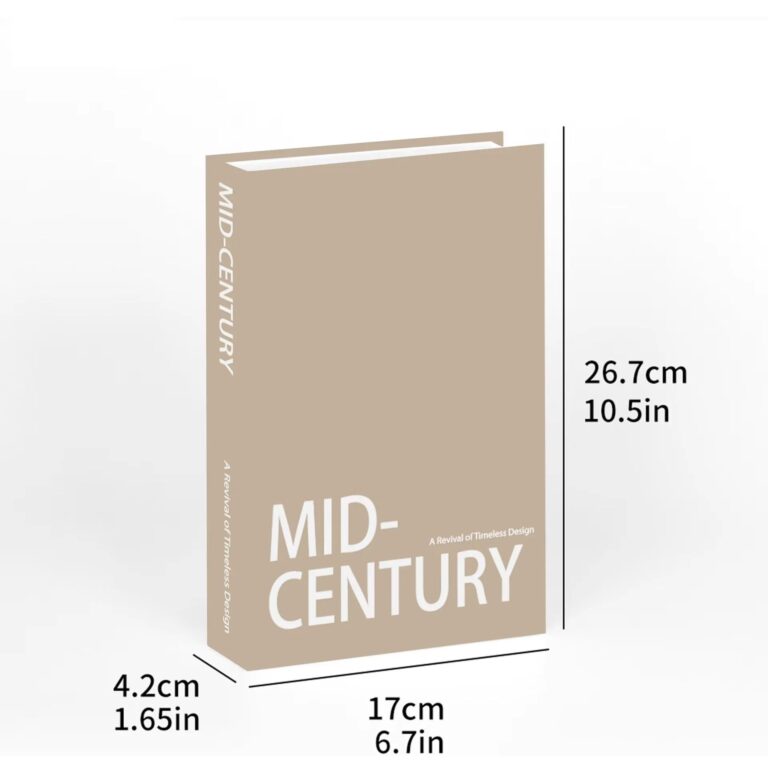 Aisha's pickSets of 3 Contemporary Tables That Fit Where You Need Them
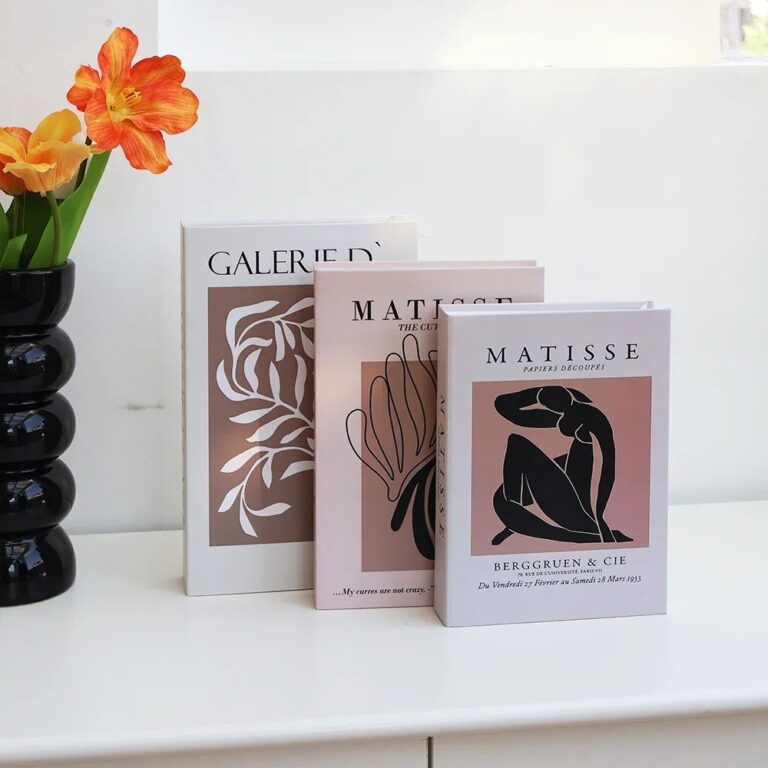
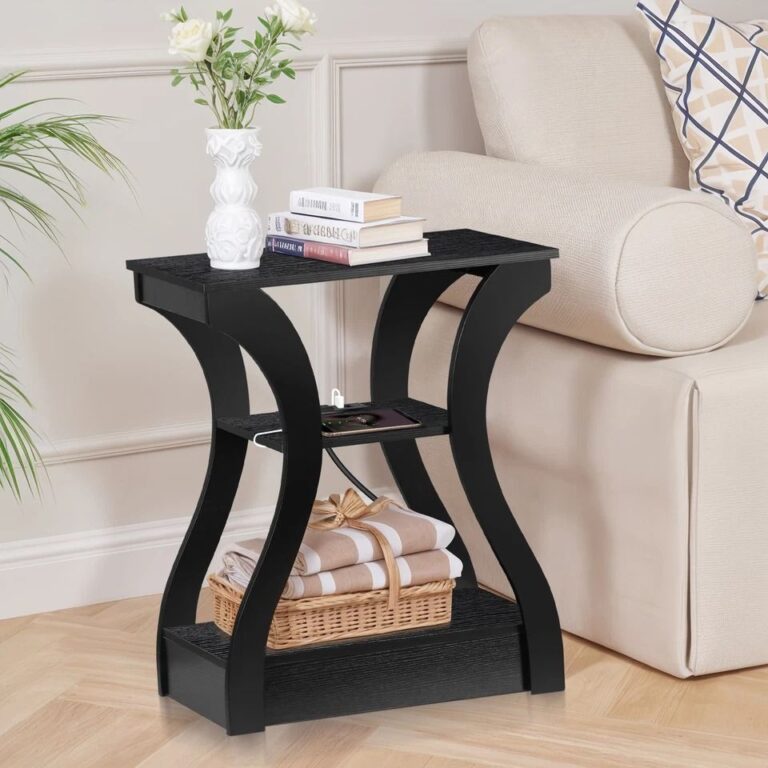 Aisha's pickContemporary Nightstands That Make the Bedroom Feel Finished
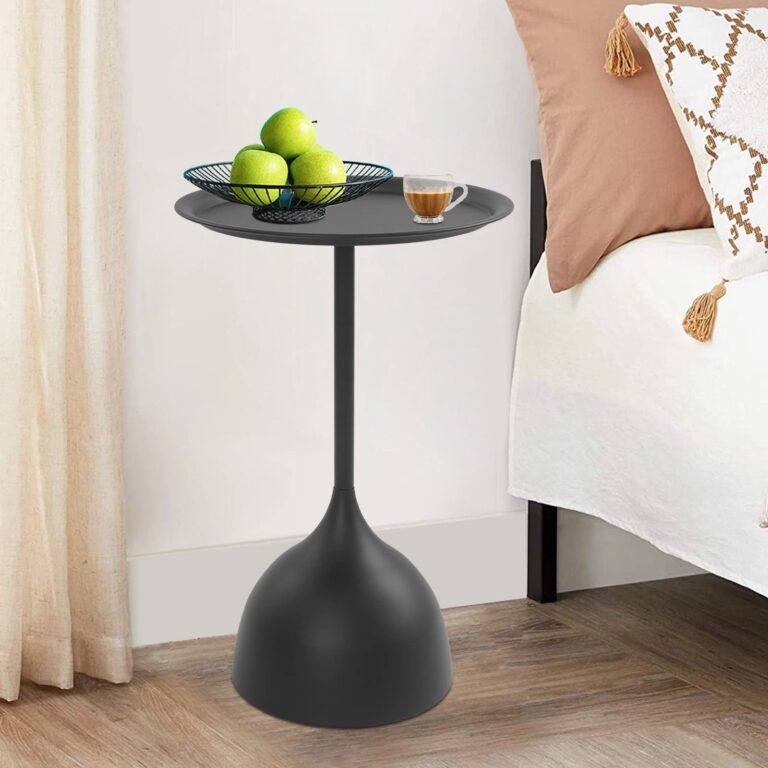
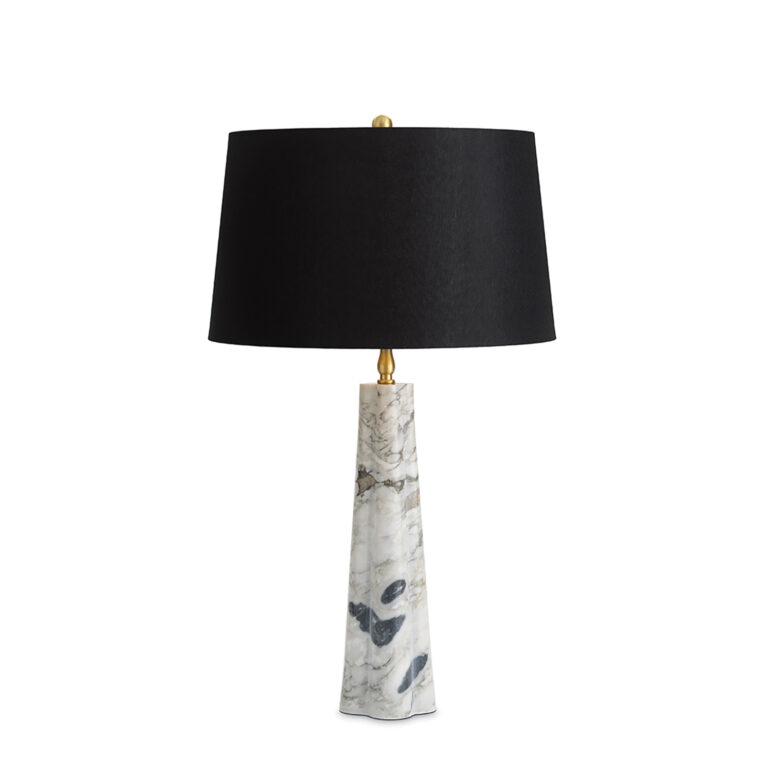 Aisha's pickContemporary Brass Lamp Tables With Room for Everything You Put Down
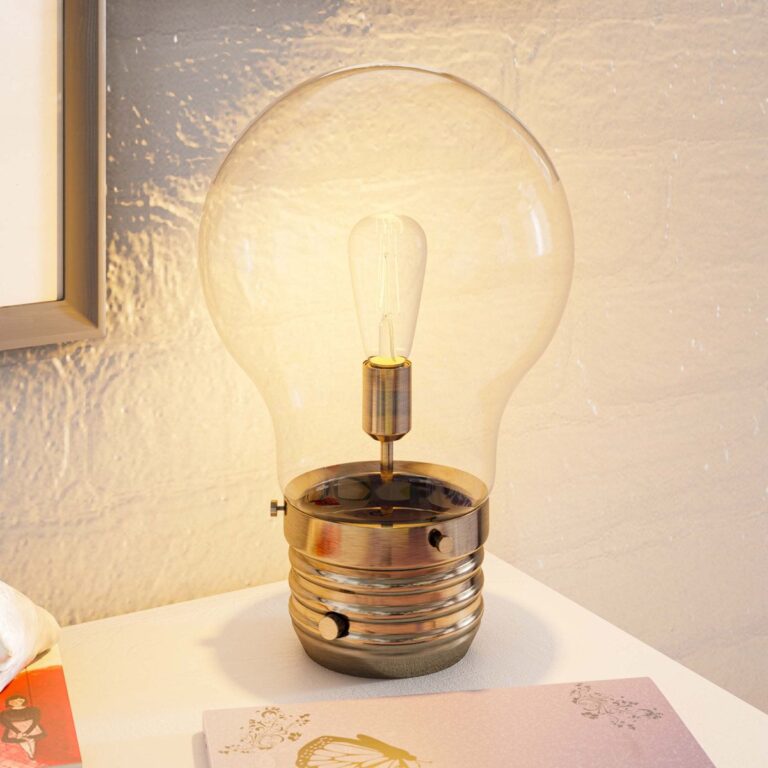
 Aisha's pickContemporary Breakfast Tables That Clean Up With a Wipe
 Aisha's pickContemporary Black Metal Dining Tables We Use Every Single Day
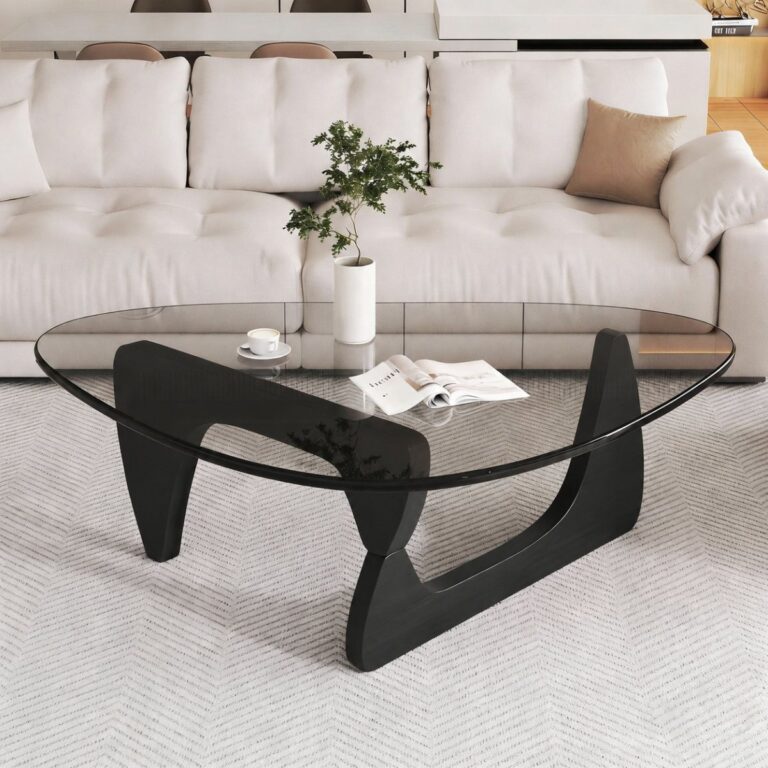 Aisha's pickContemporary Coffee Tables That Anchor a Room
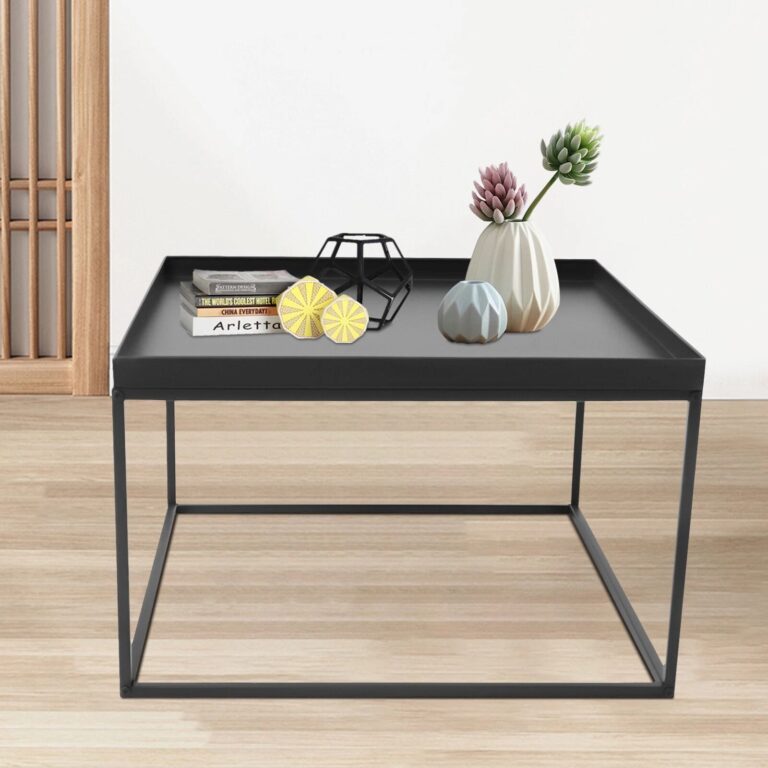
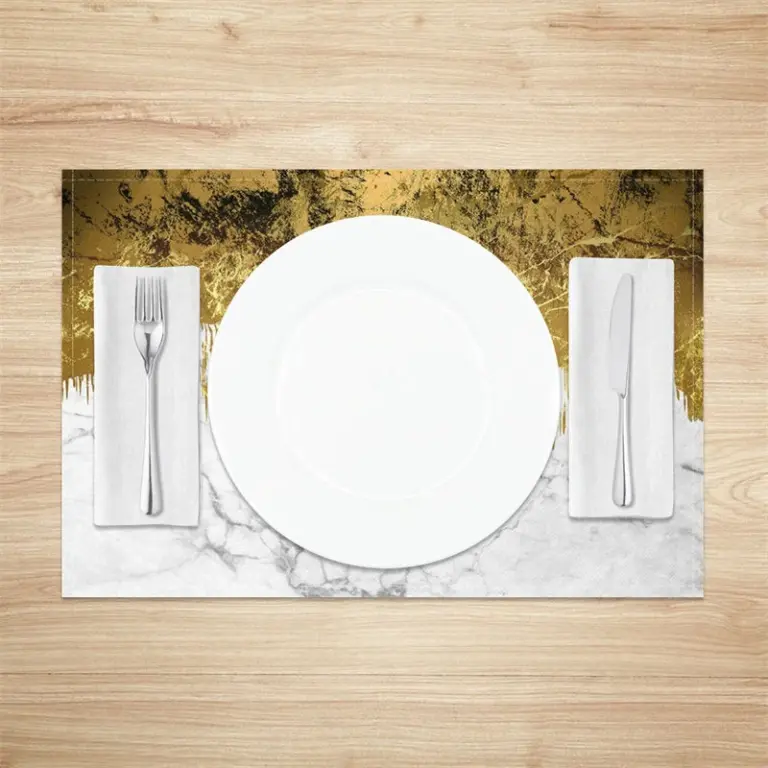 Aisha's pickContemporary Dining Sets That Get the Family Around the TableAlso worth a lookVintage TablesThere's a particular kind of late fall afternoon, light going gold and low through the windows, when an…See the collections →
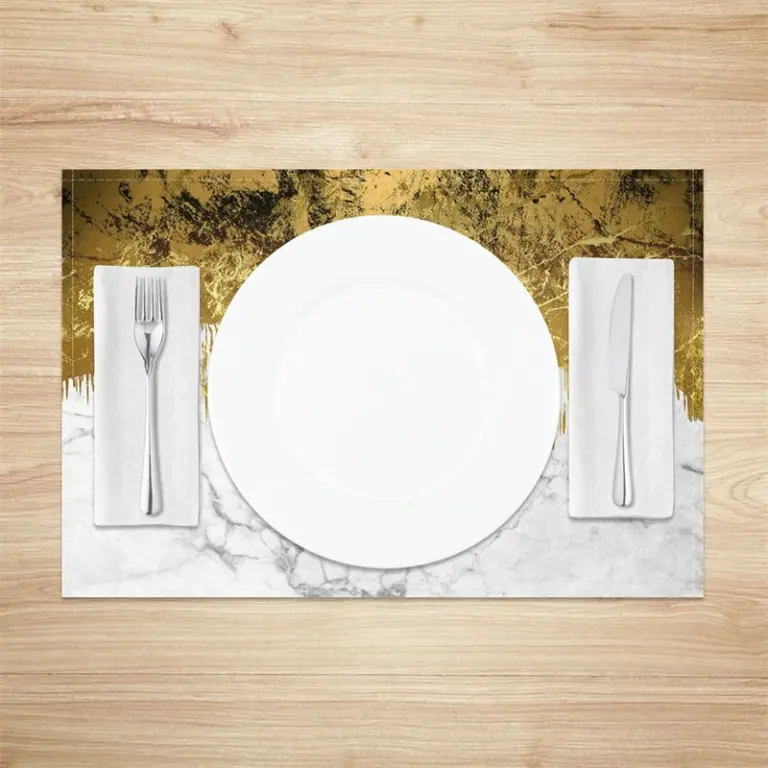
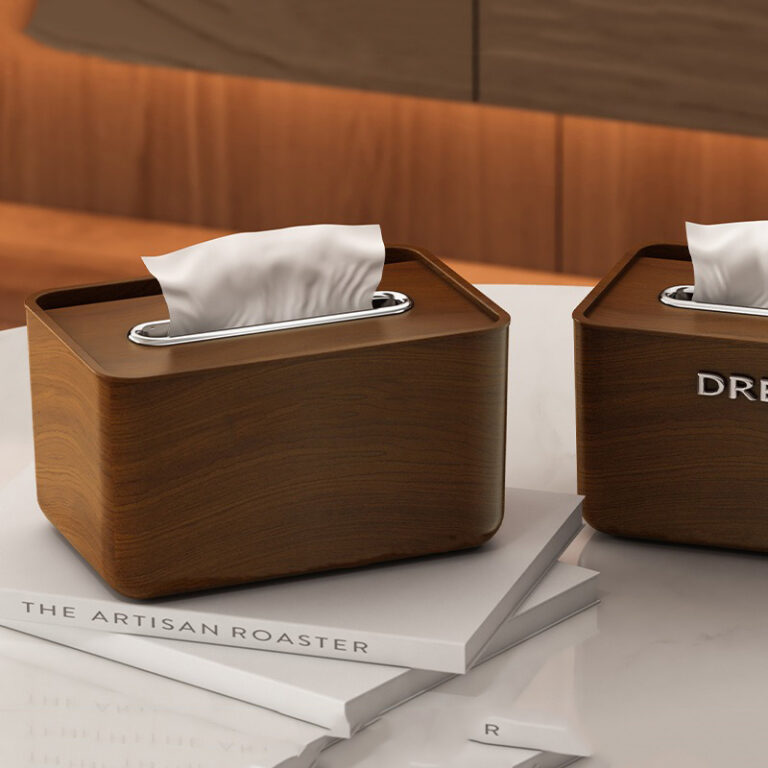 Aisha's pickContemporary Dining Room Tables Big Enough for Sunday Dinner
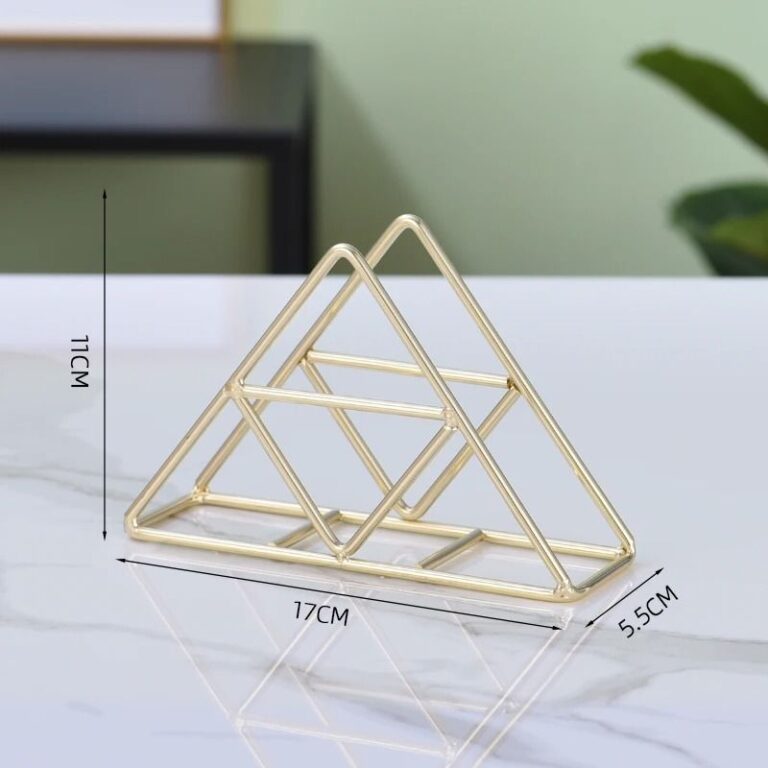
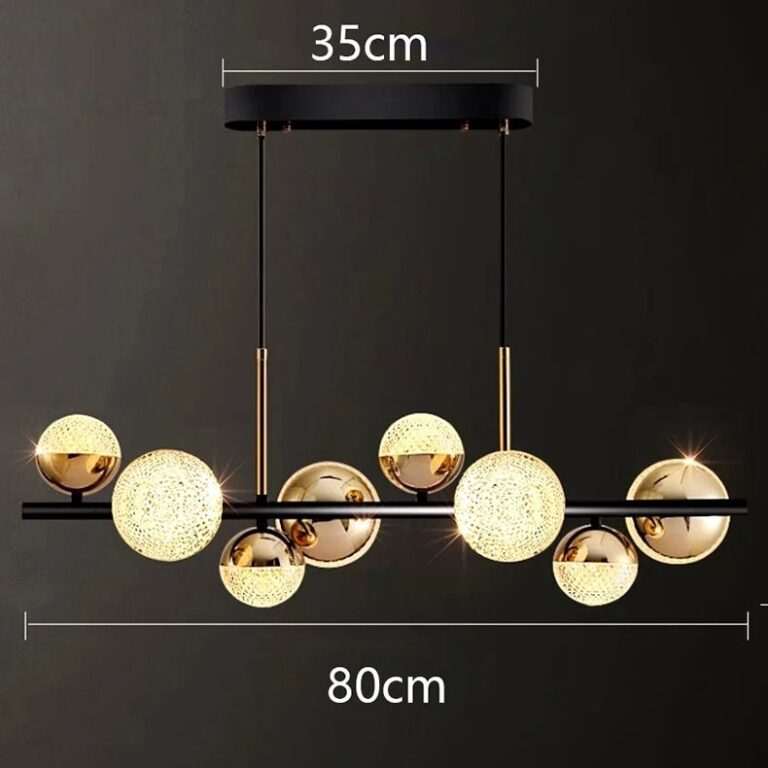 Aisha's pickContemporary Dining Tables That Don’t Need Babying
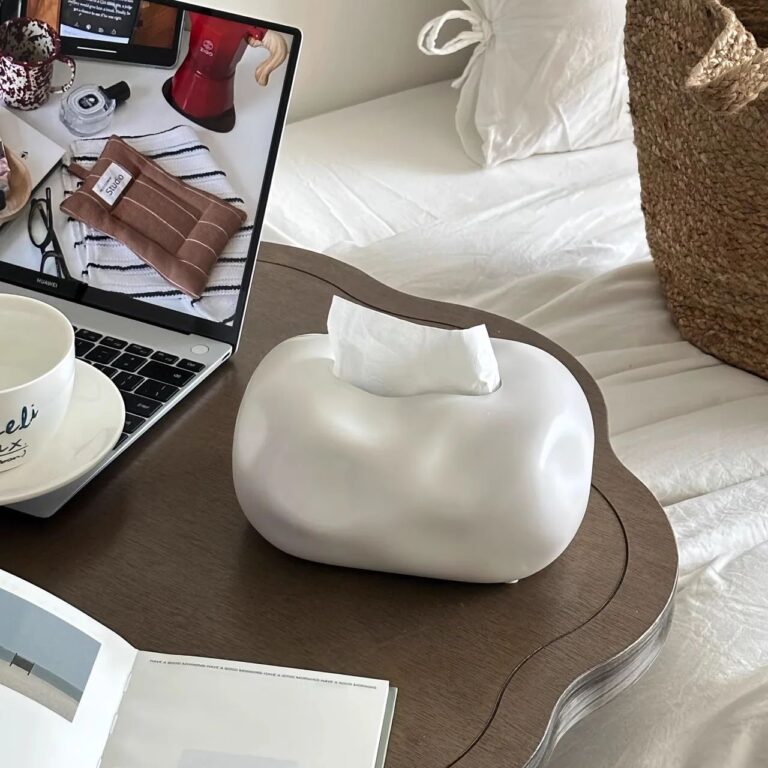
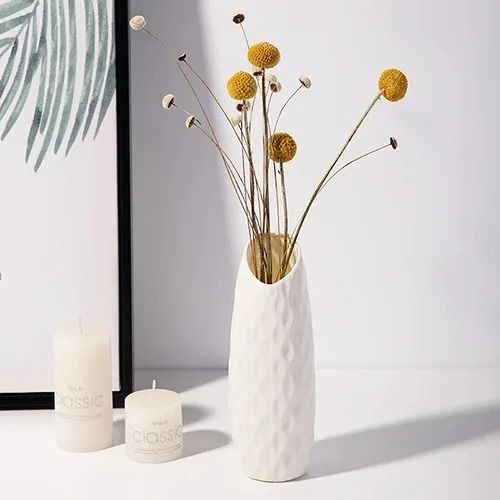 Aisha's pickContemporary Glass Coffee Tables for Movie Nights and Slow Sundays
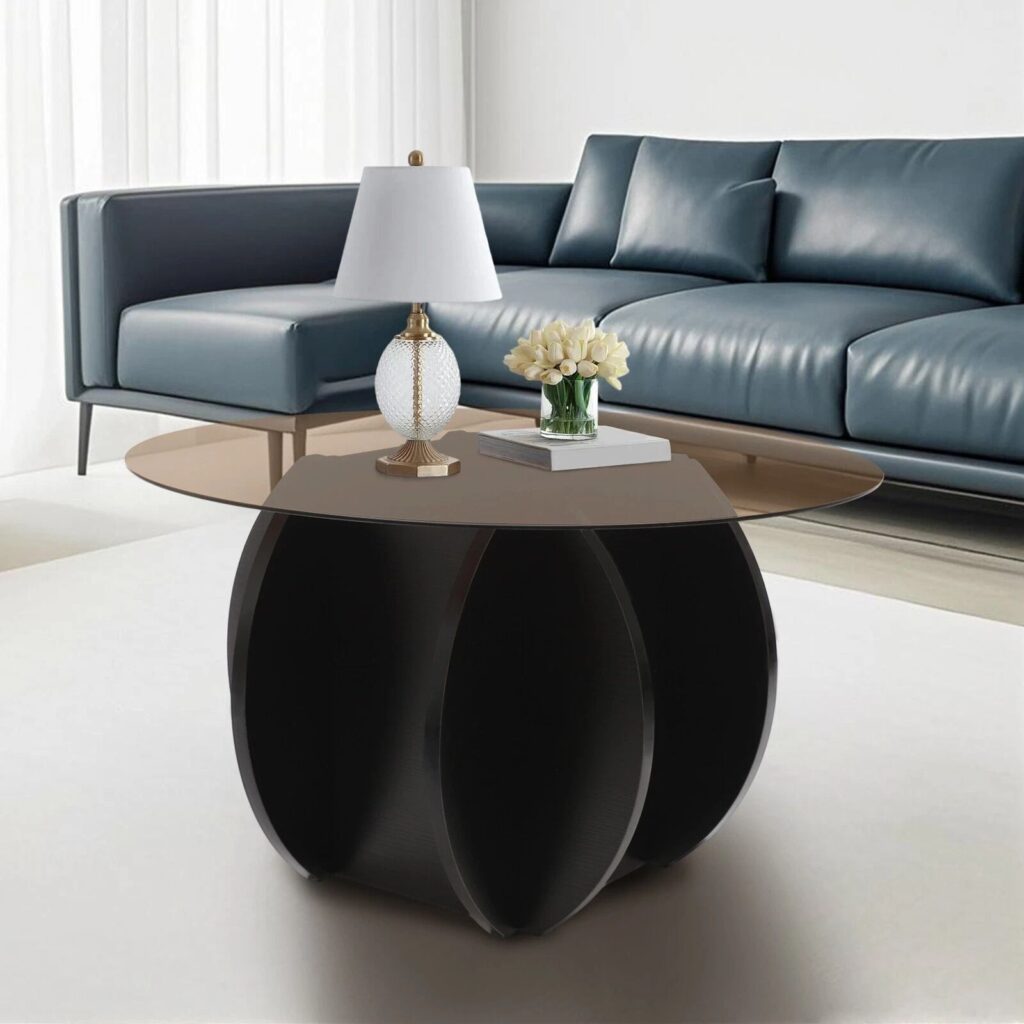
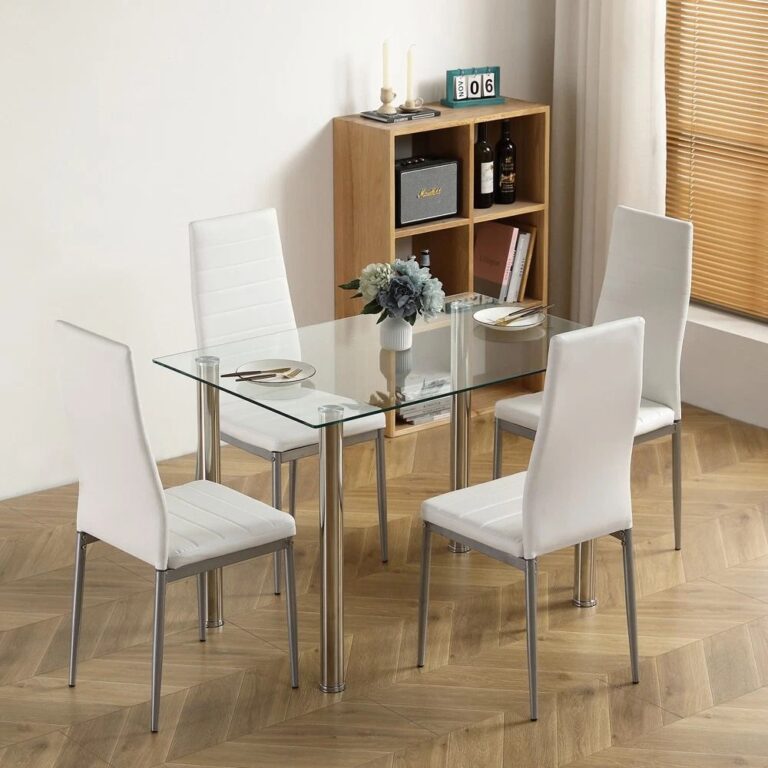 Aisha's pickContemporary Dining Table and Chair Sets That Don’t Shout About It
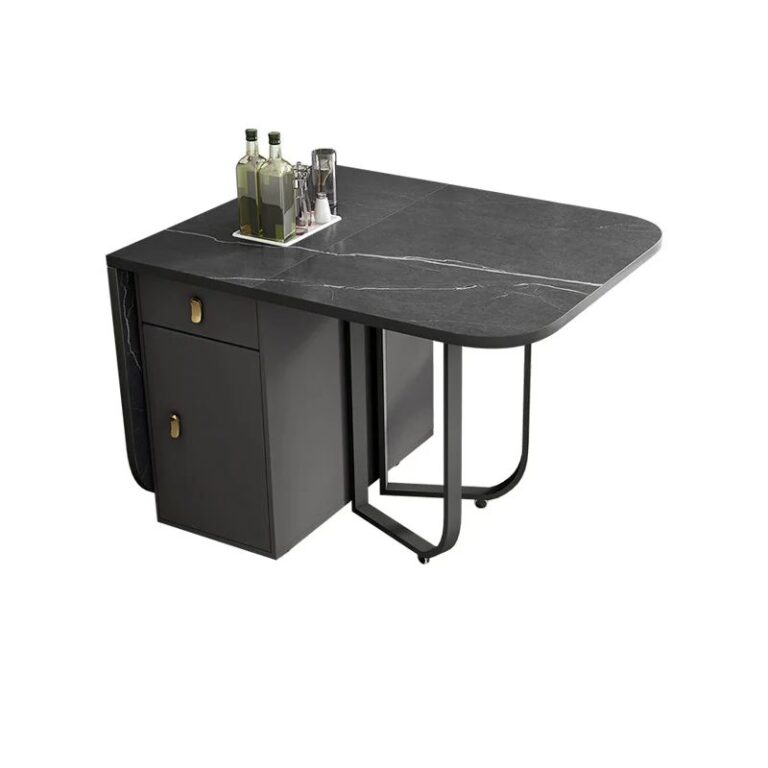
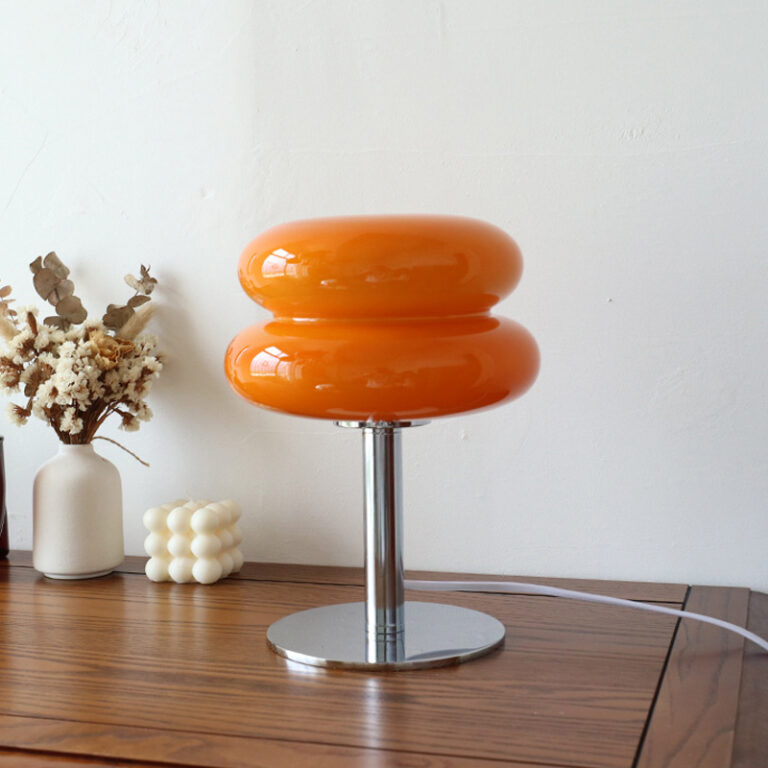 Aisha's pickGood Contemporary Glass Lamp Tables That Don’t Cost a Fortune
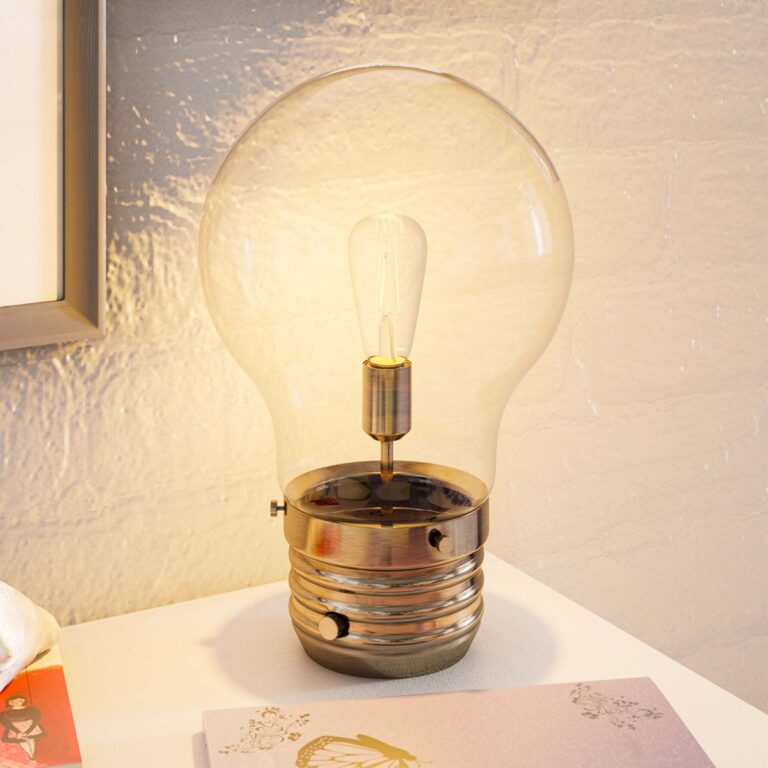
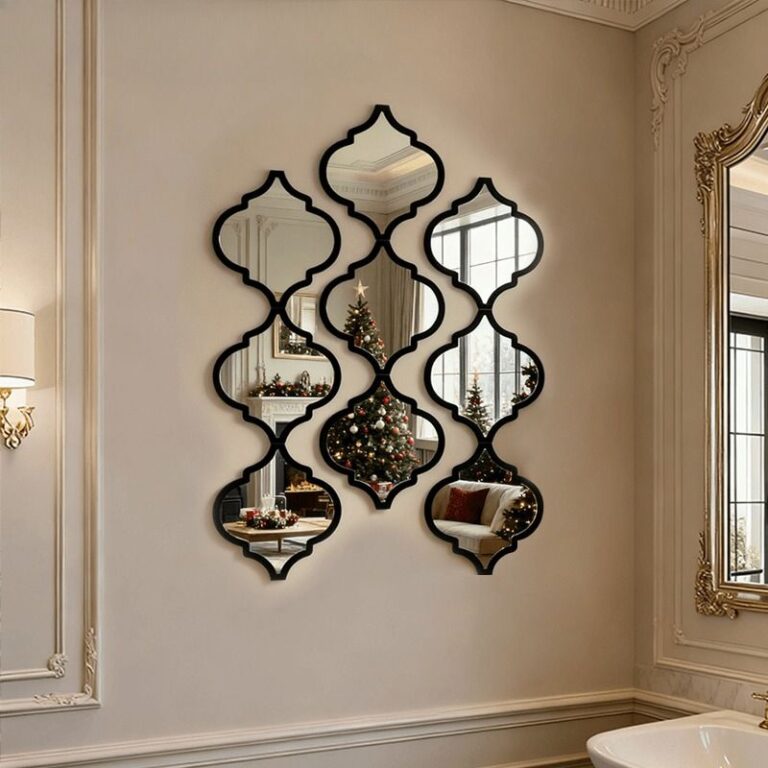 Aisha's pickContemporary Glass Dining Sets That Fit Where You Need Them

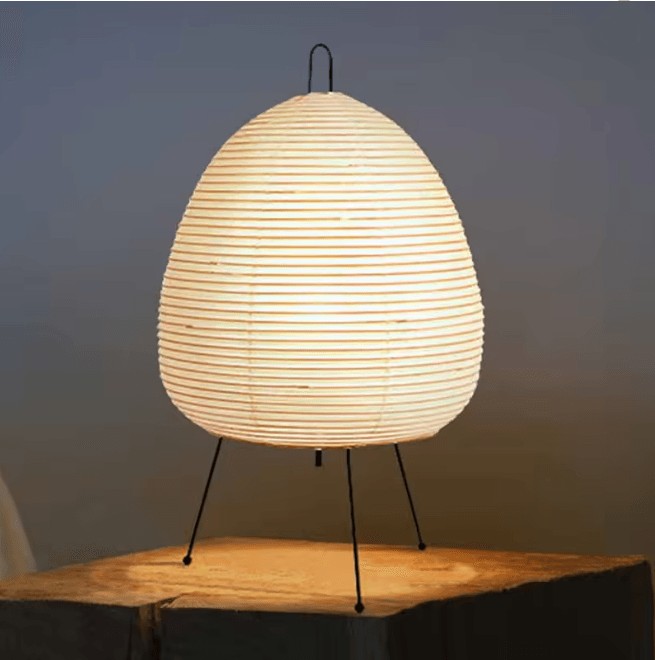 Aisha's pickContemporary Lamp Tables That Won’t Let You Down
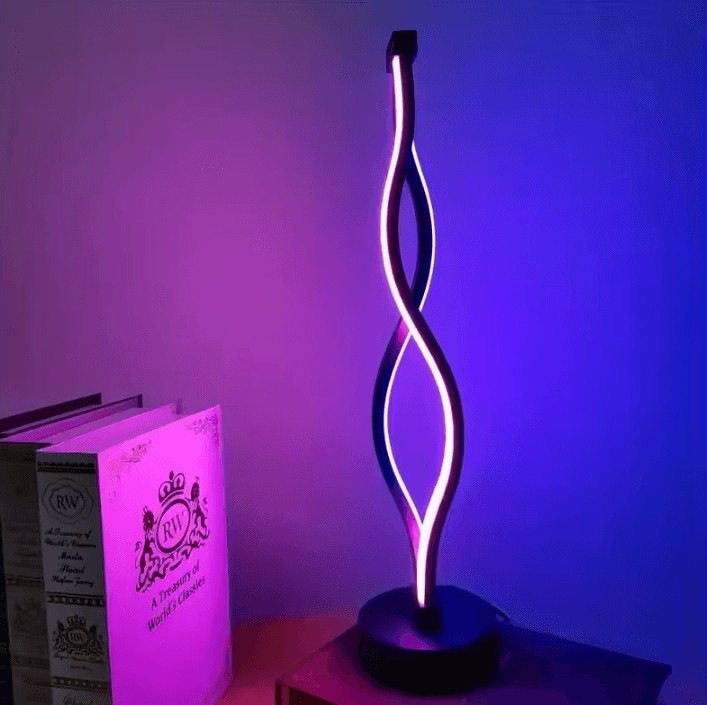
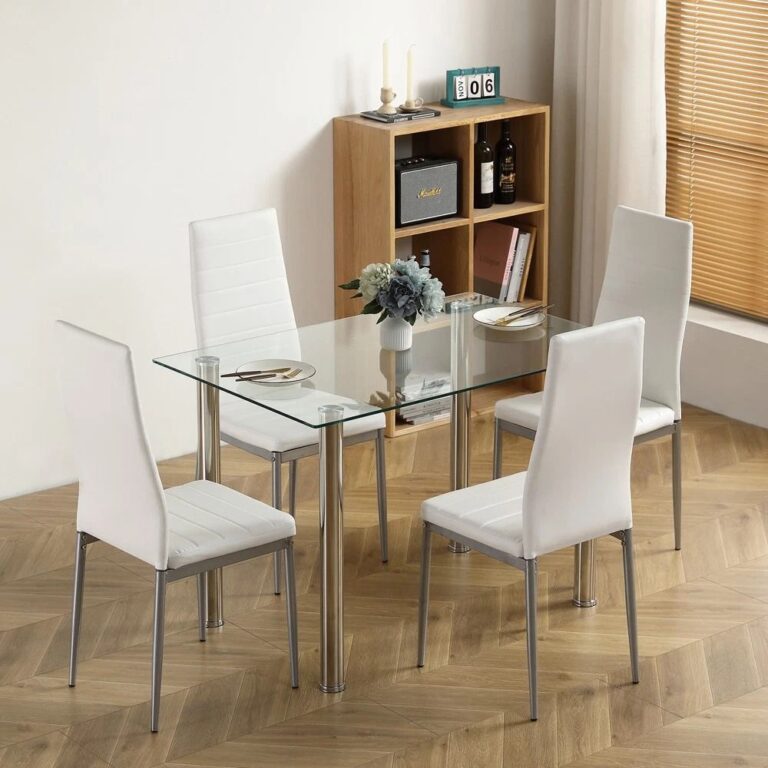 Aisha's pickContemporary Glass Dining Tables That Look Like They Cost More
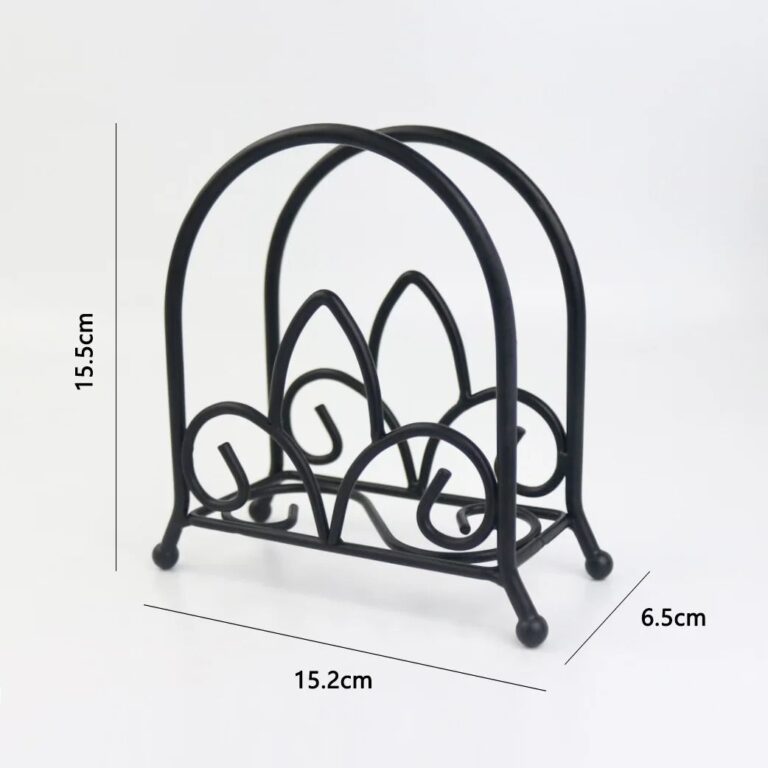
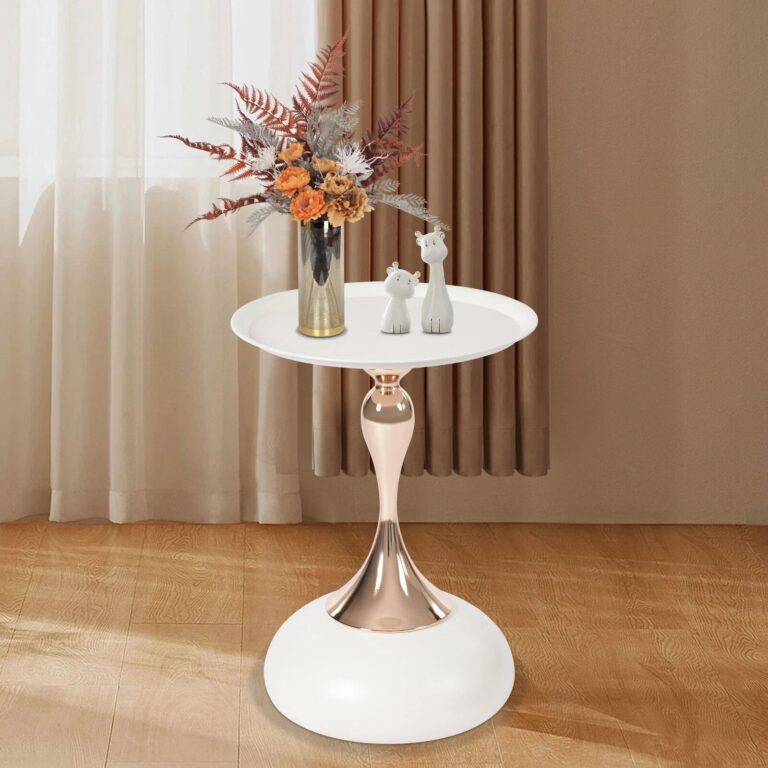 Aisha's pickContemporary Living Room Tables That Clean Up With a WipeAlso worth a lookEnd TablesThe first one I bought looked perfect in the store and then came home to a sofa it…See the collections →