What you don't notice in the shop is how a table actually sounds when your house is full. The good contemporary ones, the ones with a real wood top and legs that are properly joined rather than bolted on through a cheap bracket, settle into a kind of quiet. No creak when someone leans on an elbow, no wobble when a kid kicks the base during dinner. You only learn that after a few months of actual use, not a few minutes of actual shopping.
When you're looking at one in person, or the day it lands on your porch in more cardboard than seems reasonable, run your hand under the top and check how the edge is finished, because a lot of these tables look sleek from above and feel sharp or unfinished underneath, which you will discover with your thigh at some point. Check the legs for any play where they meet the top. If there's a leaf or extension, pull it out and push it back in before the delivery person leaves, because that mechanism either works smoothly now or it never will. For someone starting from nothing, I'd go with a plain round or oval top on a simple pedestal base, in a light oak or a matte black steel. It's the least fussy shape in a room, it seats awkward numbers without leaving a gap, and it doesn't fight with whatever chairs you end up collecting over the years, which, let's be honest, nobody buys all at once.
These tables are oddly forgiving about company. A light wood top with black metal legs sits fine next to a rug that's seen better days, works over reclaimed boards, works in a rental with beige everything, because the shape is doing the talking, not the material. I've put one in a dining nook with mismatched chairs from three different decades and it looked intentional, mostly because the table itself stayed calm while everything around it argued.
Over time, a solid top will pick up a few marks, a cup ring here, a faint scratch from a dragged plate there, and that's not a flaw, that's just a table with a life. Wipe it down, don't drown it in polish, and if it's oiled rather than lacquered, feed it once or twice a year with the right oil and it'll keep that slightly lived in look rather than going dull and plasticky. Lacquered tops just want a damp cloth and a bit of sense about hot pans.
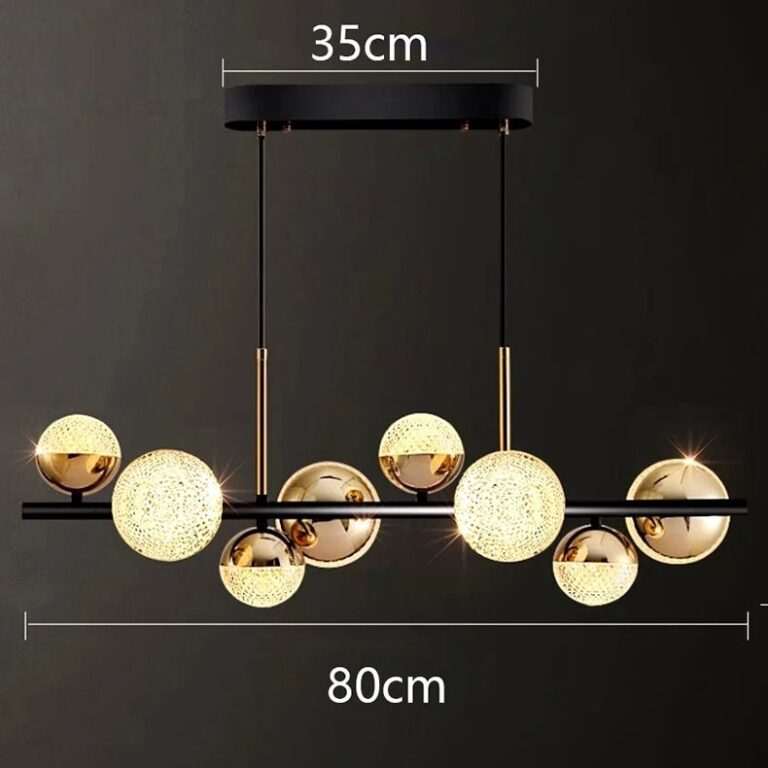
Next to it, I'd put simple pendant lighting hung low enough to actually light the plates, not the ceiling.
 Aisha's pickContemporary Glass Dining Sets That Fit Where You Need Them

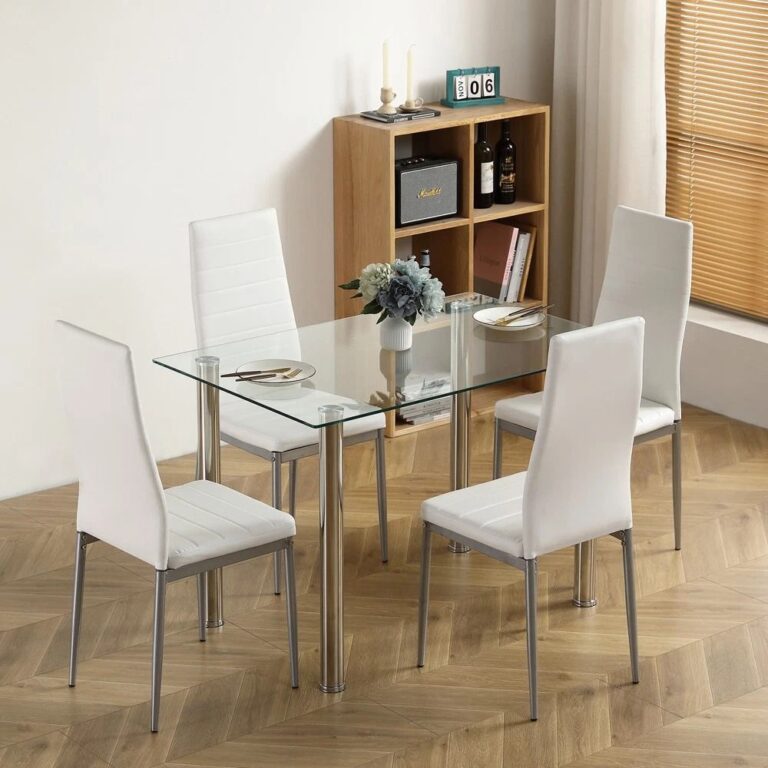 Aisha's pickContemporary Glass Dining Tables That Look Like They Cost More
 Aisha's pickContemporary Kitchen Dining Tables That Get Better With Age
 Aisha's pickContemporary Metal Dining Sets That Anchor a Room
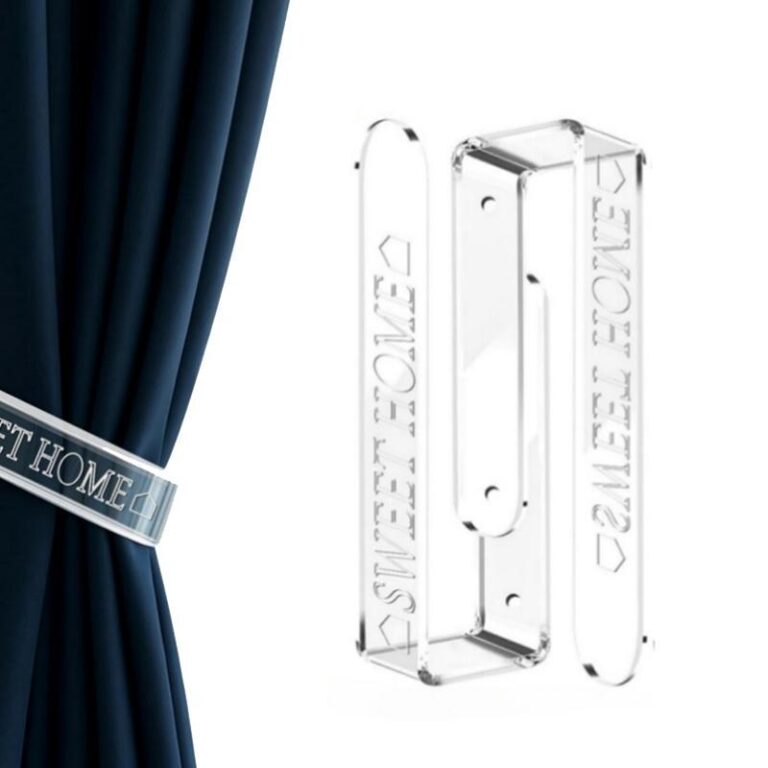
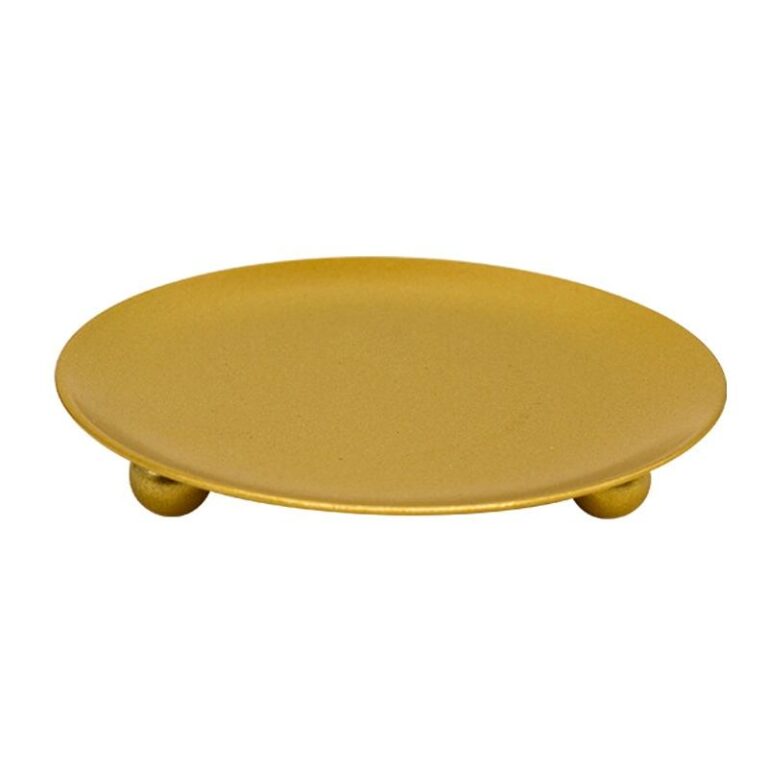 Aisha's pickSimple Contemporary Metal Dining Tables Done Well
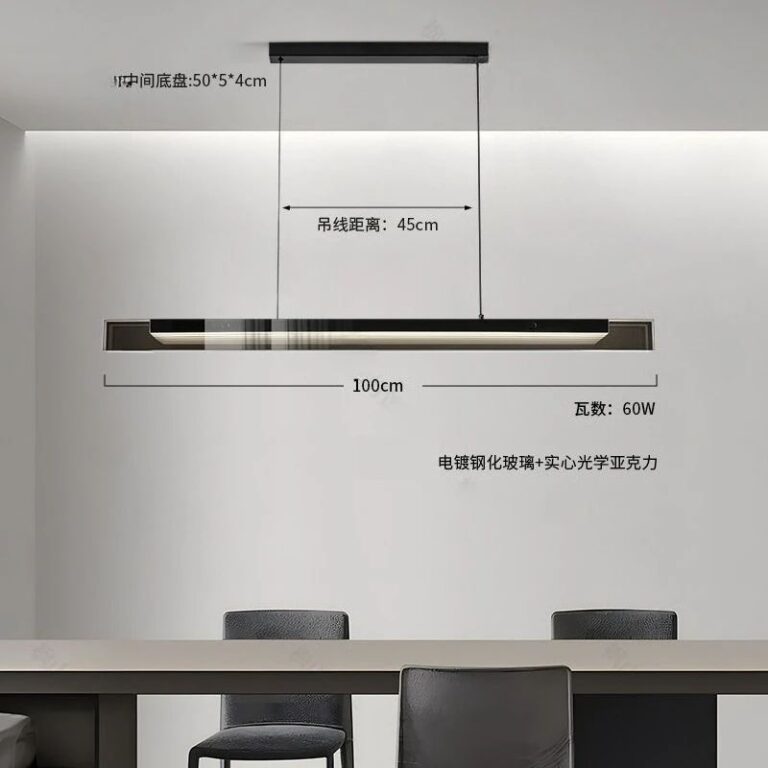
 Aisha's pickContemporary Black Metal Dining Tables We Use Every Single Day