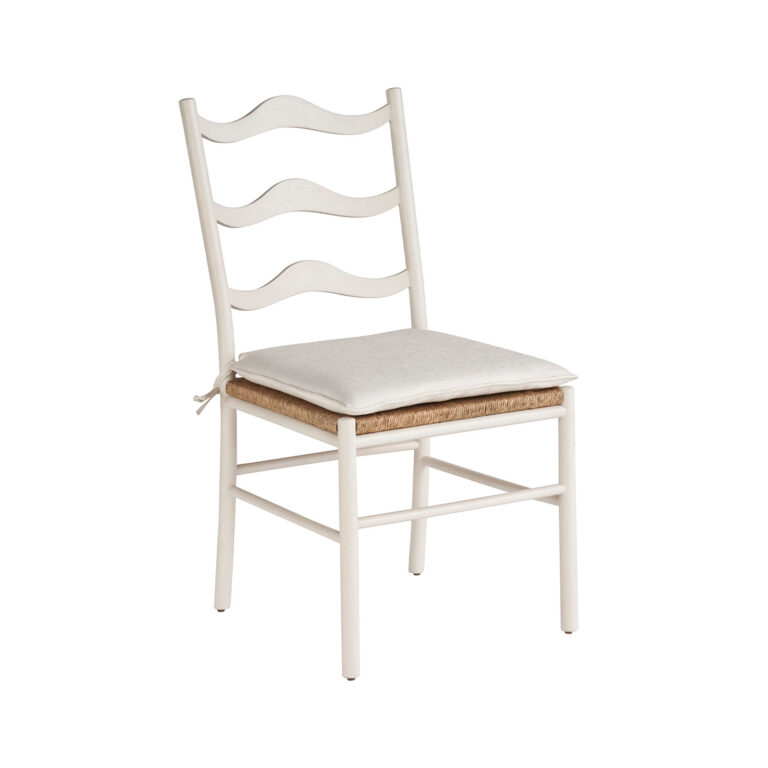
The question I get most, usually from guests sitting at my own table, is whether the chairs need to match the table or even match each other. They don't. What they need is to match the height of the table and hold up to actual dinners, the kind with elbows on the table and someone leaning back to tell a long story. I've got six chairs around my dining table that came from three different places over twenty years, and nobody has ever once pointed that out to me.
Where they go wrong is scale and softness, mostly. A heavy, ornate chair in a small apartment dining nook just fights the room, there's no space to pull it out without hitting the wall or the next chair over. And a very soft, overstuffed upholstered chair in a house with young kids or a dog who thinks dinner is a spectator sport is asking for trouble, because that fabric is going to see gravy, grape juice, and worse within the month. I learned that one with a set of pale linen chairs that looked wonderful for exactly one Thanksgiving before a cranberry sauce incident I still think about.
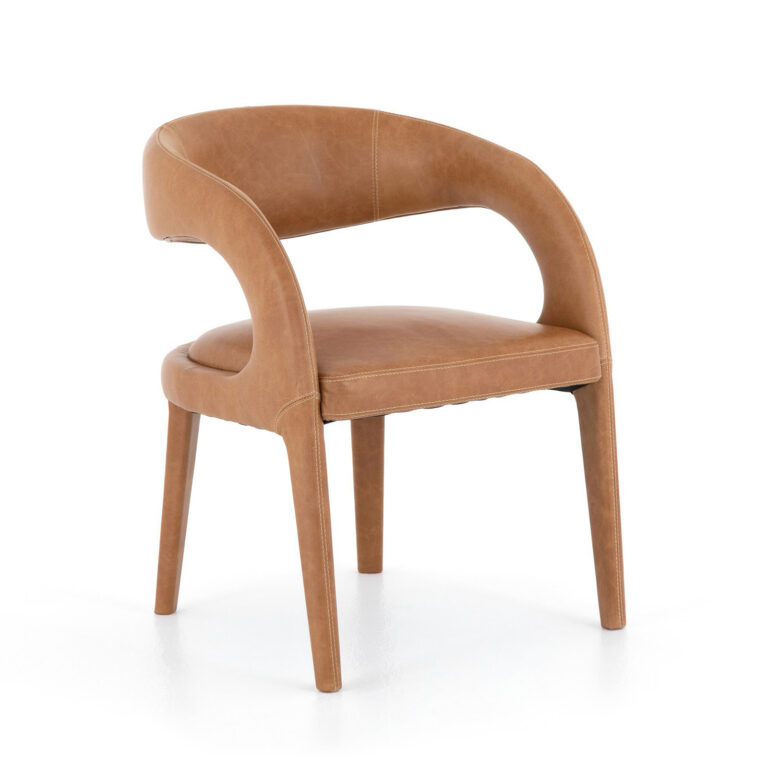
The difference between a chair that lasts and one that doesn't is almost always in what you can't see when you're sitting in it. A well made chair has joints that are glued and doweled or mortise and tenoned, not just screwed through a corner bracket, because that bracket loosens the first winter someone rocks back in it, and by the second winter the whole chair wobbles like a three legged stool. Pick one up. A solid chair has some real weight to it, the wood feels dense, not hollow sounding when you knock on the leg. Cheap ones are light as a basket and you can feel the frame flex a little when you grip the back. If it's upholstered, look at the seam where fabric meets wood, a good one is tight and finished, a bad one has staples you can see and fabric that's already starting to pull.
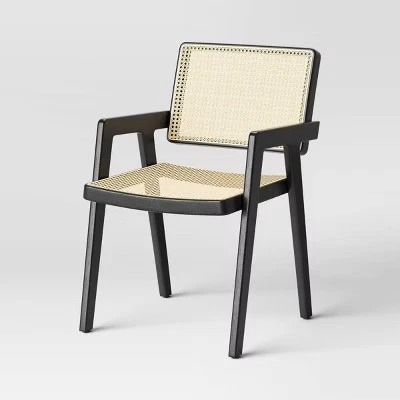
For finishes, I've settled into liking the ones that don't ask for much attention, a warm natural wood tone or a soft painted black hold up visually through years of scuffs and the occasional dropped fork better than anything bright or trendy. White chairs look lovely in a catalog and show every mark within a season. A woven rush or cane seat is forgiving in a way a flat painted wood seat isn't, it hides wear instead of broadcasting it. I'd rather have six chairs in a steady, unfussy finish that I'll still like in a decade than a set that was exciting for one dinner party and tired by the next.
Sit in one before you decide anything else about it. The rest tends to sort itself out from there.
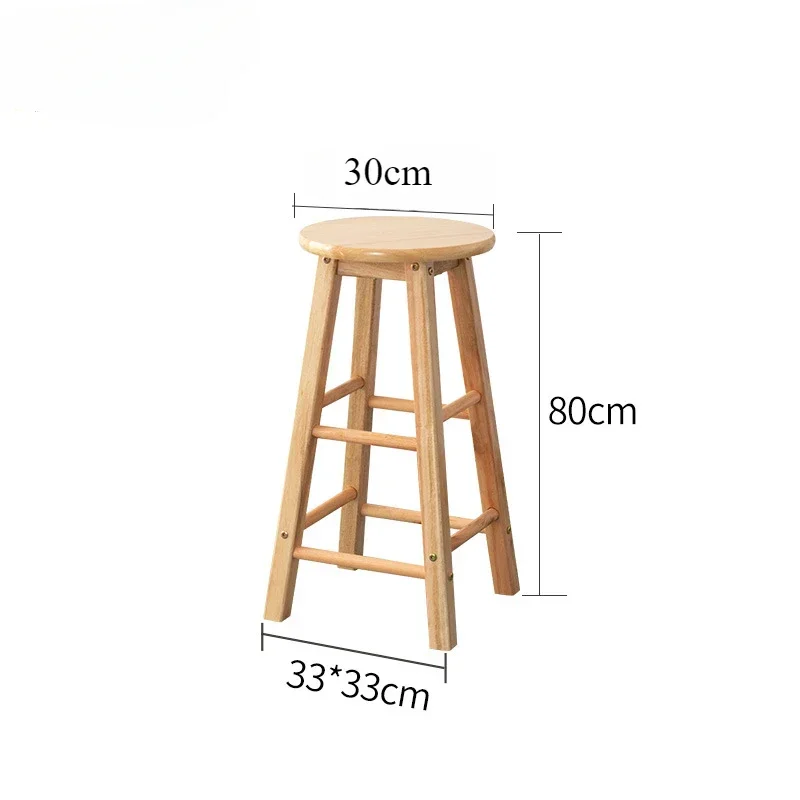 Aisha's pickSolid Wood Dining Room Chairs for Long Dinners With Friends
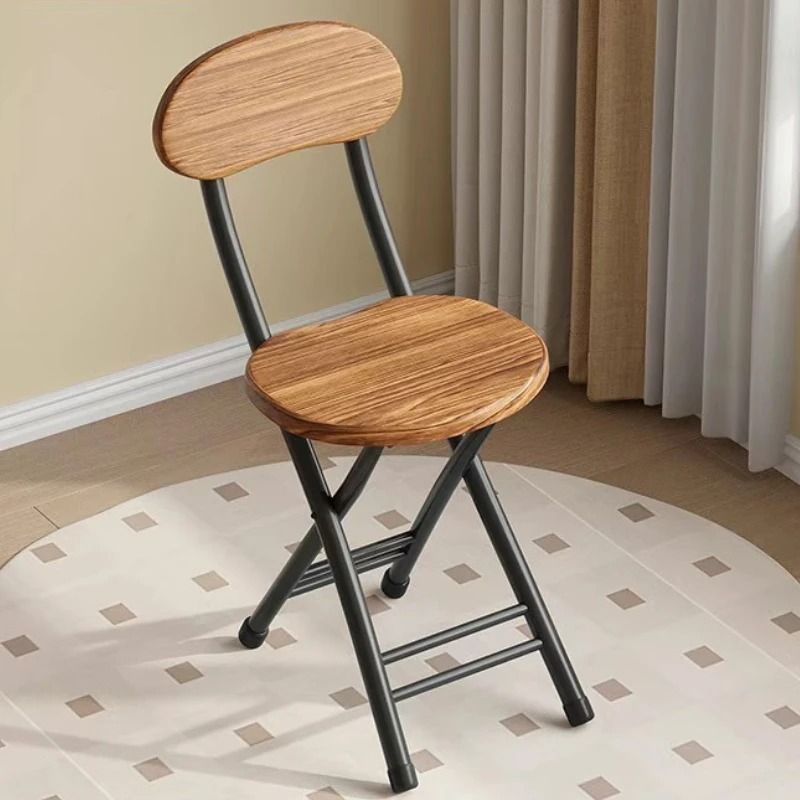
 Aisha's pickUpholstered Dining Room Chairs With a Bit More About Them
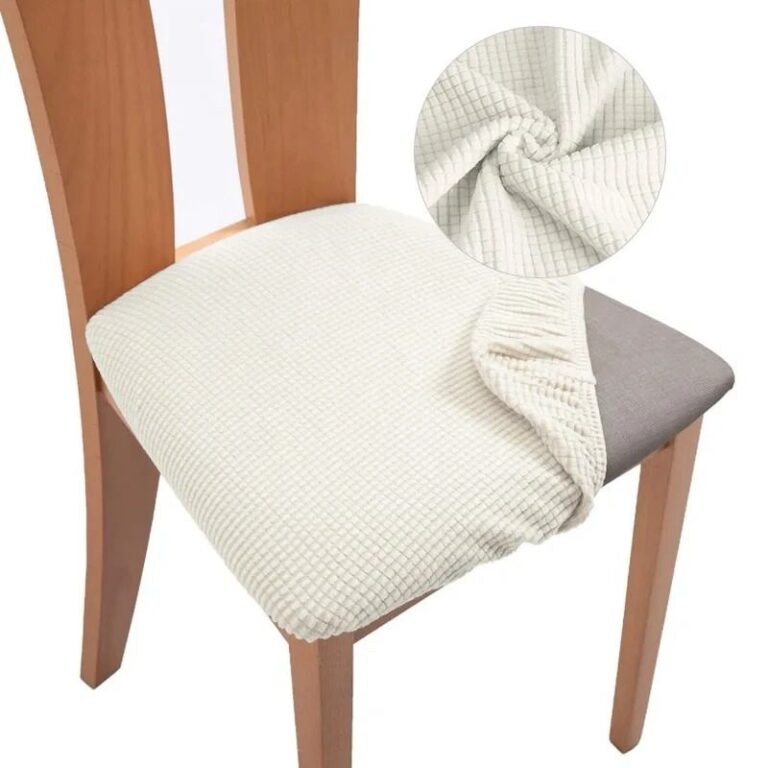
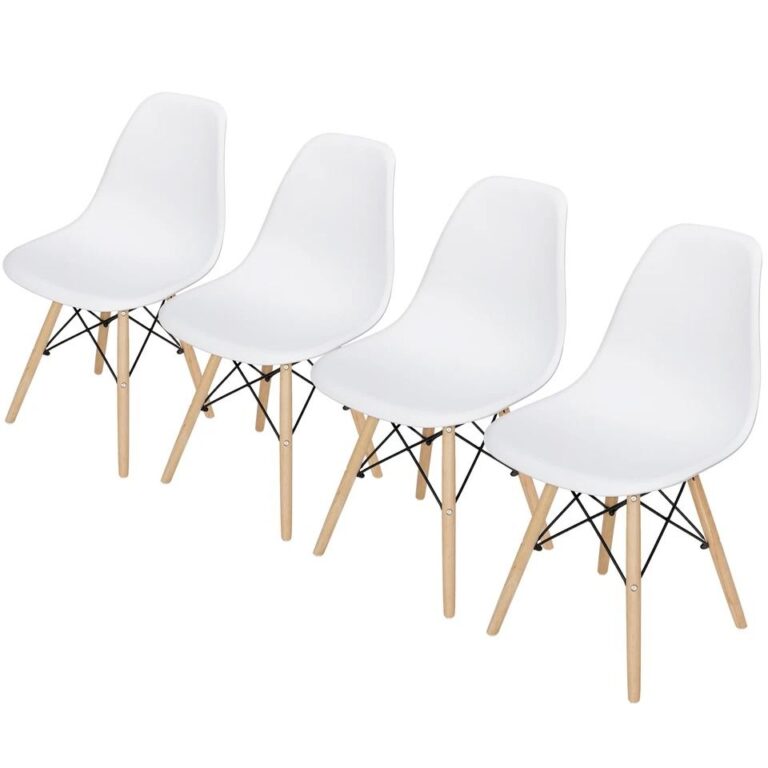 Aisha's pickBlack Dining Room Chairs That Don’t Sag After a Year
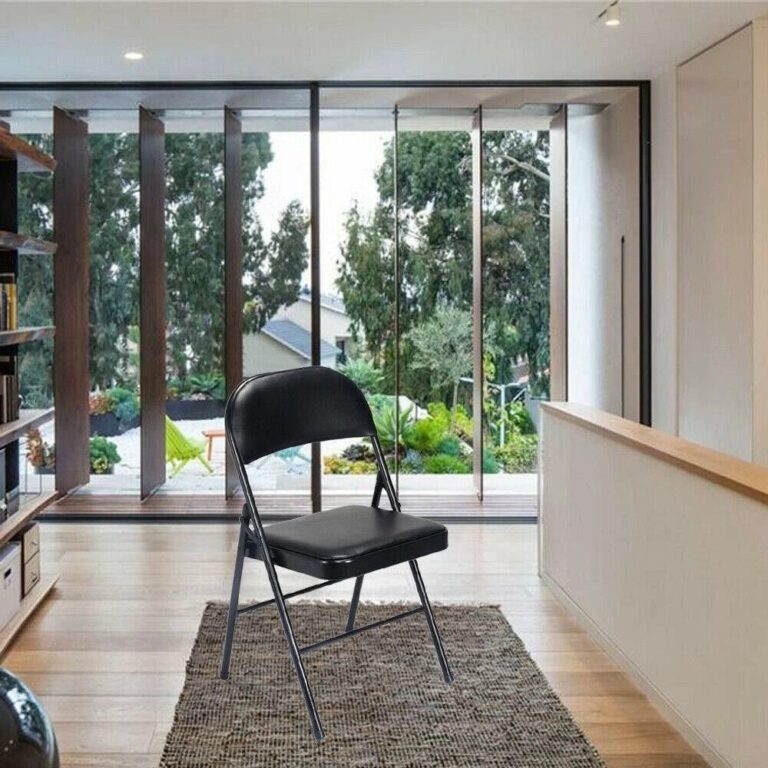
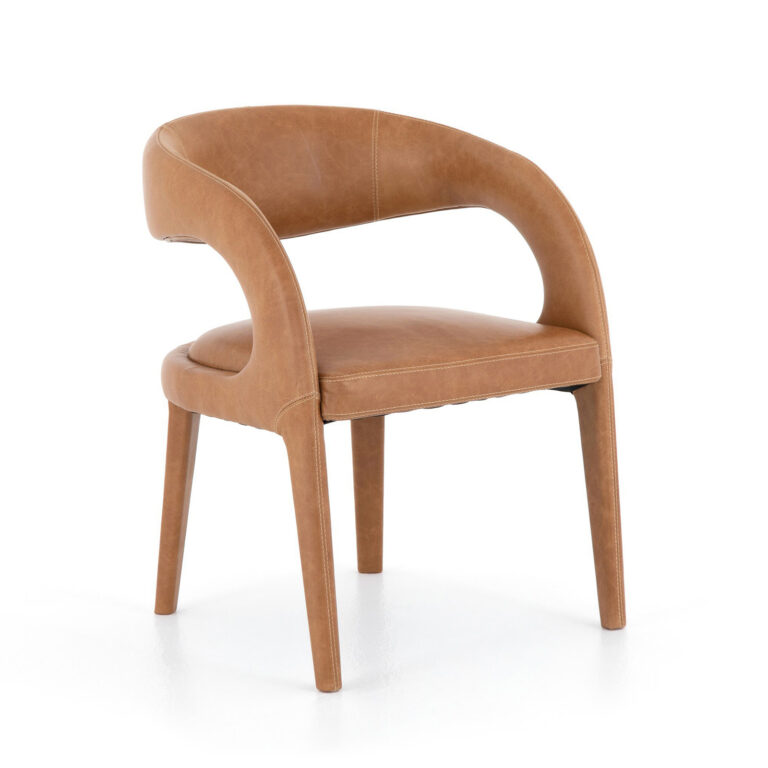 Aisha's pickBrown Dining Room Chairs That Don’t Sag After a Year
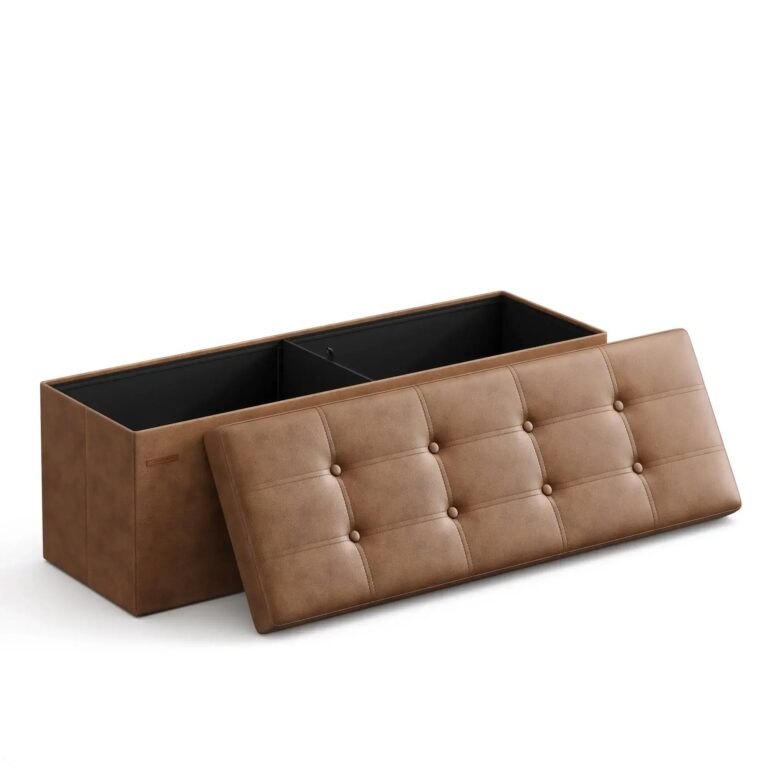
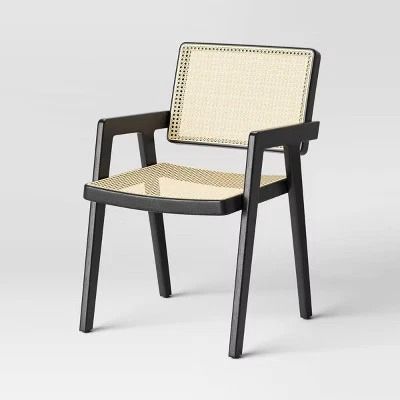 Aisha's pickShopping for Contemporary Dining Room Chairs? Start Here
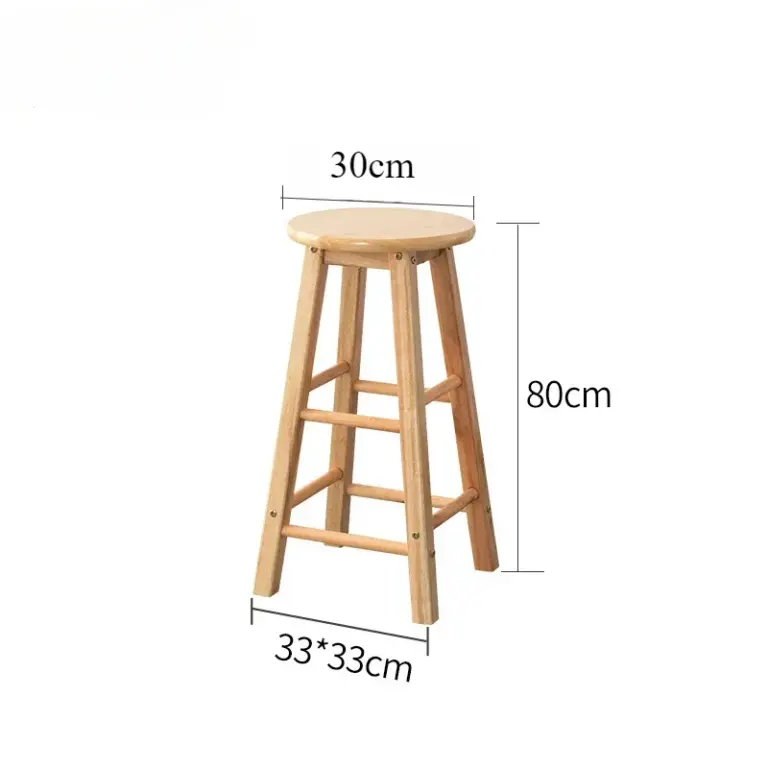
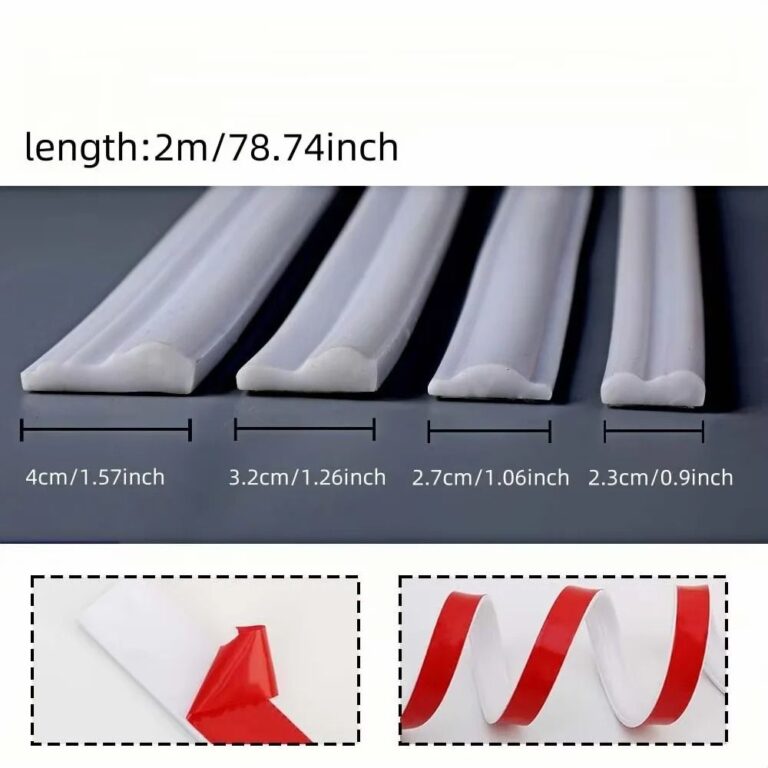 Aisha's pickCurved Back Dining Room Chairs With Some Character
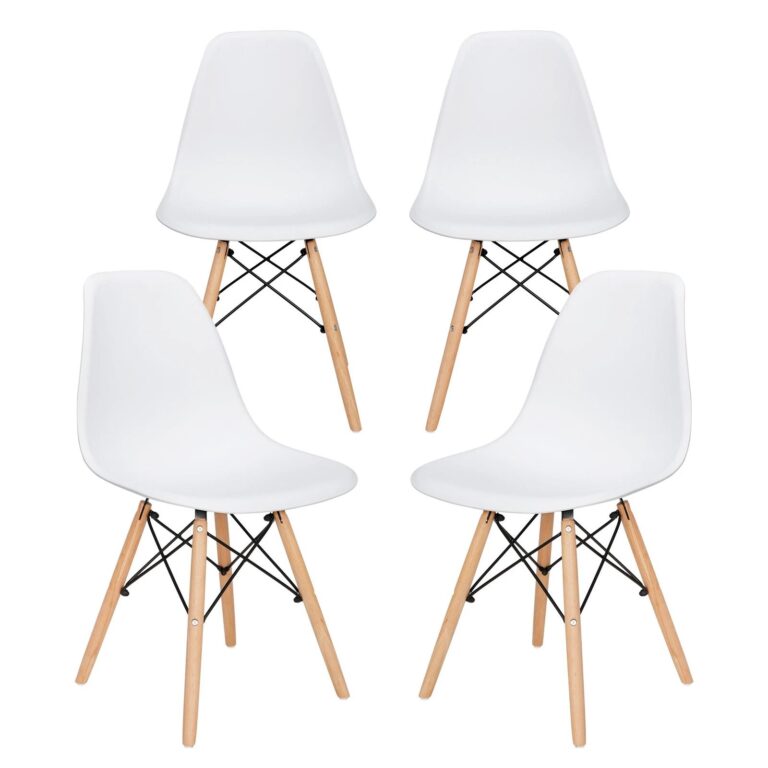
 Aisha's pickDining Room Chairs With Real Back Support
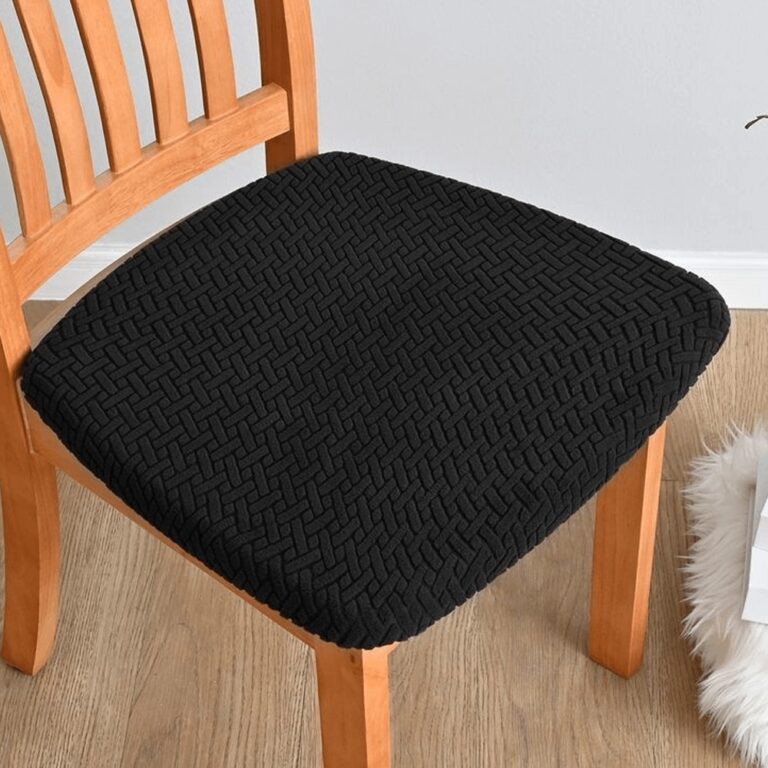
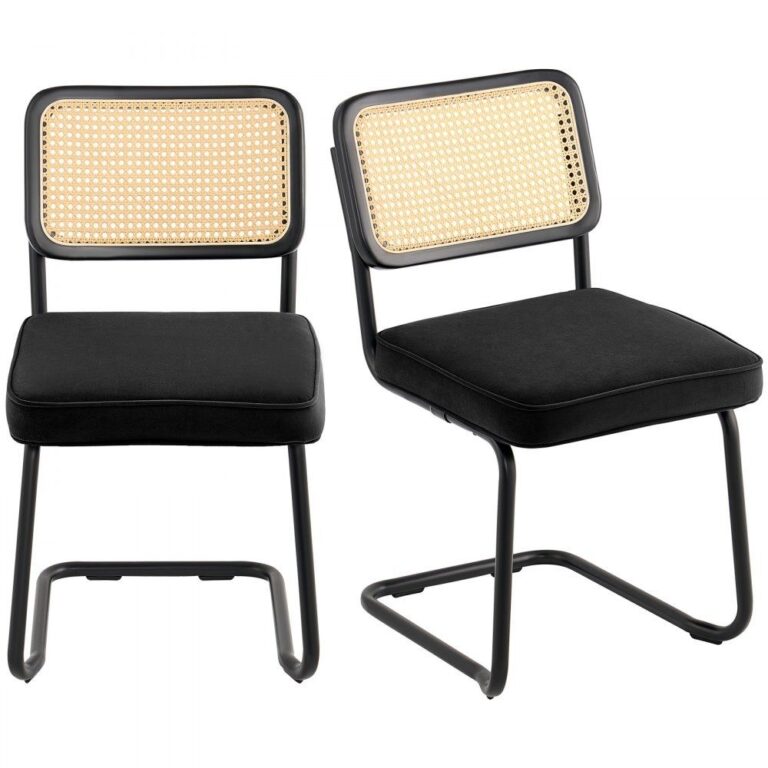 Aisha's pickDining Room Chairs with Cushion That Survive Kids and Pets
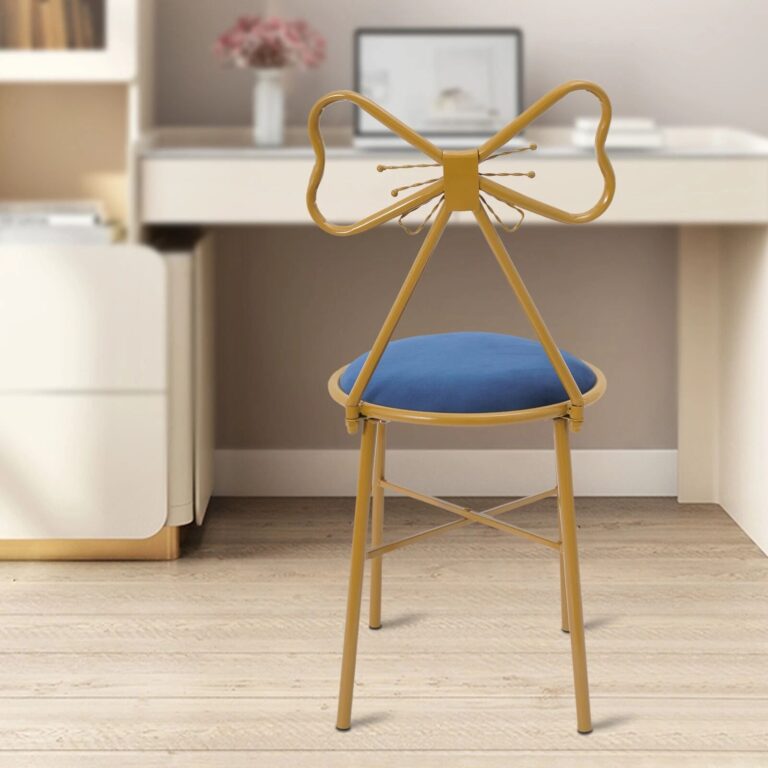
 Aisha's pickFabric Dining Room Chairs for Long Dinners With FriendsAlso worth a lookErgonomic ChairsThe thing nobody mentions is that an ergonomic chair looks ridiculous for the first two weeks.See the collections →
 Aisha's pickLeather Dining Room Chairs That Seat Guests Without the Squeeze
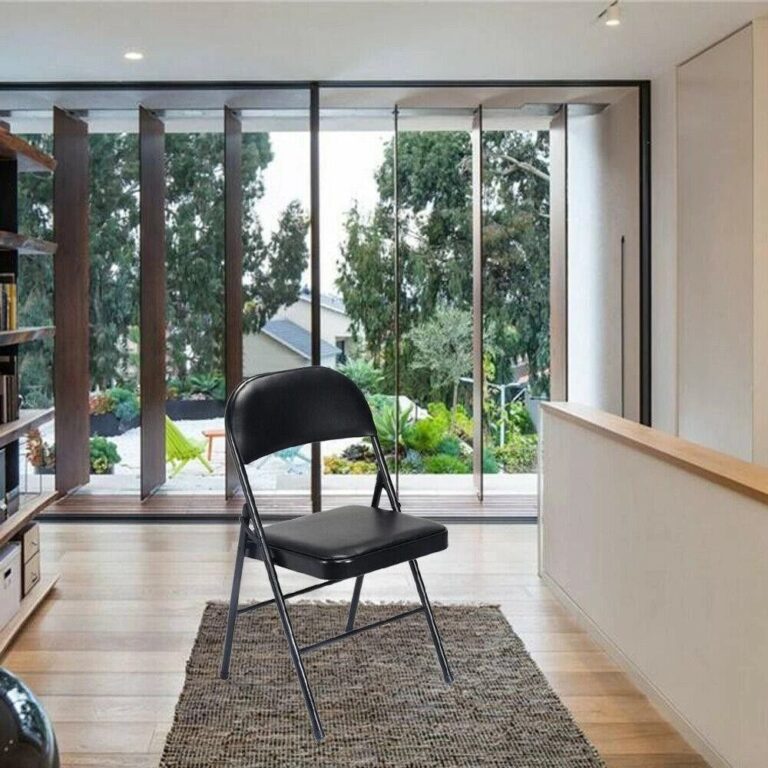 Aisha's pickMetal Dining Room Chairs That Get the Family Around the Table