You can tell a good contemporary chair from a bad one before you even sit down. The good one has a frame that feels planted, a seat that doesn't wobble when you lean to grab a drink off the side table, clean lines that look deliberate rather than like someone forgot to add the detailing. The poor one looks fine in a photo and then creaks the second a guest shifts their weight, or the arms are just slightly too low so everyone ends up perched instead of sitting.
A chair like this ages well if the materials underneath the style are honest. A solid wood or metal frame will take years of being pulled out for dinner, pushed back, sat in sideways while someone's on the phone, and it won't loosen up the way a stapled, glued frame does. Fabric upholstery will show wear at the arms first, so look for something with a tighter weave if it's getting daily use, and give it a vacuum and a rotation of the cushion every so often so one spot doesn't take all the weight. Leather and leather look finishes soften and get better with time as long as you keep them out of direct sun, which will dry and crack them faster than anything else does. For sizing, measure the actual gap you're putting it in, not the room in general, and leave at least a foot and a half for someone to push back from a table or get up without doing an awkward sideways shuffle. The common mistake is buying low and sleek for a small room, thinking low means less space, when a chair with a wide splayed base can eat up more floor than a higher, tighter one. When it arrives, check the underside for how the legs are attached, whether they're bolted into a solid block or just screwed into chipboard, and give the frame a firm twist test with both hands before anyone sits down on it for real. Run a hand across the seams too, loose stitching or a seat cushion that's noticeably softer on one corner is worth sending back before it becomes your problem in a year.
If you own one contemporary chair and nothing else like it, go for a single, comfortable armchair in a neutral fabric or a warm wood tone, something that can sit on its own by a window or get pulled up to a table without looking like it's trying too hard.
It gives a room one place that feels considered, somewhere your eye and your body both want to land.
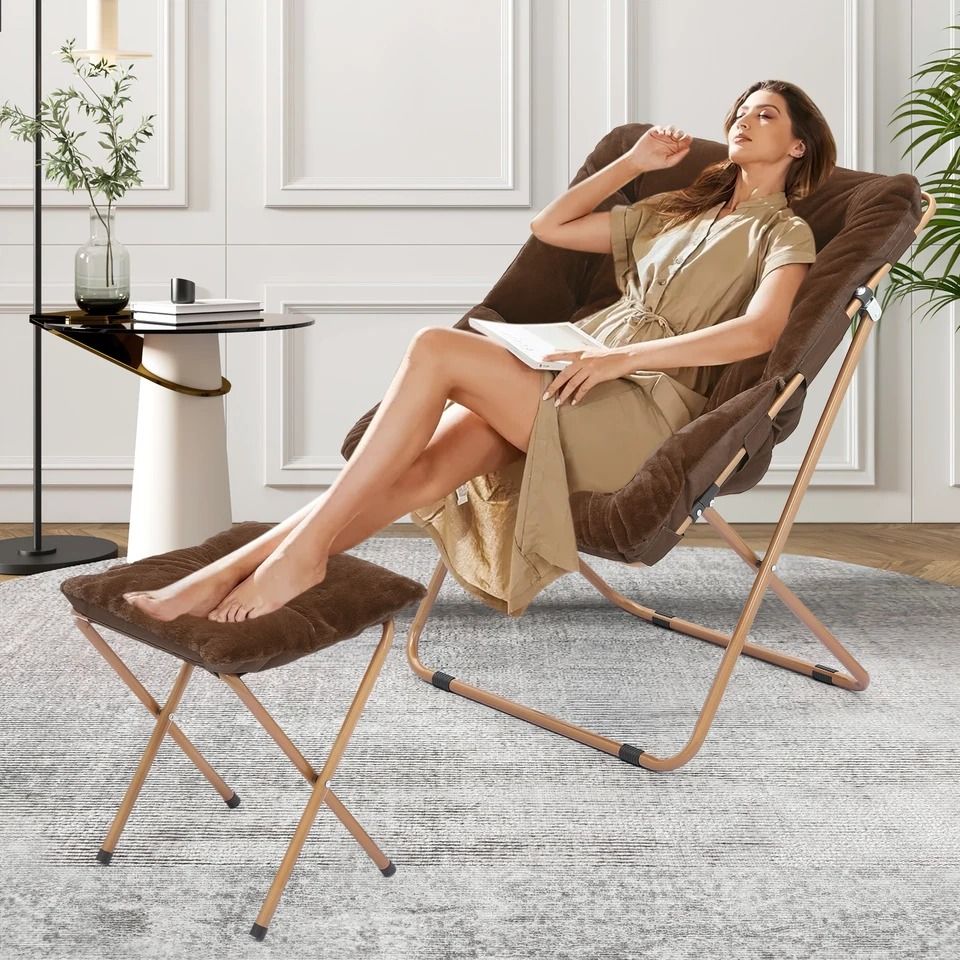
 Aisha's pickContemporary Accent Chairs We’d Happily Nap On
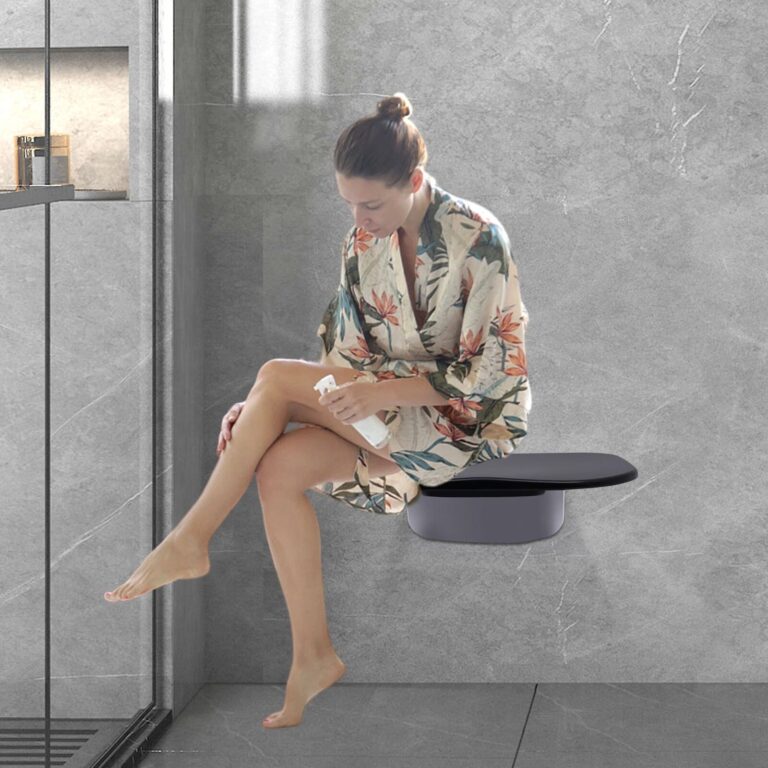 Aisha's pickContemporary Bench Seats Hunted Down So You Don’t Have To
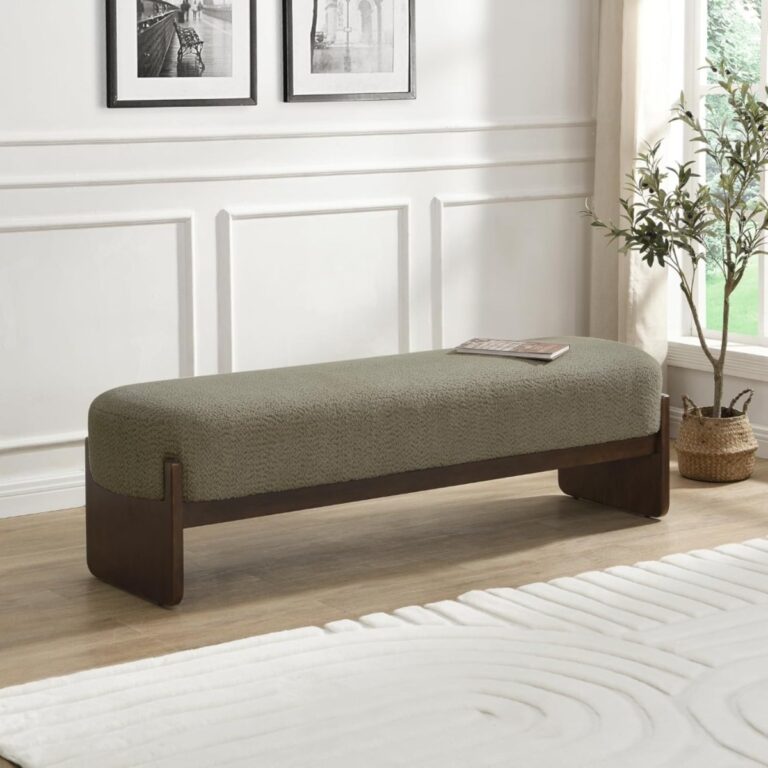
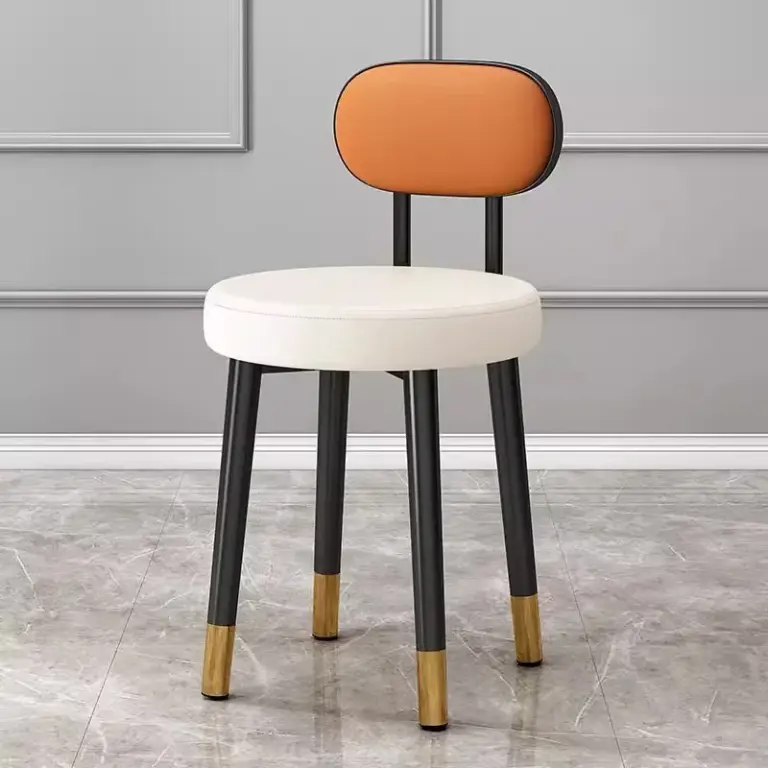 Aisha's pickContemporary Dining Chairs for When the Old Ones Give Up
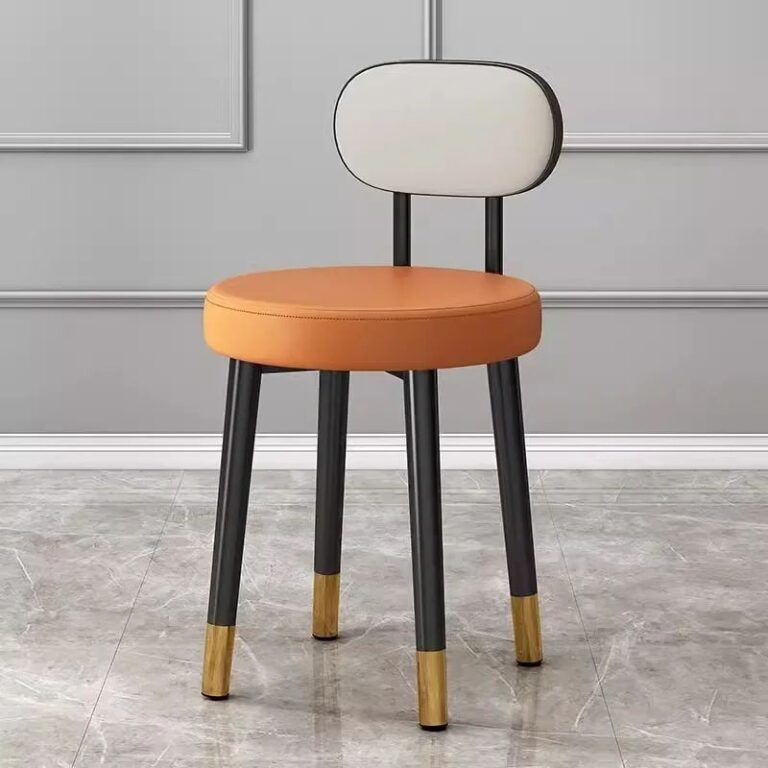
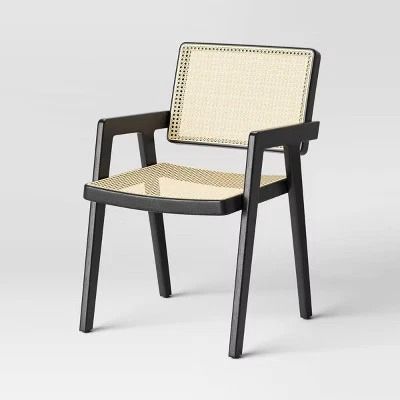 Aisha's pickShopping for Contemporary Dining Room Chairs? Start Here
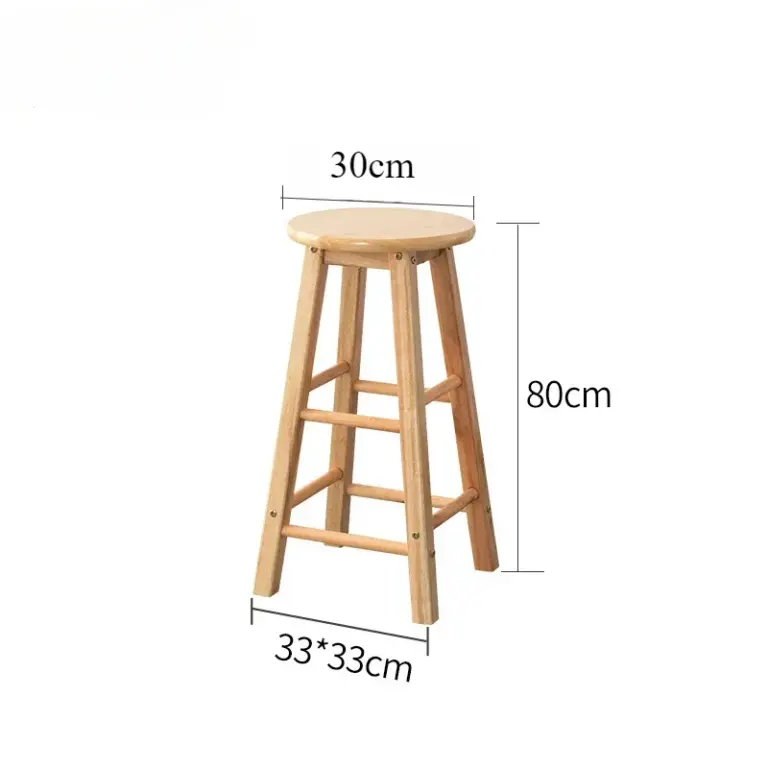
 Aisha's pickContemporary Fabric Accent Chairs You Won’t Want to Hide Away
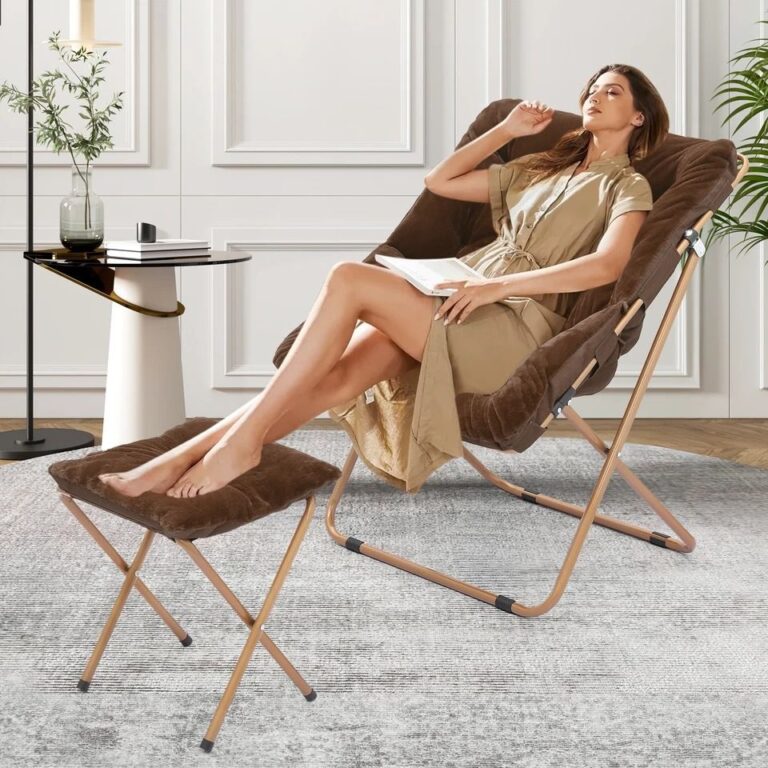
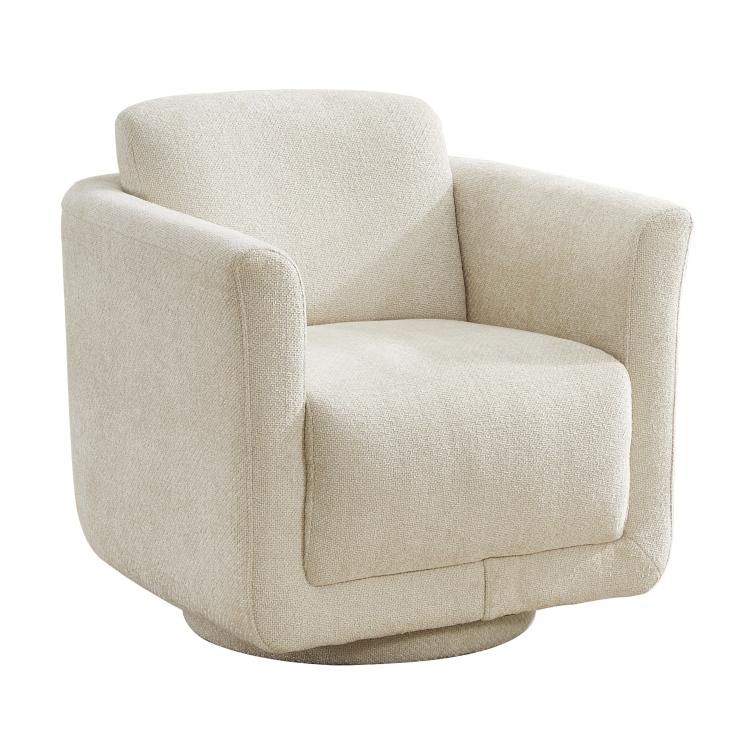 Aisha's pickContemporary Fabric Swivel Chairs Comfy Enough for a Movie Night
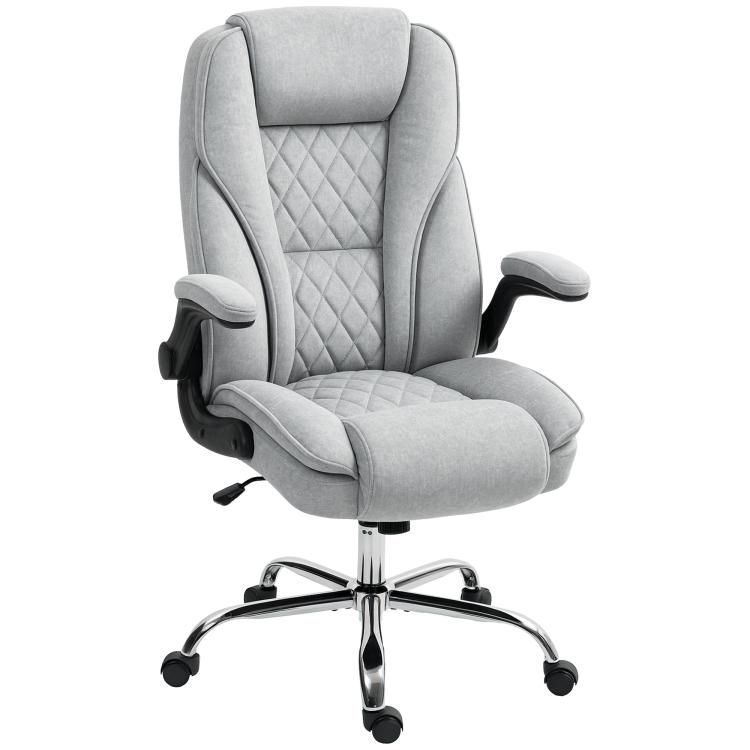
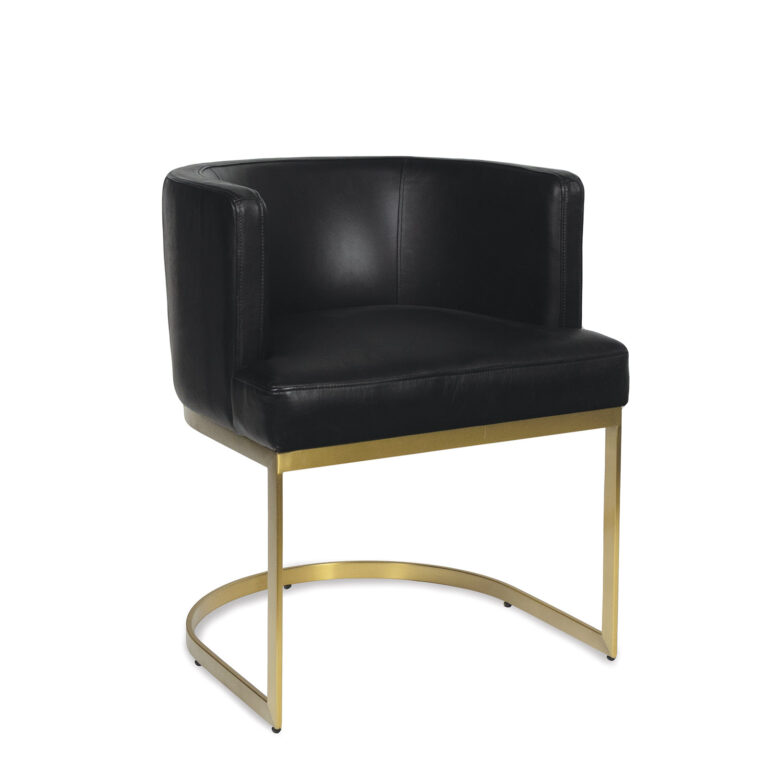 Aisha's pickContemporary Leather Dining Chairs You Won’t Regret Buying
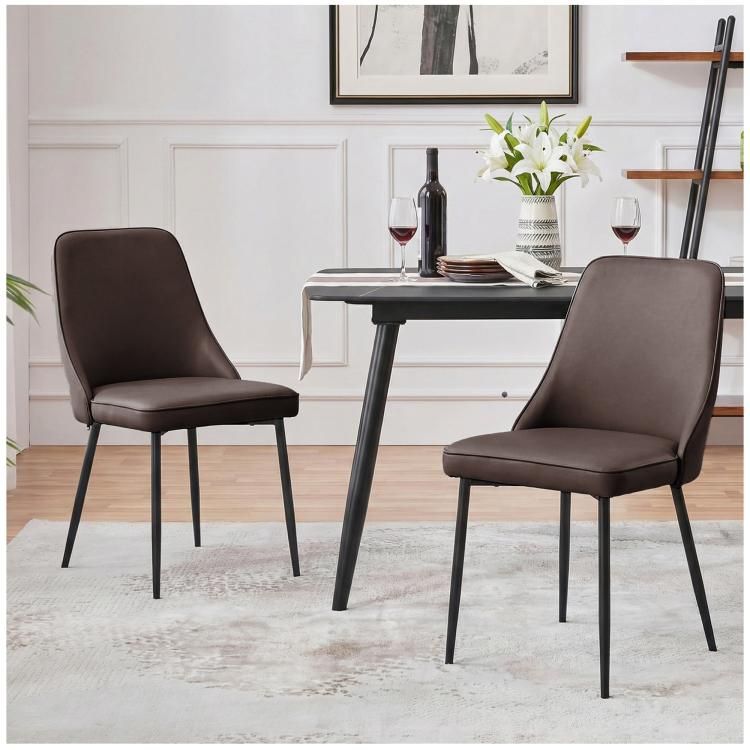
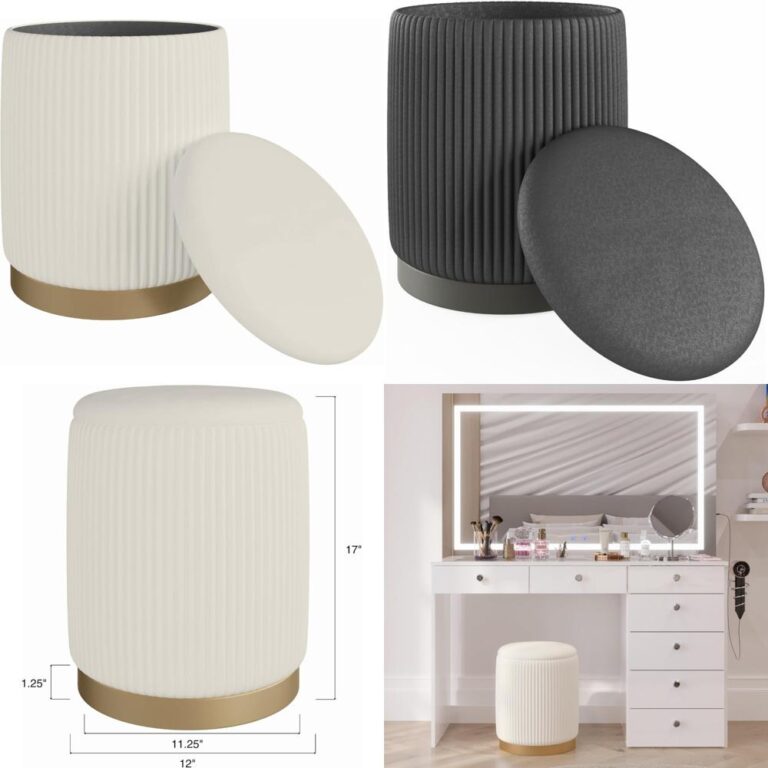 Aisha's pickContemporary Living Room Chairs for Movie Nights and Slow Sundays
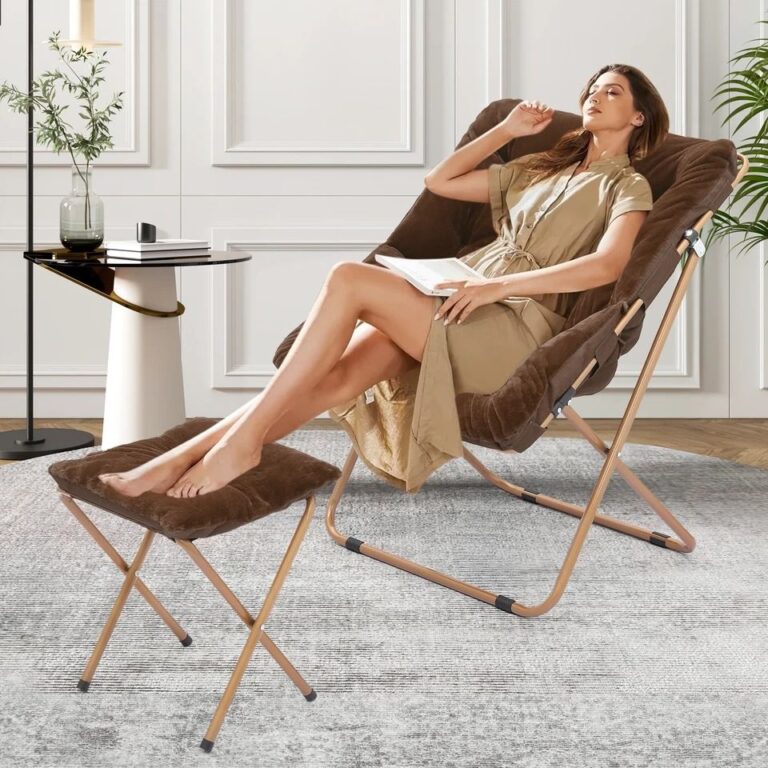
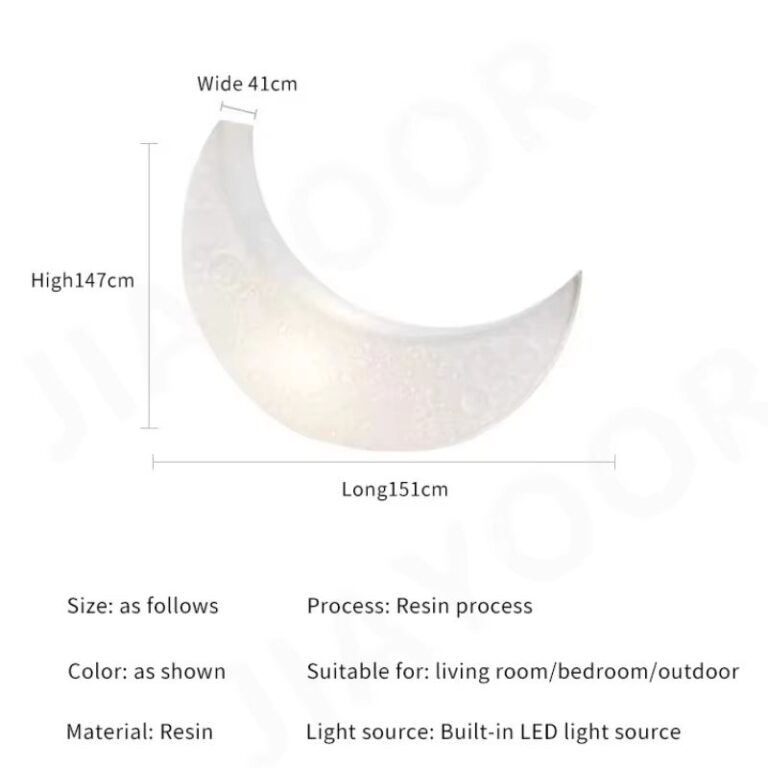 Aisha's pickContemporary Lounge Chairs We’d Happily Nap OnAlso worth a lookErgonomic ChairsThe thing nobody mentions is that an ergonomic chair looks ridiculous for the first two weeks.See the collections →
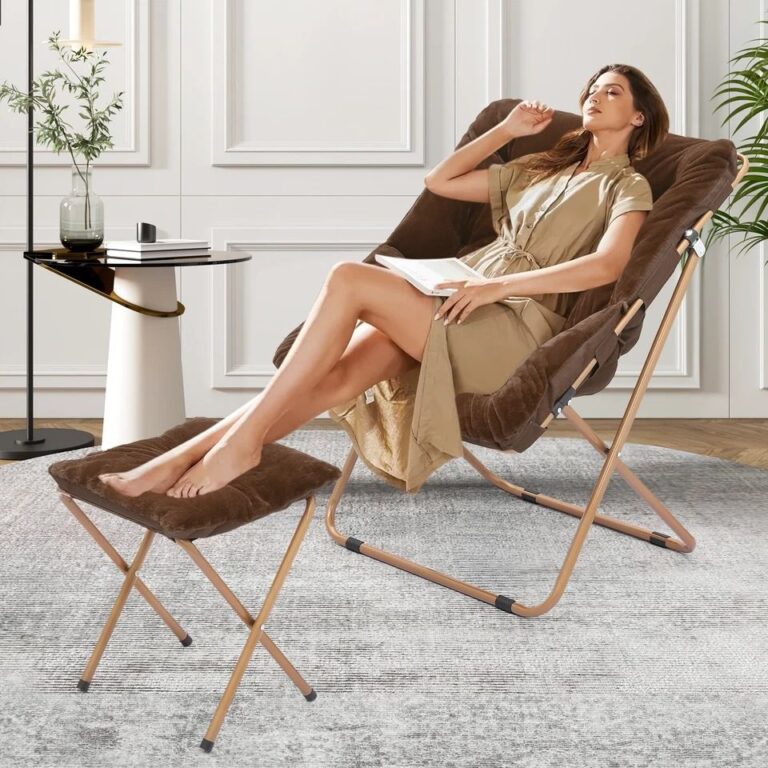
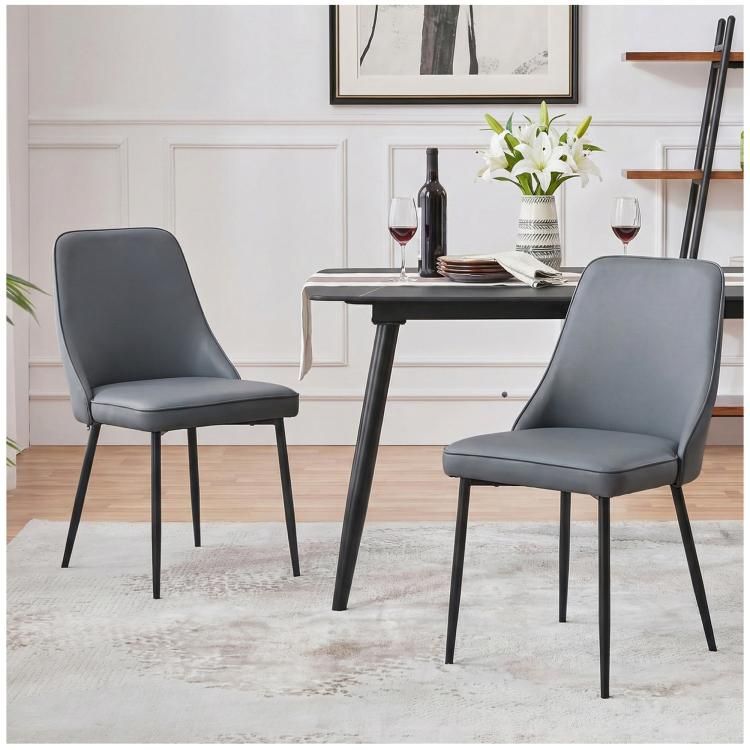 Aisha's pickContemporary Metal Dining Chairs With Some Character
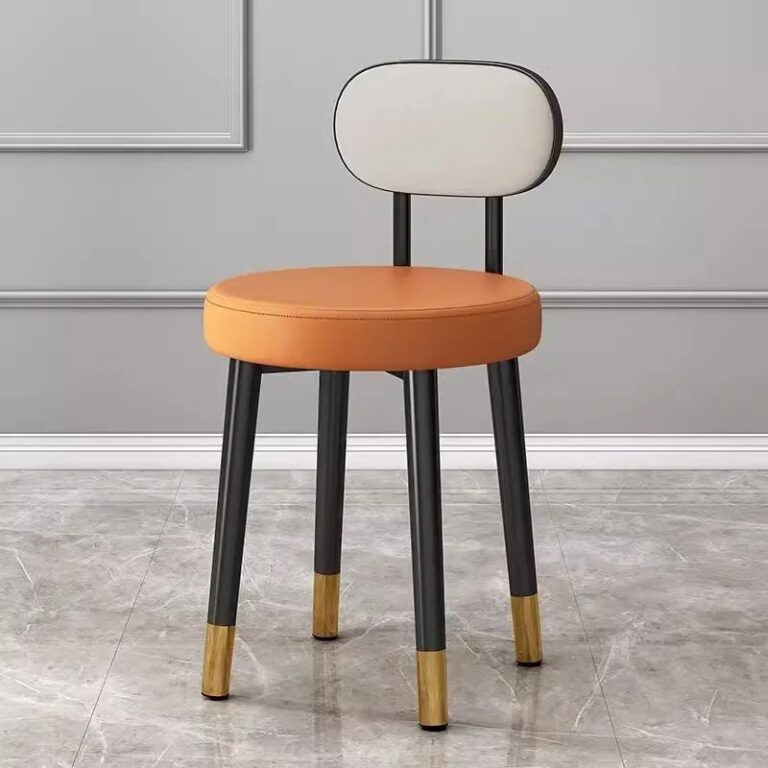
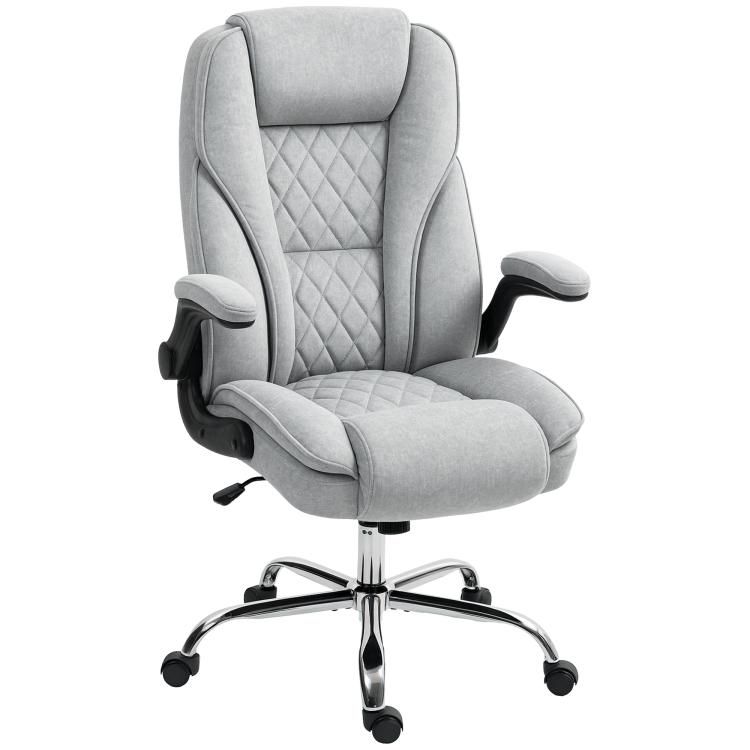 Aisha's pickContemporary Office Chairs for Working From Home Without the Backache