For a long time I thought wall panels meant one thing: those shiny plastic strips from the hardware store that make a bathroom look like a cruise ship from 1998. I avoided them for years because of one rental I saw with them running floor to ceiling in a hallway, under fluorescent light, and it was genuinely grim. What changed my mind was seeing real wood slat panels on a friend's living room wall, just one section behind the sofa, and realizing the material does all the work. It is not one category, it is about twelve different things wearing the same name.
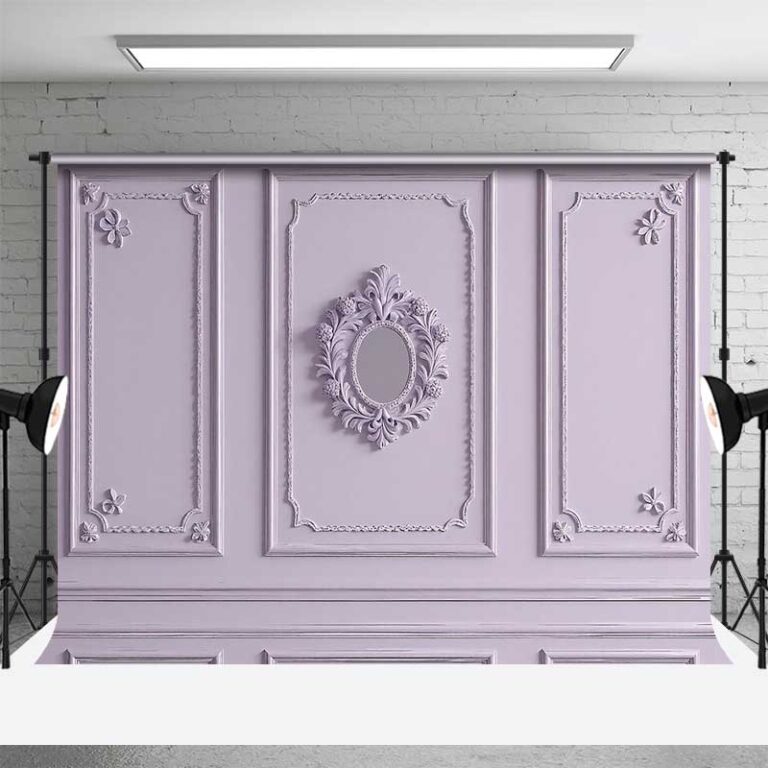
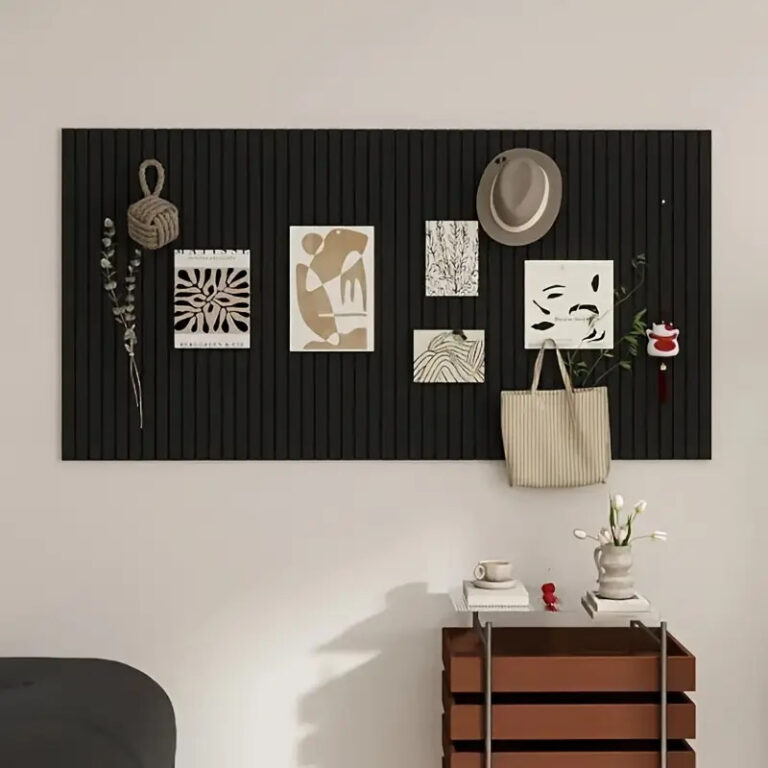
The finishes that live well long term are the quiet ones. Natural wood tones, the honey and walnut range, hold up in almost any room because they read as furniture more than decoration. Painted MDF panels in off white or a soft putty color do something lovely in a hallway or stairwell, they catch light without shouting. I'm less sold on the high gloss black or dark charcoal versions, they look sharp in a photo and then show every bit of dust and every fingerprint within a week. If you have kids or a dog with enthusiasm, go matte, always.
The honest limits are about scale and commitment. Full room coverage, all four walls, needs a big room to breathe or it turns cozy into cramped fast. I made that mistake in a small office nook once, battened paneling on every wall, and it felt like being inside a cigar box. One wall, or a half height run around a room, almost always works better than the full treatment unless the ceilings are genuinely tall. Textured or 3D panels are also a bigger swing than they look in the listing photo, they catch shadow in a way that either looks rich or looks like a migraine depending on your lighting, so check the room at night before committing. And in a rental, anything glued or nailed is a conversation with your landlord you want to have before you buy, not after.
Where panels clash is with other strong textures doing their own thing nearby. Busy patterned wallpaper in the next room, heavy exposed brick, ornate molding, all of these start competing with paneling instead of supporting it, and the room ends up looking like three different decisions made by three different people. Keep the rest of the room calm and let the panels be the texture in the space.
Given time, wood panels mellow in a way I like, the color deepens slightly and any small dings start to look like they belong there rather than like damage. Painted panels need more patience with you, scuffs show, but a quick touch up brush and they're back to new in minutes.

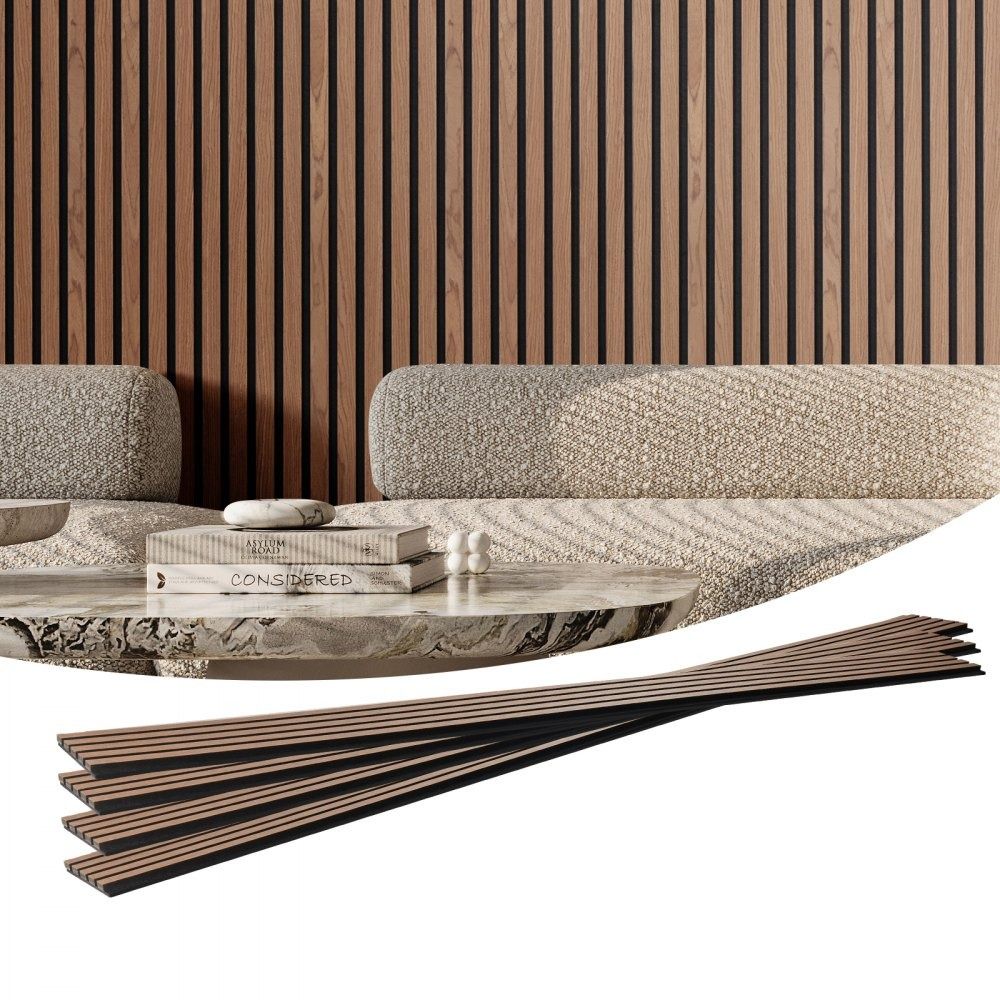 Aisha's pickMDF Wall Panels That Are Easy to Fit
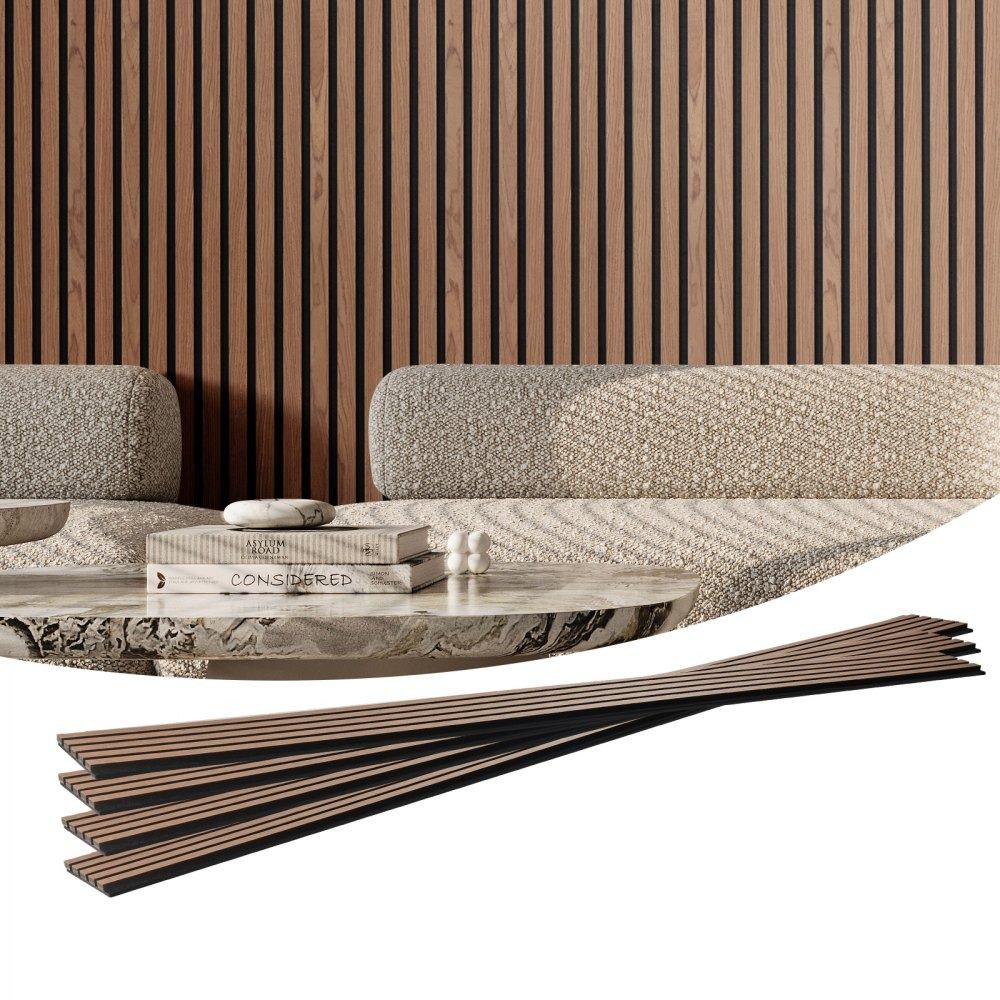
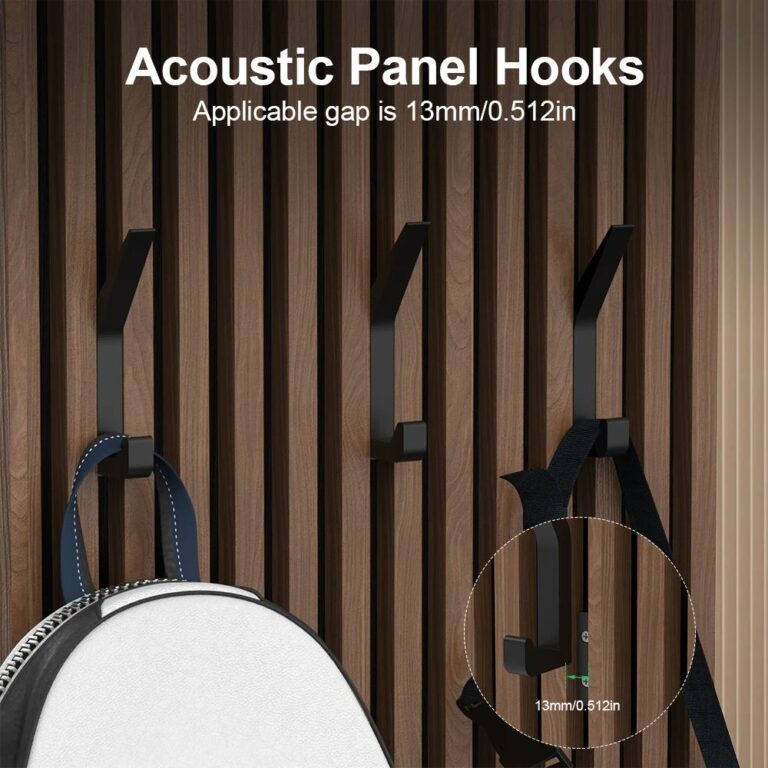 Aisha's pickSmall Wall Panels for People Who Know What They Like
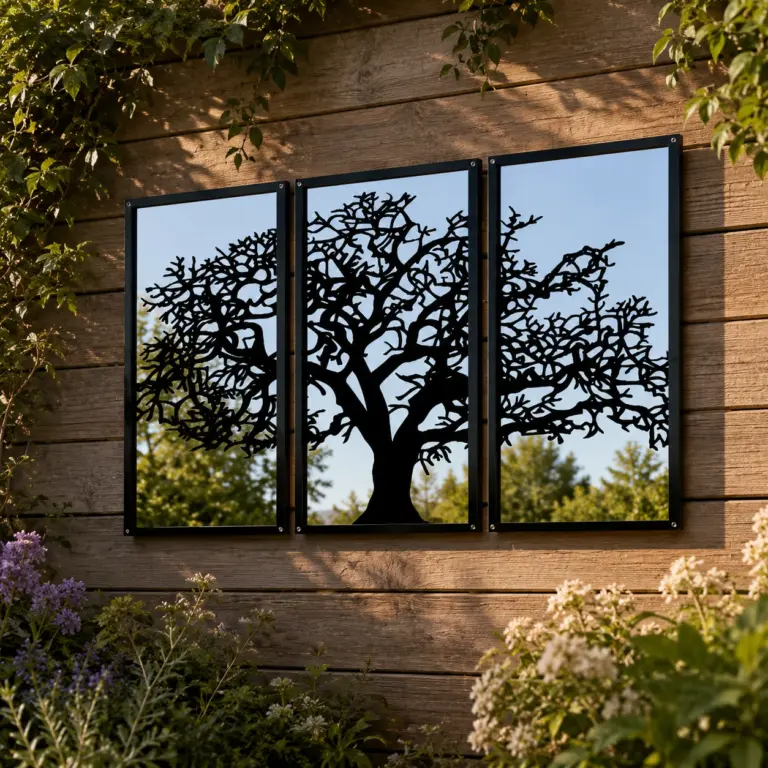
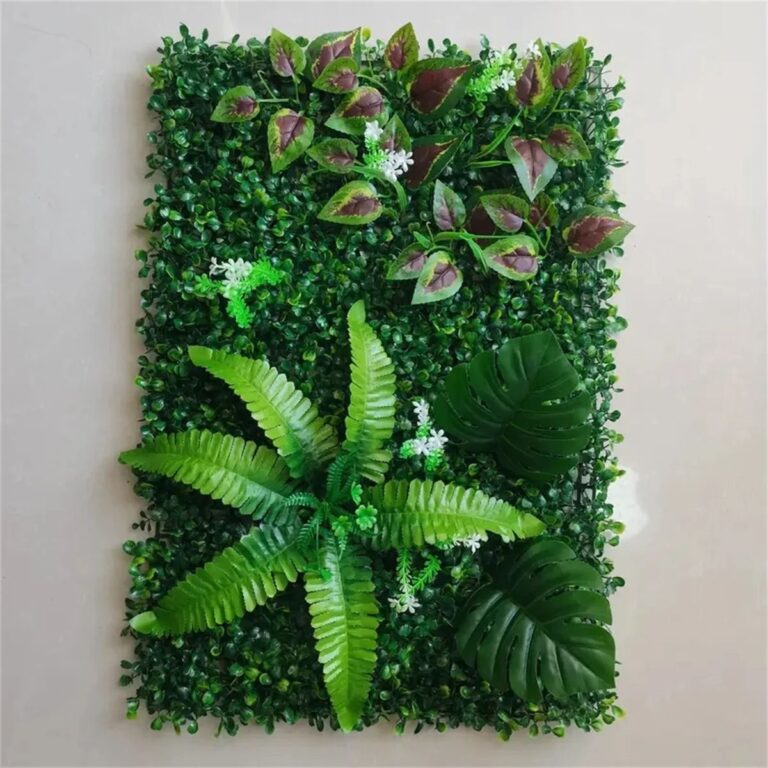 Aisha's pickShopping for 3D Wall Panels? Start Here
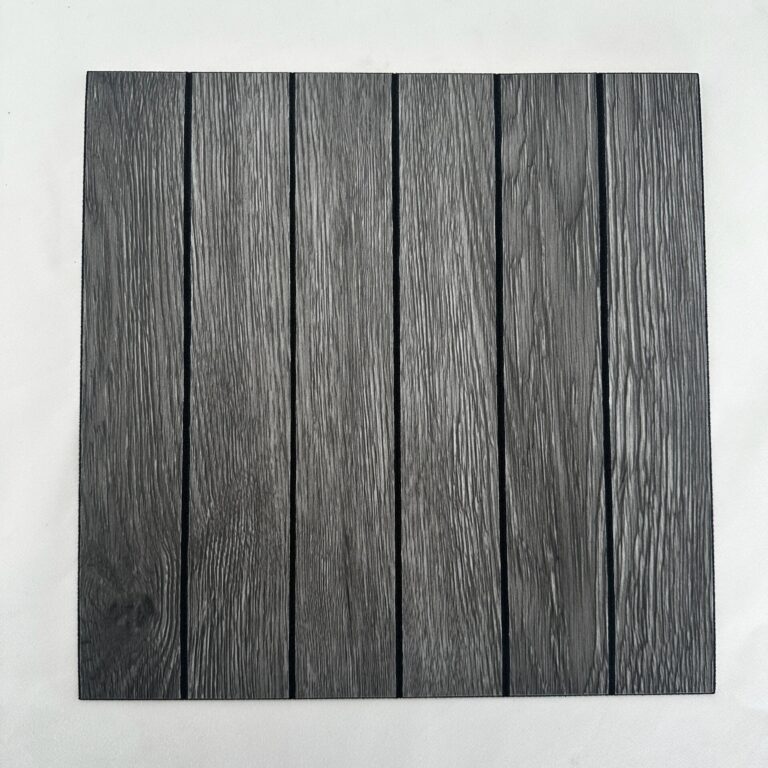
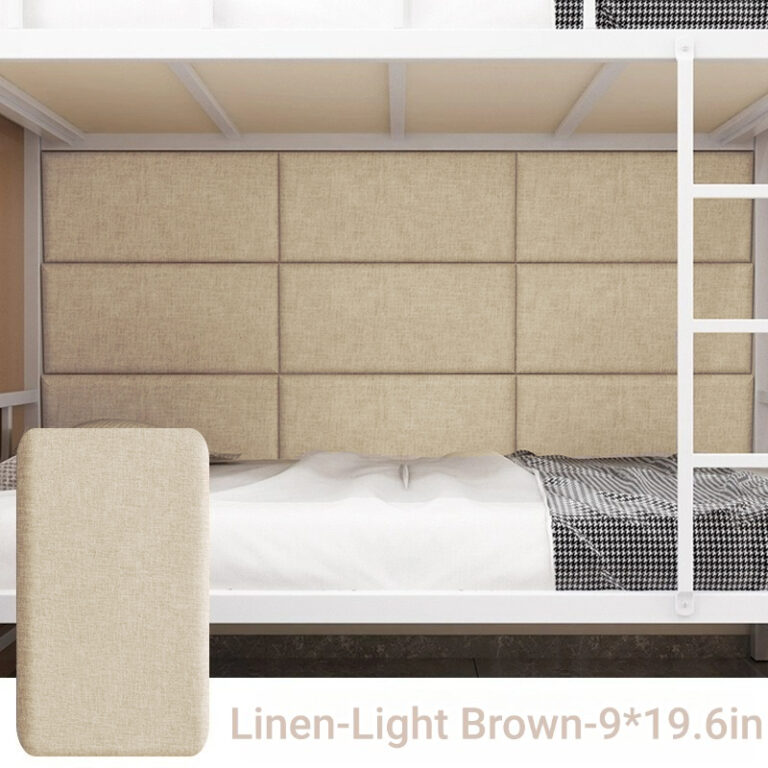 Aisha's pickModern 3D Wall Panels That Do the Job Right

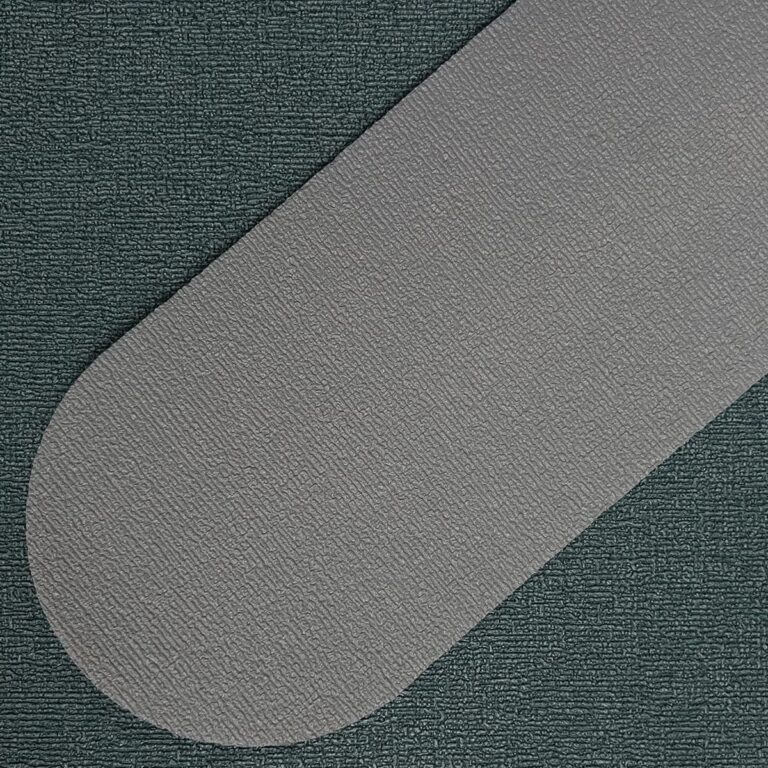 Aisha's pickSmall Wall Panels for Doing Up a Room on a Budget
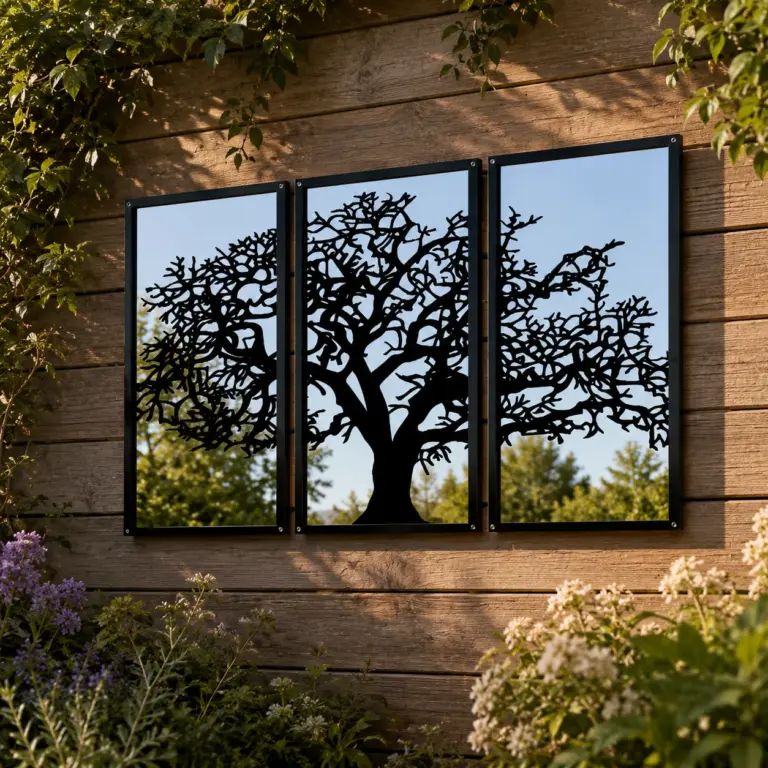
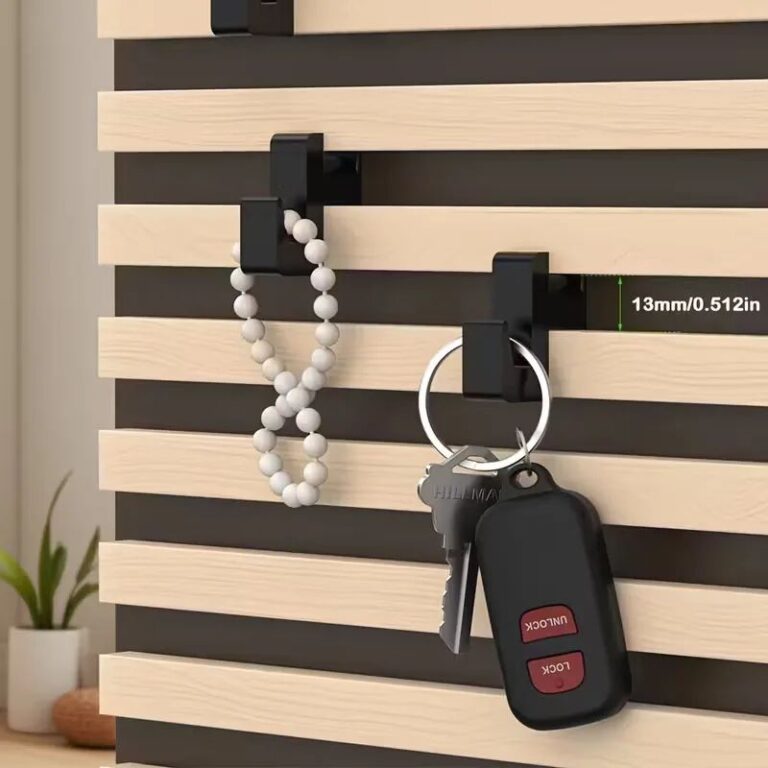 Aisha's pickAcoustic Wall Panels for a Quick Refresh
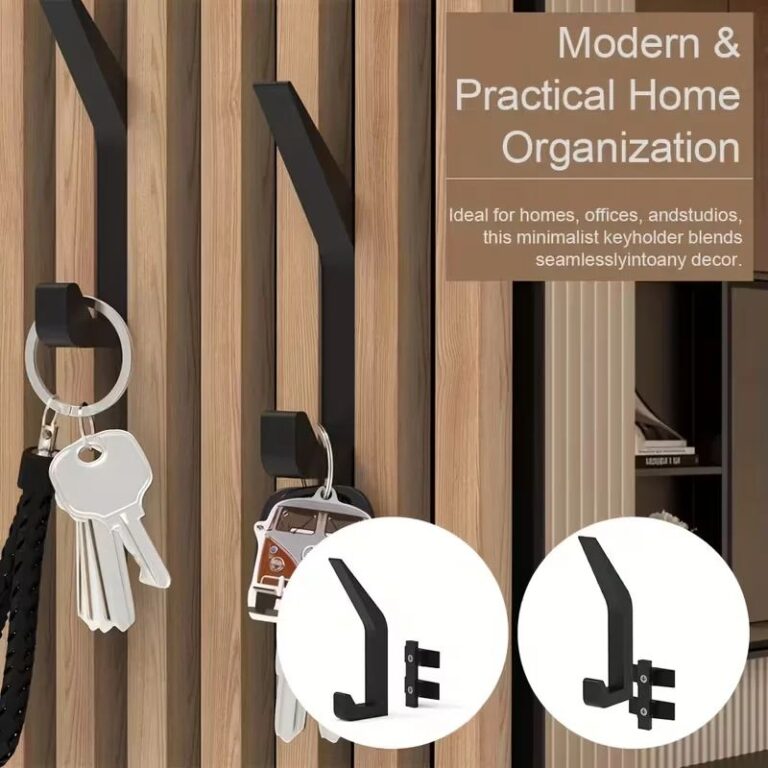
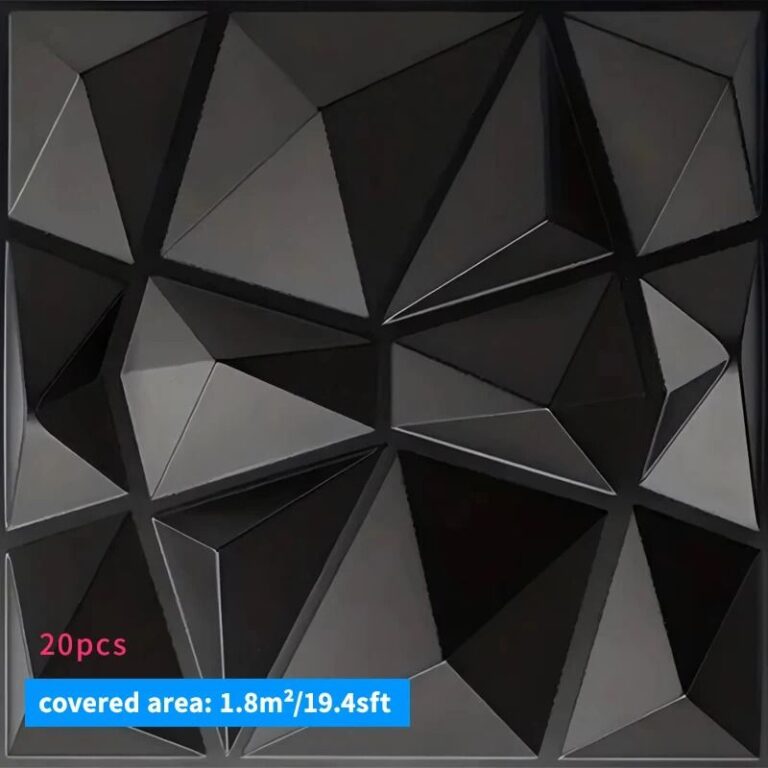 Aisha's pickModern Wall Panels We Keep Coming Back To
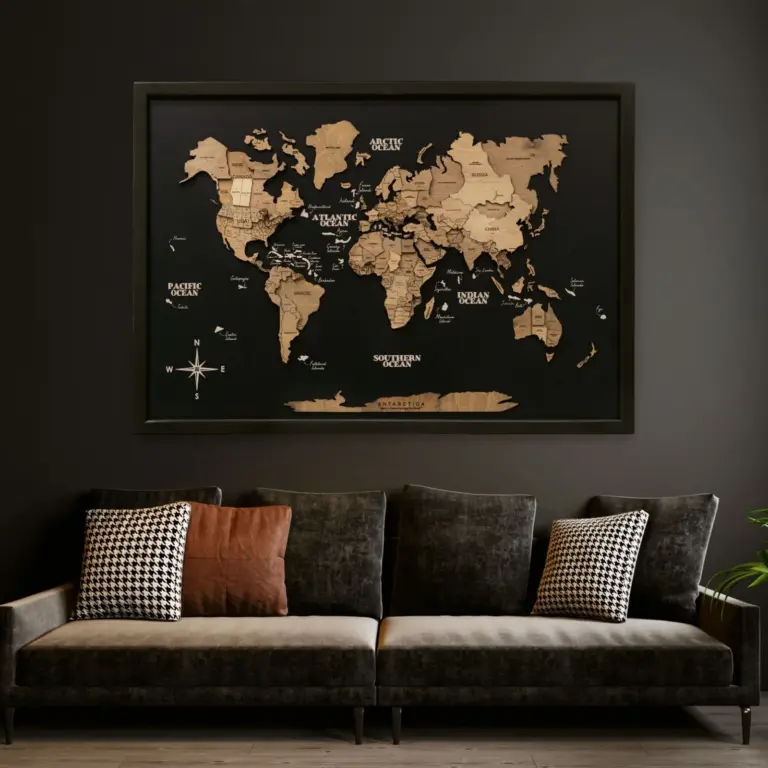
 Aisha's pickOur Shortlist of Sound Absorbing Acoustic Wall Panels
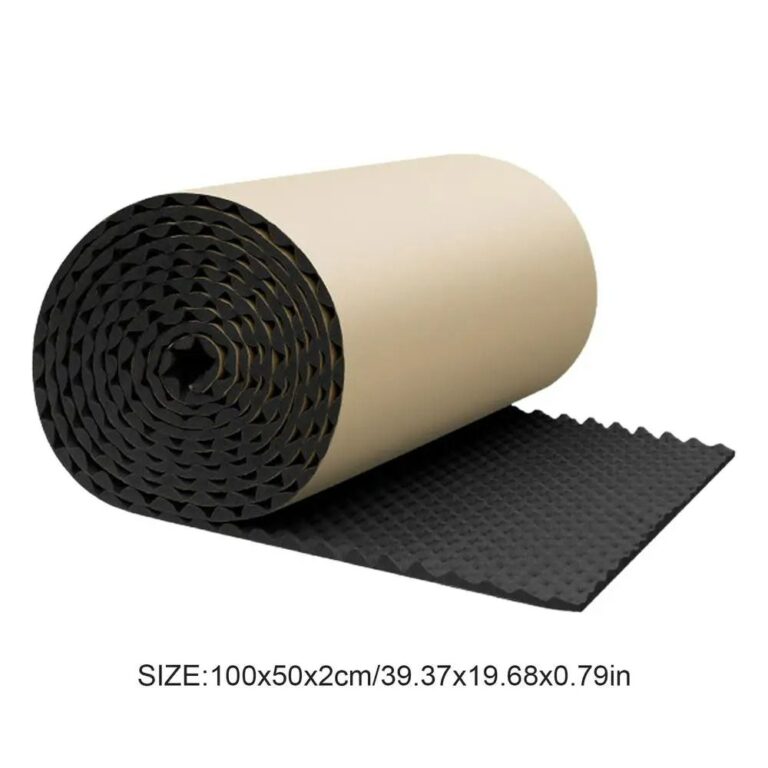
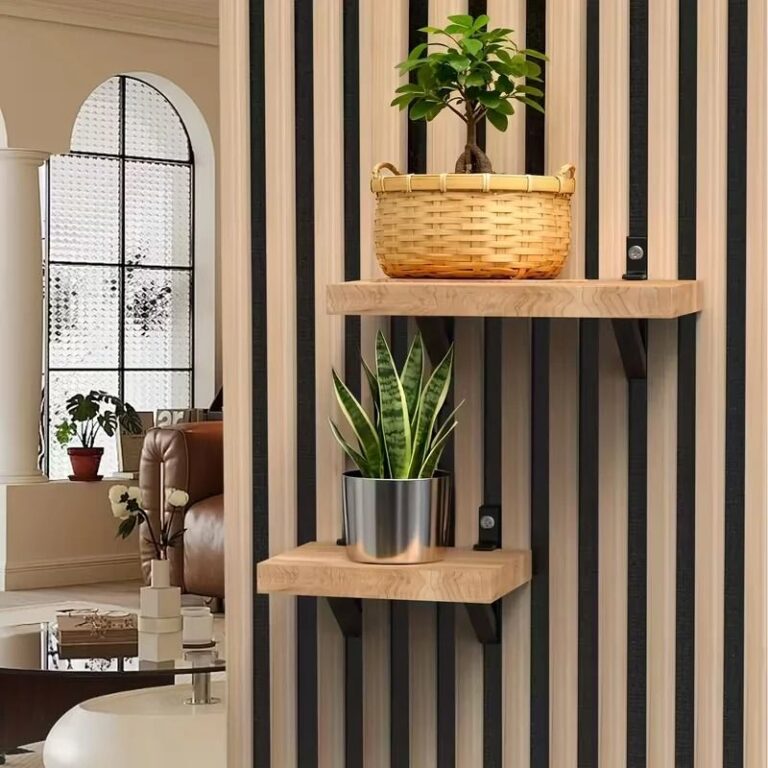 Aisha's pickAcoustic Wall Panels That Make a Big Difference for Not MuchAlso worth a lookFloor TilesFloor tiles make the most sense in kitchens, bathrooms, entryways and anywhere mud, wet dog or a dropped…See the collections →
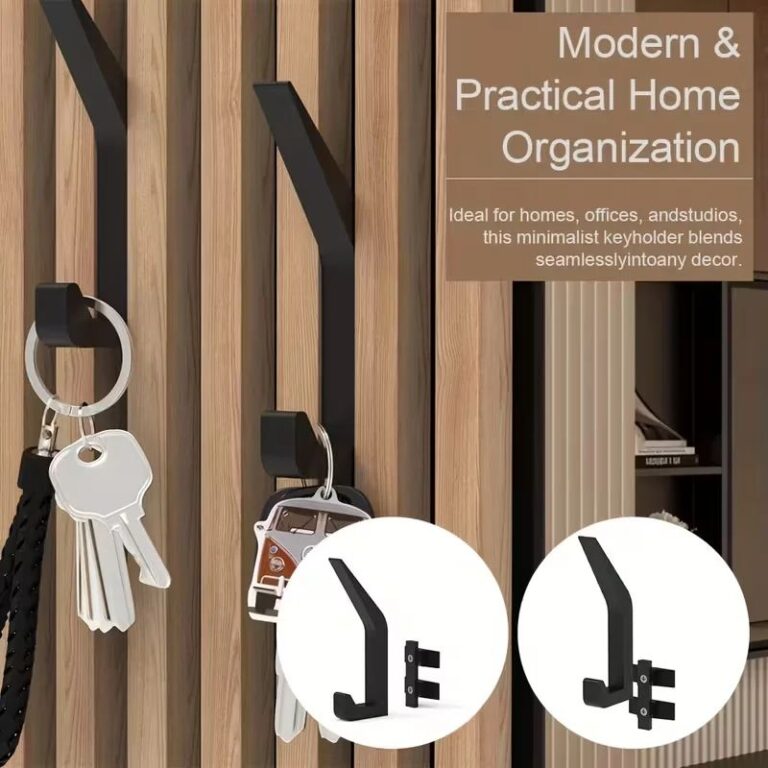
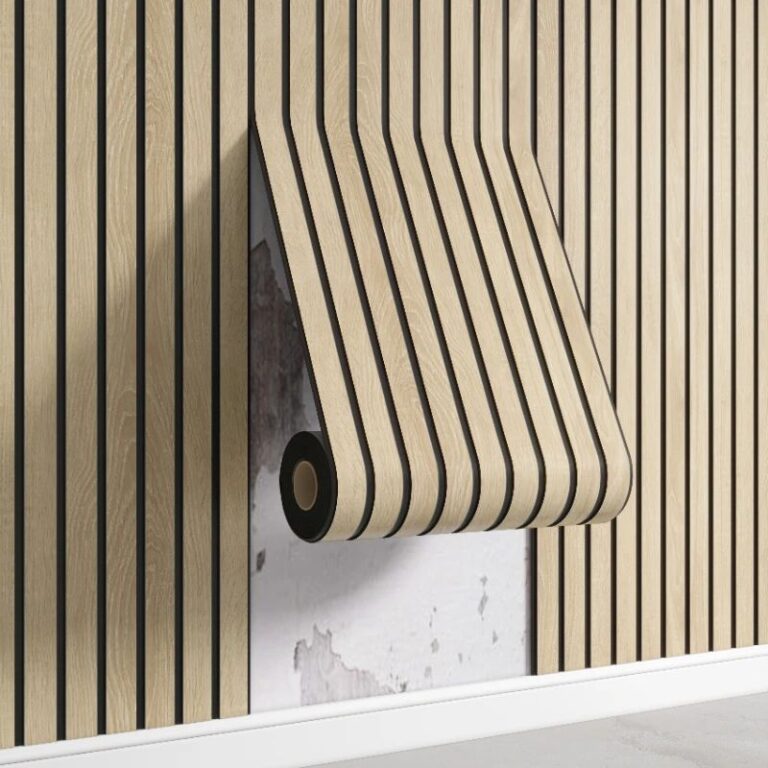 Aisha's pickModern Wall Panels That Look Like They Cost More
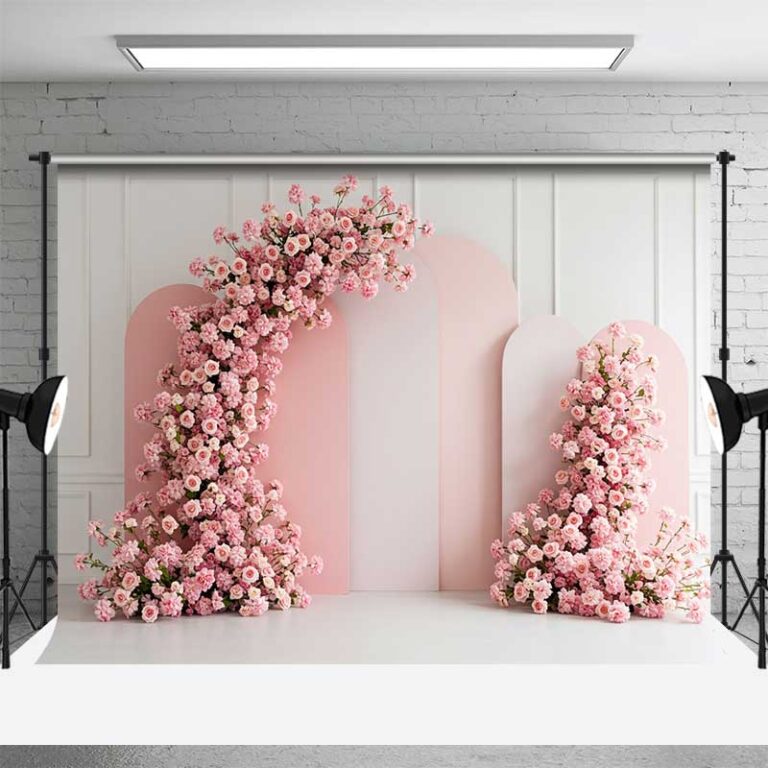
 Aisha's pickSound Absorbing Wall Panels Without the Silly Price Tag
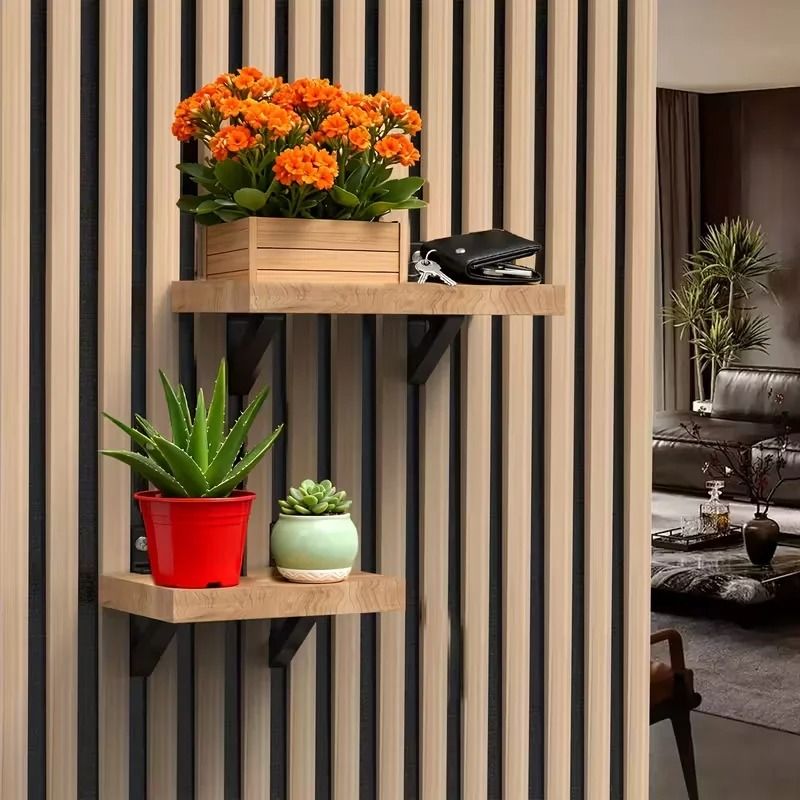
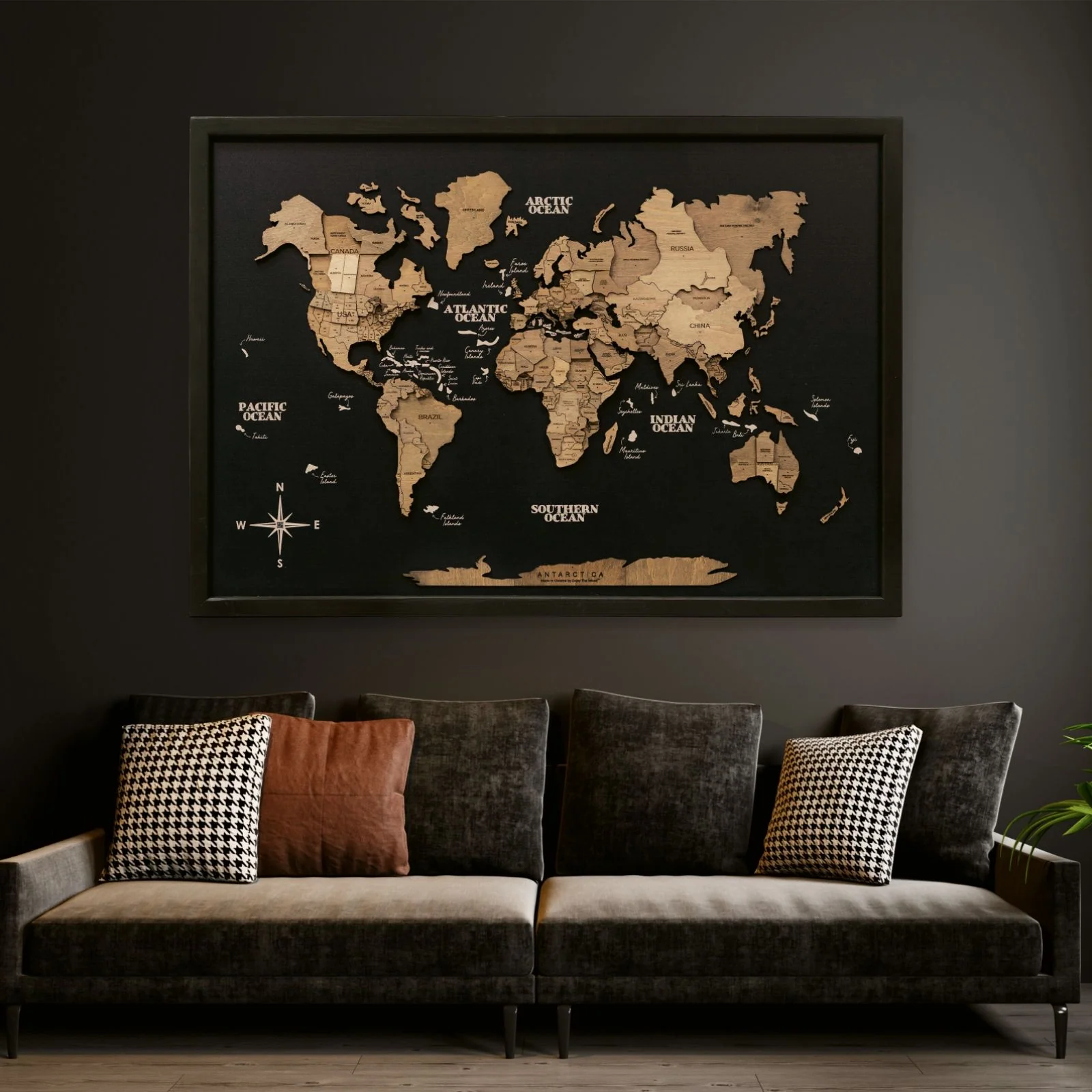 Aisha's pickGood Black Wall Panels That Don’t Cost a Fortune
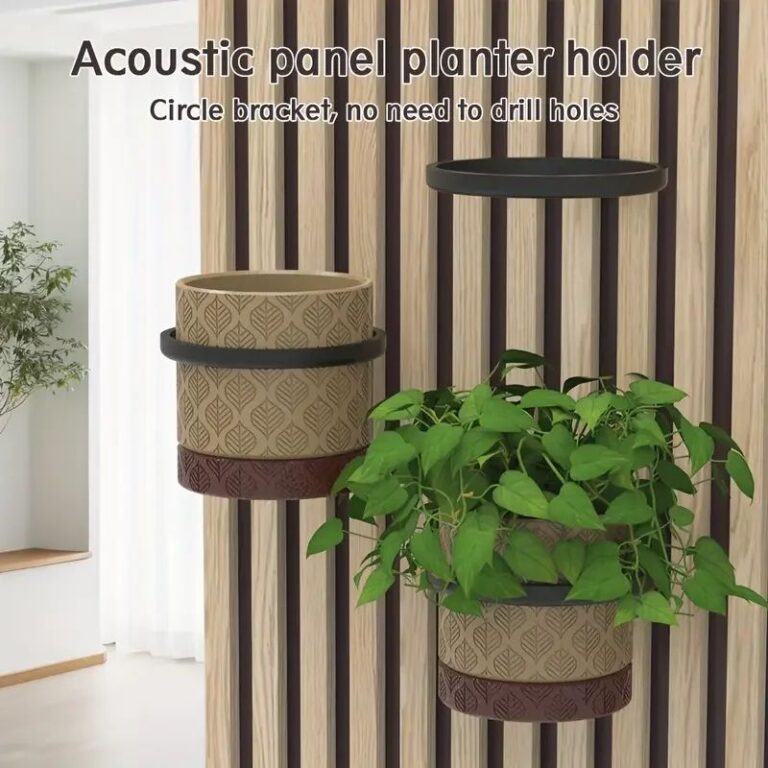
 Aisha's pickMoisture Resistant Wall Panels That Finish a Job Off Right
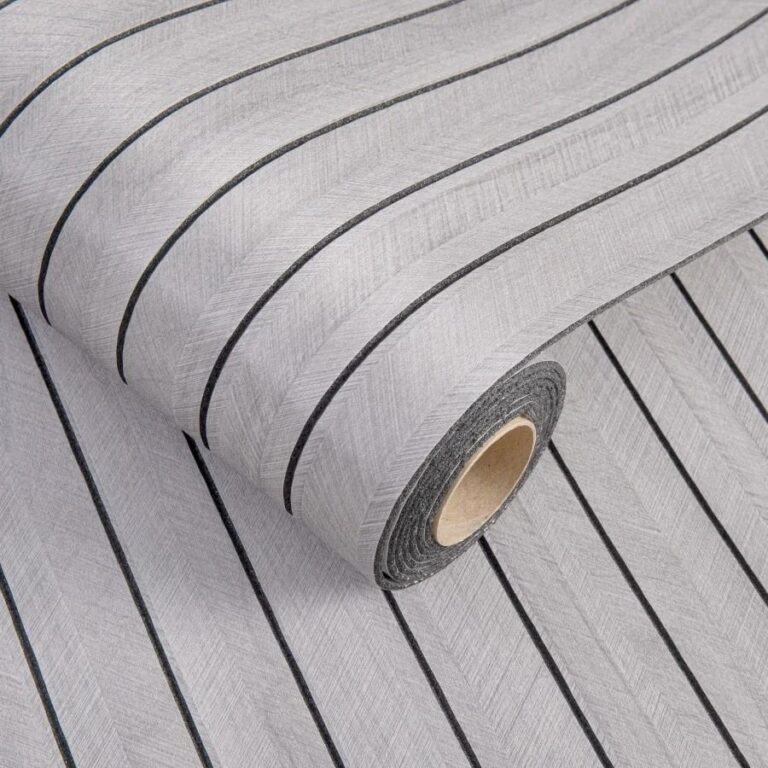
 Aisha's pickSound Absorbing Wall Panels We’d Use on Our Next Project
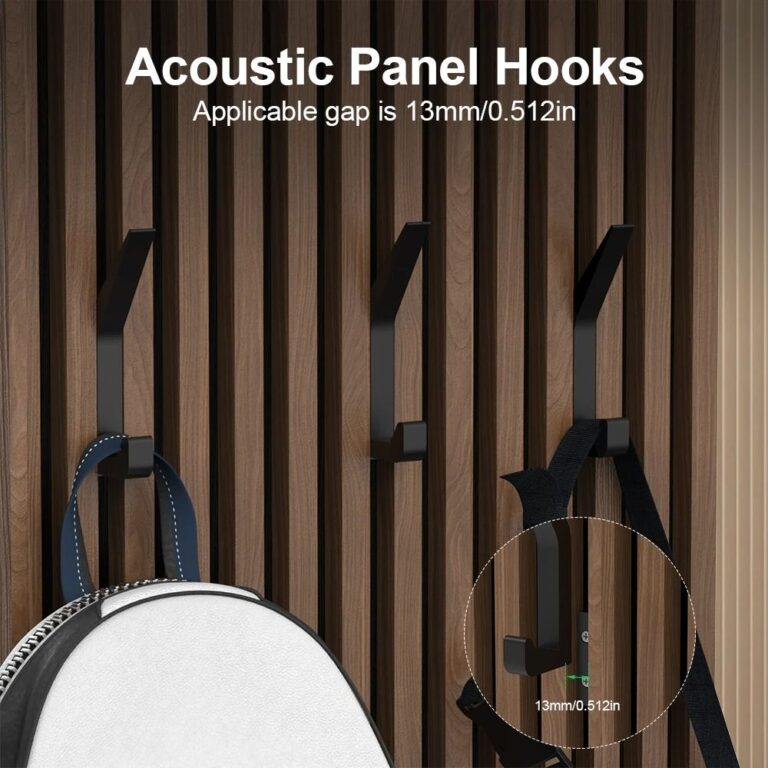
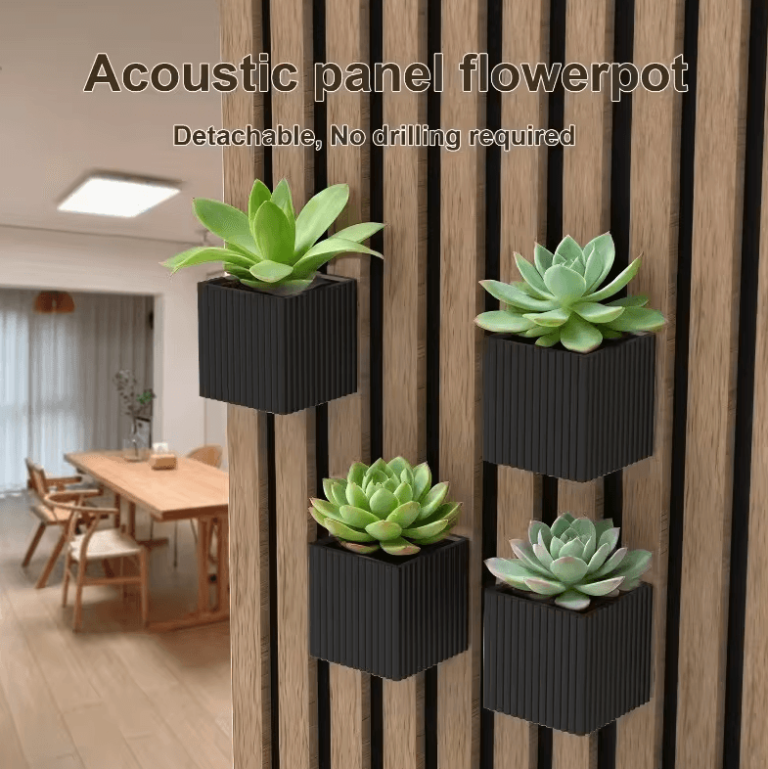 Aisha's pickBlack Wall Panels That Do the Job Right
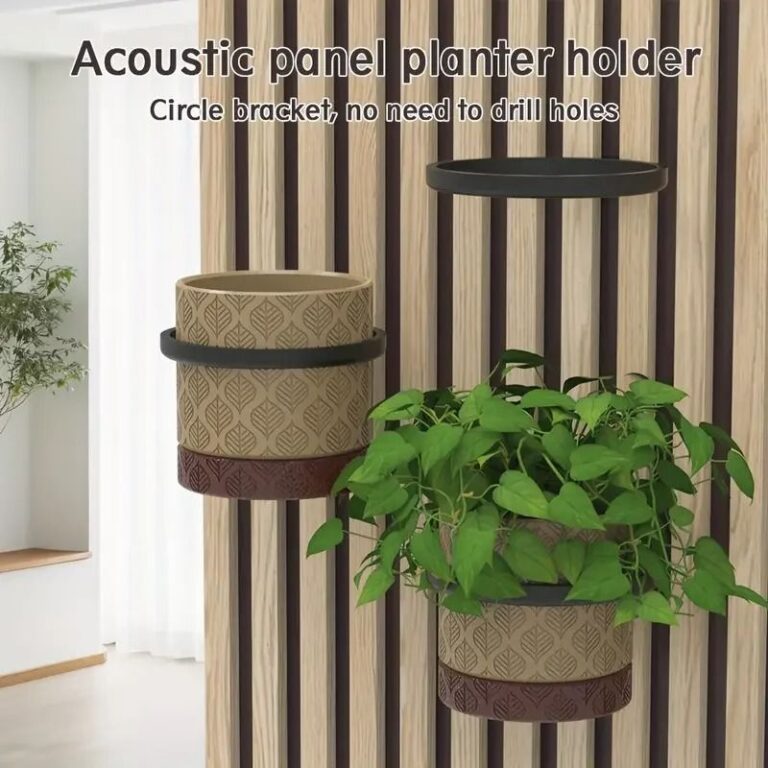
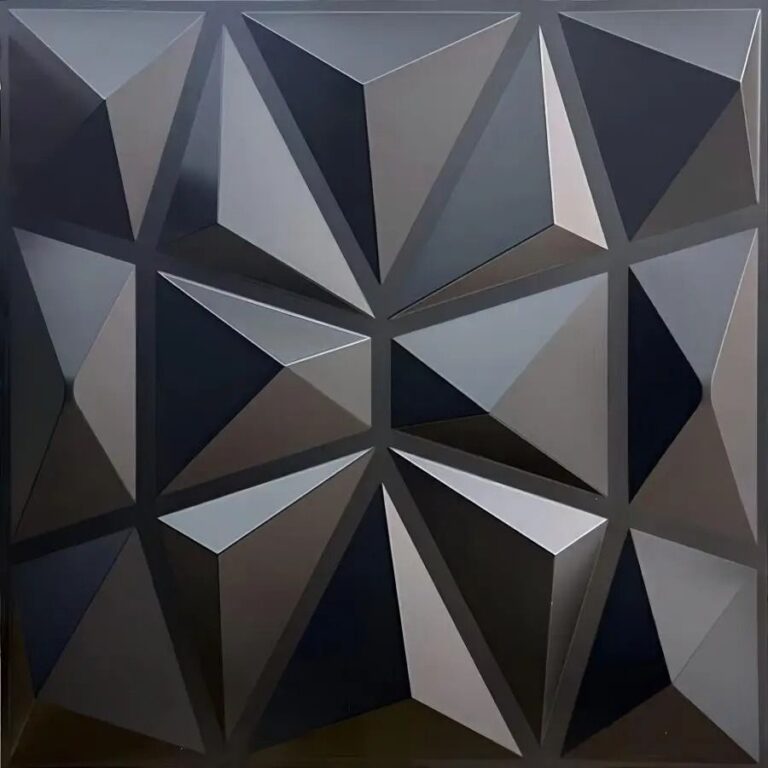 Aisha's pickWhere to Start With Moisture Resistant Wall Panels
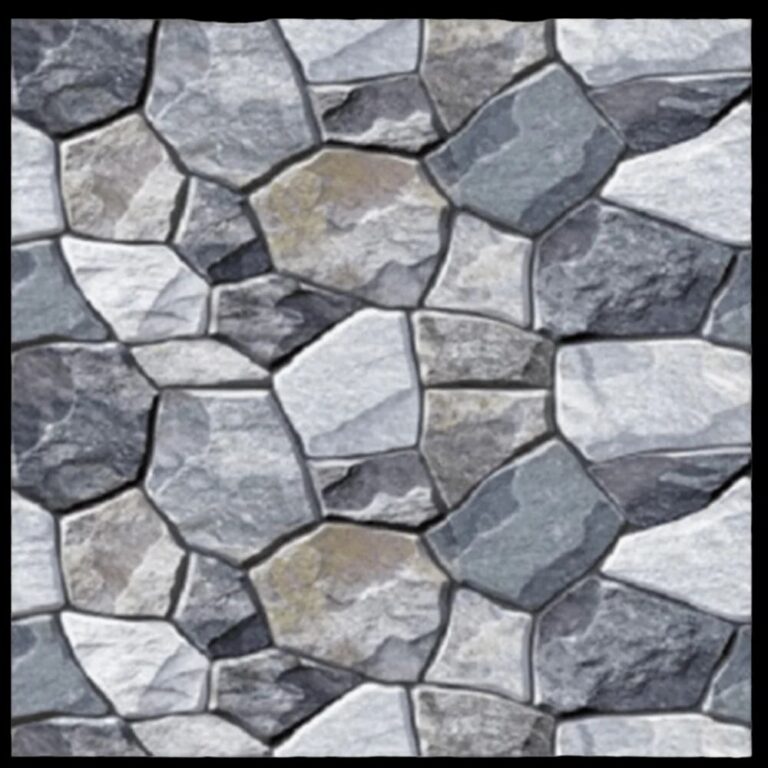
 Aisha's pickOur Shortlist of Tall Wall Panels
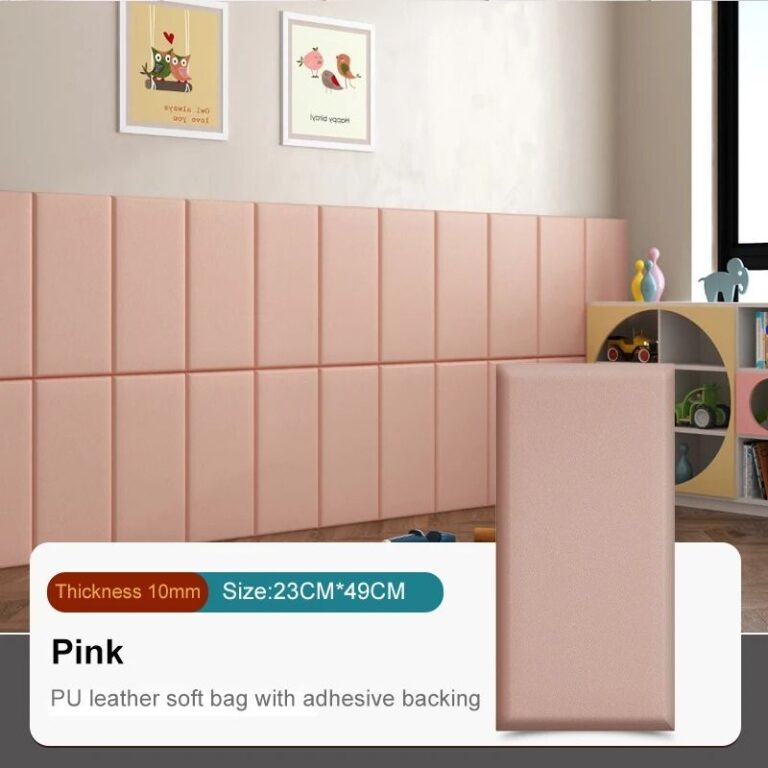 Aisha's pickDecorative Wall Panels That Go With Most RoomsAlso worth a lookBathroom TilesThe thing nobody tells you about bathroom tile is that you don't actually notice it day to day until the grout starts to go.See the collections →
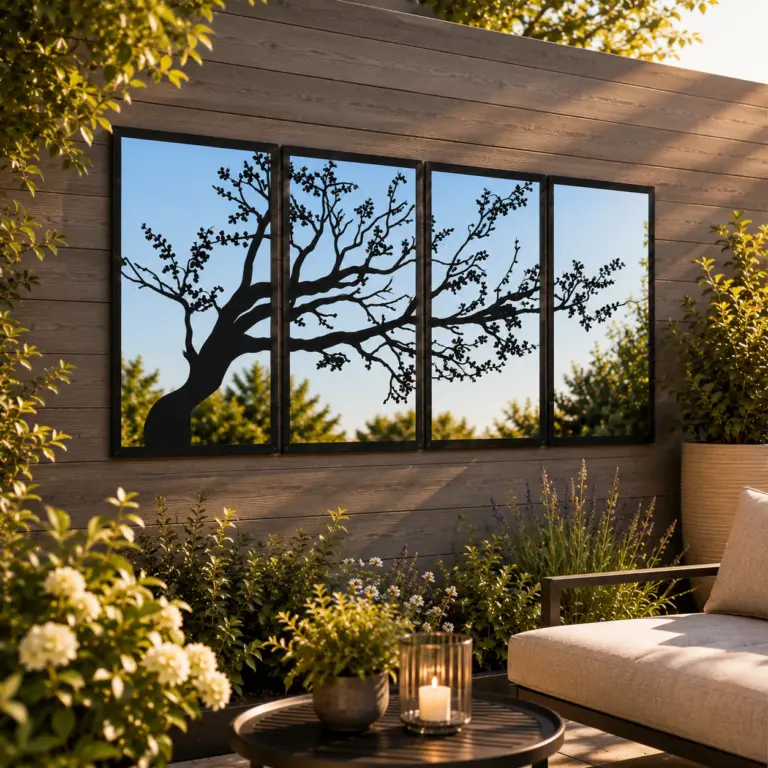
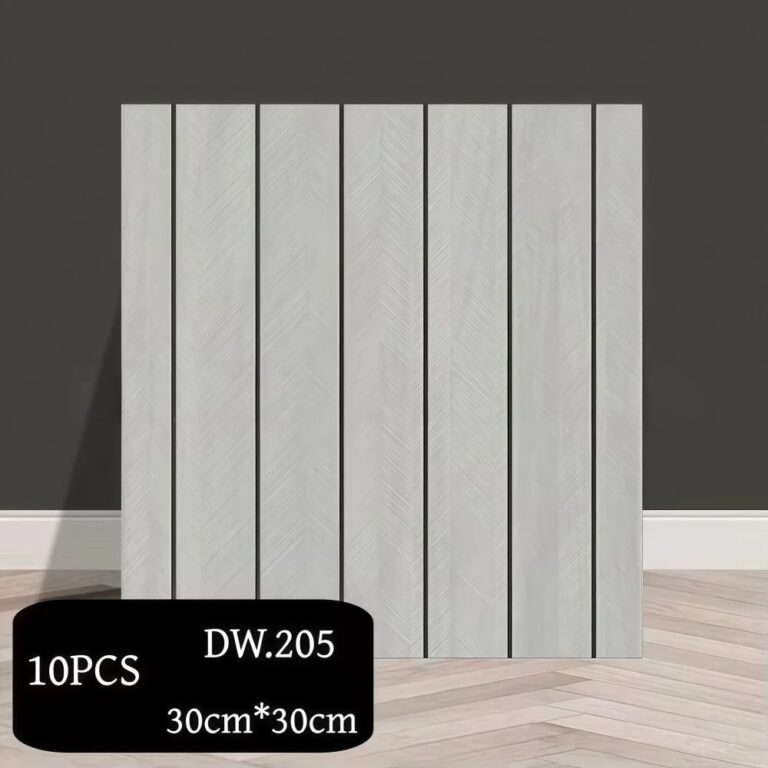 Aisha's pickNatural Wall Panels That Won’t Let You Down
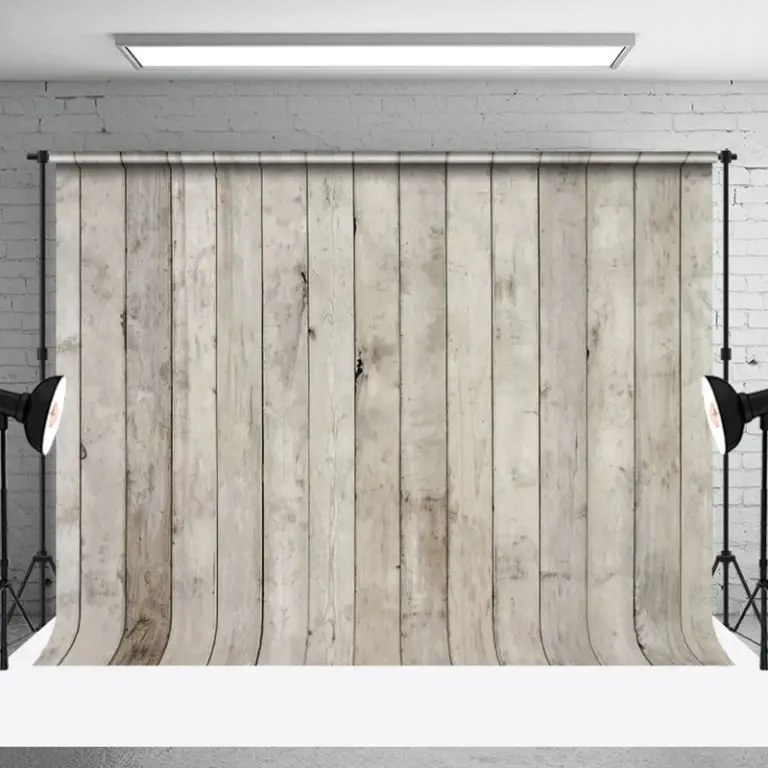
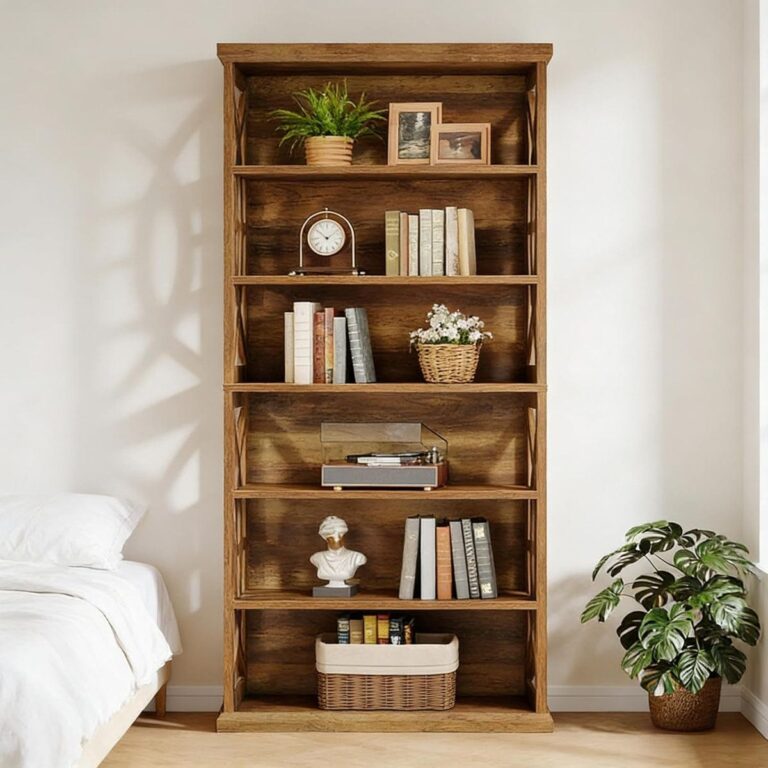 Aisha's pickTall Wall Panels at Every Price Point
 Aisha's pickGood Feature Wall Wallpaper Without the Big Price Tag

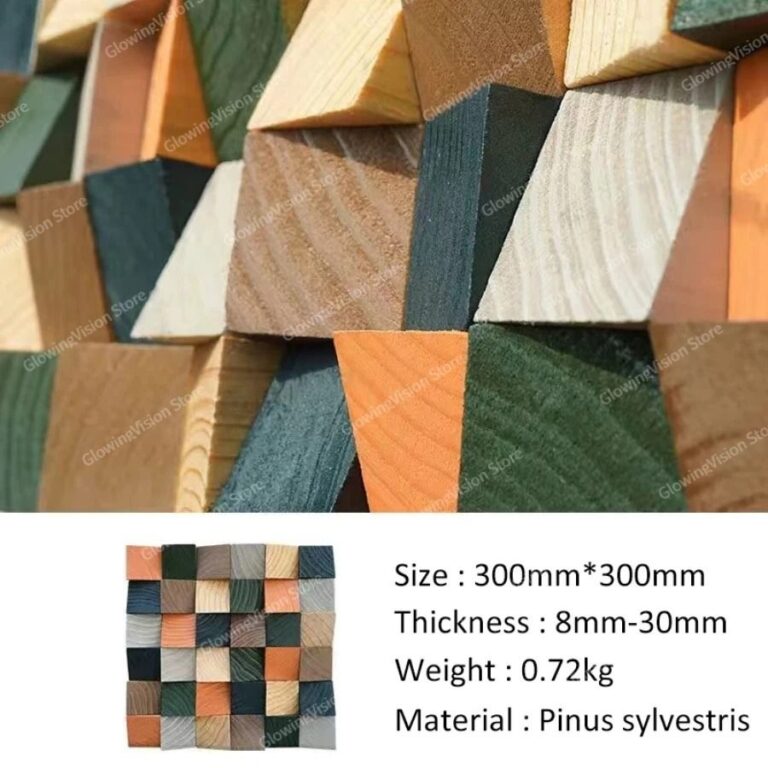 Aisha's pickNatural Wall Panels Without the Silly Price Tag

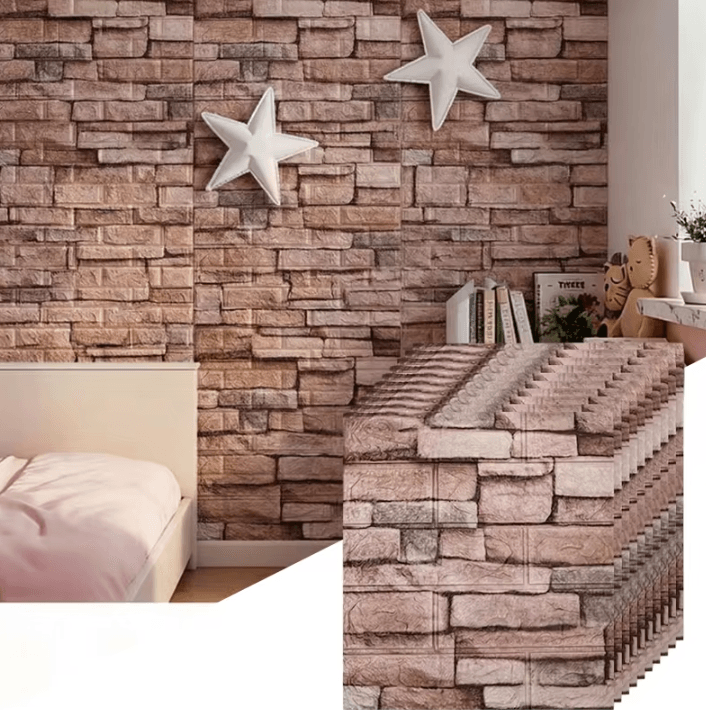 Aisha's pickTraditional Wall Panels for a Quick Refresh
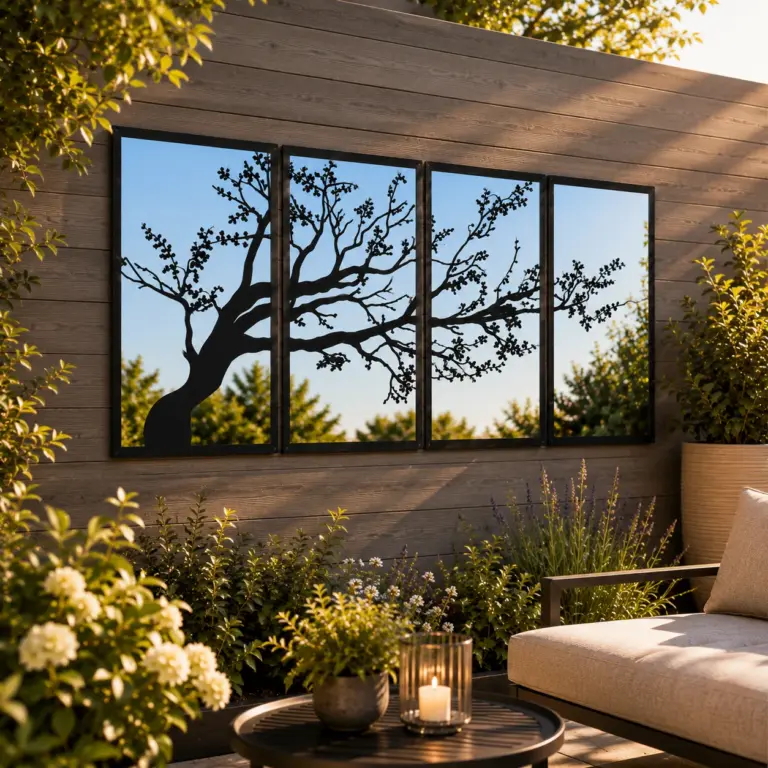
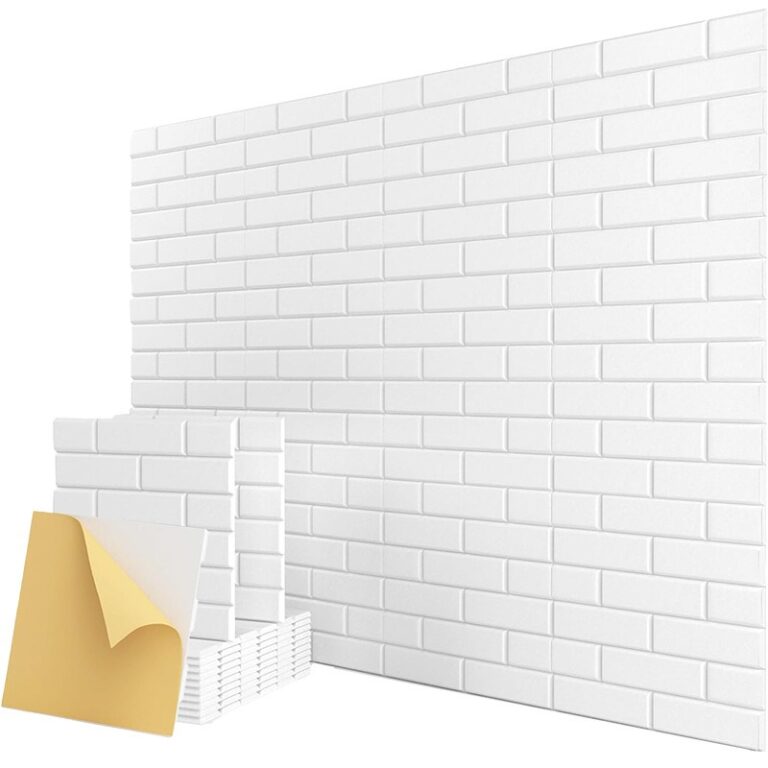 Aisha's pickFelt Acoustic Wall Panels at Every Price Point
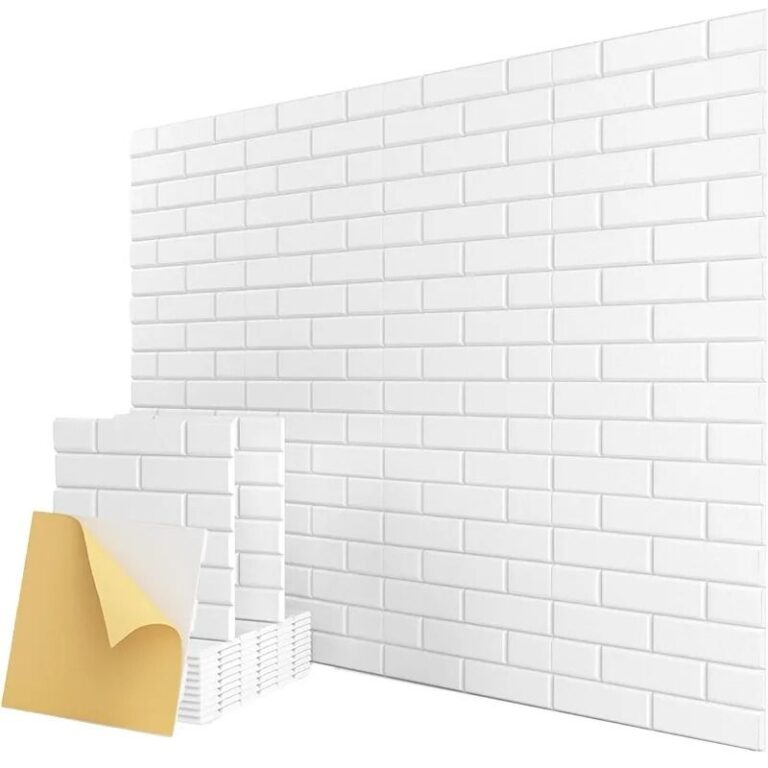
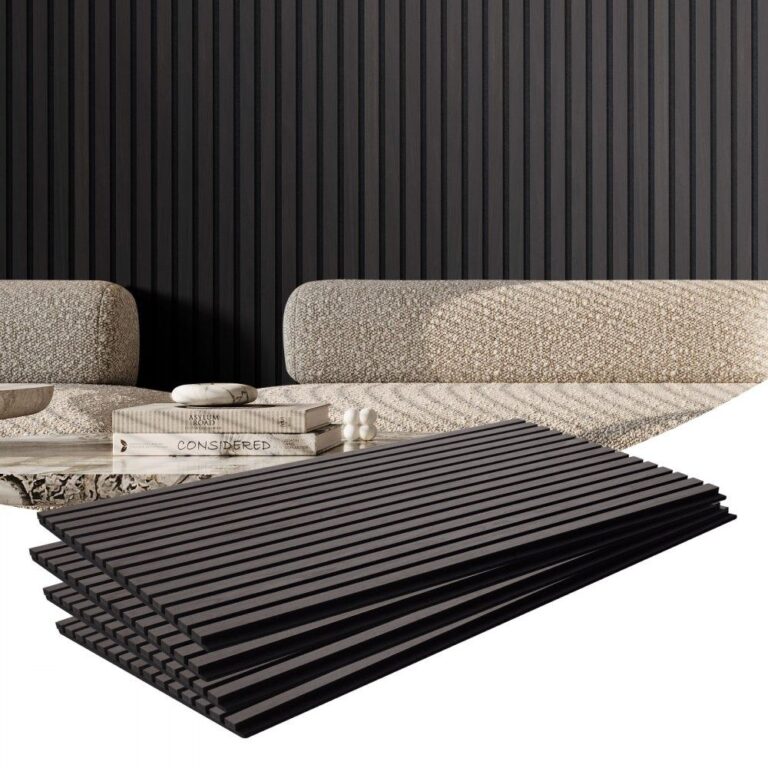 Aisha's pickOak Wall Panels That Lift a Tired Room
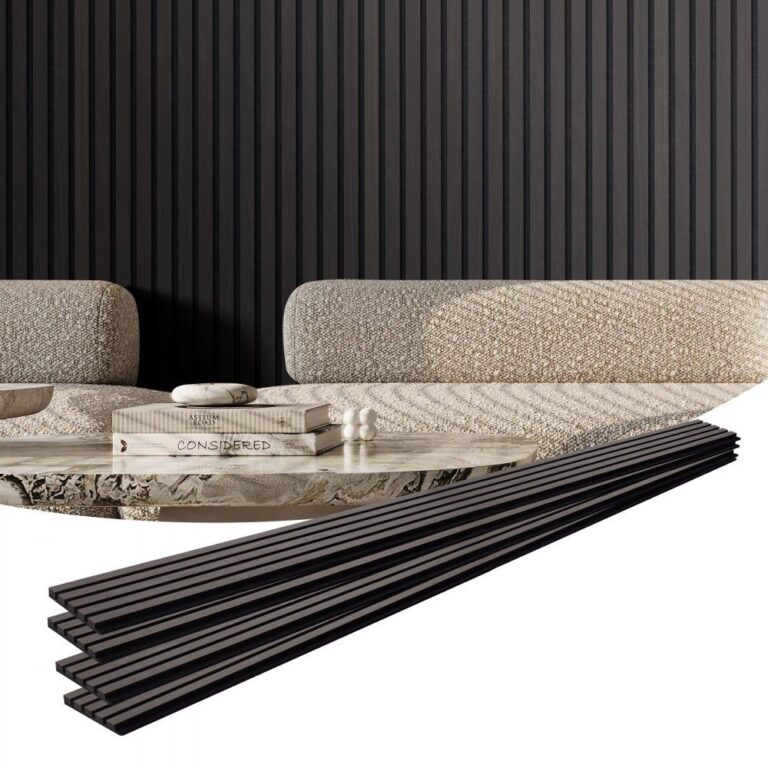
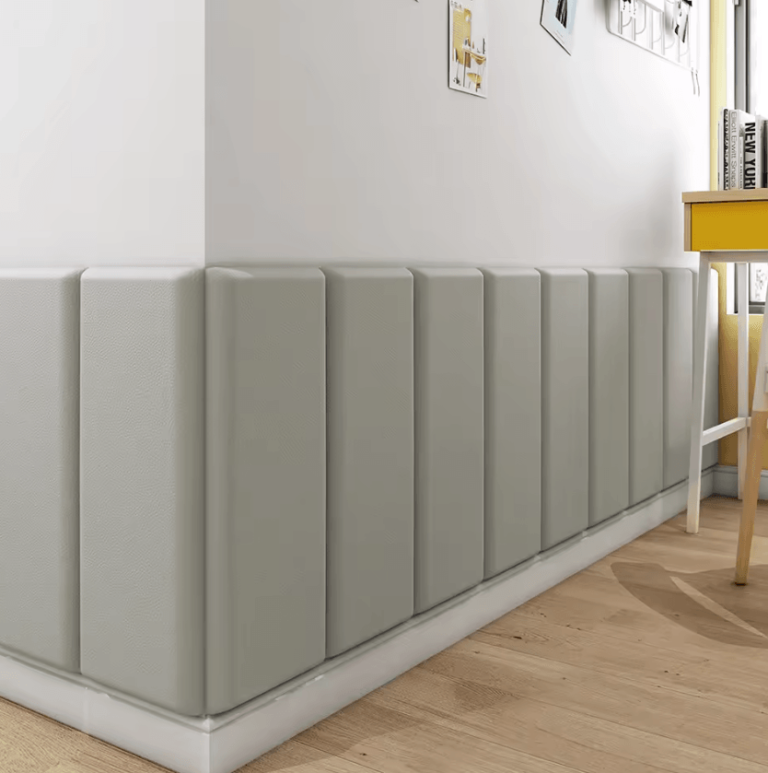 Aisha's pickTraditional Wall Panels That Visitors Always Ask About
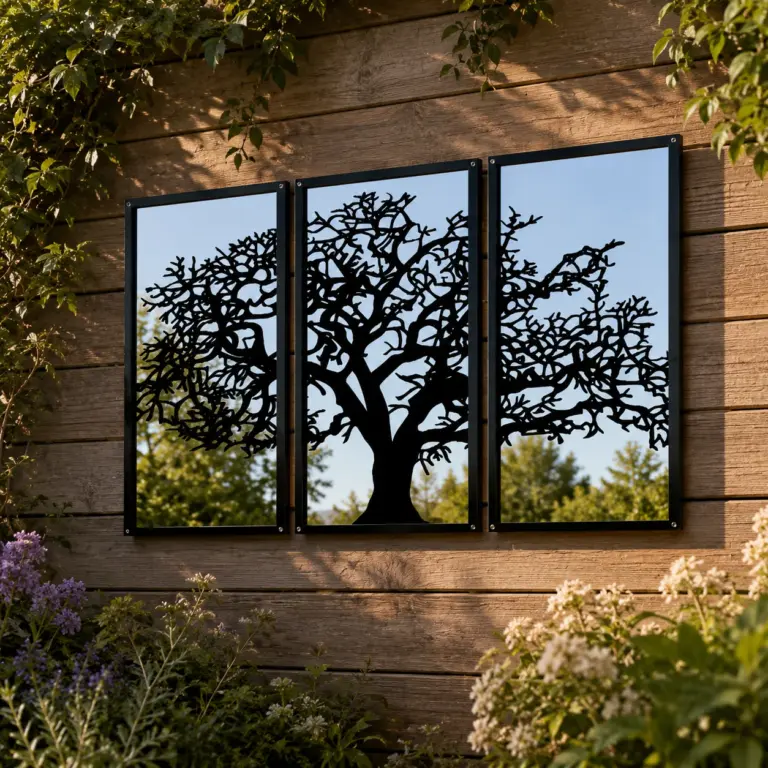
 Aisha's pickDecent Felt Wall Panels Without the HassleAlso worth a lookKitchen TilesKitchen tile is the surface that takes the actual abuse of cooking, grease splatter behind the stove, tomato…See the collections →
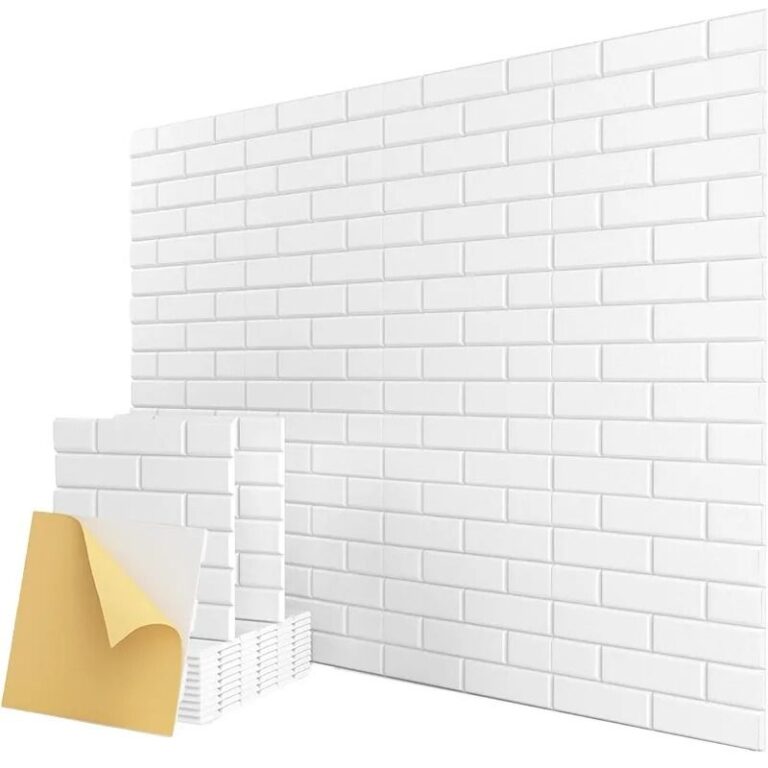
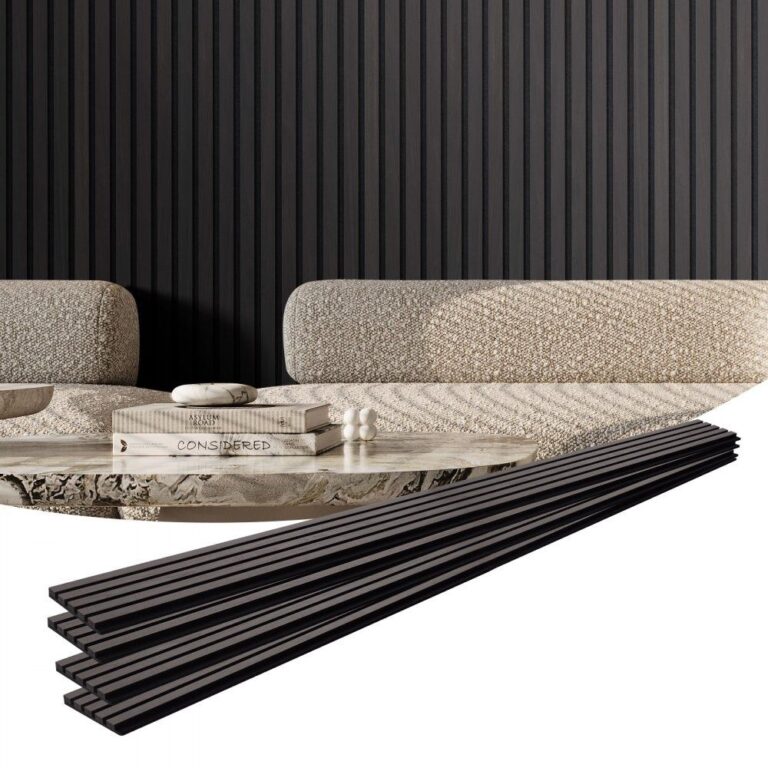 Aisha's pickOak Wall Panels for Weekend Projects
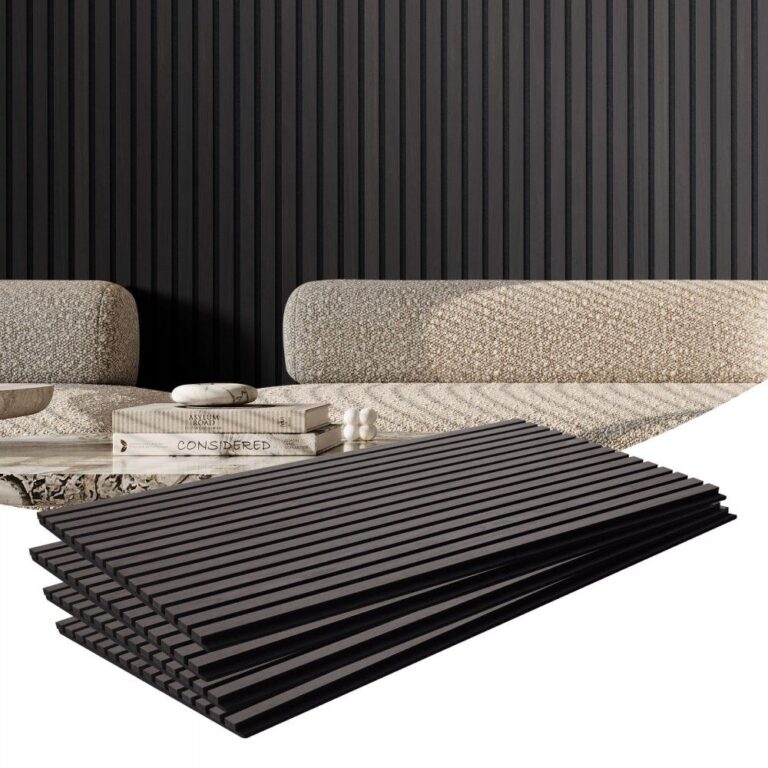
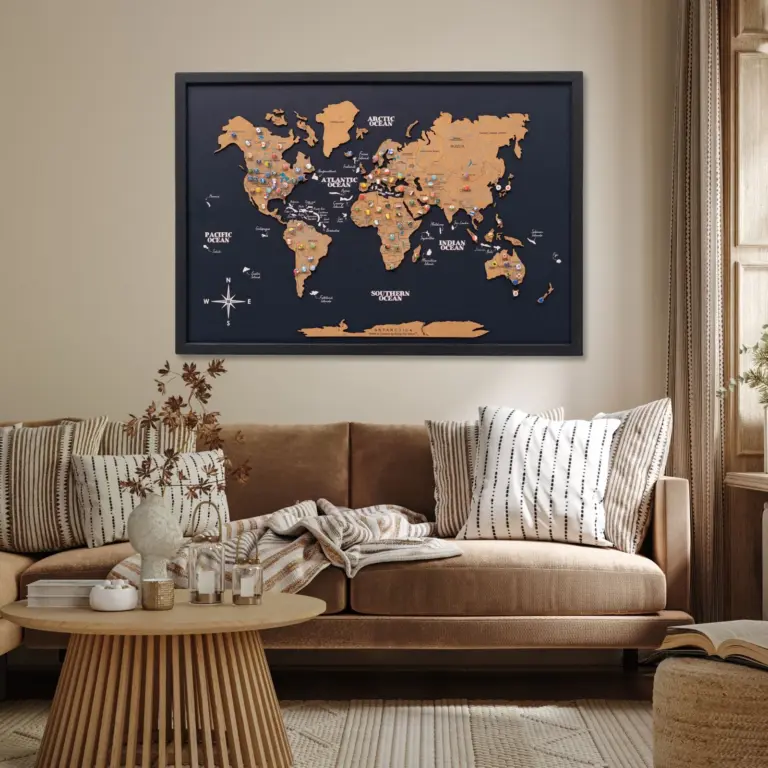 Aisha's pickWall Panels That Finish a Job Off Right
 Aisha's pickFelt Wall Panels That Don’t Shout About It
 Aisha's pickPine Wall Panels for Doing Up a Room on a Budget
 Aisha's pickWall Panels for Bedroom We’d Use on Our Next Project
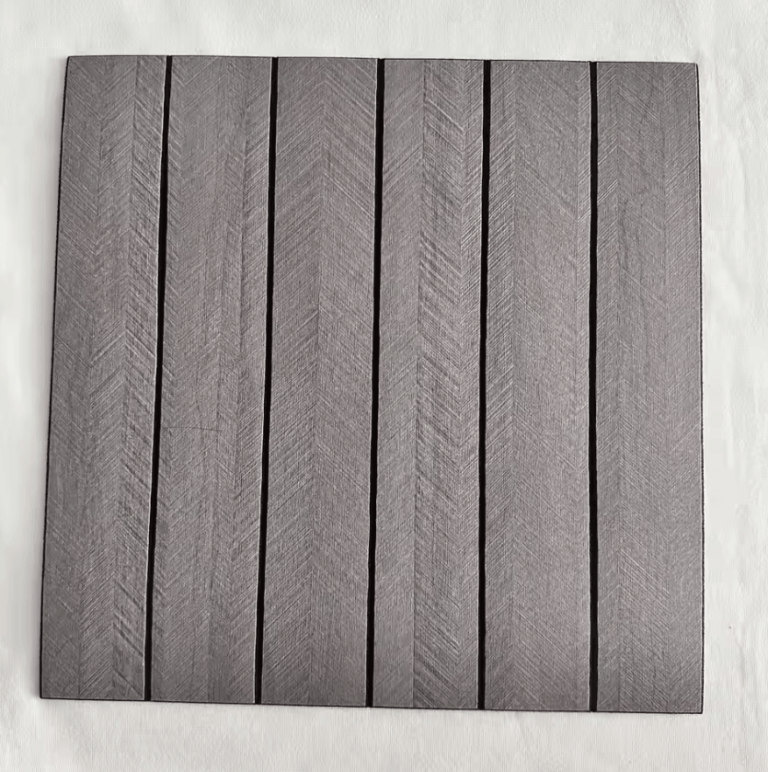
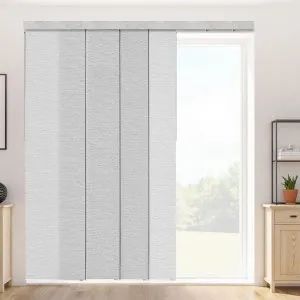 Aisha's pickGray Wall Panels We’d Use on Our Next Project
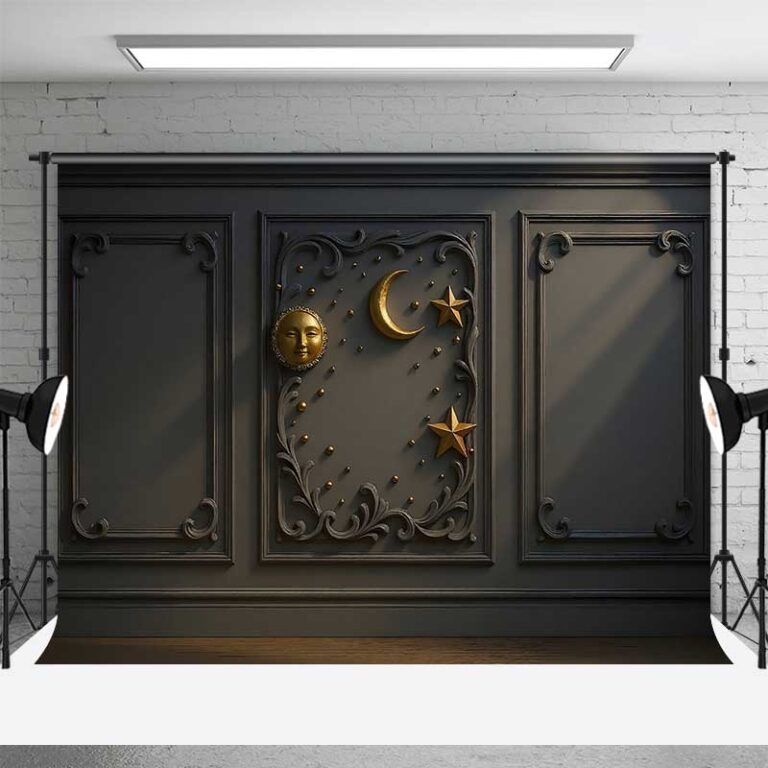
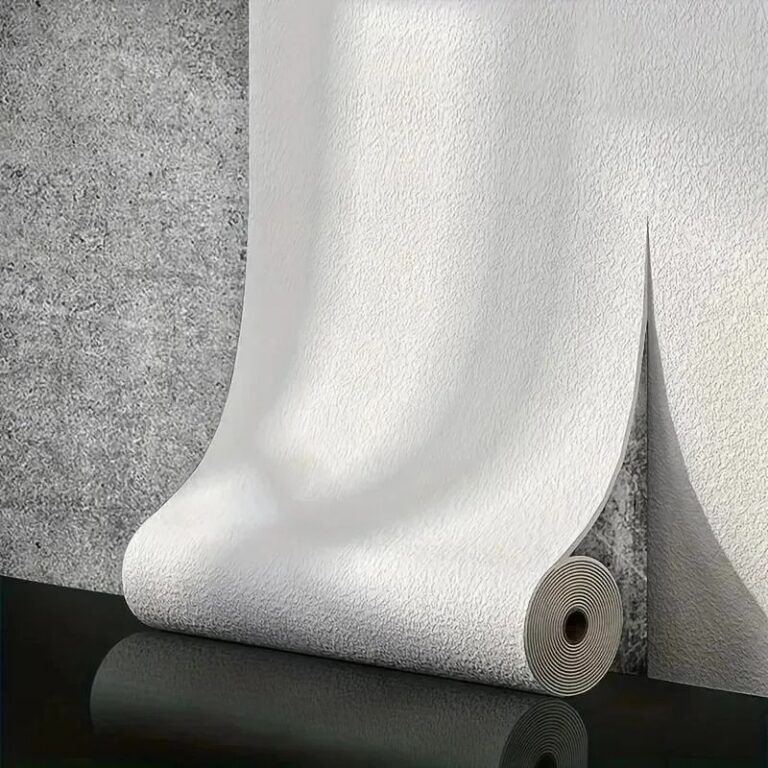 Aisha's pickSimple PVC Wall Panels Done Well
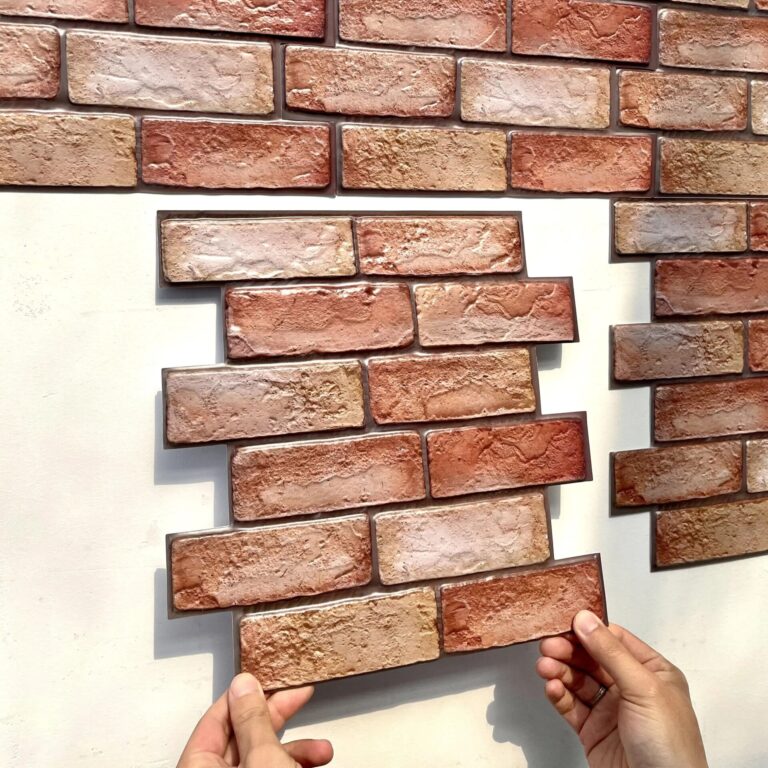
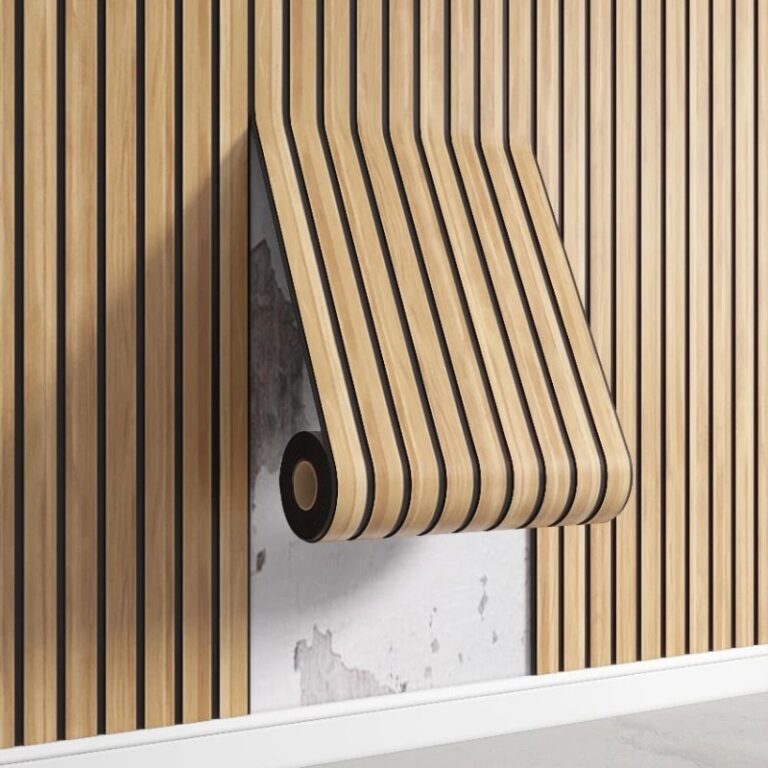 Aisha's pickWall Panels for Hallway That Won’t Let You Down