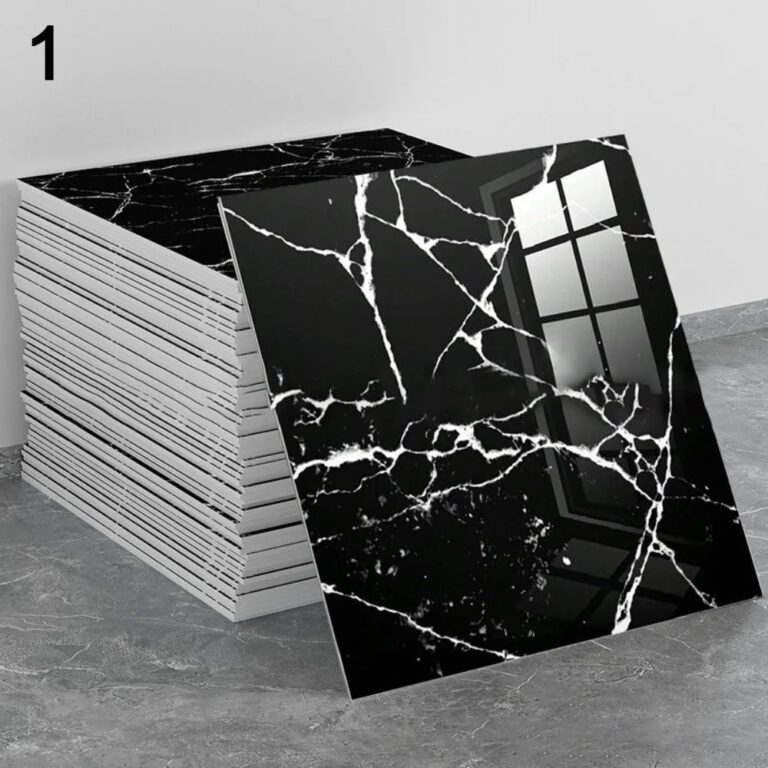
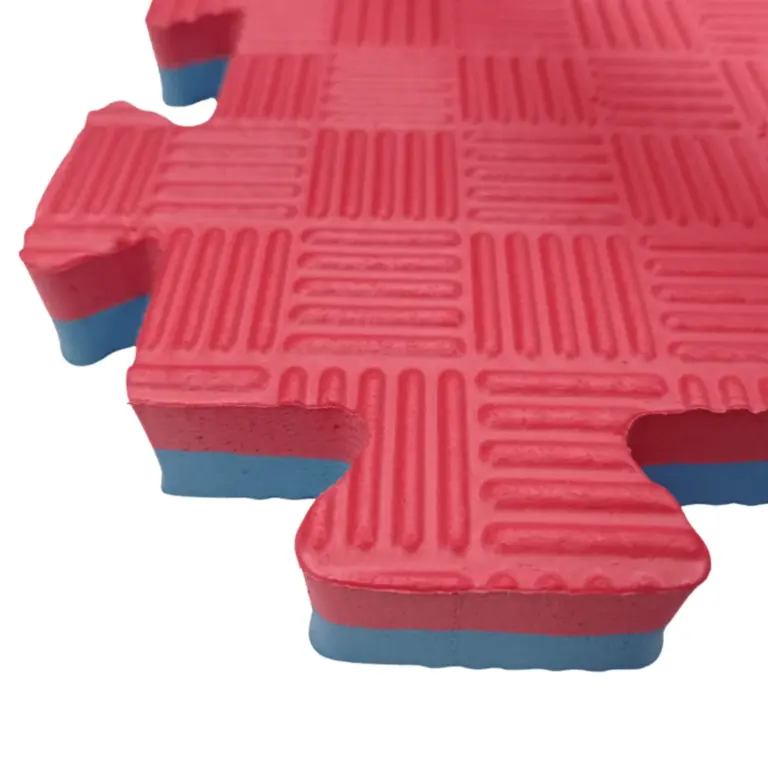
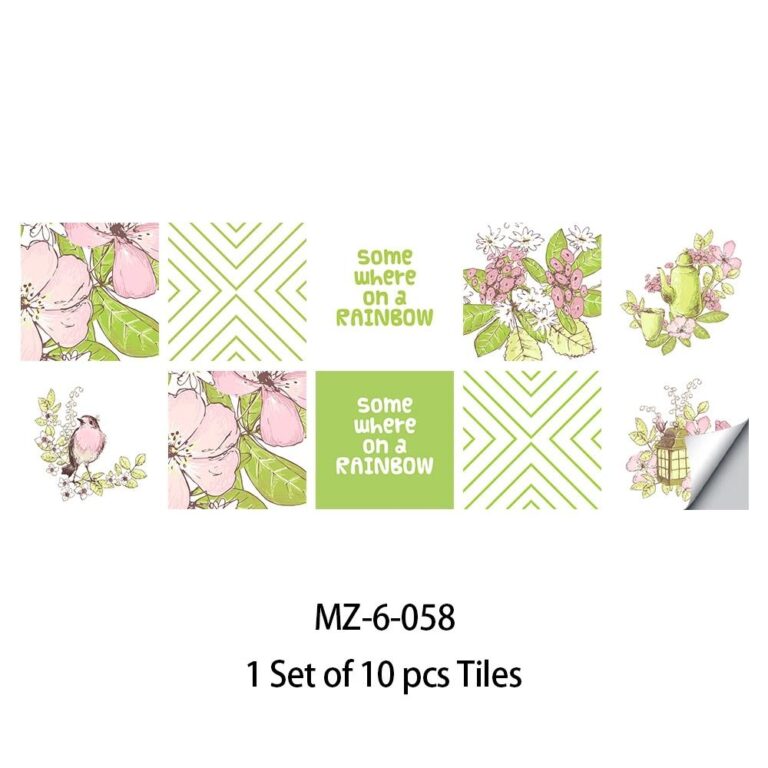
Floor tiles make the most sense in kitchens, bathrooms, entryways and anywhere mud, wet dog or a dropped glass of wine is a weekly event rather than a once a year disaster. If you're in a rented place with no say over the subfloor, or a drafty old house where every room is a different height off true, go in with your eyes open, tiling is not forgiving of a floor that isn't flat, and it's not a weekend fix once it's down.
In an ordinary room, tile reads calmer than people expect, especially next to warm things that soften it: a wool runner by the sink, open wood shelving, a chunky stool someone's grandfather built badly but lovingly. It's the hard, cold surface that makes everything else in the room feel more textured by comparison. I notice it most in the morning, when low light comes in sideways across the kitchen and the grout lines throw these long thin shadows that you'd never see at noon. By evening with the lights on it just goes flat and practical again, which is sort of the point of a kitchen floor.
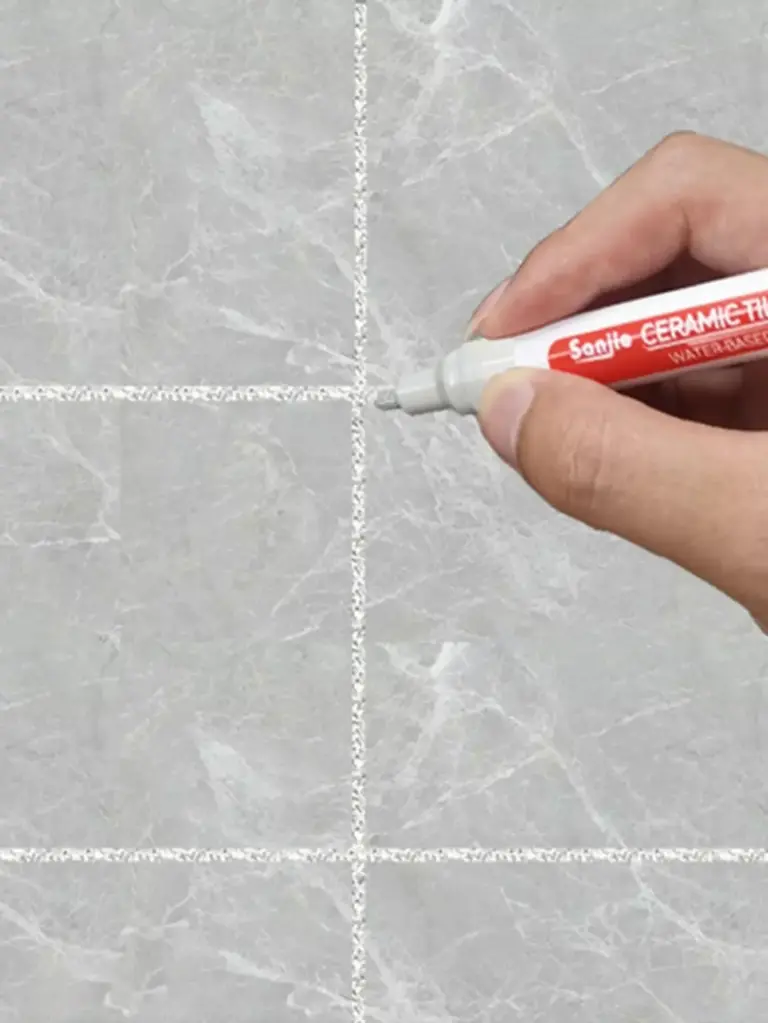
How it wears depends entirely on what's under the glaze. Porcelain shrugs off years of chair legs and dropped pans and barely shows it. Natural stone, the limestone and the softer travertines especially, will pick up scratches and etch marks from acidic spills if you don't seal it, and then reseal it every year or two depending on foot traffic, which is a chore nobody tells you about at the store. Grout is the real tell of age in any tiled floor. Light grout looks sharp for about eighteen months and then starts telling on you, every spill, every grease spatter, right there. Darker grout, a charcoal or a mid gray, hides that story and still looks intentional a decade in.
On finish, I'd steer most people toward a matte or honed surface over a glossy one. Glossy tile photographs well and is miserable to walk on wet, and it shows every scuff under direct light. A warm gray or a soft greige tile is about as close to foolproof as flooring gets, it won't fight with cabinets or walls you haven't picked yet.
Good tile doesn't really age the way wood does, it doesn't develop character so much as it just holds steady, scratched a little at the edges, a touch duller underfoot where everyone walks, the grout slowly earning its color back from a decade of actual use.

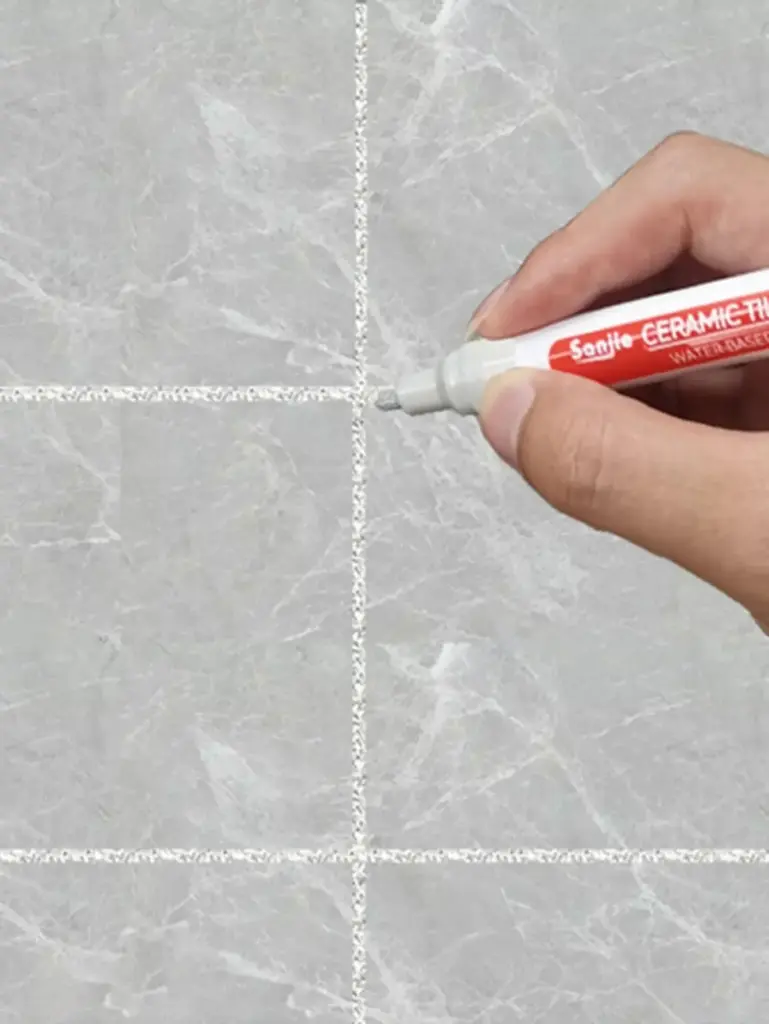 Aisha's pickCeramic Floor Tiles That Don’t Shout About It
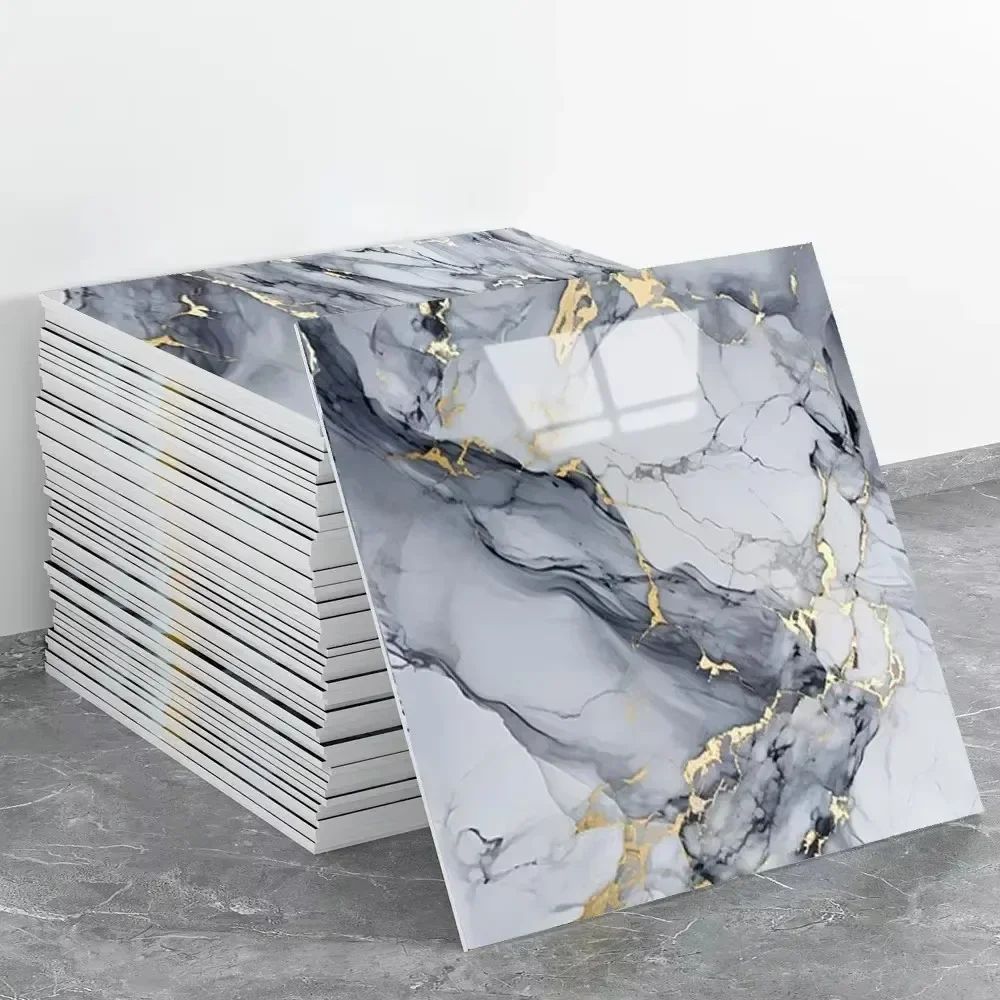
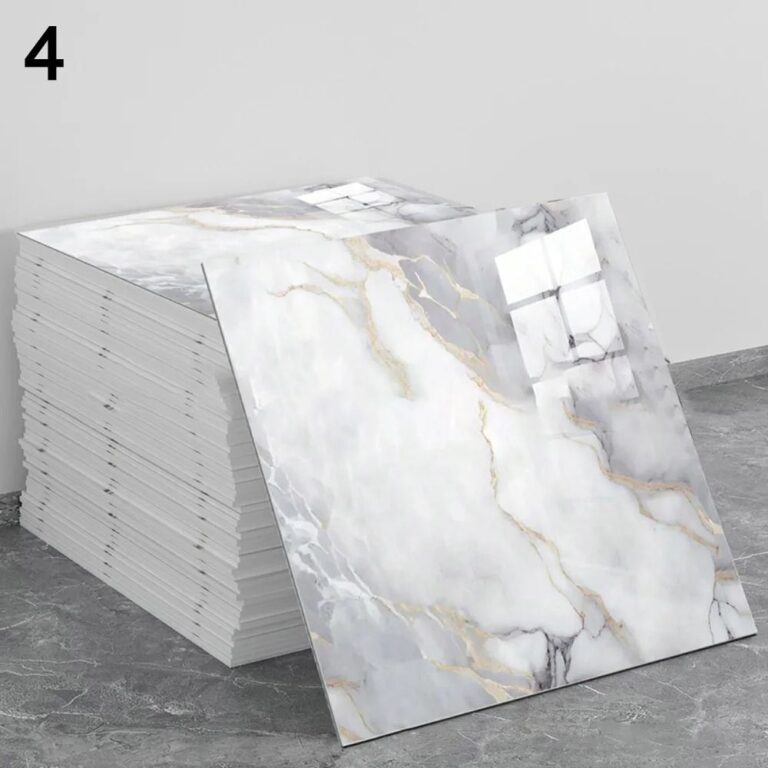 Aisha's pickLaminate Floor Tiles That Make a Room Feel Finished
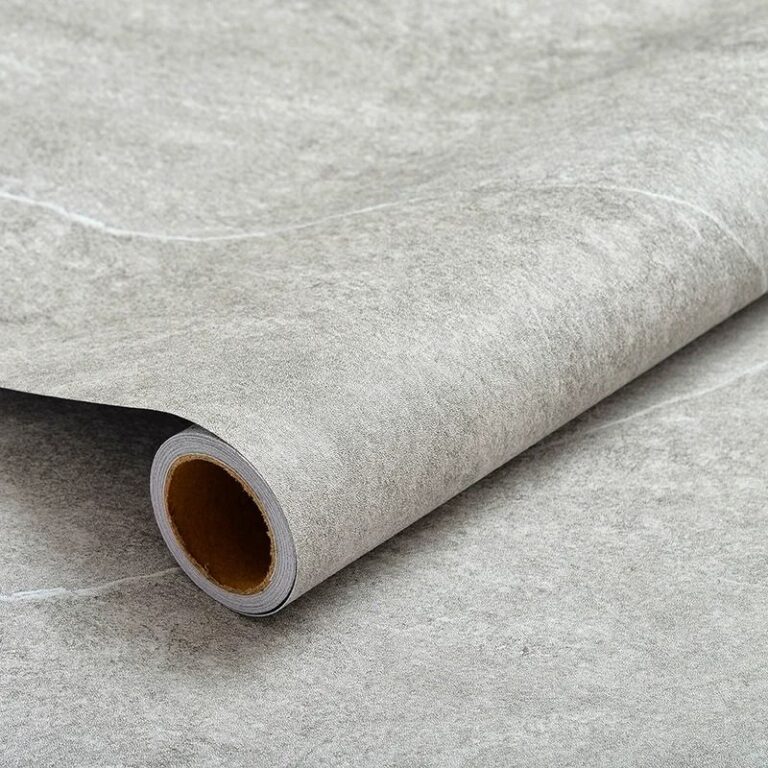
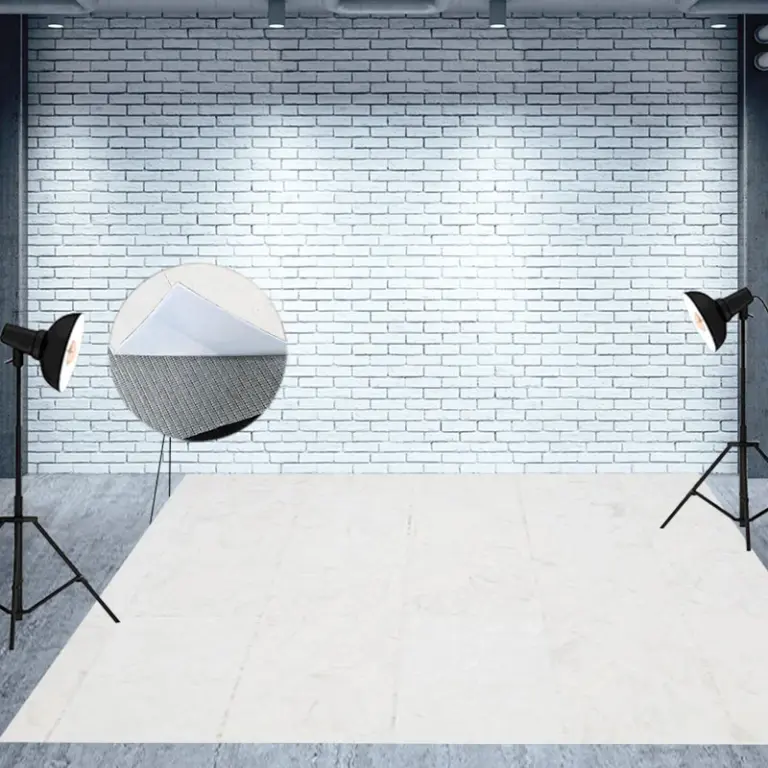 Aisha's pickWhite Floor Tiles Pulled From Dozens of Stores
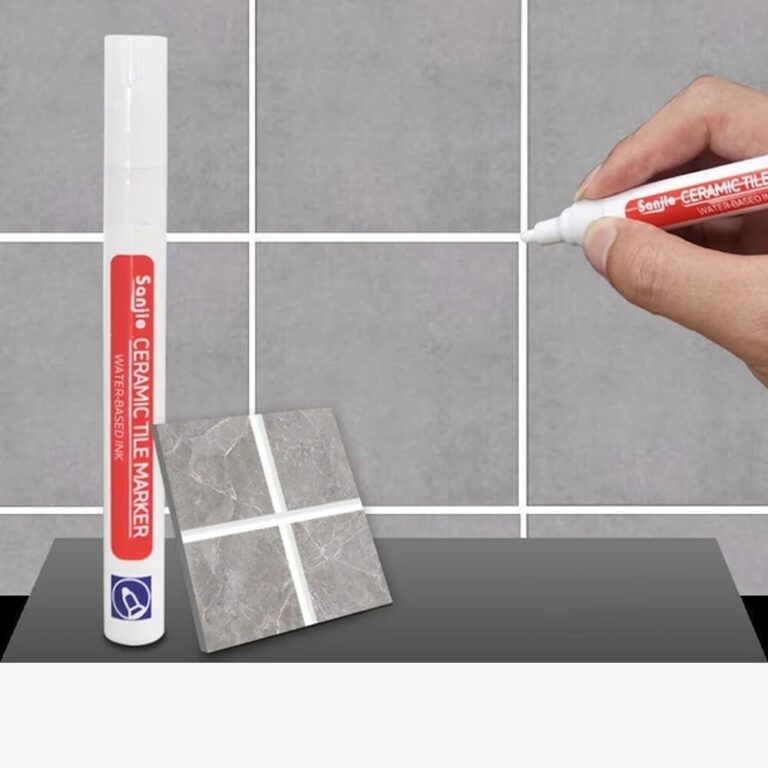
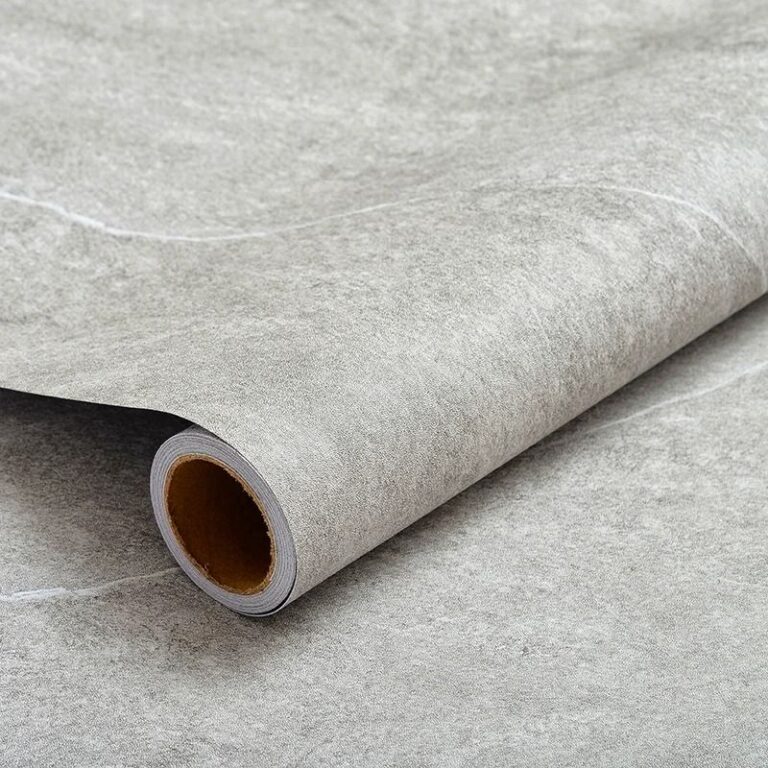 Aisha's pickCeramic Floor Tiles We’d Use on Our Next Project

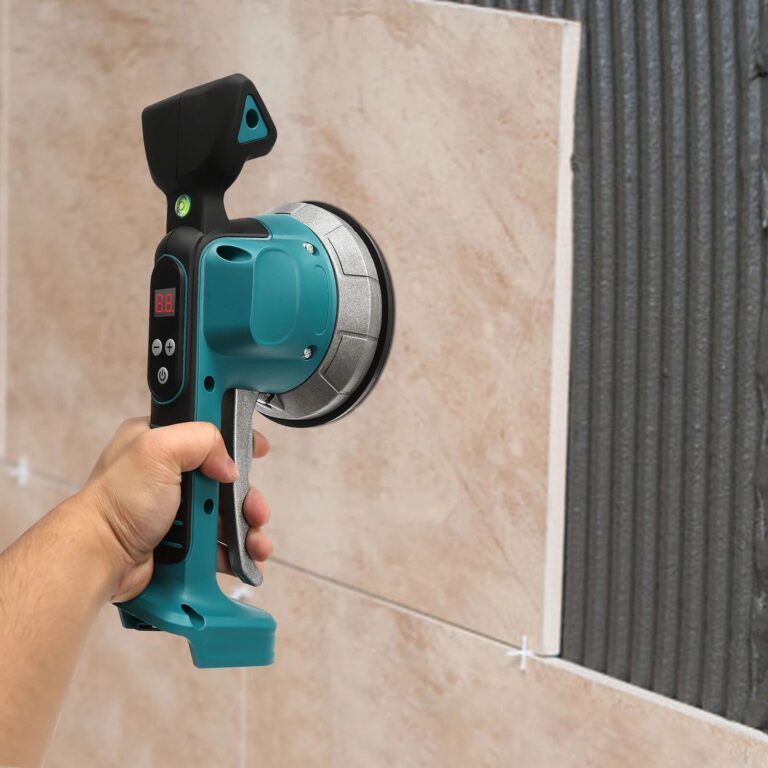 Aisha's pickLarge Floor Tiles That Finish a Job Off Right
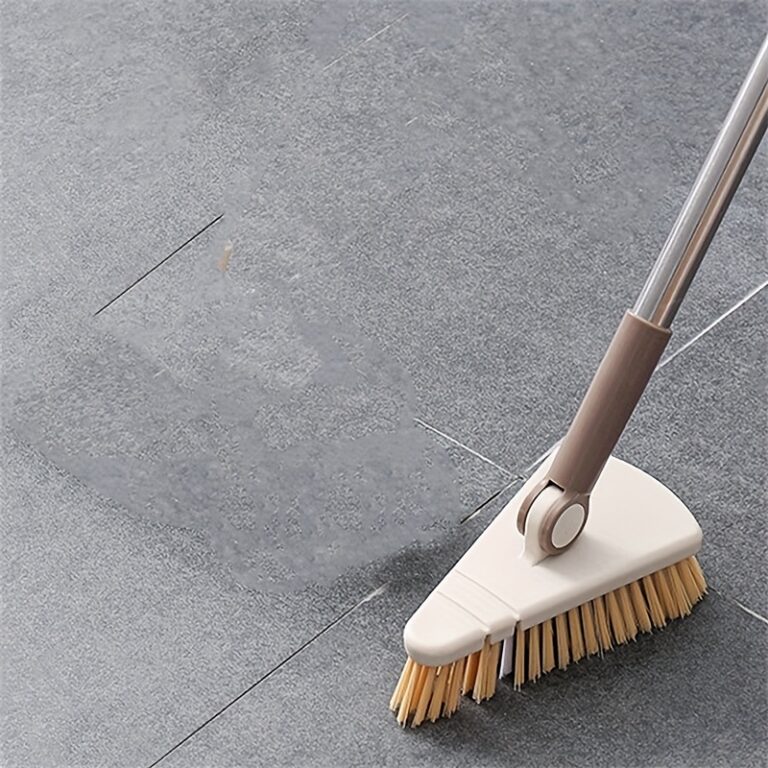
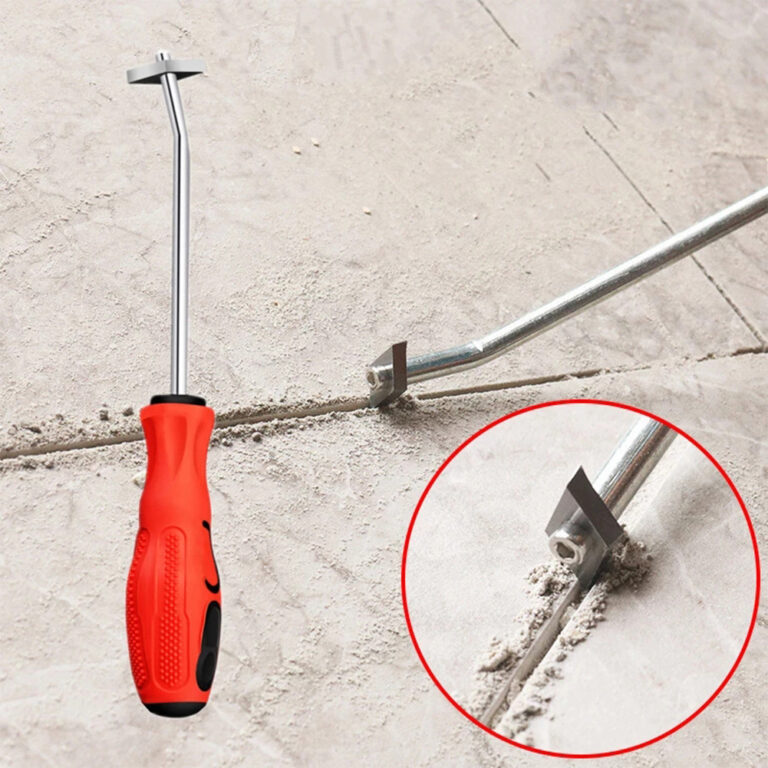 Aisha's pickCeramic Floor Tiles for Bathroom We’d Buy Again

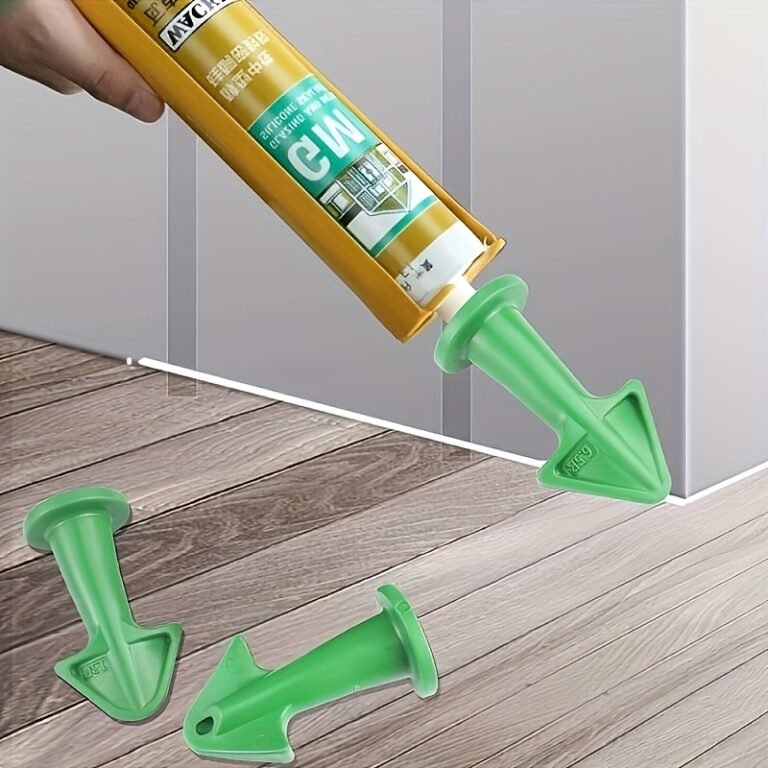 Aisha's pickLarge Floor Tiles That Earn Their Keep

 Aisha's pickCeramic Floor Tiles for Kitchen That Finish a Job Off Right
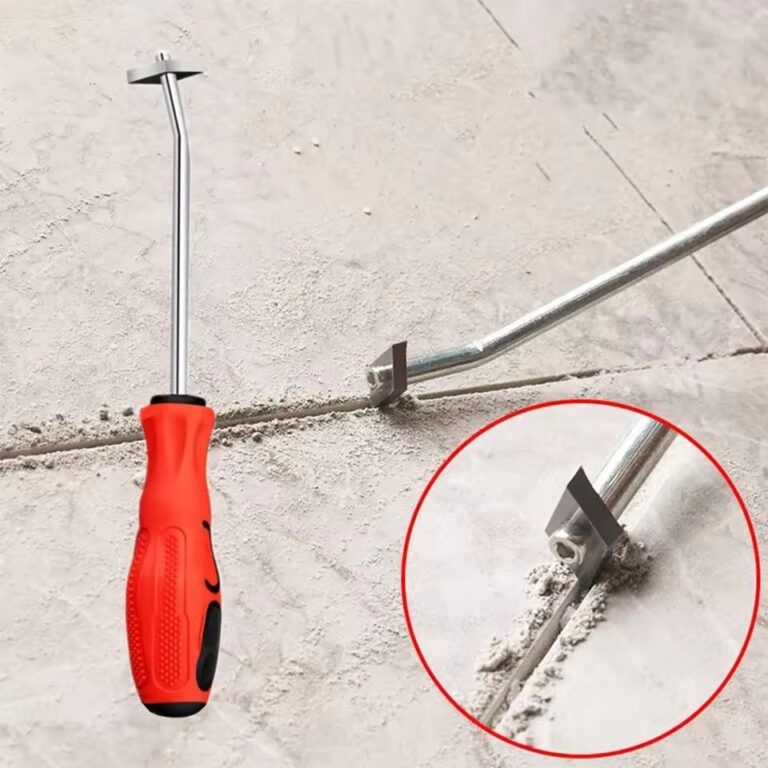
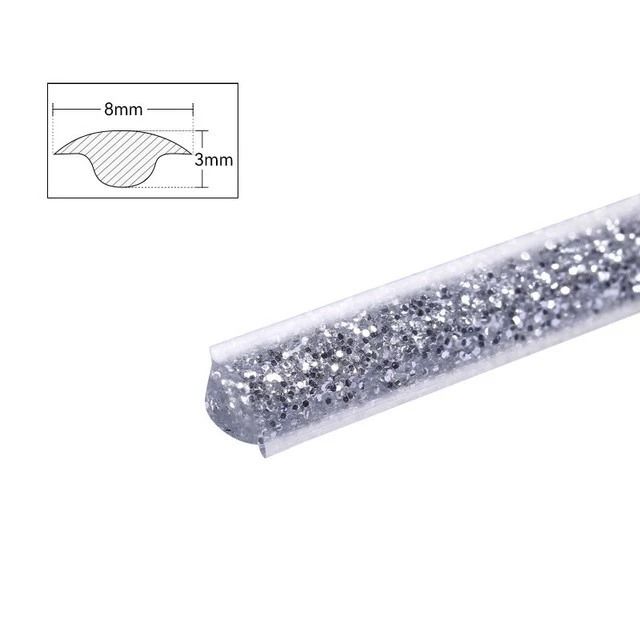 Aisha's pickMarble Floor Tiles for Doing Up a Room on a BudgetAlso worth a lookWall PanelsFor a long time I thought wall panels meant one thing: those shiny plastic strips from the hardware…See the collections →
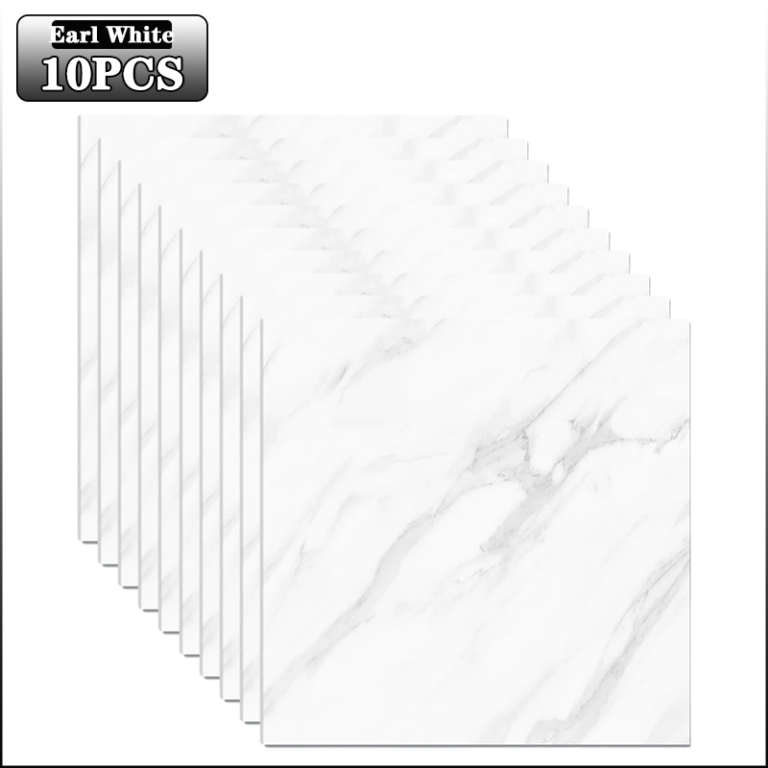
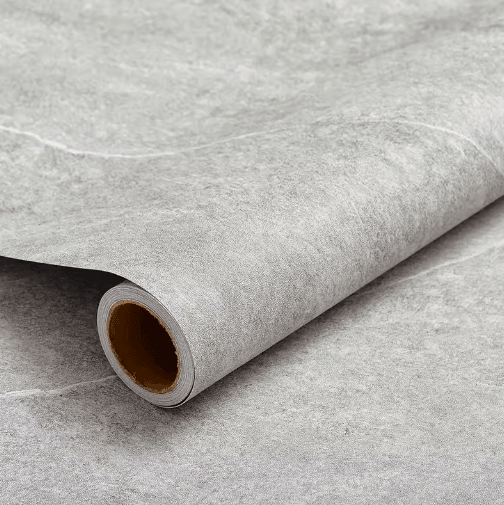 Aisha's pickCeramic Kitchen Floor Tiles for Doing Up a Room on a Budget
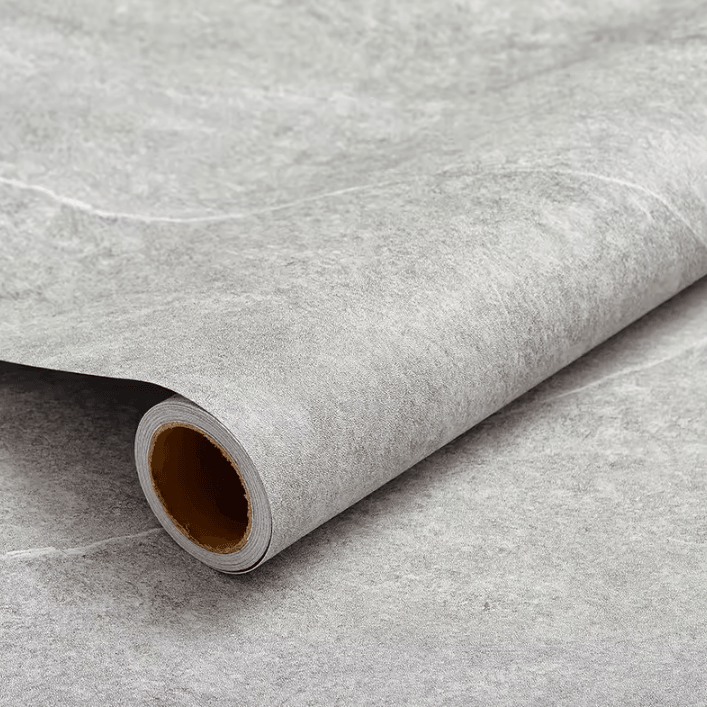
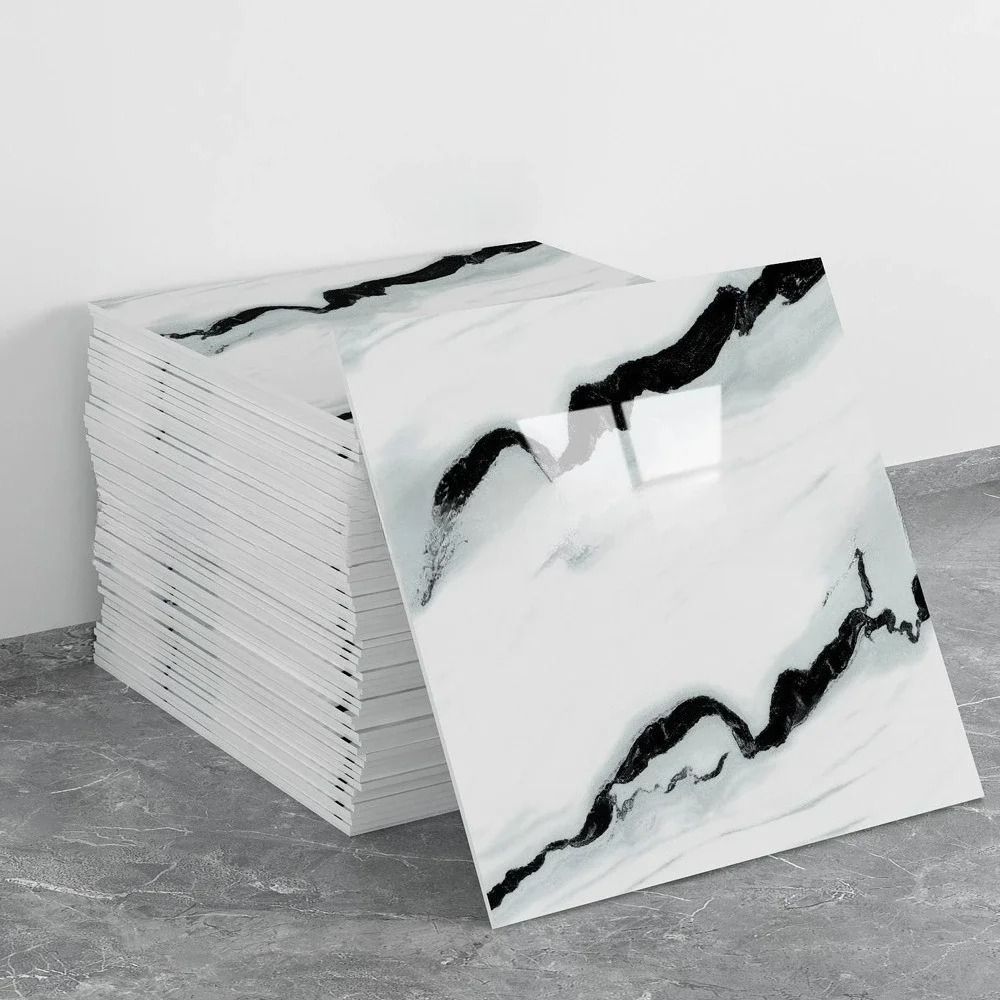 Aisha's pickNatural Stone Floor Tiles That Go With Most Rooms
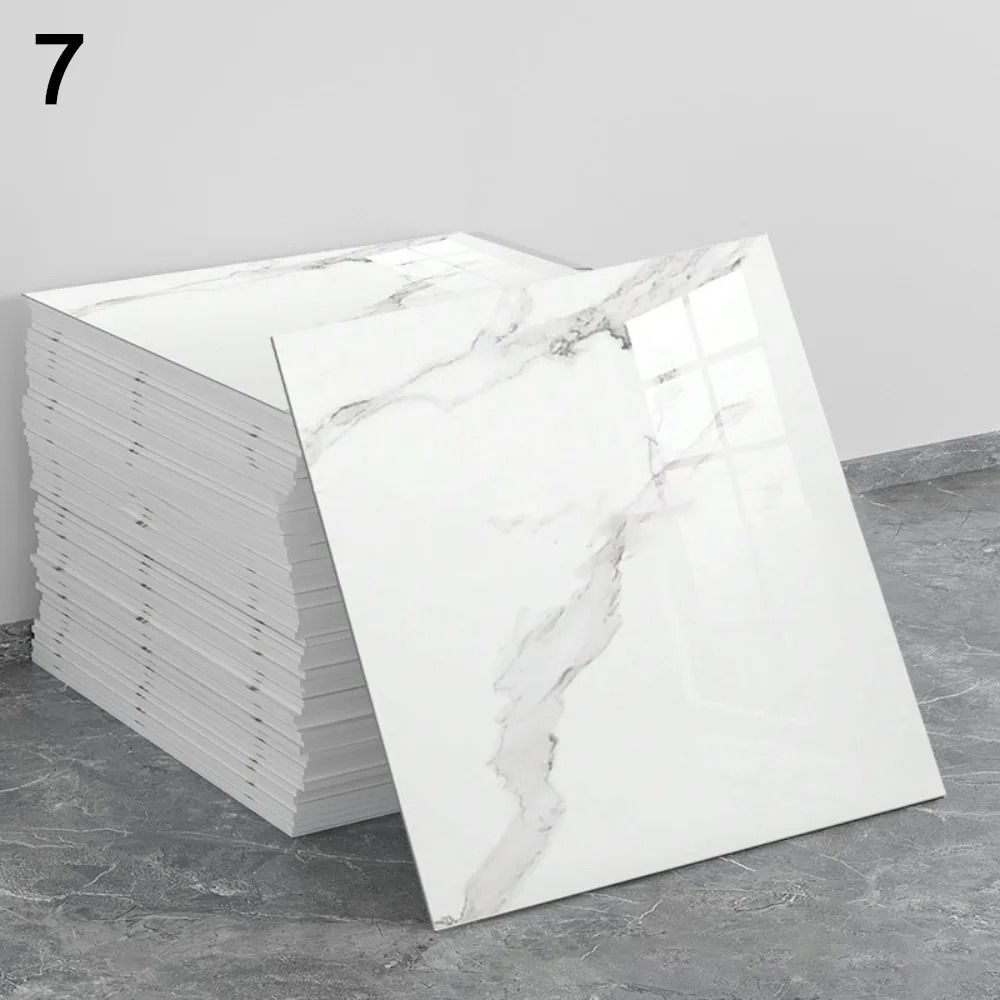
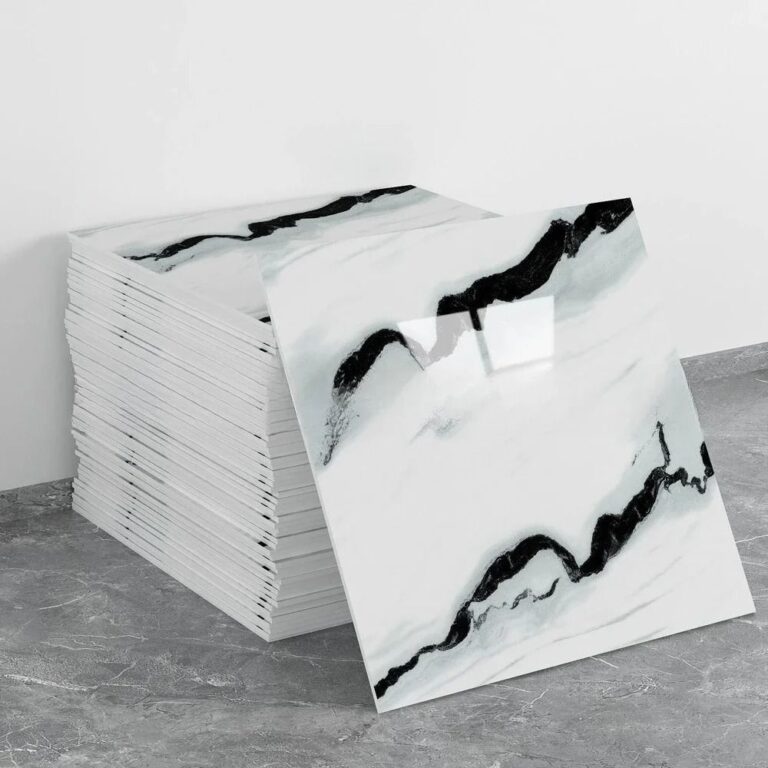 Aisha's pickNo Fuss Anti Slip Floor Tiles
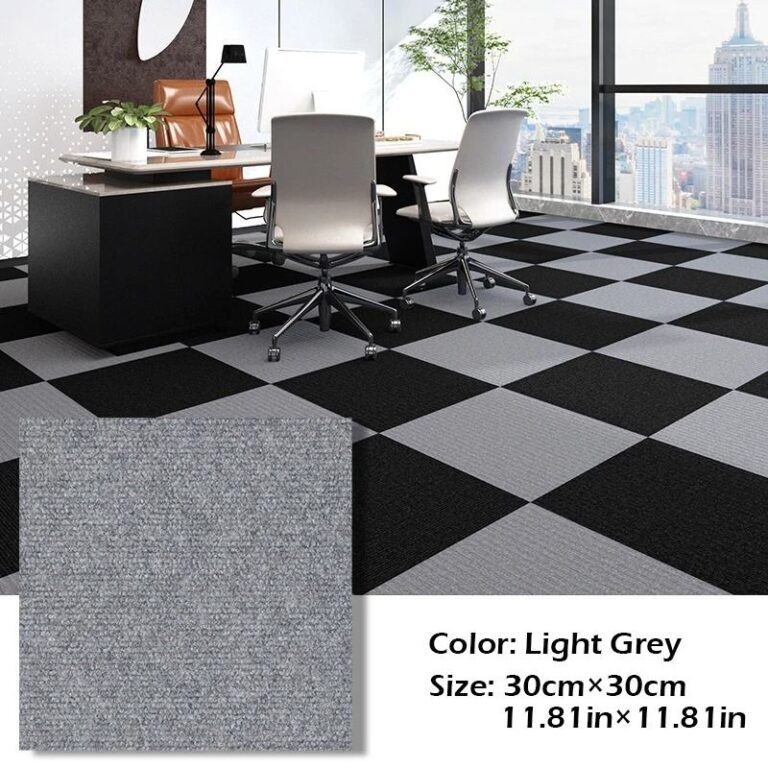
 Aisha's pickFloor Tiles for a Quick Refresh
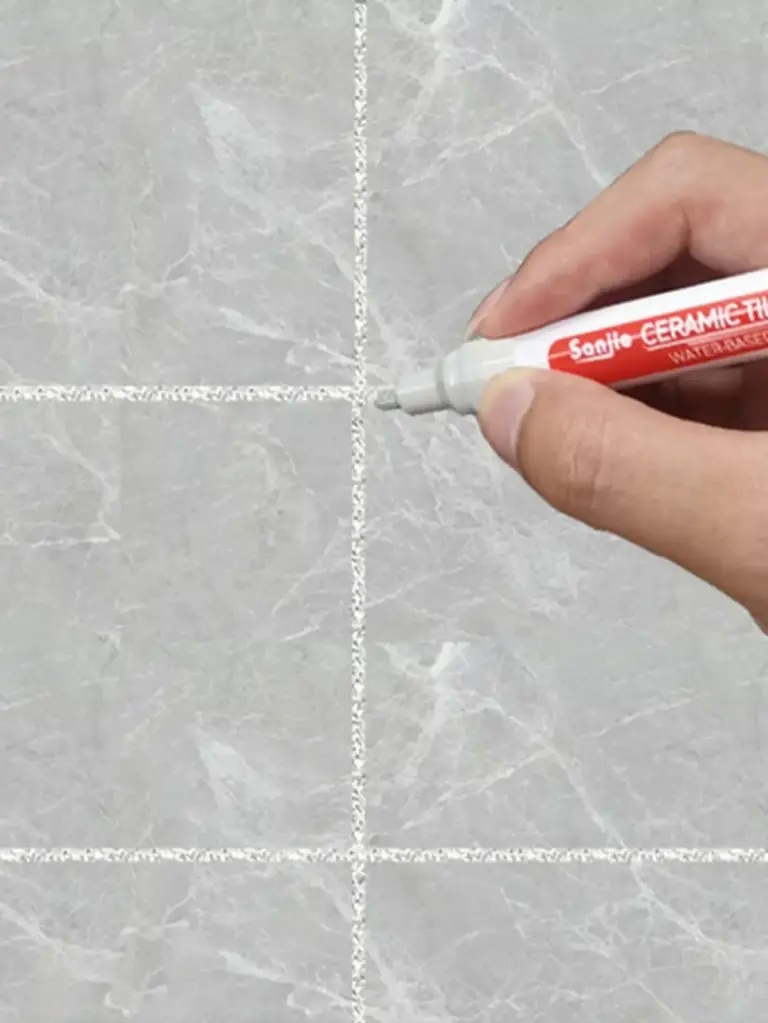
 Aisha's pickRubber Floor Tiles You’ll Still Like in Five Years

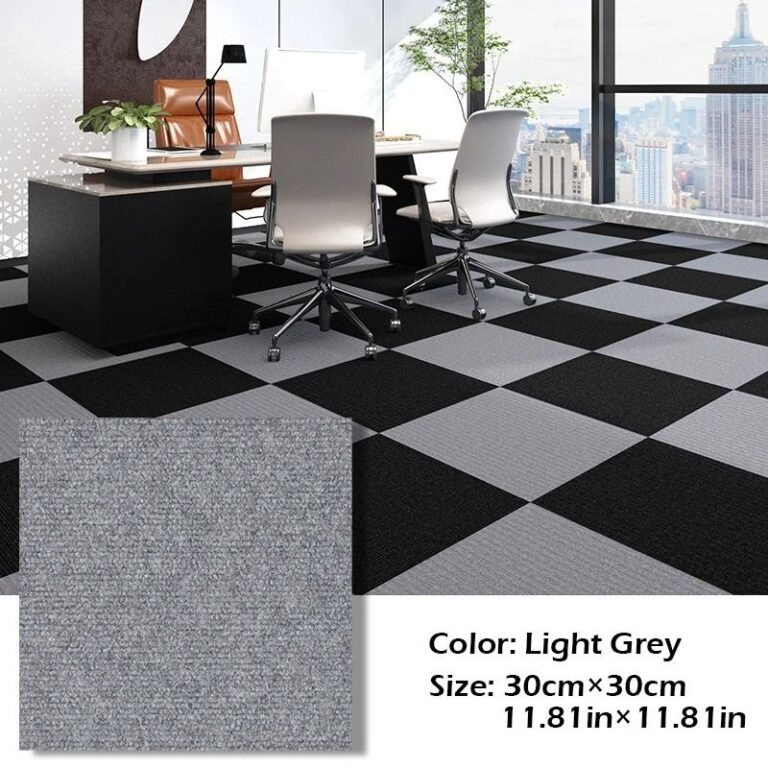 Aisha's pickAnti Slip Floor Tiles You Won’t Regret Buying
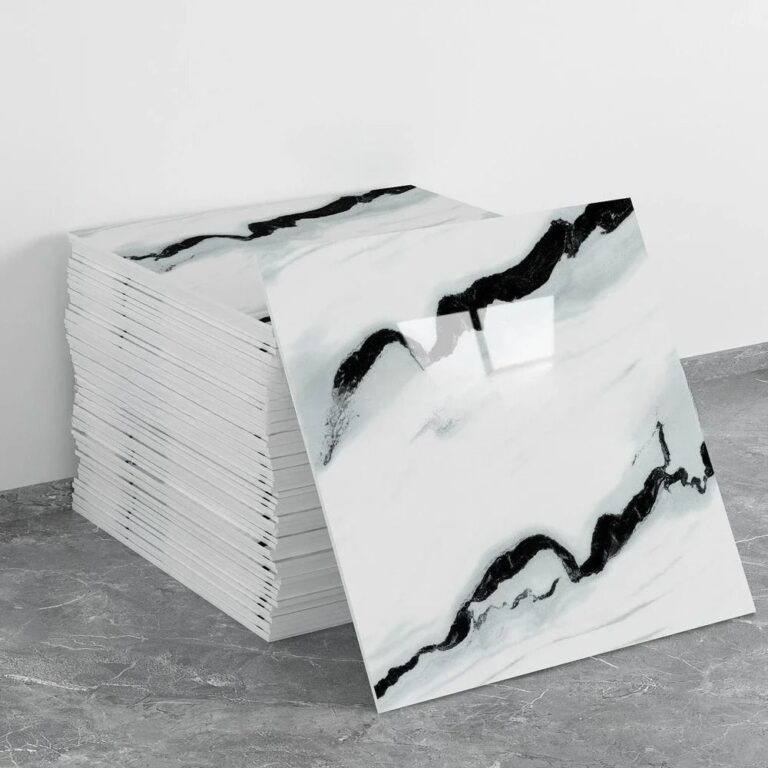
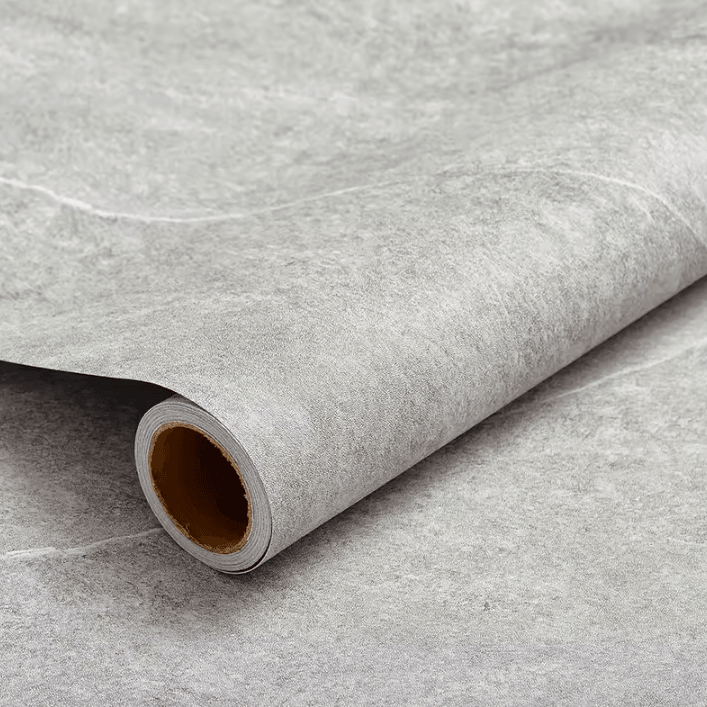 Aisha's pickFloor Tiles for Bathroom That Stand Up to Steam

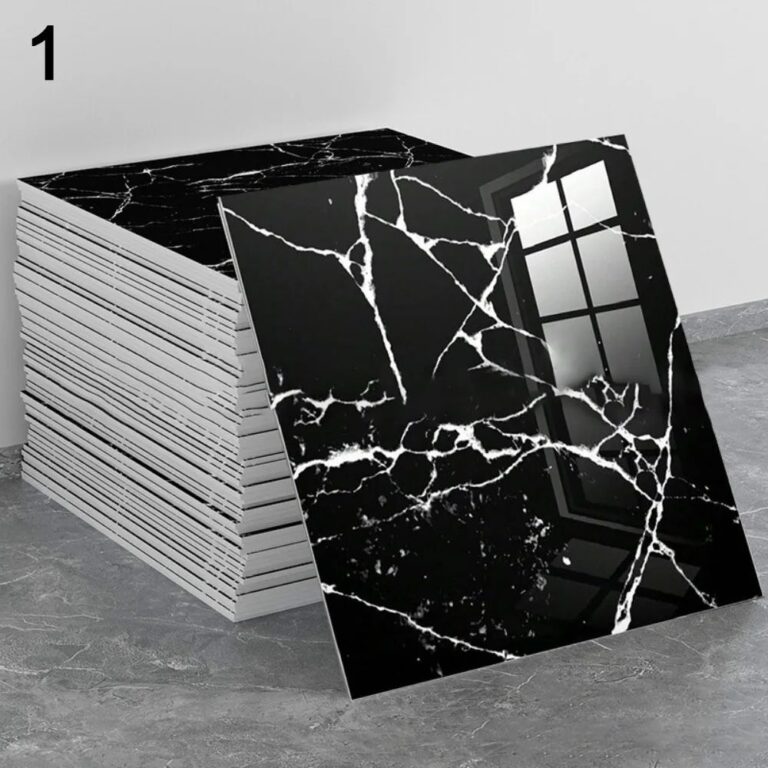 Aisha's pickSelf Adhesive Floor Tiles Worth Knowing About
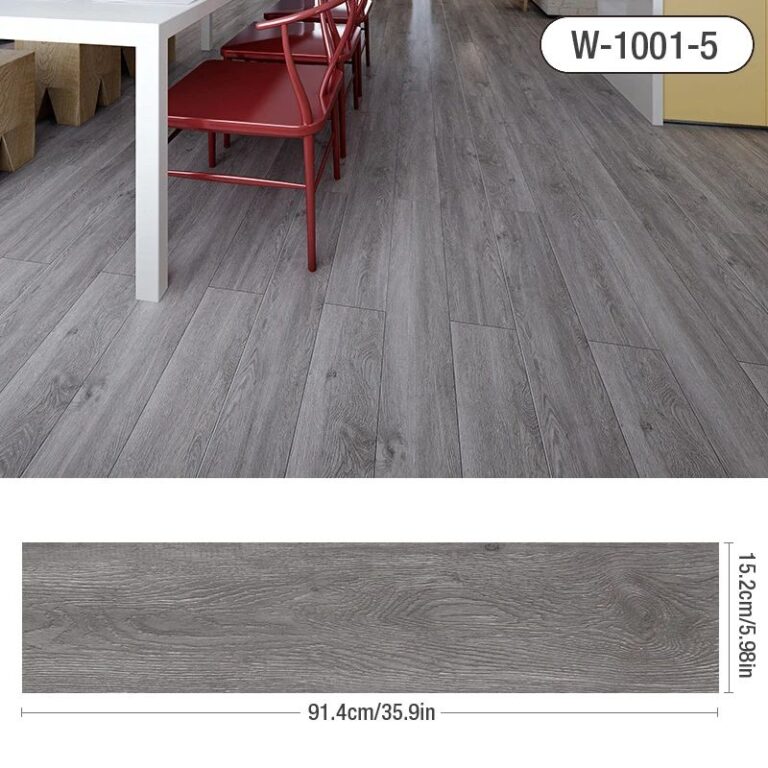
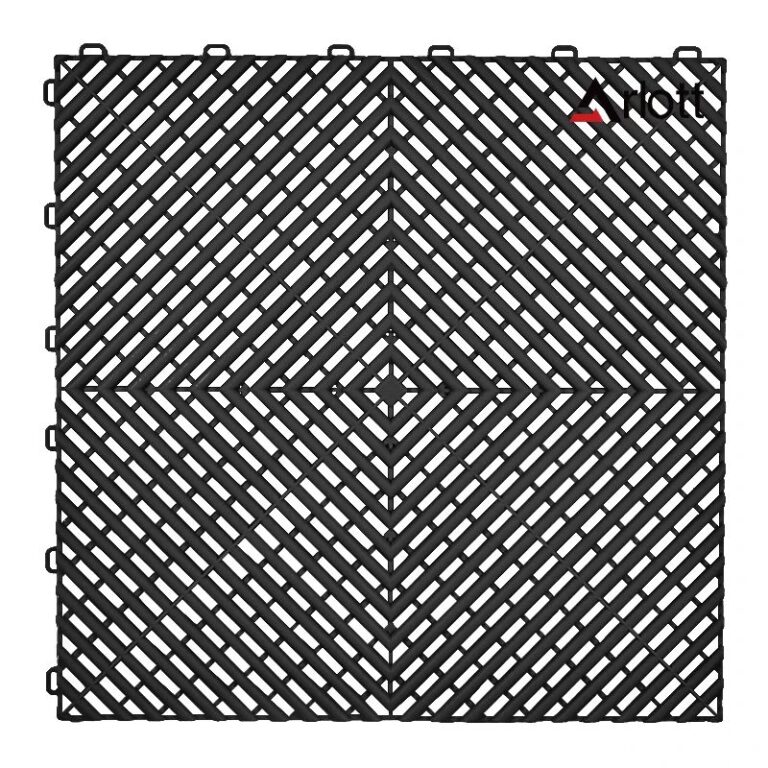 Aisha's pickAnti Slip Garage Floor Tiles That Look Good Up CloseAlso worth a lookBathroom TilesThe thing nobody tells you about bathroom tile is that you don't actually notice it day to day until the grout starts to go.See the collections →
 Aisha's pickFloor Tiles for Kitchen That Make Cooking a Bit Nicer
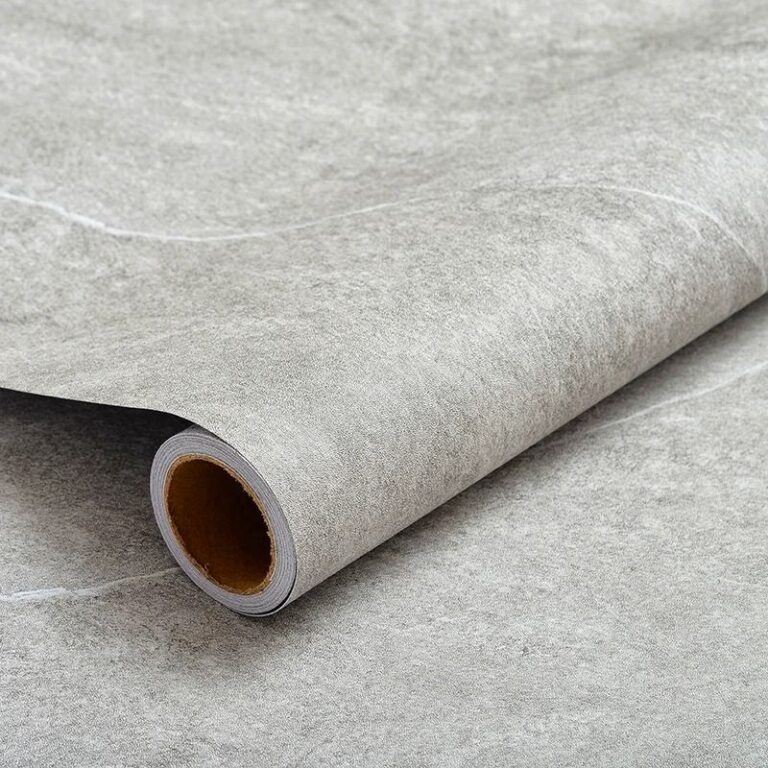
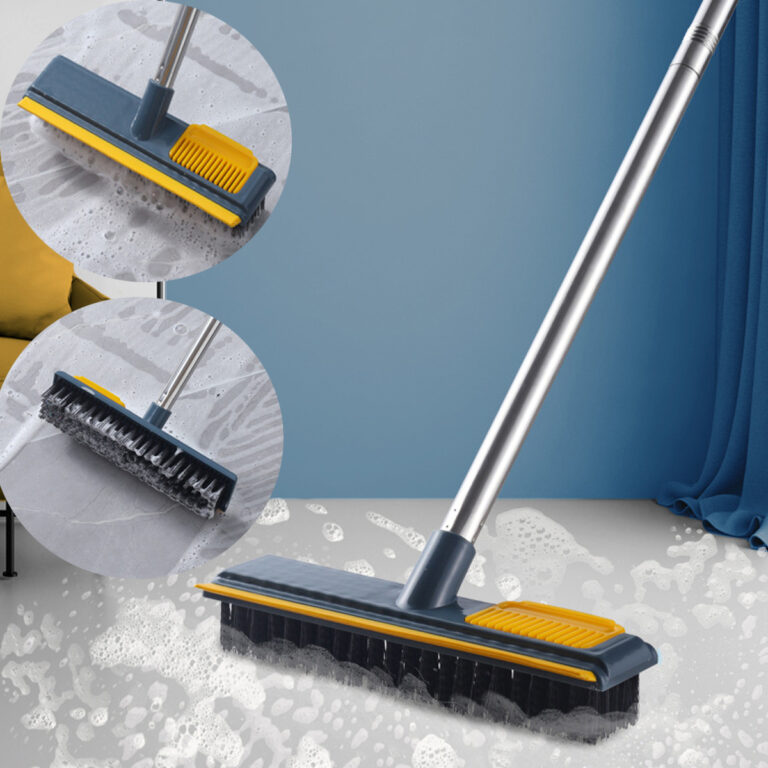 Aisha's pickShower Floor Tiles That Make a Small Bathroom Work
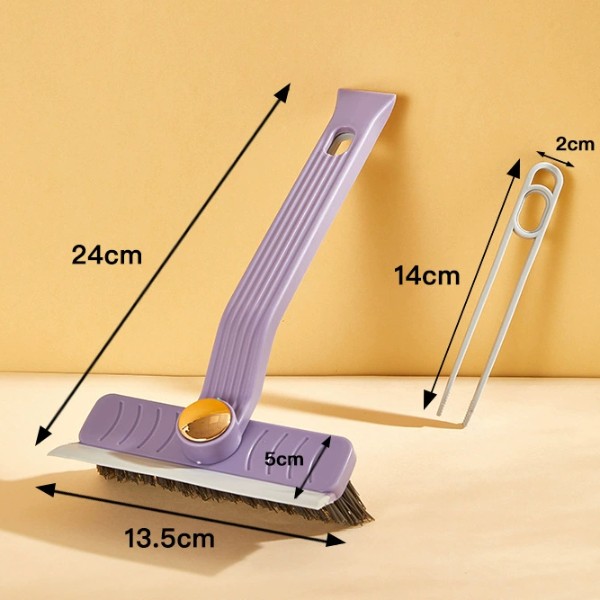
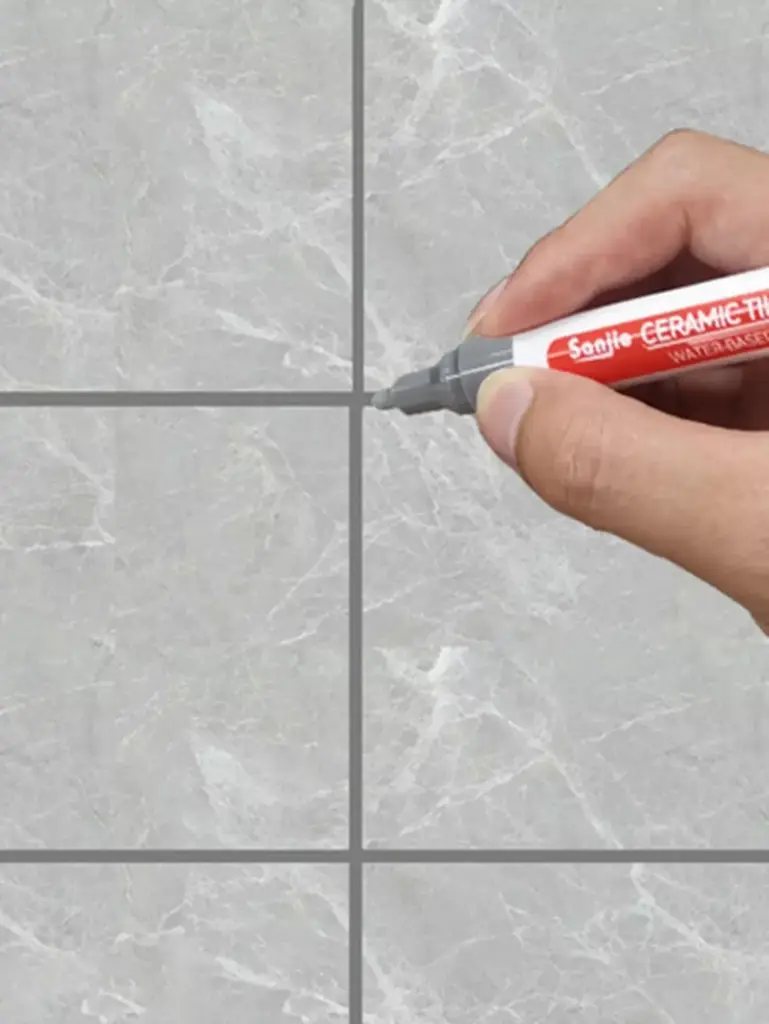 Aisha's pickThe Bathroom Floor Tiles Worth Your Cash

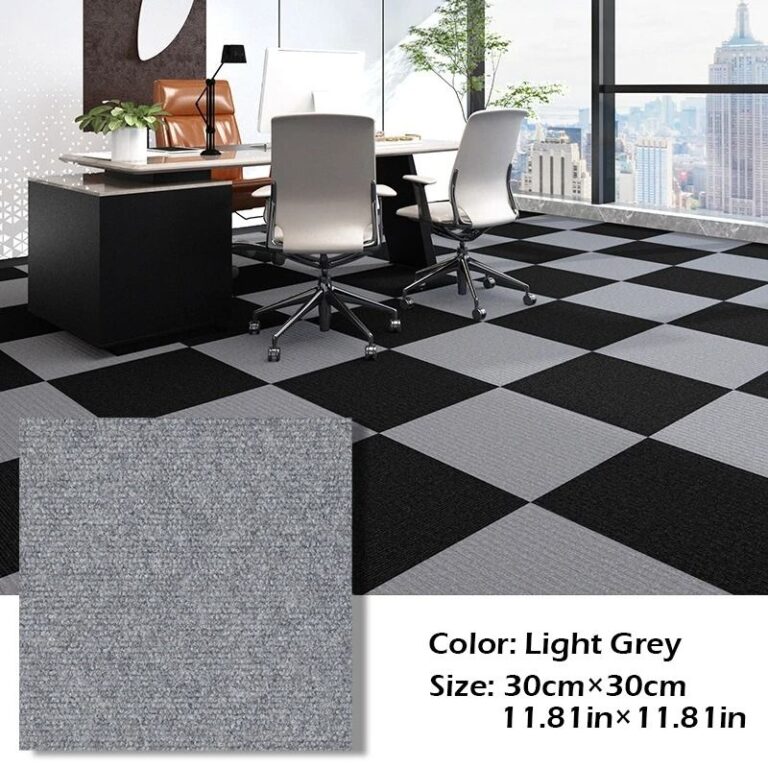 Aisha's pickFloor Tiles for Weekend Projects
 Aisha's pickSmall Floor Tiles for Weekend Projects

 Aisha's pickBathroom Floor Tiles for Walls We Keep Coming Back To

 Aisha's pickFloor Tiles for Bathroom That Are Easy to Keep Clean
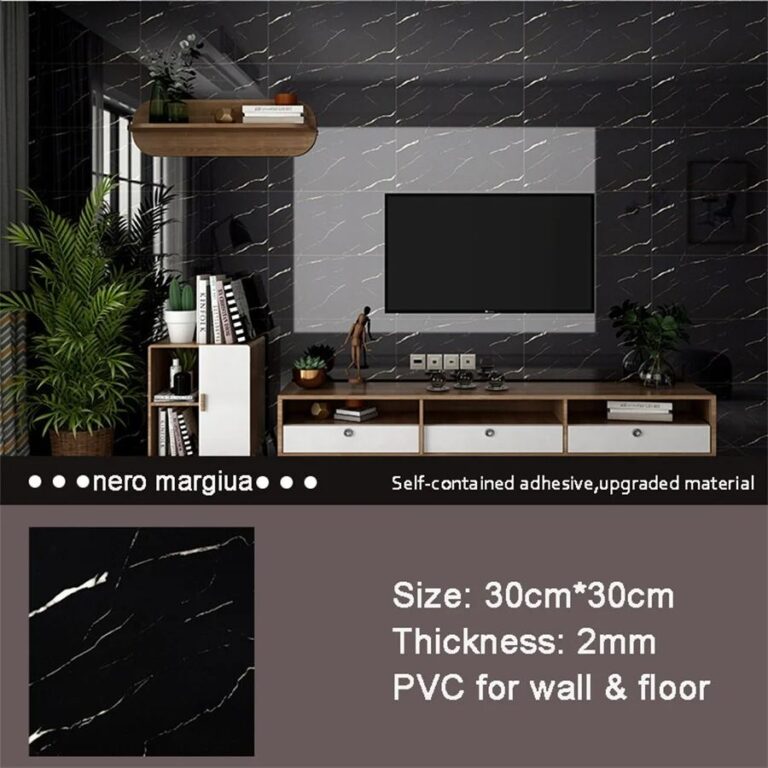 Aisha's pickSmall Floor Tiles That Are Easy to Fit
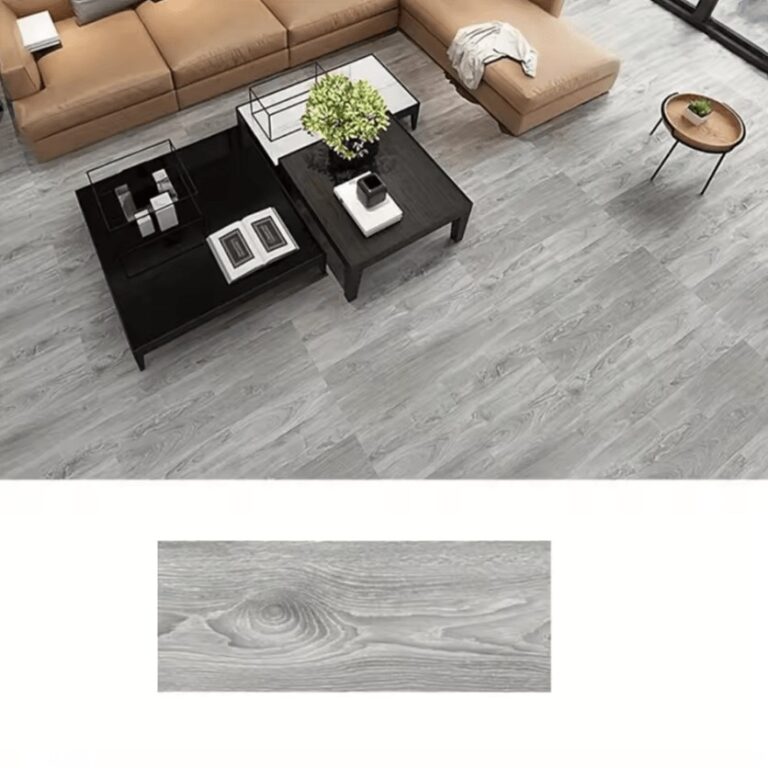
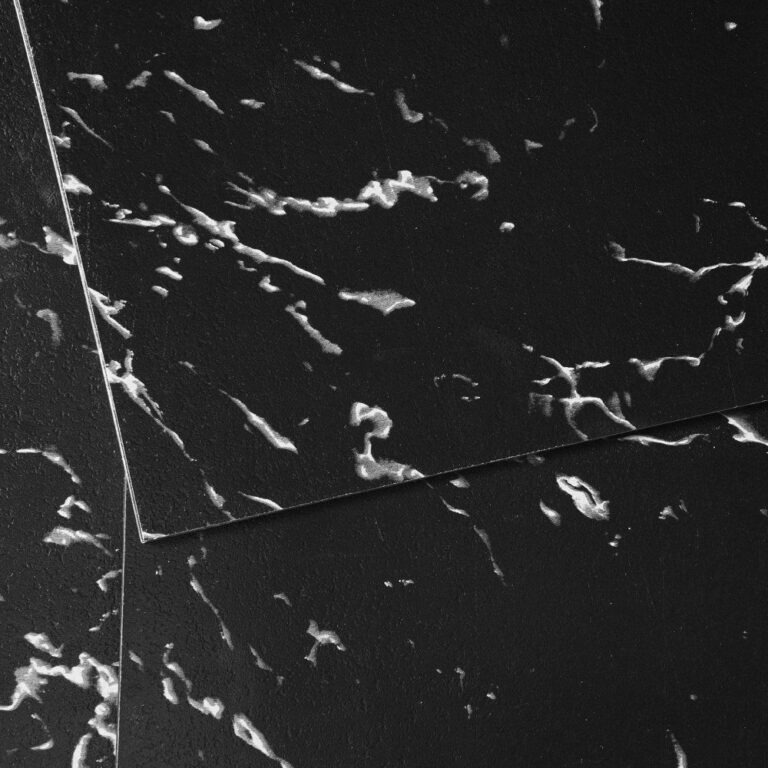 Aisha's pickBlack Floor Tiles That Are Easy to FitAlso worth a lookKitchen TilesKitchen tile is the surface that takes the actual abuse of cooking, grease splatter behind the stove, tomato…See the collections →
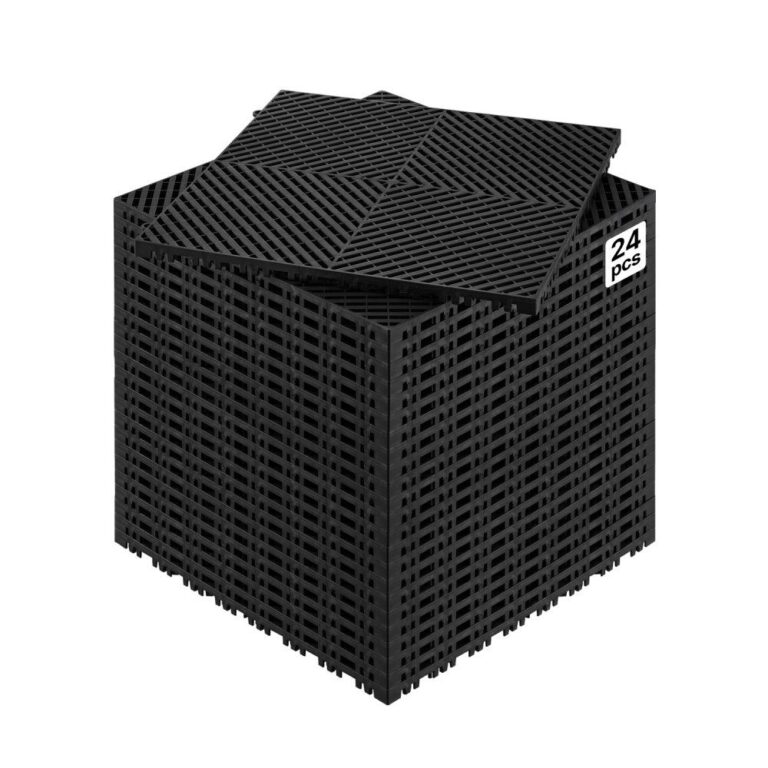
 Aisha's pickNo Fuss Floor Tiles for Kitchen
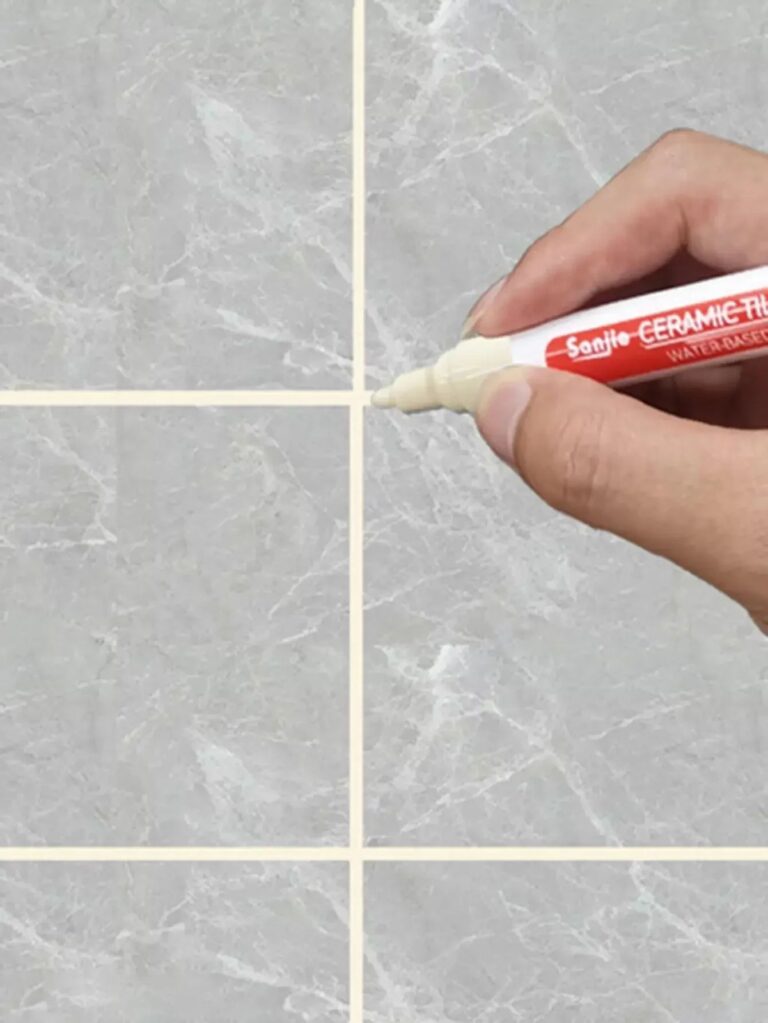
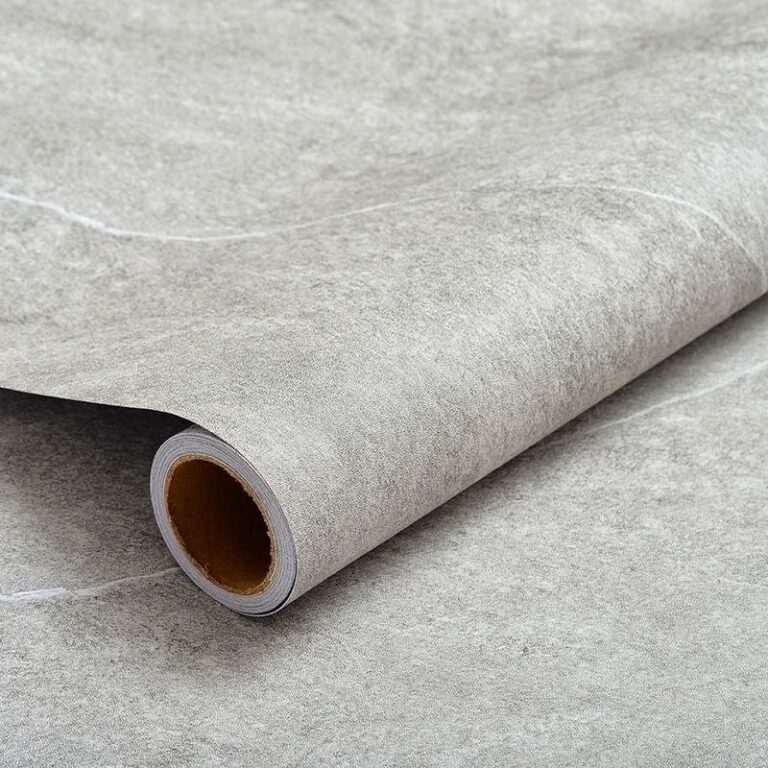 Aisha's pickSquare Floor Tiles for Doing Up a Room on a Budget
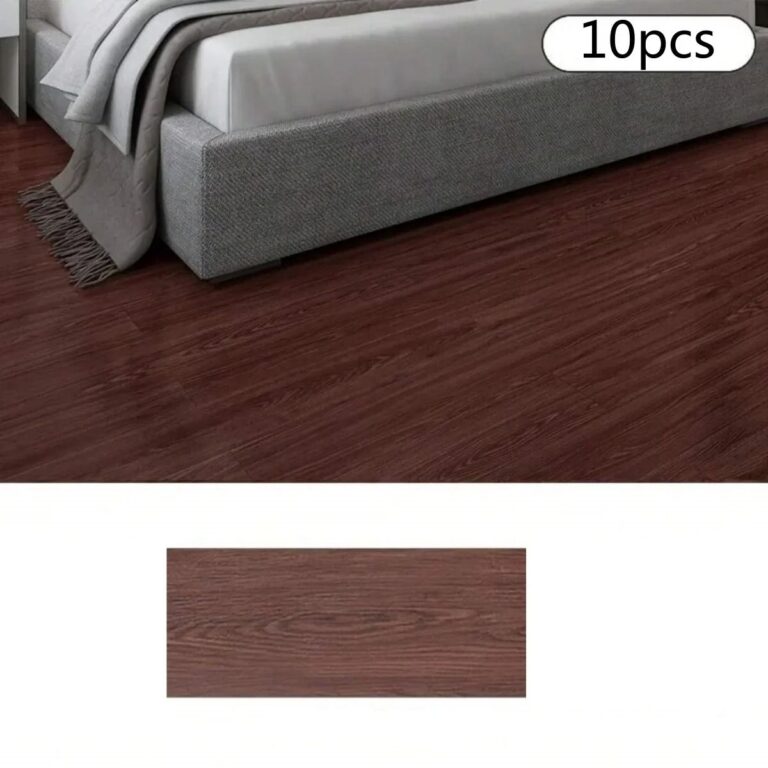
 Aisha's pickBlack Floor Tiles That Won’t Let You Down

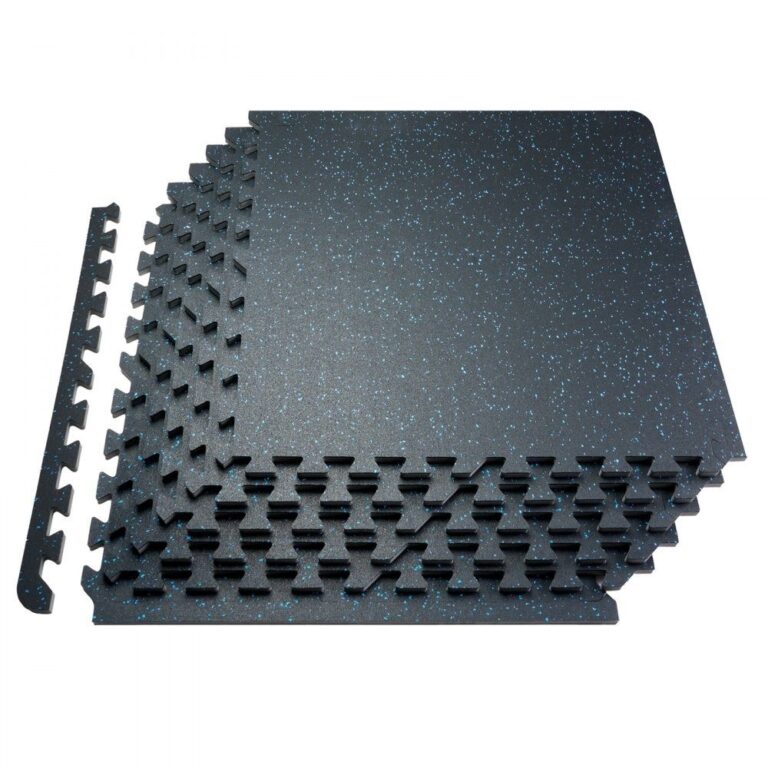 Aisha's pickGarage Floor Tiles That Are Easy to Fit
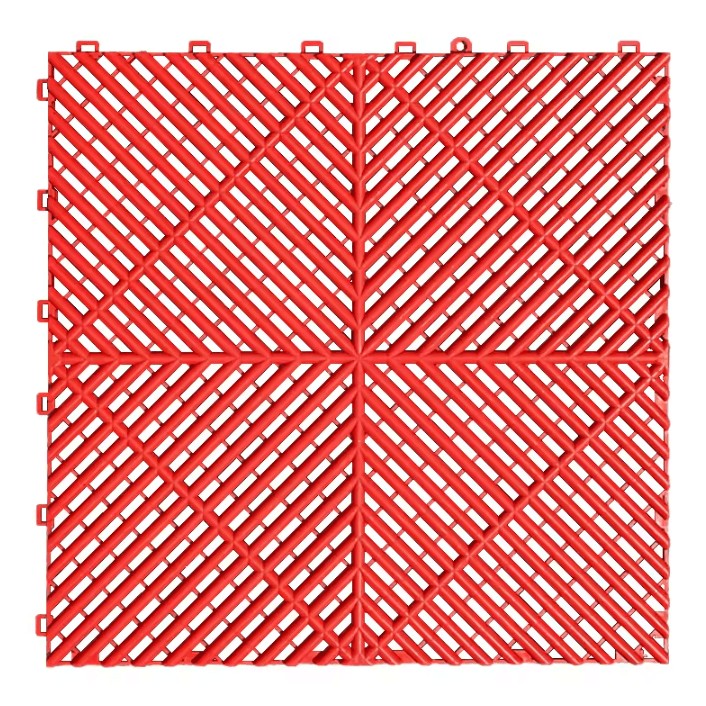
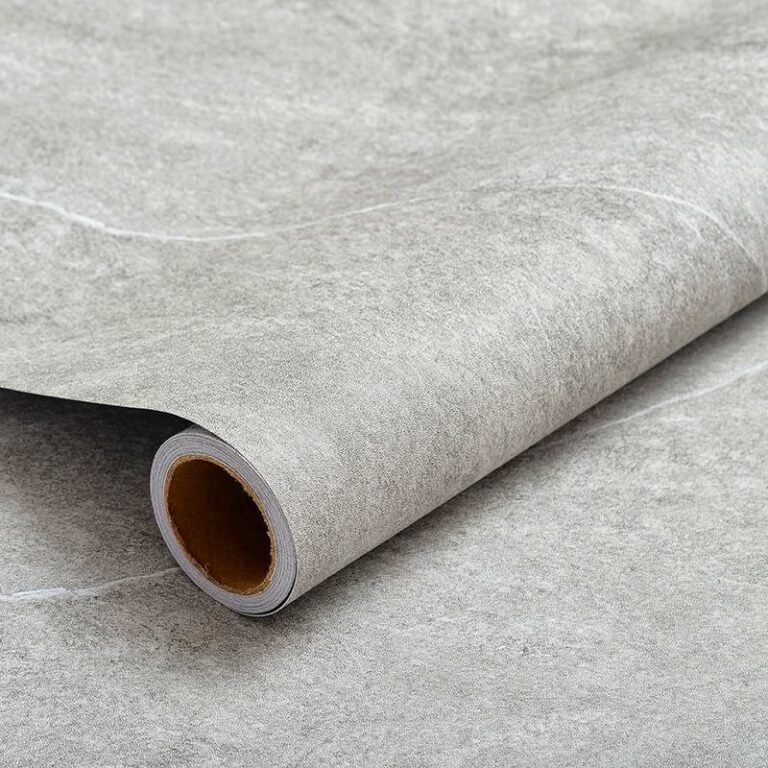 Aisha's pickSquare Floor Tiles That Hold Up to Everyday Life
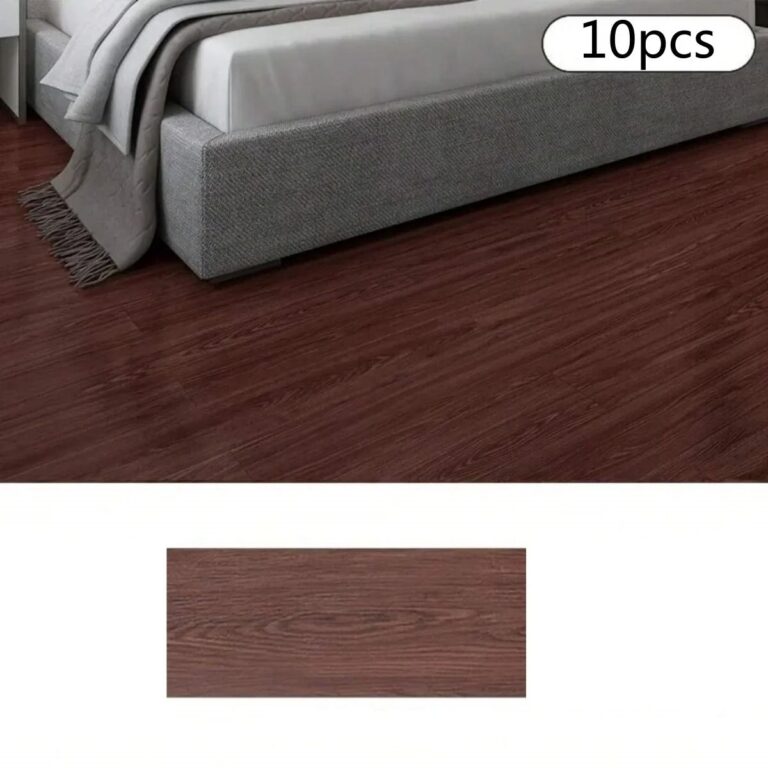
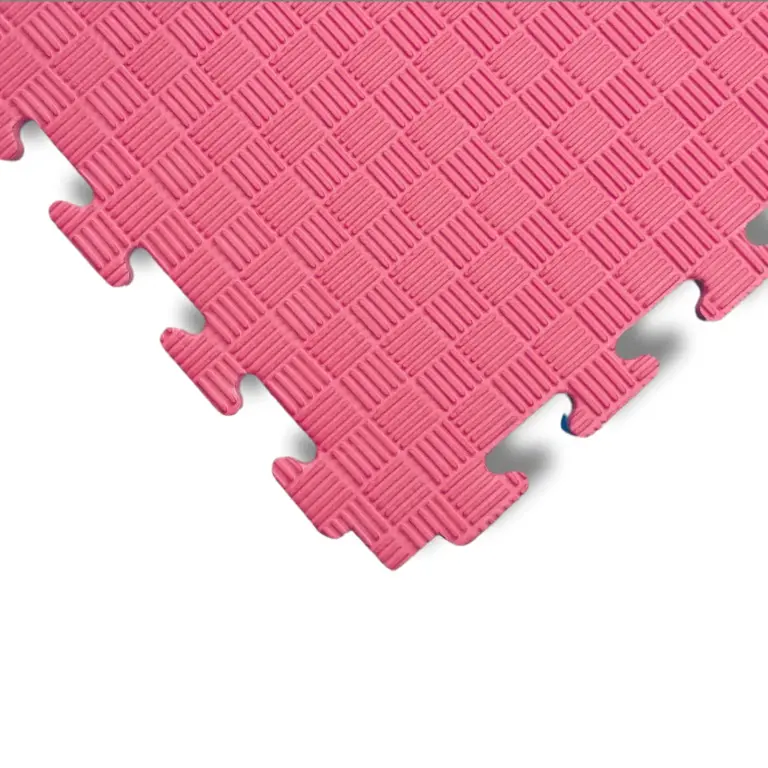 Aisha's pickBlack Interlocking Floor Tiles That Go With Most Rooms
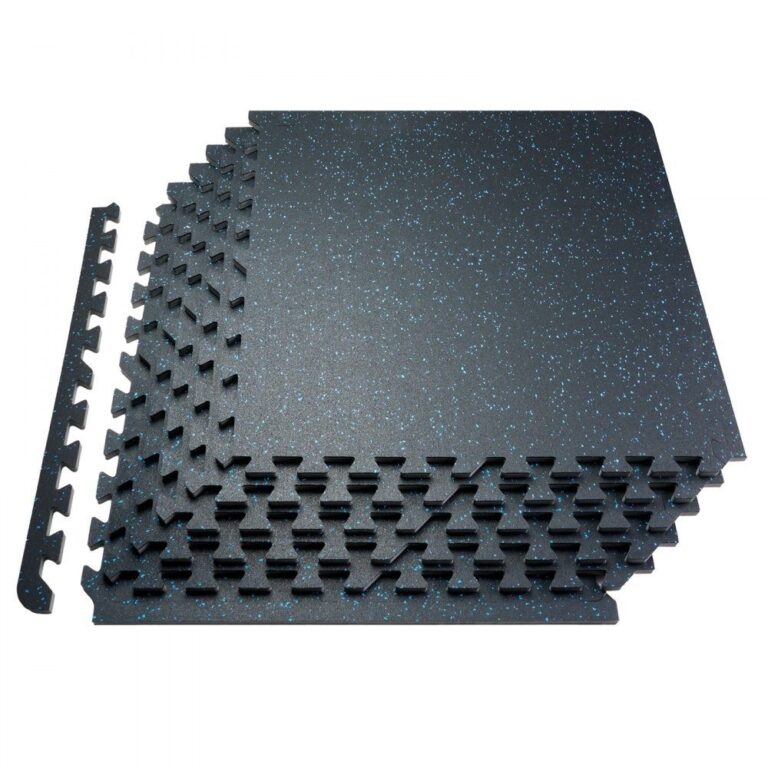
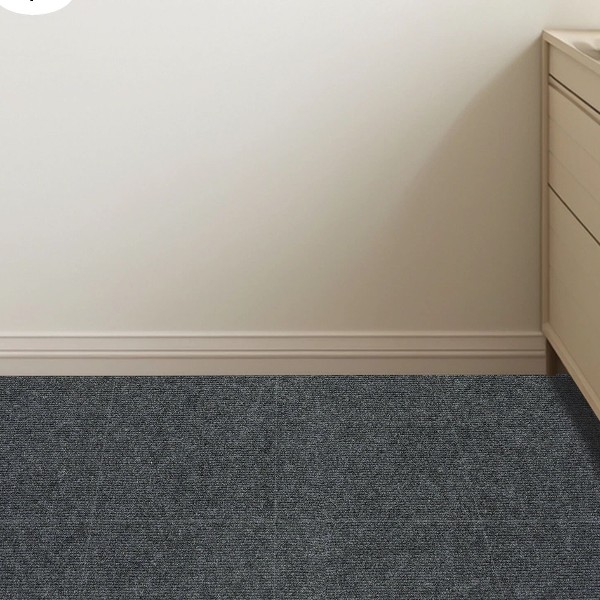 Aisha's pickGray Floor Tiles That Make a Room Feel Finished
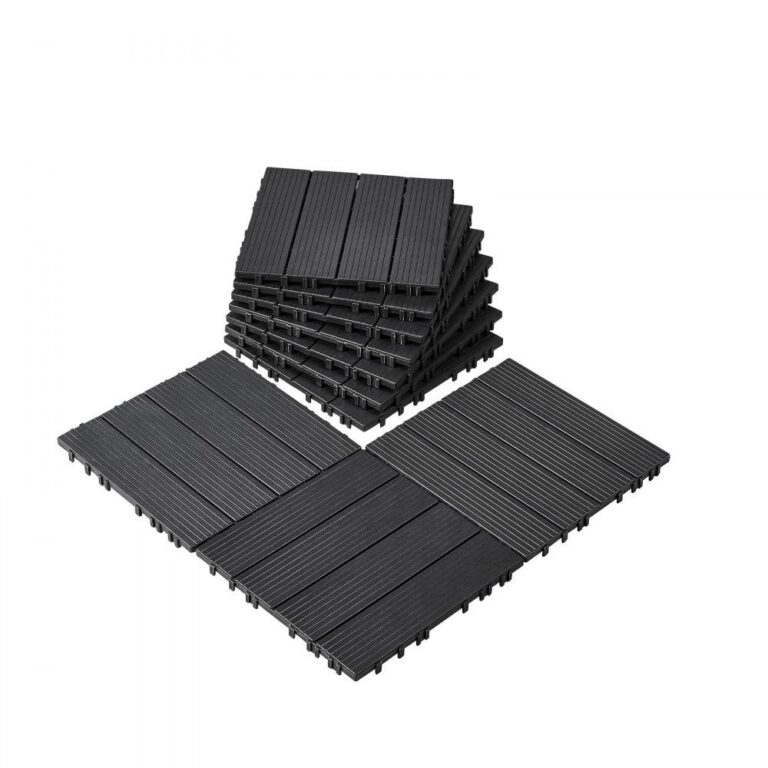
 Aisha's pickStone Floor Tiles That Lift a Tired Room