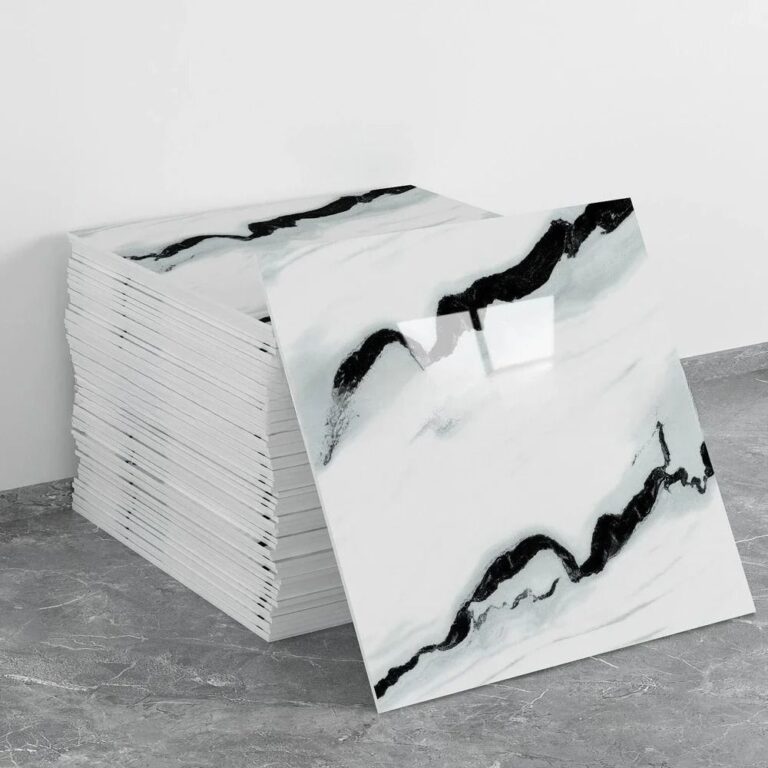
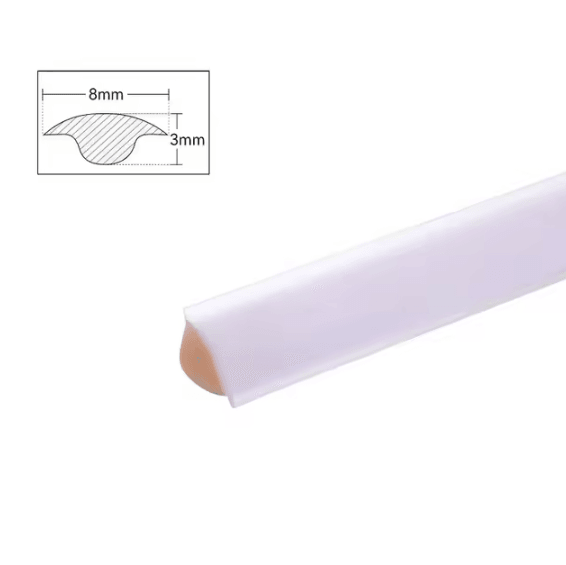
Kitchen tile is the surface that takes the actual abuse of cooking, grease splatter behind the stove, tomato sauce that somehow ends up two feet from the pot, a dropped cast iron pan that will chip anything soft. It covers the wall between counter and cabinet, or the whole floor, and it has to look decent while doing a job that no paint finish could survive more than a year.
I have put this tile in rented kitchens with a landlord breathing down my neck about security deposits, and I have put it in houses built around 1900 where the walls were never square to begin with. It works in both, which is more than I can say for most materials. A small apartment kitchen with no natural light wants something pale and a bit reflective to bounce what light there is around, while a big farmhouse kitchen with a window over the sink can take a darker, more textured tile without feeling like a cave. If you are starting from nothing, go plain and light first, a simple white or cream in a basic square or subway shape. You can build character around a quiet backdrop with rugs and open shelving and all the other things you will inevitably collect, but you cannot undo a busy, trendy tile once it is grouted into a wall you are stuck looking at for the next decade.
Cheap tile shows its cheapness fast, usually within the first winter, when the glaze starts crazing in a way that traps grease and never quite comes clean no matter how hard you scrub. A good glazed ceramic or porcelain tile ages the opposite way, it gets a faint softness to the surface over years of wiping that makes it look settled rather than worn out, the way an old sink gets friendlier looking the longer it has been used. Reseal grout lines every couple of years, wipe up anything acidic before it sits, and avoid anything abrasive on the glaze itself, a soft cloth and a mild dish soap solution handles ninety percent of kitchen mess just fine.
The day it arrives, check every box, not just the top one, for chips along the edges and consistent color across the batch, because dye lots vary more than anyone tells you and a mismatched run will show up the moment the light hits it at an angle. Check the backs for lippage warnings if your installer is working on an older, less level wall, which in my experience is most walls worth bothering with.
Wipe spills while they are still wet, grease sets into grout far faster than it comes back out.

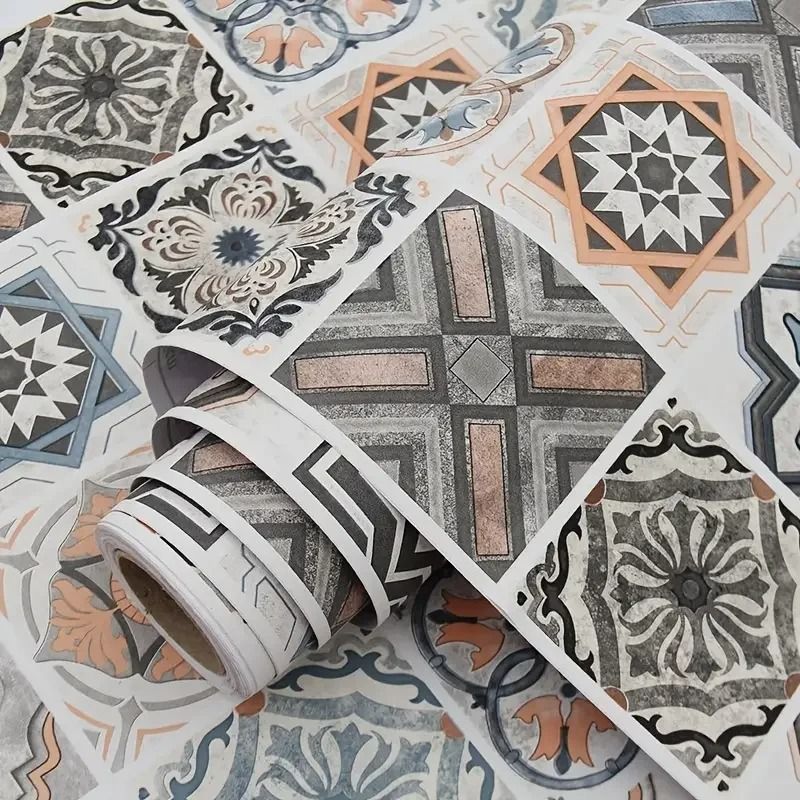 Aisha's pickCeramic Kitchen Tiles for Walls Pulled From Dozens of Stores
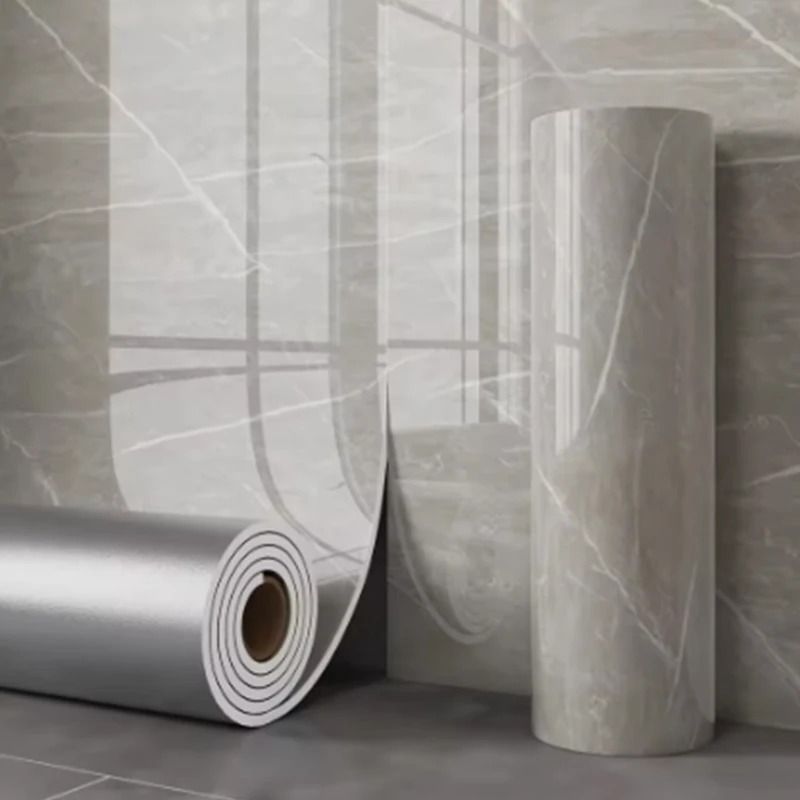
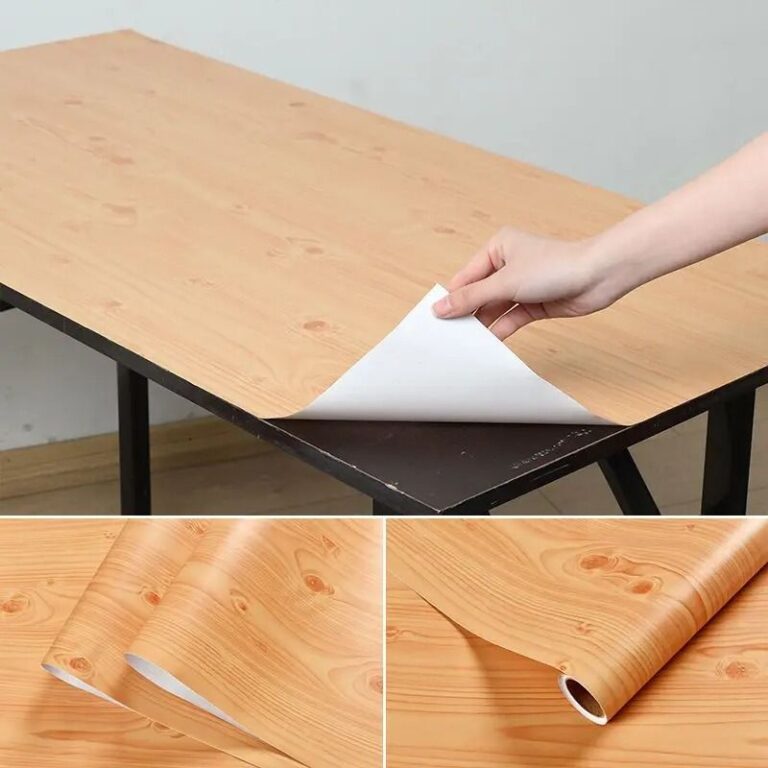 Aisha's pickKitchen Wallpaper That Doesn’t Cost a Fortune
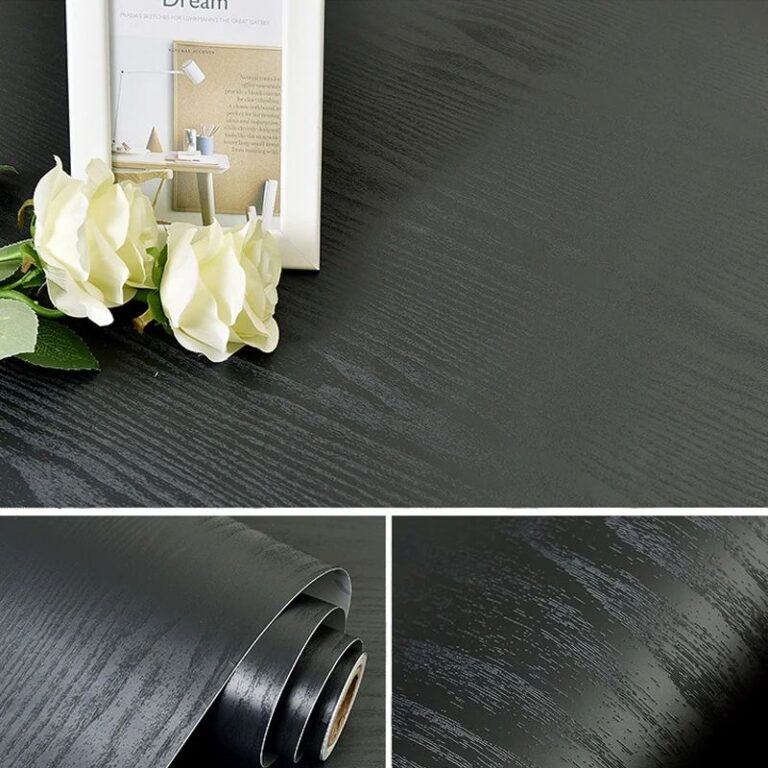
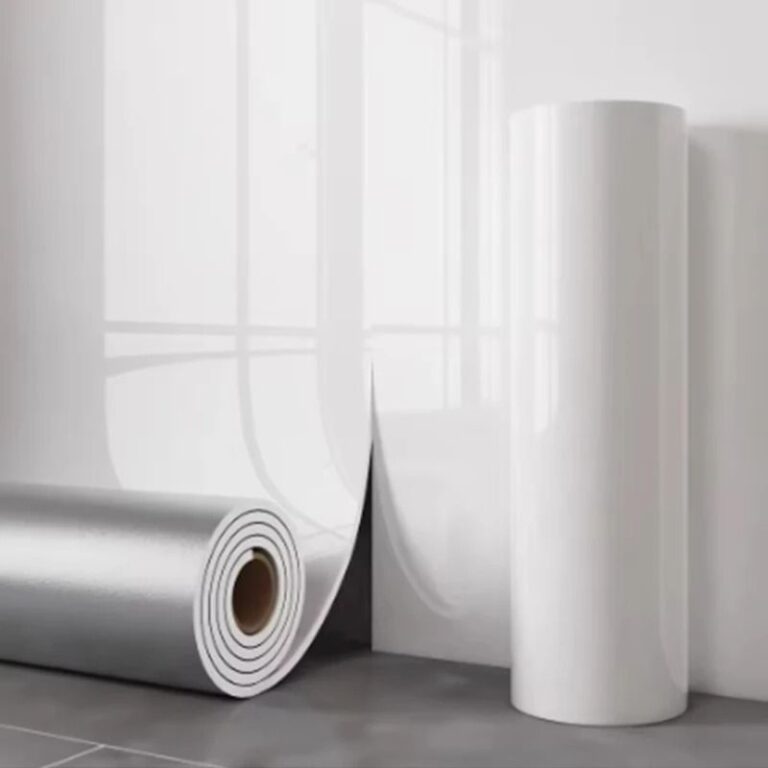 Aisha's pickCeramic Kitchen Wall Tiles Without the Silly Price Tag
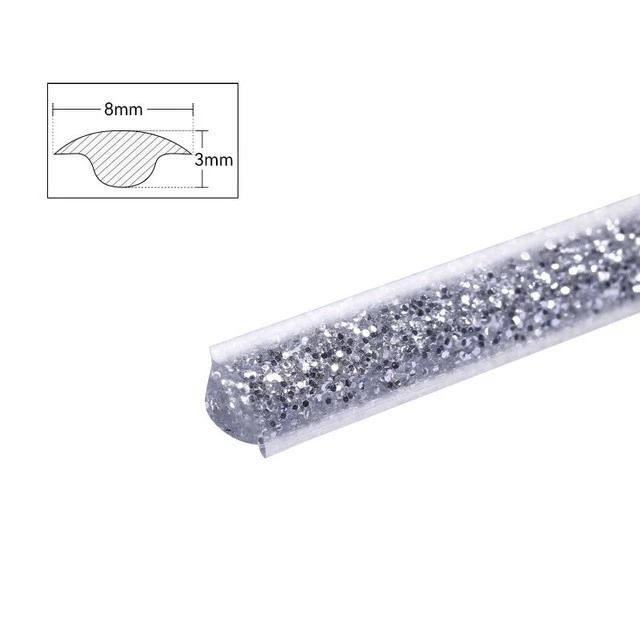
 Aisha's pickKitchen Wallpaper for Bathroom That Does What It Should
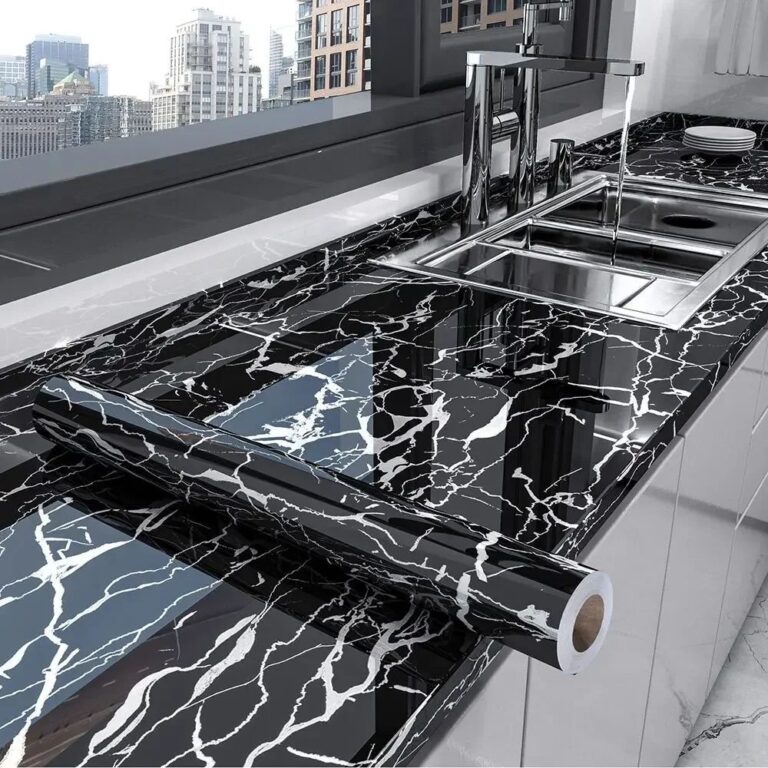
 Aisha's pickFloor Tiles for Kitchen That Make Cooking a Bit Nicer
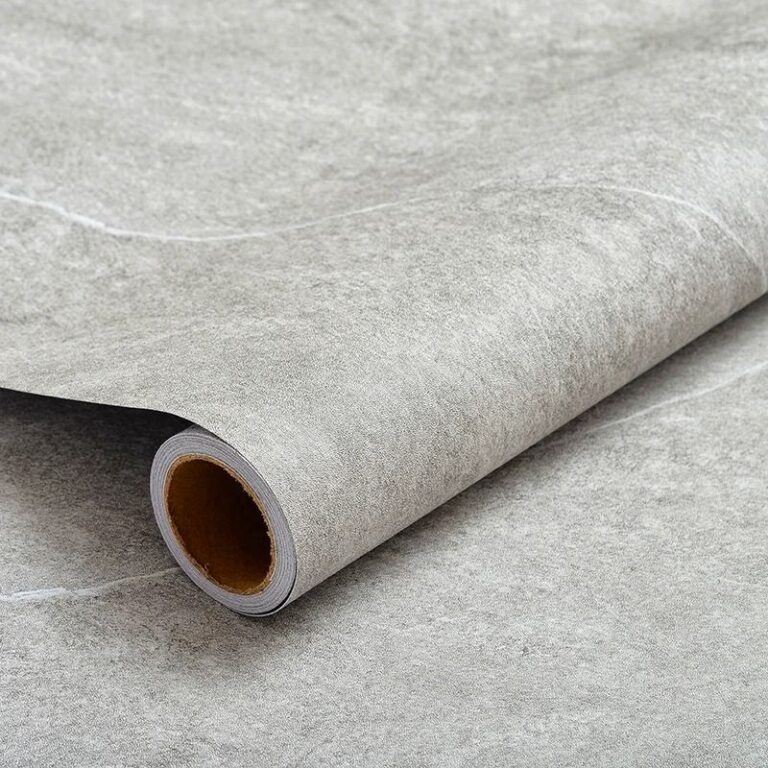
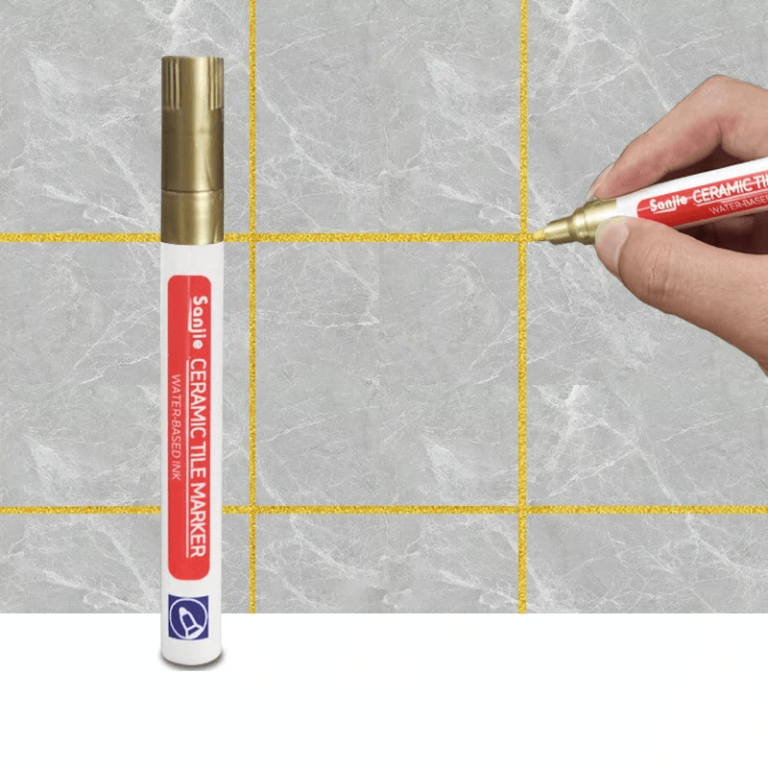 Aisha's pickLarge Kitchen Tiles That Don’t Shout About It
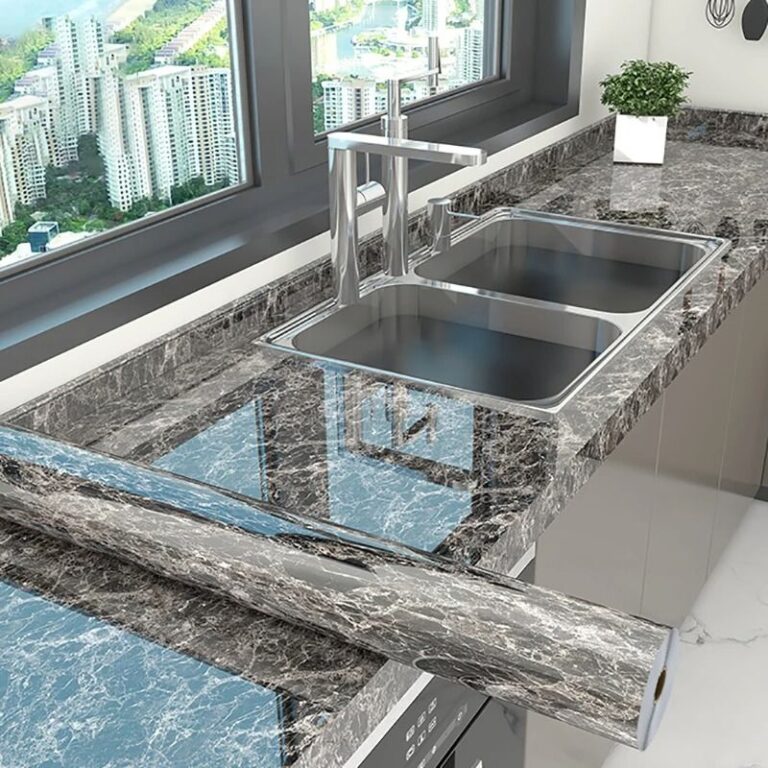
 Aisha's pickNo Fuss Floor Tiles for Kitchen
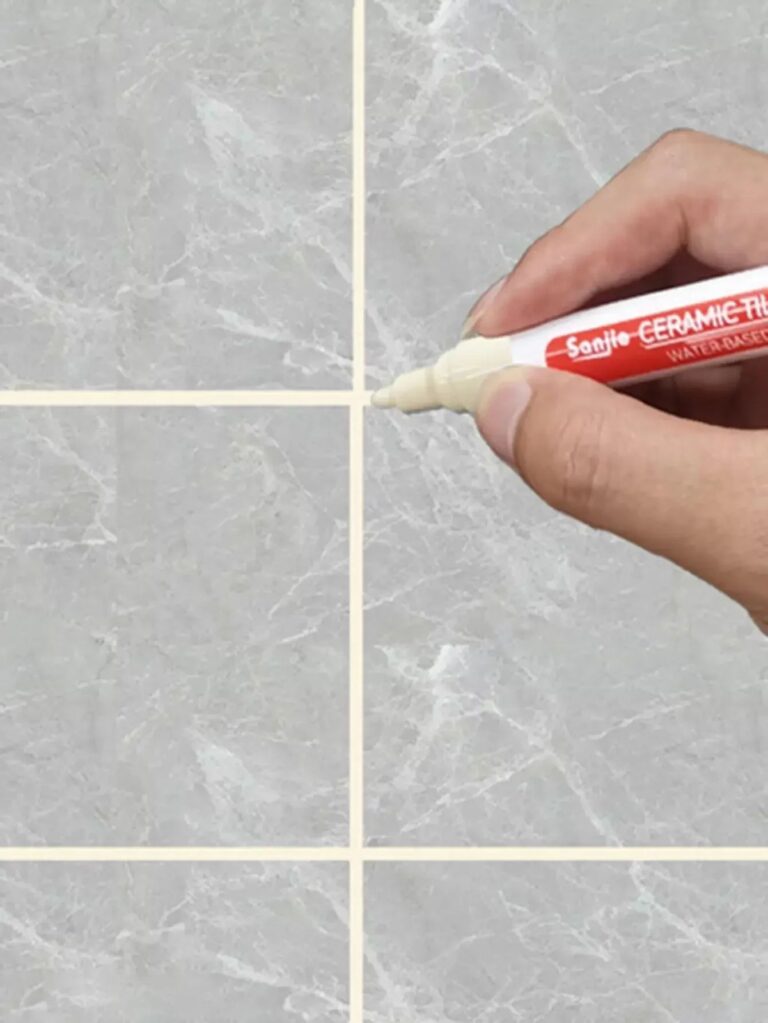
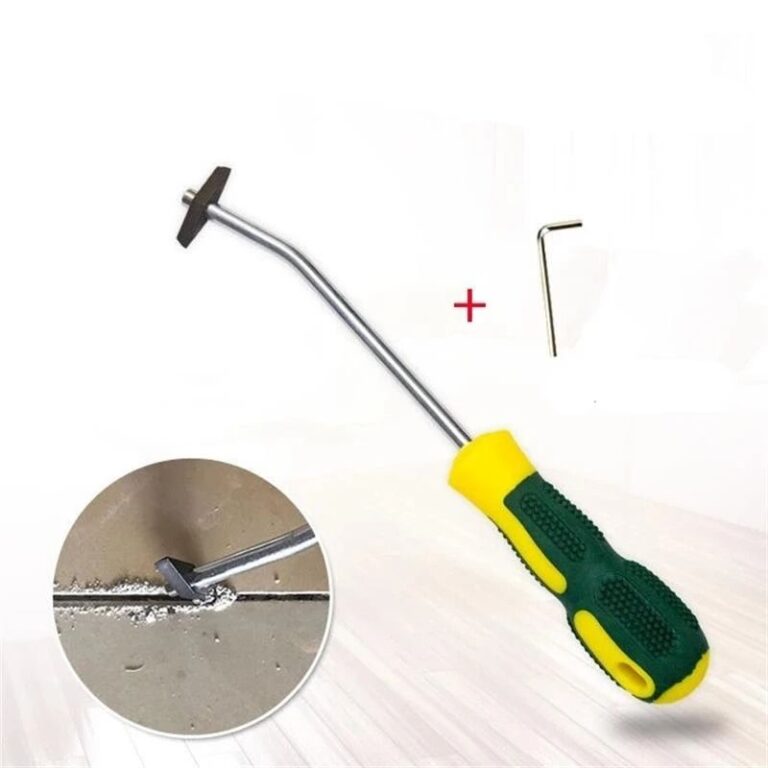 Aisha's pickLarge Kitchen Tiles With Some Character
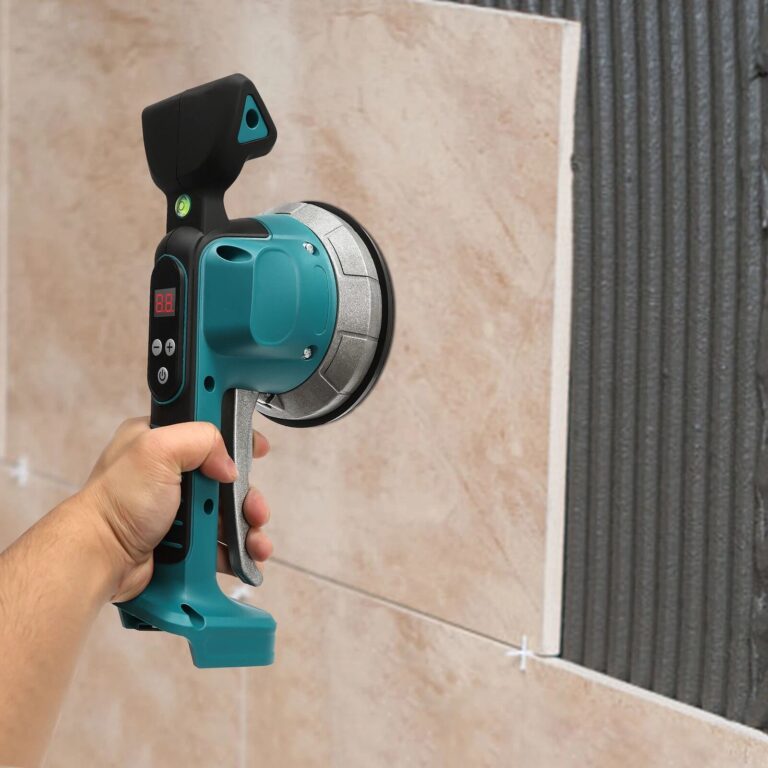
 Aisha's pickGlass Kitchen Tiles That Don’t Look Mass ProducedAlso worth a lookWall PanelsFor a long time I thought wall panels meant one thing: those shiny plastic strips from the hardware…See the collections →
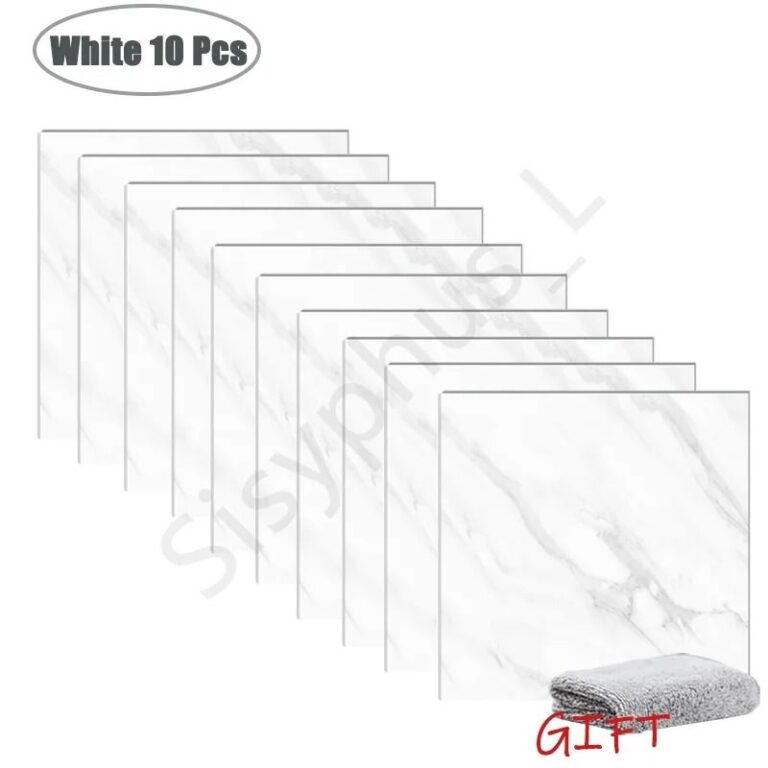
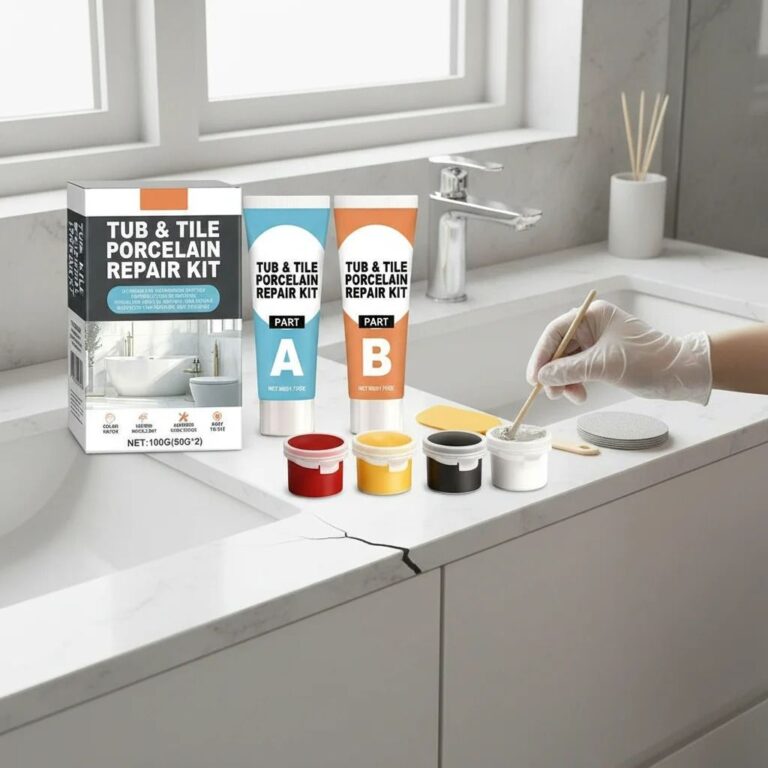 Aisha's pickWhere to Start With Marble Kitchen Tiles
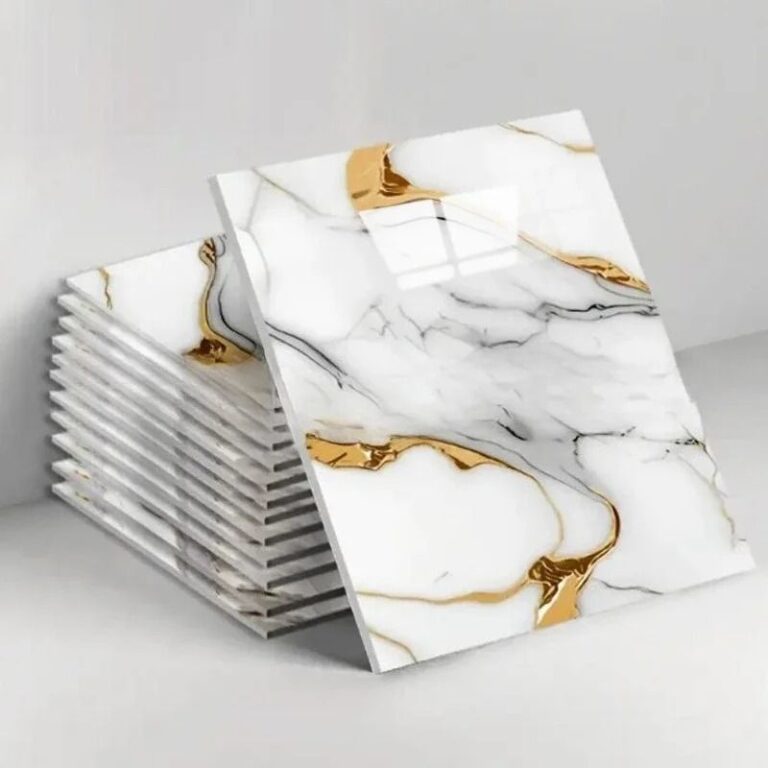
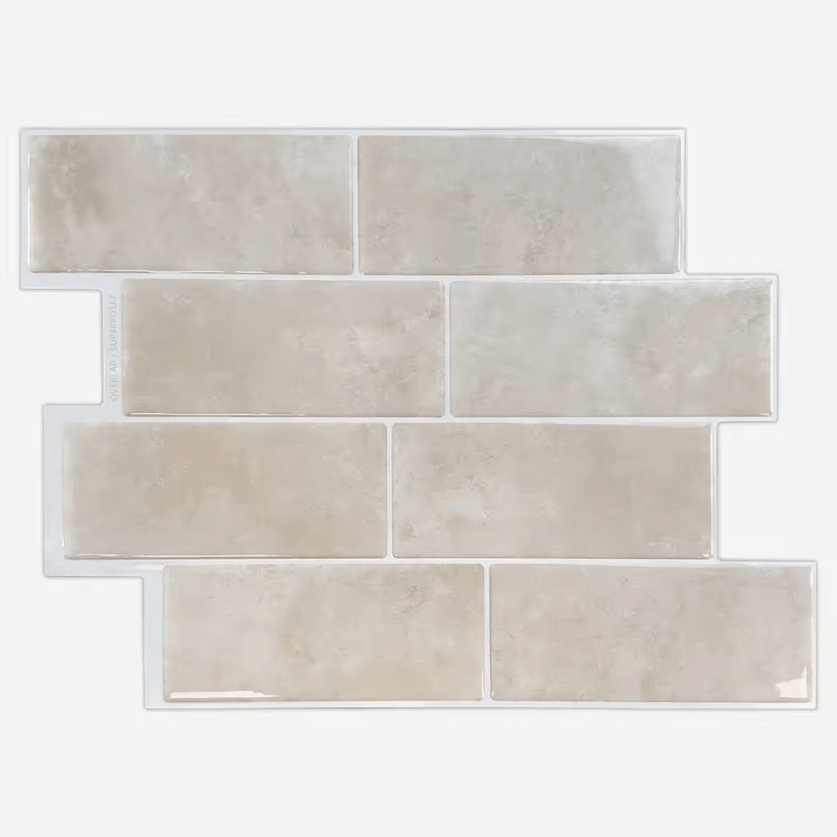 Aisha's pickGreen Kitchen Tiles That Look Good Up Close
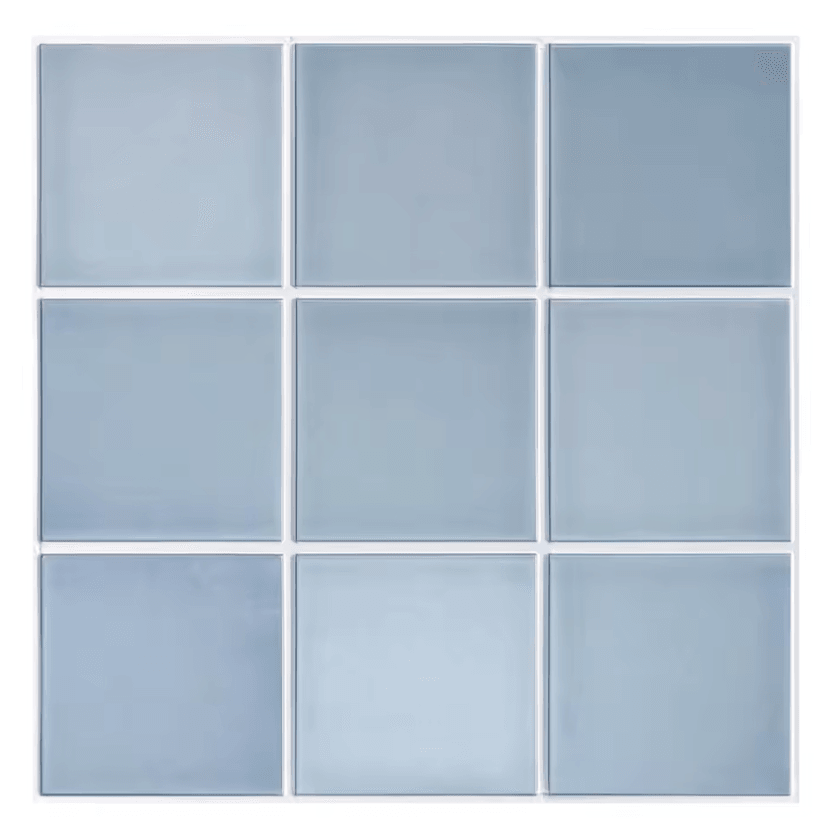
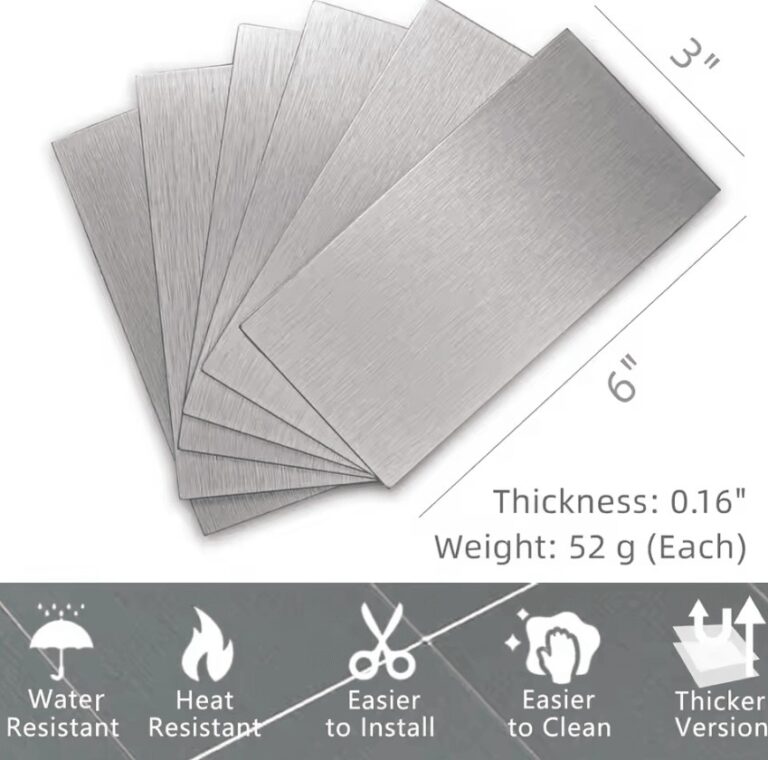 Aisha's pickSelf Adhesive Kitchen Tiles That Make Cooking a Bit Nicer
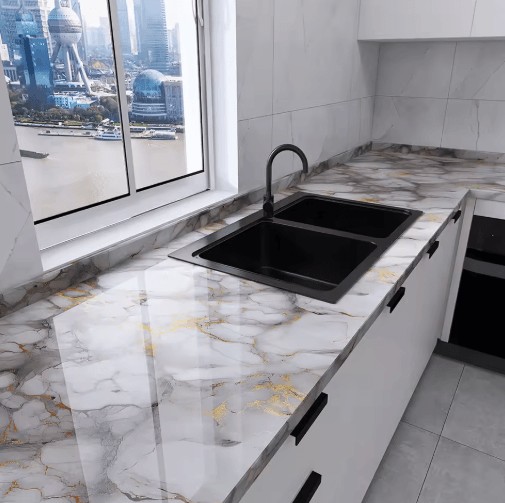
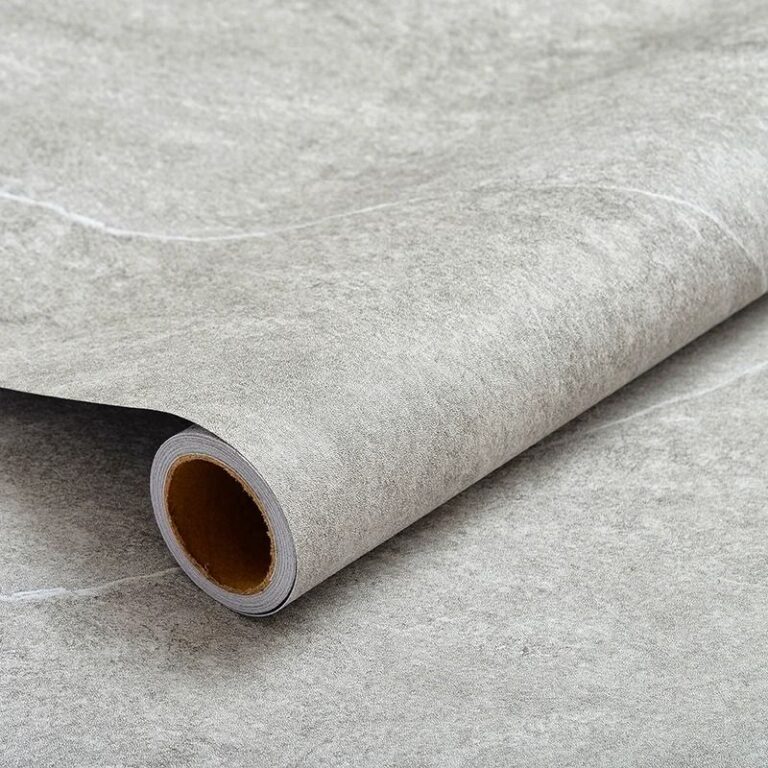 Aisha's pickKitchen Floor Tiles for When the Old Ones Give Up
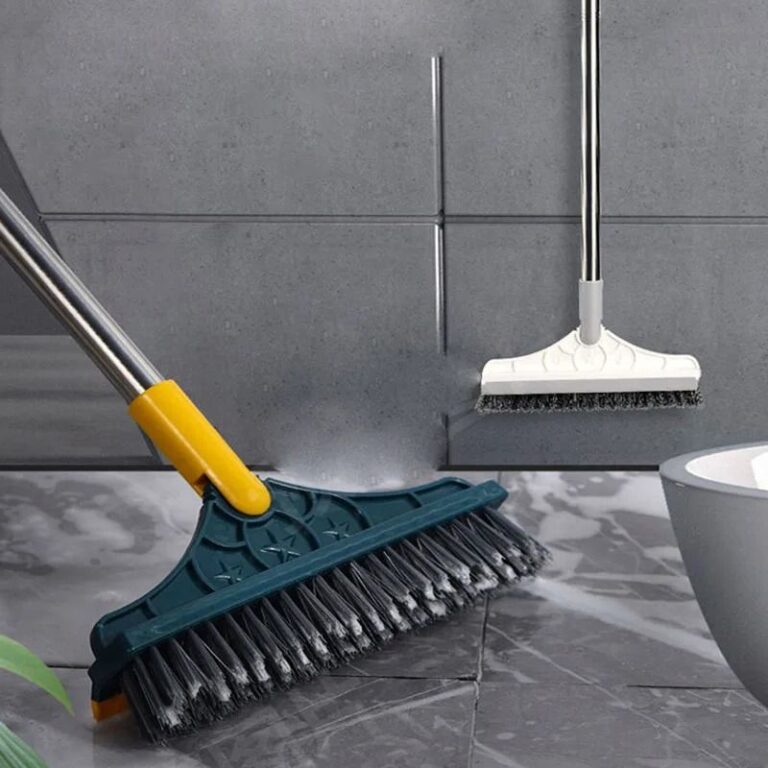
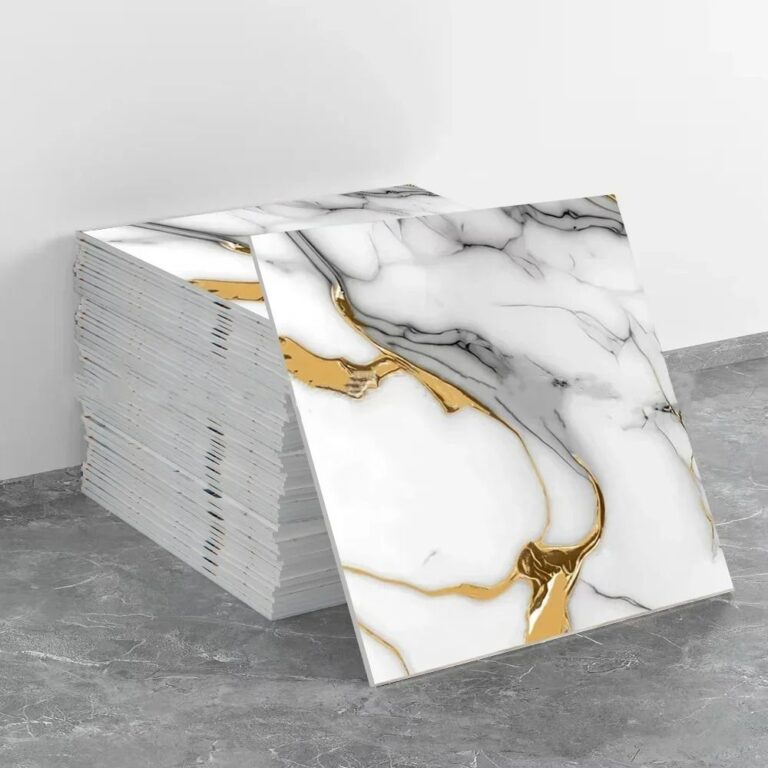 Aisha's pickSquare Kitchen Tiles That Make Cooking a Bit Nicer
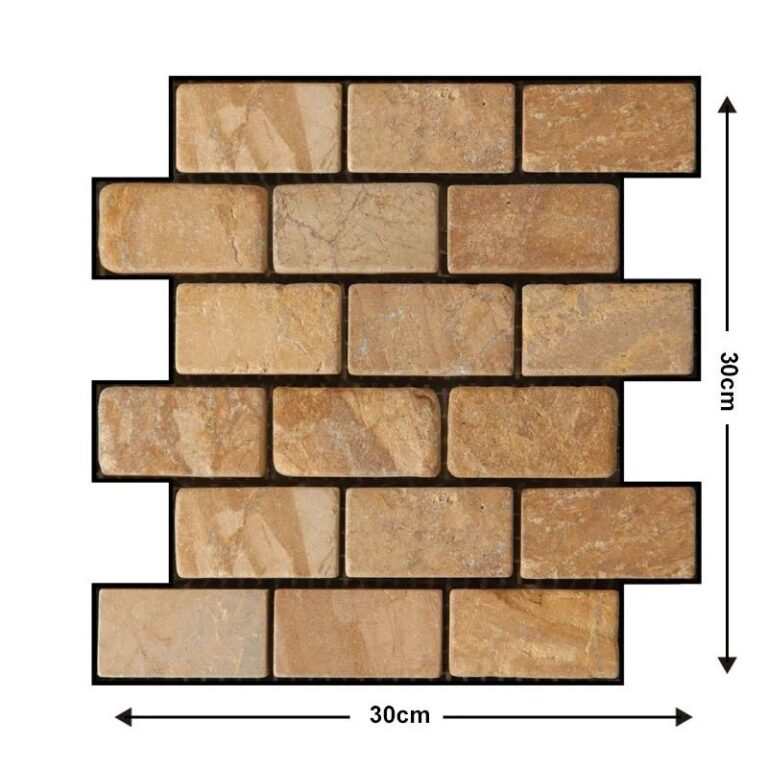
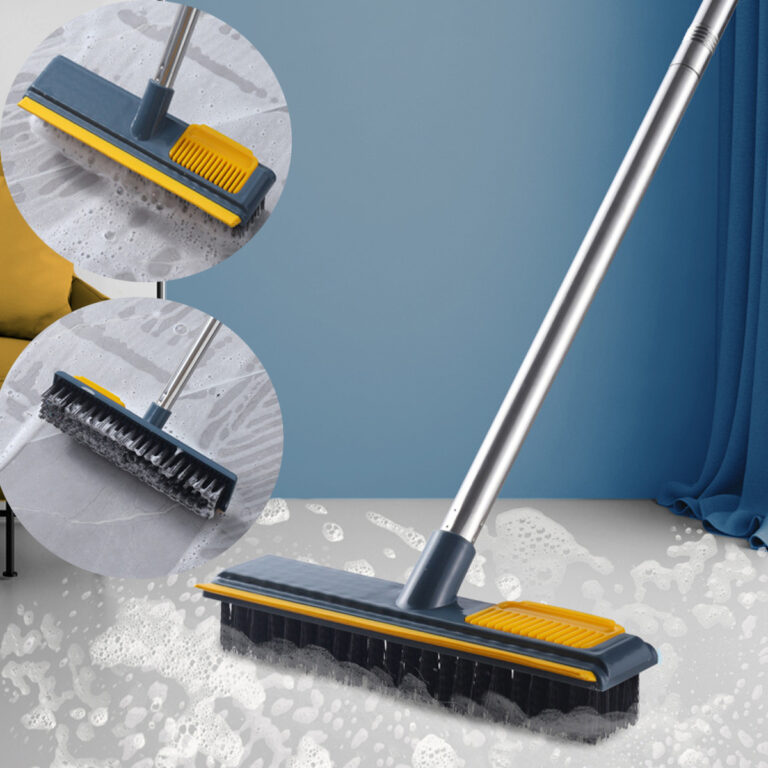 Aisha's pickKitchen Floor Tiles for Walls That Make Small Changes Feel Big
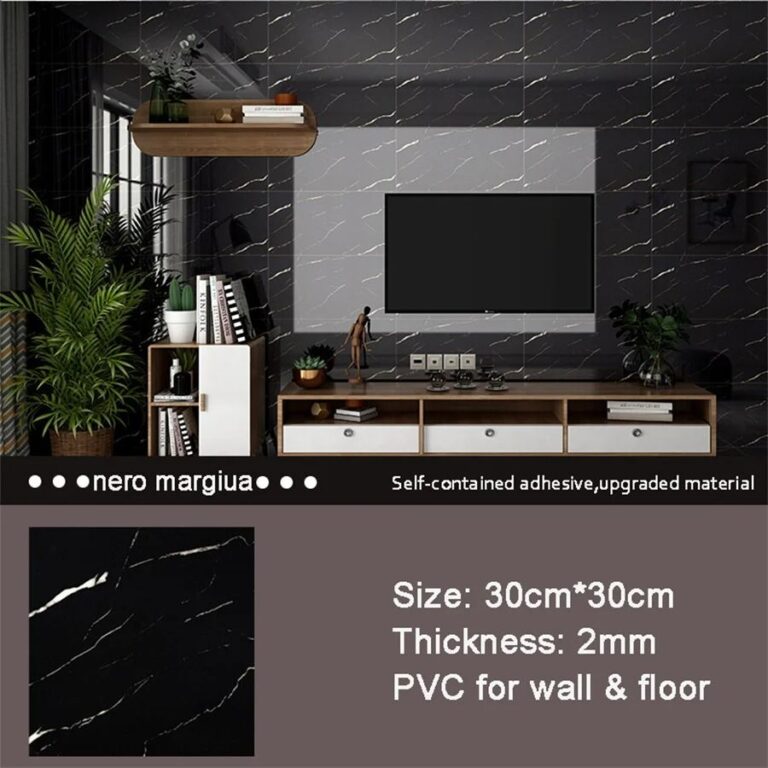
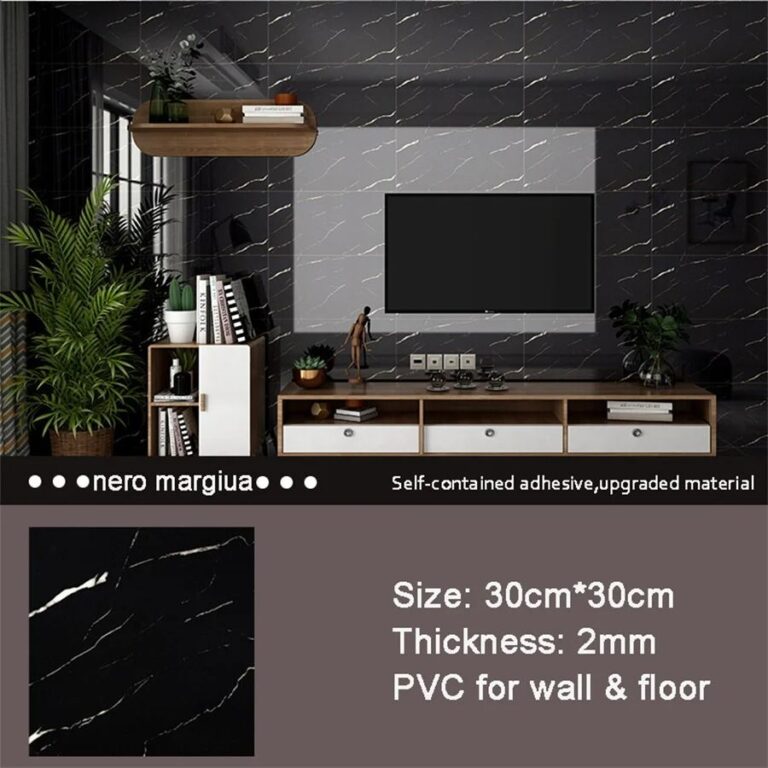 Aisha's pickSquare Kitchen Tiles From Brands You Know and a Few You Won’t
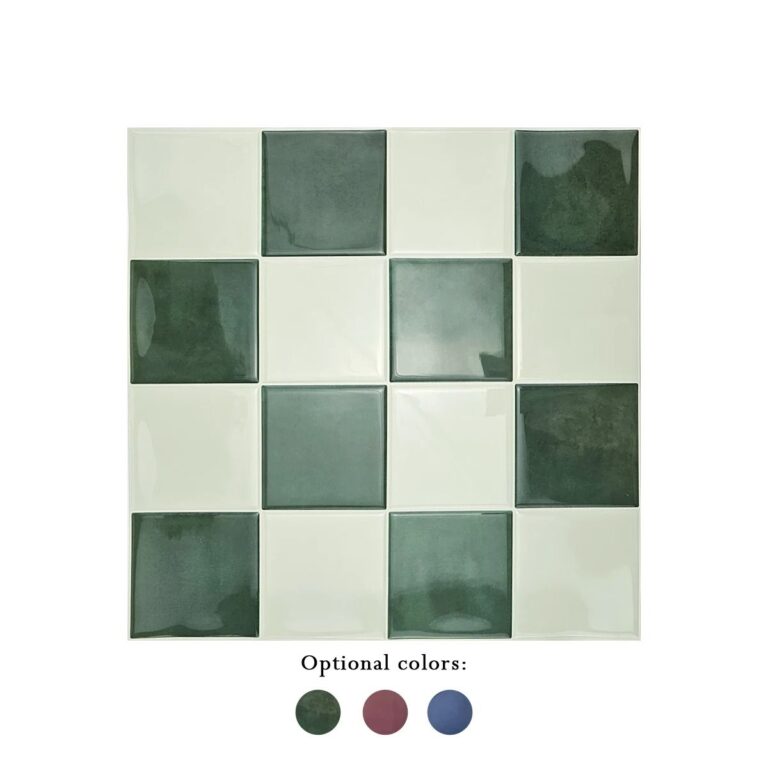
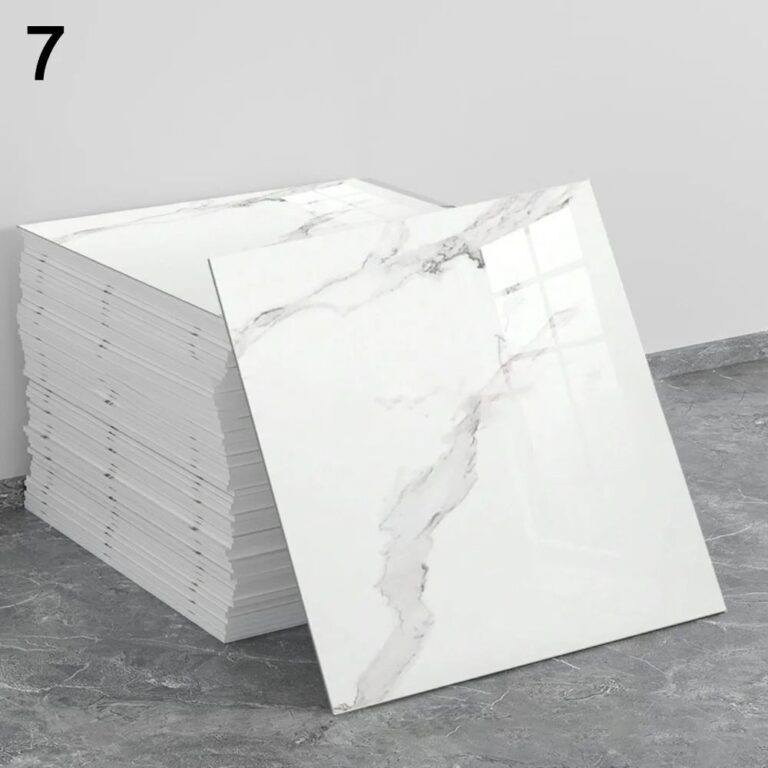 Aisha's pickKitchen Tiles You Won’t Regret Buying
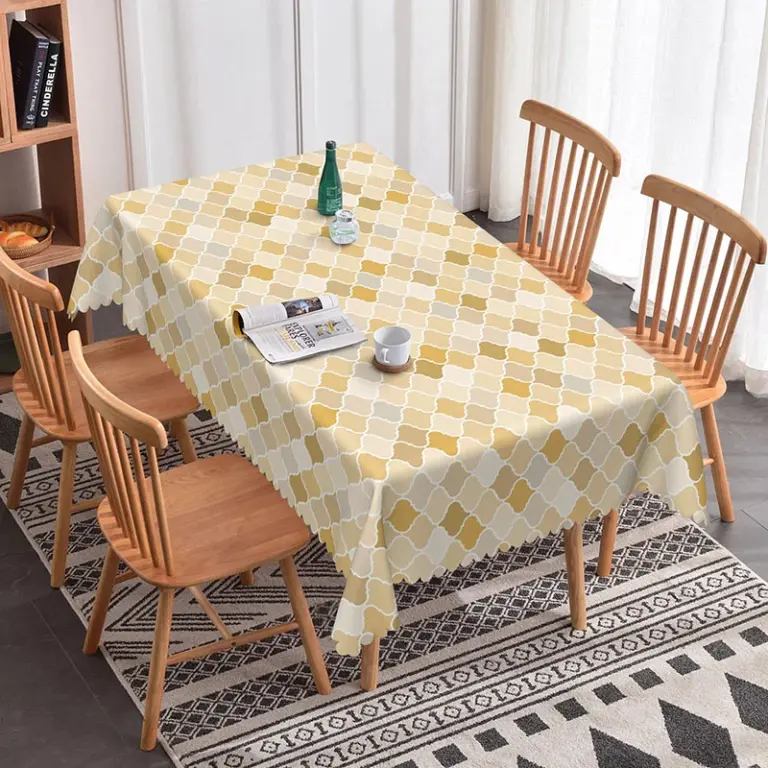
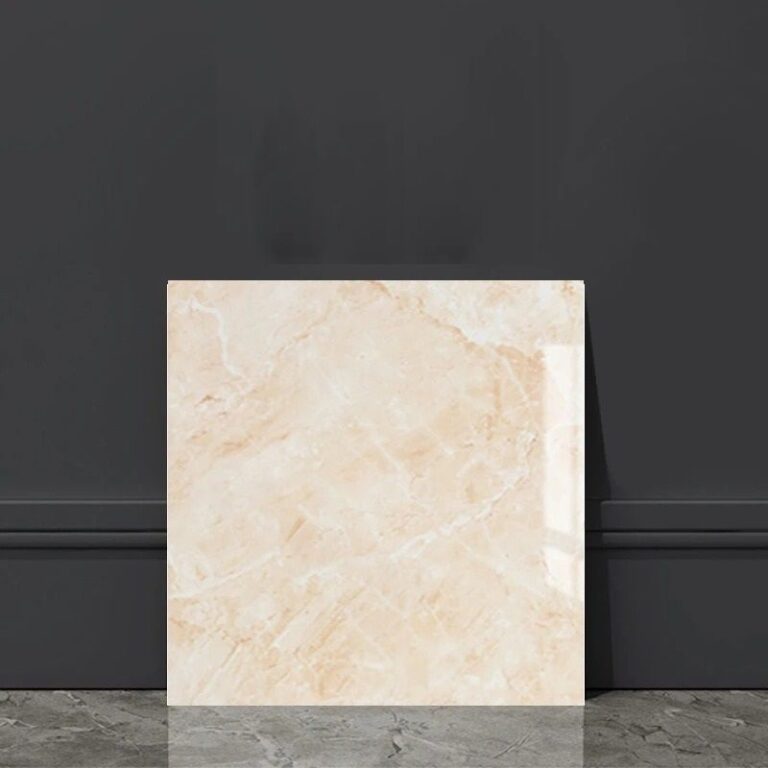 Aisha's pickStone Kitchen Tiles for Doing Up a Room on a BudgetAlso worth a lookFloor TilesFloor tiles make the most sense in kitchens, bathrooms, entryways and anywhere mud, wet dog or a dropped…See the collections →
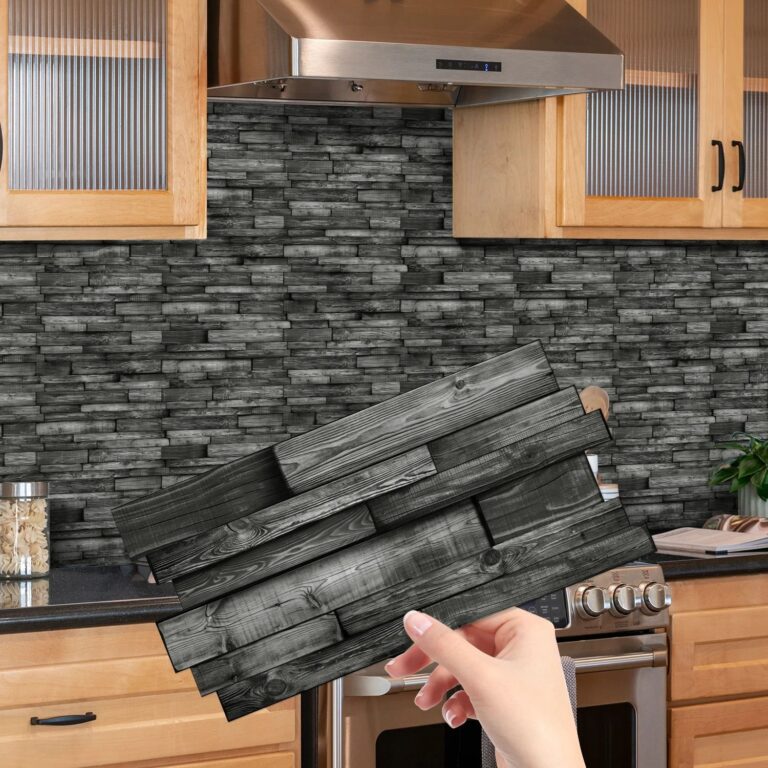
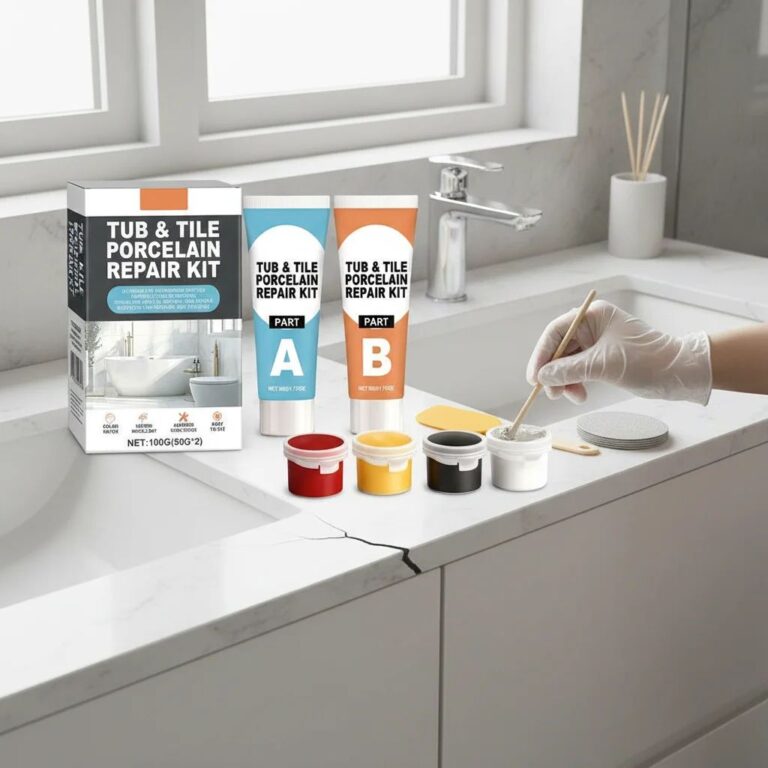 Aisha's pickBlack Kitchen Tiles That Make Cooking a Bit Nicer

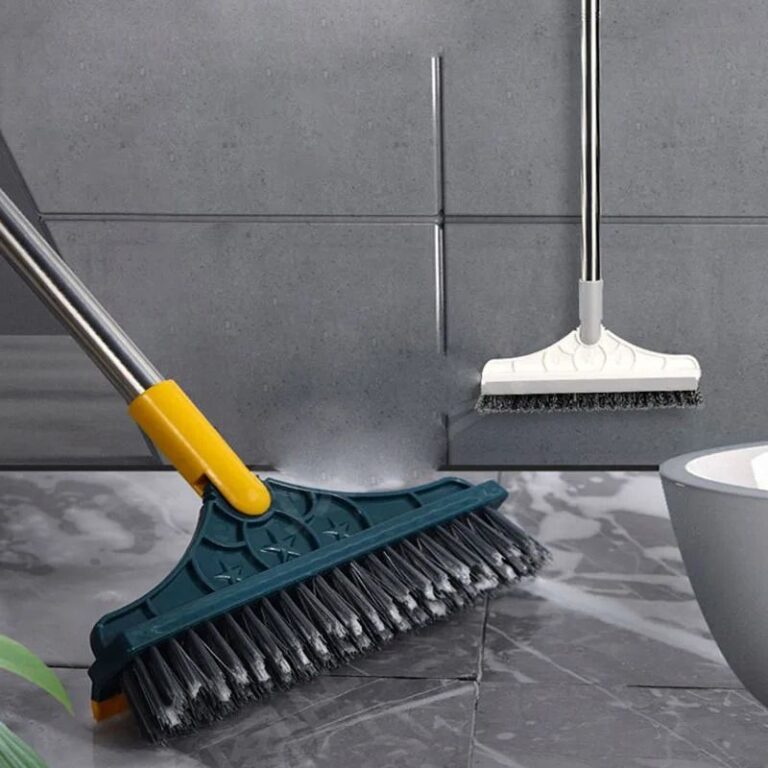 Aisha's pickKitchen Tiles for Floors We Keep Coming Back To
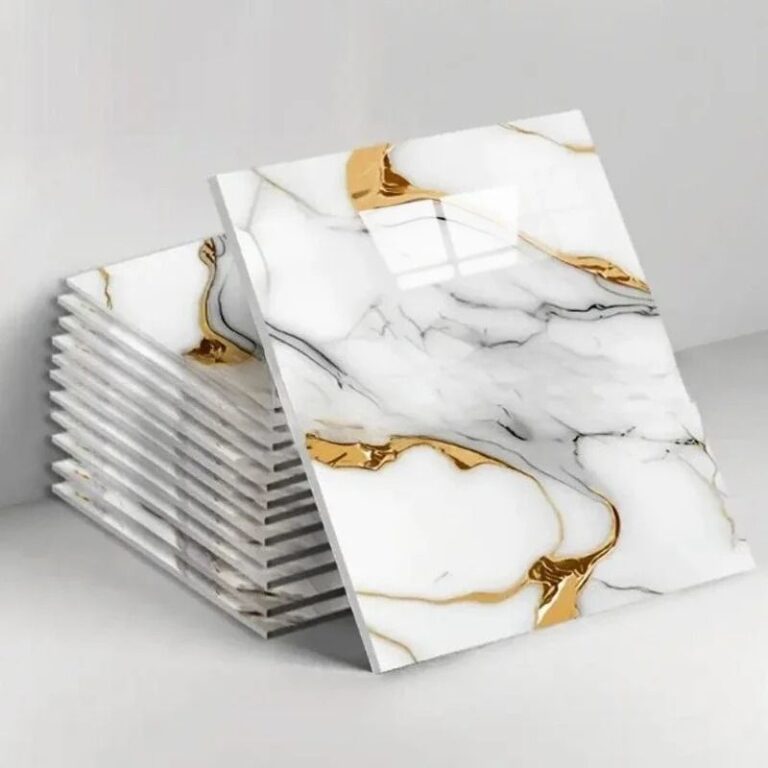
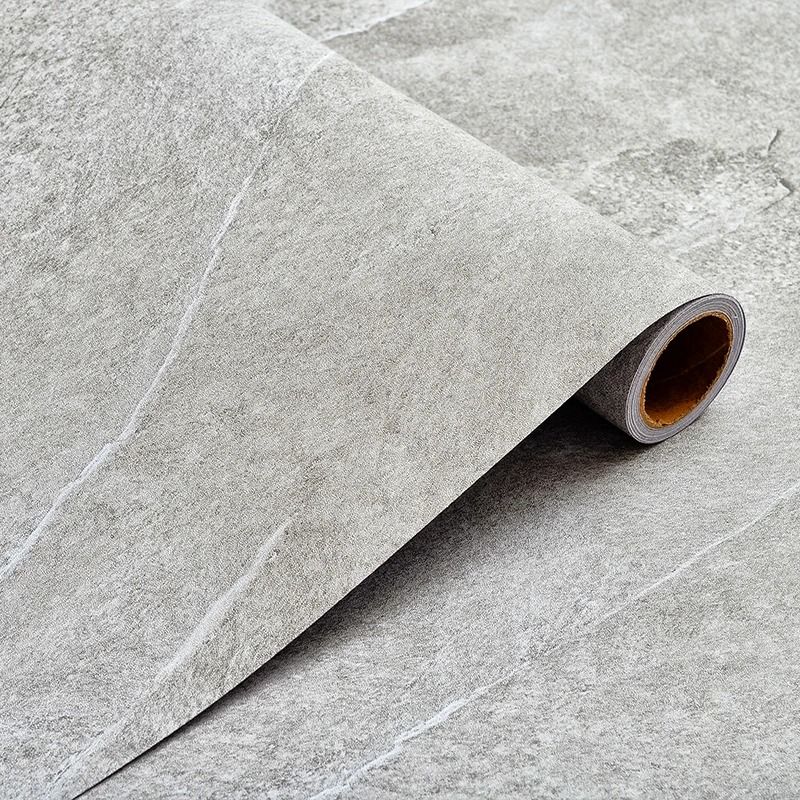 Aisha's pickVinyl Kitchen Floor Tiles That Don’t Need Babying
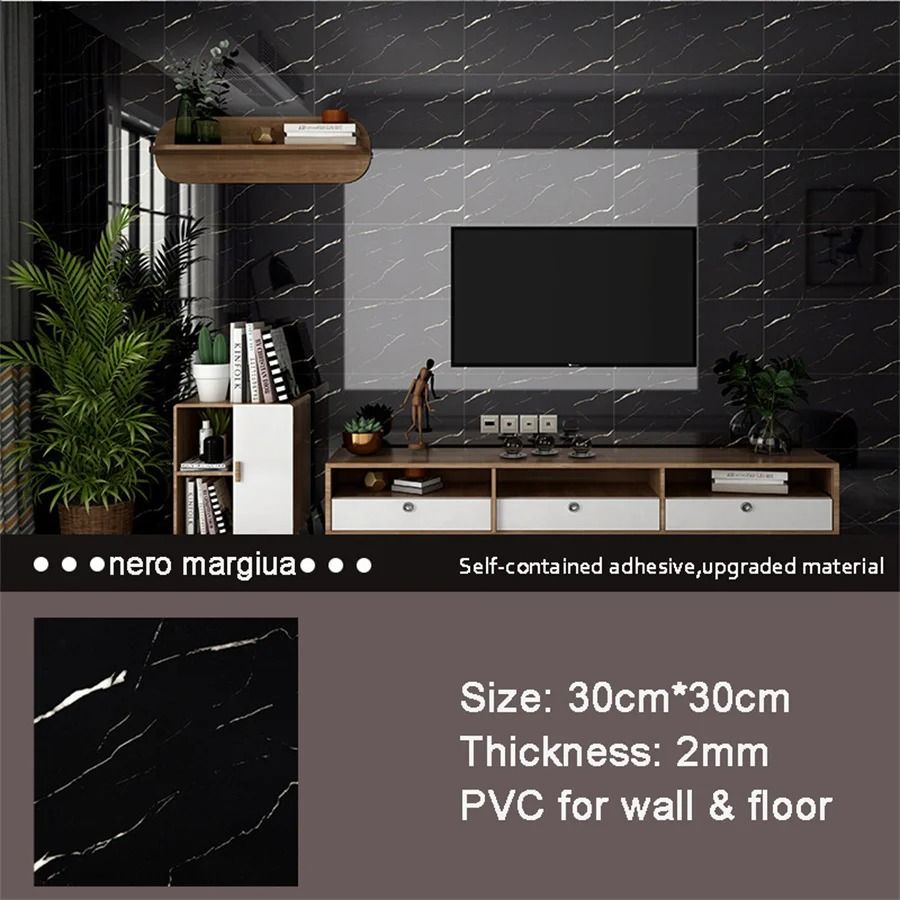
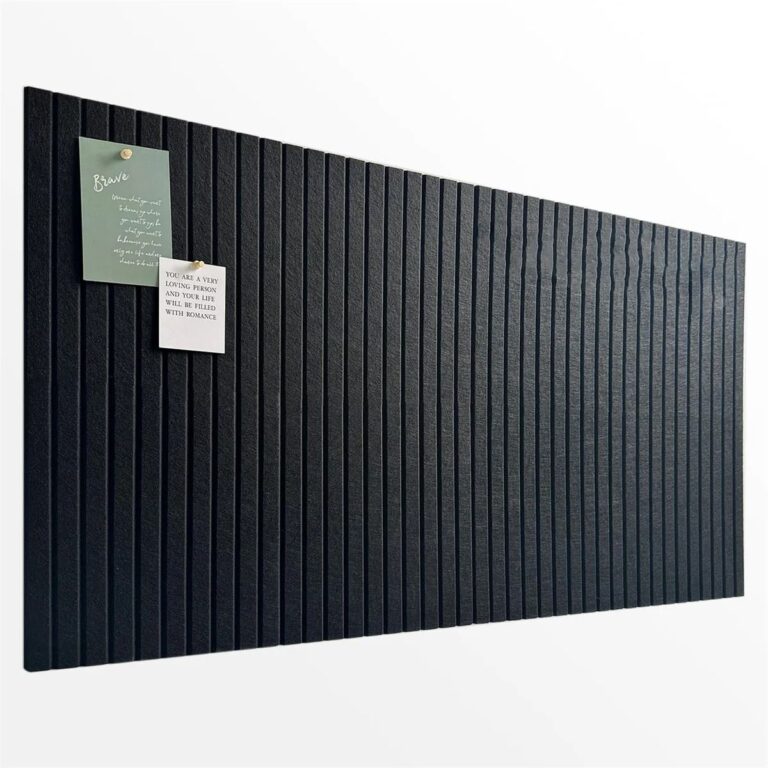 Aisha's pickBlack Kitchen Tiles Picked From the Stores We Trust
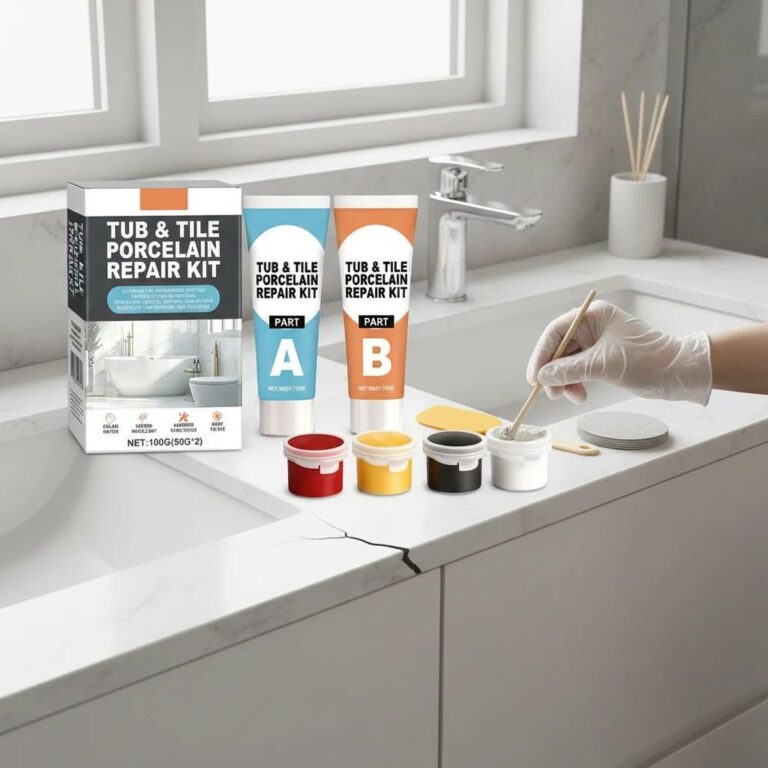
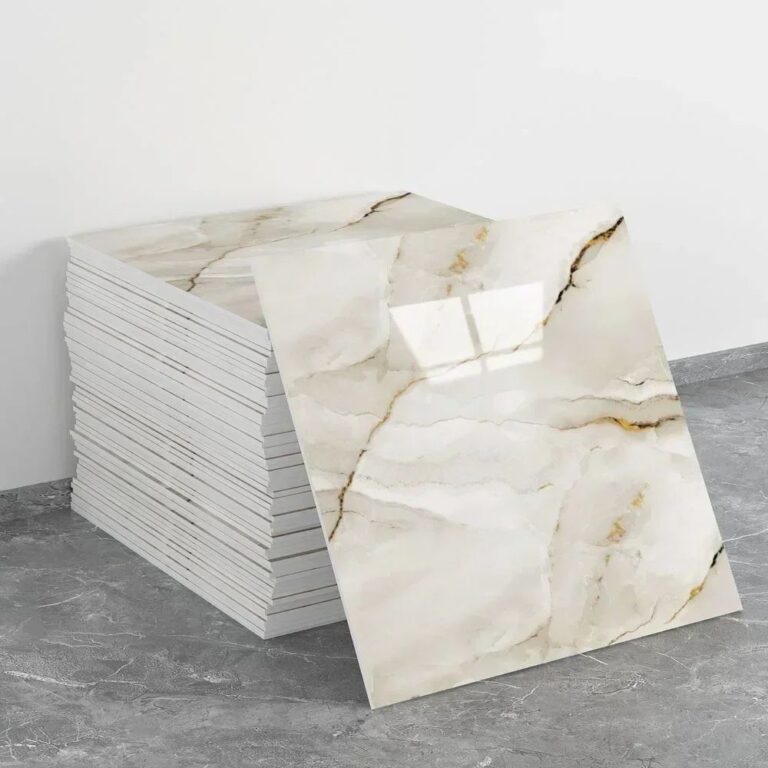 Aisha's pickKitchen Tiles for Walls That Hold Up to Everyday Life
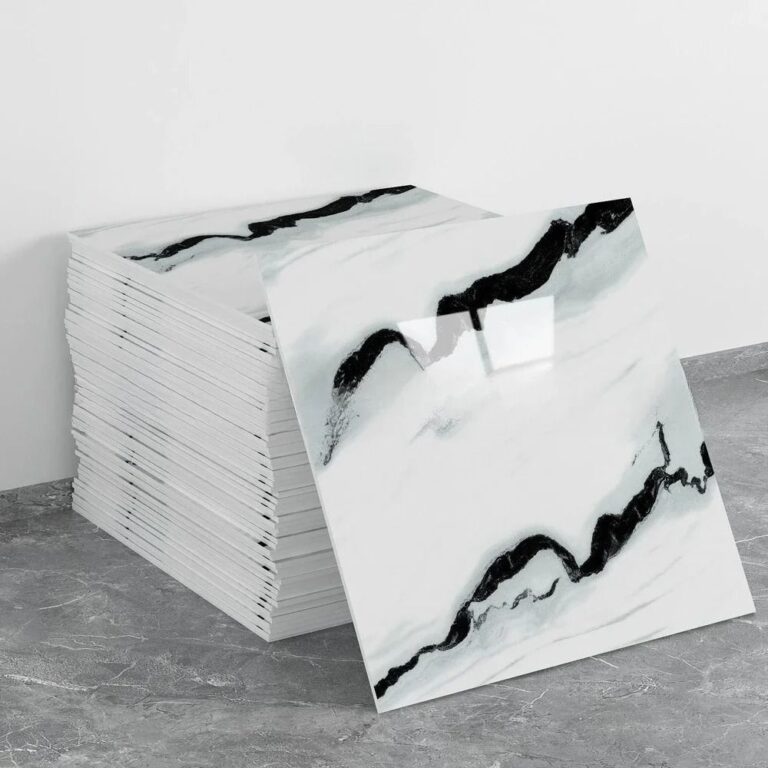
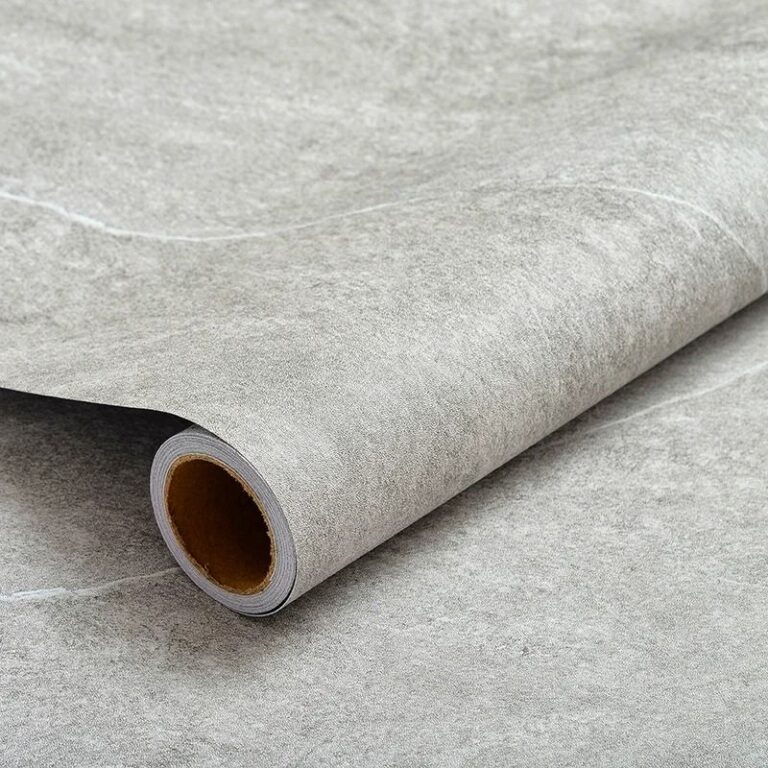 Aisha's pickVinyl Kitchen Tiles You Won’t Regret Buying
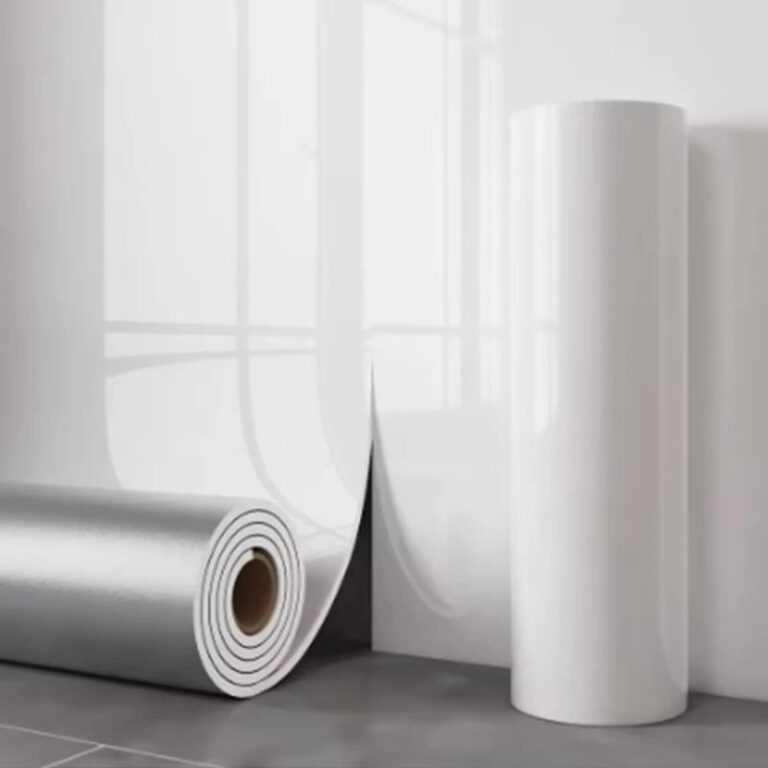
 Aisha's pickCeramic Floor Tiles for Kitchen That Finish a Job Off Right
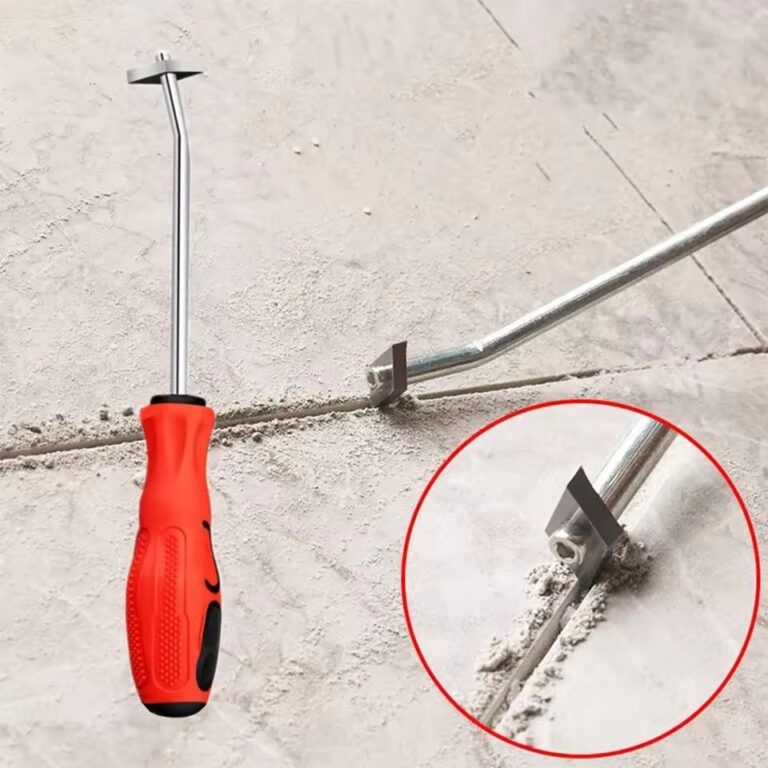
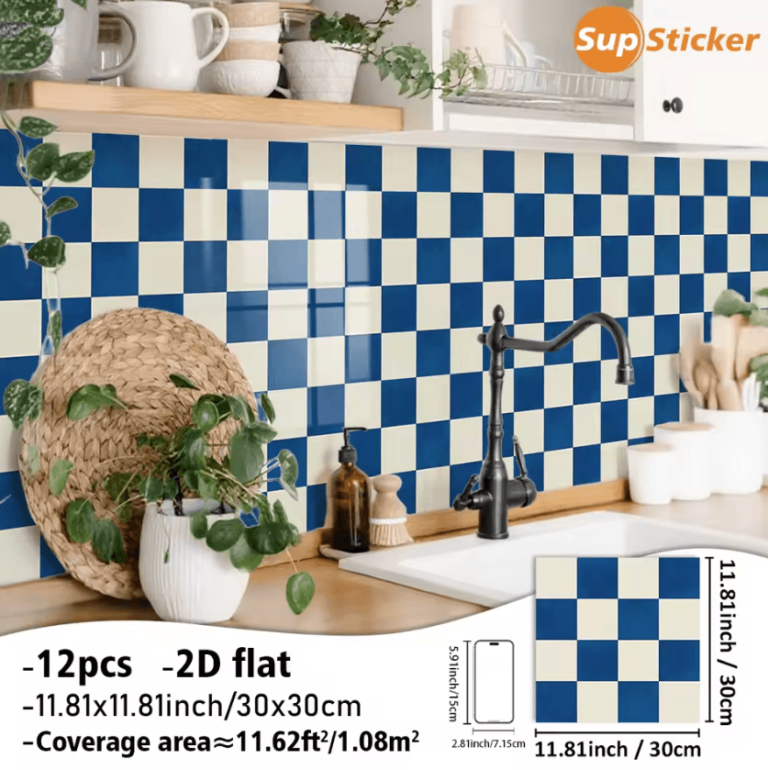 Aisha's pickKitchen Tiles That Finish a Job Off Right

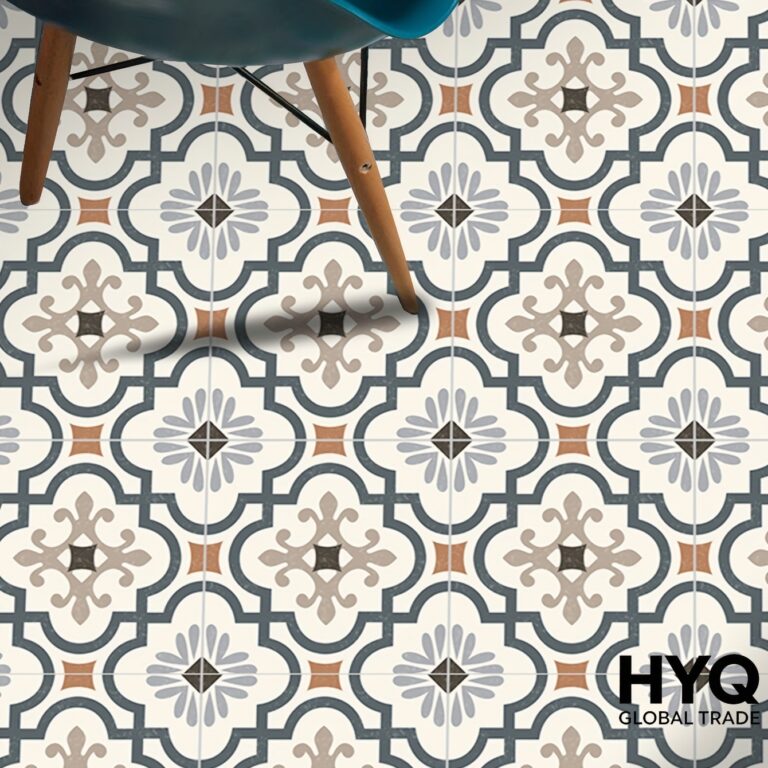 Aisha's pickVinyl Tiles for Kitchen You Won’t Want to Hide AwayAlso worth a lookBathroom TilesThe thing nobody tells you about bathroom tile is that you don't actually notice it day to day until the grout starts to go.See the collections →
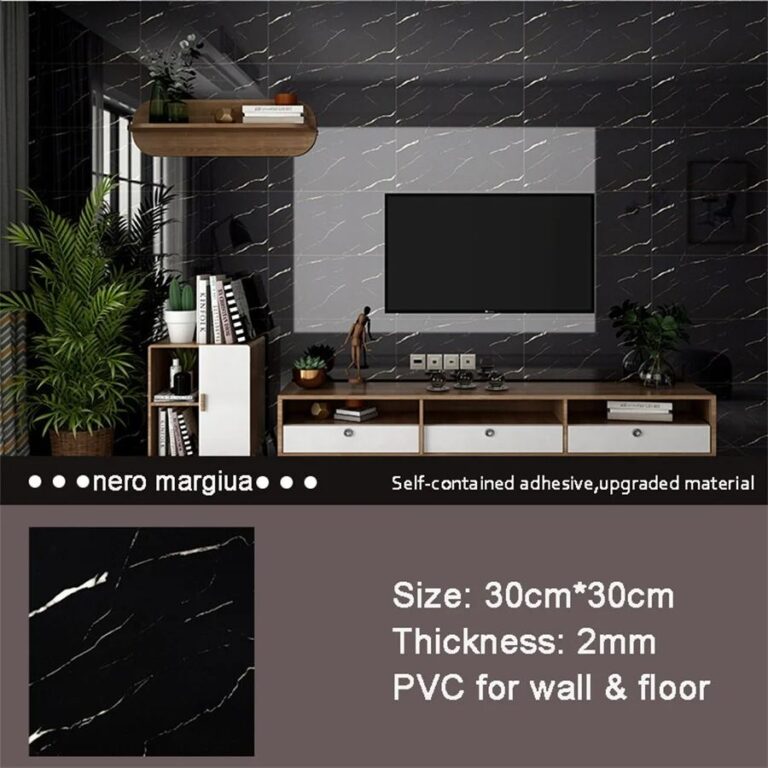
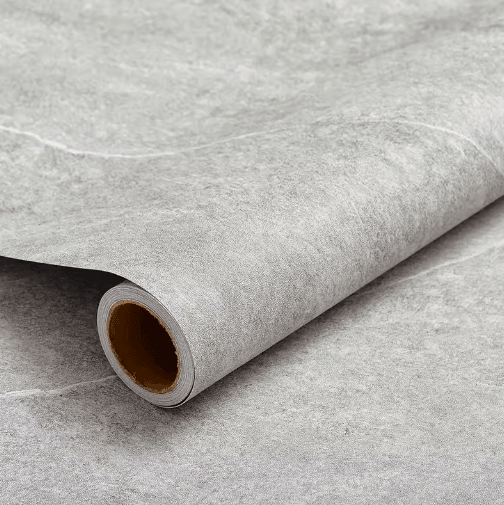 Aisha's pickCeramic Kitchen Floor Tiles for Doing Up a Room on a Budget
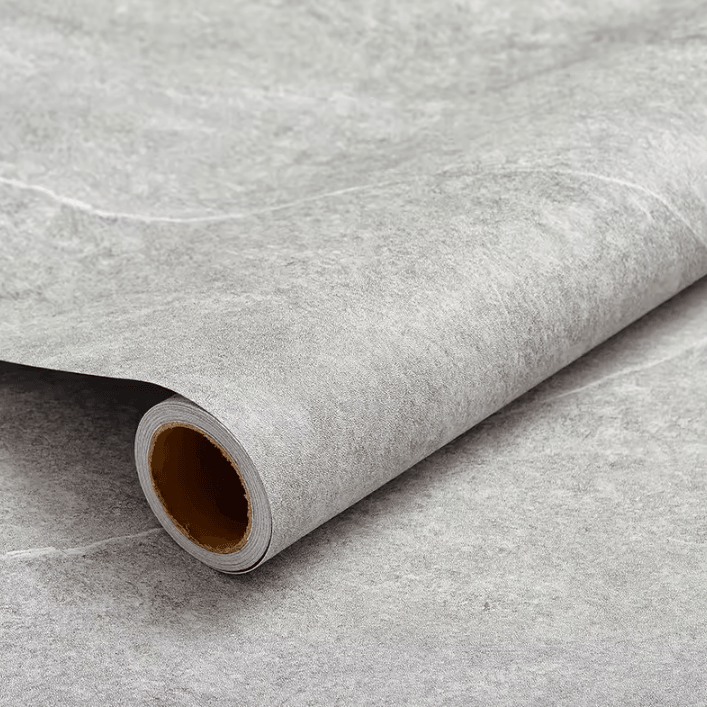
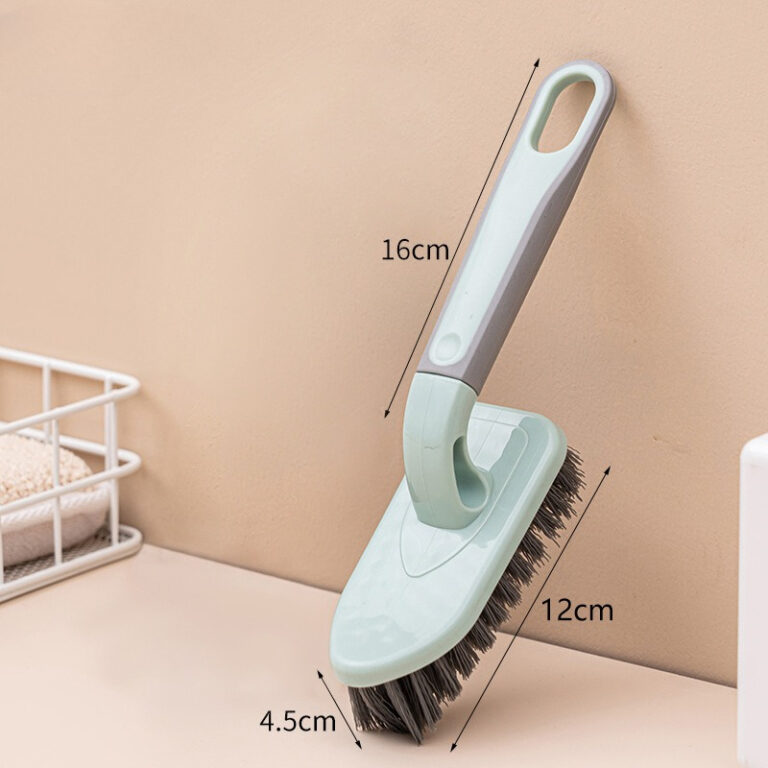 Aisha's pickKitchen Tiles for Floors That Earn Their Keep
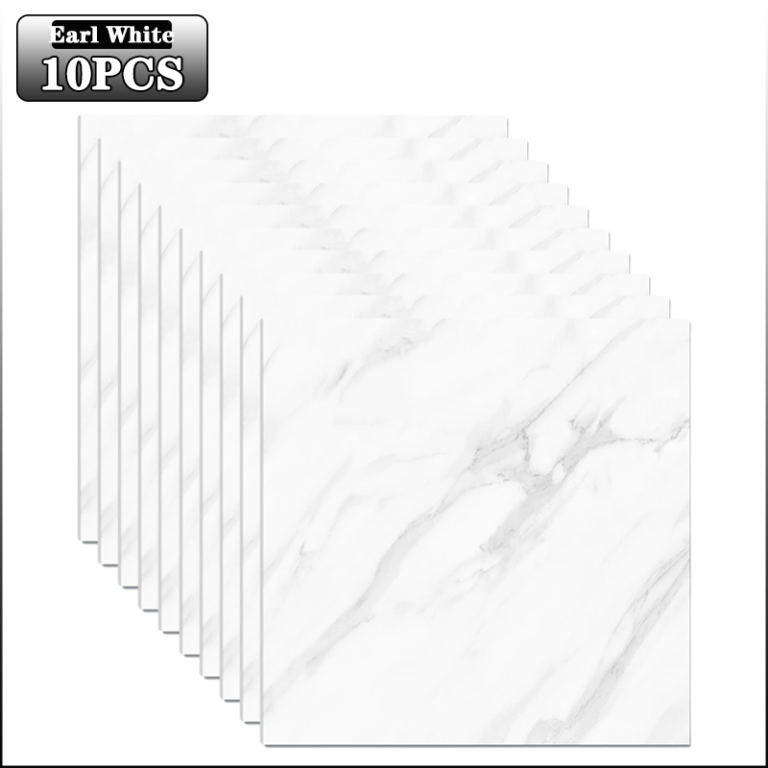
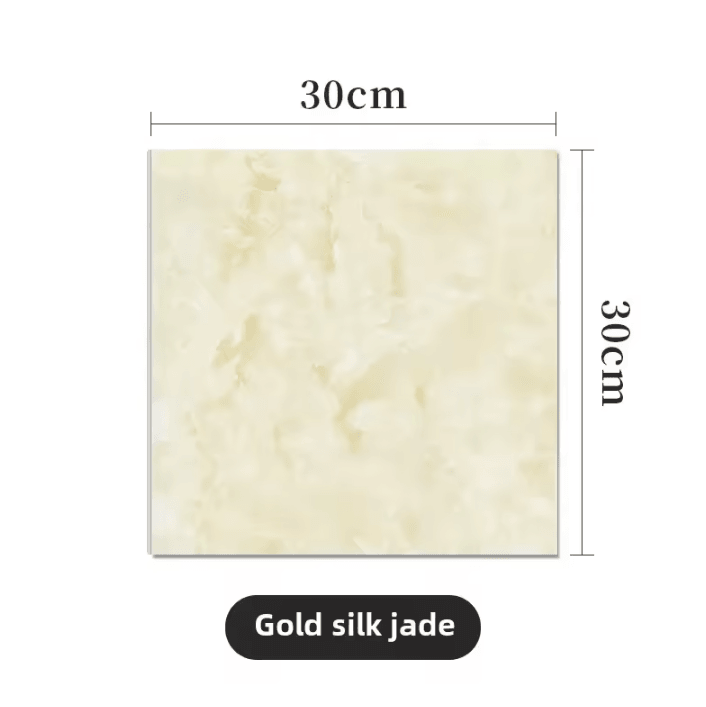 Aisha's pickDecent White Kitchen Tiles Without the Hassle
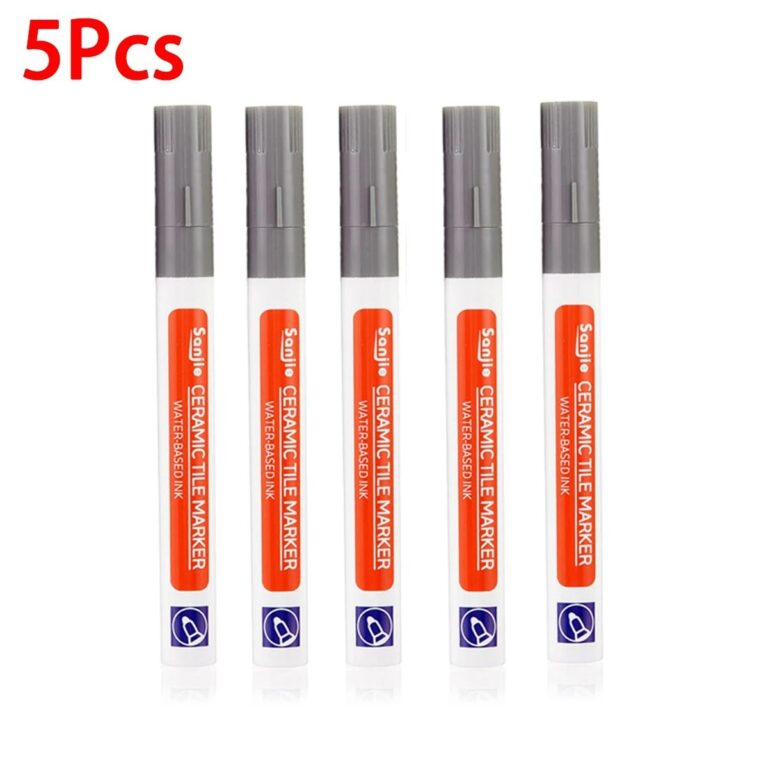
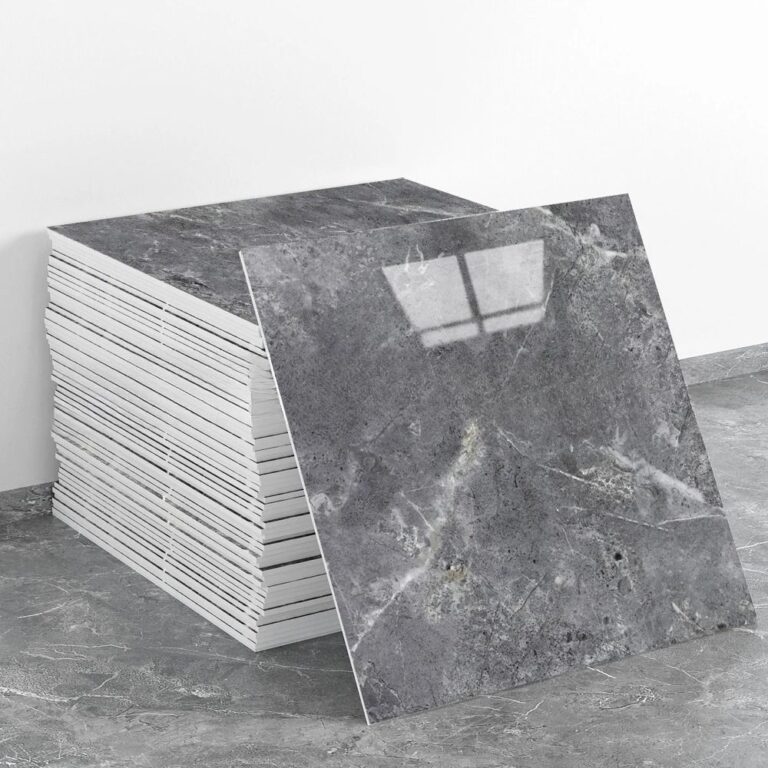 Aisha's pickSimple Ceramic Kitchen Tiles Done Well
 Aisha's pickKitchen Tiles for Walls That Don’t Need Babying

 Aisha's pickWhite Kitchen Tiles That Make Cooking a Bit Nicer
 Aisha's pickCeramic Kitchen Tiles That Cope With Steam and Splashes
 Aisha's pickShopping for Kitchen Wall Tiles? Start Here