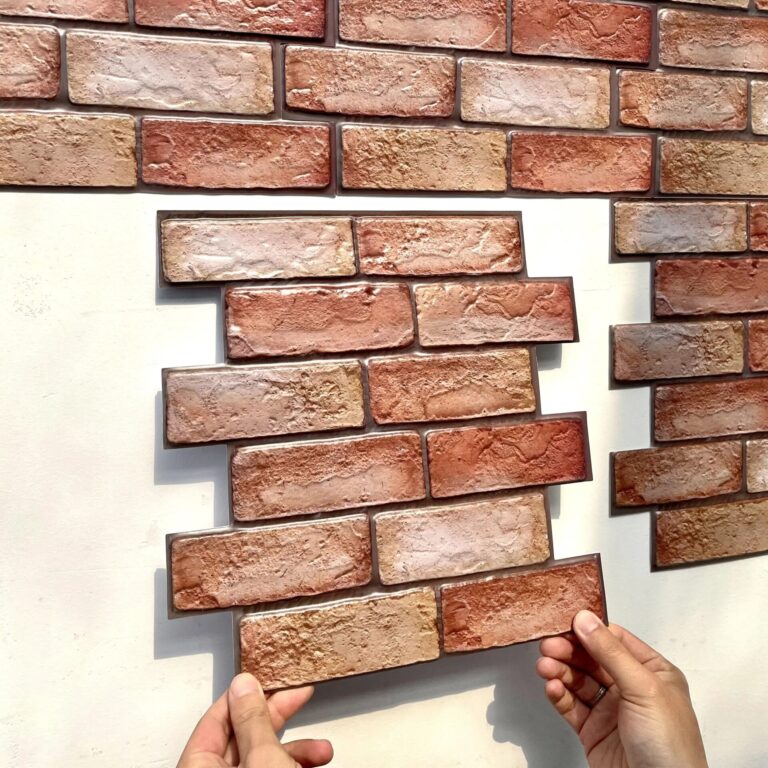
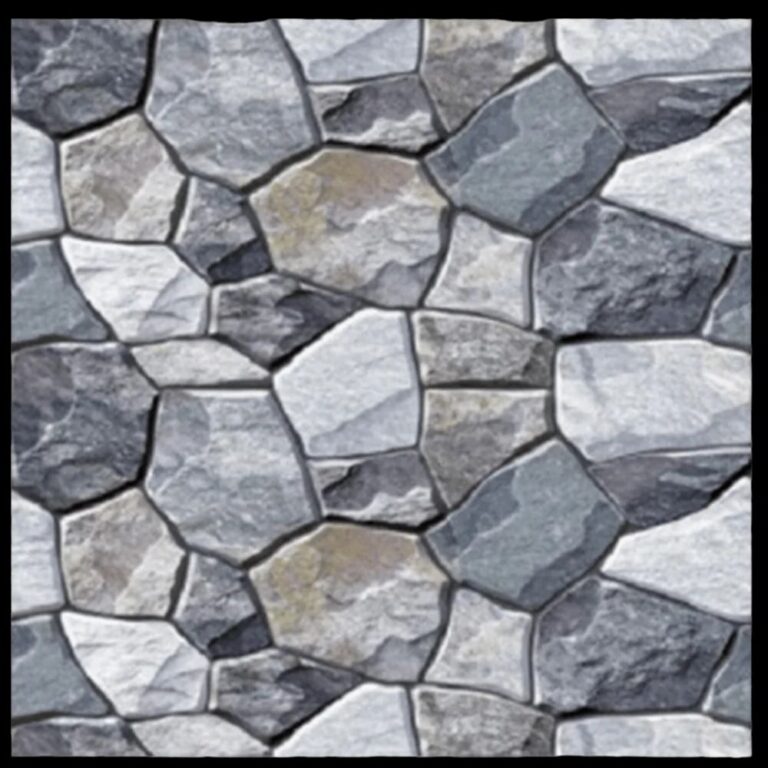
Panels are the fastest way to make a wall look finished without touching a single brick or stud, and that is really the whole case for them. A flat painted wall reads cheap the second the light rakes across it at a low angle. Add panels, even simple flat ones, and that same wall has shadow lines and a bit of depth, and suddenly it looks like someone planned it rather than just painted it beige and hoped.
How they age depends almost entirely on material and finish. Real wood panels, even a thin veneer, will shift slightly with the seasons, so leave a small gap at the edges when you install and don't caulk them in tight, or you will get cracking by the second winter. MDF panels painted in a hard satin or semi gloss wipe clean and hold up well for years, which is why they are the better choice in hallways, kids' rooms, or anywhere near a kitchen. Dust them with a dry cloth monthly, and if you paint them, go back every few years with a light fresh coat along the recessed lines, since that is where scuffs show first.
Measuring is where most people get it wrong, and the mistake is almost always going too small. Panel height should relate to your ceiling, not just a standard waist height rule, so in a room with eight foot ceilings you can go higher than you think, maybe to shoulder height or beyond, before it starts to feel like it is choking the room. In a room with low ceilings, keep panels lower and let plain wall breathe above them, or the room will feel shorter, not taller. Always dry fit or tape out the layout on the wall before you commit, because a panel line that lands right at a light switch or outlet looks like an afterthought forever.
When you are shopping or on delivery day, check the edges for straightness, not just the face, since a slightly bowed panel will show as a gap once it is against the wall. Check that the finish matches across the batch, because factory runs can vary subtly and you won't notice until they are side by side under window light. Count pieces against your actual wall measurement before the delivery driver leaves, not after.
If you are starting with nothing, go with a simple flat panel in a paintable finish, nothing fluted or beaded yet. It is the most forgiving to install, the easiest to repair, and it gives you a calm backdrop that changes character completely depending on whether the afternoon light is hitting it straight on or sliding across it at an angle near dusk.
It takes a wall you walk past without noticing and gives it something worth looking at twice.
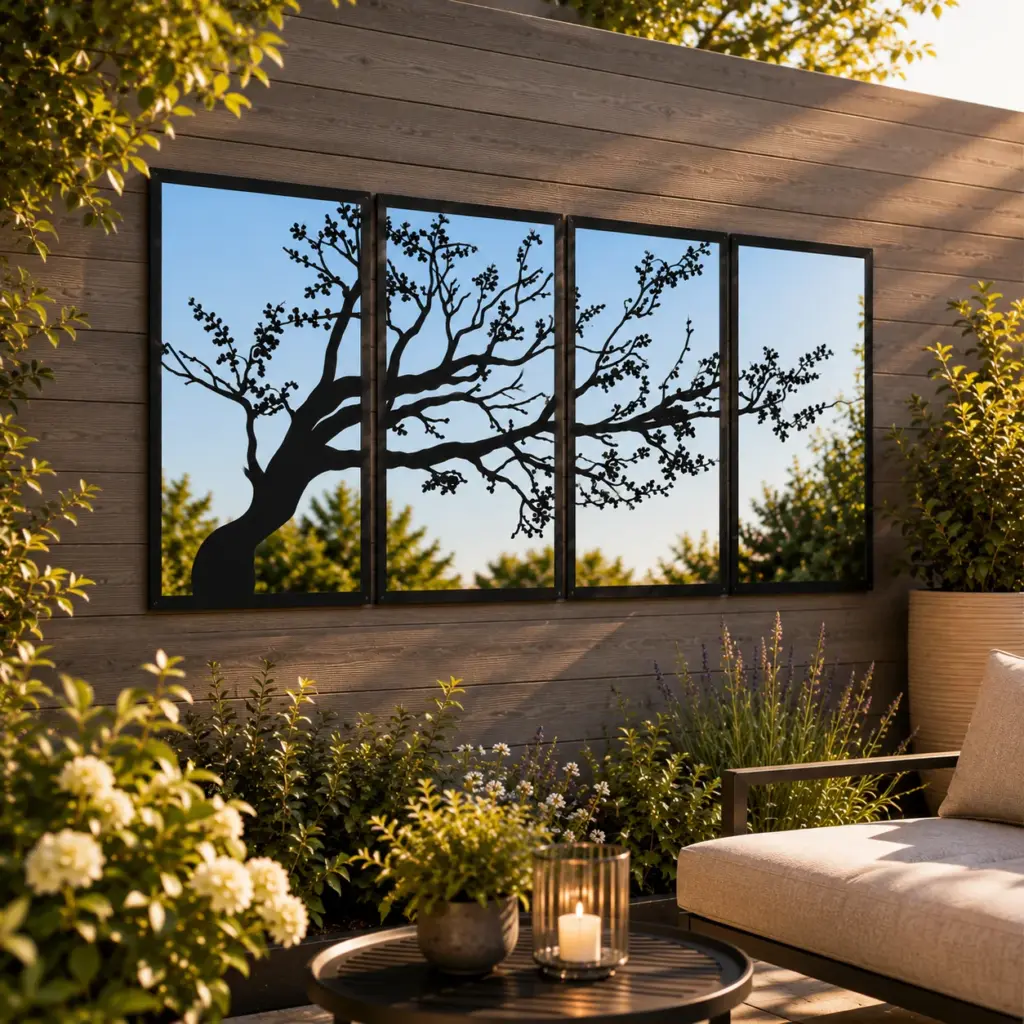 Aisha's pickDecorative Fence Panels That Survive Kids and Pets
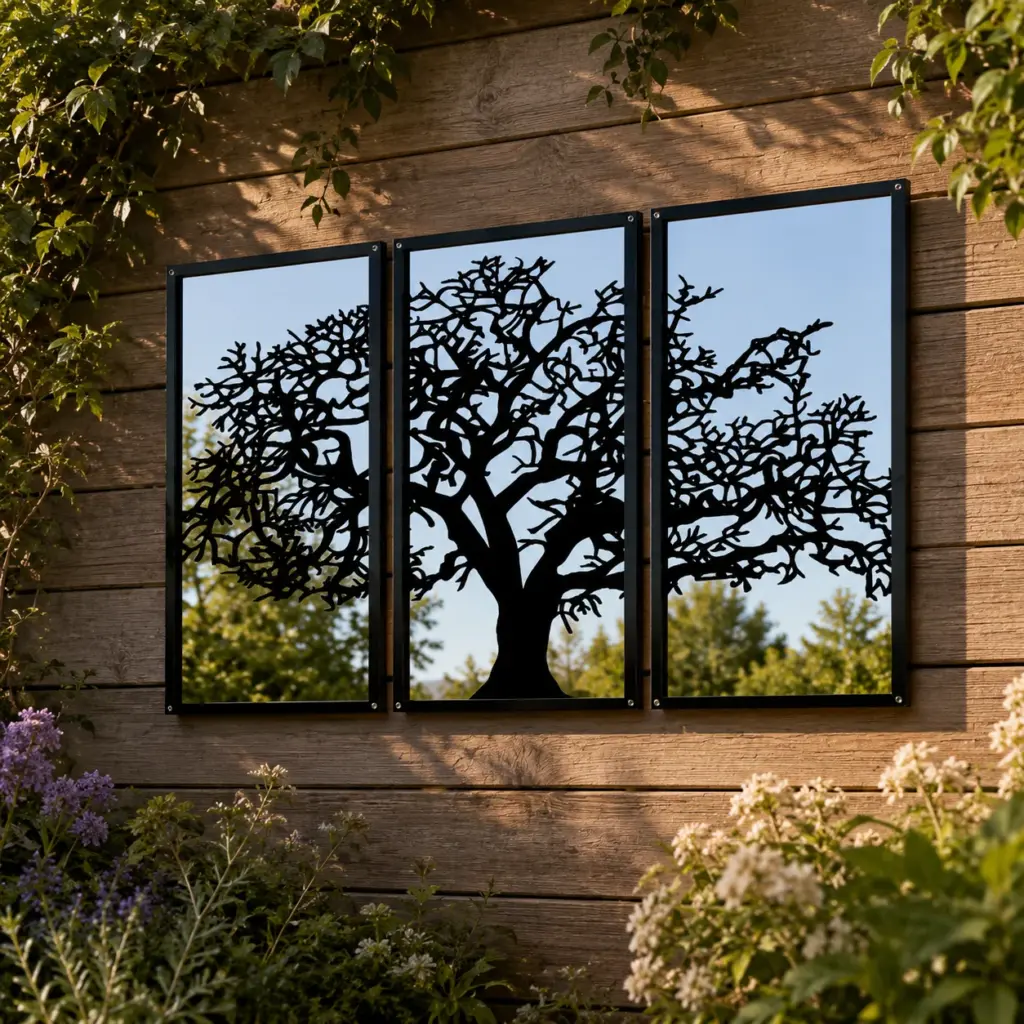
 Aisha's pickWhere to Start With White 3D Wall Panels
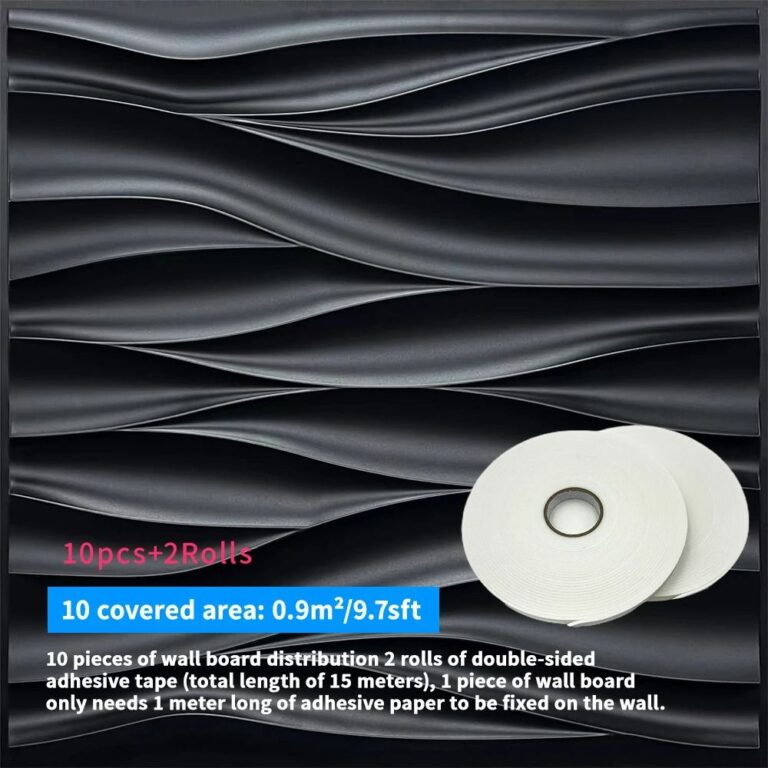
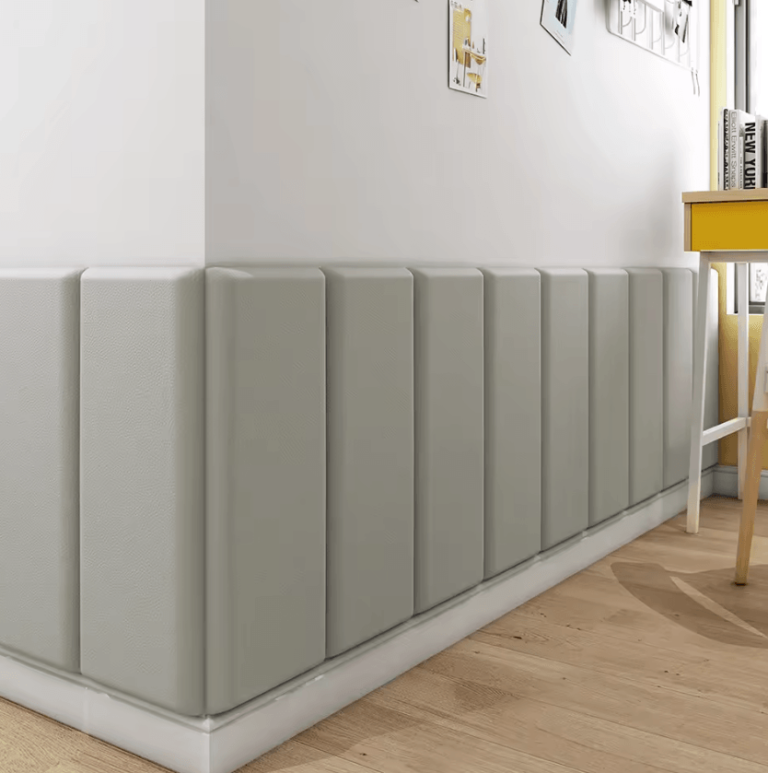 Aisha's pickDecorative Fence Panels That Survive a Hard Winter
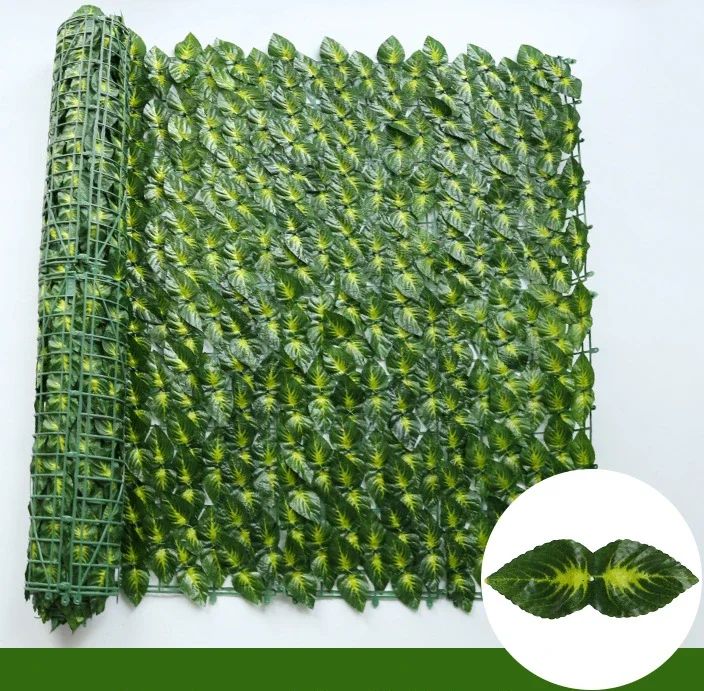
 Aisha's pickWhite Curtain Panels That Make a Big Difference for Not Much
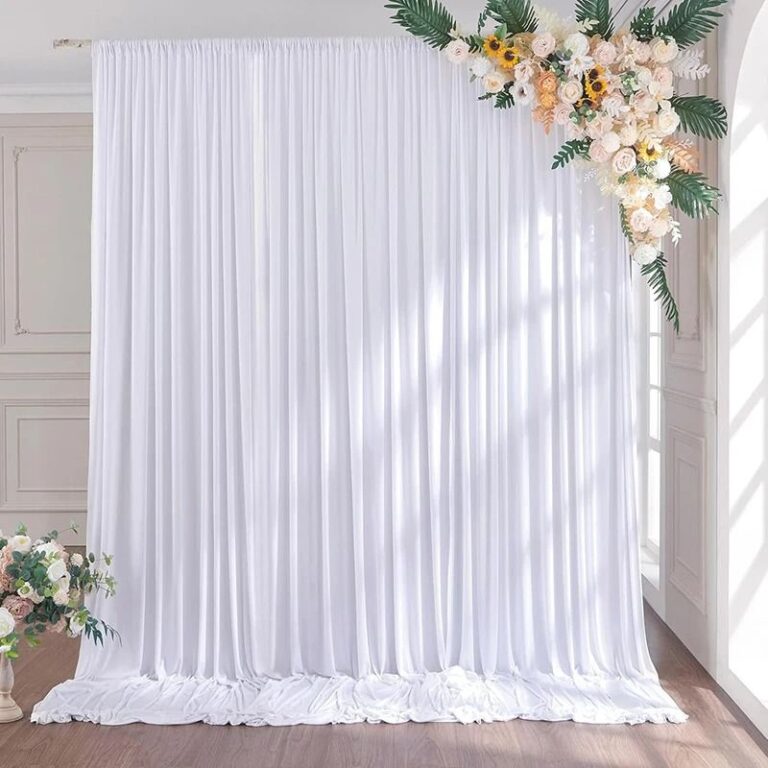
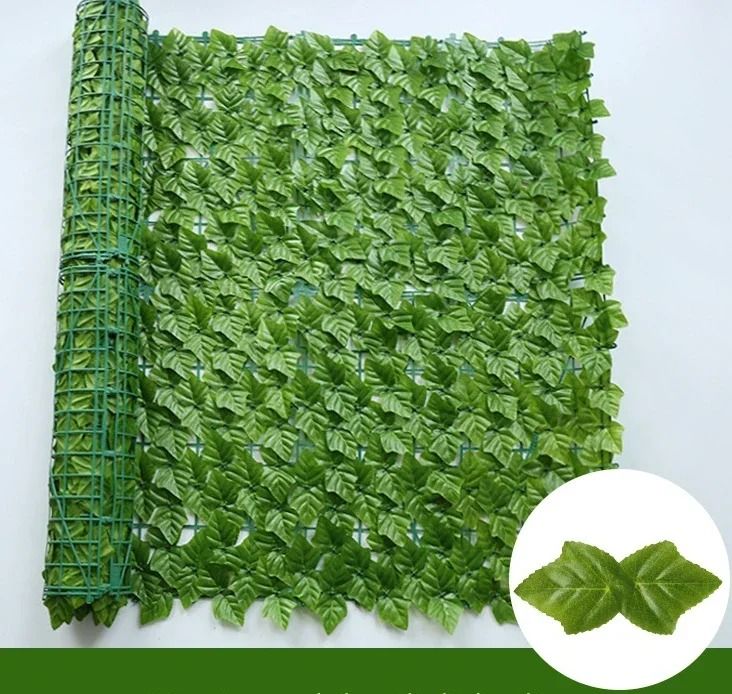 Aisha's pickFence Panels for Making the Most of the Patio
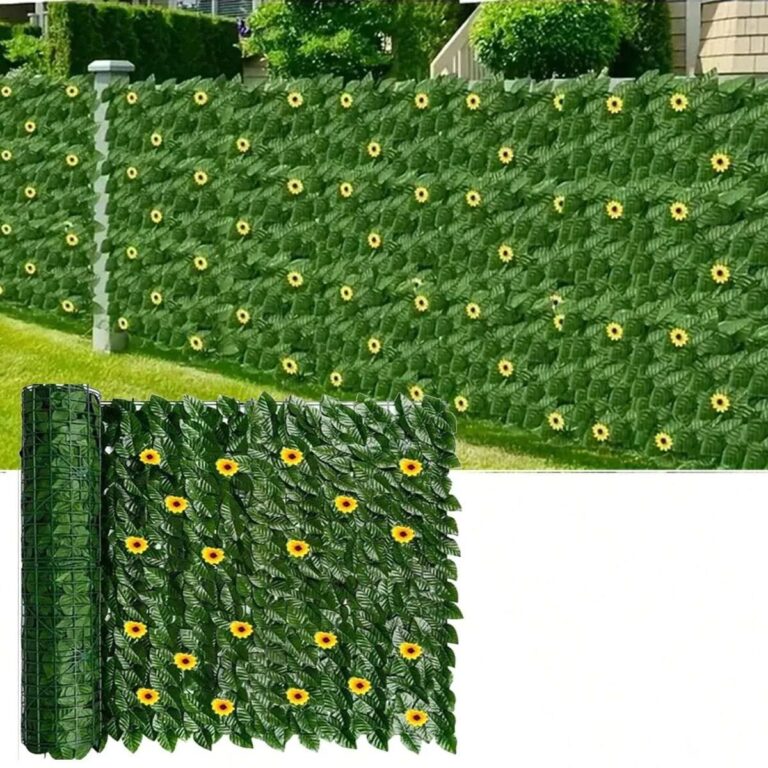
 Aisha's pickWhite Shower Panels That Make a Small Bathroom Work

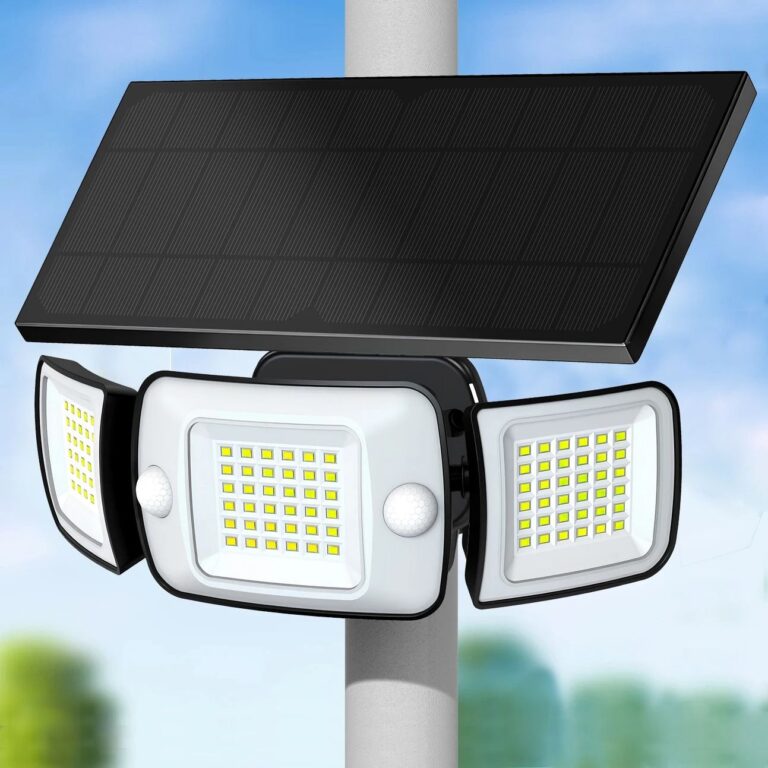 Aisha's pickFence Panels with Posts That Don’t Look Mass Produced
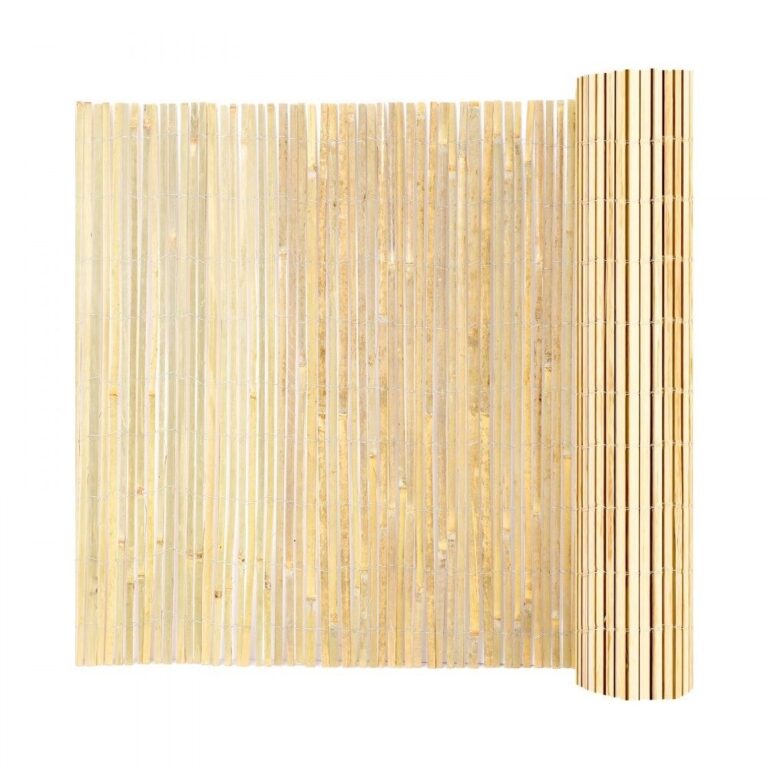
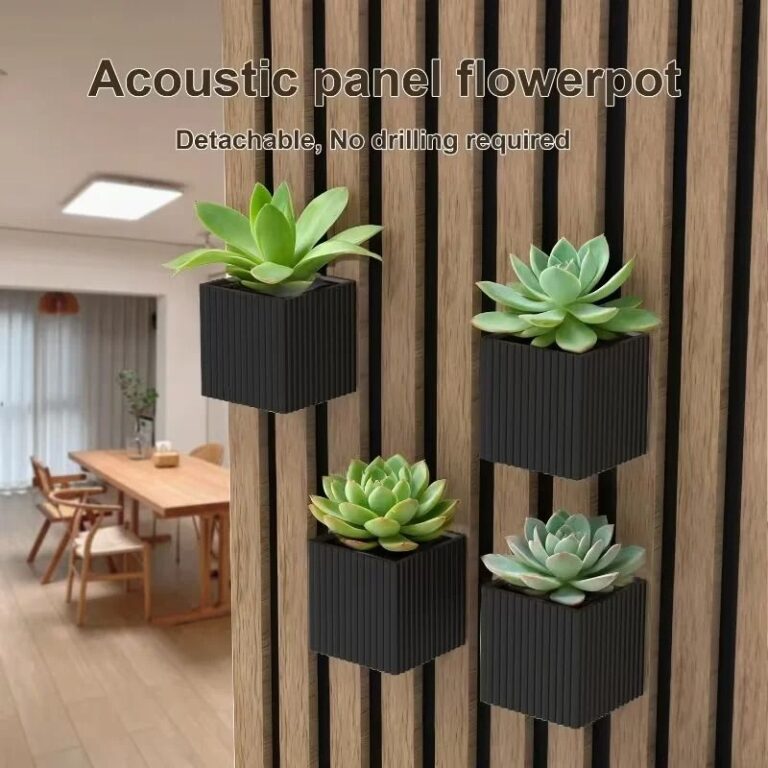 Aisha's pickWhite Wall Panels That Make a Big Difference for Not Much

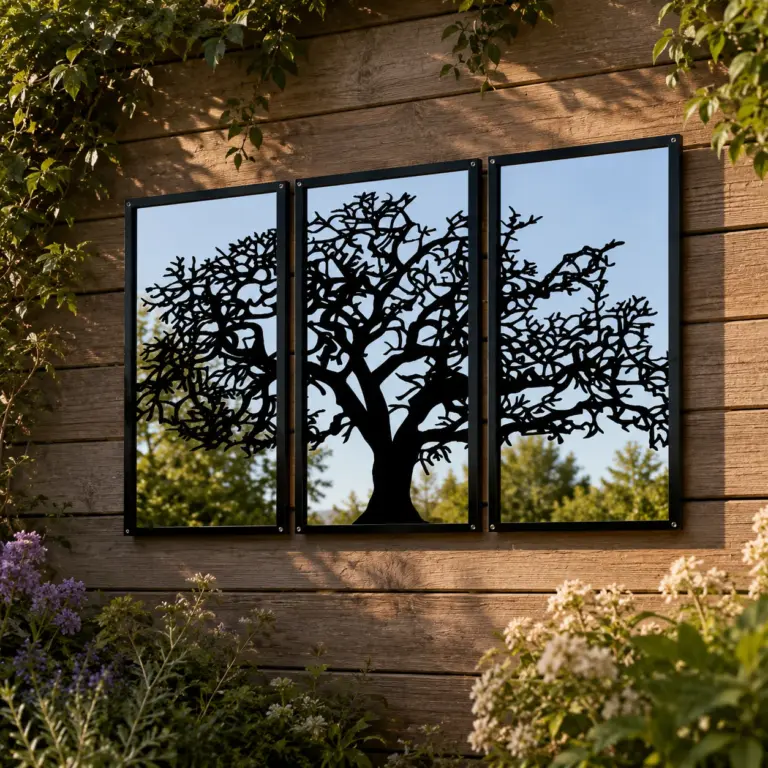 Aisha's pickFence Panels That Stand Up to the WeatherAlso worth a lookWall PanelsFor a long time I thought wall panels meant one thing: those shiny plastic strips from the hardware…See the collections →
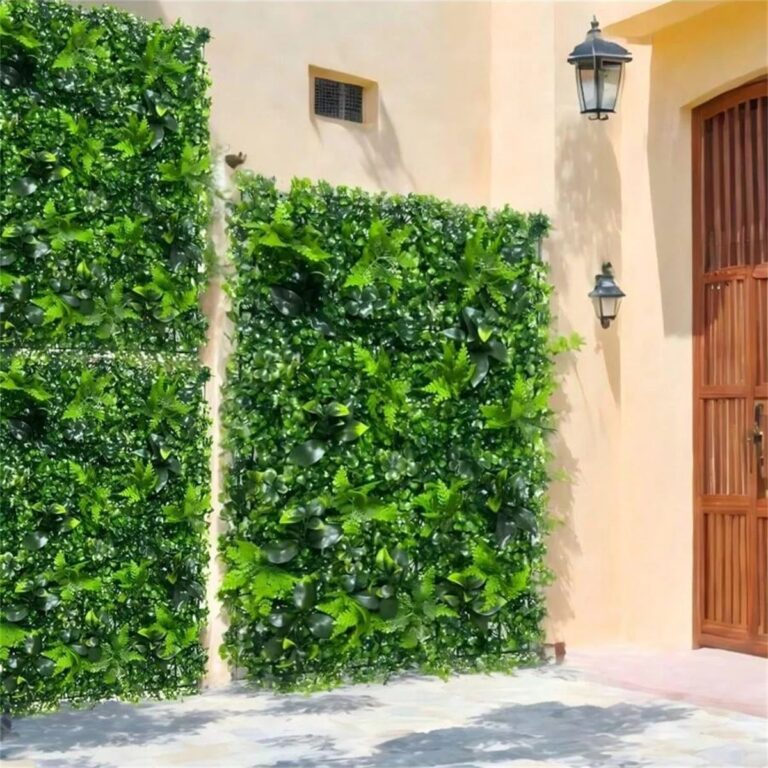
 Aisha's pickWhite Wall Panels for Making a House Feel Like Yours
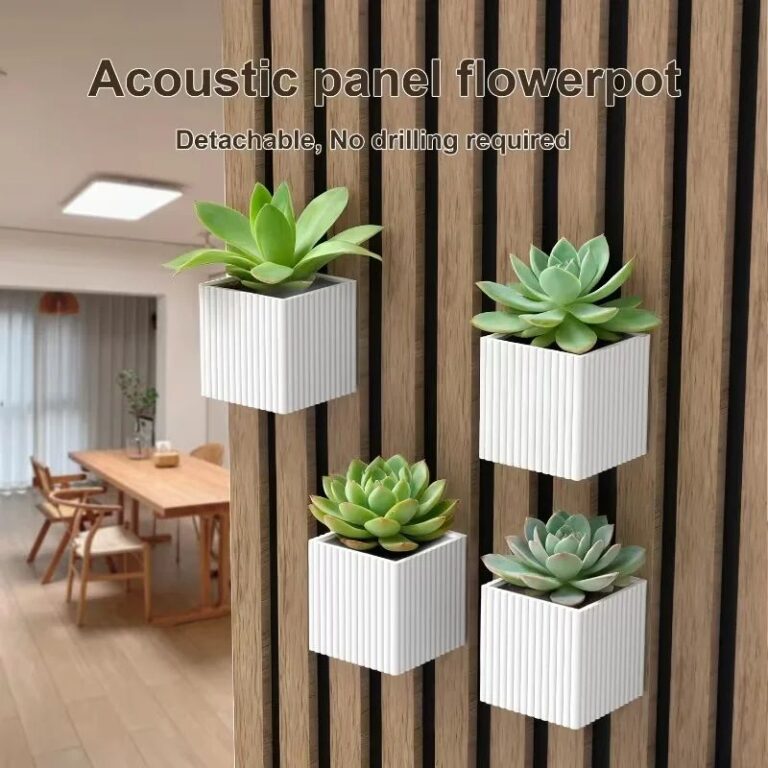
 Aisha's pickMetal Fence Panels for Making the Most of the Patio
 Aisha's pickWide Fence Panels That Make a Small Yard Work Harder
 Aisha's pickMetal Fence Panels That Fit Into Real Life
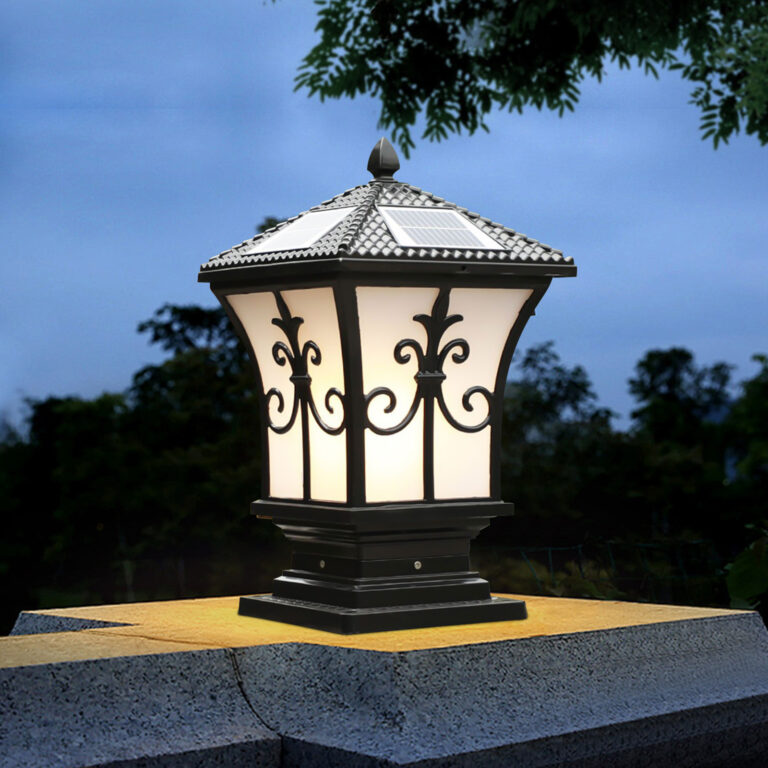
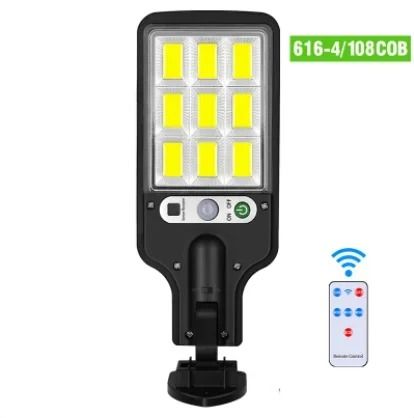 Aisha's pickWide Fence Panels for Sunny Afternoons and Chilly Nights

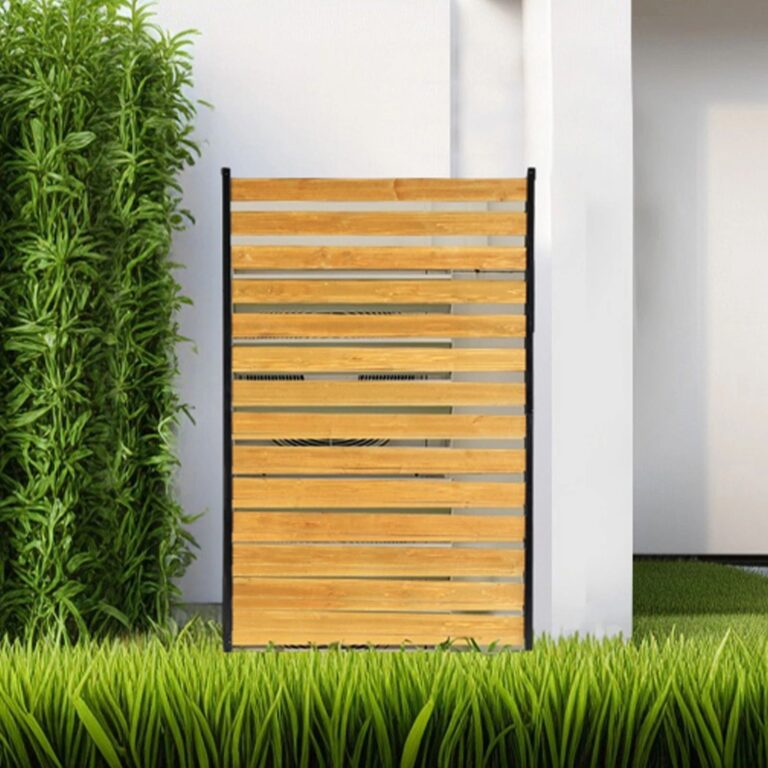 Aisha's pickModern Fence Panels That Survive Kids and Pets

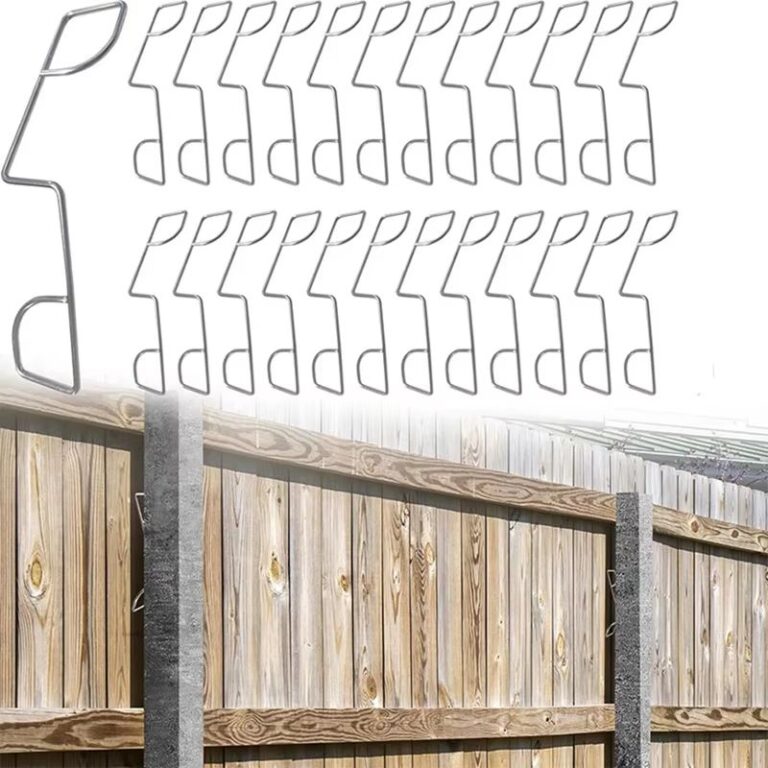 Aisha's pickWooden Fence Panels That Survive a Hard Winter
 Aisha's pickModern Fence Panels From Brands You Know and a Few You Won’t
 Aisha's pickWooden Fence Panels That Make a Room Feel FinishedAlso worth a lookFloor TilesFloor tiles make the most sense in kitchens, bathrooms, entryways and anywhere mud, wet dog or a dropped…See the collections →
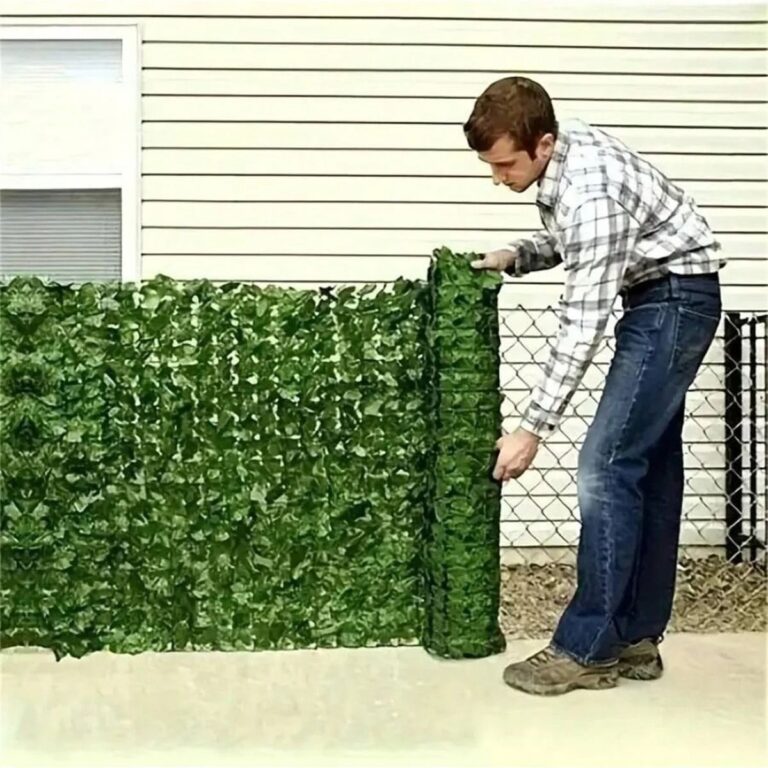
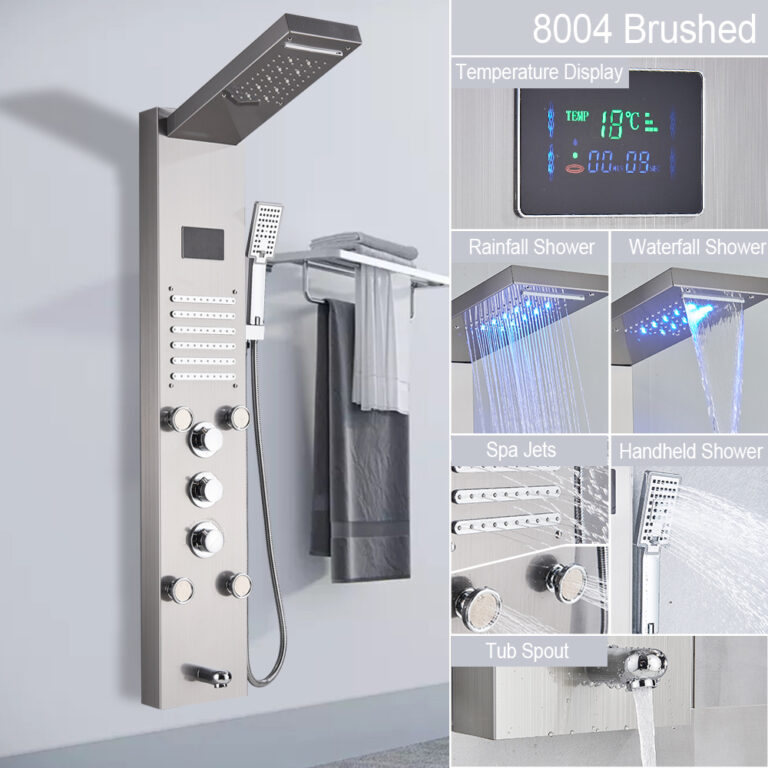 Aisha's pickBath Panels for Making a House Feel Like Yours
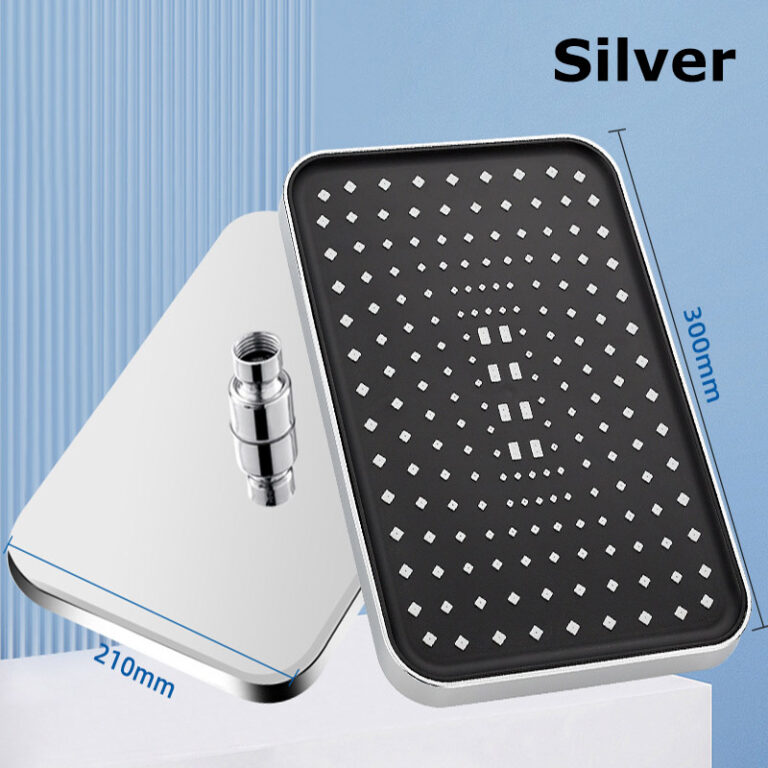
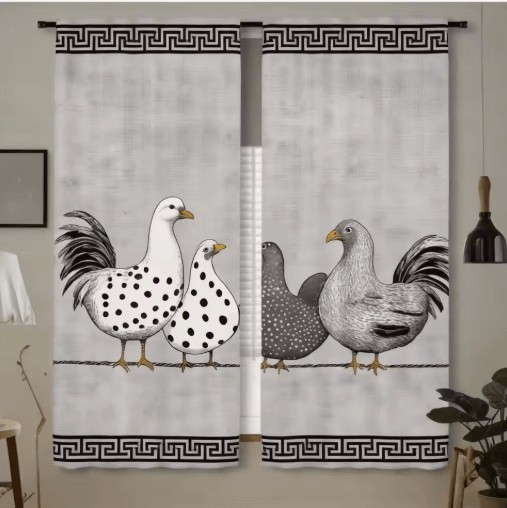 Aisha's pickPlain Curtain Panels We’d Use on Our Next Project
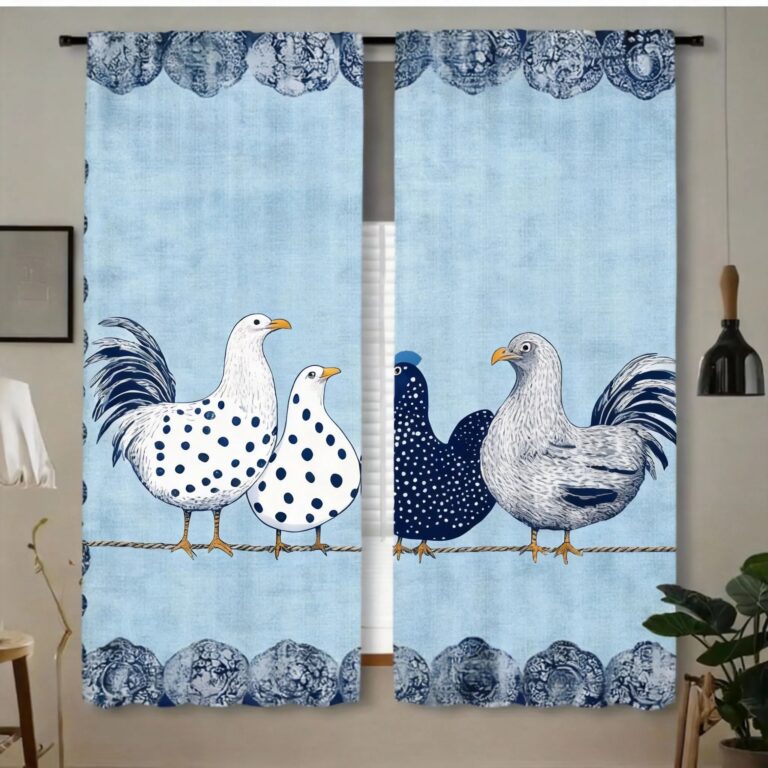
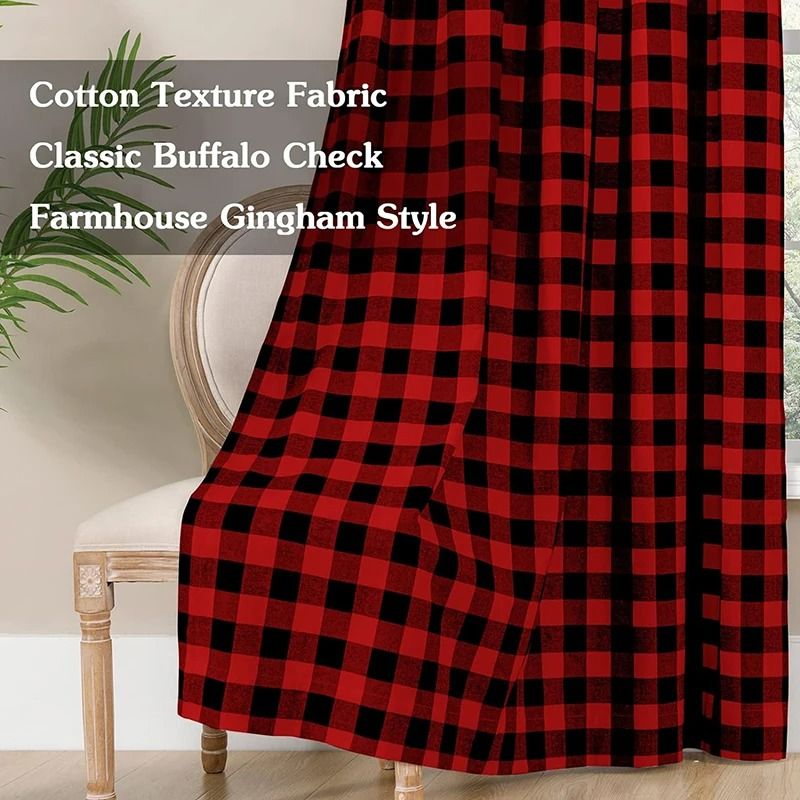 Aisha's pickBlack Curtain Panels That Make a Big Difference for Not Much
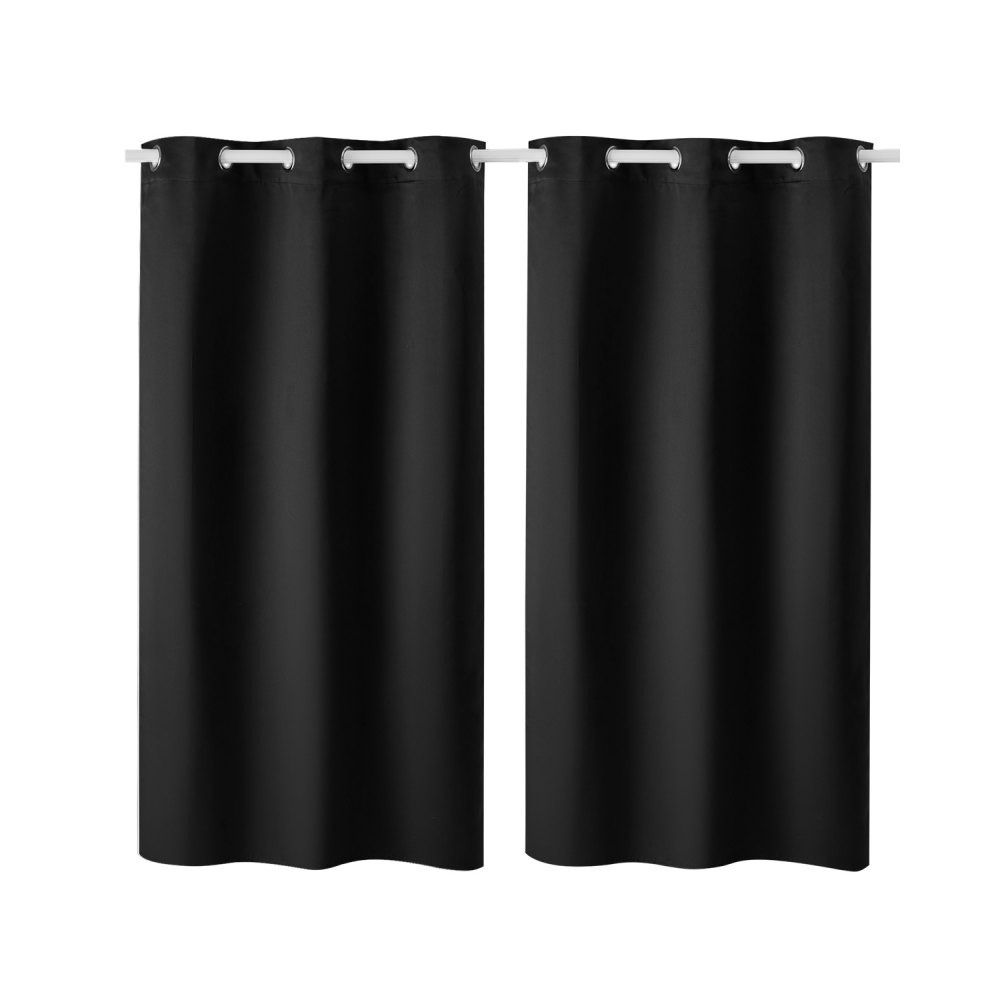
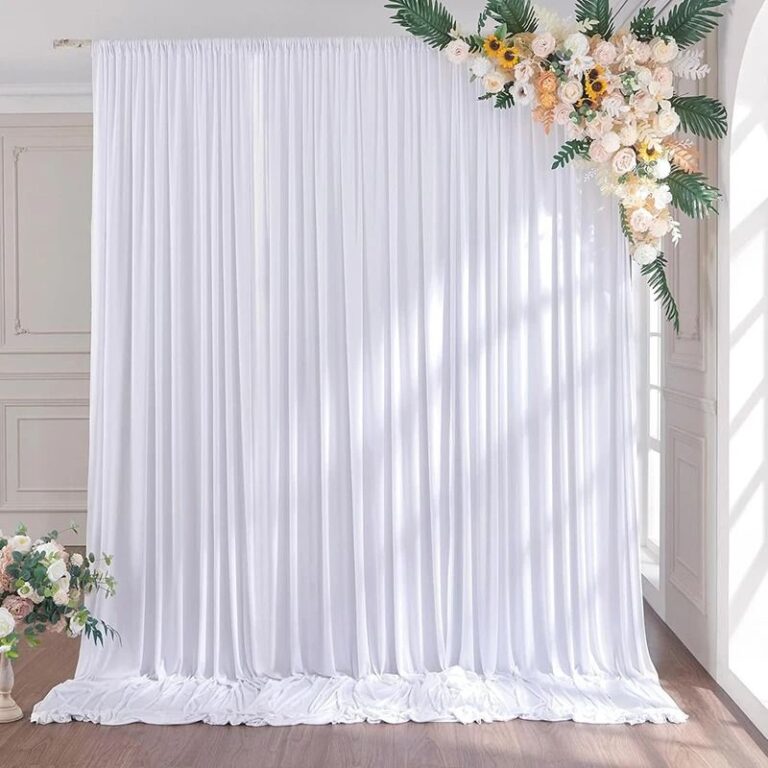 Aisha's pickSheer Curtain Panels That Make a Room Feel Finished
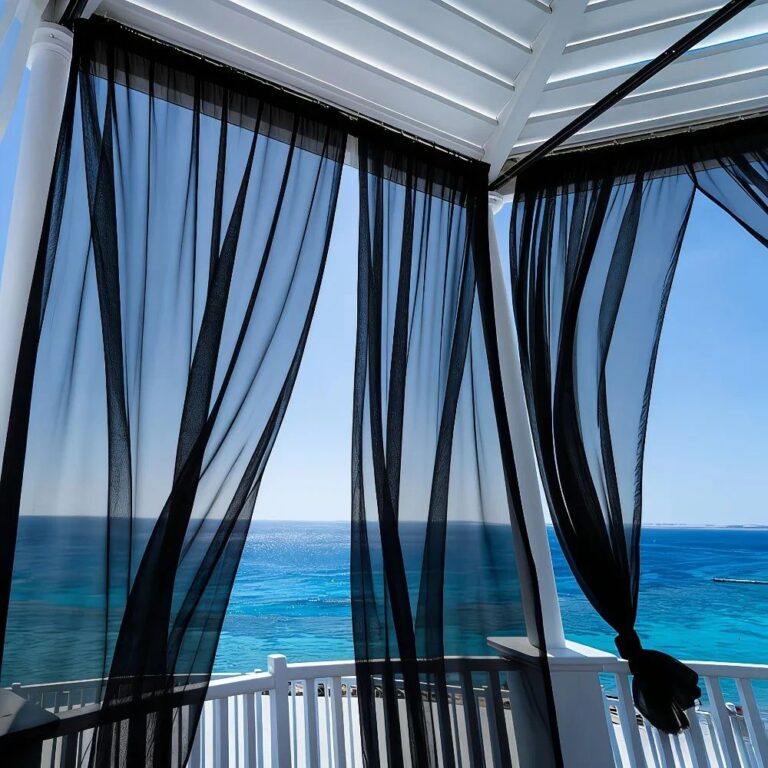
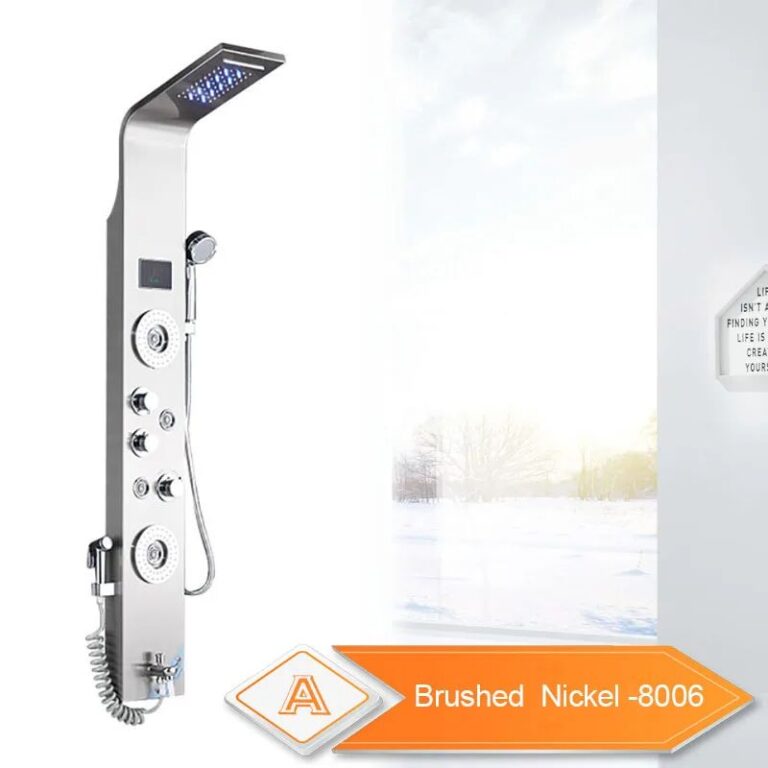 Aisha's pickBlack Shower Panels That Stand Up to Steam
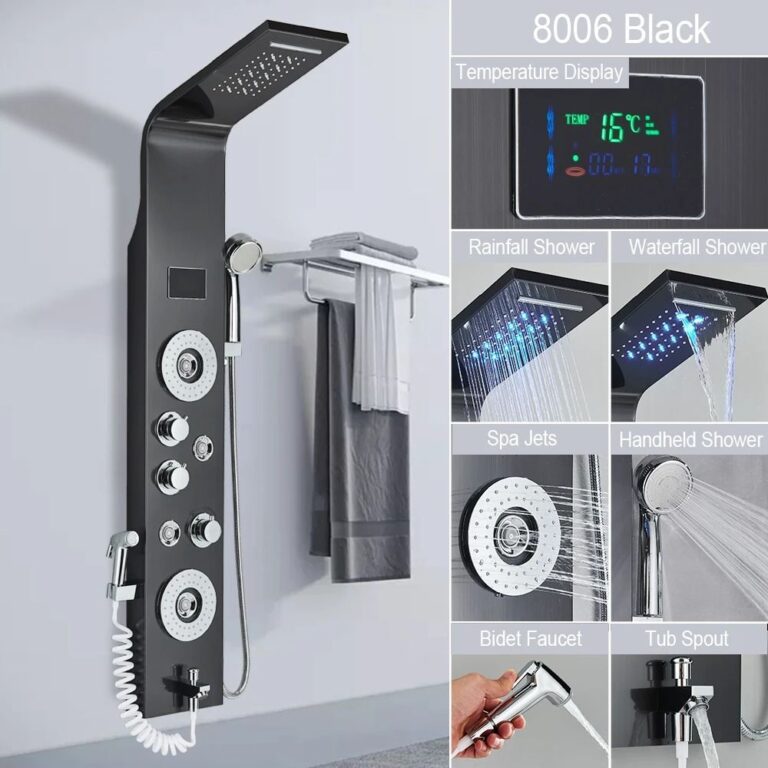
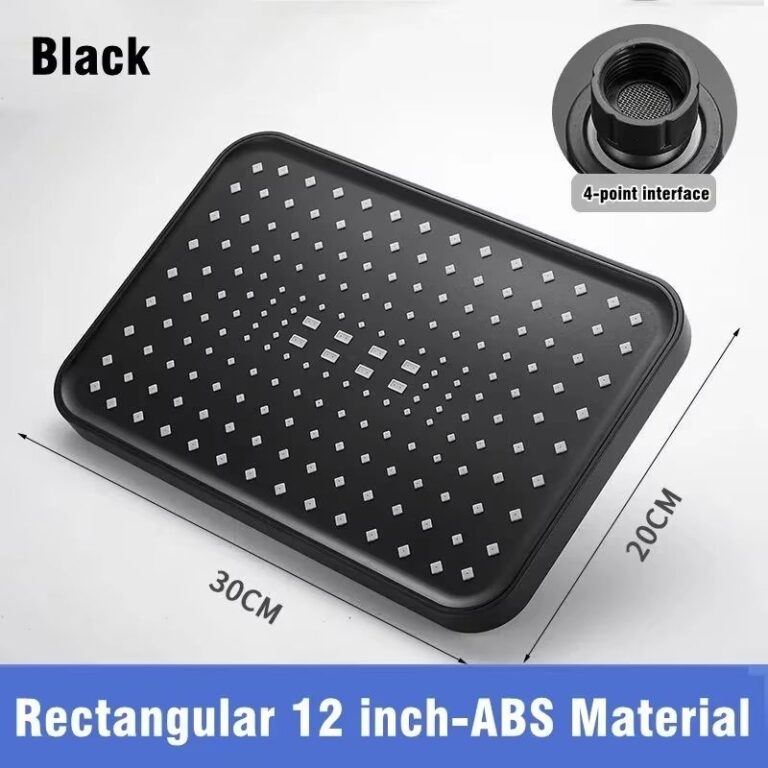 Aisha's pickShower Panels Pulled From Dozens of Stores
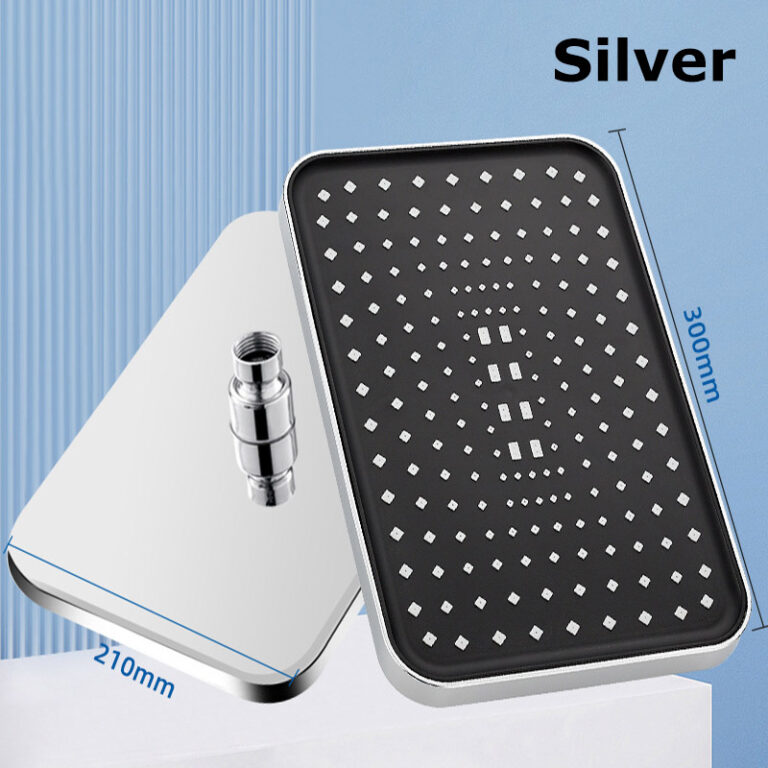
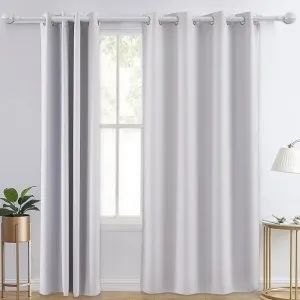 Aisha's pickBlackout Curtain Panels for Weekend Projects
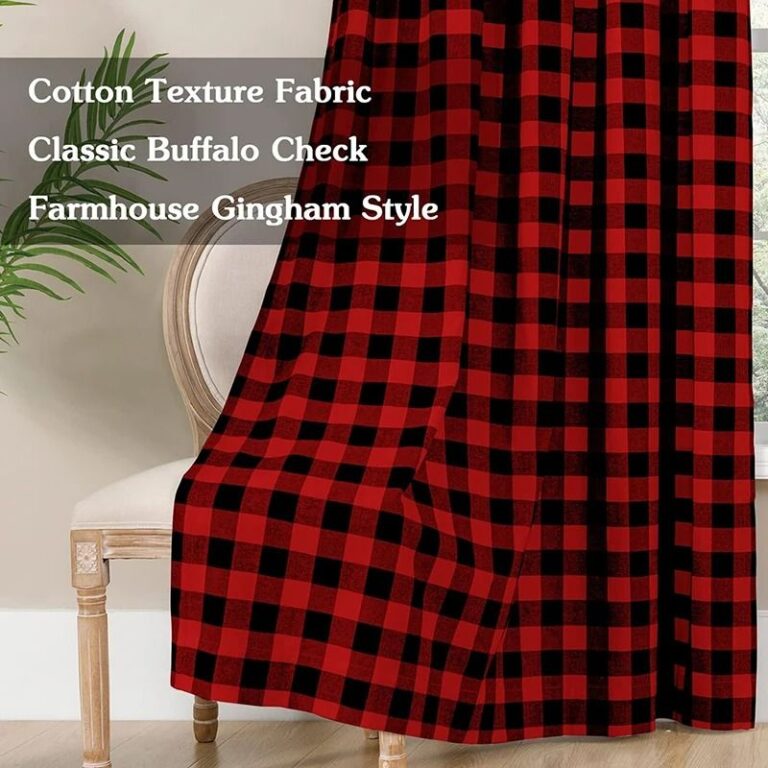
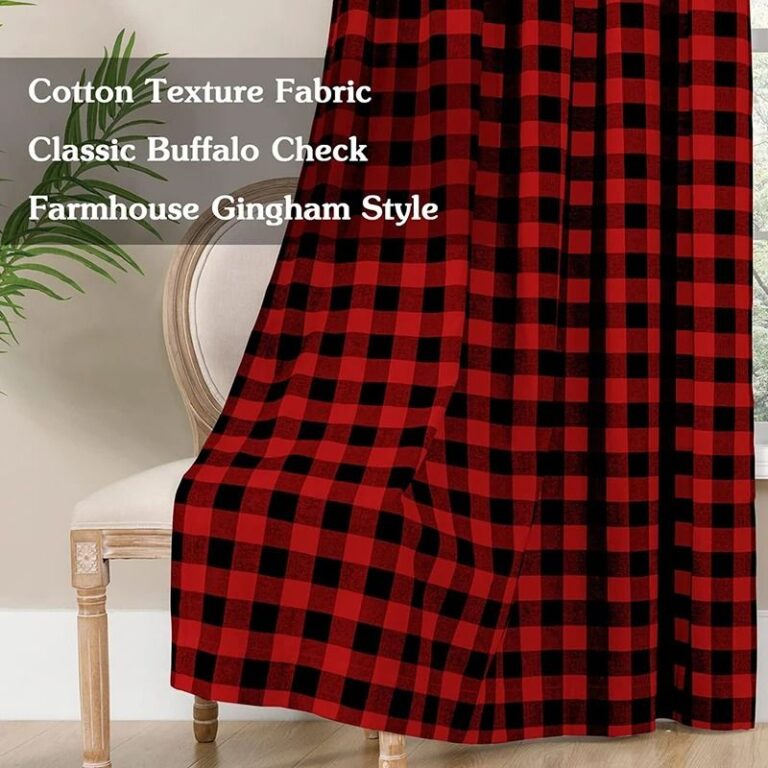 Aisha's pickThermal Curtain Panels With a Bit More About Them
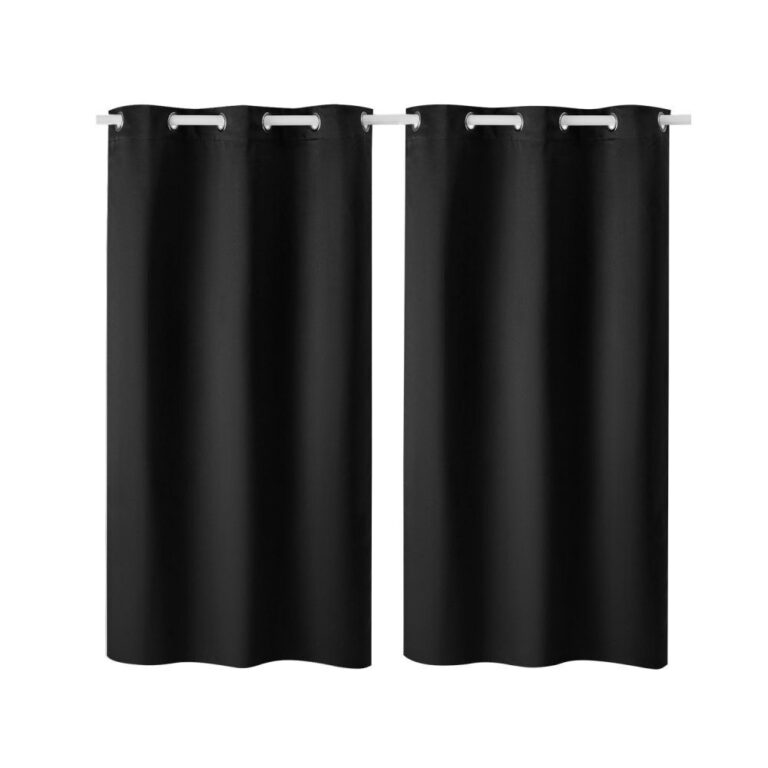
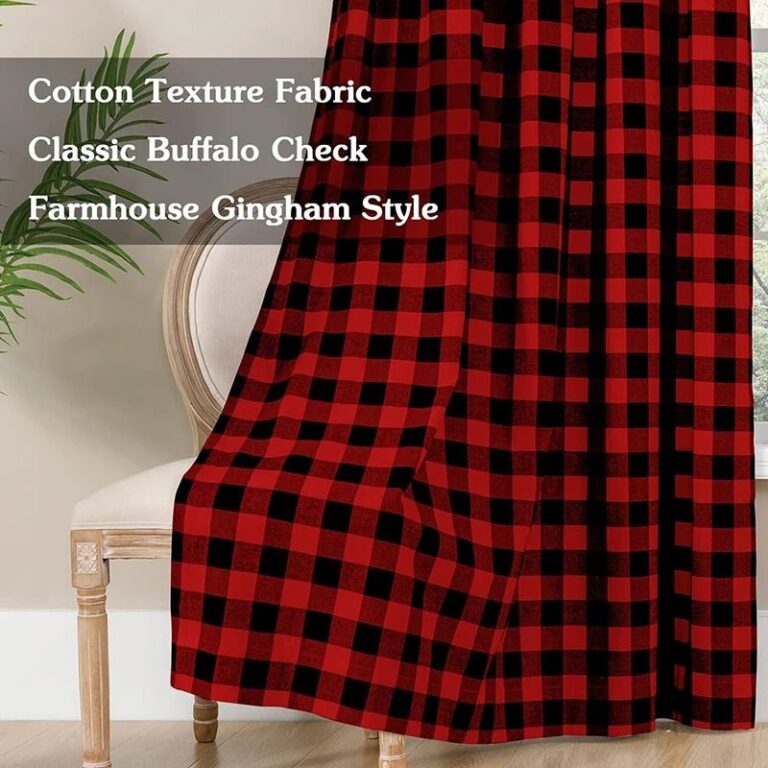 Aisha's pickCurtain Panels That Don’t Look Mass ProducedAlso worth a lookBathroom TilesThe thing nobody tells you about bathroom tile is that you don't actually notice it day to day until the grout starts to go.See the collections →

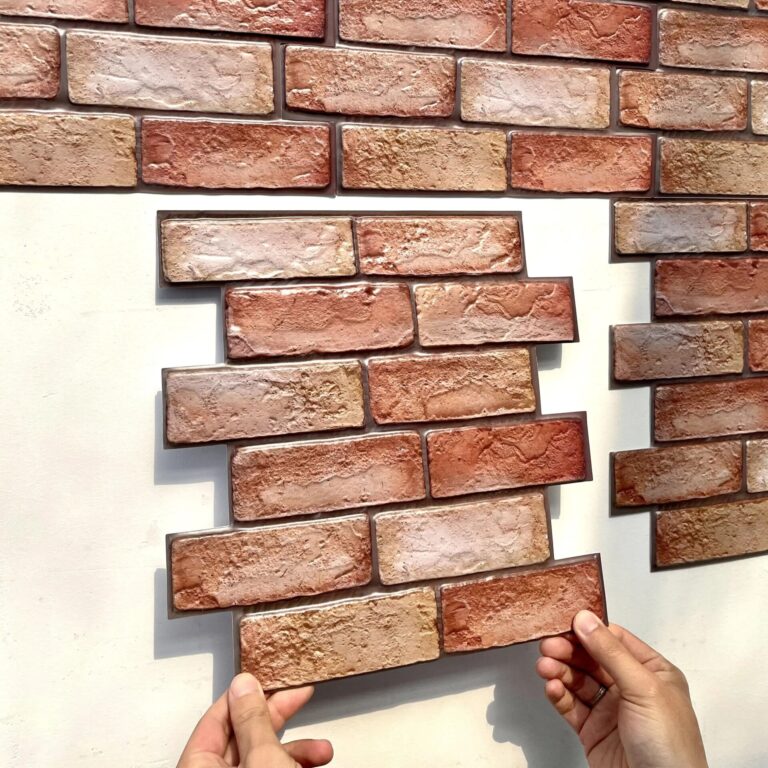 Aisha's pickWall Panels for Living Room That Won’t Date in a Year
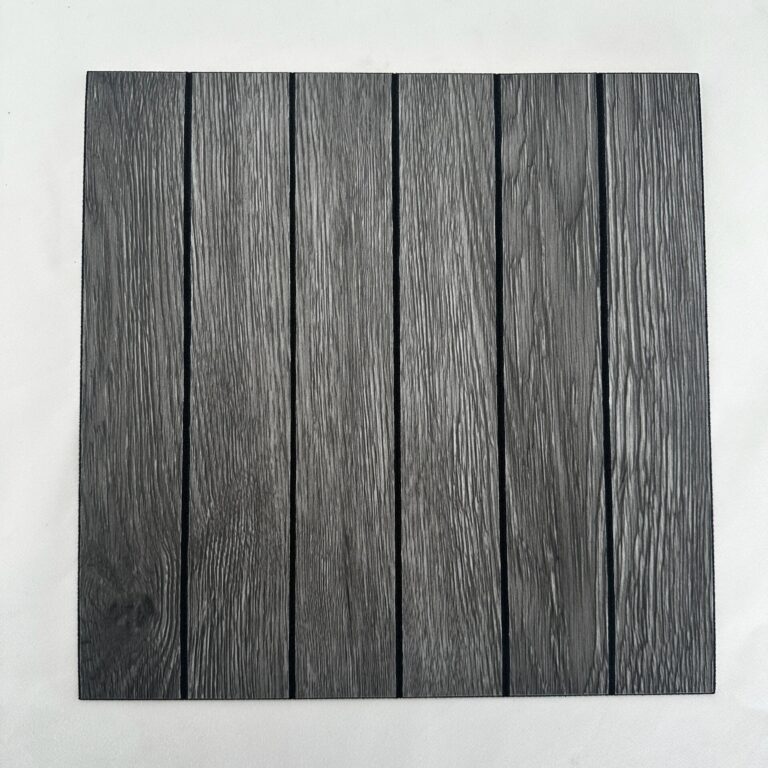
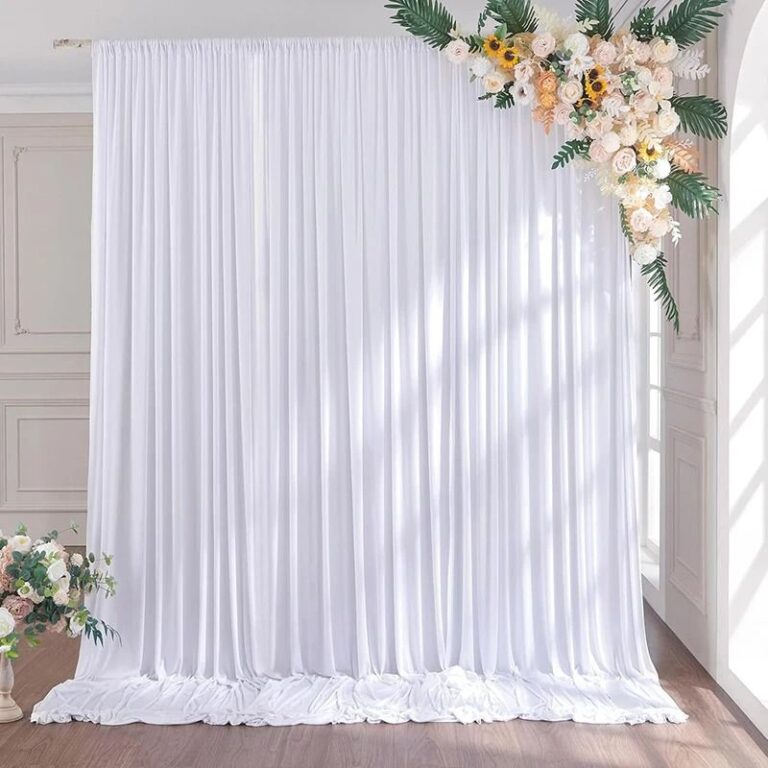 Aisha's pickCurtain Panels for Bedroom That Lift a Tired Room

 Aisha's pickWaterproof Shower Panels That Earn Their Keep