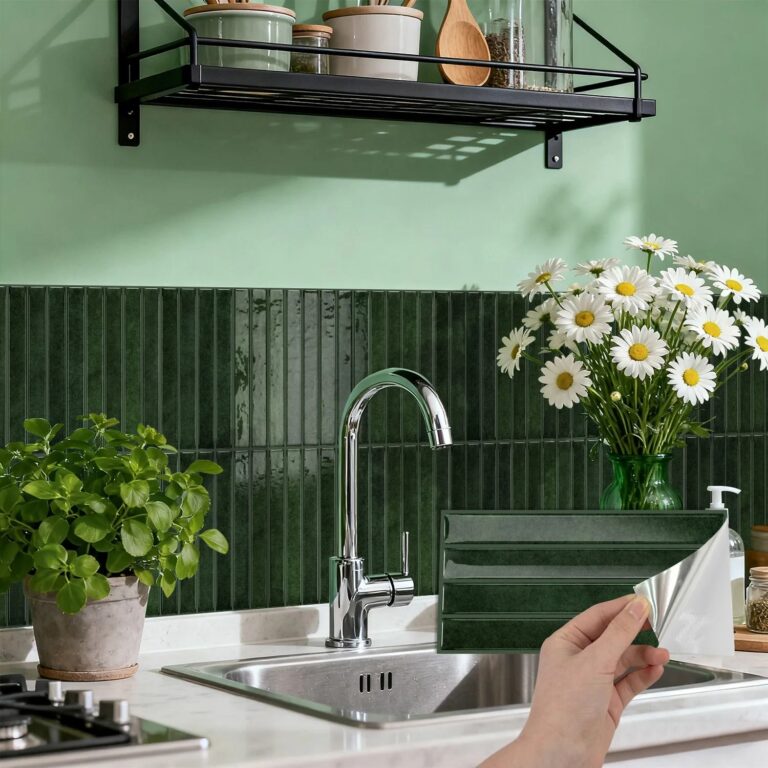
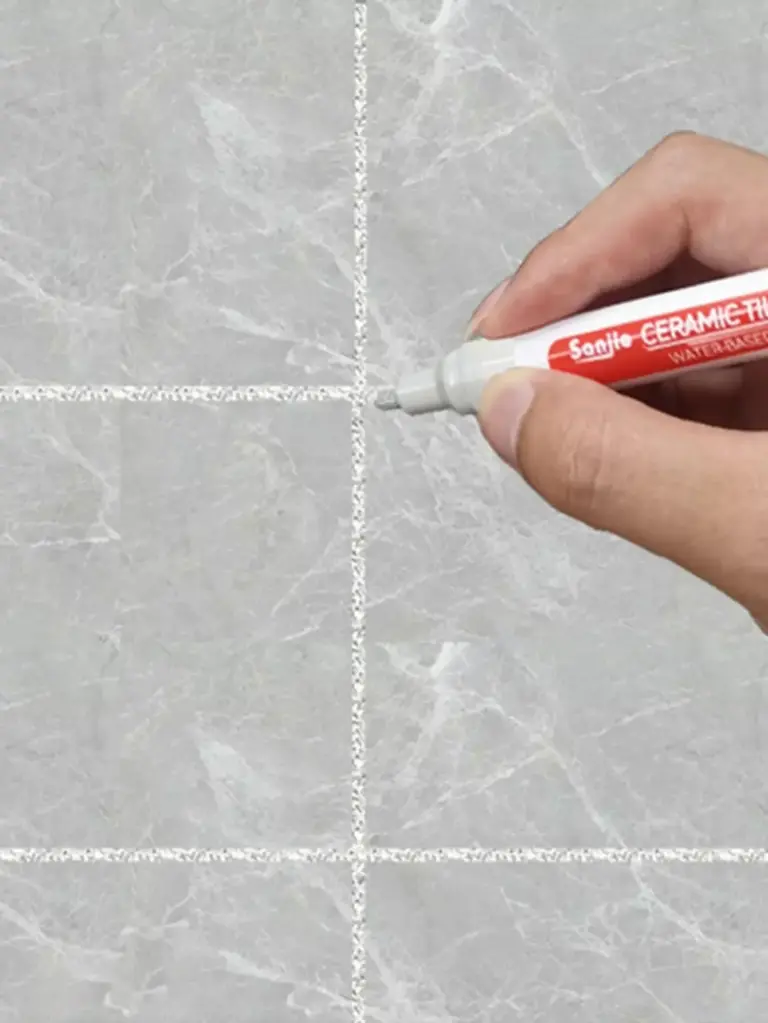
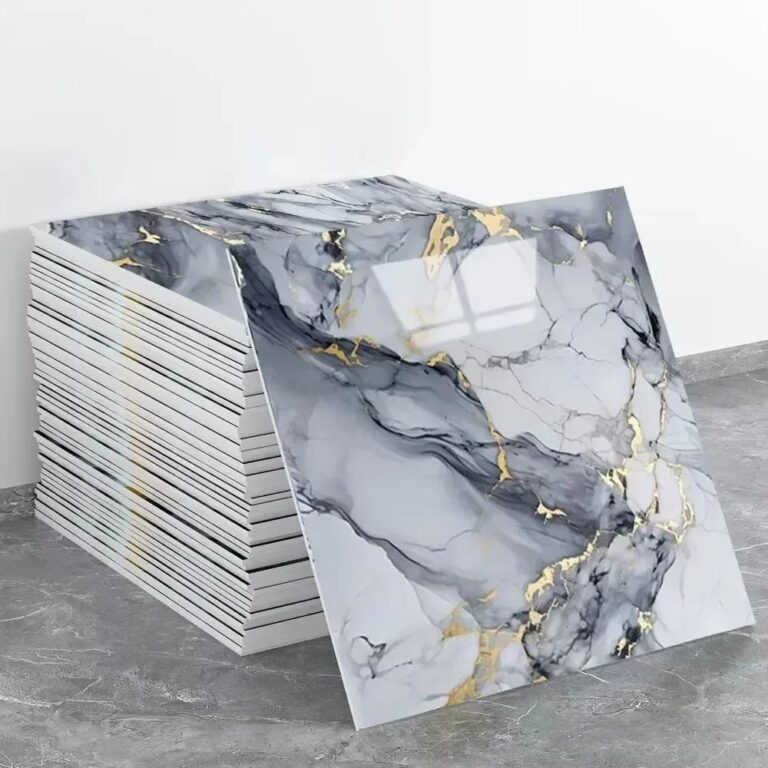
The first thing I do with any ceramic tile sample is set it on the floor and knock a knuckle against it, then flip it over and look at the back. A good one sounds solid, almost dull, not hollow or tinny, and the back should have an even grid of ridges with no warping at the edges. Hold two of the same tile together and check the corners line up. That five seconds in the shop tells you more than any box label does.
Ceramic is not the toughest option out there, and I'd stop anyone from putting it somewhere that gets real impact or heavy wet traffic for hours a day. It chips if you drop a cast iron pan on it, the glaze can craze with age in a way that's fine on a wall and annoying on a floor, and unlike porcelain it's more porous, so an unsealed grout line near a shower will drink in grime faster than you'd like. For a kitchen floor, a mudroom, or anywhere wet and heavy use happens daily, porcelain earns the extra cost. Ceramic is at its best on walls, backsplashes, bathroom floors in a house without a parade of boots coming through, and anywhere the goal is color and pattern rather than punishment resistance.
It ages pretty honestly, which I mean as a compliment. The glaze keeps its shine for years if you're not scrubbing it with anything abrasive, a soft cloth and a mild cleaner does the job, and the surface itself basically doesn't fade or yellow the way some materials do under sun exposure. What does show its age is the grout, so reseal it every year or two depending on the room, and wipe up anything acidic, wine, lemon juice, before it sits. I've got a 1930s pink bathroom tile in a friend's place that's outlived three owners and still looks sharp, so the tile itself isn't the weak link, the upkeep around it is.
Measuring up is where people trip themselves, myself included on my first attempt at a kitchen backsplash, where I forgot to account for outlets and ended up with a tile cut so thin it looked like an afterthought. Measure the full wall or floor area, add ten to fifteen percent for cuts and breakage, and think about scale before you fall for a pattern: small tiles in a small bathroom can make the grout lines feel busy and the room feel smaller, while a large format tile with tight grout lines does the opposite. Always check the batch number matches across boxes, because color can shift slightly run to run.
This is the right call for anyone furnishing a real house on a real budget, who wants a floor or a wall that looks considered without needing a specialist installer or a second mortgage.
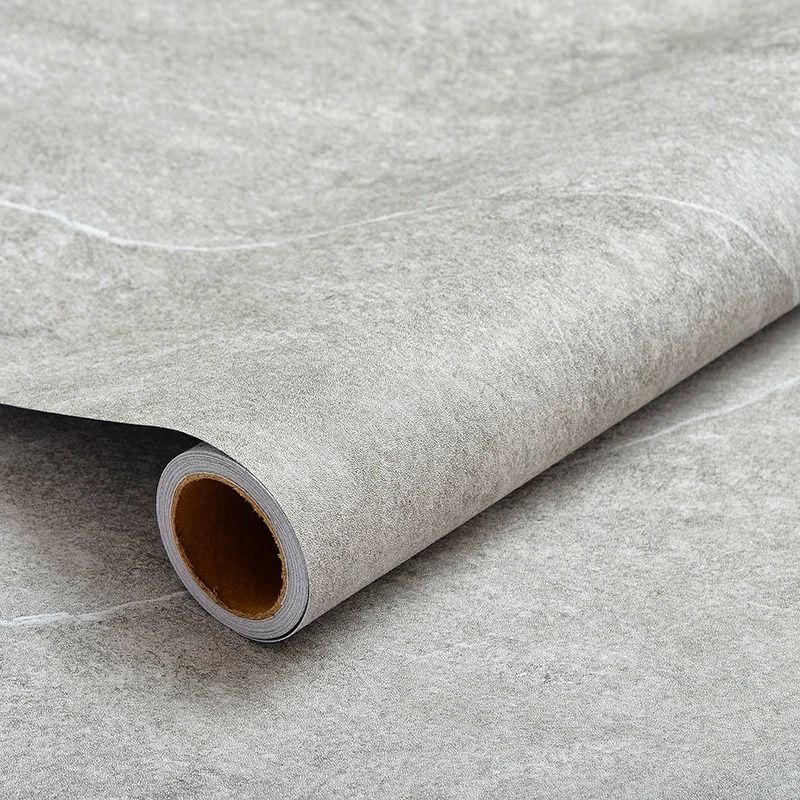 Aisha's pickCeramic Floor Tiles We’d Use on Our Next Project

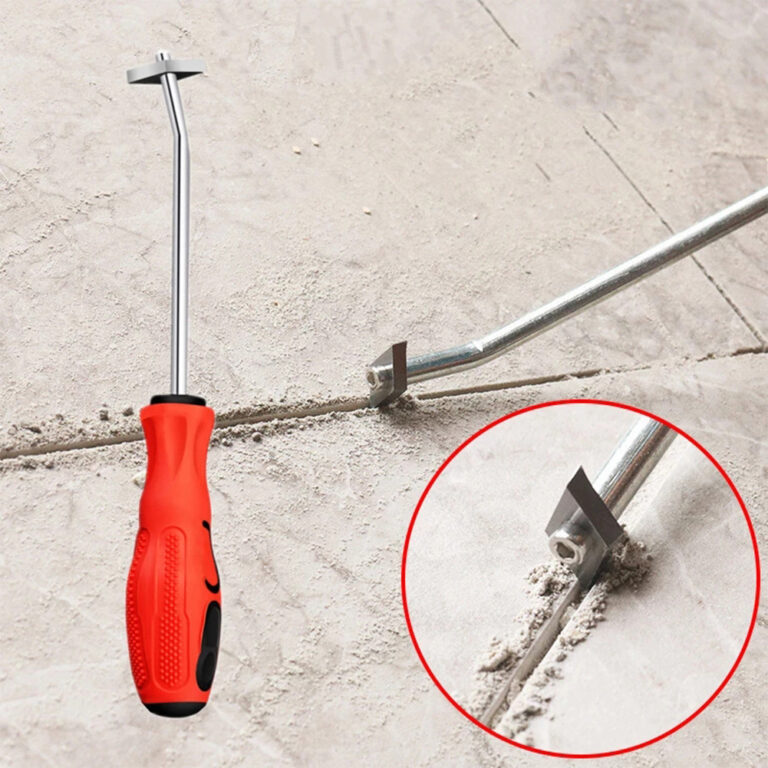 Aisha's pickCeramic Floor Tiles for Bathroom We’d Buy Again

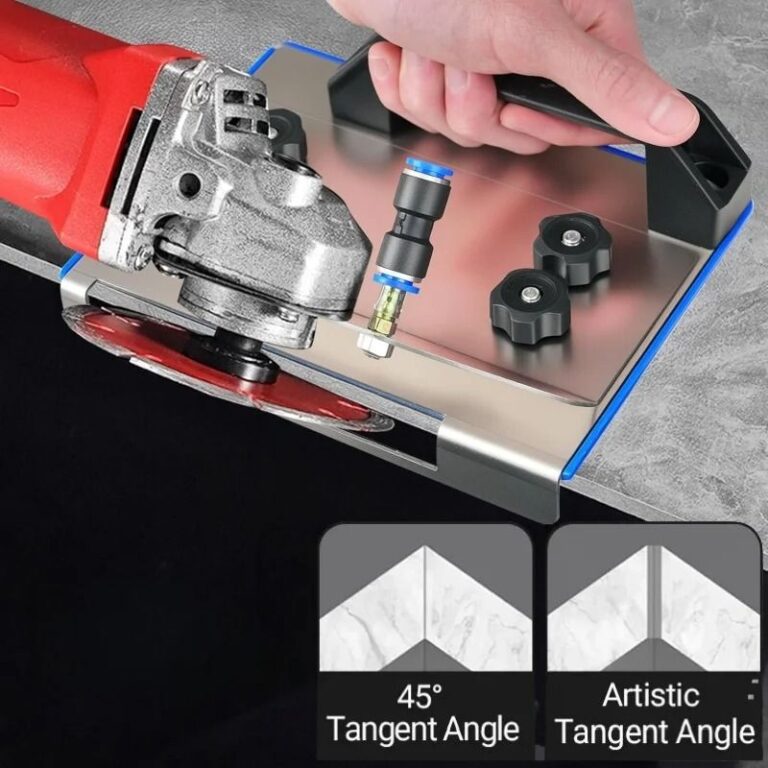 Aisha's pickCeramic Floor Tiles for Kitchen That Finish a Job Off Right
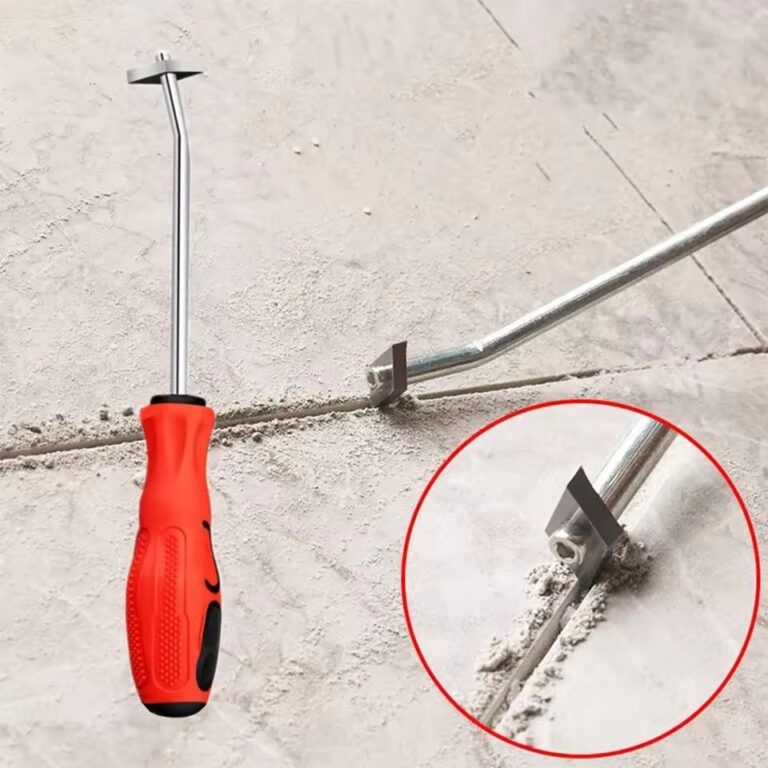
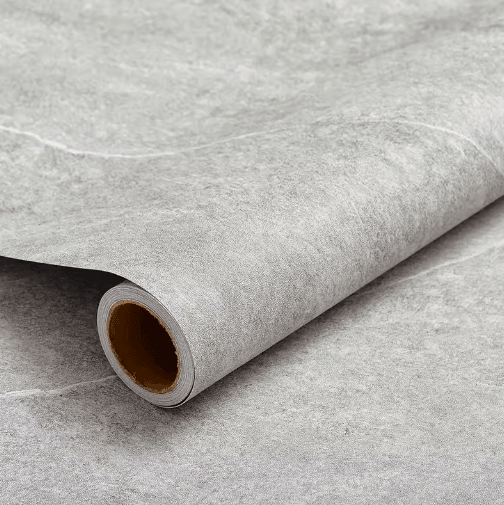 Aisha's pickCeramic Kitchen Floor Tiles for Doing Up a Room on a Budget
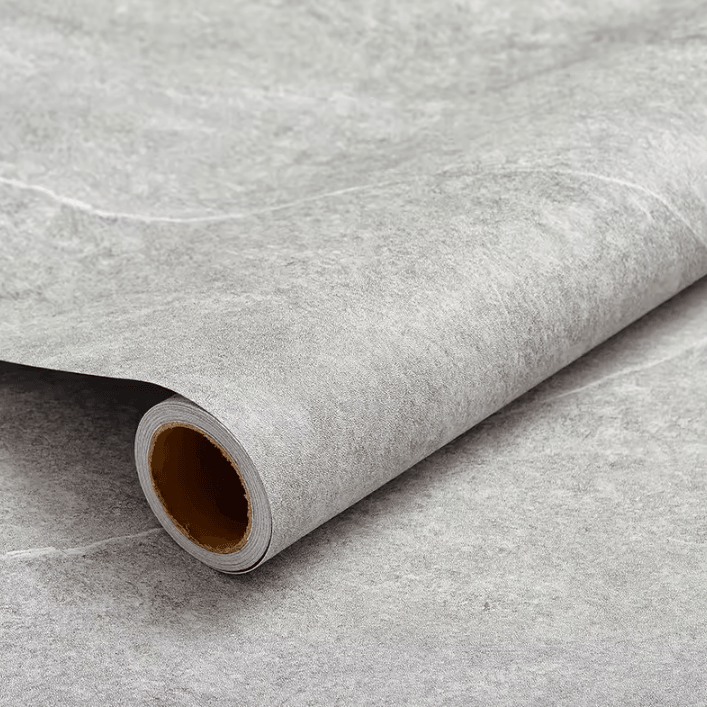
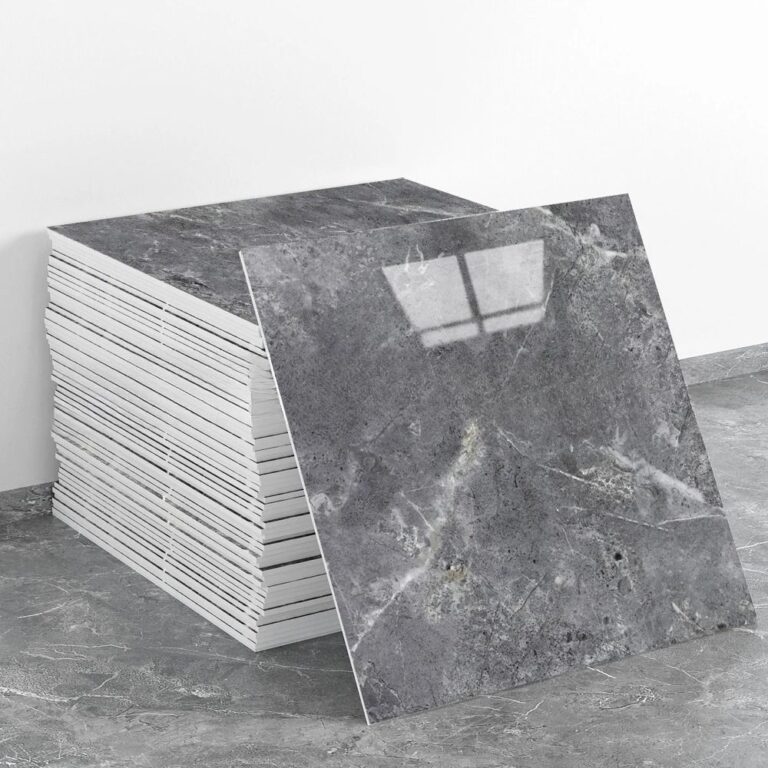 Aisha's pickSimple Ceramic Kitchen Tiles Done Well
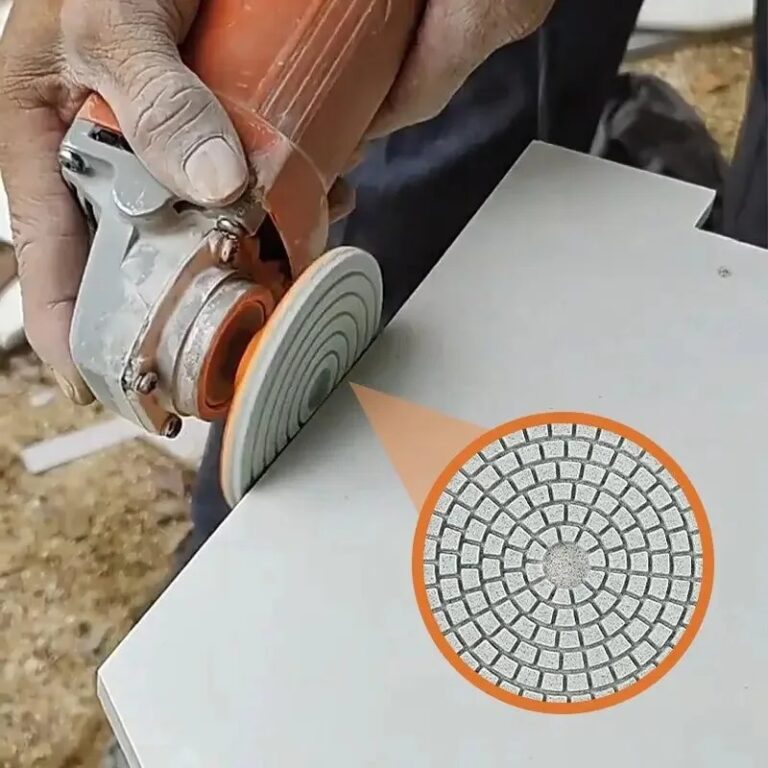
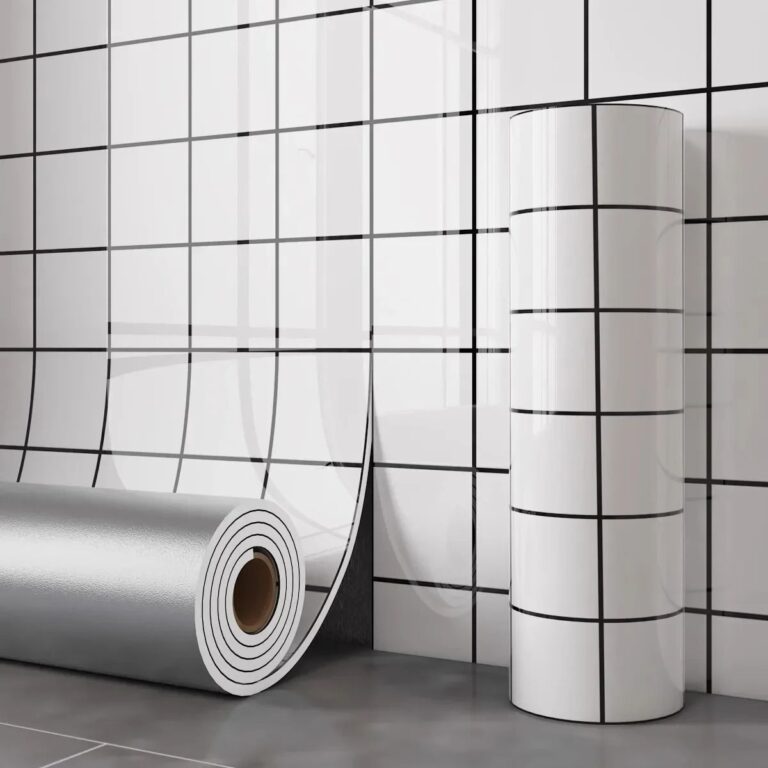 Aisha's pickCeramic Kitchen Tiles That Cope With Steam and Splashes
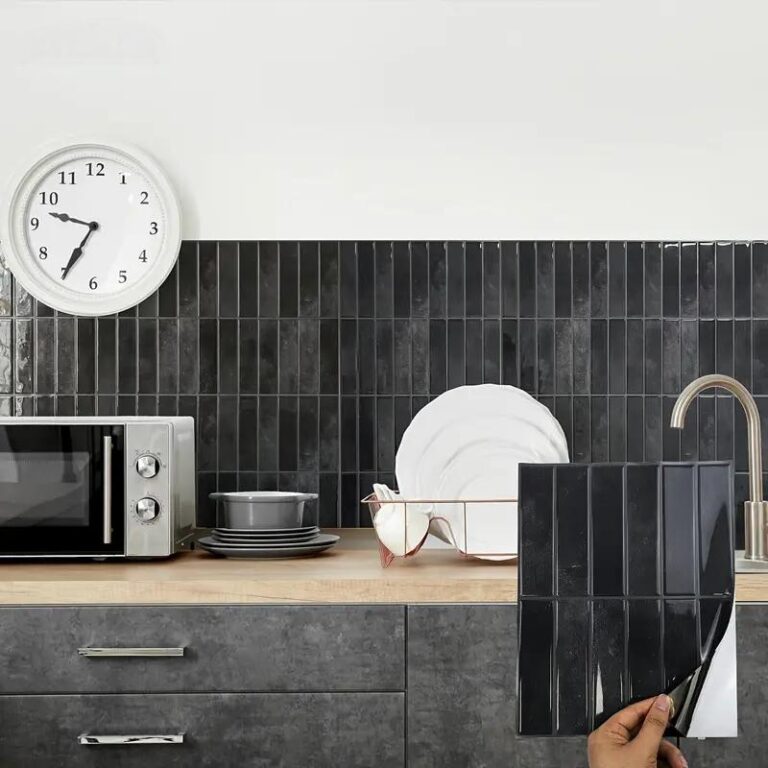
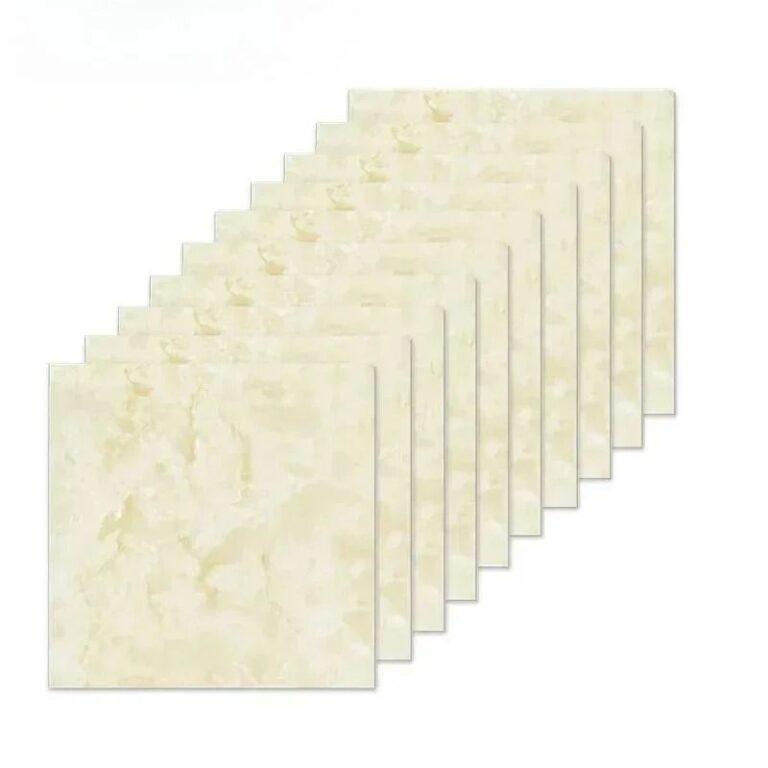 Aisha's pickCeramic Kitchen Tiles for Floors That Make a Big Difference for Not Much

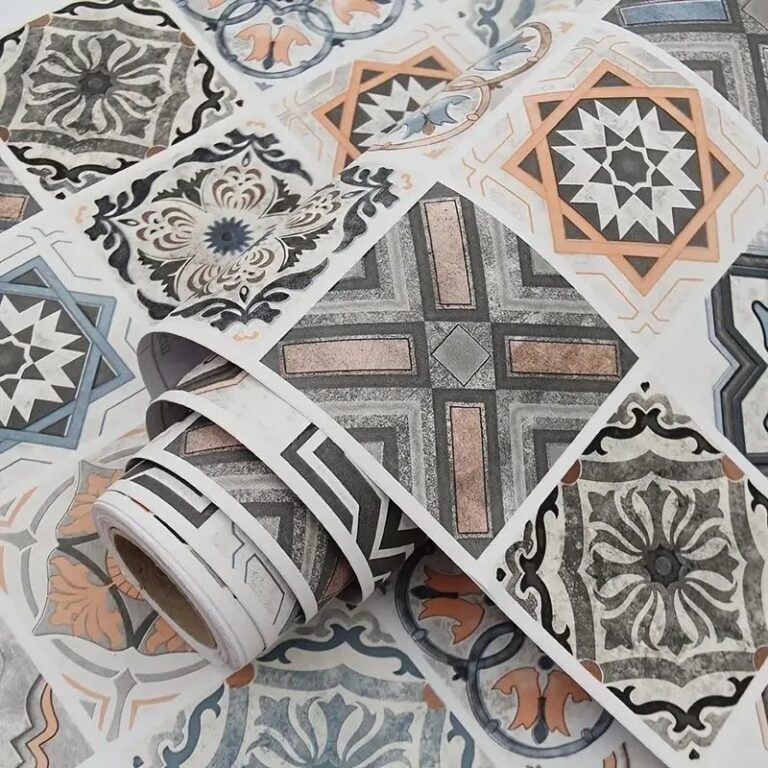 Aisha's pickCeramic Kitchen Tiles for Walls Pulled From Dozens of Stores
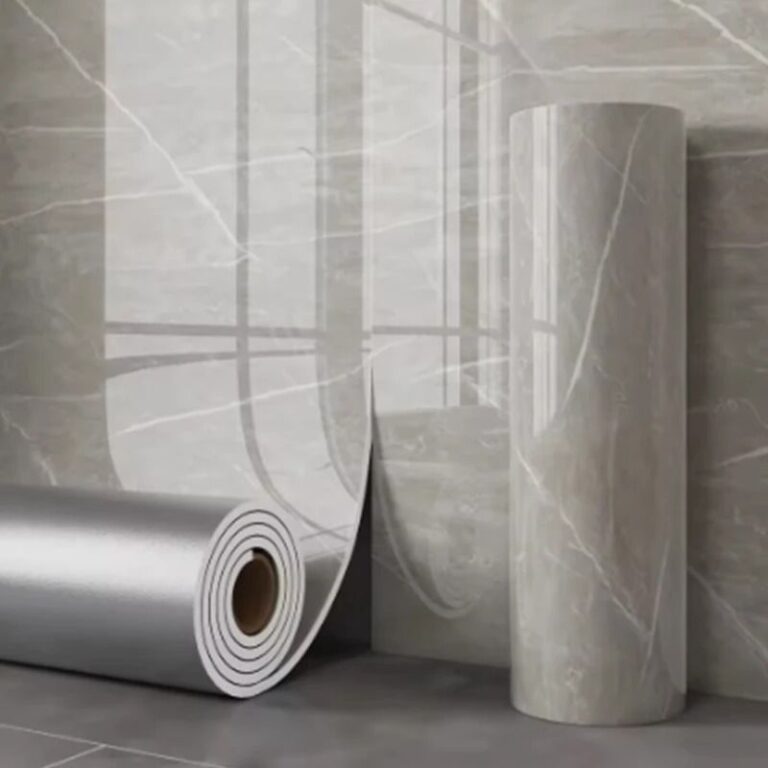
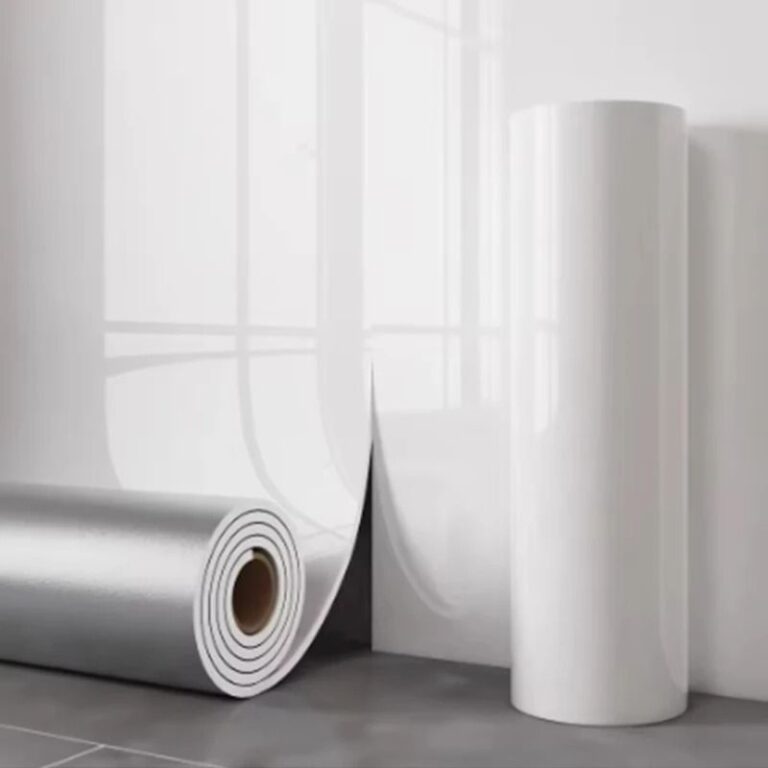 Aisha's pickCeramic Kitchen Wall Tiles Without the Silly Price TagAlso worth a lookWall PanelsFor a long time I thought wall panels meant one thing: those shiny plastic strips from the hardware…See the collections →
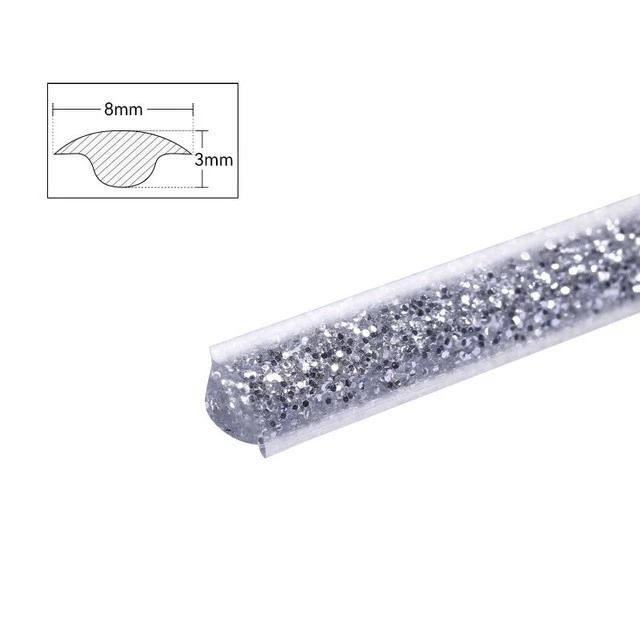
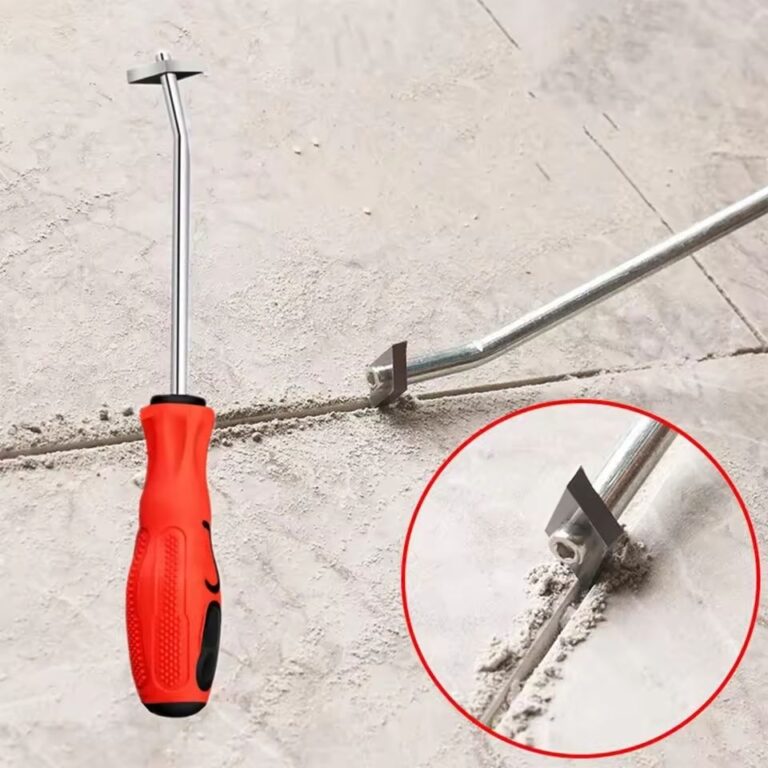 Aisha's pickCeramic Bathroom Floor Tiles That Are Easy to Keep Clean

 Aisha's pickCeramic Mosaic Tiles for a Quick Refresh
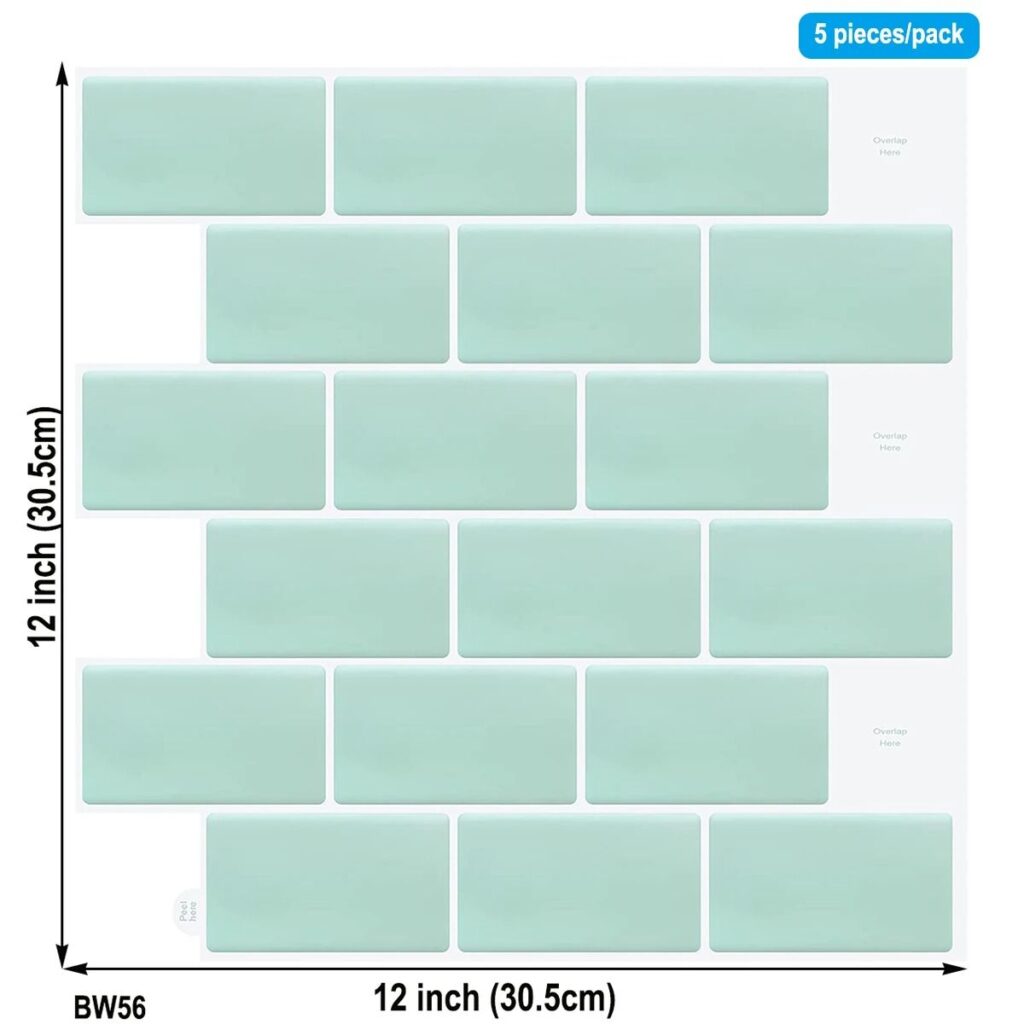
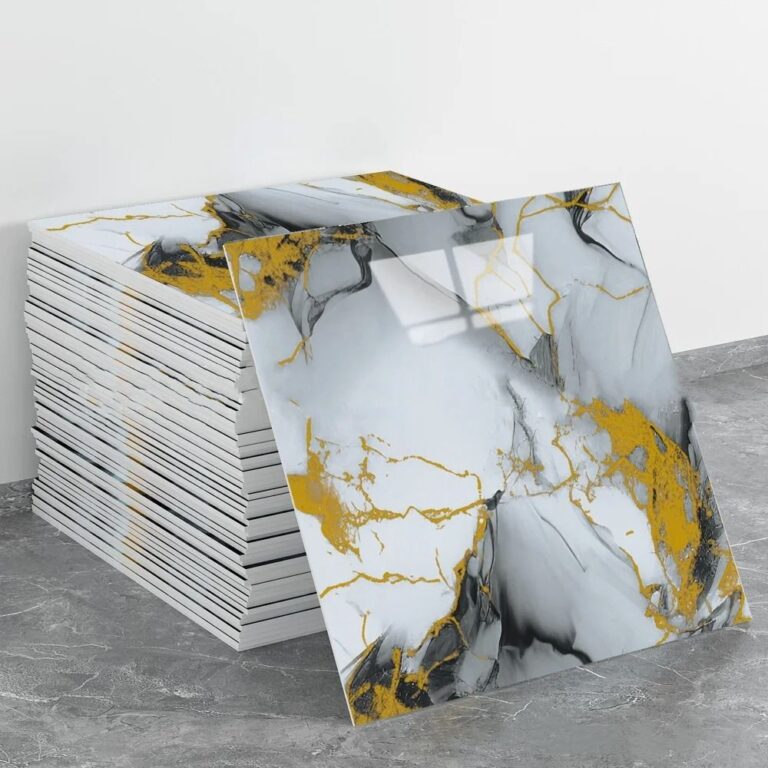 Aisha's pickCeramic Bathroom Tiles That Stand Up to Steam
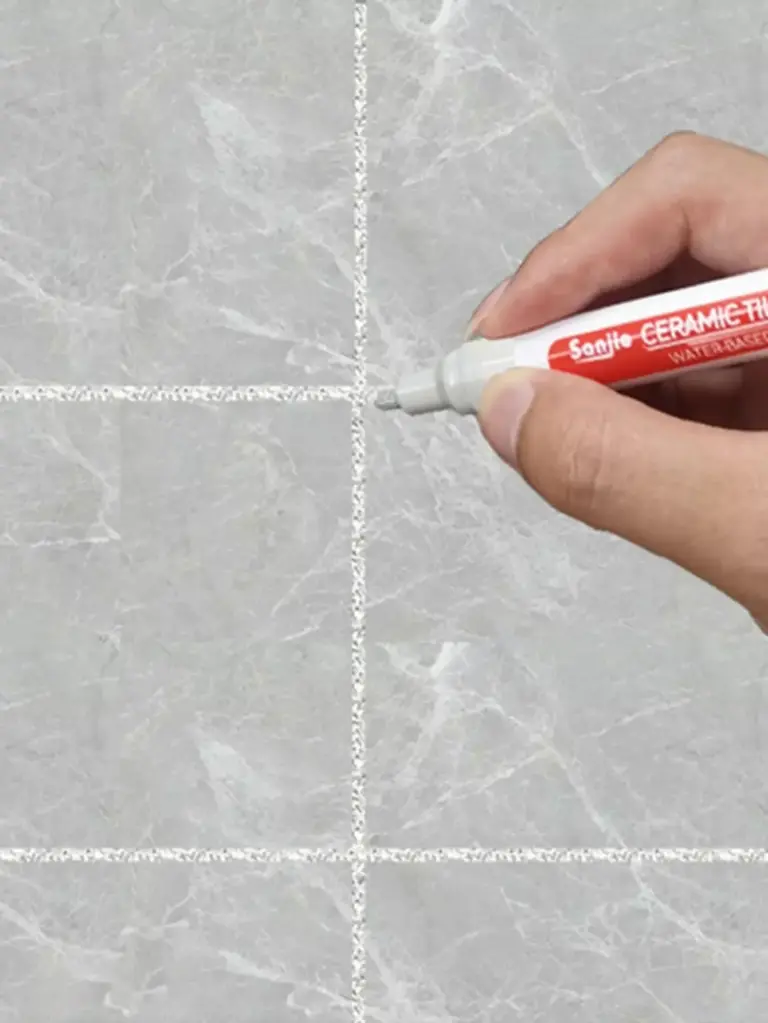
 Aisha's pickCeramic Shower Tiles That Make a Small Bathroom Work

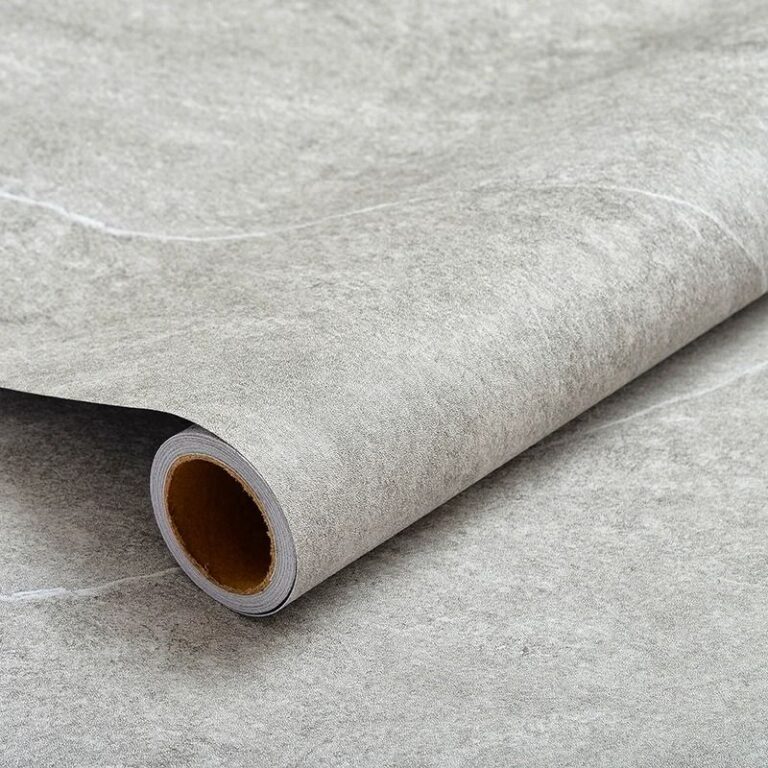 Aisha's pickCeramic Bathroom Tiles You Won’t Want to Hide Away
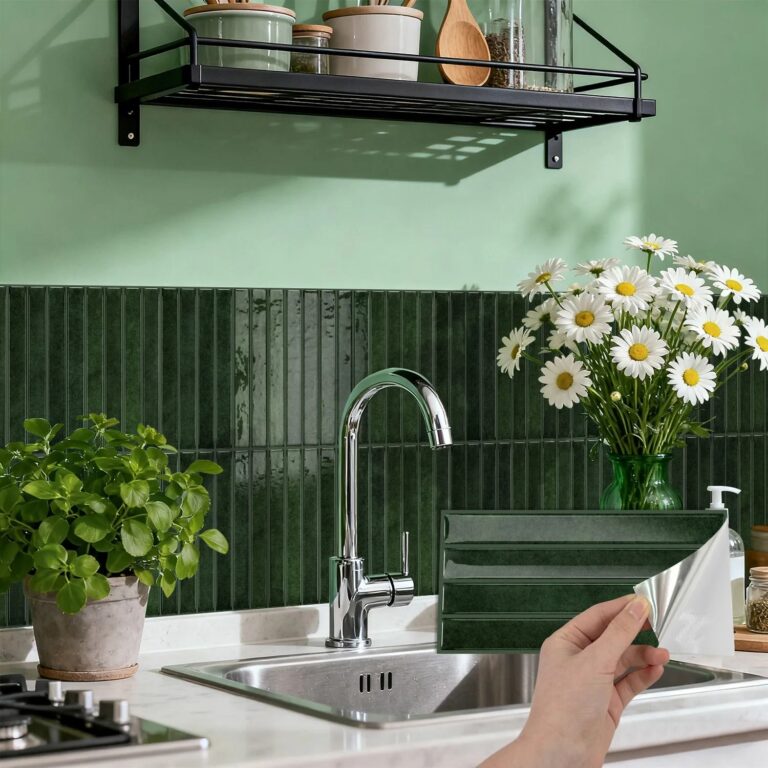
 Aisha's pickGood Ceramic Shower Tiles That Don’t Cost a Fortune
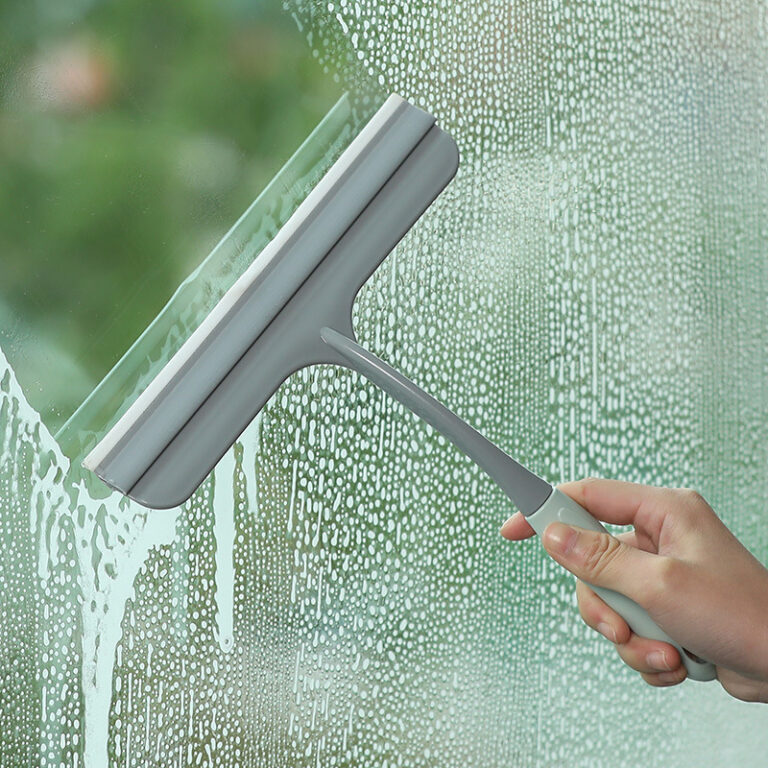
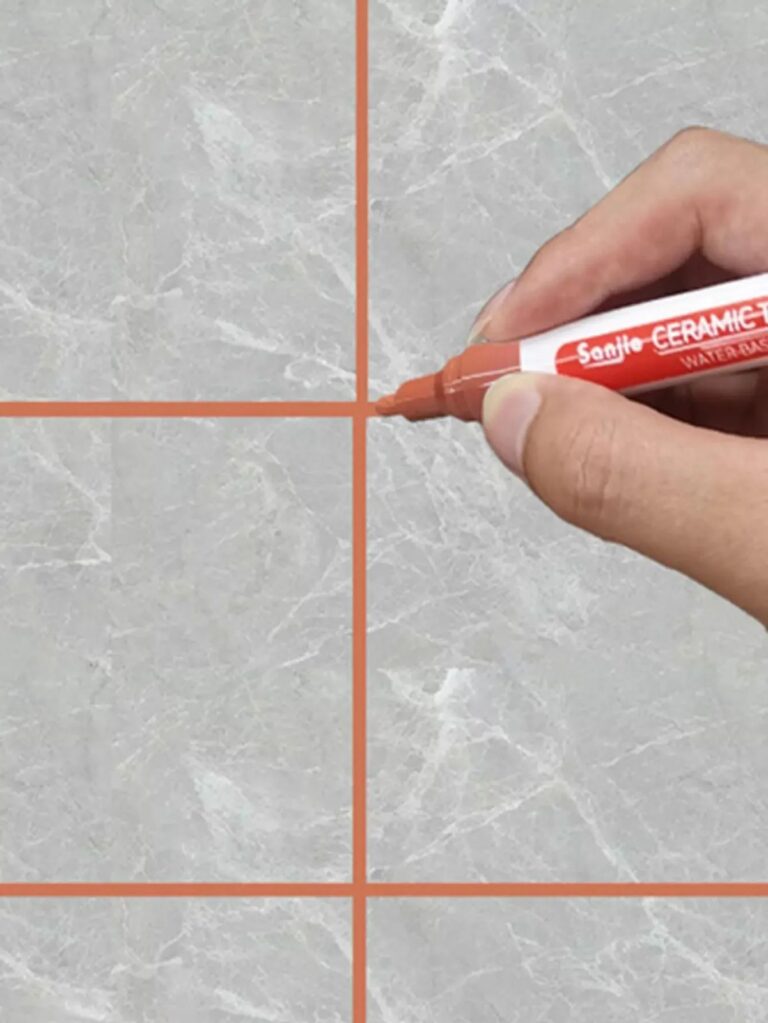 Aisha's pickCeramic Bathroom Tiles for Floors Picked From the Stores We Trust

 Aisha's pickThe White Ceramic Bathroom Tiles Worth Your Cash

 Aisha's pickCeramic Bathroom Tiles for Walls From Stores Big and SmallAlso worth a lookFloor TilesFloor tiles make the most sense in kitchens, bathrooms, entryways and anywhere mud, wet dog or a dropped…See the collections →

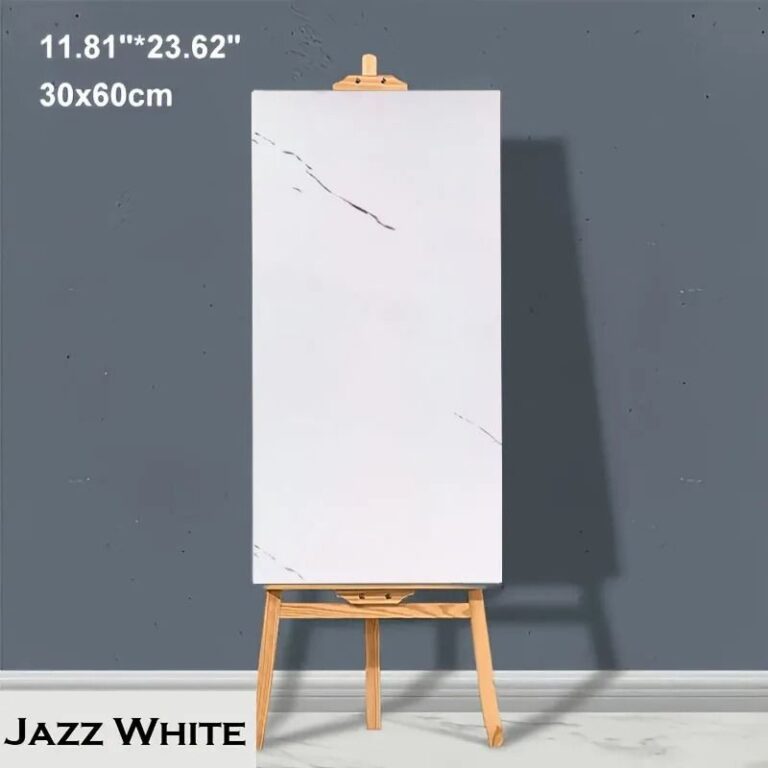 Aisha's pickCeramic Bathroom Wall Tiles That Do the Job Right