There's a particular kind of evening, kitchen lit up, something simmering, someone leaning on the counter talking to you while you cook, where your hand is on a cabinet pull a dozen times without thinking about it. That's when you notice whether it feels solid or whether it wobbles a little in its hole and makes a tiny metallic click every time. You don't think about handles until that moment, and then you think about nothing else.
The difference between a good one and a bad one is mostly in the hand, not the eye. Solid brass, bronze, or stainless steel has a certain weight and a cool, dense feel, and the finish is usually plated or coated in a way that resists the oil from your fingers for years. Cheap pulls are often a lighter alloy with a thin finish sprayed on top, and that finish wears through at the exact point your thumb lands, so within a year you have a bright little scuff mark on every single handle in the kitchen, all in the same spot, like the cabinets are tattling on you. Check how the pull attaches too. Good ones have a solid, threaded post and a backplate or base that sits flush with no gap. Bad ones have a thin screw that strips if you look at it wrong.
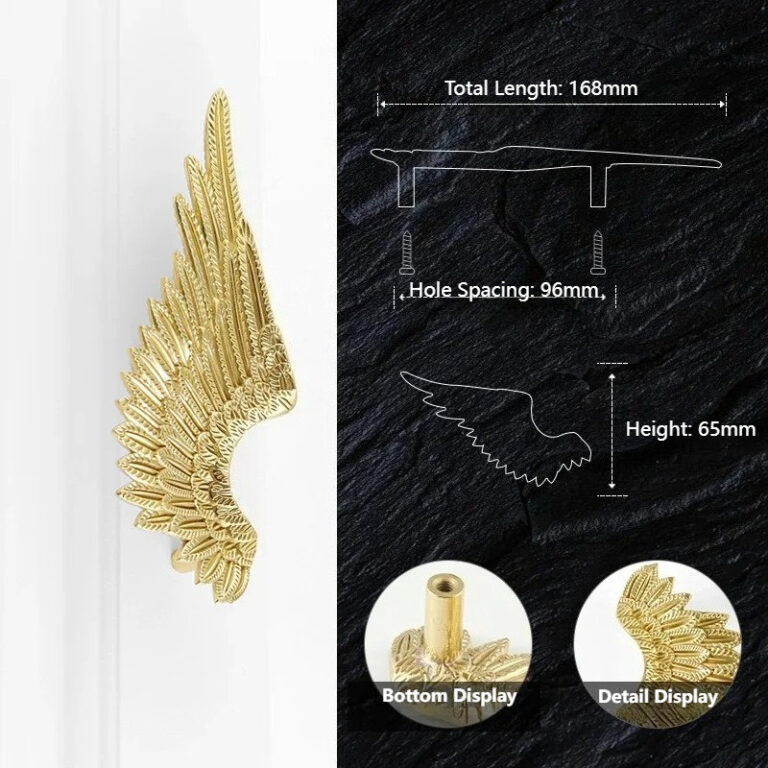
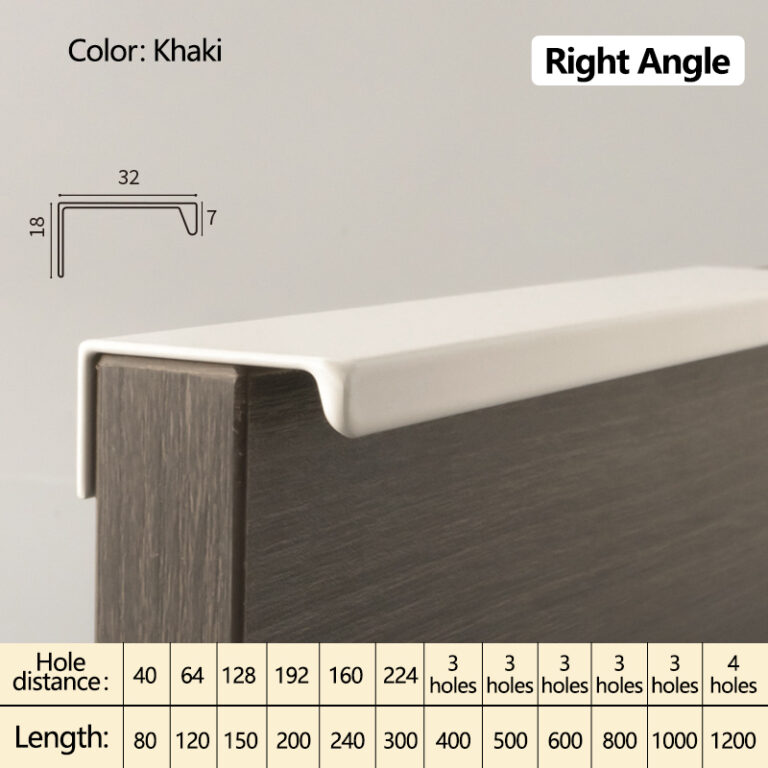
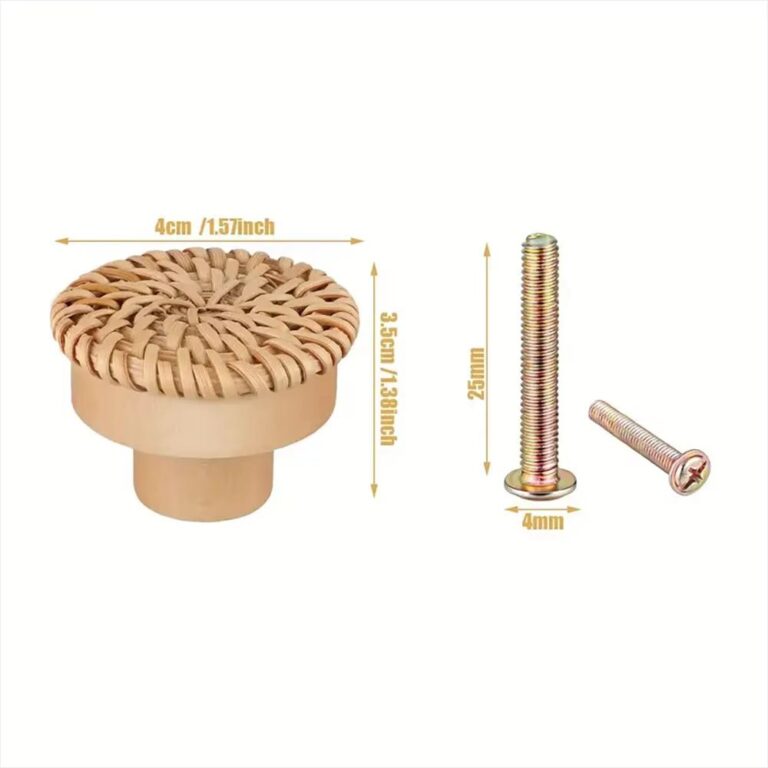
Sizing is where most people guess and get it slightly wrong. Measure the width of your drawer or door face, not the whole cabinet, and keep pulls roughly proportional to that, generally a third to half the width on drawers, with knobs reserved for narrower cabinet doors where a bar pull would look stretched and awkward. Hole spacing matters more than people expect, since most pulls are sold by the center to center distance between screw holes, and if you buy a new style with different spacing you'll either need to drill new holes or buy a backplate to cover the old ones. Measure twice, then measure the actual screws you have, because some drawer fronts are thinner than they look and a long screw will poke straight through the front and into your spaghetti.
Where they don't belong is anywhere too ornate next to very plain, flat panel cabinets, since an elaborate pull on a simple door reads like a wedding ring on a gym sock. They also fight with handles on appliances right next to them if the finishes don't match even loosely.
They won't fix bad cabinet boxes, hinges, or a door that doesn't sit straight, so don't expect hardware to rescue construction problems underneath.
Change them out on a kitchen you already love and the whole room suddenly looks finished, like it was always meant to look that way.
 Aisha's pickLong Cabinet Handles That Finish a Job Off Right

 Aisha's pick3 Inch Cabinet Handles We’d Buy Again
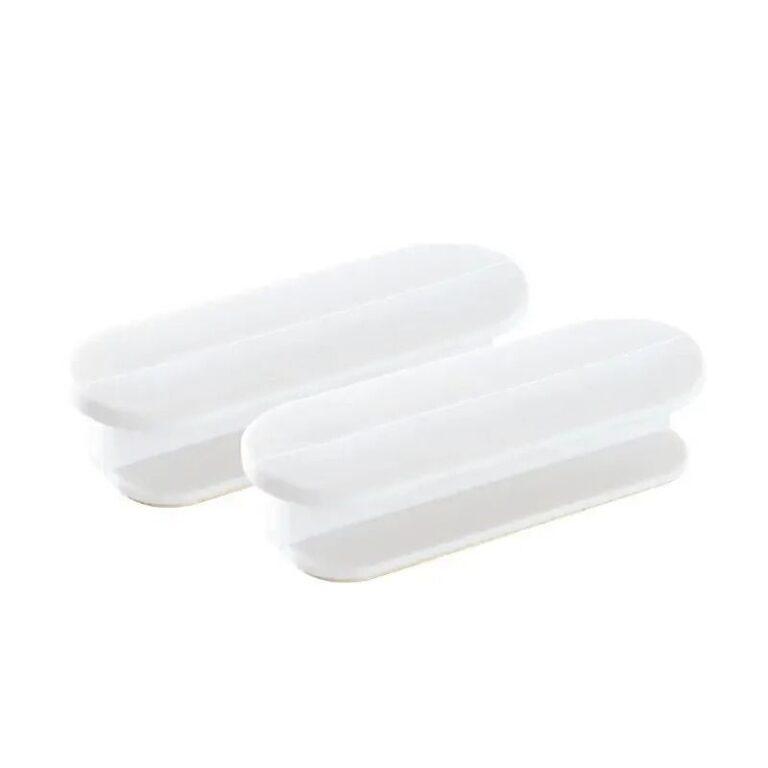
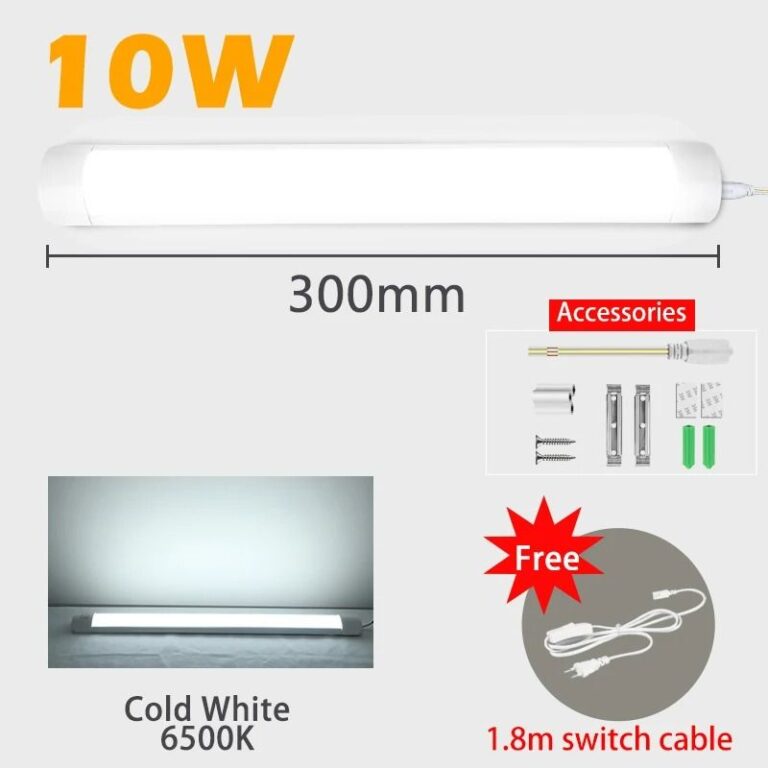 Aisha's pickLong Cabinet Hardware That Looks the Part
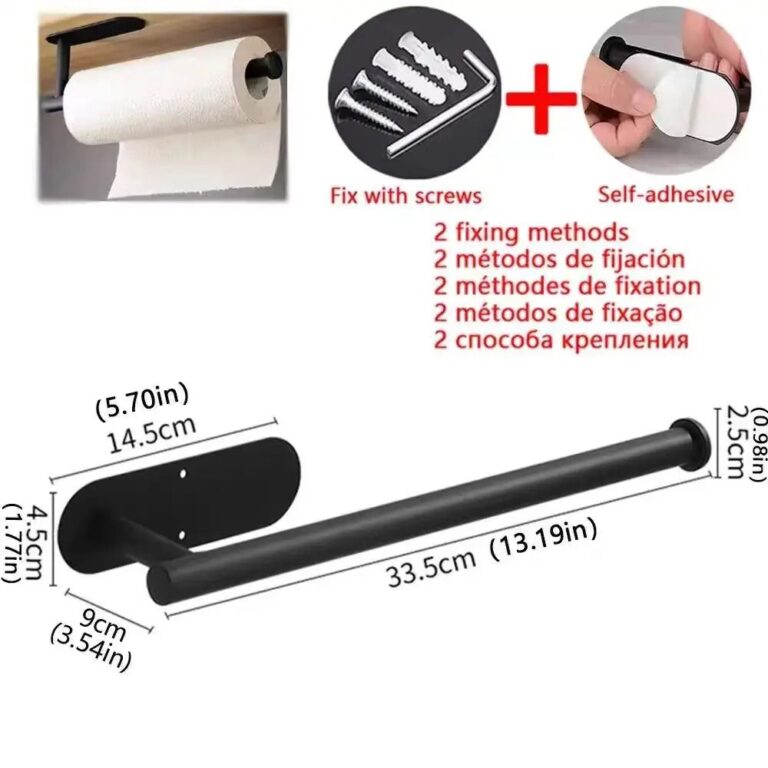
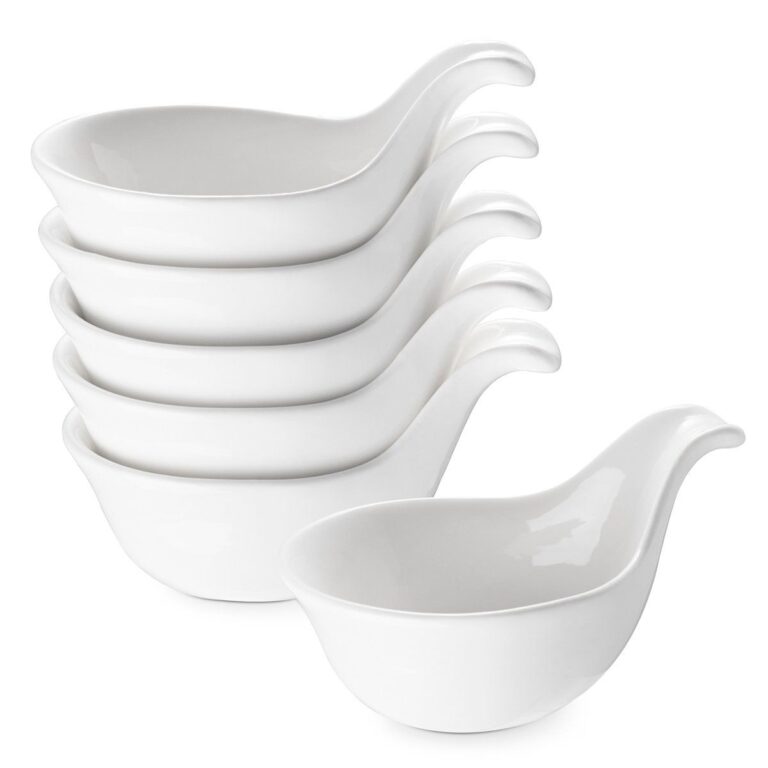 Aisha's pick4 Inch Cabinet Handles From Stores Big and Small
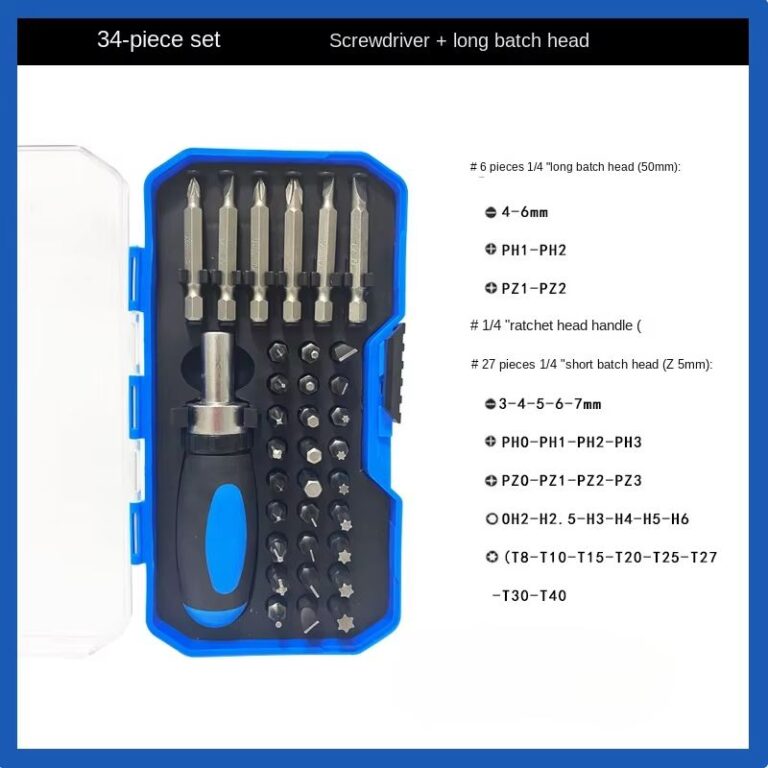
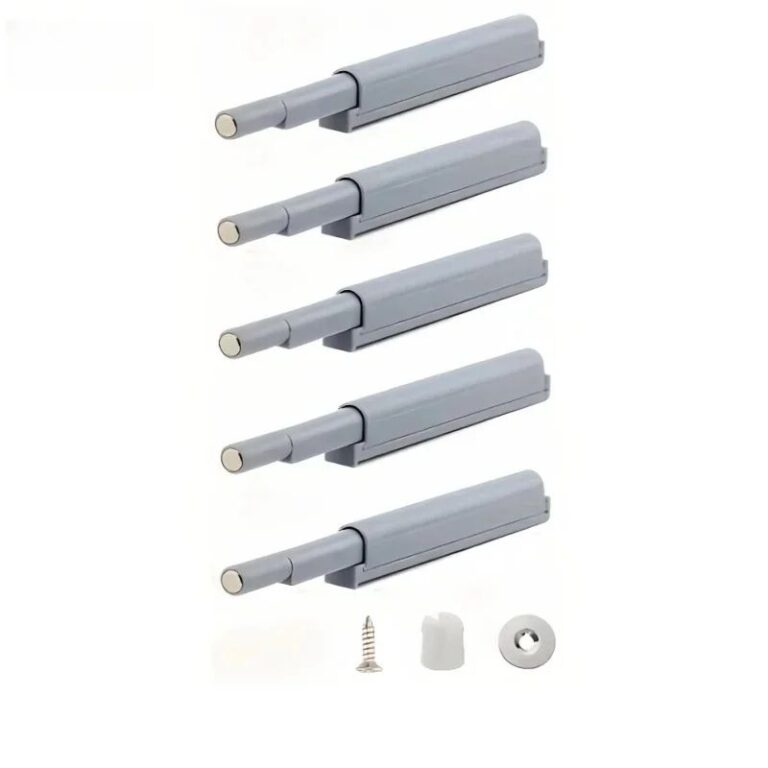 Aisha's pickLuxury Cabinet Hardware Worth Your Money

 Aisha's pickCabinet Handles That Look Good Up Close

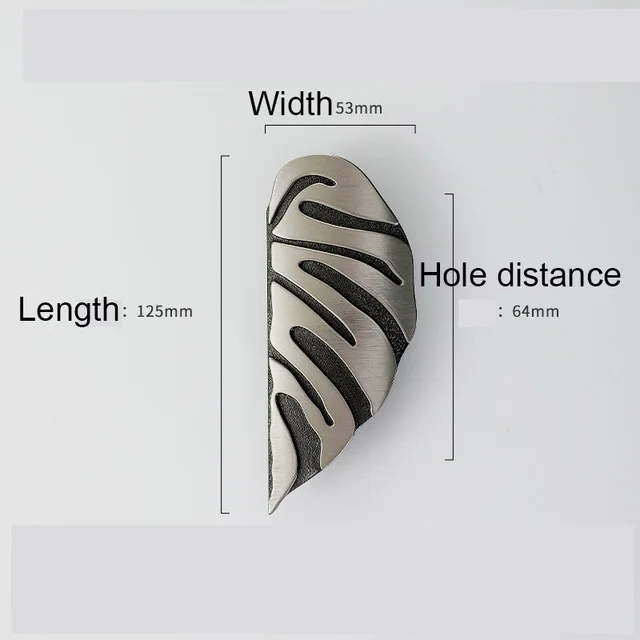 Aisha's pickModern Cabinet Handles for a Quick Refresh

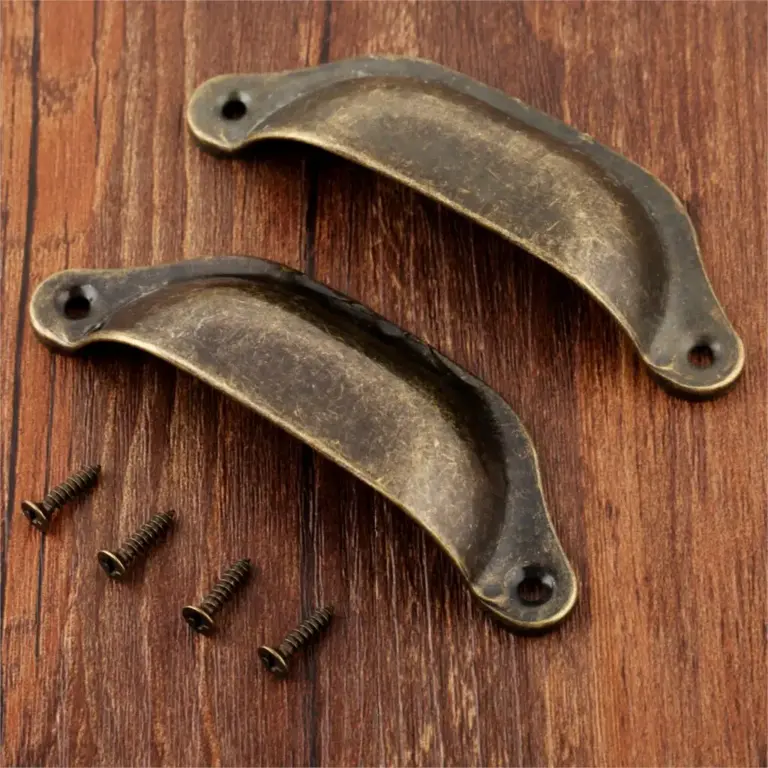 Aisha's pickCabinet Handles with Screws You Won’t Regret Buying

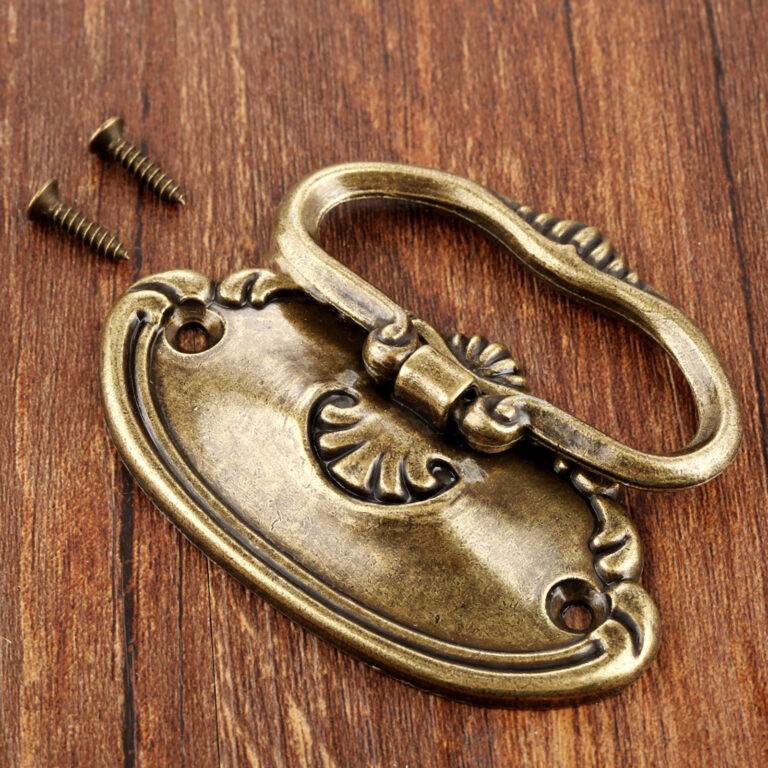 Aisha's pickModern Cabinet Hardware That Does What It ShouldAlso worth a lookDrawer HandlesDrawer handles get treated like an afterthought, something you grab at the end of a kitchen project when…See the collections →
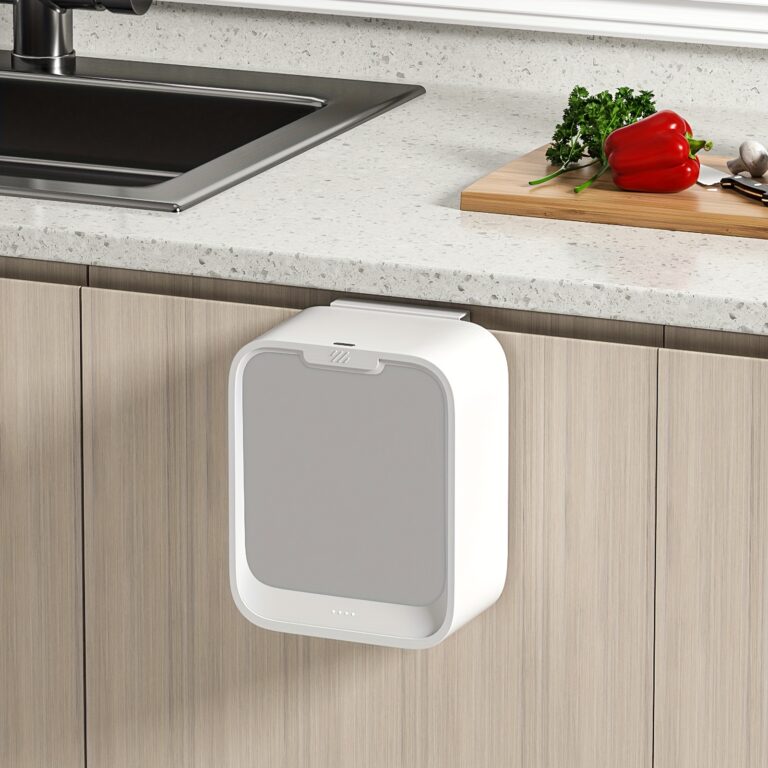
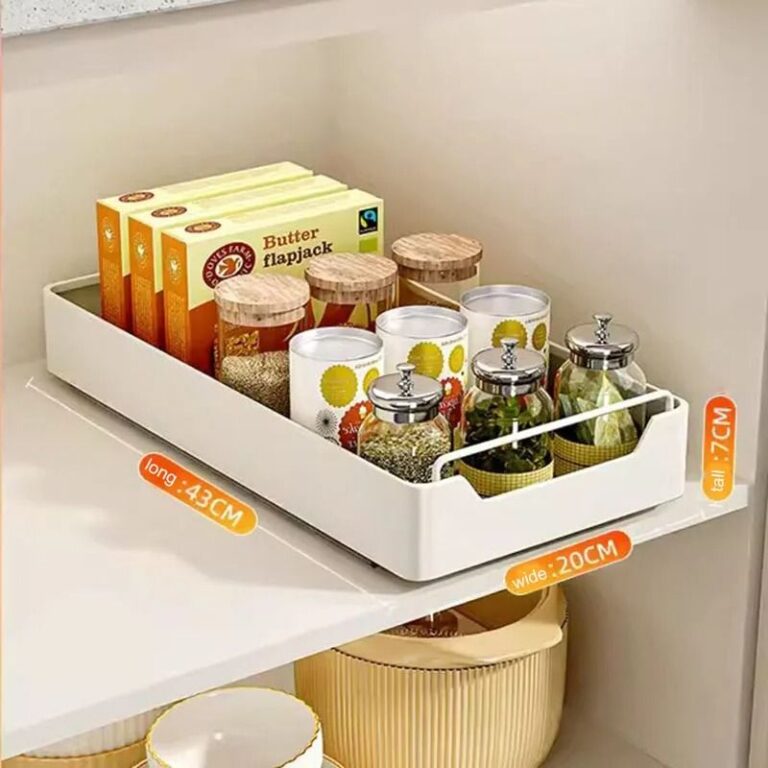 Aisha's pickNo Fuss Cabinet Hardware
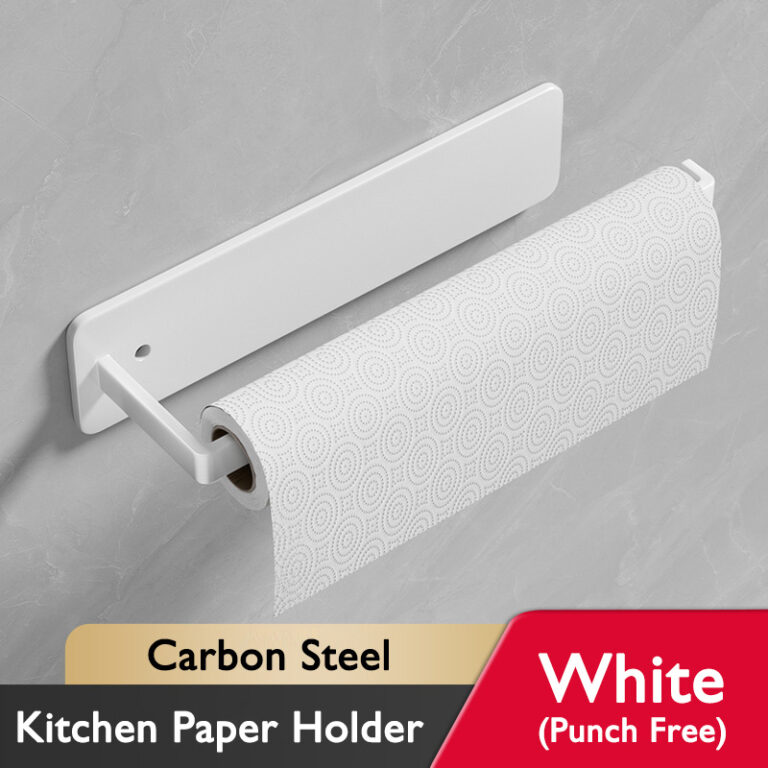
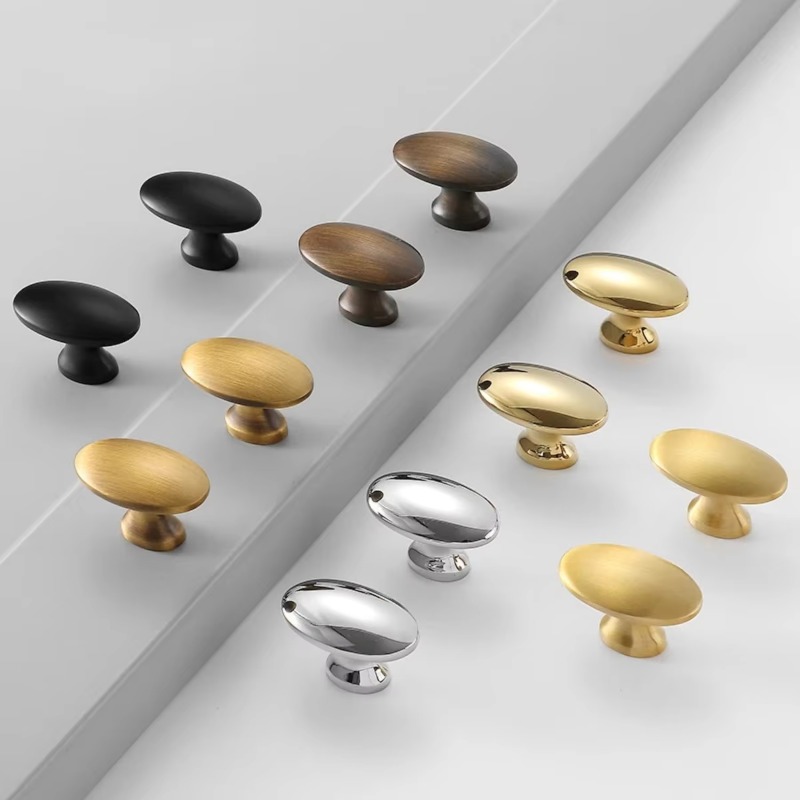 Aisha's pickRound Cabinet Handles That Go With Most Rooms
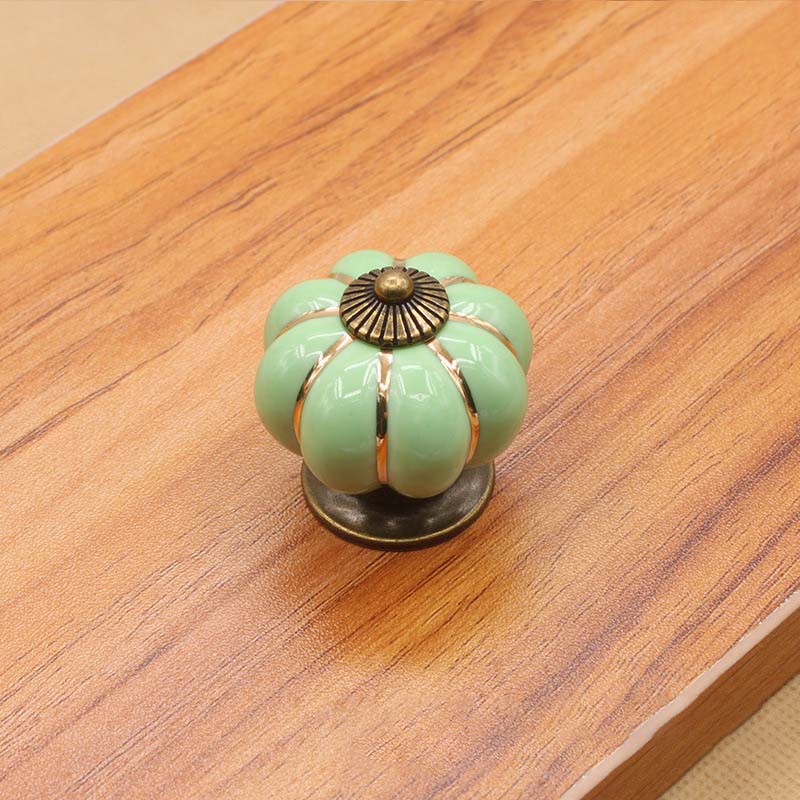
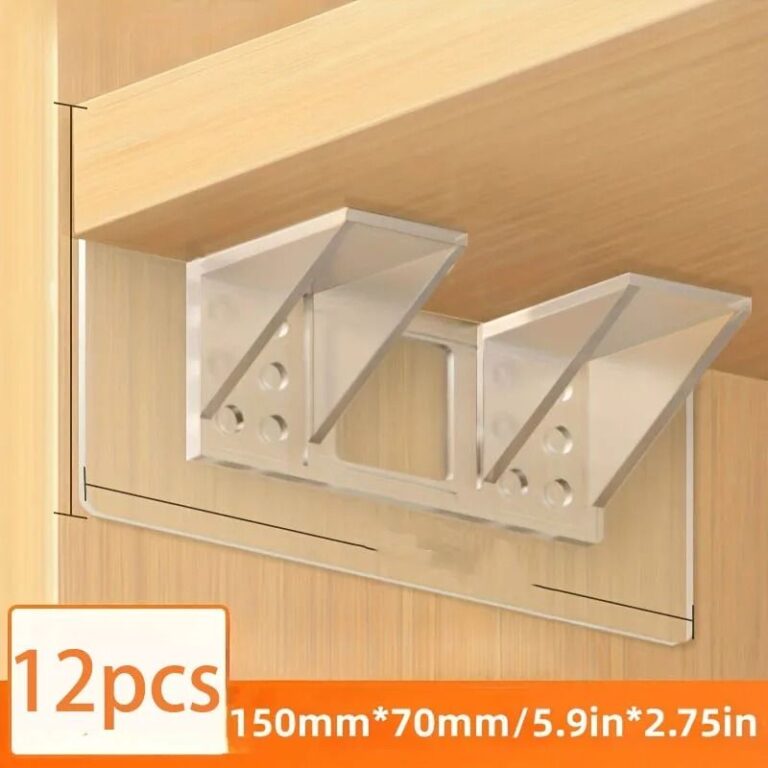 Aisha's pickGood Cabinet Hardware with Screws Without the Big Price Tag
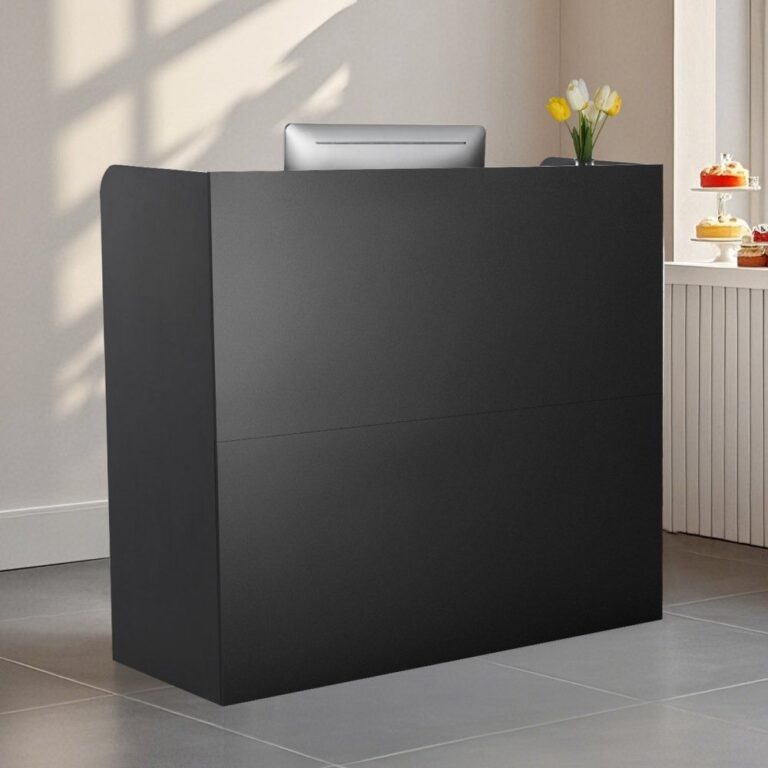
 Aisha's pickSmall Cabinet Handles That Make a Big Difference for Not Much

 Aisha's pickCabinet Knobs That Work in Old Houses and New Ones
 Aisha's pickSmall Cabinet Hardware That Holds Up
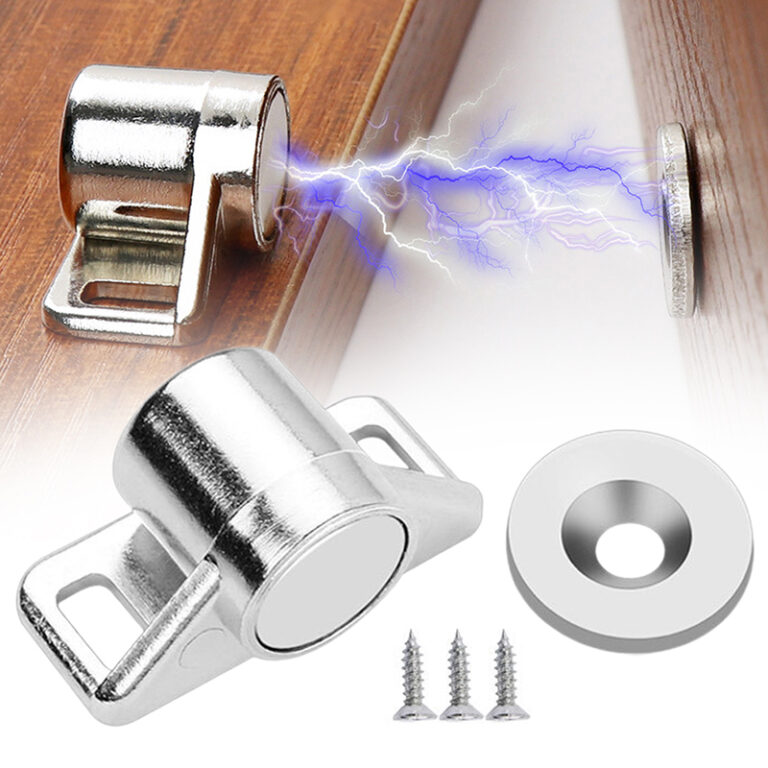 Aisha's pickDecent Cabinet Latches Without the Hassle
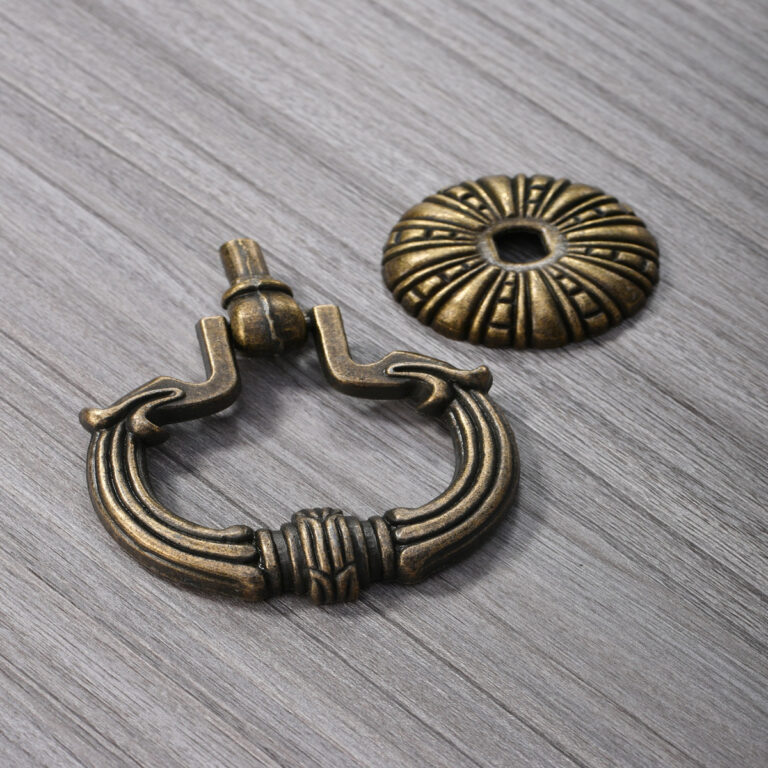 Aisha's pickSolid Cabinet Handles That Go With Most Rooms
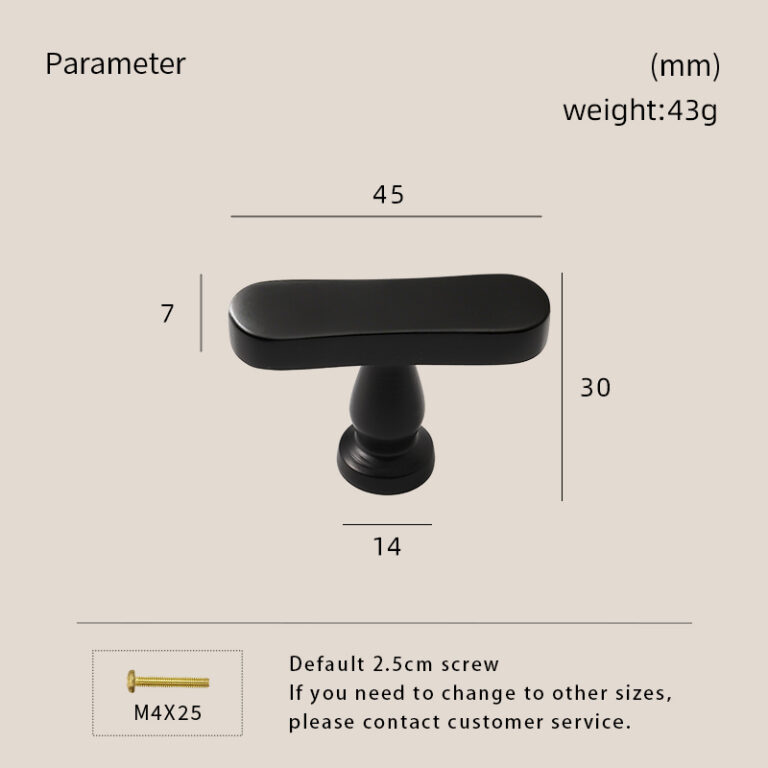
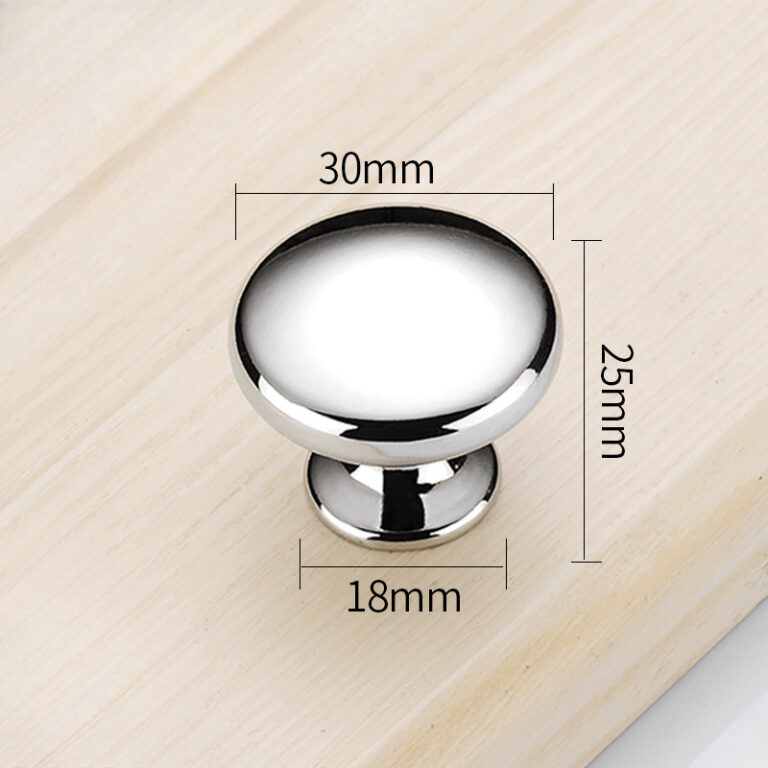 Aisha's pickChrome Cabinet Handles for Weekend ProjectsAlso worth a lookPullsStand in a kitchen from the doorway and the pulls are the first thing that tells you whether someone cared.See the collections →
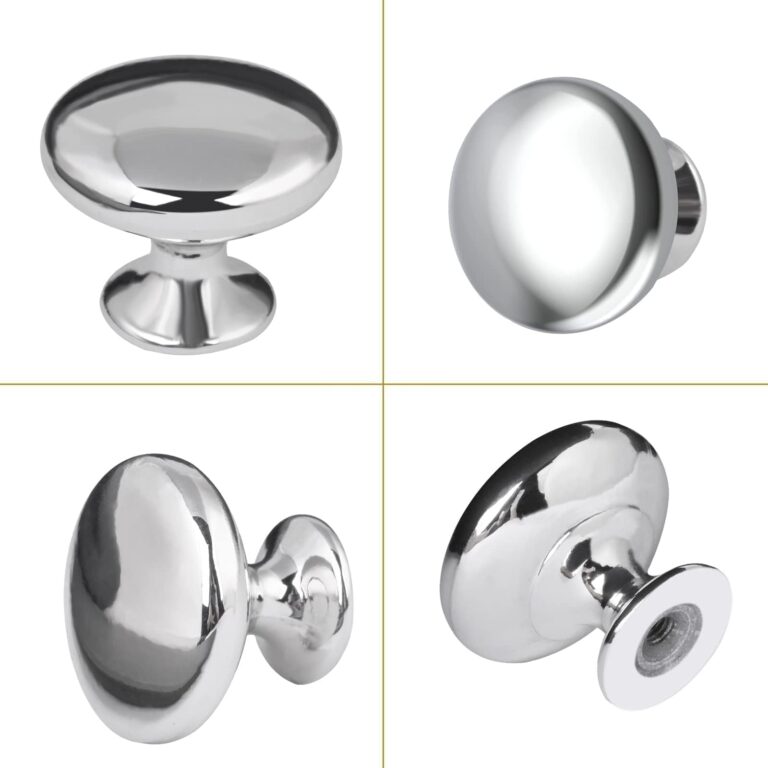
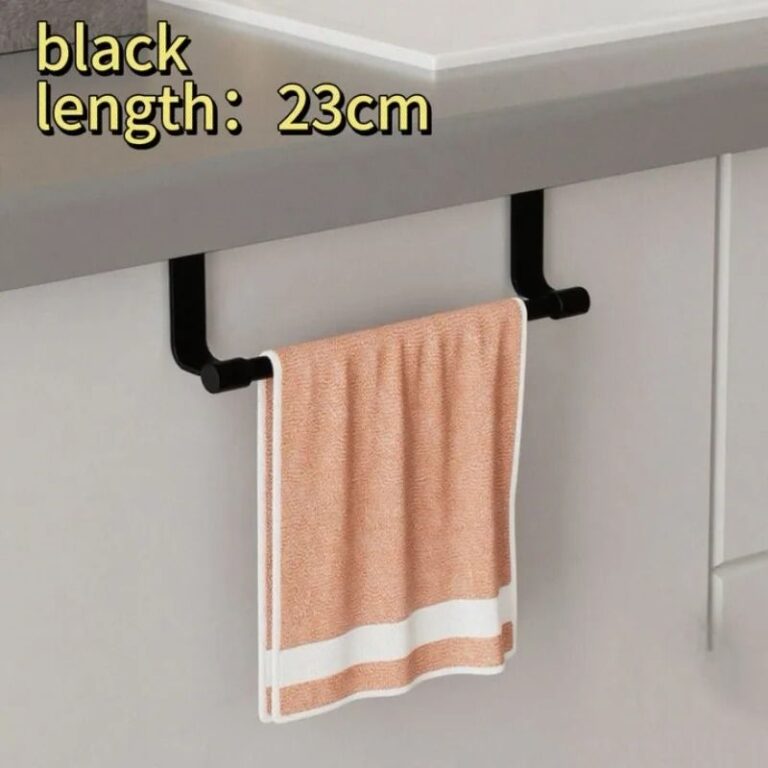 Aisha's pickSolid Cabinet Hardware That Doesn’t Cost a Fortune
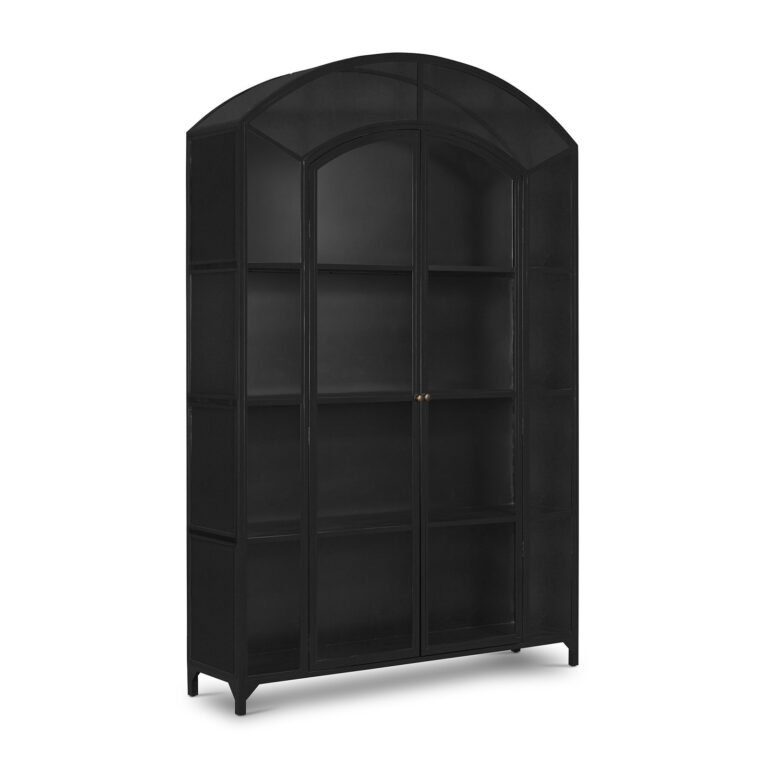
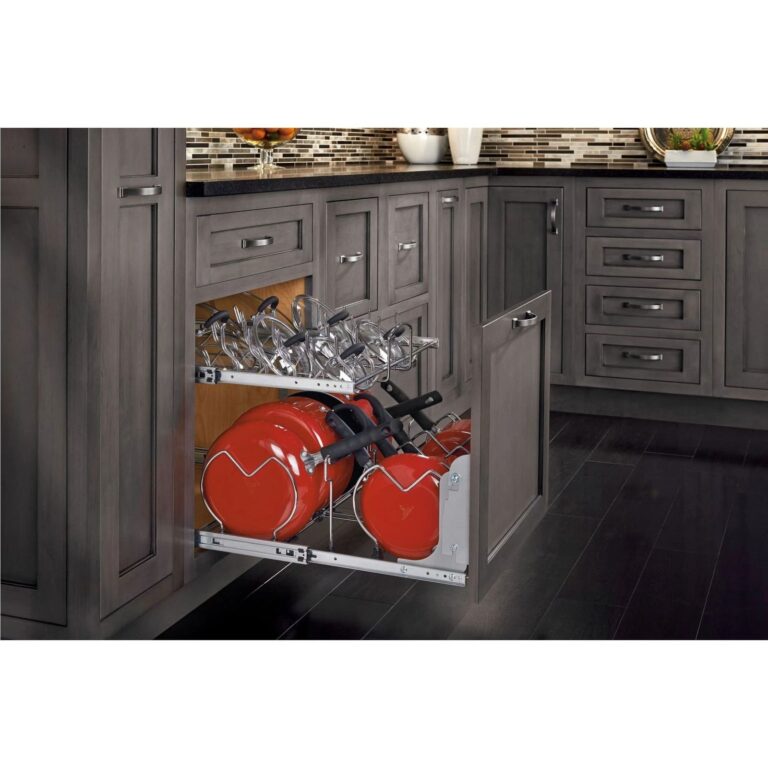 Aisha's pickGood Chrome Cabinet Hardware Without the Big Price Tag
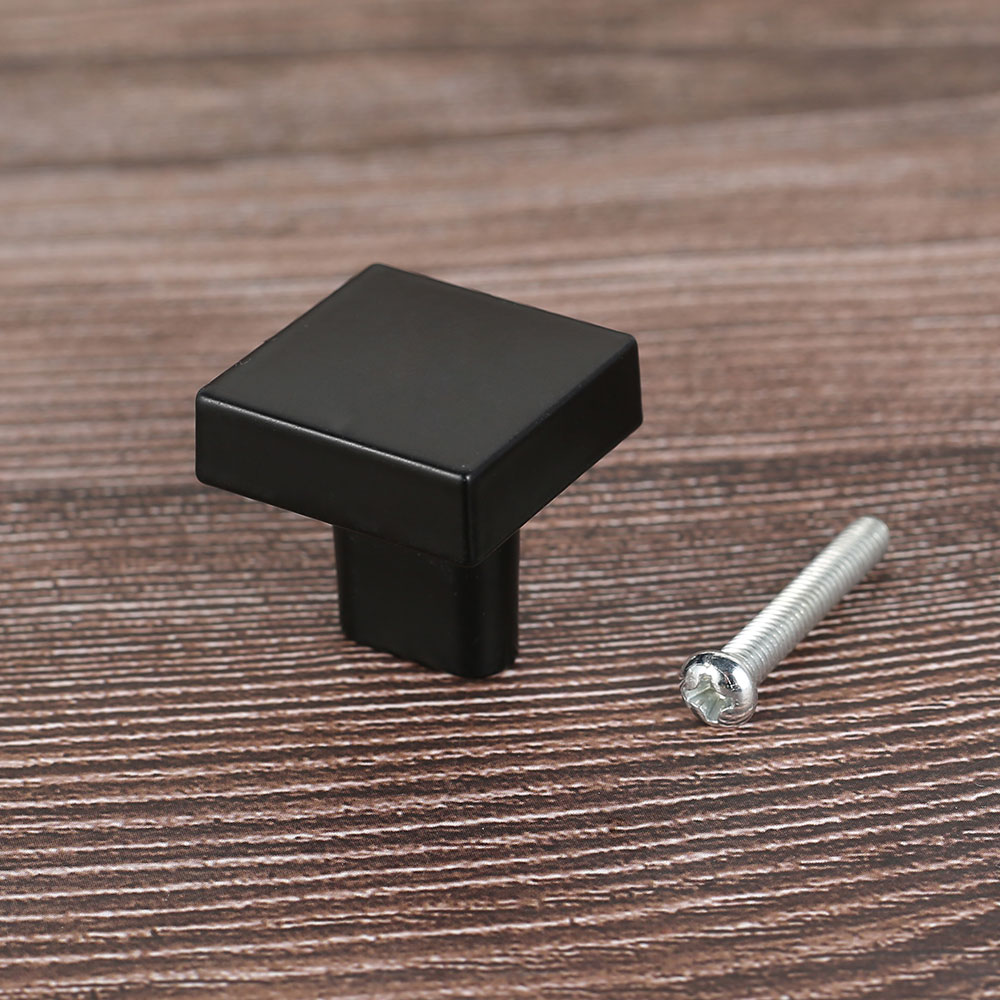 Aisha's pickSquare Cabinet Handles That Are Easy to Fit
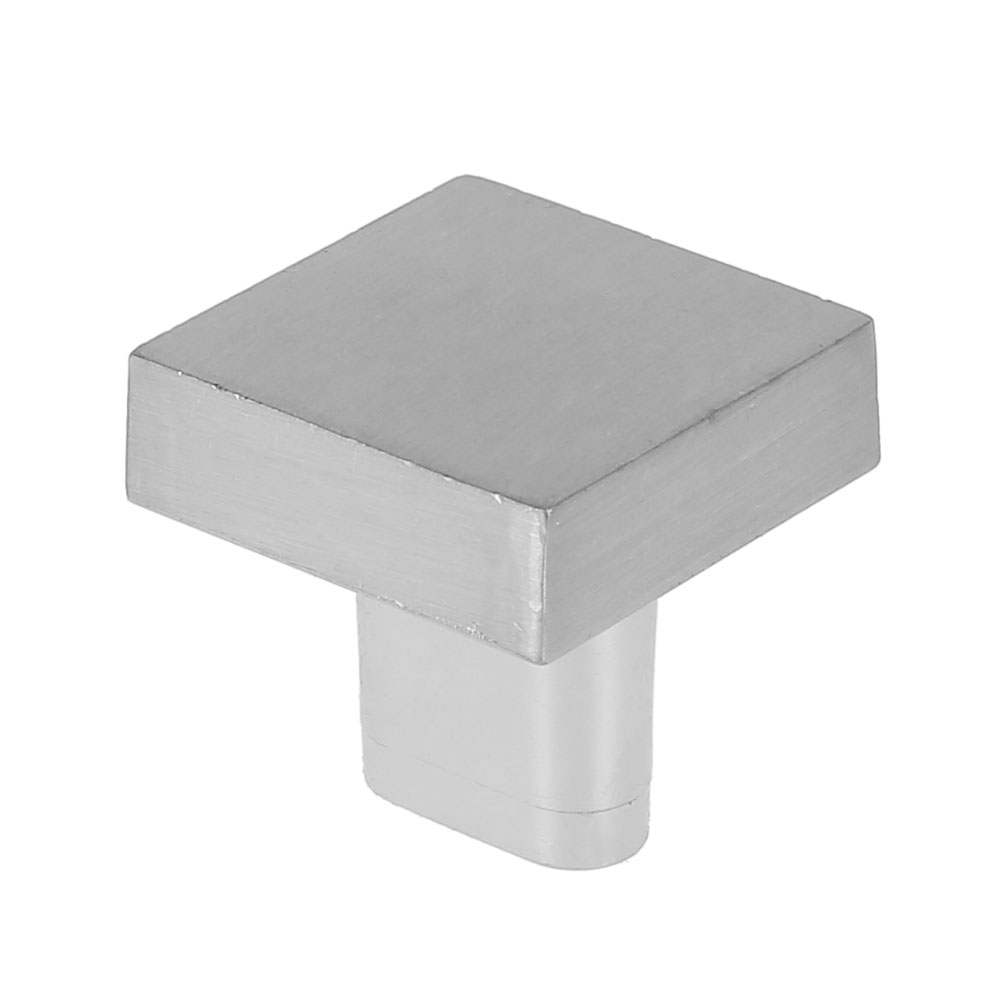
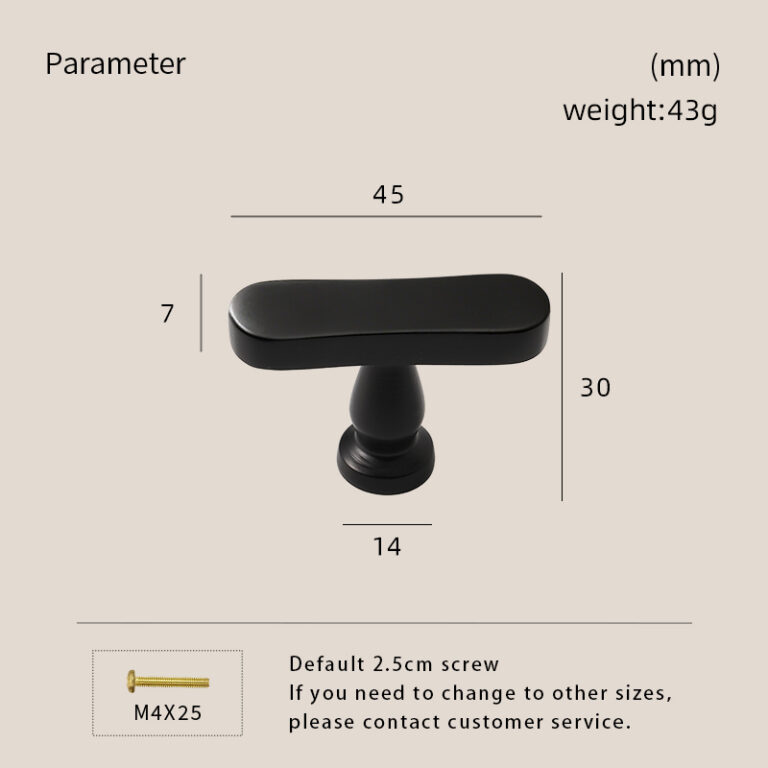 Aisha's pickShopping for Contemporary Cabinet Handles? Start Here
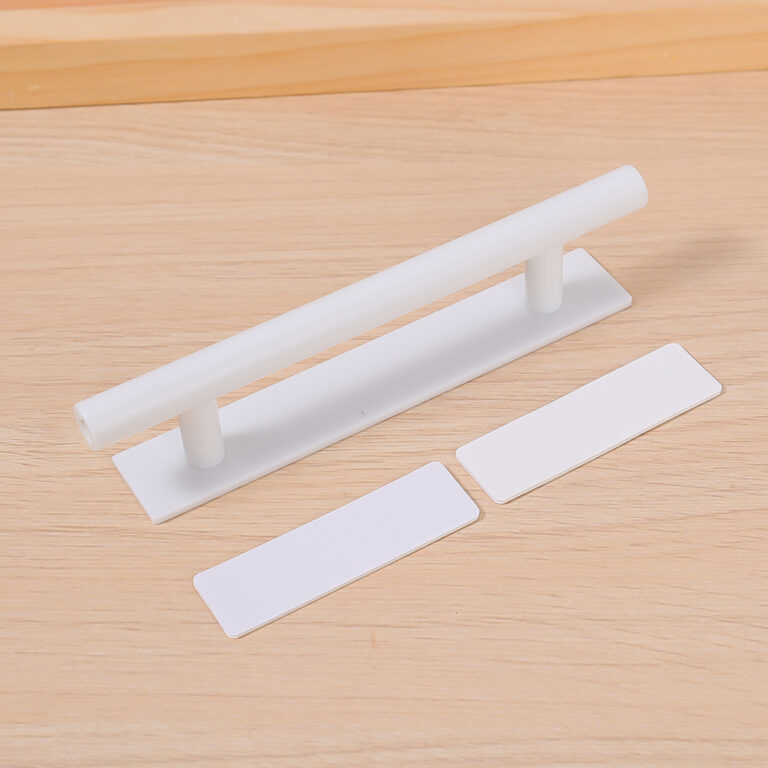
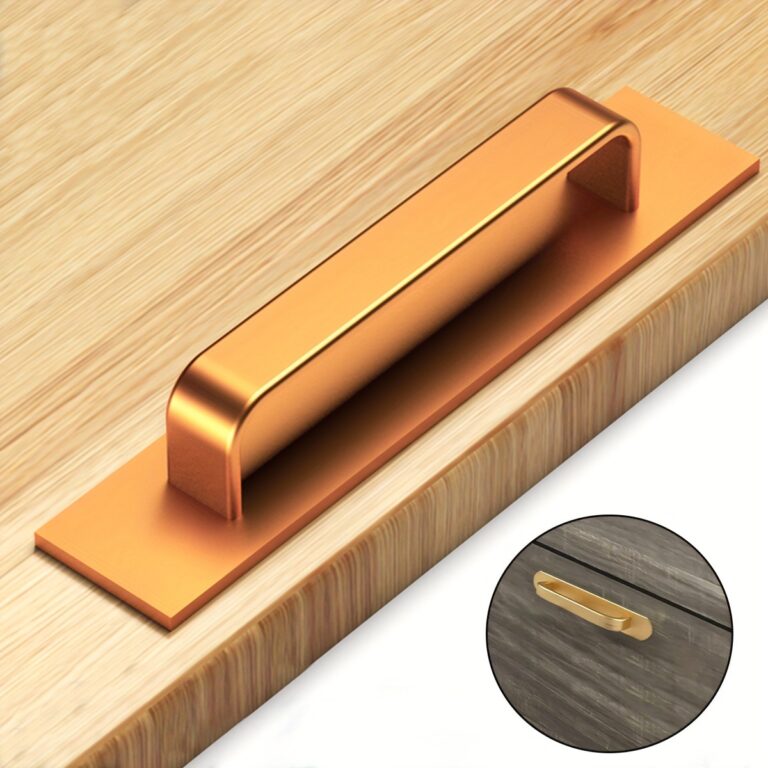 Aisha's pickStainless Steel Cabinet Handles That Won’t Date in a Year
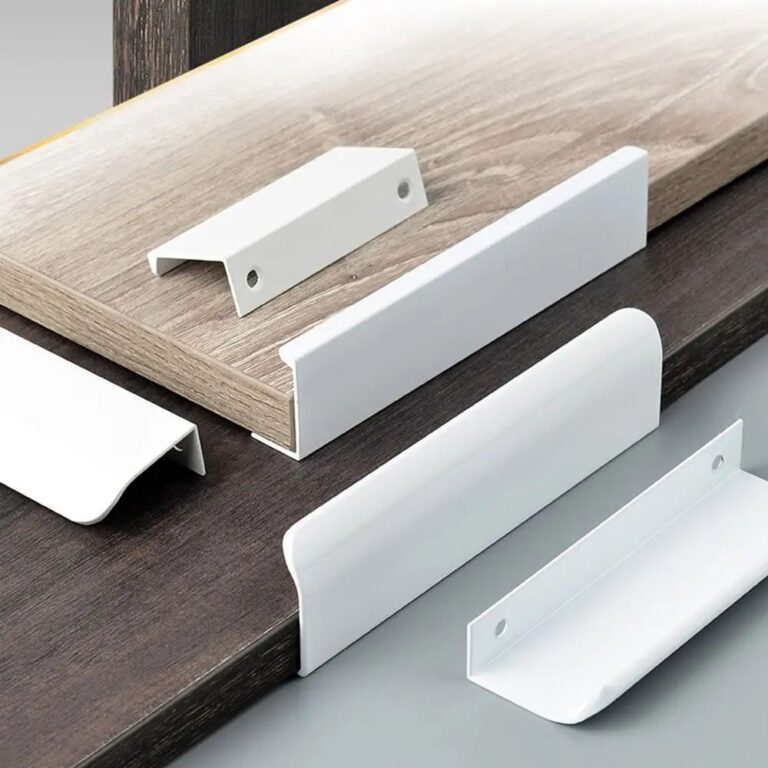
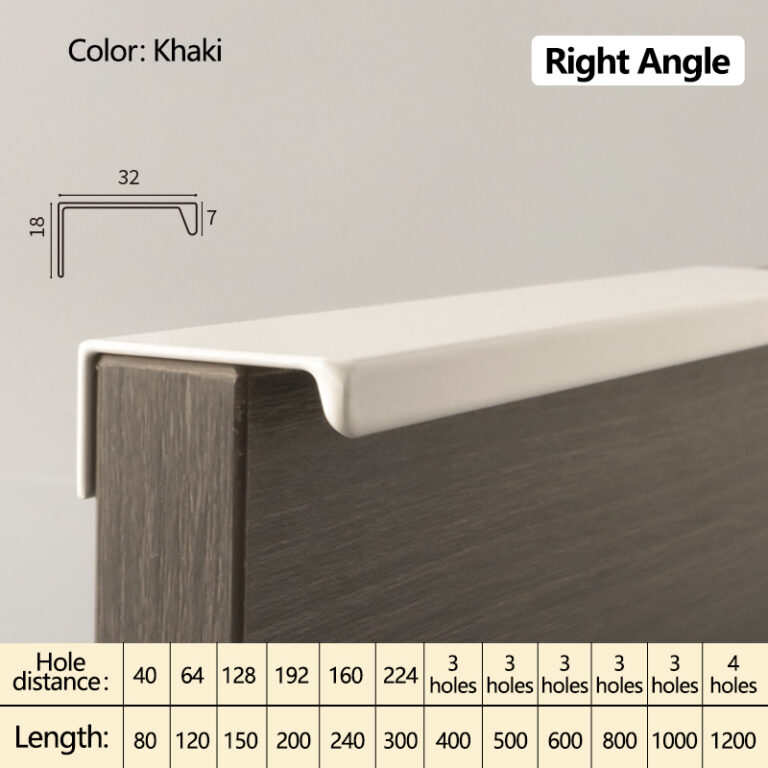 Aisha's pickEdge Pull Cabinet Handles Picked by People Who Care Too Much
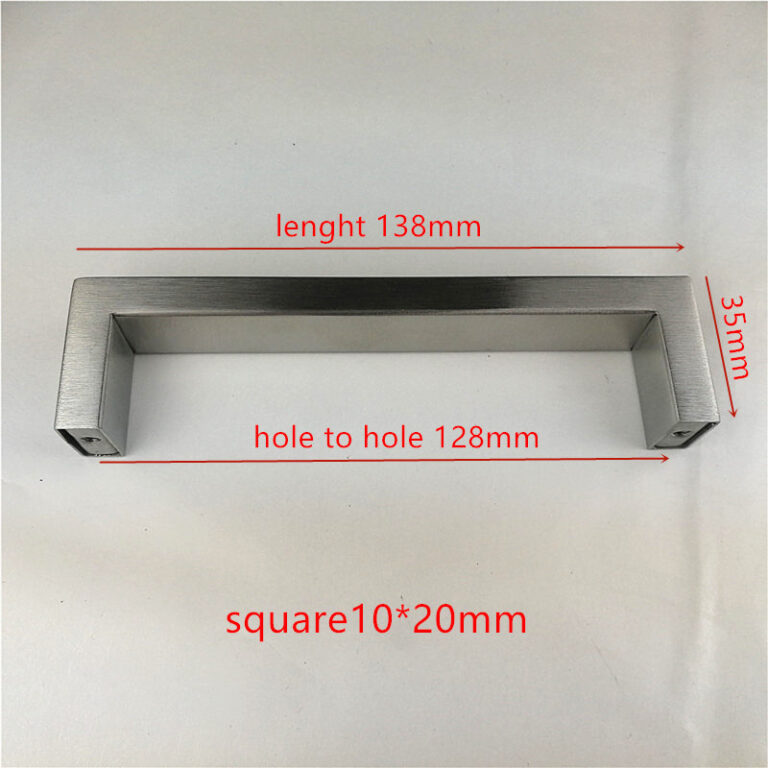
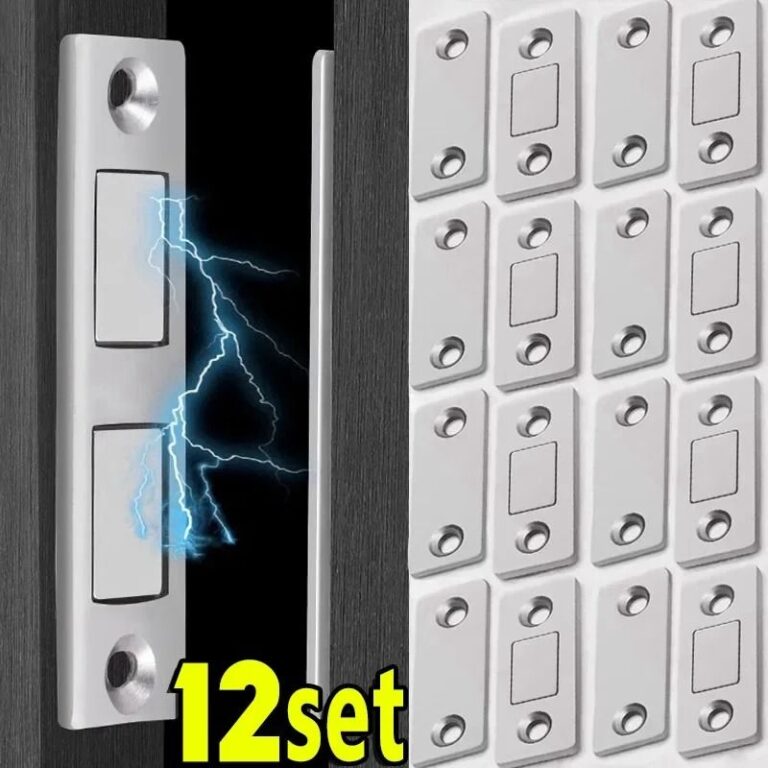 Aisha's pickStainless Steel Cabinet Latches for a Quick Refresh
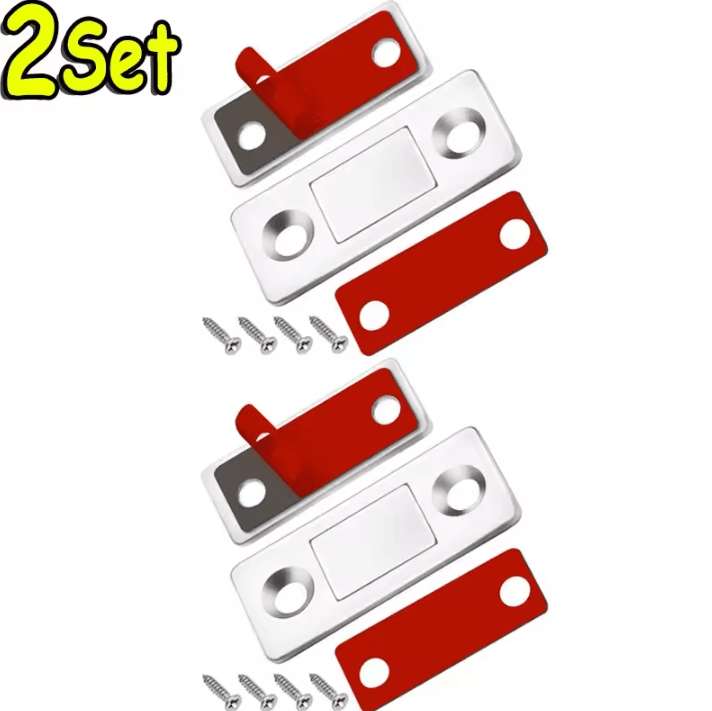
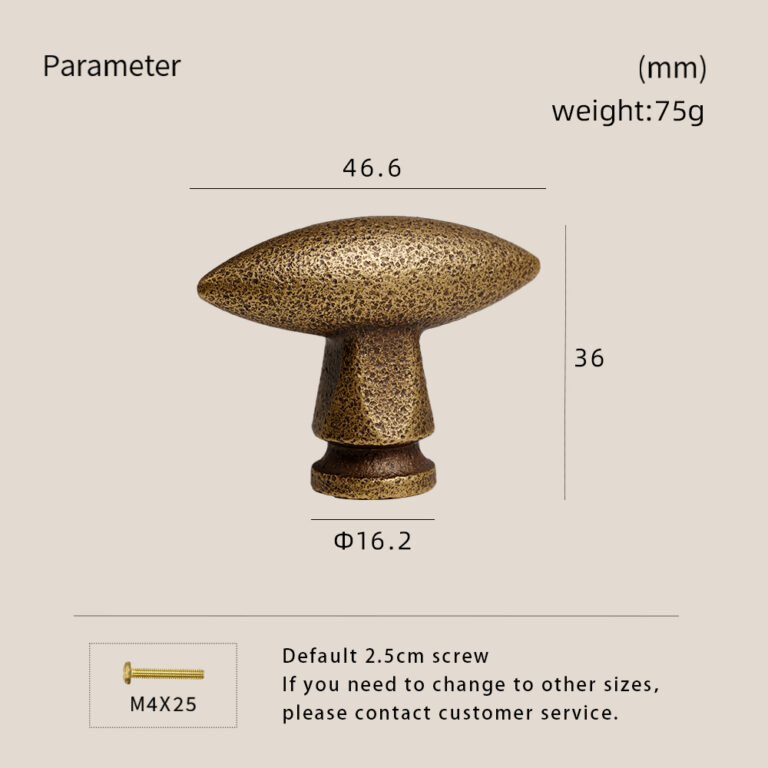 Aisha's pickIndustrial Cabinet Handles That Finish a Job Off Right
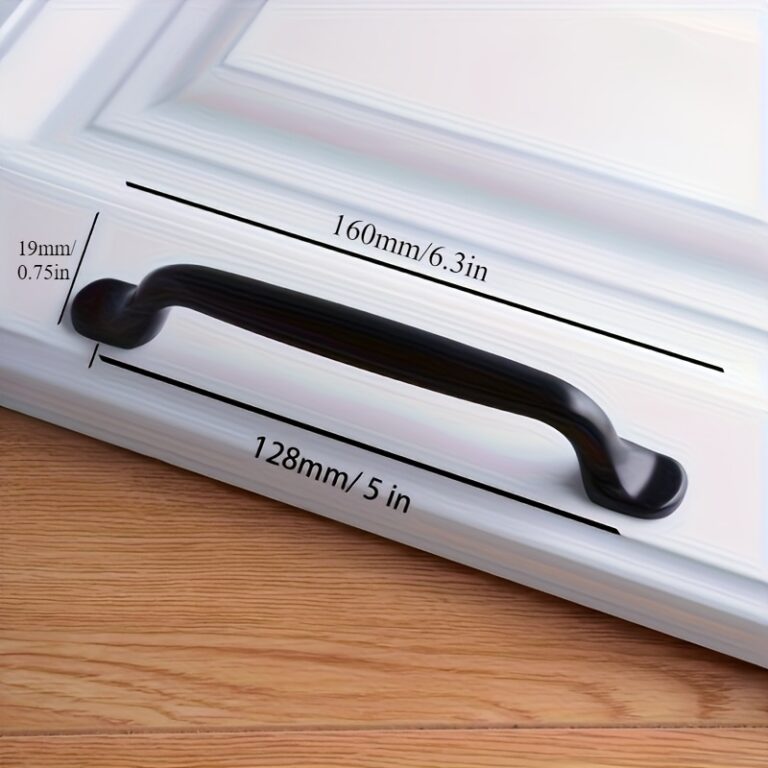
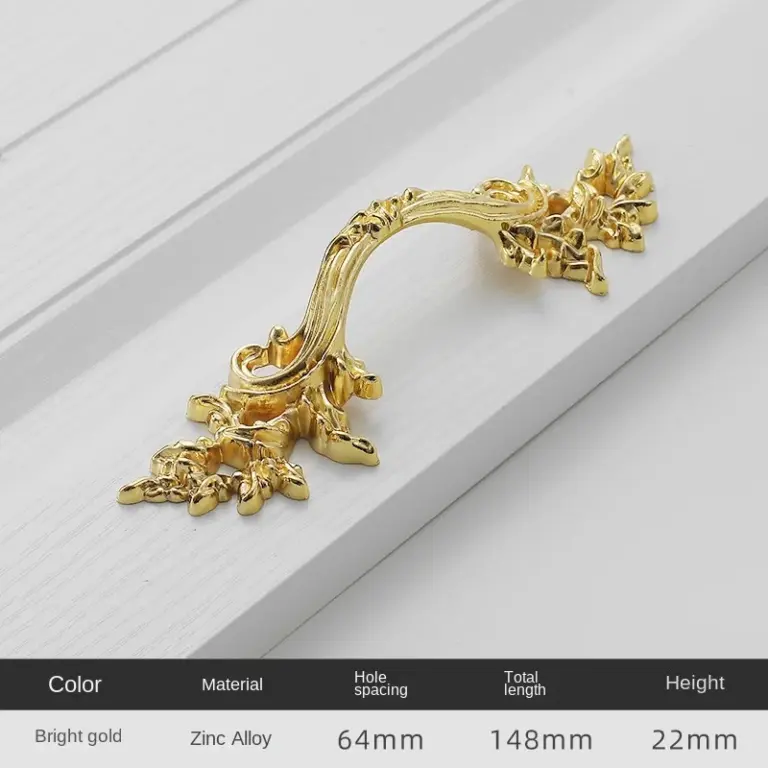 Aisha's pickVintage Cabinet Handles That Don’t Look Mass ProducedAlso worth a lookKitchen HandlesLate winter evenings are when kitchen handles really show themselves, when the overhead light is on by five…See the collections →
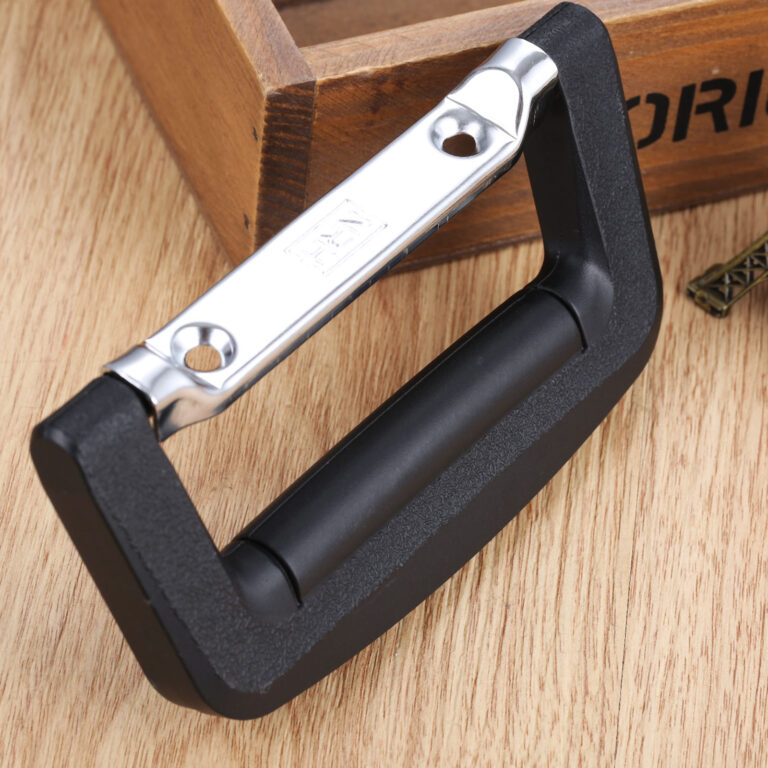
 Aisha's pickLarge Cabinet Handles for Doing Up a Room on a Budget