Late winter evenings are when kitchen handles really show themselves, when the overhead light is on by five and every hand that opens a drawer or pulls a door leaves a little mark that catches the light. A dull or sticky handle shows up fast under that kind of glare. A good one just disappears into the job of being useful, which is exactly what you want from something you touch forty times a day.
When you're holding one in a shop, or unwrapping it the day it turns up, check the weight in your hand and the finish along the edges, not just the front face. Cheap handles often look fine from a distance but have a seam or a rough patch where the casting was finished in a hurry, and that's the bit your thumb will find every single time you open the cupboard for the next ten years. Check the fixing holes line up with standard spacings if you're replacing rather than starting fresh, since a mismatch means filling and redrilling, which is a bigger job than the ten minutes you planned. Over months of real use, handles pick up the story of your kitchen, a slight polish where fingers grip most, a bit of dulling near the stove from steam and grease. Most finishes just want a wipe with a soft cloth and warm soapy water, nothing abrasive, and a quick dry so water doesn't sit in the screw holes and start any corrosion from the inside out where you won't see it coming. Brushed finishes hide wear better than anything mirror polished, which shows every fingerprint by Wednesday and makes you feel like you're running a hospital rather than a kitchen.
Handles suit almost any kitchen, but the right shape depends on how the room behaves. A slim bar handle reads calmer in a small galley kitchen where every surface is doing several jobs at once, while a chunkier knob can carry more weight visually in a bigger farmhouse style room with more wall and cabinet to fill. They're less forgiving in a kitchen already busy with pattern, tiled splashbacks, patterned floors, open shelving stacked with color, where an ornate handle just adds to the noise instead of settling it. Rental kitchens do well with handles that swap in cleanly without major redrilling, since you want the deposit back as much as the new look.
Get the shape and finish right and the whole kitchen reads calmer, even on a morning when nothing else about it is.
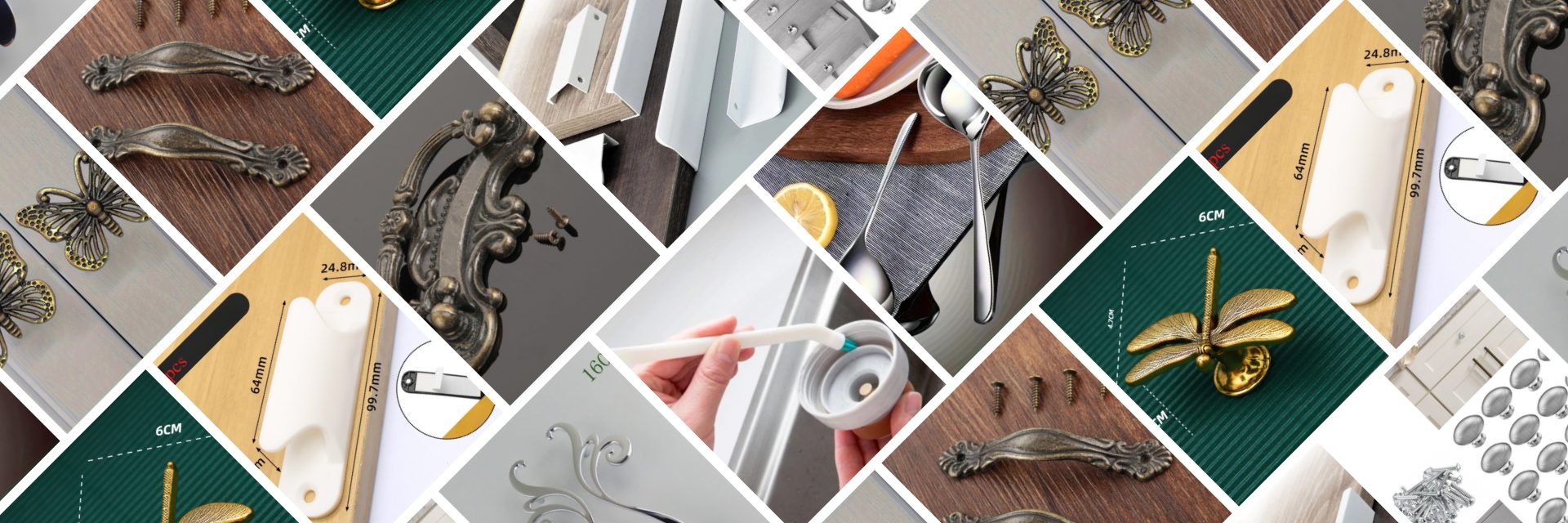
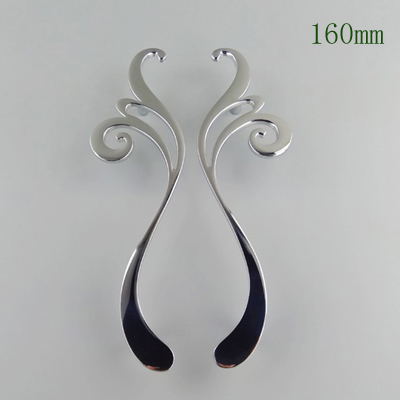
 Aisha's pickLong Kitchen Handles That Cope With Steam and Splashes
 Aisha's pickModern Kitchen Cabinet Handles That Make Rented Places Feel Like Home
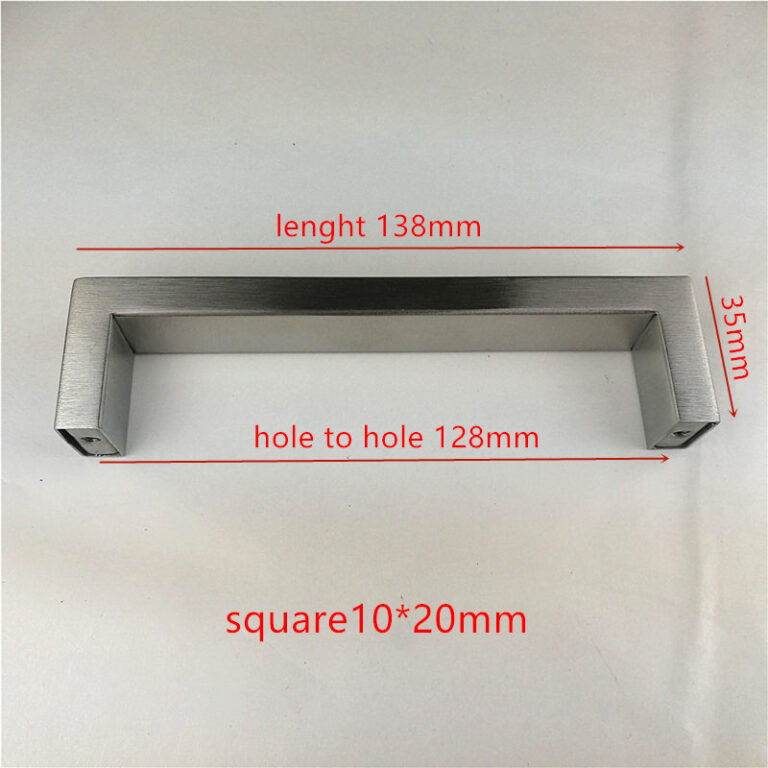
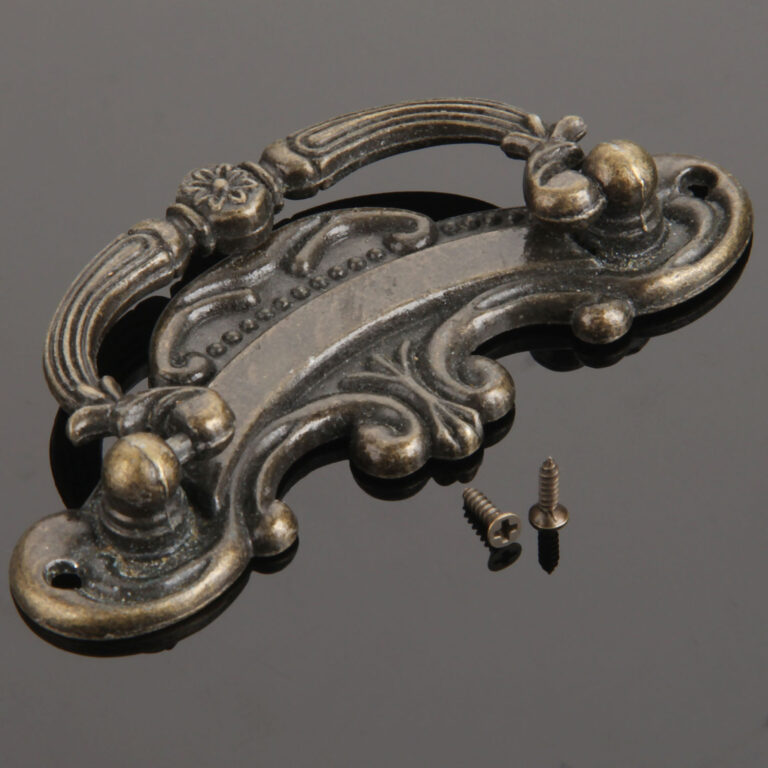 Aisha's pickModern Kitchen Cupboard Handles We’d Use on Our Next Project
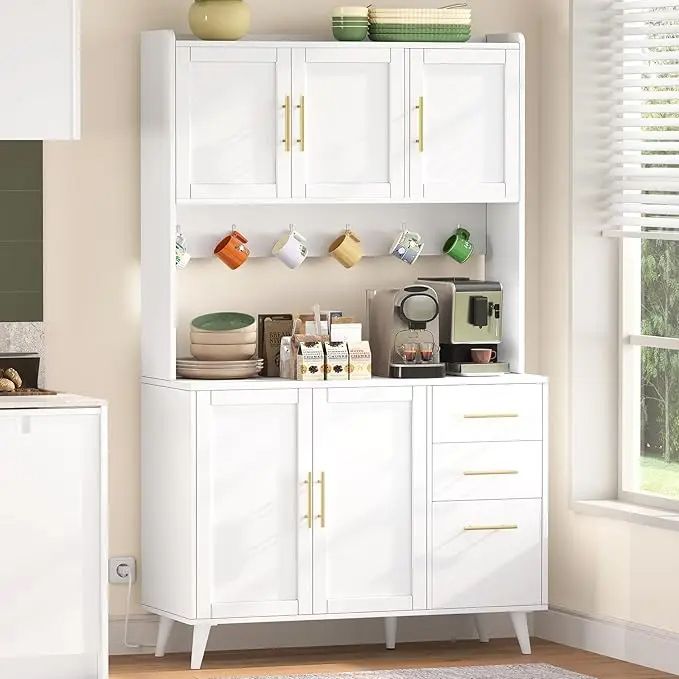
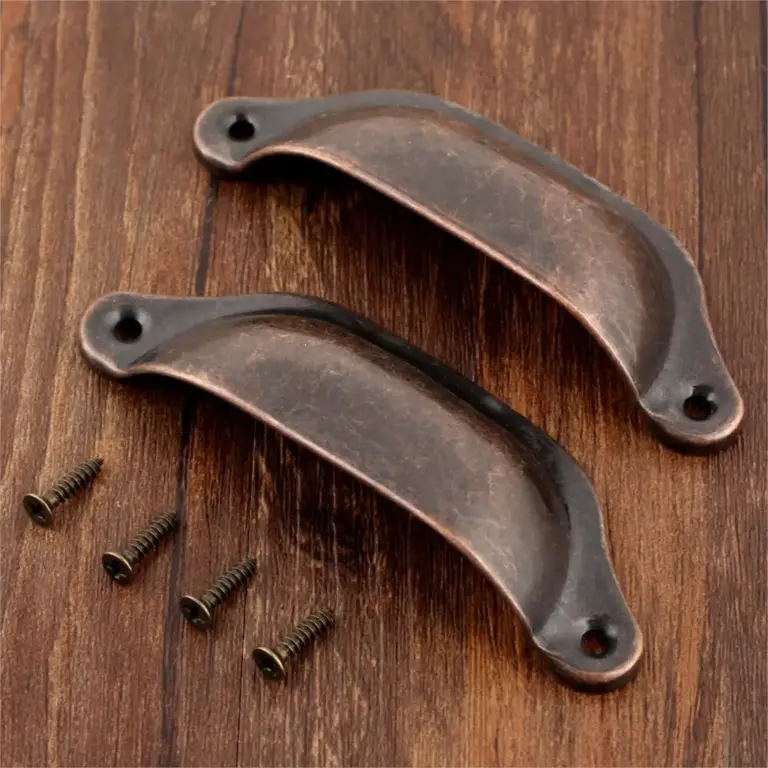 Aisha's pickModern Kitchen Handles That Are Easy to Fit
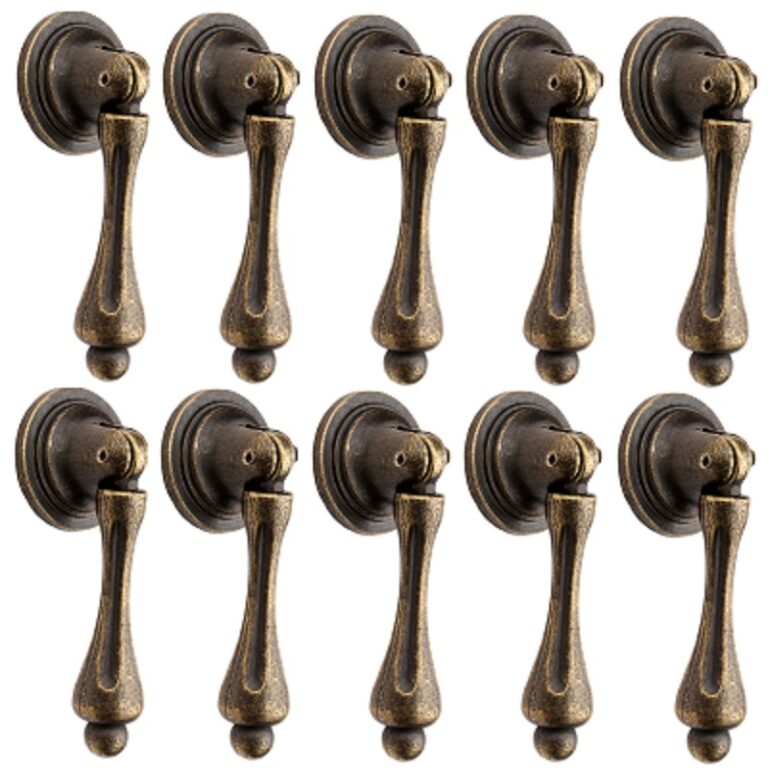
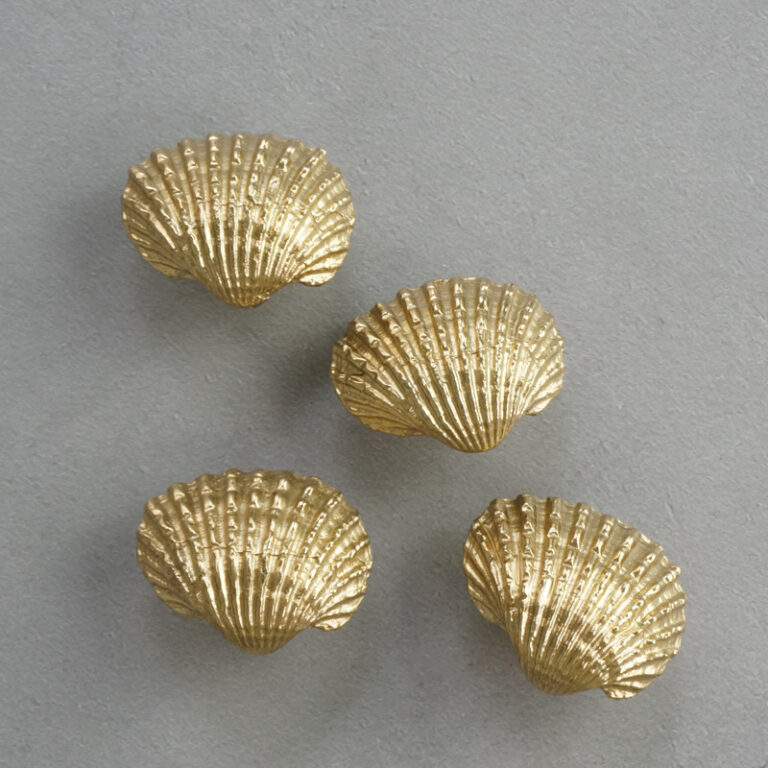 Aisha's pickModern Kitchen Knobs for People Who Know What They Like
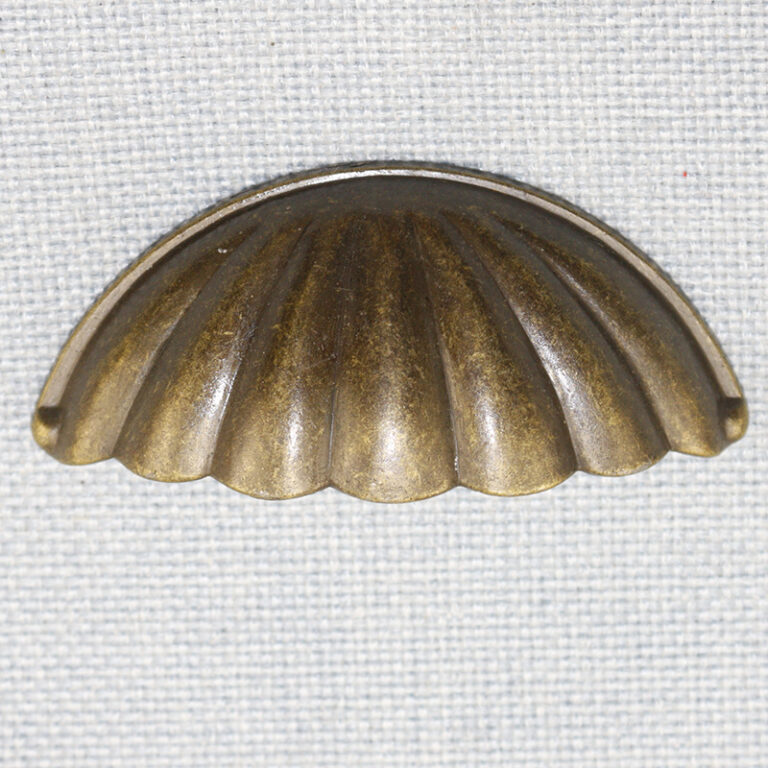
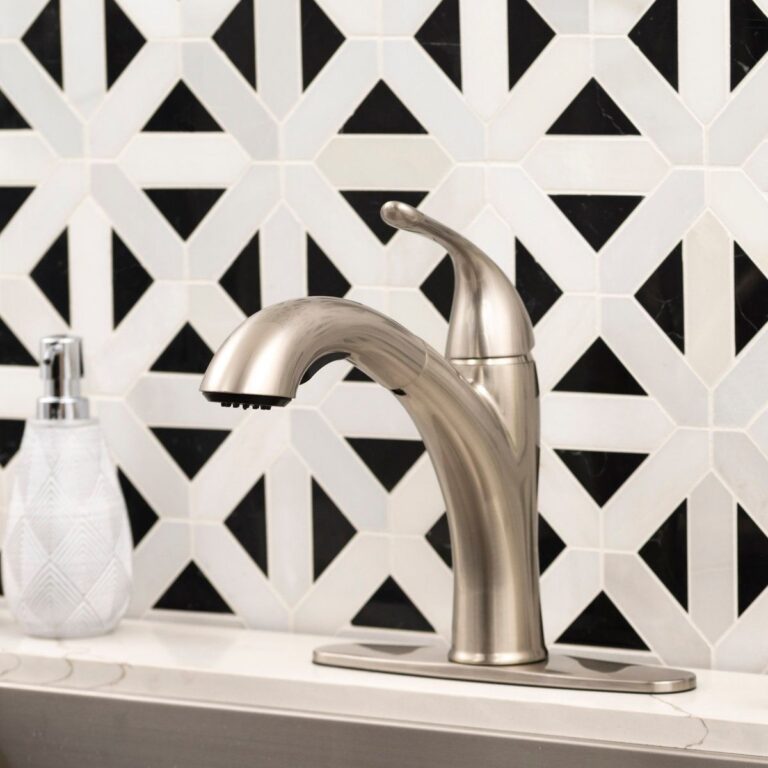 Aisha's pickBrushed Nickel Kitchen Handles That Finish a Job Off Right
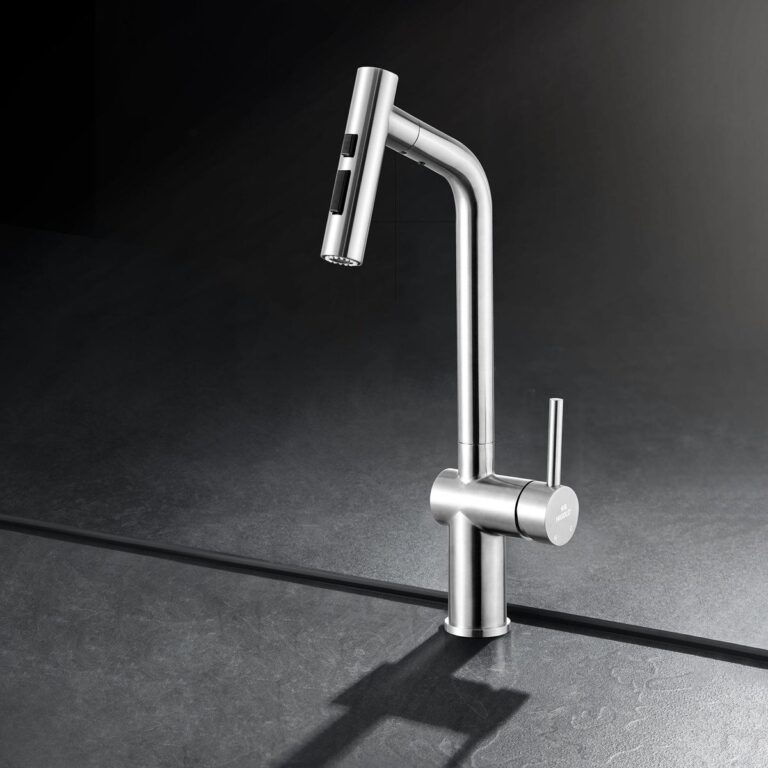
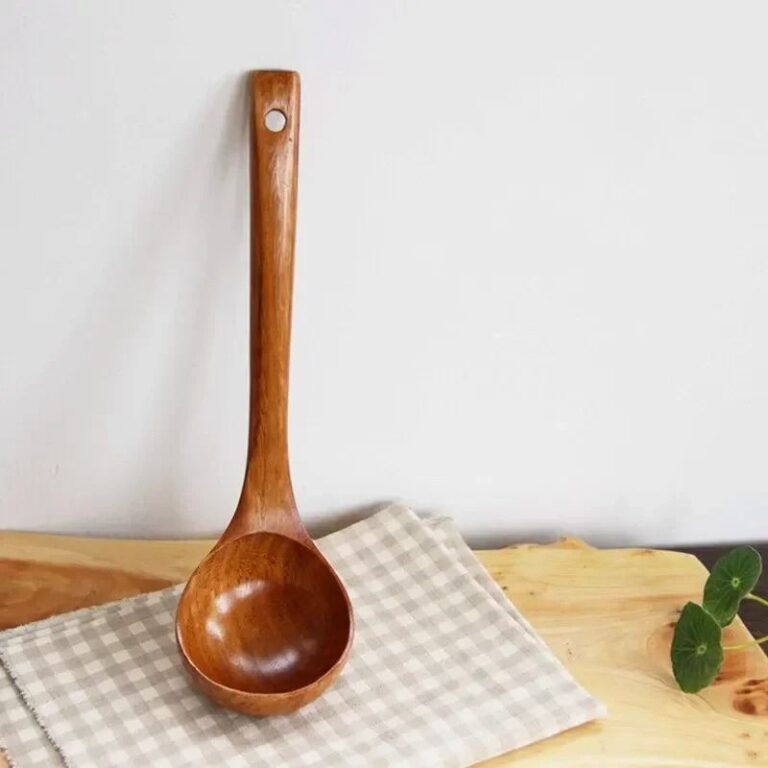 Aisha's pickRound Kitchen Handles for Weekend Projects
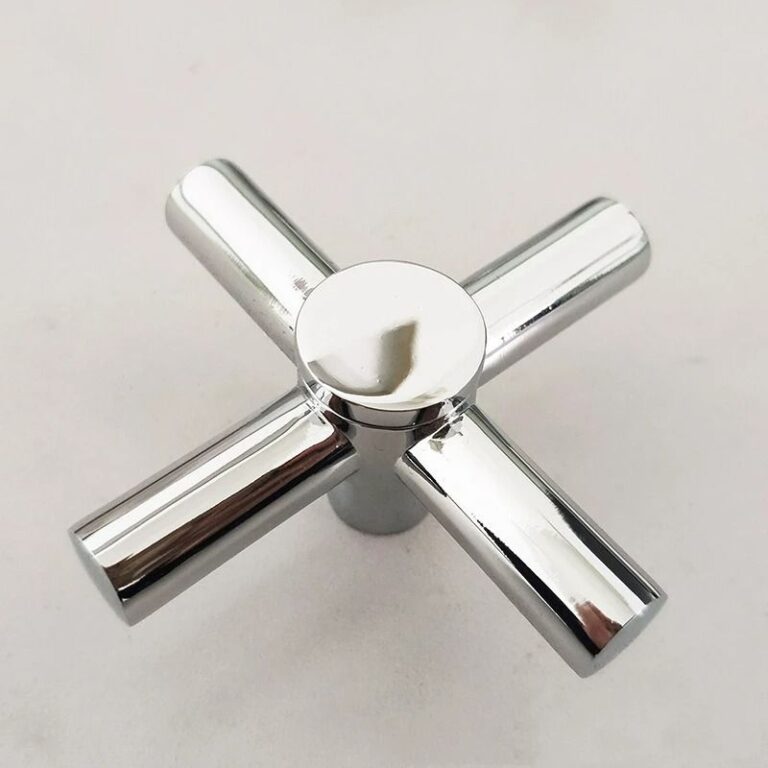
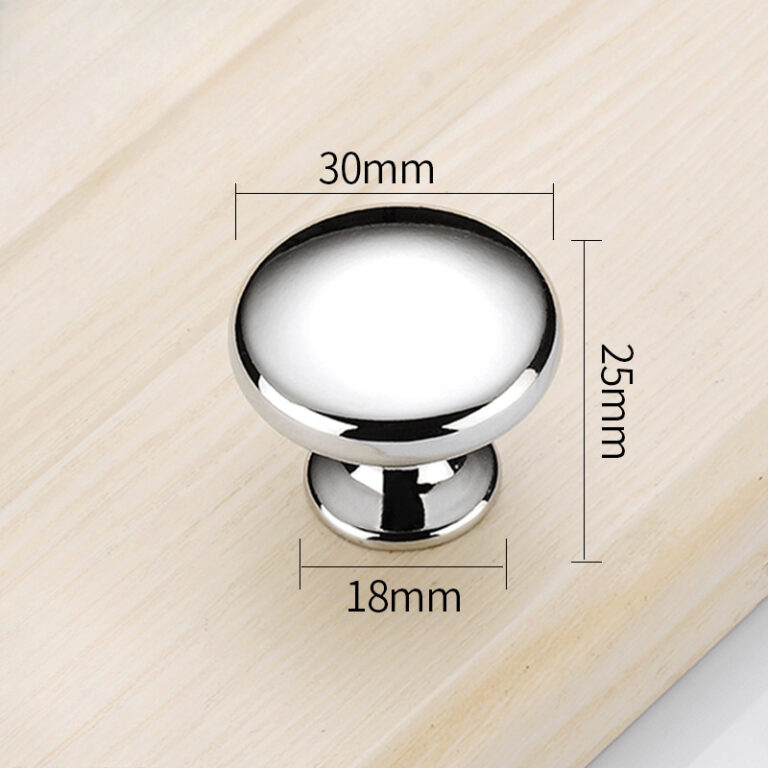 Aisha's pickChrome Kitchen Handles That Go With Most Rooms
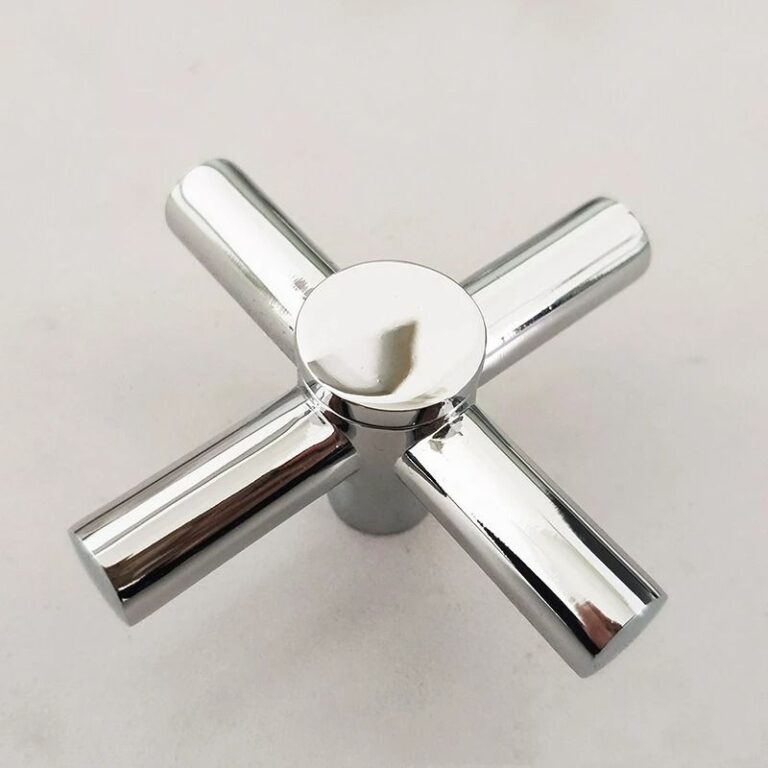
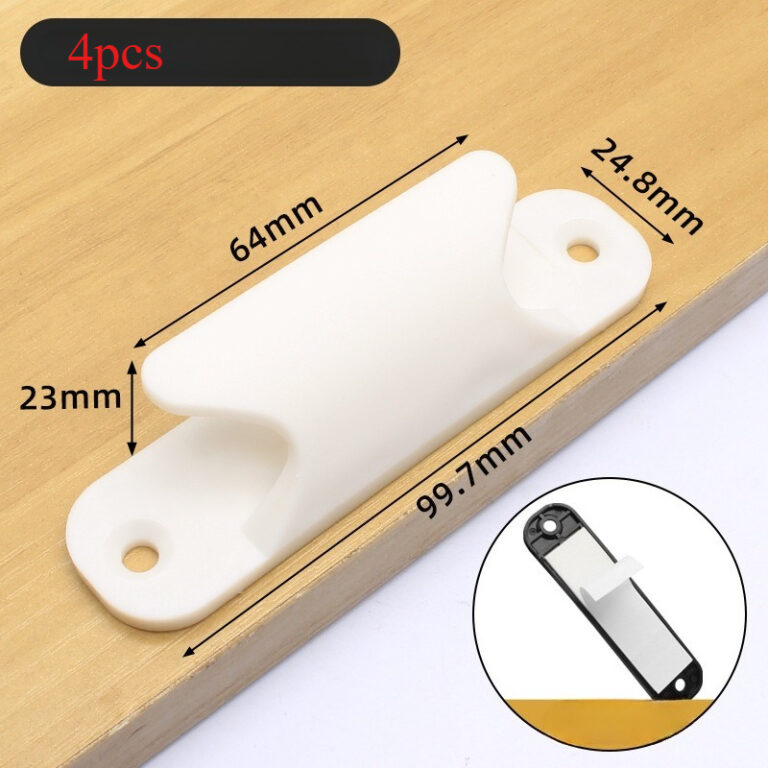 Aisha's pickSmall Kitchen Handles That Do the Job RightAlso worth a lookDrawer HandlesDrawer handles get treated like an afterthought, something you grab at the end of a kitchen project when…See the collections →
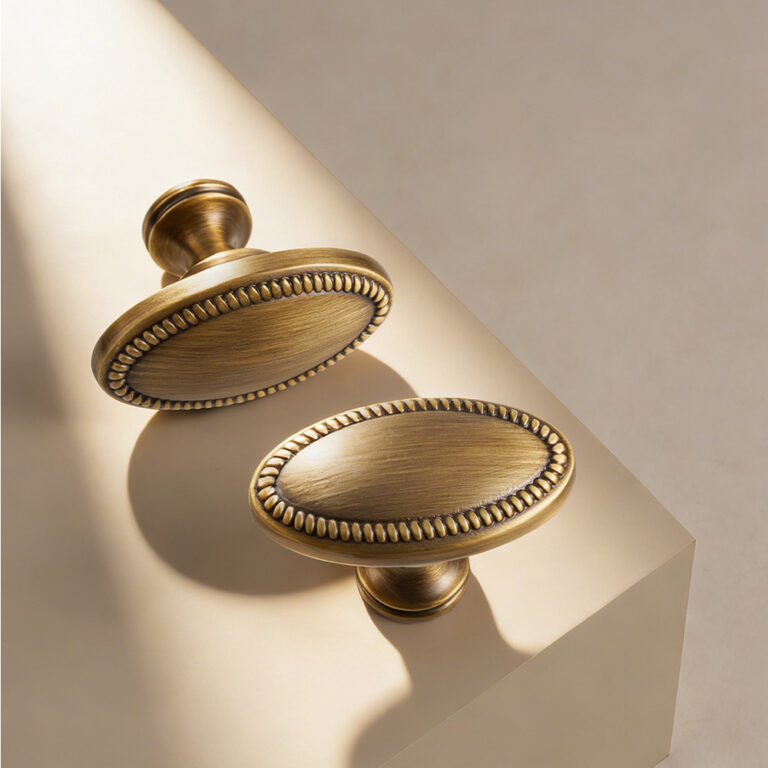
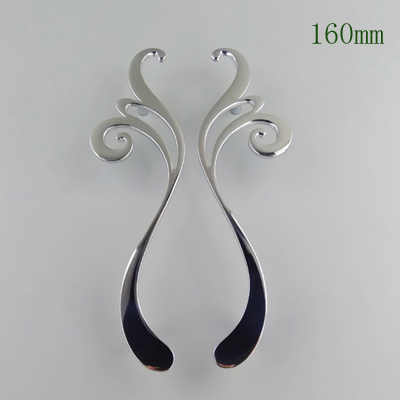 Aisha's pickChrome Kitchen Knobs With a Bit More About Them
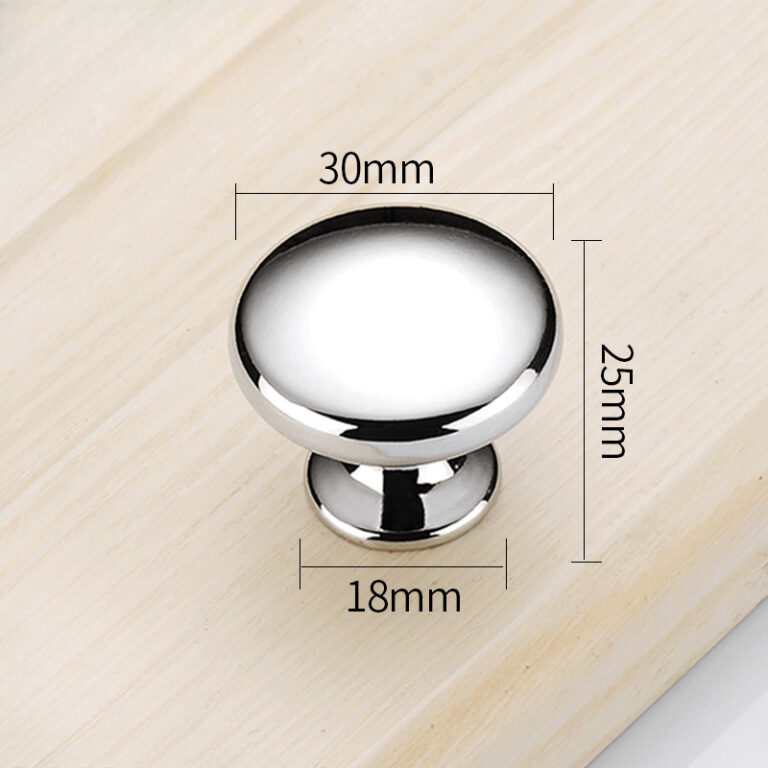
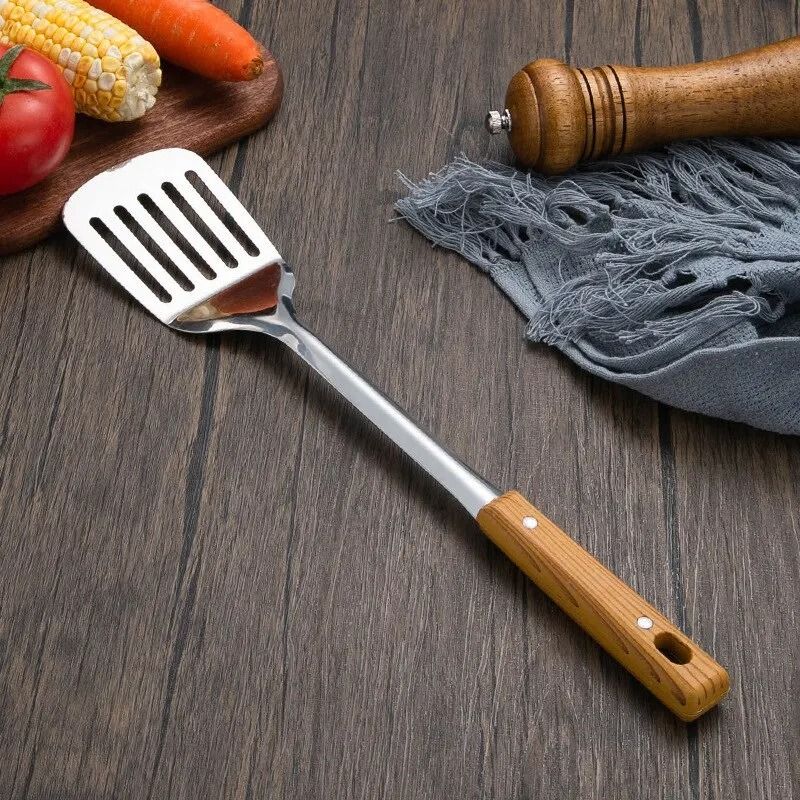 Aisha's pickSolid Kitchen Handles That Cope With Steam and Splashes
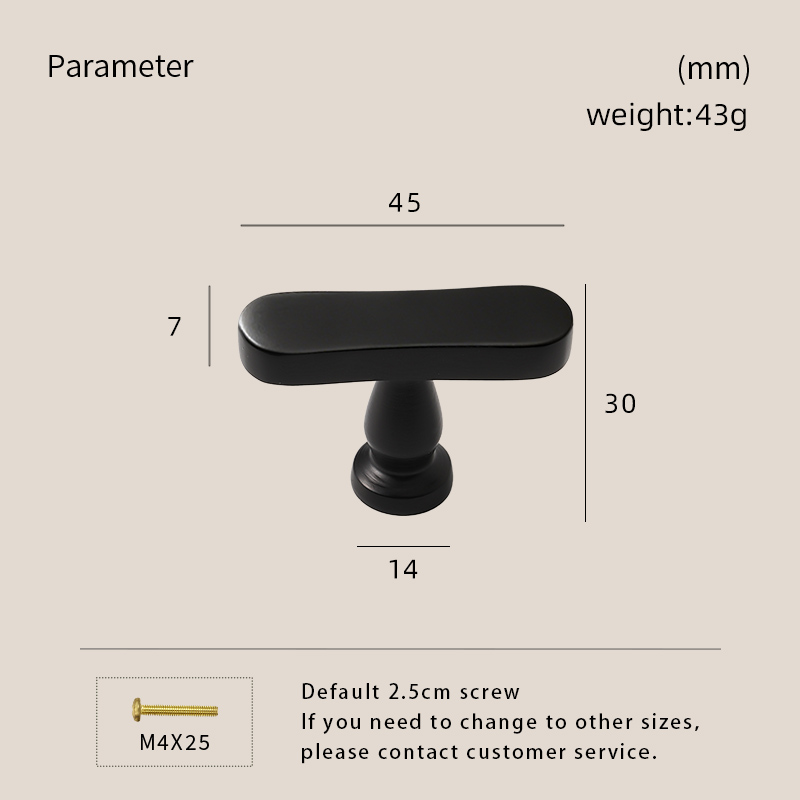
 Aisha's pickExtra Long Kitchen Handles That Cope With Steam and Splashes
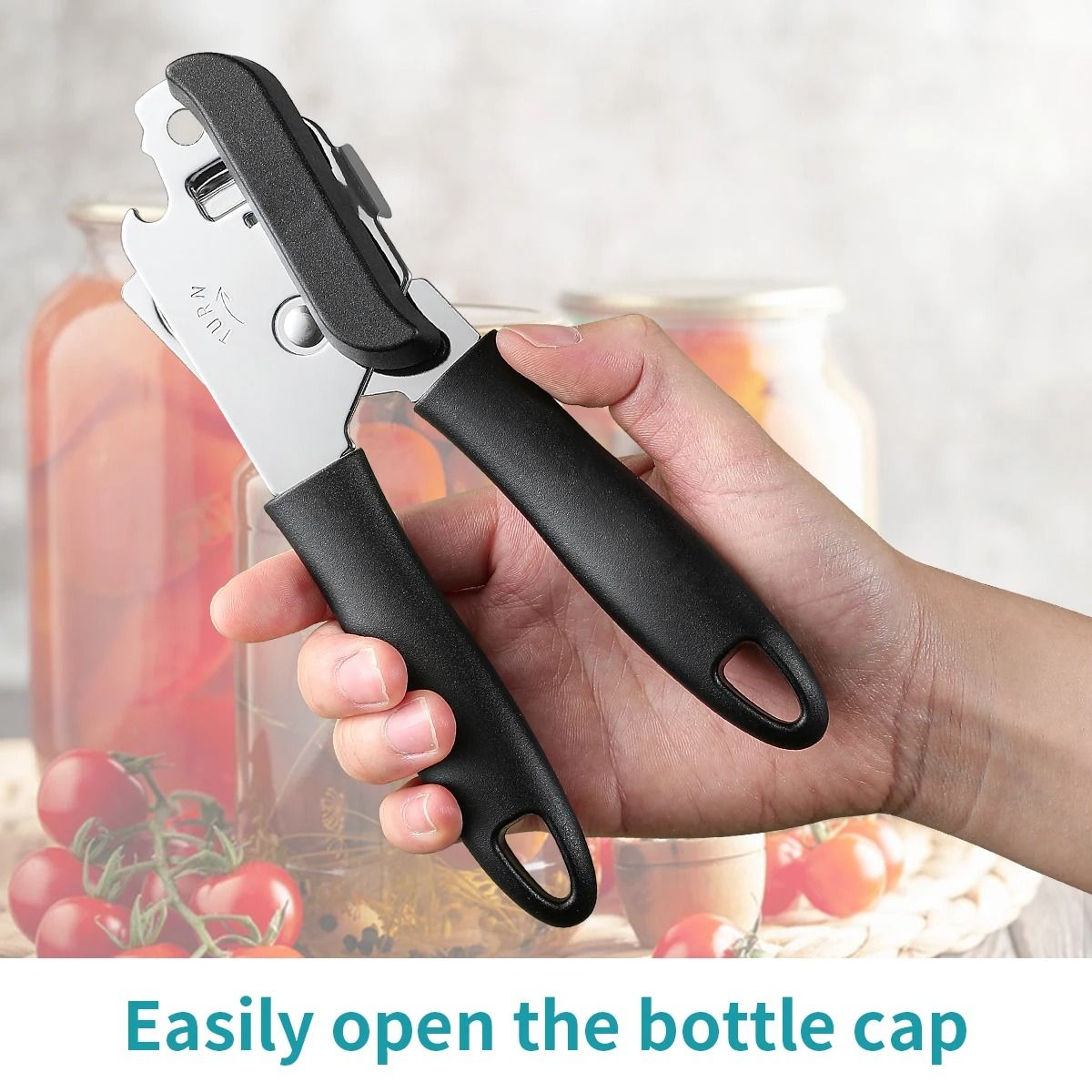
 Aisha's pickStainless Steel Kitchen Handles That Cope With Steam and Splashes
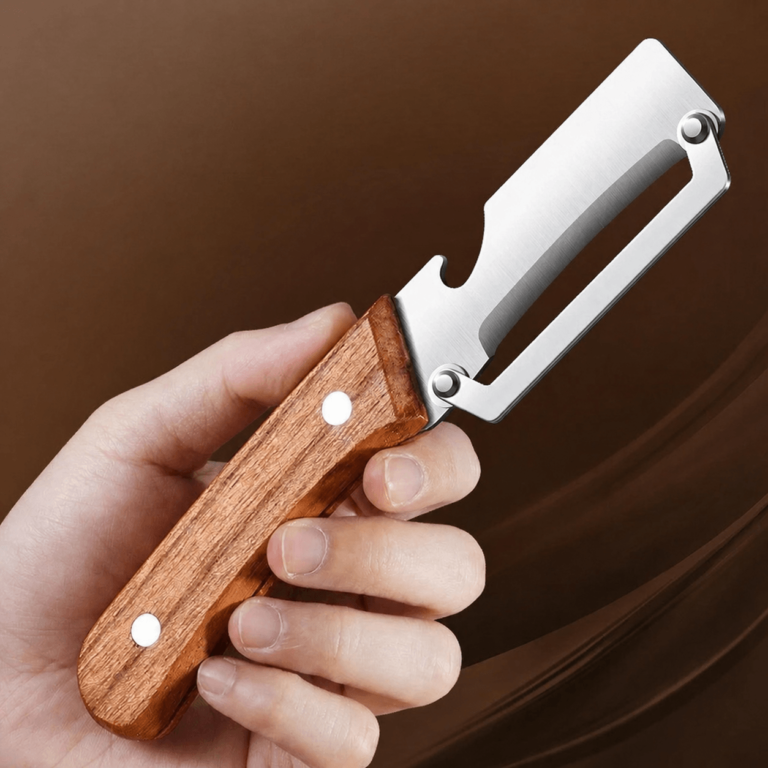
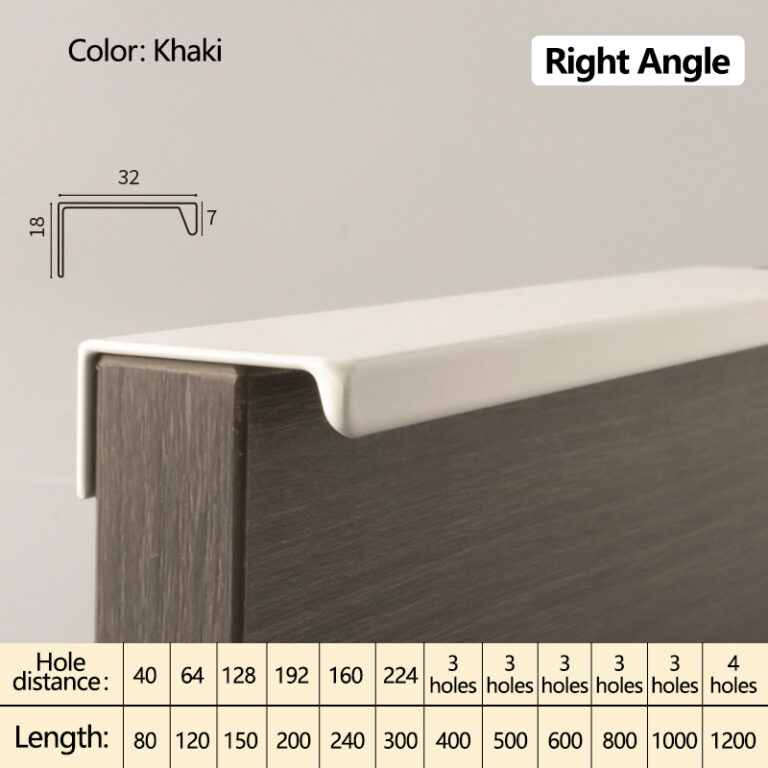 Aisha's pickKitchen Cabinet Handles That Cope With Steam and Splashes
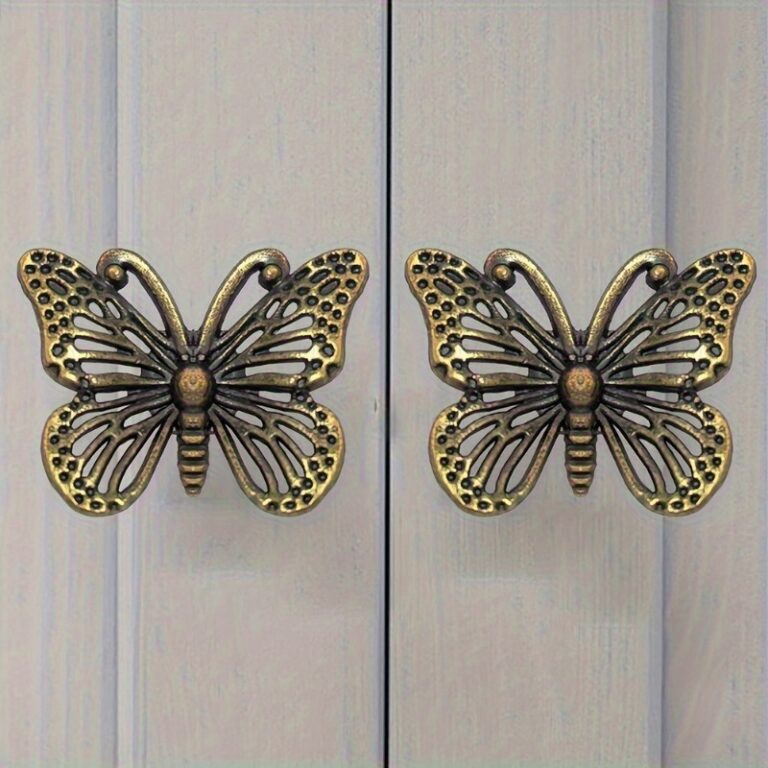
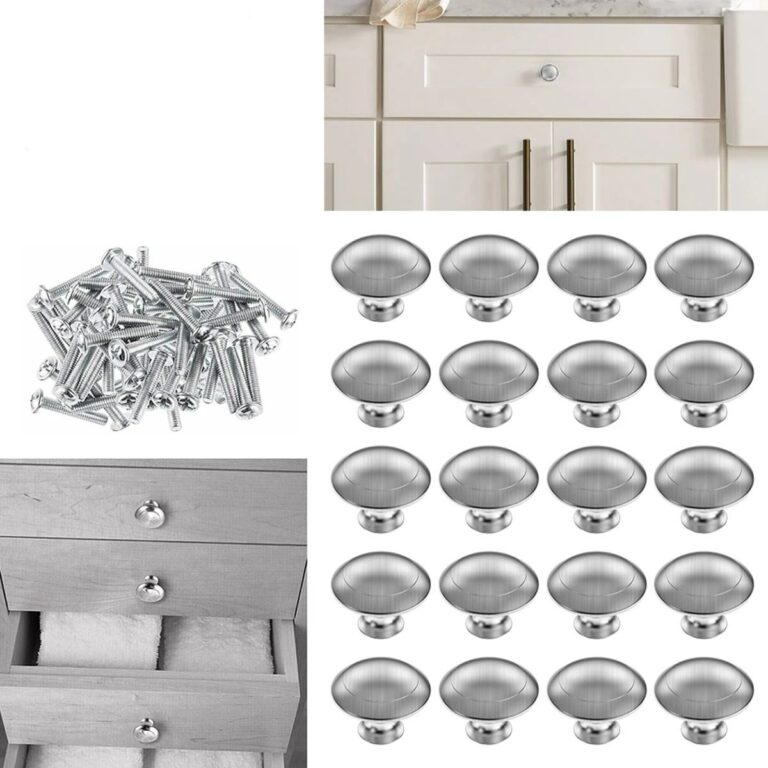 Aisha's pickStainless Steel Kitchen Knobs We’d Use on Our Next Project
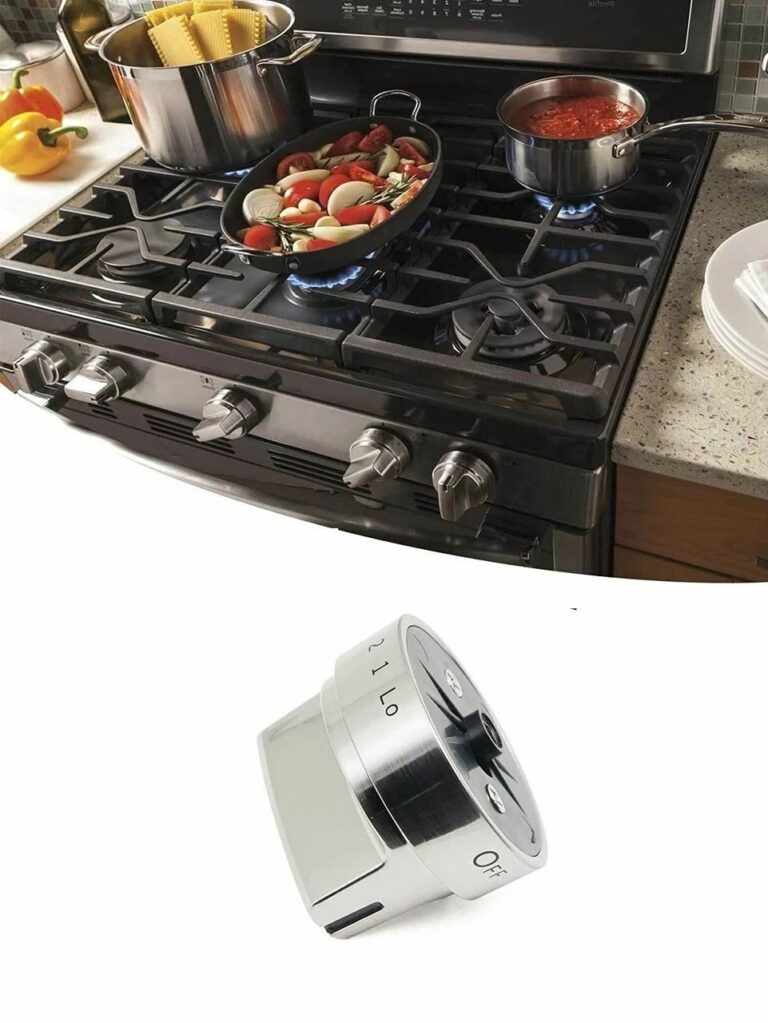
 Aisha's pickKitchen Cabinet Pulls for a Quick Refresh

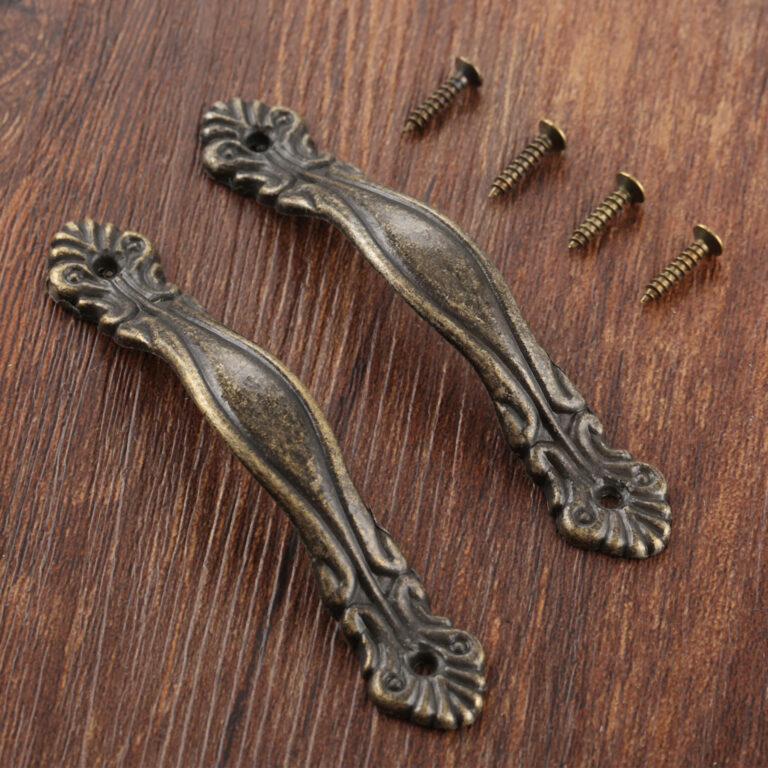
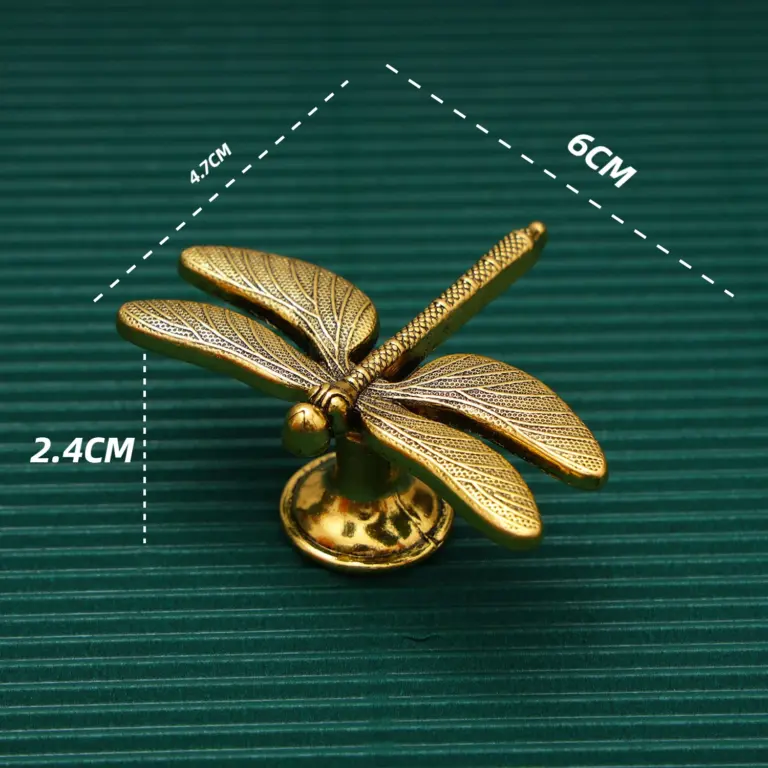 Aisha's pickVintage Kitchen Handles That Cope With Steam and Splashes
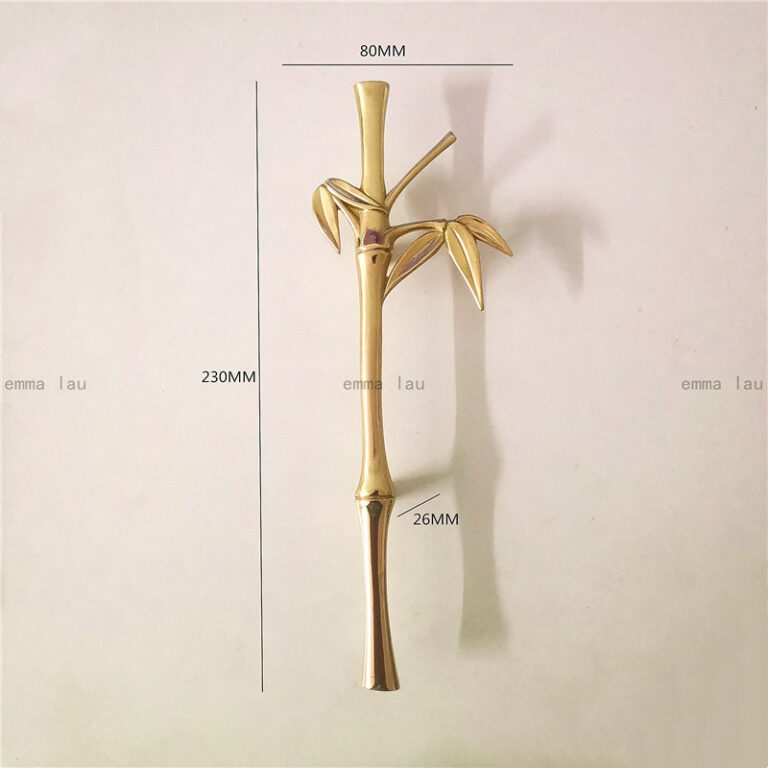
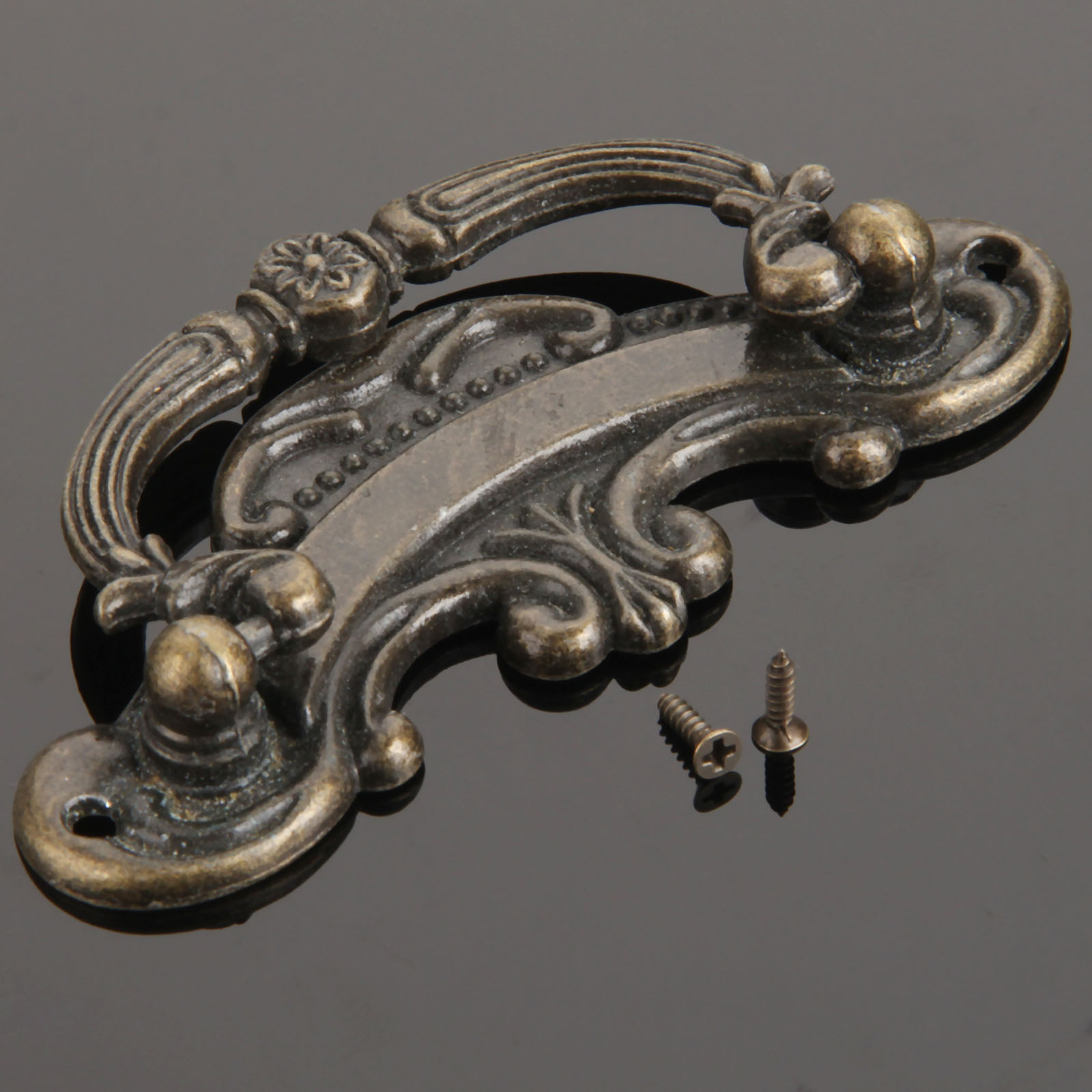 Aisha's pickKitchen Cupboard Handles Hunted Down So You Don’t Have ToAlso worth a lookPullsStand in a kitchen from the doorway and the pulls are the first thing that tells you whether someone cared.See the collections →

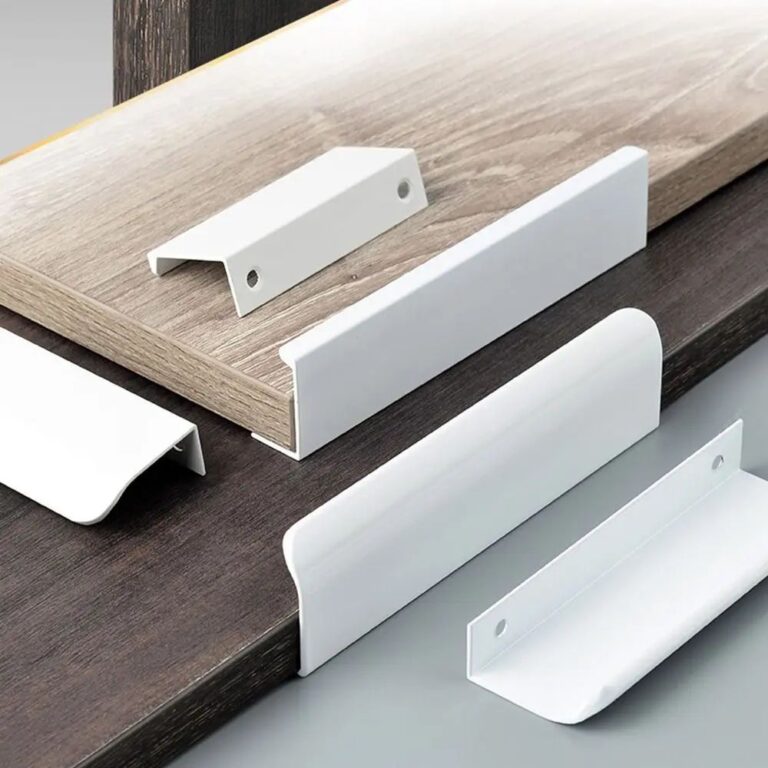 Aisha's pickWhite Kitchen Cabinet Handles You’ll Still Like in Five Years
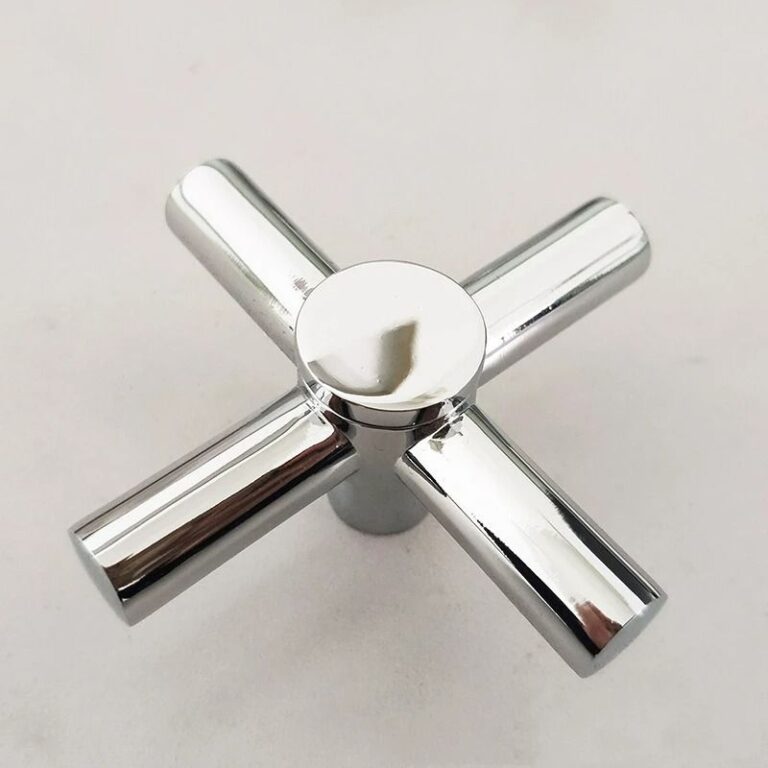 Aisha's pickKitchen Handles at Every Price Point