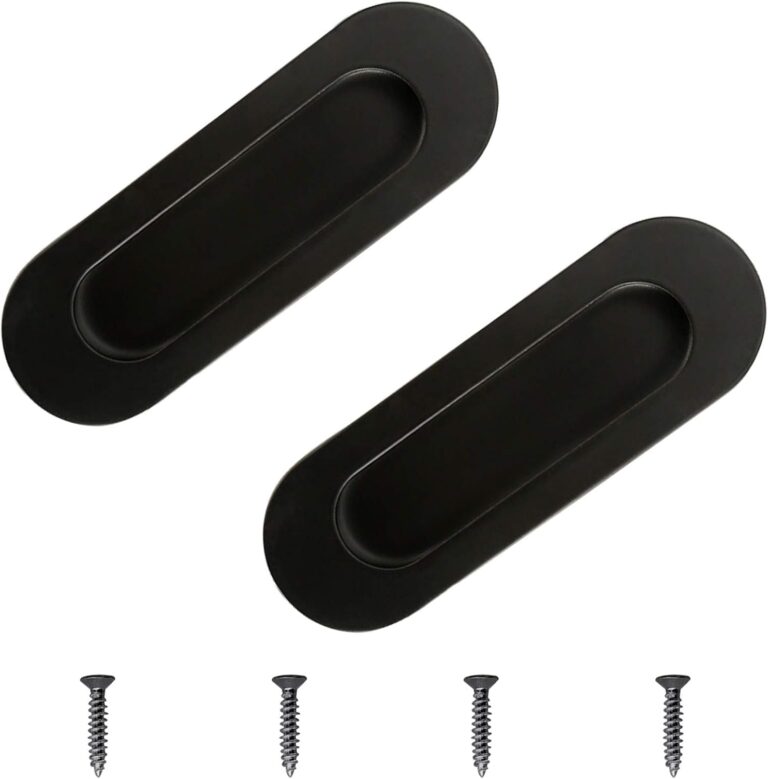
The first thing I do with a handle or knob is turn it over and check the back, because that's where the cheap ones give themselves away. A thin shell of metal with a hollow ring to it, a screw post that wobbles before you've even mounted it. Pick it up and it should feel like it has some weight behind it, not like it came out of a cereal box.
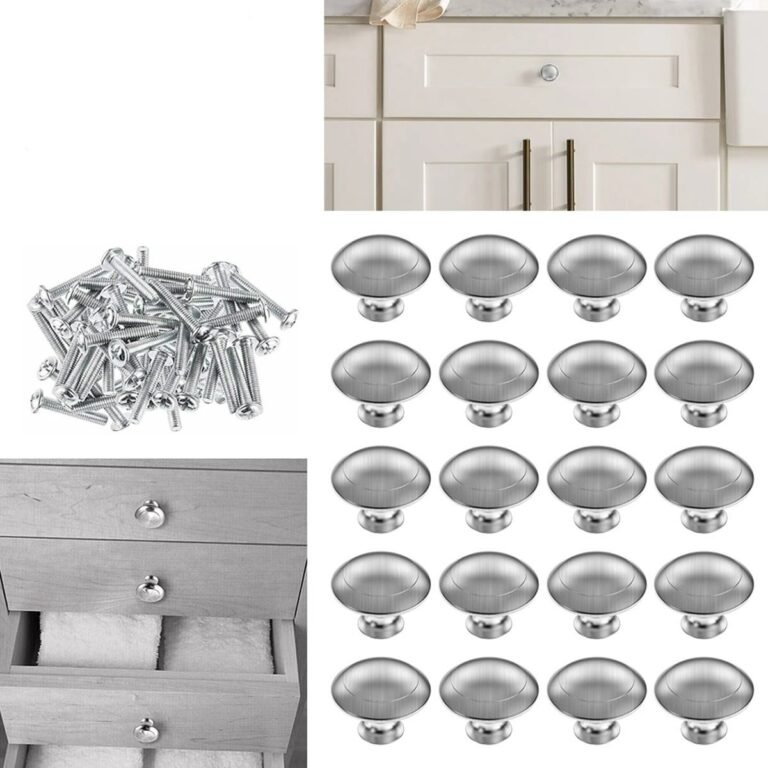
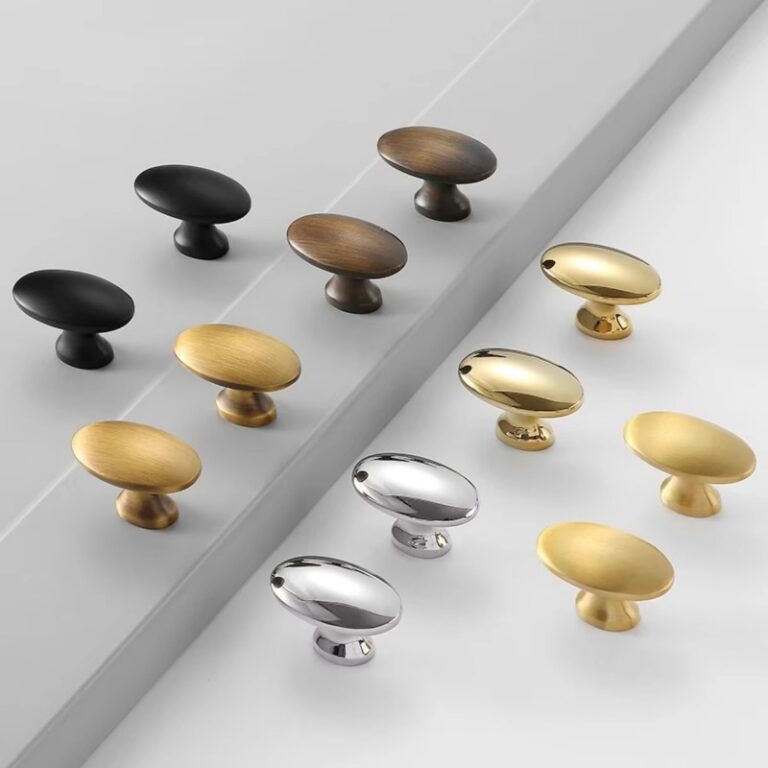
On color and finish, I've learned to trust the ones that don't try too hard. Warm brass, matte black, plain brushed nickel, aged bronze, these all age well and sit quietly against most cabinet colors without fighting the room. Bright polished chrome looks sharp on day one and shows every fingerprint and water spot by week two, which matters a lot more on a kitchen cabinet near the sink than on a bedroom dresser nobody touches with wet hands. I went through a phase with a set of shiny gold knobs that looked great in the store lighting and then looked like a cruise ship lobby under my actual kitchen bulbs, so take a sample home before committing to a whole run of them. Where they clash is usually obvious once you see it: ornate, fussy pulls on flat modern slab cabinets look bolted on and wrong, and sleek bar handles on an older, detailed farmhouse style piece can look like they wandered in from a different house entirely. Mixed metals can work, but mixed metals that weren't chosen on purpose just look like you ran out of the first box halfway through, which, to be fair, is usually exactly what happened.
Sizing is where most of the damage gets done, long before anyone notices the finish. Measure the existing hole spacing on your drawers and cabinets before you buy anything, center to center, and write it down somewhere you won't lose it, because buying a gorgeous pull with the wrong hole spacing means either new holes, filled old holes, or a very awkward compromise you'll see every single day. For drawers, a pull roughly a third of the drawer's width looks balanced, shorter and it reads stingy, longer and it looks like it's trying to be a handrail. Knobs on tall cabinet doors want to sit at a comfortable hand height, not jammed in the corner because that's where the template said to drill. Over a year of actual use, the finishes above the sink test themselves. Food on fingers, dish soap, kids who treat drawer pulls like monkey bars. The decent ones wipe clean and barely age. The bad ones go dull and sticky looking within a season, no matter how good they looked under the store lights.
So before I buy, I ask myself: will this still look right in five years when the finish has had real life done to it, not just a photo taken of it?
 Aisha's pick4 Inch Cabinet Handles From Stores Big and Small
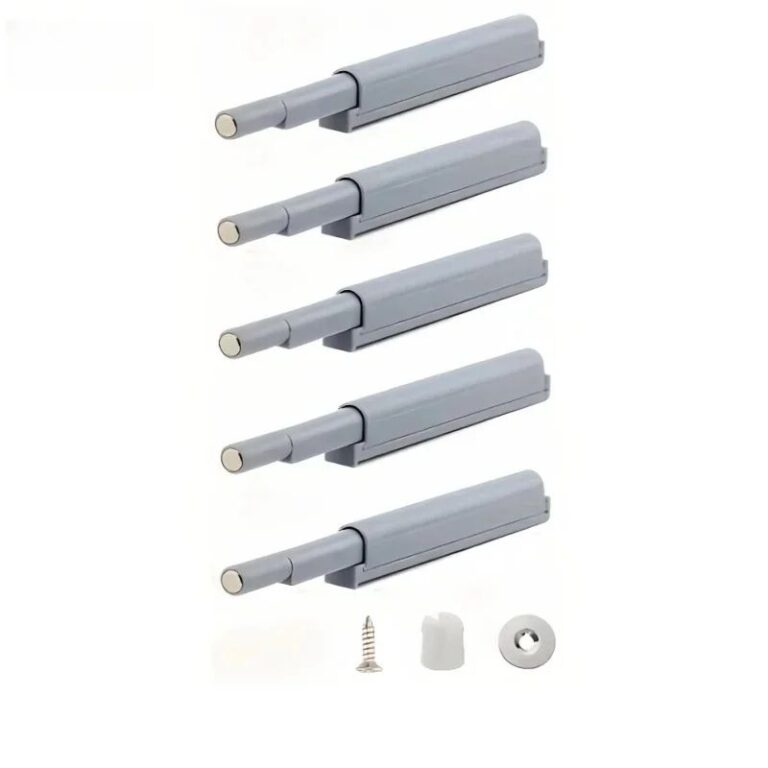 Aisha's pickLuxury Cabinet Hardware Worth Your Money

 Aisha's pickBrass Drawer Pulls for a Quick Refresh
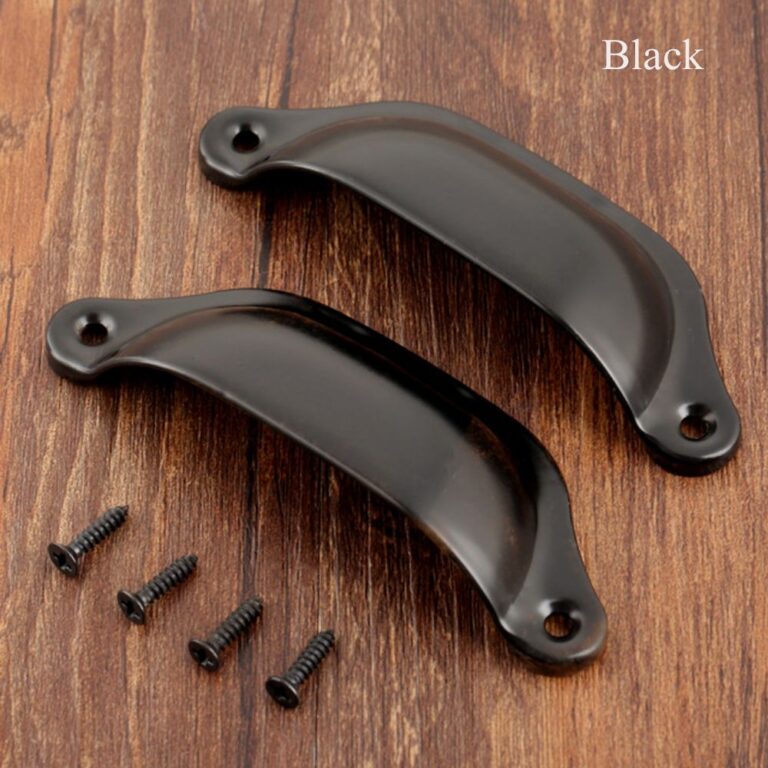
 Aisha's pickLong Drawer Handles That Don’t Look Mass Produced
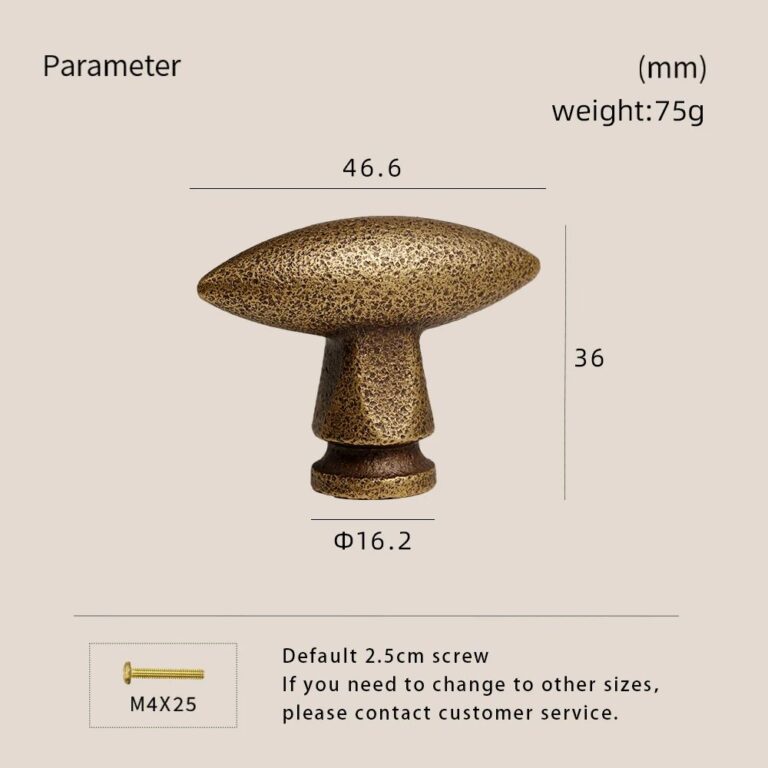 Aisha's pickVintage Drawer Handles for Weekend Projects
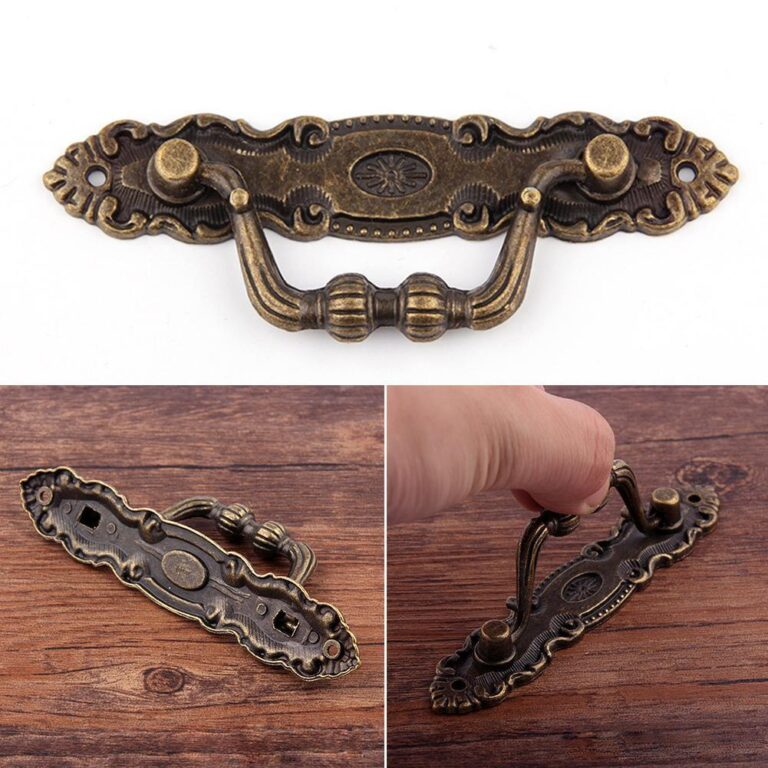
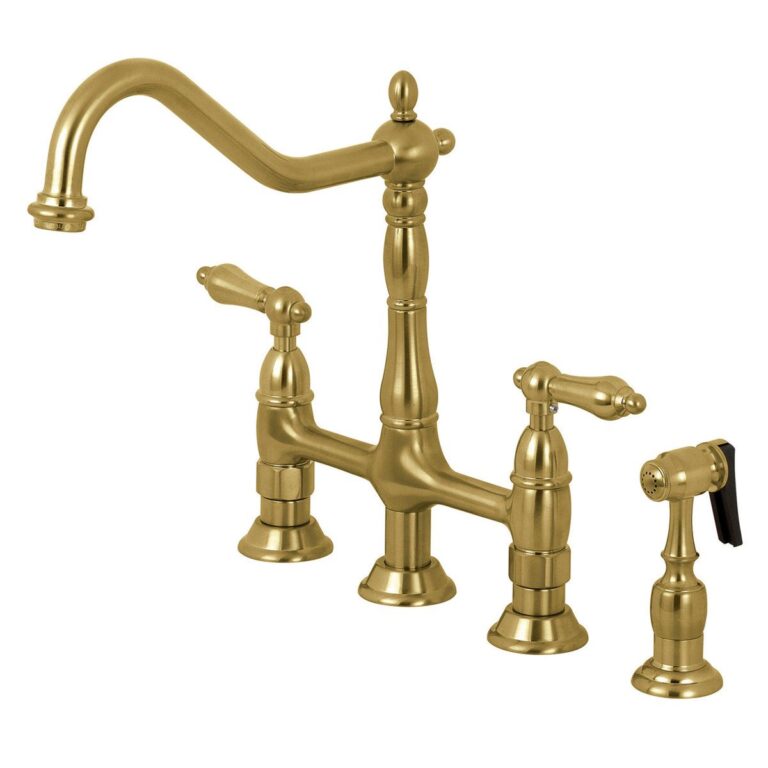 Aisha's pickLarge D Handles Worth Knowing About
 Aisha's pickTraditional Cup Handles That Finish a Job Off Right

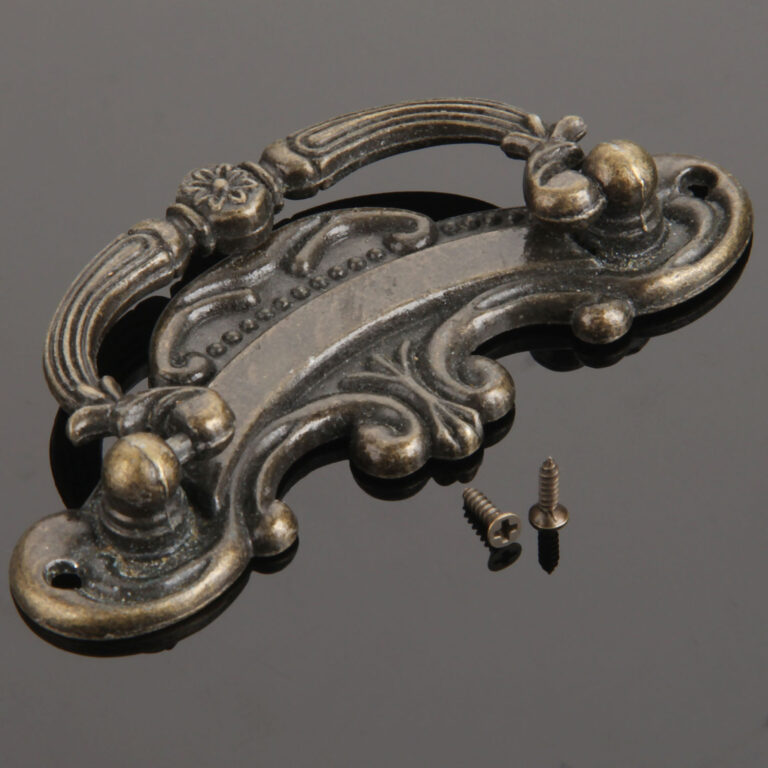 Aisha's pickModern Kitchen Cupboard Handles We’d Use on Our Next Project
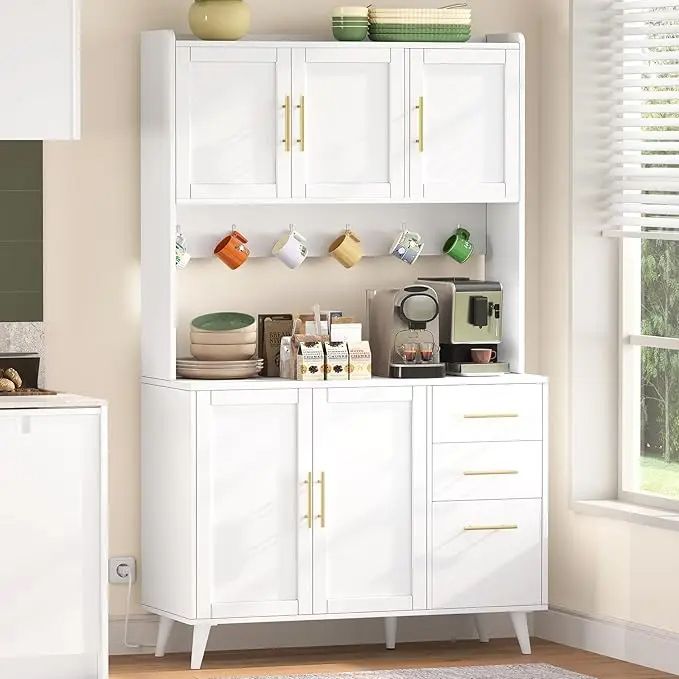
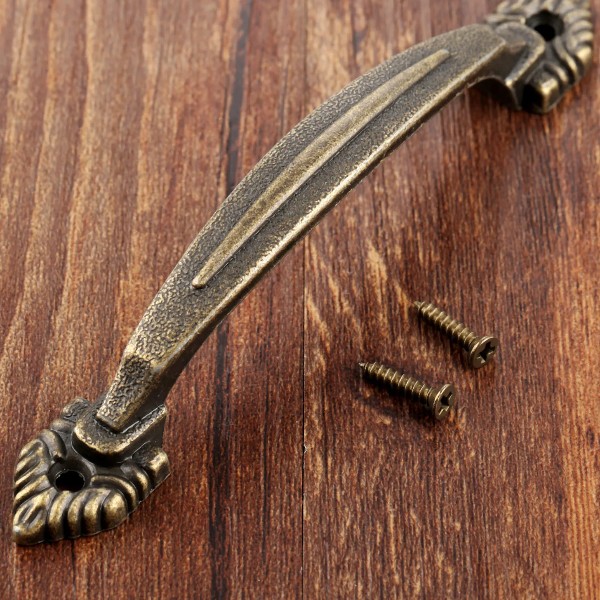 Aisha's pickCup Pulls Worth Knowing AboutAlso worth a lookDrawer HandlesDrawer handles get treated like an afterthought, something you grab at the end of a kitchen project when…See the collections →
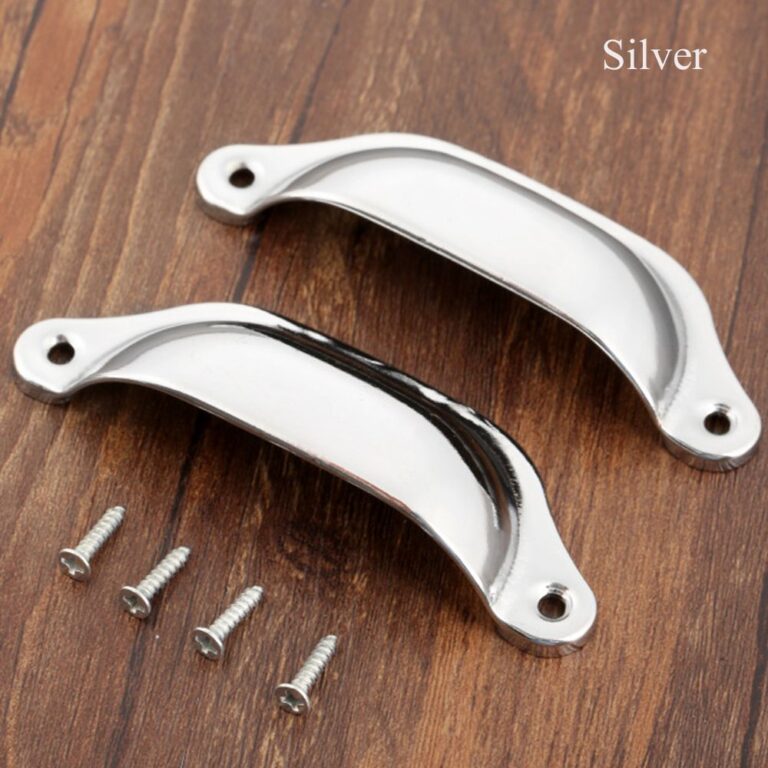
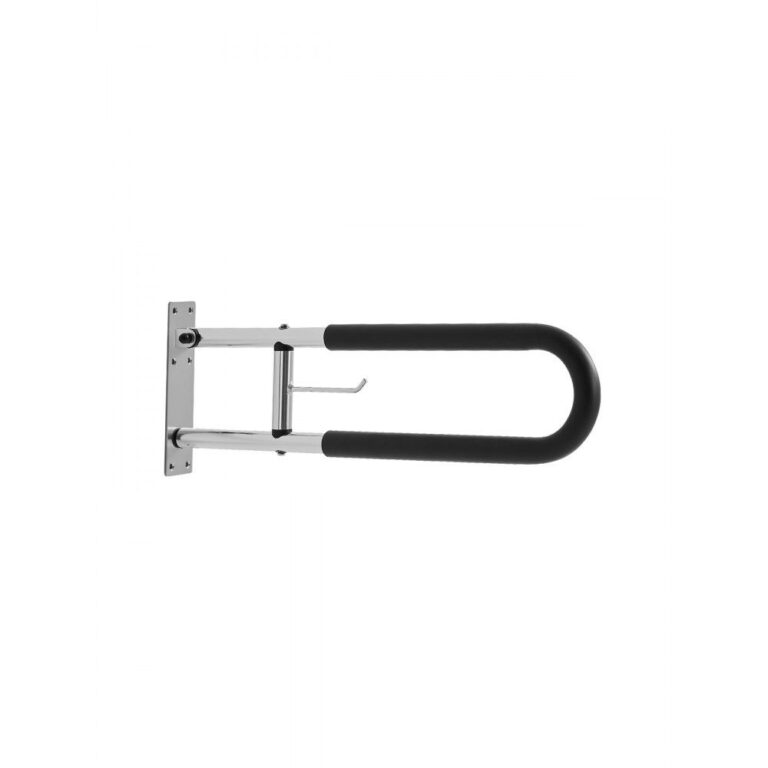 Aisha's pick3 Inch Bar Handles That Are Easy to Fit
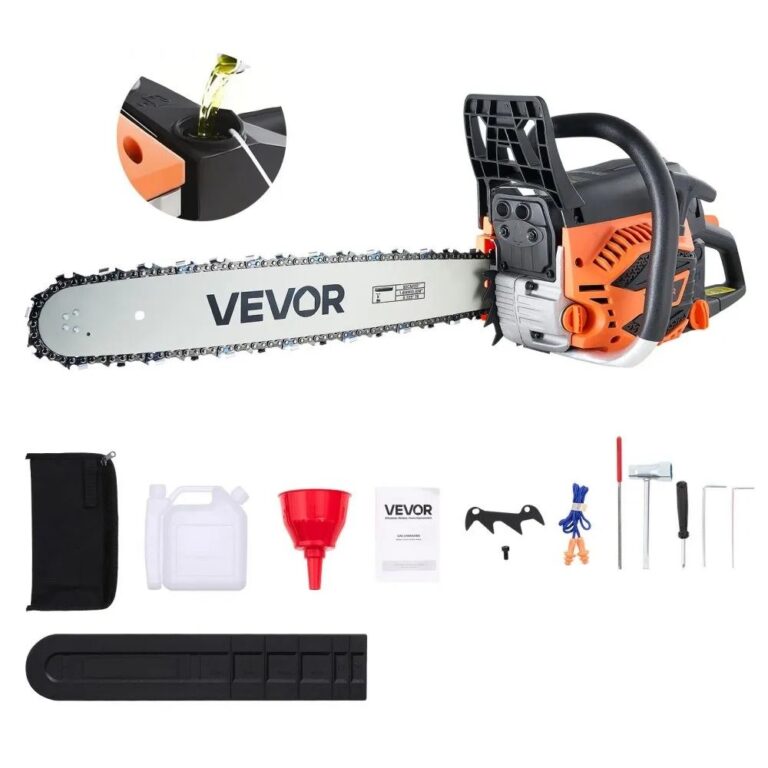
 Aisha's pickCabinet Handles That Look Good Up Close

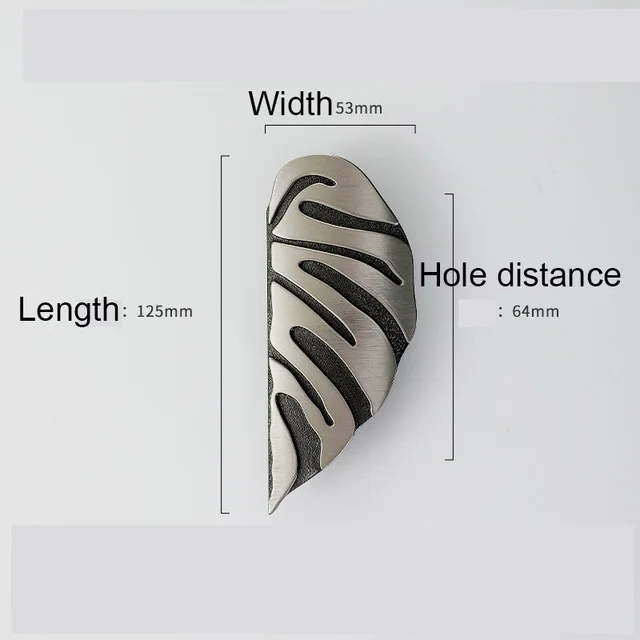 Aisha's pickModern Cabinet Handles for a Quick Refresh

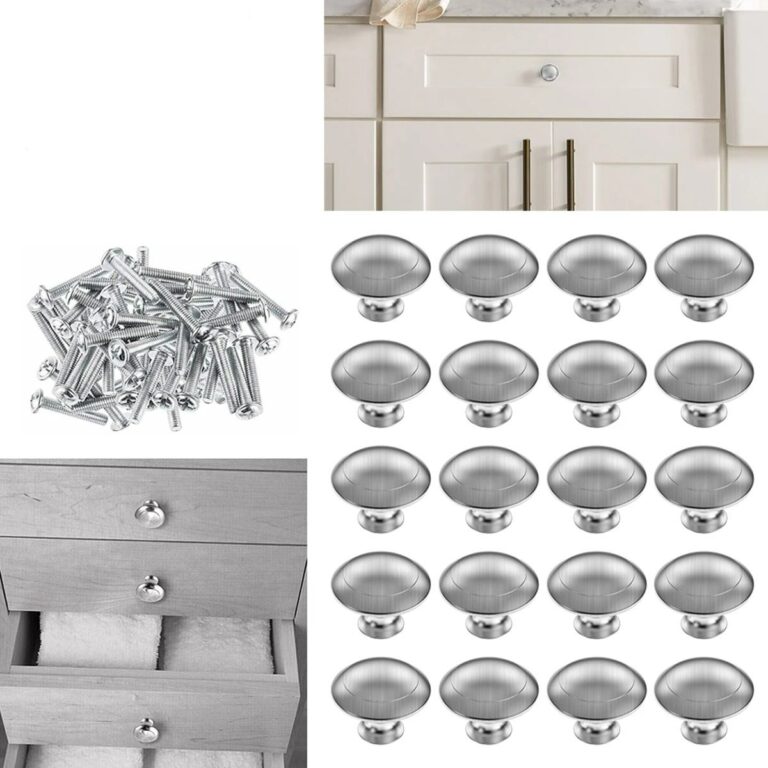 Aisha's pickBrushed Steel Drawer Pulls Pulled From Dozens of Stores
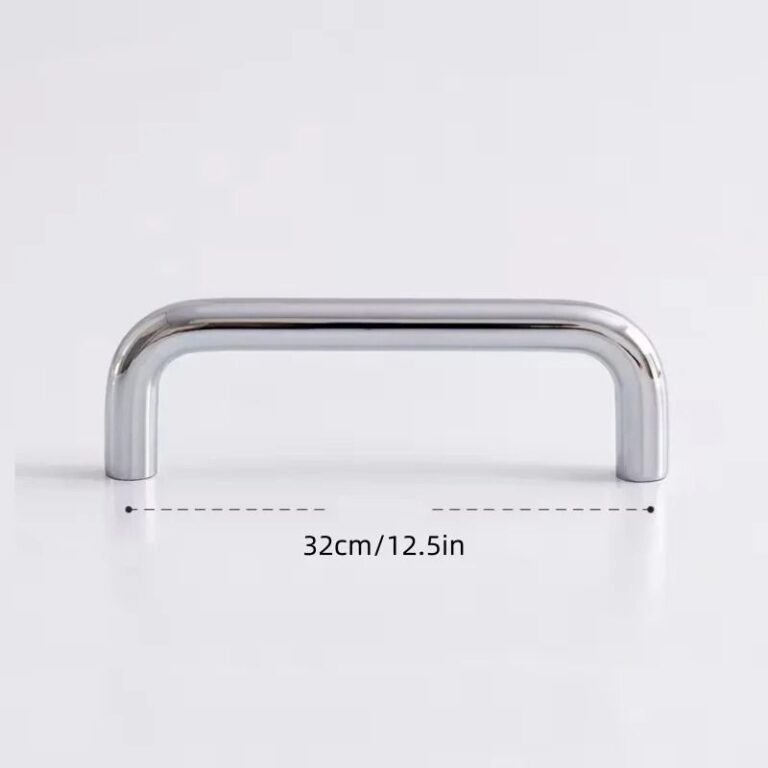
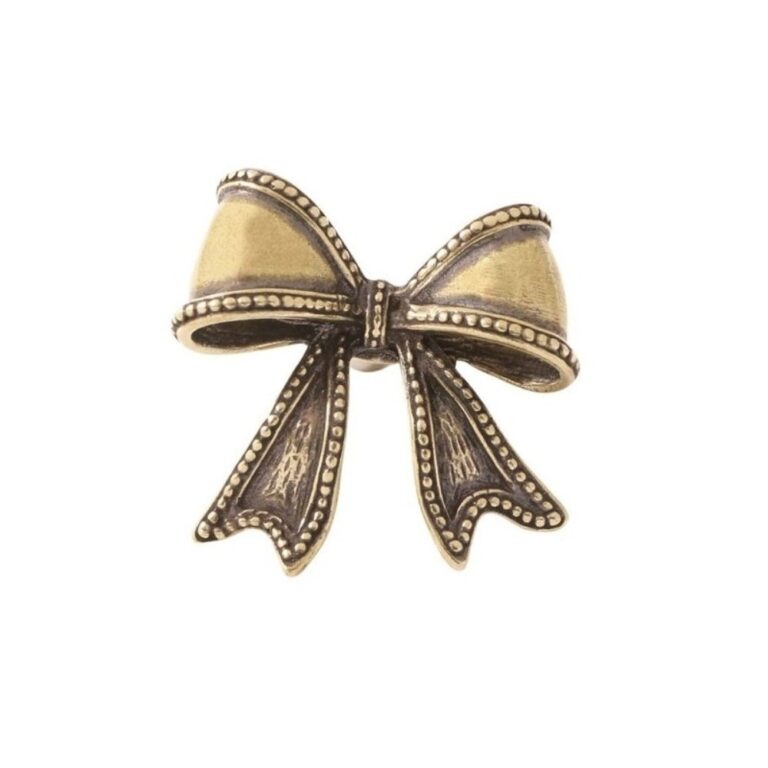 Aisha's pickLuxury Drawer Handles for When the Old Ones Give Up
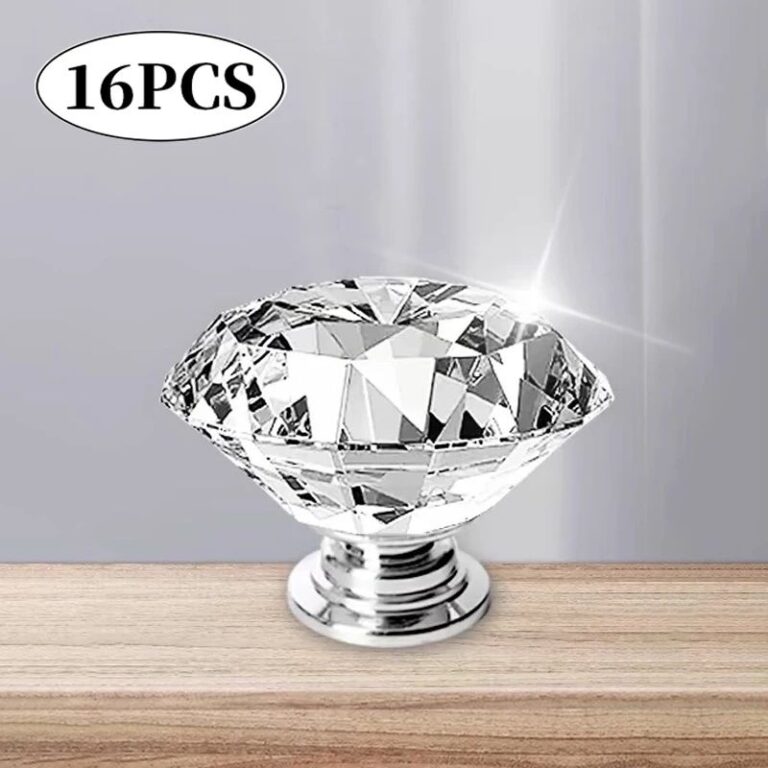
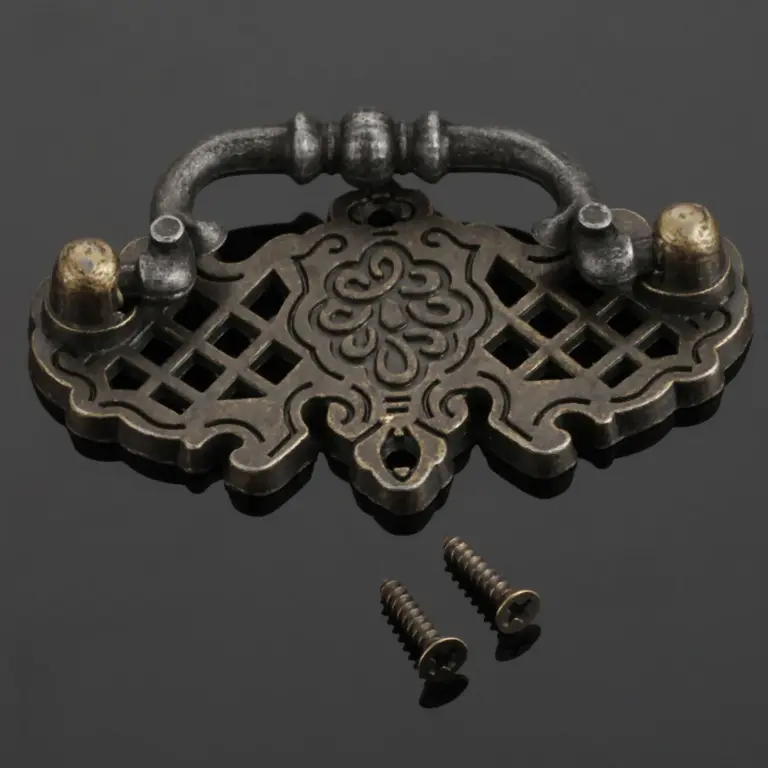 Aisha's pickVintage Drawer Pulls That Do the Job Right
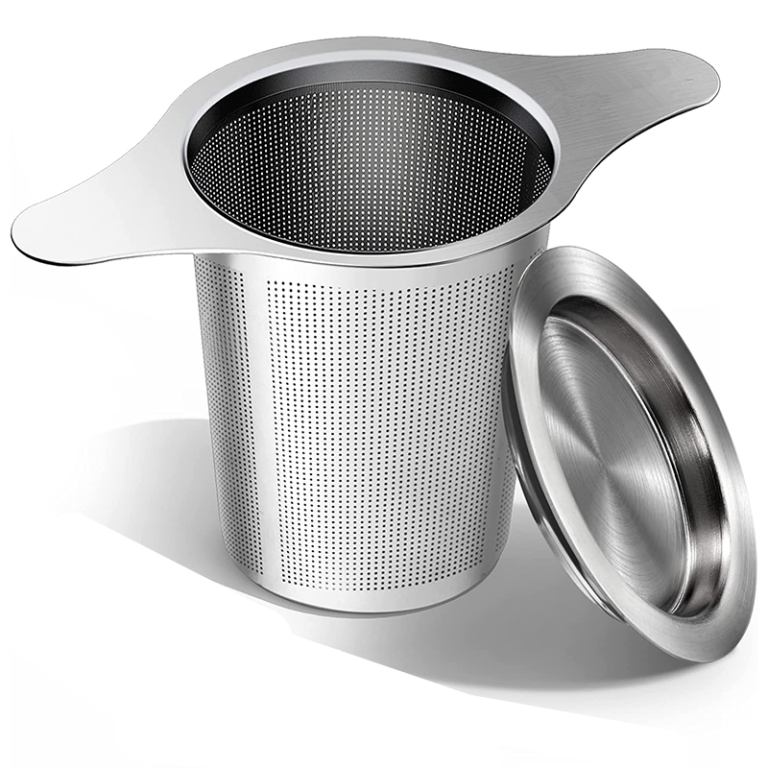 Aisha's pickLarge Stainless Steel Cup Handles That Make a Room Feel Finished
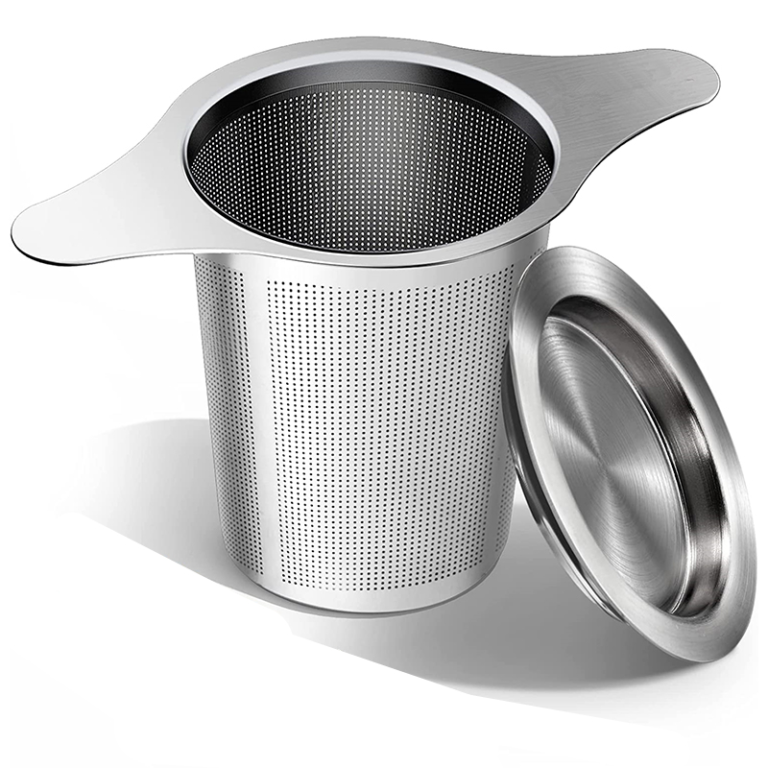
 Aisha's pickVintage Cupboard Handles That Don’t Shout About It
 Aisha's pickModern Kitchen Handles That Are Easy to FitAlso worth a lookPullsStand in a kitchen from the doorway and the pulls are the first thing that tells you whether someone cared.See the collections →
 Aisha's pickIndustrial Cabinet Pulls That Won’t Let You Down
 Aisha's pick8 Inch Bar Handles That Finish a Job Off Right
 Aisha's pickCabinet Handles with Screws You Won’t Regret Buying

 Aisha's pickModern Cabinet Hardware That Does What It Should
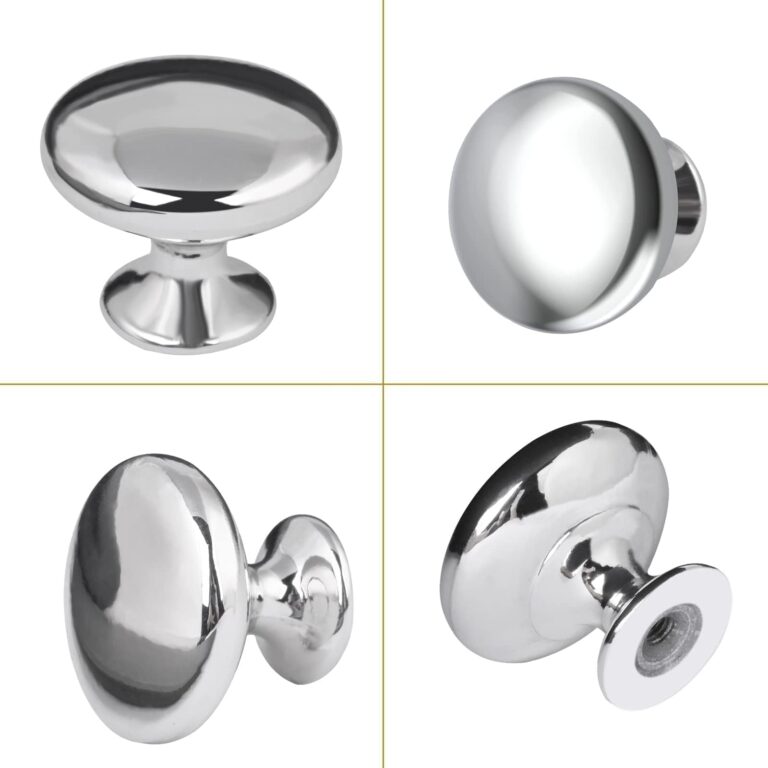 Aisha's pickChrome Drawer Handles That Lift a Tired Room
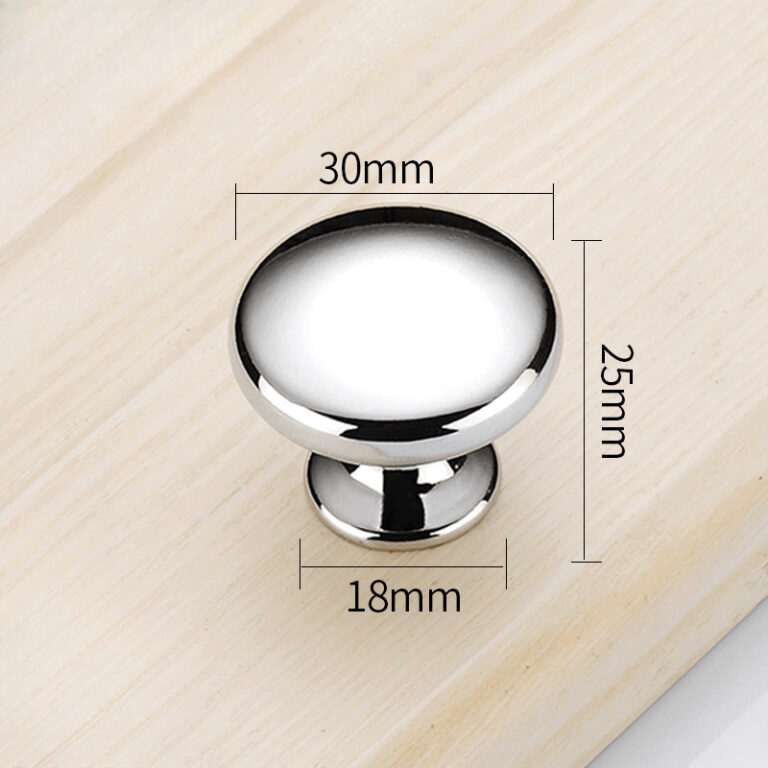
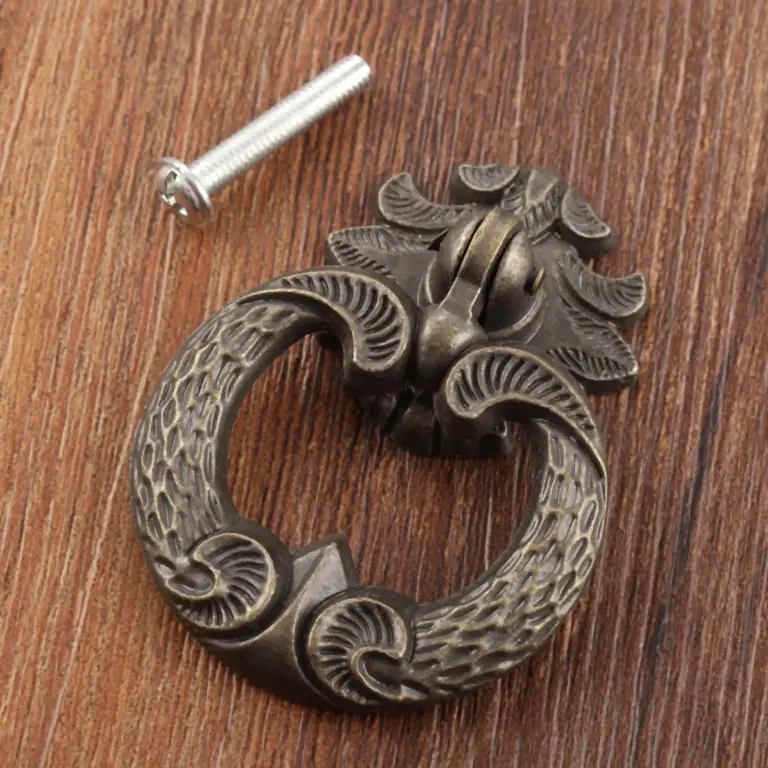 Aisha's pickLuxury Drawer Pulls That Survive Kids and Pets
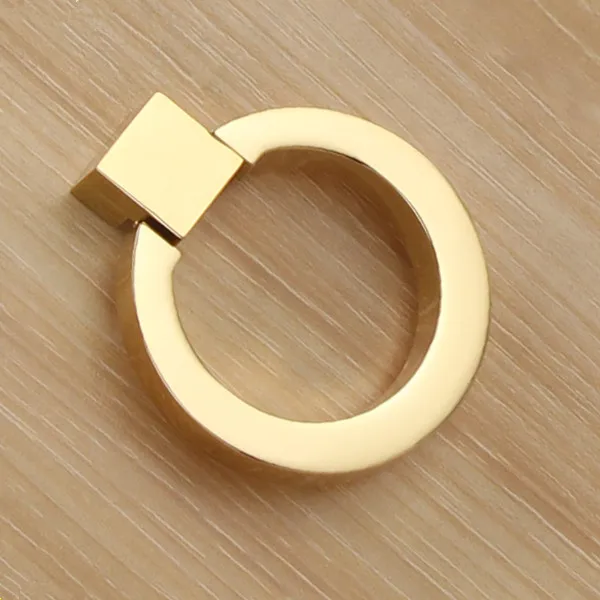
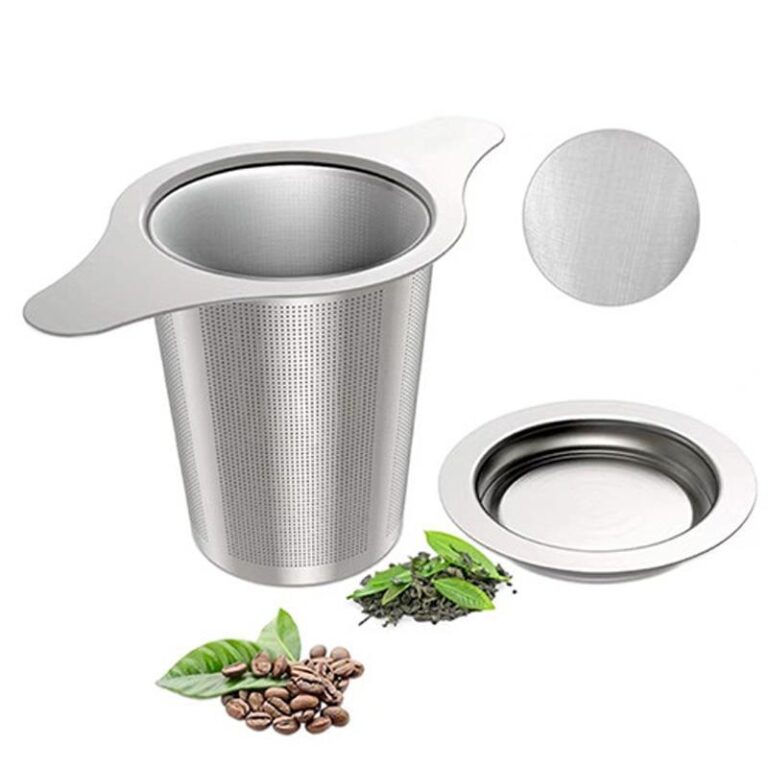 Aisha's pickBlack Cup Handles We’d Use on Our Next Project
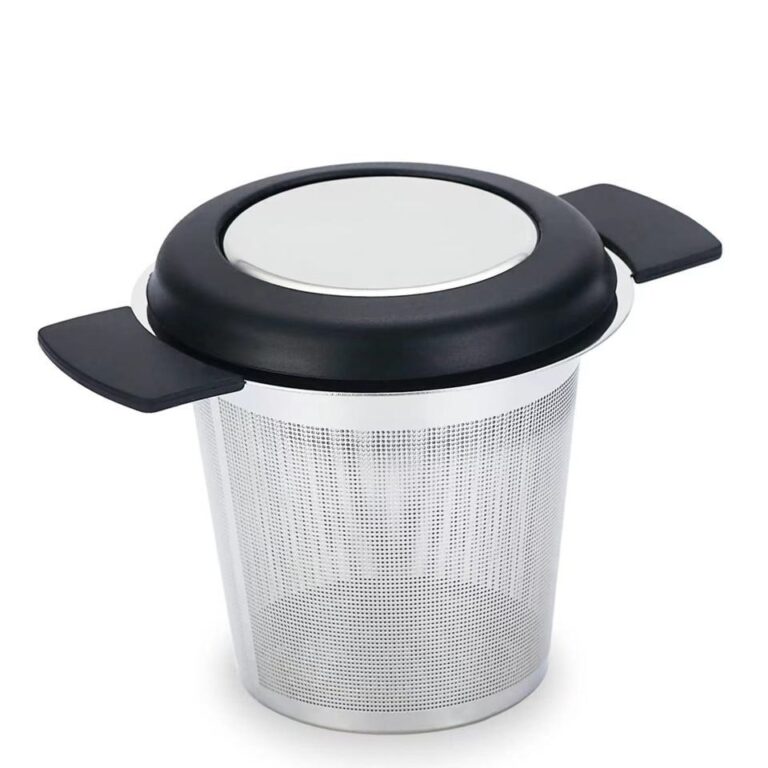
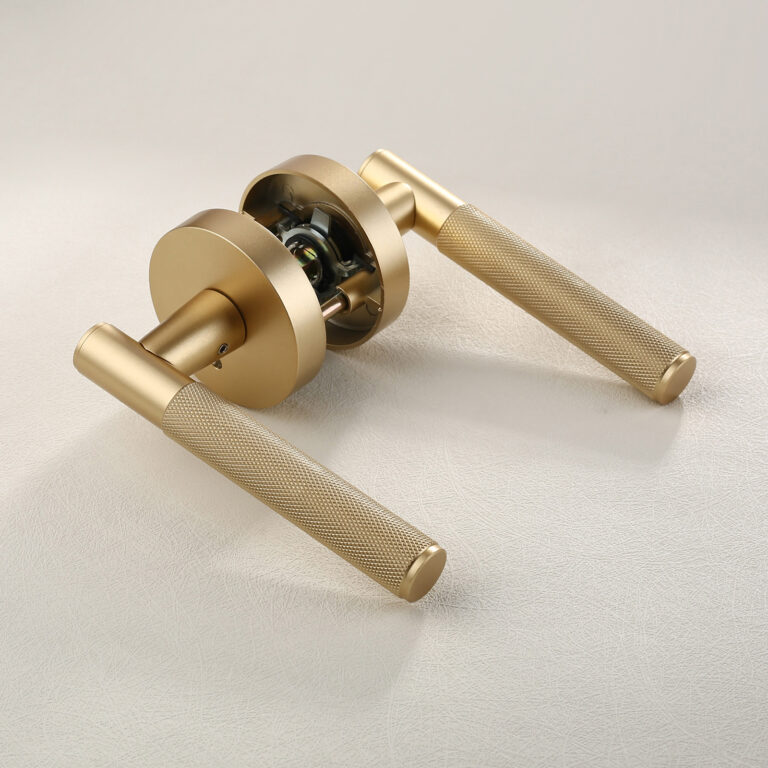 Aisha's pickLatch Handles That Make Rented Places Feel Like Home

 Aisha's pickWhite Cup Handles With Some CharacterAlso worth a lookCabinet HandlesThere's a particular kind of evening, kitchen lit up, something simmering, someone leaning on the counter talking to…See the collections →
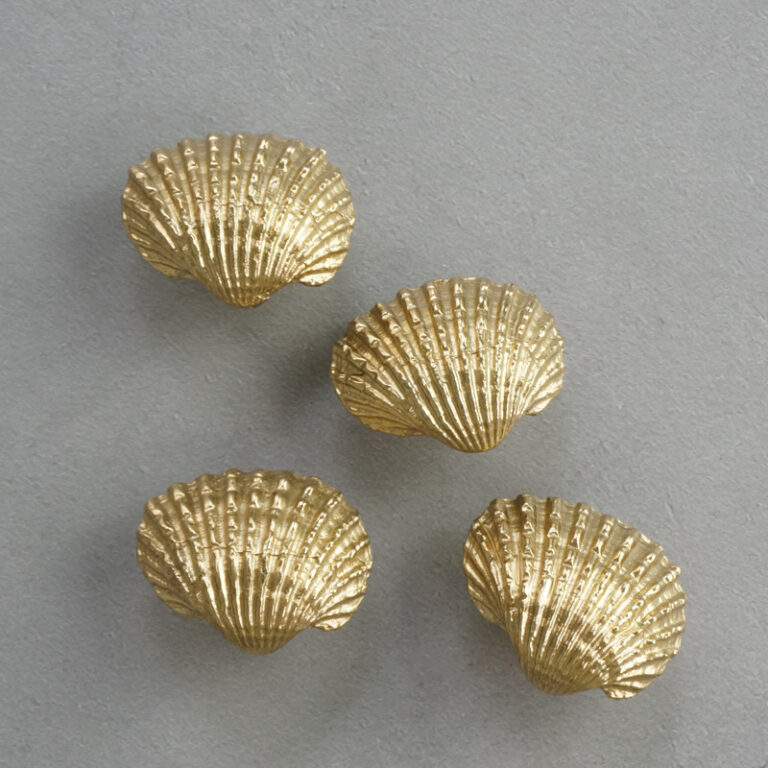 Aisha's pickModern Kitchen Knobs for People Who Know What They Like
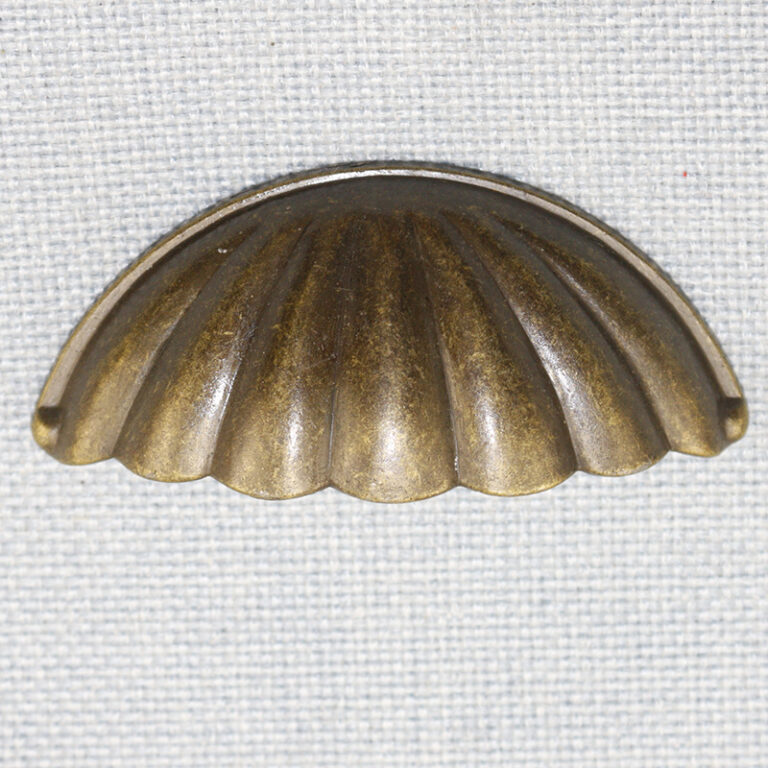
 Aisha's pickLarge Cabinet Pulls for a Quick Refresh
 Aisha's pickBar Handles That Won’t Let You Down

 Aisha's pickNo Fuss Cabinet Hardware
 Aisha's pickRound Cabinet Handles That Go With Most Rooms
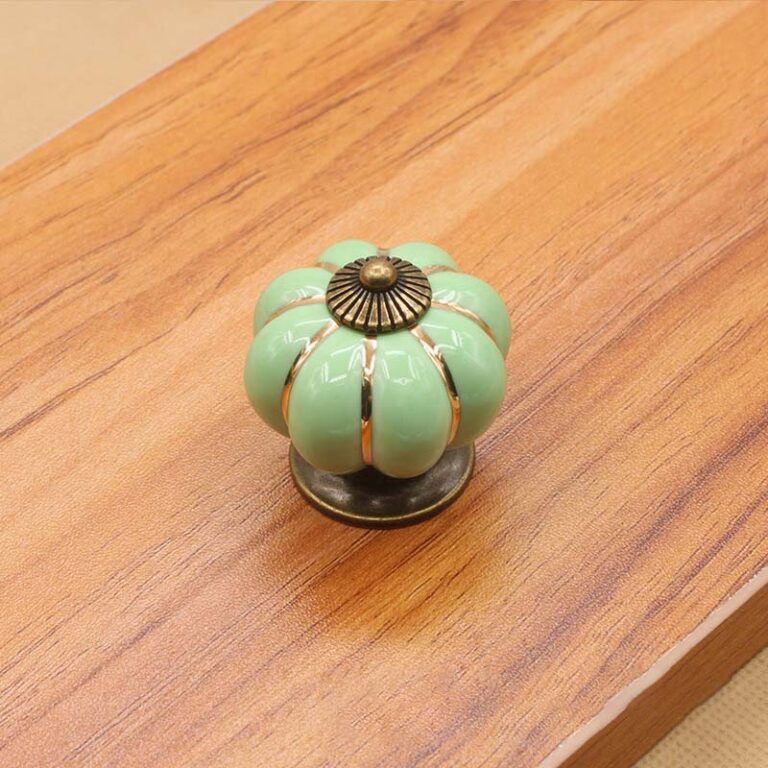
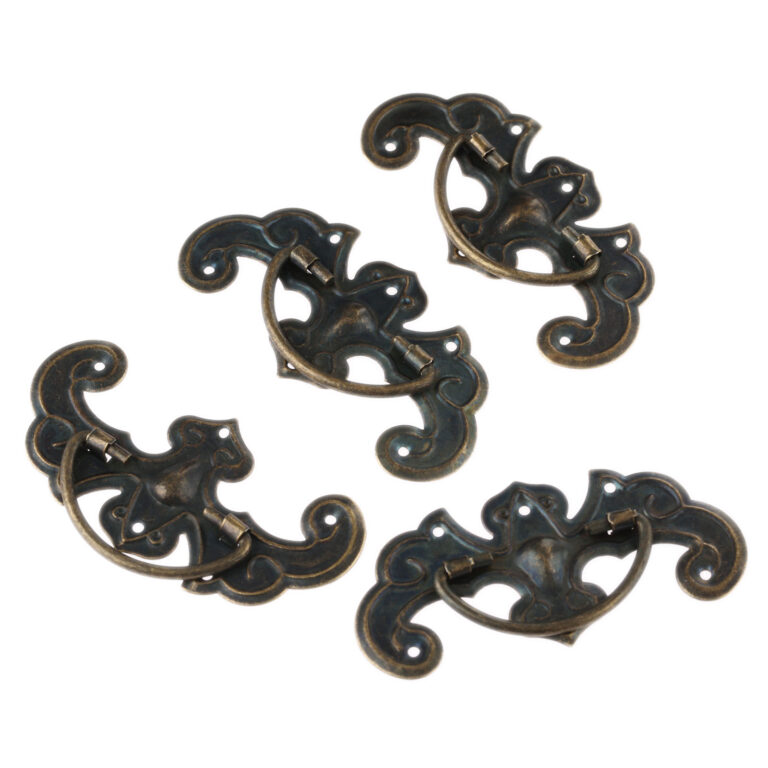 Aisha's pickContemporary Drawer Handles You Won’t Regret Buying

 Aisha's pickModern Drawer Handles for Weekend Projects

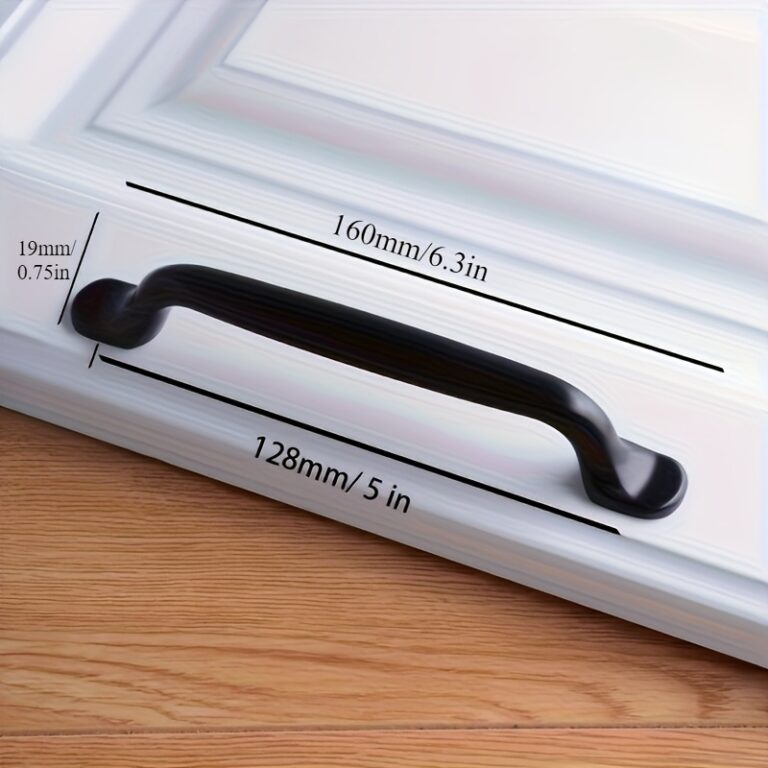 Aisha's pickBlack Cupboard Handles for Weekend Projects