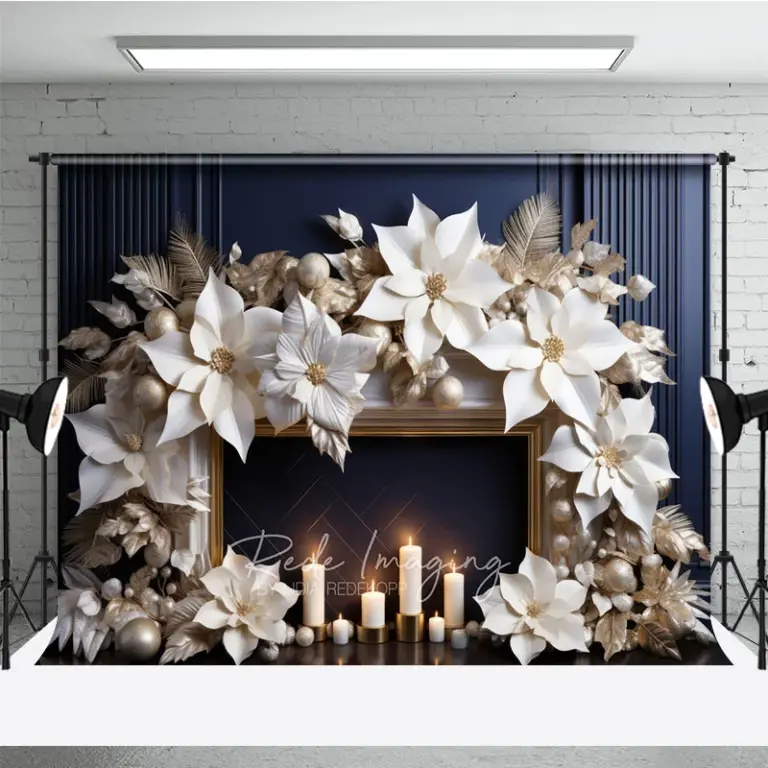
If you're standing in a showroom running your hand along the mantel, the first thing I'd tell you is to think about the wall it's going against, not the fireplace itself. A fireplace only looks right in context, and a lot of them get bought because they looked good under showroom lighting and then arrive home to a wall that's too small, too dark, or already busy with a window and a radiator fighting for the same few feet.
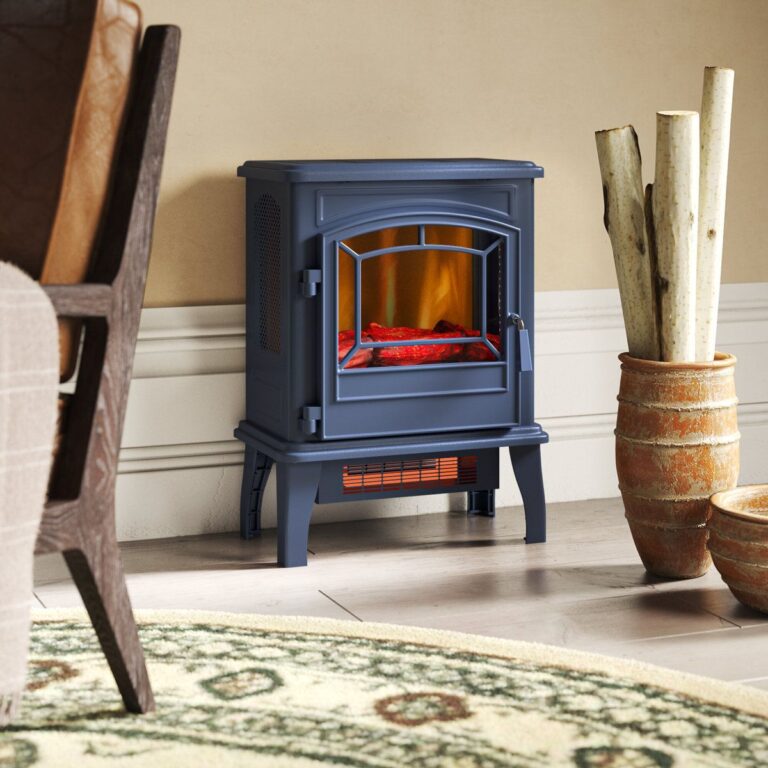
When you're actually choosing one, check the finish in daylight as well as under the shop's spotlights, because a stone surround that looks warm and pale at ten in the morning can look gray and flat by evening, and you want to know that before it's bolted to your wall. Check the depth of the thing too, not just the width, because a lot of people measure across and forget that fire surrounds eat into a room more than you'd expect once skirting boards and hearth stones are added. On delivery day, look at the hearth edges and the inside of the firebox for chips, since that's where damage hides and where it's hardest to argue about later. Where a fireplace stops making sense is in a small rented flat with a shallow chimney breast or no flue at all, where an electric insert pretending to be the real thing ends up looking like exactly that, a pretense, and you'd be better off with a simple stove-effect heater that doesn't try so hard. It also clashes badly with a room that's already got a strong architectural feature doing the heavy lifting, a big bay window or an open staircase, because two focal points fighting for attention makes a living room feel unsettled rather than grand. A fireplace earns its keep most in a room with low afternoon light in winter, where the glow actually does something, rather than a bright south facing room where it just sits there unlit for most of the year looking like furniture. Over time, stone and brick surrounds age well and genuinely improve, picking up a bit of soot and character that suits an older house, while painted wood surrounds need repainting every few years if they're anywhere near actual flame, since heat yellows white paint faster than anyone expects. Cast iron needs a light coat of grate polish now and then to stop it looking tired, and marble needs nothing except a damp cloth and the restraint not to scrub at the veining when it stains.
If I were choosing today, I'd start with a honed limestone surround in a pale gray. It takes the light well morning and evening, and it doesn't shout over everything else in the room.

 Aisha's pickCorner Fireplaces That Make a Big Difference for Not Much
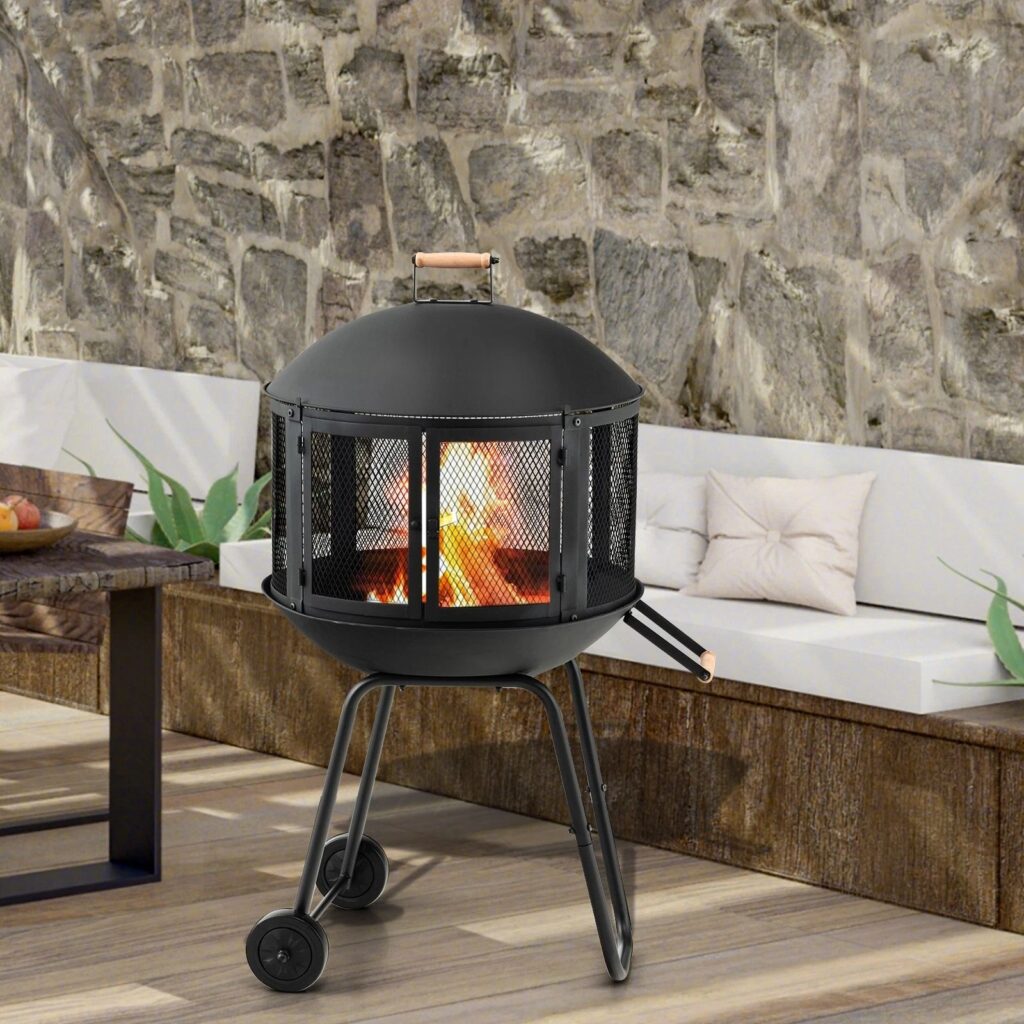
 Aisha's pickRustic Fireplaces for Doing Up a Room on a Budget
 Aisha's pickCurved Fireplaces That Make Rented Places Feel Like Home
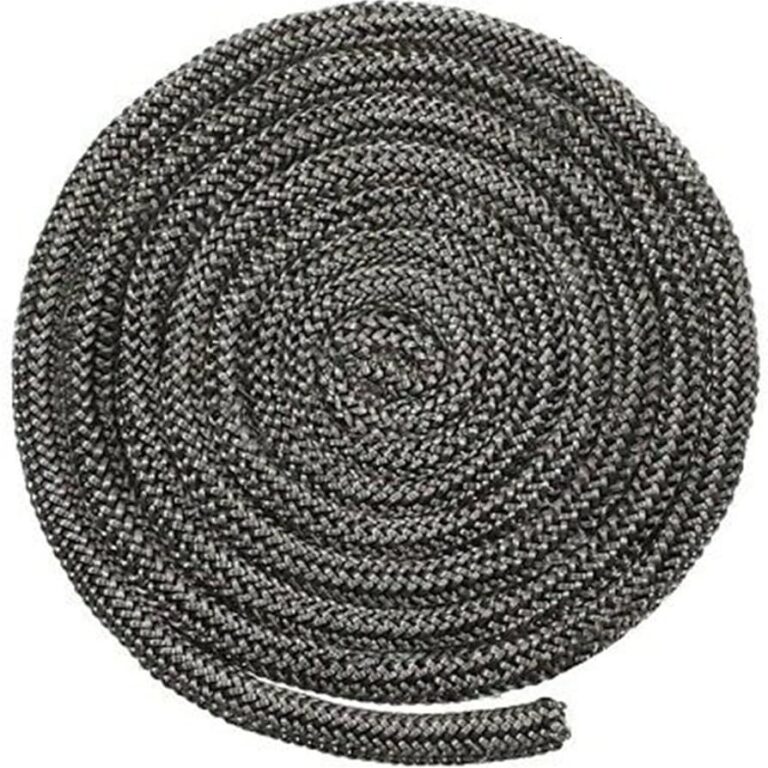
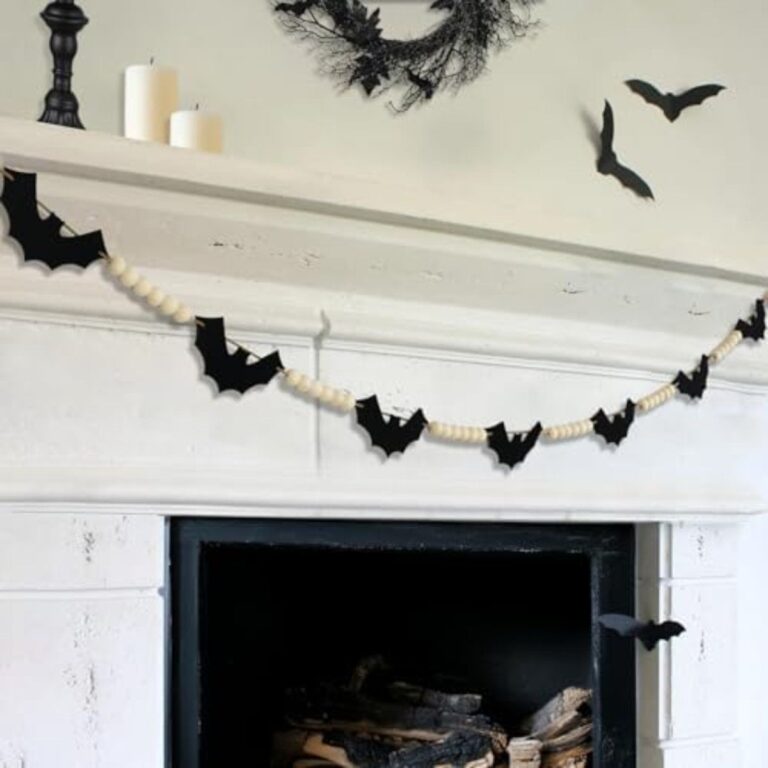 Aisha's pickRustic Mantels Picked From the Stores We Trust
 Aisha's pickElectric Fireplaces Without the Silly Price Tag
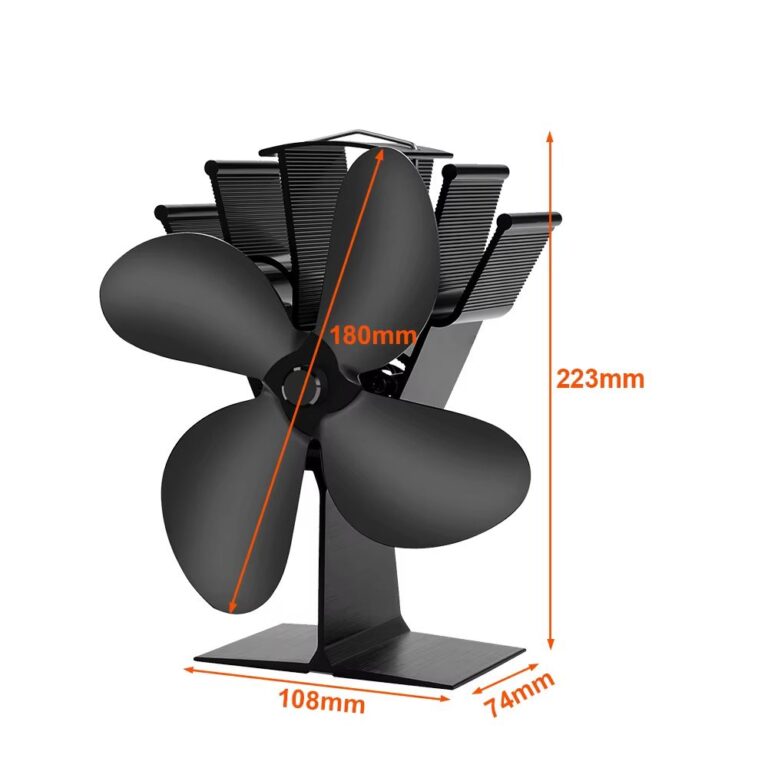
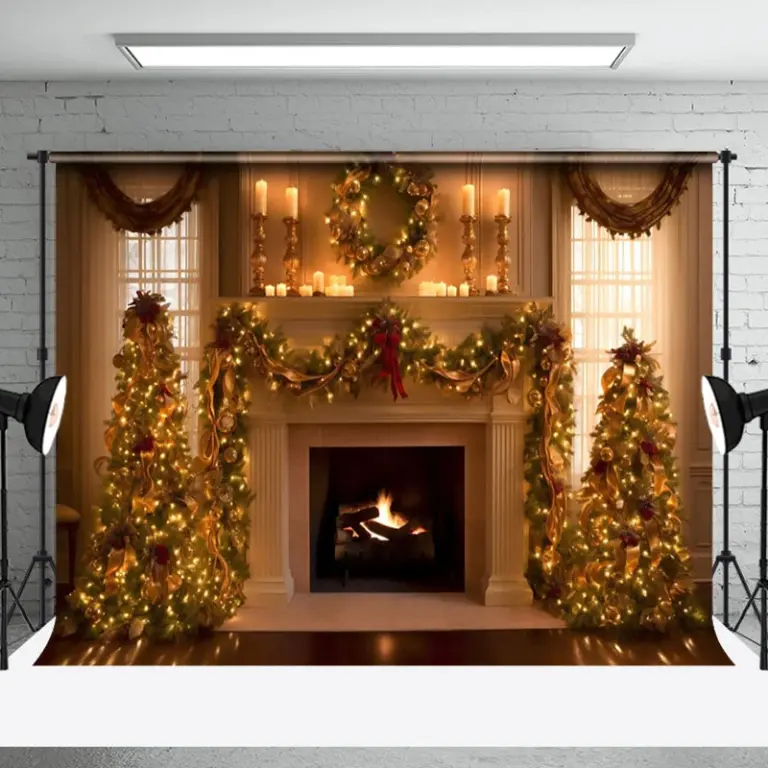 Aisha's pickSmall Fireplaces That Look Better in Real Life

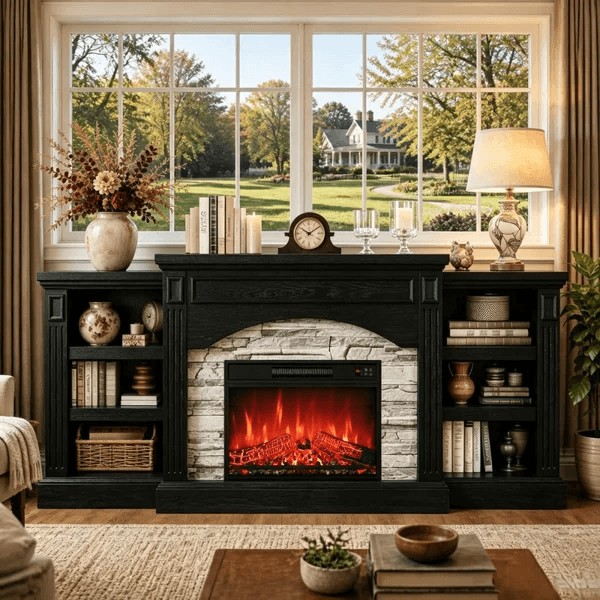 Aisha's pickFarmhouse Fireplaces That Look Like They Cost More
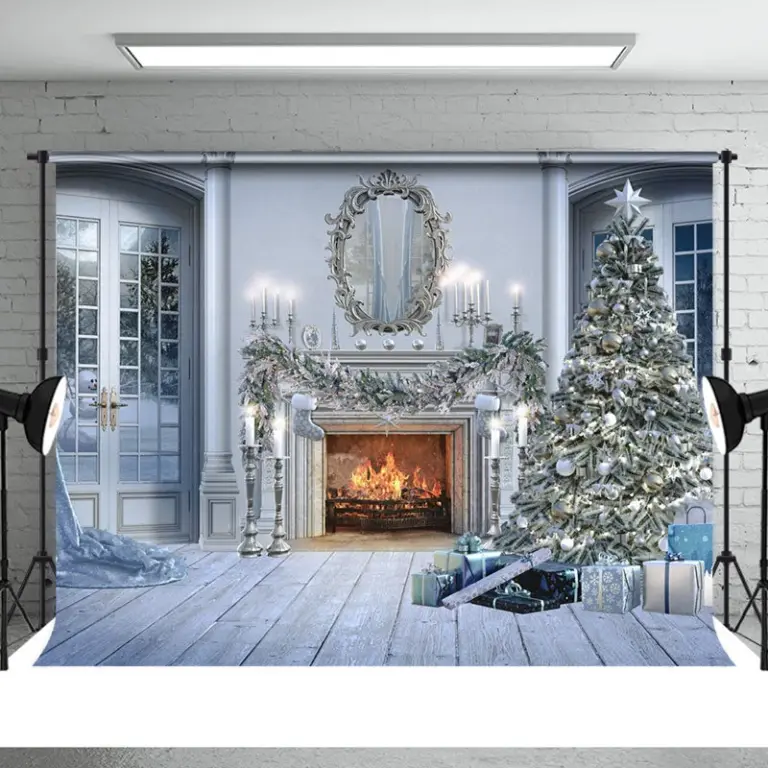
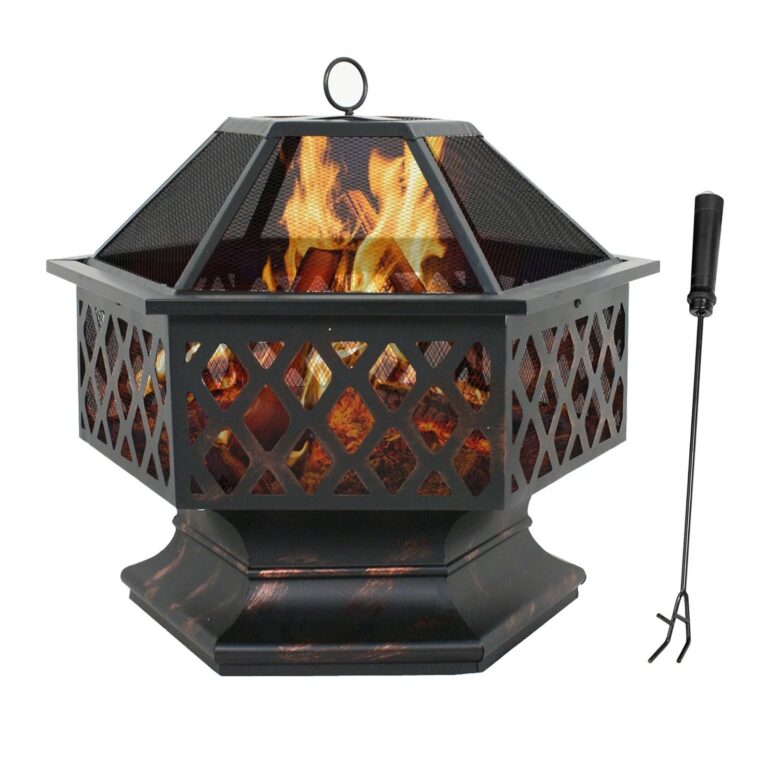 Aisha's pickSolid Wood Fireplaces That Finish a Job Off Right
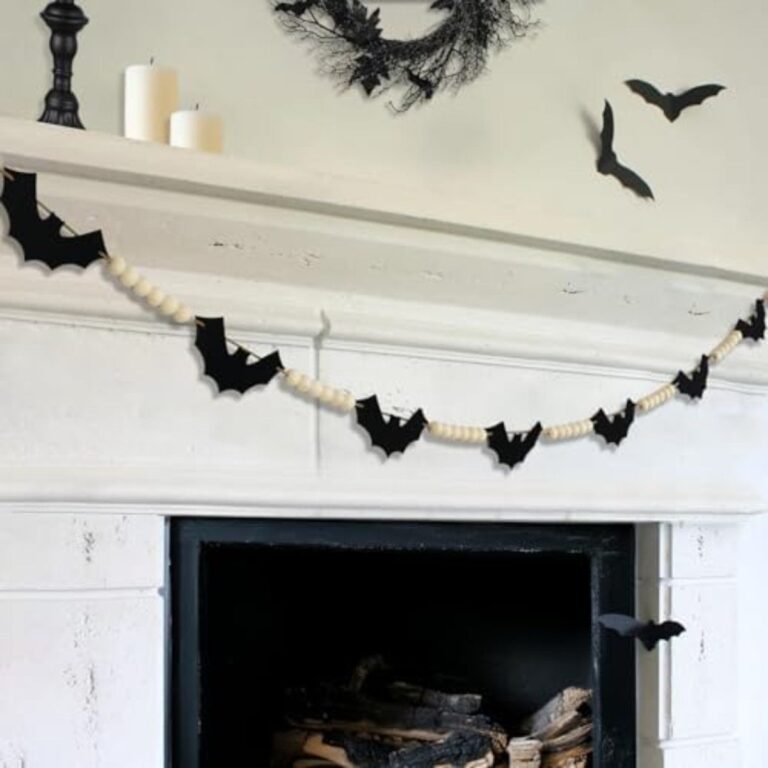 Aisha's pickFarmhouse Mantels That Do the Job RightAlso worth a lookHandles & KnobsThe first thing I do with a handle or knob is turn it over and check the back, because that's where the cheap ones give themselves away.See the collections →
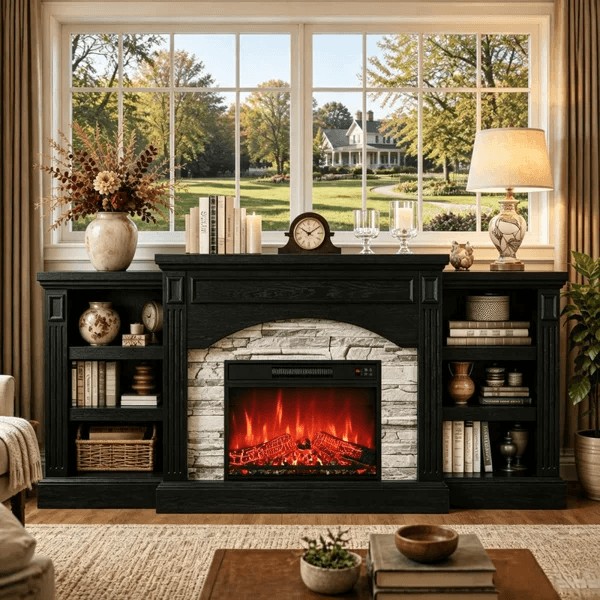
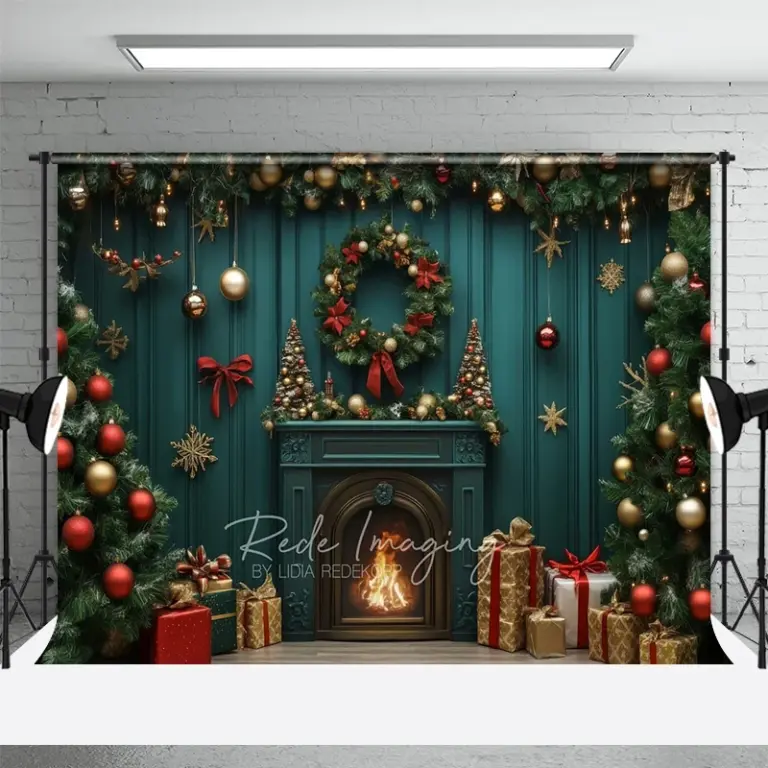 Aisha's pickVintage Fireplaces That Make Rented Places Feel Like Home
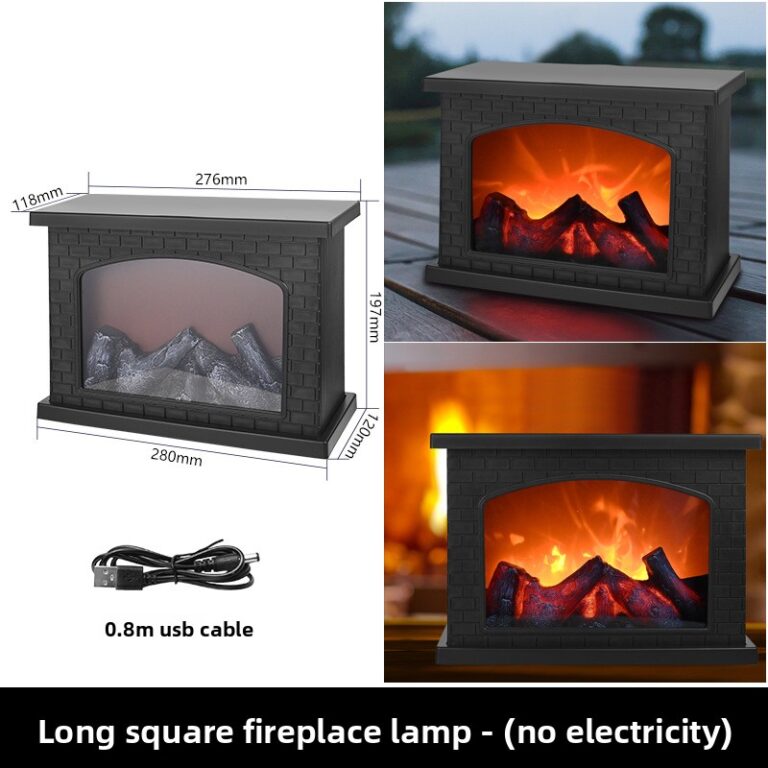
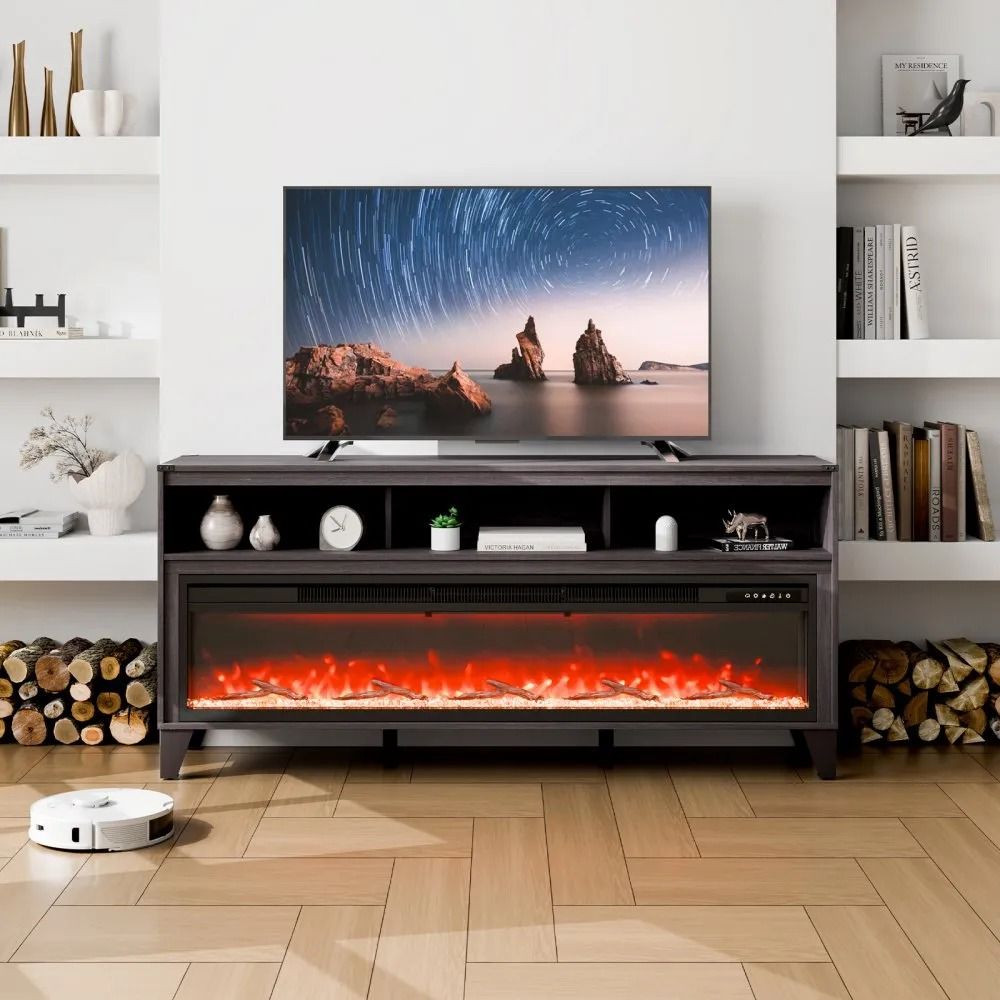 Aisha's pickFireplaces That Finish a Job Off Right
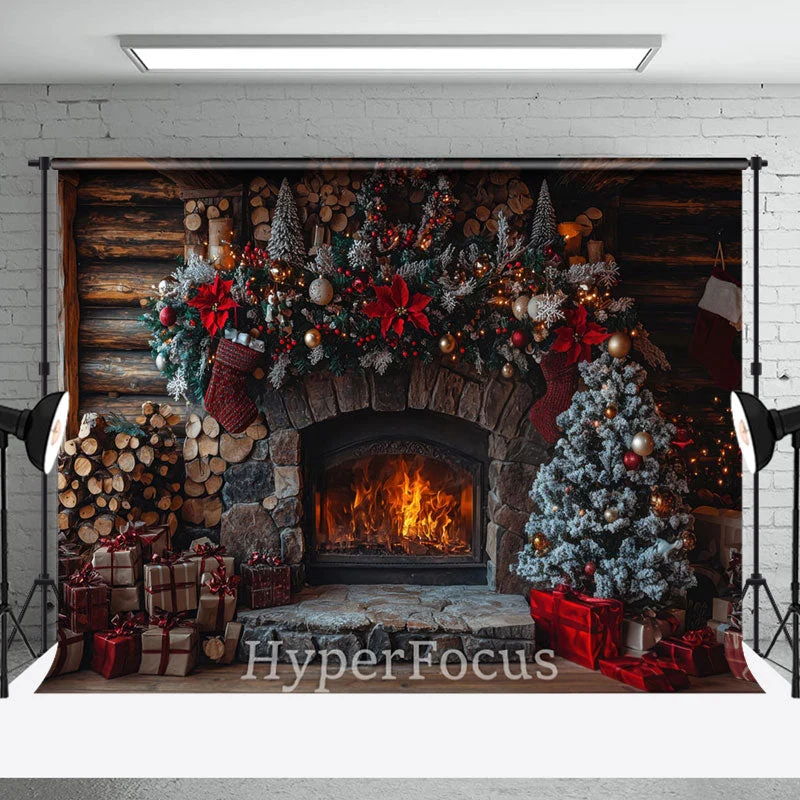
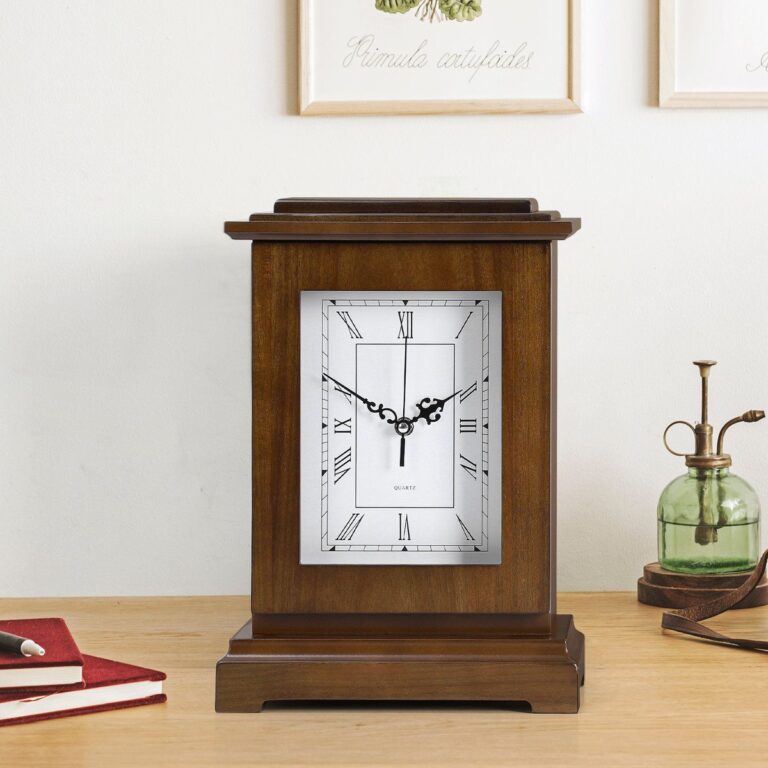 Aisha's pickVintage Mantels That Survive Kids and Pets
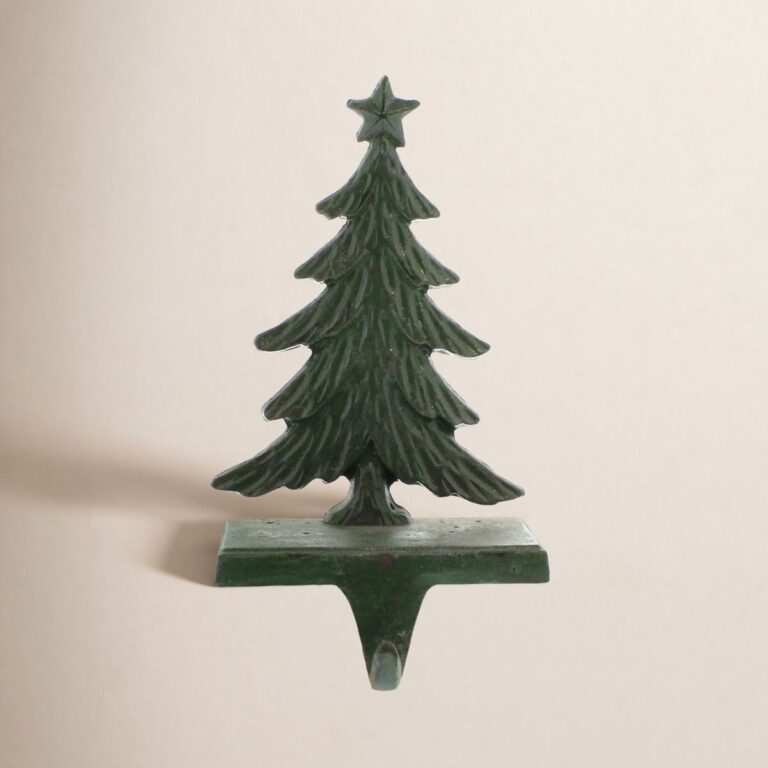
 Aisha's pickFireplaces for Living Room From Brands You Know and a Few You Won’t
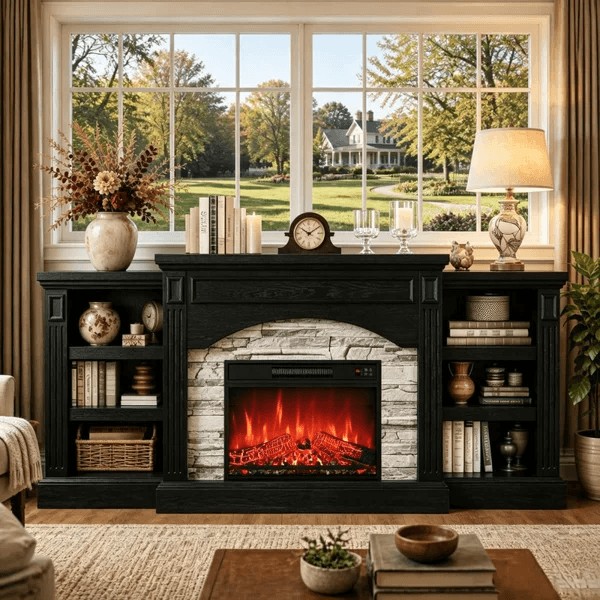
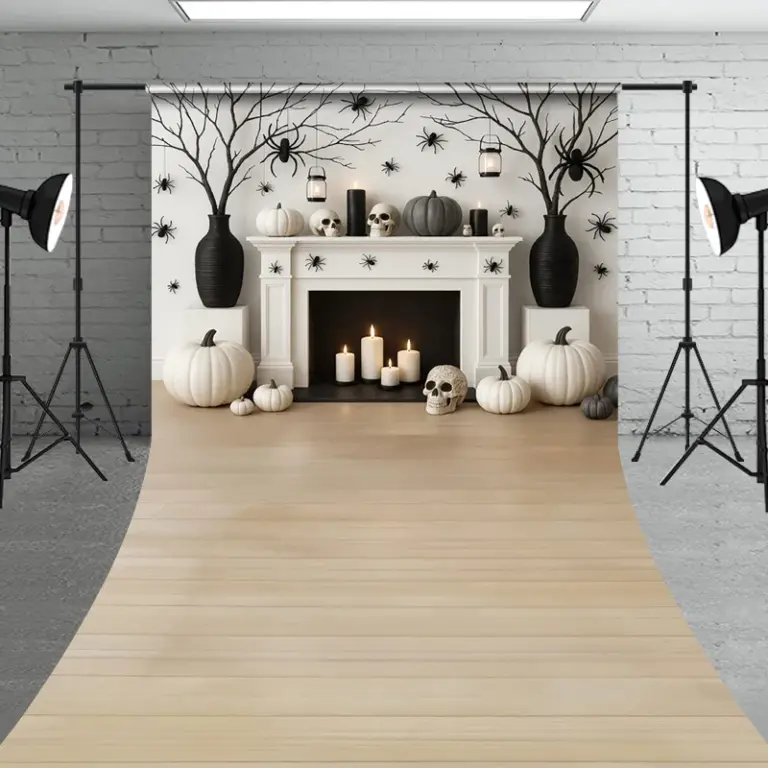 Aisha's pickWall Mounted Fireplaces Picked by People Who Care Too Much

 Aisha's pickFireplace Mantels for Doing Up a Room on a Budget

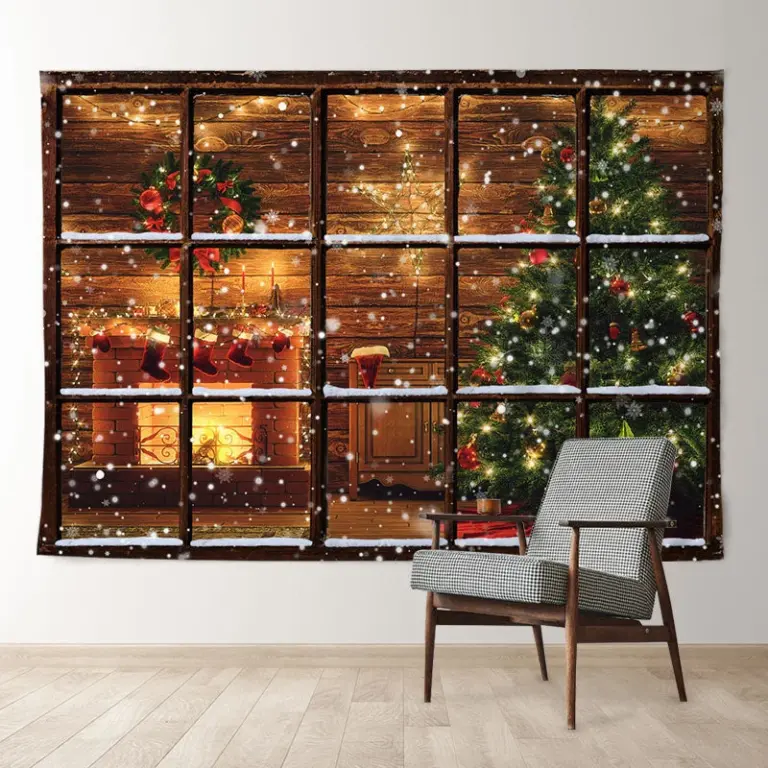 Aisha's pickWhite Fireplaces You Won’t Want to Hide Away
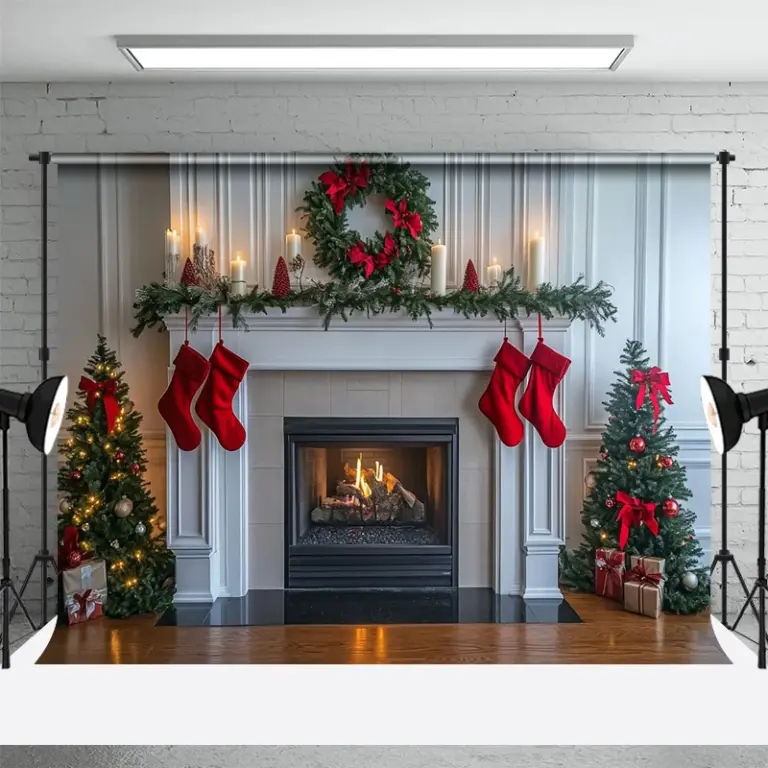
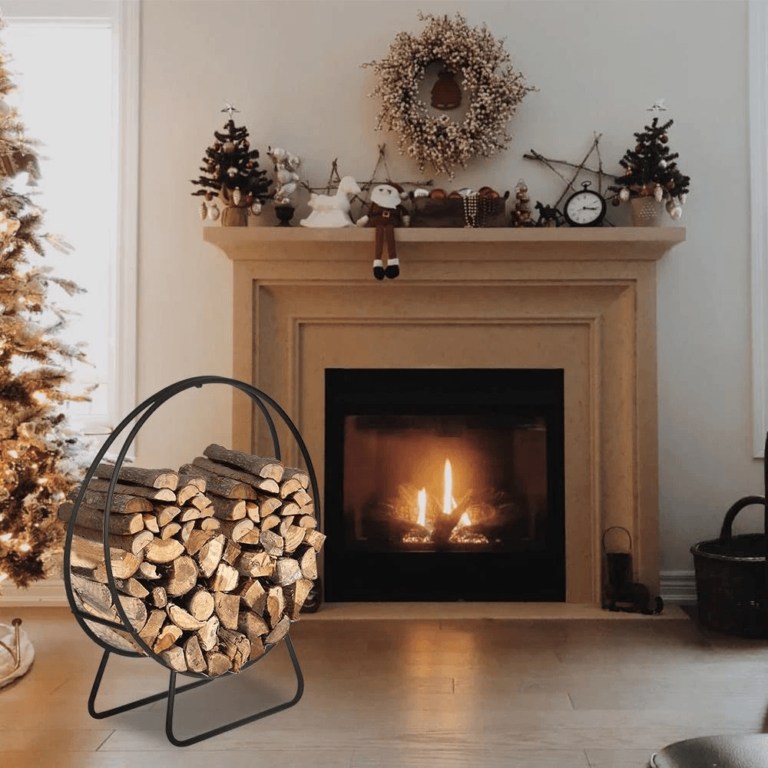 Aisha's pickFireplaces with Logs That Work in Old Houses and New Ones

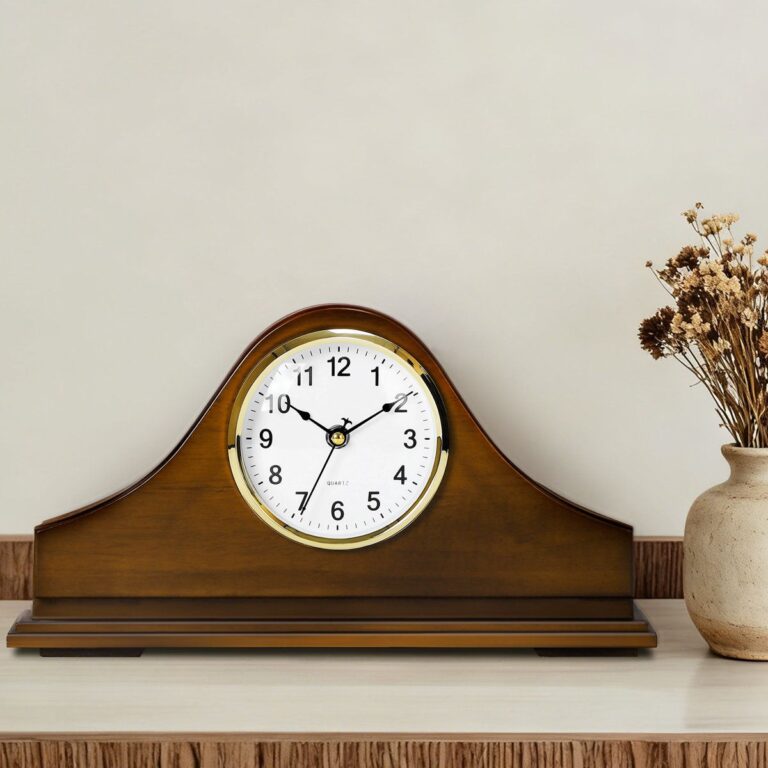 Aisha's pickWhite Mantels That Work in Old Houses and New OnesAlso worth a lookAdhesives, Grout & TrimI used to think grout was grout, one tub of white stuff, smear it on, wipe it off, done.See the collections →

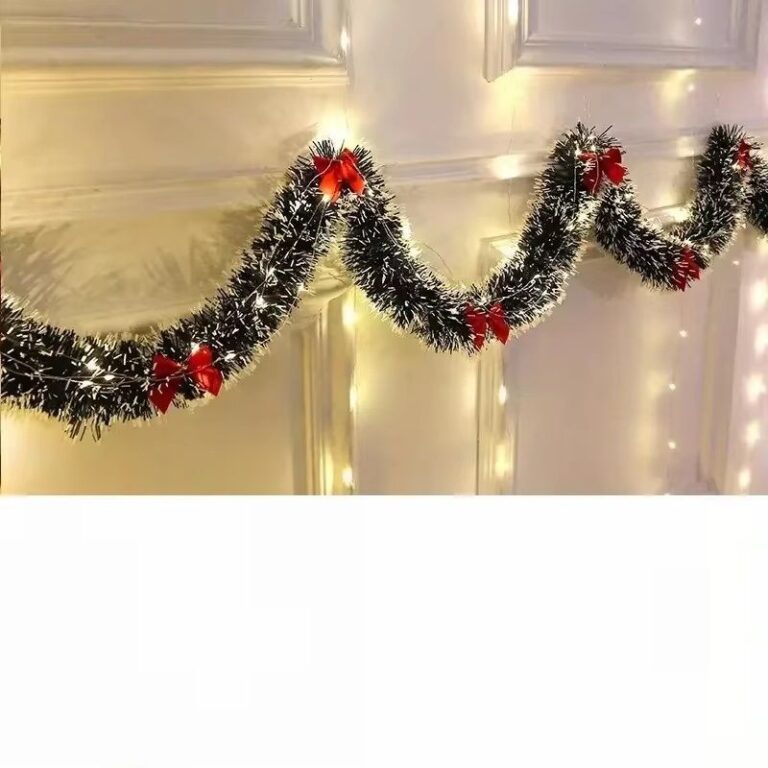 Aisha's pickFireplaces with Mantel We’d Use on Our Next Project
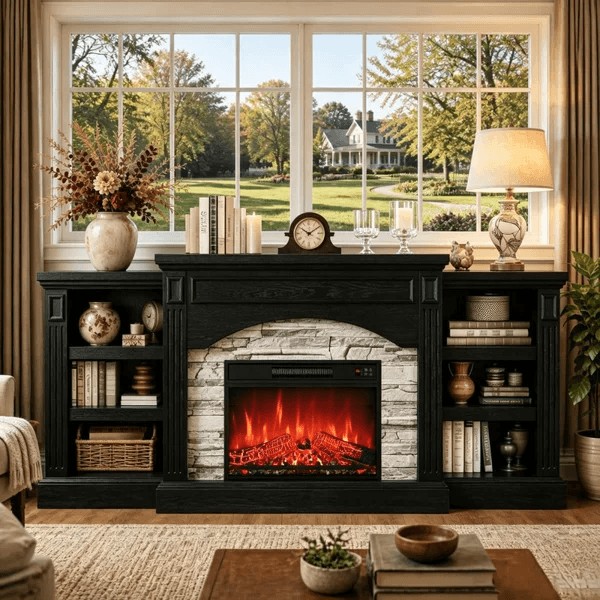
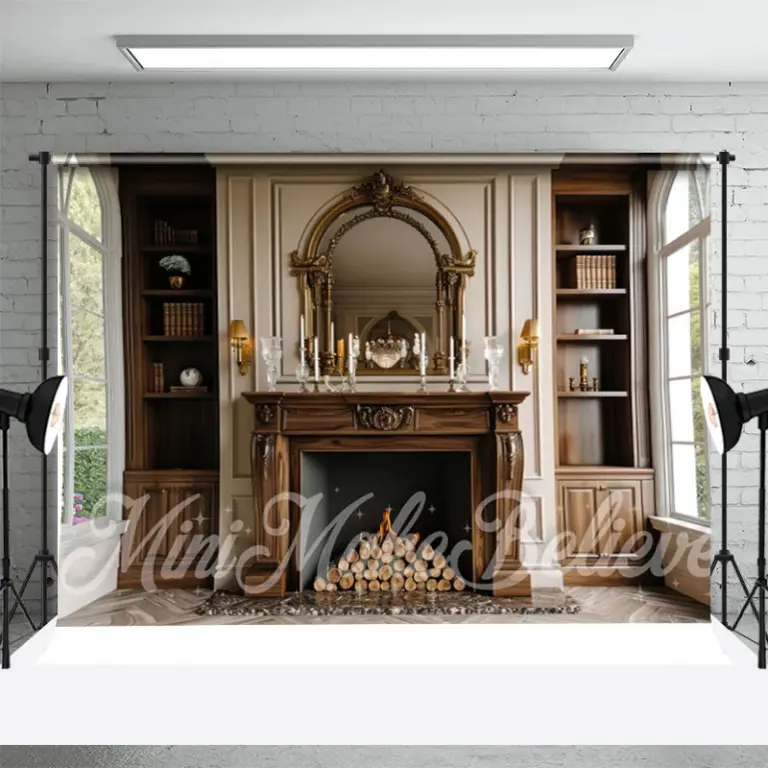 Aisha's pickWooden Fireplaces for Weekend Projects
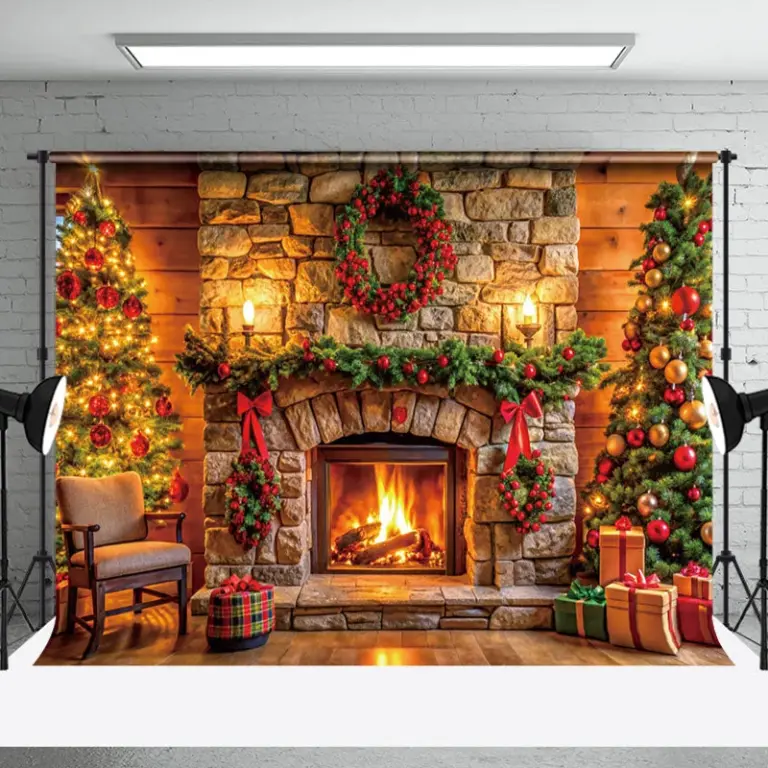
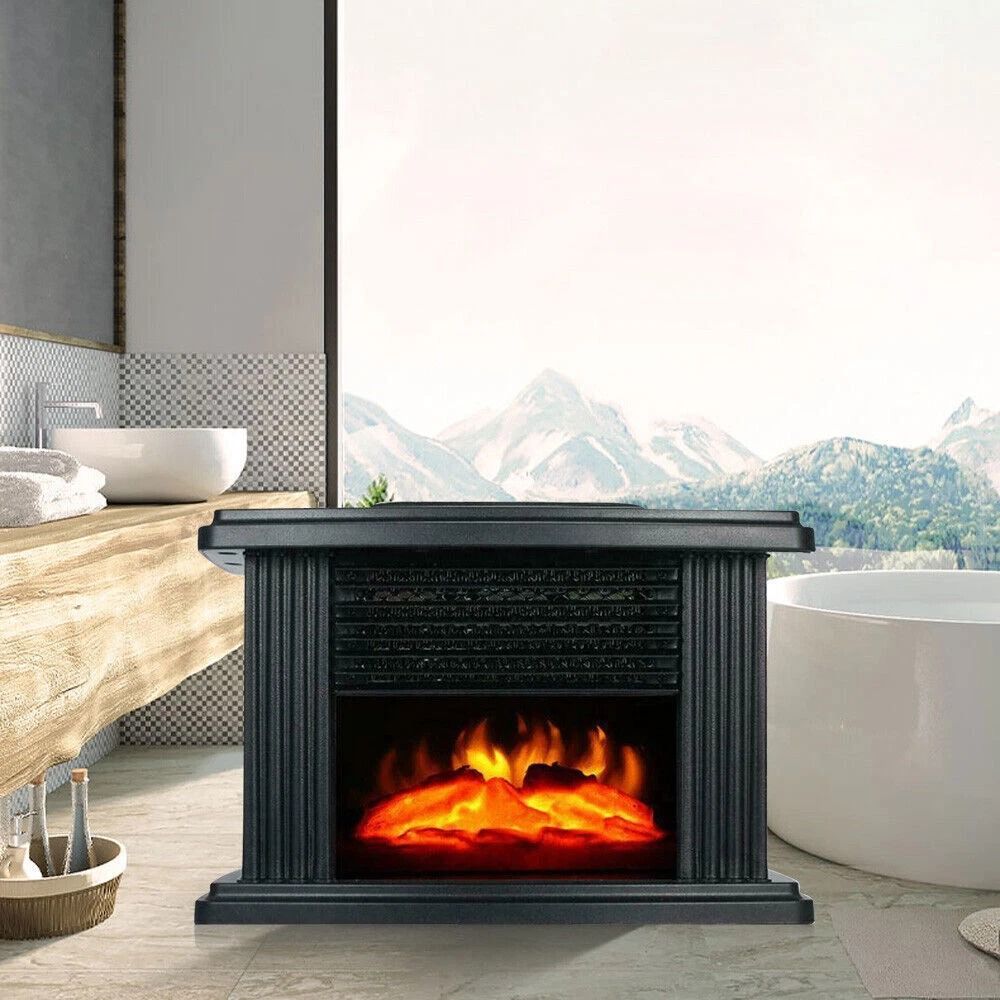 Aisha's pickFireplaces with Storage That Lift a Tired Room
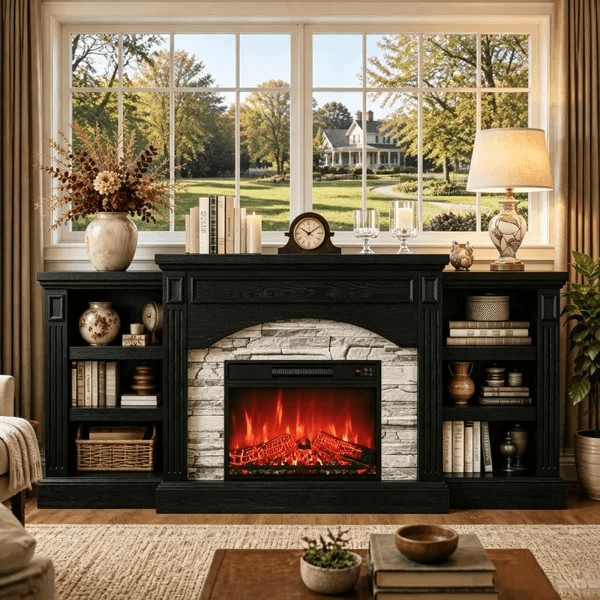
 Aisha's pickGlass Fireplaces That Don’t Shout About It

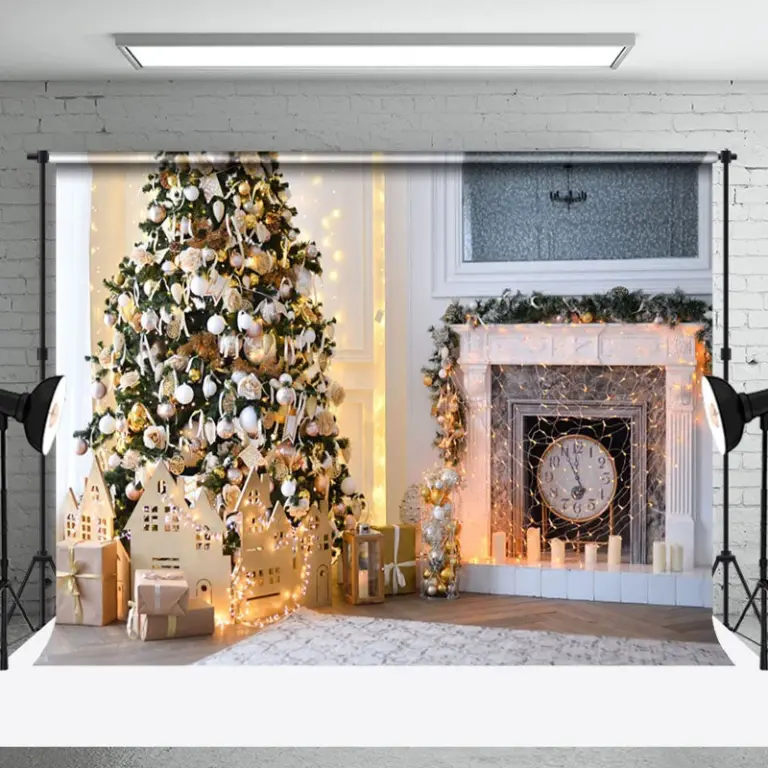 Aisha's pickDecent Large Fireplaces Without the Hassle
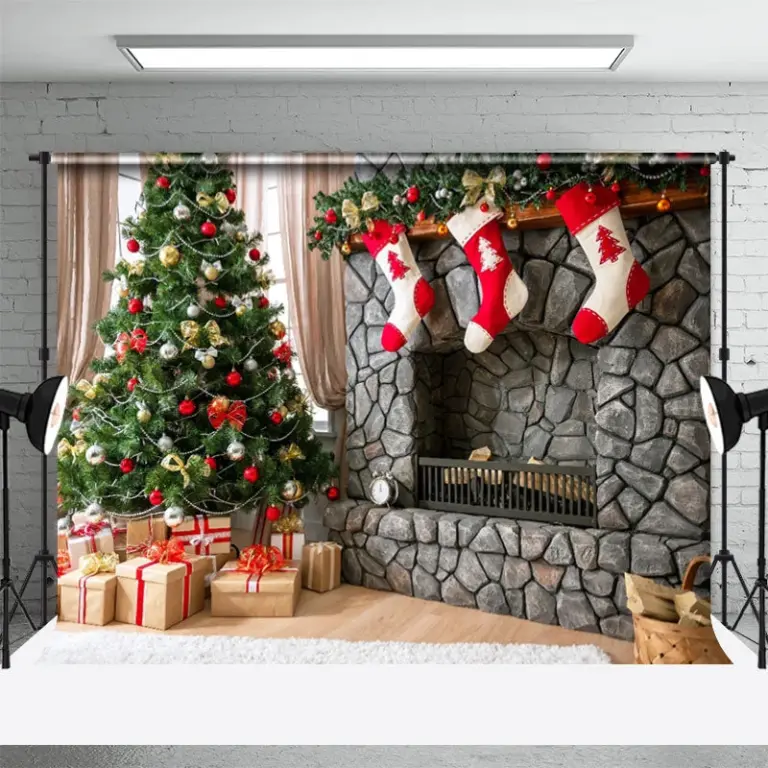
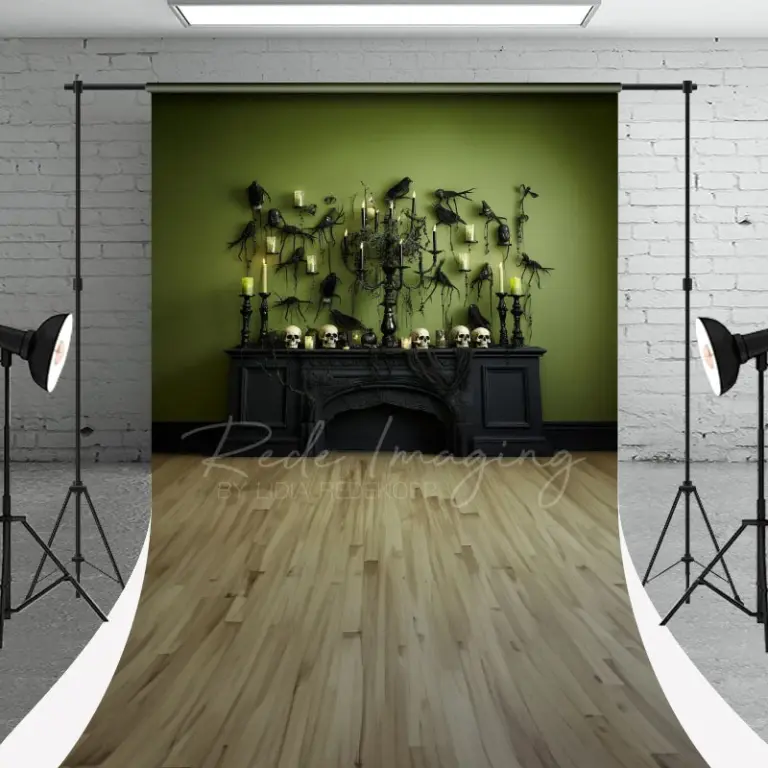 Aisha's pickBlack Fireplaces at Every Price Point
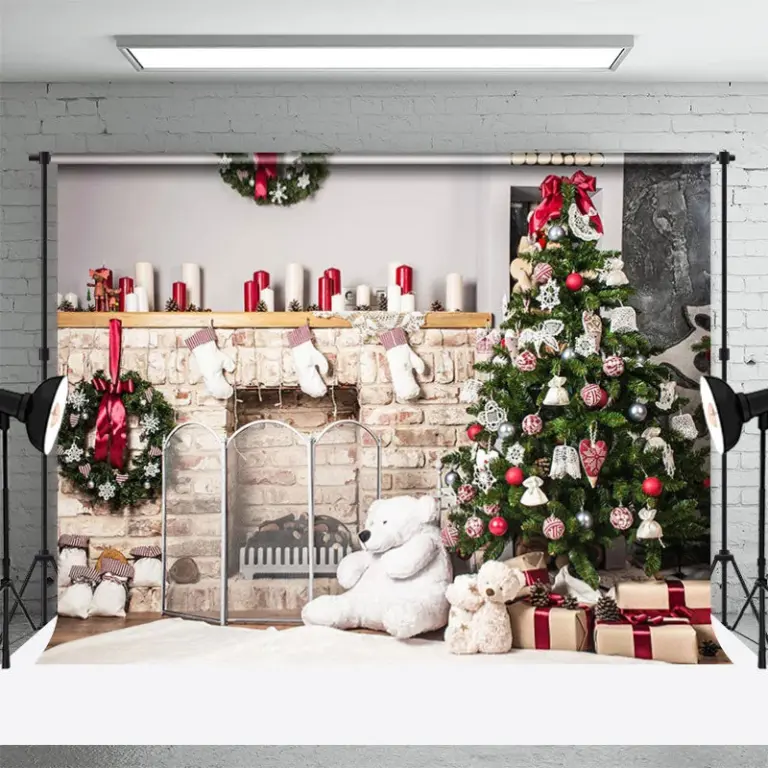
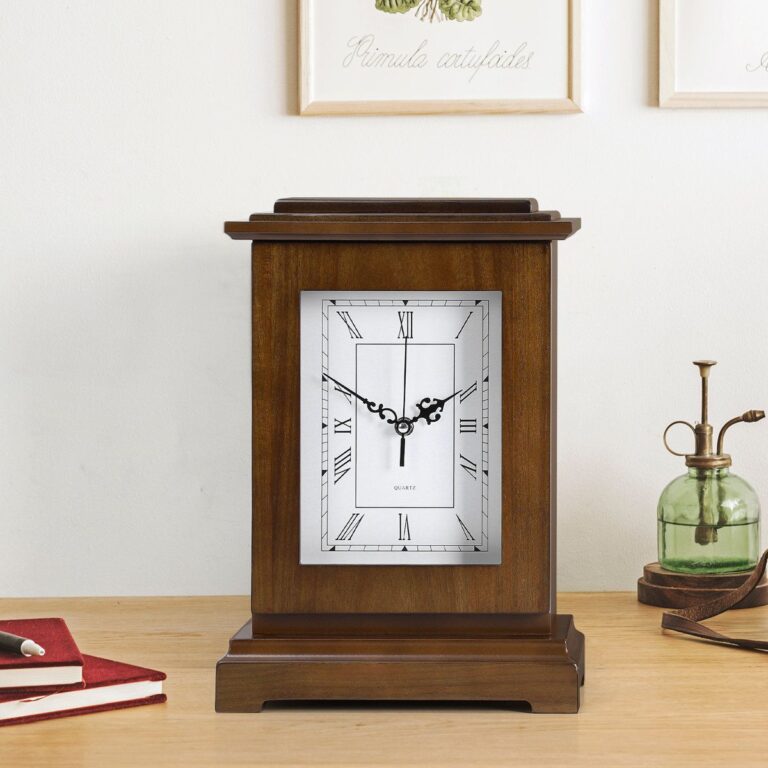 Aisha's pickMantels Hunted Down So You Don’t Have To

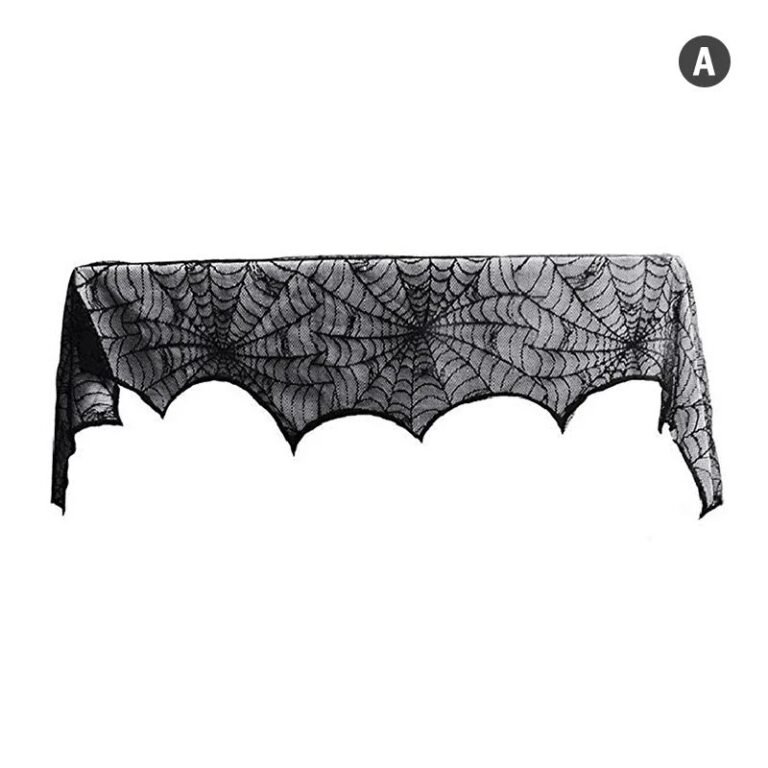 Aisha's pickBlack Mantels for Making a House Feel Like Yours
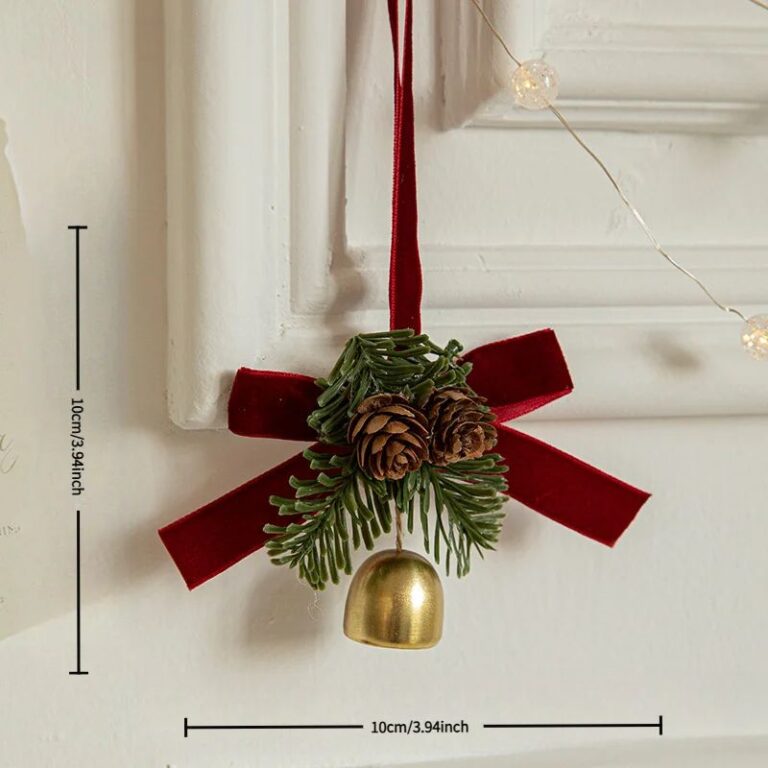 Aisha's pickMetal Fireplaces That Make a Big Difference for Not MuchAlso worth a lookTiles, Panels & WallpaperTile has a reputation for being permanent, which is exactly why people agonize over it longer than they…See the collections →