I used to think grout was grout, one tub of white stuff, smear it on, wipe it off, done. Then I regrouted a shower myself, used the cheapest sanded grout on the shelf, and watched it crack and stain within four months. What fixed it was learning that the gap between products in this category is enormous, and the cheap end just does not hold.
The honest limits first. No adhesive or grout is going to rescue a bad surface underneath it. If the wall or floor is uneven, damp, or moving even slightly, the best tile adhesive in the world will still let go eventually, and grout will crack along the same lines every time. This is also not the place to save money if you are tiling a shower or a kitchen backsplash that gets heat and steam daily, because the gap between a mediocre product and a good one shows up fast, usually within a year, usually at the worst possible seam. Trim has its own limit too, it hides a gap, it does not fix a bad cut, and if you are expecting it to disguise a wall that is out of square by half an inch, it will look like exactly that.
What separates the good from the disappointing comes down to a few things you can actually check before you buy. With adhesive, look at whether it is rated for the material and the location, a flexible or polymer modified formula for anything near water or heat, not a basic all purpose one. With grout, epoxy based versions cost more and are a pain to work with, but they do not stain, do not need sealing every year, and do not crumble at the edges after a few winters or a few hundred showers. Cheap grout looks fine on day one and starts going gray and pitted by month six. For trim, the difference is in the material and the finish, solid wood or a proper composite that will not swell if it gets damp, with a clean factory finish rather than a chalky paint job that chips the first time a vacuum bumps it. Joints matter more than people expect, a trim piece mitered badly will show a hairline gap that just gets wider as the house settles, especially after a move when everything shifts slightly on a new foundation.
This stuff suits every kind of home, rented or owned, because it is usually the cheapest fix with the biggest visible payoff, a tiled splashback, a finished skirting line, a floor that does not look unfinished at the edges. Older houses with uneven floors benefit most from flexible adhesive and a slightly wider grout line, which hides movement better than a tight one.
The detail I never get tired of is grout that stays the same color for years, no sealing, no scrubbing, just quietly doing its one job.

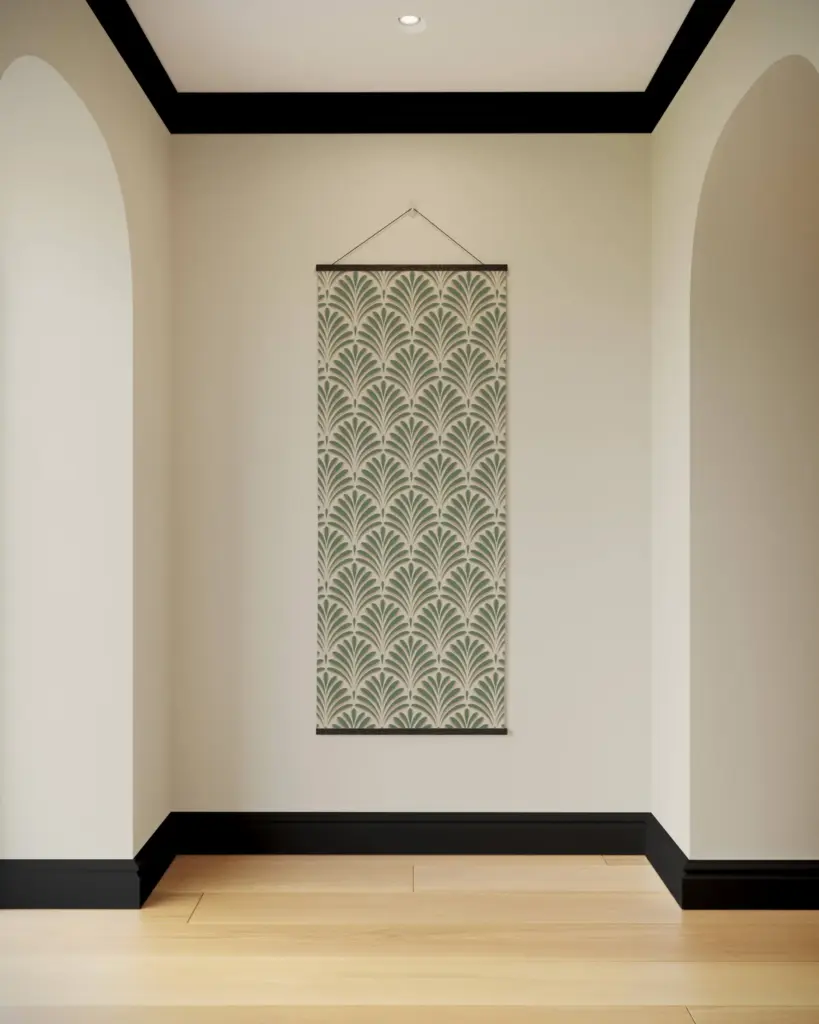 Aisha's pickGreen Wall Fans for a Quick Refresh
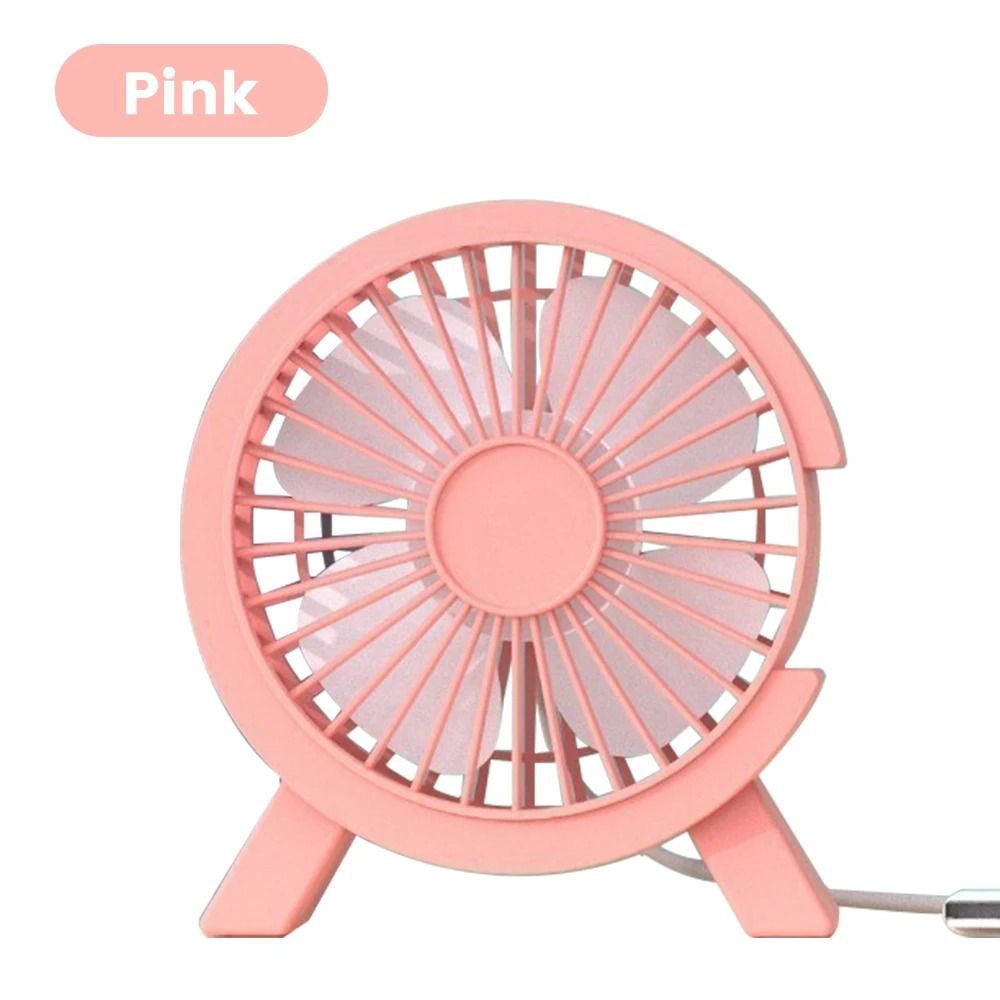
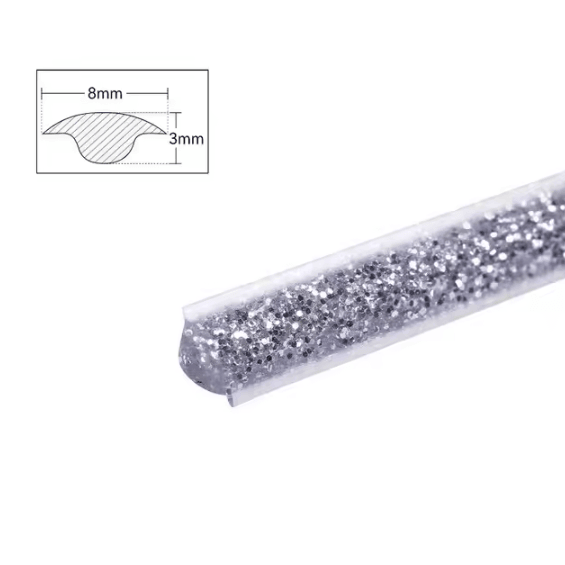
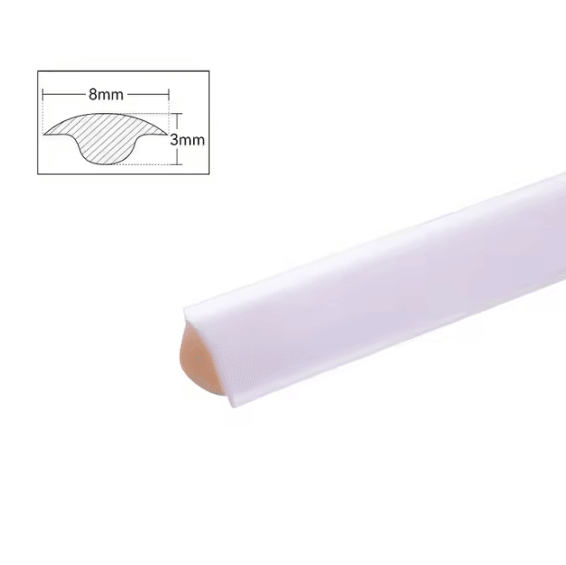 Aisha's pickGood White Tile Grout Without the Big Price Tag
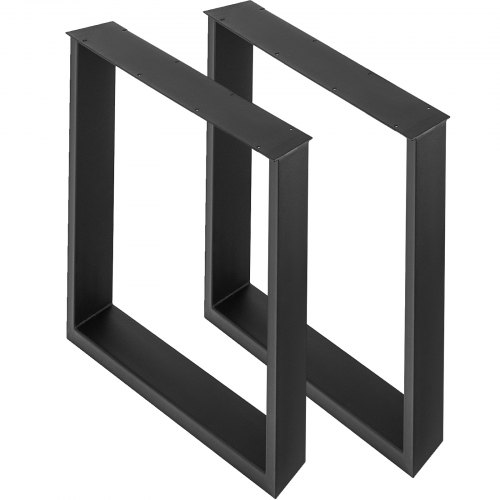
 Aisha's pickWide Desk Legs That Won’t Date in a Year
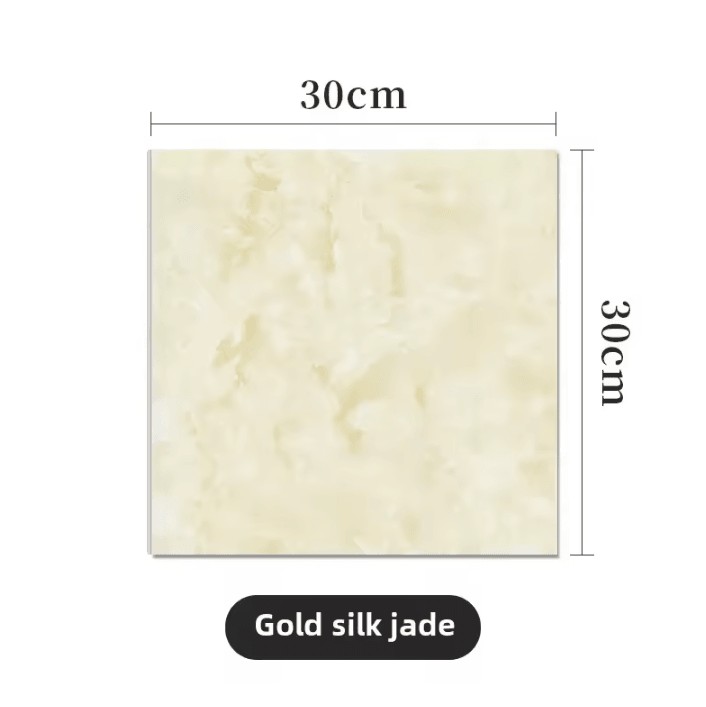 Aisha's pickGray Tile Adhesive That Does What It Should
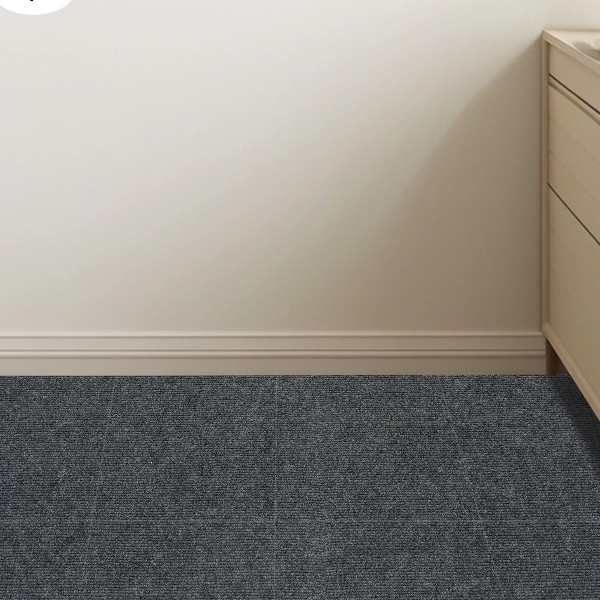
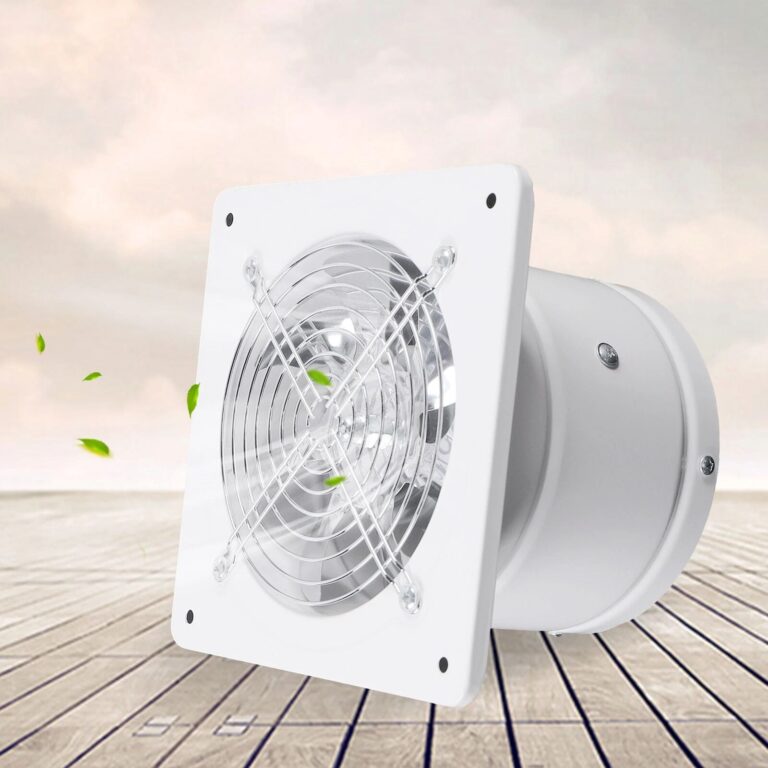 Aisha's pickWhite Wall Fans That Are Easy to Fit

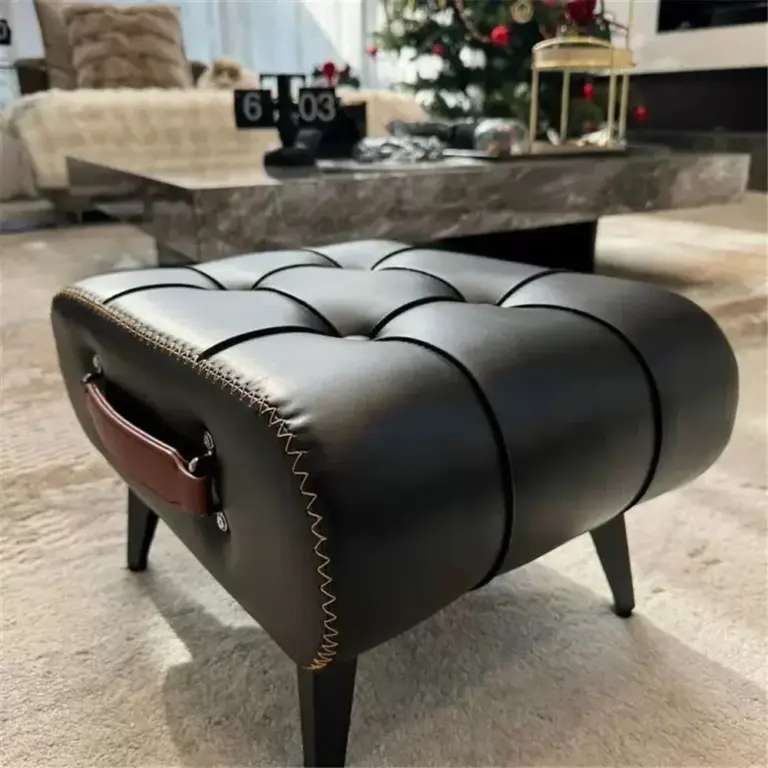 Aisha's pickWooden Desk Legs for Working From Home Without the Backache
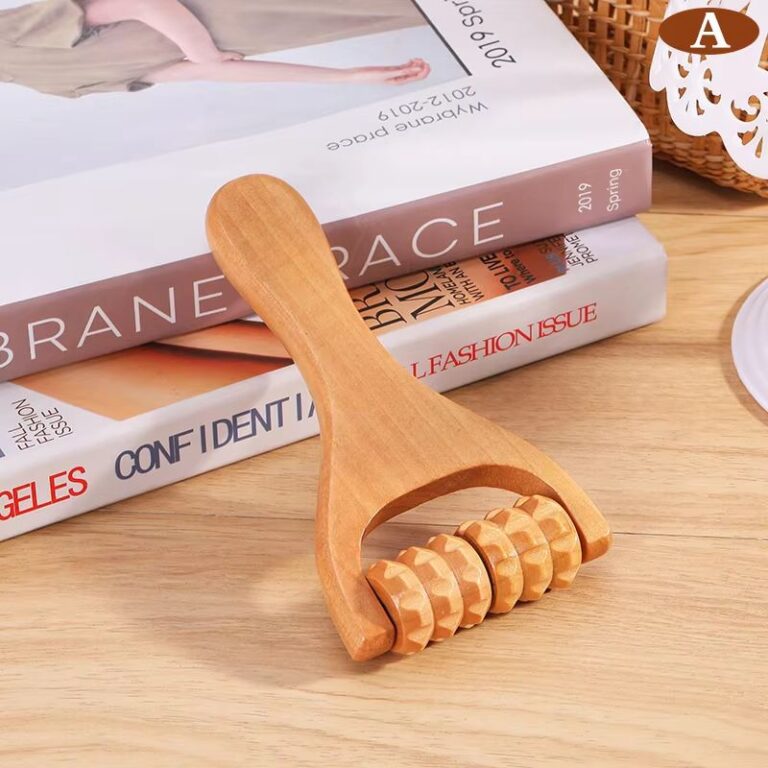
 Aisha's pickShopping for Large Wall Fans? Start Here
 Aisha's pickAdjustable Desk Legs That Make the Spare Room Feel Like an Office

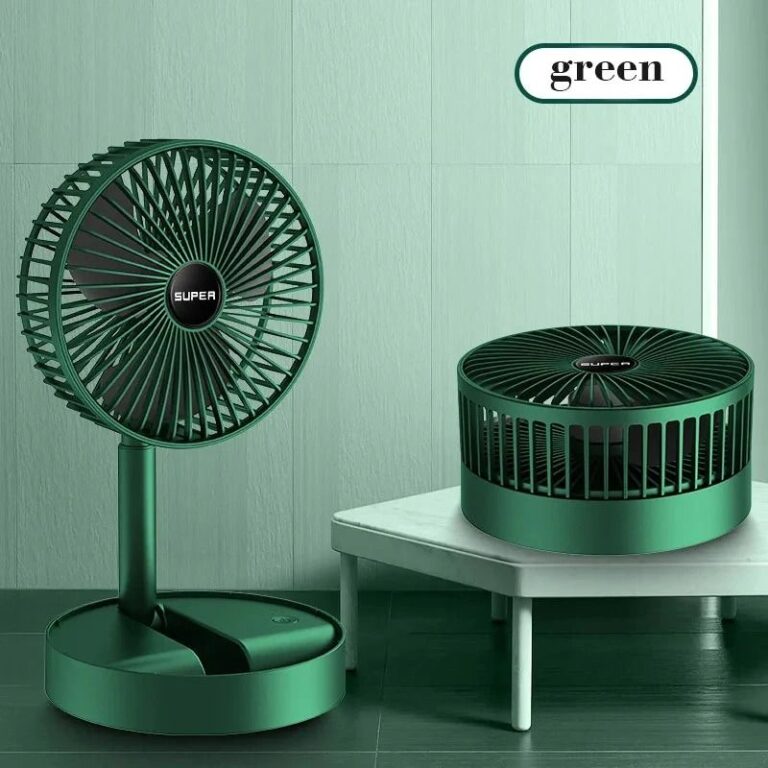 Aisha's pickLong Wall Fans That Work in Old Houses and New OnesAlso worth a lookDesk LegsMeasure the apron depth on your tabletop before you order anything.See the collections →

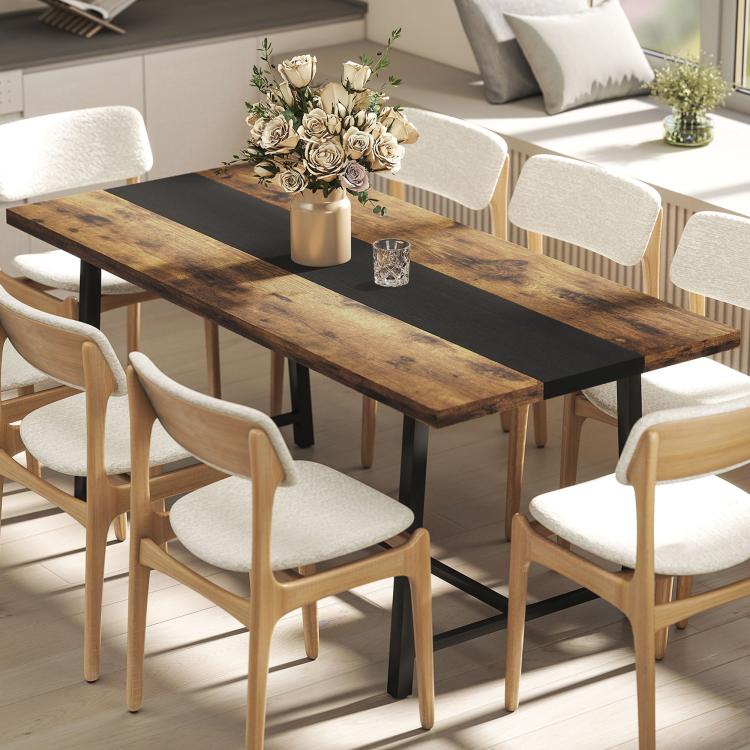
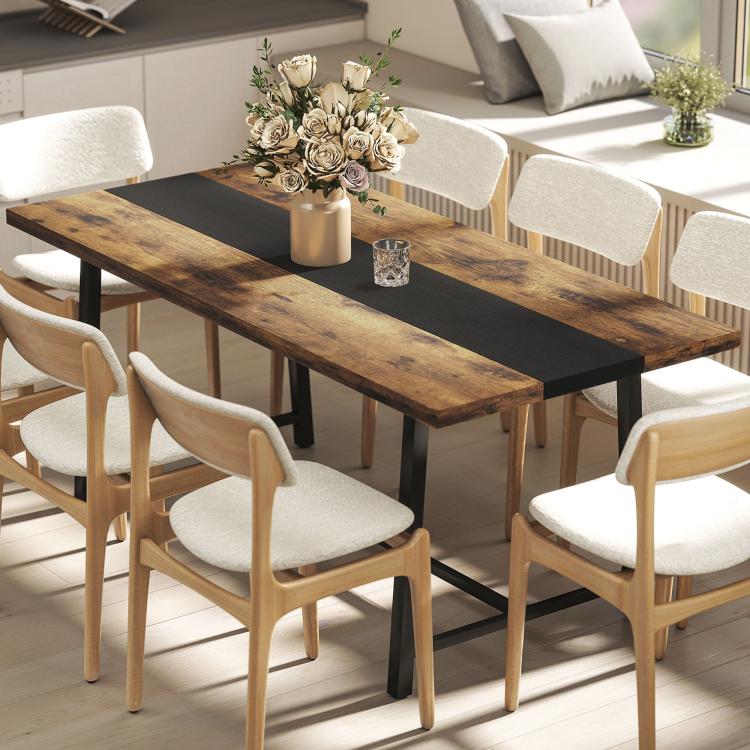 Aisha's pickBlack Desk Legs Picked by People Who Care Too Much
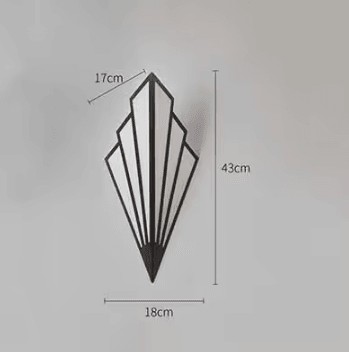 Aisha's pickThe Modern Wall Fans Worth Your Cash

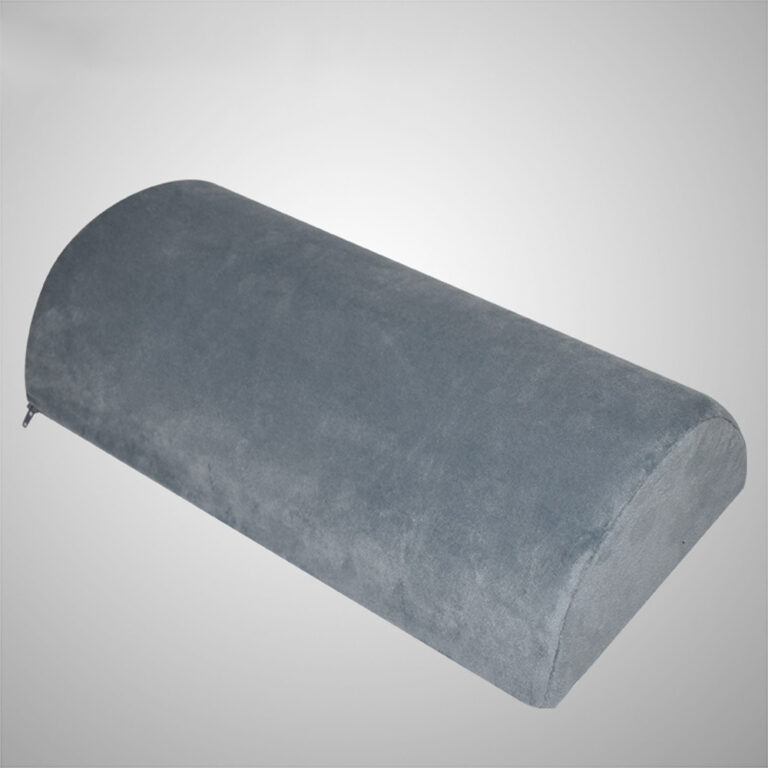 Aisha's pickDesk Legs for Working From Home Without the Backache
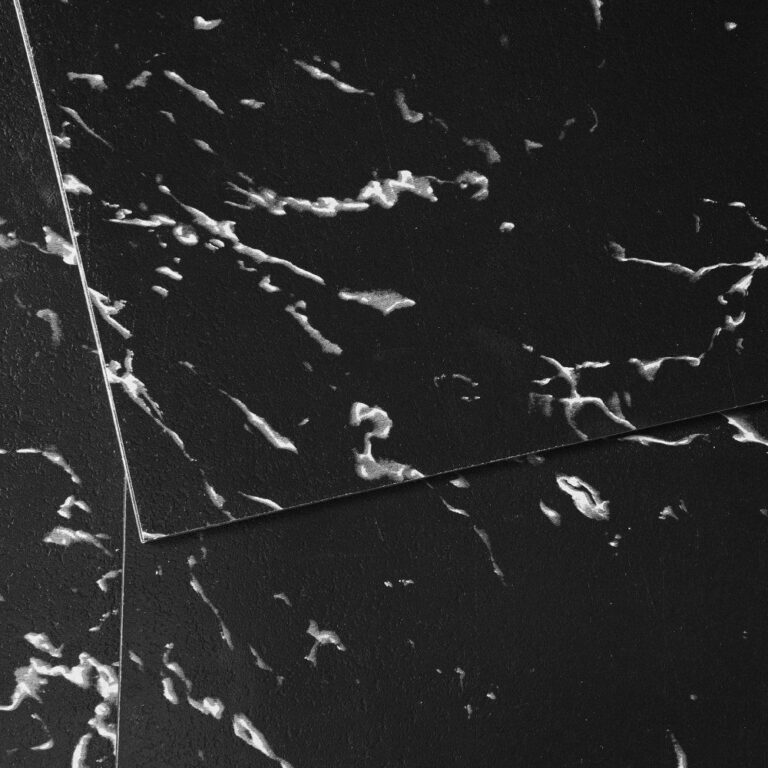 Aisha's pickBlack Flooring Adhesive That Looks the Part
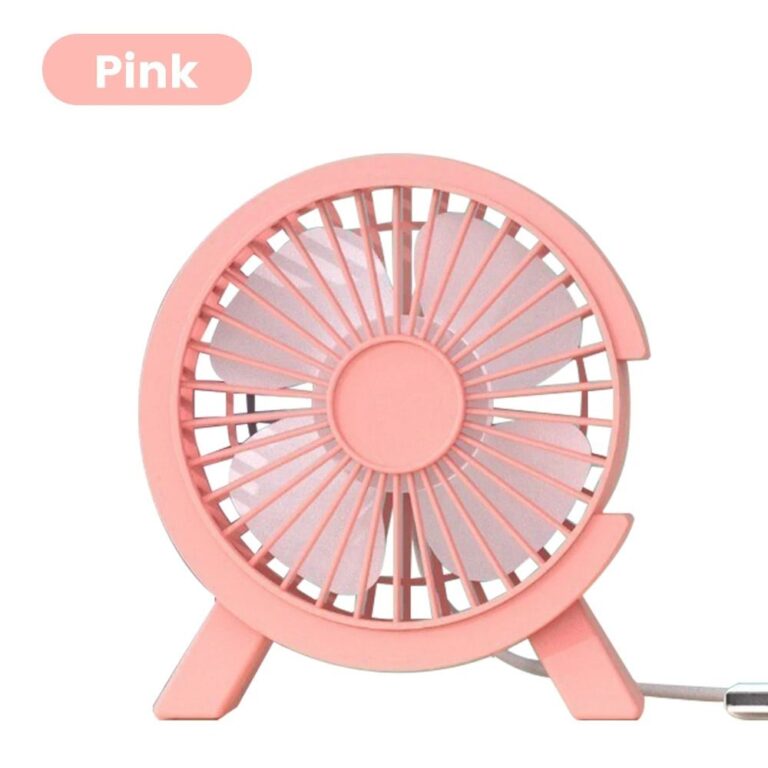 Aisha's pickPink Wall Fans That Are Easy to Fit
 Aisha's pickDesk Legs with Drawer That Don’t Need Babying
 Aisha's pickGood Black Tile Adhesive Without the Big Price Tag
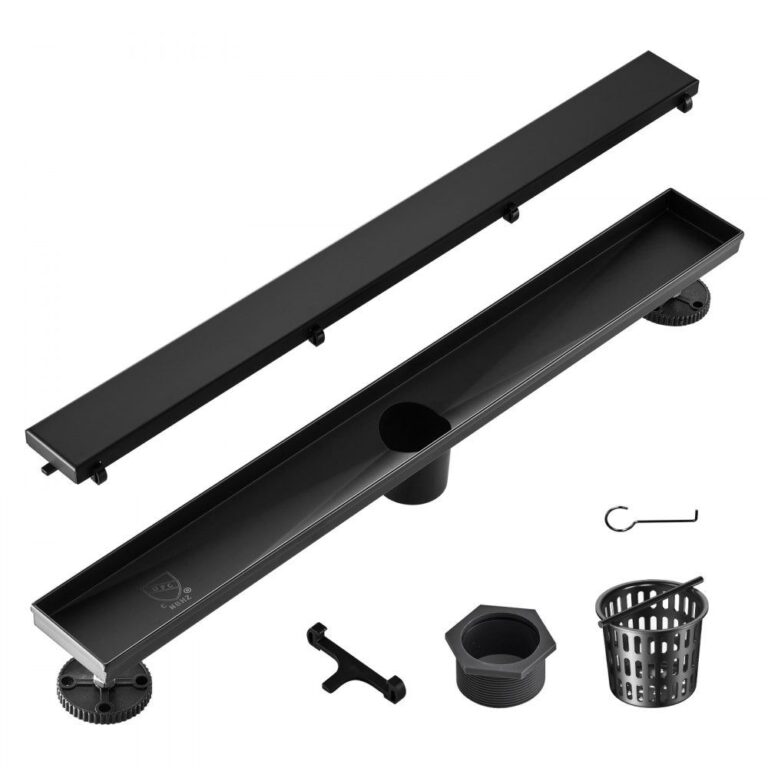
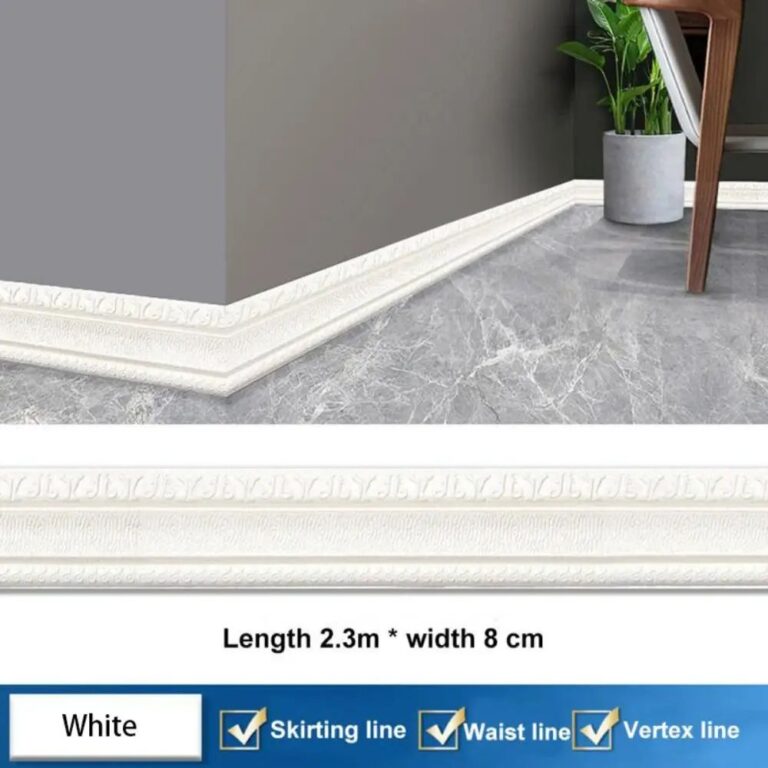 Aisha's pickBaseboards That Make the Spare Room Feel Like an Office
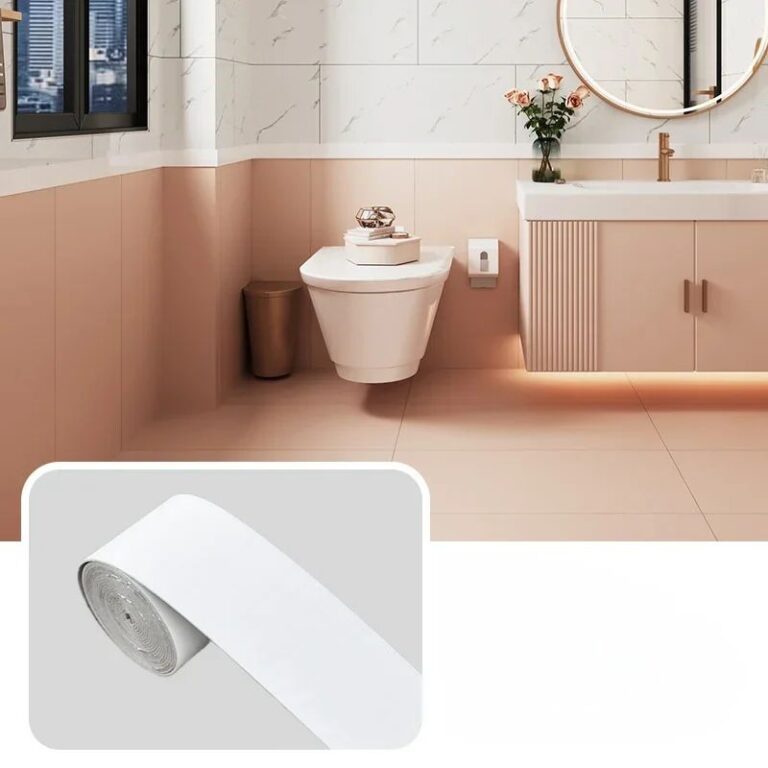
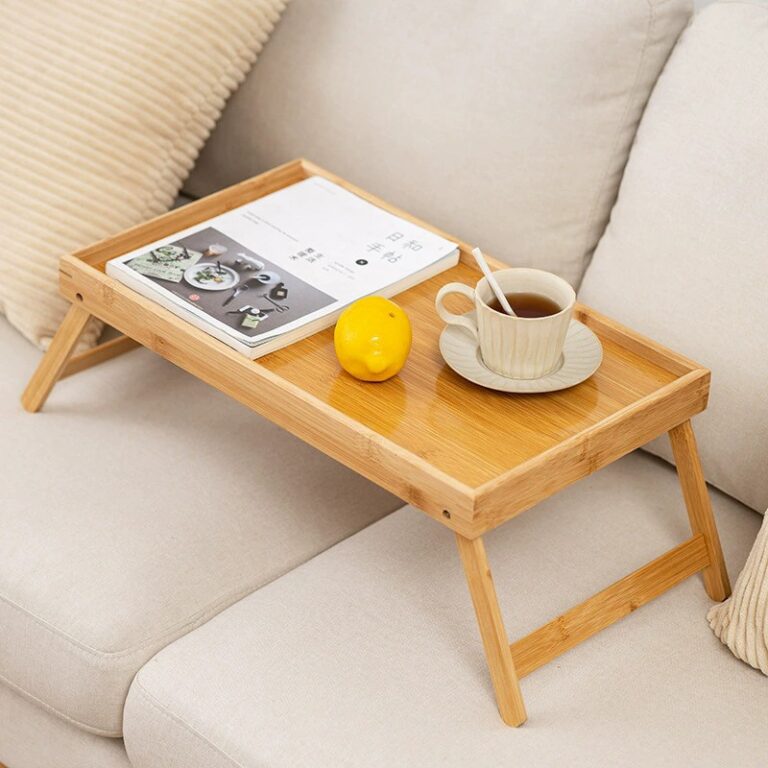 Aisha's pickDesk Legs with Storage That Won’t Date in a YearAlso worth a lookHandles & KnobsThe first thing I do with a handle or knob is turn it over and check the back, because that's where the cheap ones give themselves away.See the collections →
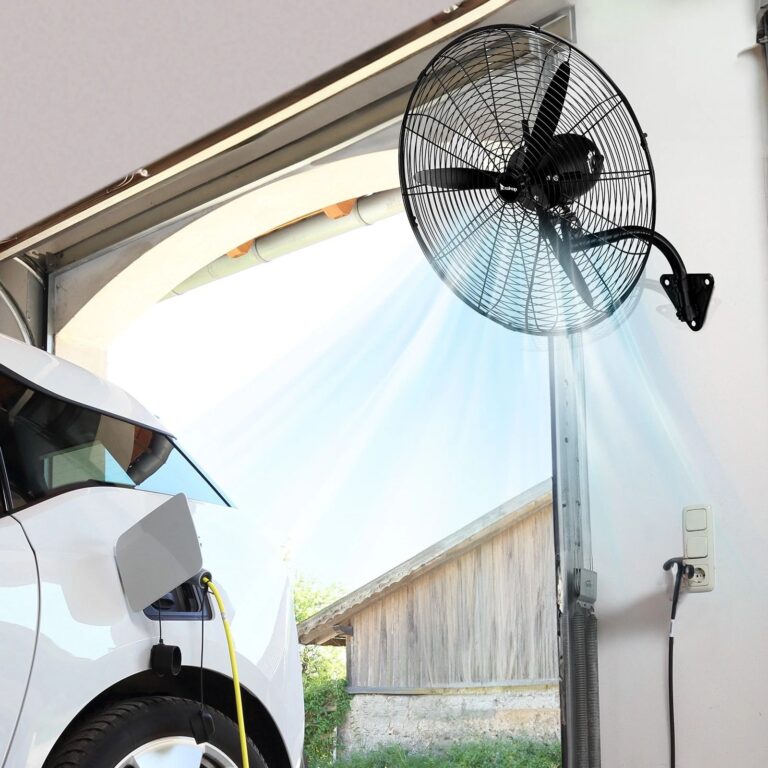
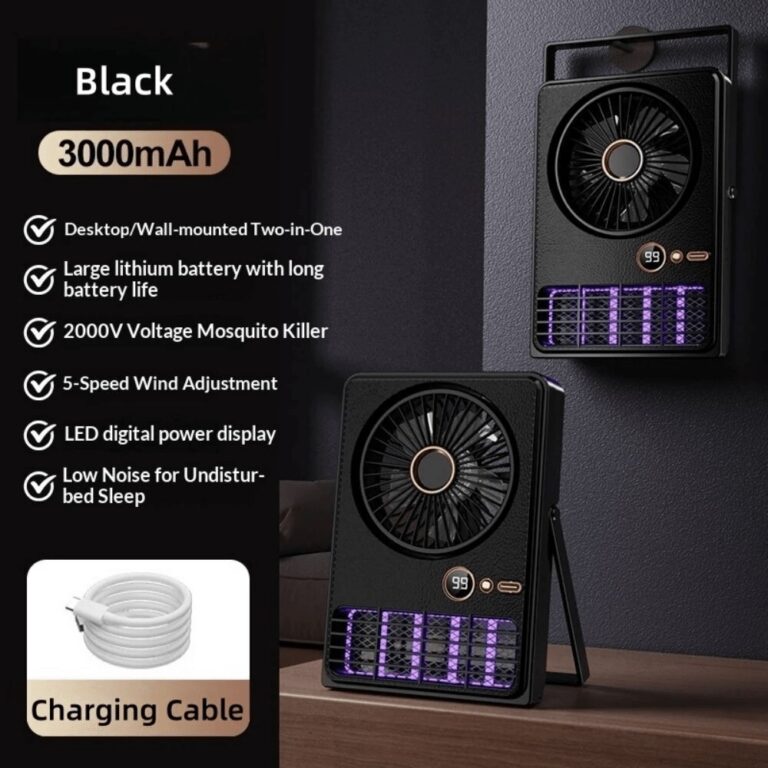 Aisha's pickDecent Black Wall Fans Without the Hassle
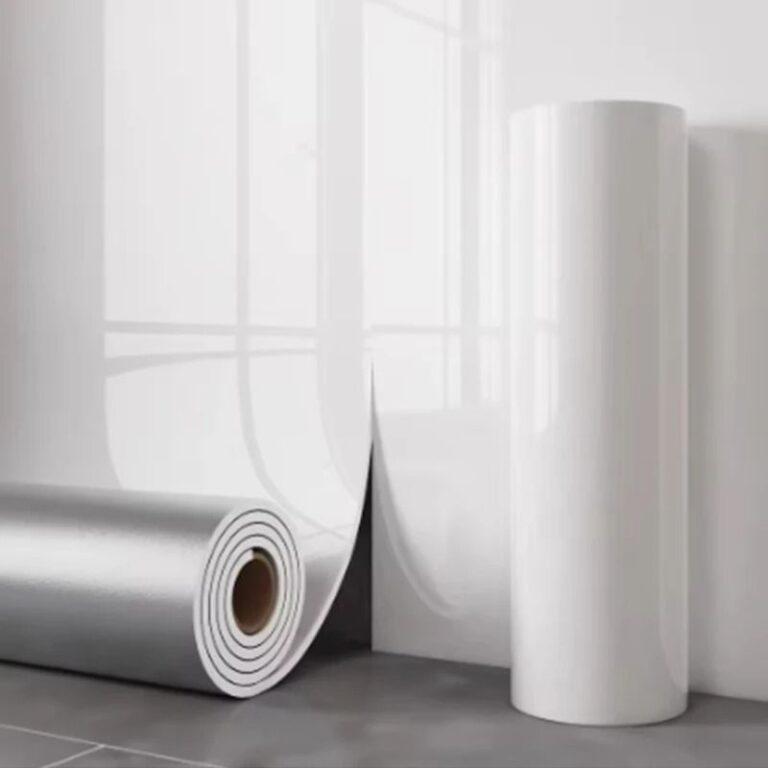 Aisha's pickTile Adhesive Picked by People Who Care Too Much
 Aisha's pickDesktop Desk Legs That Make the Spare Room Feel Like an Office

 Aisha's pickBlue Wall Fans at Every Price Point
 Aisha's pickTile Adhesive for Wood Floors Picked From the Stores We Trust
 Aisha's pickGood Ergonomic Desk Legs That Don’t Cost a Fortune
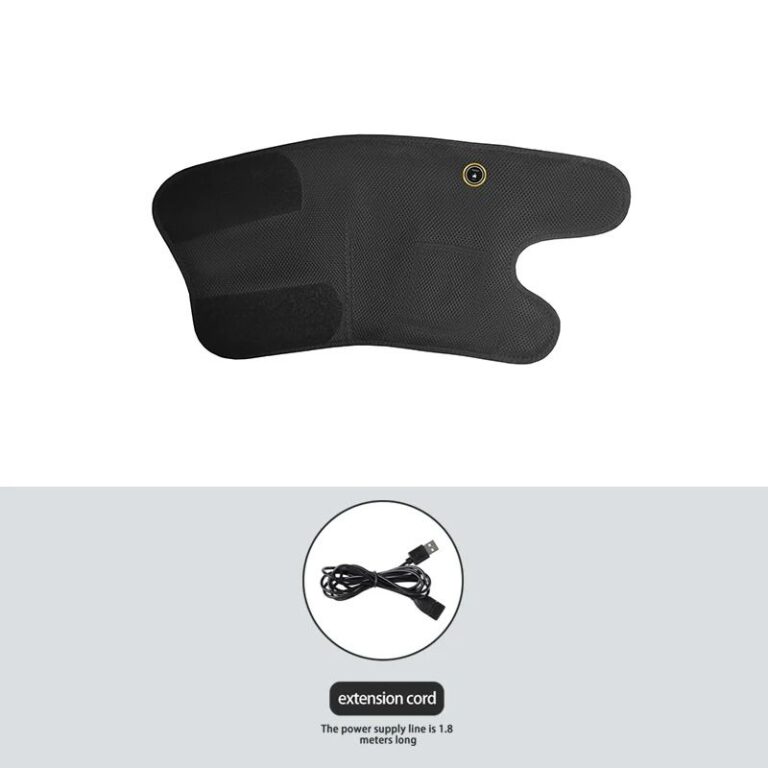
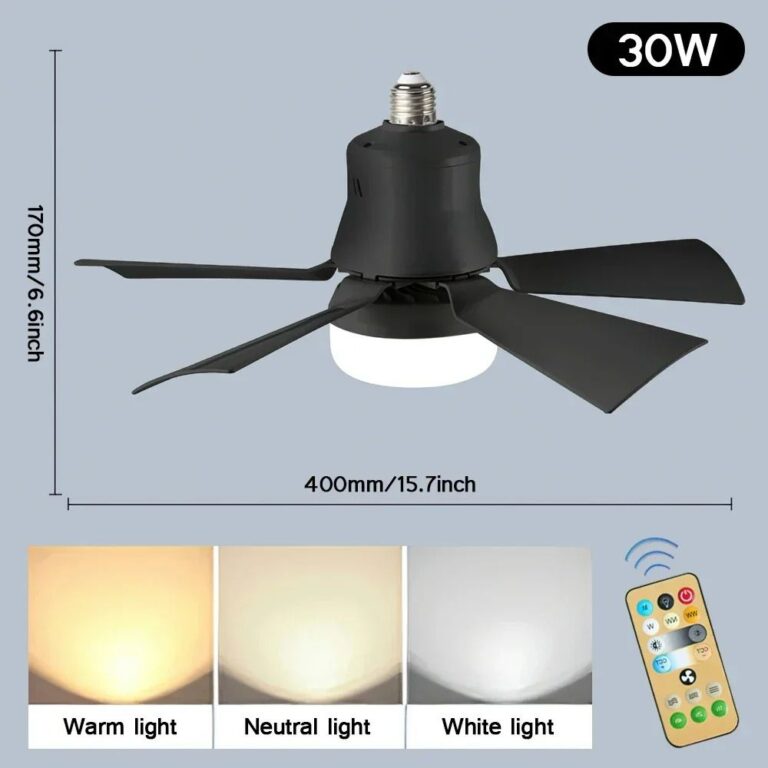 Aisha's pickCeiling Fans That Fit Into Real Life
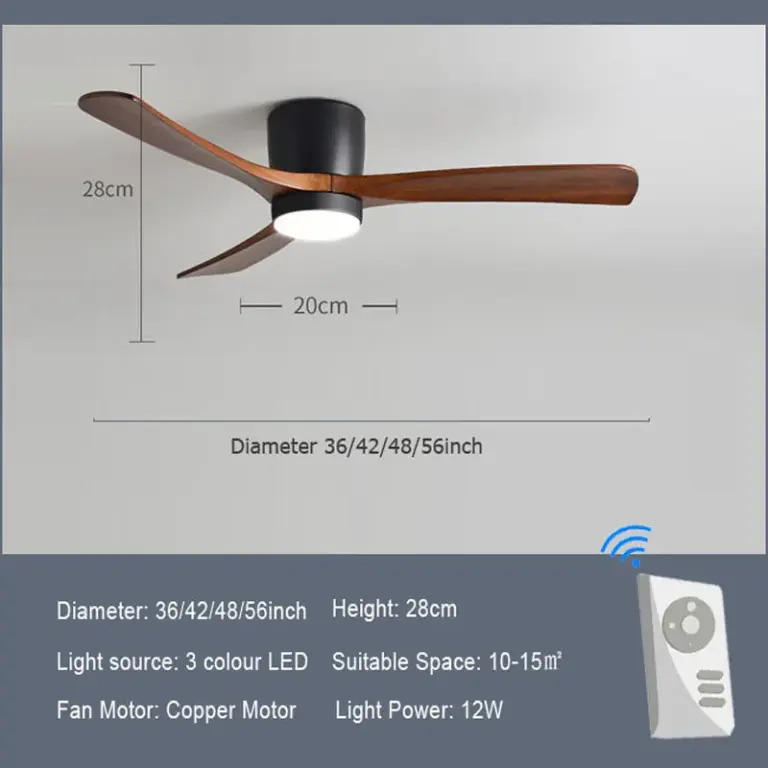
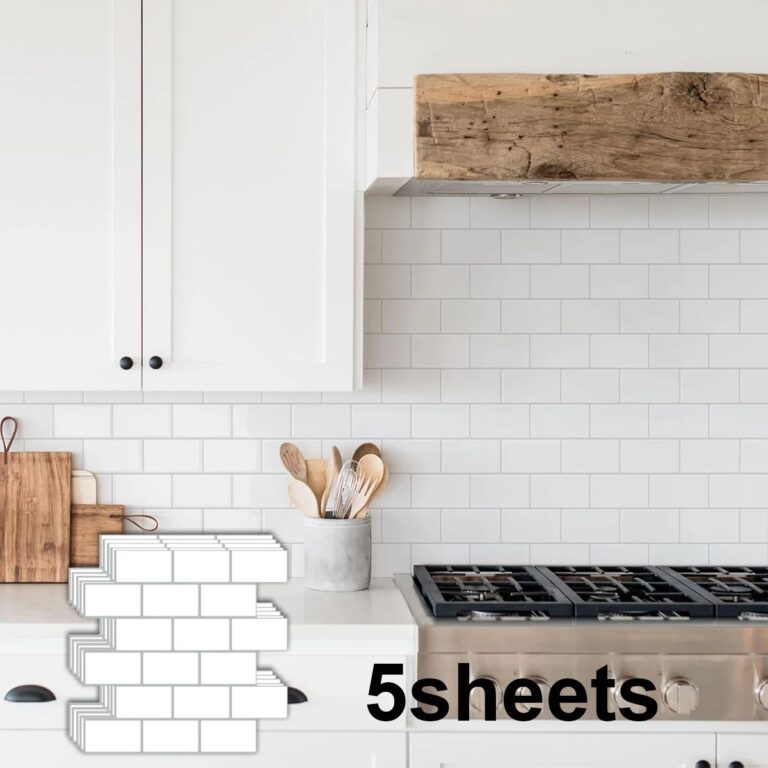 Aisha's pickTile Grout With a Bit More About It
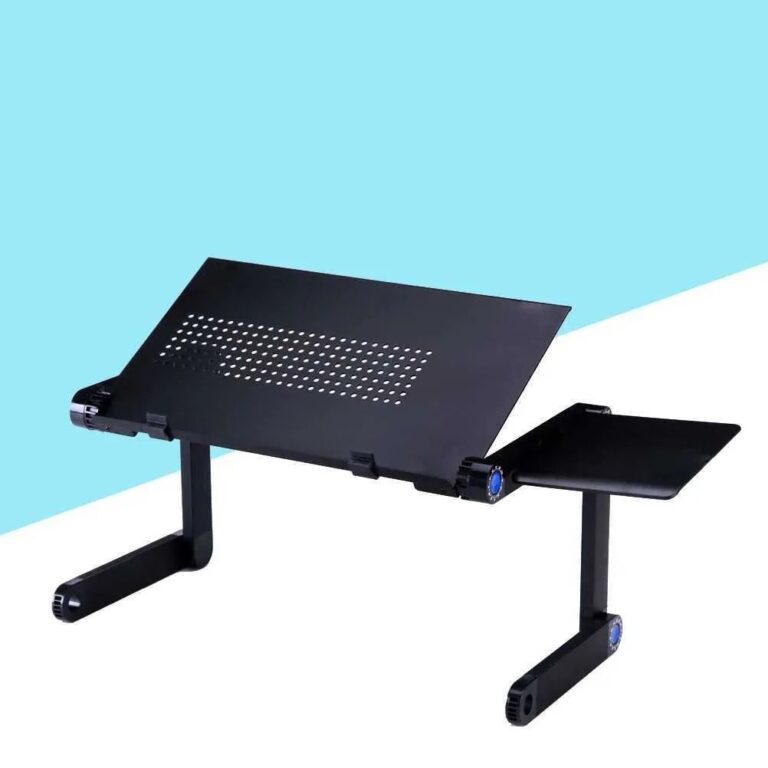 Aisha's pickHeight Adjustable Desk Legs That Make the Spare Room Feel Like an OfficeAlso worth a lookFireplacesIf you're standing in a showroom running your hand along the mantel, the first thing I'd tell you…See the collections →
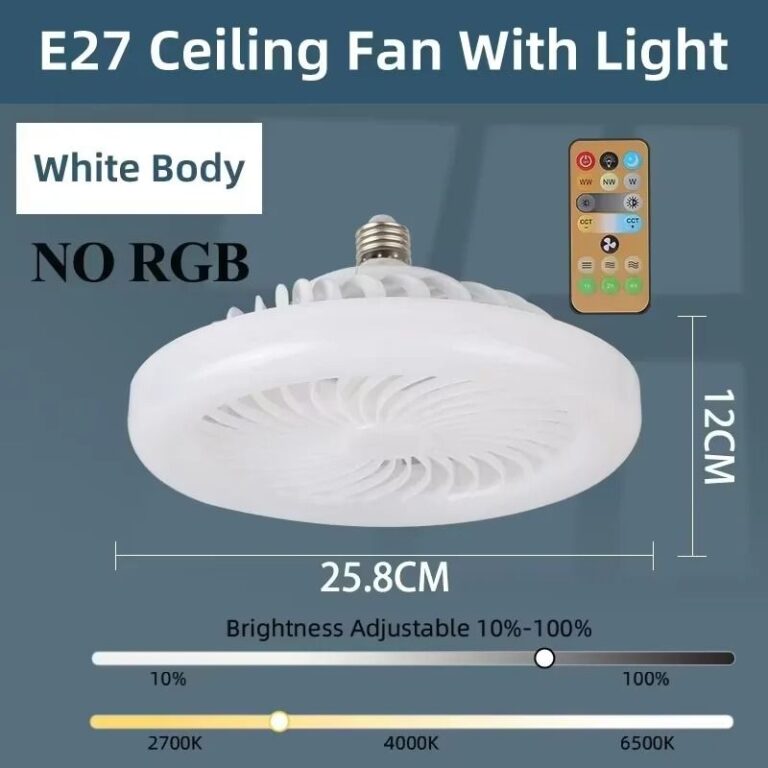 Aisha's pickCeiling Fans with Remote That Lift a Tired Room
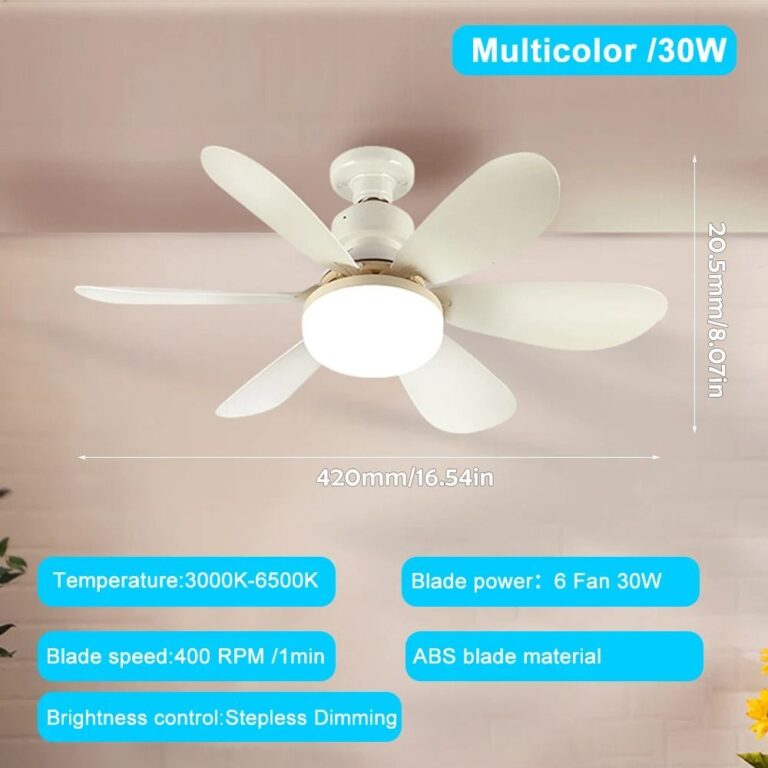
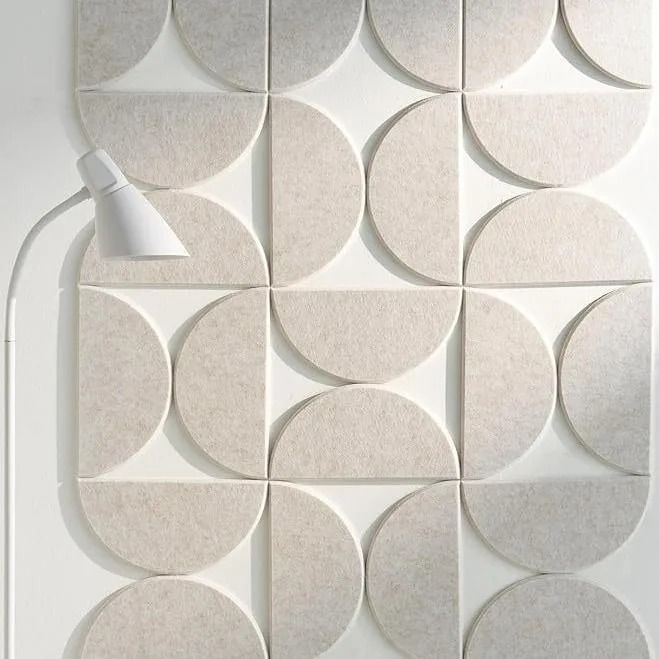 Aisha's pickNo Fuss Tile Paint
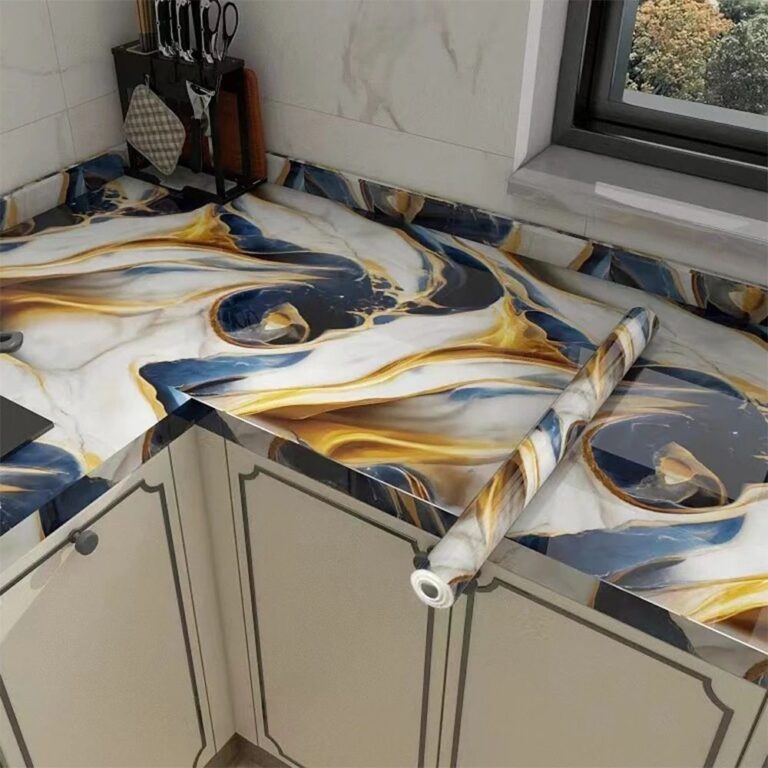
 Aisha's pickLarge Desk Legs That Make the Spare Room Feel Like an Office

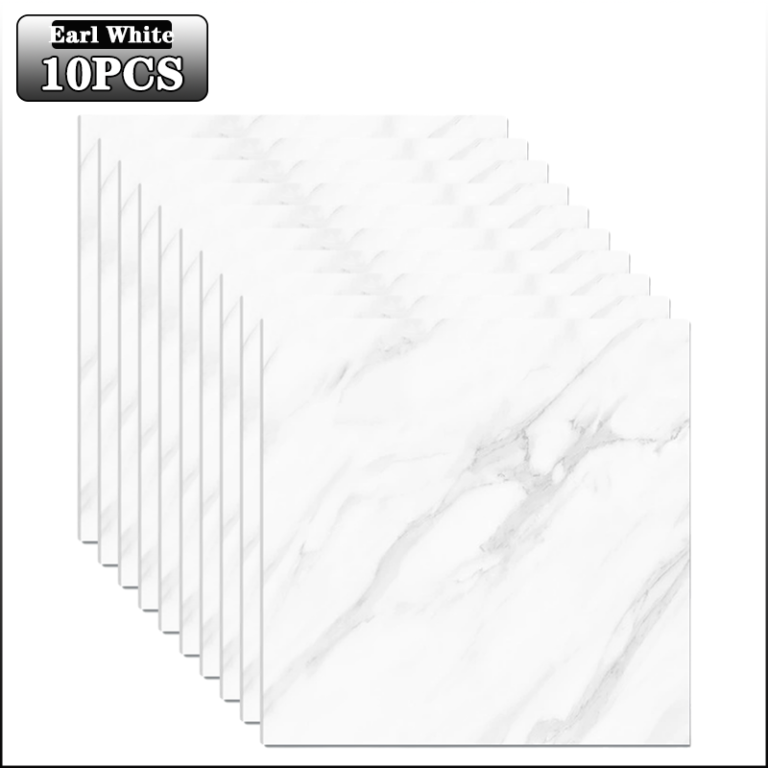 Aisha's pickFlooring Adhesive Hunted Down So You Don’t Have To
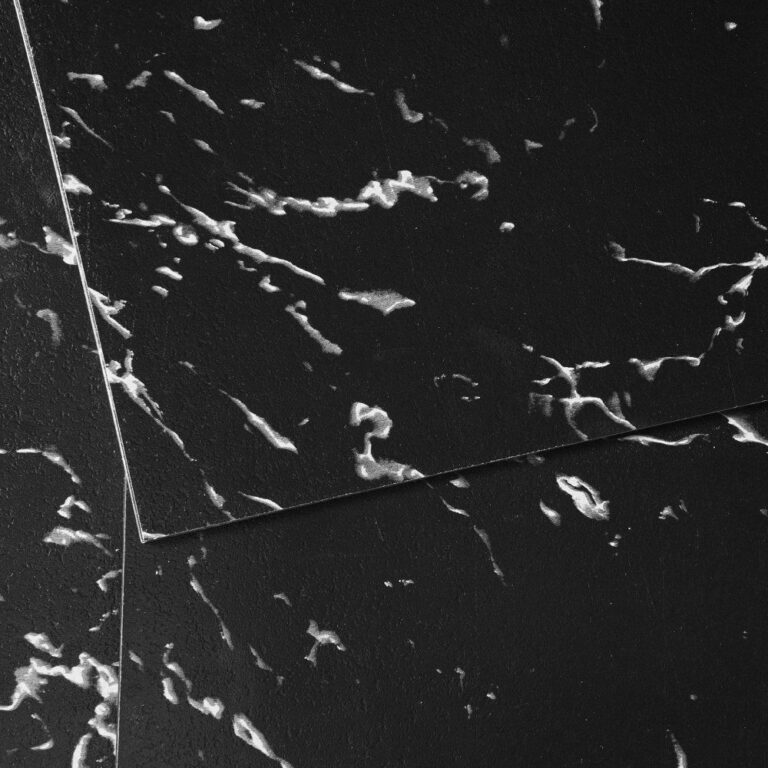
 Aisha's pickVintage Wall Fans for Doing Up a Room on a Budget

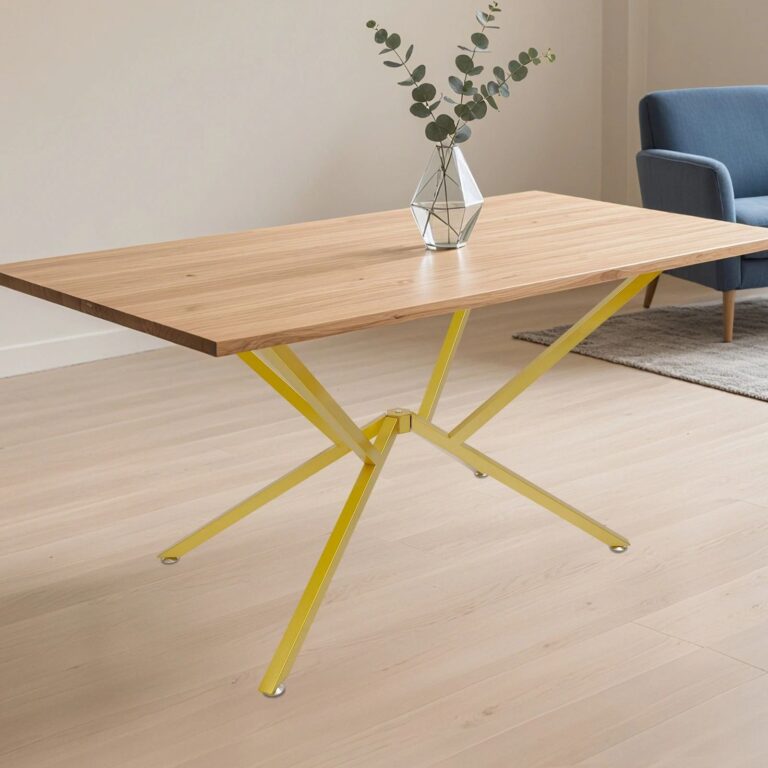 Aisha's pickMetal Desk Legs at Every Price Point
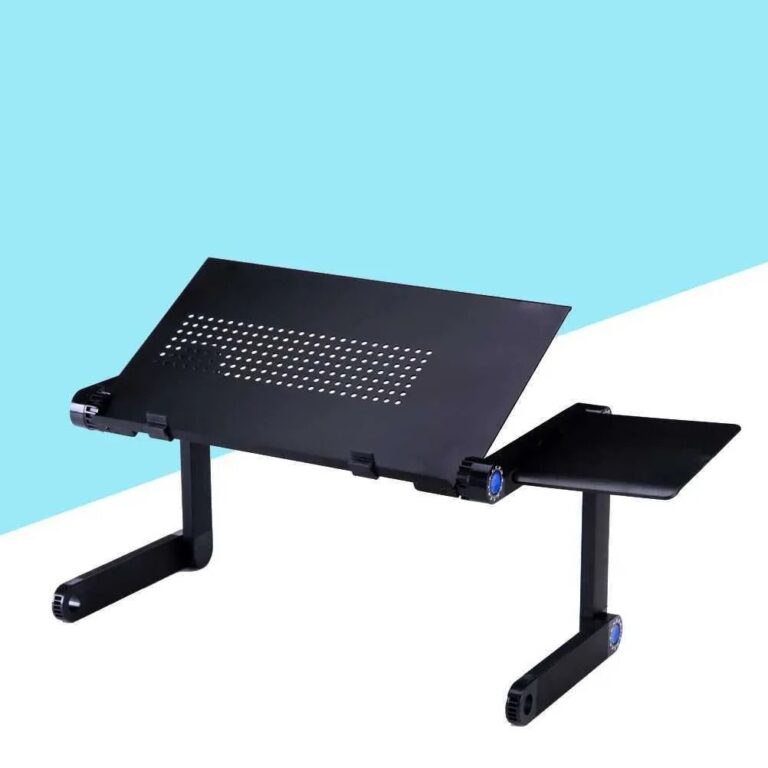
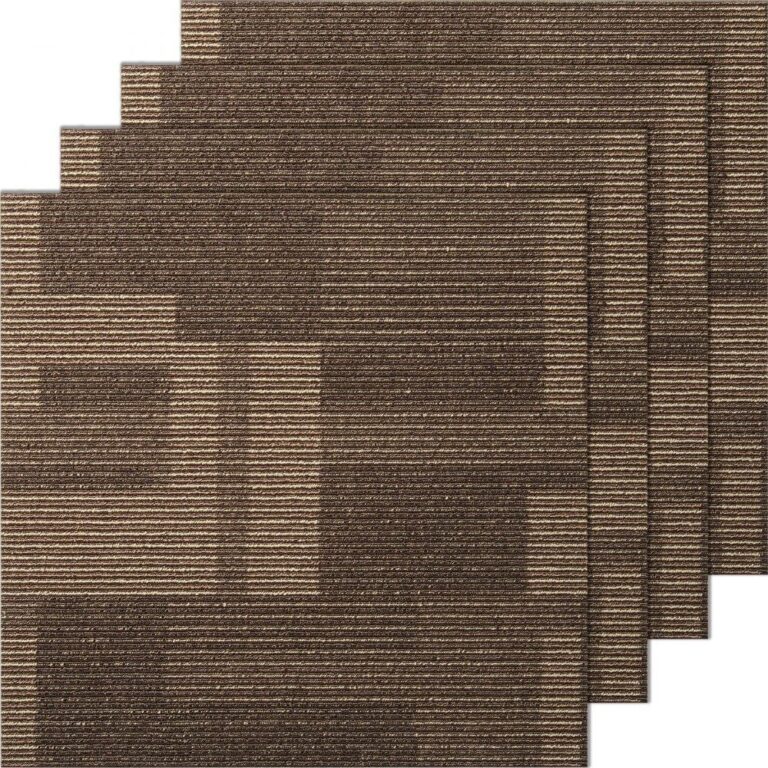 Aisha's pickFlooring Adhesive for Tiles That Doesn’t Cost a Fortune
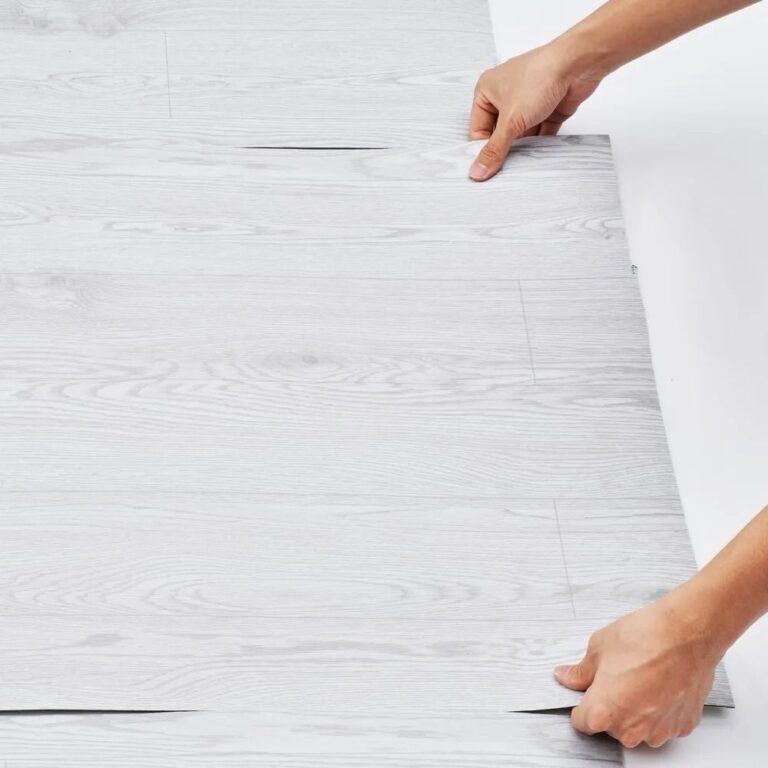
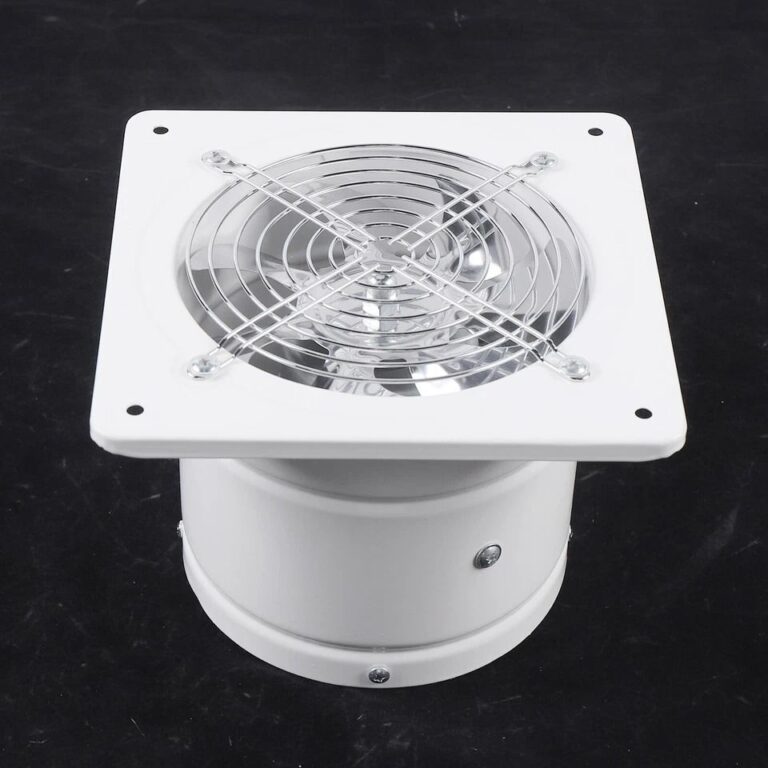 Aisha's pickWall Fans Without the Silly Price Tag