The thing nobody tells you about a new door is that it doesn't sound right for weeks. You close it and there's this hollow, cheap little clap instead of the solid thunk you had before, and then one day it just settles into the frame properly and sounds like it belongs there. Nobody mentions that part when you're standing in the aisle comparing hinges.
Measuring for a door or a shutter is where most people come unstuck, and I mean that as someone who once ordered a door for a bathroom that turned out to be swinging the wrong way, so it slammed into the sink every single time. Measure the opening itself, not the old door, because old frames settle and warp over a hundred years and yours is almost certainly not a standard size even if the building looks ordinary from the street. Check the swing, check what's behind it when it's fully open, and for shutters measure the window recess depth as carefully as the width, because a shutter that's too deep for the sill will never sit flush and you'll be looking at that gap every single day. Get the scale wrong on a door and it either looks like it was borrowed from a dollhouse or it dominates a small hallway so completely you have to turn sideways to get past it.
Where these really earn their place is in older homes with some bones already, a bit of original trim, a hallway with proportions worth respecting, because a good solid door with real heft to it, the kind that closes with weight rather than a slap, makes a rental or a starter house feel instantly less temporary. Panel doors and louvered shutters suit a home that leans toward soft furnishings and warm light. In a very modern, boxy new build they can look almost like a costume, too much character dropped into a space that wasn't built for it, and that's the one place I'd actively steer you away from them.
They're the wrong choice if you're renting and can't touch the existing doors, obviously, though shutters are far more forgiving there since most fix with no drilling into the wall itself. And be careful what you put them near: a heavy, rustic plank door next to sleek steel kitchen hardware just looks confused, like two different houses had an argument and neither one won.
A good door is the one piece of hardware in a home you touch every single day and never think about until it's wrong.

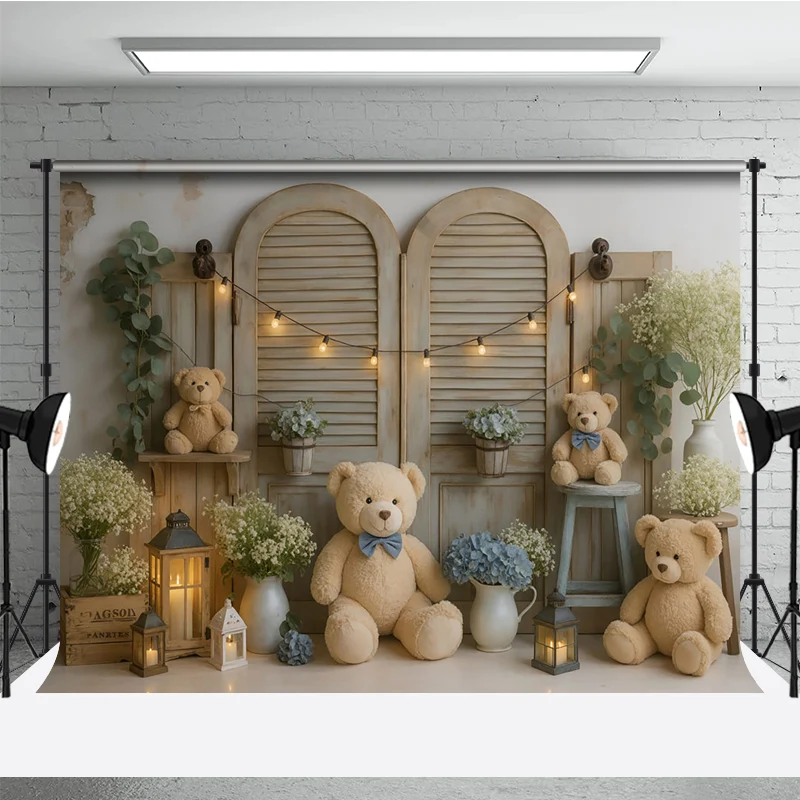 Aisha's pickShutters for a Quick Refresh
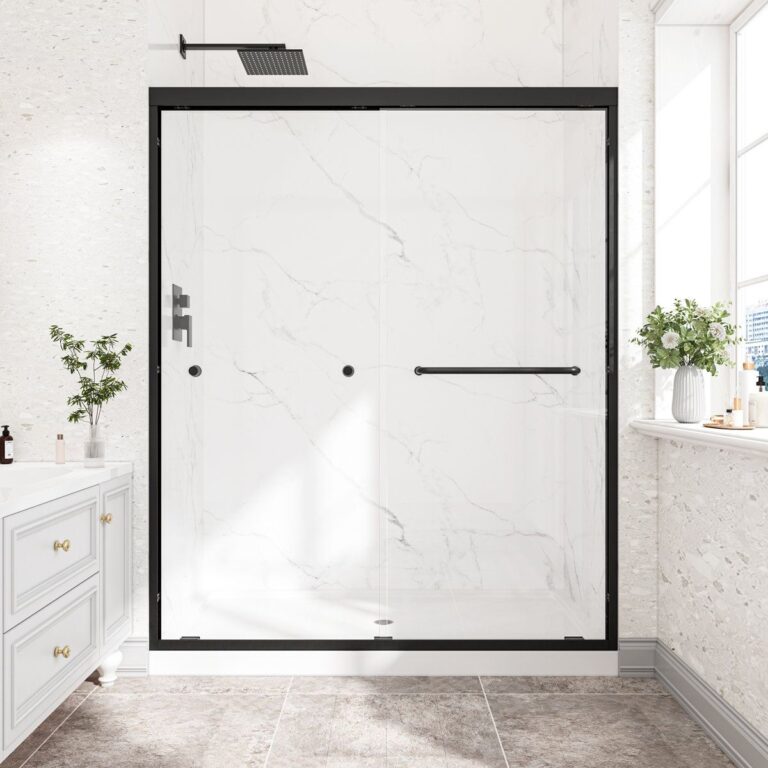 Aisha's pickBlack Shower Doors for a Bathroom Refresh Without a Refit
 Aisha's pickShopping for Tall Kitchen Cabinet Doors? Start Here
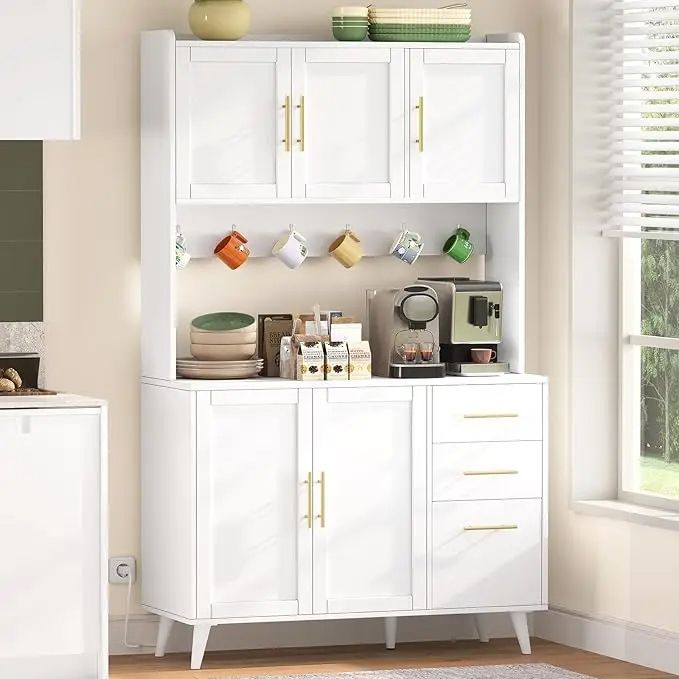
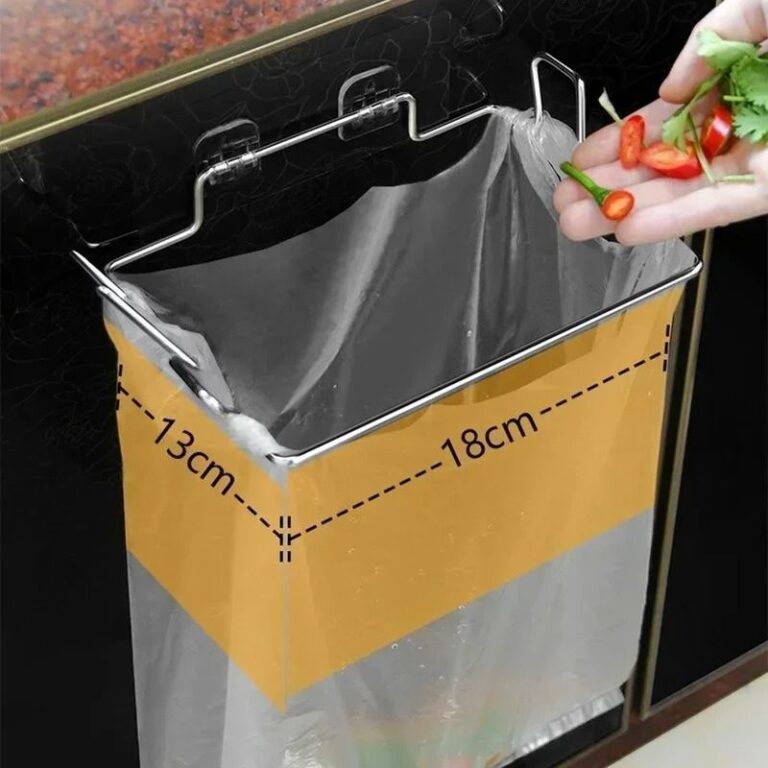 Aisha's pickFreestanding Kitchen Cabinet Doors That Cope With Steam and Splashes
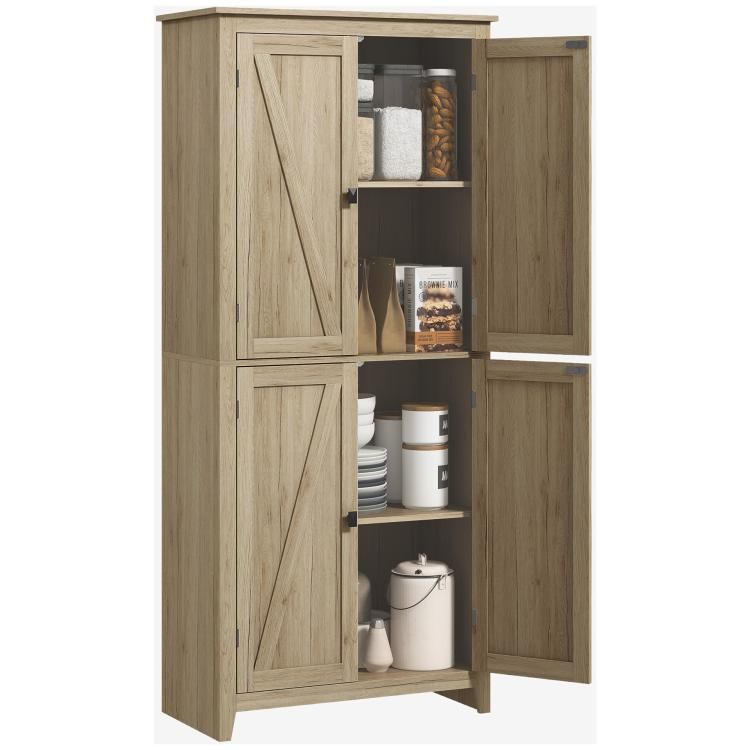
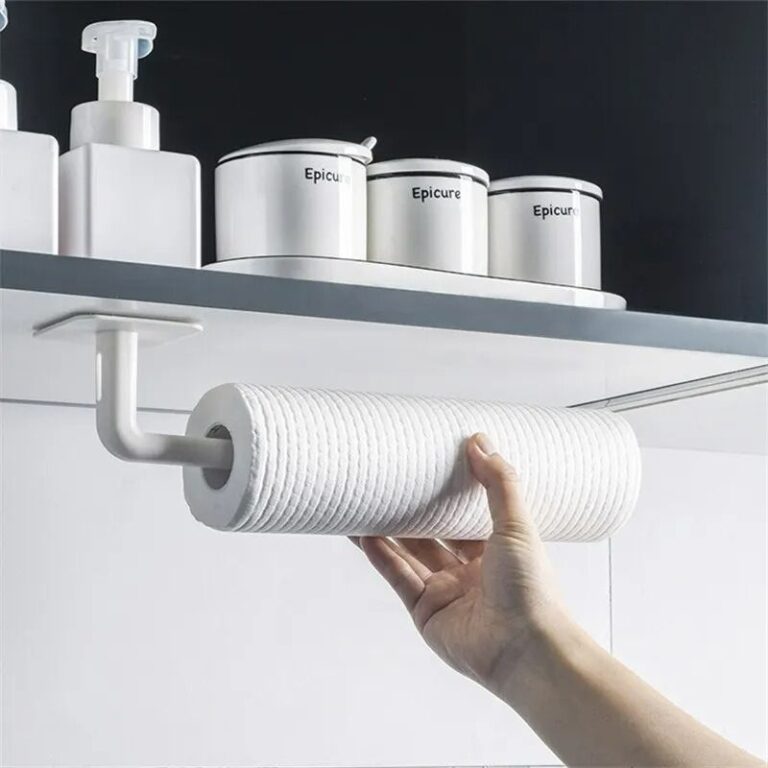 Aisha's pickWhite Kitchen Cabinet Doors That Make a Room Feel Finished
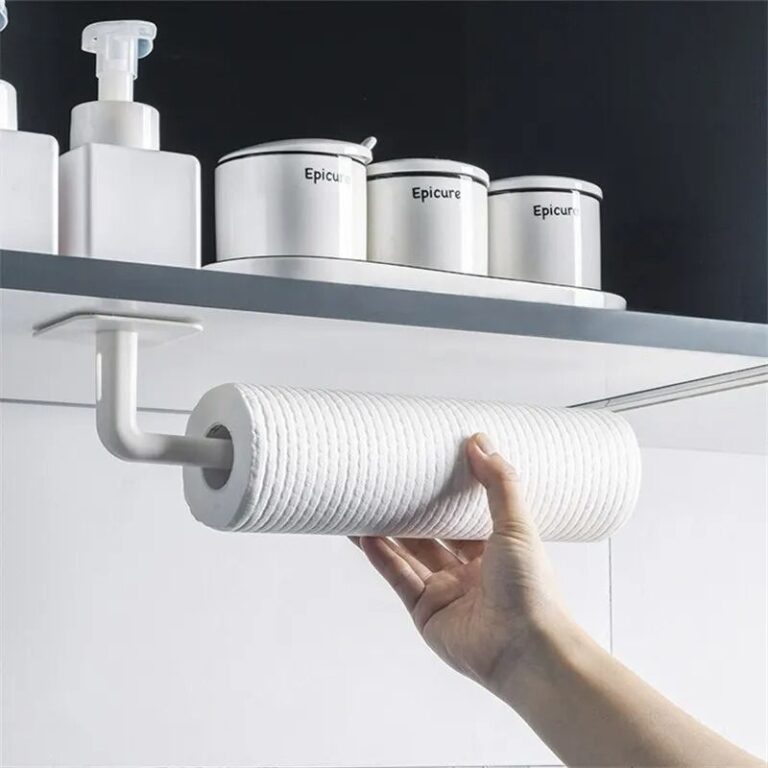
 Aisha's pickGlass Kitchen Cabinet Doors That Visitors Always Ask About

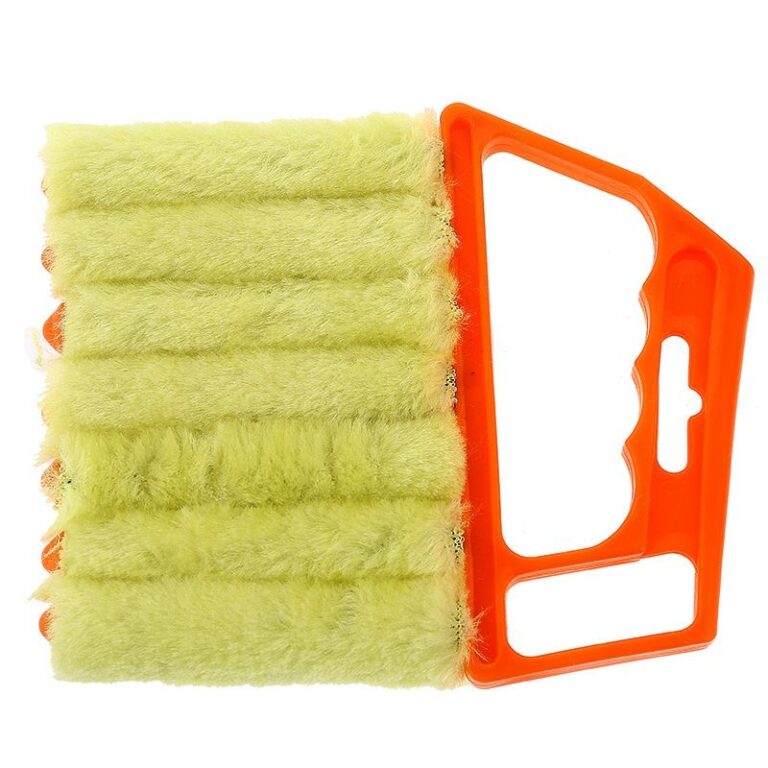 Aisha's pickWindow Shutters Hunted Down So You Don’t Have To
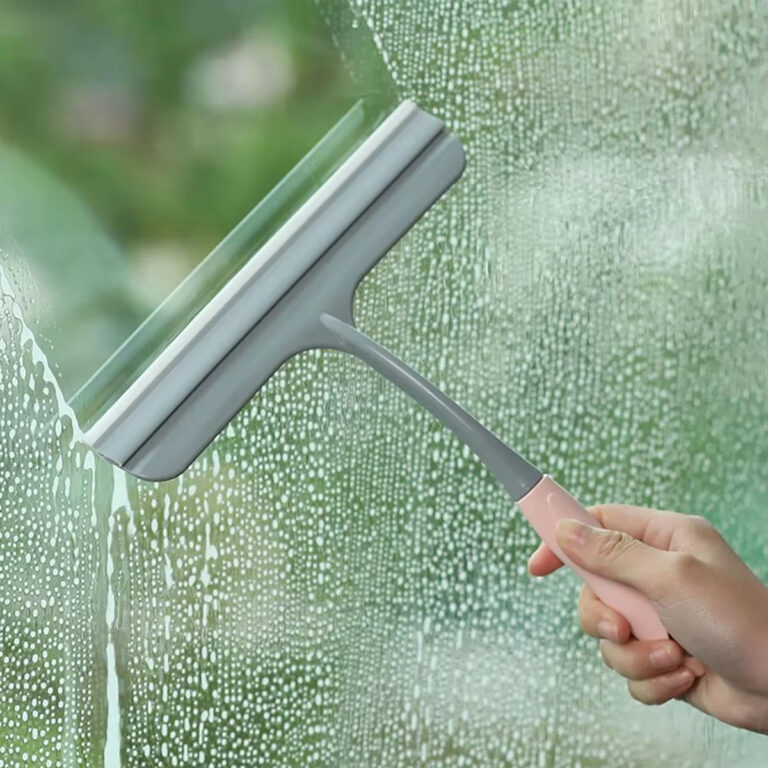 Aisha's pickGlass Shower Doors We’d Put in Our Own Bathroom
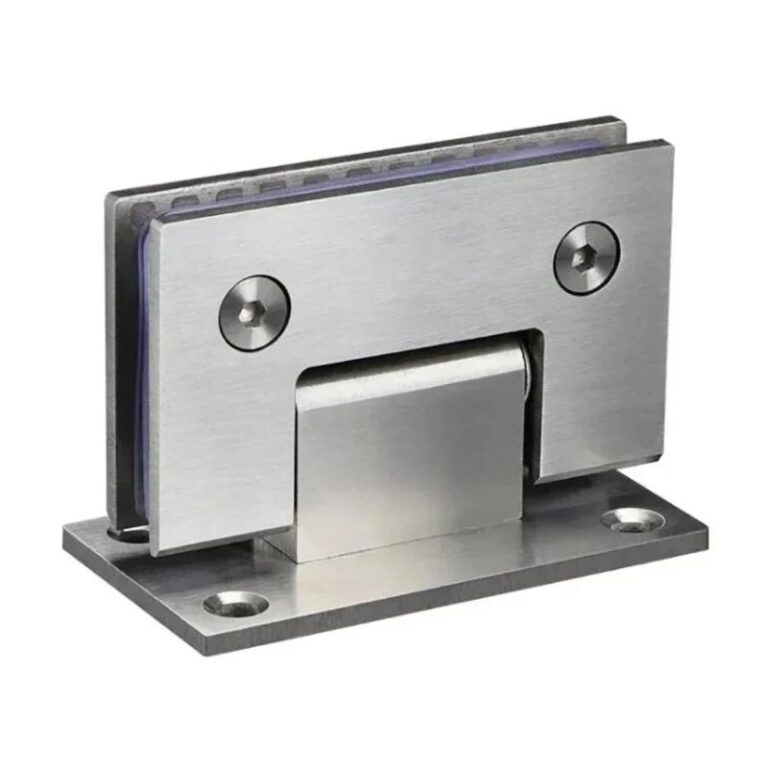
 Aisha's pickKitchen Cabinet Doors That Make Cooking a Bit NicerAlso worth a lookHandles & KnobsThe first thing I do with a handle or knob is turn it over and check the back, because that's where the cheap ones give themselves away.See the collections →
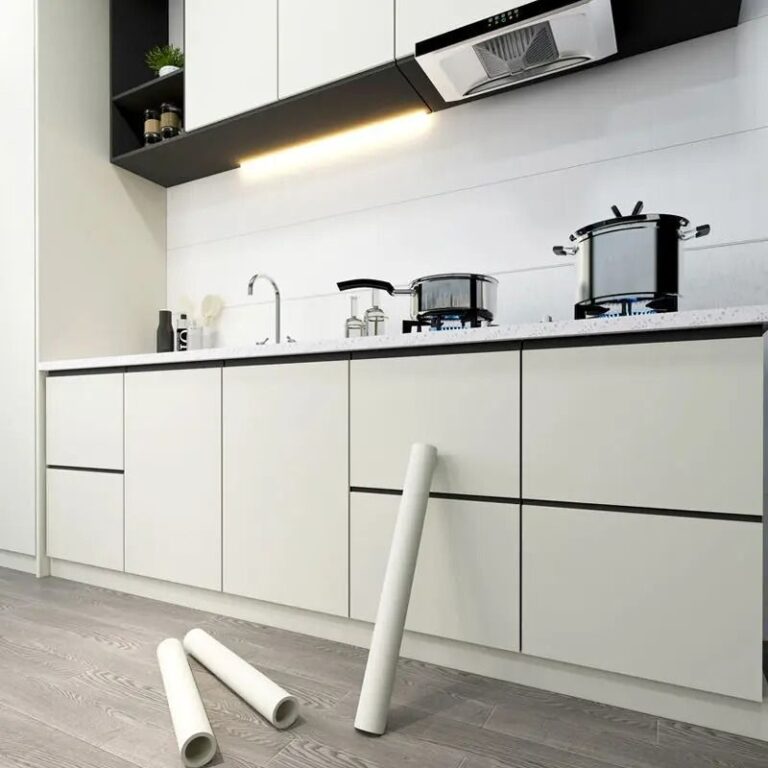
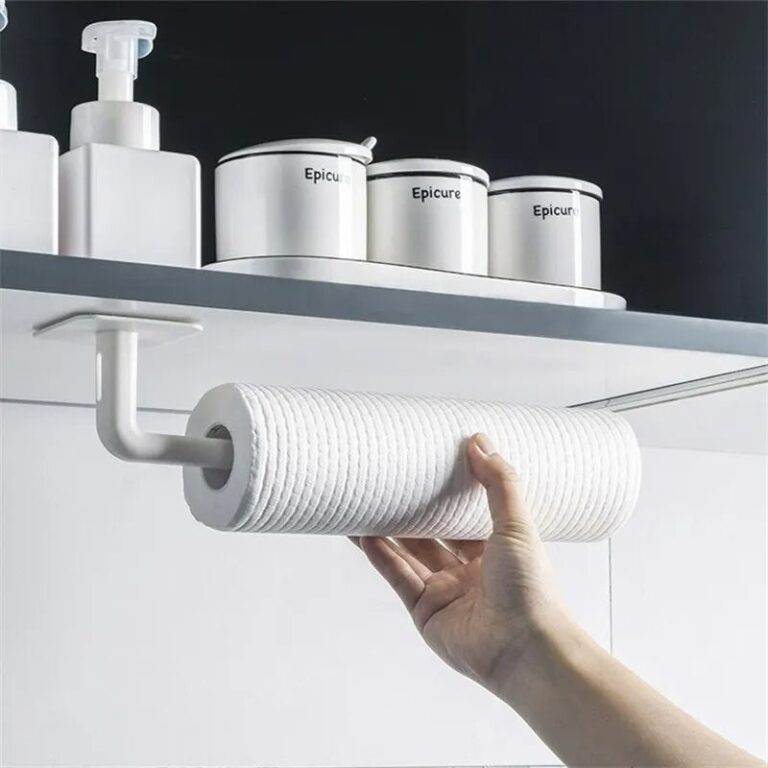 Aisha's pickKitchen Cabinet Doors with Drawers You’ll Still Like in Five Years
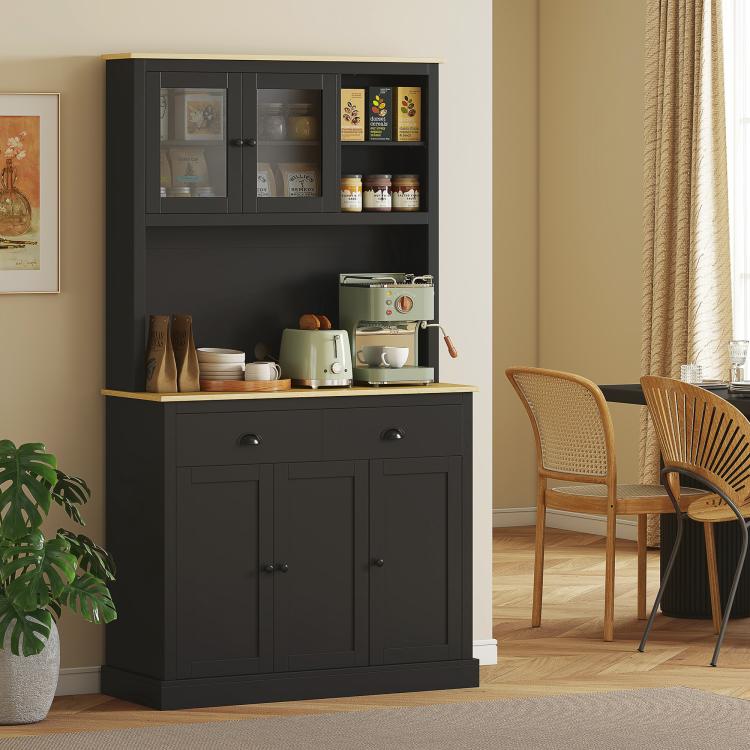
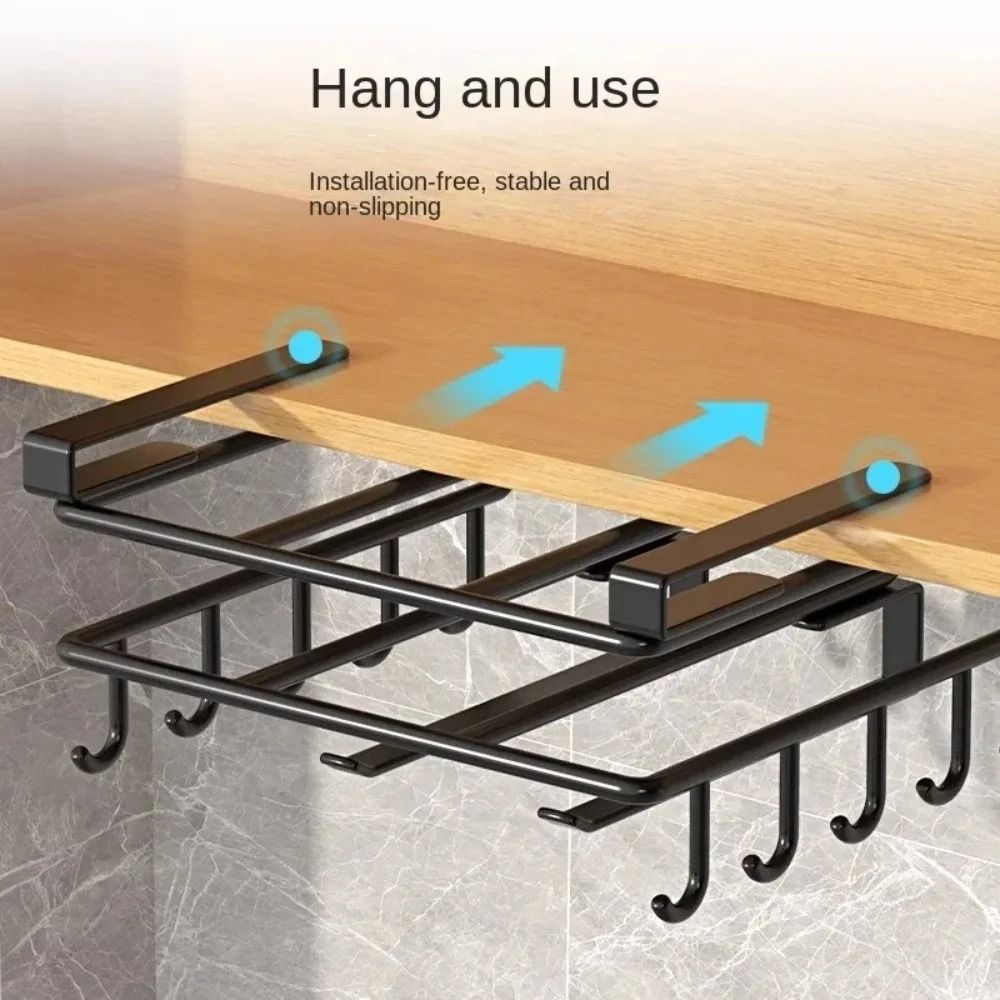 Aisha's pickKitchen Cabinet Doors with Shelves We’d Use on Our Next Project
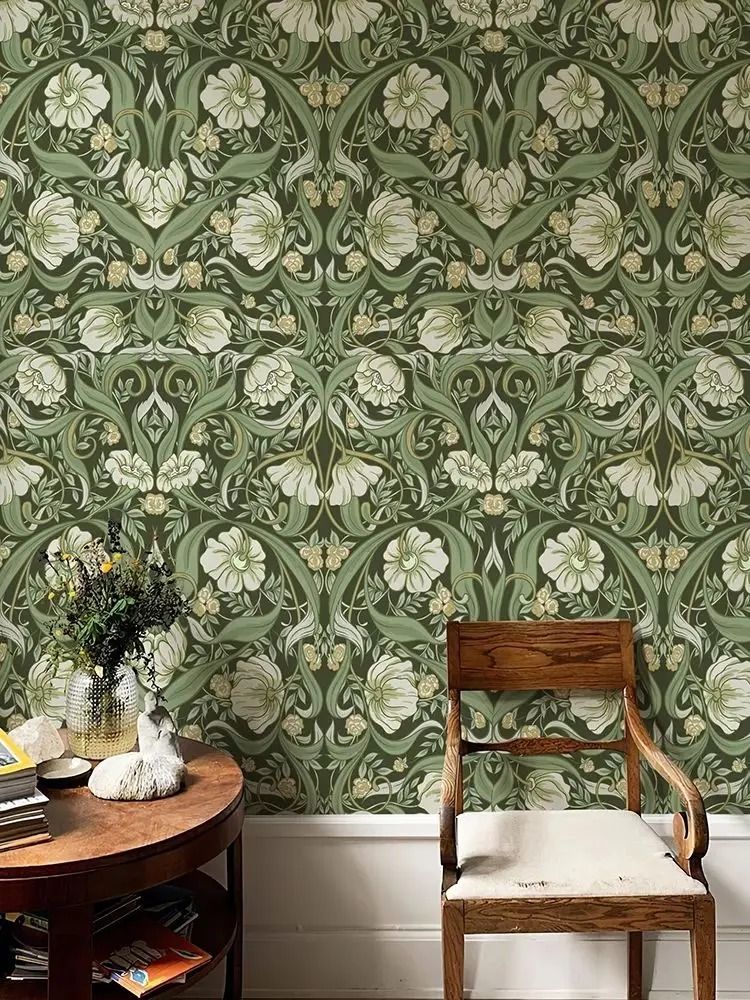
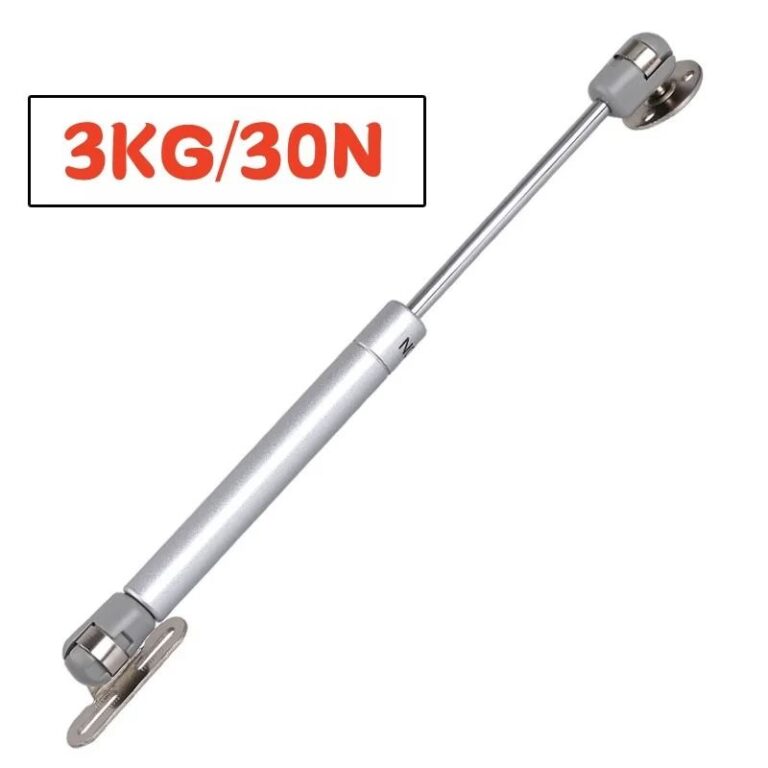 Aisha's pickKitchen Cupboard Doors From Brands You Know and a Few You Won’t
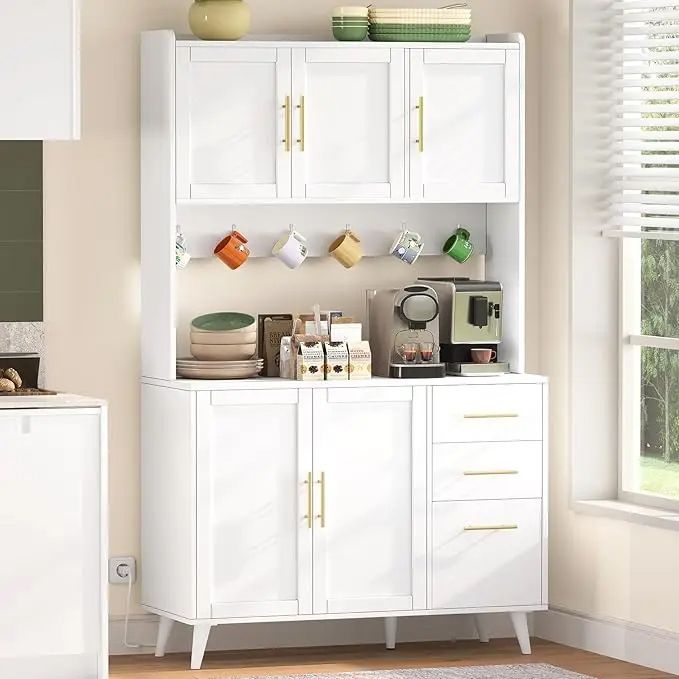
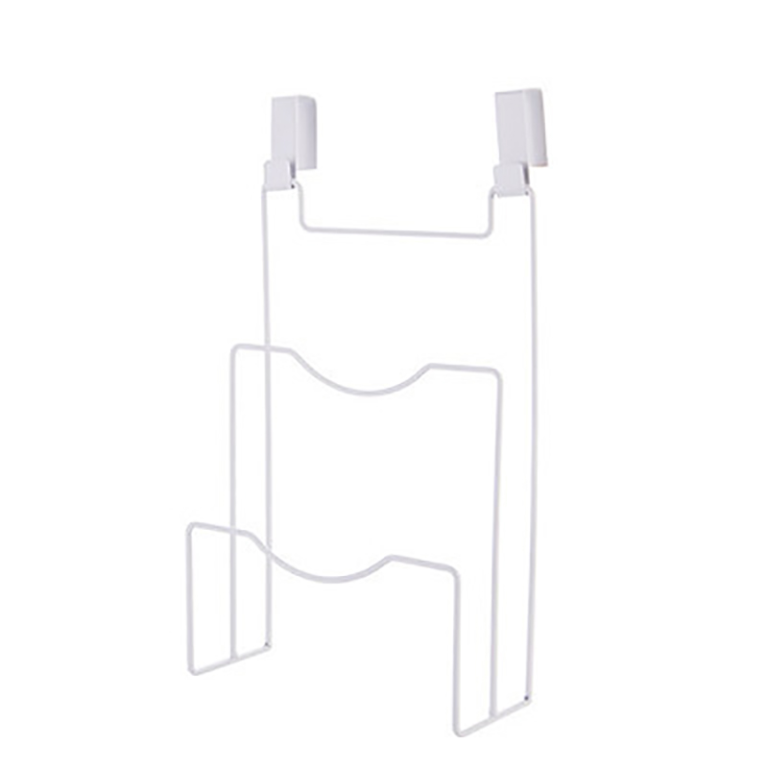 Aisha's pickGood Kitchen Cupboard Doors with Drawers That Don’t Cost a Fortune
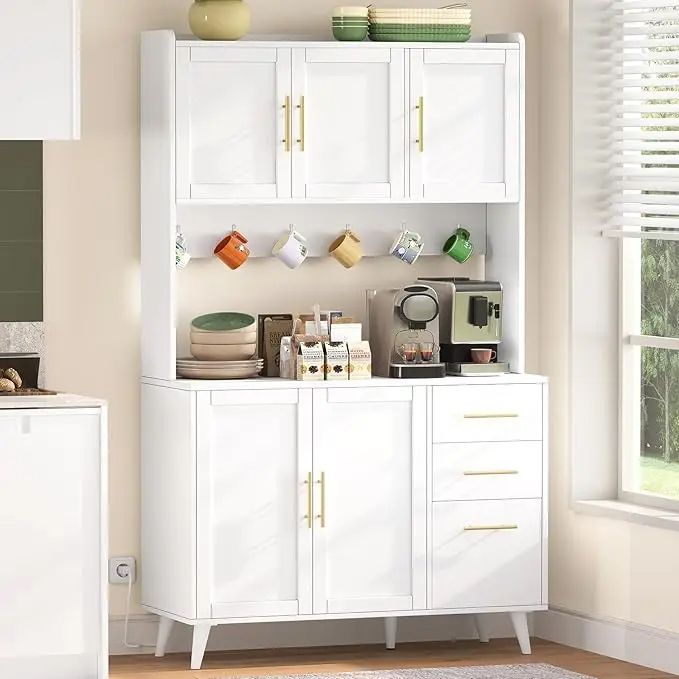
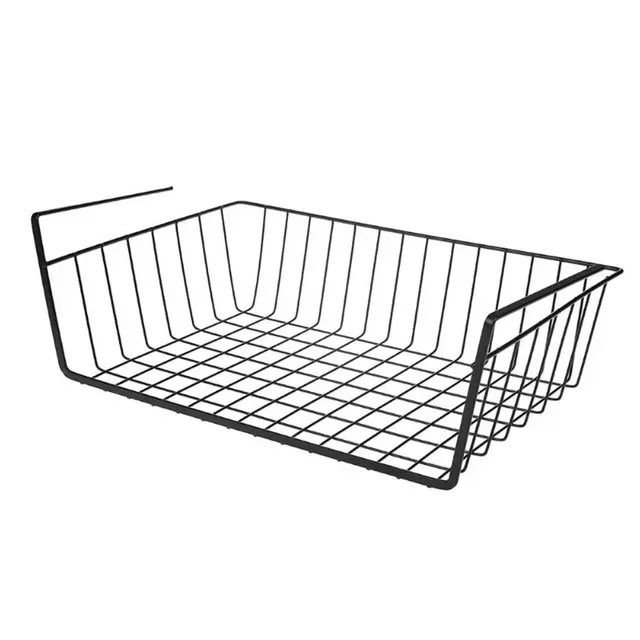 Aisha's pickKitchen Cupboard Doors with Shelves That Are Easy to Fit
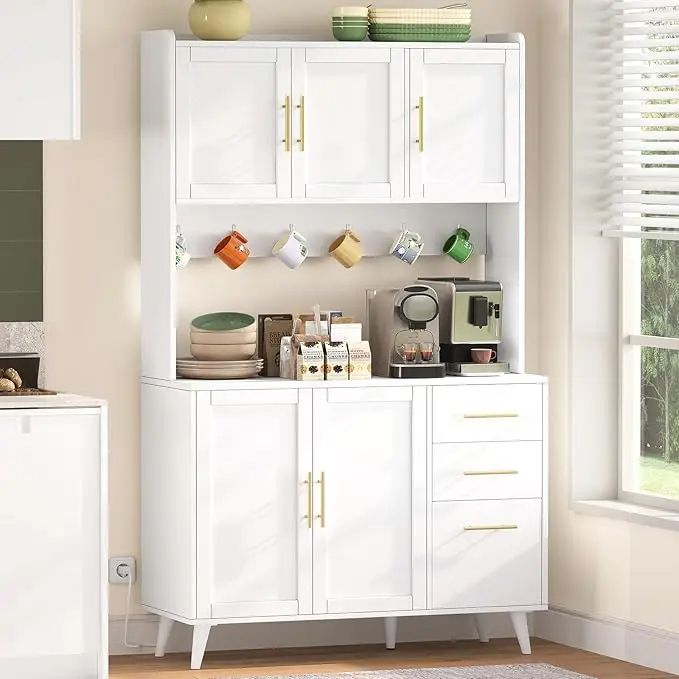
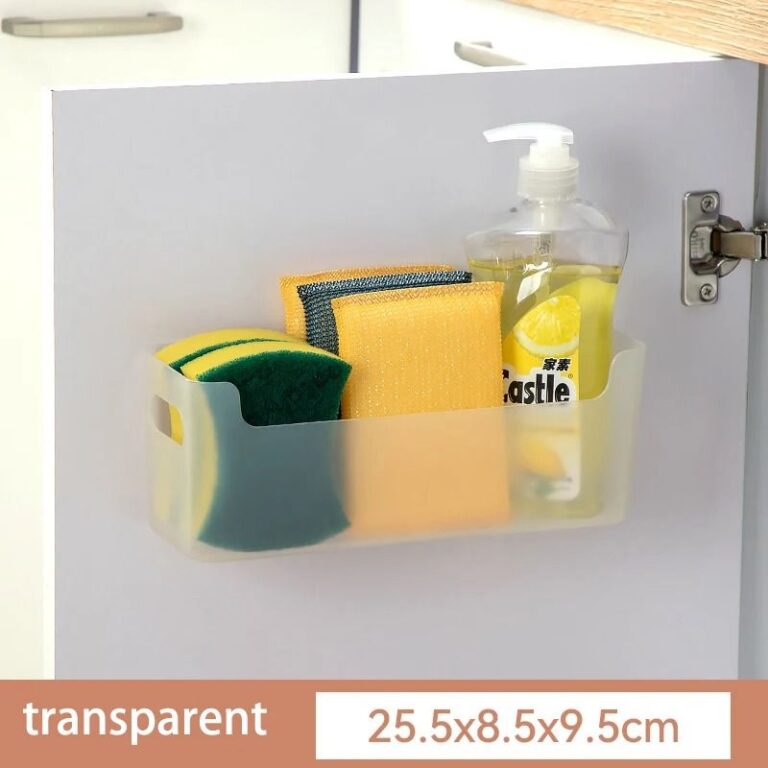 Aisha's pickLarge Kitchen Cabinet Doors That Cope With Steam and Splashes
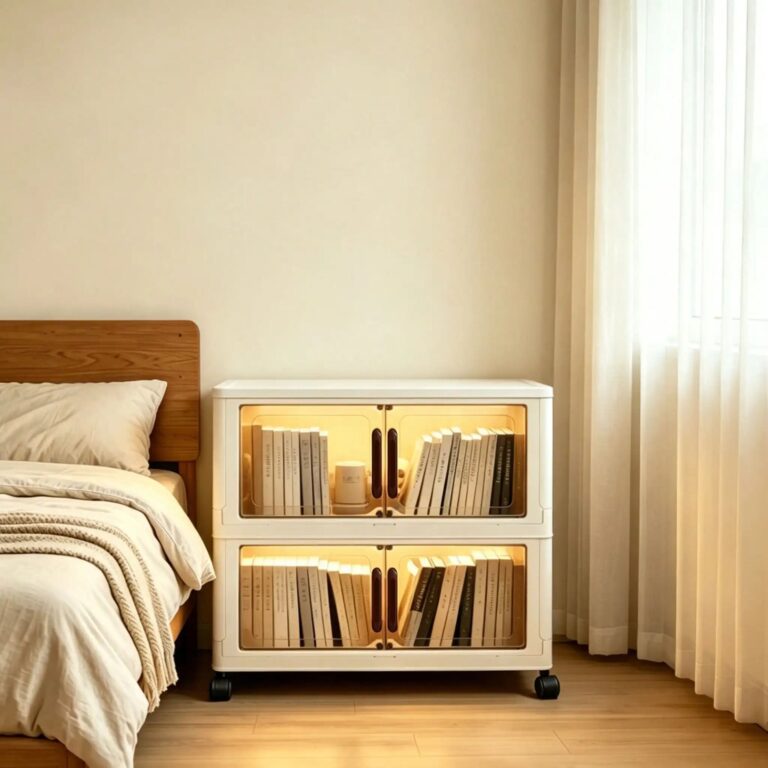
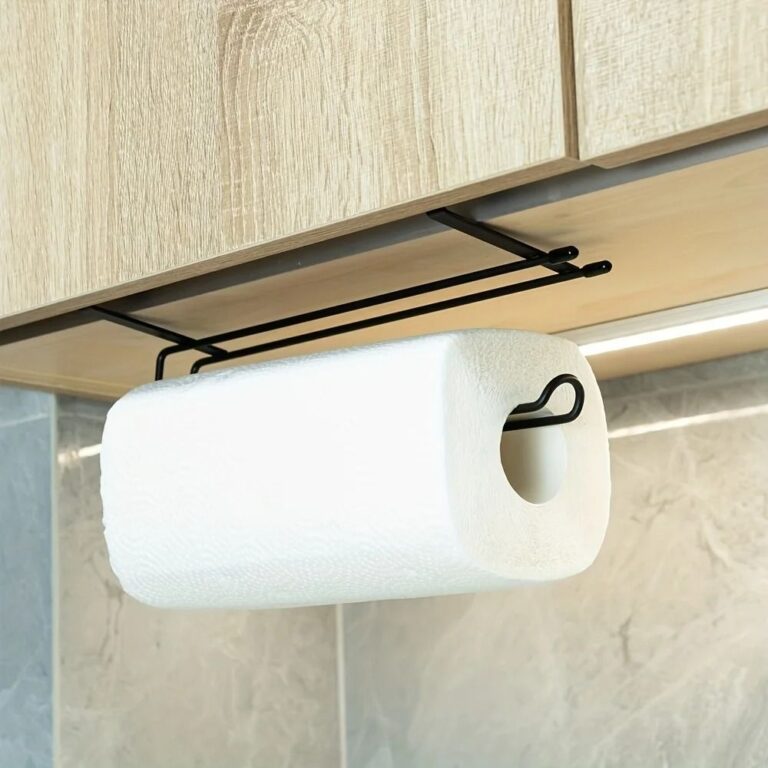 Aisha's pickModern Kitchen Cabinet Doors That Cope With Steam and SplashesAlso worth a lookAdhesives, Grout & TrimI used to think grout was grout, one tub of white stuff, smear it on, wipe it off, done.See the collections →