Trash cans have a reputation for being the thing you buy last and think about least, and honestly, that reputation is earned right up until the day the lid cracks or the pedal sticks and you realize you look at this object more times a day than almost anything else you own. I've landed somewhere practical about them: get the mechanism right first, the look second, and stop trying to make one bin do a job it was never built for.
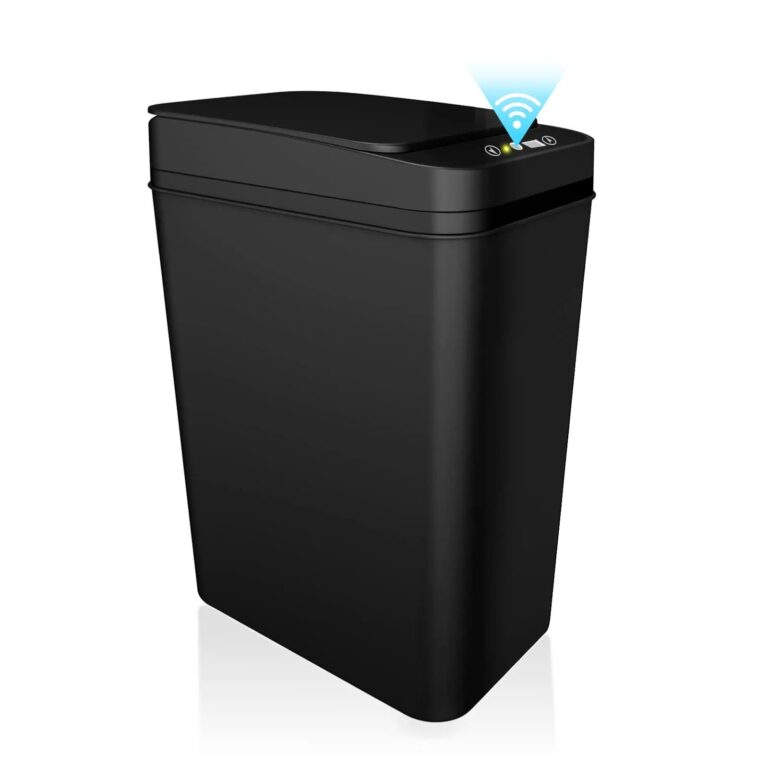
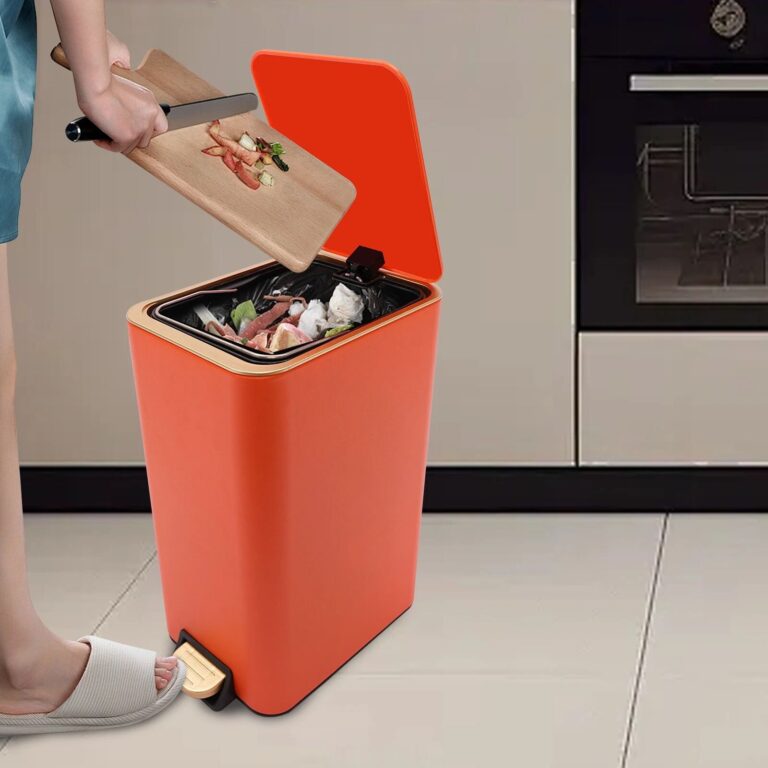
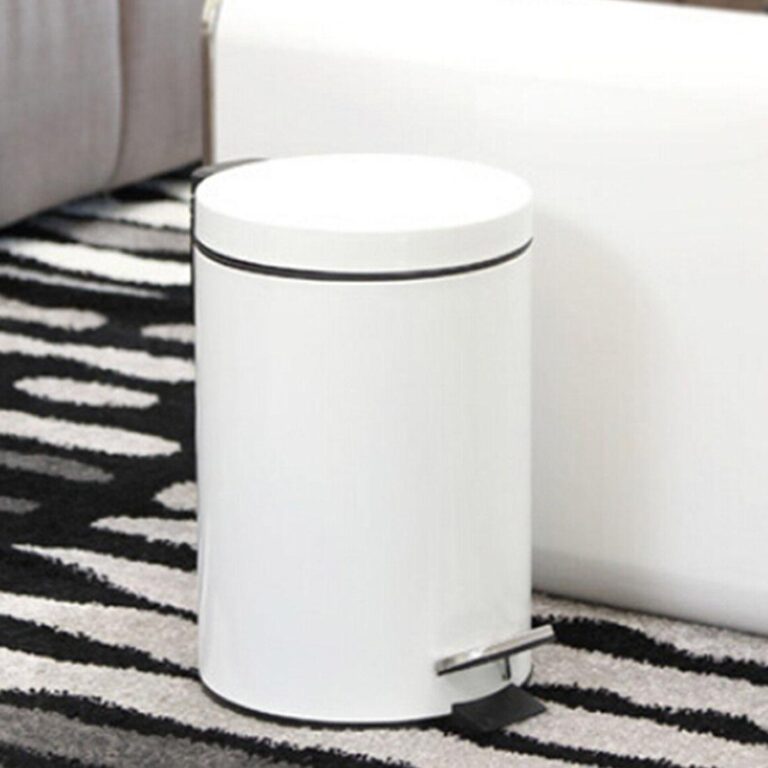
The wrong choice is usually about scale and placement, not style. A tall step can with a slow close lid is wrong for a galley kitchen where you need both hands free and no time to wait for a soft close hinge to finish its little performance. A fingerprint prone steel finish is wrong for a house with kids or a dog who thinks the kitchen is a petting zoo. For color, go quieter than you think you want. Matte black, soft white or a muted gray hide scuffs and reflect less of the overhead light, which matters more than it sounds in a kitchen that gets bright, flat midday sun and then goes moody and yellow under a pendant at night. Glossy stainless looks sharp in a showroom and turns into a smudge magnet by day three. When you're checking one in a shop or unboxing it at home, test the lid action with actual trash bag tension, not an empty hand, check that the inner bucket actually lifts out instead of just looking like it should, and run a finger along the rim and seams for anything sharp enough to catch a bag or a knuckle. Pedal cans live or die on whether the pedal mechanism feels like it has a future past year one.
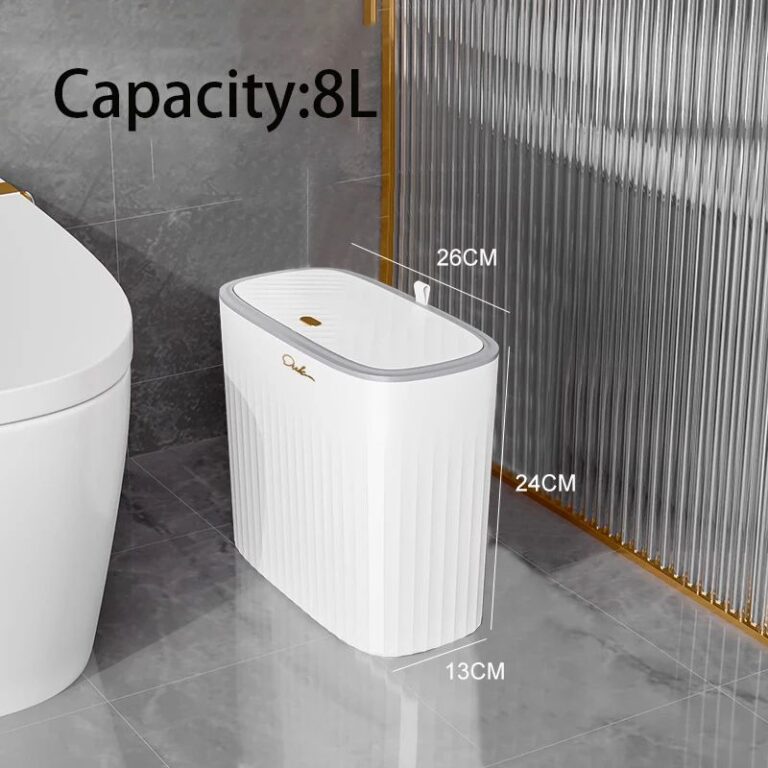
For sizing, measure the width of the space with the lid fully open, not just the footprint, because a can that fits under the counter closed can block a cabinet door entirely when open. Fourteen to sixteen inches of clearance for lid swing is the number I'd actually check before buying, and leave a couple of inches on either side so it's not wedged like a secret. Under a counter with twenty inches of depth, a thirteen gallon can with a slim profile is usually the safe bet. Go bigger only if you're emptying it less than twice a week, otherwise you're just storing smell for longer.
Where this all runs out is simple: no trash can, no matter how well designed, fixes a kitchen with nowhere sensible to put one. At some point it's a container, not a solution.
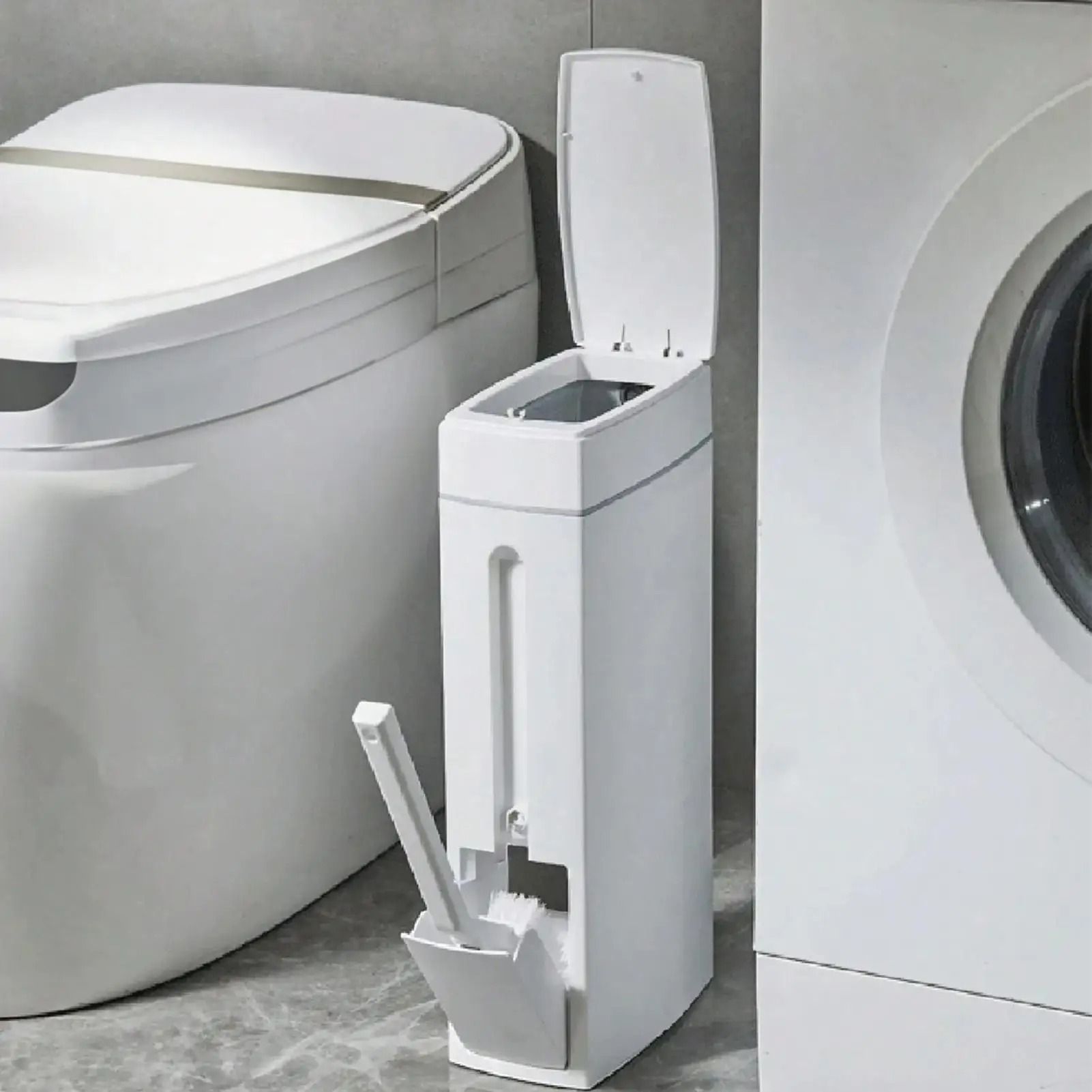
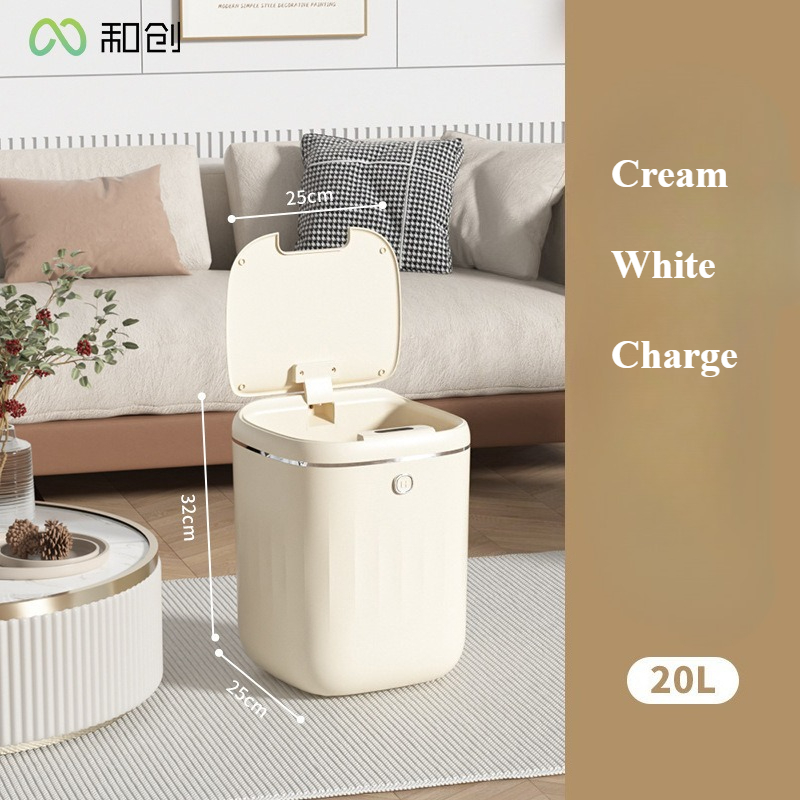 Aisha's pickBathroom Trash Cans That Look Good Up Close
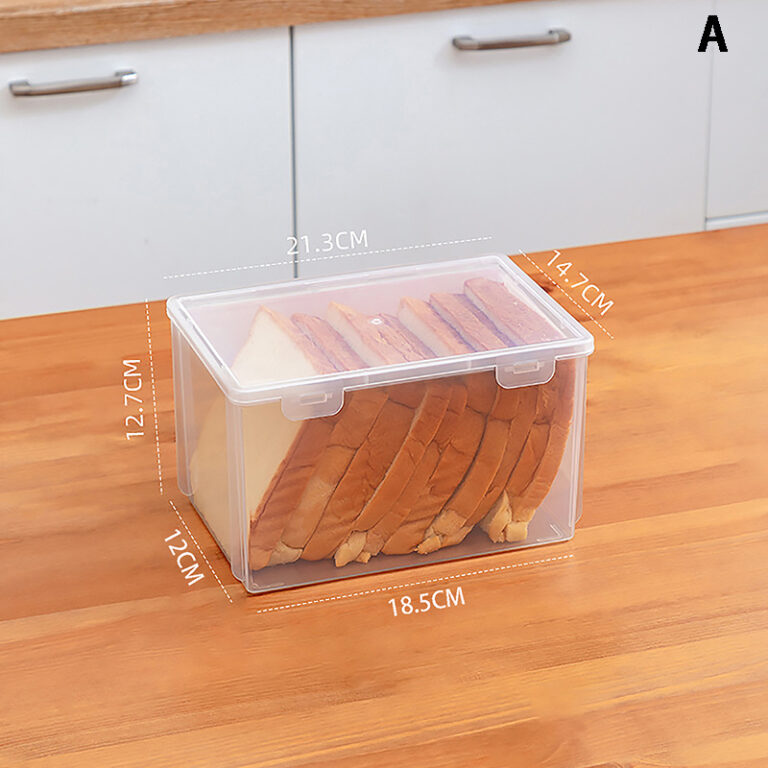
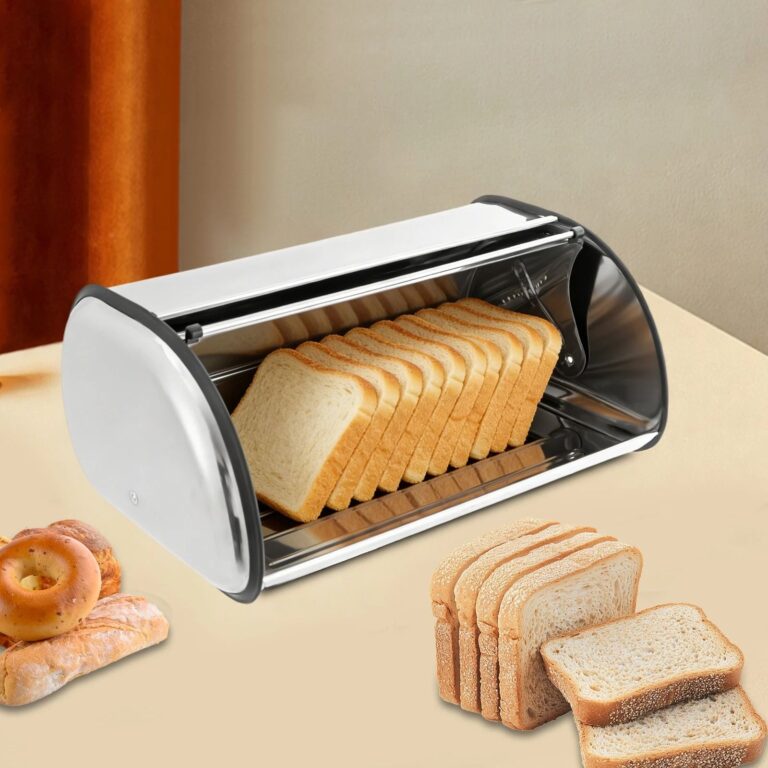 Aisha's pickBread Boxes We Wish We’d Bought Sooner
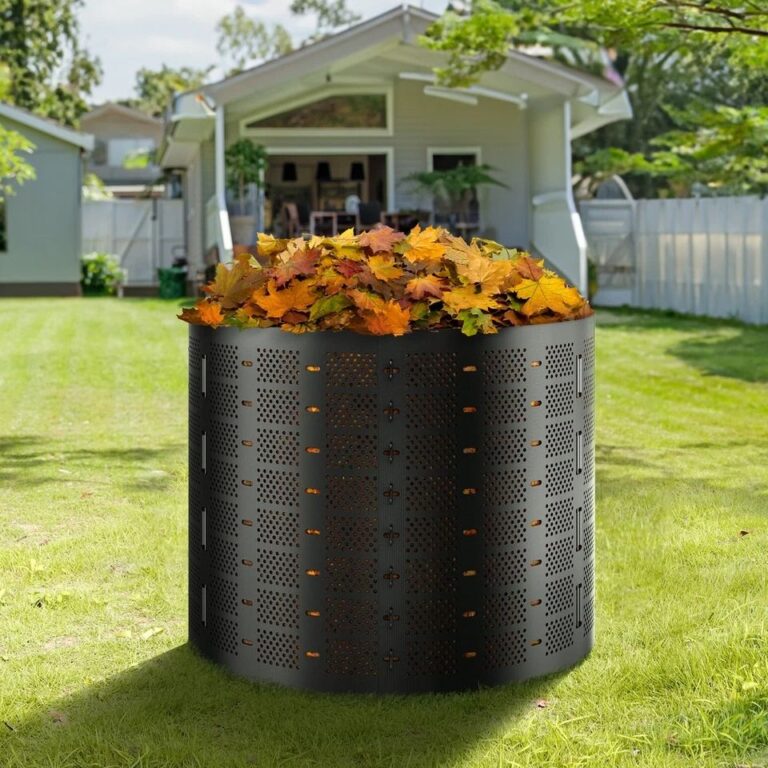
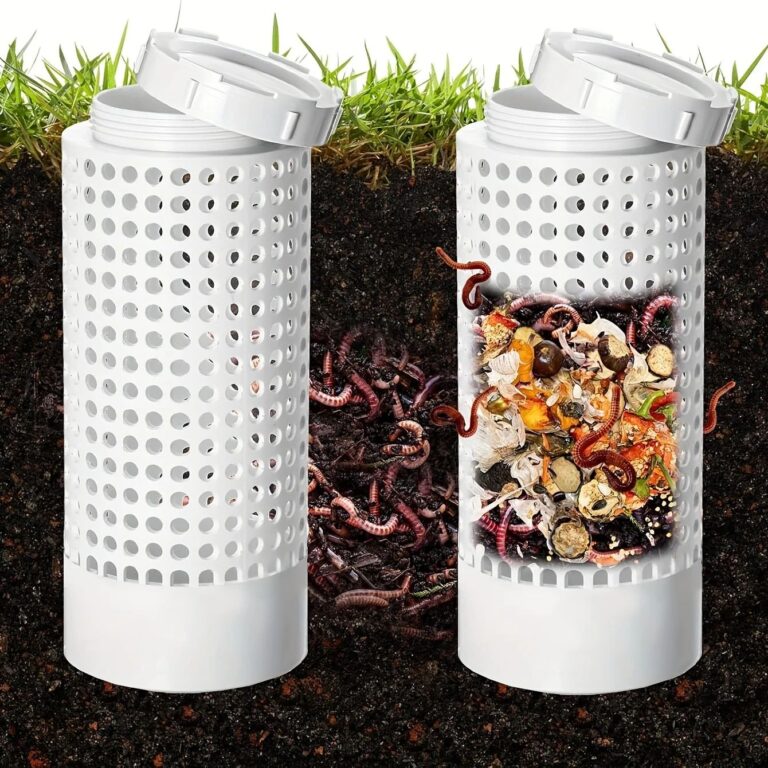 Aisha's pickCompost Bins That Sort Out the Chaos
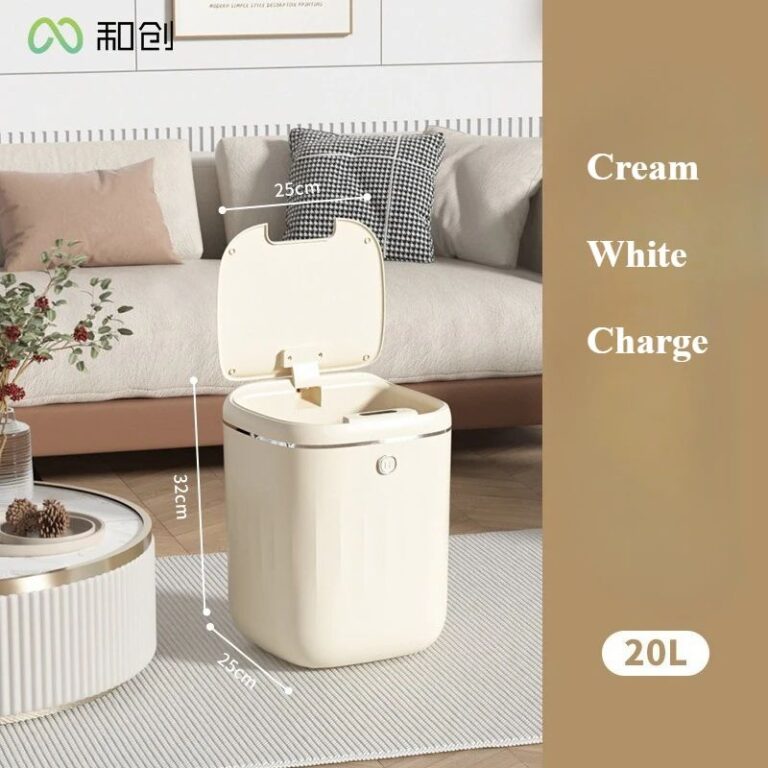 Aisha's pickLarge Office Trash Cans That Keep the Desk Clear
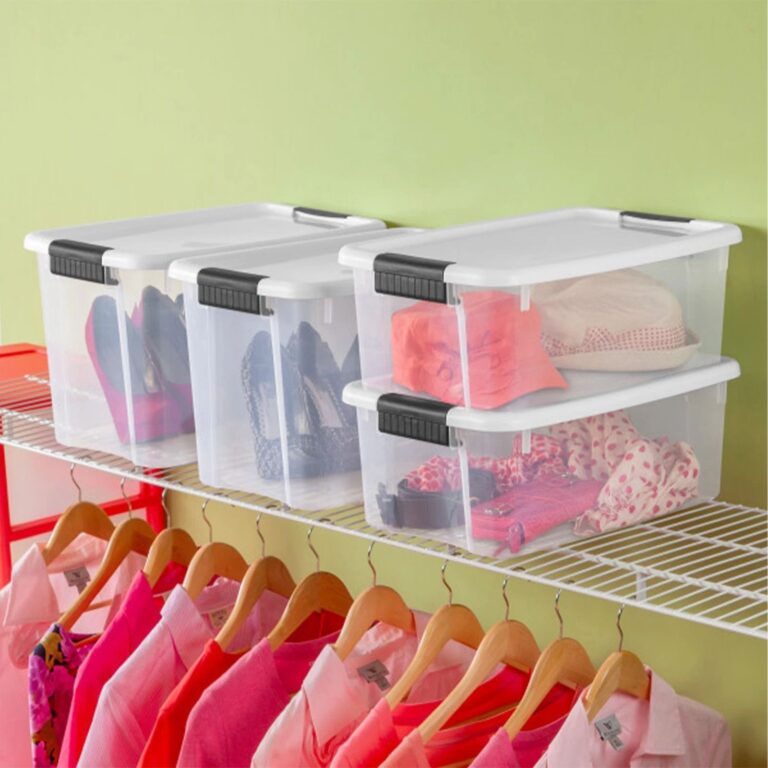
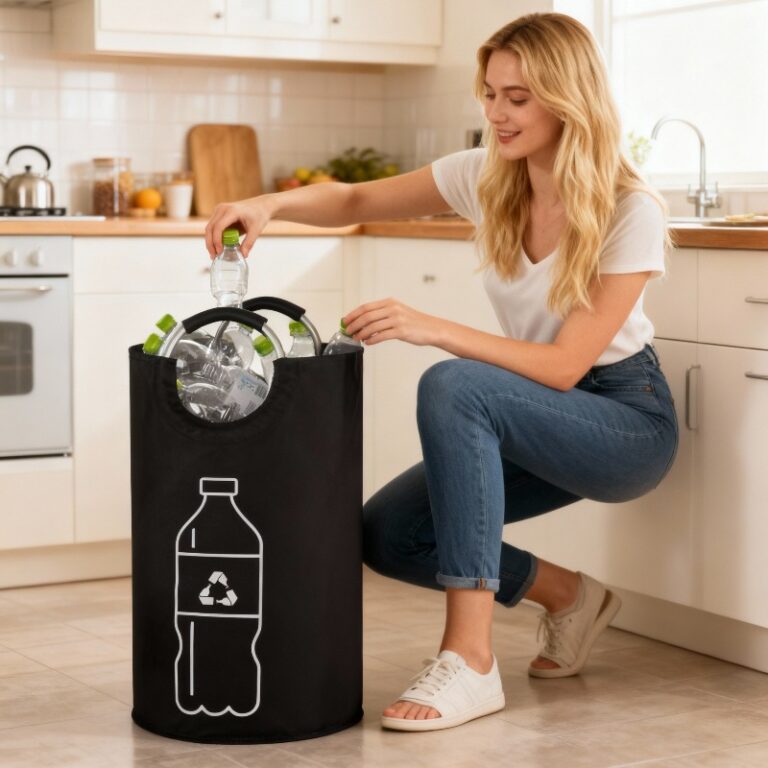 Aisha's pickLarge Recycling Bins That Hide the Mess for Good
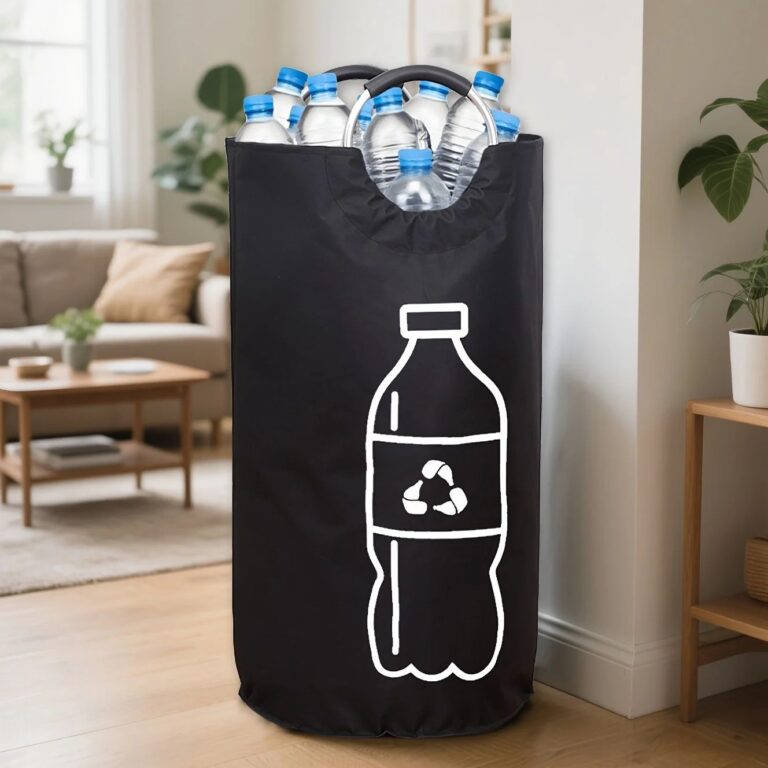
 Aisha's pickLinen Bins That Look Like They Cost More

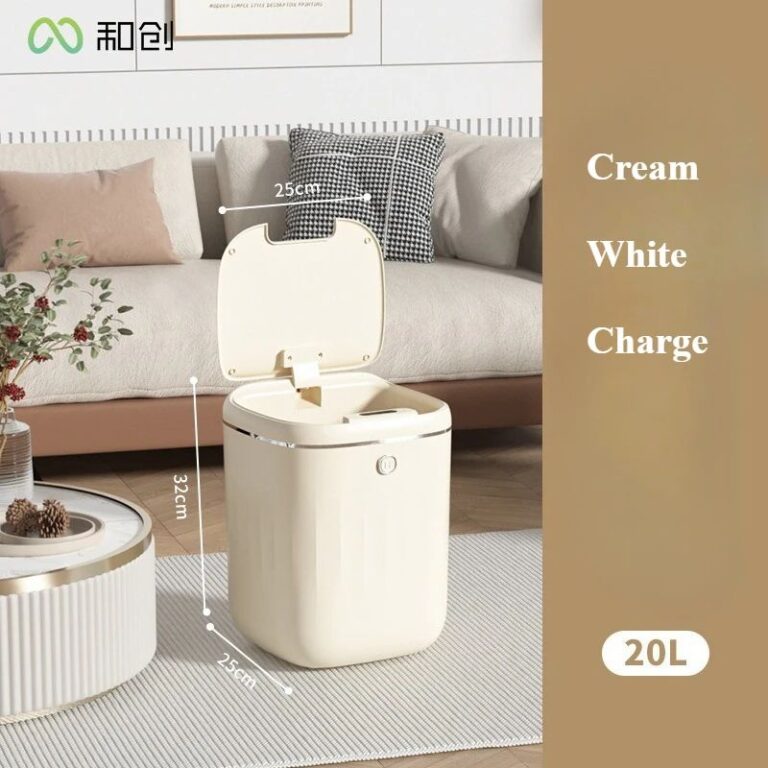 Aisha's pickOffice Trash Cans for Making a House Feel Like Yours
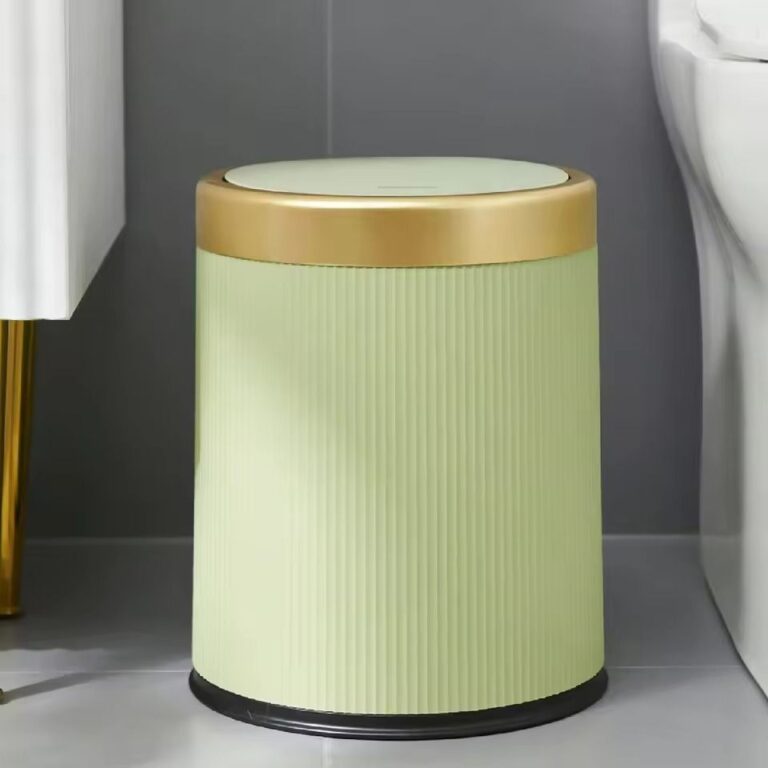
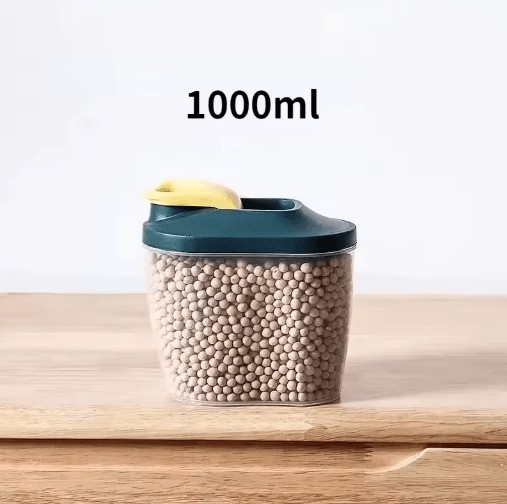 Aisha's pickOffice Trash Cans with Storage That Don’t Need Babying
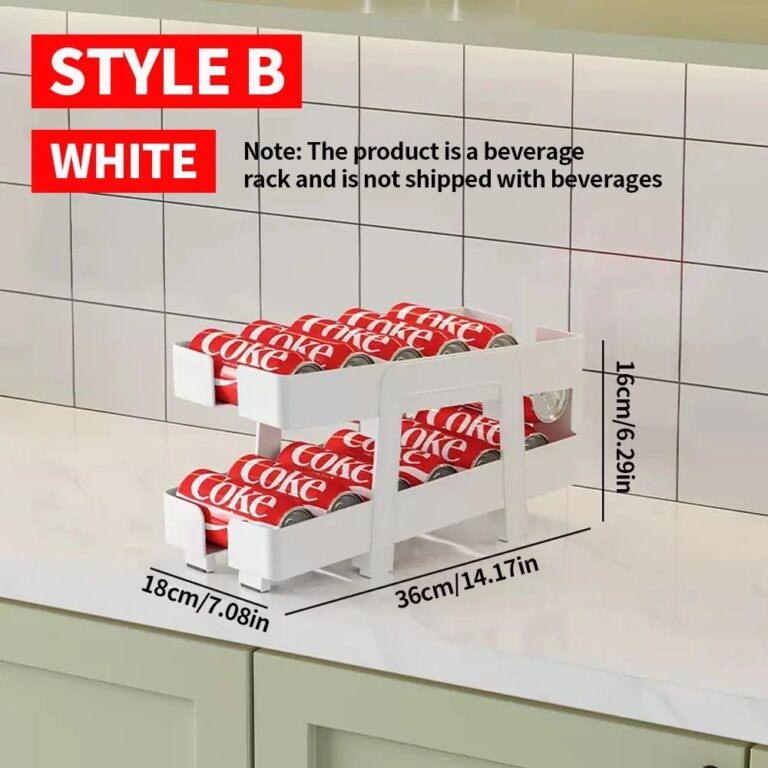
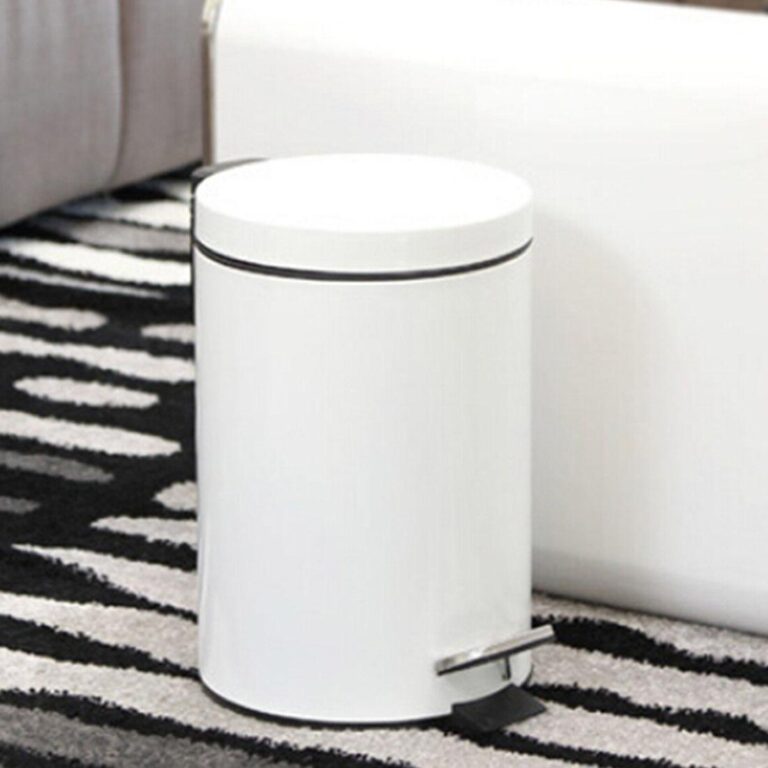 Aisha's pickStep Trash Cans That Keep Surfaces ClearAlso worth a lookStorage BoxesLate January is when storage boxes earn their keep, when the holiday decorations need somewhere to live that…See the collections →
 Aisha's pickPlastic Office Trash Cans From Brands You Know and a Few You Won’t
 Aisha's pickPlastic Wastebaskets That Hide the Mess for Good
 Aisha's pickRecycling Bins for Homes With Too Much Stuff