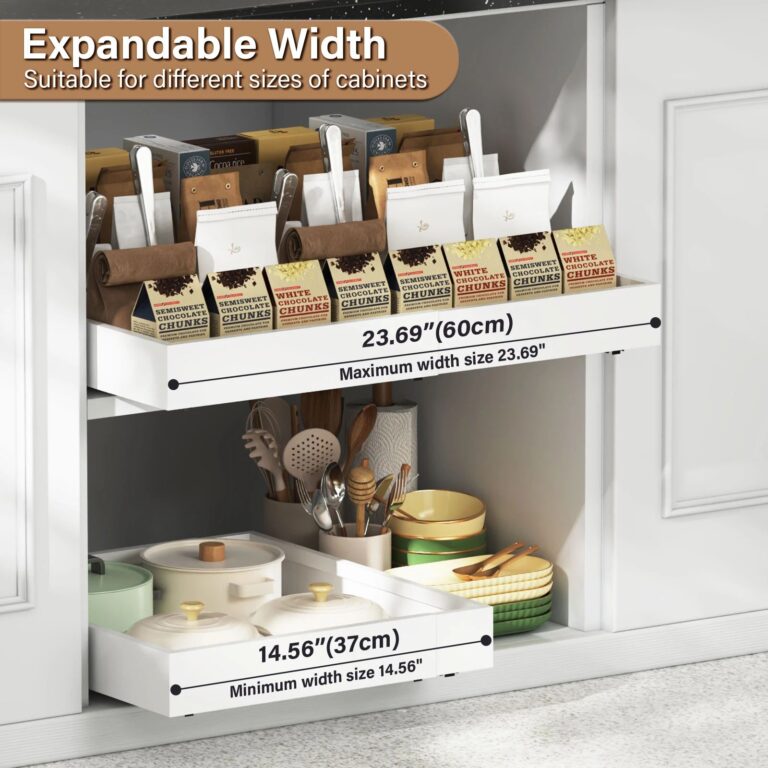
I put a wide cabinet behind my sofa once, as a kind of console, and that was the first time one of these made sense to me beyond a dining room. It held the television stand, hid the router and the tangle of cables, and gave me a flat surface for photos without ever feeling like a piece of furniture doing one job. That's the thing about a wide cabinet. It reads as calm storage, but it's quietly doing three or four jobs at once.
The difference between a good one and a bad one shows up fast once you start opening and closing doors. A well made cabinet has doors that sit flush and swing without dragging, drawers on proper runners that don't rattle when you push them shut, and a back panel that's actually finished wood rather than thin board stapled on as an afterthought. Solid wood or a good veneer over plywood will take decades of use and the odd knock from a vacuum cleaner. Cheaper versions use particleboard that swells at the edges the first time something damp sits on top, and hinges that loosen within a year so the doors hang slightly open no matter how many times you adjust them. Run a hand along the inside, check the drawers aren't just glued at the corners, and look at how the top is attached. That's where you feel the difference between something built and something assembled.
Measuring for one of these is less about the room and more about what's going on either side of it. Wide cabinets eat wall space fast, often six or seven feet, so I always measure the full run including anything nearby like a doorway swing or a radiator before I let myself fall for one online. Leave real clearance for doors to open fully, especially if it's going in a hallway or behind a sofa where people walk past. The common mistake is buying one sized for the showroom rather than the wall, so it ends up either swallowing the room or looking stranded with awkward gaps on either side. I'd also think about height against what's above it, since a low wide cabinet under a big piece of art looks intentional, but under a high shelf it just looks like it's hiding from something.
Where it struggles is in small, busy rooms with a lot of other low furniture competing for the same sightline, coffee tables and media units especially, where everything starts fighting for the same horizontal space and the room reads as cluttered rather than calm. It also doesn't love being paired with anything heavily carved or ornate if the cabinet itself is plain and modern, the two styles just sit there arguing. The one mistake to avoid is buying the width before you've measured the full wall, including what's already in the way.

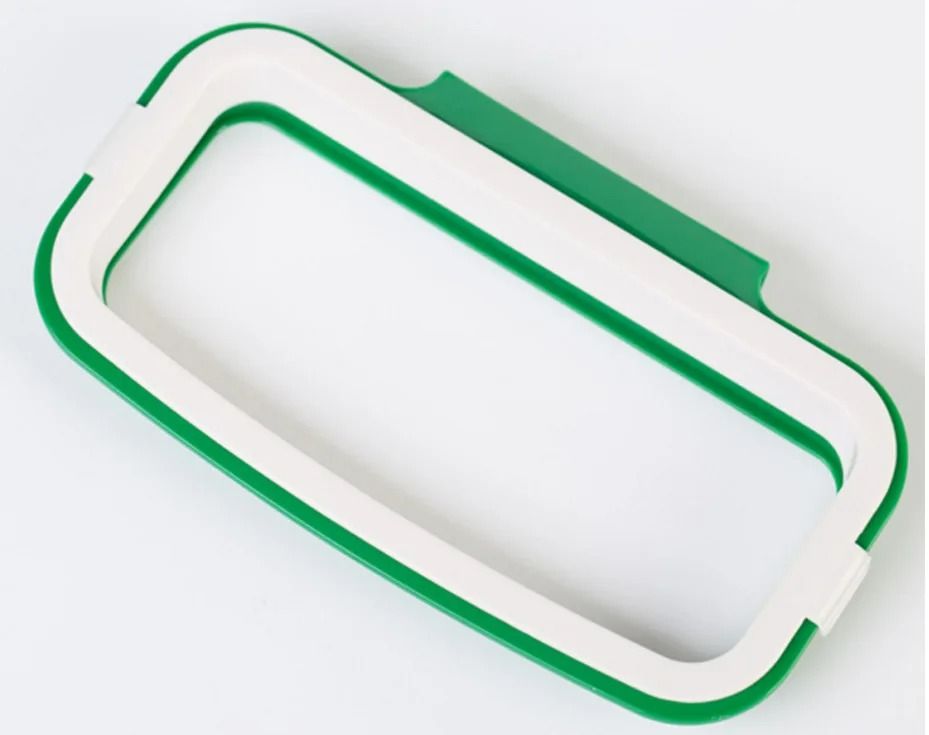 Aisha's pickWide Storage Cupboards for the Bits That Never Have a Home
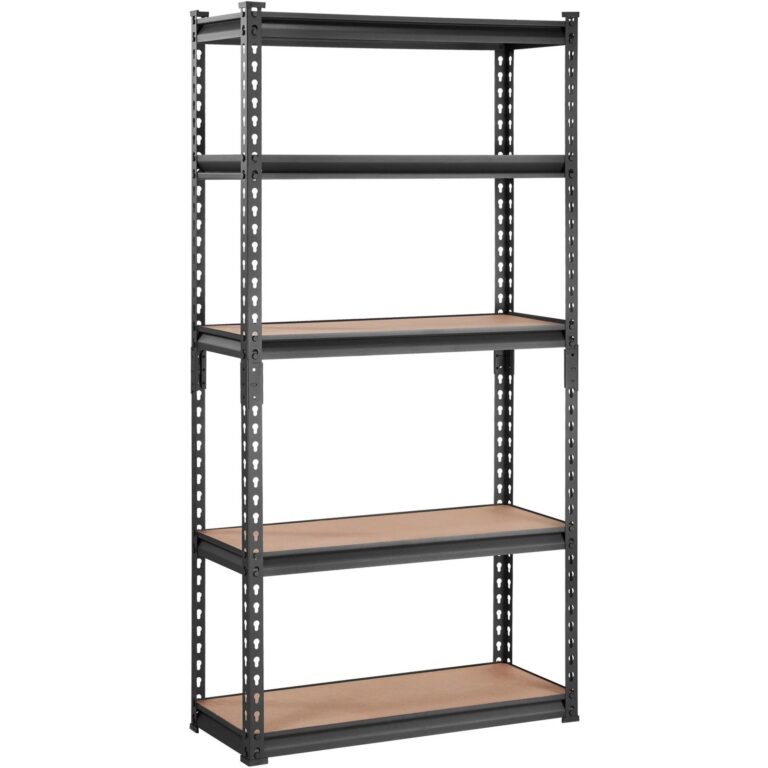 Aisha's pickWide Storage Units That Sort Out the Chaos
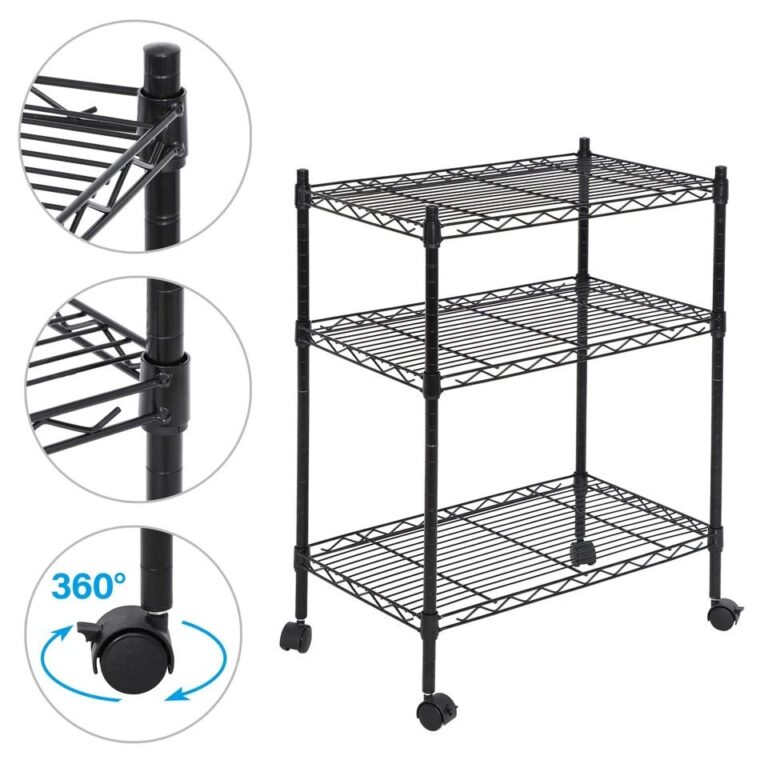
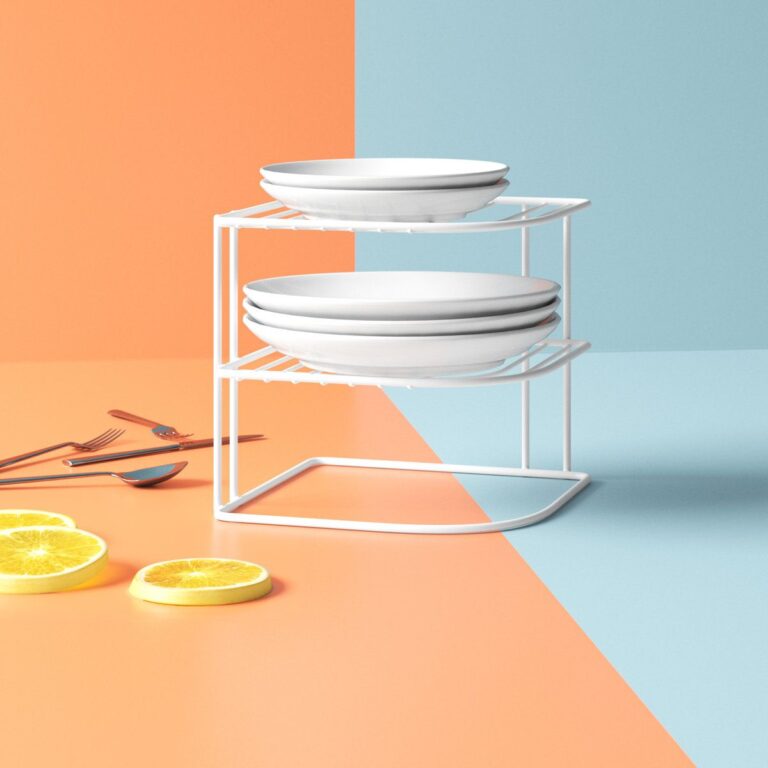 Aisha's pickWide Tool Cabinets From Stores Big and Small
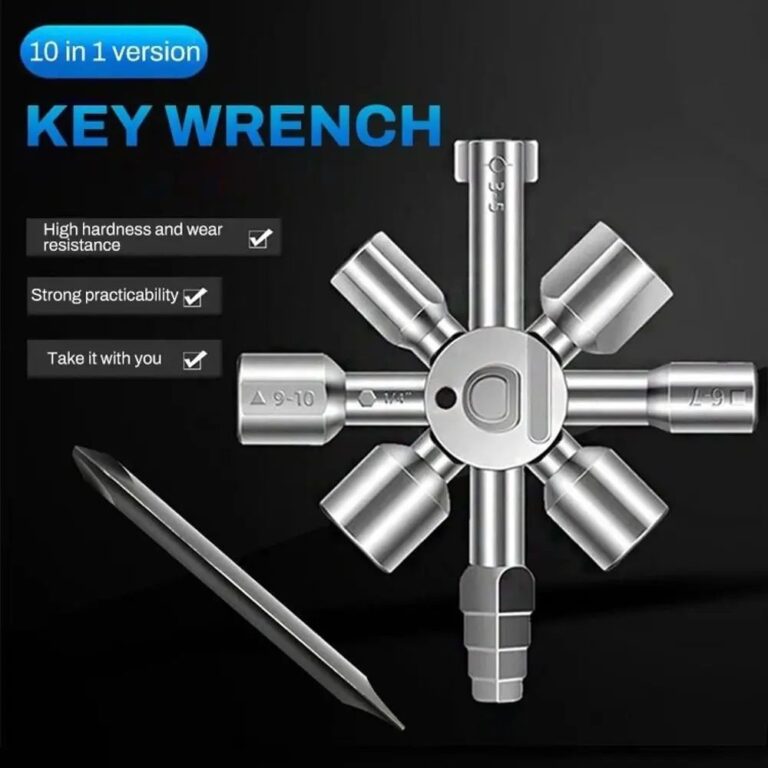
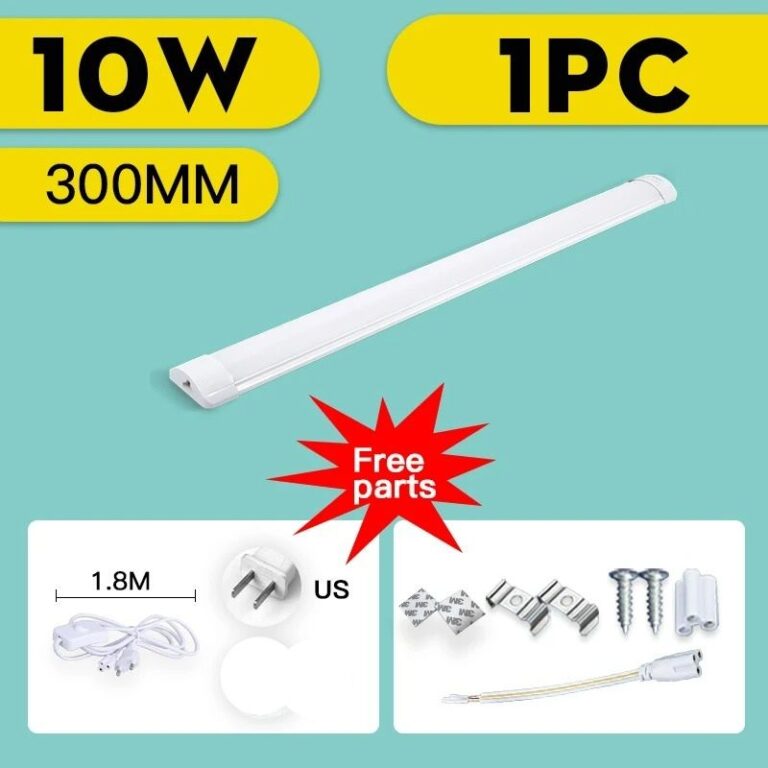 Aisha's pickWide Bar Cabinets That Make Small Changes Feel Big
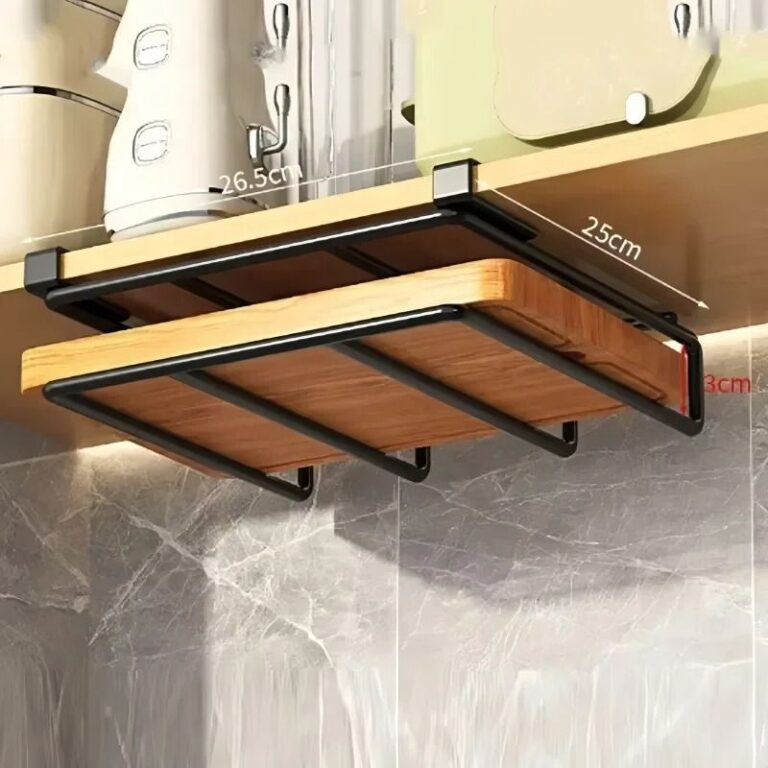
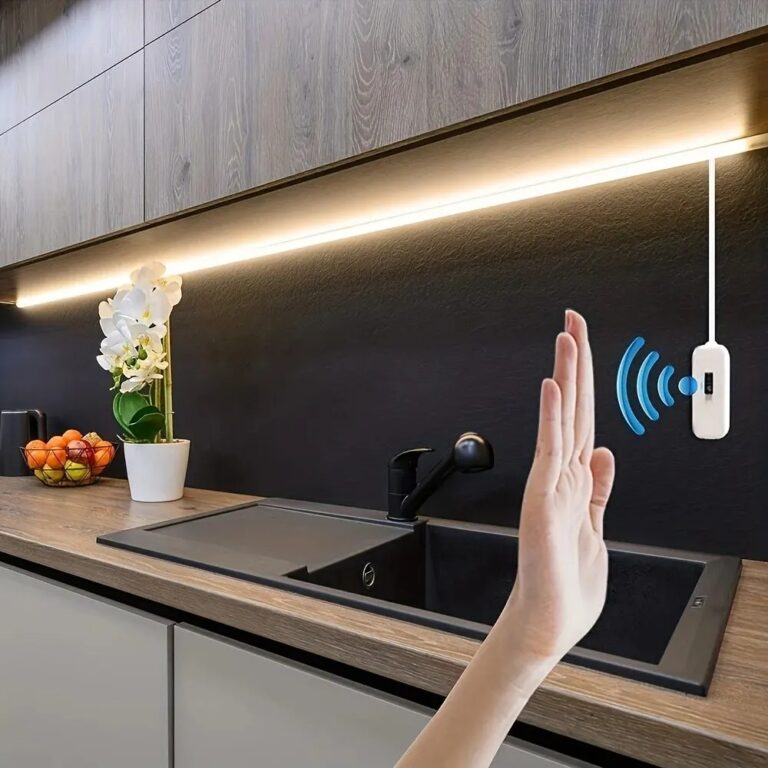 Aisha's pickWide Display Cabinets We Wish We’d Bought Sooner
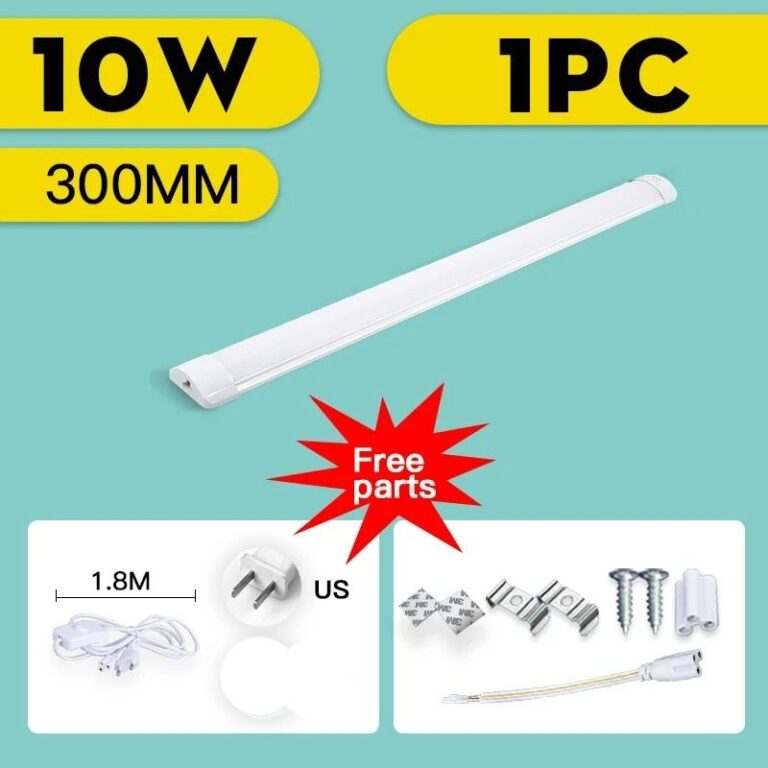
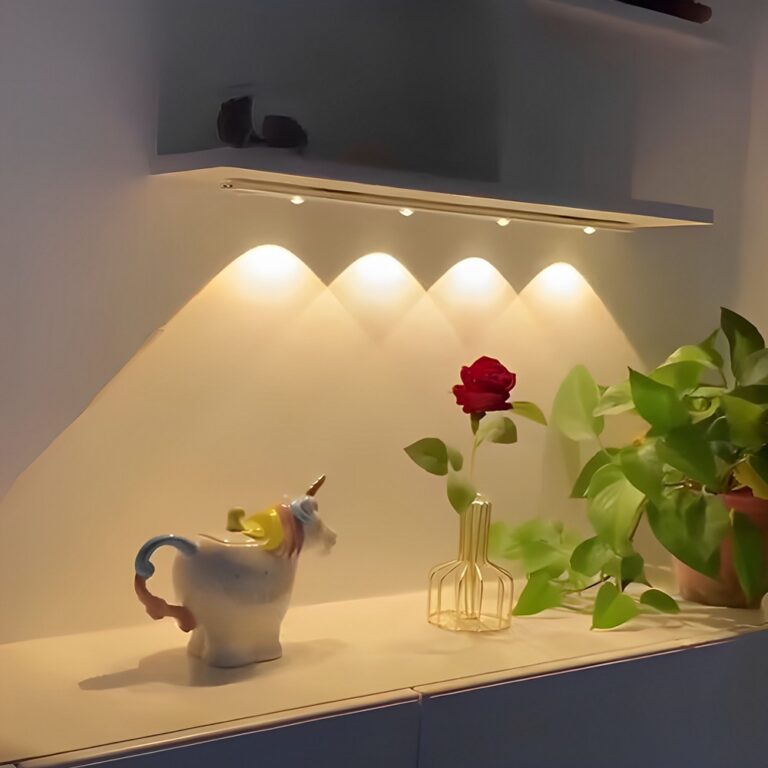 Aisha's pickWide Garage Cabinets That Swallow the Clutter
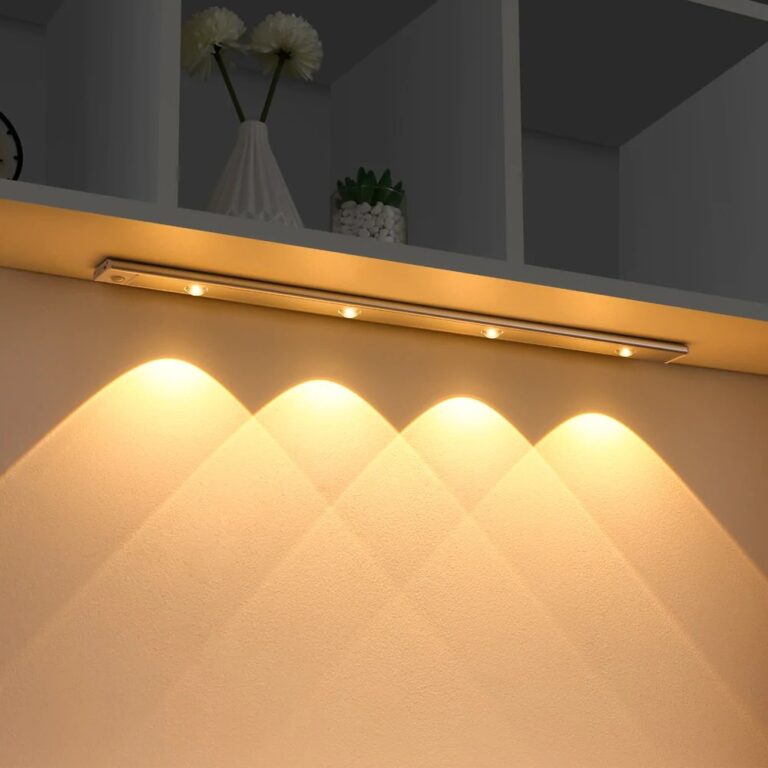
 Aisha's pickThe Wide Glass Cabinets Worth Your Cash
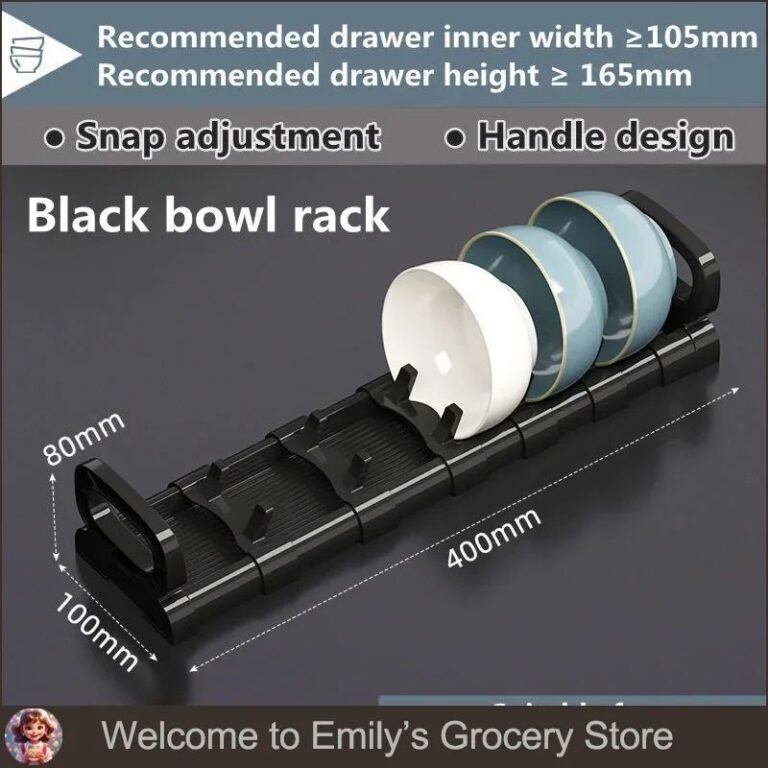
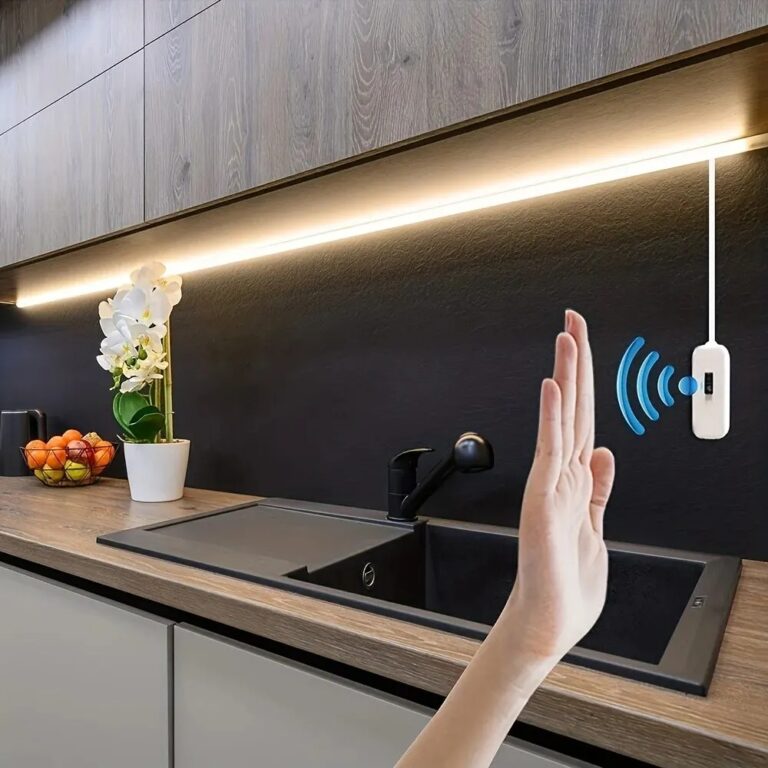 Aisha's pickWide Kitchen Cabinets That Look Good Even When Full
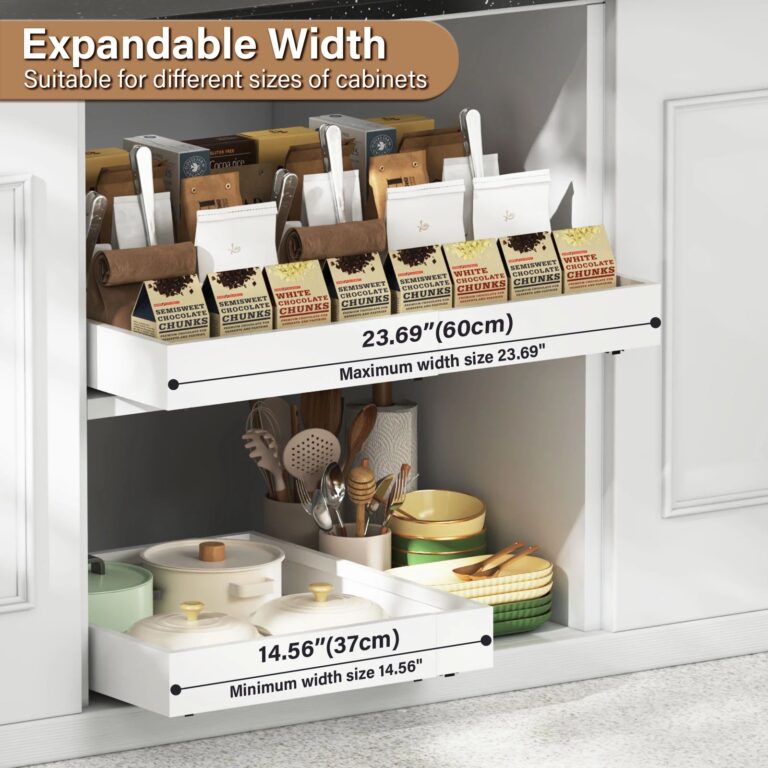
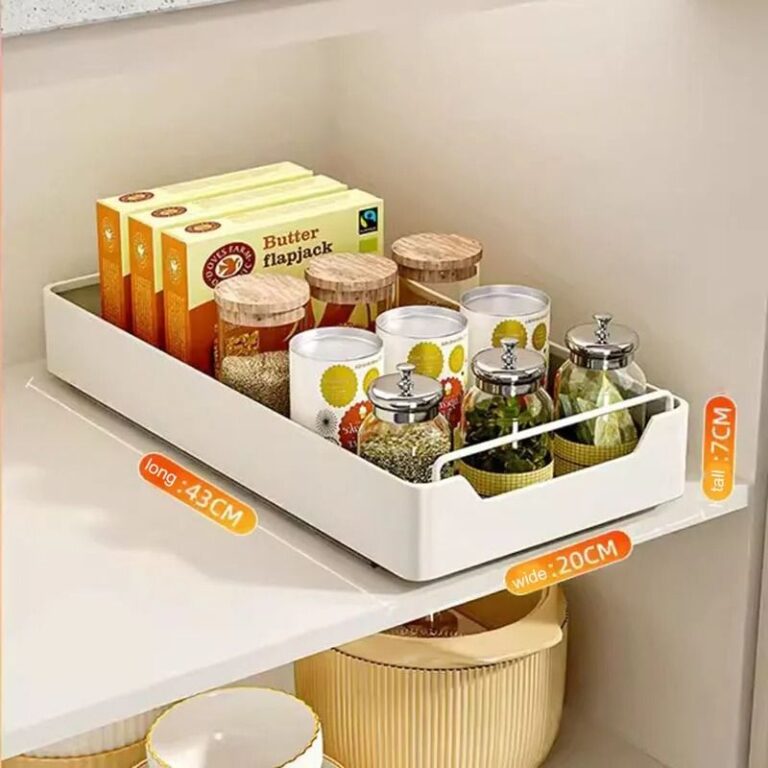 Aisha's pickWide Kitchen Cabinets That Cope With Steam and SplashesAlso worth a lookStorage CabinetsThe hallway closet in my first apartment had exactly one shelf and a bar for coats, and every…See the collections →
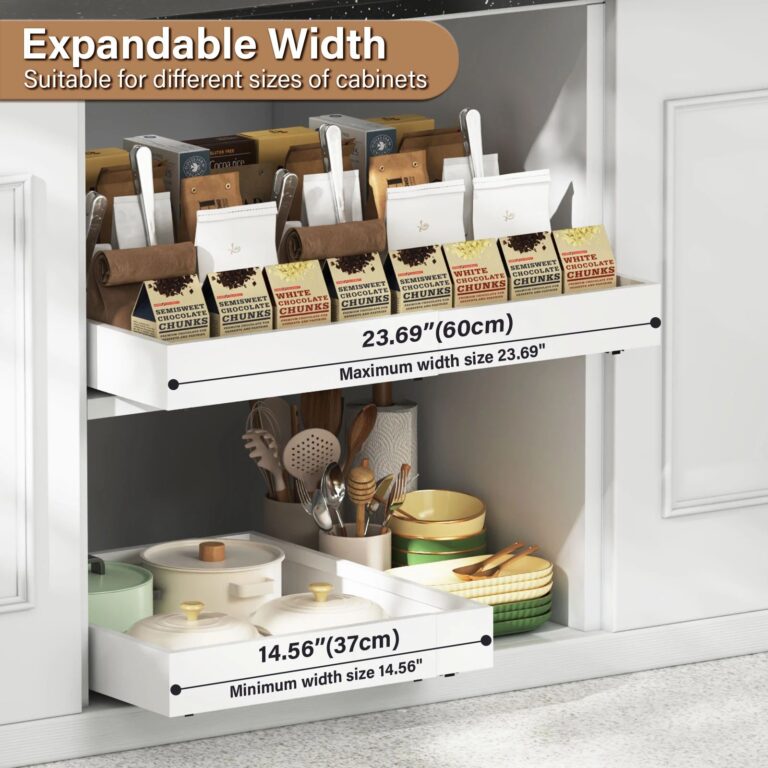
 Aisha's pickWide Living Room Cabinets for Movie Nights and Slow Sundays
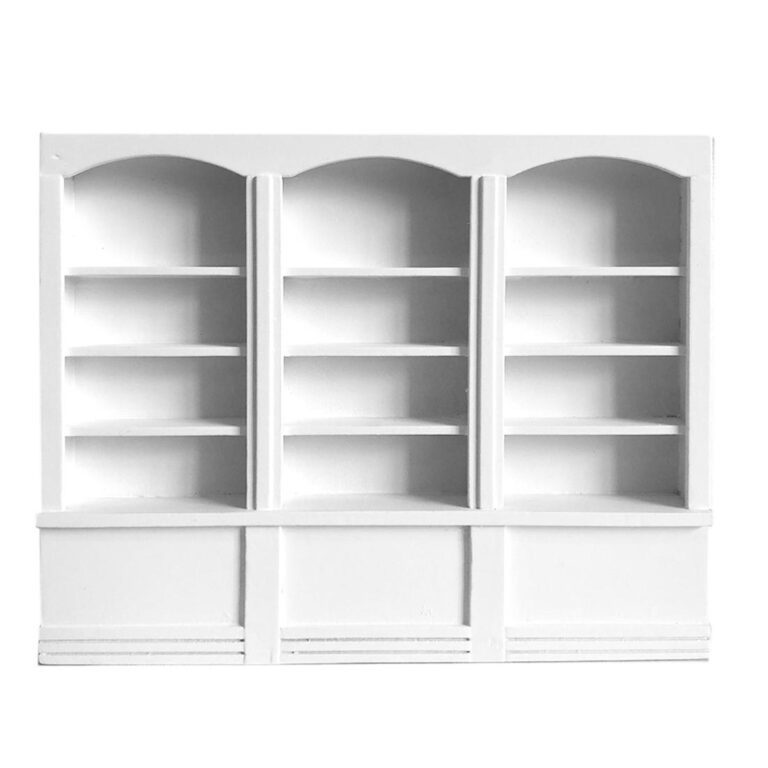
 Aisha's pickWide Media Cabinets Hunted Down So You Don’t Have To
 Aisha's pickWide Office Cabinets That Keep the Desk Clear