The thing nobody tells you about storage units until you have one wobbling in your hallway is that the doors are where they cut corners first. You won't notice at the store, you'll notice six months in, when a hinge starts sagging and the door won't sit flush anymore and every time you close it there's a little clunk that makes you wince. It's still worth having one. A house without enough closed storage just means more surfaces covered in stuff you don't want to look at, and a good unit solves that quietly and keeps solving it for years.
The difference between a unit that holds up and one that doesn't usually comes down to what you can't see when the doors are shut. Cheap versions use particleboard with a thin veneer wrapped around the edges, and the edges are exactly where it fails, they chip, they swell if anything damp ever sits near them, and the back panel is often a sheet of hardboard stapled on rather than set into a groove. A well made one uses plywood or solid wood at the joints, with the back panel actually recessed so the whole thing doesn't rack and twist when you lean on it while reaching for something on a top shelf. Check how the drawers run too. Metal runners with some kind of soft close or at least a stop are worth the extra cost, because plastic runners on a cheap unit wear a groove into themselves within a year and then every drawer sticks at the same spot forever. Hinges should feel like they have some resistance, not just flap open.
Live with one for a few years and you'll see where the wear actually happens, not where you expected it. It's the bottom edge of the doors where shoes or vacuum cleaners knock against it, and the top surface if you ever set a hot mug down without thinking. Wood finishes dull a little and that's fine, a little wax or oil once or twice a year brings it back. What you want to avoid is letting anything sit wet on top of it, even briefly, because that's how you get the one permanent ring that outlives every other scratch. Wipe spills immediately, don't drag it across carpet by one corner, and tighten the leg or hinge screws every so often because wood furniture settles and screws back out a fraction over time, always.
If you're starting with nothing, get a mid sized sideboard style unit with a mix of one cupboard section and a couple of drawers, since that combination covers almost everything a first unit needs to do, from hiding mess to holding the stuff you actually want quick access to. Measure the wall width and subtract a few inches on each side before you fall in love with anything, because a unit that technically fits looks cramped the moment you add a lamp or a stack of books on top.
 Aisha's pickDisplay Units with Storage That Hold Up to Everyday Life
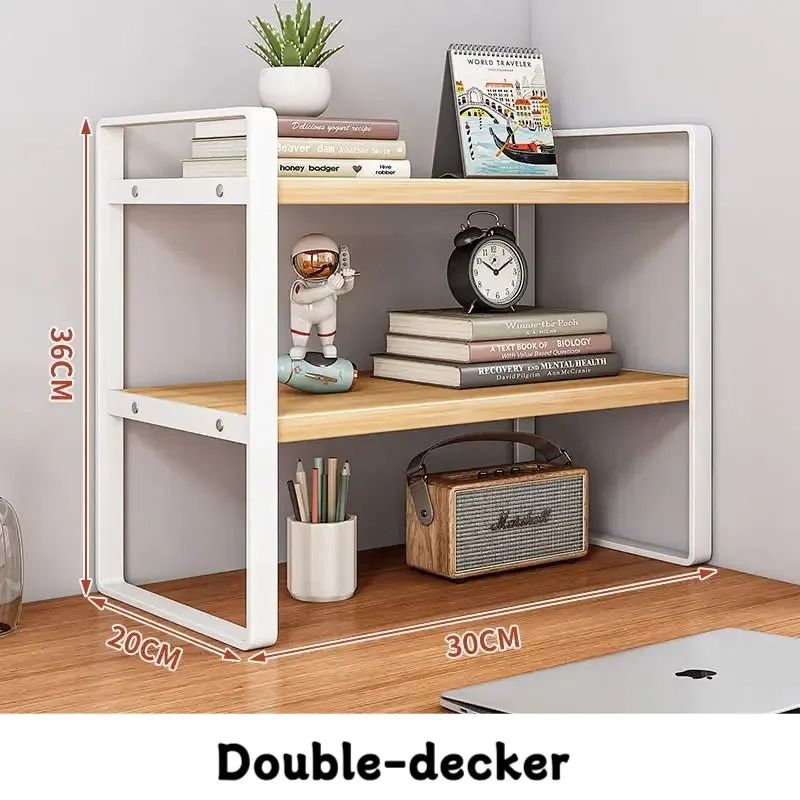
 Aisha's pickEntryway Cabinets with Storage That Sort Out the Pile by the Door
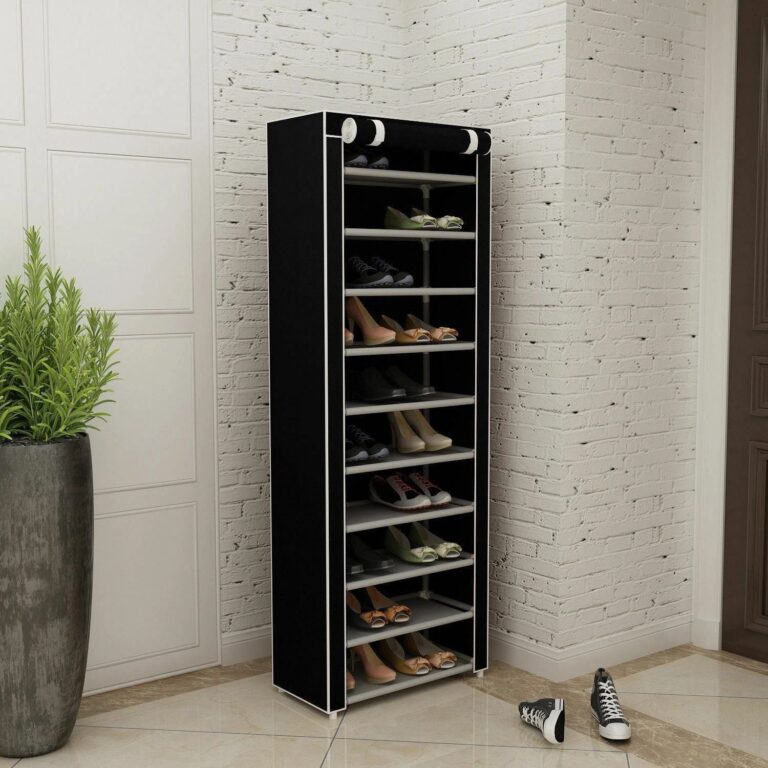
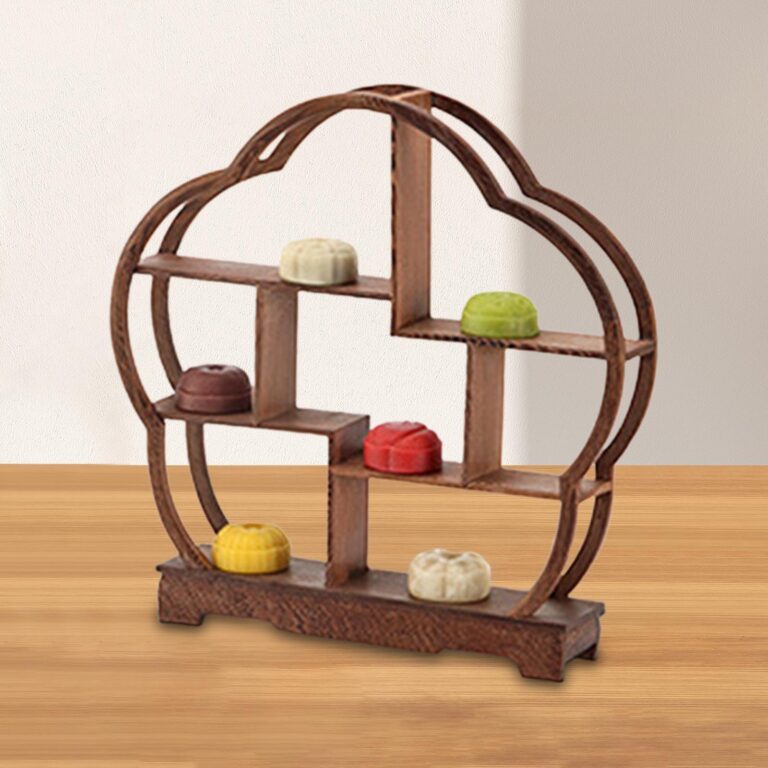 Aisha's pickGlass Display Cabinets with Storage That Survive Kids and Pets
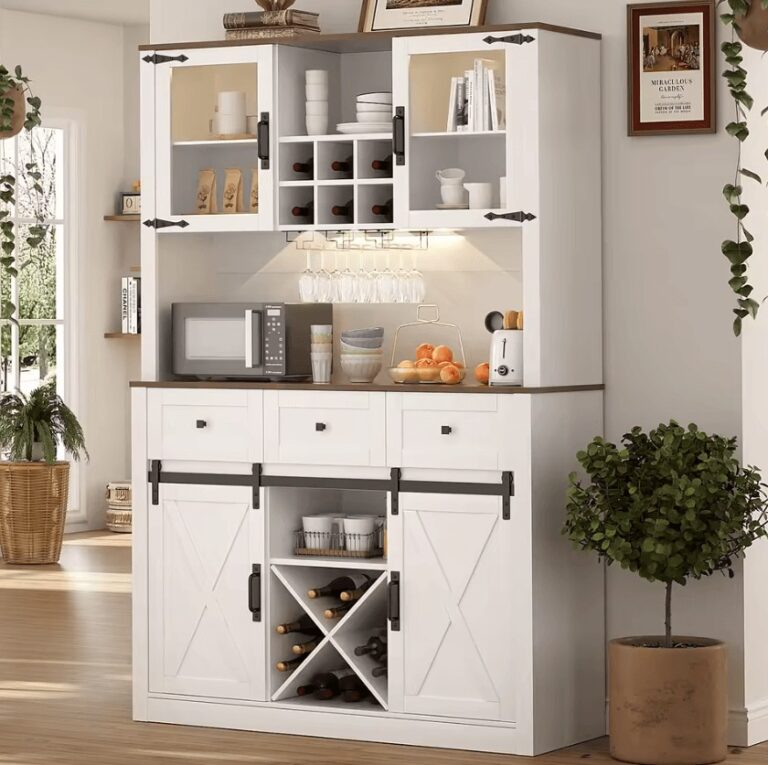
 Aisha's pickHallway Cabinets with Storage That Hide the Mess for Good

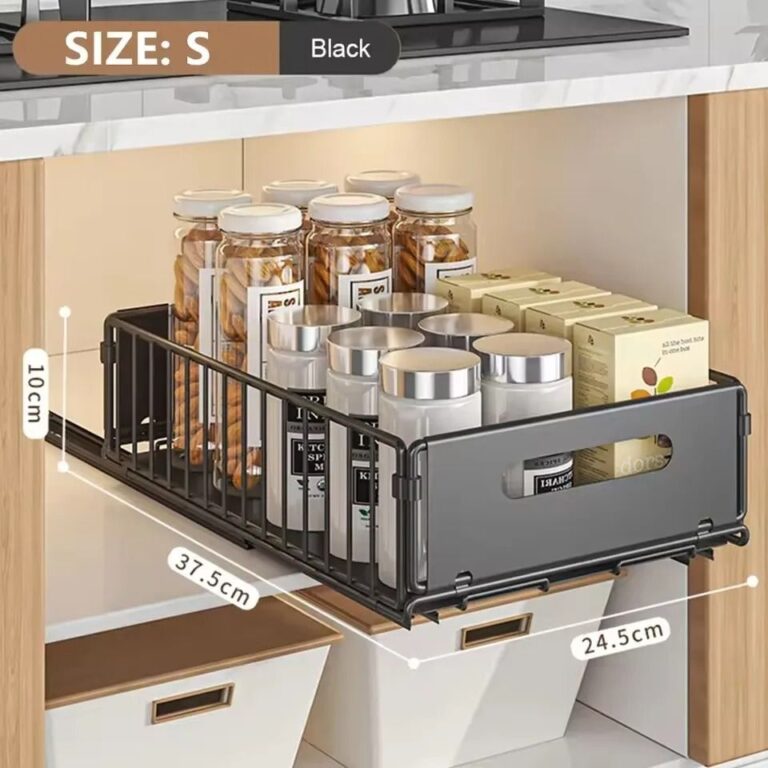 Aisha's pickKey Cabinets with Storage Picked by People Who Care Too Much
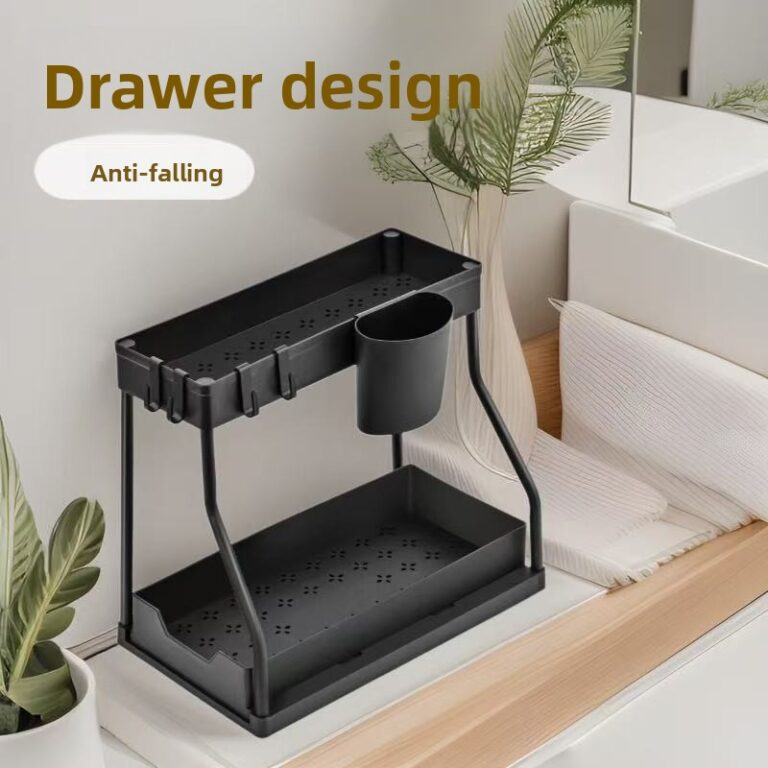
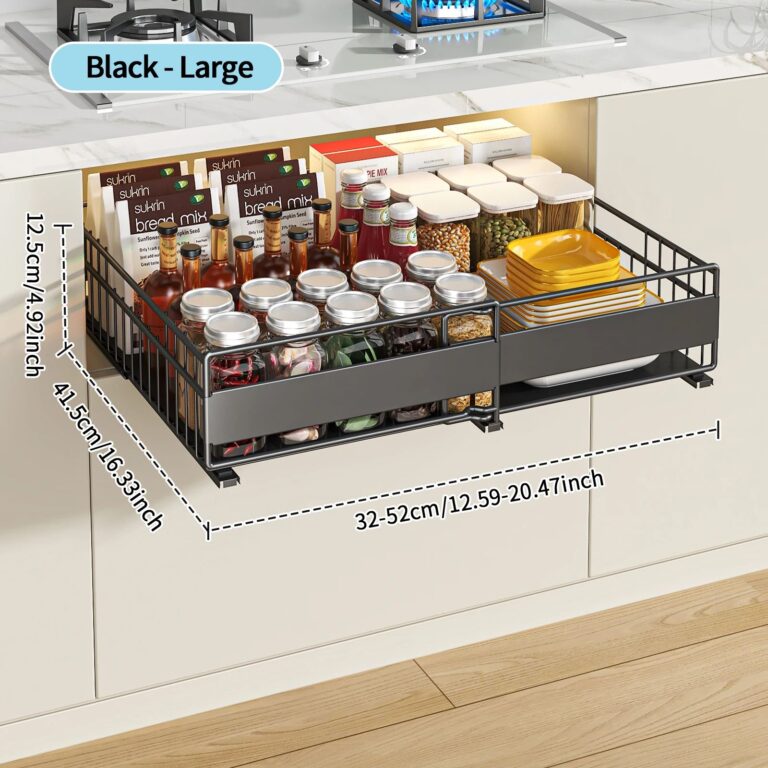 Aisha's pickLiving Room Cabinets with Storage That Don’t Need Babying
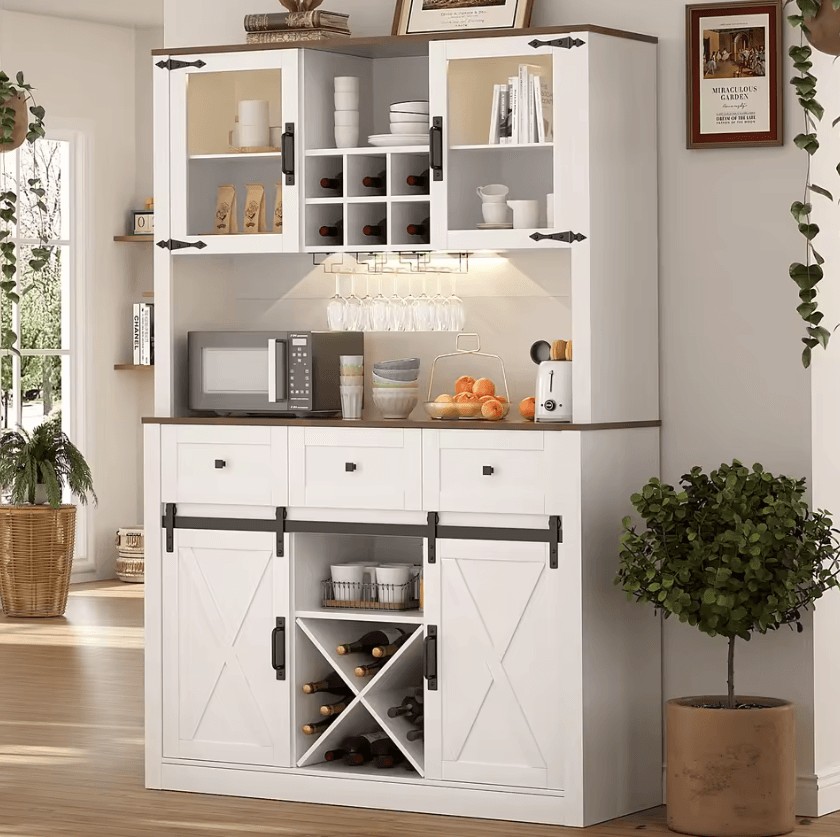
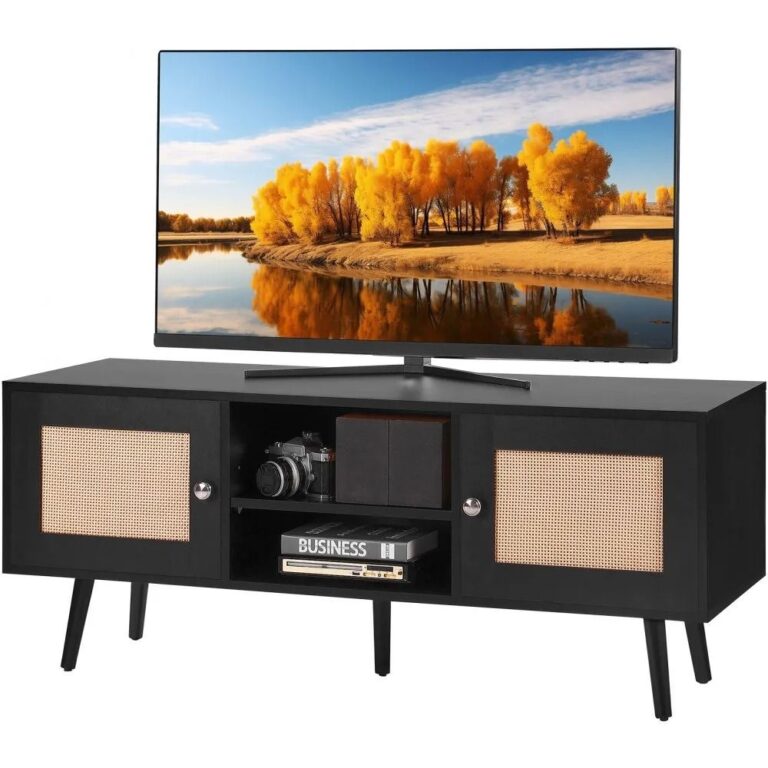 Aisha's pickMedia Cabinets with Storage That Swallow the Clutter
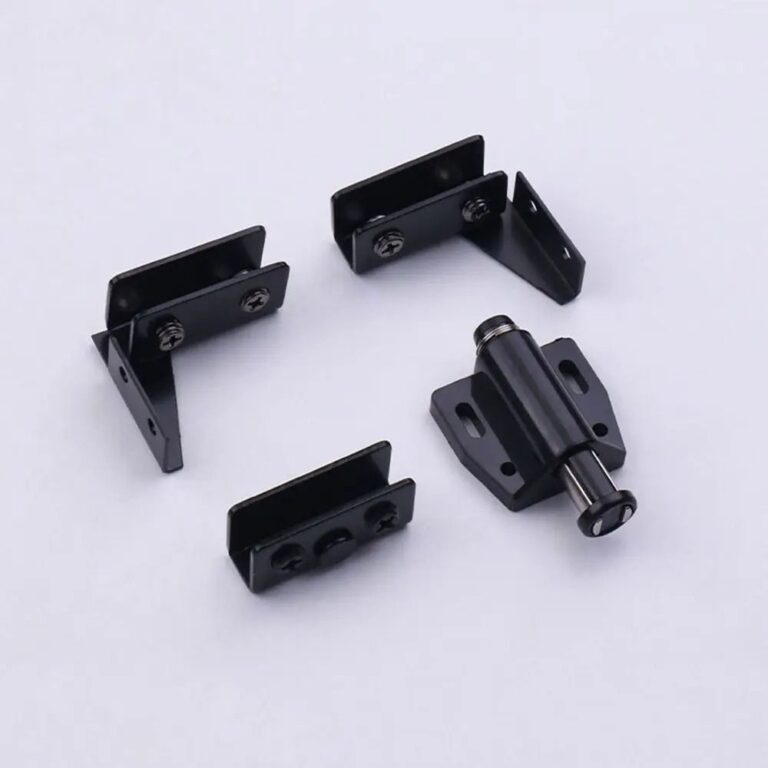
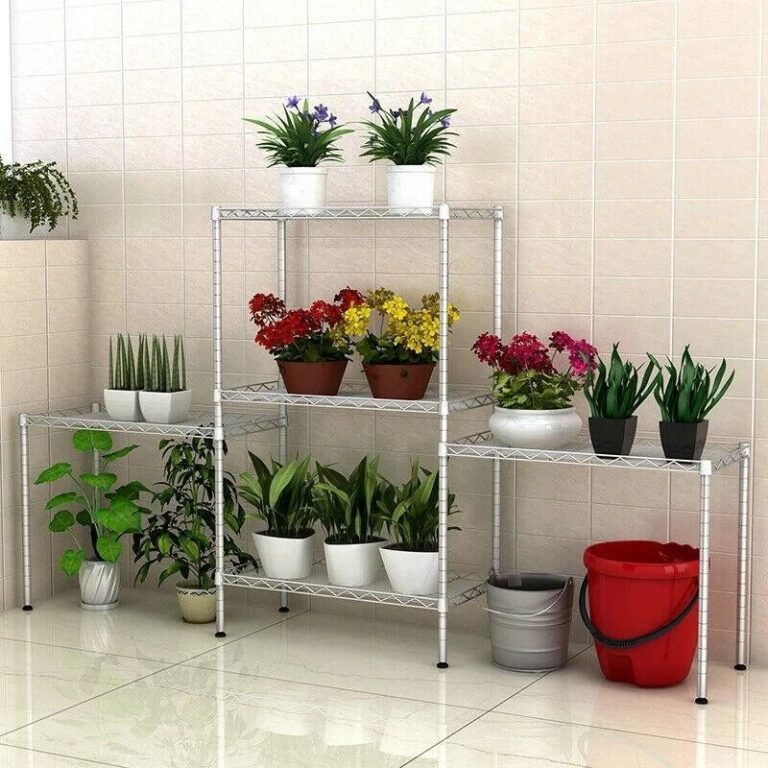 Aisha's pickShelving Units with Storage That Make Tidying Up Quicker
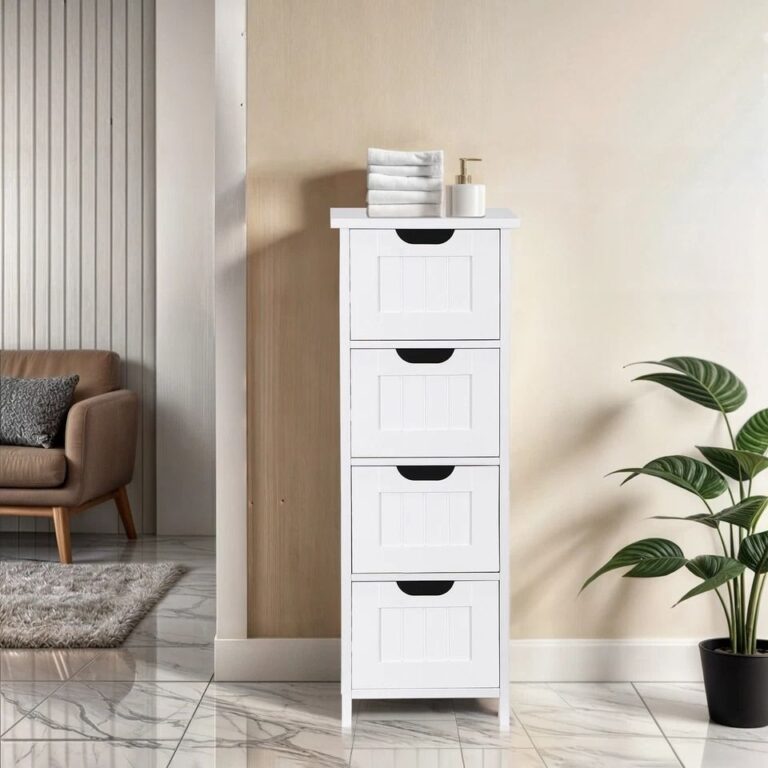
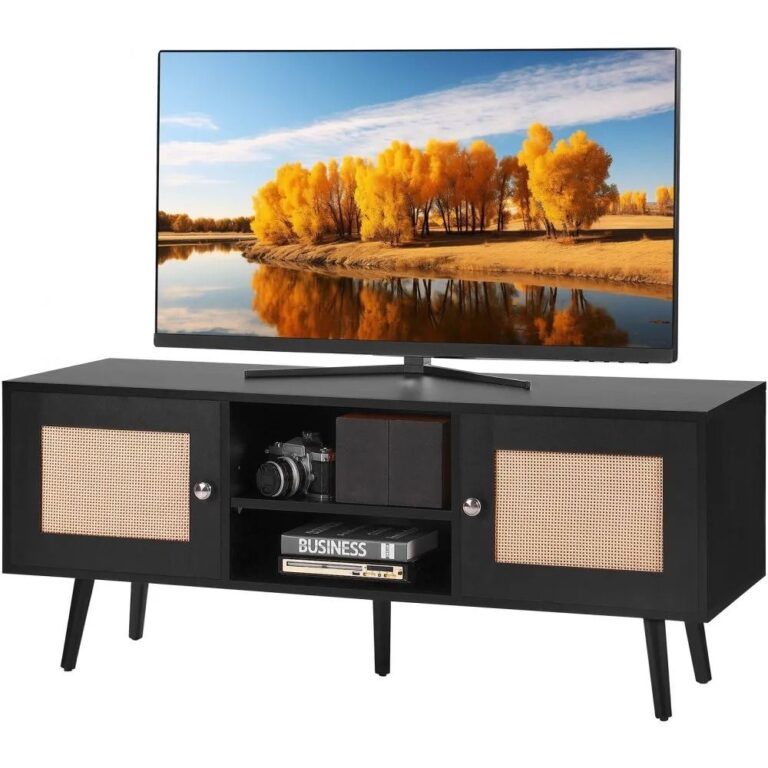 Aisha's pickTV Cabinets with Storage That Sort Out the ChaosAlso worth a lookStorage CabinetsThe hallway closet in my first apartment had exactly one shelf and a bar for coats, and every…See the collections →
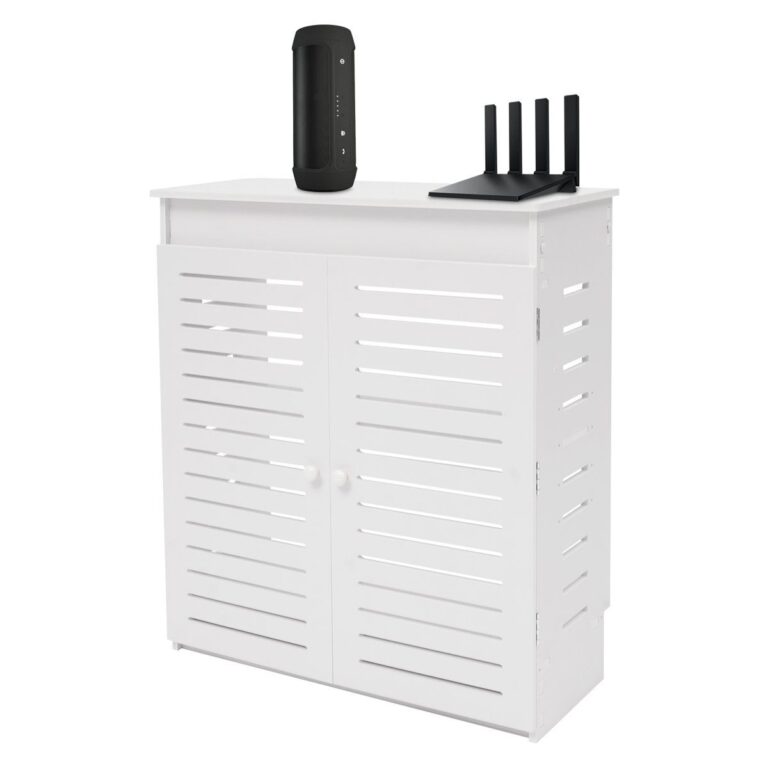
 Aisha's pickBook Displays with Storage That Survive Kids and Pets

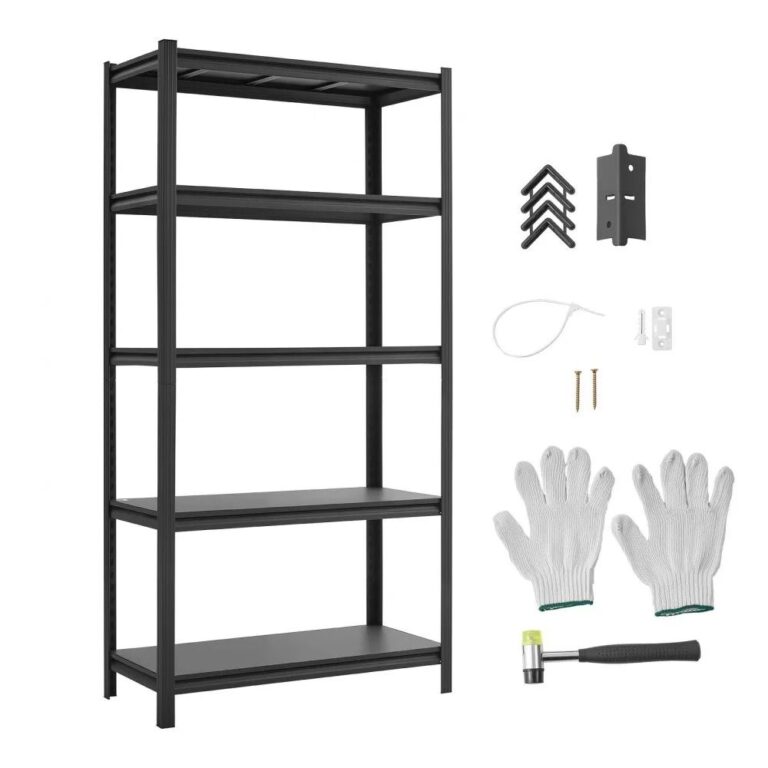 Aisha's pickChanging Units with Storage That Hold Up to Everyday Life