You can tell a good shelving unit from a bad one before you even cross the room. The bad one bows in the middle after about a year, so every shelf has a slight frown to it, and the whole thing wobbles when you pull a book off the top. The good one stands dead level in low evening light with nothing hiding the sag, because there isn't any.
If you've got nothing to your name yet, start with a simple frame in solid wood or a good plywood, open backed, no doors, no drama. It's the one that flexes the most as your stuff changes, books one year, baskets and plants the next, and it's the easiest to check for quality on the spot. In the shop or the moment it's delivered, get your hands on it properly: push the sides to see if the whole frame racks side to side, check the shelves are actually fixed level and not just resting on pegs that look level, run a finger along the back edge for anything sharp or unfinished, and open every drawer or cupboard twice, because a sticky one on day one is a sticky one forever. Look at where the weight sits too. A unit that's heavier at the top than the base will tip if a toddler or a cat decides to climb it, so ask yourself honestly whether it needs fixing to the wall, and if the answer's yes, do it that first weekend, not someday.
Wood shelving earns its character over the years, a bit of color change where the afternoon sun hits one end more than the other, small dents where life happened. That's fine, even good, as long as the joints stay tight, so wipe up spills before they sit, keep it away from a radiator or a heating vent that'll dry the wood out and crack it, and dust it properly every so often rather than letting things build up around the edges, which is how a shelf starts looking tired before its time. Laminate and veneer units age differently, they either hold their finish or they start chipping at the corners within a year, and there's no in between, so handle that compromise with your eyes open.
Measuring up is where most people get it wrong, usually by eyeballing the gap and guessing. Get the actual width, height and depth of the space, then take off another inch or two on each side so you're not shoving it in with your shoulder every time, and check the ceiling height if it's a tall unit, because showroom ceilings are deceptively generous. Depth matters more than people expect, a unit that's a few inches too deep for a narrow hallway turns a walkway into an obstacle course morning and night.
Next to it, I'd put a reading lamp that throws light down onto the middle shelves, because overhead light alone leaves the bottom two in permanent shadow.
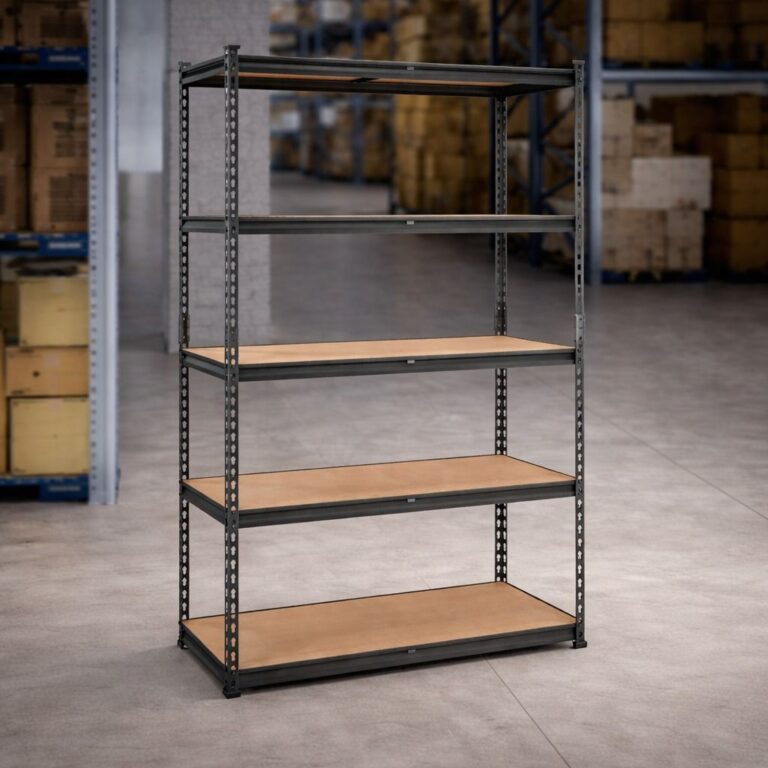
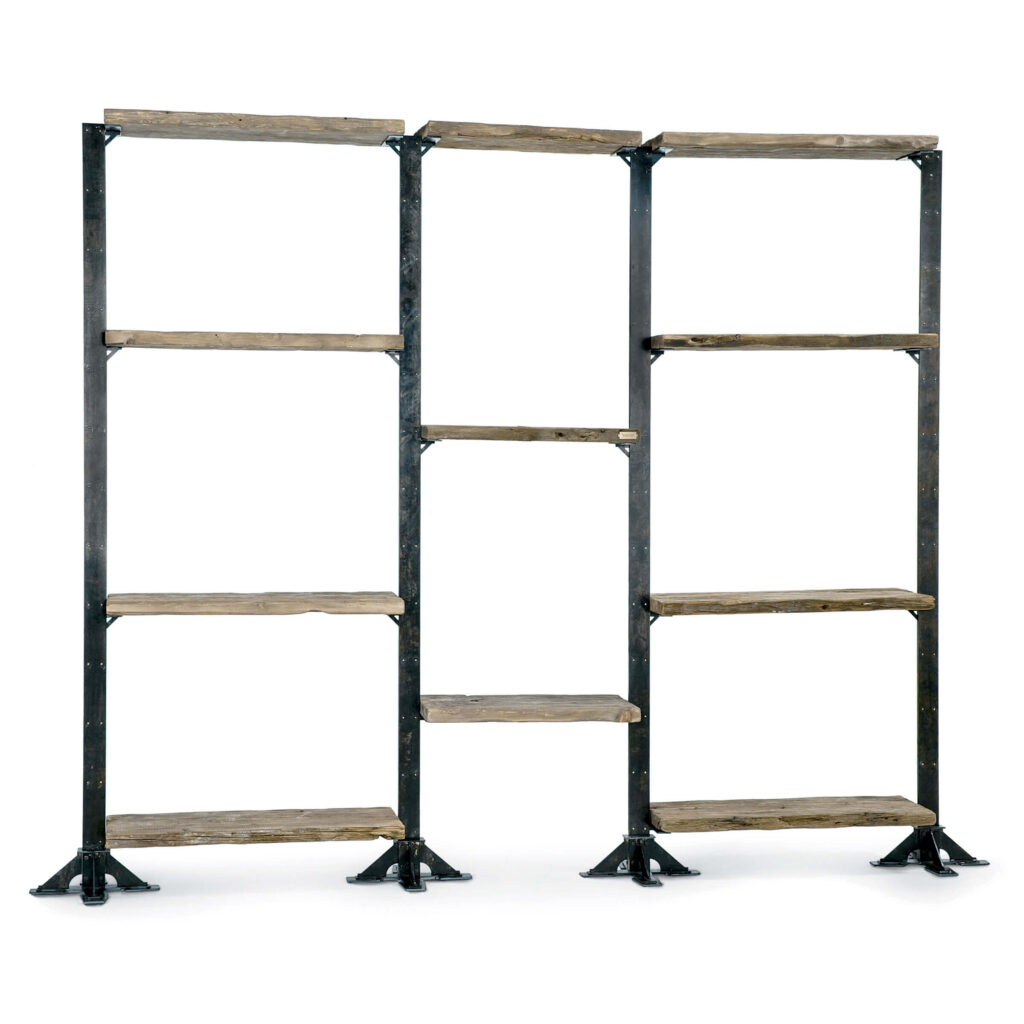 Aisha's pickIndustrial Shelving Units With Room for More Than You’d Think
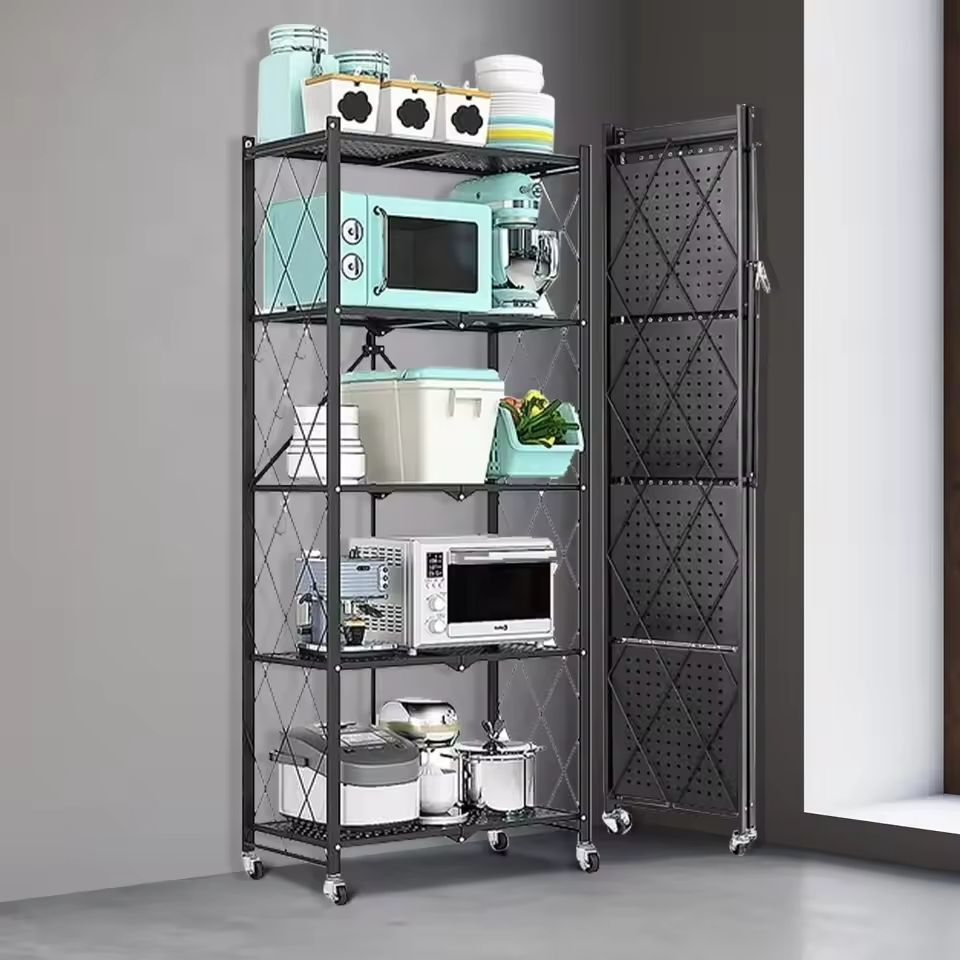
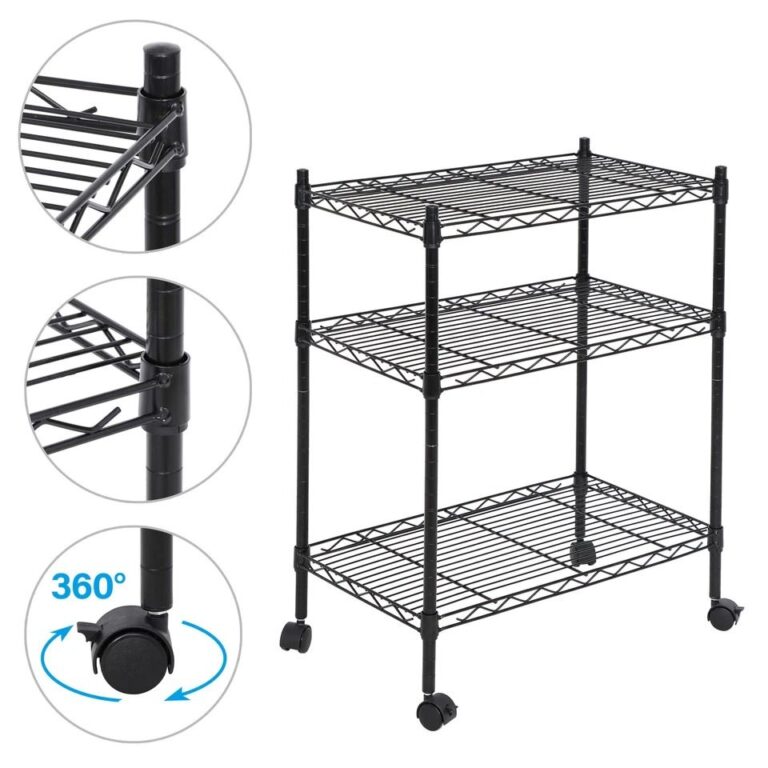 Aisha's pickKitchen Shelving Units That Make Cooking a Bit Nicer
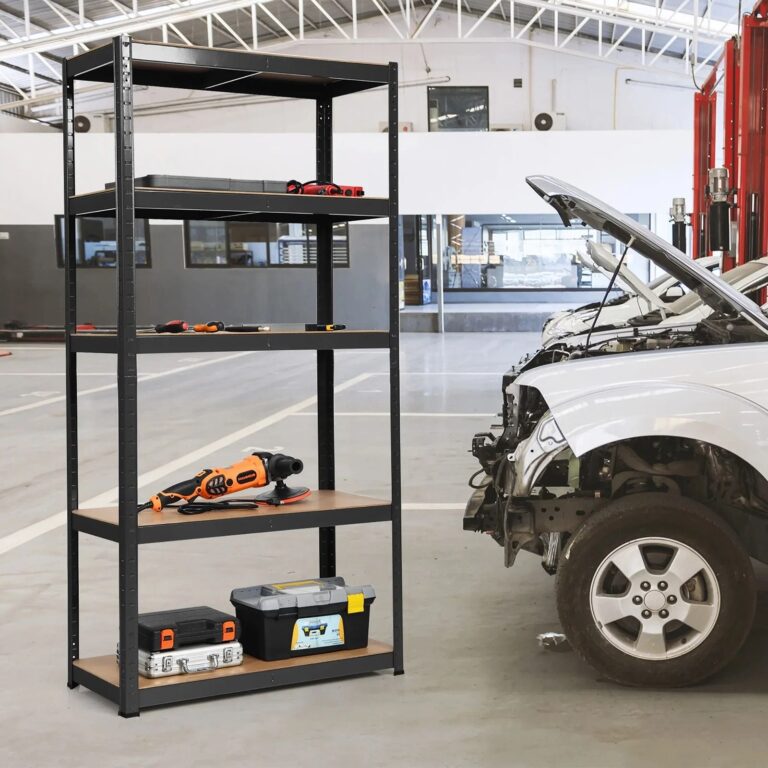
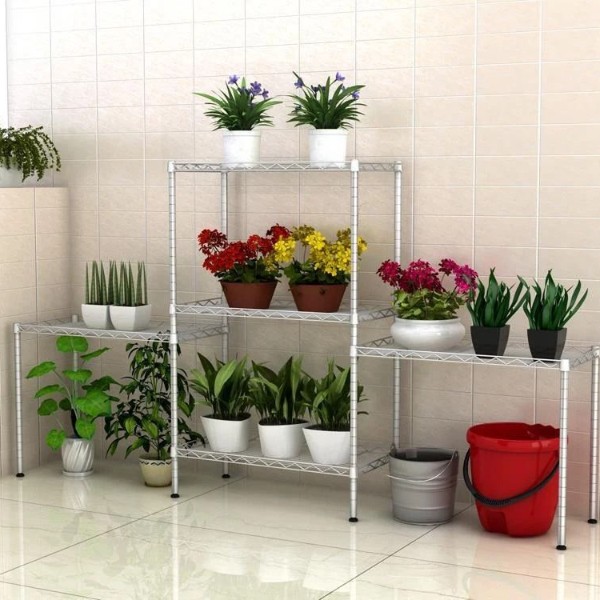 Aisha's pickModern Shelving Units for the Bits That Never Have a Home

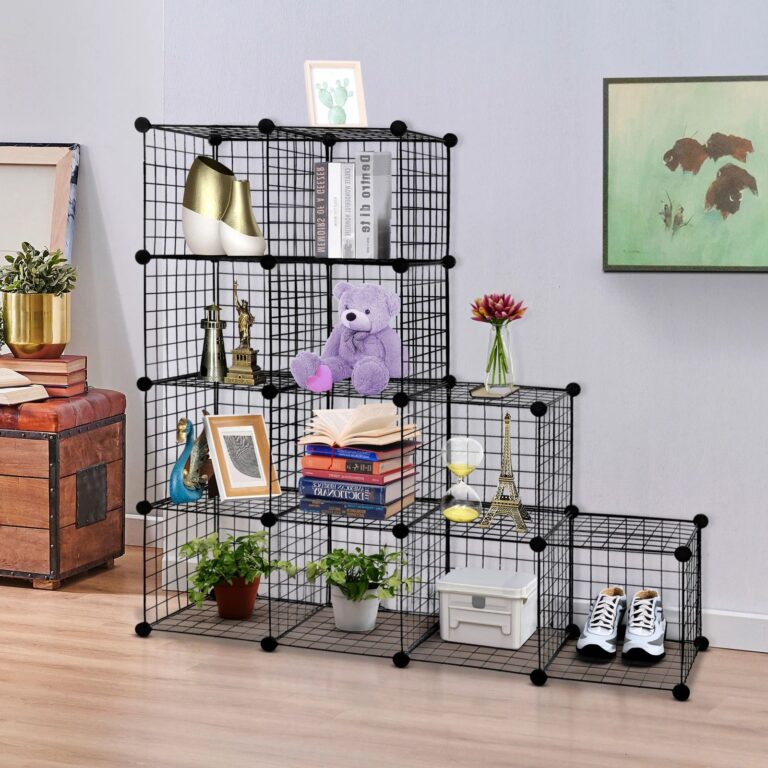 Aisha's pickModular Shelving Units You’ll Still Like in Five Years
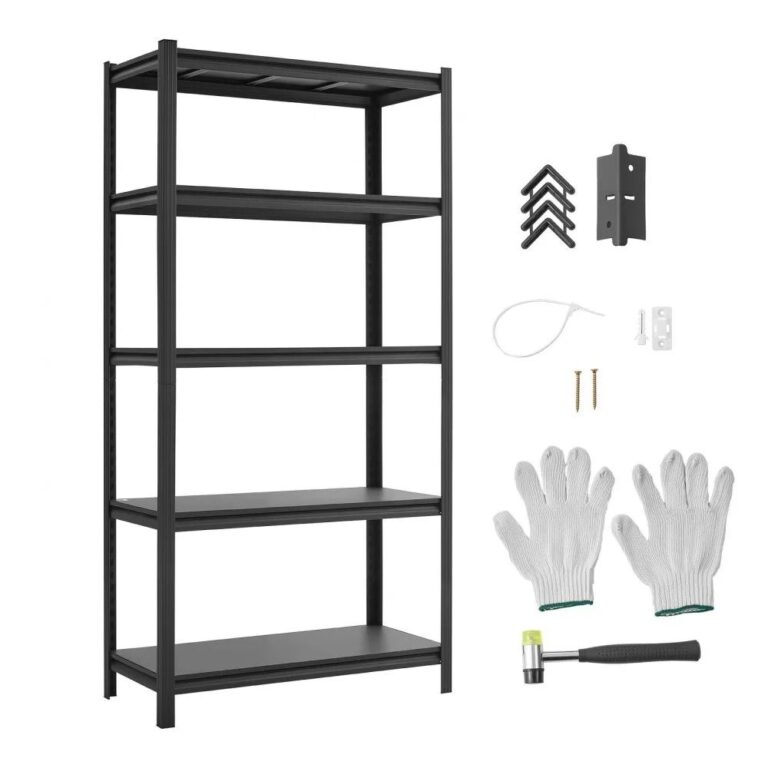
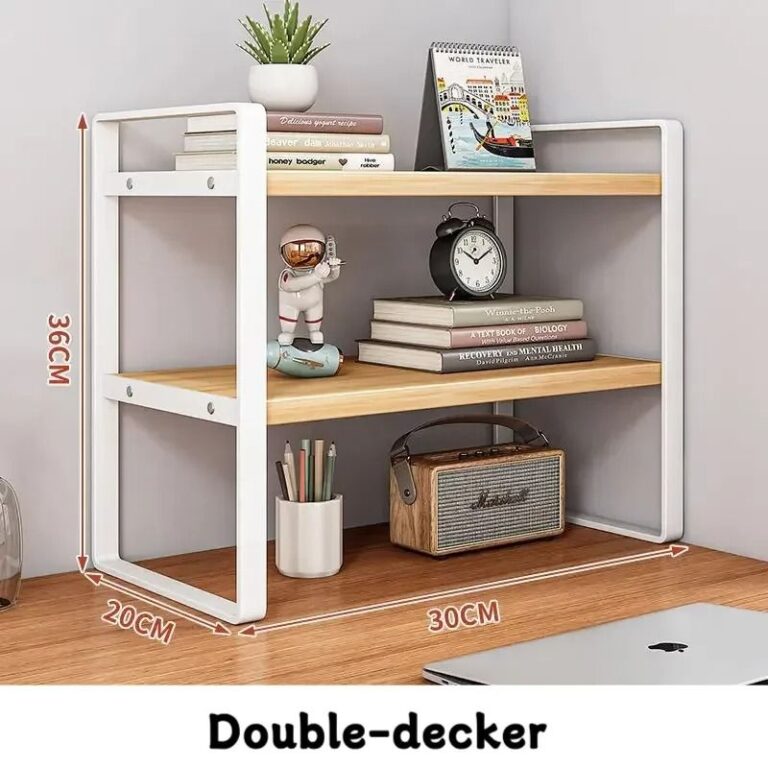 Aisha's pickShelving Units That Make Rented Places Feel Like Home
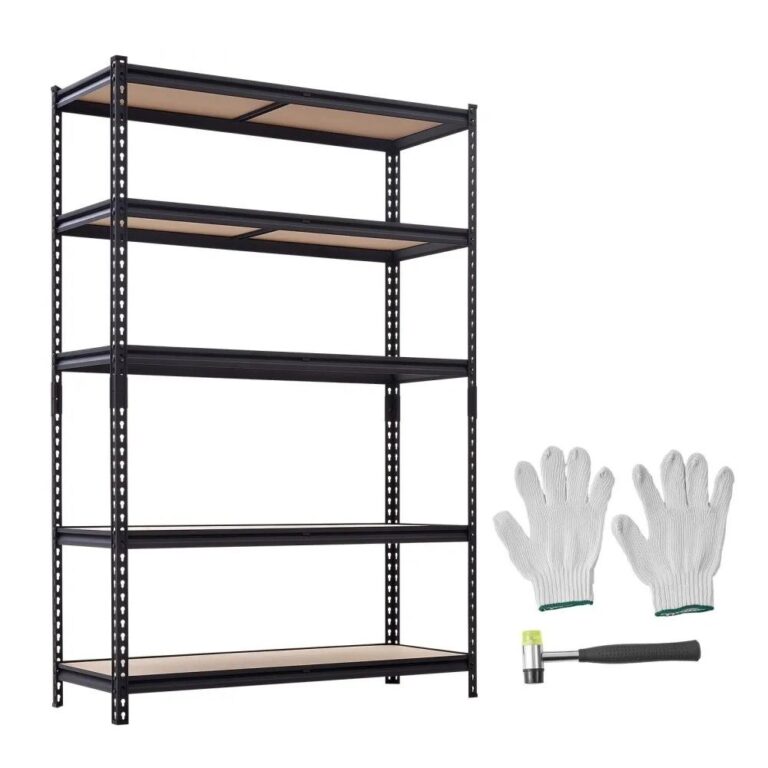
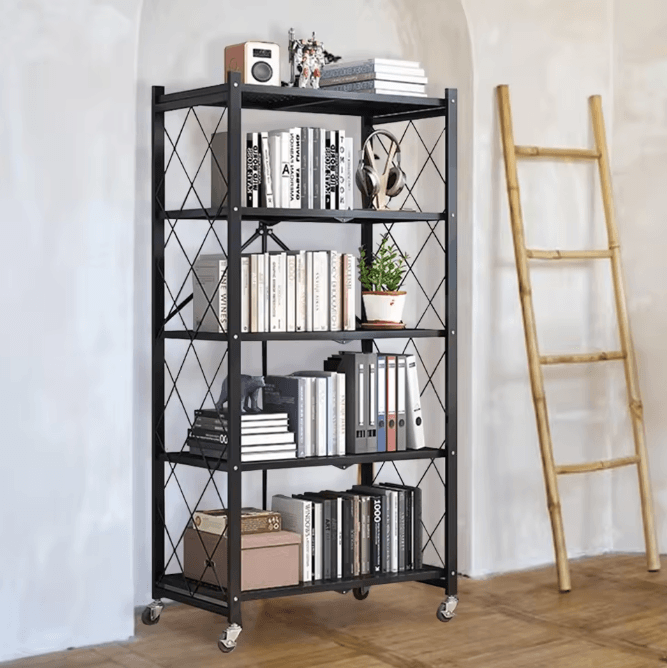 Aisha's pickShelving Units for Small Spaces That Fit Where Nothing Else Will
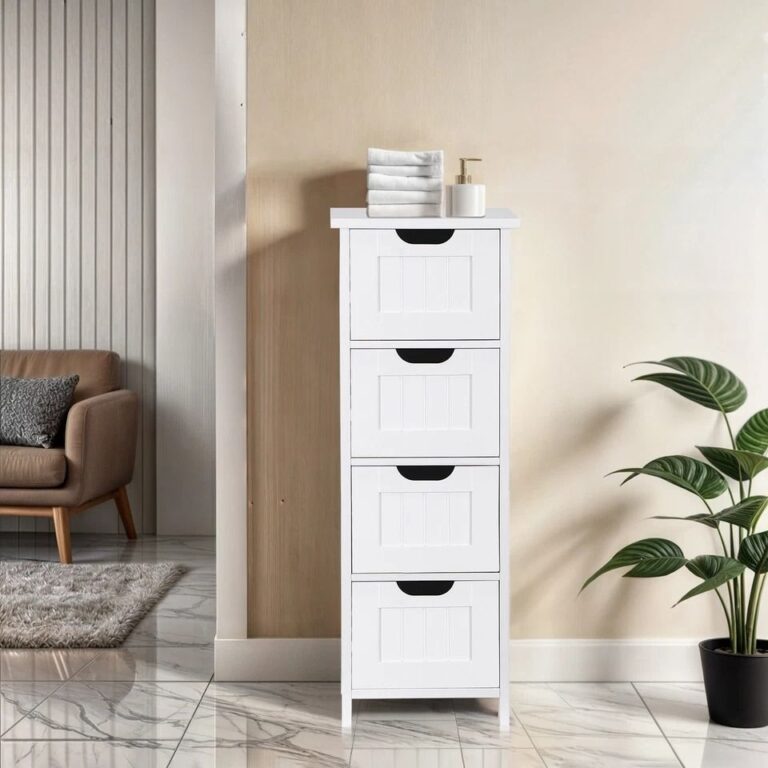
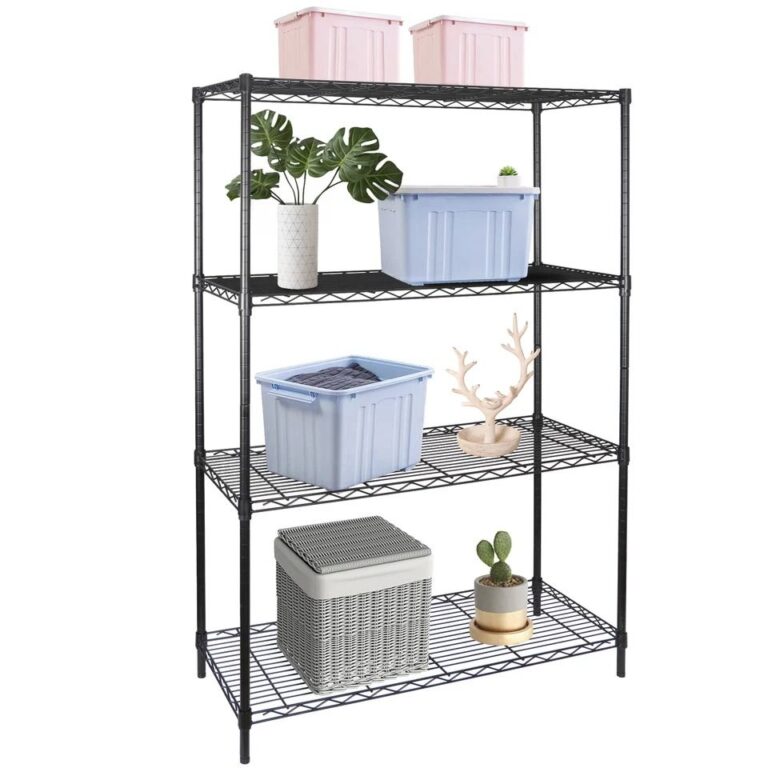
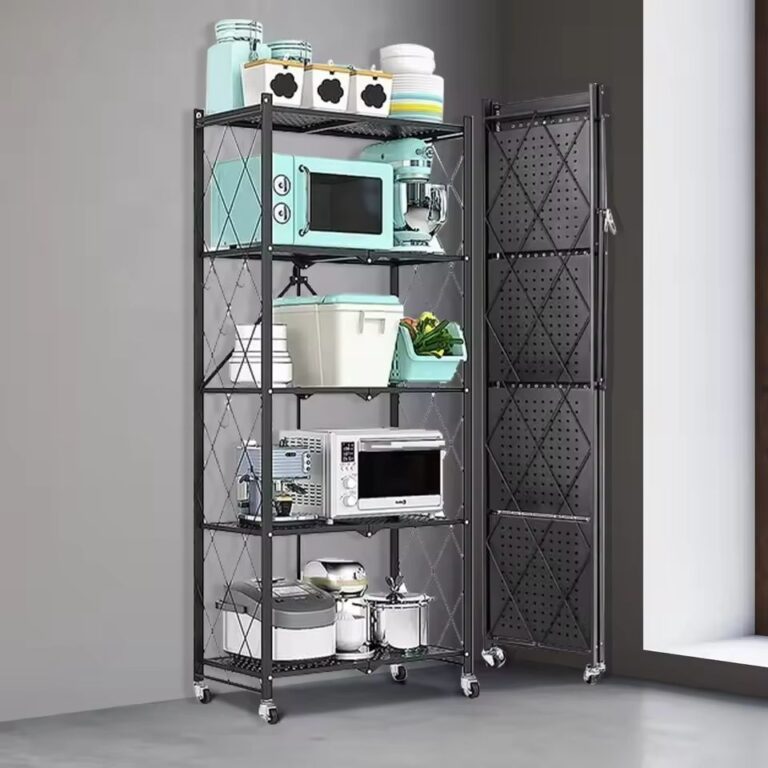 Aisha's pickWire Shelving Units for Homes With Too Much Stuff
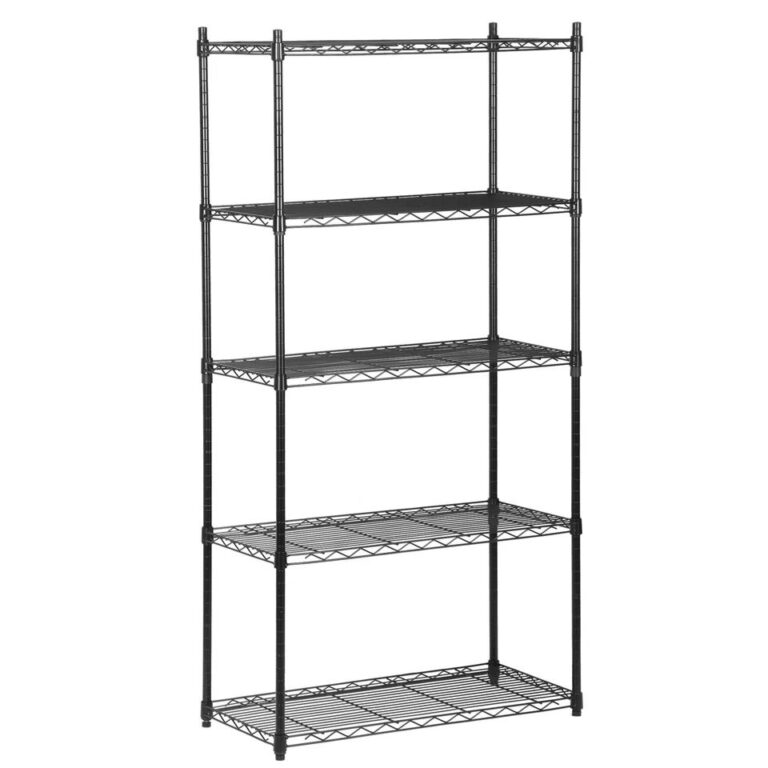
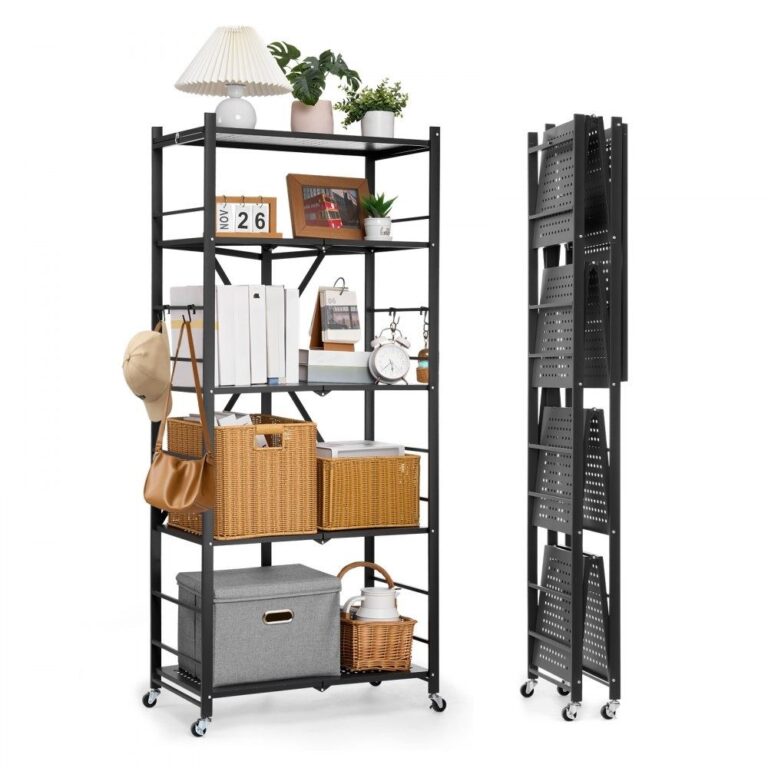 Aisha's pick3 Shelf Shelving Units That Survive Kids and Pets
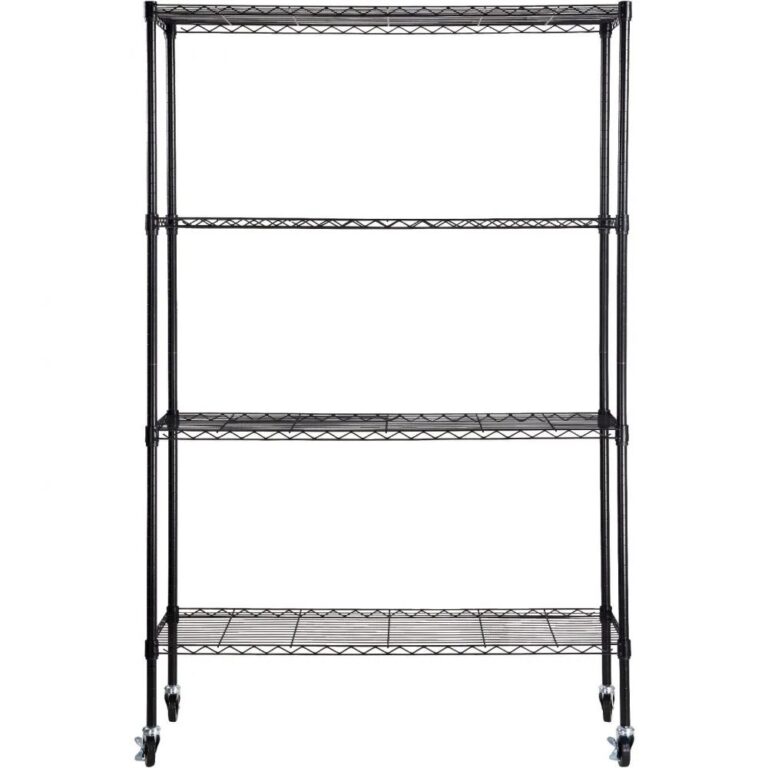 Aisha's pick4 Shelf Shelving Units That Don’t Need BabyingAlso worth a lookStorage CabinetsThe hallway closet in my first apartment had exactly one shelf and a bar for coats, and every…See the collections →
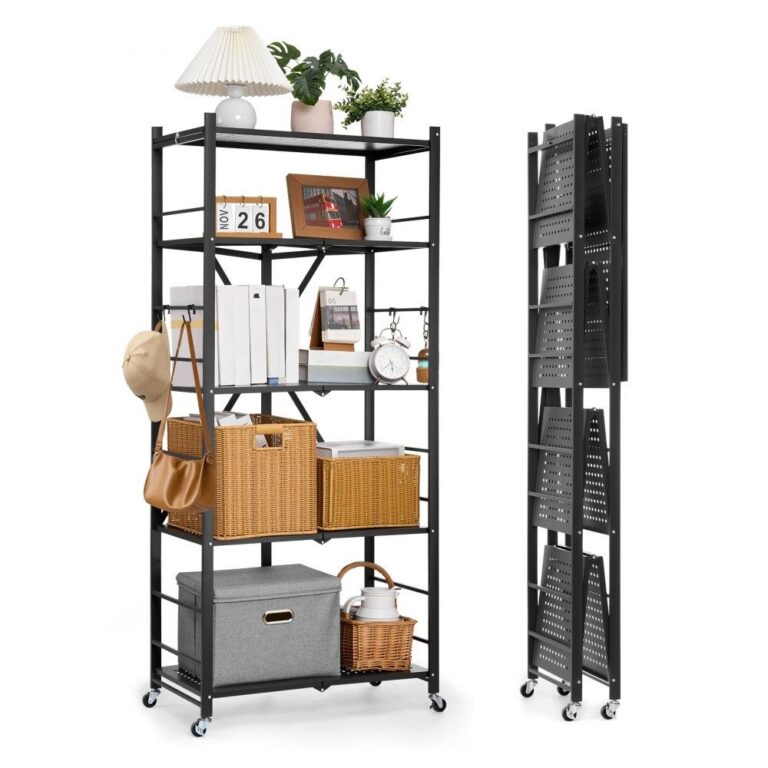
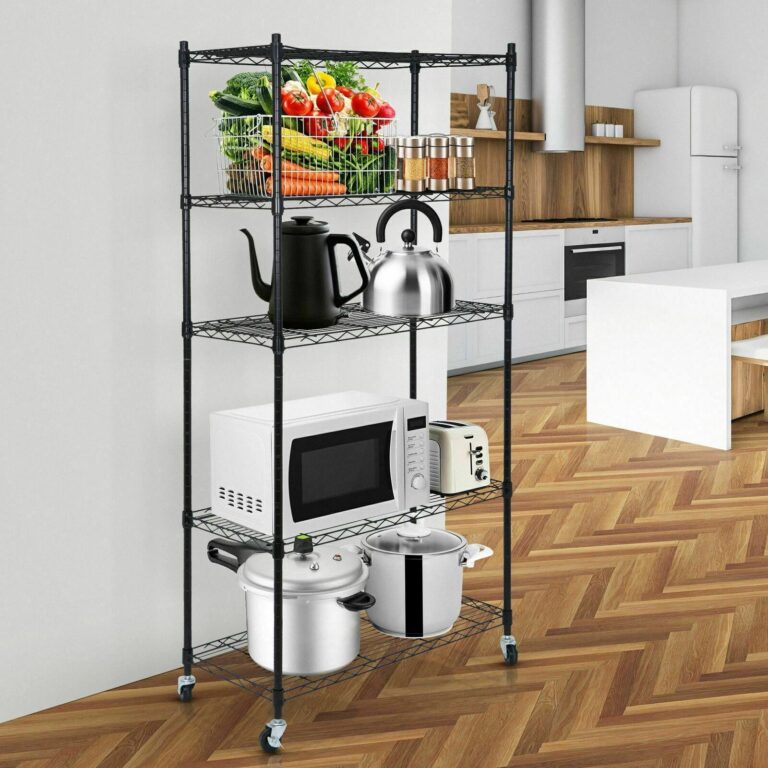 Aisha's pick5 Shelf Shelving Units We Wish We’d Bought Sooner
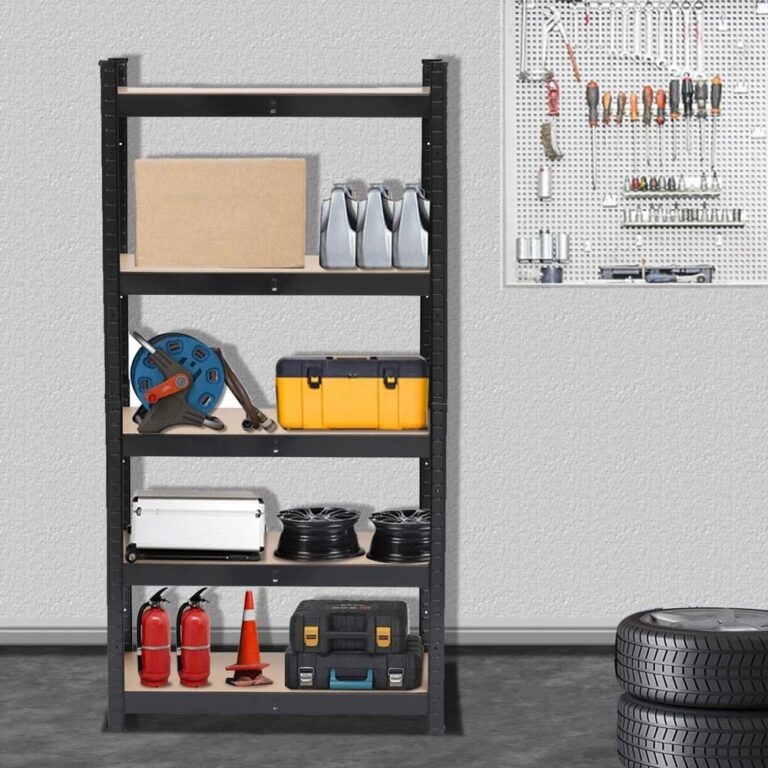
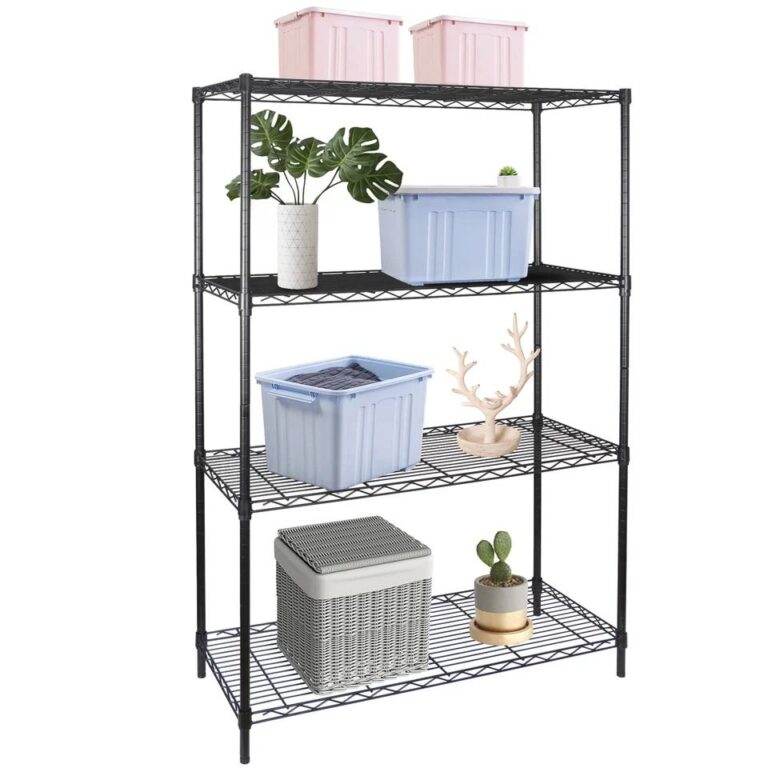 Aisha's pick6 Shelf Shelving Units That Sort Out the Chaos
 Aisha's pickDecent Adjustable Shelving Units Without the Hassle