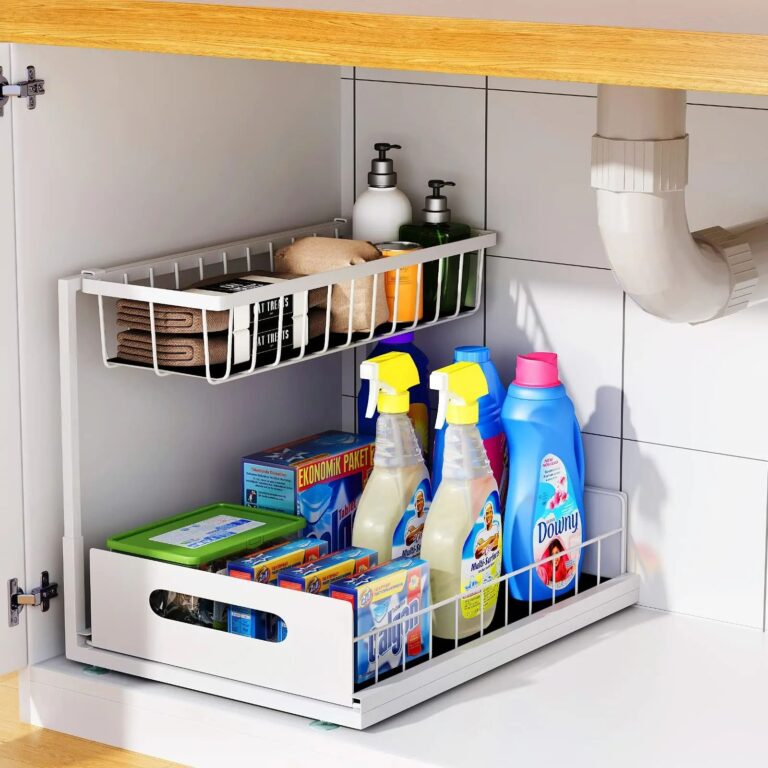
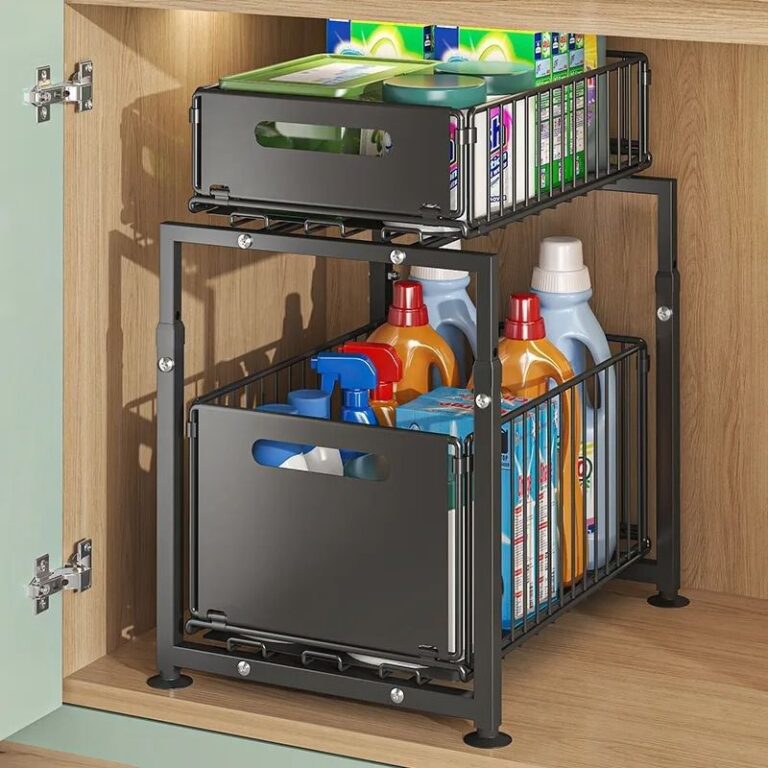
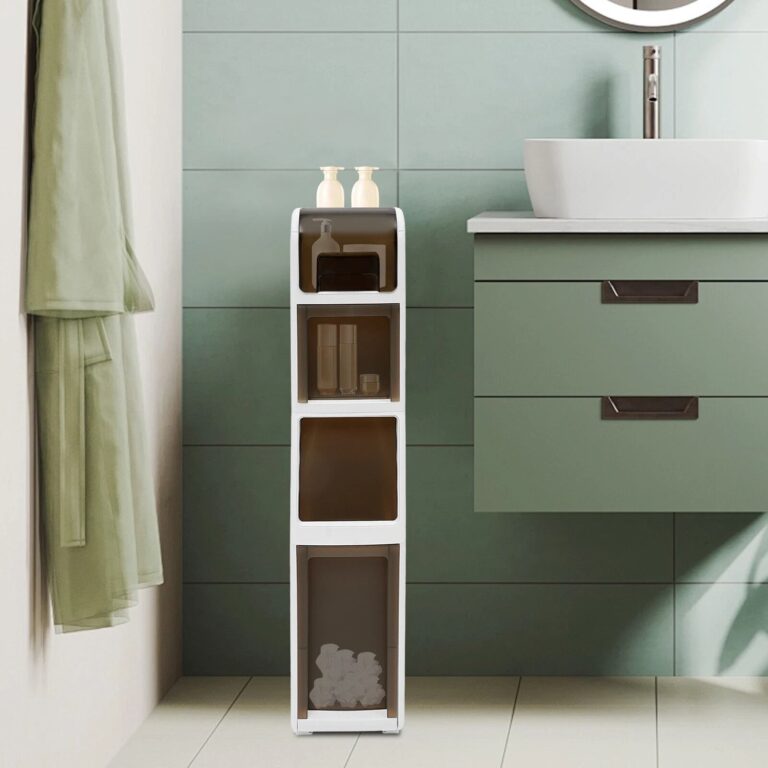
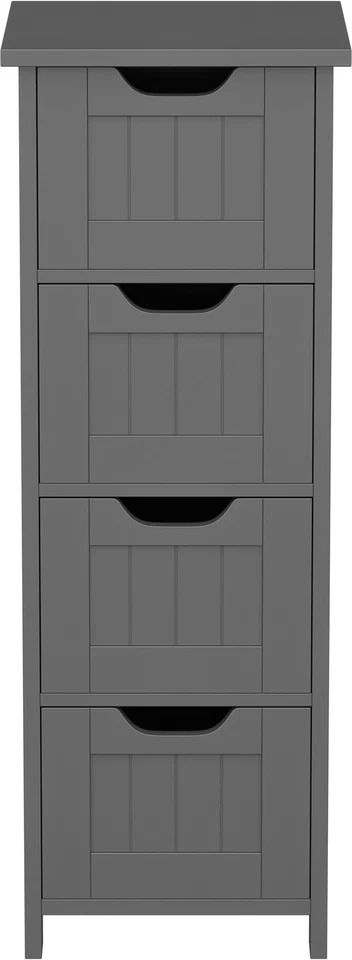
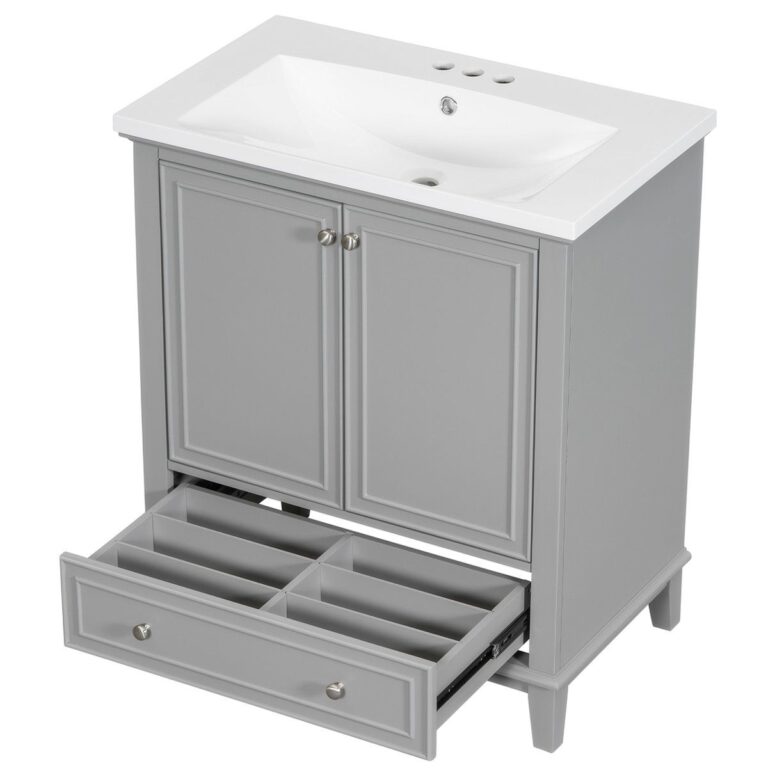
Before you buy, check how the drawer actually moves. Pull it all the way out and look underneath. If it rides on two plastic nubs and a groove cut straight into particleboard, that drawer will sag and stick within a year, especially once it's holding anything heavier than tea towels. Metal runners, even basic ones, mean the thing will still open smoothly after five apartments and a toddler using it as a step stool.
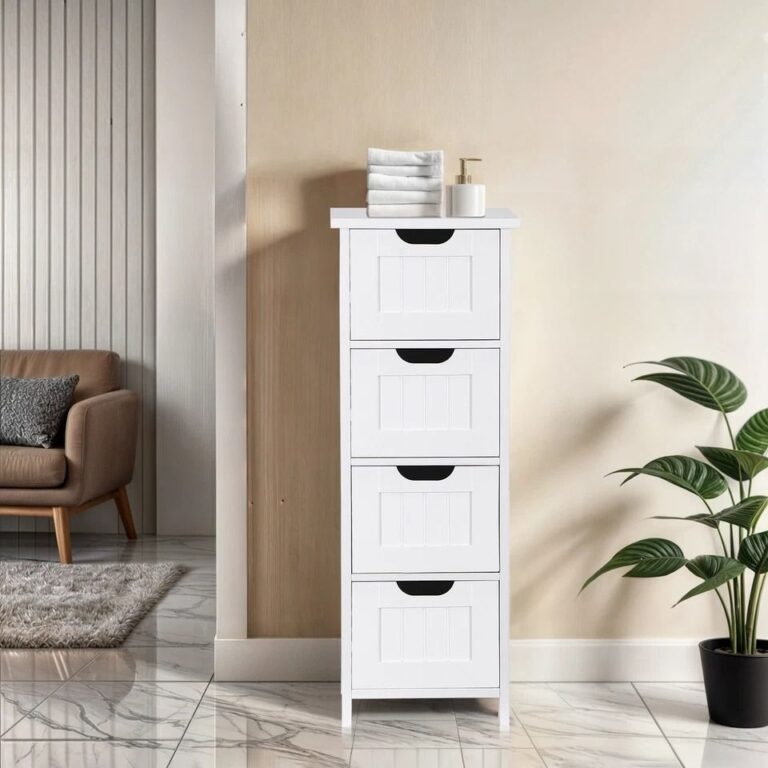
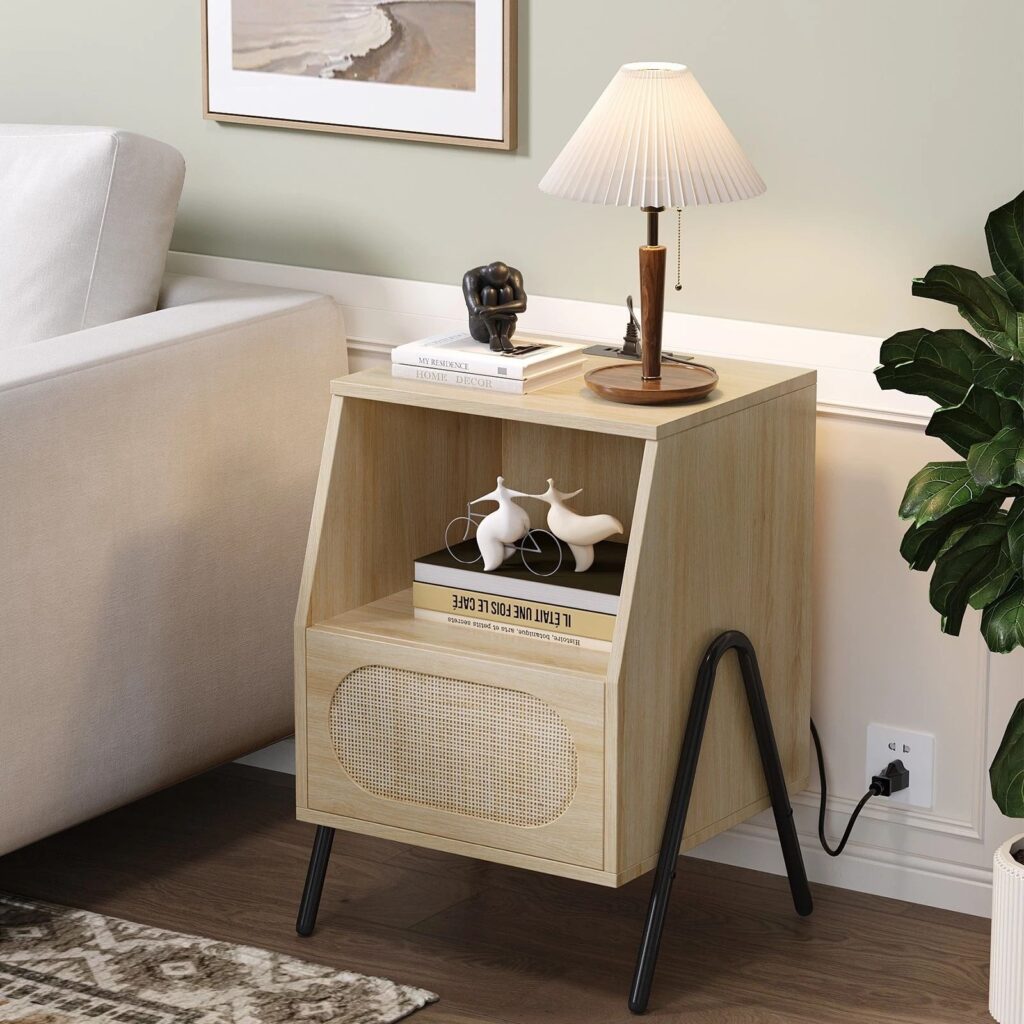
A cabinet with a drawer on top earns its keep in rooms where you need both hidden storage and a spot for the stuff that doesn't have a home, remotes, chargers, the takeout menus nobody throws away. It's good in entryways, living rooms, bedrooms as a low dresser substitute, even a dining room if you need somewhere for napkins and candles that isn't a drawer full of mismatched junk. Smaller rooms and rental apartments do well with these because you get a flat surface for a lamp or photos and real storage underneath, without committing to a full sideboard that eats half the wall. Solid wood versions, or at least good plywood with a real veneer, handle humidity swings and seasonal changes better than cheap MDF, which can swell at the joints if you're somewhere with a damp basement or an un-air-conditioned summer.
Where it falls short is capacity. One or two drawers over a cupboard looks clean, but it's not going to hold a dinner service or a stack of linens, so don't buy one thinking it replaces a proper dresser or a sideboard with real depth. The cheap versions also tend to have drawer fronts that are just a thin printed laminate, which chips the first time a key or a belt buckle catches the edge, and once that's gone there's no refinishing it, you're looking at a new cabinet. I've seen people pay nearly designer prices for exactly that kind of veneer over cardboard, which is a shame, because the honest flat pack version at a third of the price is made the same way and at least admits it.
It clashes hardest with anything already busy nearby, a heavily patterned rug, a gallery wall, a room that already has three other wood tones competing. Keep it simple and let the cabinet be the quiet piece in the corner, not another thing shouting for attention. Skip it in a room where you genuinely need deep storage, and skip the glossy finished ones in a sunny room, they show every fingerprint and every bit of dust by midafternoon.
This one earns its spot in a small, lived in home where surface space and hidden storage both matter more than showing off.
 Aisha's pickNightstands with Drawer That Make the Bedroom Feel Finished
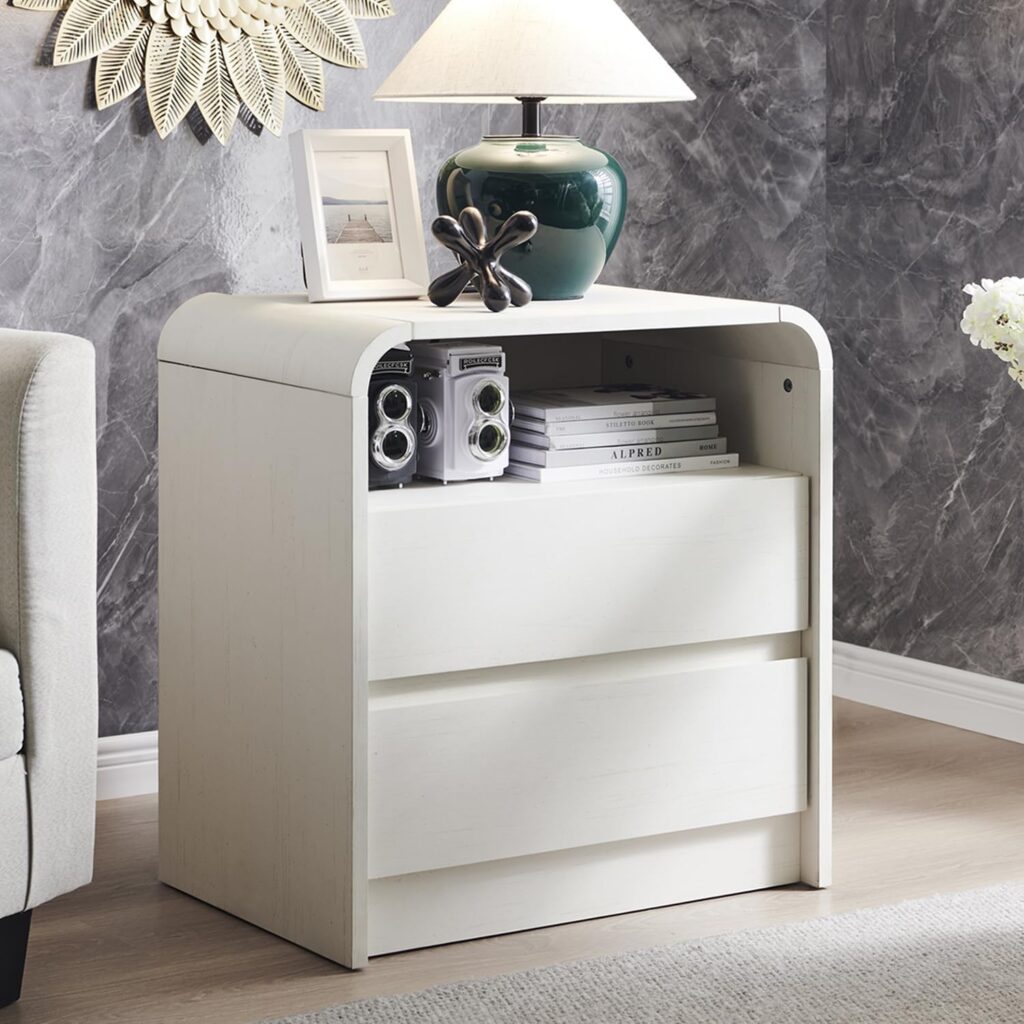
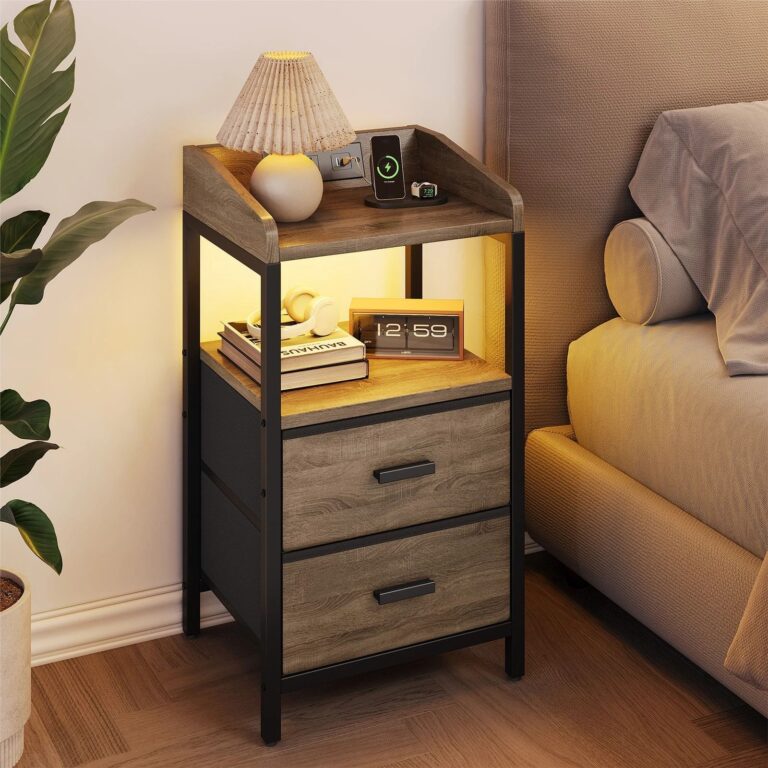 Aisha's pickNightstands with Drawers That Look Like They Cost More
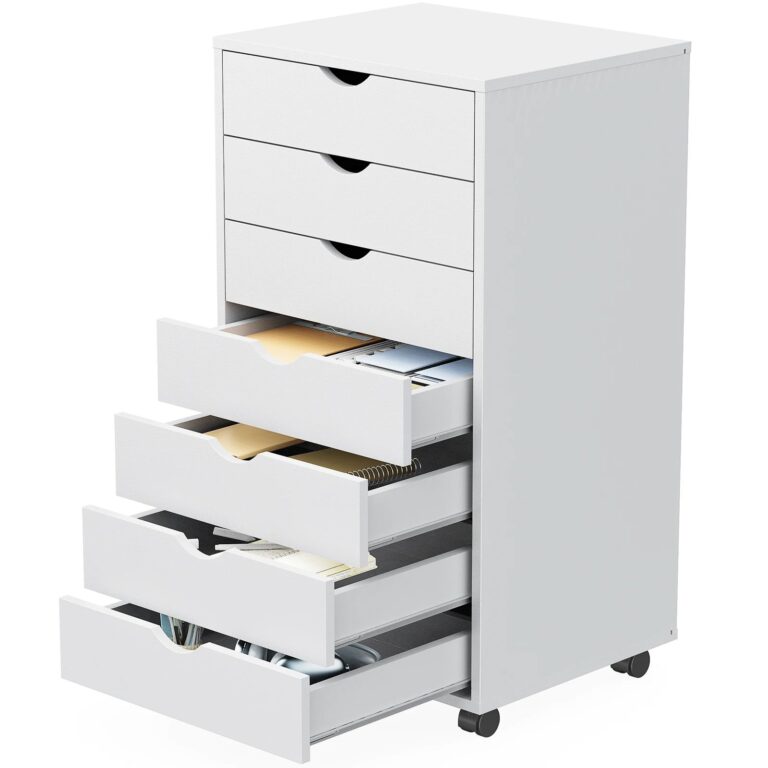
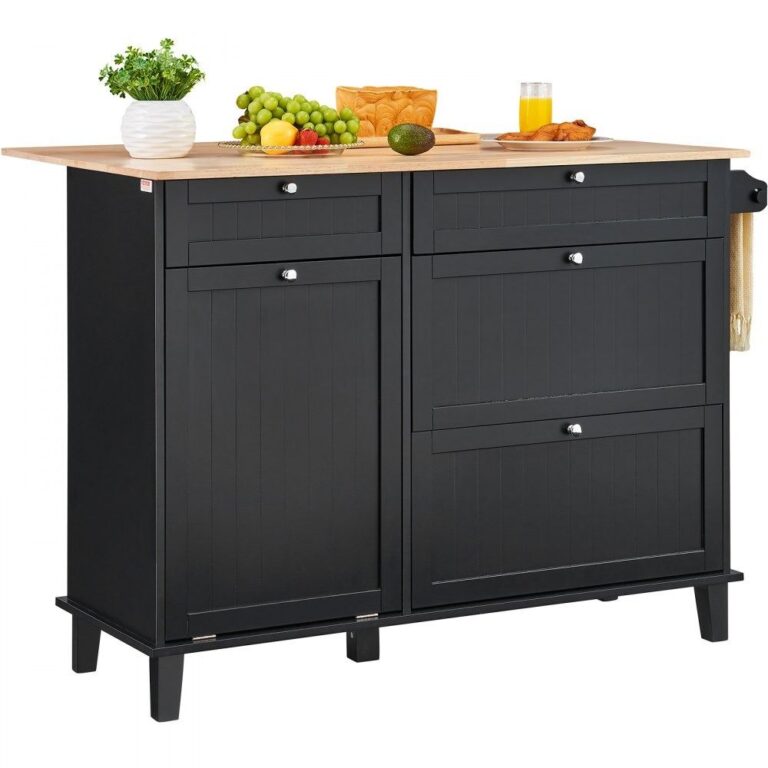 Aisha's pickDining Room Cabinets with Drawers That Look Better in Real Life

 Aisha's pickFile Cabinets with Drawers That Keep Surfaces Clear
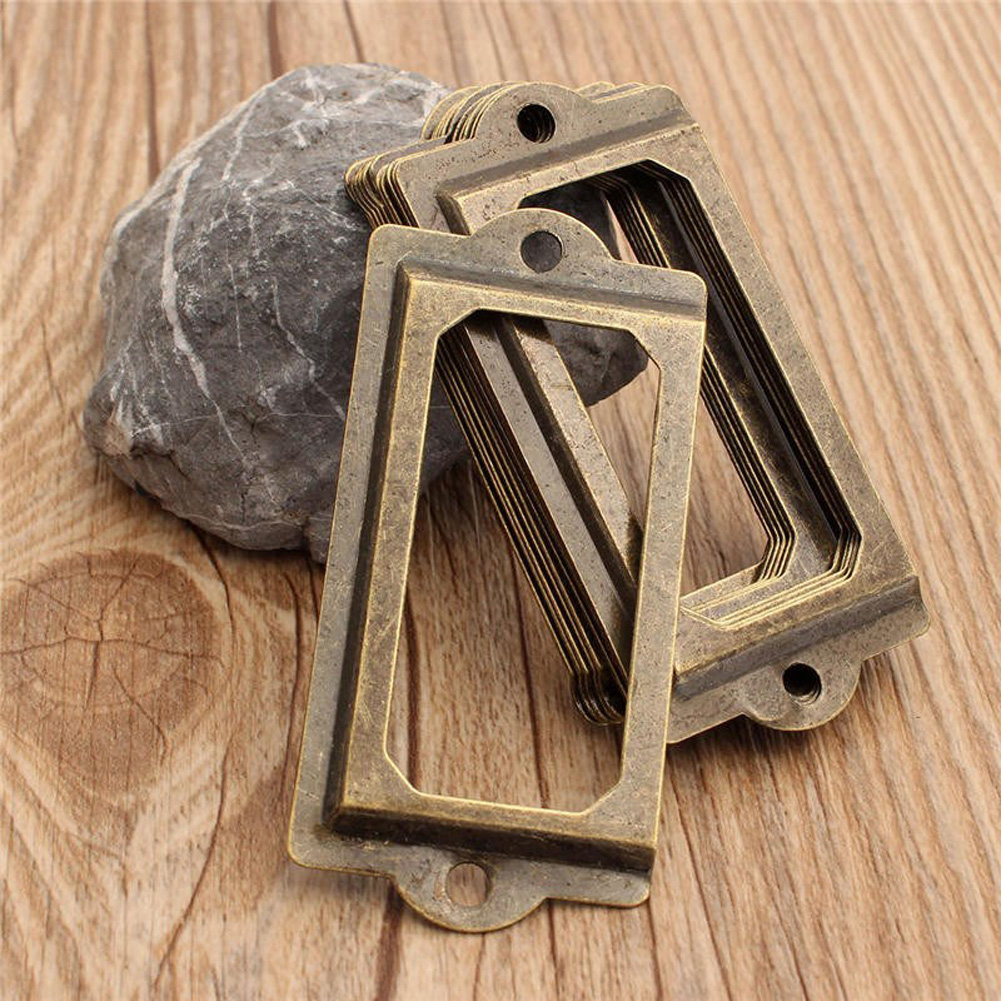
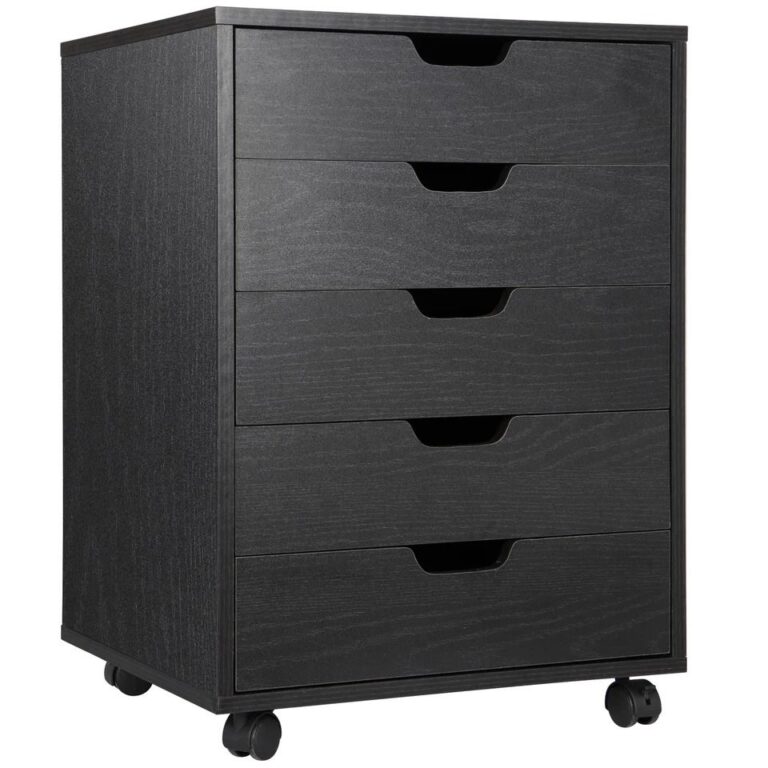 Aisha's pickFiling Cabinets with Drawers We Work Beside Every Day
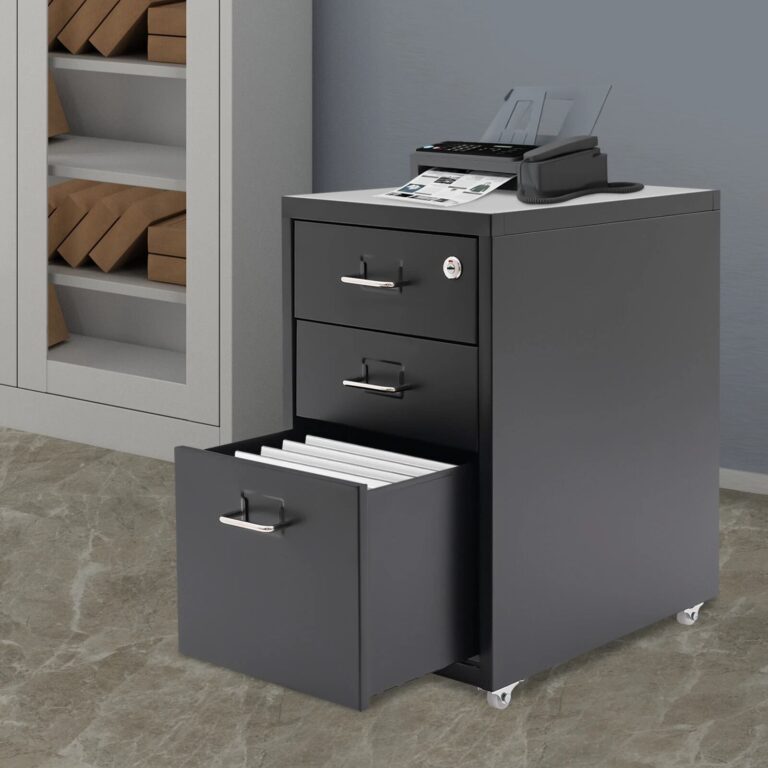
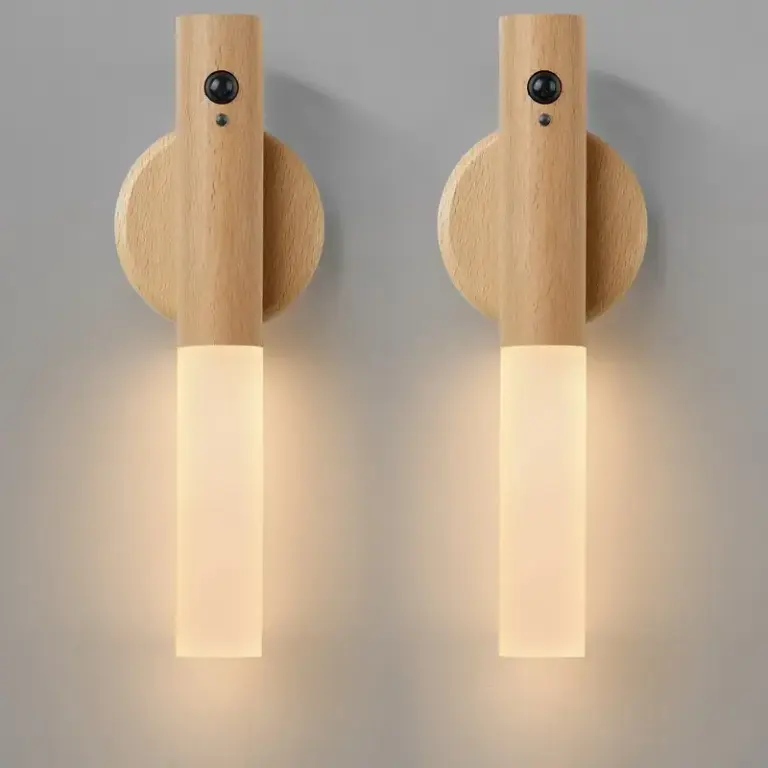 Aisha's pickHallway Cabinets with Drawers That Sort Out the Chaos
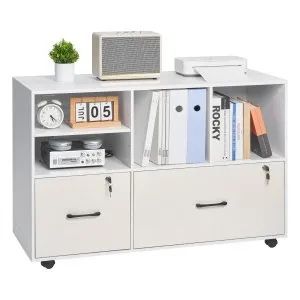 Aisha's pickHome Filing Cabinets with Drawers That Make the Spare Room Feel Like an Office
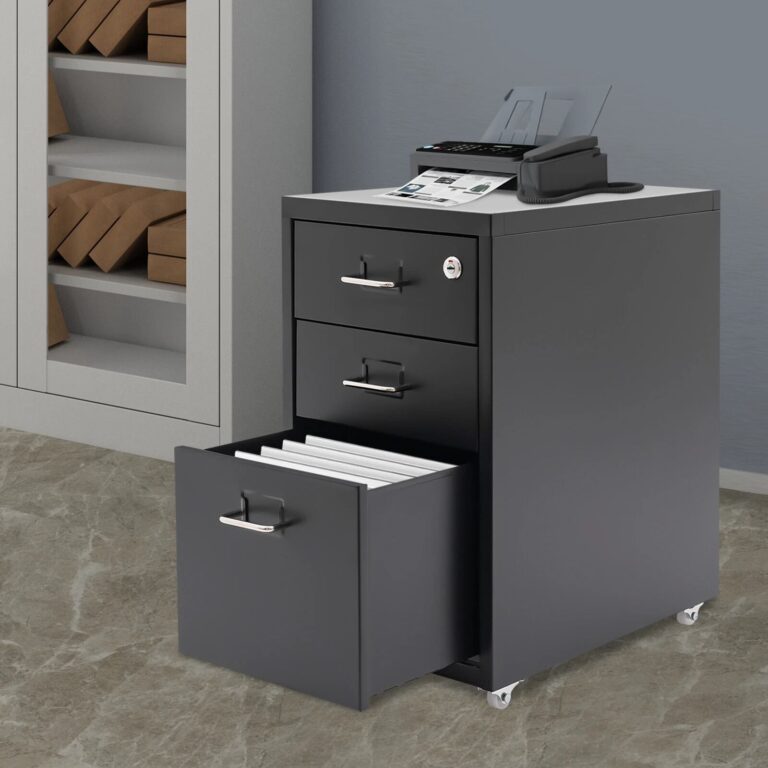
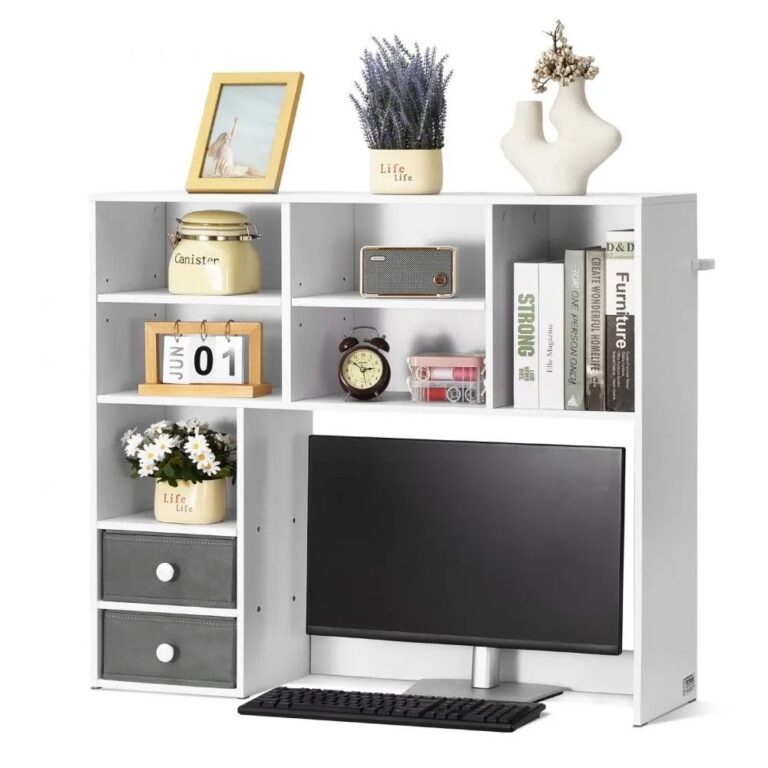 Aisha's pickHutches with Drawers That Don’t Look Mass Produced
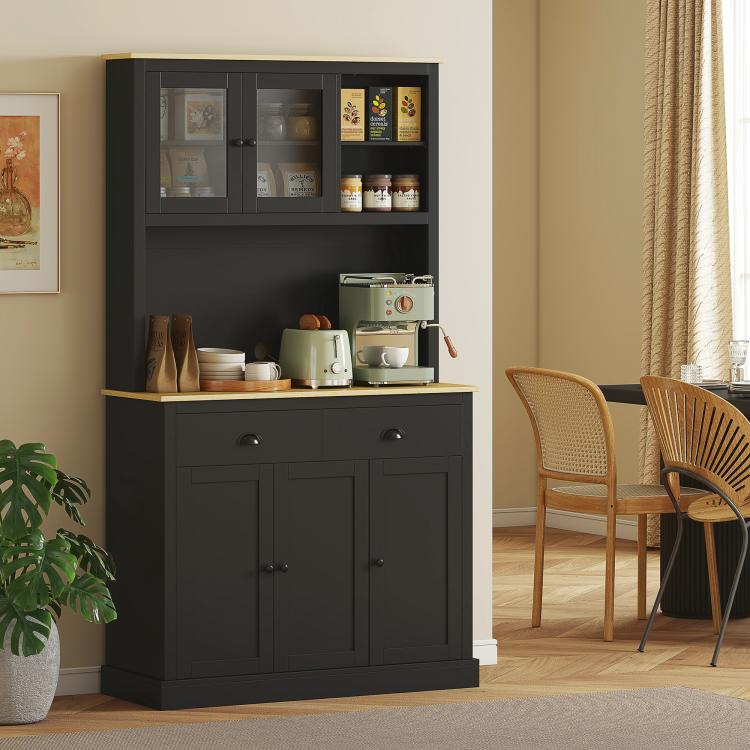
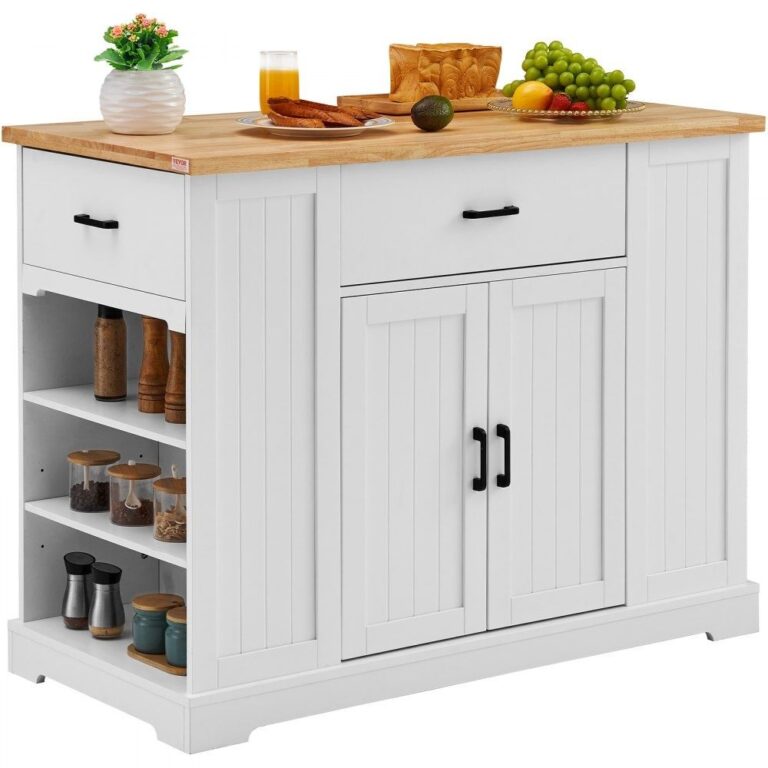 Aisha's pickKitchen Cabinets with Drawers We Keep Coming Back ToAlso worth a lookStorage CabinetsThe hallway closet in my first apartment had exactly one shelf and a bar for coats, and every…See the collections →

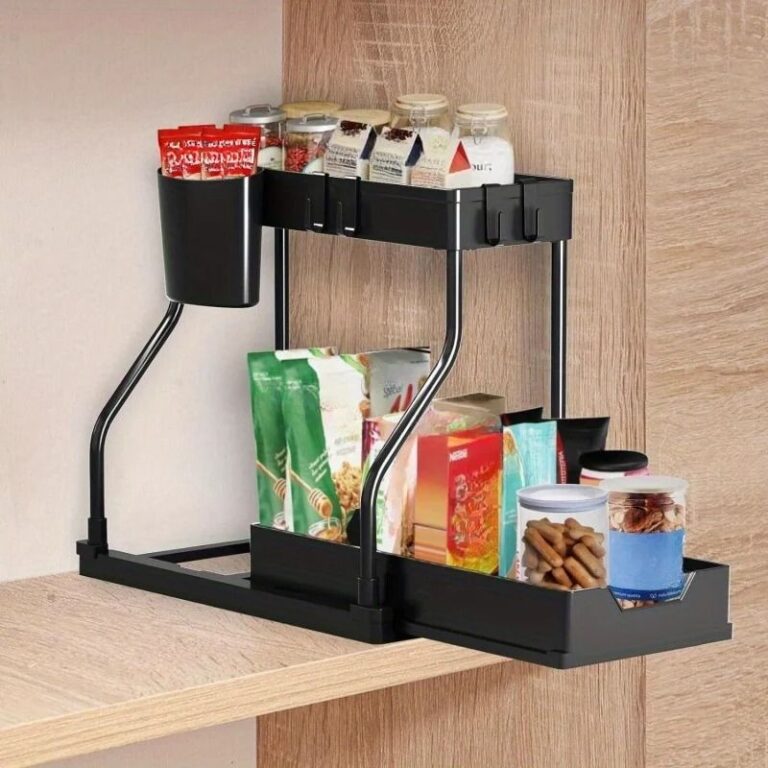 Aisha's pickKitchen Cabinets with Drawers That Make Cooking a Bit Nicer

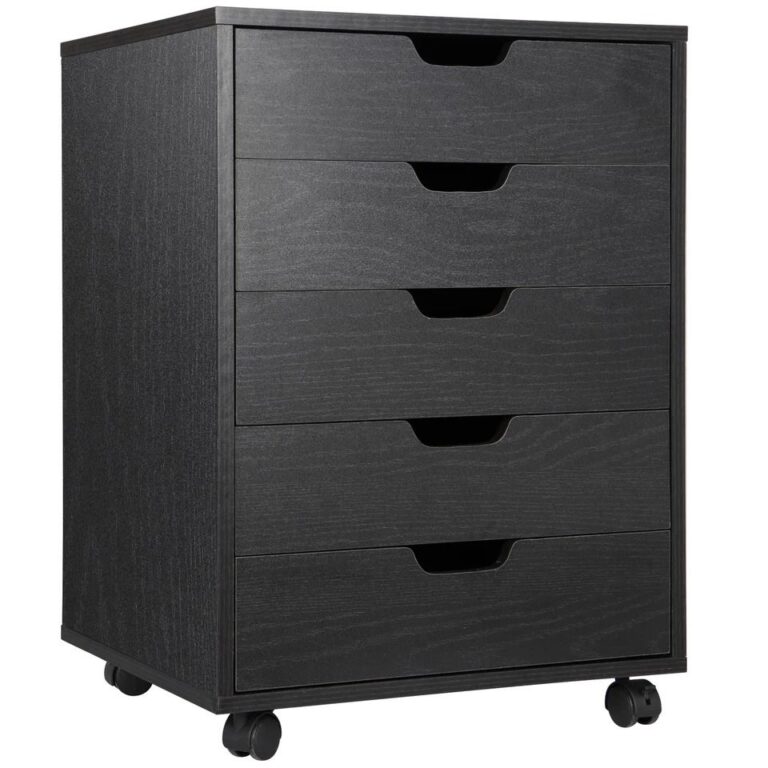 Aisha's pickMetal Nightstands with Drawer That Look Like They Cost More

 Aisha's pickMirror Cabinets with Drawers You’ll Keep for Years