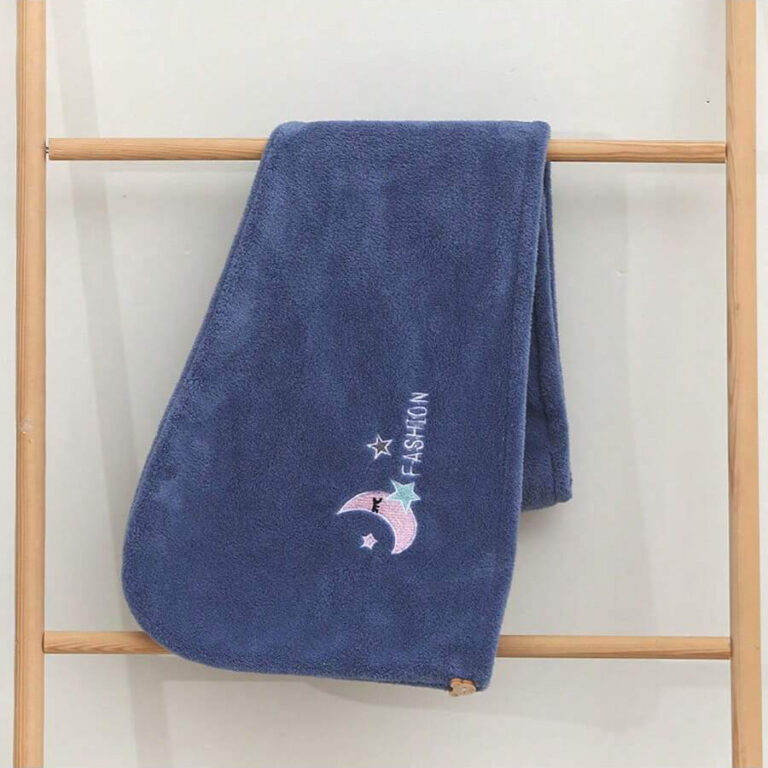
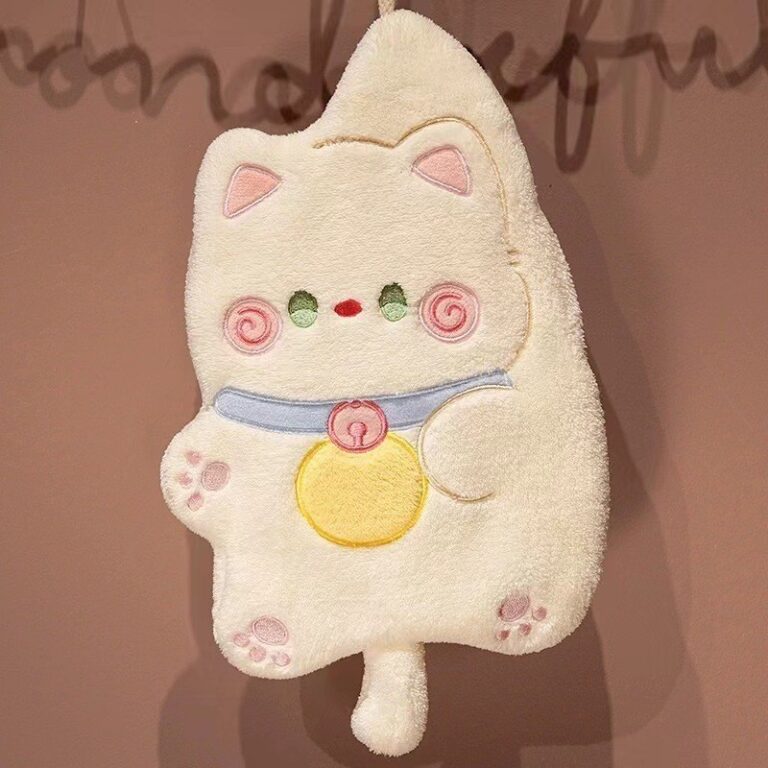
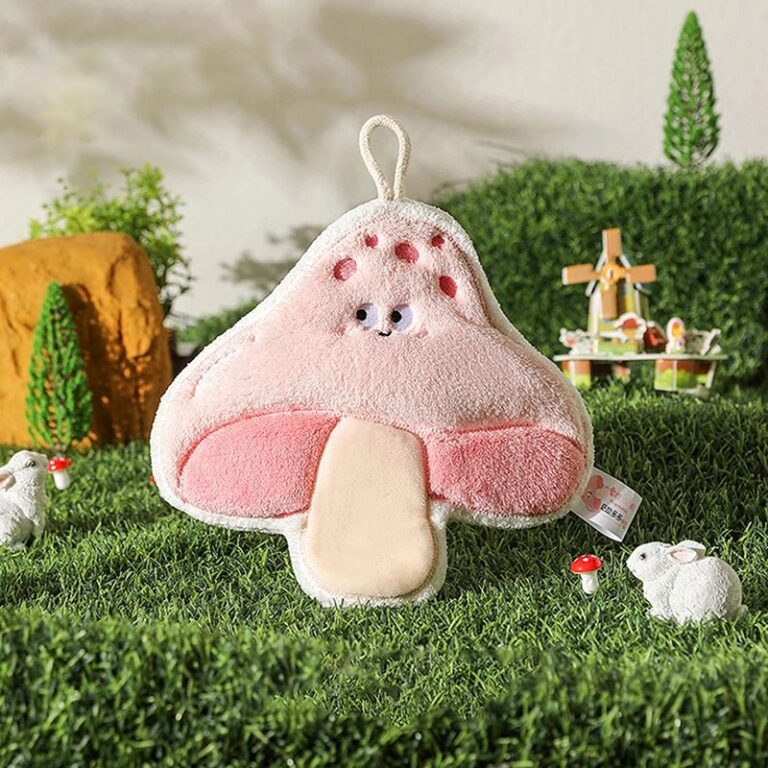
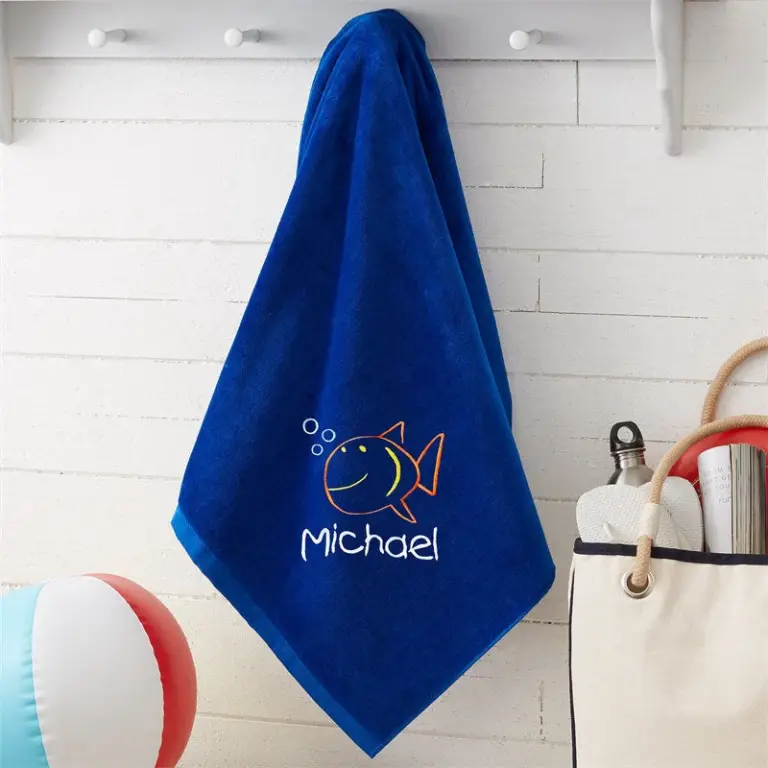
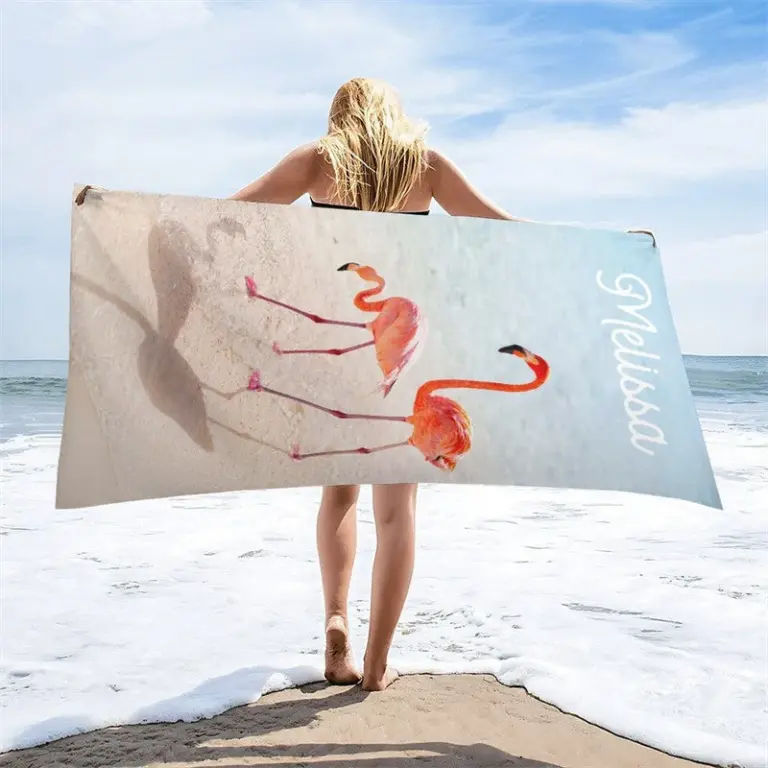
For a long time colorful towels meant one thing: dye that faded two shades lighter after a handful of washes, leaving you with a muddy version of whatever bright color you started with. That has genuinely improved. Better dyeing processes and better base fibers mean you can now buy a deep teal or a mustard yellow towel and have it still look like teal or mustard a year later, not a washed out suggestion of it. That shift is worth paying attention to, because it used to be a real gamble.
A good colorful towel does a lot of quiet work in an ordinary bathroom. It sits against white tile, beige walls, whatever builder grade vanity you inherited, and gives the room a point of color that doesn't require repainting anything. It also pairs easily with plain white towels if you want to mix a couple of colors on the same rail rather than commit the whole bathroom to one tone. The trick is treating color as the accent, not matching it to anything else in the room, since towels get swapped and washed far more often than tile or paint ever will.
The difference between a towel that holds its color and one that doesn't usually comes down to the fiber and how it was dyed, not how it looks folded on a shelf. Long staple cotton, tightly spun and densely looped, takes dye more evenly and holds onto it better through repeated washing. Cheaper towels often use shorter fibers that shed and thin out, which is also where color loss tends to start, at the edges and in the loops that get the most friction. Check the hem and the border seam before you buy if you can, a doubled, tightly stitched edge will outlast a single flimsy seam by years. At delivery, give the towel a squeeze. It should feel dense and springy, not flat or papery, and the color should look the same wet and dry, which tells you the dye actually penetrated the fiber rather than sitting on top of it.
Wash colorful towels in cool or warm water, skip the fabric softener, which coats the fibers and dulls both color and absorbency over time, and let them dry fully before folding them away, since damp towels stored folded are where mildew and faint sour smells start. A well made one will go through a full year of daily use, spills, and probably a move in a cardboard box, and come out still doing its job. The one honest limit is that no dye, however good, survives bleach or direct sun drying forever without some fading eventually.
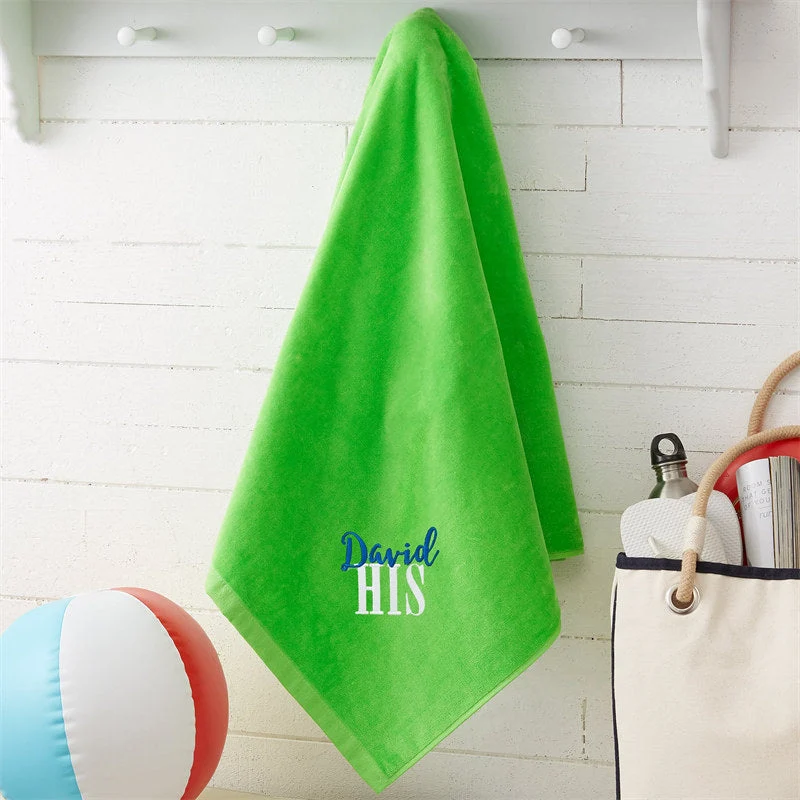 Aisha's pickGreen Hand Towels With a Soft, Lived In Feel
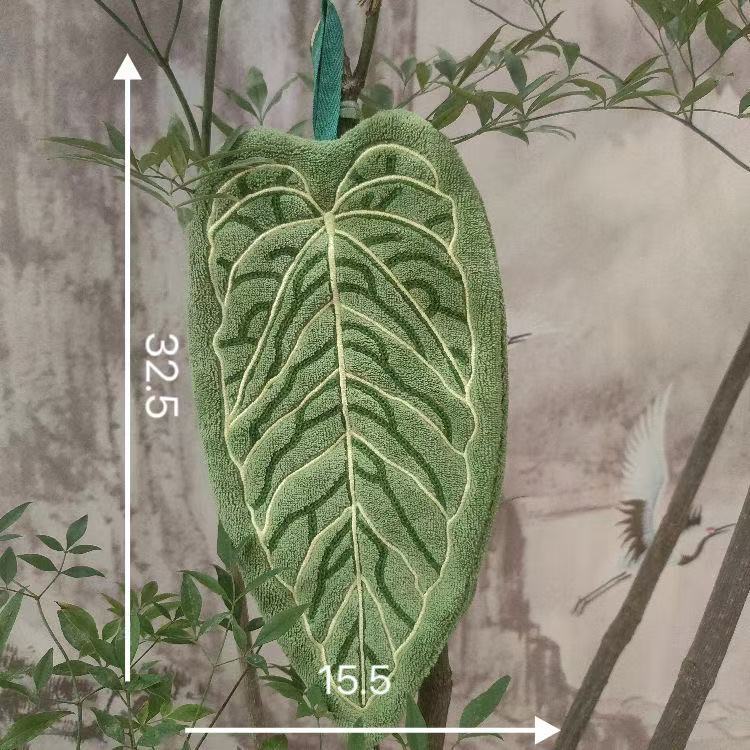
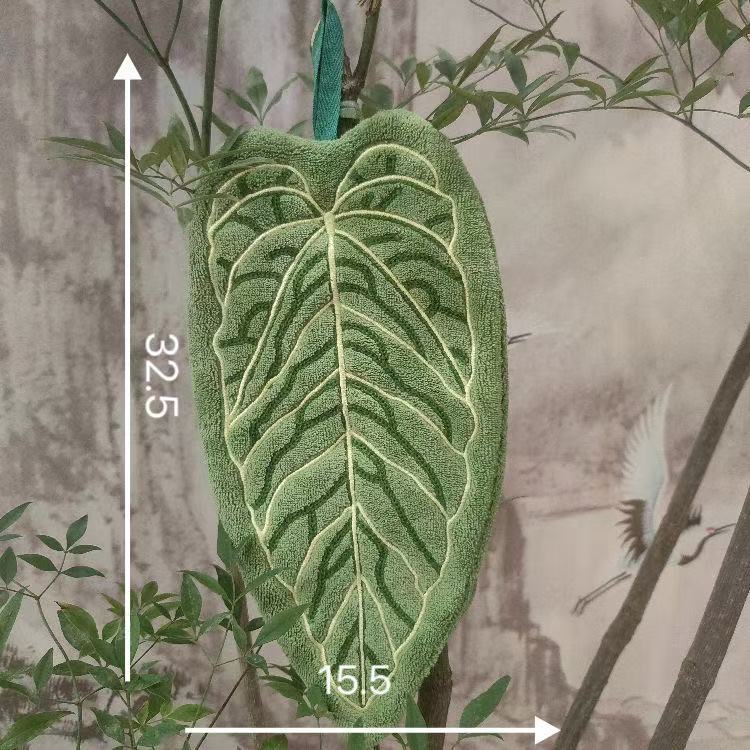 Aisha's pickGreen Hand Towels You’ll Want to Curl Up With
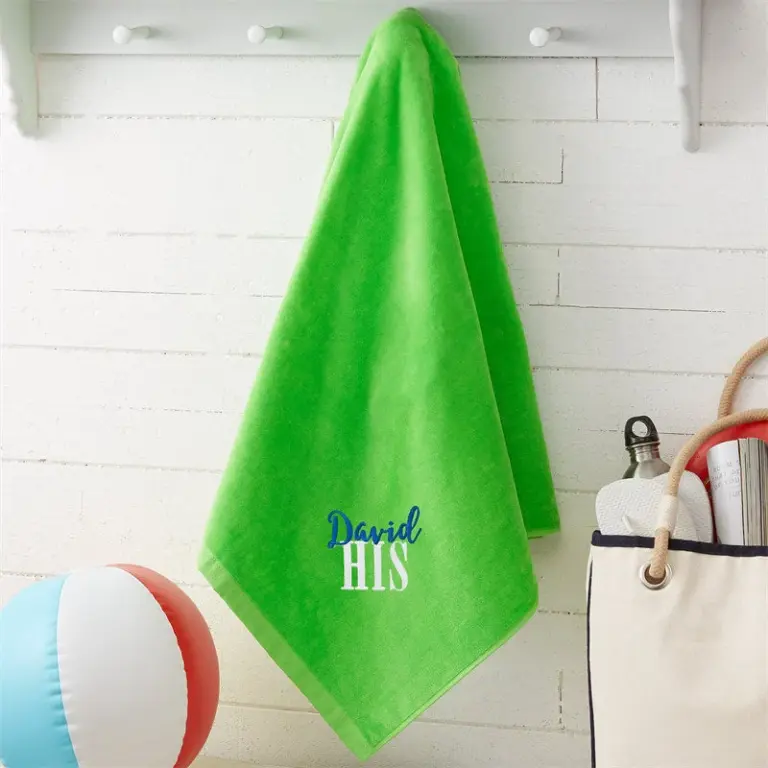
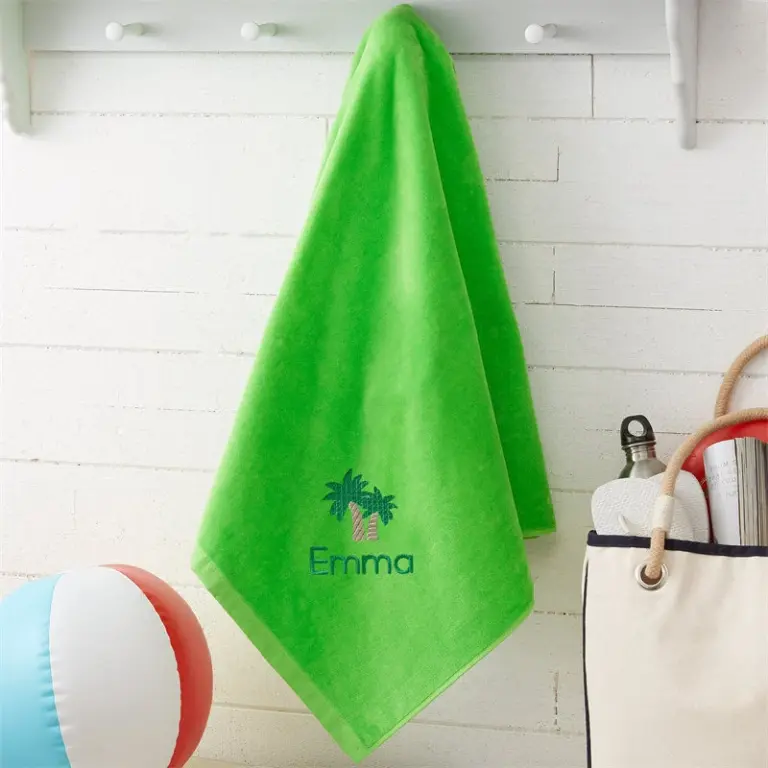 Aisha's pickGreen Towels That Don’t Need Babying
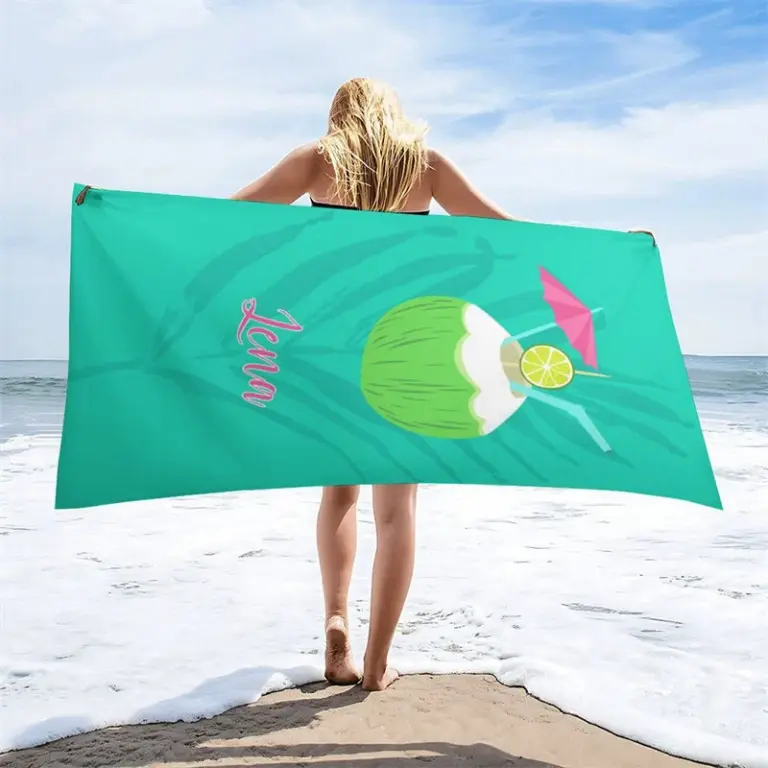
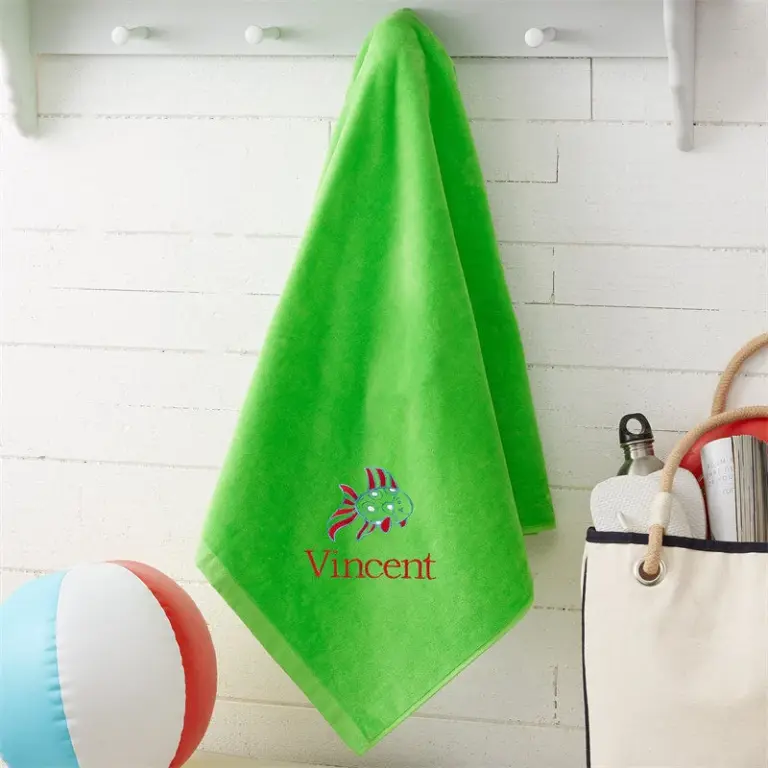 Aisha's pickGreen Towels You’ll Want to Curl Up With
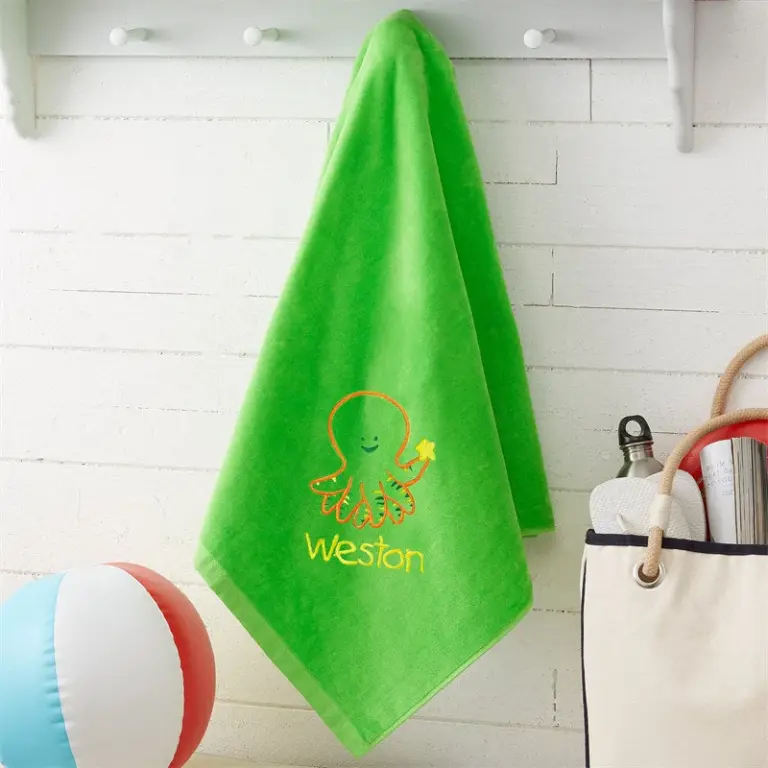
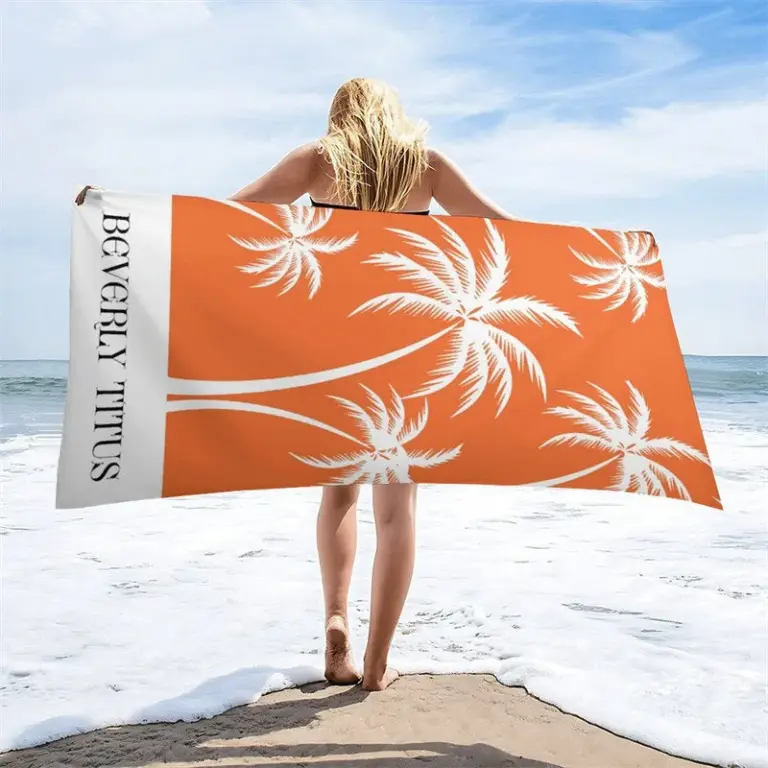 Aisha's pickOrange Towels That Make Rented Places Feel Like Home
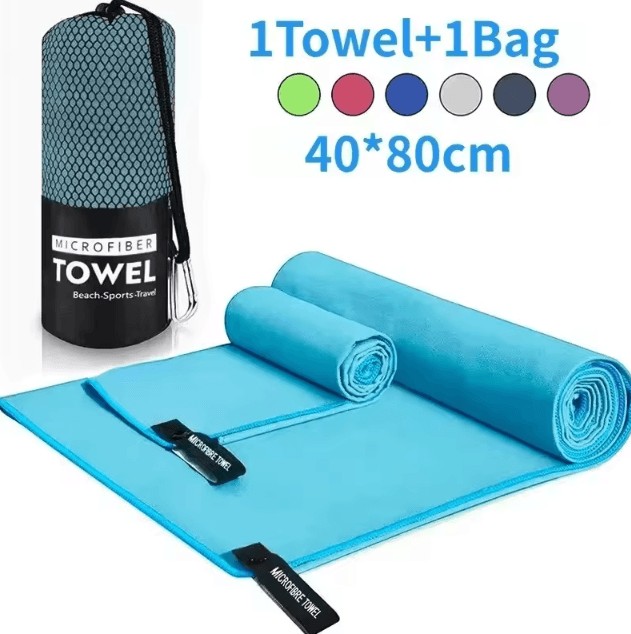
 Aisha's pickPink Hand Towels Hunted Down So You Don’t Have To
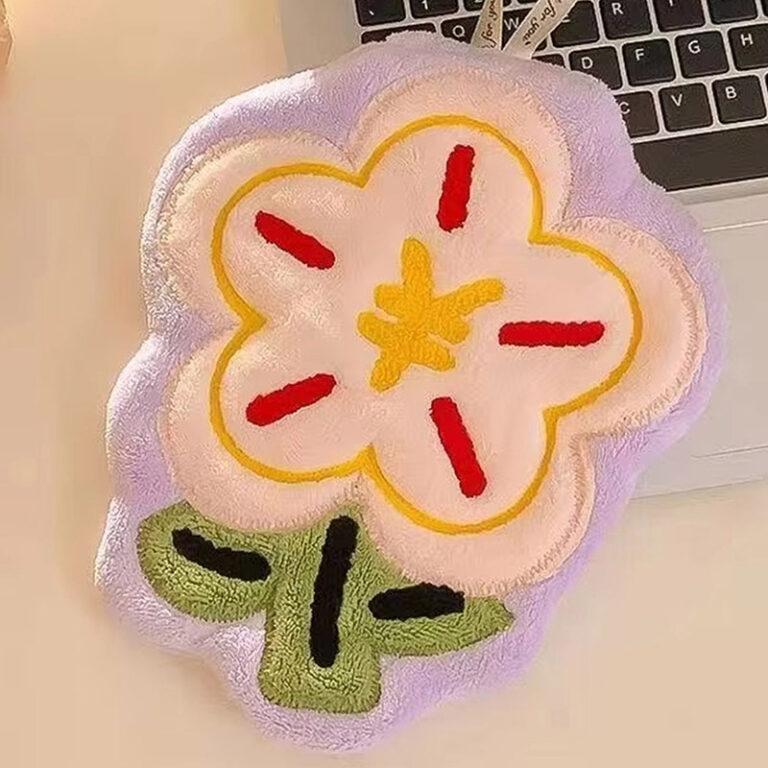
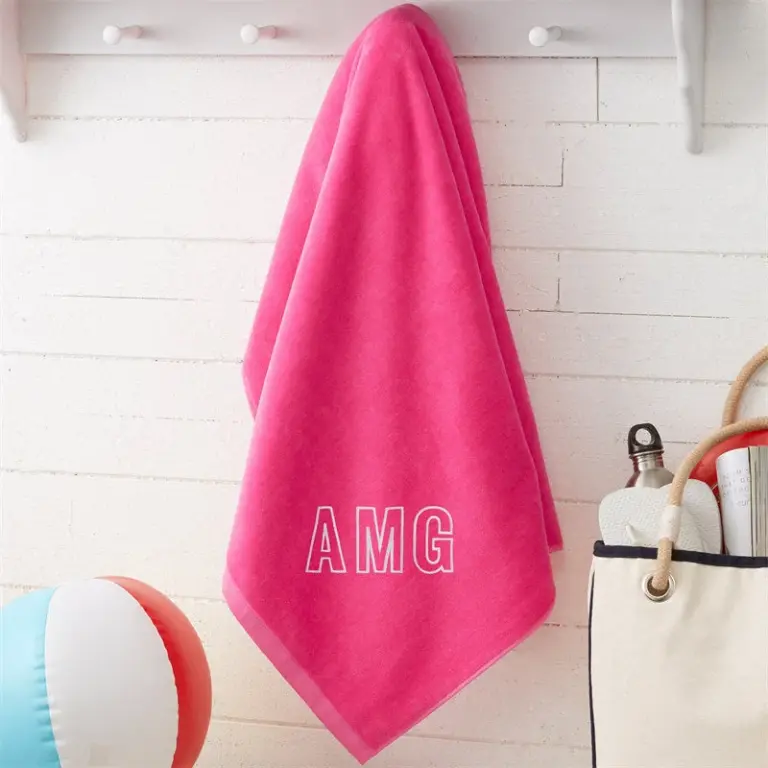 Aisha's pickPink Towels Picked by People Who Care Too Much
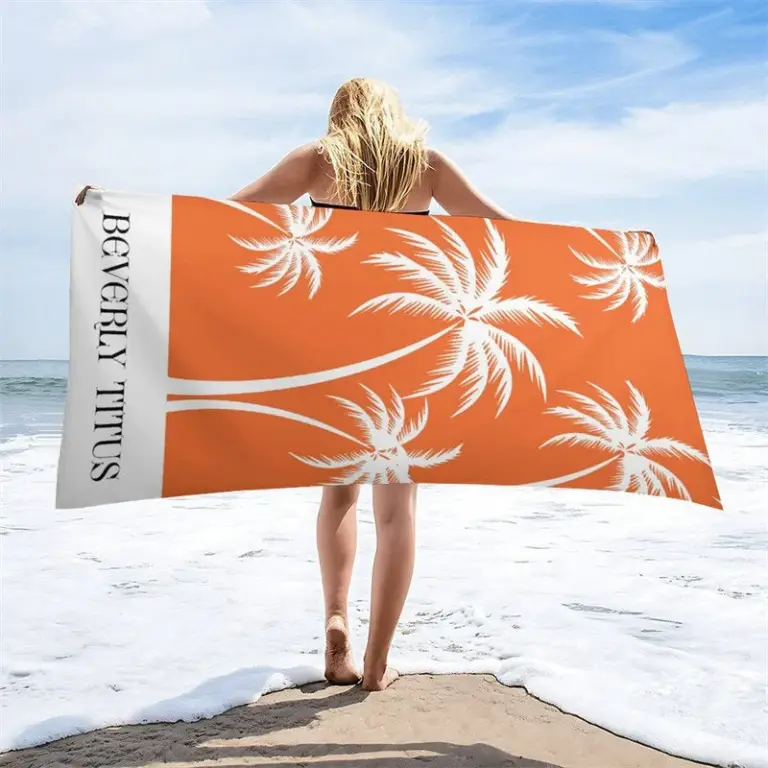
 Aisha's pickPink Towels That Get Better With Age
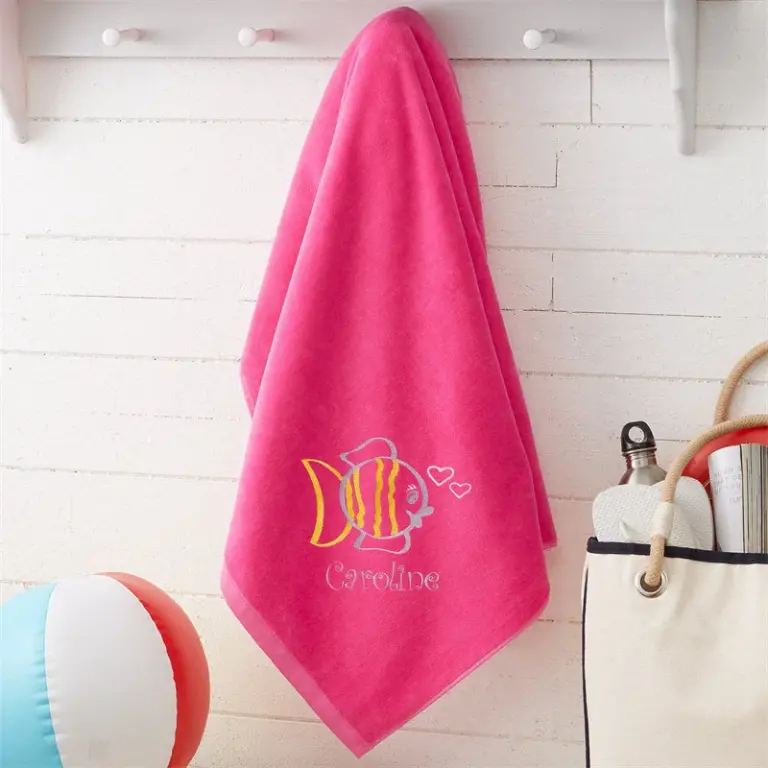
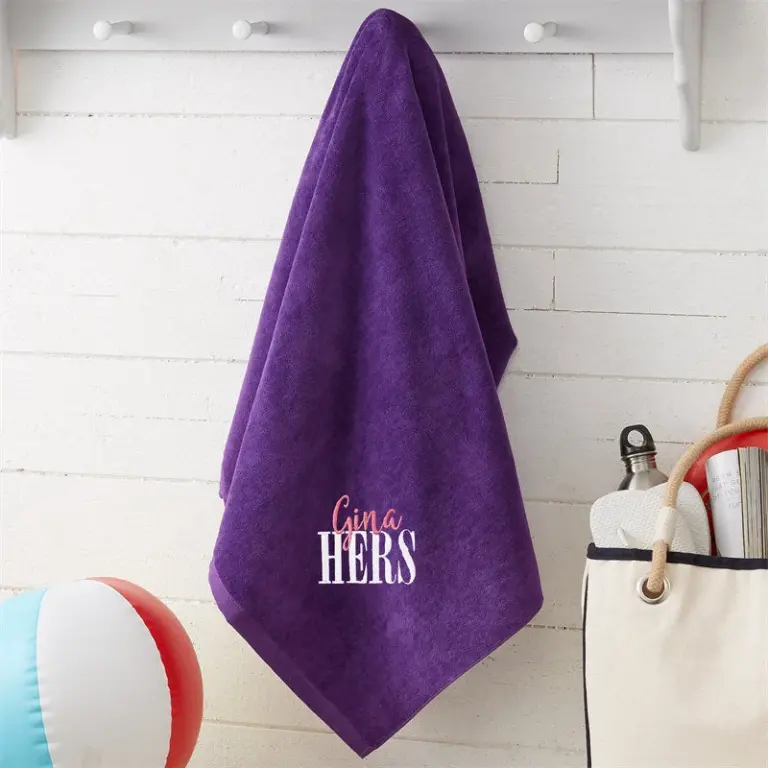 Aisha's pickPurple Towels You’ll Want to Curl Up WithAlso worth a lookCotton TowelsCotton towels have a reputation for being the safe, sensible choice, the kind of thing nobody gets excited…See the collections →
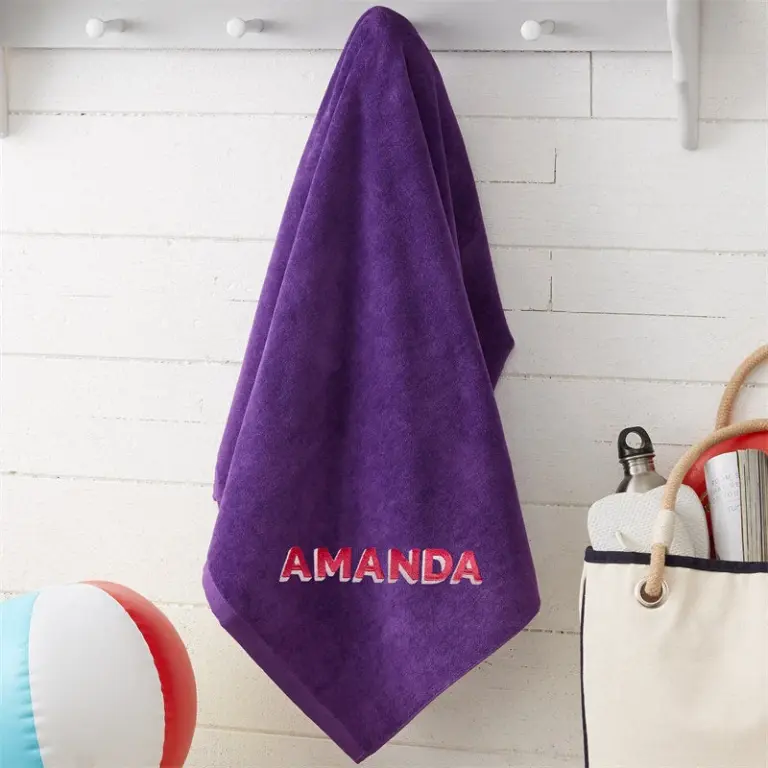
 Aisha's pickRed Towels That Look Like They Cost More
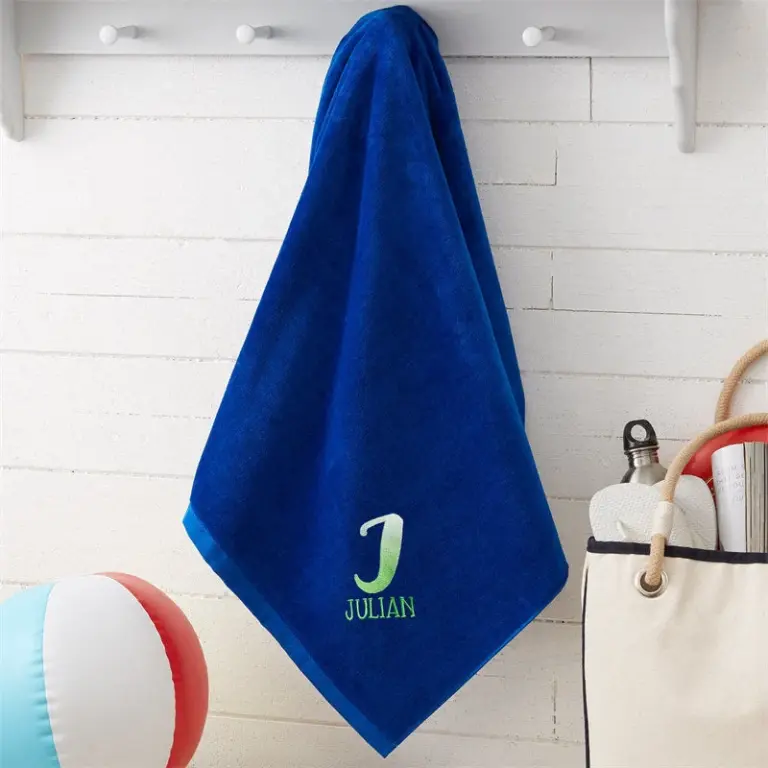
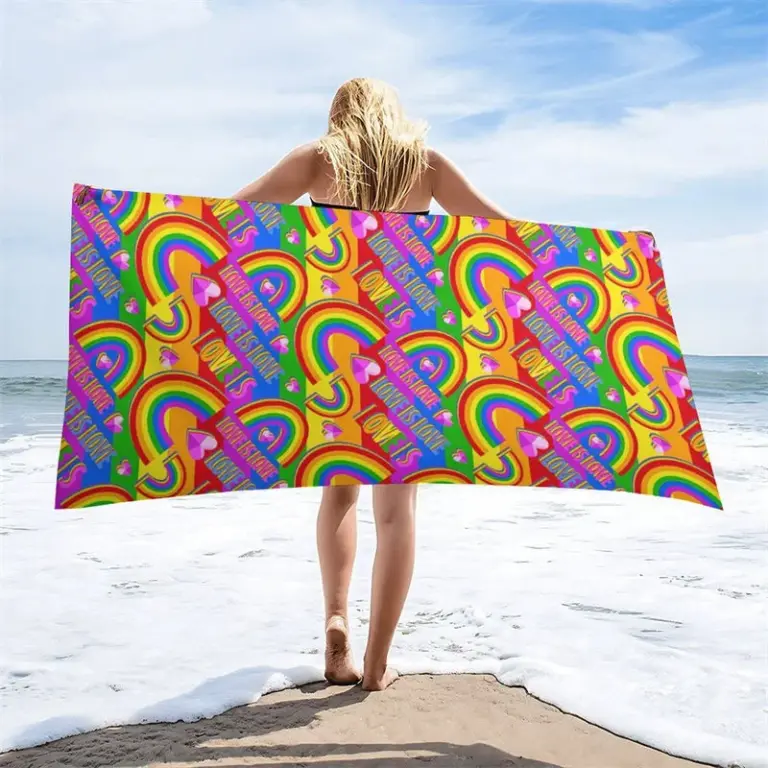 Aisha's pickYellow Towels We’d Buy Again
 Aisha's pickCoral Bath Towels That Are Easy to Keep Clean