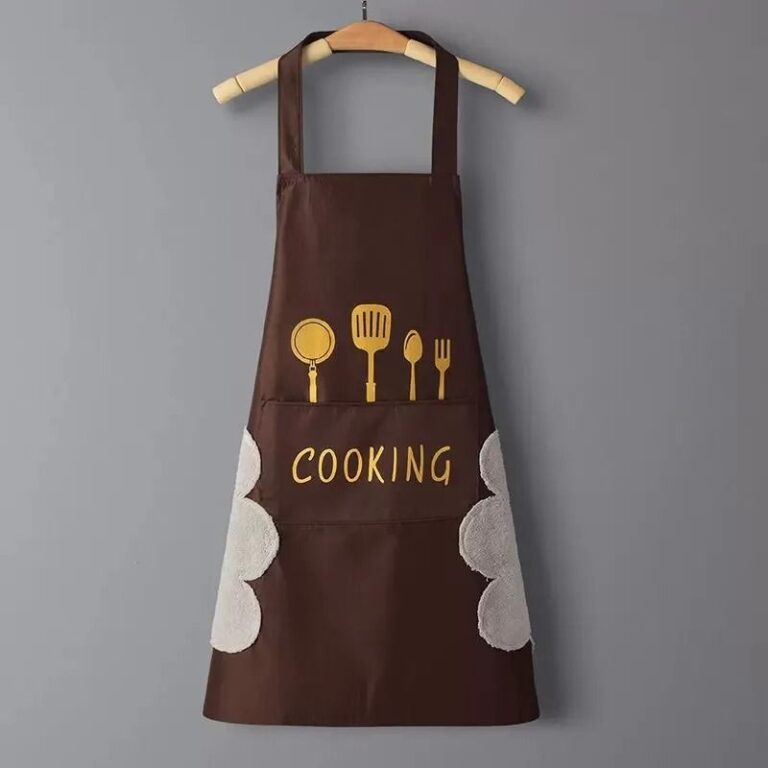
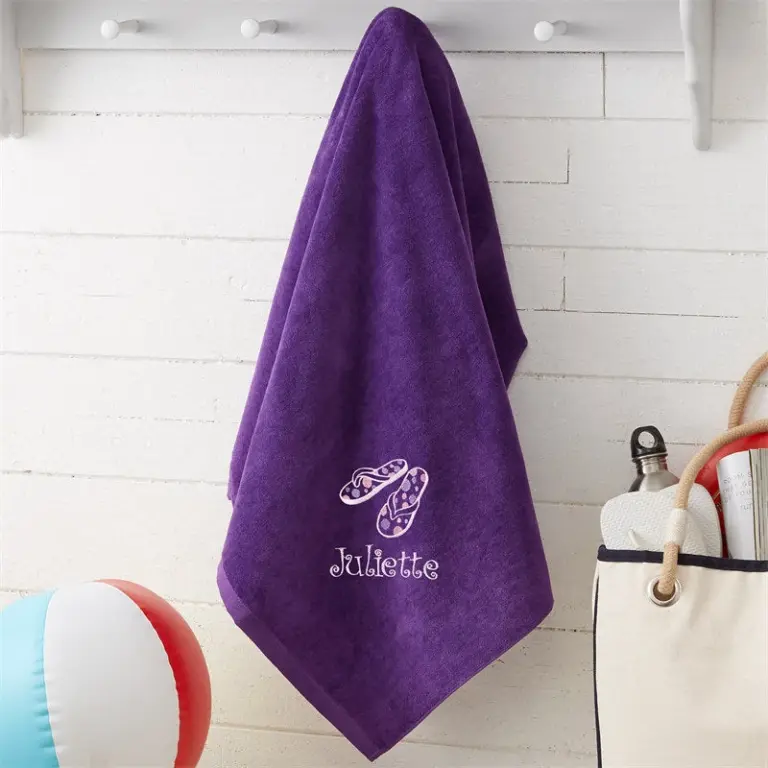
Cotton towels have a reputation for being the safe, sensible choice, the kind of thing nobody gets excited about buying but everybody notices when they are gone. I mostly agree with that reputation, with a caveat. Good cotton is genuinely hard to beat for everyday drying, but a lot of what gets sold as cotton is thin enough that it barely counts, and that is where the reputation gets undeserved credit. Where it falls short is anywhere you need fast drying or light packing, a gym bag, a weekend trip, a steamy bathroom with no window and no fan, because dense cotton holds onto water and takes its time giving it back, and in a damp space that means a towel that never quite finishes drying before it is needed again. Where it earns its place is the ordinary bathroom at home, next to a plain bath mat, a hook by the shower, a stack in a linen closet that does not need to impress anyone, just work.
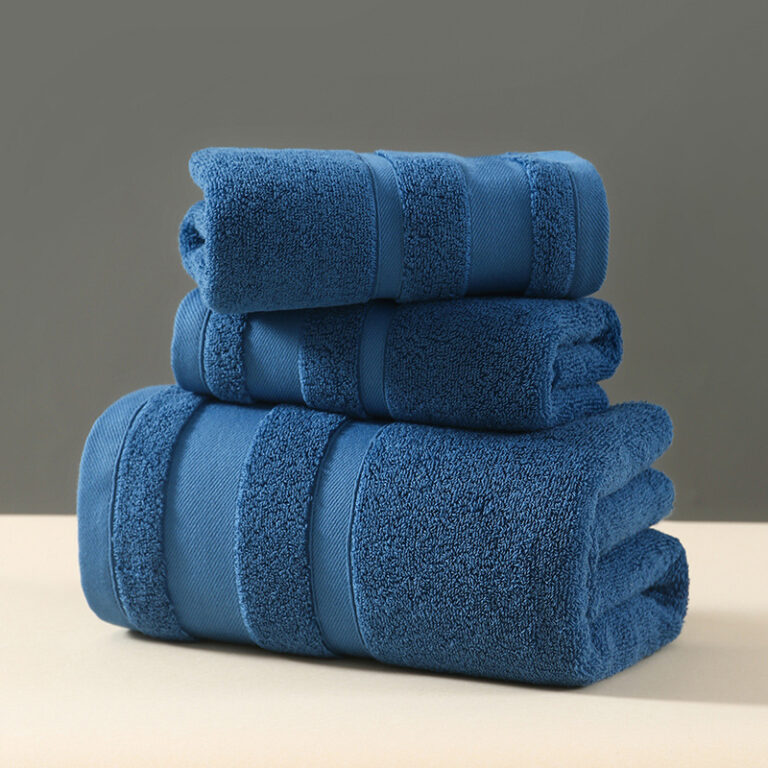
The difference between a towel that lasts and one that goes thin and scratchy in a year comes down to a few things you can actually check before buying. Longer cotton fibers, the kind labeled Pima or Supima or Egyptian, spin into yarn that sheds less and holds its loft instead of pilling into little balls within a few washes. Look at how tightly the loops are twisted and how dense the pile feels in your hand, not just the listed weight, because a heavy towel made from short, loosely spun fiber can still feel rough and shed lint everywhere. The hem matters more than people expect too, a double stitched border that lies flat will outlast a single row of stitching that starts fraying the first time it goes through the dryer.
A well made cotton towel gets better with use for a surprisingly long stretch, softening and opening up over the first ten or so washes as the fibers relax, then holding steady for years if you treat it decently. It will eventually go a little thinner and lose some of its density, that is just cotton being cotton, but a good one fades slowly rather than falling apart. Skip the fabric softener, since it coats the fibers and cuts their absorbency over time, and run a plain vinegar rinse every few months if they start smelling musty before they are actually dry.

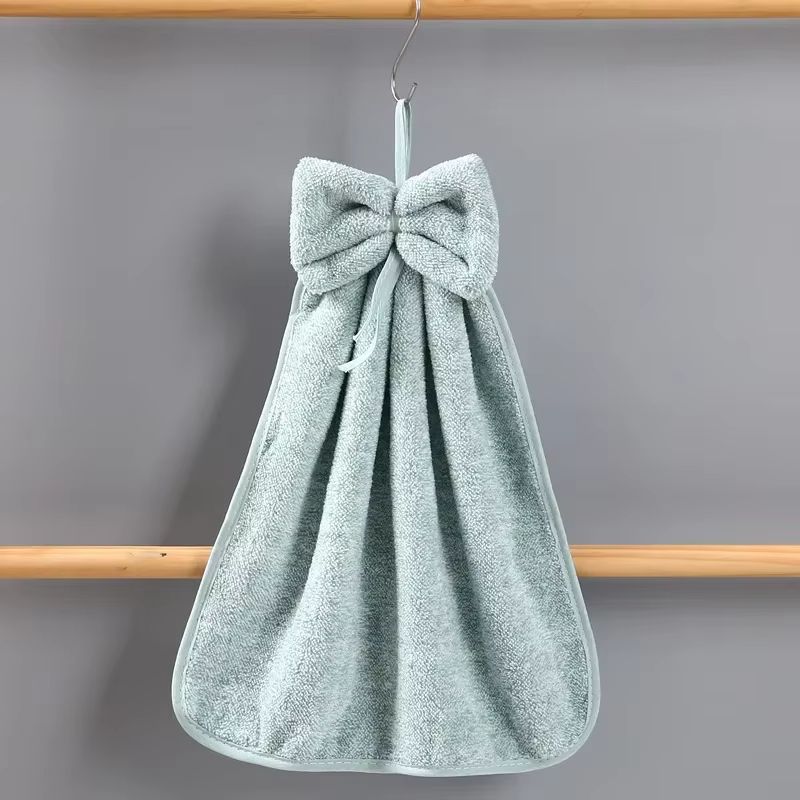 Aisha's pickCotton Towels for Bathroom You’ll Keep for Years
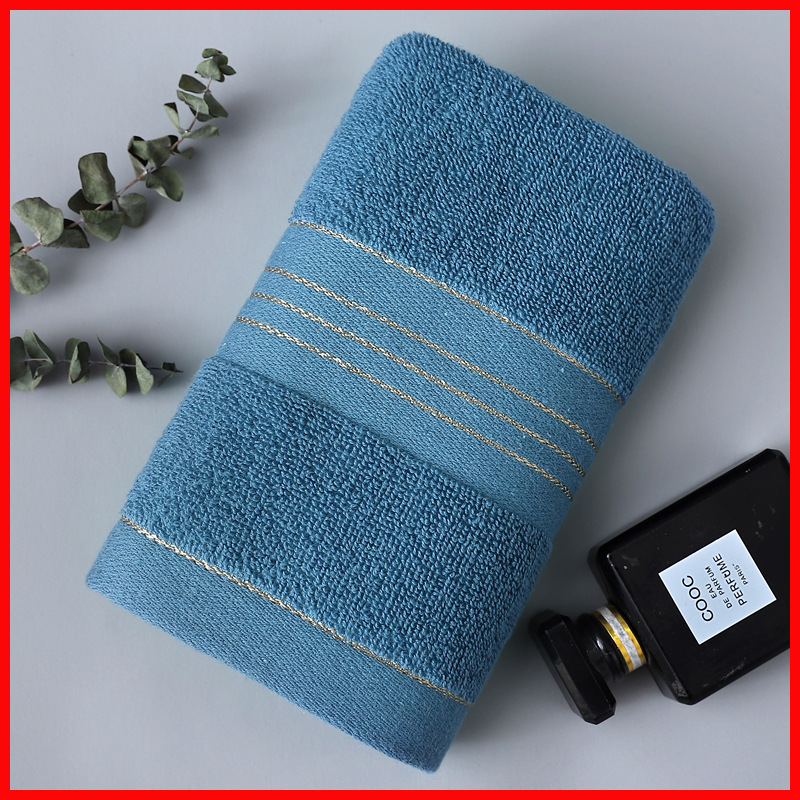
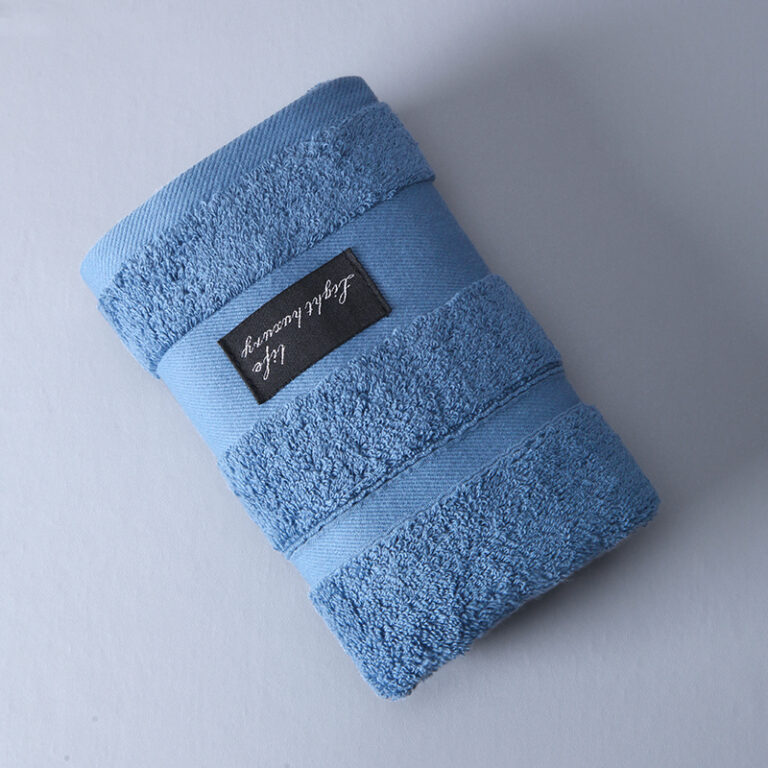 Aisha's pickQuick Dry Cotton Towels for Adding Color Without Painting
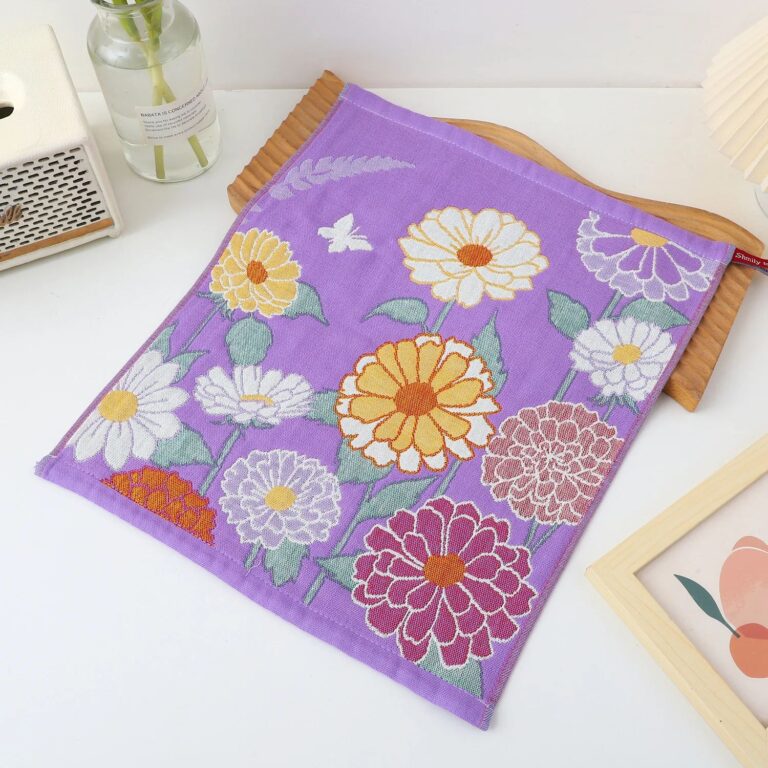
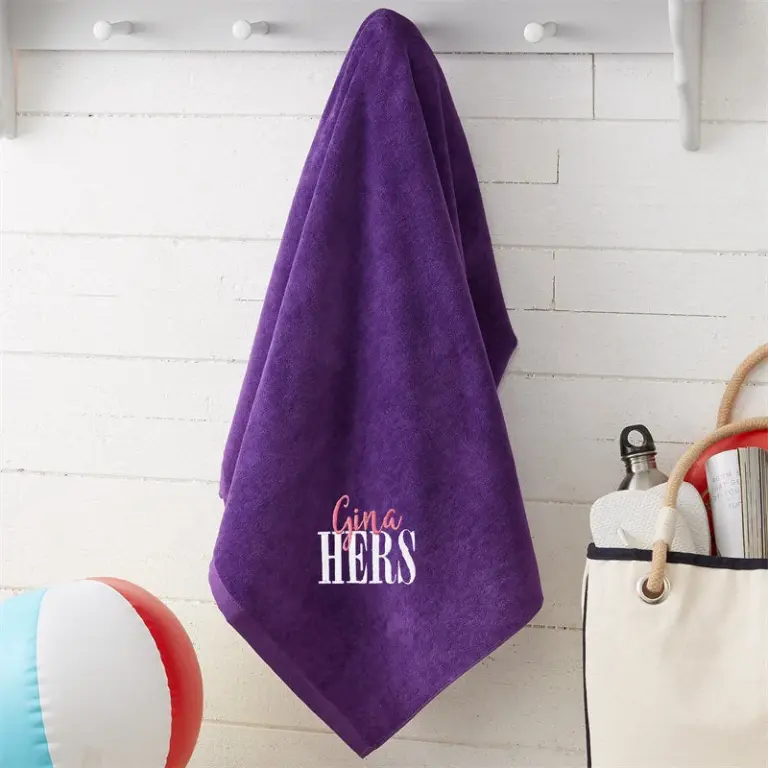 Aisha's pickBlack Cotton Towels Pulled From Dozens of Stores
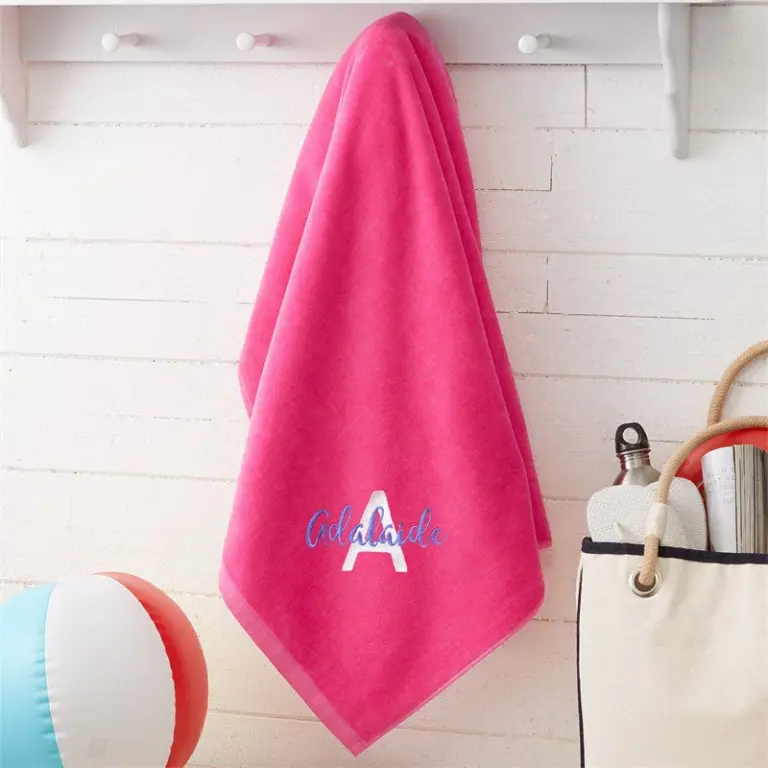
 Aisha's pickCotton Towel Sets That Survive the Washing Machine
 Aisha's pickSmall Cotton Hand Towels That Look Better in Real Life
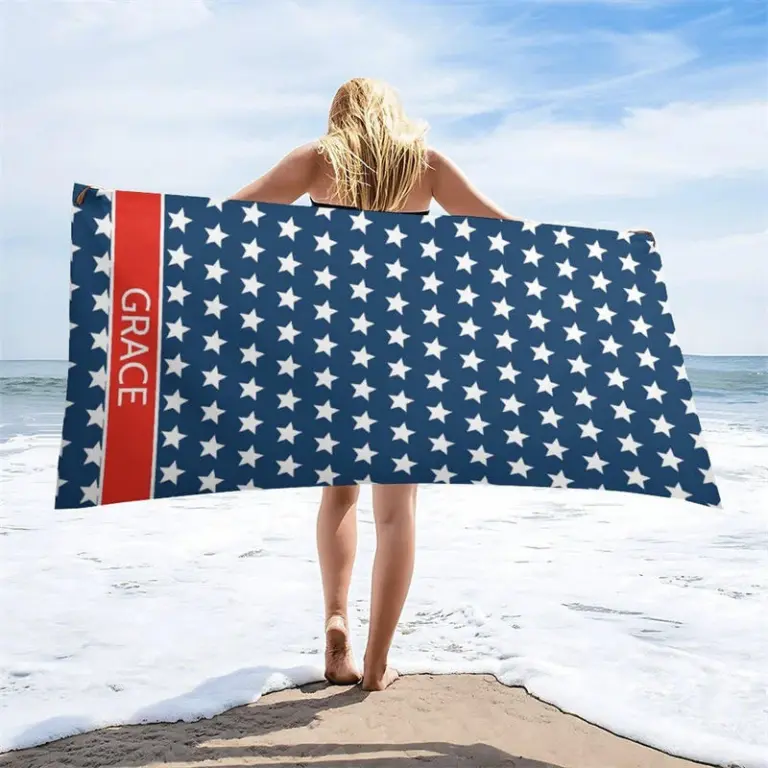 Aisha's pickShopping for Blue Cotton Towels? Start Here

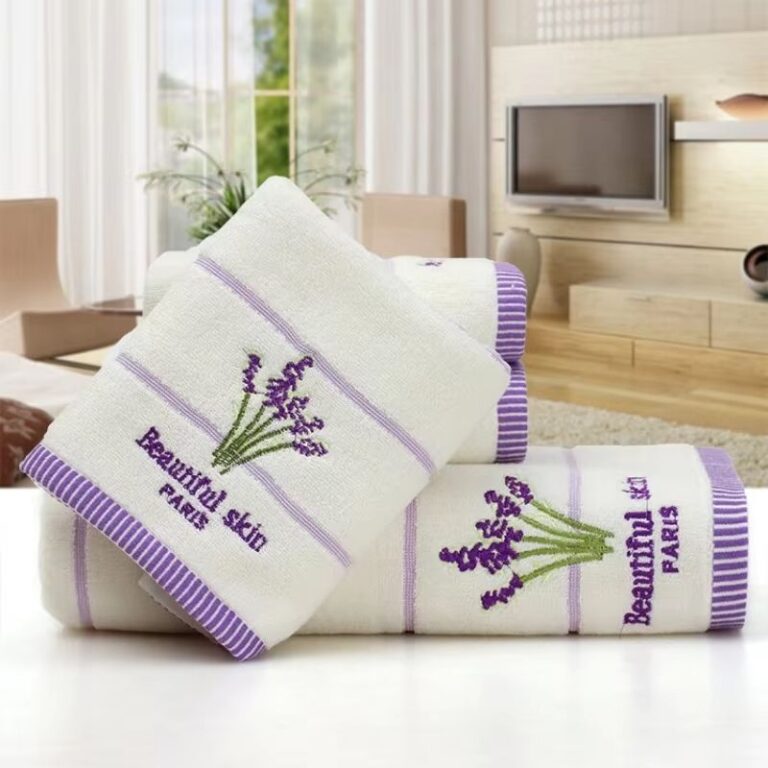 Aisha's pickCotton Towel Sets for Bathroom That Look Good Next to Old Tiles
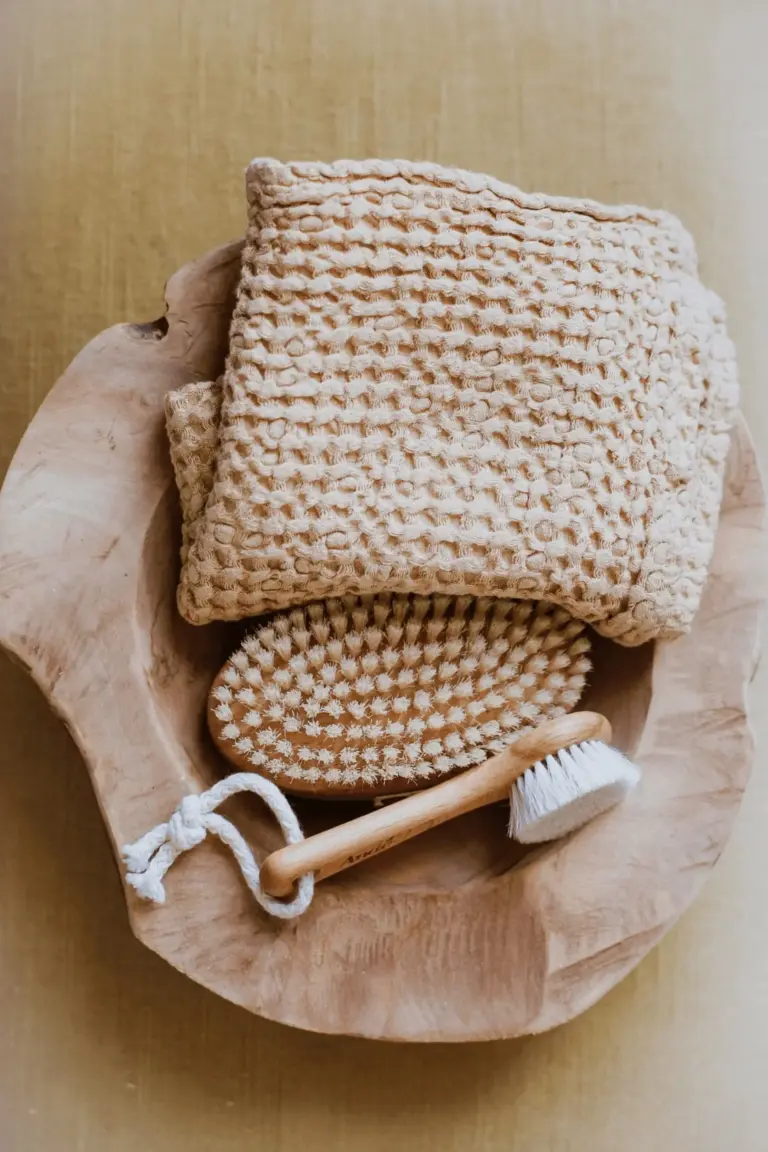
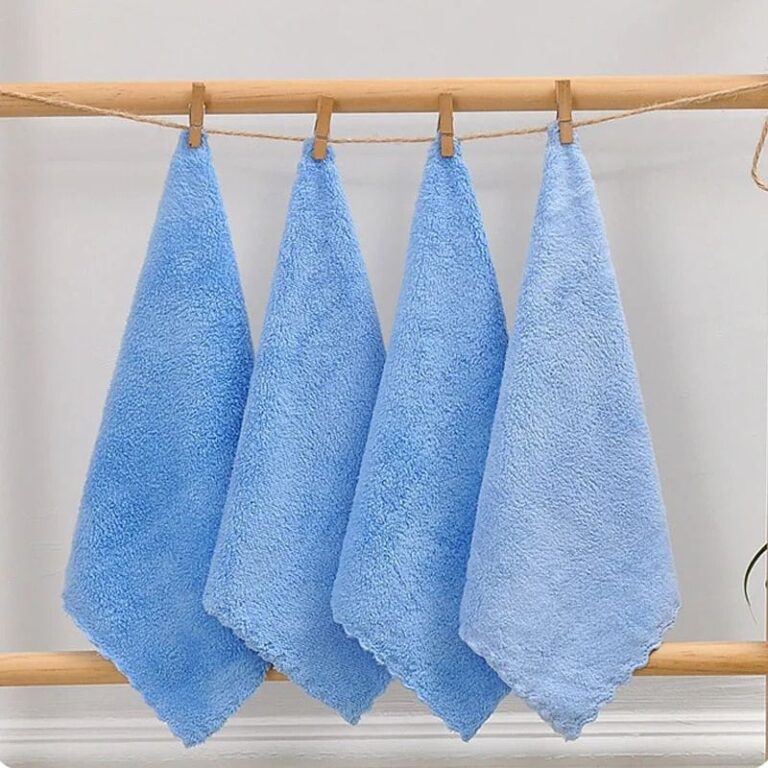 Aisha's pickSmall Cotton Towels That Feel as Good as They Look
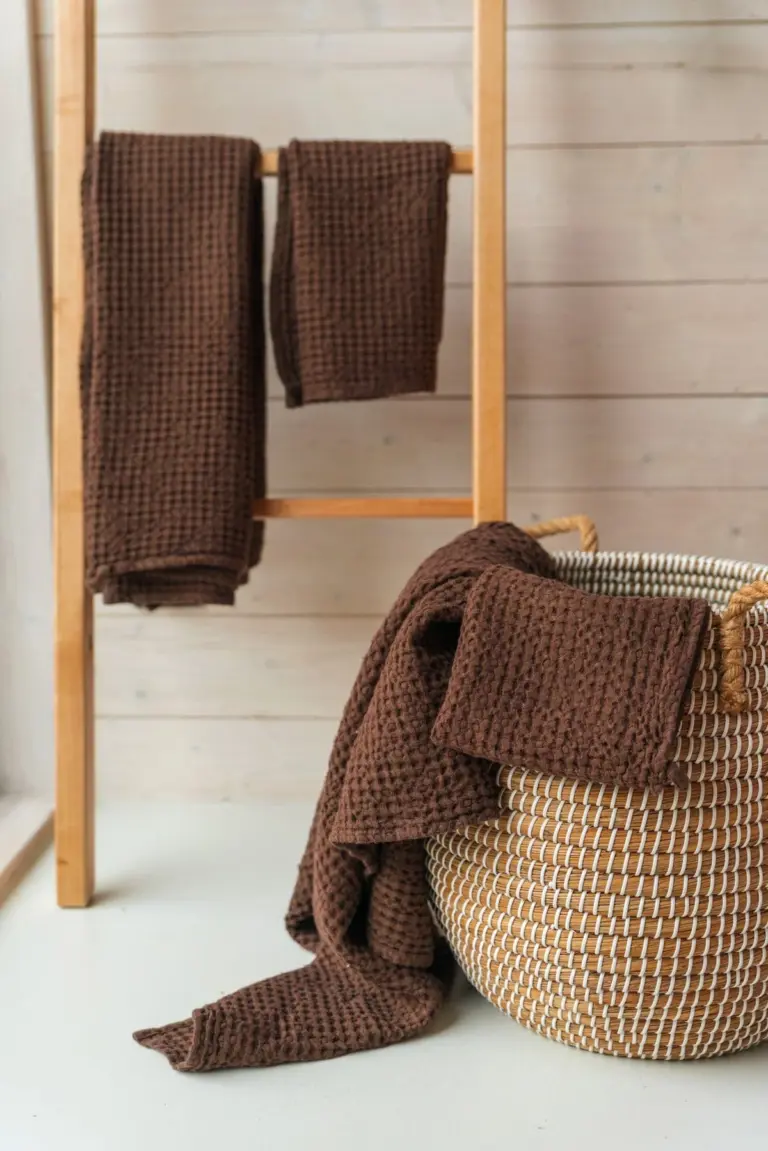
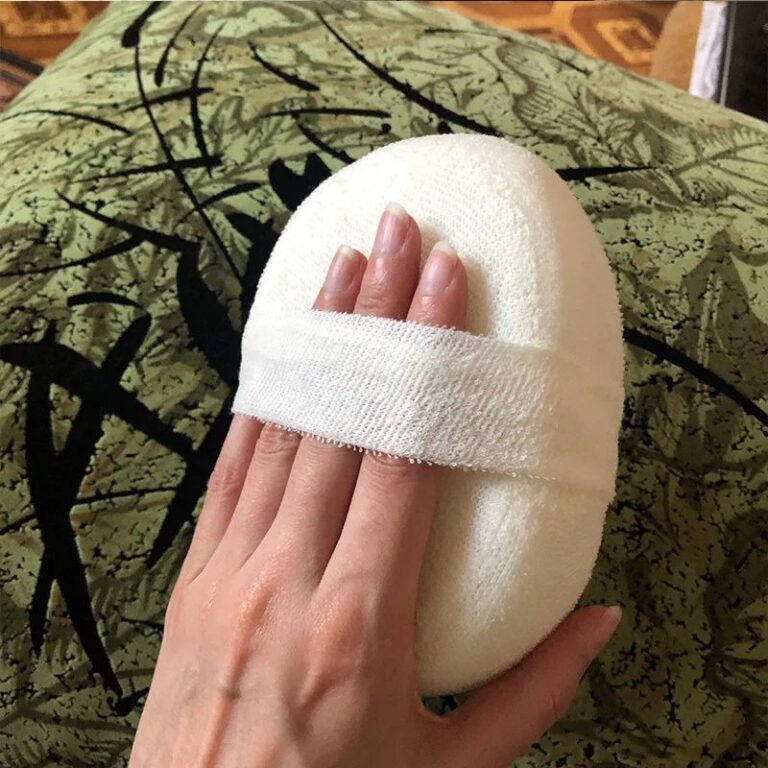 Aisha's pickCotton Bath Towels We’d Put in Our Own BathroomAlso worth a lookBath TowelsA good bath towel belongs in almost any home, small bathroom or big, one person living alone or a family of six sharing a single shower schedule.See the collections →
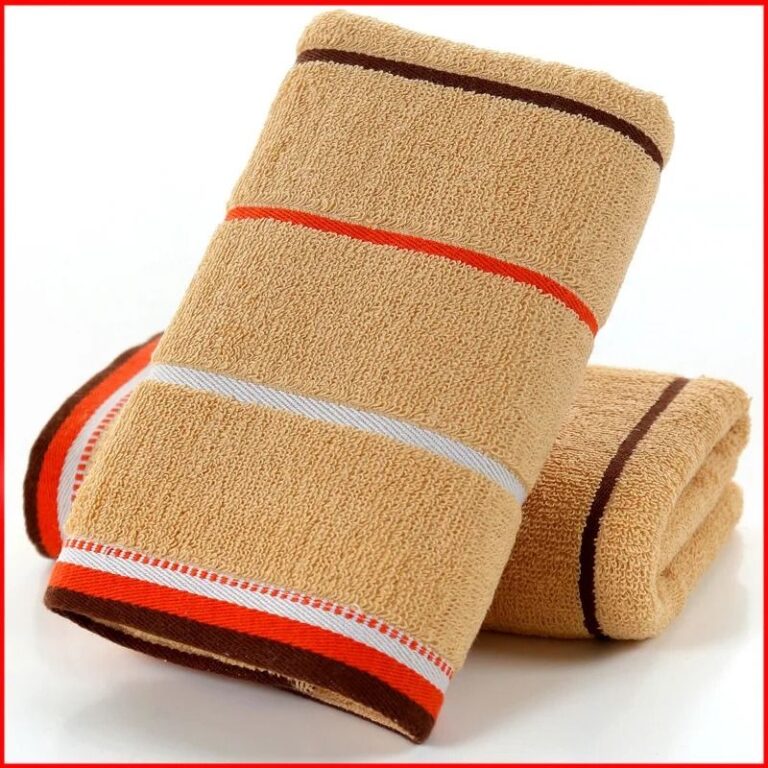
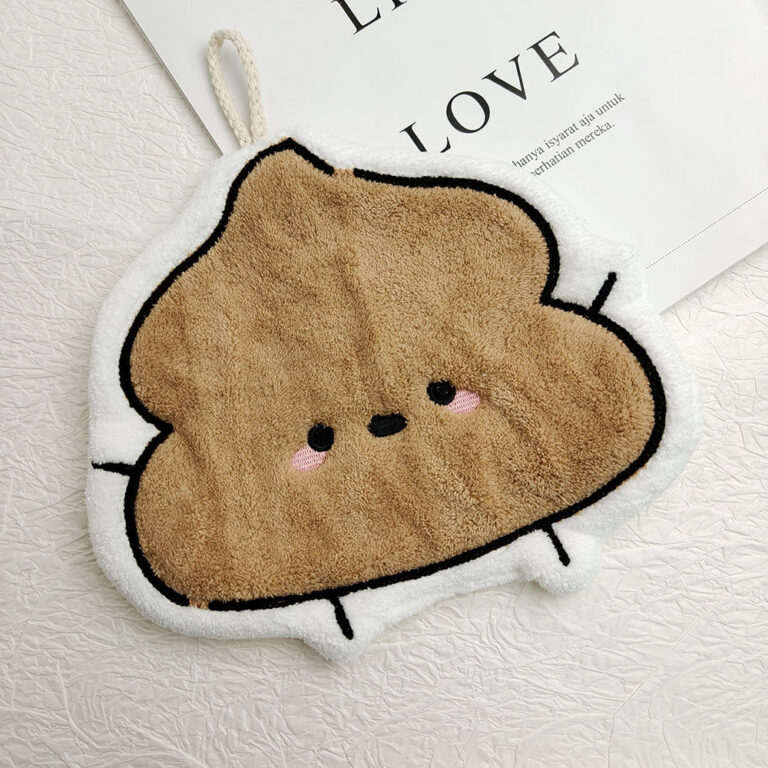 Aisha's pickCotton Towels with Hanging Loop That Feel as Good as They Look
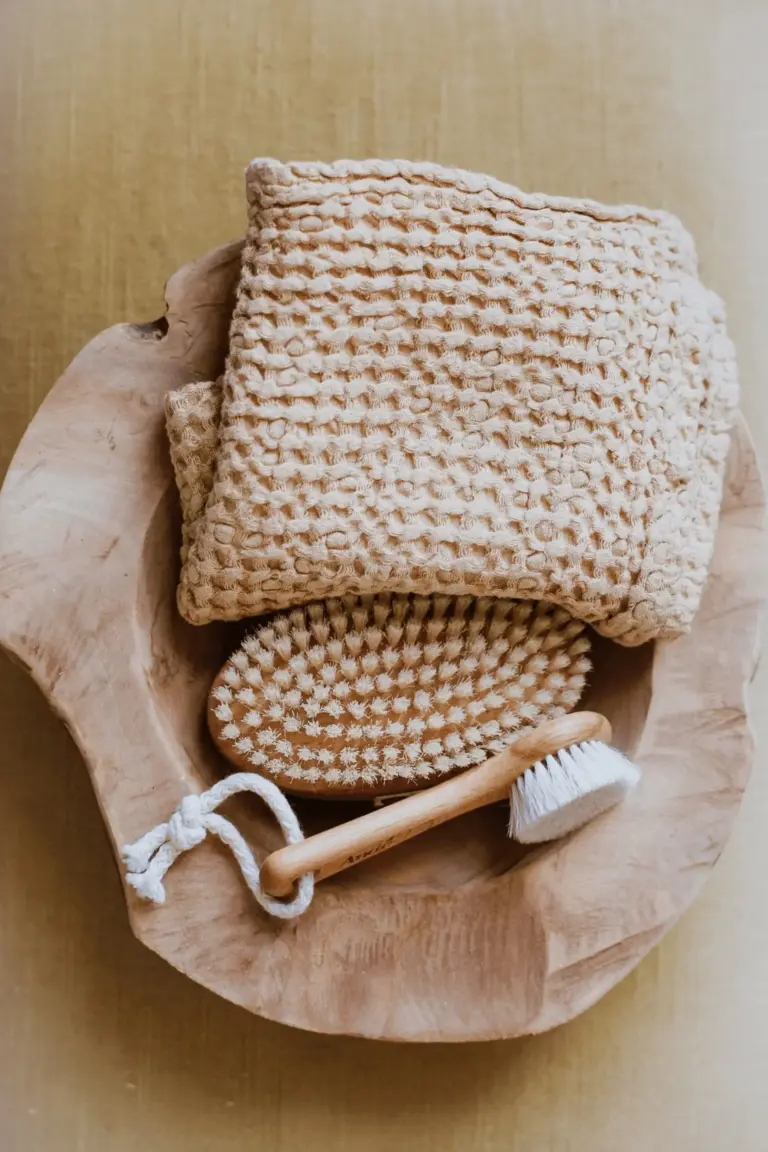
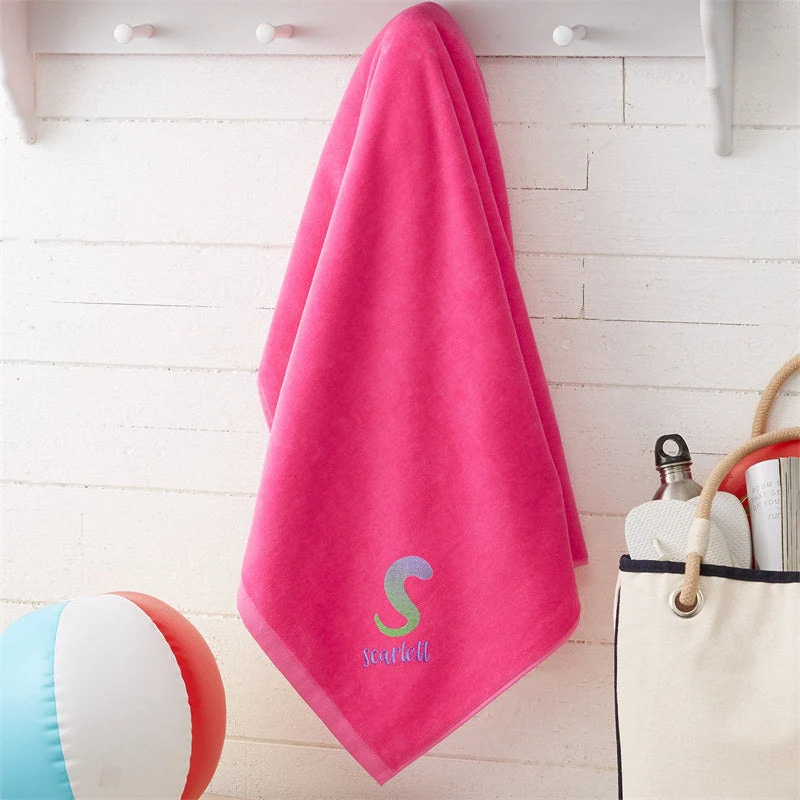 Aisha's pickTurkish Cotton Beach Towels for Cozy Nights In

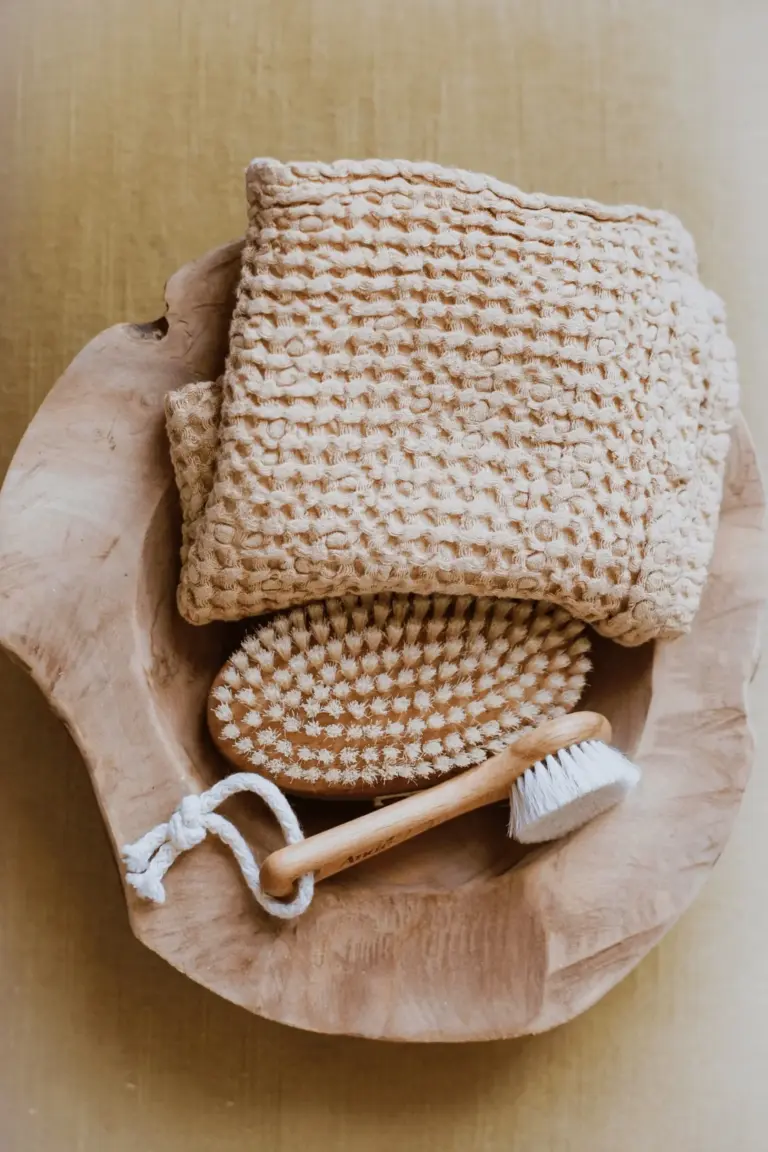 Aisha's pickCotton Bath Towels for Bathroom That Fit Into Real Life
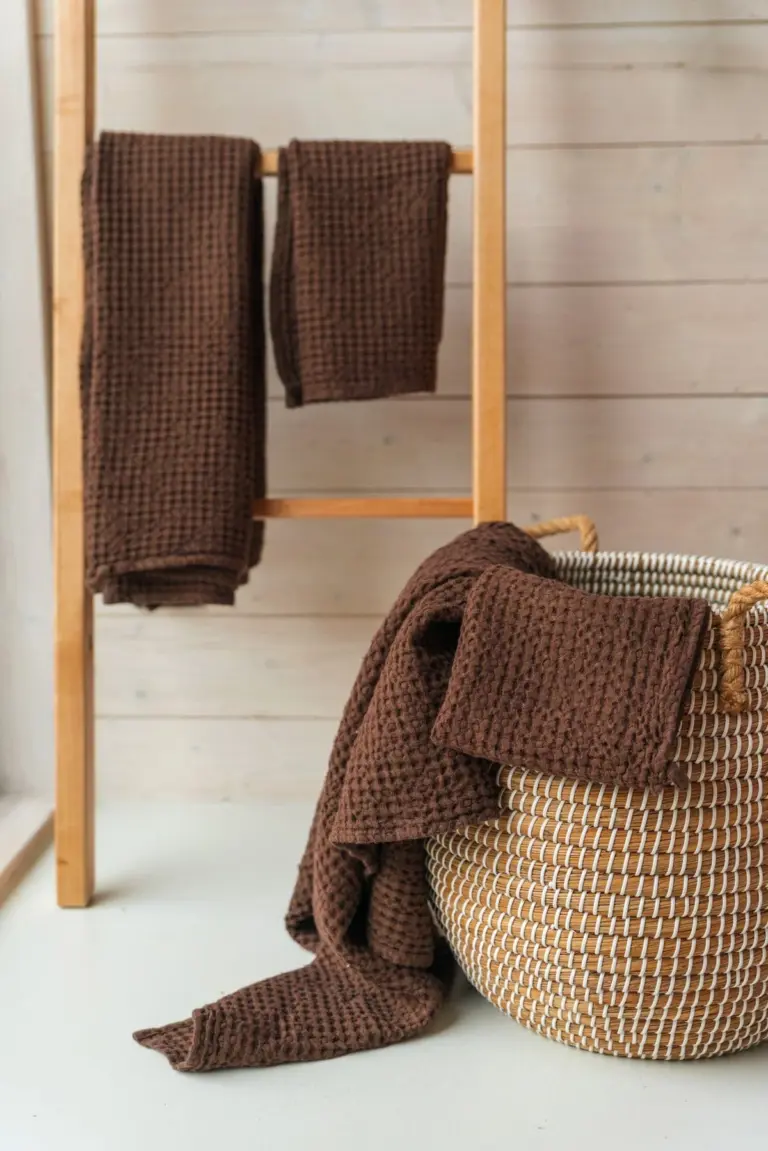
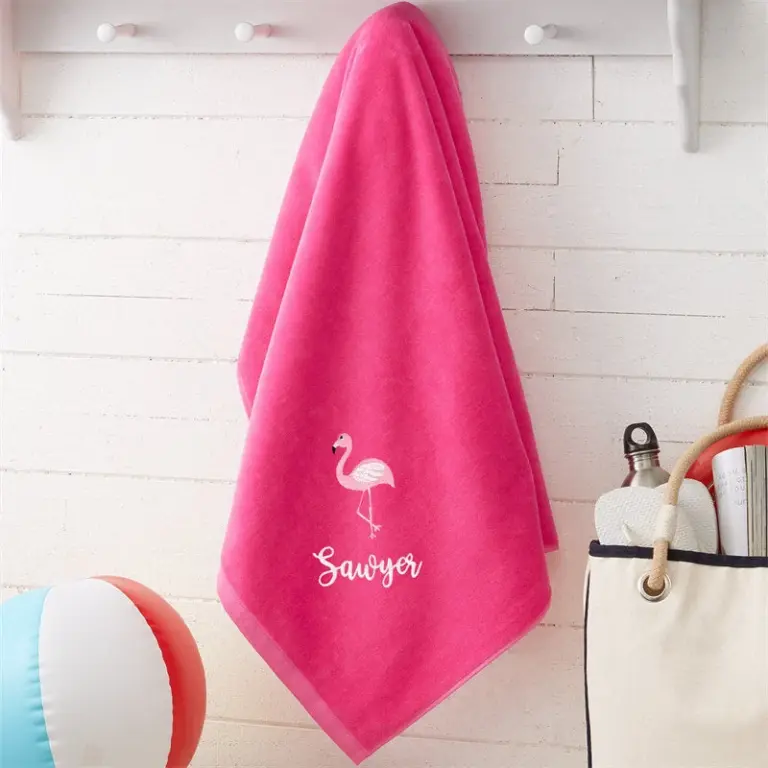 Aisha's pickWhere to Start With Cotton Towels
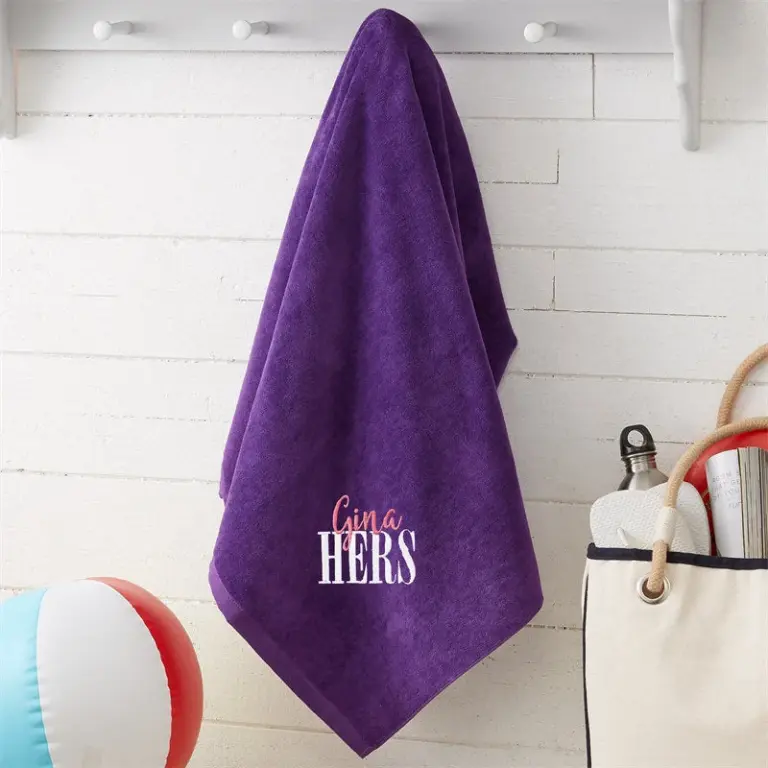
 Aisha's pickTurkish Cotton Towels That Look Better in Real Life

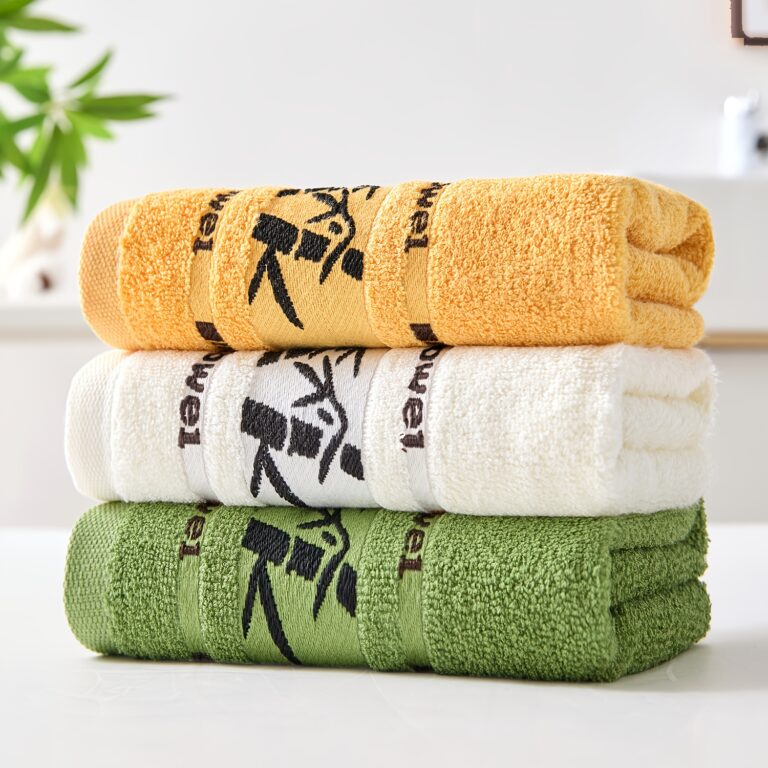 Aisha's pickCotton Bath Towel Sets That Stand Up to Steam
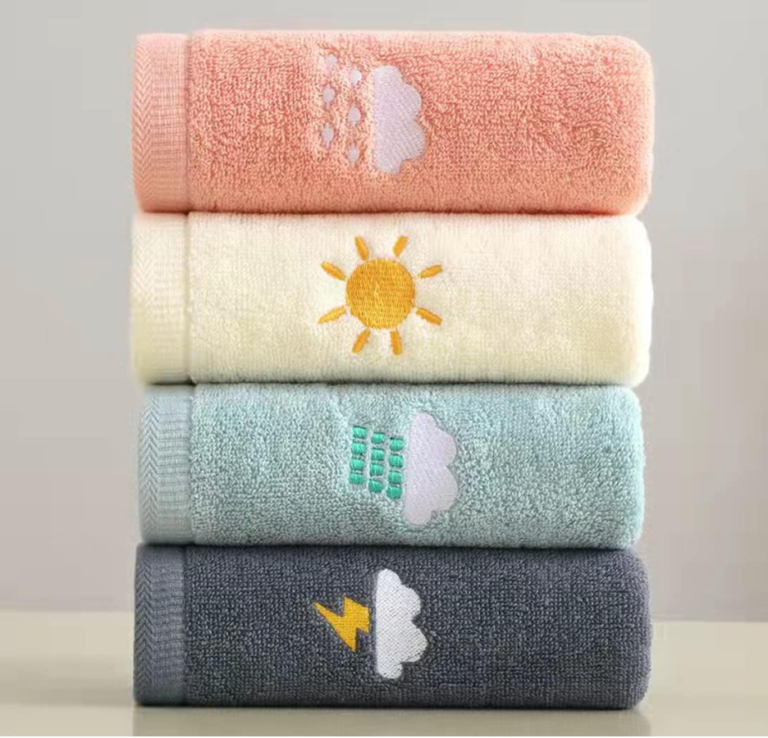
 Aisha's pickCotton Turkish Towels That Hold Up to Everyday Life

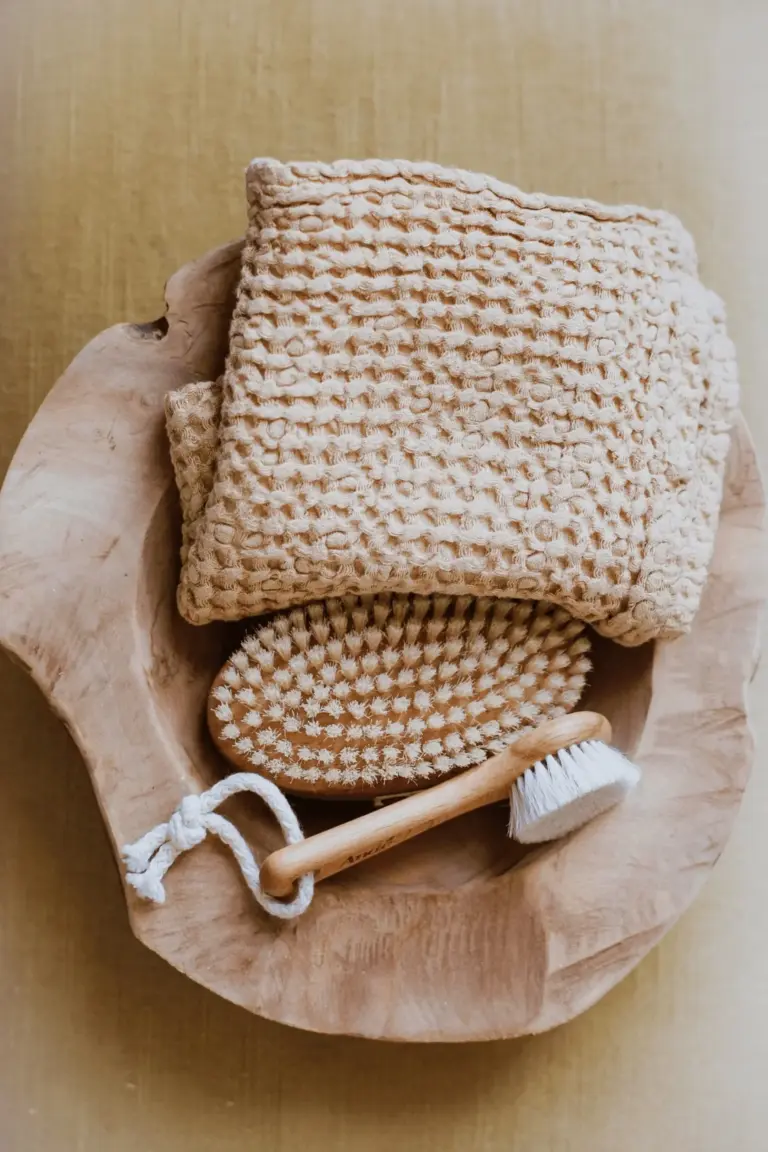 Aisha's pickWaffle Cotton Towels Worth Knowing About
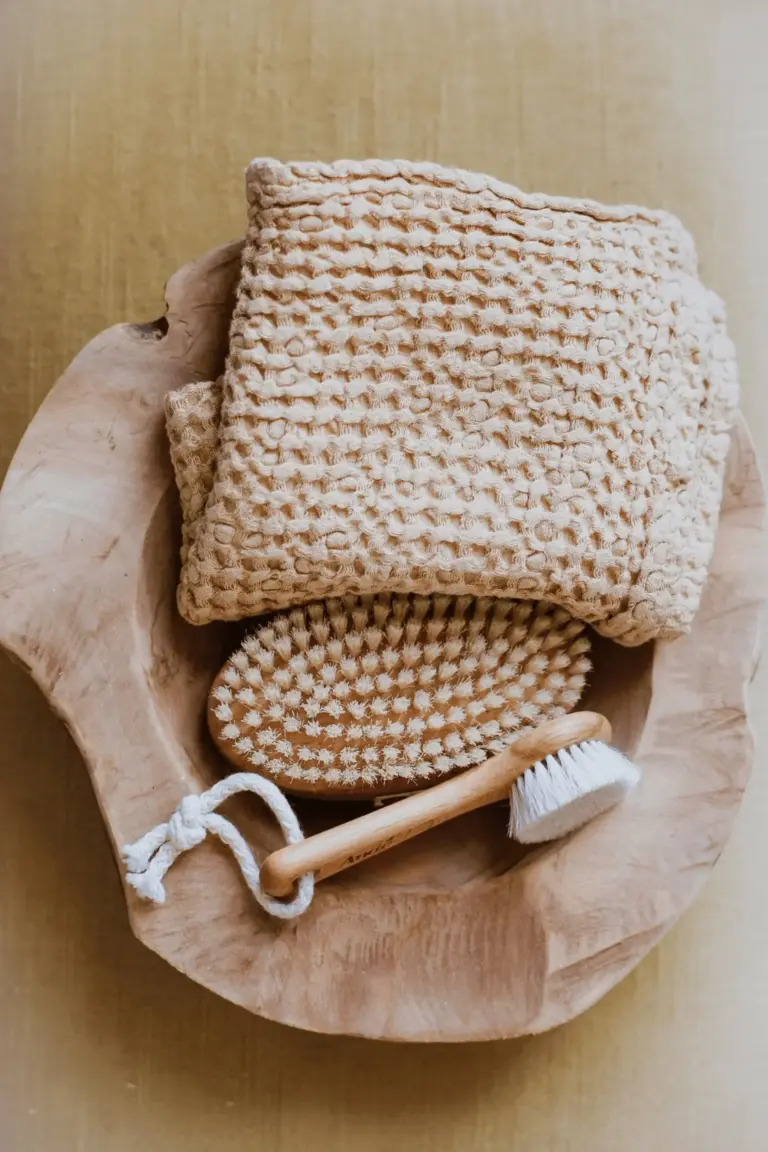
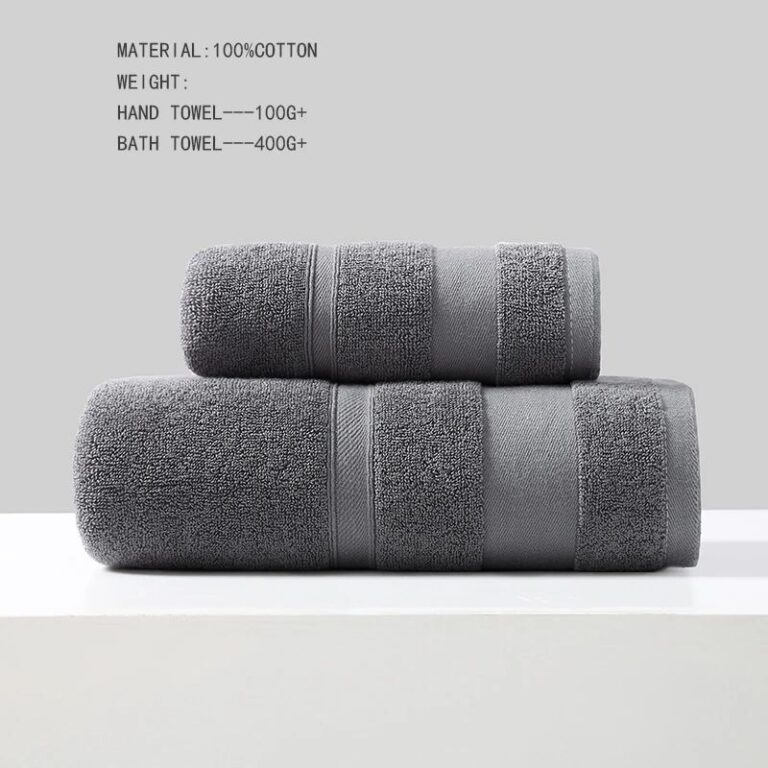 Aisha's pickCotton Bath Towels That Make a Small Bathroom WorkAlso worth a lookHand TowelsThe thing nobody tells you about hand towels is that you'll know within a month which ones were…See the collections →
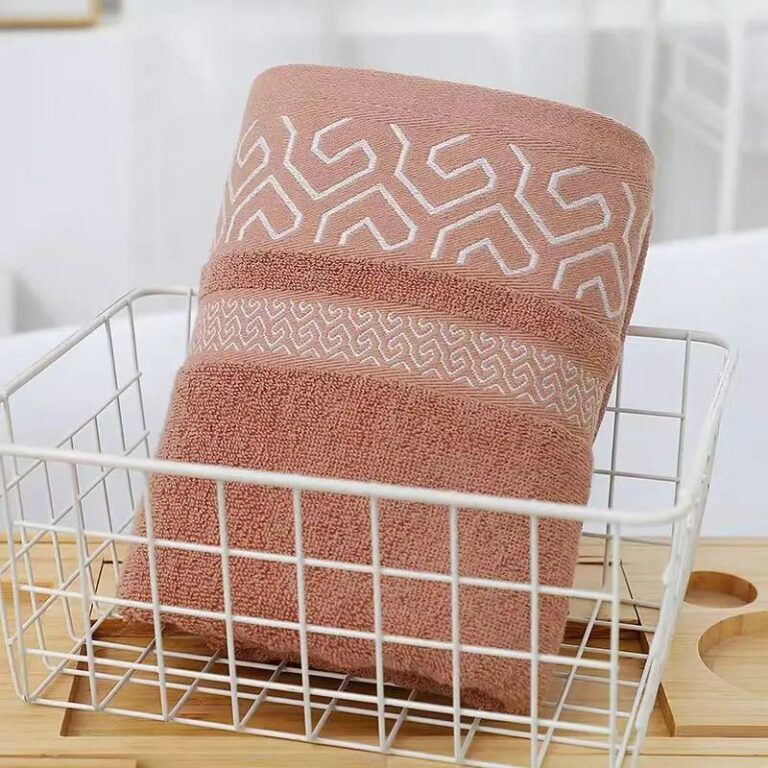
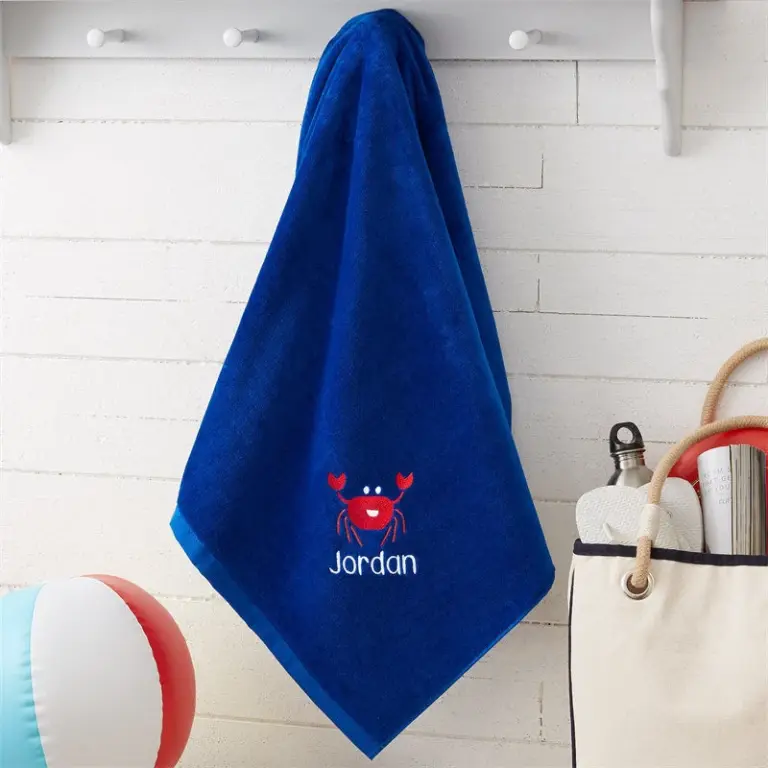 Aisha's pickExtra Large Cotton Towels for Adding Color Without Painting
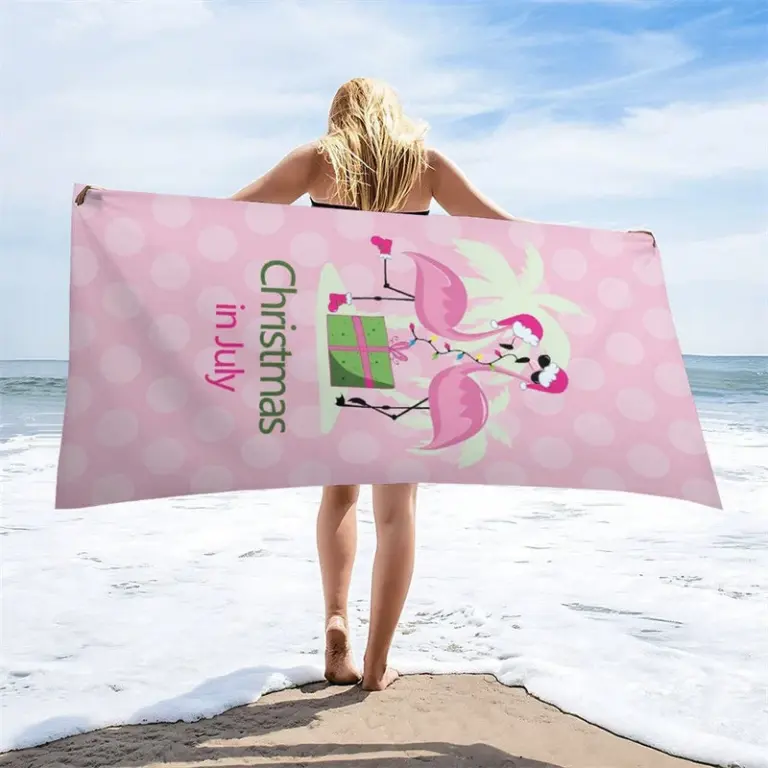
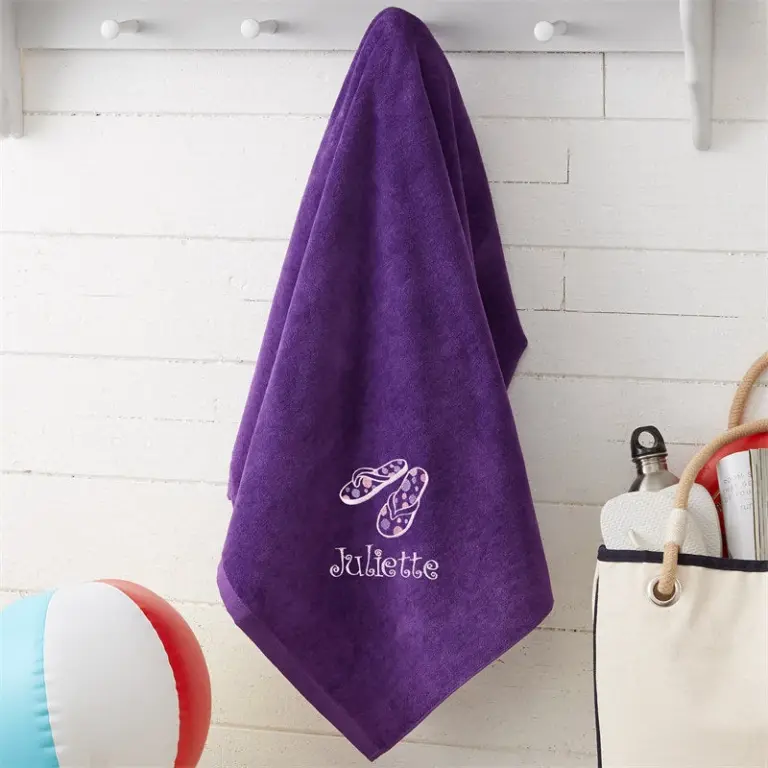 Aisha's pickWhite Cotton Towels That Keep Their Color Wash After Wash

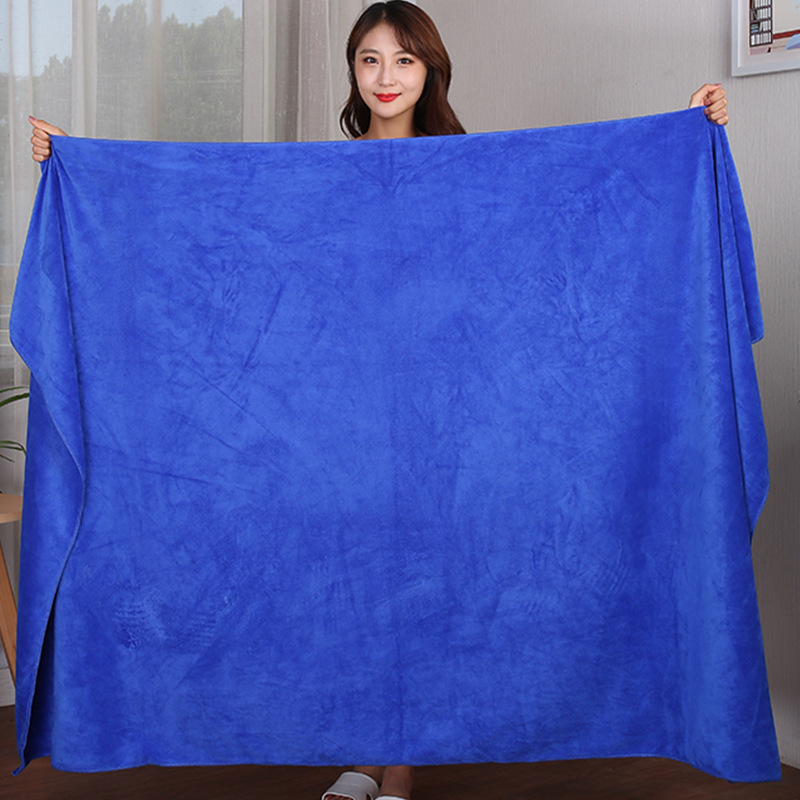 Aisha's pickCotton Beach Towels for Cozy Nights In
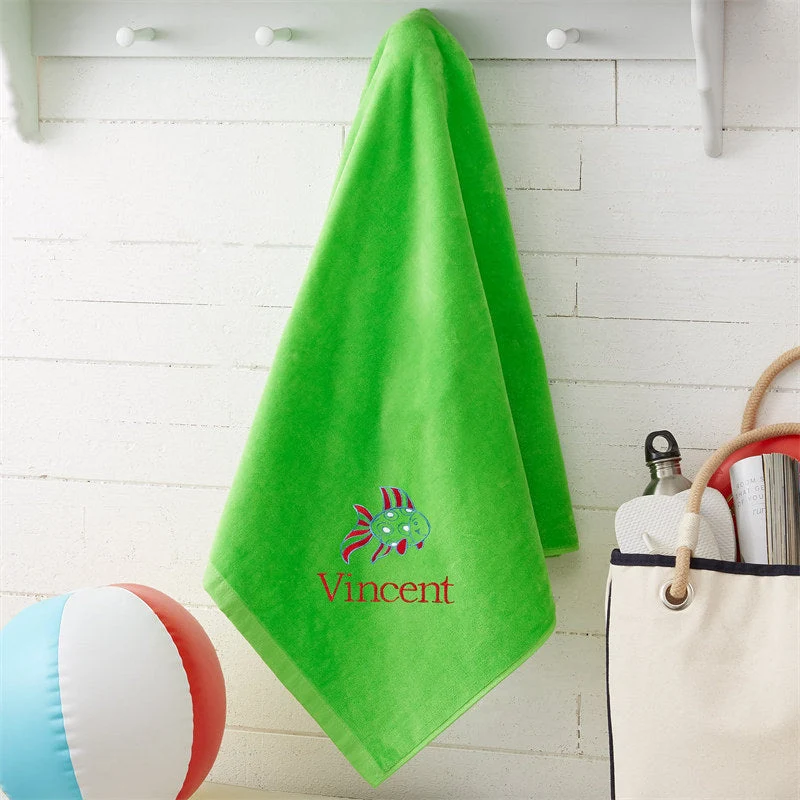
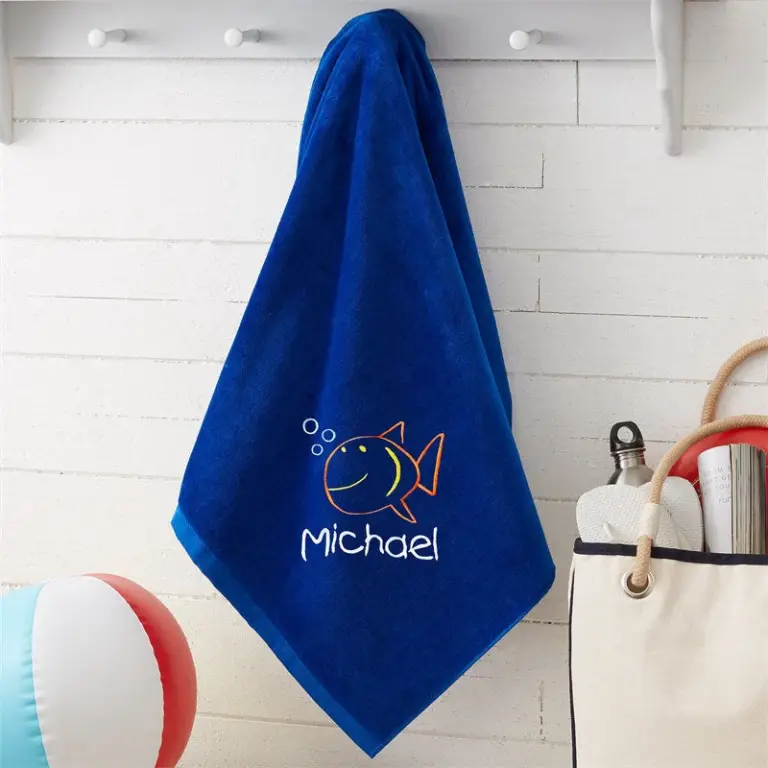 Aisha's pickThe Green Cotton Towels Worth Your Cash

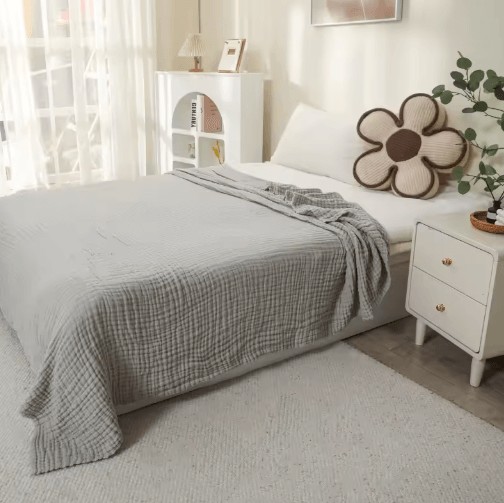 Aisha's pickNo Fuss Cotton Hand Towels
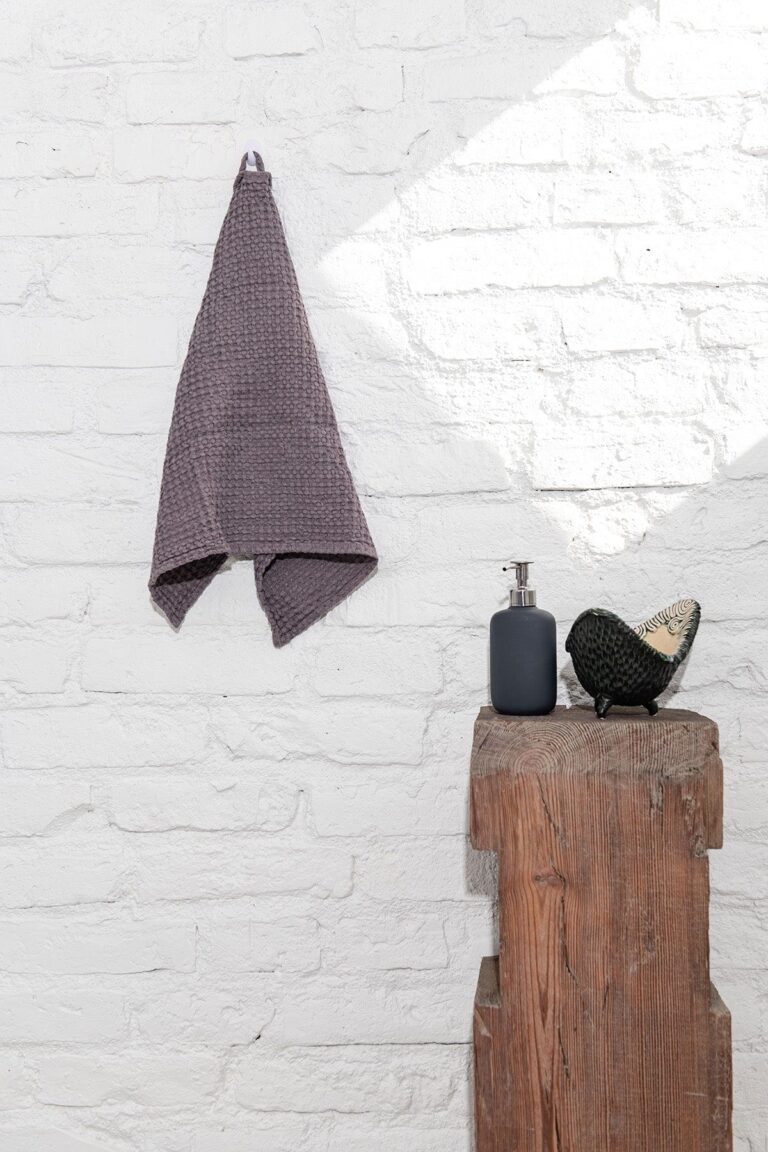
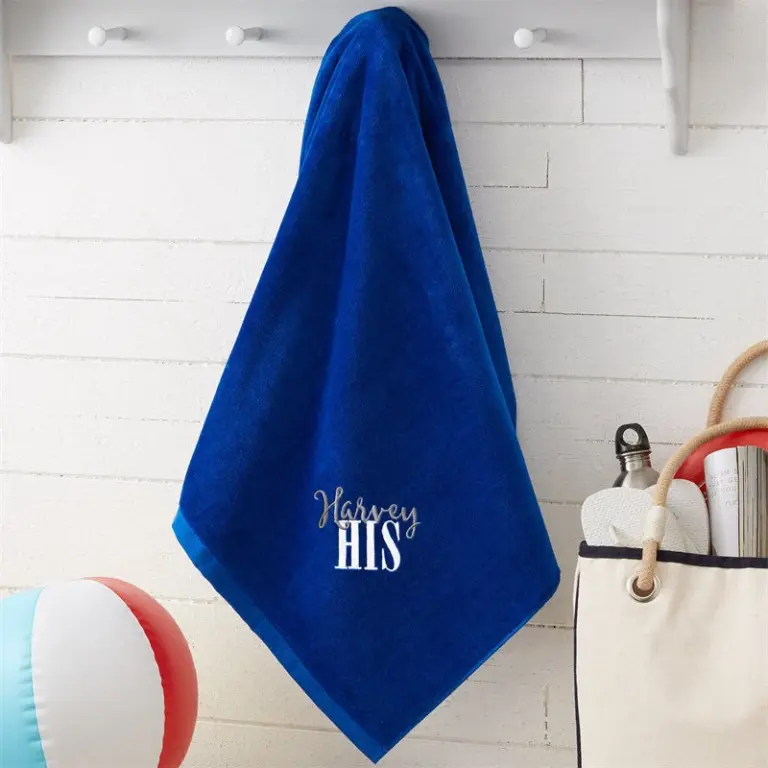 Aisha's pickGray Cotton Towels That Don’t Pill
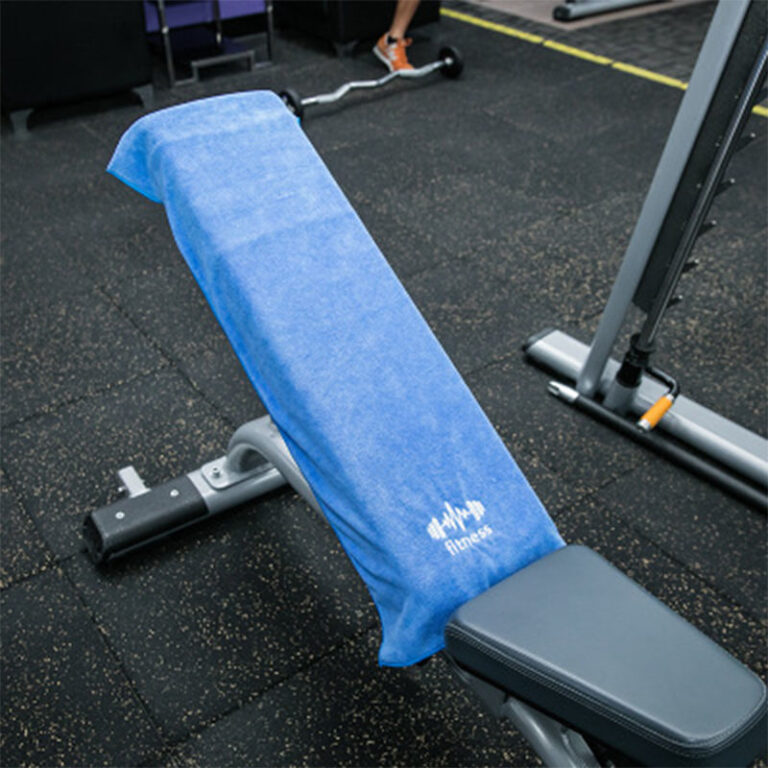
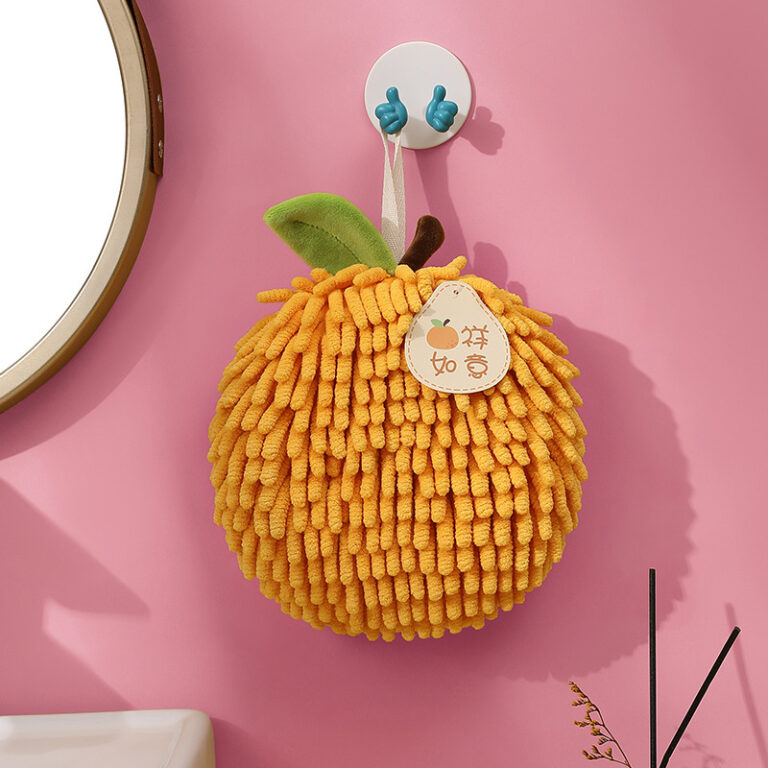 Aisha's pickCotton Hand Towels for Bathroom That Are Easy to Keep Clean
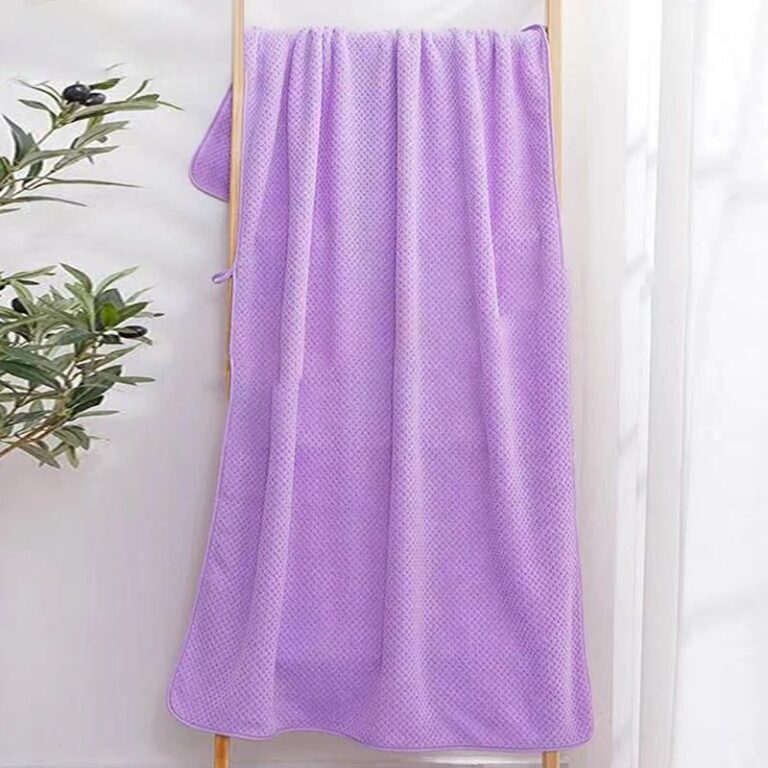
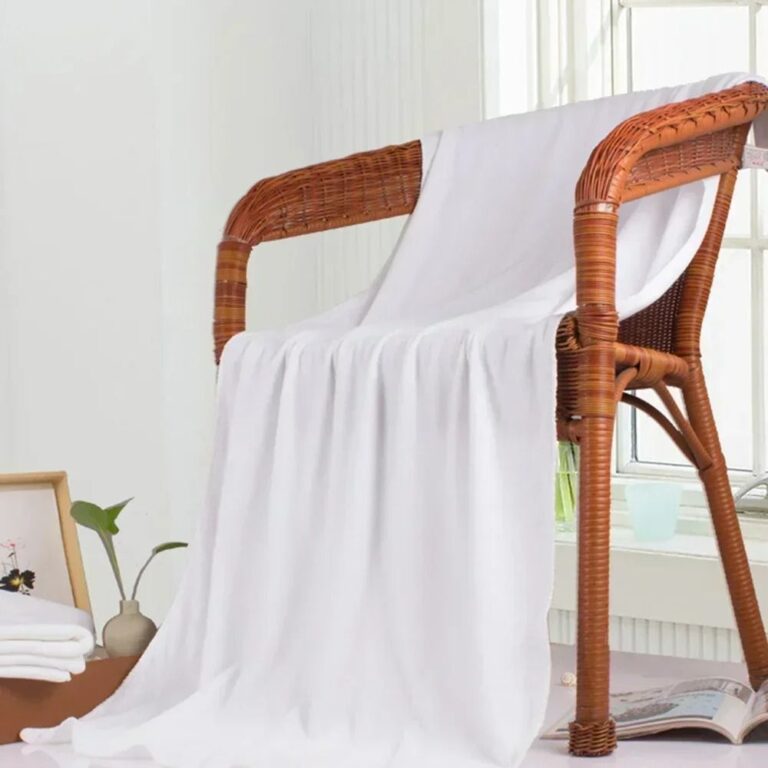 Aisha's pickLarge Cotton Bath Towels That Look Good Up Close
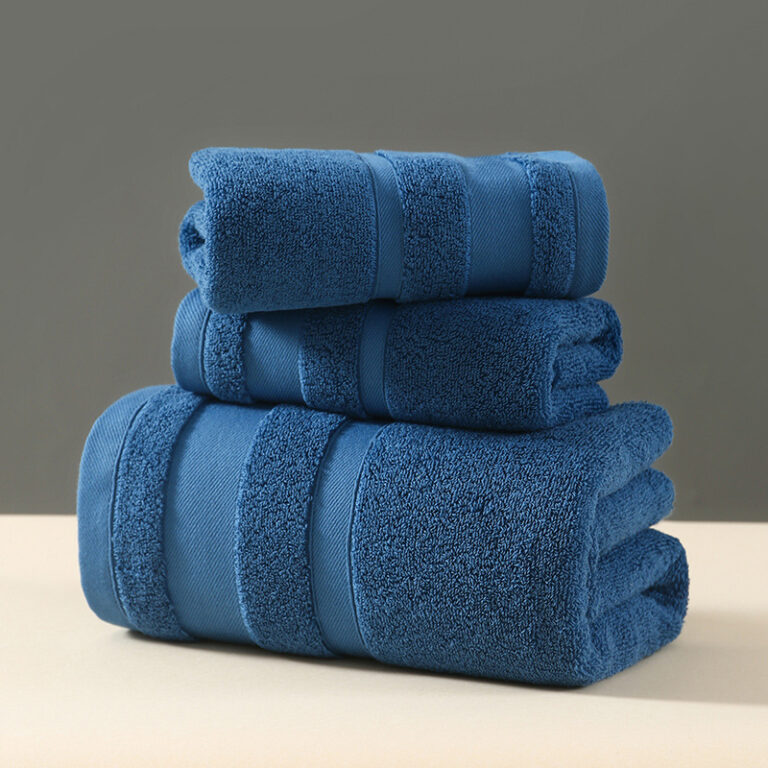
 Aisha's pickCotton Hand Towels We Swap Around With the SeasonsAlso worth a lookKitchen TowelsThe one thing worth knowing before you buy kitchen towels is that absorbency and looks are almost always in tension, so pick the job first.See the collections →
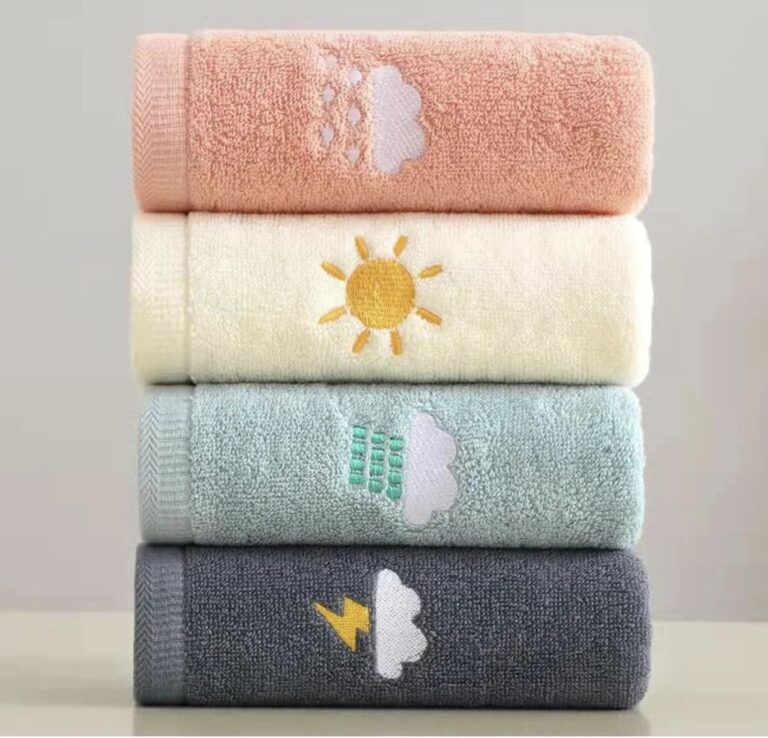
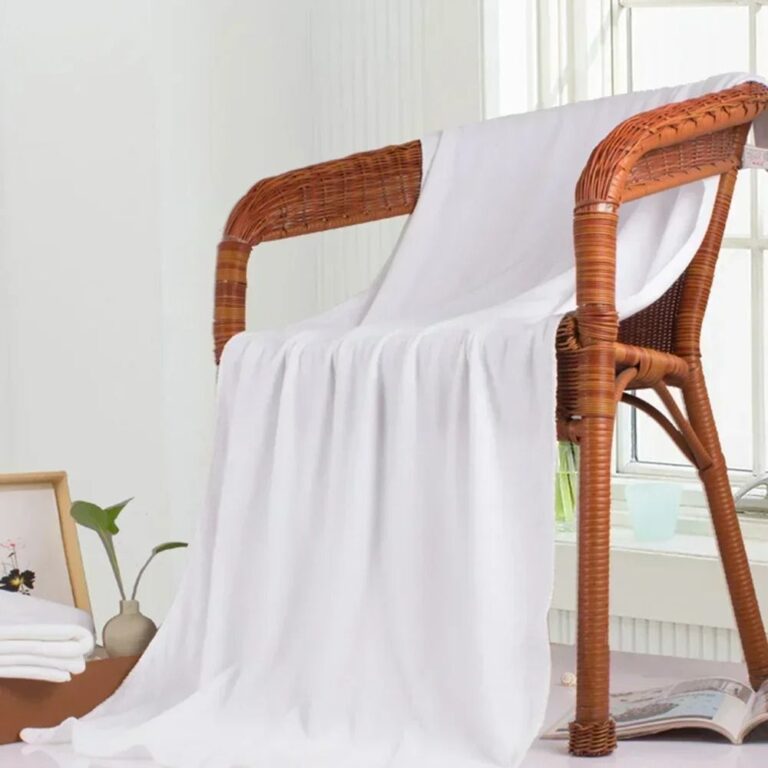 Aisha's pickLarge Cotton Towels That Make a Room Feel Finished
 Aisha's pickCotton Kitchen Towels That Cope With Steam and Splashes
 Aisha's pickLarge Cotton Towel Sets Hunted Down So You Don’t Have To
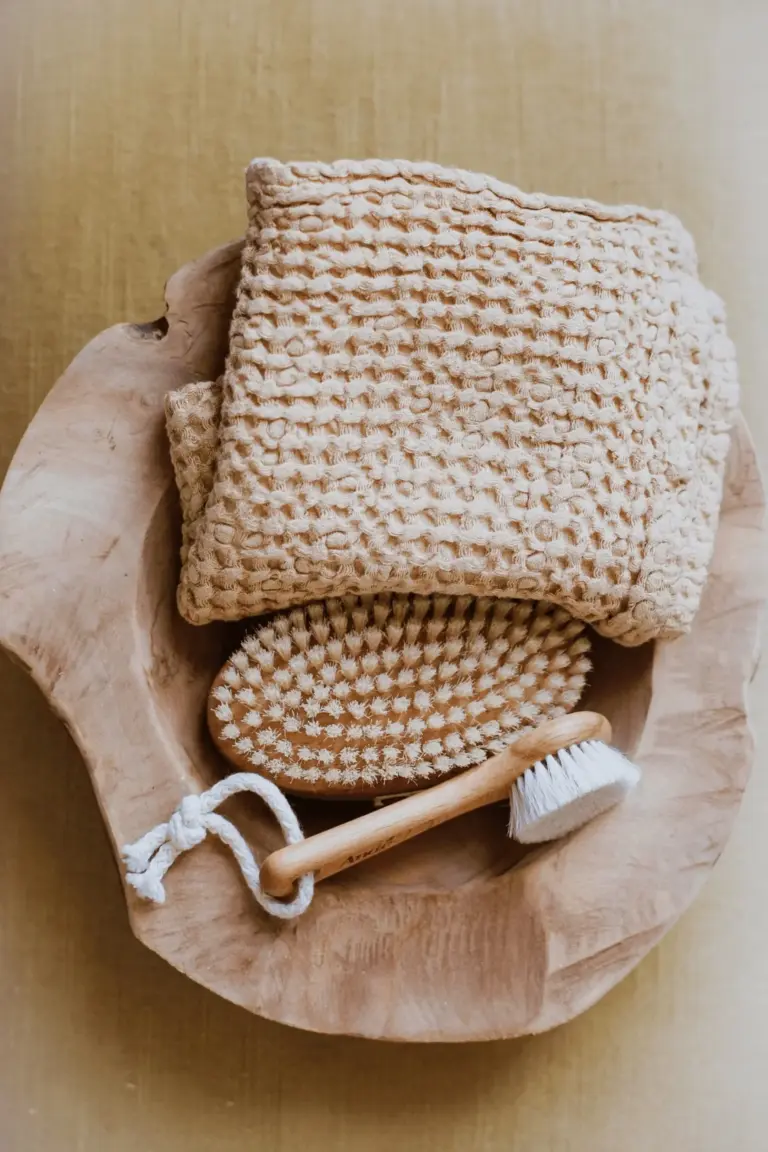
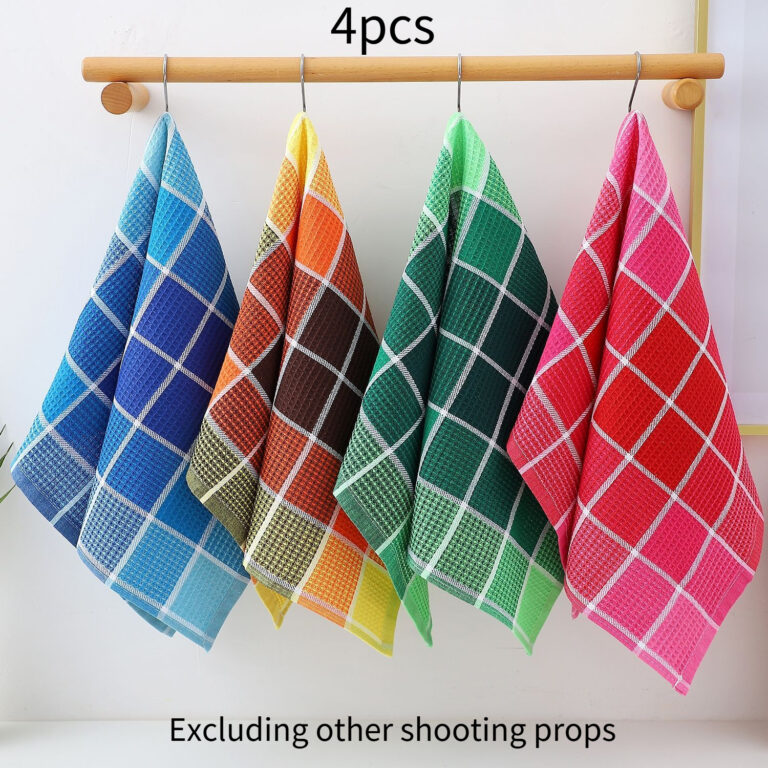 Aisha's pickCotton Kitchen Towels Picked From the Stores We Trust
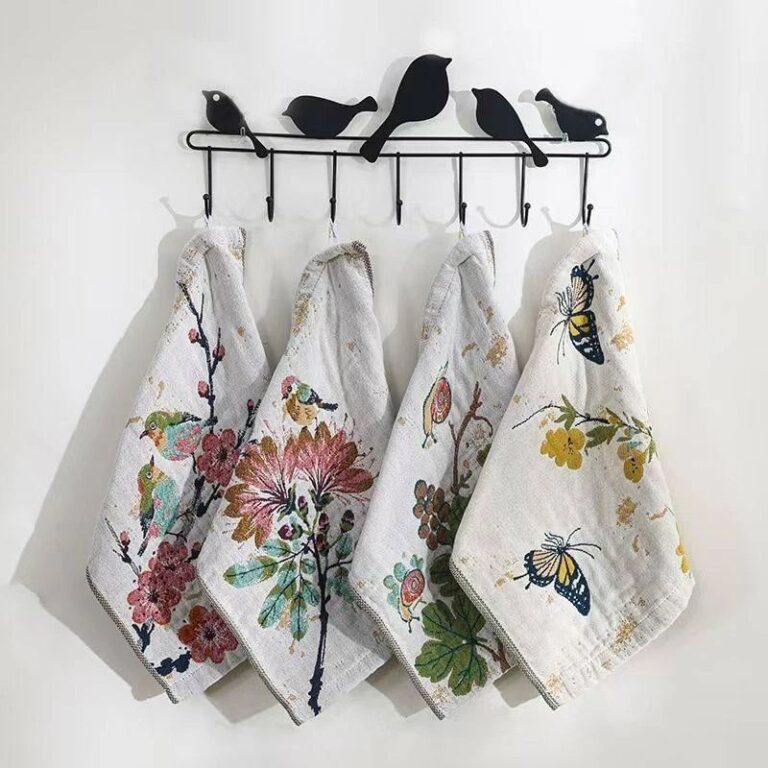
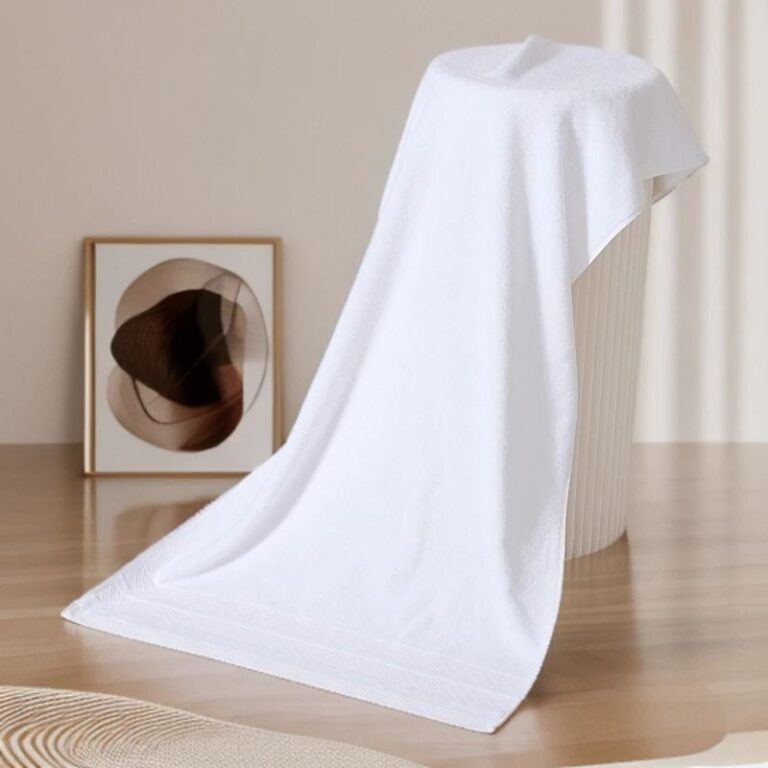 Aisha's pickLuxury Cotton Bath Towels That Won’t Date in a Year
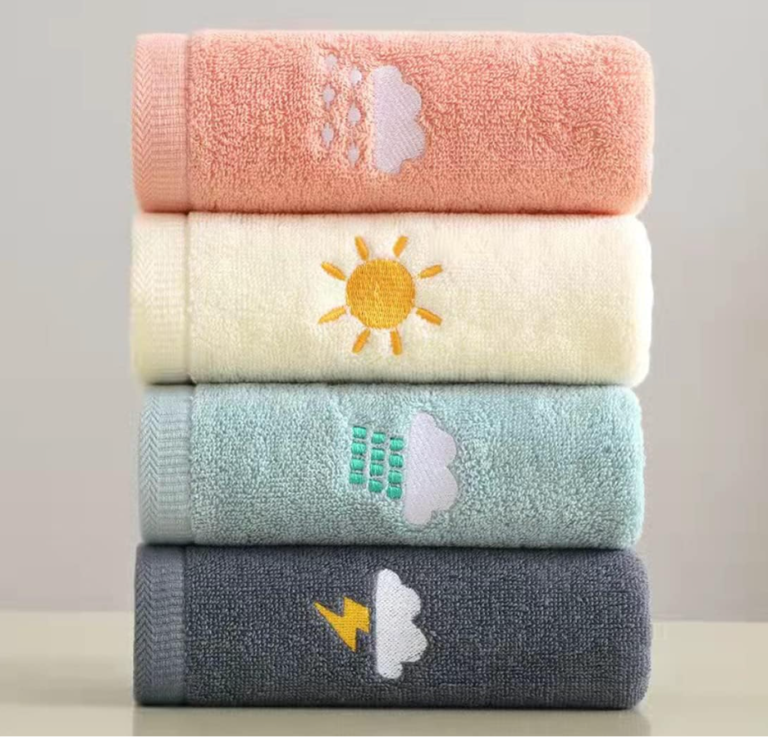
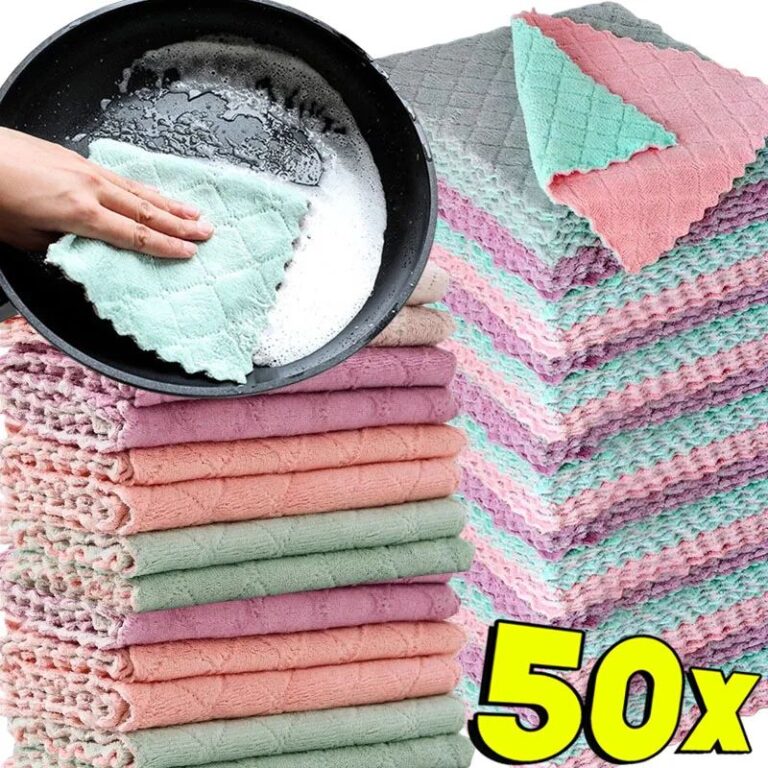 Aisha's pickCotton Dish Towels That Soften a Room
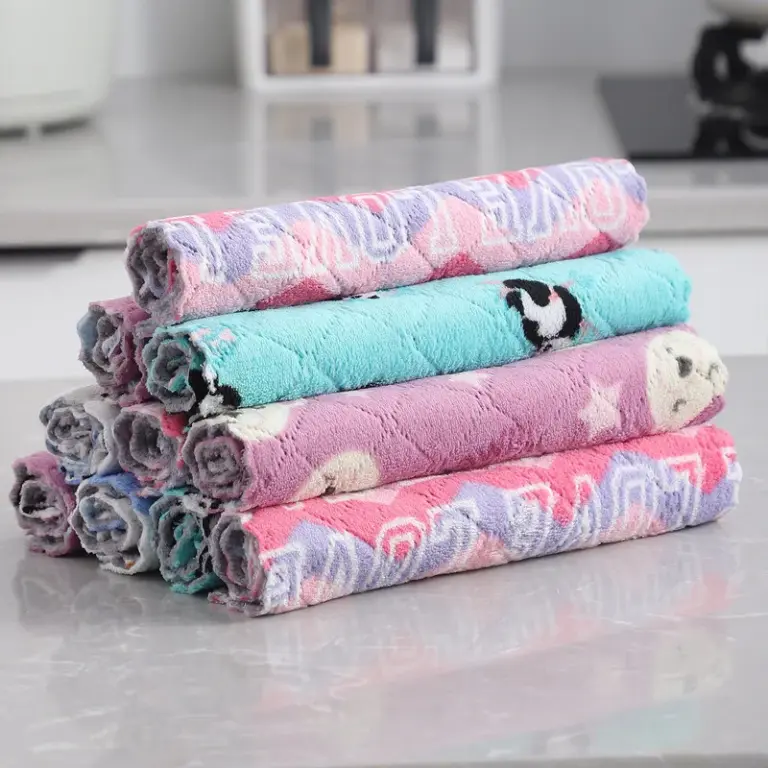
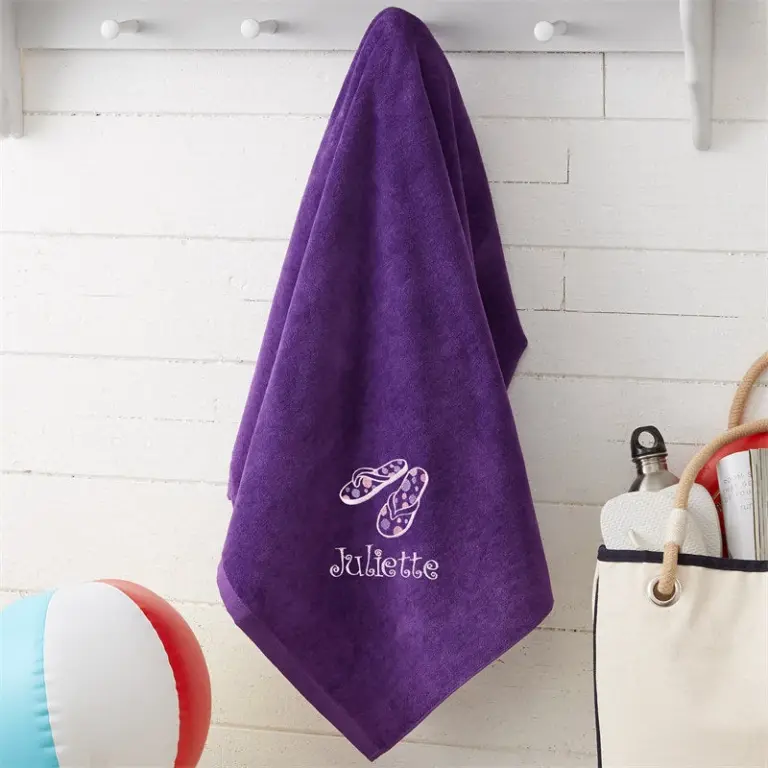 Aisha's pickLuxury Cotton Hand Towels That Go With Most Rooms
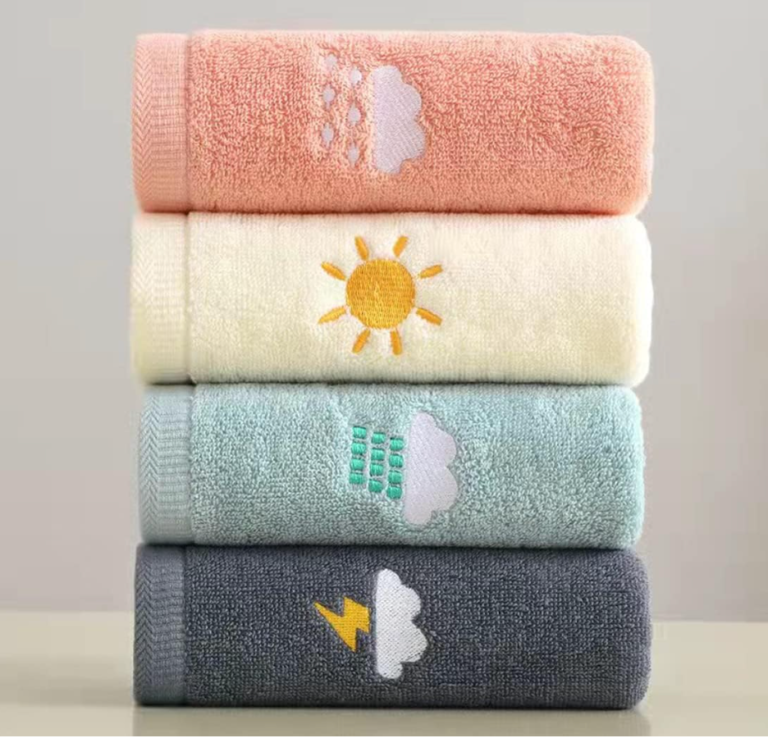
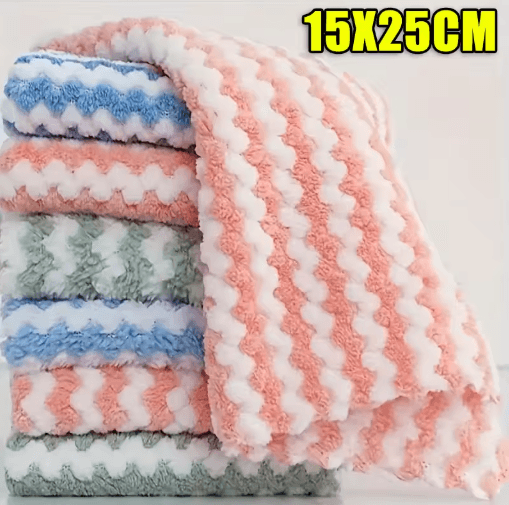 Aisha's pickCotton Dish Towels With a Soft, Lived In Feel