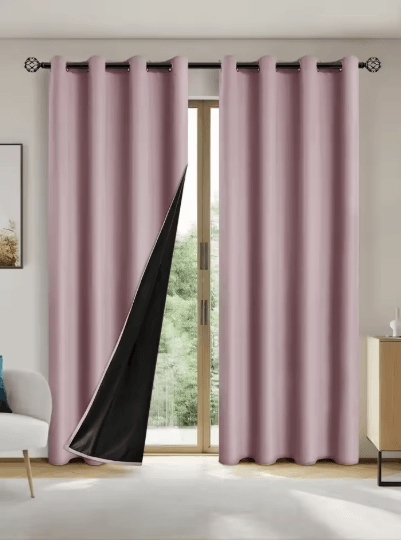
The thing you never notice until you've lived with a pair of blackout curtains through a few seasons is that they don't actually block the light so much as redirect it. Close them up tight on a bright morning and you'll still get a thin bright seam running along the top where the rod sits, and another two creeping up the sides where the panel doesn't quite reach the wall. The room goes dim, not dark, and it takes about three mornings of waking up anyway before you stop feeling cheated by the name. Check the weight of the fabric before you buy, not just the label that says blackout, because a lot of what's sold under that word is a thin face fabric with a cheap foam backing glued on rather than woven in, and that backing is exactly what cracks and peels after a couple of years of being opened and closed. Run your thumb along the hem when you're in the shop, feel for proper weighted corners, and on delivery day hang one panel before you commit to the rest, because length matters more than people admit and a curtain that stops two inches short of the floor will bother you every single day in a way no photograph ever shows.
Where these go wrong is in rooms that need to breathe, by which I mean kitchens, sunrooms, anywhere you actually want the morning to arrive on schedule. The heavier backed fabrics trap heat against the glass, so in a west facing bedroom in summer you're essentially insulating yourself with your own curtain, and in a bathroom or laundry room the same fabric just holds moisture and starts to smell faintly of mildew before you've worked out why. They also don't play well with a light, airy look, you can't pair a heavy blackout panel with a delicate sheer and expect either one to read well, the two fabrics fight for the same window and the sheer always loses. And if sound is your actual problem, a noisy street or a housemate who keeps odd hours, don't buy these expecting much help there either. They cut light, not noise, and I've seen people disappointed by that confusion more than once.
The colors that wear well over years are the quiet ones, a soft charcoal, a deep but not inky navy, a warm oatmeal rather than a stark white that yellows and looks tired within a year. Matte finishes age far better than anything with a sheen, which reads cheap under lamp light no matter how good it looked under shop lighting. I'd put a plain wood or brass pole above it and a simple reading lamp close by, since the whole point of a dark room is having one small, good light to read by once you've shut the day out.

 Aisha's pickLuxury Blackout Curtains You’ll Want to Curl Up With
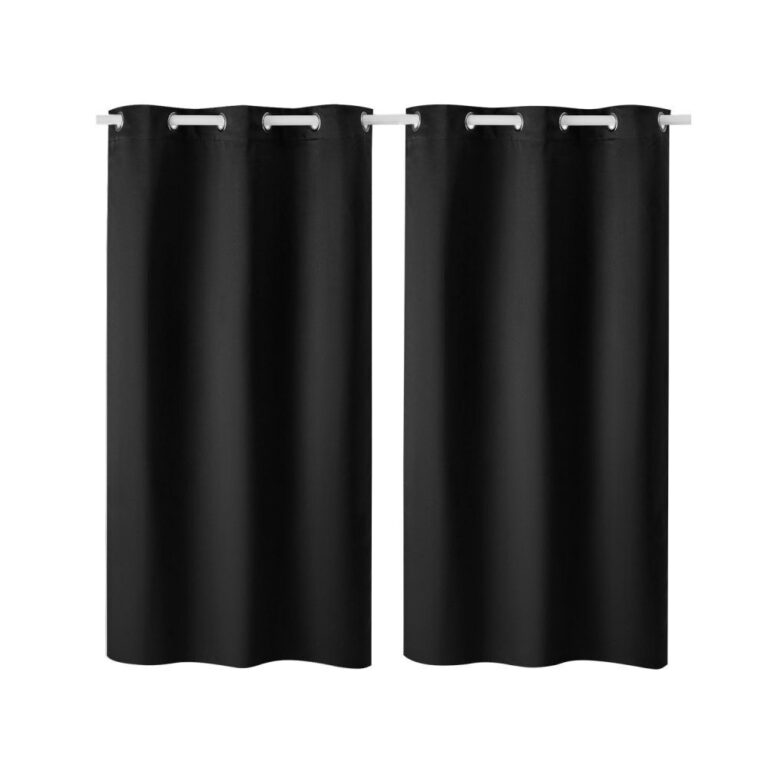 Aisha's pickBlack Blackout Curtains That Don’t Shout About It
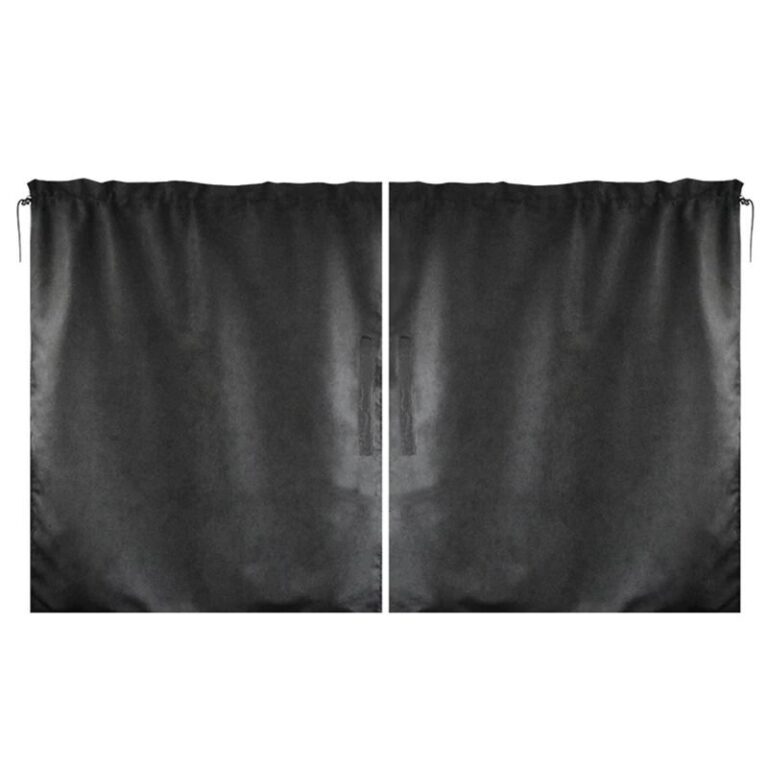
 Aisha's pickModern Blackout Curtains That Hold Up to Everyday Life
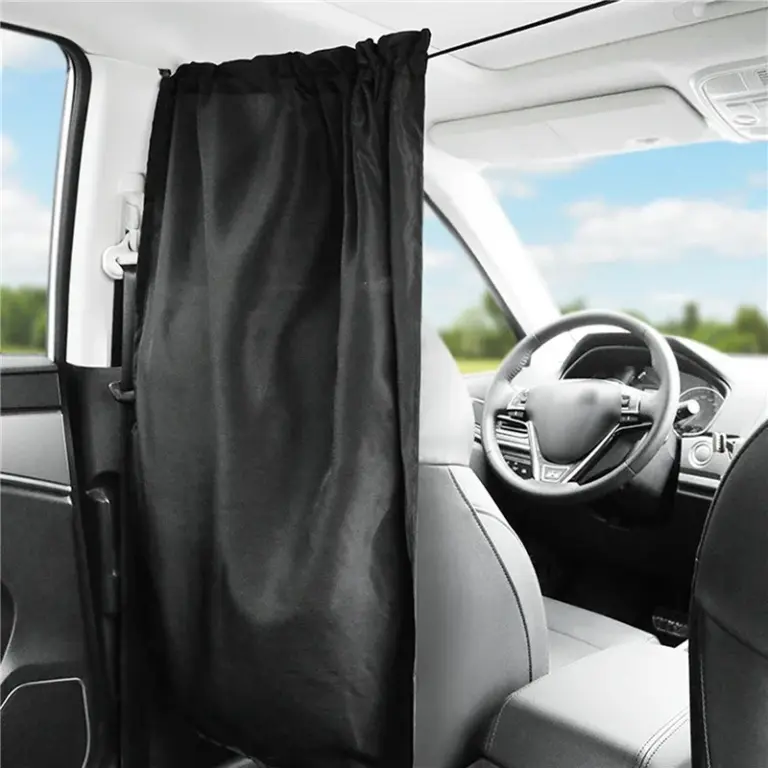
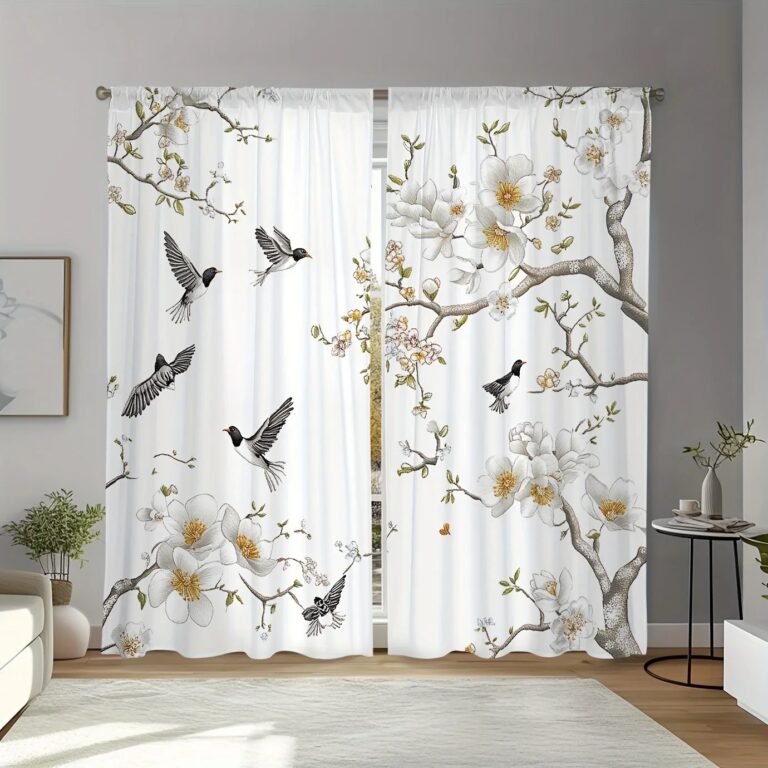 Aisha's pickBlackout Bedroom Curtains From Brands You Know and a Few You Won’t
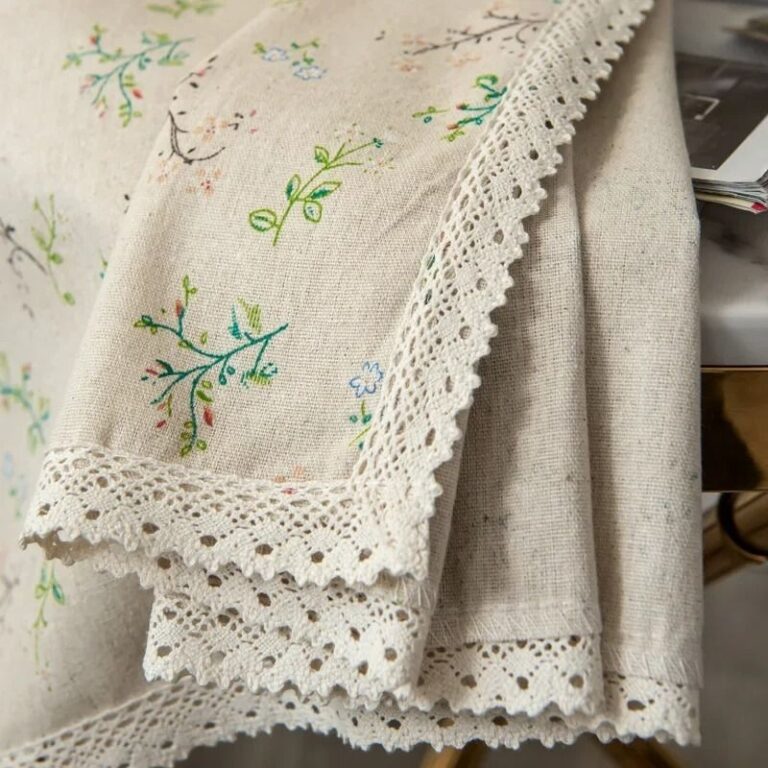
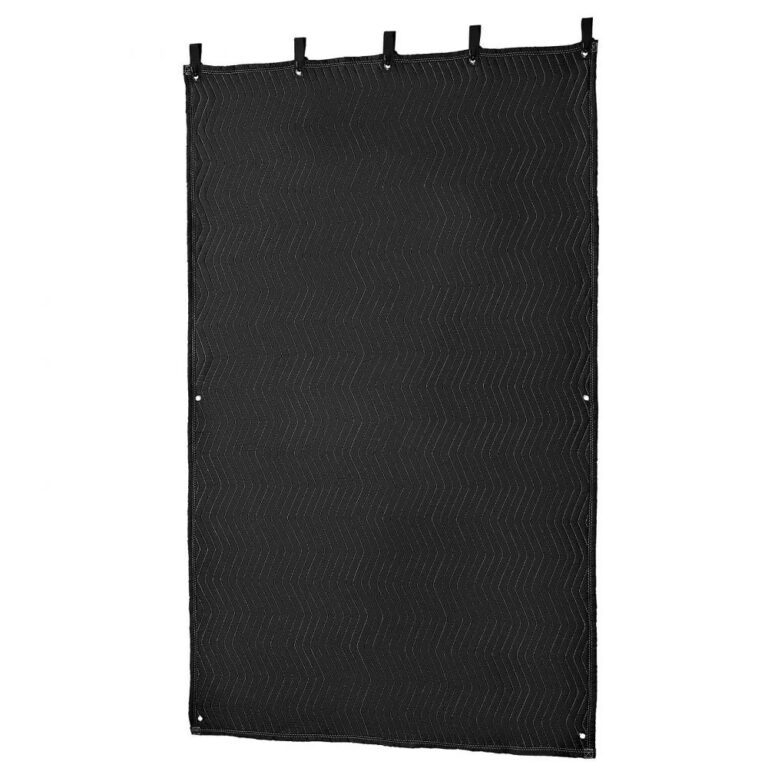 Aisha's pickPolyester Blackout Curtains Picked From the Stores We Trust
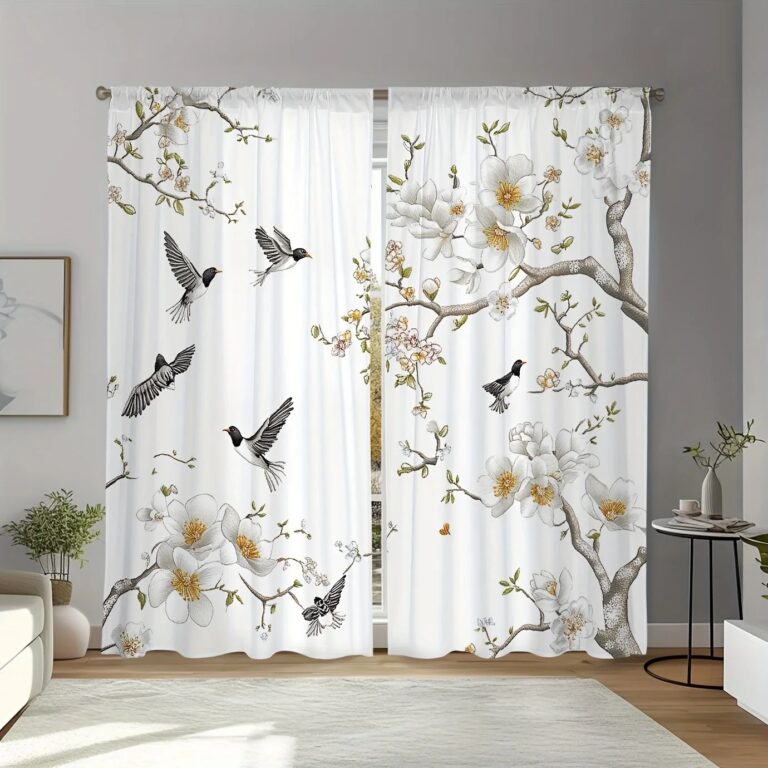
 Aisha's pickBlackout Blinds Worth Knowing About

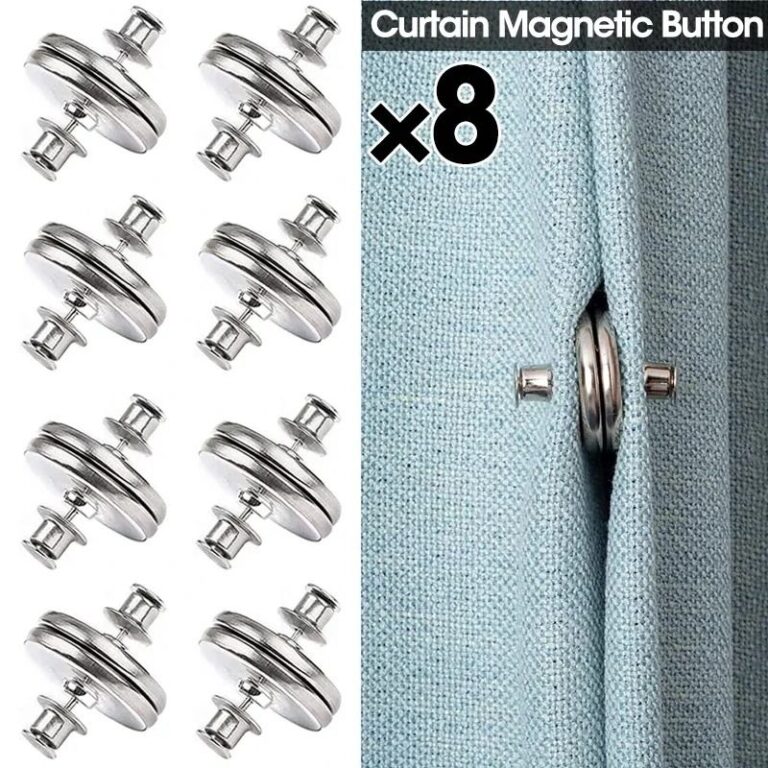 Aisha's pickSmall Blackout Curtains That Don’t Pill
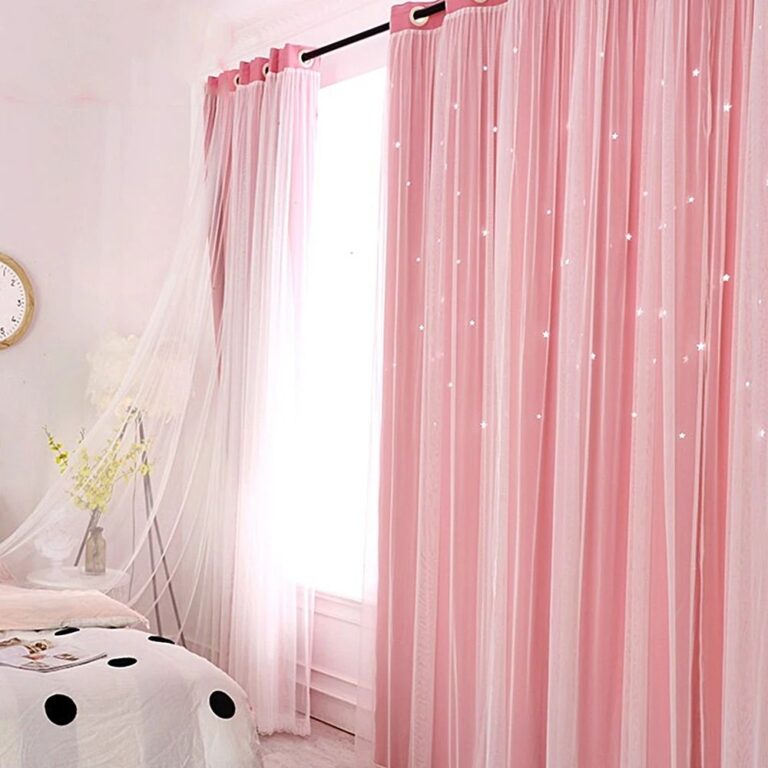
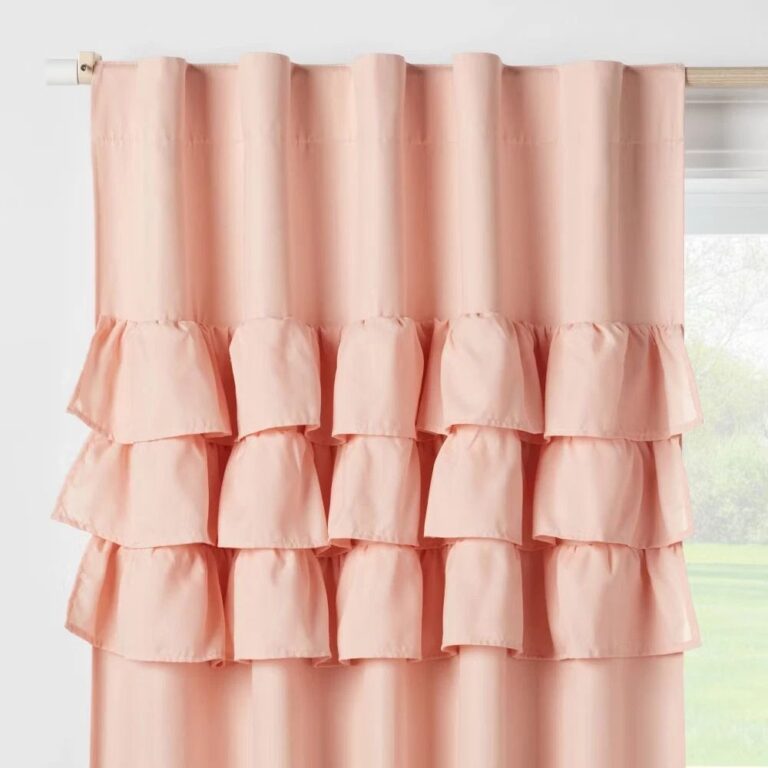 Aisha's pickGood Blackout Curtain Lining That Don’t Cost a Fortune
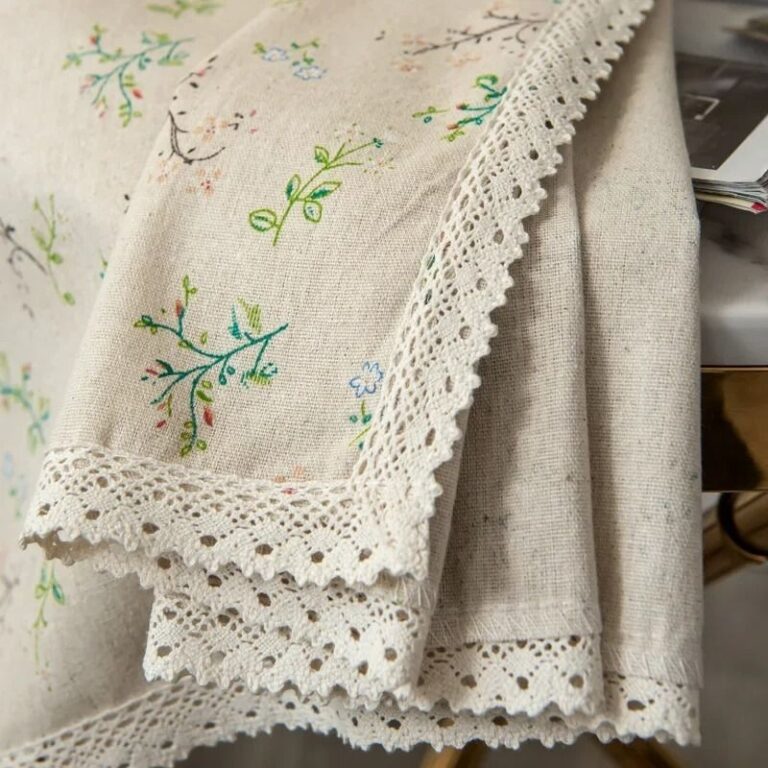 Aisha's pickBlackout Curtains That Survive Kids and PetsAlso worth a lookWindow CurtainsCurtains make or break a room faster than almost anything else you hang on a wall, because they…See the collections →
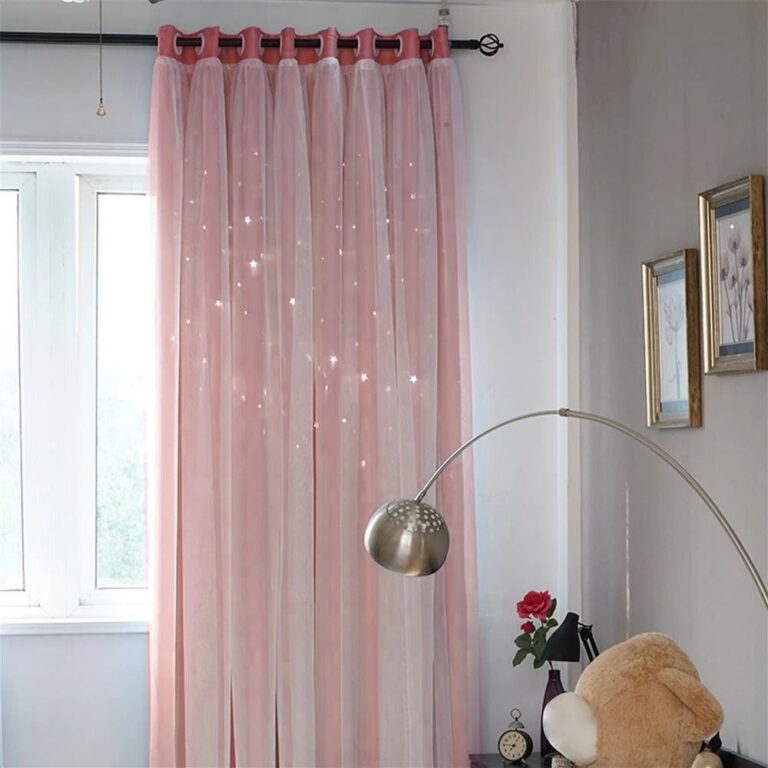
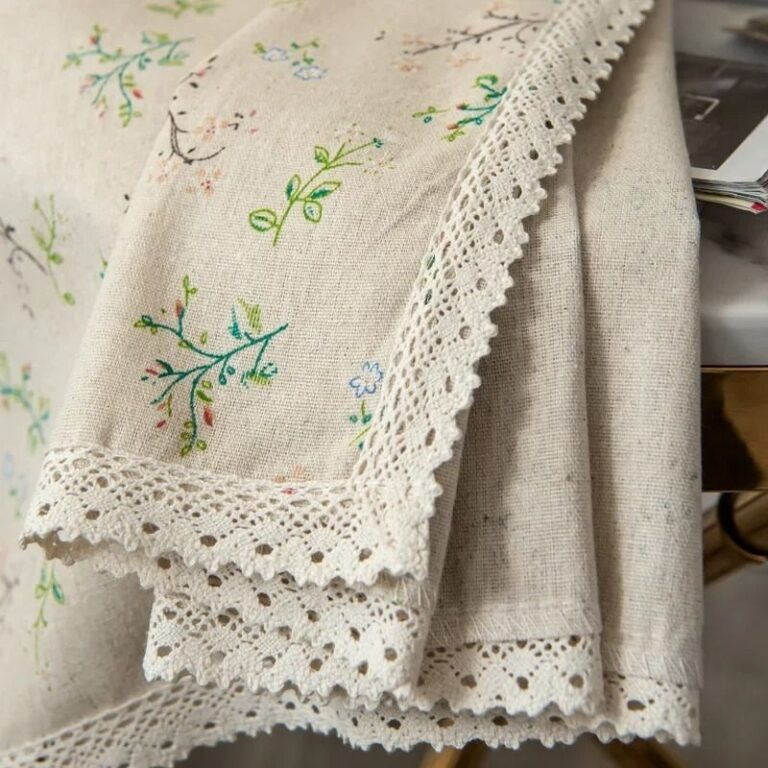 Aisha's pickBlackout Curtains for Bedroom That Feel as Good as They Look
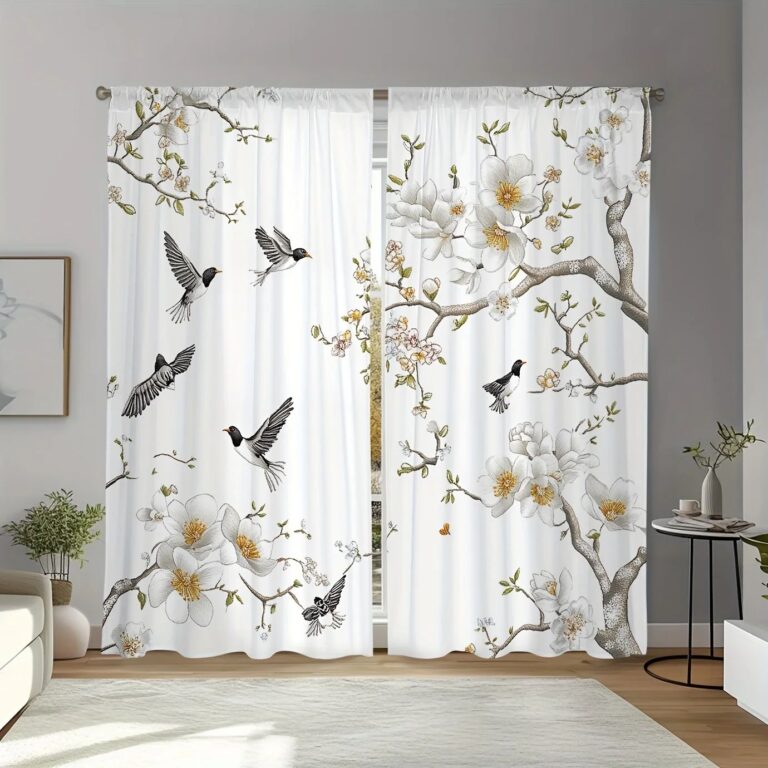
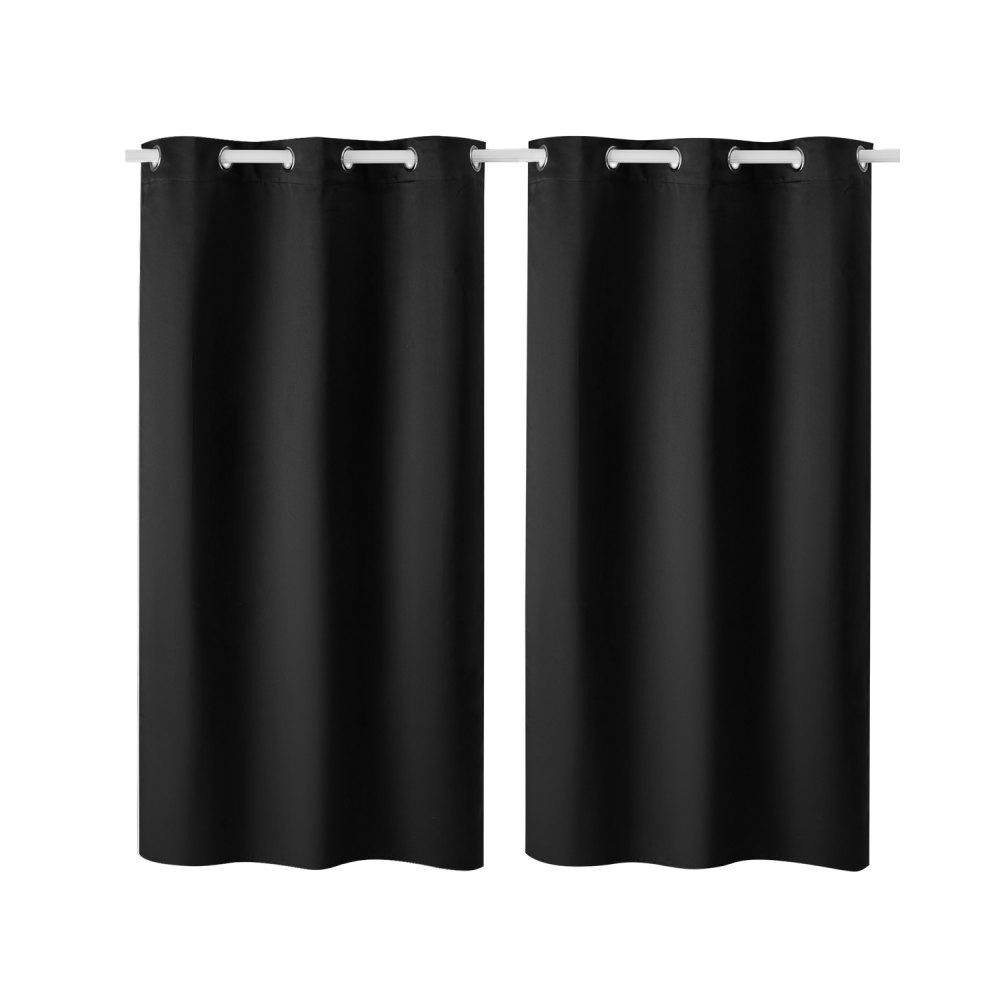 Aisha's pickDecent Blackout Curtains for Living Room Without the Hassle
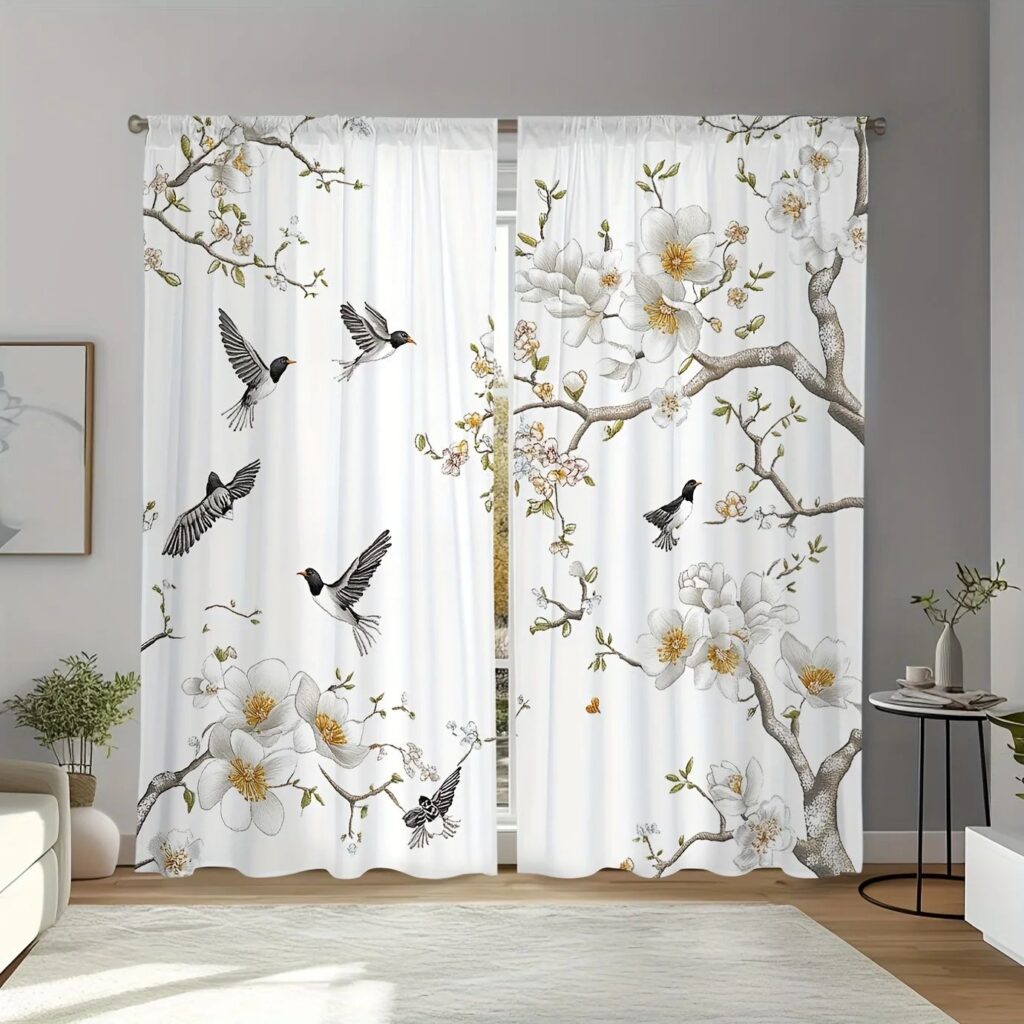
 Aisha's pickBlackout Curtains with Hooks That Visitors Always Ask About
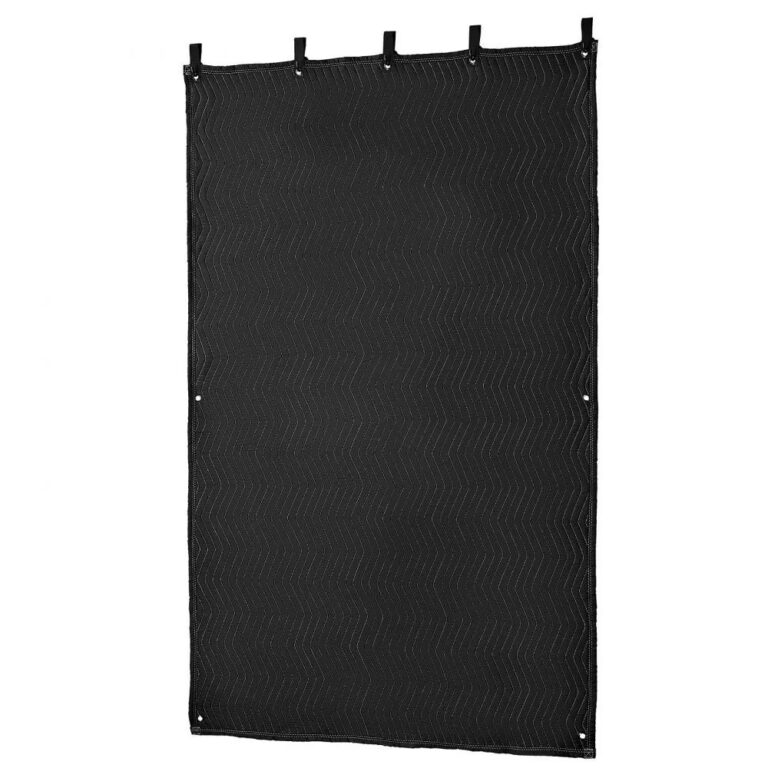
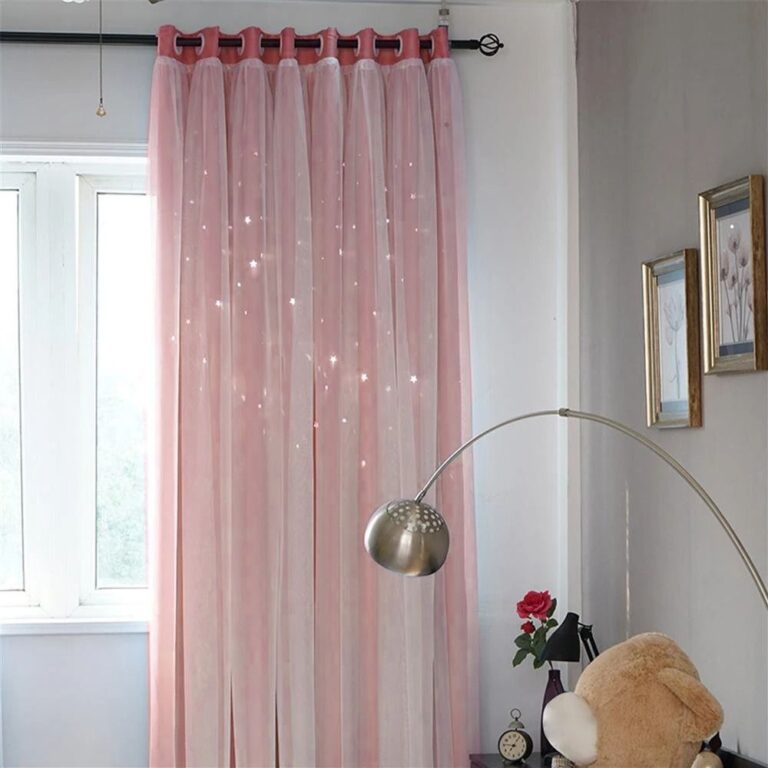 Aisha's pickBlackout Eyelet Curtains That Look Good Up Close
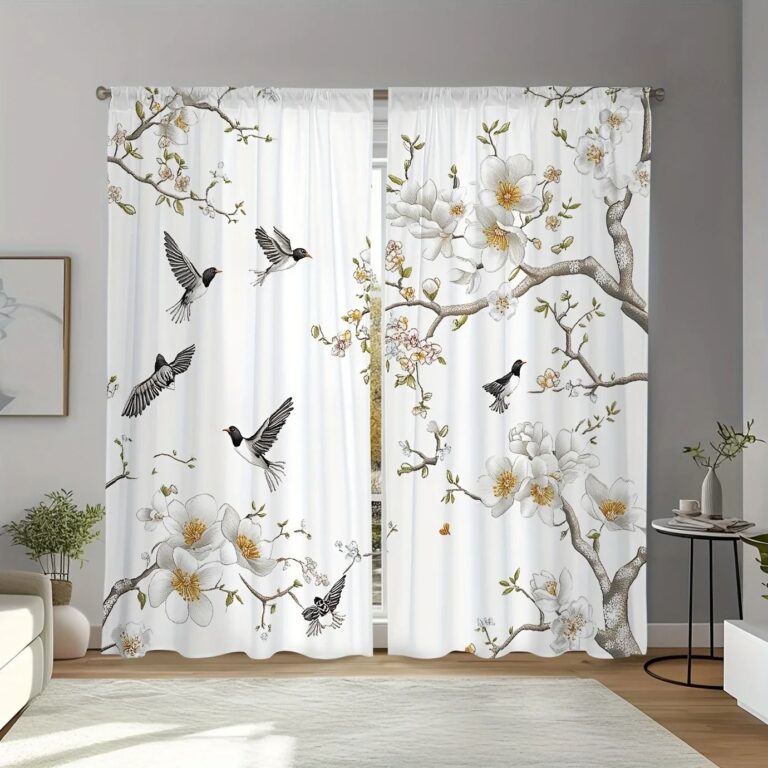 Aisha's pickBlackout Grommet Curtains That Soften a Room
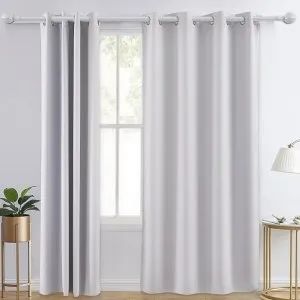
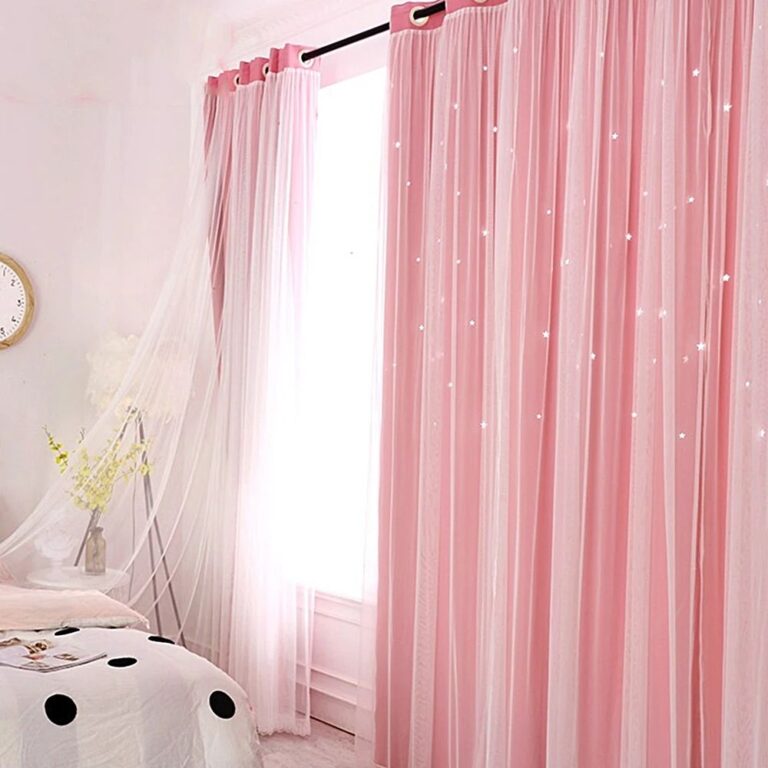 Aisha's pickBlackout Kitchen Curtains That Cope With Steam and Splashes
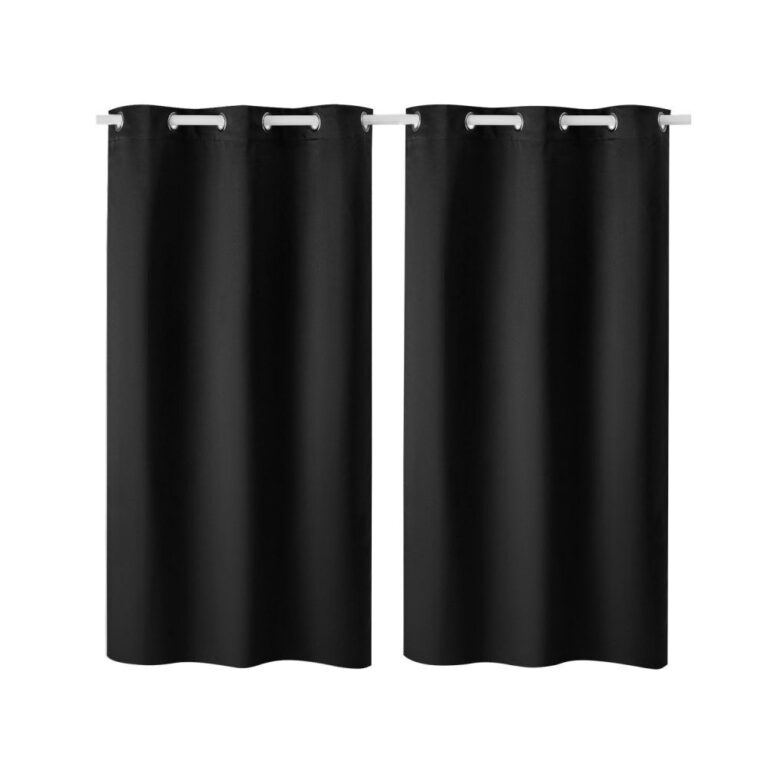
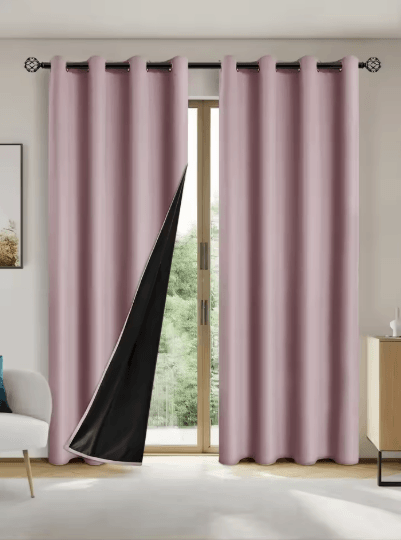 Aisha's pickBlackout Living Room Curtains for Movie Nights and Slow SundaysAlso worth a lookBedroom CurtainsBlackout lining used to mean stiff, rubbery curtains that looked like they belonged in a hospital, and I…See the collections →