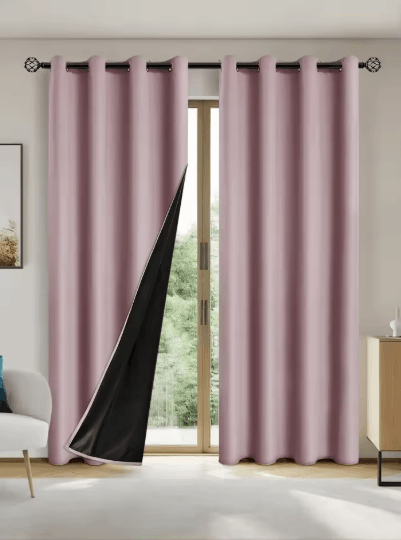
Blackout lining used to mean stiff, rubbery curtains that looked like they belonged in a hospital, and I avoided the whole category for years because of it. That's changed. The coated linings now sit soft and drape properly, so you can get a room that goes fully dark at ten in the morning without the curtains looking like they're doing a job they resent. It's one of the better shifts in soft furnishings, honestly.
The measuring is where most people go wrong, and I mean most. For width, you want the track or pole to run well past the window frame on each side, six to ten inches if you can manage it, so the curtains clear the glass completely when open and you're not blocking half the light during the day. For fullness, the fabric width should run one and a half to two times the width of the pole, otherwise you get these sad, flat panels that look like they're on a diet. For length, floor length should just clear the floor or break slightly, like a pair of pants, and sill length should stop right at the sill, not hover awkwardly an inch above it. Measure with the hardware already up, not against the window itself, because that's the mistake that leaves people with curtains two inches too short a week after delivery.
Quality shows up in the hand before anything else. Pick up a good curtain and it has real weight to it, enough that it holds a fold and swings rather than flaps. The lining should be stitched in, not glued, which you can check by looking at the hem corners, a proper mitered corner lies flat with a tiny visible stitch, a cheap one puckers. Pencil pleats or eyelets both work fine, but eyelets need a sturdier pole since the weight hangs differently, and a flimsy pole will bow in the middle within a year. Good curtains also make a different sound when you pull them, a soft, heavy sweep rather than a papery rustle.
In an ordinary bedroom, bedroom curtains sit well against a plain roman blind for extra blackout, a rug with some texture to it, and furniture in warm wood rather than anything too glossy, which tends to fight with heavy fabric. Where they're the wrong call is a small apartment bedroom with limited wall space either side of the window, where a blind alone will actually let in more usable light during the day, and in very humid climates where heavy lined fabric can hold moisture and smell musty if the room doesn't breathe.
If I were starting from nothing, I'd go with a deep charcoal or warm clay, something that hides dust and doesn't show every crease by week three.

 Aisha's pickModern Bedroom Curtains at Every Price Point

 Aisha's pickThe Bedroom Blinds Worth Your Cash
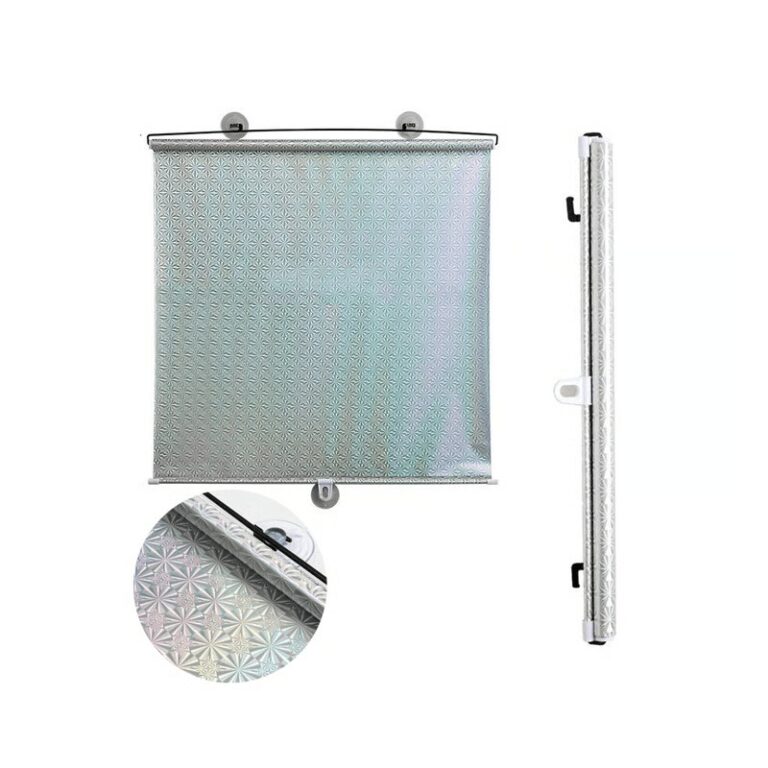
 Aisha's pickPolyester Bedroom Curtains That Survive the Washing Machine

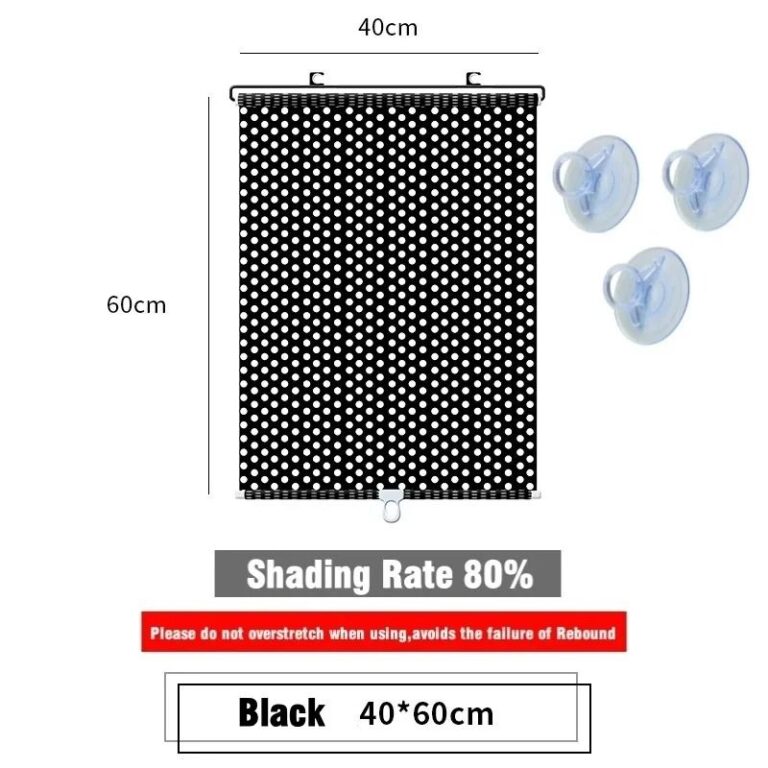 Aisha's pickBedroom Blinds for Kitchen That Do the Job Right
 Aisha's pickSheer Bedroom Curtains You’ll Want to Curl Up With

 Aisha's pickBedroom Curtains for Making a House Feel Like Yours
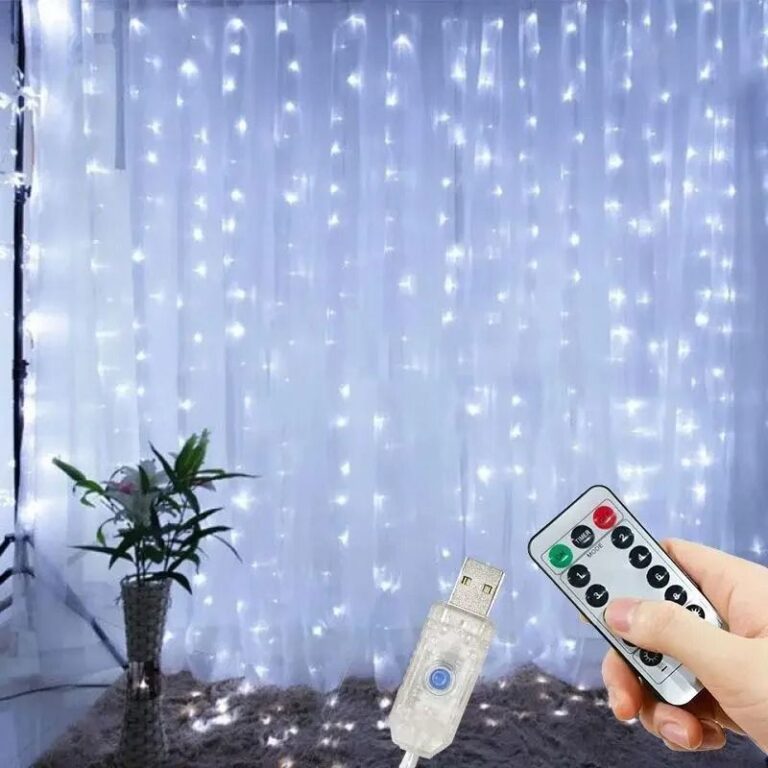
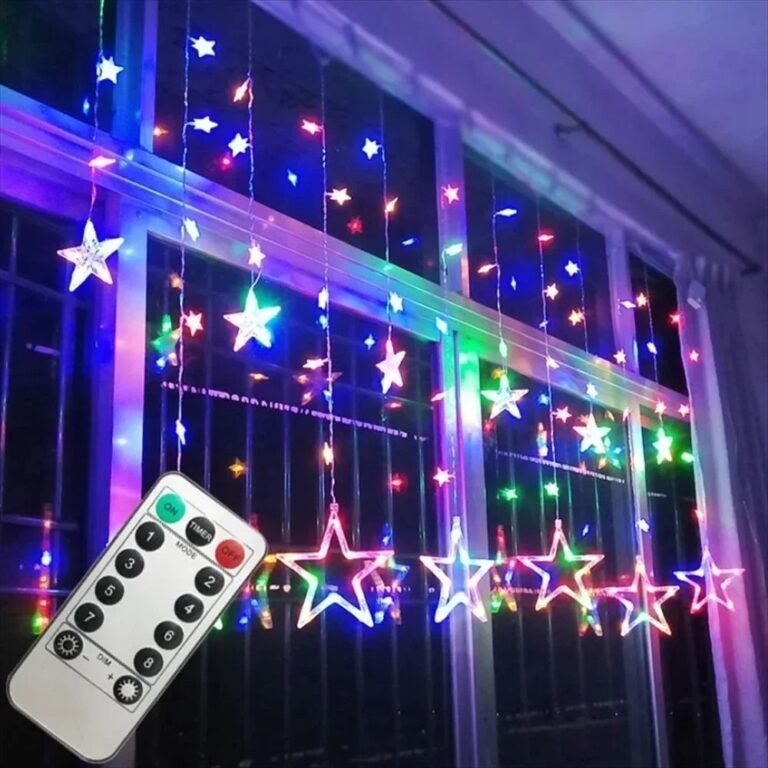 Aisha's pickSheer Curtains for Bedroom That Soften a Room
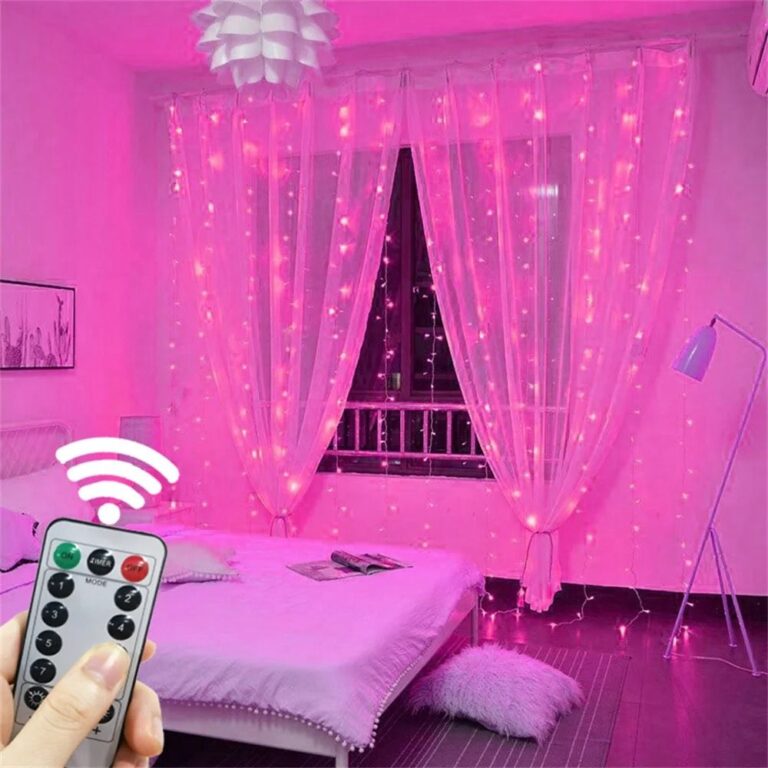
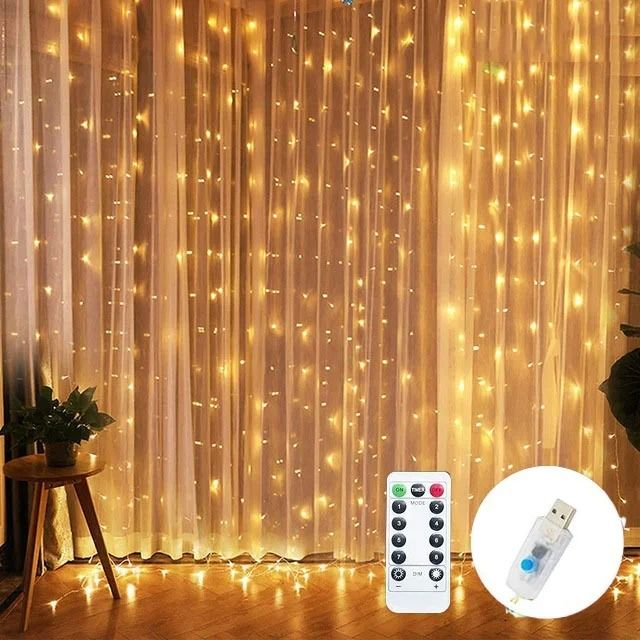 Aisha's pickBedroom Curtains for Living Room That Don’t Need Babying
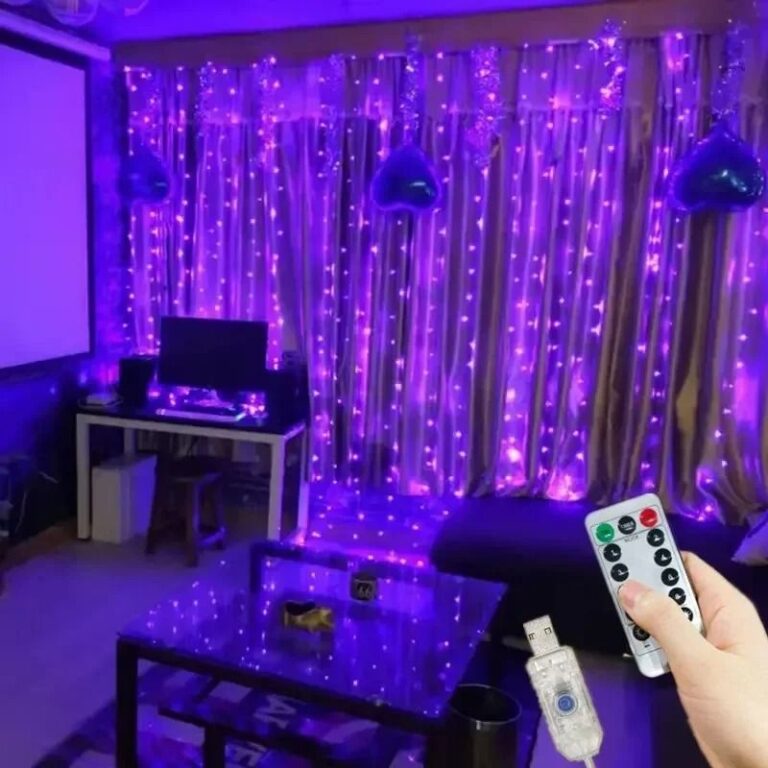
 Aisha's pickThermal Bedroom Curtains That Don’t PillAlso worth a lookWindow CurtainsCurtains make or break a room faster than almost anything else you hang on a wall, because they…See the collections →
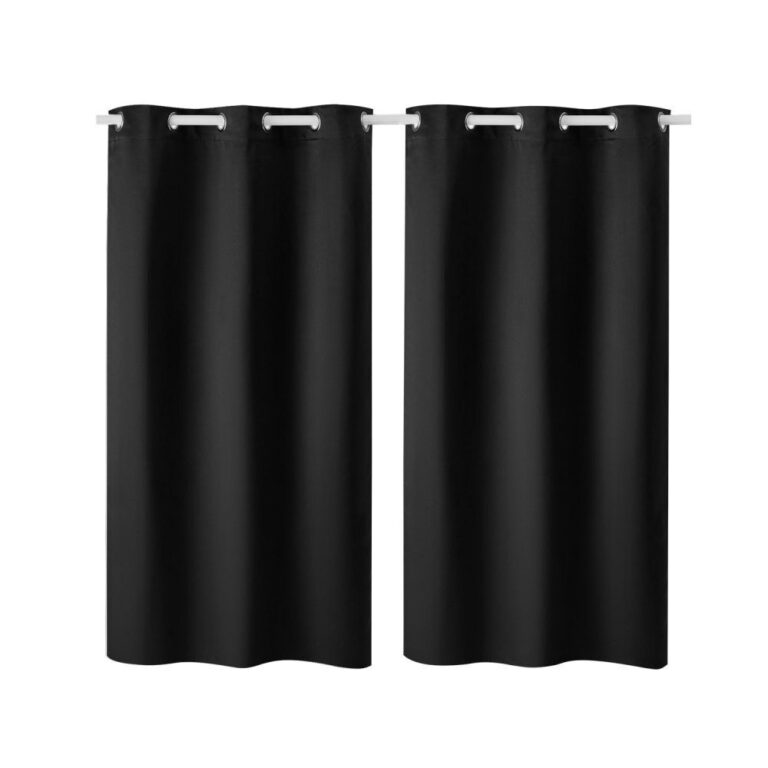
 Aisha's pickBedroom Curtains with Hooks Hunted Down So You Don’t Have To
 Aisha's pickThermal Curtains for Bedroom You’ll Still Like in Five Years

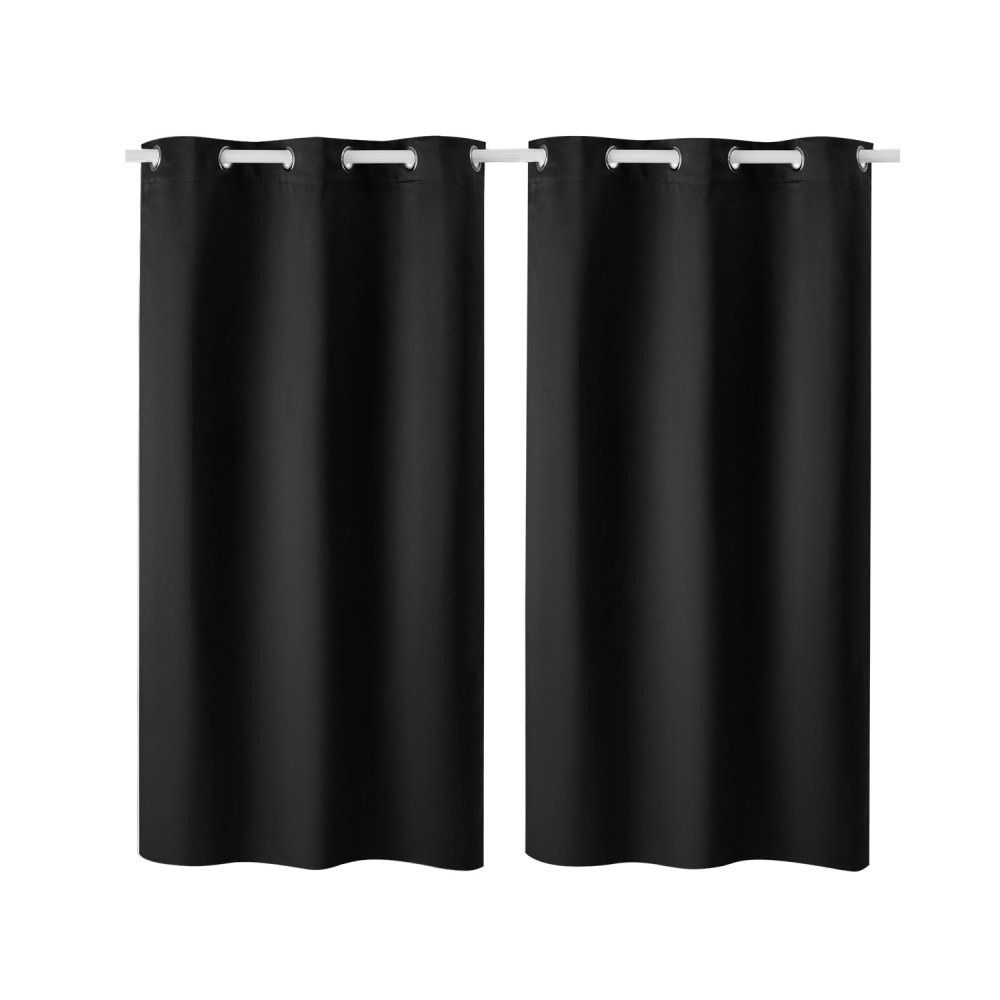
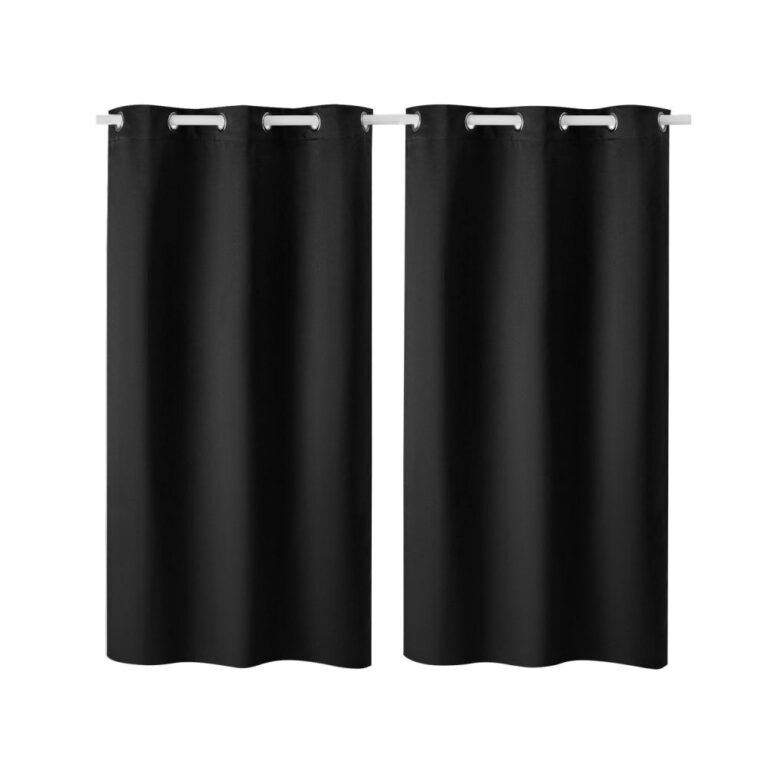
 Aisha's pickBlack Bedroom Curtains With a Soft, Lived In Feel
 Aisha's pickWhite Bedroom Curtains With a Bit More About Them

 Aisha's pickBlackout Bedroom Curtains From Brands You Know and a Few You Won’t
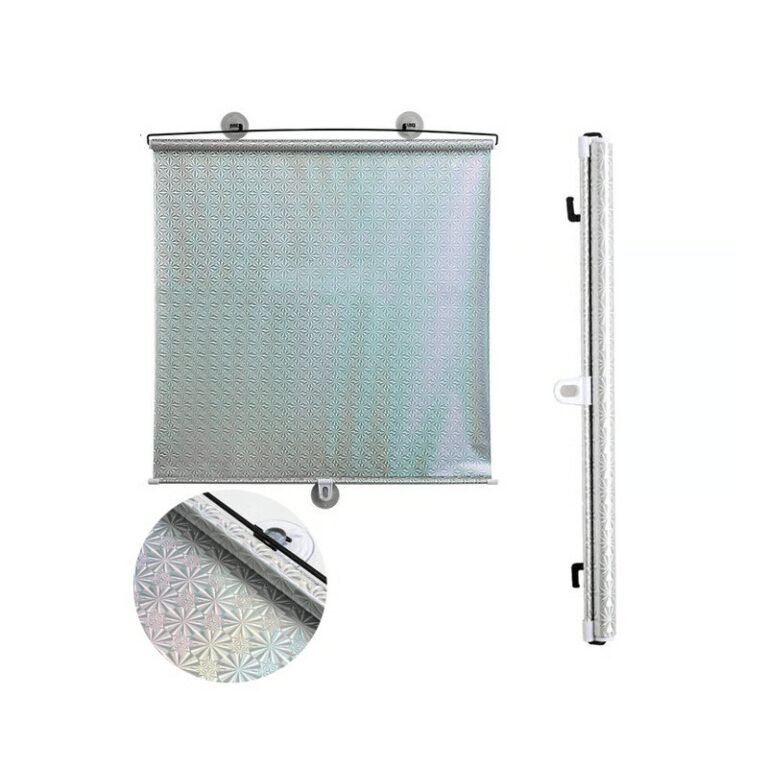 Aisha's pickWindow Blinds for Bedroom Picked From the Stores We Trust

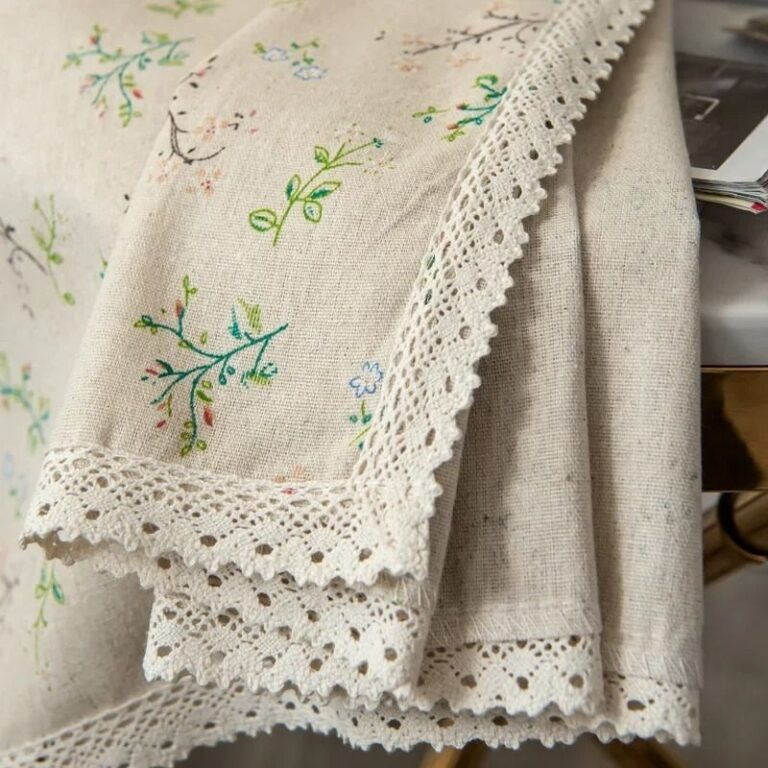 Aisha's pickBlackout Curtains for Bedroom That Feel as Good as They Look

 Aisha's pickWindow Curtains for Bedroom That Hold Up to Everyday Life
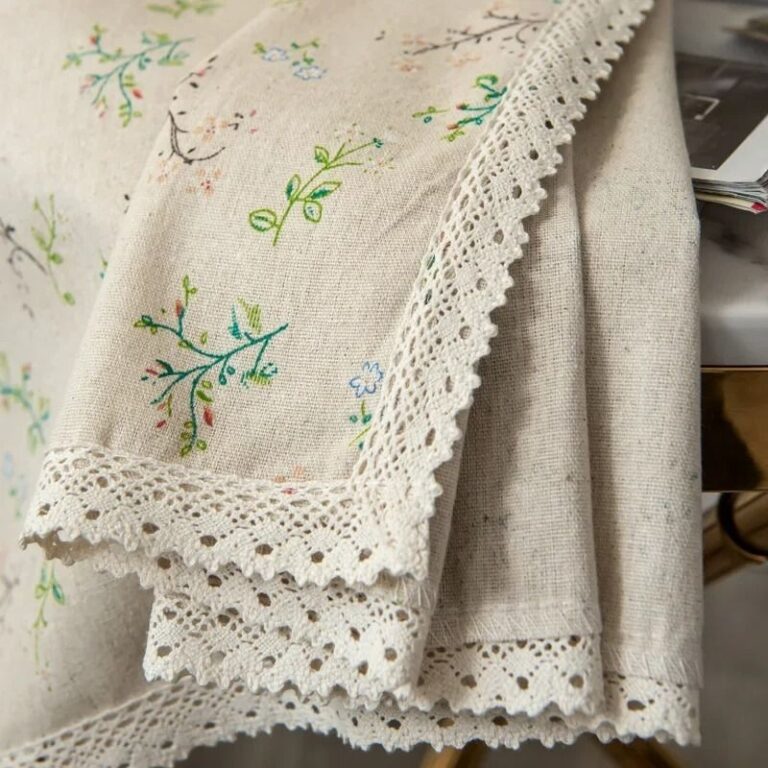
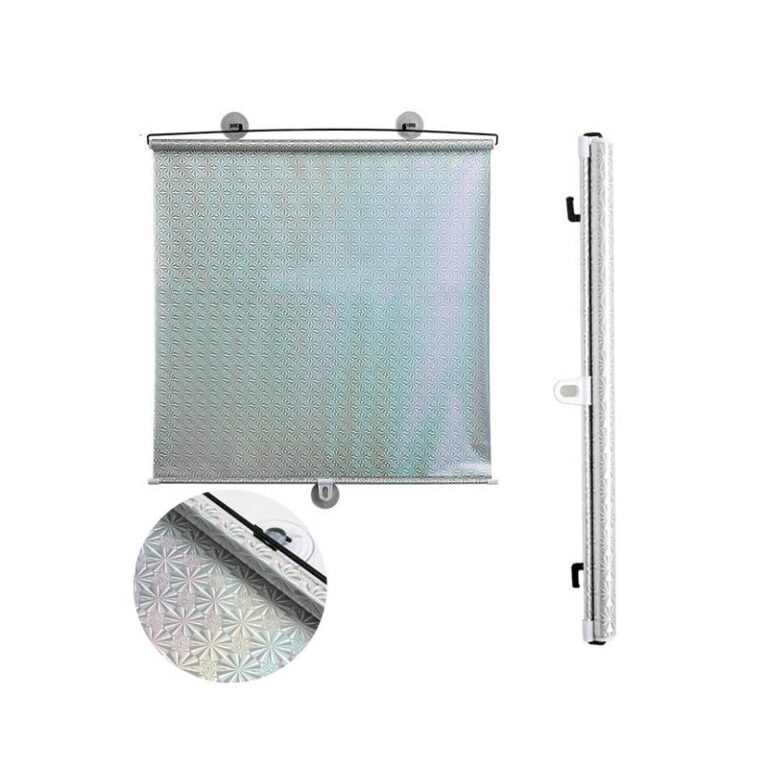 Aisha's pickBlinds for Bedroom That Don’t Shout About ItAlso worth a lookBlindsFor years I bought blinds the way I buy produce, whatever was closest to the door, no real thought to it.See the collections →

 Aisha's pickBlue Bedroom Curtains That Survive Kids and Pets
 Aisha's pickCurtains for Bedroom That Make Small Changes Feel Big
 Aisha's pickGreen Bedroom Curtains That Don’t Pill

 Aisha's pickLiving Room Blinds for Bedroom That Don’t Pill