The thing that matters most with strip lights is the chip density and how it's measured, because the cheap ones skimp on LEDs per meter and you end up with visible dots and dark gaps instead of one even line of light. Look for something describing LEDs per meter rather than just total LEDs on the roll, and go for a higher count if you're running it somewhere you'll actually look at it, like under a cabinet, rather than somewhere it's just bouncing light off a ceiling.
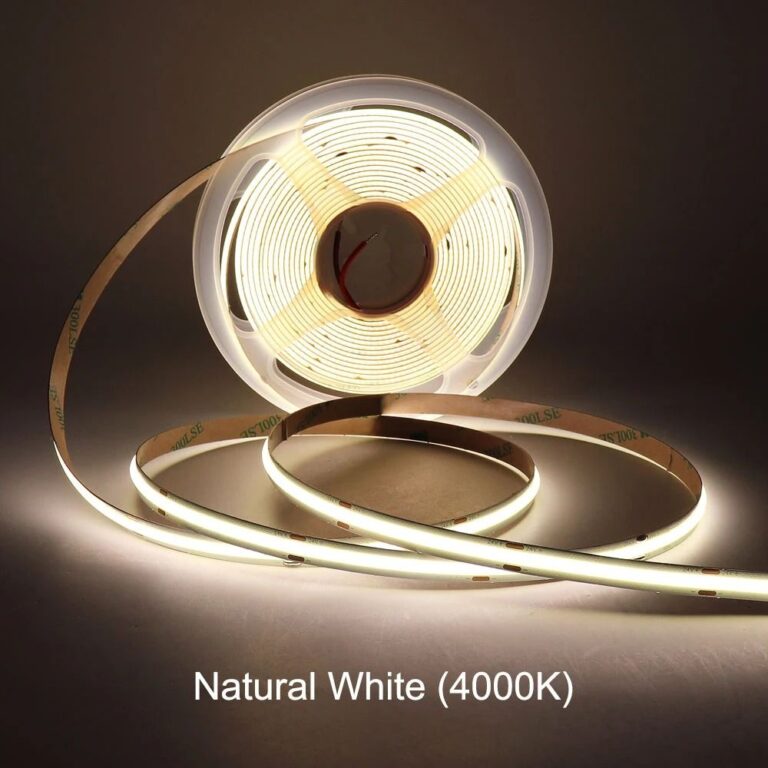
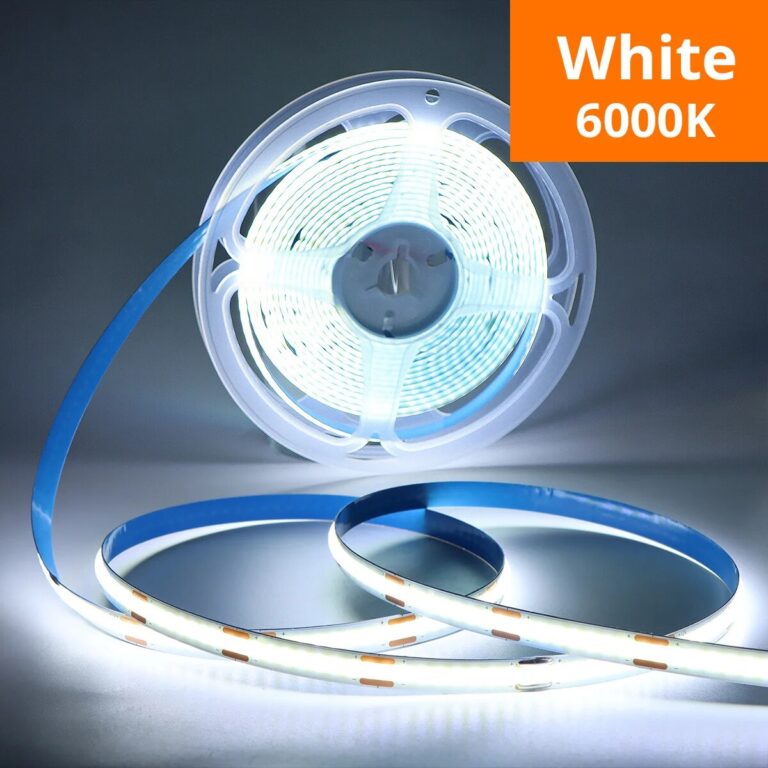
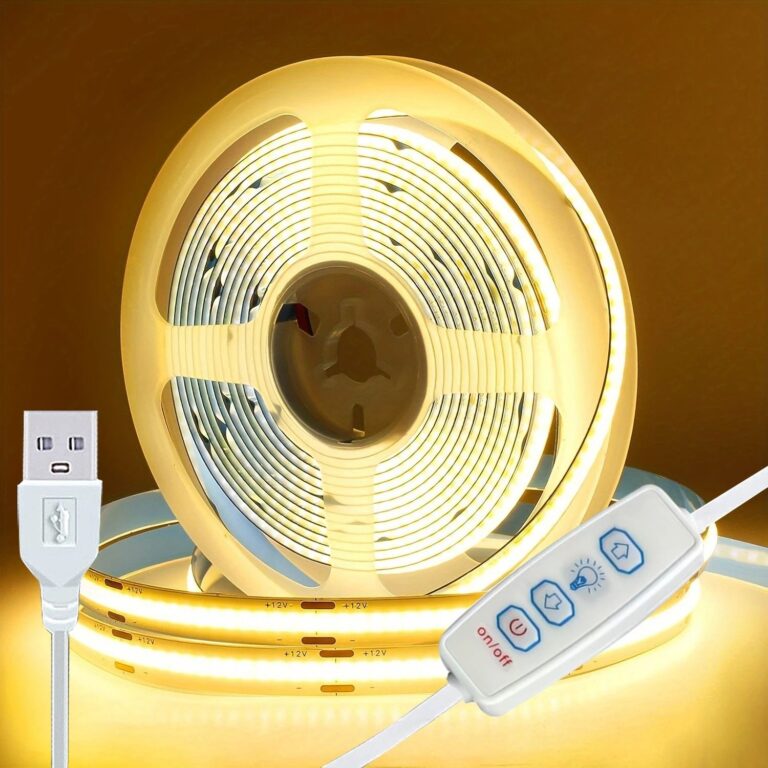
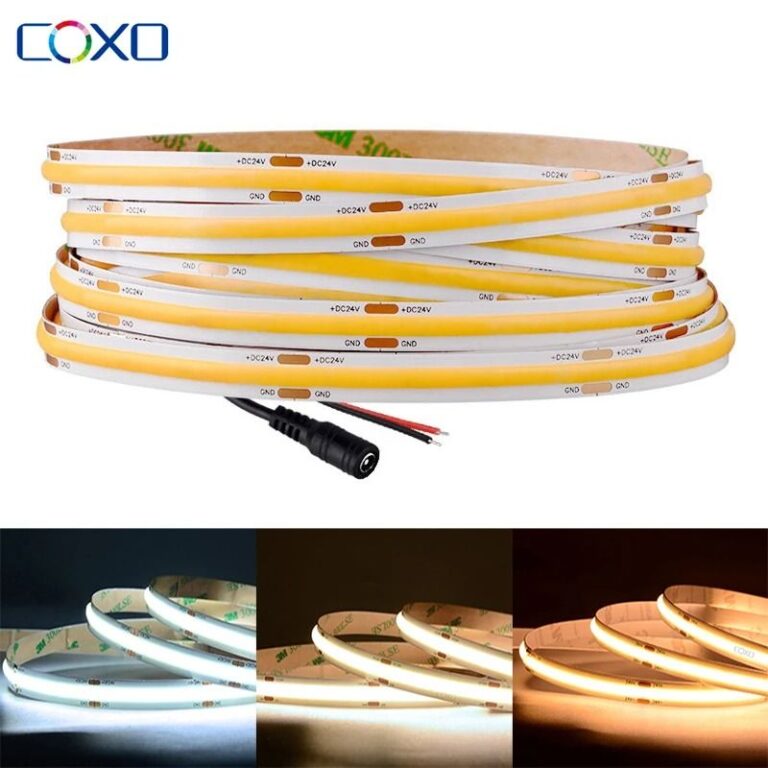
Color temperature is where most people get burned. A strip that reads "warm white" can still skew slightly green or slightly pink depending on the chip, and you won't notice until it's next to a lamp you already own and the two don't match at all. If you can, buy from somewhere with a return window and test it against your existing lighting before committing to a whole run. For most ordinary rooms, something in the warm white to soft white range sits easiest, the very cool, bluish white reads clinical fast, more office supply closet than living room. If you want color changing, fine, but think about whether you'll actually cycle through purple and green on a Tuesday or whether you'll leave it on one warm setting forever, which is what happens in my experience.
Measuring matters more than people expect, because strip lights are sold by the meter or foot and you need to know not just the length of the run but where the power connector and any corners sit, since most strips lose a little brightness or need a connector piece at sharp turns. Measure the actual surface, not the room, and add a bit of slack rather than cutting it painfully close, because once you cut a strip at the marked line there's no undoing it. The mistake I see constantly is buying one continuous length for a kitchen that has three separate runs around corners and obstacles, then being short by eighteen inches with no way to extend cleanly without a connector that shows.
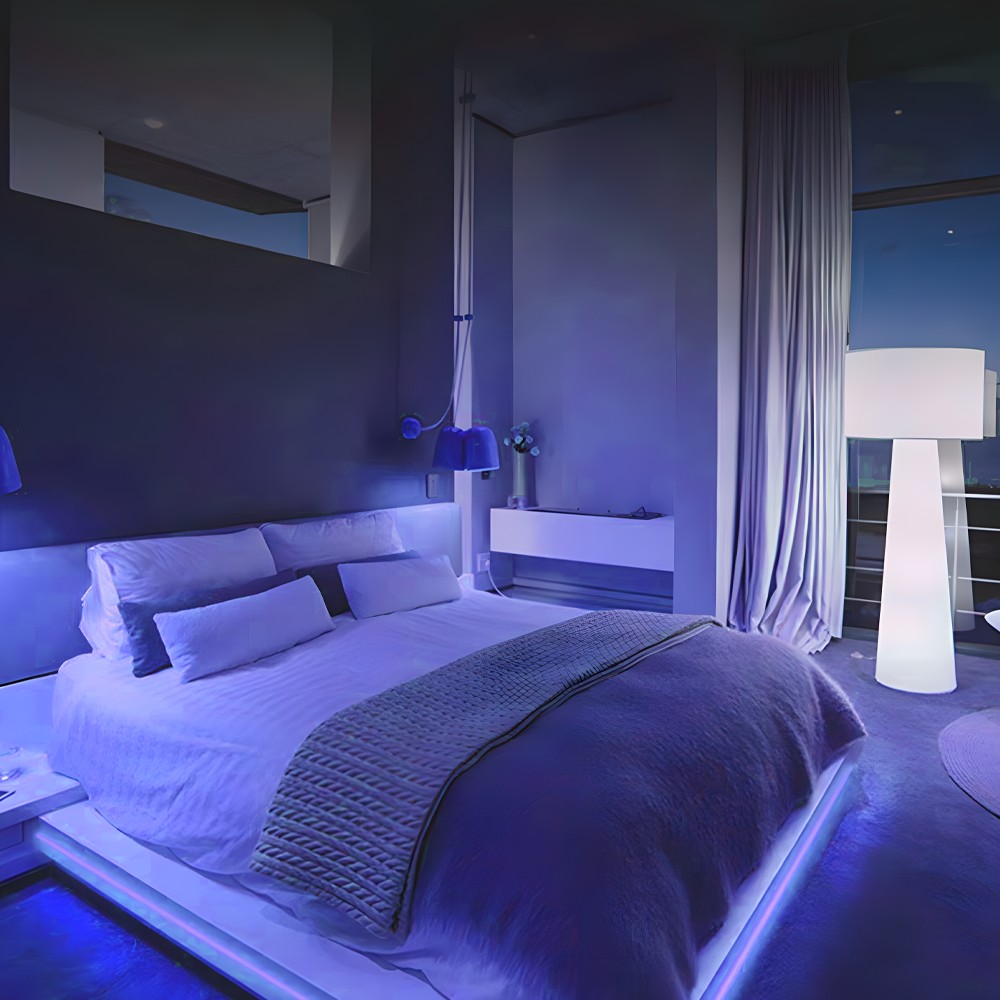
Where they actually earn a place in an ordinary room is anywhere a bulb or fixture physically can't go: under floating shelves, along the top of a wardrobe, under a kitchen cabinet, behind a headboard, down the side of a bathroom mirror. They work as accent light alongside a lamp or overhead fixture, not as a replacement for either, since a strip alone in a dark room throws shadows in strange directions. Stick them somewhere they'll shine onto a surface, a wall or a countertop, rather than straight at eye level.
The one mistake to avoid is sticking the adhesive strip straight onto a wall you rent without checking it comes off clean, because some of them take the paint with them, and a patch of bare wall behind your bed is a worse surprise than any dark gap in the light itself.
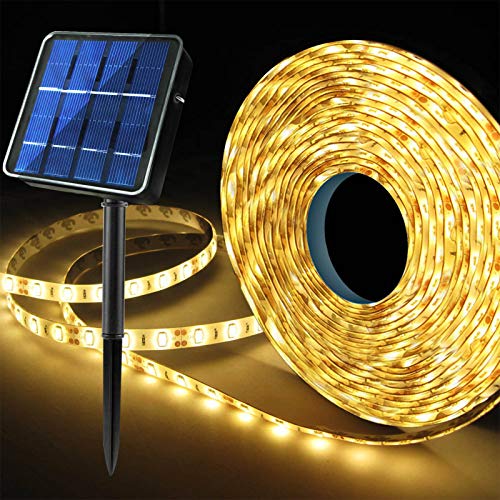 Aisha's pickAdjustable LED Strip Lights From Stores Big and Small
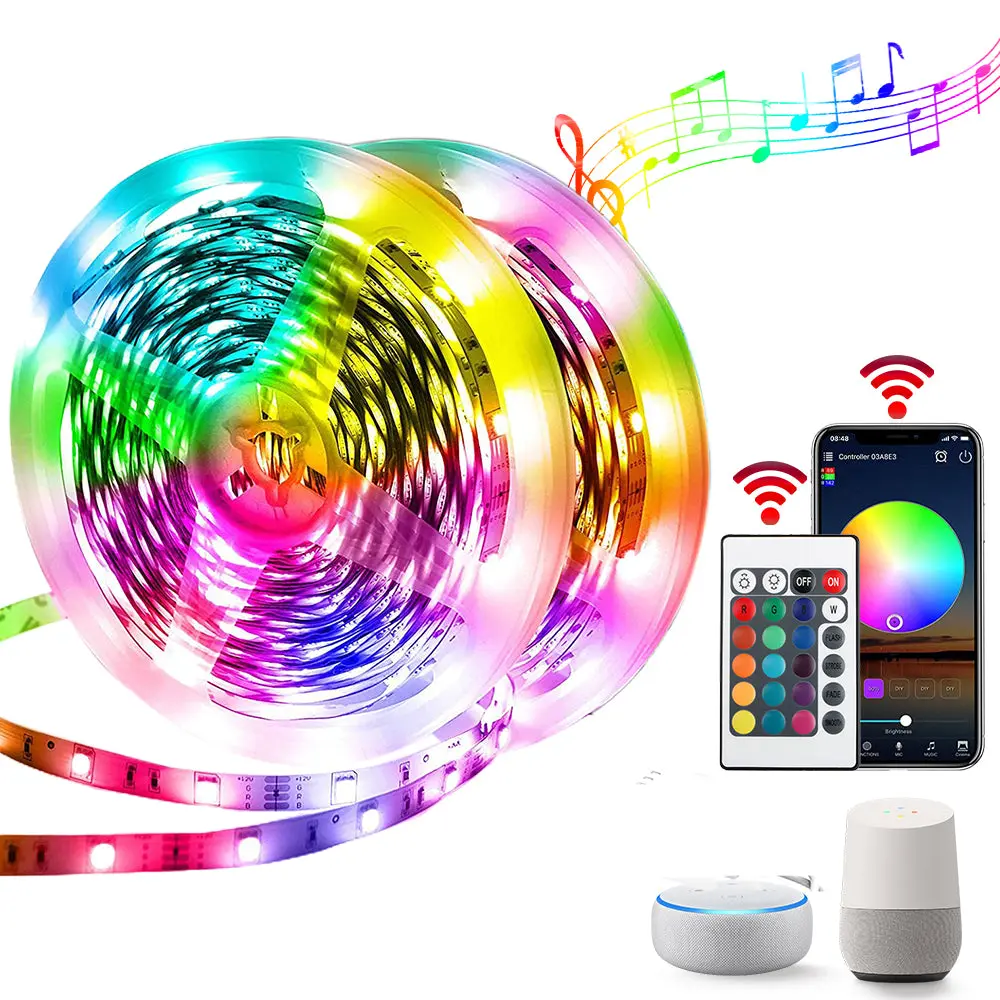
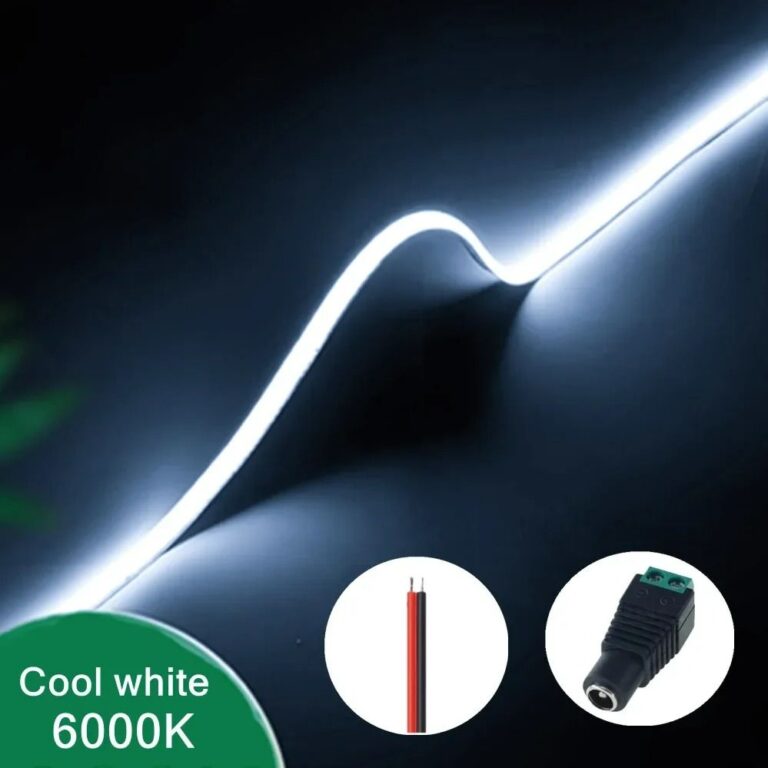 Aisha's pickWhite LED Strip Lights for Cozy Nights In
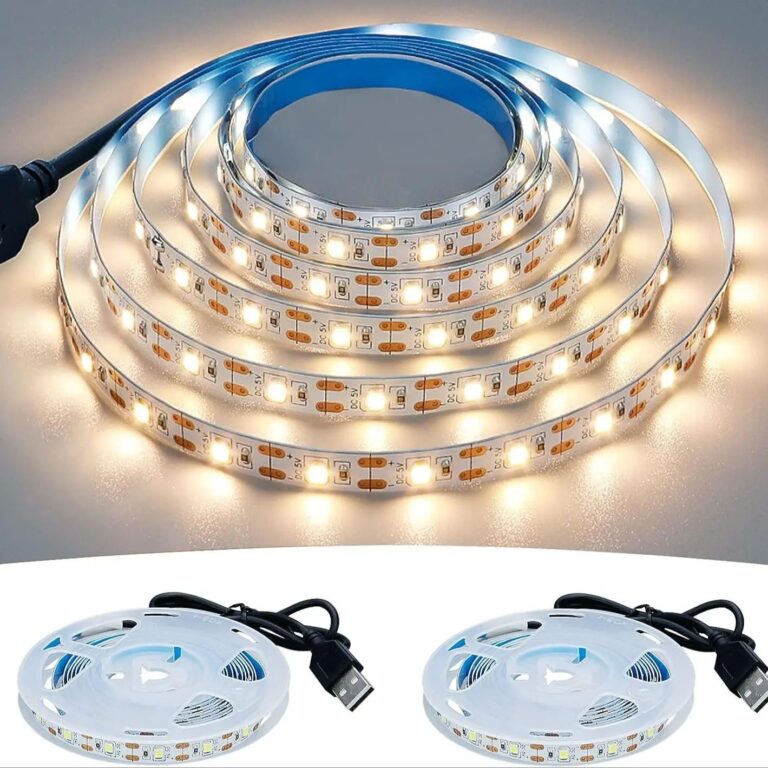
 Aisha's pickBlack LED Strip Lights Bright Enough Without the Glare
 Aisha's pickThe Black LED Strip Lights Worth Your Cash

 Aisha's pickLED Strip Lights That Work in Old Houses and New Ones
 Aisha's pickLED Strip Lights with Remote That Fit Into Real Life

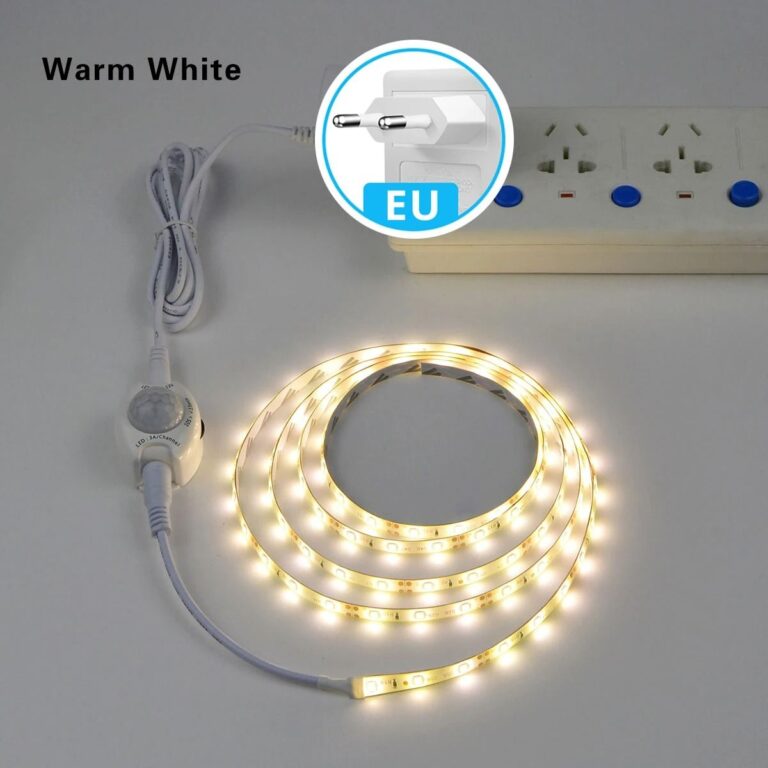 Aisha's pickLED Strip Lights for Reading, Relaxing or Both

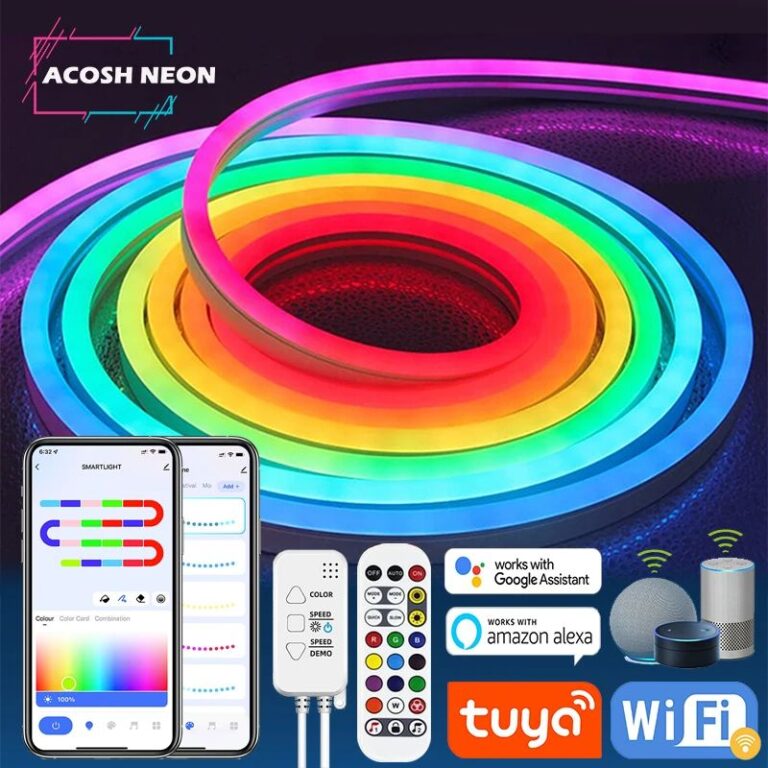 Aisha's pickLED Strip Lights with Remote That Change the Feel of a Room

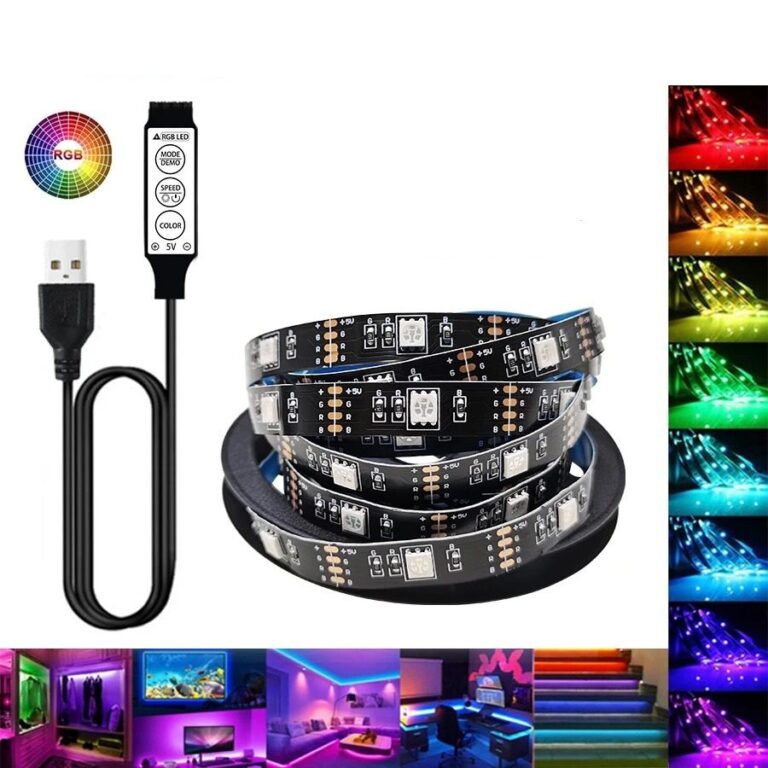 Aisha's pickNo Fuss RGB LED Strip LightsAlso worth a lookWall LightsWall lights are the fixture everyone skips and shouldn't.See the collections →
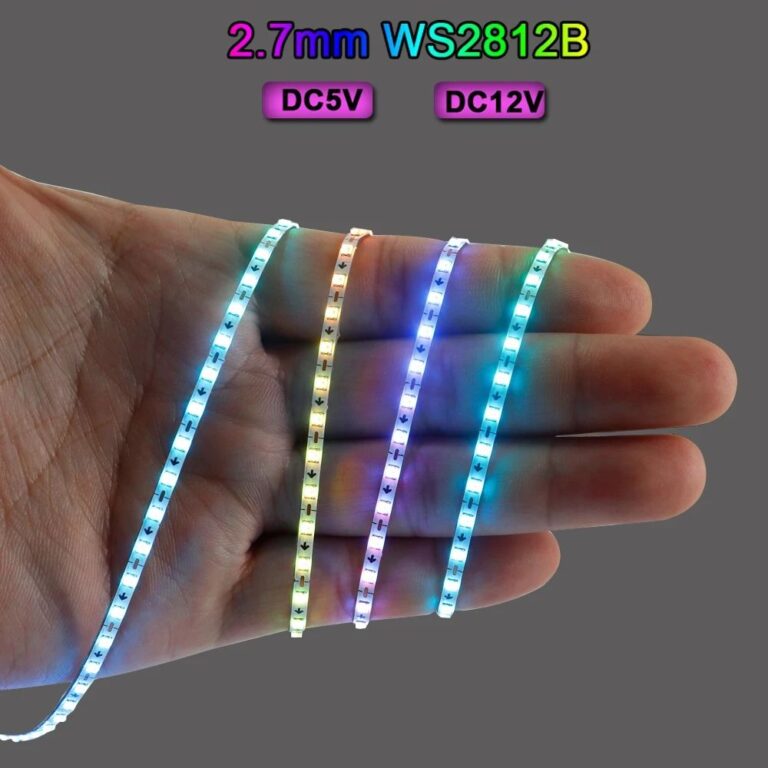
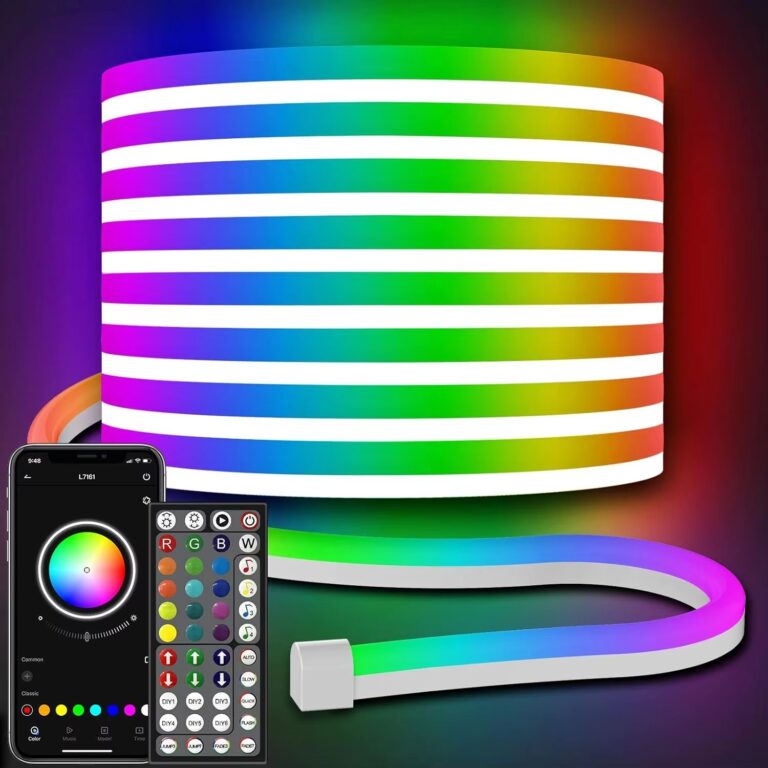 Aisha's pickRGB LED Strip Lights You Won’t Regret Buying
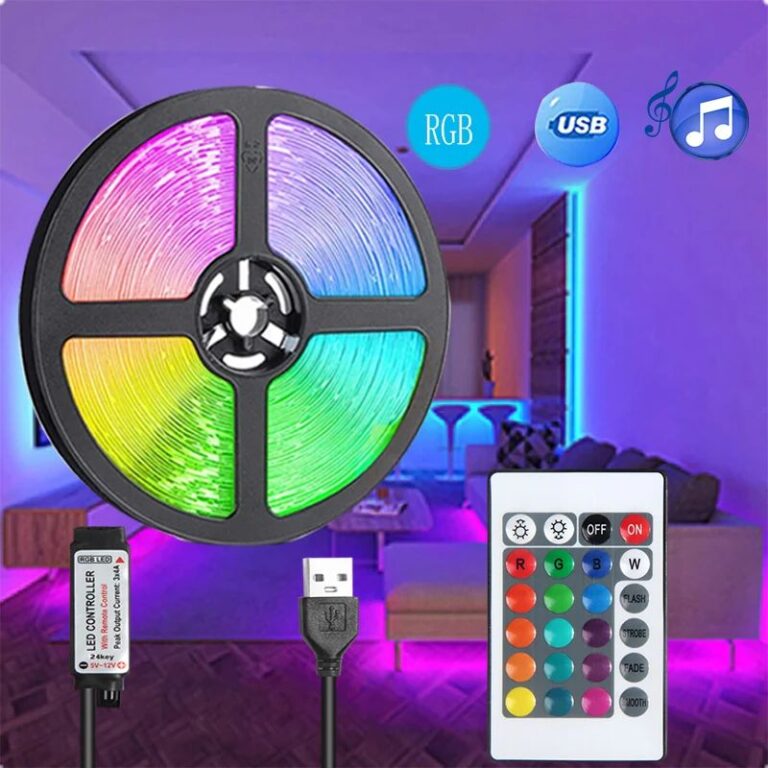
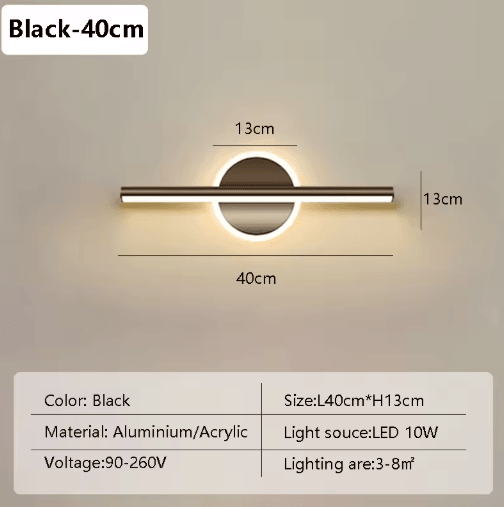 Aisha's pickSmart LED Strip Lights for When the Old Ones Give Up
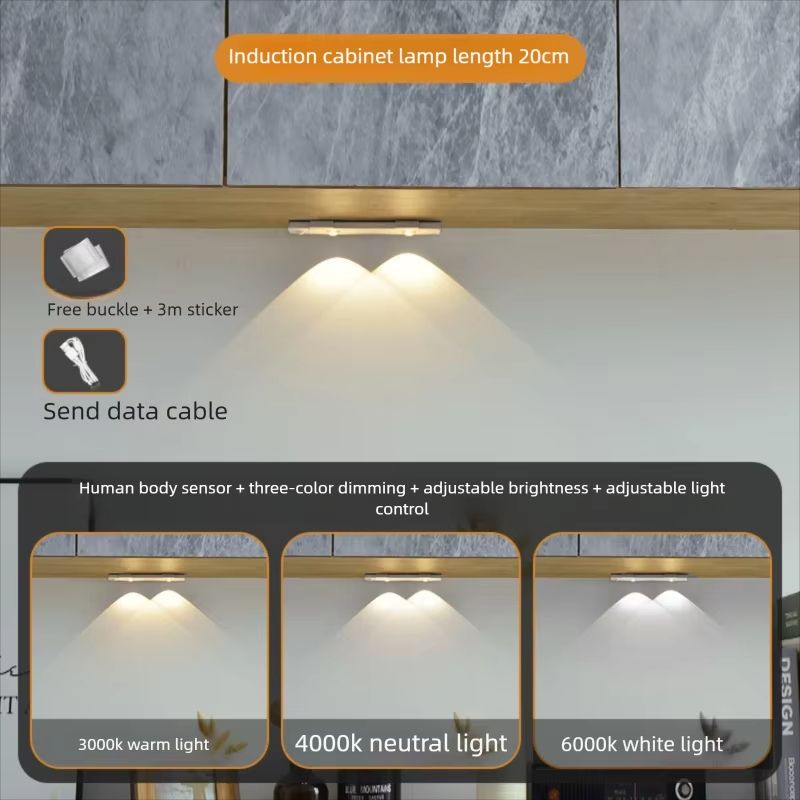
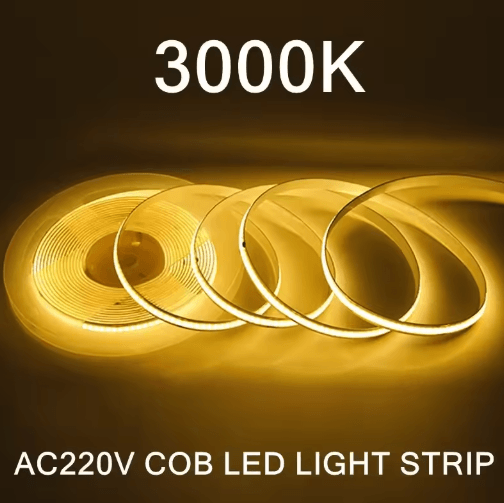 Aisha's pickSmart LED Strip Lights You Won’t Regret Buying
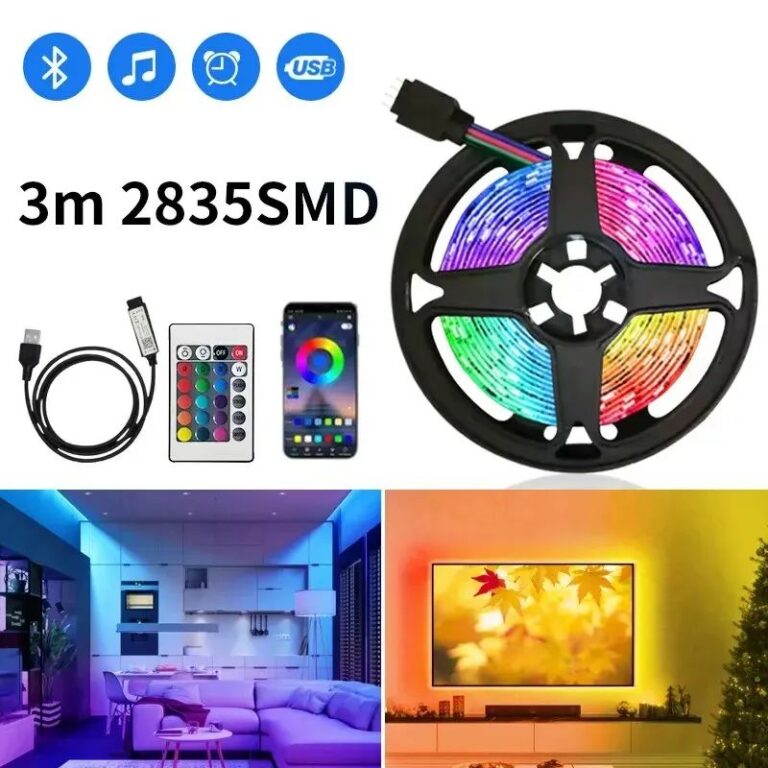
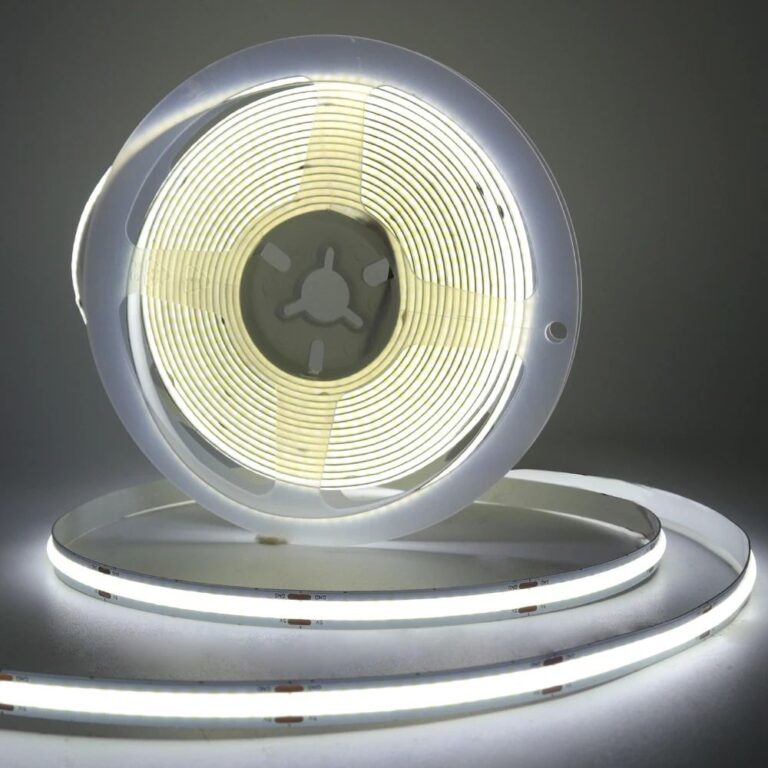 Aisha's pickWarm White LED Strip Lights Bright Enough Without the Glare
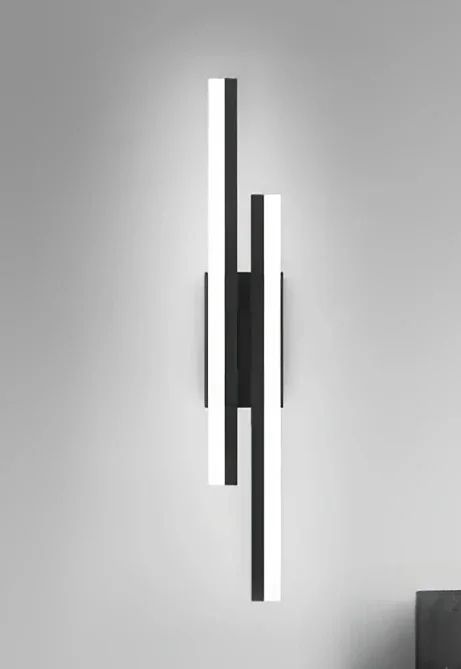
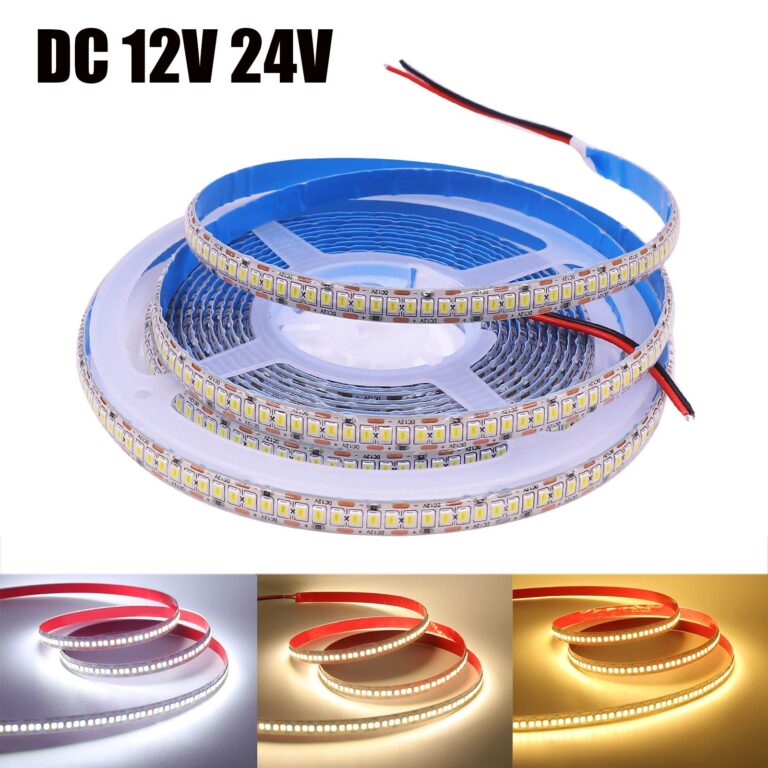 Aisha's pickShopping for Warm White LED Strip Lights? Start Here
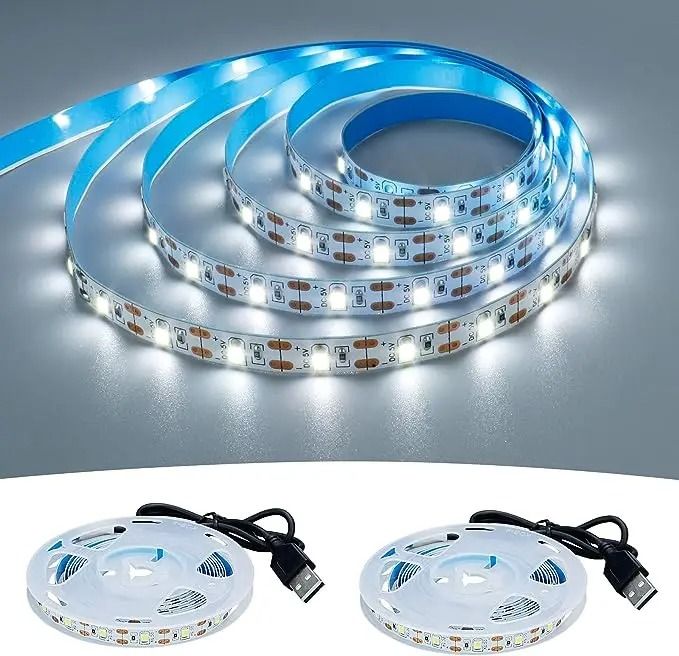
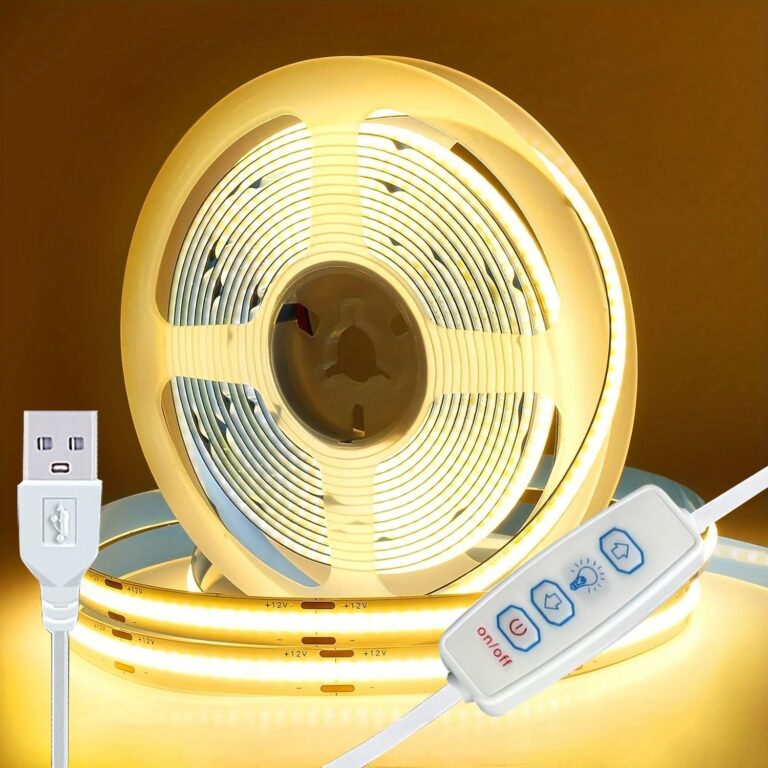 Aisha's pick5m LED Strip Lights for Reading, Relaxing or Both

 Aisha's pickSimple Waterproof LED Strip Lights Done Well
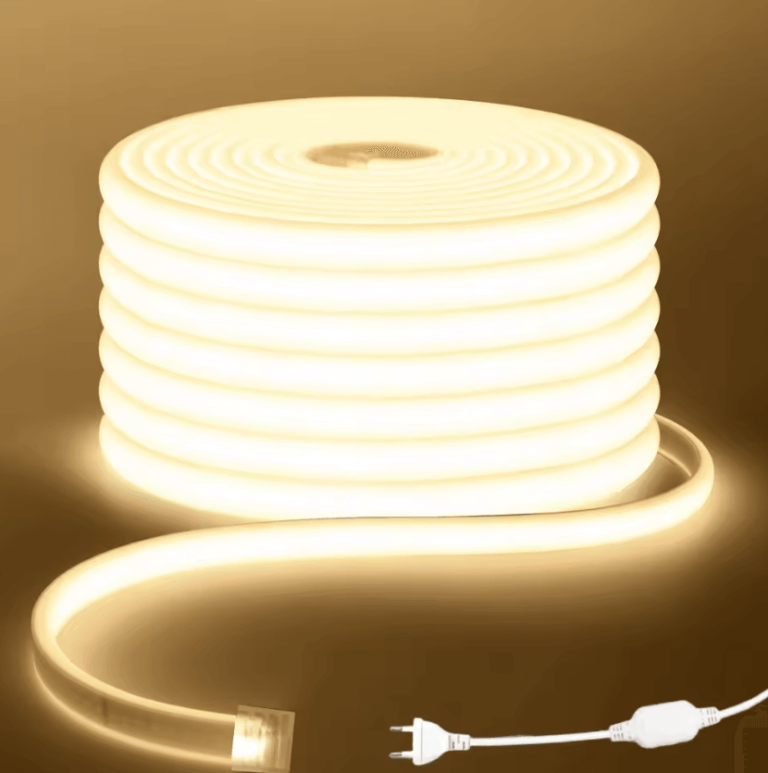
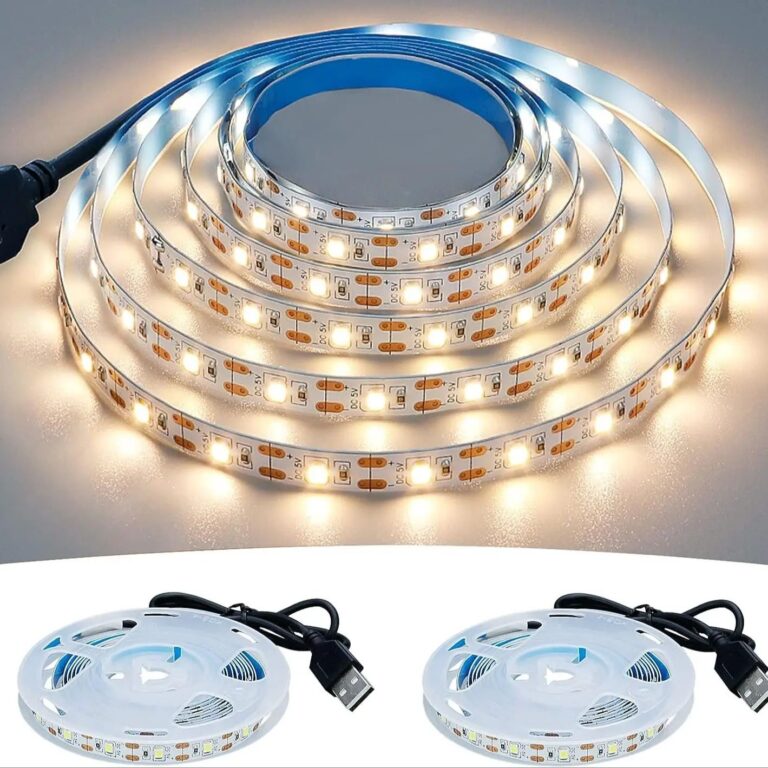 Aisha's pick5m LED Strip Lights That Don’t Shout About It

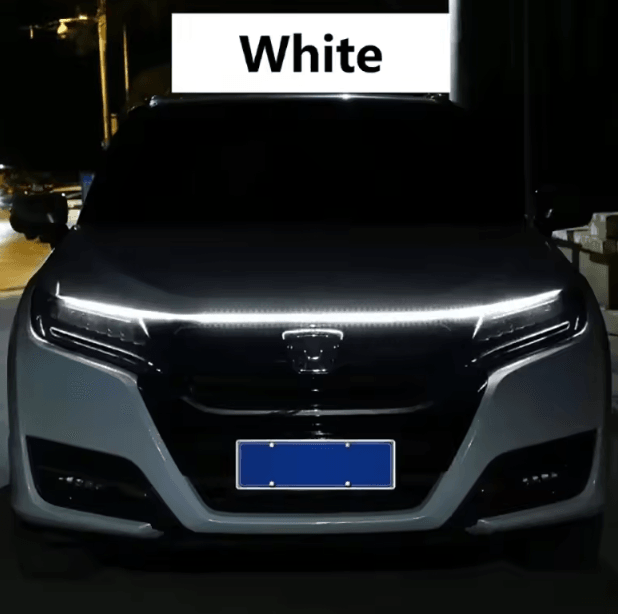 Aisha's pickWaterproof LED Strip Lights That Give Off a Warm GlowAlso worth a lookBlack LightsThe thing nobody mentions about black light fixtures is how differently they read once the sun goes down…See the collections →
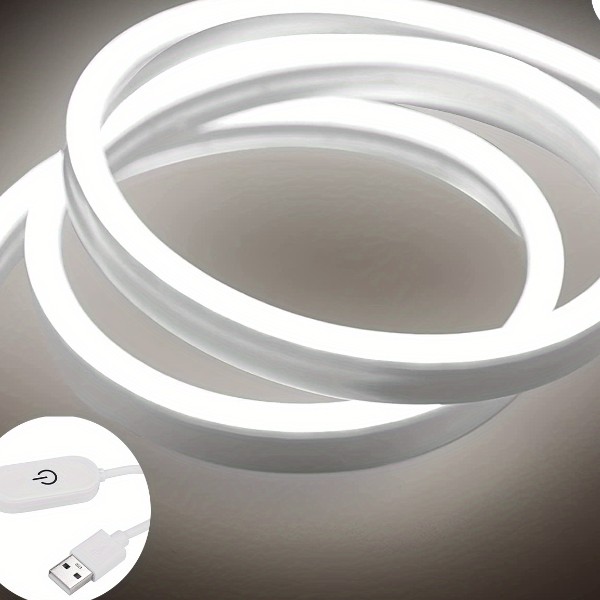
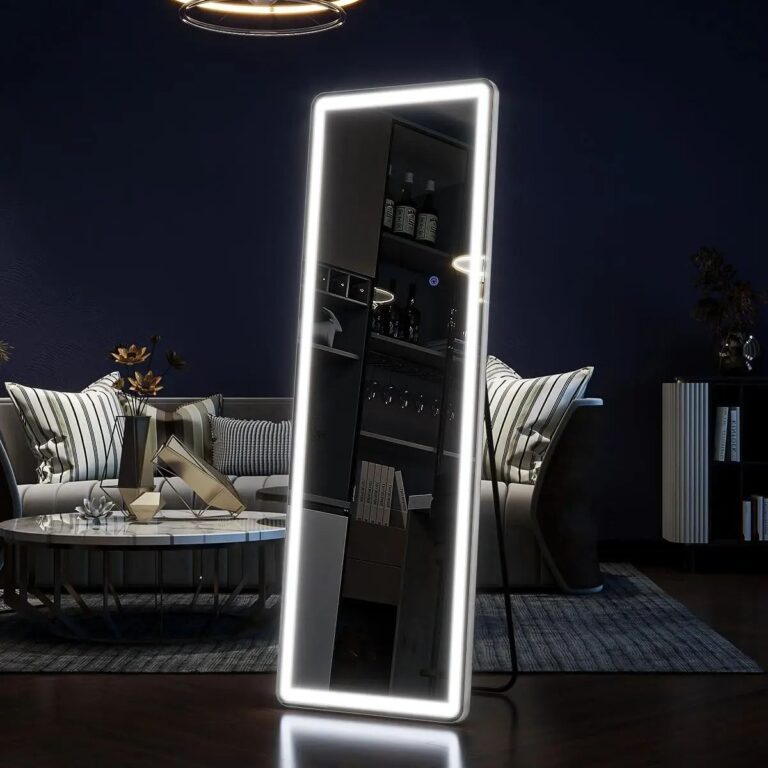 Aisha's pickAdjustable LED Strip Lights That Make Rented Places Feel Like Home