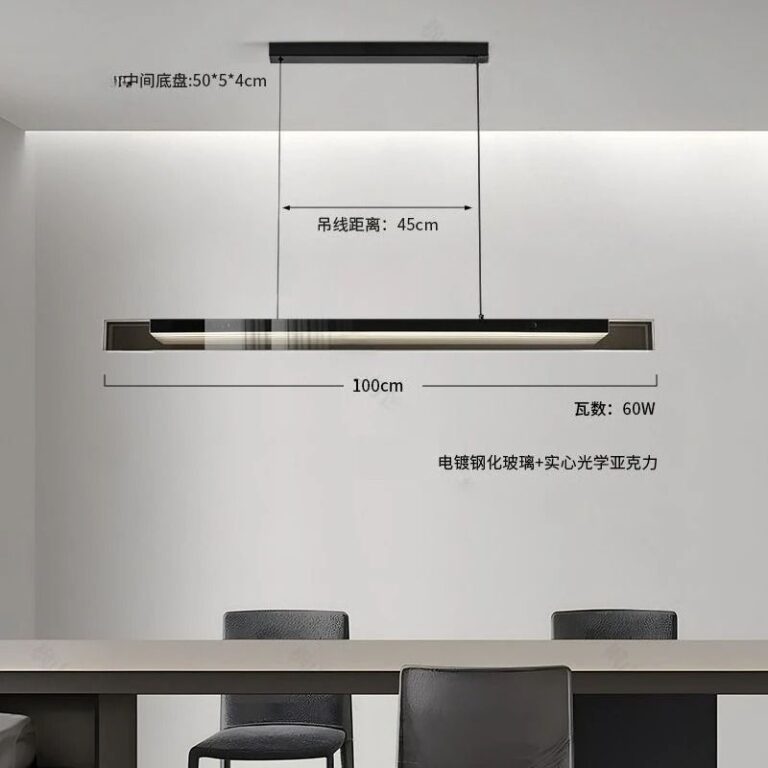
Most people buy island lights the way they buy curtains, by staring at a picture online and guessing. They pick three pendants because the kitchen island is long, hang them dead center, and end up with light pooling in three bright circles and shadow everywhere else, including right where you actually chop vegetables. The spacing and the drop matter more than the fixture itself, and almost nobody gets handed that information before they order.
The difference between a pendant that lasts and one that looks tired by year two usually comes down to what you can't see from below. Check the canopy where it meets the ceiling, the wiring should be properly insulated and not pinched where it exits the fixture, and the finish should be baked or powder coated rather than painted on thin, because a painted finish chips the first time a cord gets knocked during a bulb change. Glass shades should sit in a proper lip or threaded collar, not glued, and metal shades want some actual weight to them. A light fixture with hollow, tinny arms that flex when you touch them is telling you something about the rest of its build too.
These earn their keep over an island specifically because that's the one spot in an ordinary kitchen that gets used at every hour, morning coffee in flat gray light, afternoon sun bouncing off the counter, then the only light on at ten at night when someone's eating cereal standing up. A warmer toned shade, amber glass or a brass finish, softens that late hours glow nicely. In an open plan kitchen they also do a quiet job of marking out "this is the kitchen part" without a wall doing it for you.
Where they fall short is anywhere with low ceilings, under about eight feet you're better off with flush or semi flush fixtures, because a hanging pendant at head height just means someone's fiancé walks into it eventually. They're also the wrong call over a small galley counter with no real island, that's trying to force a feature where there isn't room for one. And if your kitchen already has a strong architectural moment, exposed beams, a big window, elaborate tile, adding three statement pendants on top is just noise competing with noise.
In most kitchens they sit well against open shelving, a plain tile backsplash, and stools with some warmth to them, wood or leather rather than chrome, so the whole thing doesn't read as one long cold surface.
If I were hanging a new set tomorrow, it'd be over the kitchen island, obviously, but the one I'd actually get right first is the spacing.
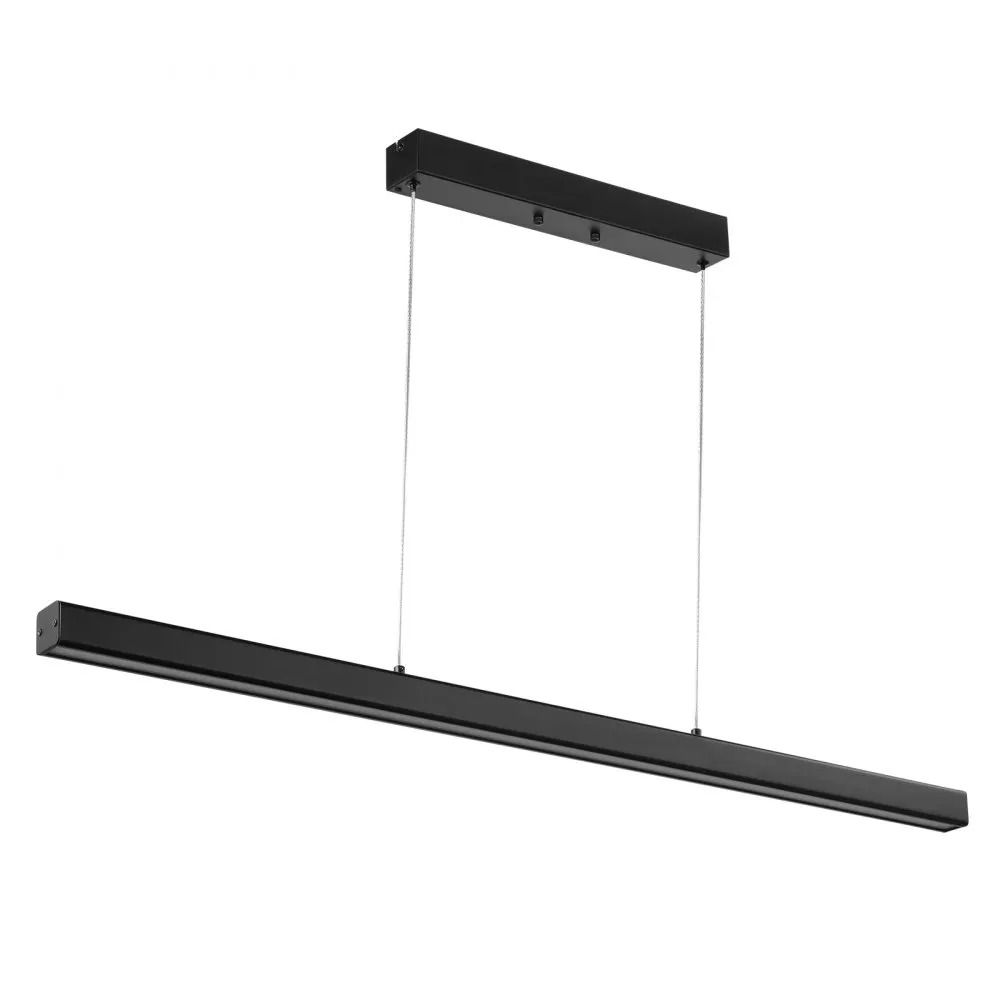 Aisha's pickKitchen Island Lights with Shade That Make Cooking a Bit Nicer
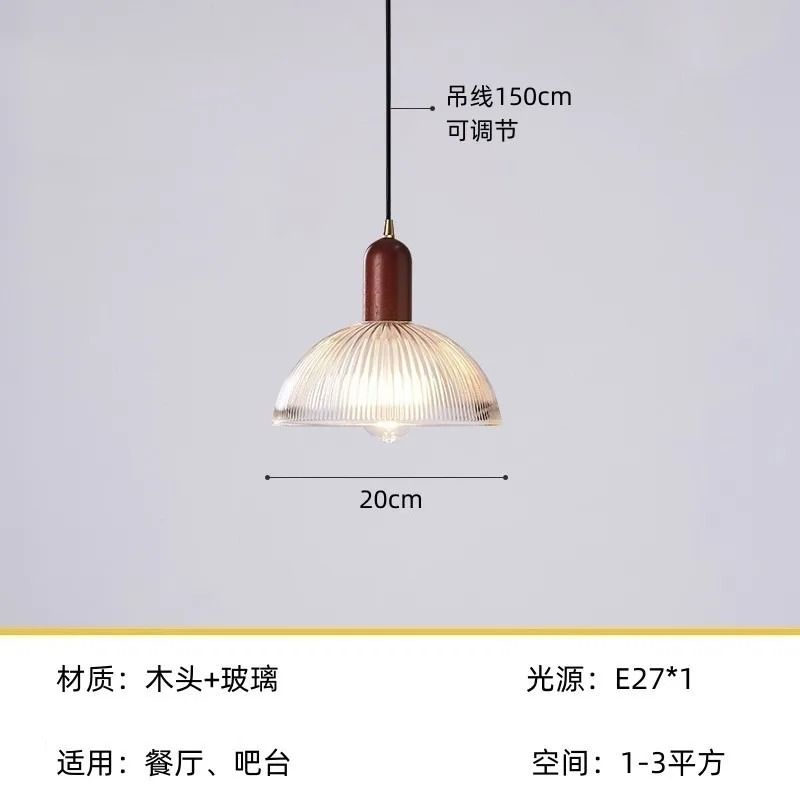
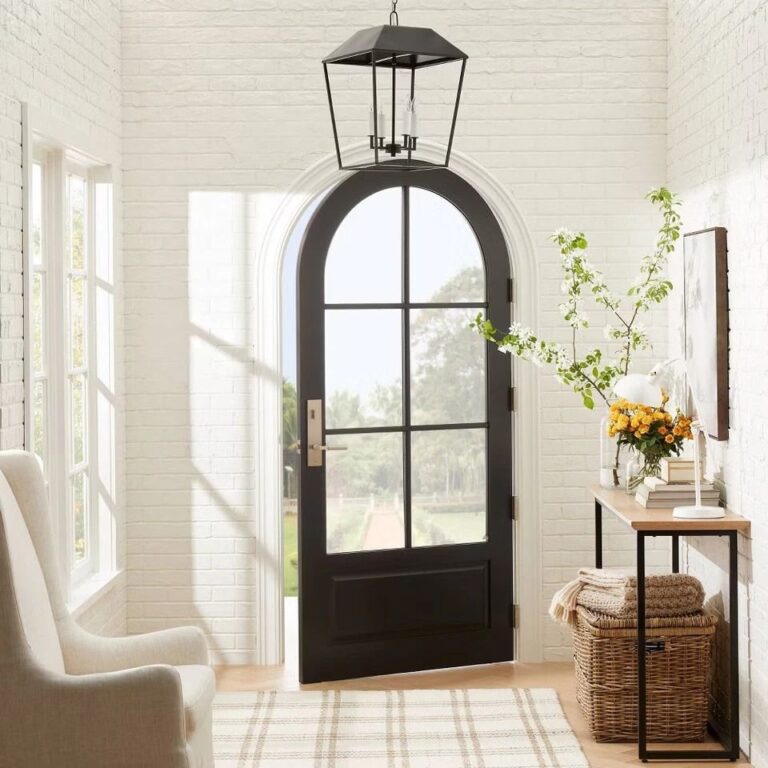 Aisha's pickAdjustable Island Pendant Lights That Won’t Date in a Year
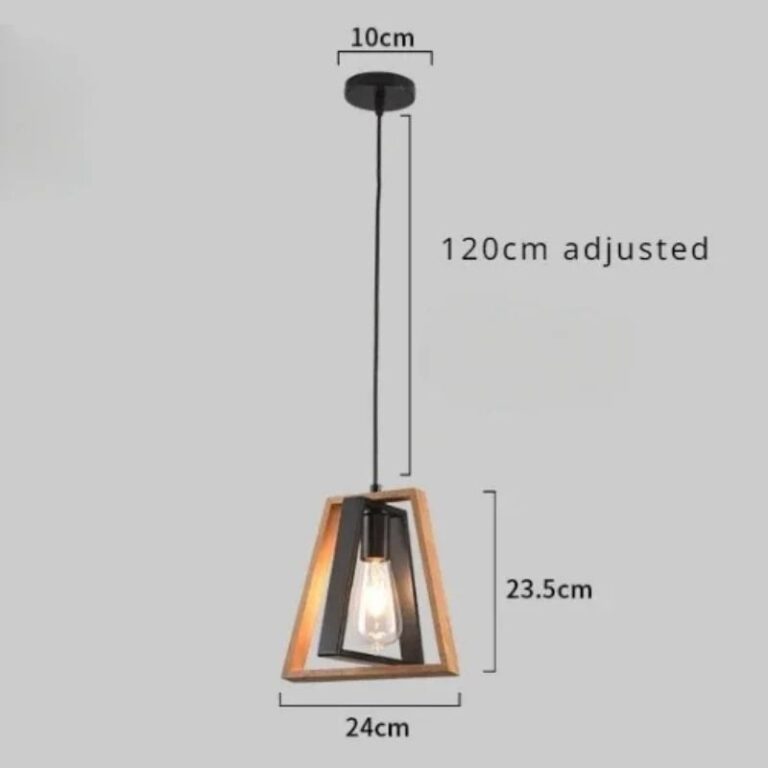
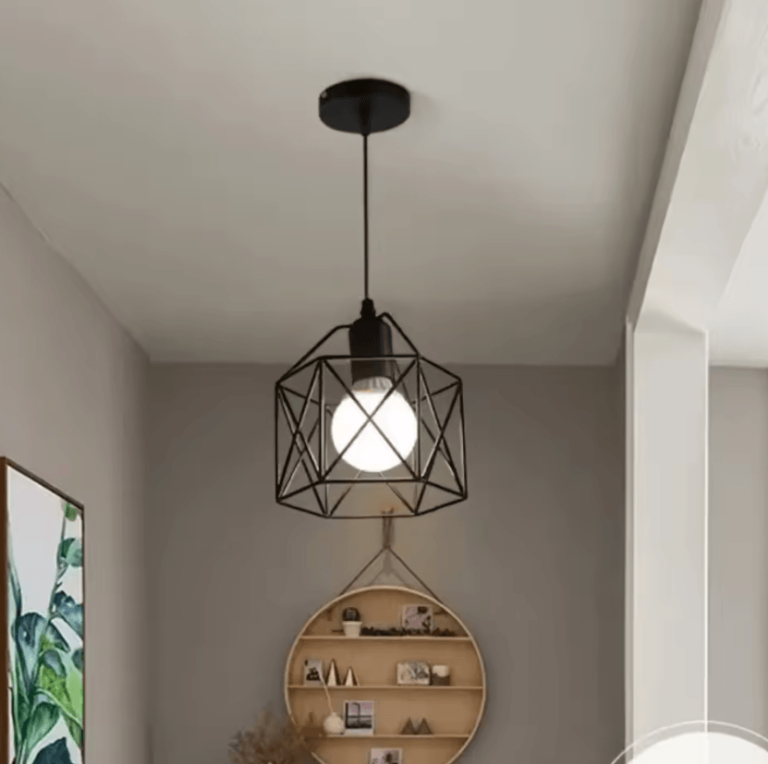 Aisha's pickLED Island Pendant Lights That Look Good Switched Off Too
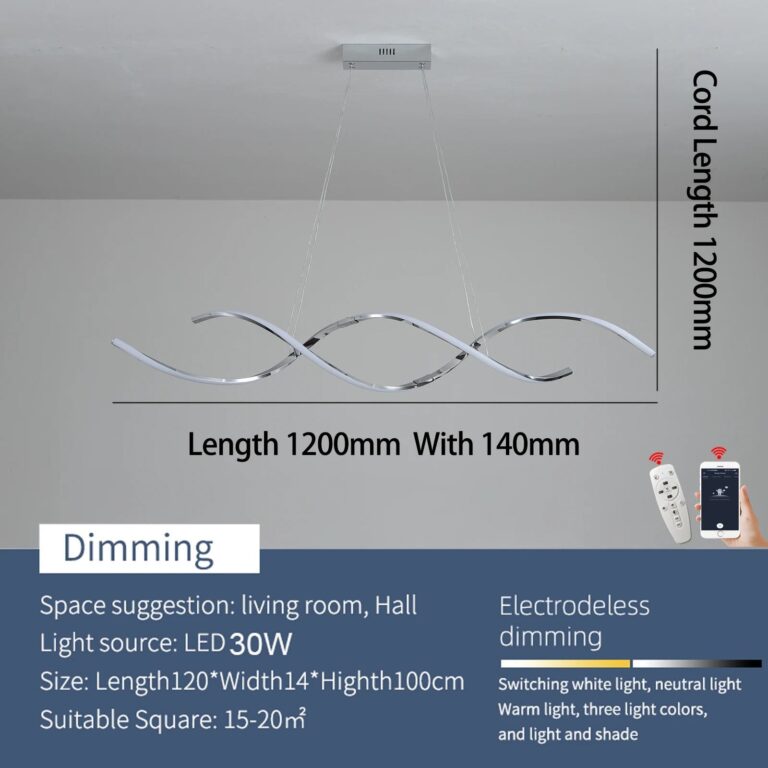
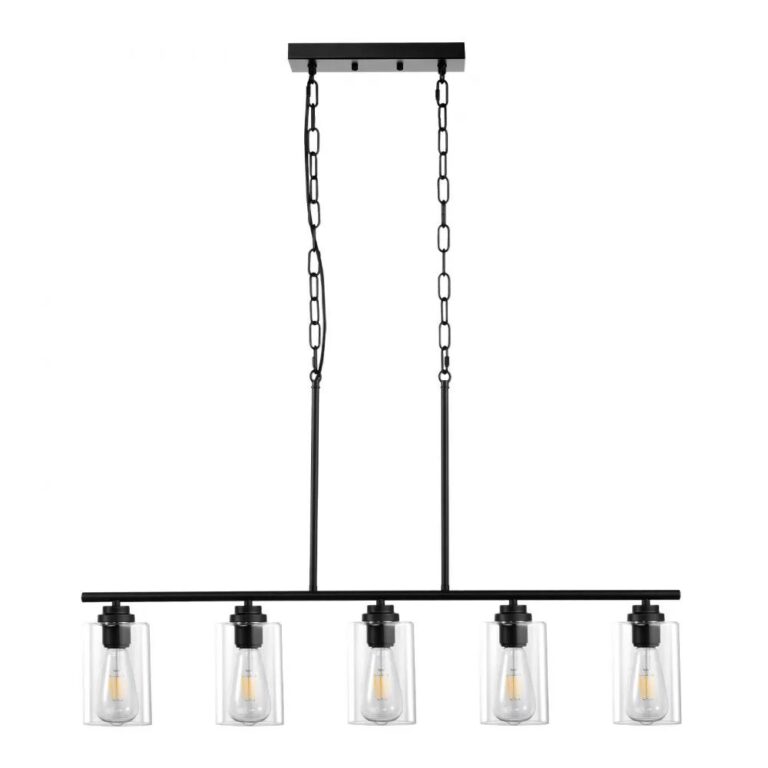 Aisha's pickAdjustable Kitchen Island Lights for Dark Winter Evenings

 Aisha's pickLED Kitchen Island Lights That Don’t Look Mass Produced

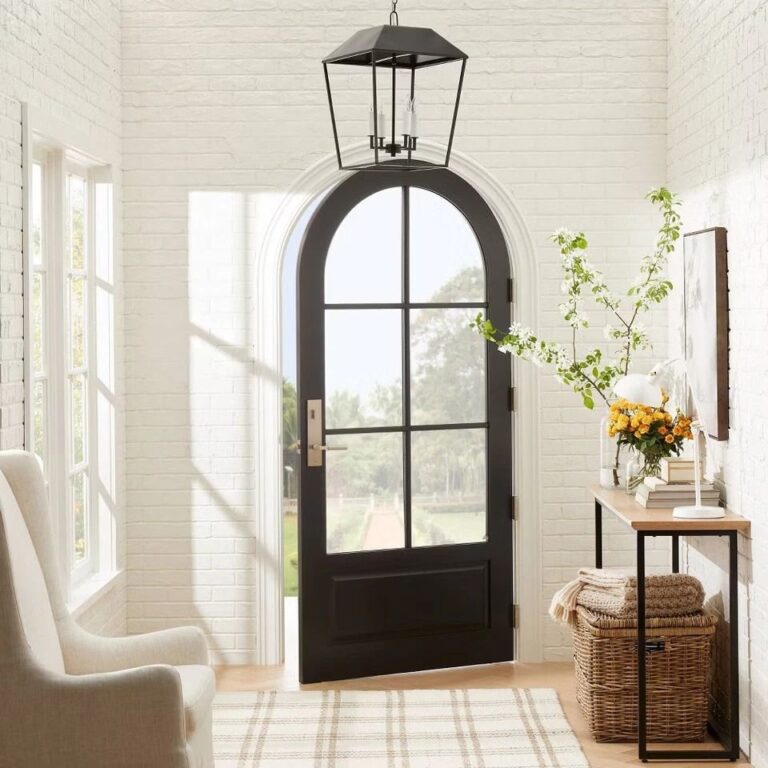 Aisha's pickBlack Island Pendant Lights With Some Character

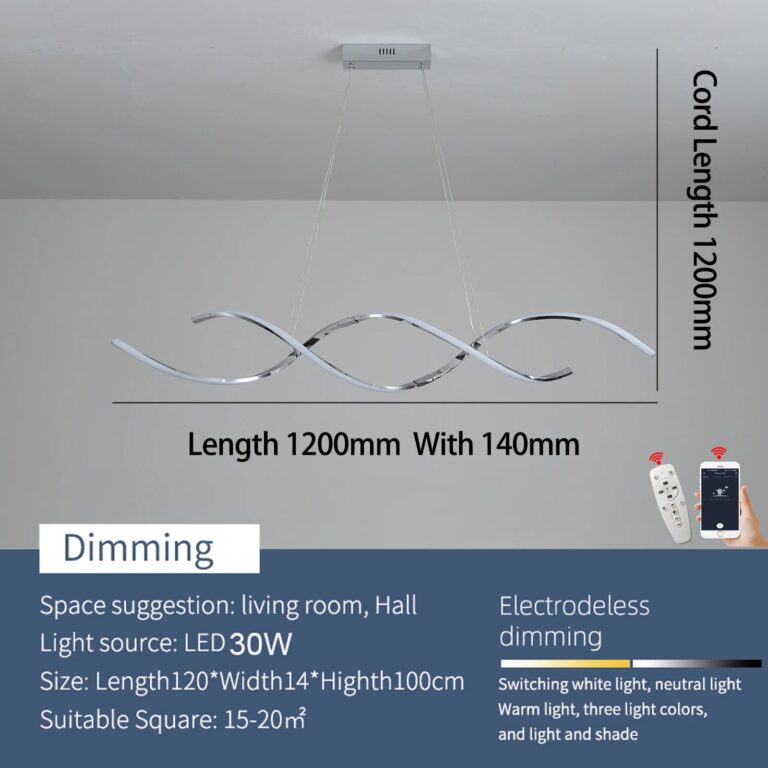 Aisha's pickLinear Kitchen Island Lights That Cope With Steam and Splashes
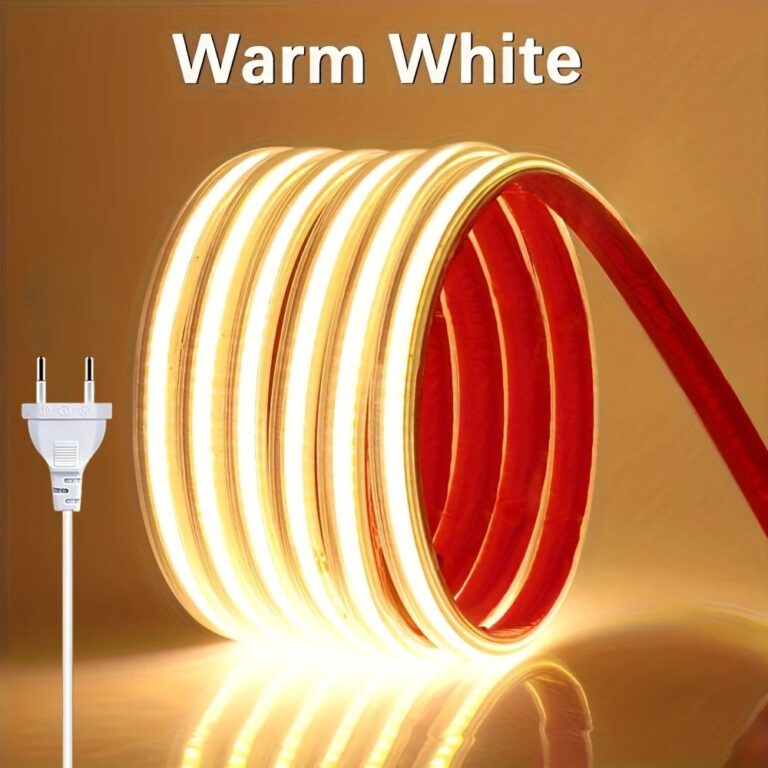
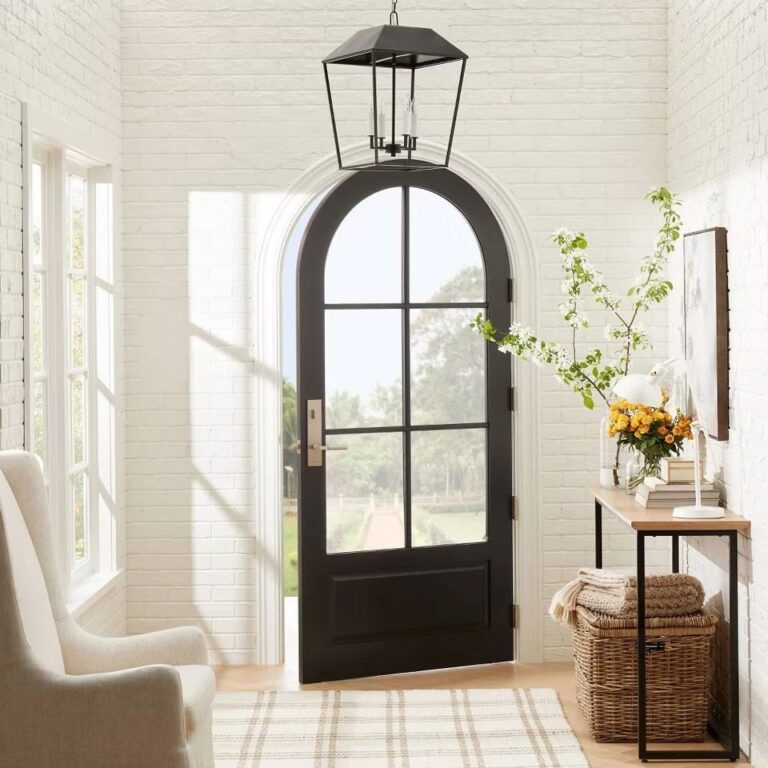 Aisha's pickBlack Kitchen Island Lights for Dark Winter Evenings
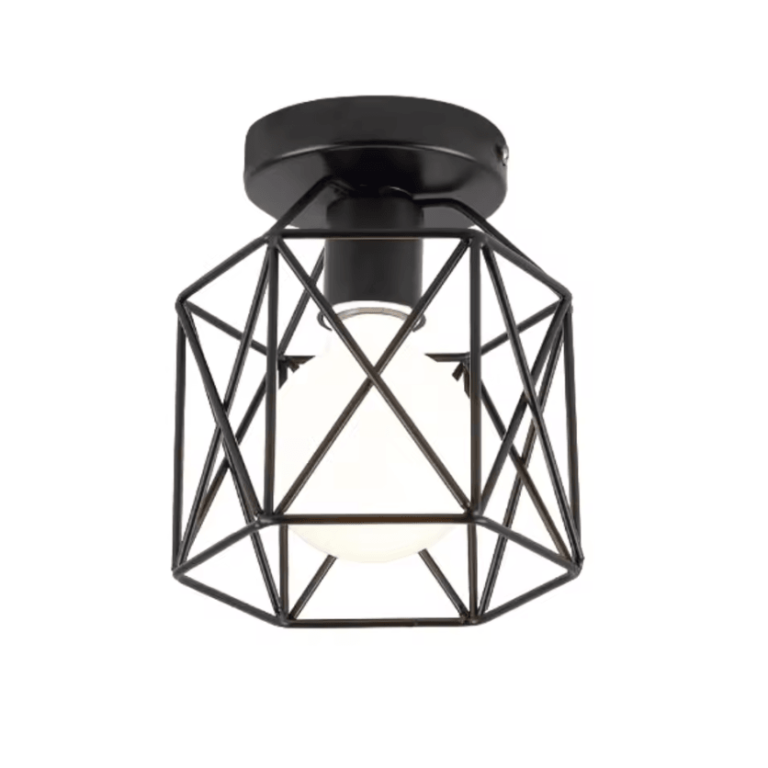
 Aisha's pickMetal Island Pendant Lights That Make Small Changes Feel BigAlso worth a lookWall LightsWall lights are the fixture everyone skips and shouldn't.See the collections →

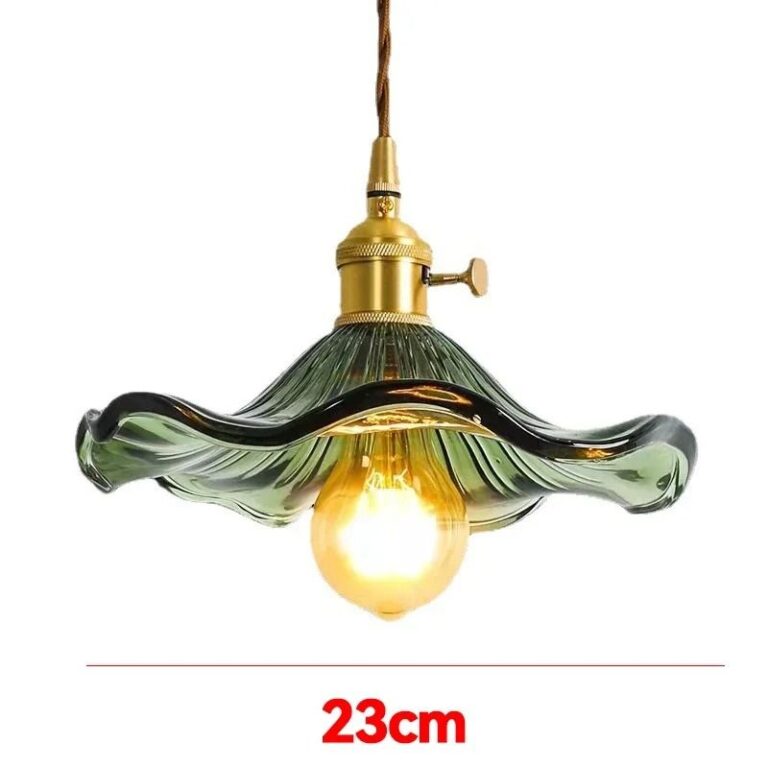 Aisha's pickBrass Island Pendant Lights From Brands You Know and a Few You Won’t
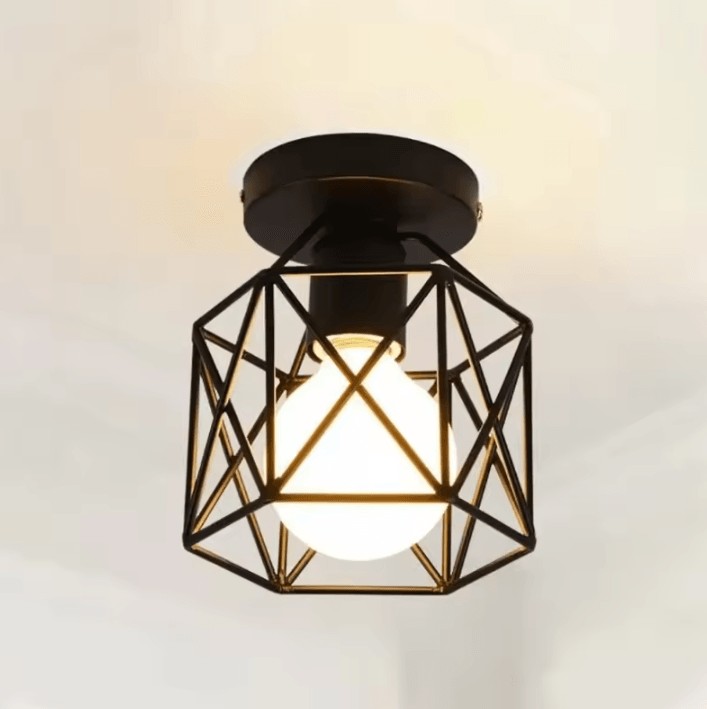 Aisha's pickMetal Kitchen Island Lights That Cope With Steam and Splashes
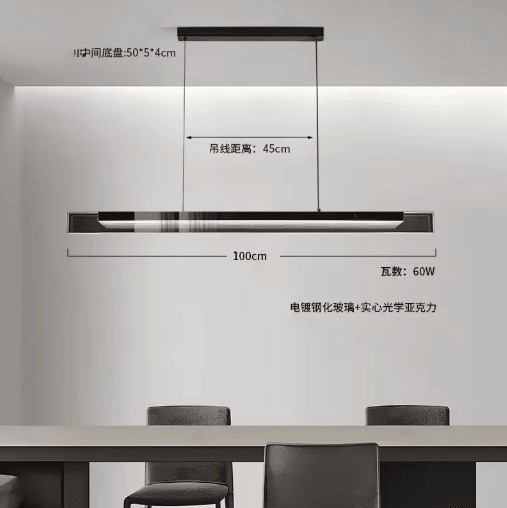
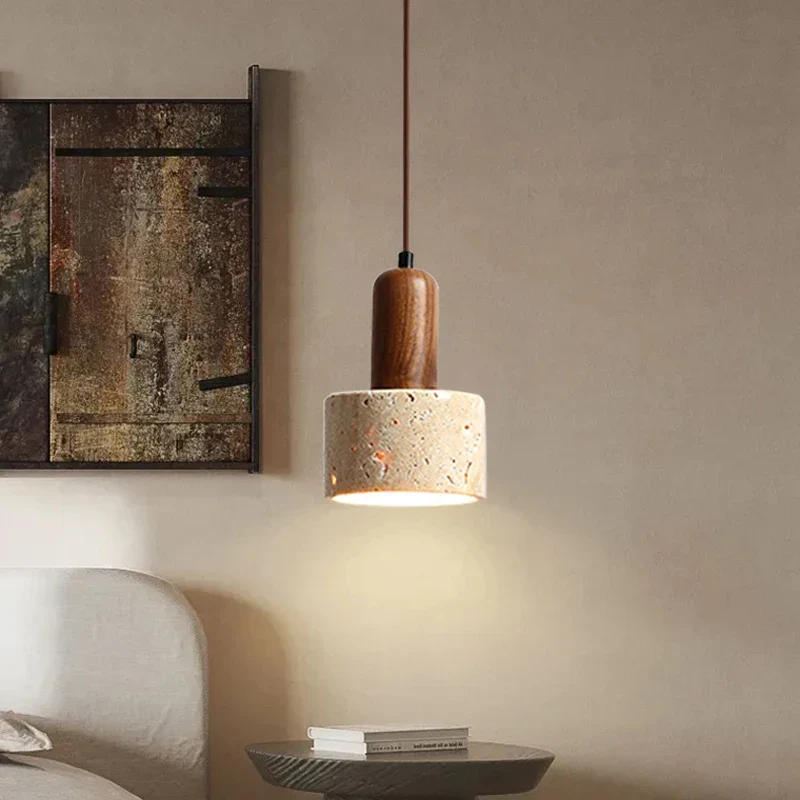 Aisha's pickContemporary Island Pendant Lights Bright Enough Without the Glare
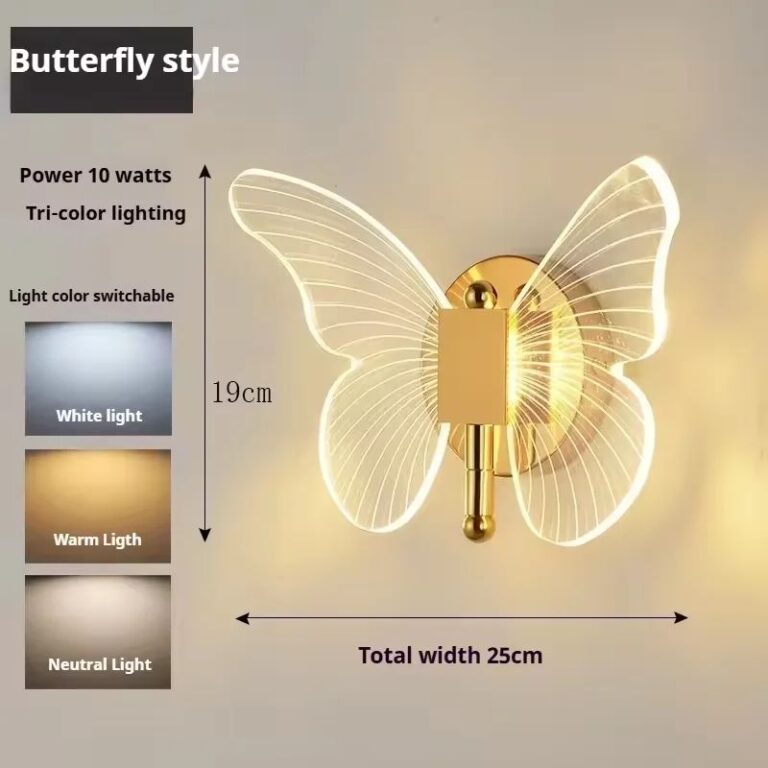
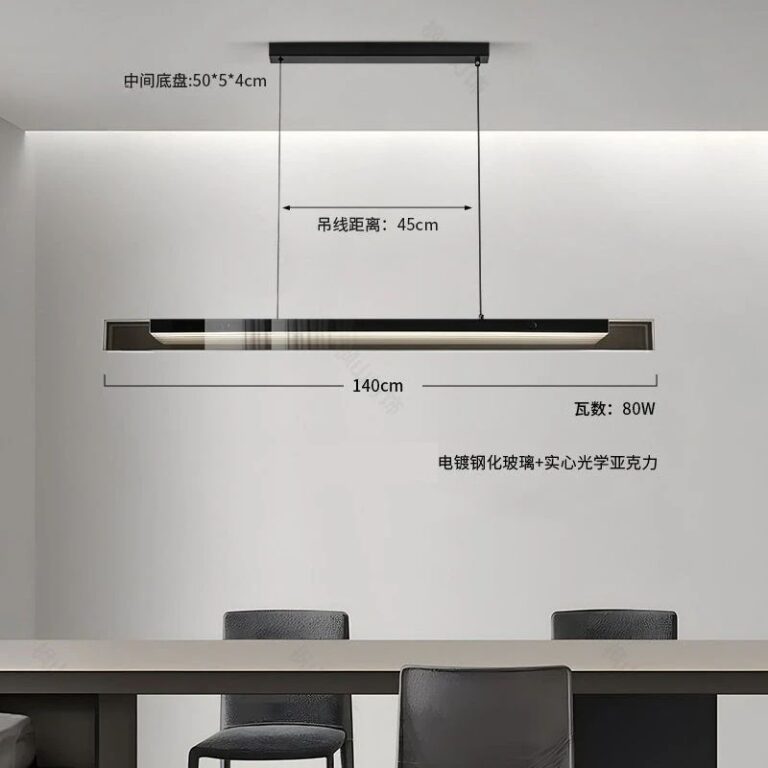 Aisha's pickModern Island Pendant Lights That Don’t Need Babying
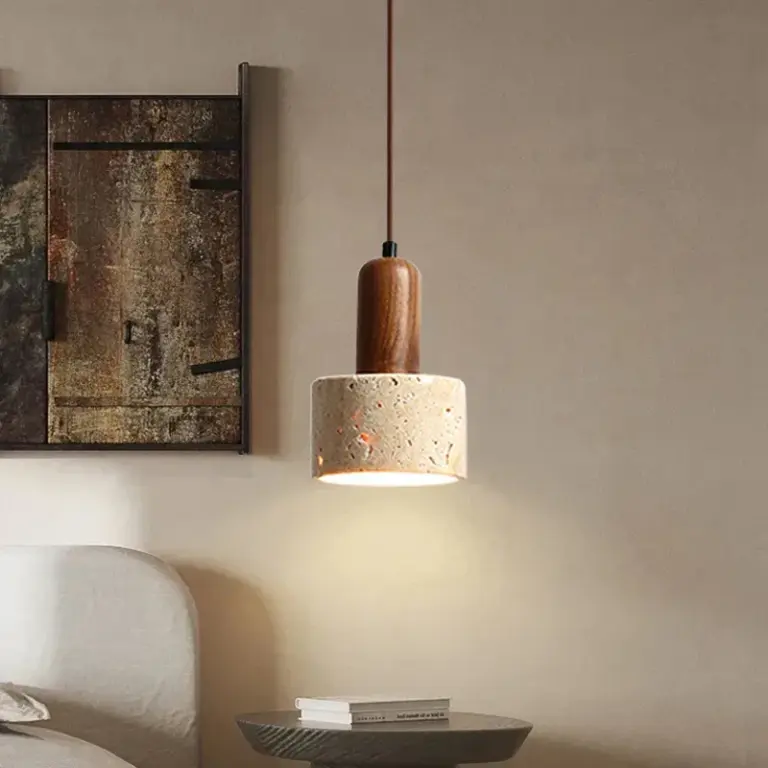
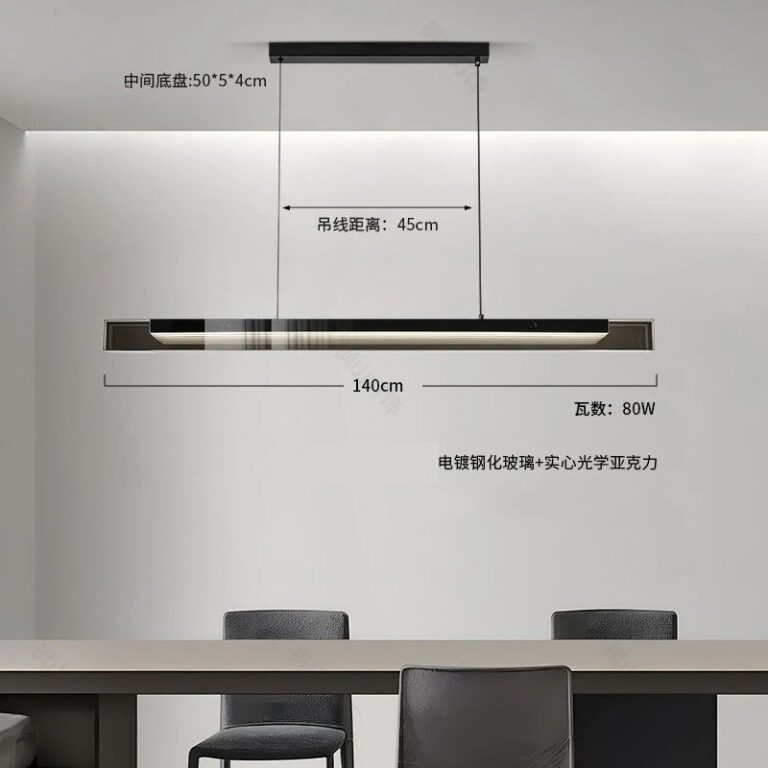 Aisha's pickContemporary Kitchen Island Lights From Stores Big and Small

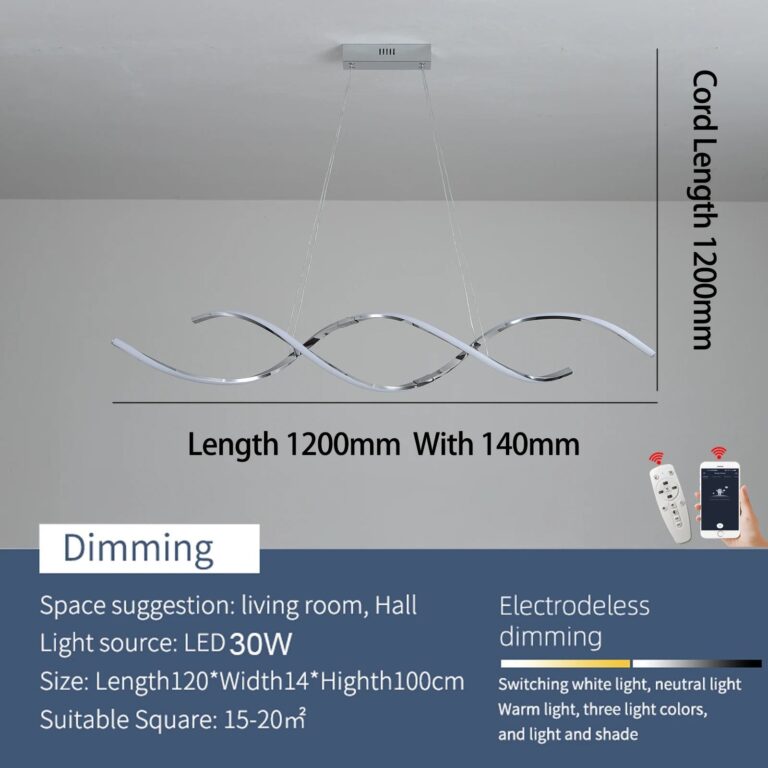 Aisha's pickModern Kitchen Island Lights That Cope With Steam and Splashes
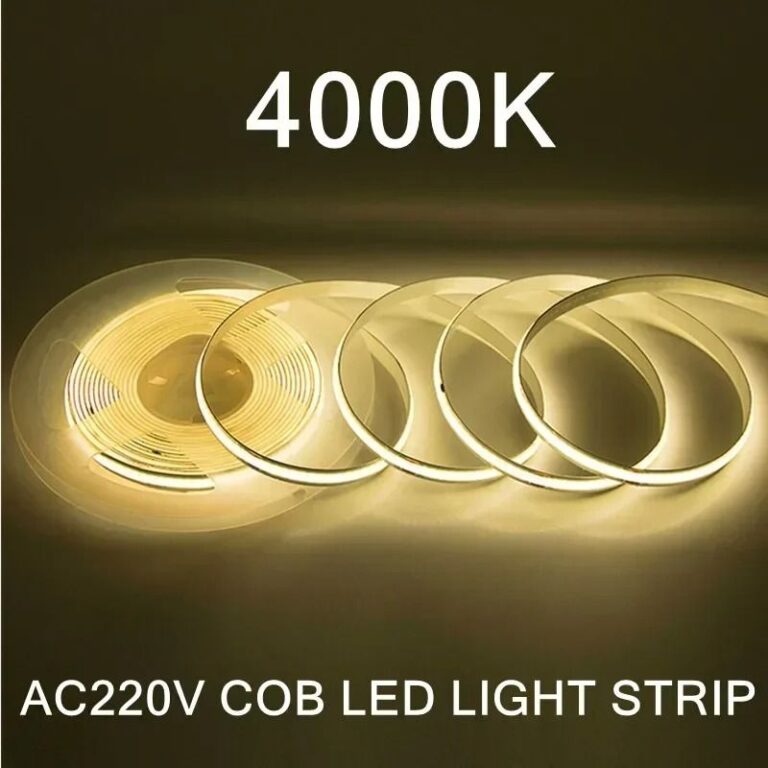
 Aisha's pickGlass Island Pendant Lights You Won’t Regret Buying

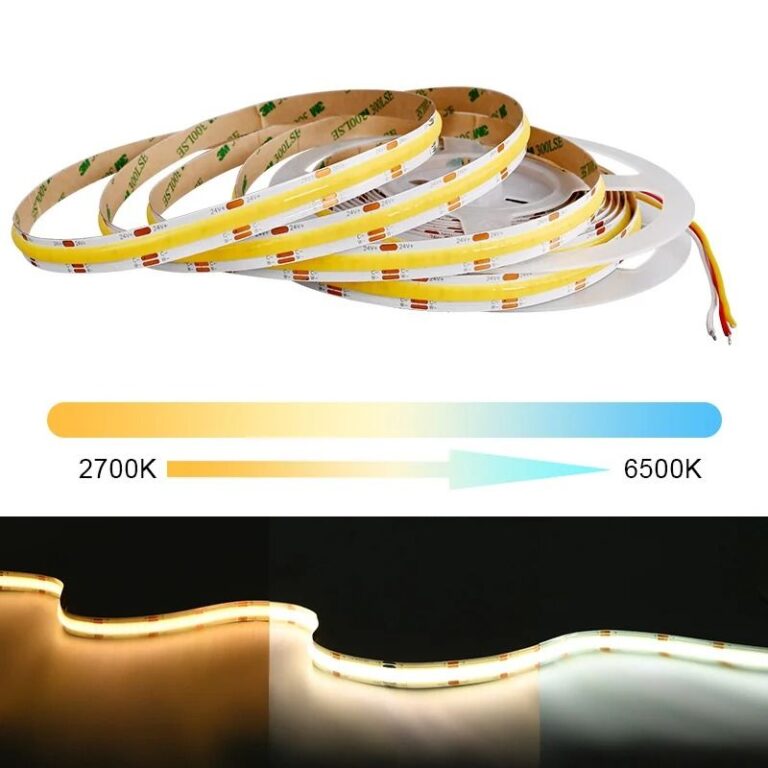 Aisha's pickWhite Kitchen Island Lights That Don’t Look Mass Produced
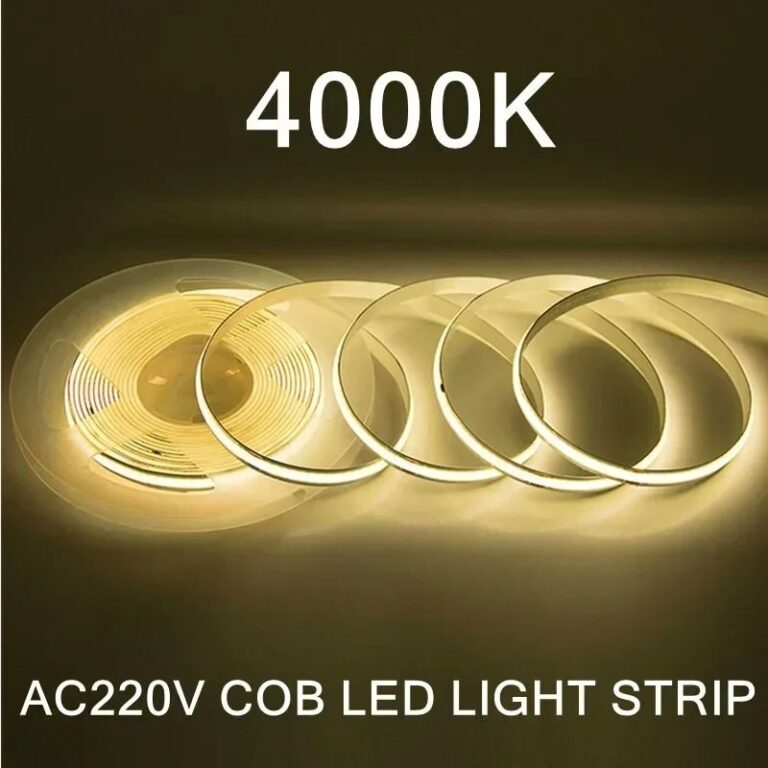
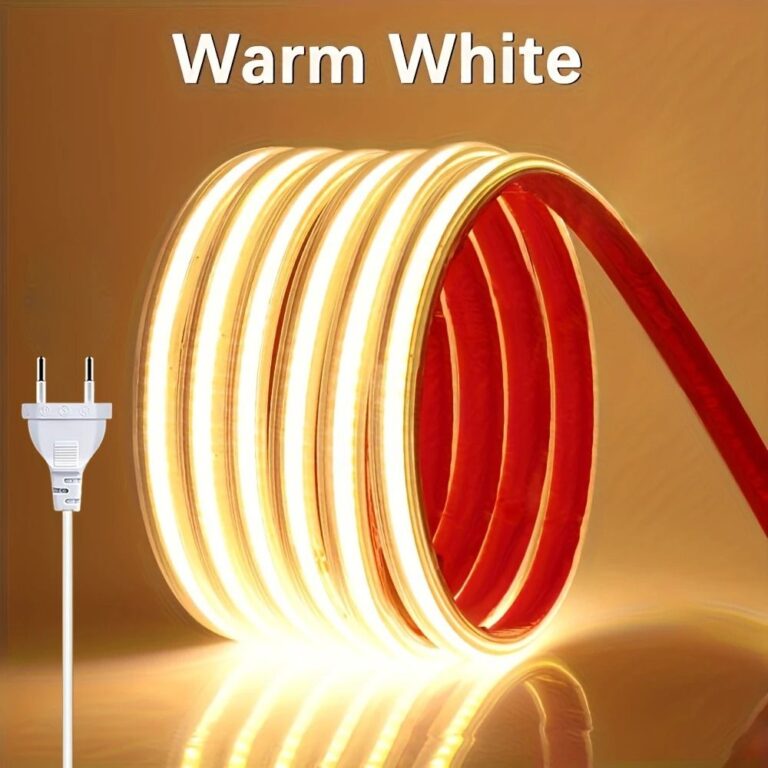 Aisha's pickGlass Kitchen Island Lights That Make Cooking a Bit NicerAlso worth a lookBlack LightsThe thing nobody mentions about black light fixtures is how differently they read once the sun goes down…See the collections →
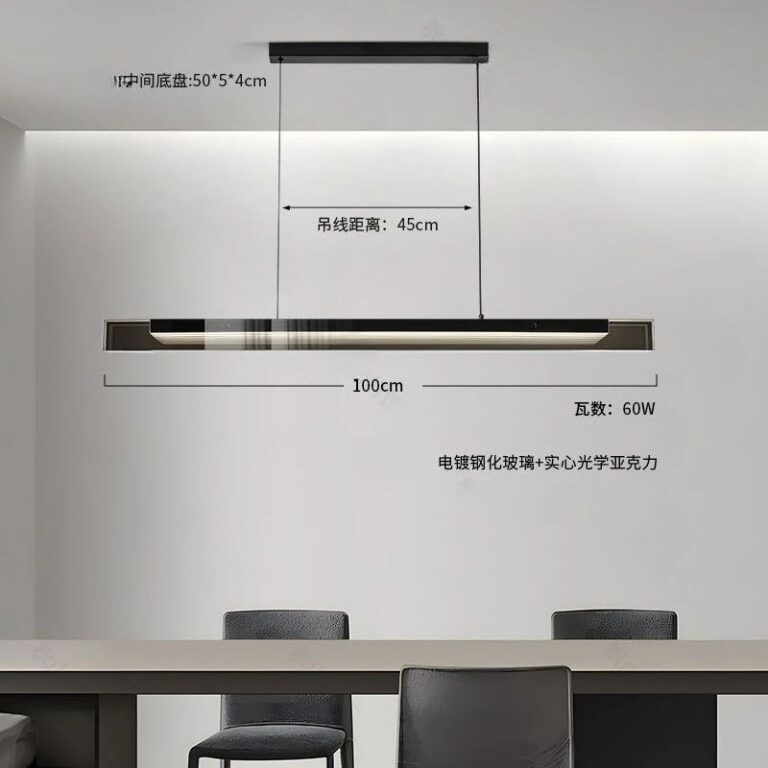
 Aisha's pickIndustrial Kitchen Island Lights That Cope With Steam and Splashes

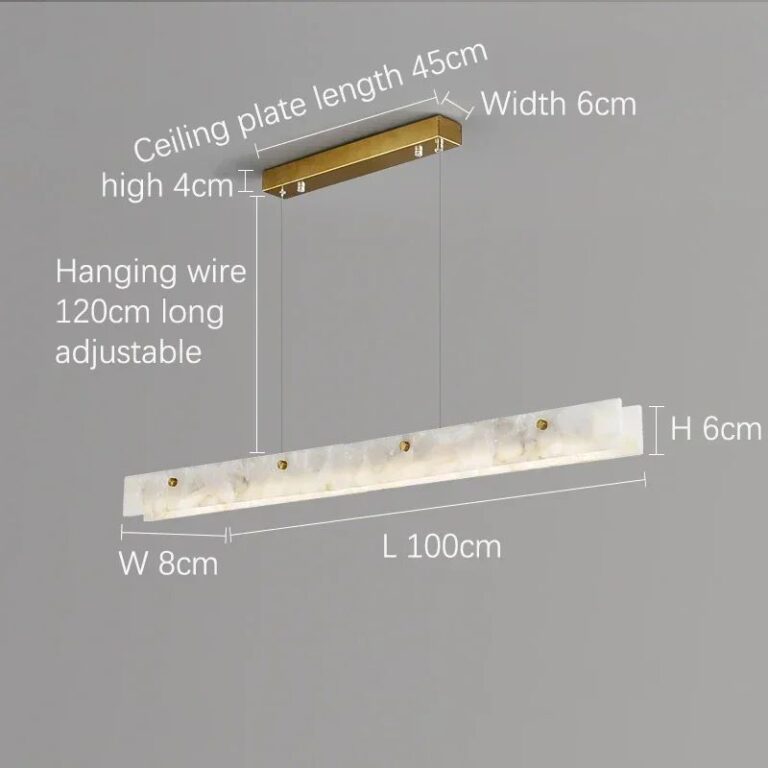 Aisha's pickIsland Pendant Lights That Earn Their Keep
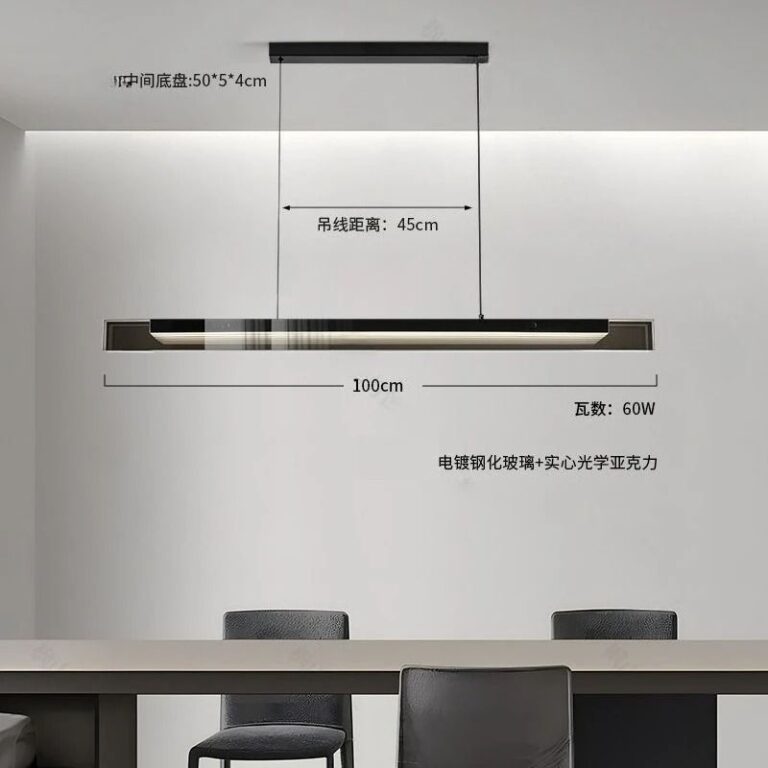
 Aisha's pickIsland Pendant Lights for Bedroom That Make Small Changes Feel Big

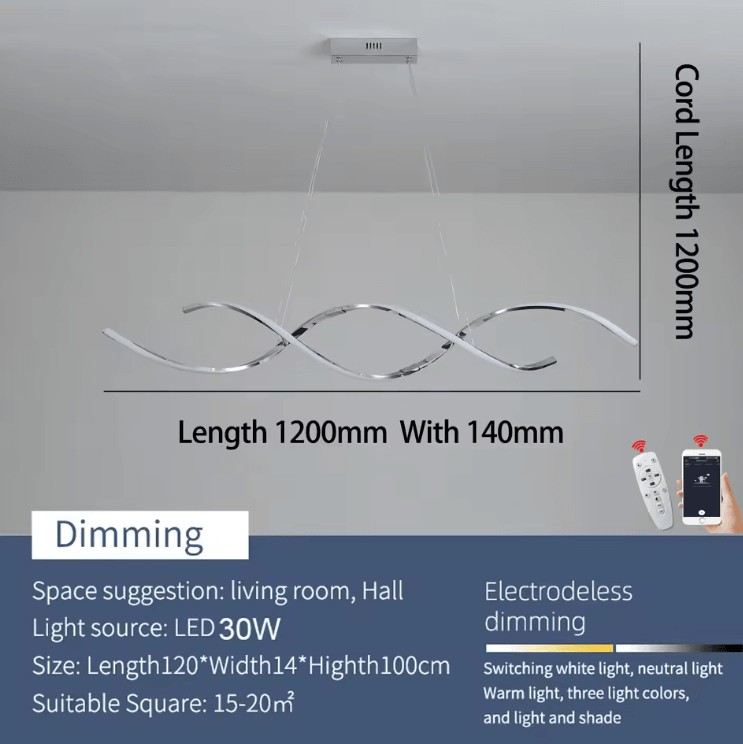 Aisha's pickIsland Pendant Lights for Dining Table That Look Better in Real Life