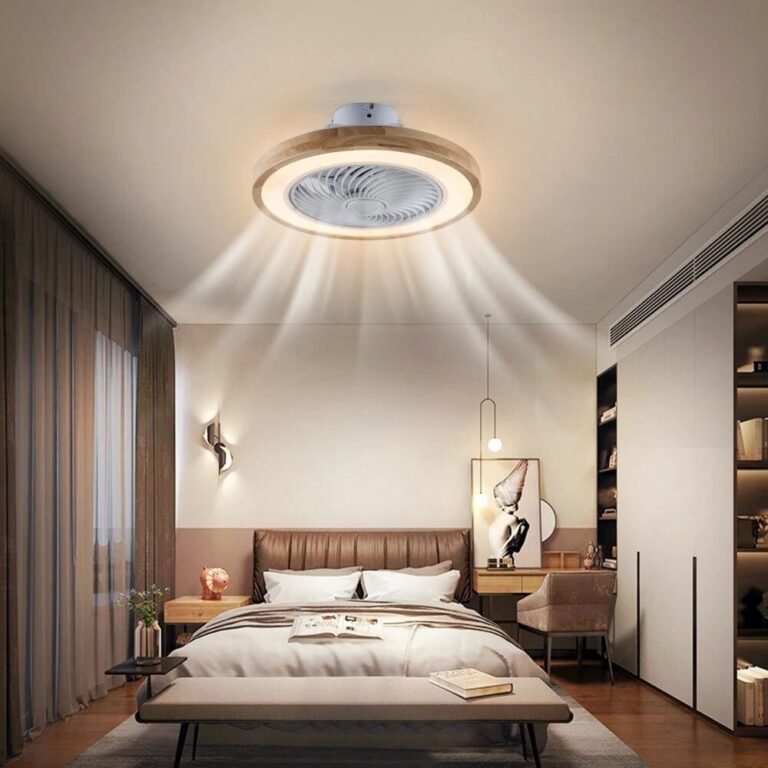
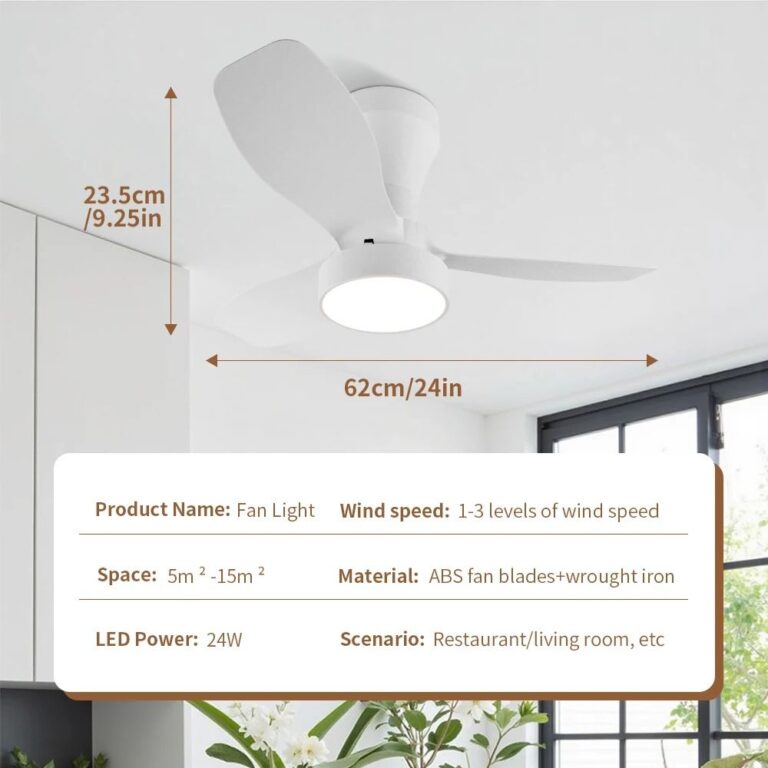
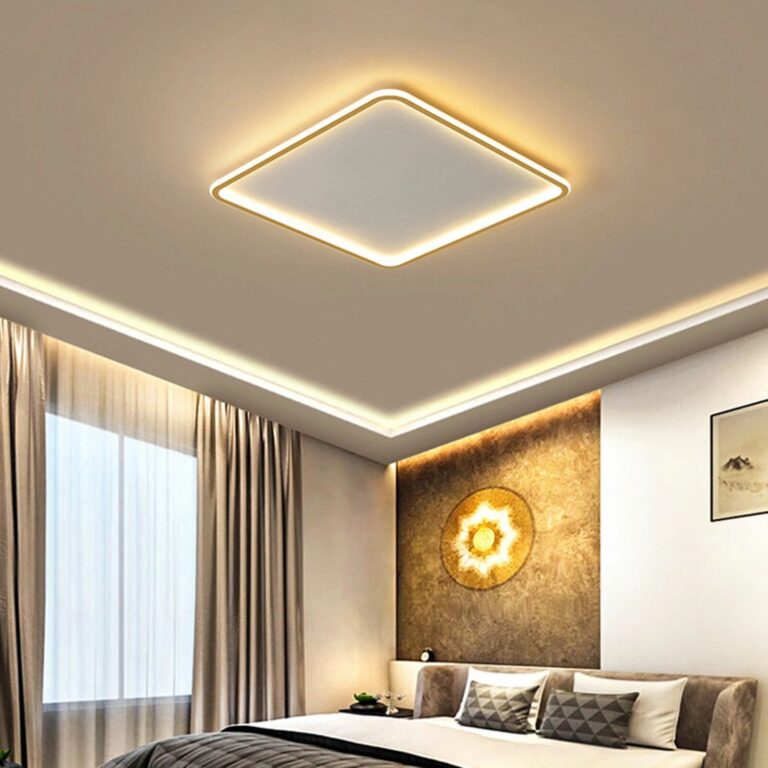
Do dimmable lights actually need a special bulb and a special switch, or can you just turn any lamp down low? You need both ends to agree with each other. A dimmer switch paired with a bulb that isn't rated for it will buzz, flicker, or just refuse to go below about 80 percent, which is not dimming, that's just a light with a cold.
The difference between a good dimmable setup and an annoying one usually isn't the switch, it's everything feeding into it. Cheap LED bulbs marked dimmable often dim in visible steps, so you go from fine to dim to suddenly dark with nothing smooth in between, and some hum faintly at low settings, which you won't notice until it's the only sound in the room at eleven at night. A proper setup uses bulbs and dimmers from the same compatibility list, which sounds fussy until you've lived with the alternative. For fixtures themselves, look at where the wire meets the fixture and how the dimmer module is housed, since a lot of plug in dimmer cords are just a thin inline box with the cheapest components they could fit, and those are the ones that fail first. A well made lamp or fixture has a dimmer that turns smoothly through its whole range, with no dead zone at either end and no flicker when you pause partway down.
For sizing and placement, think about what the light needs to do at full brightness before you think about how nice it looks dimmed, because a fixture that's underpowered at 100 percent will look sad and gray at 50, not moody. A dimmable floor lamp in a reading corner needs to actually light a book at full output, then you dim it for the evening version of the same corner. In a dining area, the common mistake is hanging a pendant sized for drama rather than for the table, so it throws light in a tight circle and leaves the ends of the table in shadow no matter what setting you choose. Measure the table or the seating area first, then pick the fixture, then worry about the dimmer.
Dimmable lighting suits rooms that do more than one job across a day, a living room that's a workspace at ten and a place to watch something at nine, a bedroom, a dining room that hosts both homework and dinner. It matters less in a hallway or a laundry room, places that only ever need to be on or off.
The good ones have a dimmer that you forget is even a dimmer, because turning the knob or sliding the switch feels like one continuous motion, not a dial fighting you in fits and starts.

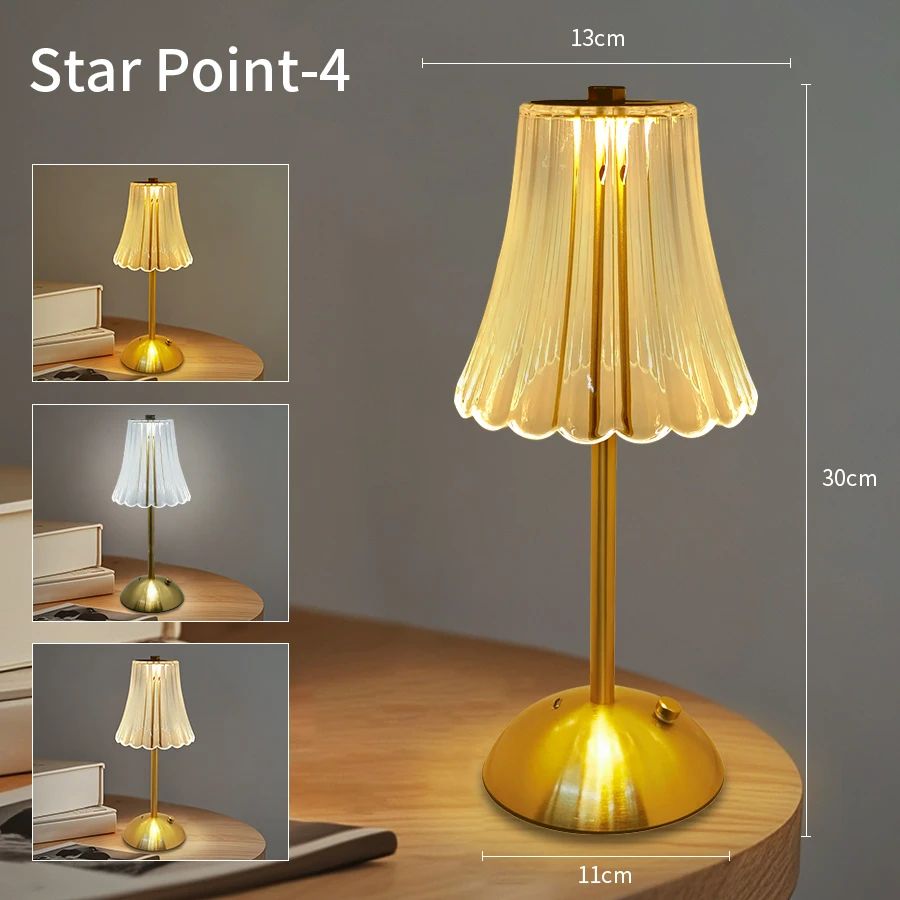 Aisha's pickDimmable Dining Room Lights for Long Dinners With Friends
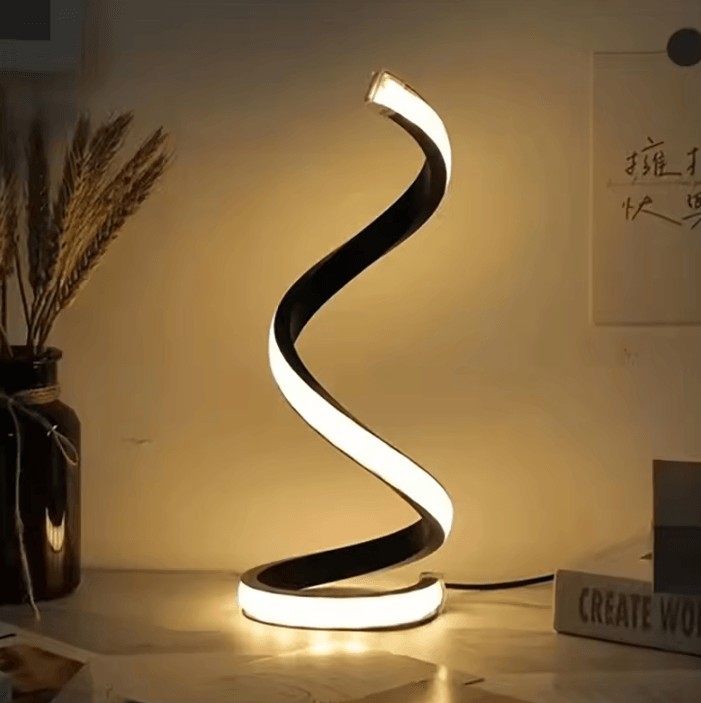
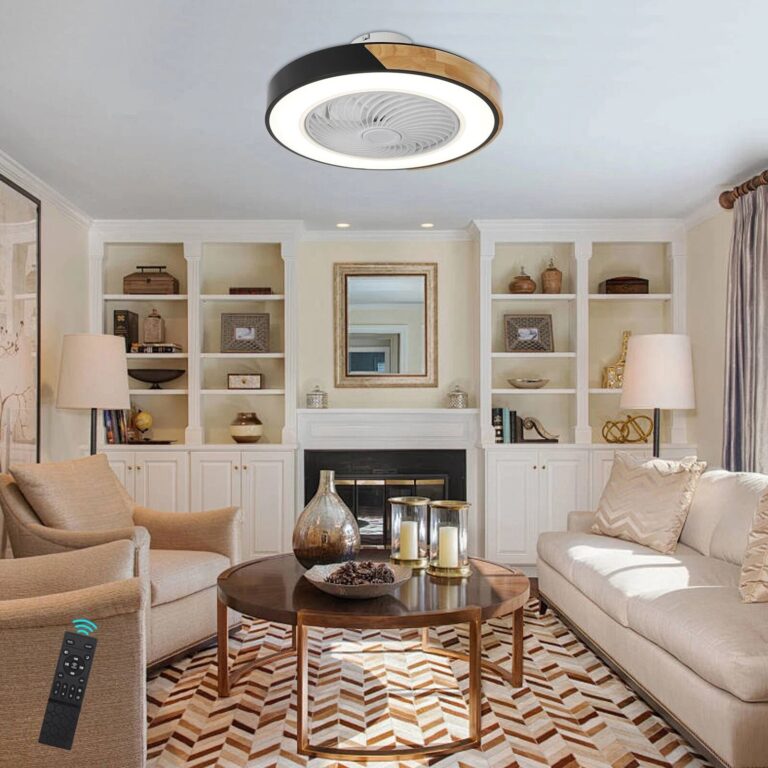 Aisha's pickDimmable Flush Ceiling Lights That Won’t Let You Down
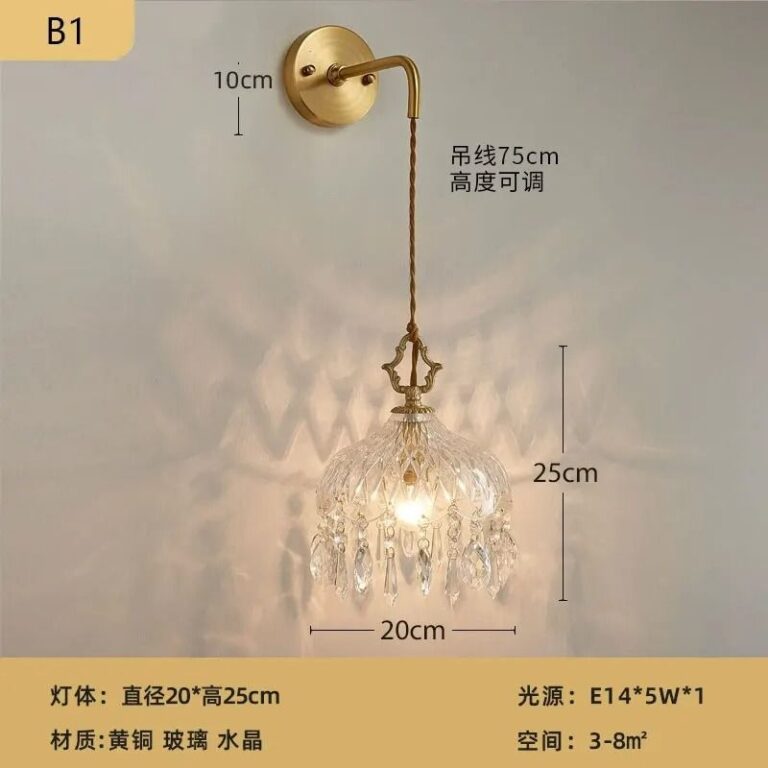
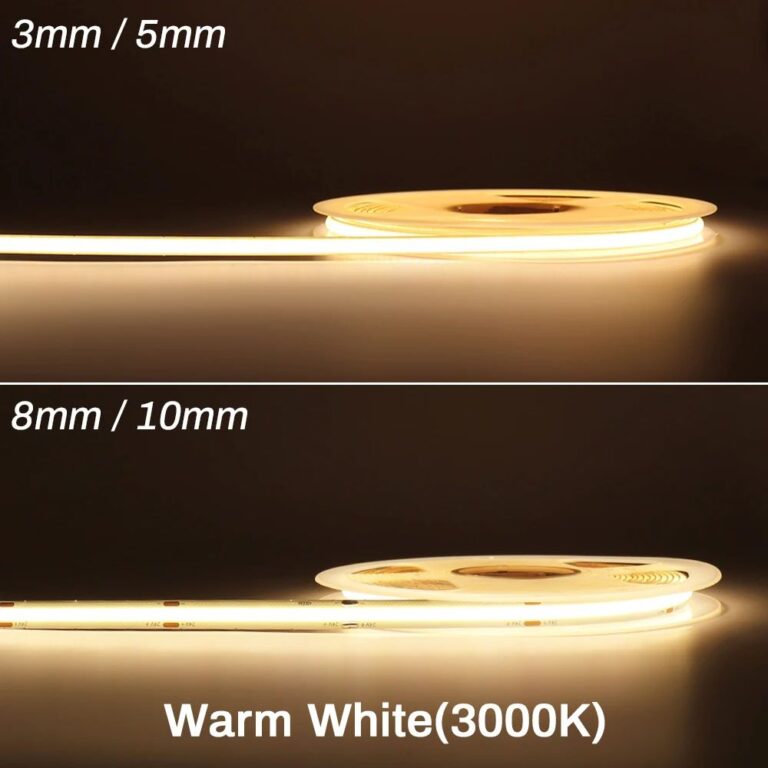 Aisha's pickDimmable Hallway Lights That Make a Good First Impression

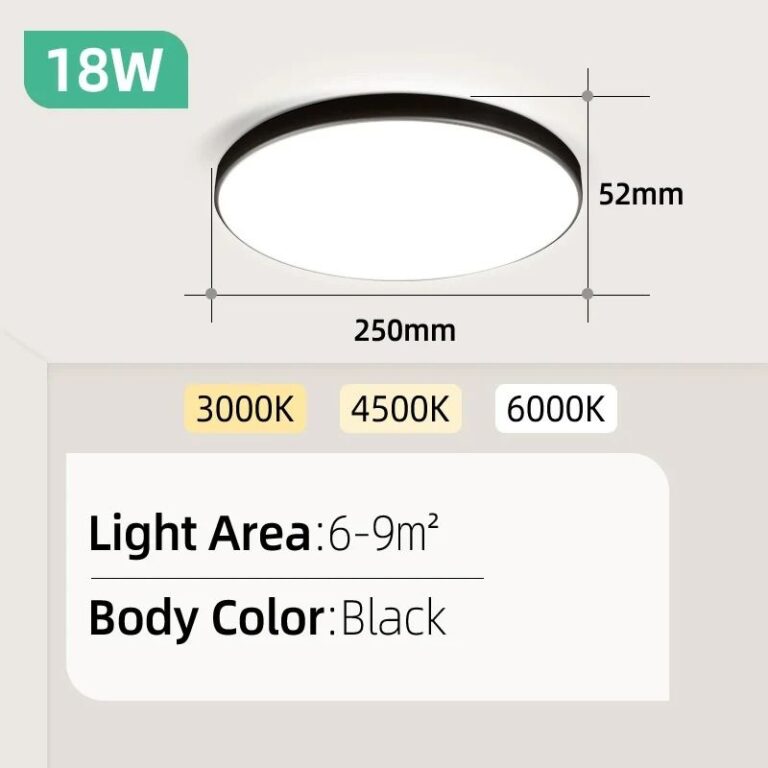 Aisha's pickDimmable Kitchen Ceiling Lights That Make Cooking a Bit Nicer
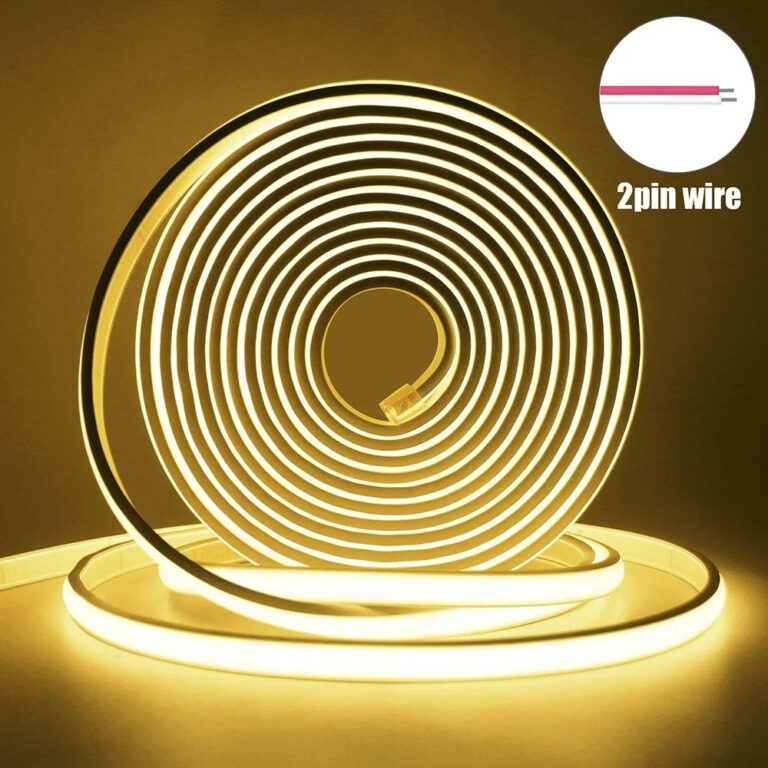
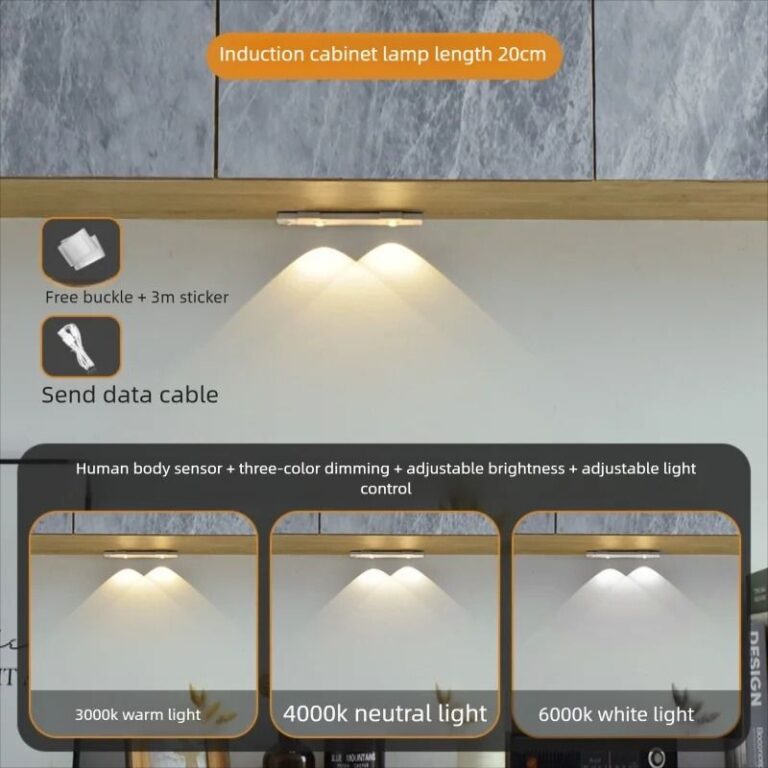 Aisha's pickDimmable Kitchen Lights That Cope With Steam and Splashes

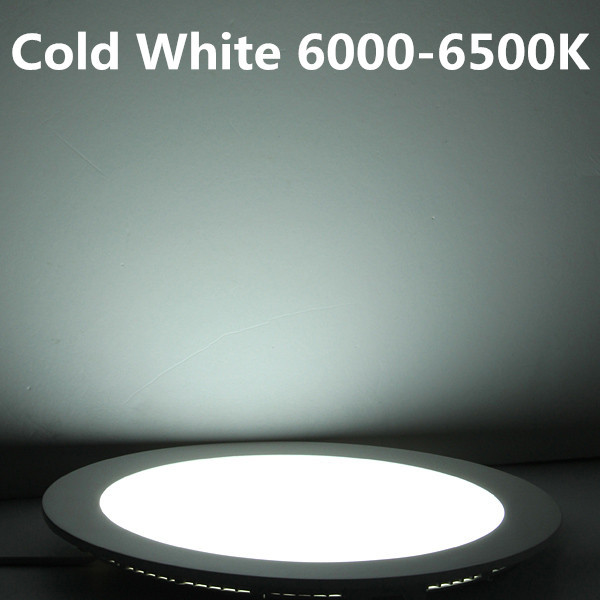 Aisha's pickDimmable LED Panel Lights You Won’t Want to Hide Away
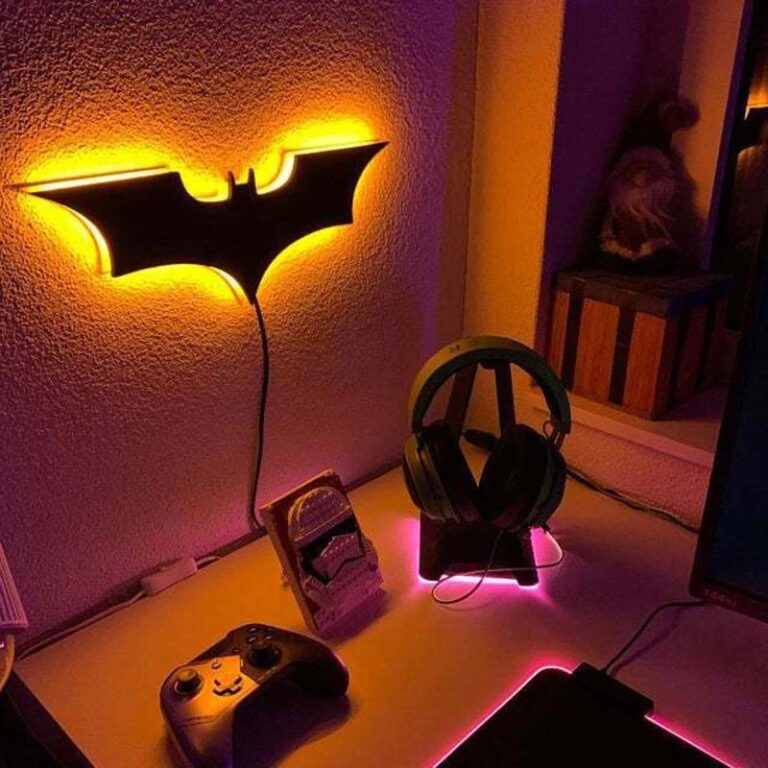
 Aisha's pickOur Shortlist of Dimmable Living Room Lights
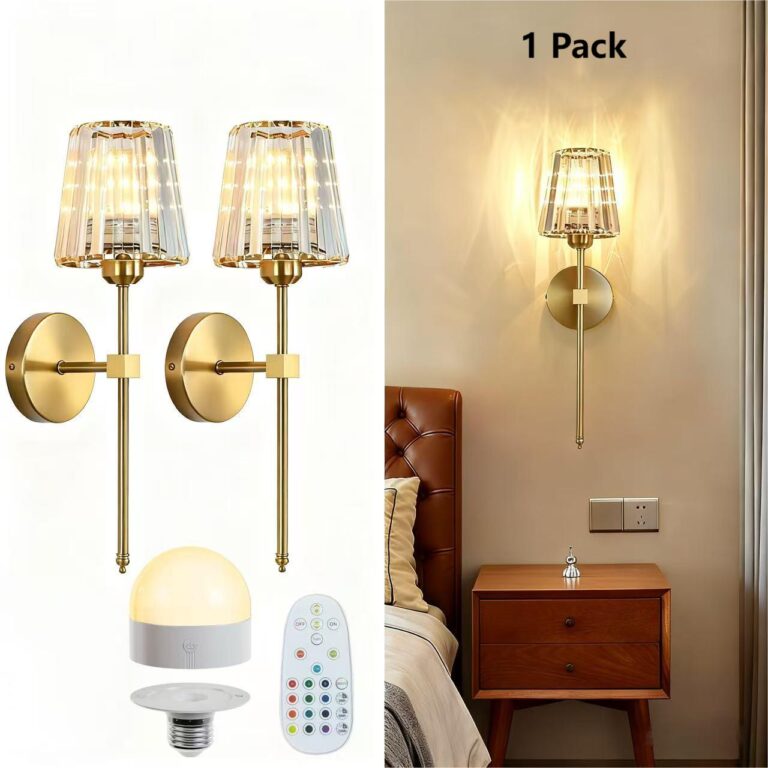
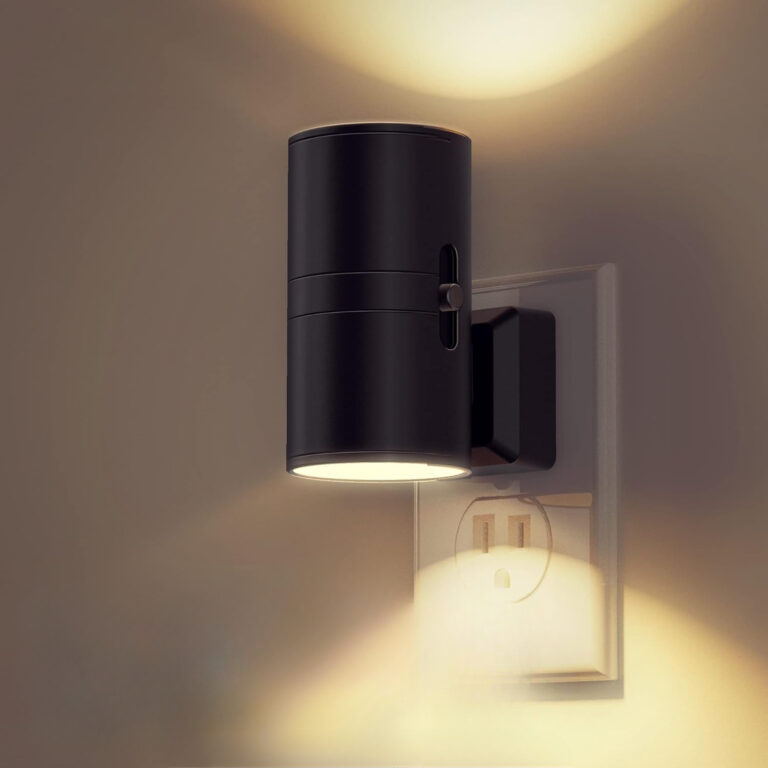 Aisha's pickDimmable Living Room Wall Lights for Movie Nights and Slow Sundays

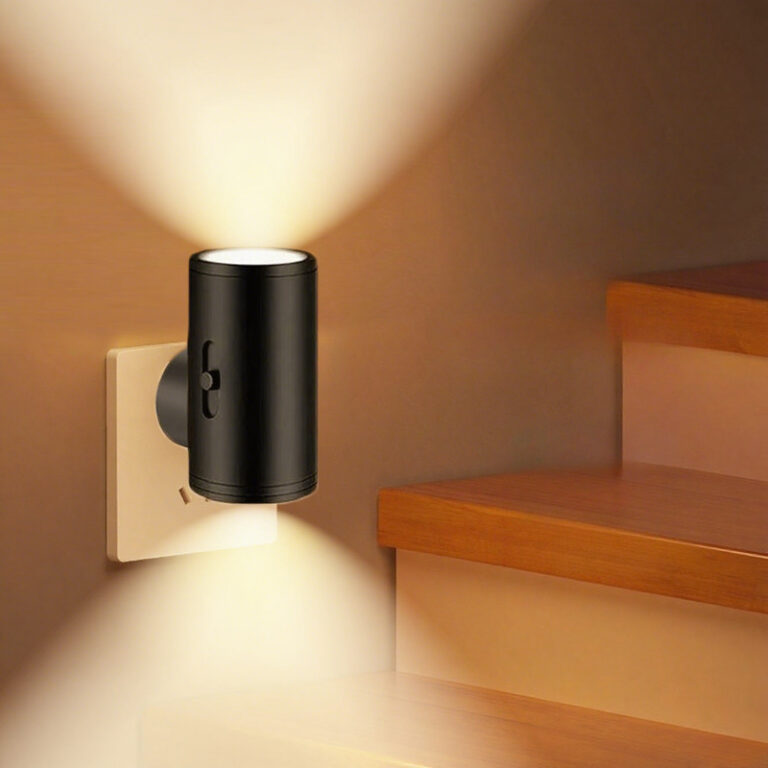 Aisha's pickDimmable Night Lights That Make Small Changes Feel BigAlso worth a lookWall LightsWall lights are the fixture everyone skips and shouldn't.See the collections →
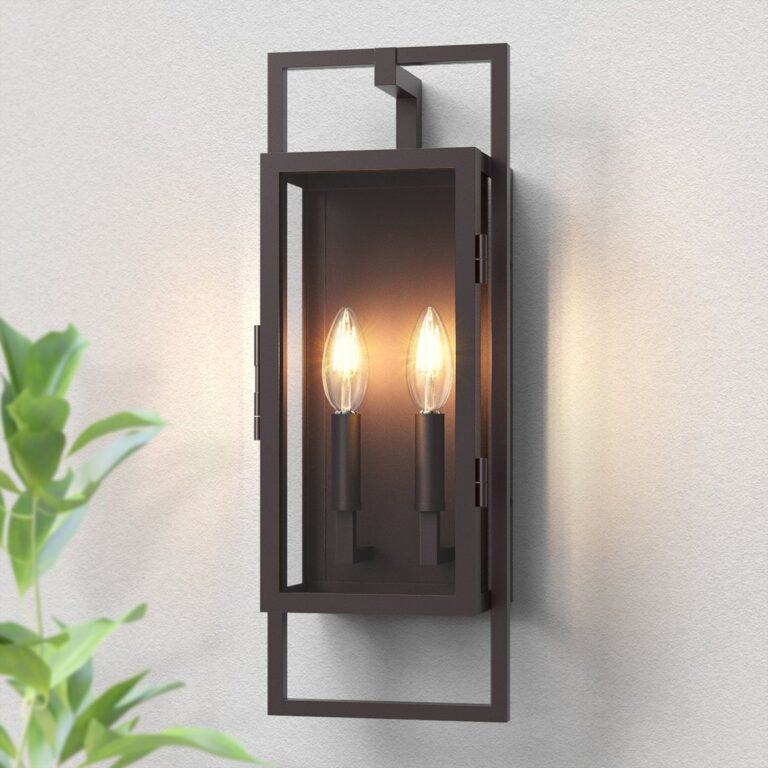
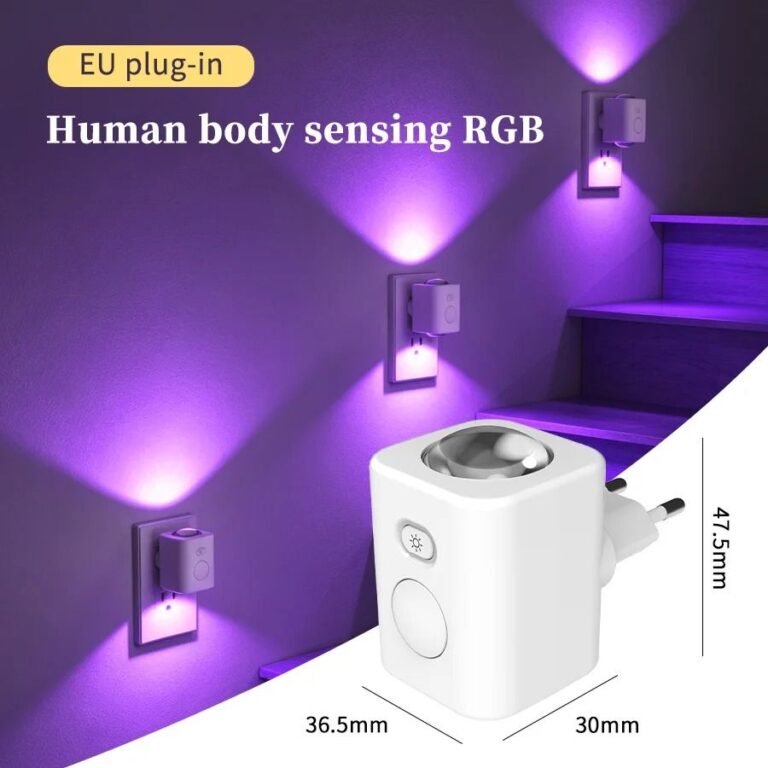 Aisha's pickBlack Dimmable Wall Lights We’d Buy Again

 Aisha's pickDimmable Pendant Lights From Stores Big and Small
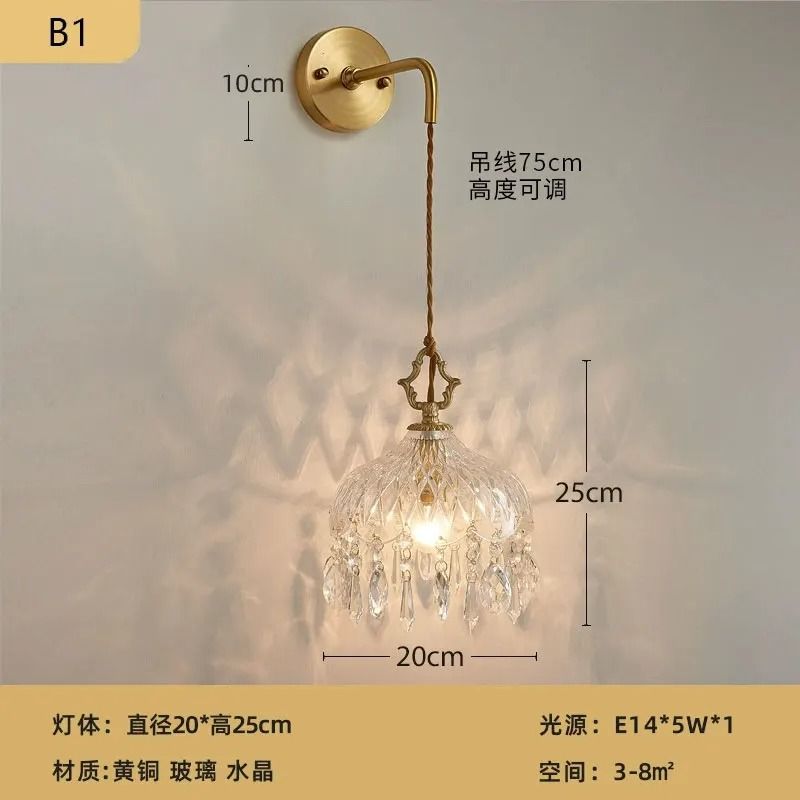
 Aisha's pickDimmable Bathroom Ceiling Lights That Stand Up to Steam

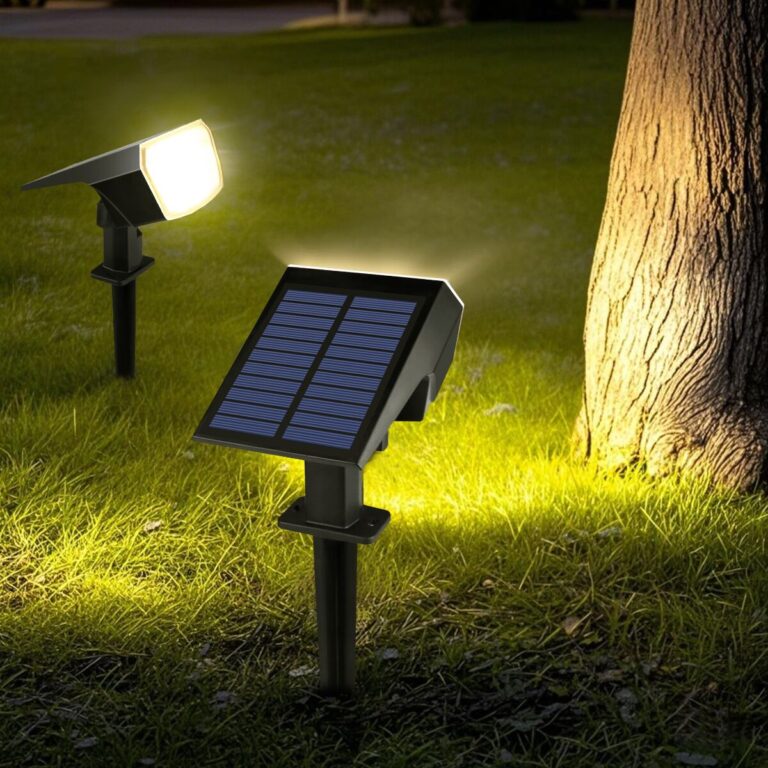 Aisha's pickDimmable Spotlights We’d Buy Again

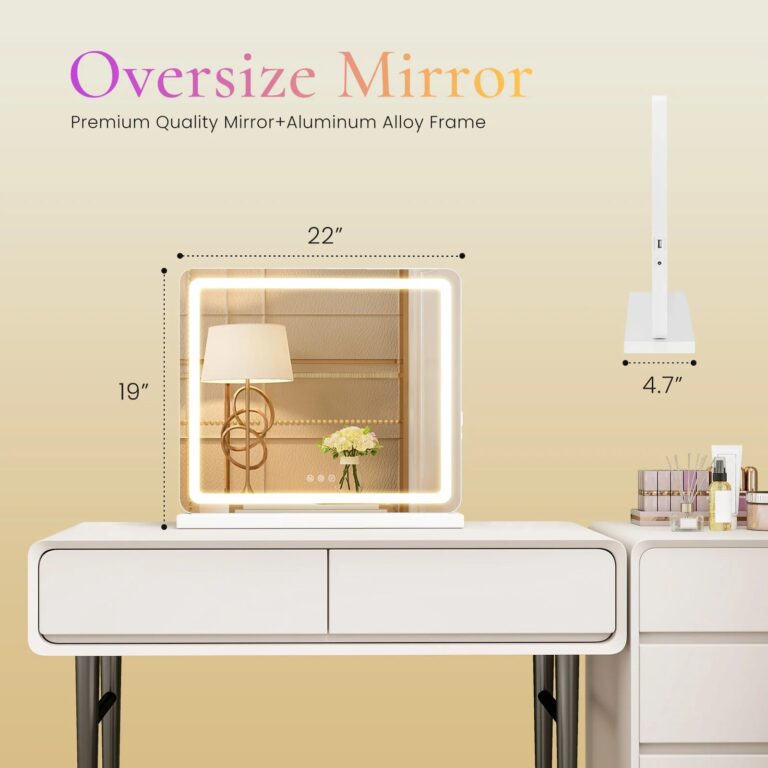 Aisha's pickDimmable Bathroom Lights That Are Easy to Keep Clean
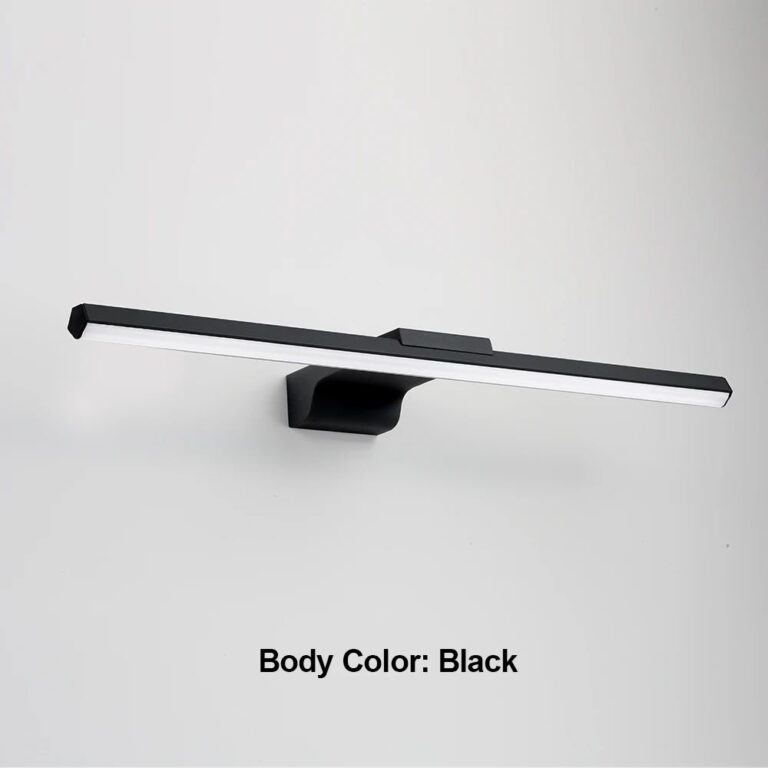
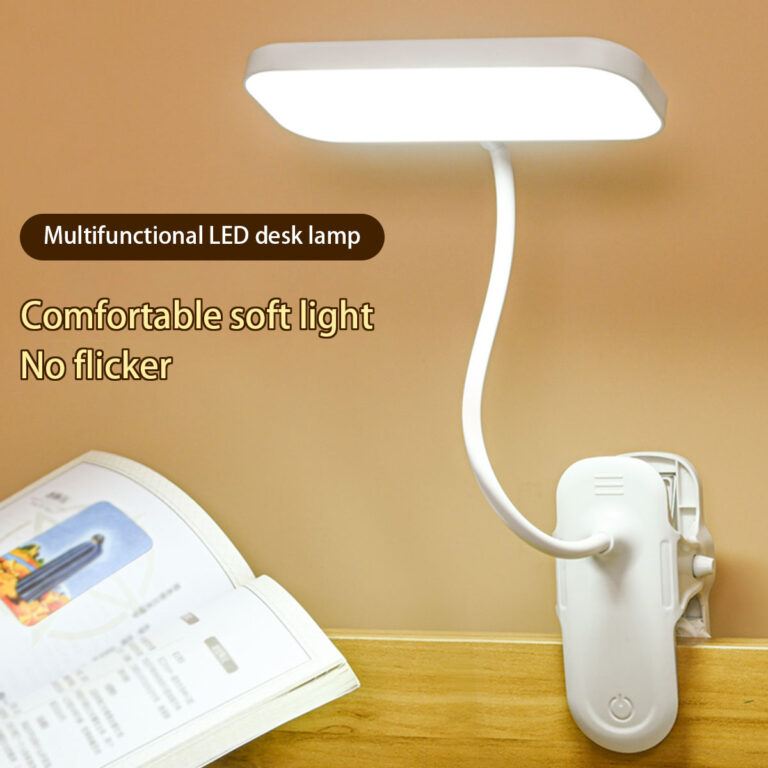 Aisha's pickDimmable Wall Lights for Cozy Nights In
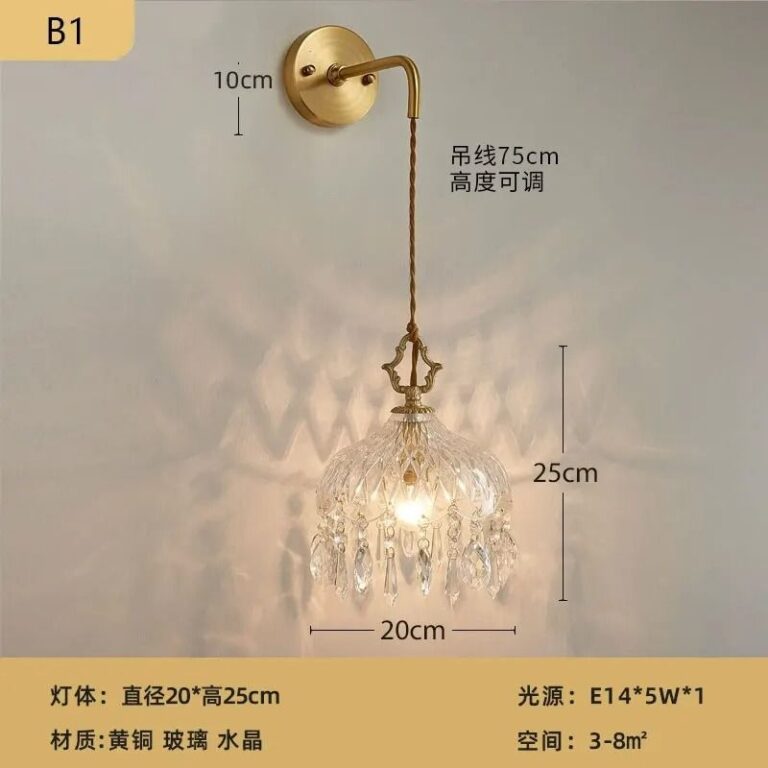
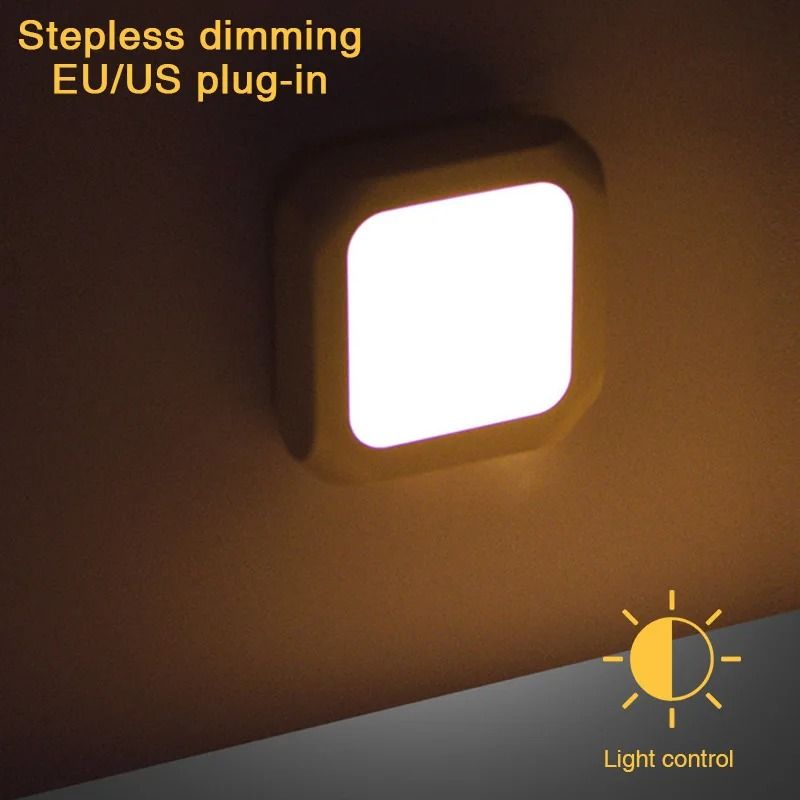 Aisha's pickDimmable Bedroom Lights That Give Off a Warm Glow
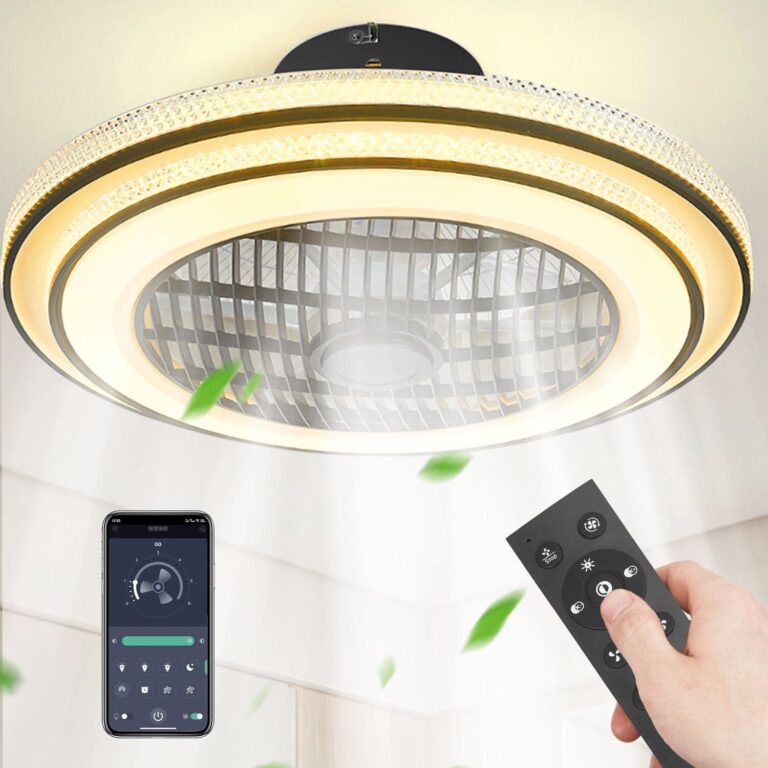
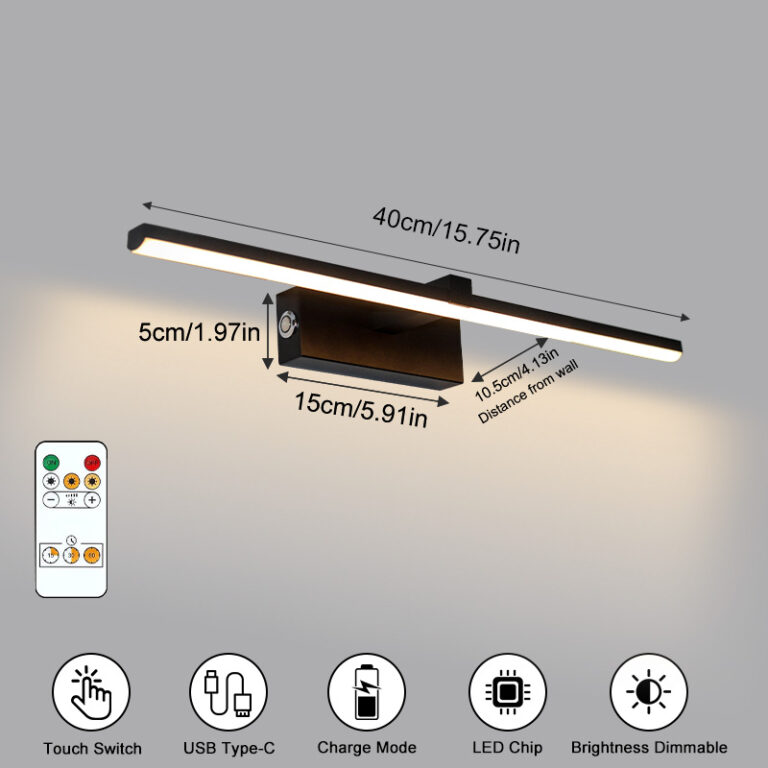 Aisha's pickWhite Dimmable Wall Lights That Don’t Need Babying
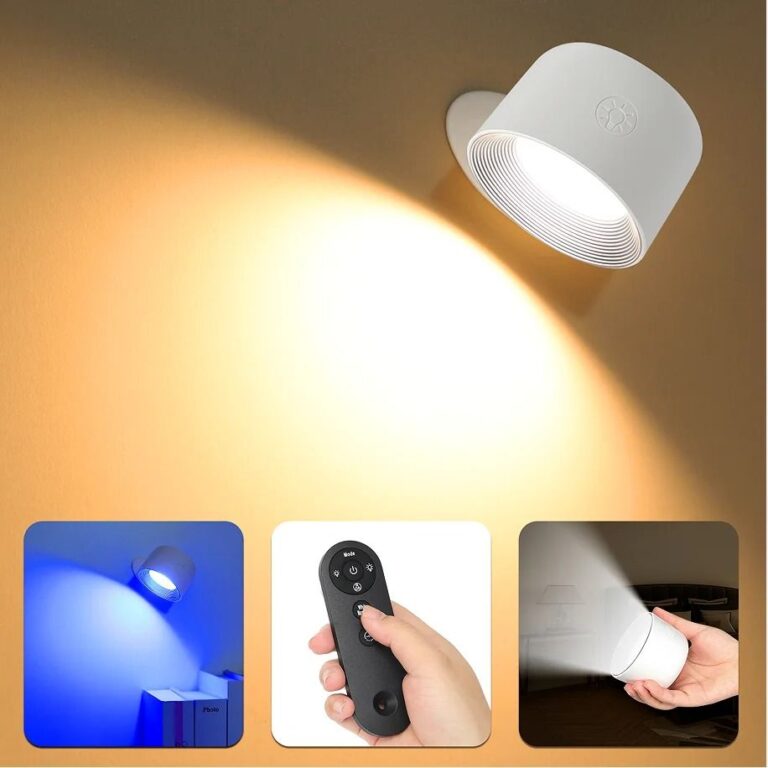
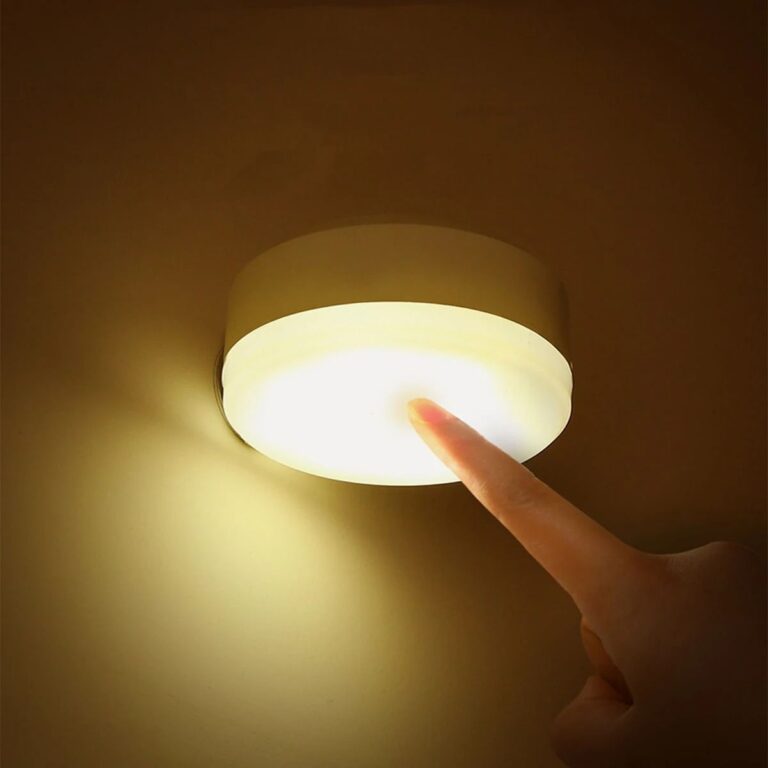 Aisha's pickDimmable Bedroom Wall Lights Bright Enough Without the GlareAlso worth a lookBlack LightsThe thing nobody mentions about black light fixtures is how differently they read once the sun goes down…See the collections →
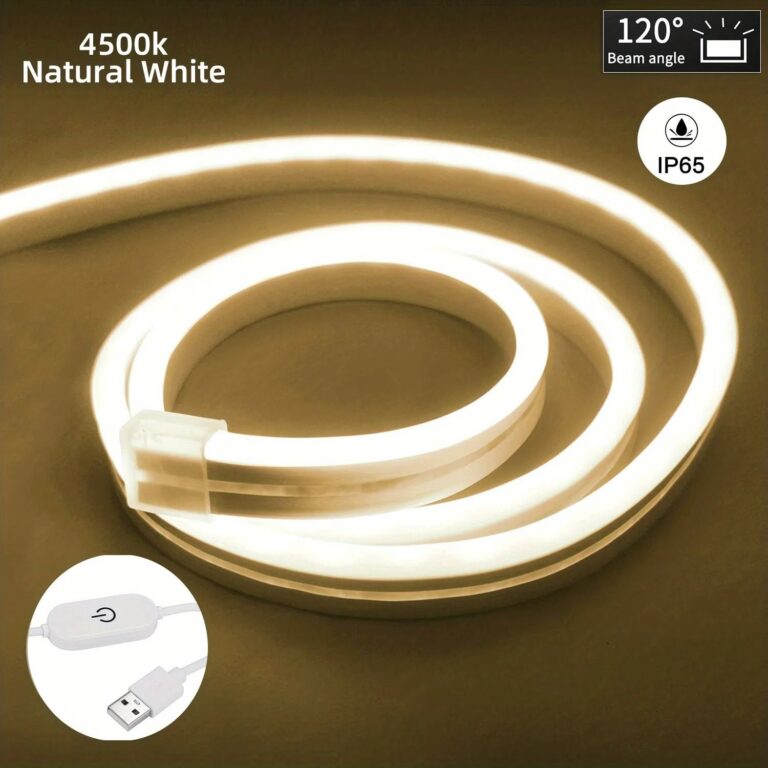
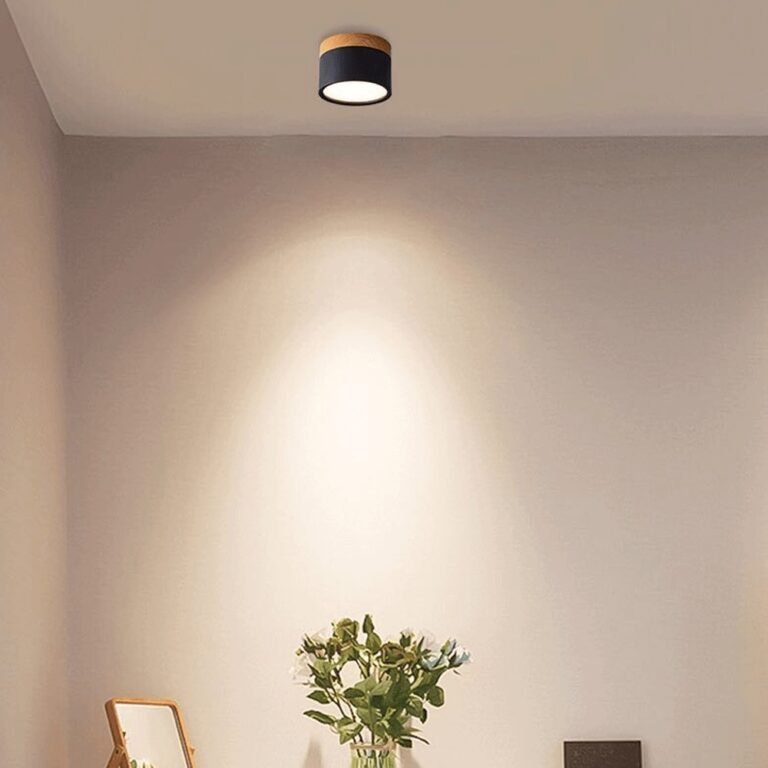 Aisha's pickDimmable Ceiling Lights for Dark Winter Evenings