The moment cabinet lights made sense to me was standing at the kitchen counter at six in the morning trying to read a medicine bottle label by the light coming off the stove hood, squinting like an idiot. Put a strip under the upper cabinets and suddenly the counter is a place you can actually see what you're doing, not just a shadowy ledge under your own head blocking the overhead light.
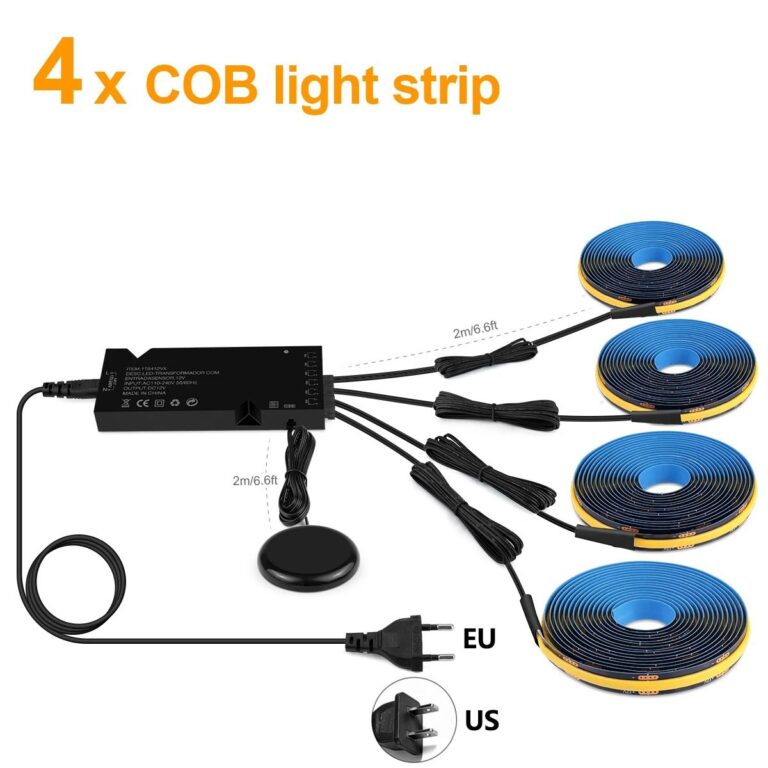
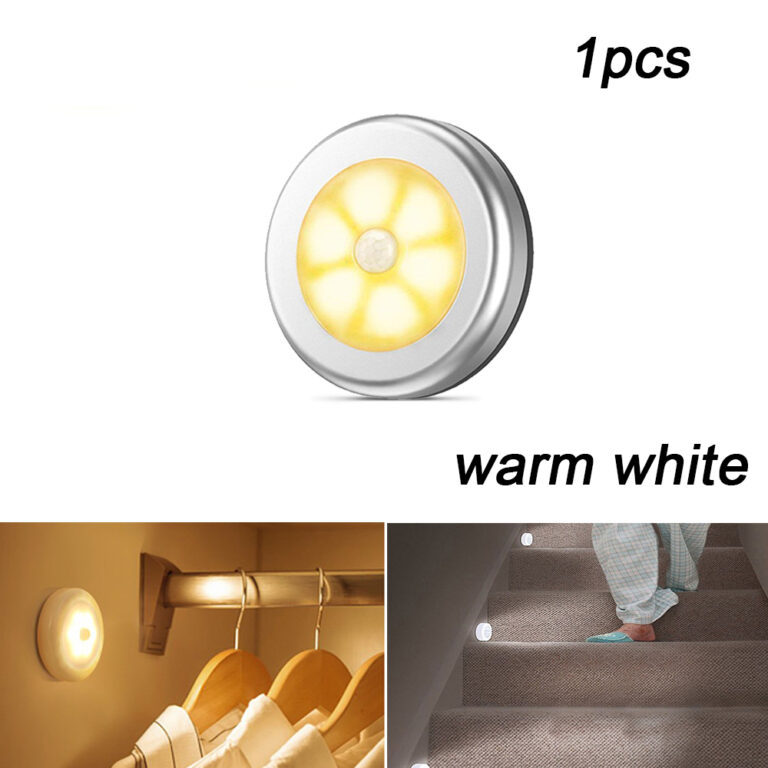
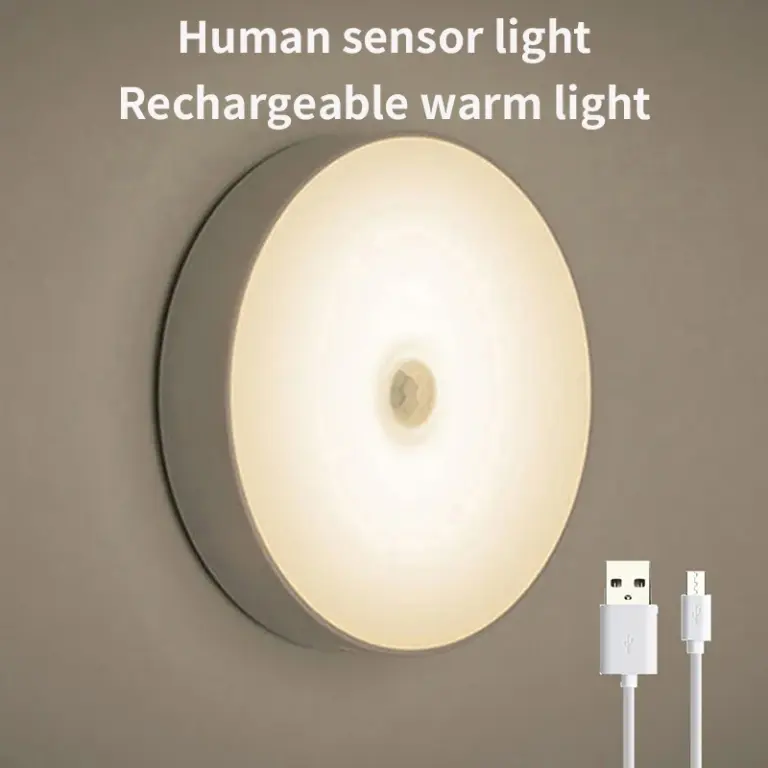
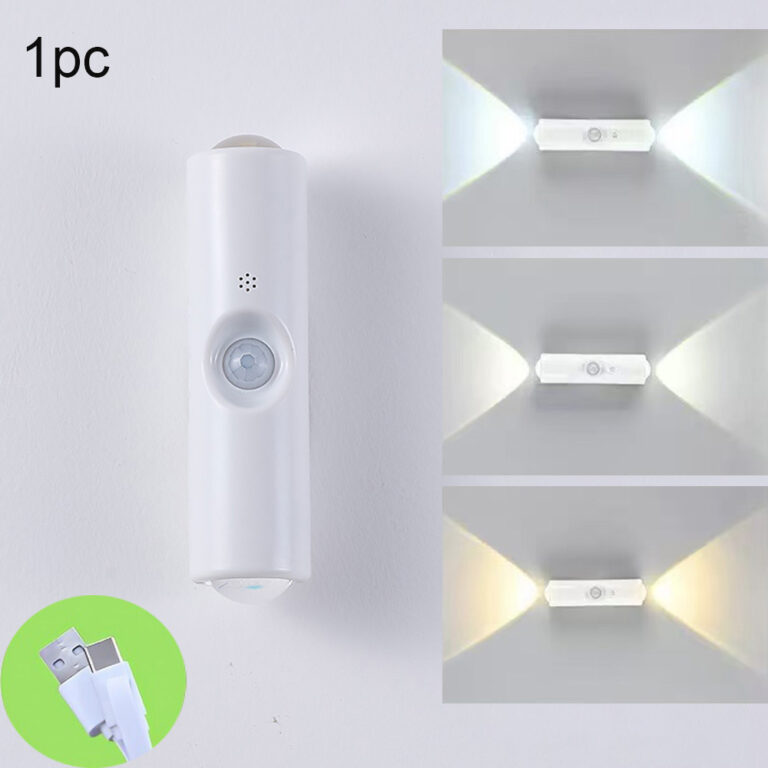
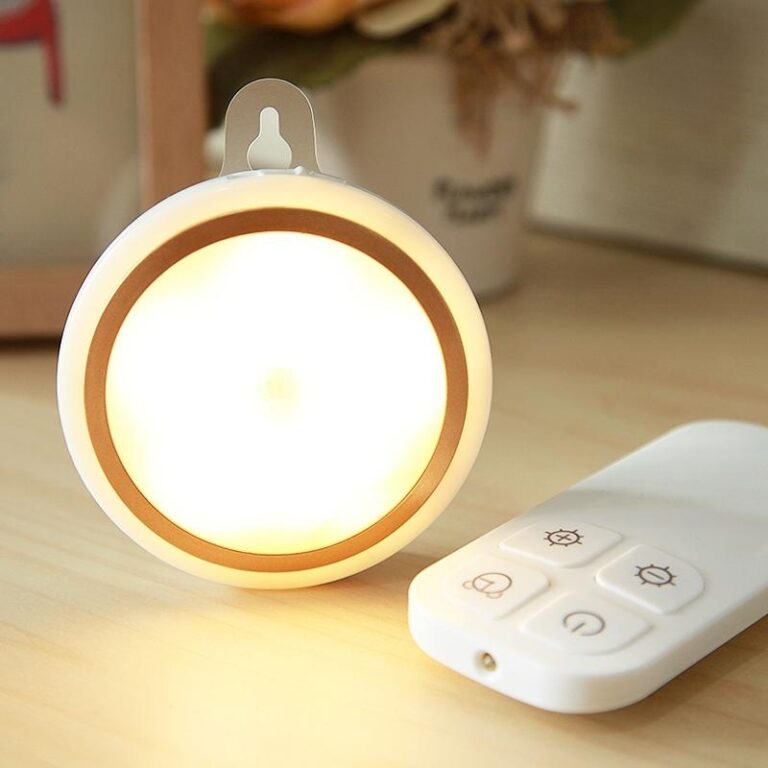
If you've got none of this yet, start with a plug in puck light kit under one run of cabinets, the kind that sticks with adhesive tape and runs off a cord to an outlet. No wiring, no electrician, no holes in your rental walls, and you'll know within a week whether you want more of them or whether it's not for you. Once you're sold, hardwired LED strips are the real upgrade, especially if you're in a house you own and can get into the wall or up into the cabinet void, because then you lose the visible cord and the plug hanging off the backsplash like an afterthought. Kitchens are the obvious room, under the uppers over a counter, but I've put a short strip inside a bathroom vanity cabinet too, and over a long bookcase it does something closer to gallery lighting than task lighting, which is its own kind of nice. Small kitchens benefit the most honestly, because in a tight galley kitchen one more light source off the ceiling just adds glare, but a warm line of light tucked under the cabinet gives you brightness without crowding the room with another fixture to look at.
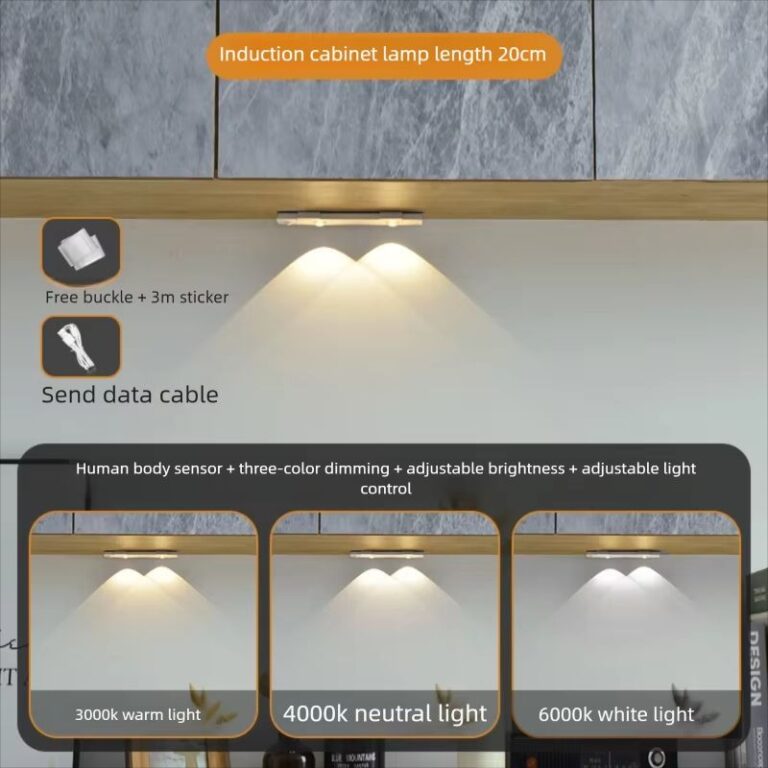
Where cheap ones fall apart is the diffuser and the connectors. A flimsy plastic cover yellows within a year and you get hot spots instead of an even line of light, and the little connector clips between sections work loose with normal kitchen heat and steam until one segment just goes dark on you. A well made strip has a metal or solid aluminum channel to pull heat away from the LEDs, a frosted diffuser that actually spreads the light instead of showing individual dots, and connections that are soldered or use a proper locking plug rather than friction fit pins. Dimmable ones are worth the few extra dollars too, because full brightness at ten at night when you're just getting a glass of water is its own small crime against the household.
This is the kind of upgrade that suits a lived in kitchen where people actually cook, read labels, and don't want the big overhead light blasting on for a midnight snack.
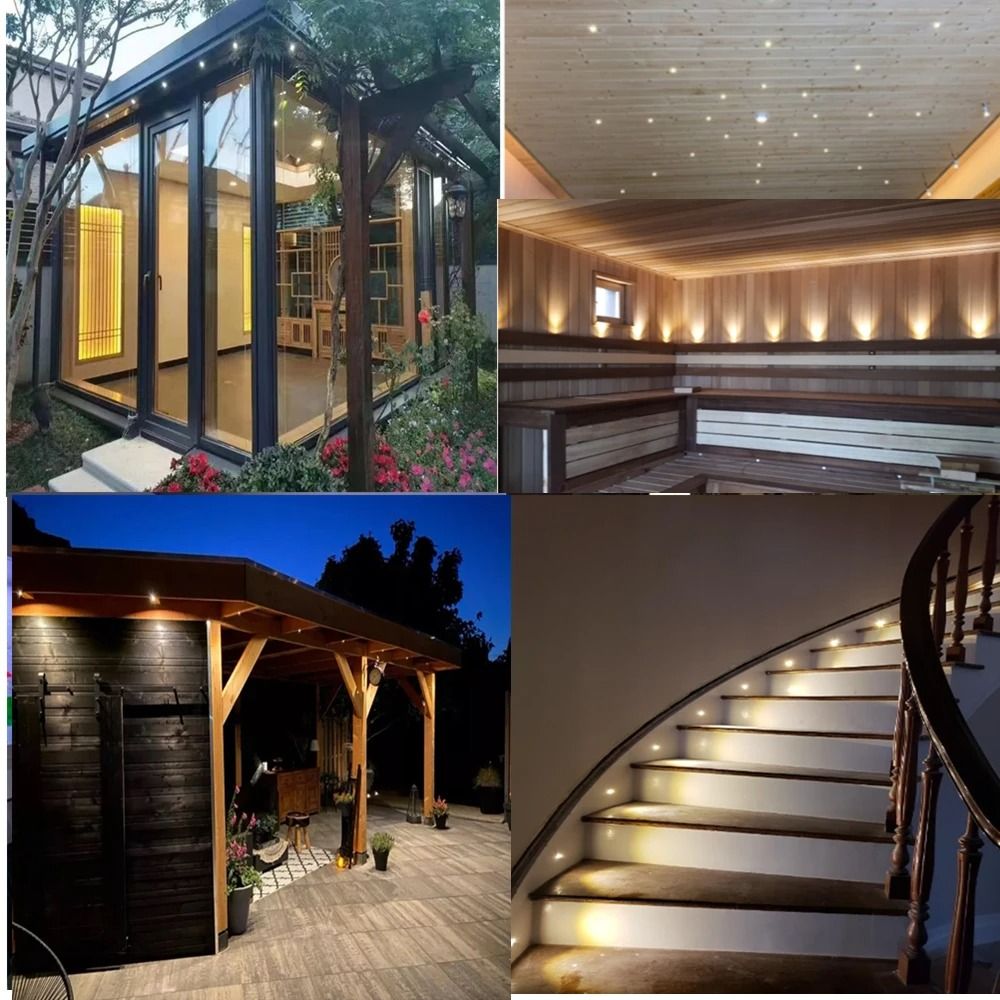 Aisha's pickCabinet Lights for Kitchen That Make Cooking a Bit Nicer
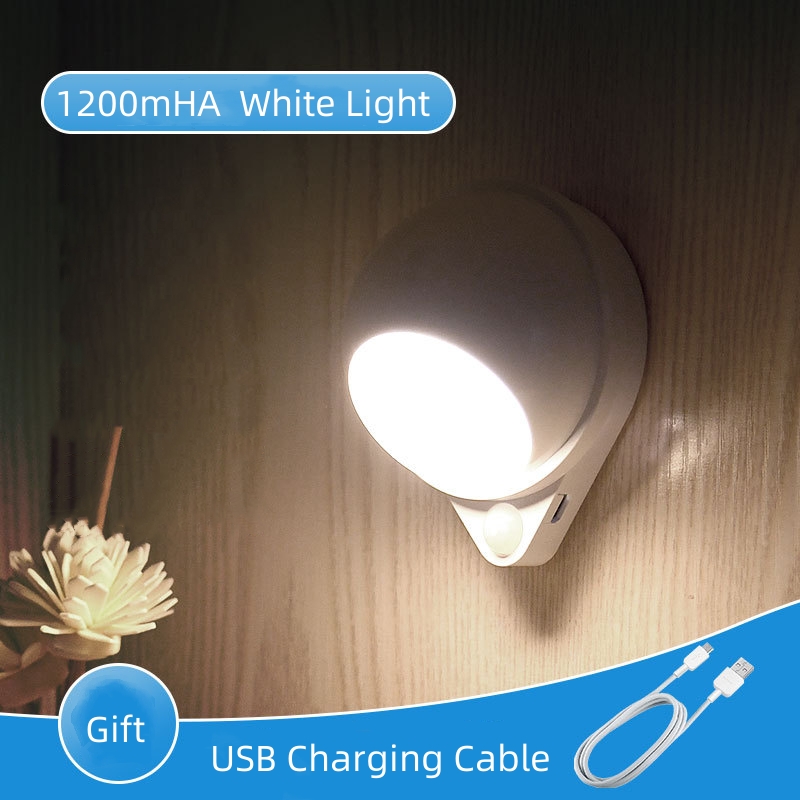
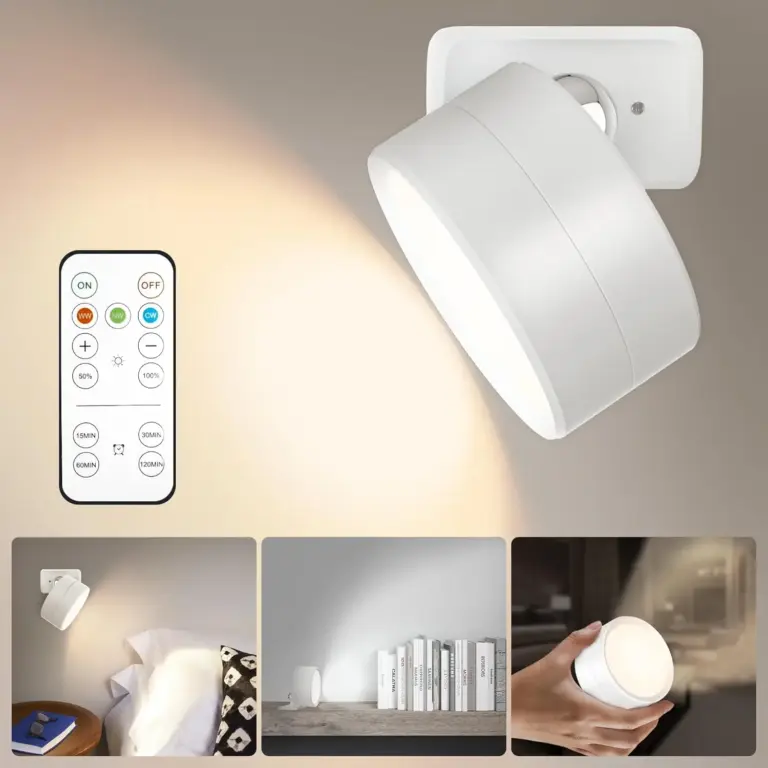 Aisha's pickContemporary Cabinet Lights for Reading, Relaxing or Both
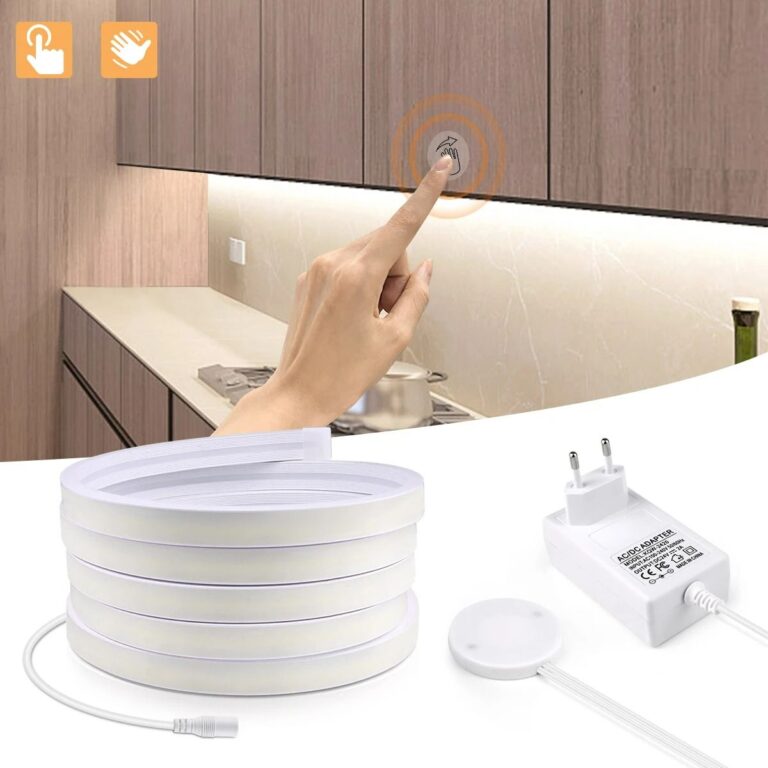
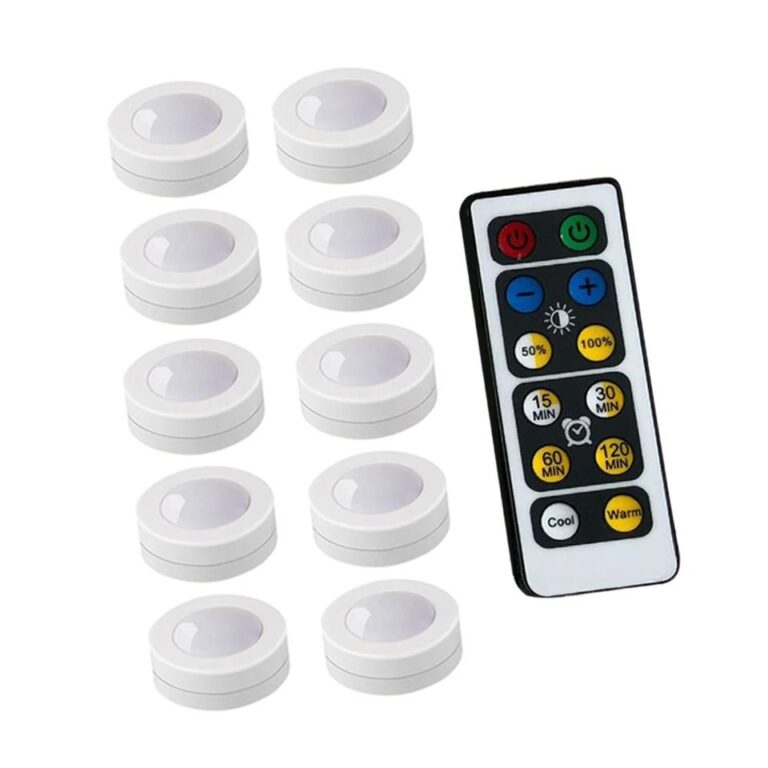 Aisha's pickLarge Cabinet Lights for Cozy Nights In

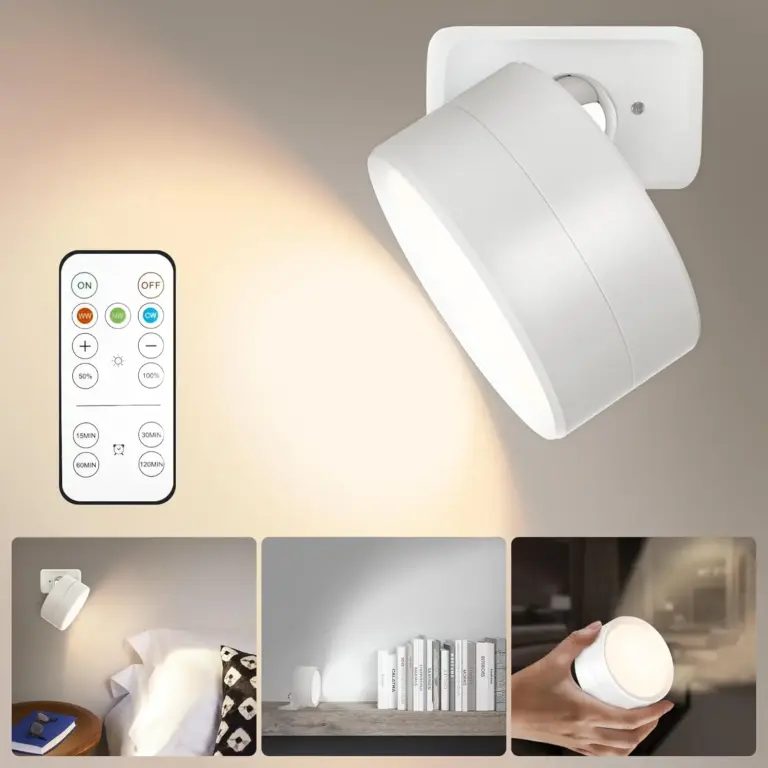 Aisha's pickLED Cabinet Lights That Make a Room Feel Finished
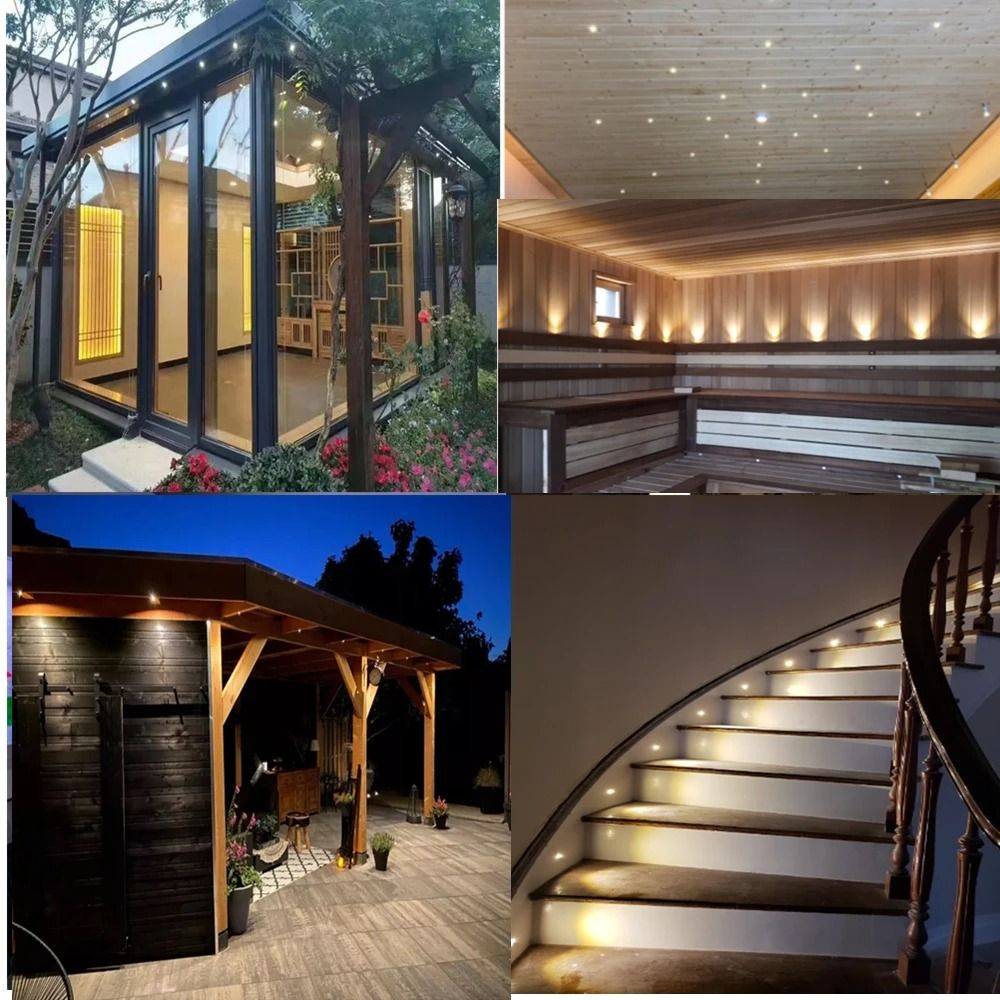
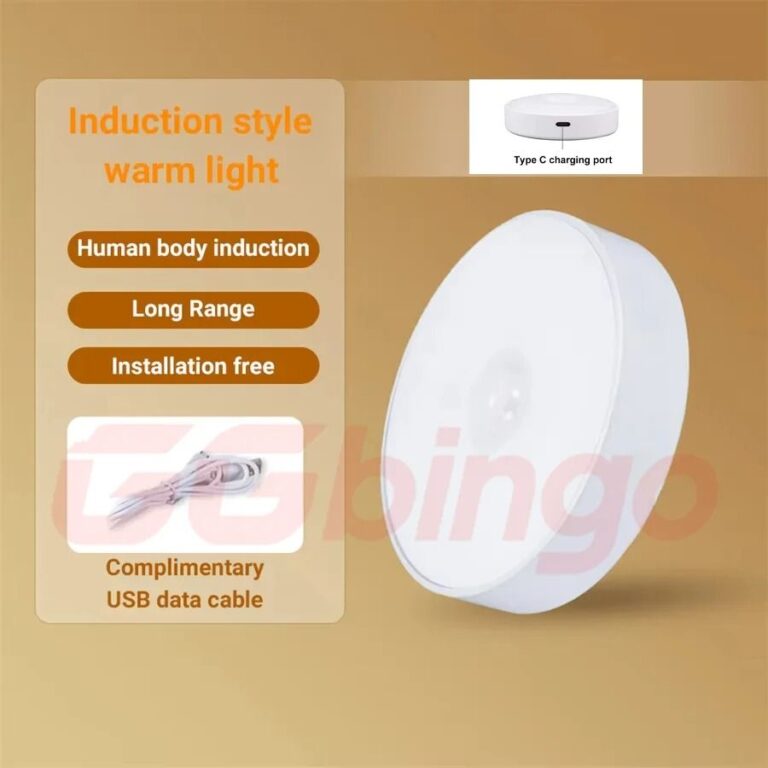 Aisha's pickLED Under Cabinet Lights Without the Silly Price Tag
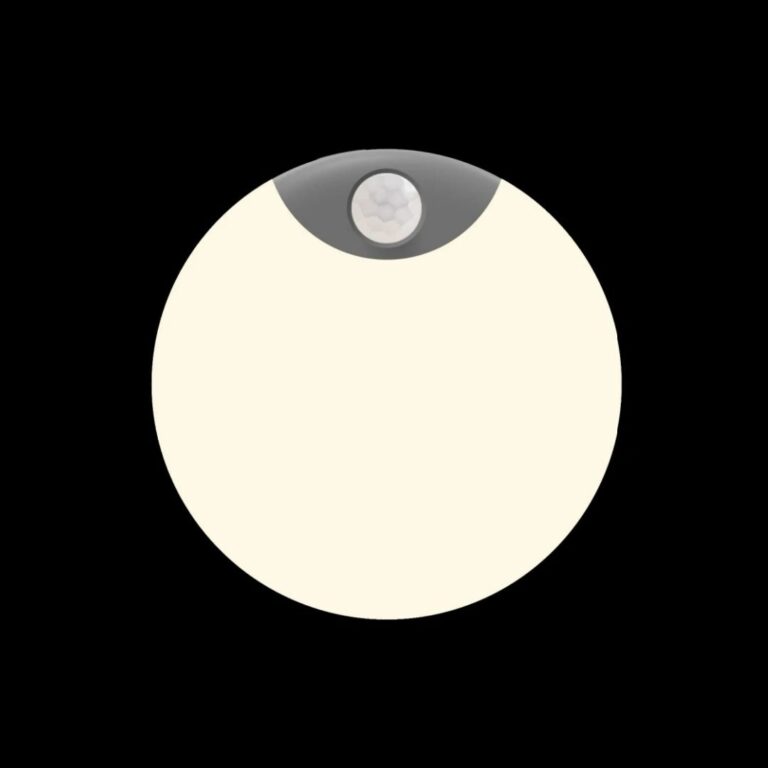
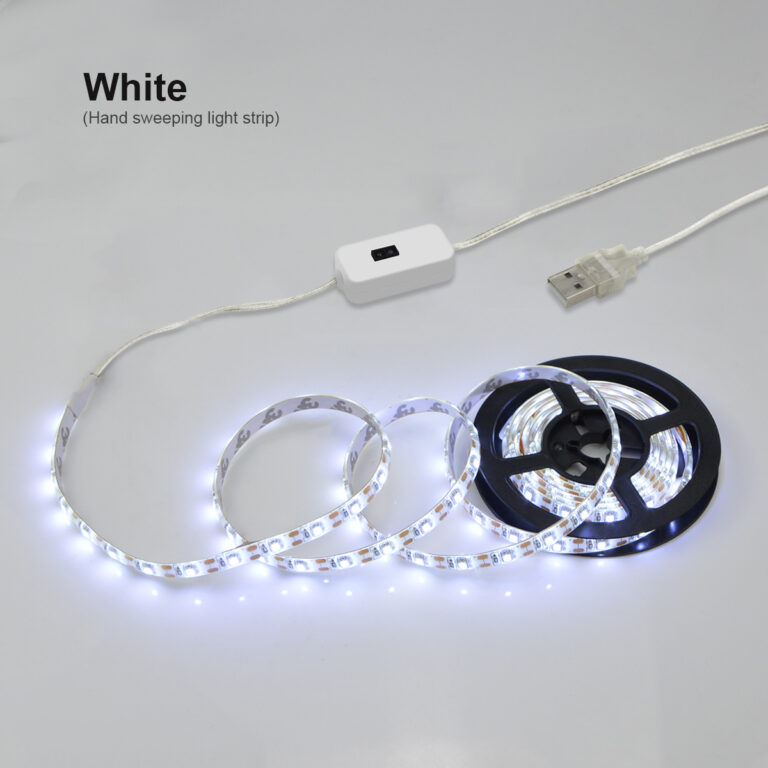 Aisha's pickModern Cabinet Lights That Work in Old Houses and New Ones
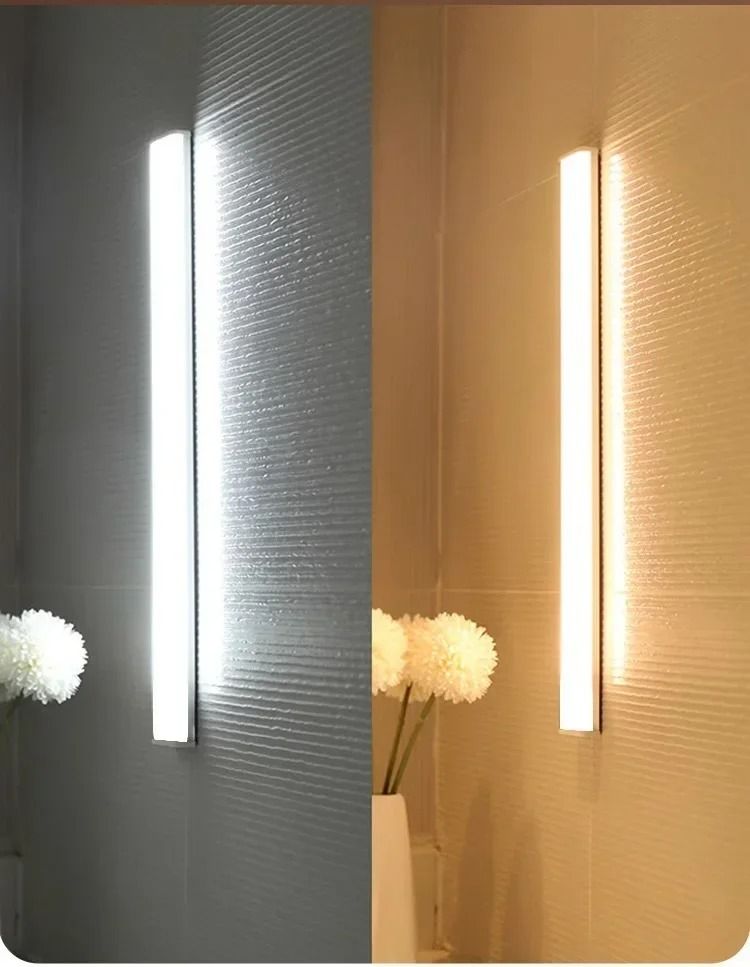
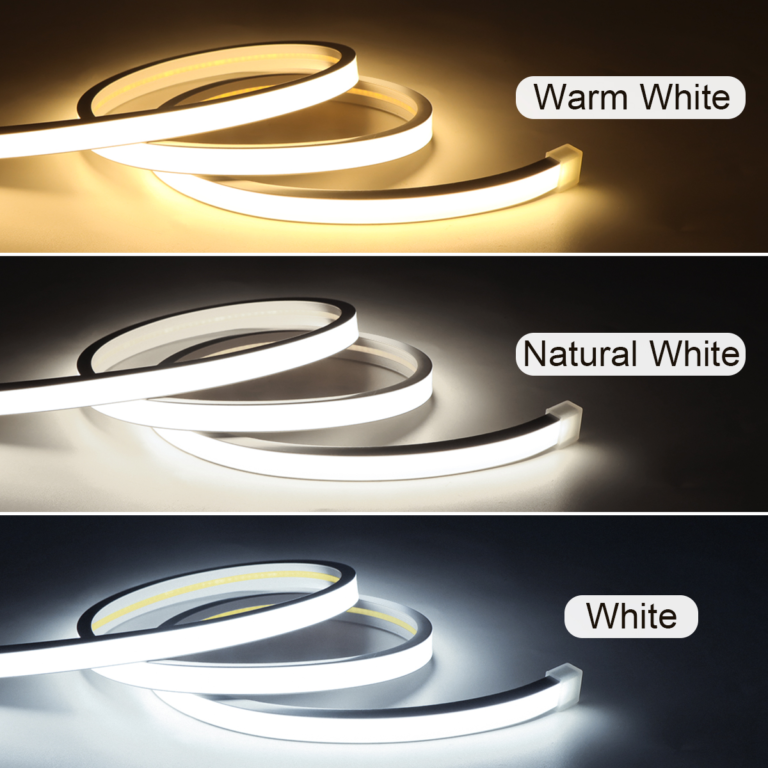 Aisha's pickNo Fuss Plug in Cabinet Lights
 Aisha's pickRGB Cabinet Lights That Give Off a Warm Glow
 Aisha's pickSilver Cabinet Lights From Stores Big and SmallAlso worth a lookWall LightsWall lights are the fixture everyone skips and shouldn't.See the collections →
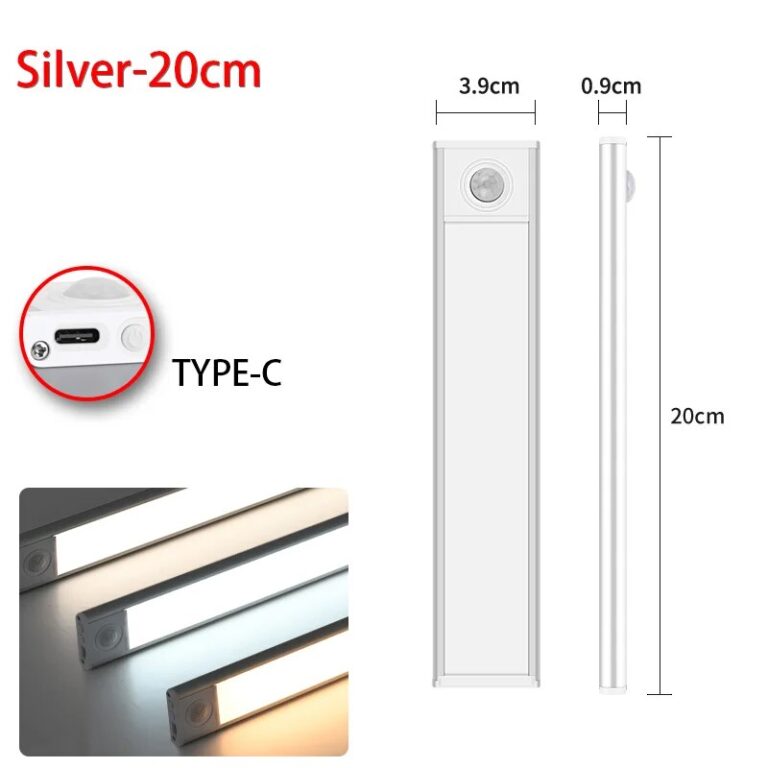
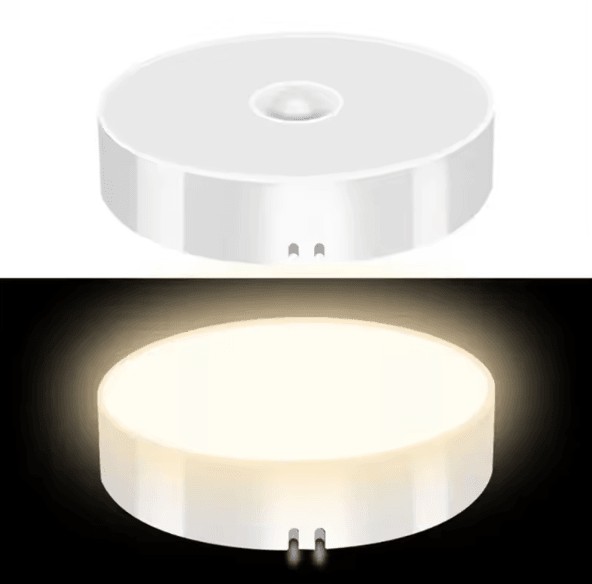 Aisha's pickSmall Cabinet Lights at Every Price Point
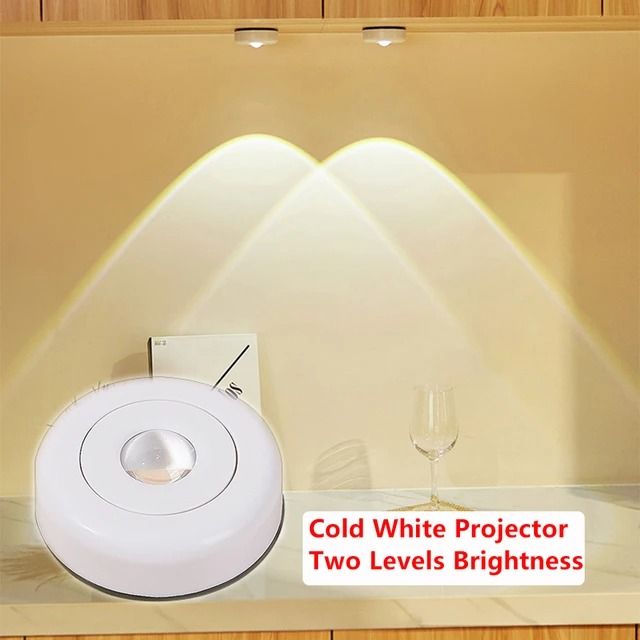
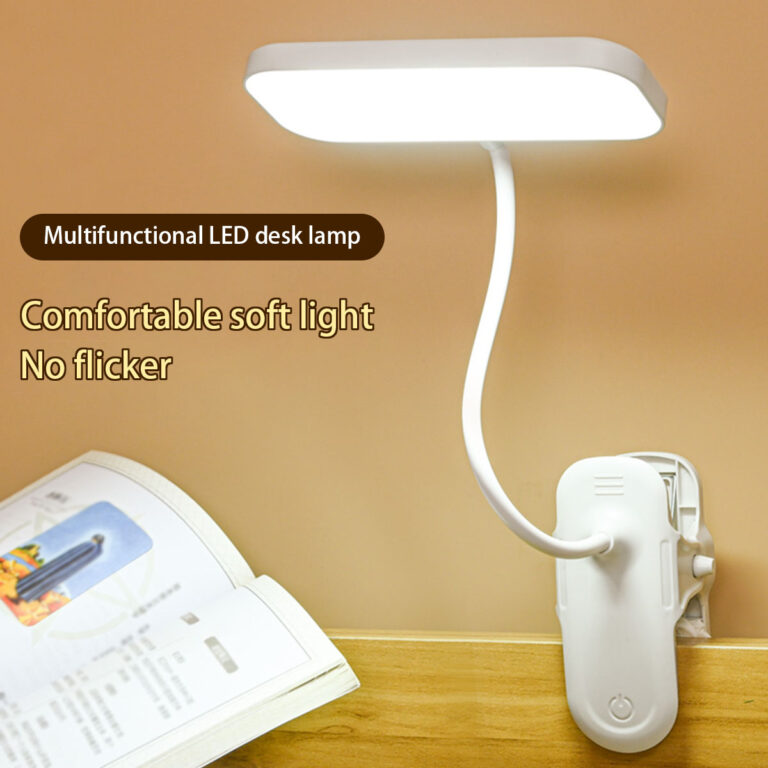 Aisha's pickSmart Cabinet Lights Without the Silly Price Tag
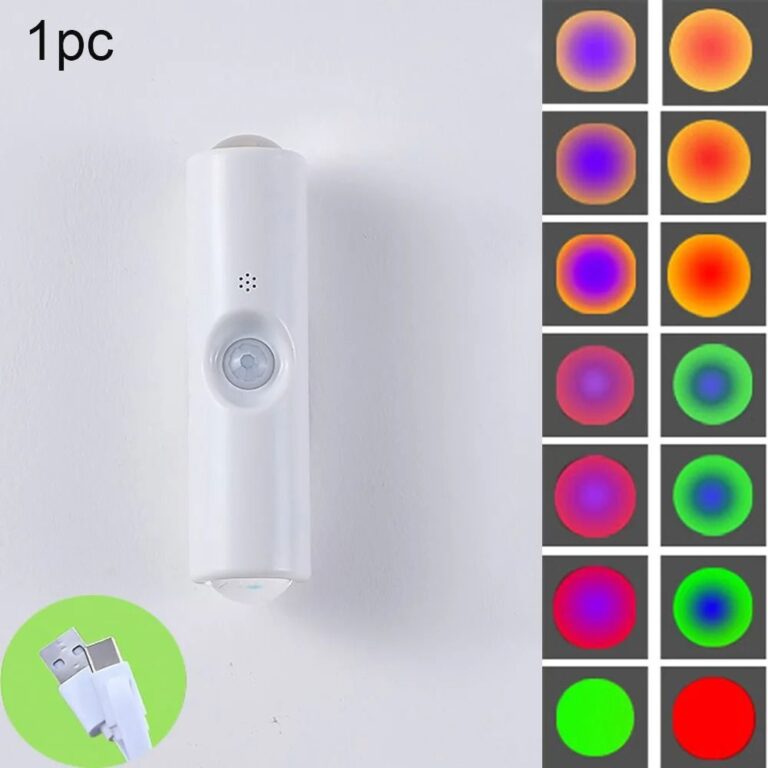
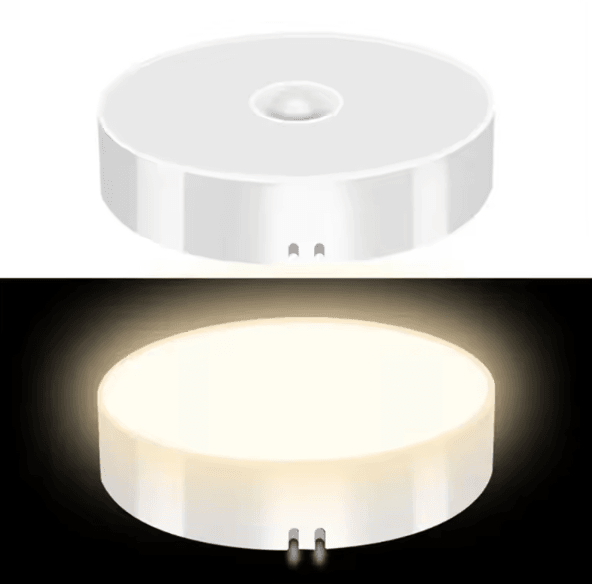 Aisha's pickTraditional Cabinet Lights Picked by People Who Care Too Much
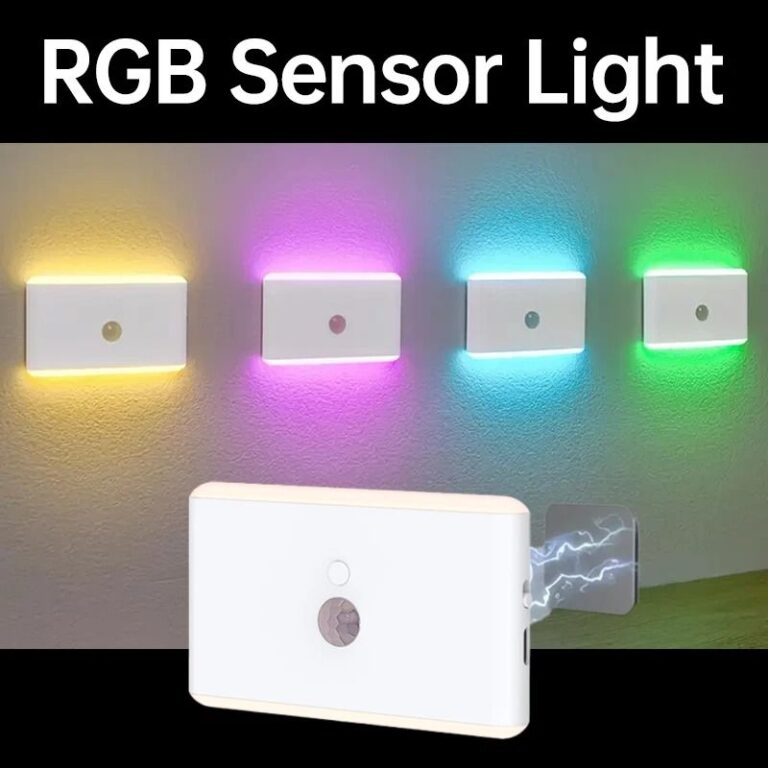
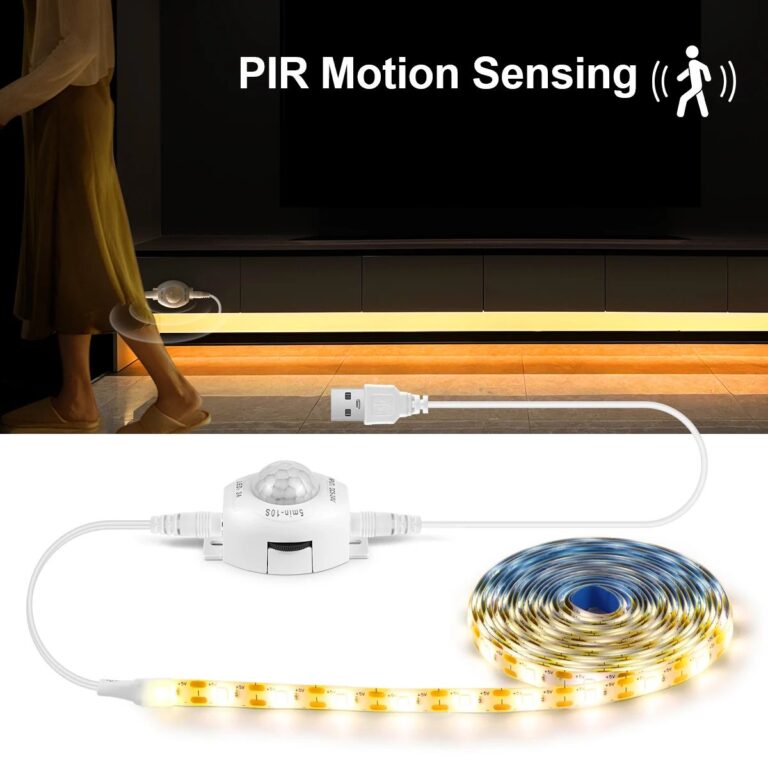 Aisha's pickUnder Cabinet Lights That Change the Feel of a Room
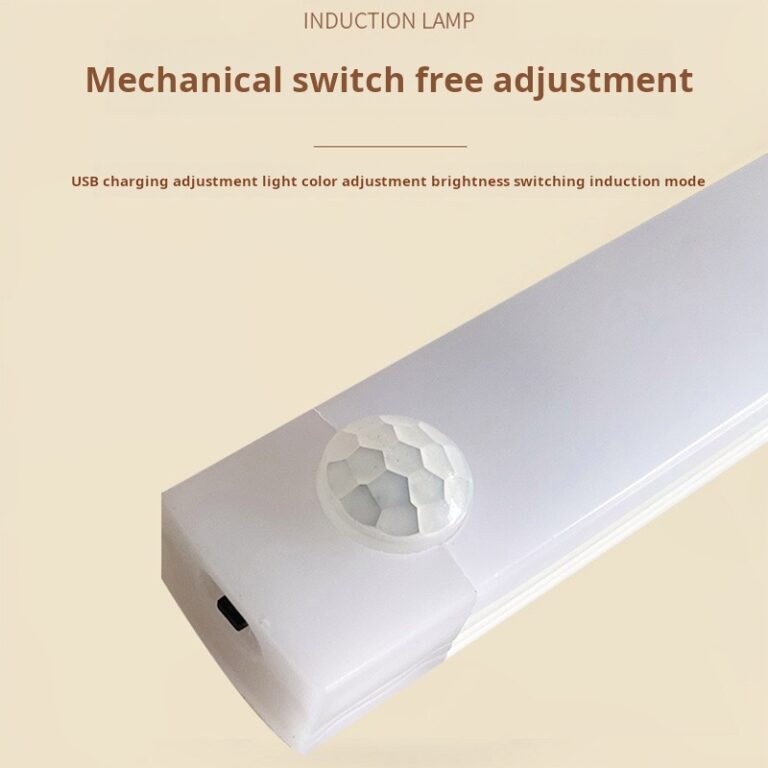
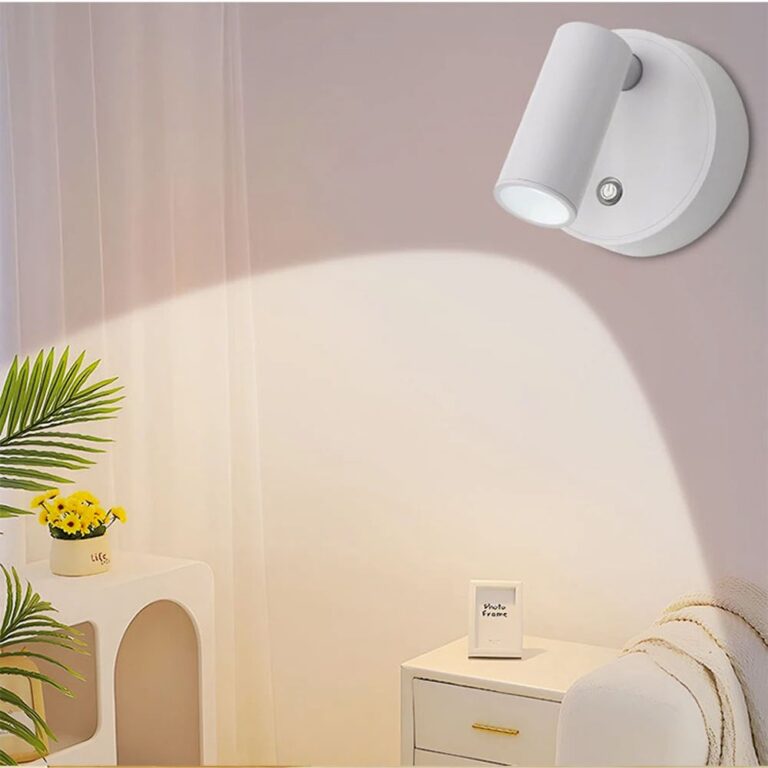 Aisha's pickAdjustable Cabinet Lights You’ll Keep for Years
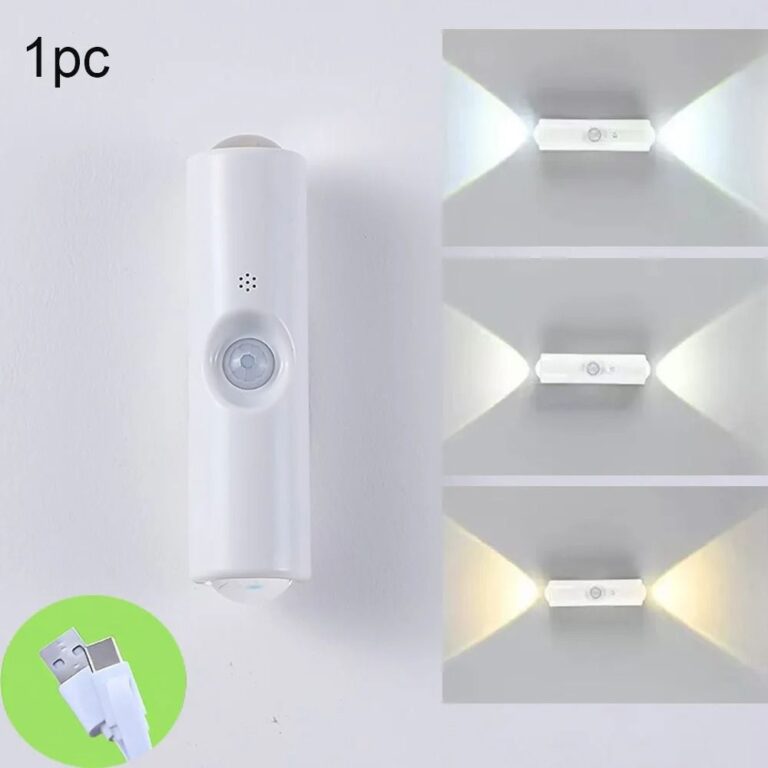
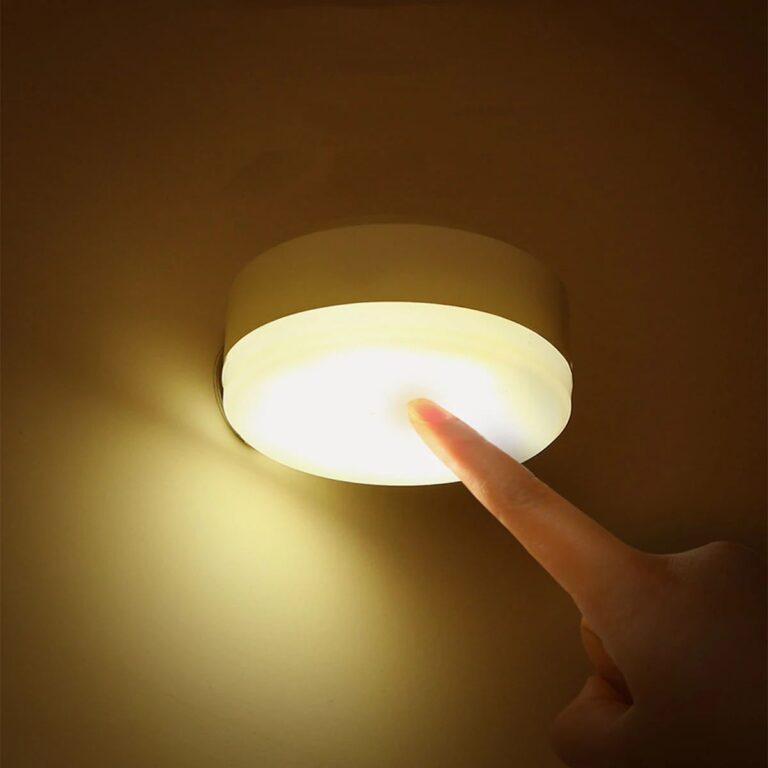 Aisha's pickWhite Cabinet Lights That Change the Feel of a Room
 Aisha's pickBlack Cabinet Lights That Work in Old Houses and New Ones