The thing nobody tells you about brass is that it changes on purpose, or it does if you buy the right kind. Unlacquered brass will go from bright and almost gold to a soft, freckled brown over a few years of hands touching it and light hitting it, and that is not a flaw, that is the entire point. I didn't know that when I bought my first fixture and spent a confusing winter wondering why it looked different from the catalog photo. It wasn't broken. It was just living in my house instead of a warehouse.
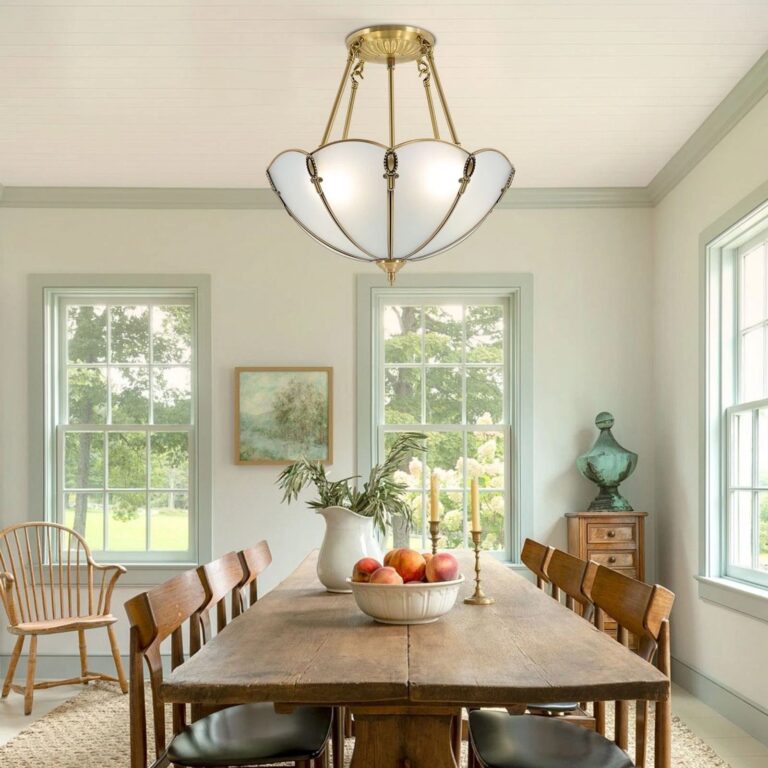
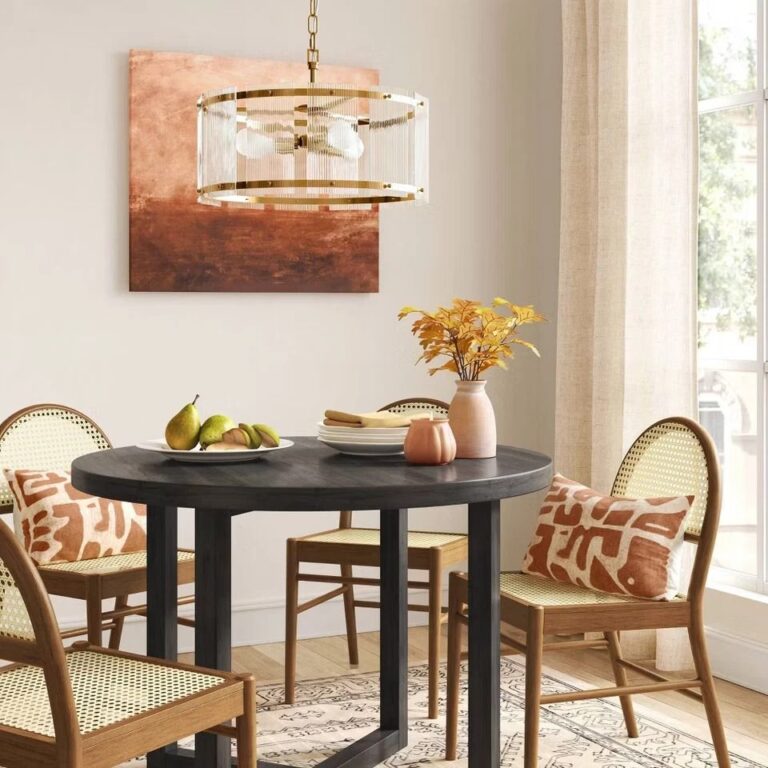
If you've got no brass in the house at all, start small and start low. A single table lamp or one wall sconce in a hallway, somewhere you pass but don't stare at for hours, so you get used to the warmth of it before committing to something bigger over a dining table. Brass sits best against things that are already a little worn in, old wood, linen, a rug with some age to it, rather than against anything too shiny or too new, where it can look like it's trying too hard. It also does something lovely with afternoon light, catching it and throwing a warm, almost amber glow across a room right when everything else is going gray outside the window. In a room that gets good evening sun, that's half the reason to have it there at all.
On finish, I'll say the unpopular thing: skip the heavily lacquered, uniformly shiny pieces if you can. They look sharp in the store and then sit there forever looking exactly the same, which sounds like a benefit until you realize it also means they never settle into the room, they just sit on top of it. A raw or lightly waxed brass will dull and warm up with use, and that softening is what makes it feel like it belongs to your house rather than a showroom. Satin and aged finishes are the easiest to live with day to day, since they hide fingerprints and dust better than anything polished to a mirror shine.
The difference between a good one and a disappointing one usually comes down to weight and joints. Pick it up, if you can. Real brass has heft, and a well made fixture has soldered or properly fitted joints, not a visible seam that's been glued and painted over. Cheap versions are often brass plated over a lighter metal, and that plating chips at the edges within a year, showing silver underneath in a way no amount of polishing fixes. A solid piece costs more up front but it ages the way you want, instead of flaking the way you don't.
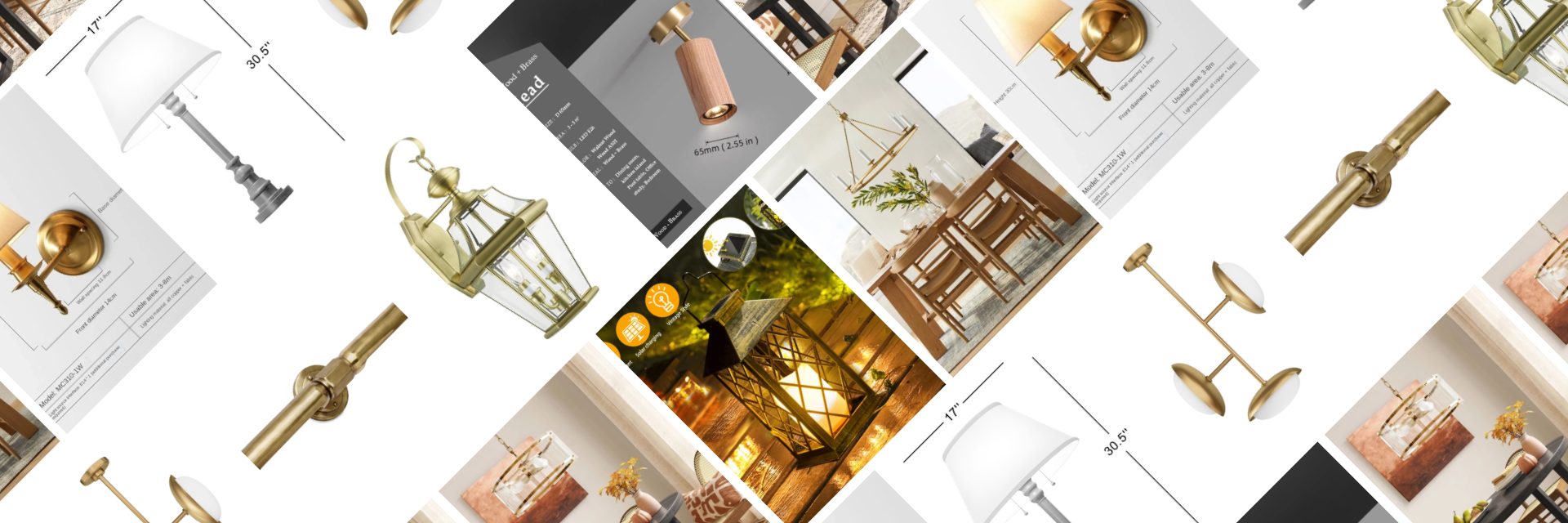
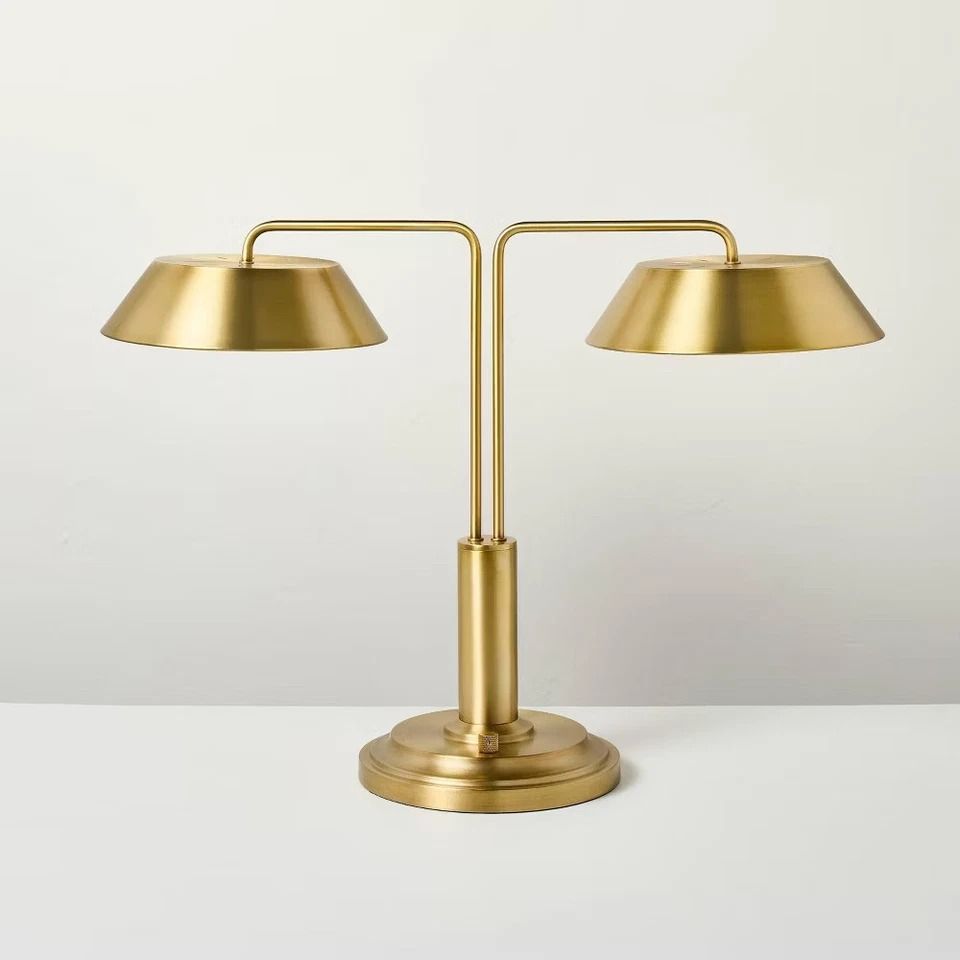 Aisha's pickBrass Living Room Lights You’ll Keep for Years
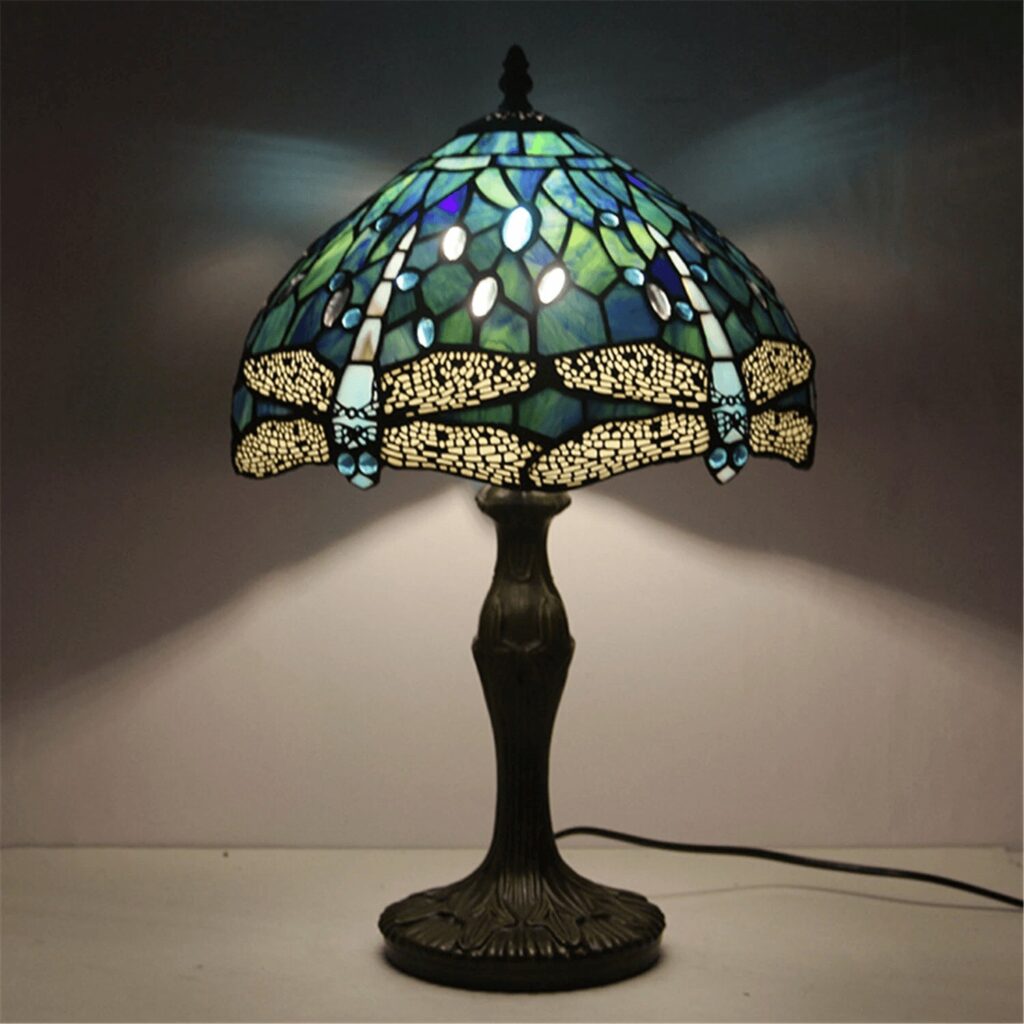
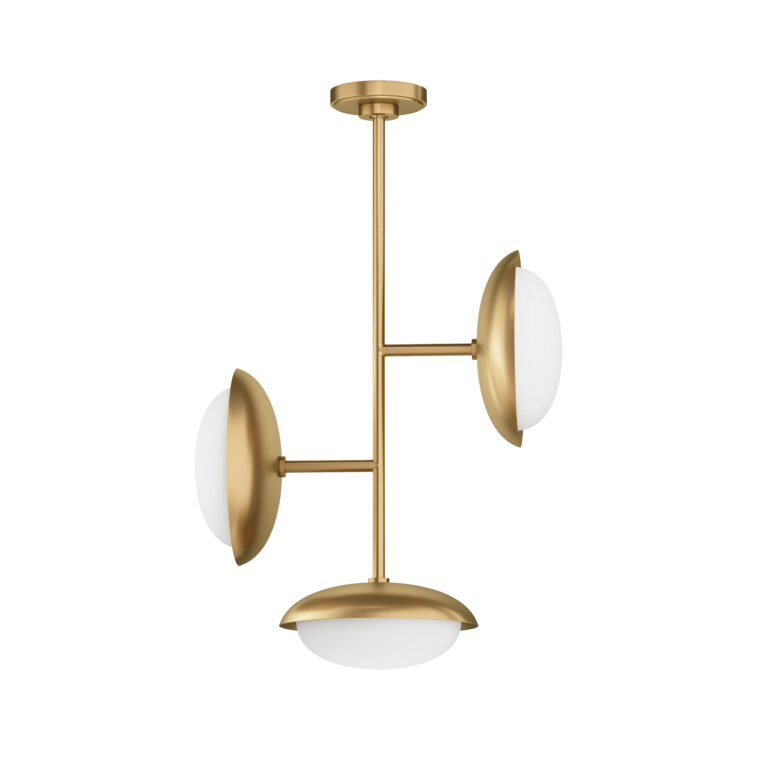 Aisha's pickBrass Pendant Lights for When the Old Ones Give Up
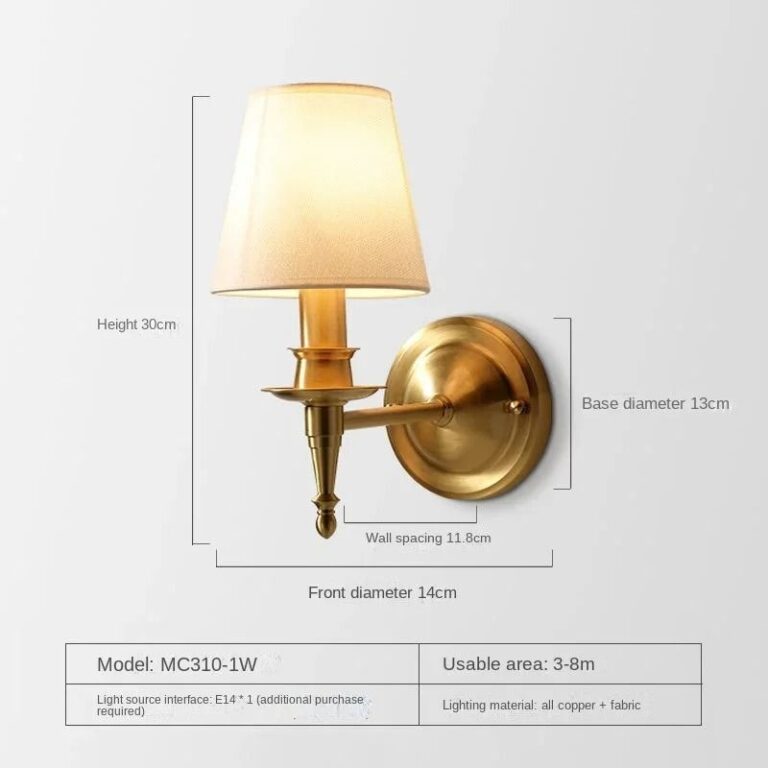
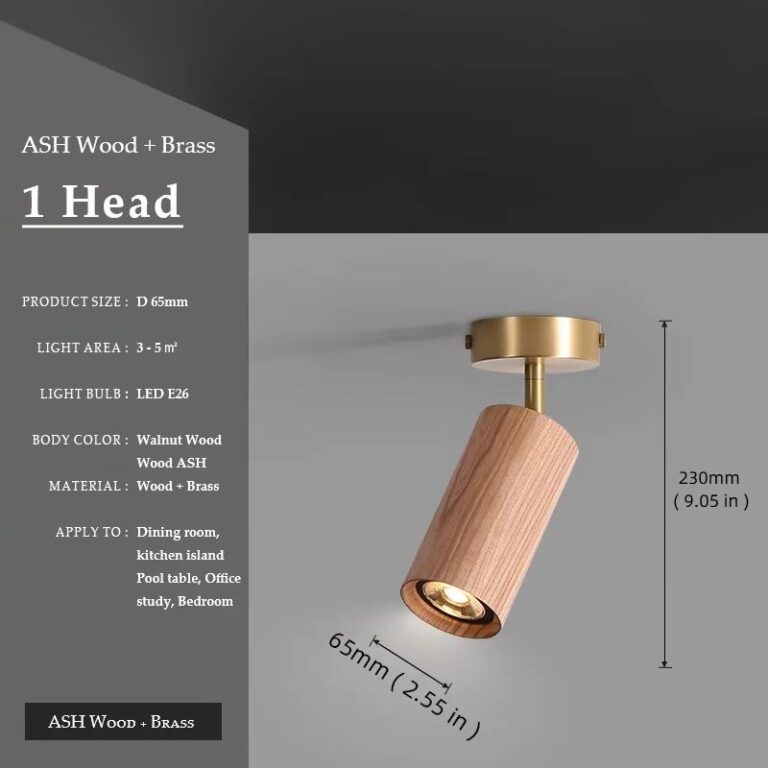 Aisha's pickBrass Wall Lights That Hold Up to Everyday Life
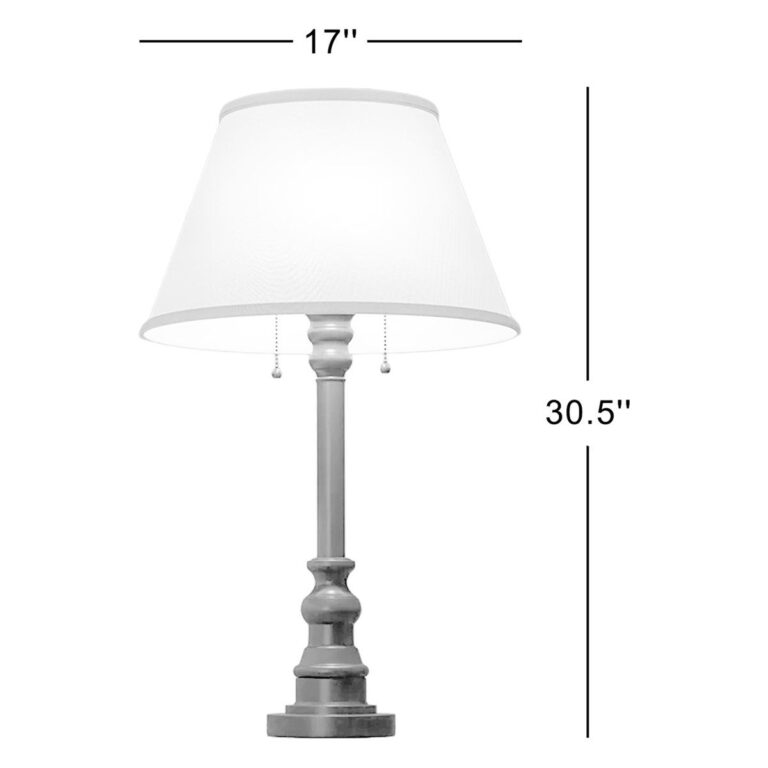 Aisha's pickAntique Brass Bedroom Lights Bright Enough Without the Glare
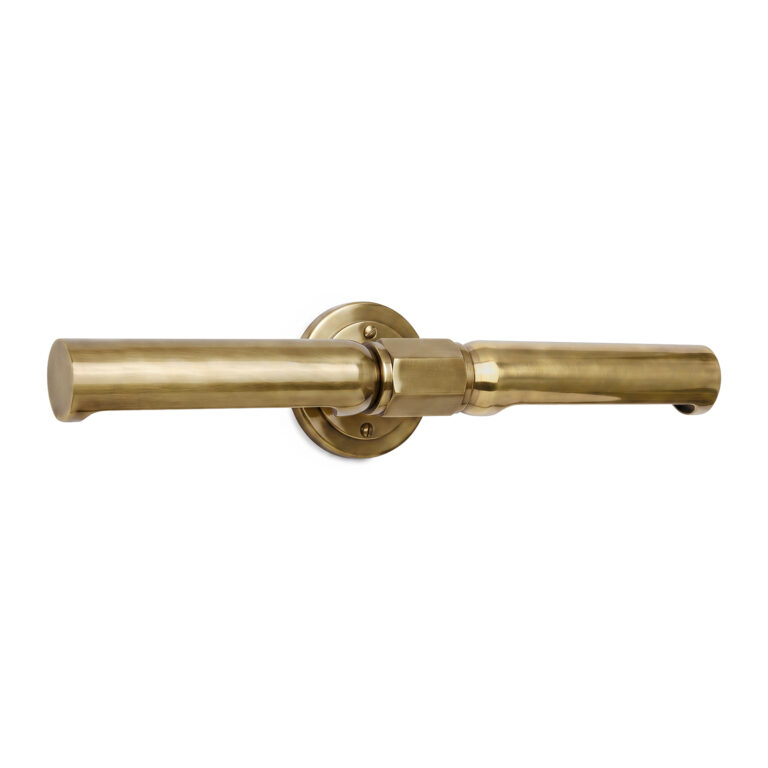 Aisha's pickAntique Brass Wall Lights for Cozy Nights In
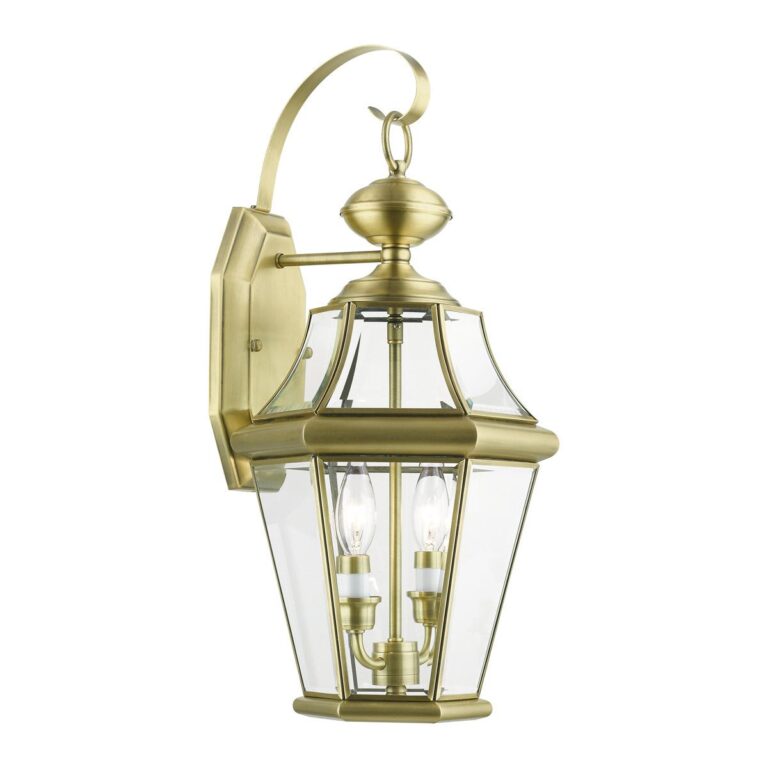
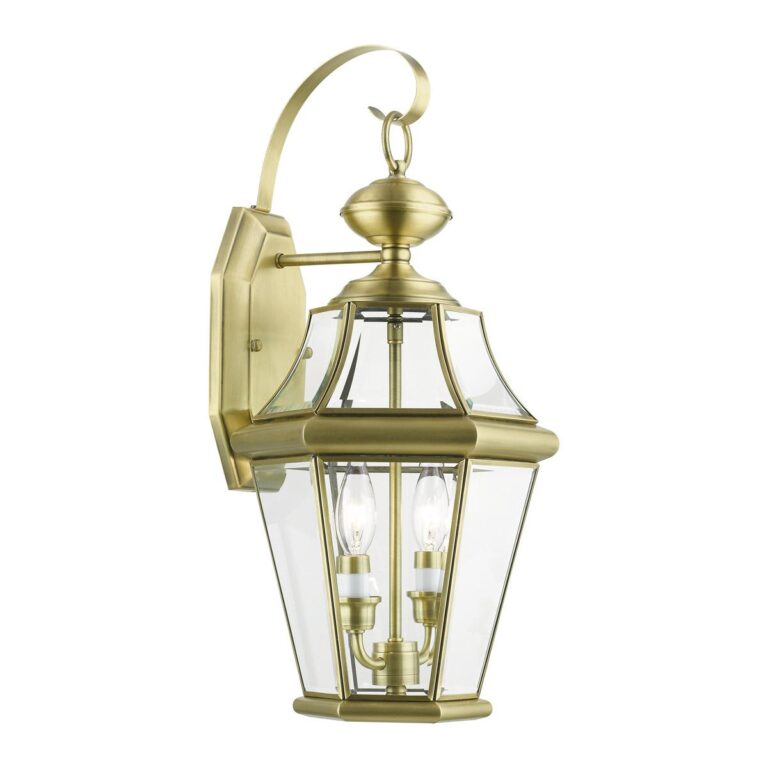 Aisha's pickBrass Adjustable Wall Lights for Cozy Nights In
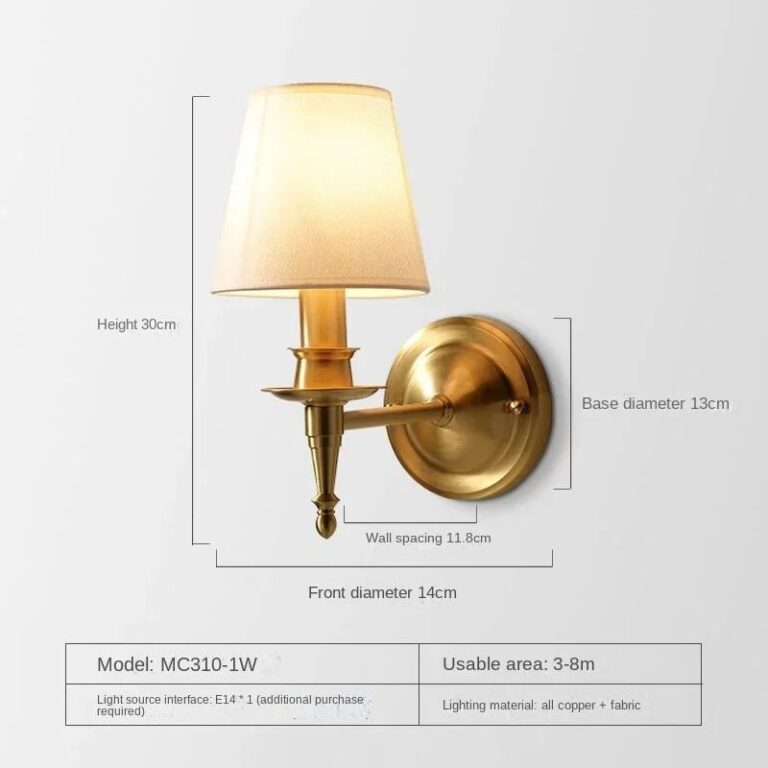 Aisha's pickNo Fuss Brass Bathroom Lights
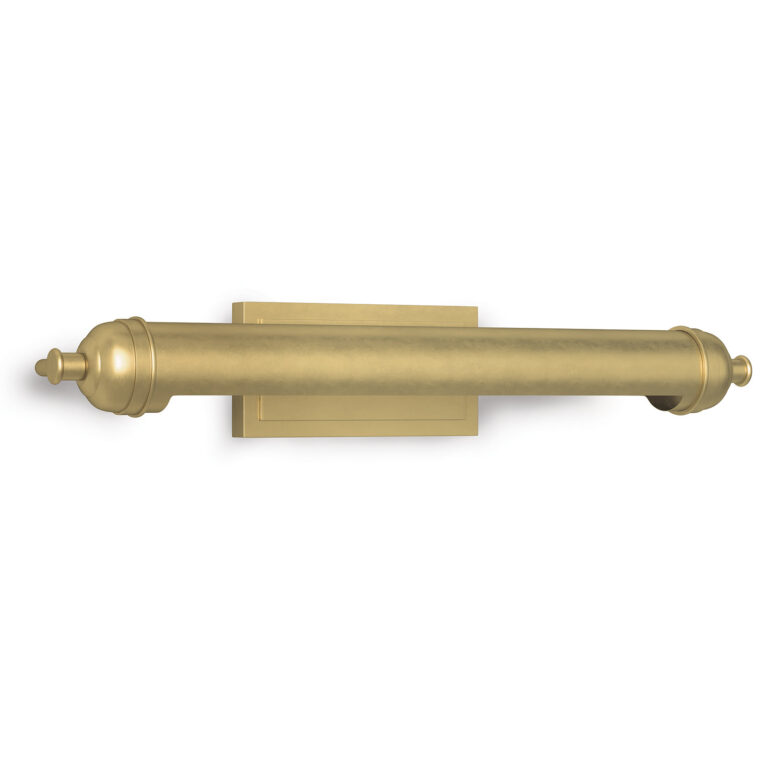
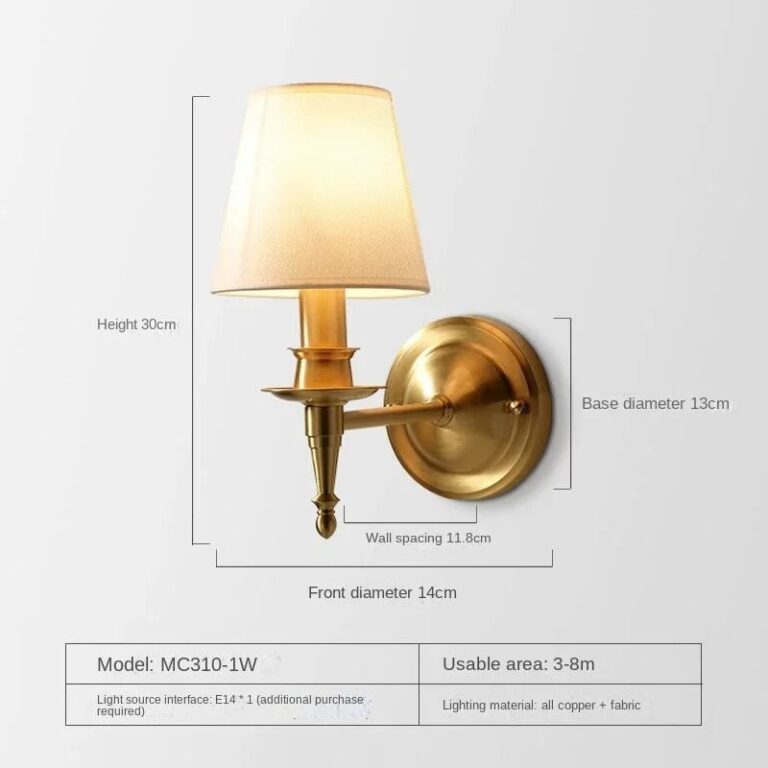 Aisha's pickBrass Bedroom Lights Bright Enough Without the Glare
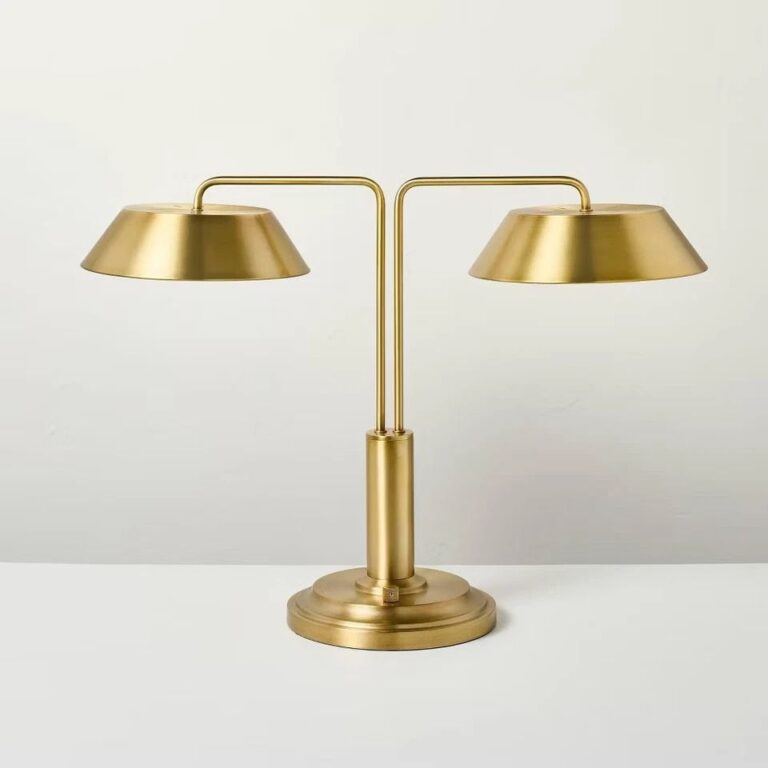
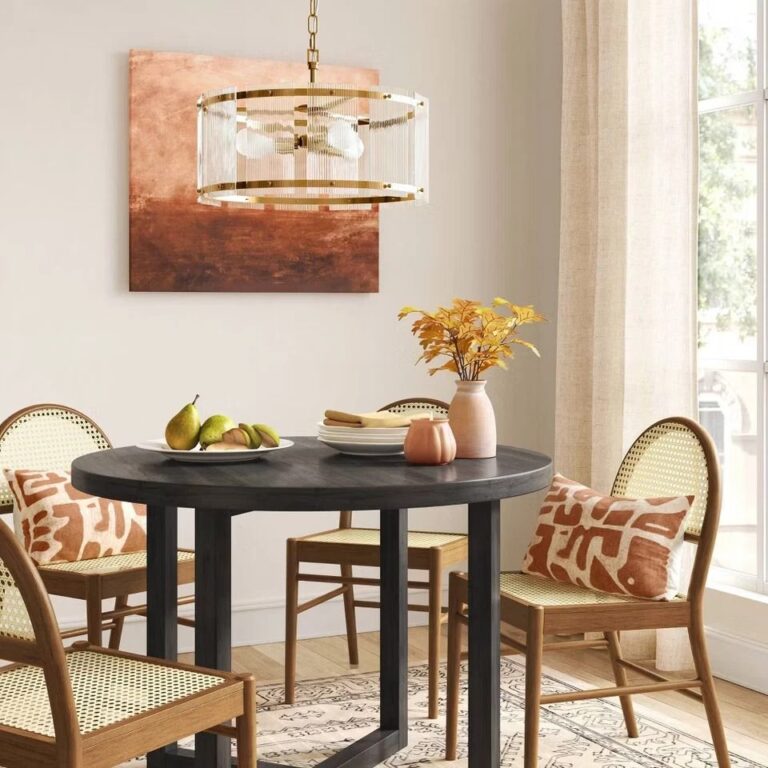 Aisha's pickBrass Ceiling Lights for Dark Winter EveningsAlso worth a lookWall LightsWall lights are the fixture everyone skips and shouldn't.See the collections →
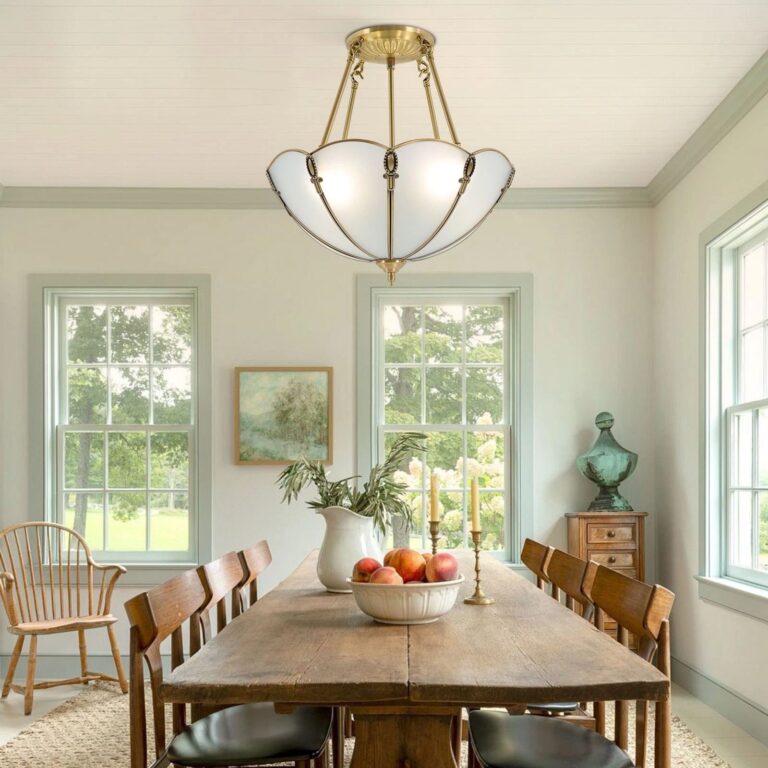
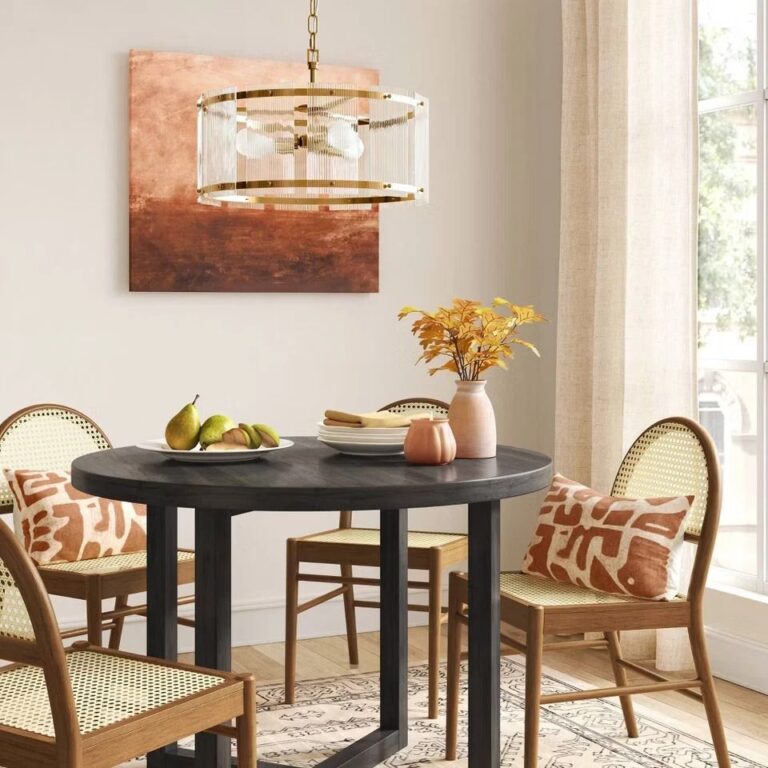 Aisha's pickBrass Chandeliers That Make a Room Feel Finished
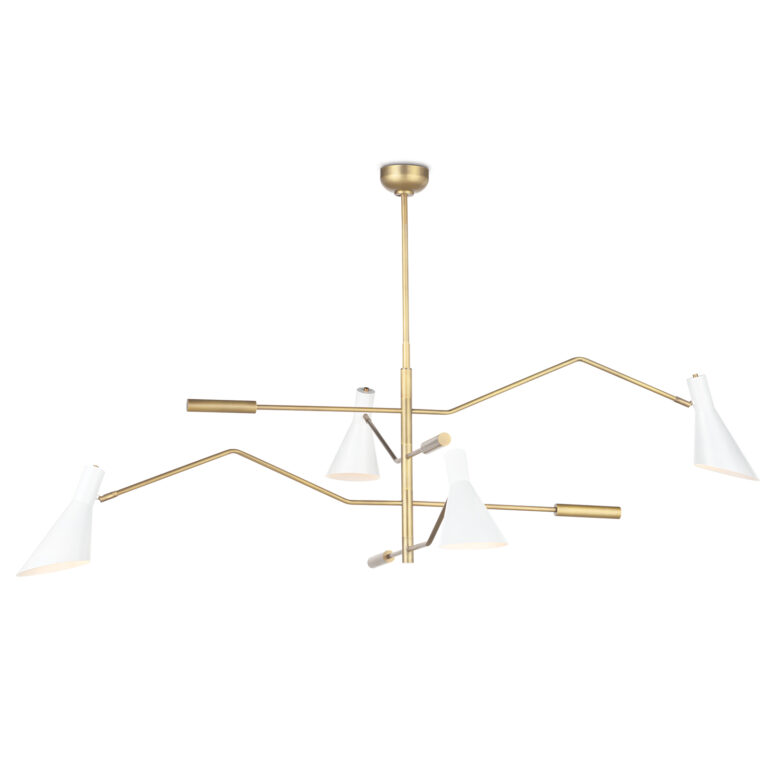
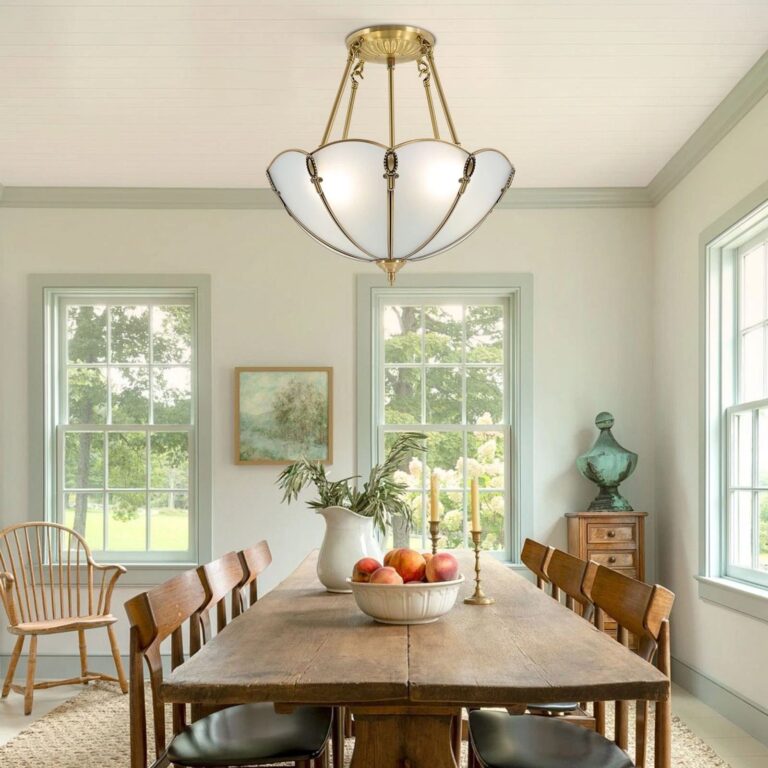 Aisha's pickBrass Dining Room Lights From Stores Big and Small
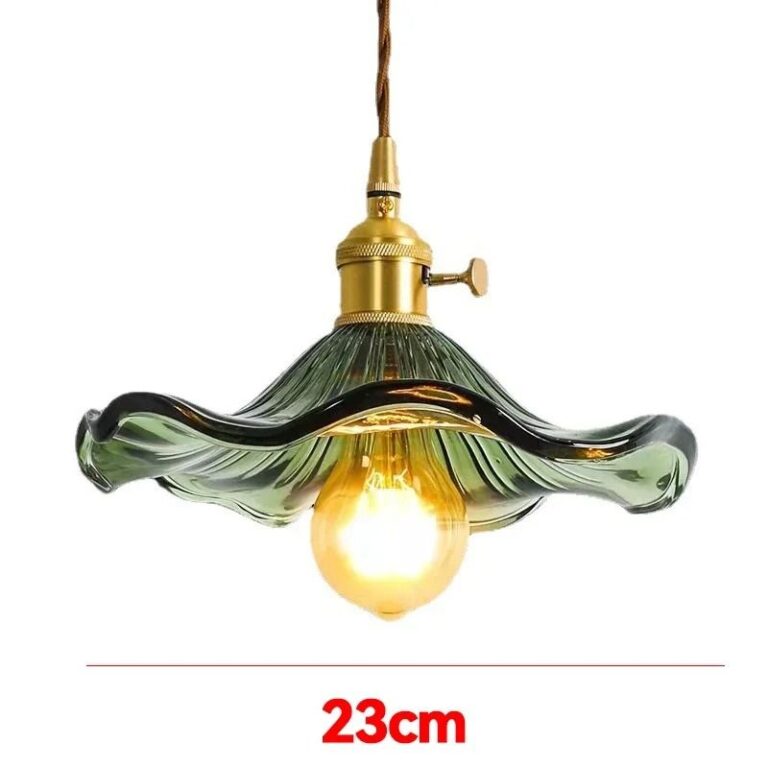 Aisha's pickBrass Island Pendant Lights From Brands You Know and a Few You Won’t