A touch lamp is the one you put next to a bed, a reading chair, or anywhere you need light on and off without fumbling for a tiny switch in the dark. Tap the base, metal, or sometimes the lampshade itself, and it goes from off to low to medium to bright. No cord switch to find, no pull chain to miss three times before you catch it. That simple bit of engineering is the whole point.
The gap between a good one and a bad one shows up fast, usually within the first month. Cheap touch lamps have a sensor pad that's basically a piece of foil tape under cheap paint, and it degrades, so you end up tapping four or five times to get the light to respond, or it skips straight to full brightness when you wanted low. A well made one has a proper capacitive touch sensor built into solid metal or ceramic, a base with enough weight that it doesn't slide across the nightstand every time you reach for it, and a socket that doesn't buzz or flicker on the dim settings. Check the base material before anything else. Real metal or dense ceramic feels different in your hand than the hollow resin stuff, and you can usually tell just by knocking on it.
These work best in bedrooms, obviously, especially for anyone who reads before sleep or has a partner on a different schedule, since you can get light without hunting around. They're also good in small apartments where lamp space doubles as nightstand space and you don't want clutter with switches. If you've got toddlers who like pulling on cords, a touch lamp with a sturdy weighted base is safer than most alternatives.
If you own none, start with a single bedside touch lamp with at least three brightness settings, not just on and off. That range matters more than people expect, since the lowest setting is what you'll actually use at two in the morning.
For sizing, measure the height of your nightstand and pick a lamp where the bottom of the shade sits roughly at eye level when you're sitting up in bed, which usually means a lamp between 20 and 26 inches tall on a standard nightstand. The common mistake is buying one that looks right in a photo but turns out too tall or too short once it's actually next to your mattress, so measure before you order, not after.
Wipe the base with a dry cloth only, since moisture can mess with the touch sensor over time.

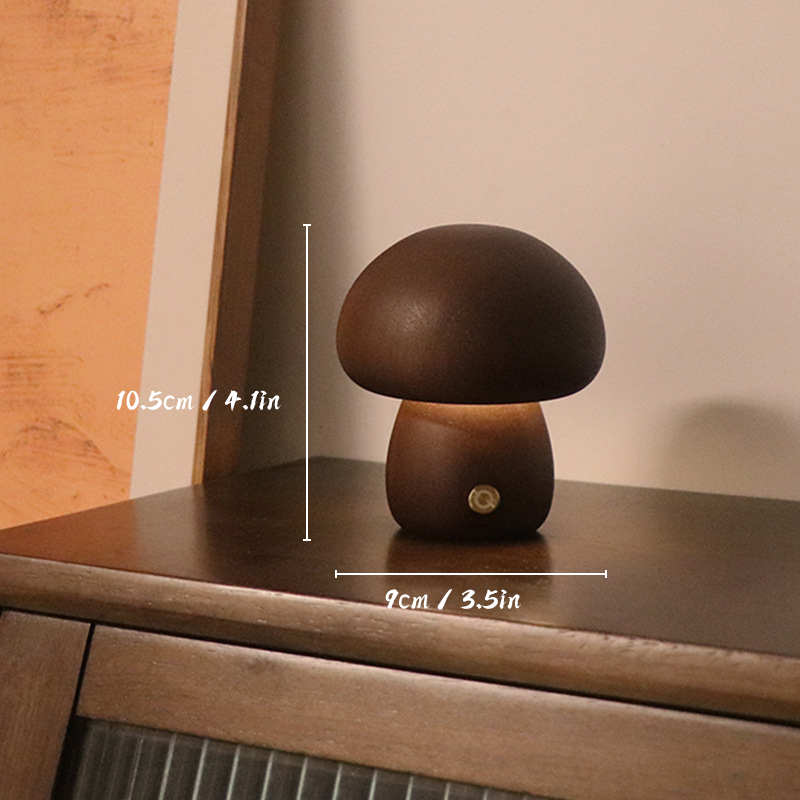 Aisha's pickNatural Touch Table Lamps That Change the Feel of a Room
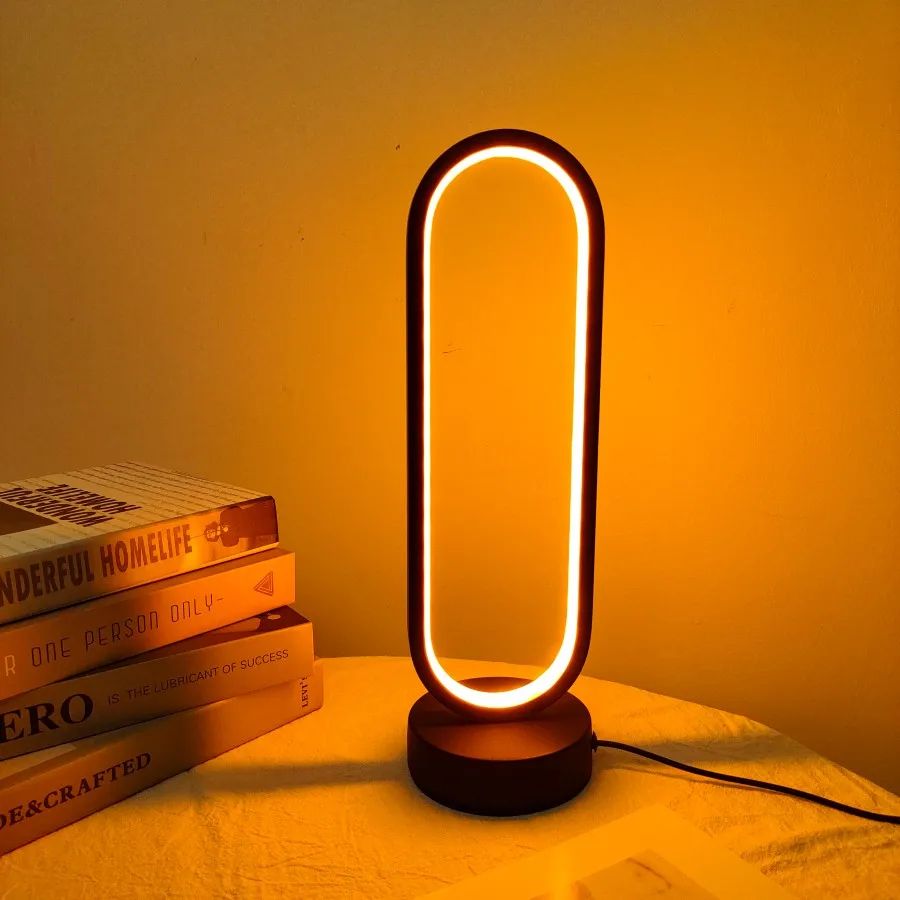
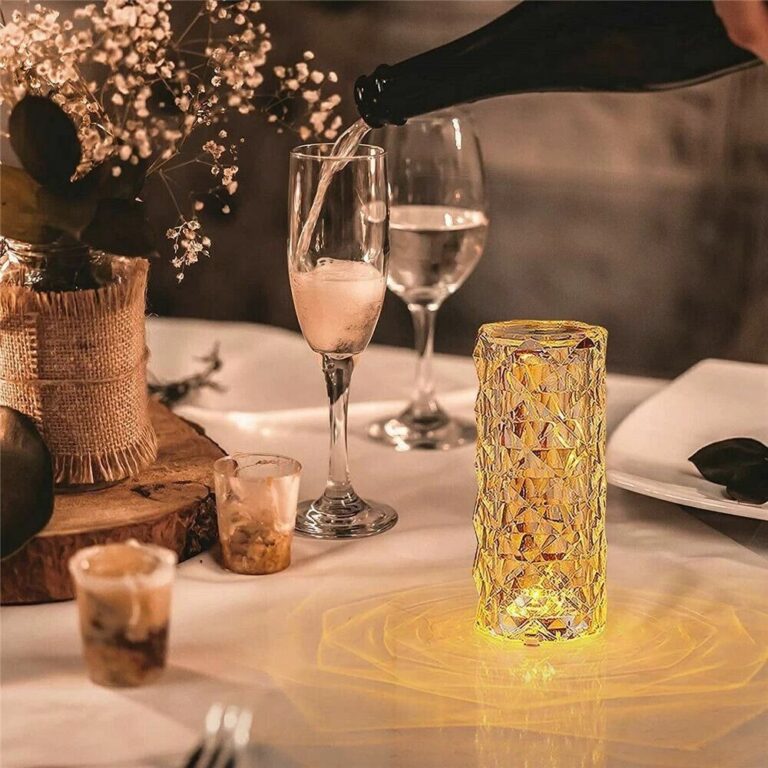 Aisha's pickRechargeable Touch Lamps We Leave On All Evening
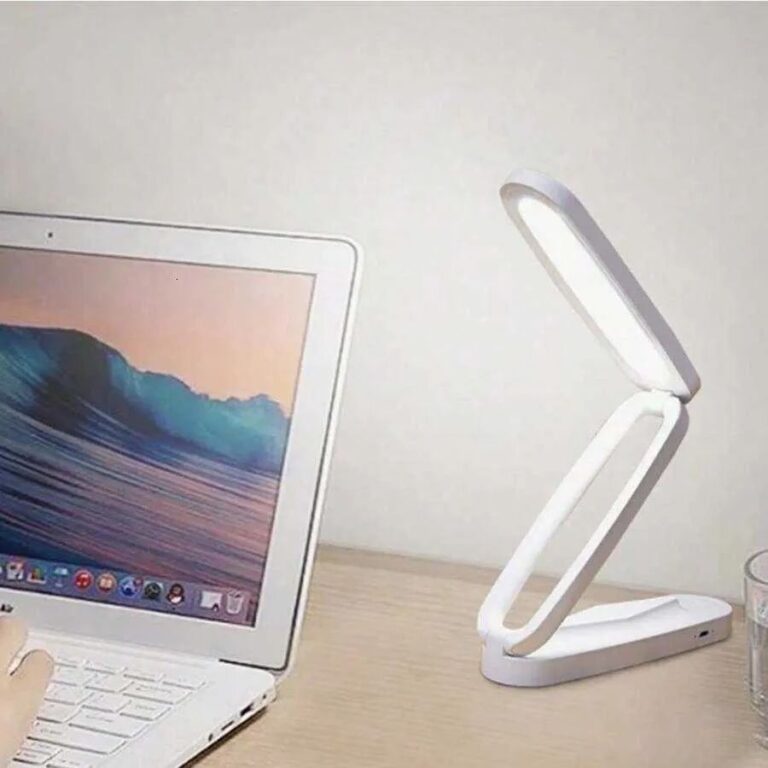
 Aisha's pickTouch Nightstand Lamps That Won’t Let You Down
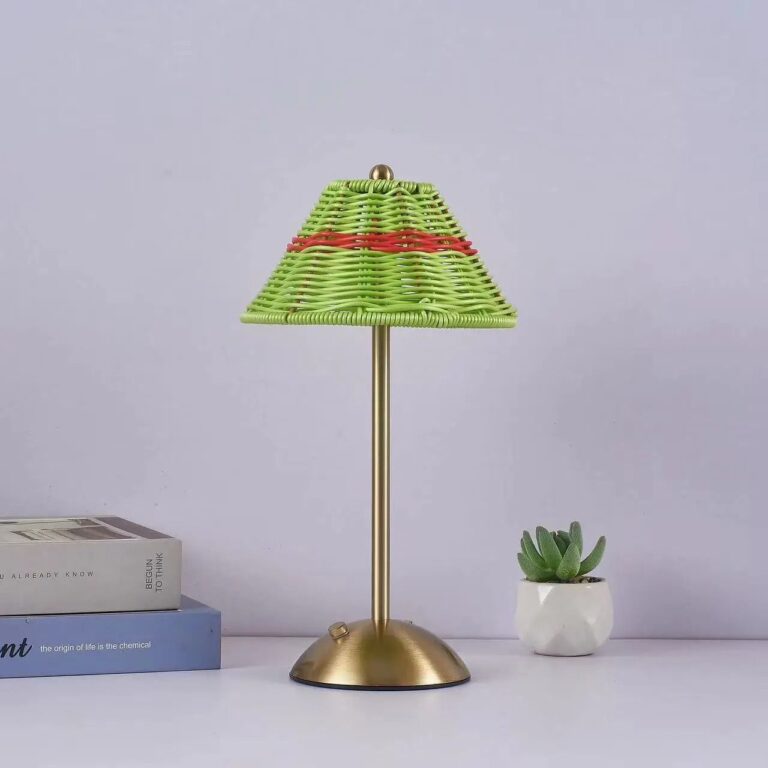
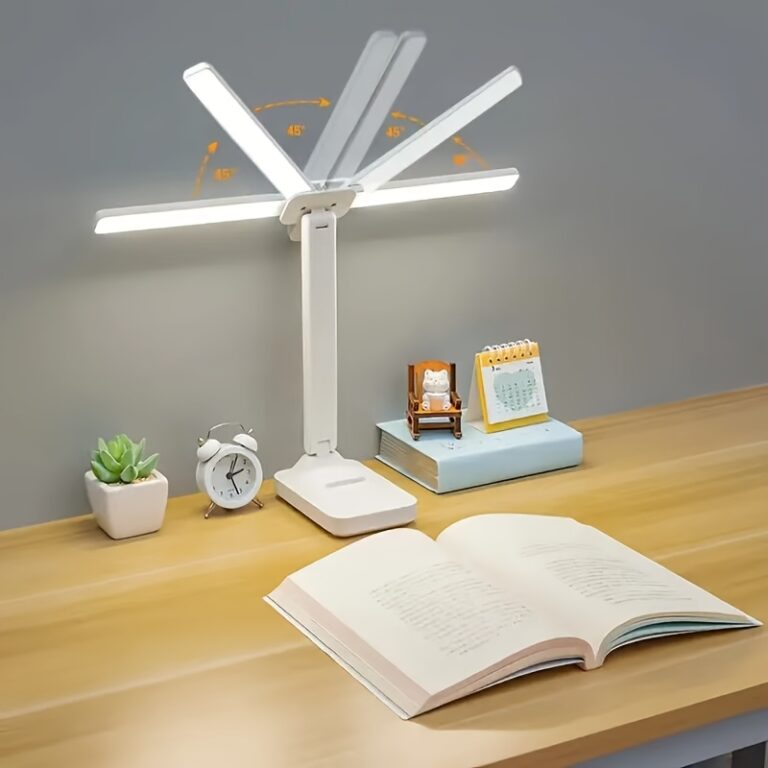 Aisha's pickTouch Lamps That Change the Feel of a Room
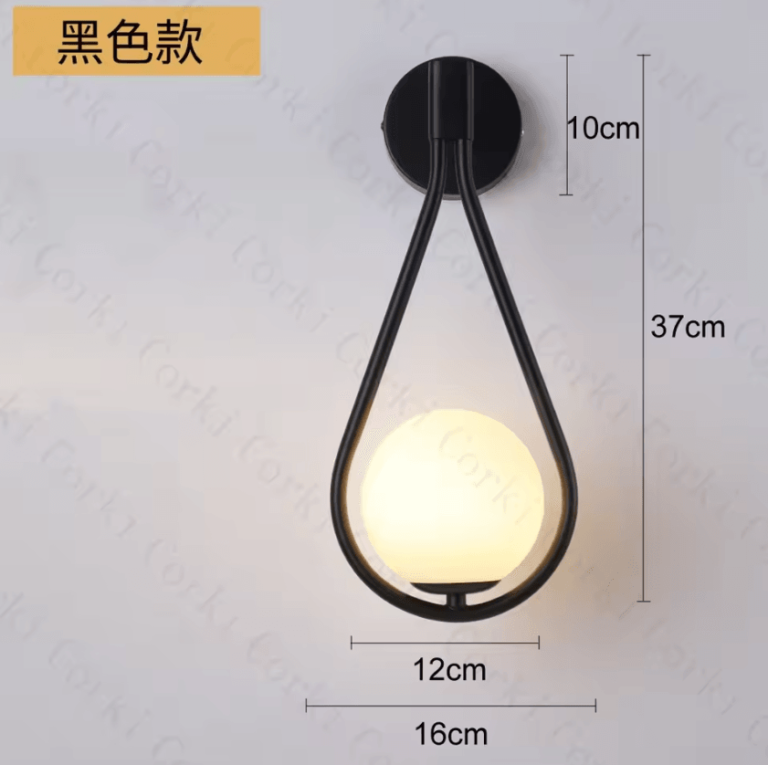
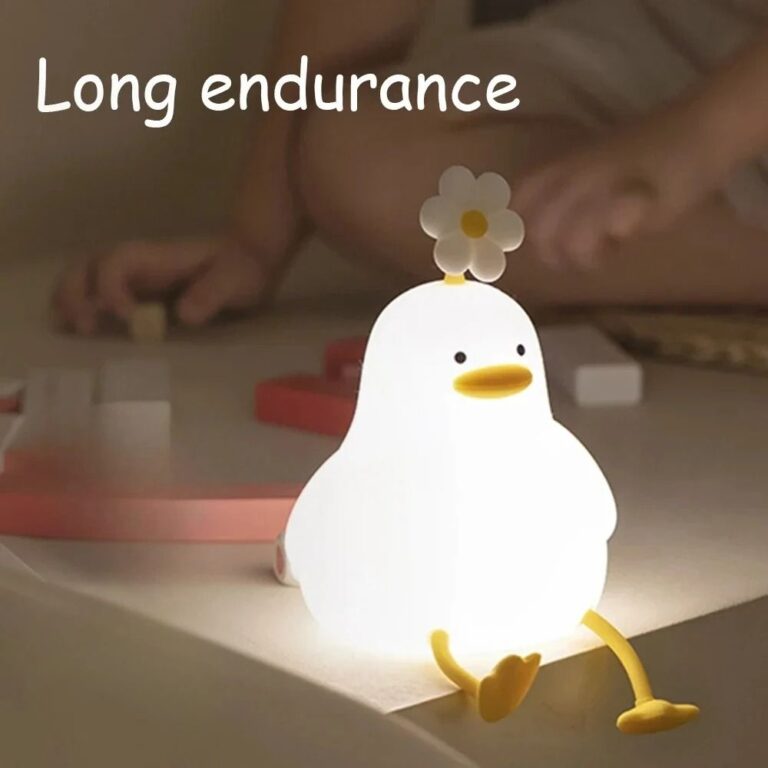 Aisha's pickTouch Lamps for Bedroom That Light Up Gloomy Corners
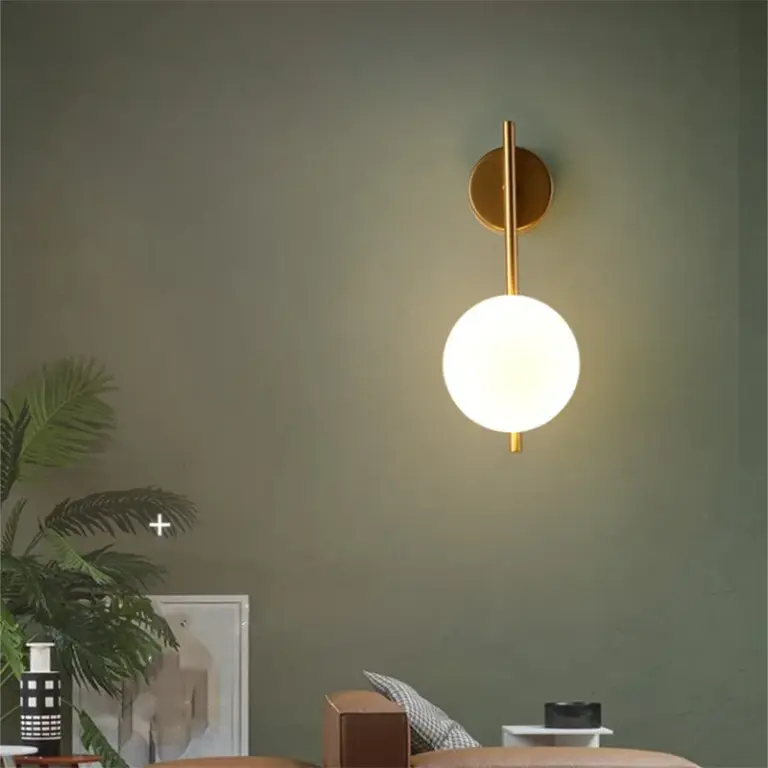
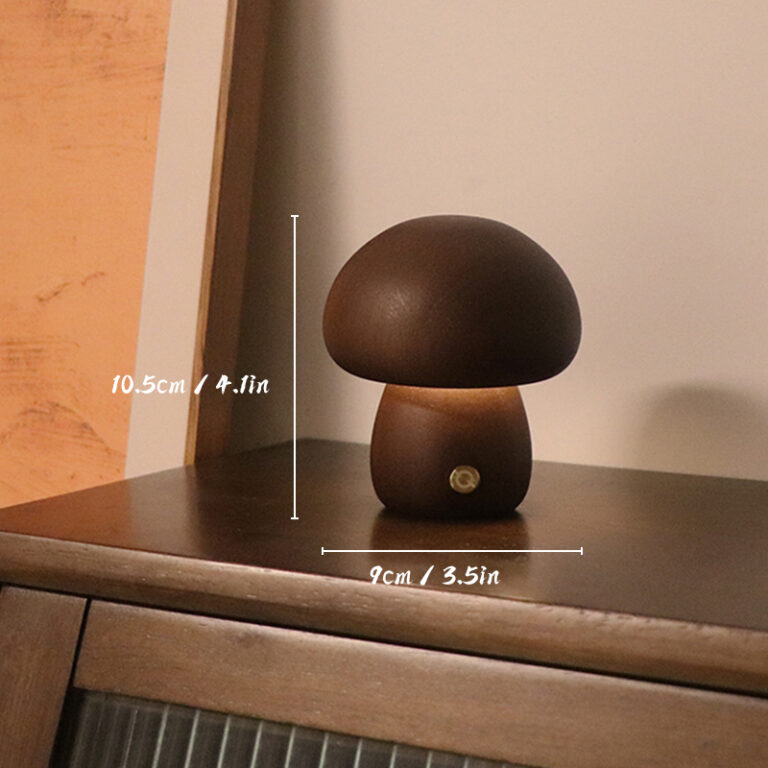 Aisha's pickBlue Touch Lamps at Every Price Point

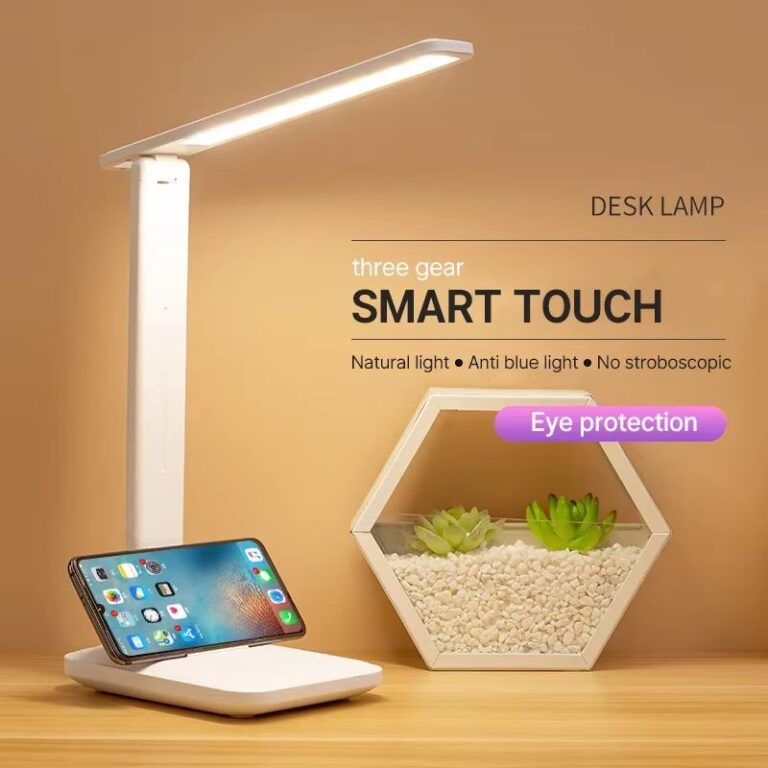 Aisha's pickTouch Lamps for Office That Keep the Desk Clear
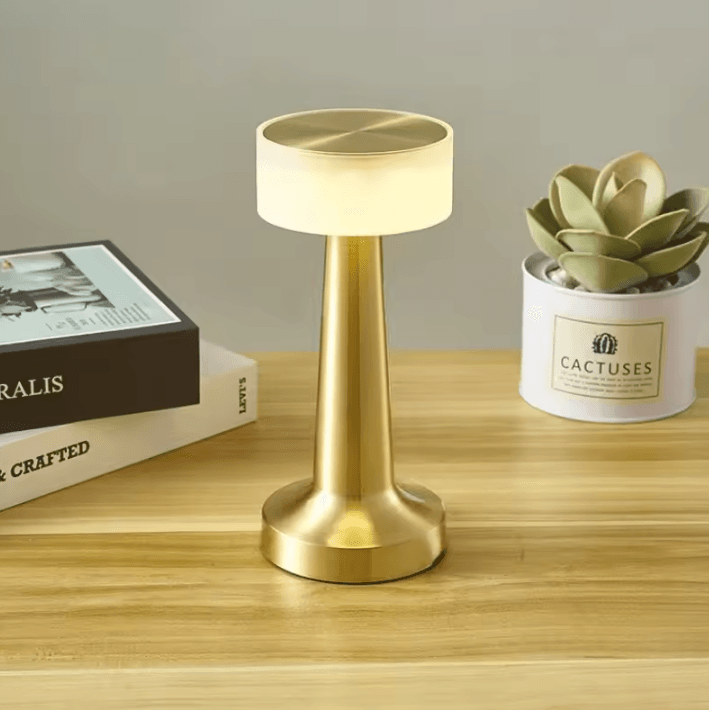
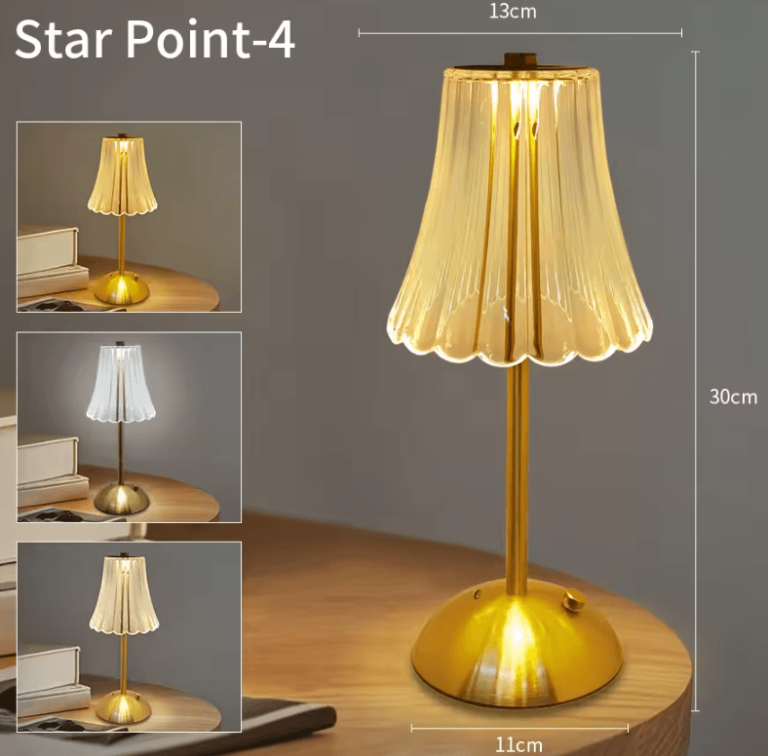 Aisha's pickCrystal Touch Lamps That Make the Big Light Redundant
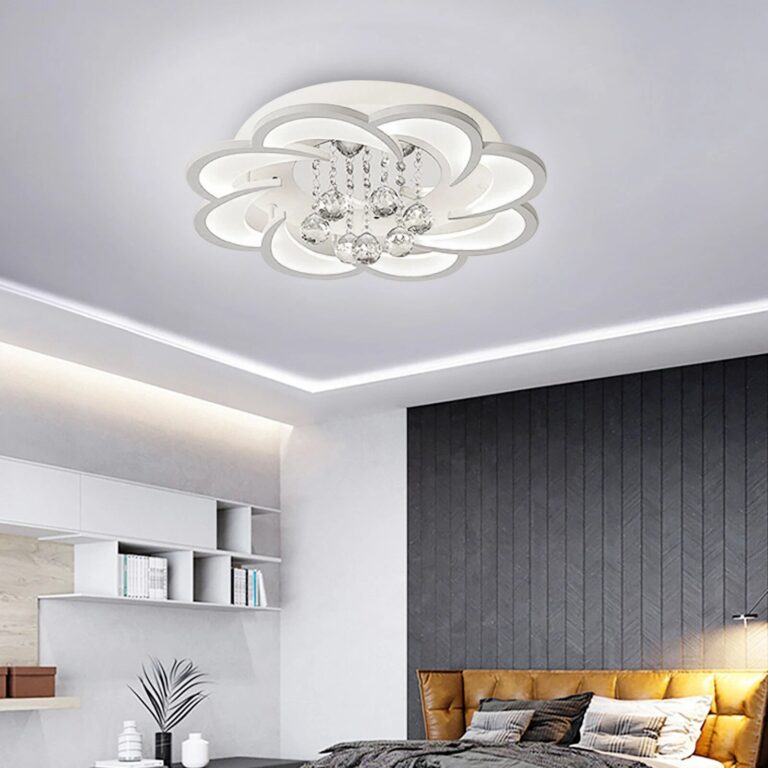
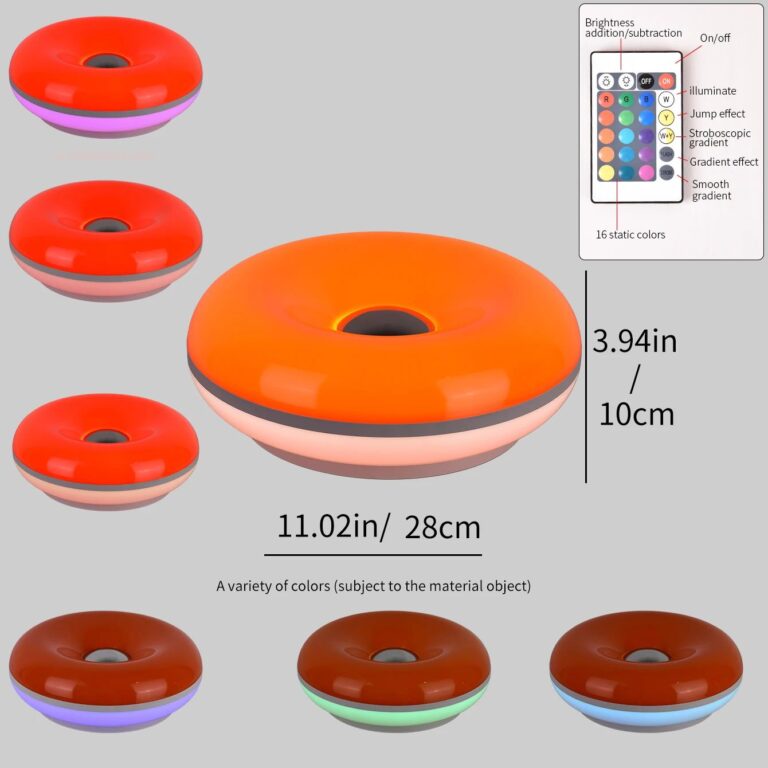 Aisha's pickTouch Table Lamps for People Who Know What They LikeAlso worth a lookWall LampsThe thing that catches people out with wall lamps is the electrical question, nobody thinks about it until…See the collections →
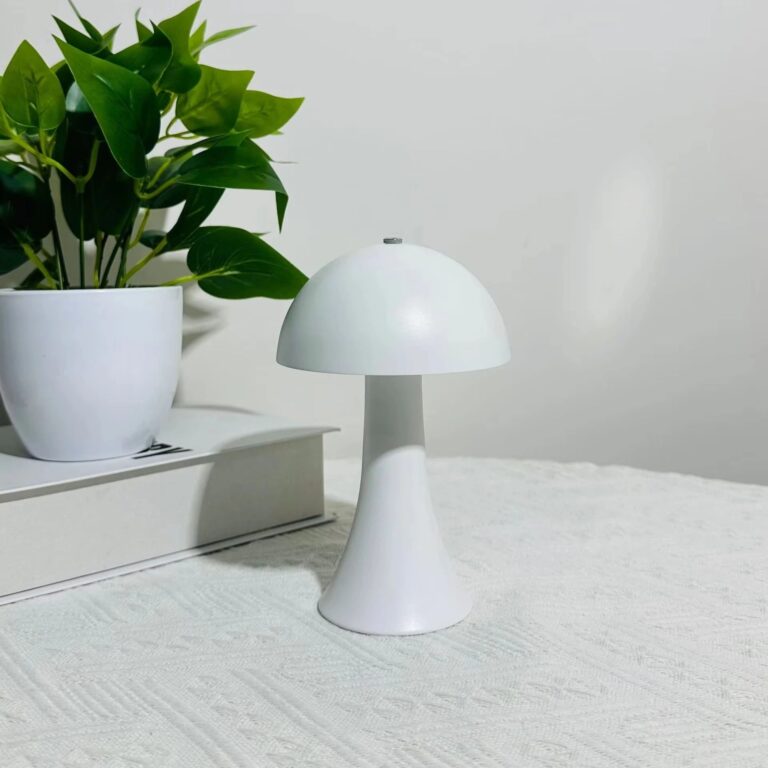
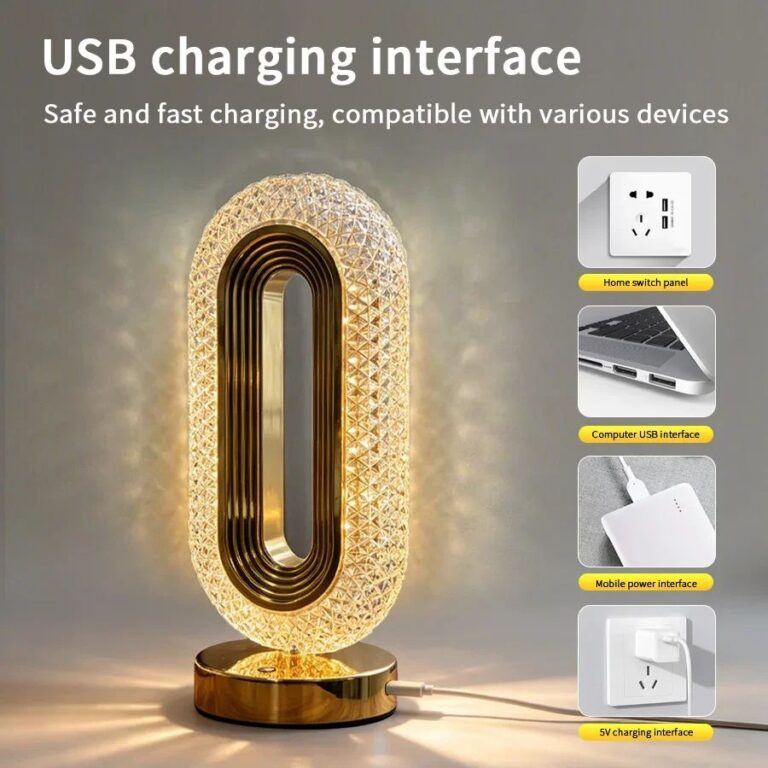 Aisha's pickCrystal Touch Table Lamps We Leave On All Evening
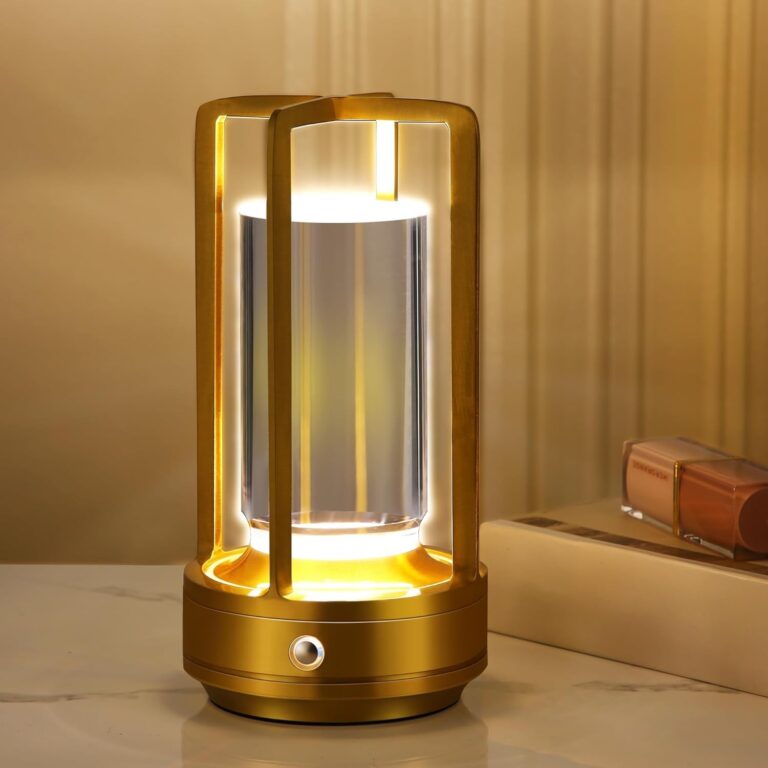
 Aisha's pickTouch Table Lamps for Bedroom That Work in Old Houses and New Ones
 Aisha's pickDimmable Touch Lamps That Give Off a Warm Glow
 Aisha's pickTraditional Touch Lamps for When the Old Ones Give Up
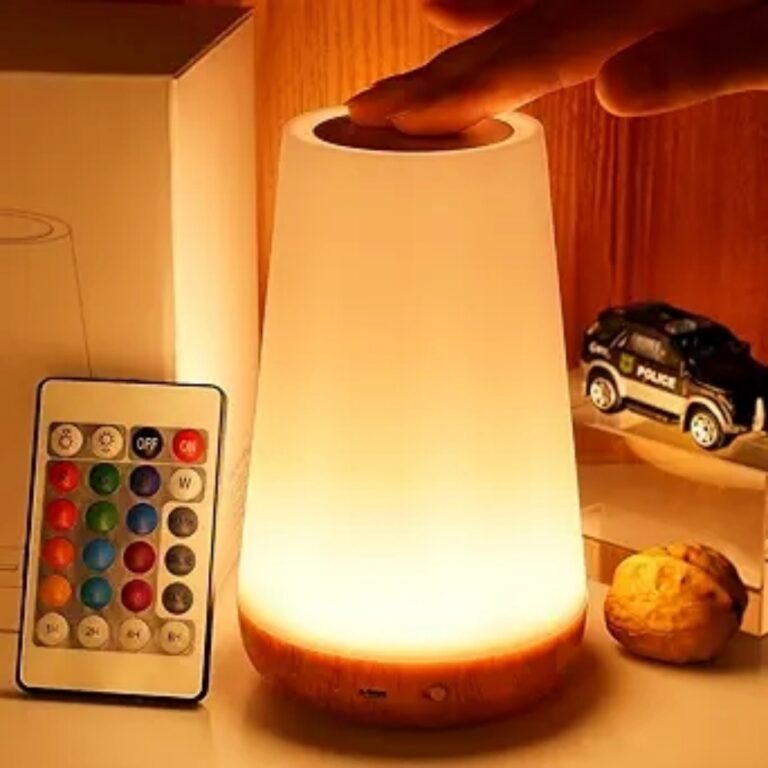
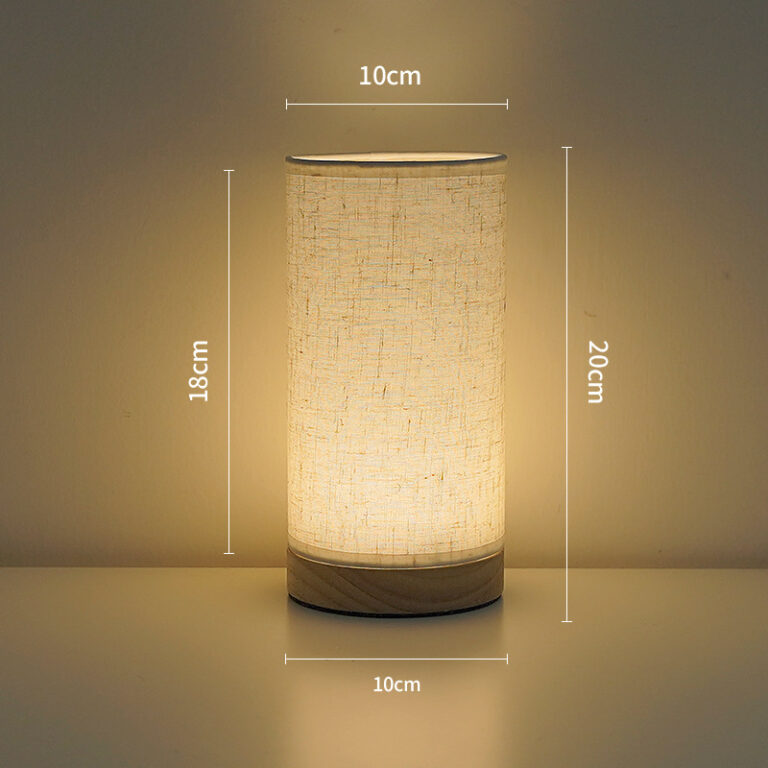 Aisha's pickNo Fuss Fabric Touch Lamps
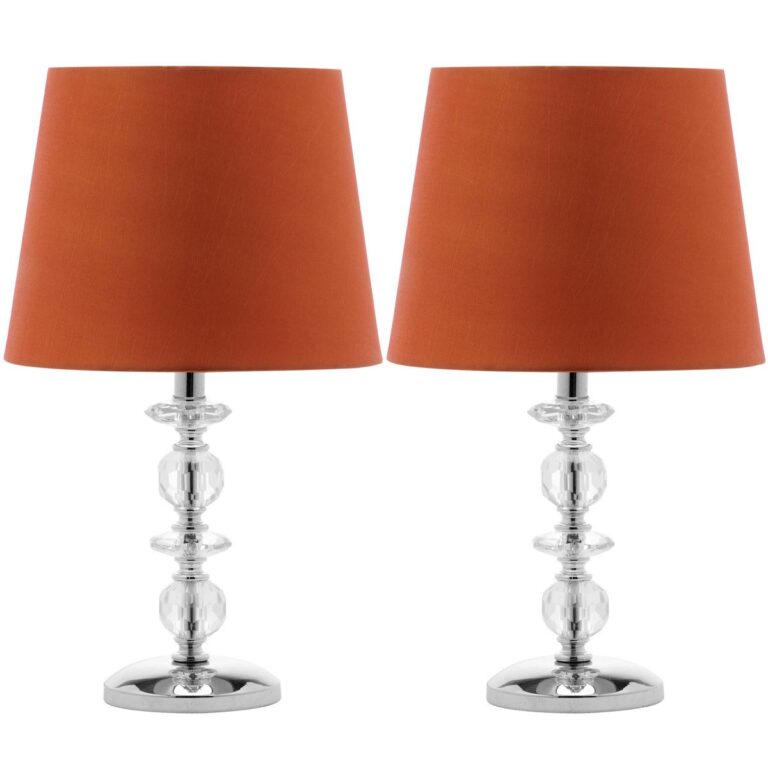
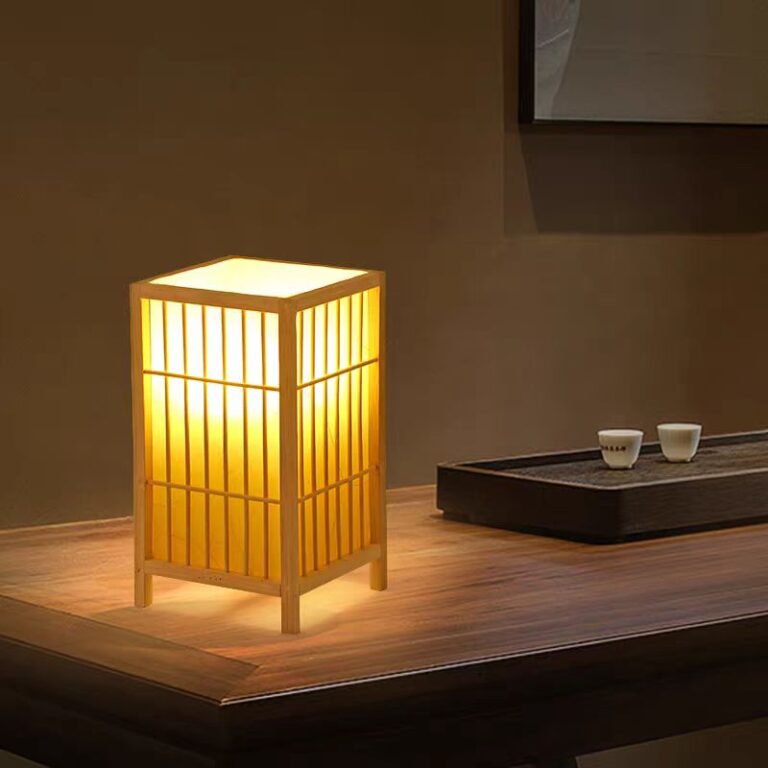 Aisha's pickFabric Touch Table Lamps That Won’t Date in a Year
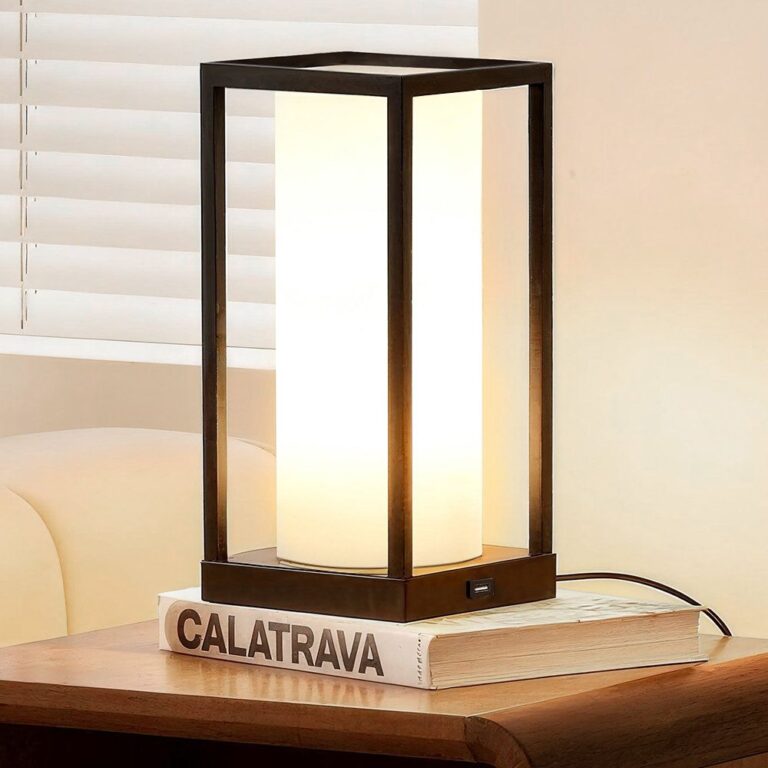
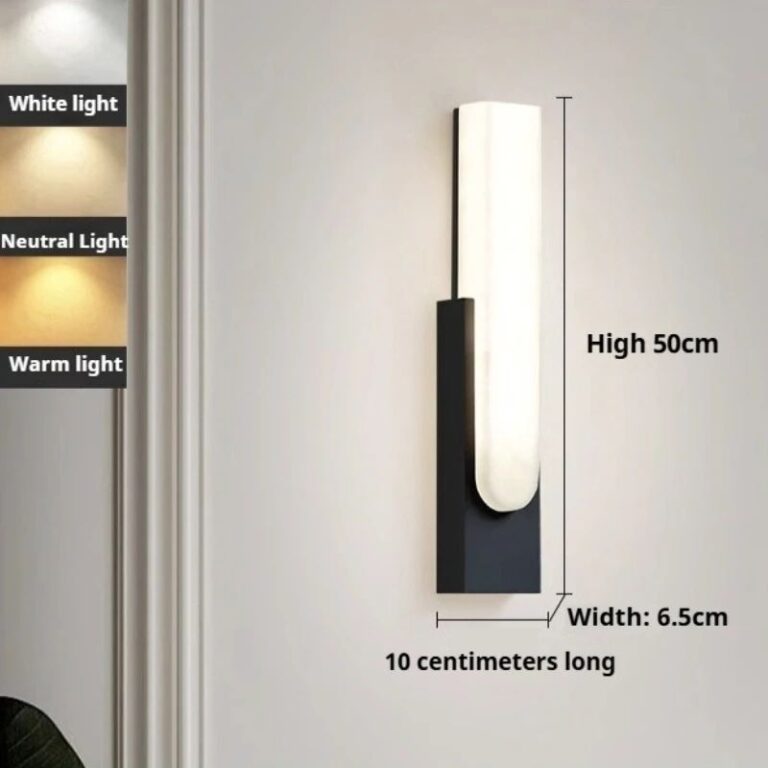 Aisha's pickGray Touch Lamps That Earn Their Keep
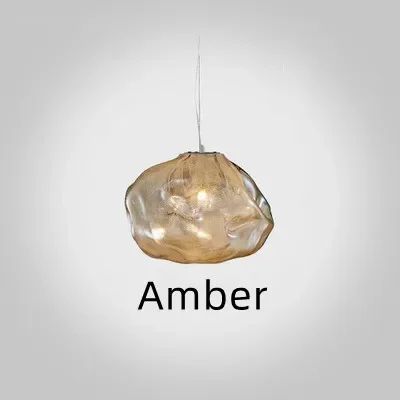
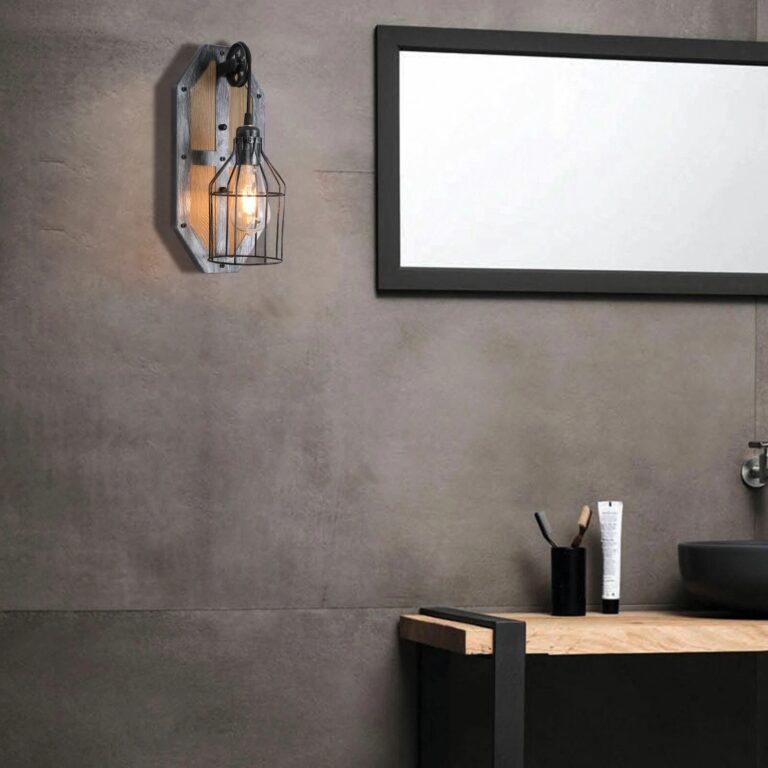 Aisha's pickIndustrial Touch Lamps Bright Enough Without the Glare
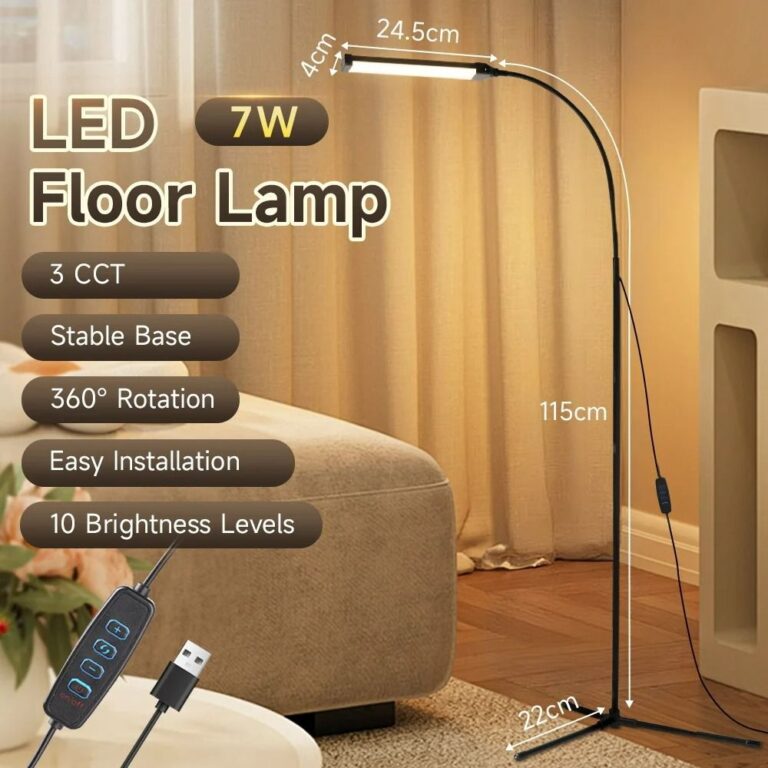
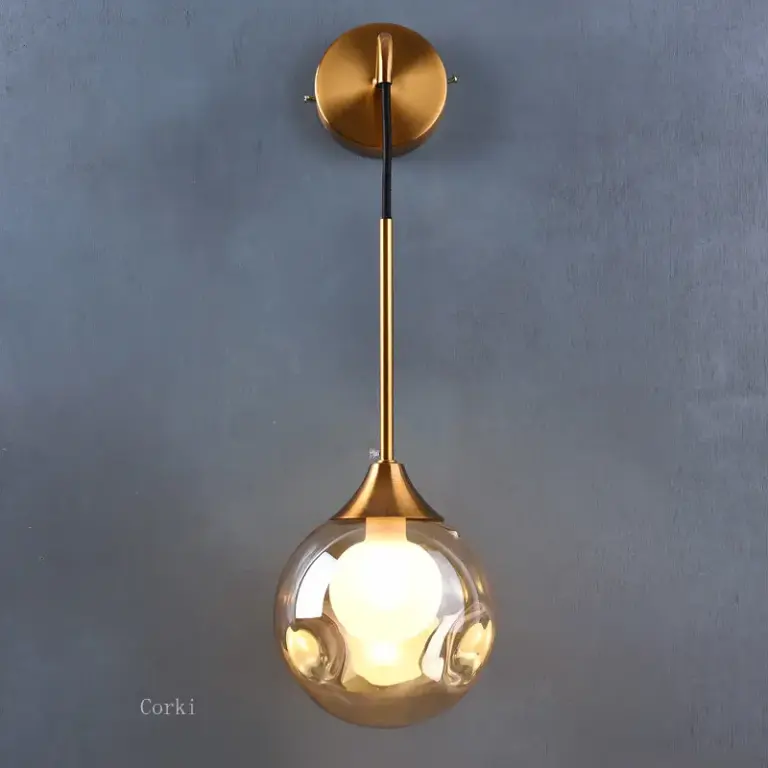 Aisha's pickLuxury Touch Lamps That Work in Old Houses and New OnesAlso worth a lookLamps with ShadeA lamp with its shade already on it has a reputation for being the safe choice, the thing…See the collections →
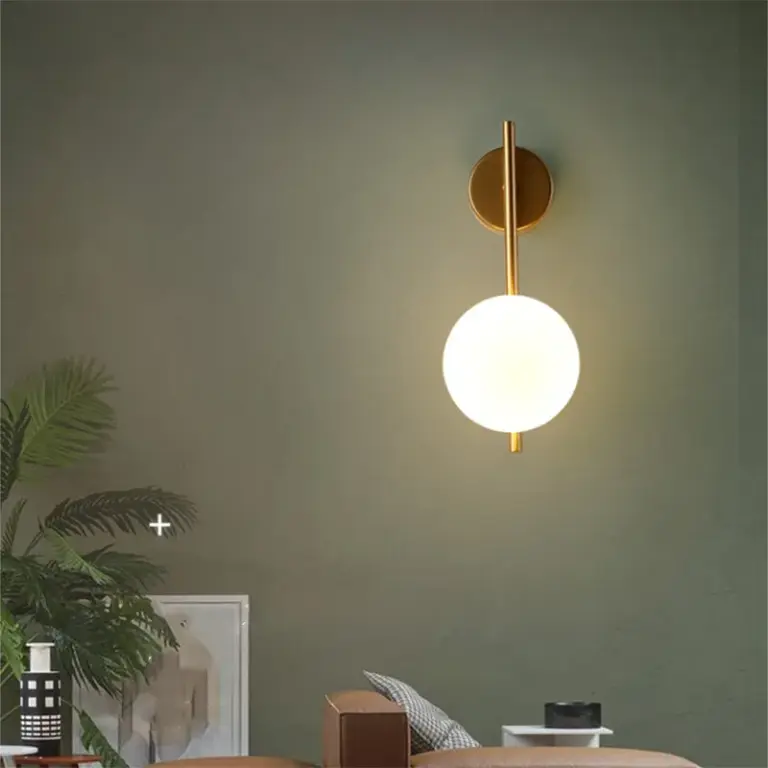
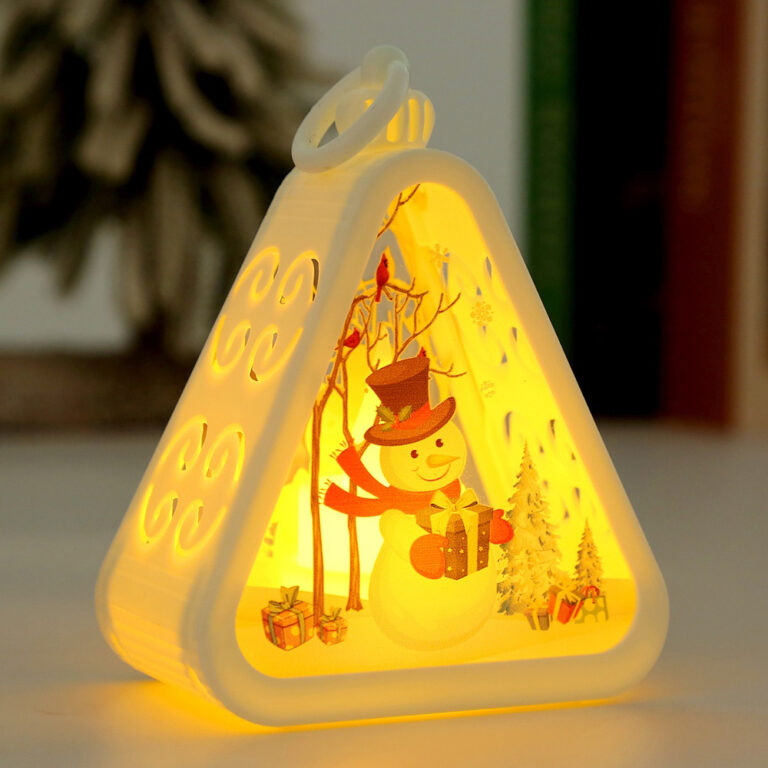 Aisha's pickMini Touch Lamps for Cozy Nights In