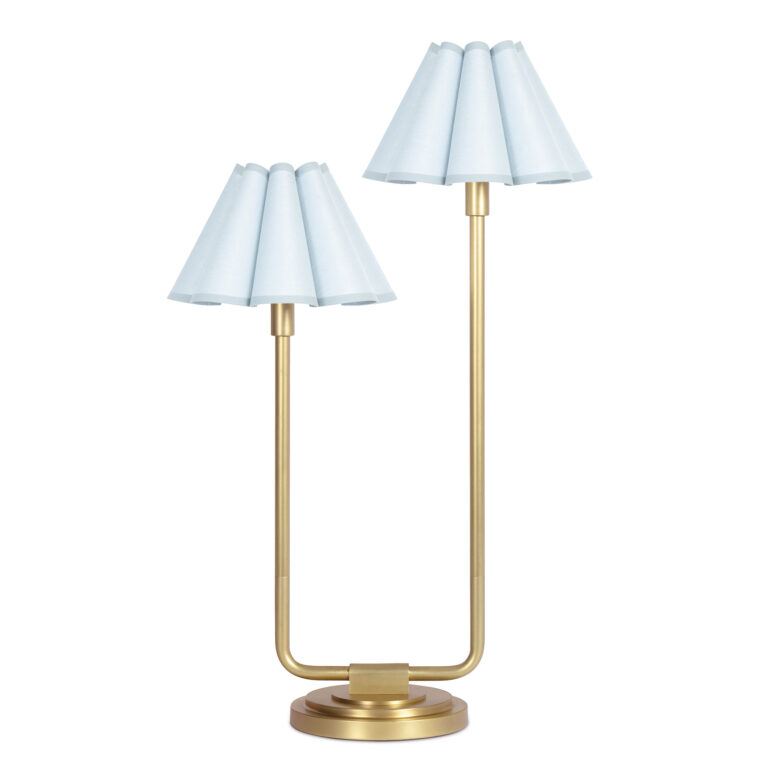
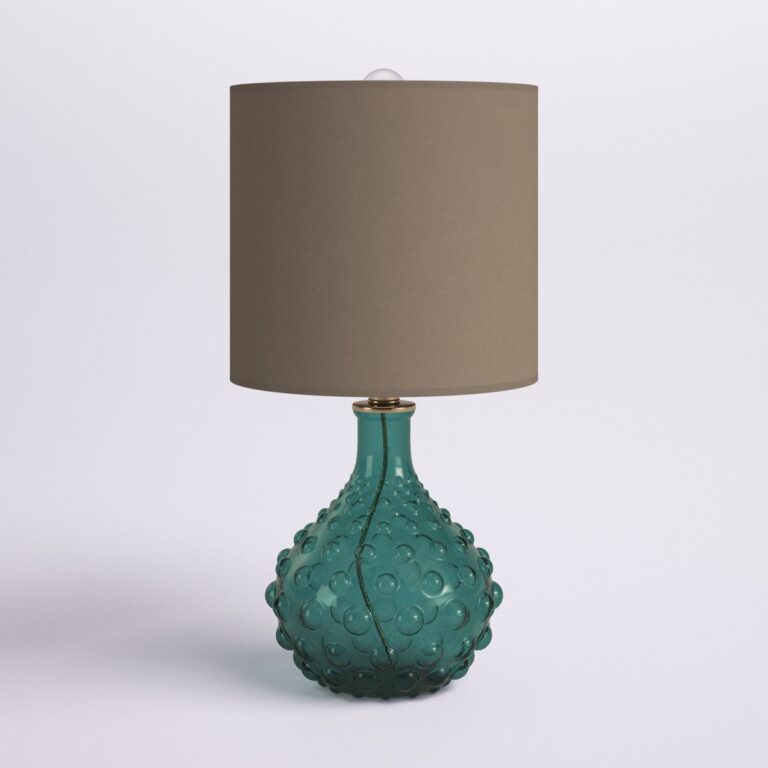
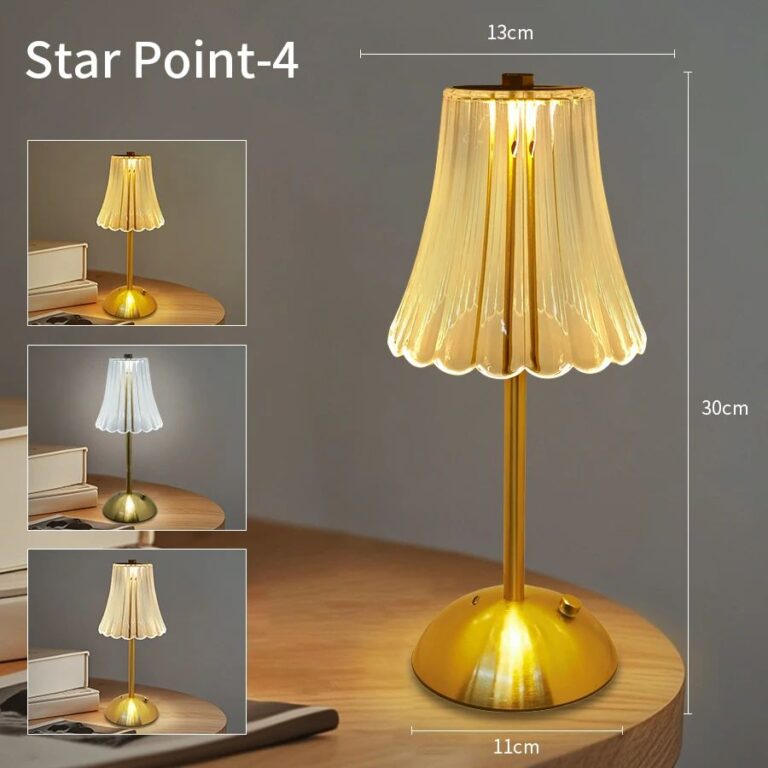
A lamp with its shade already on it has a reputation for being the safe choice, the thing you buy when you don't want to think about it, and most of the time that reputation is fair. You're trusting that whoever paired base and shade knew what they were doing, and more often than not they did, because the proportions are worked out before it ever leaves the box. I've bought plenty of mismatched pairs, bases from one place and shades from another, and spent a weekend squinting at them on the floor before admitting defeat. A lamp that arrives already married to the right shade saves you that weekend.
Where it falls short is anywhere you want the lamp to do something particular, like cast light up a wall or throw a hard, focused pool onto a desk. The shades that come standard are built for general, softened light, which is lovely in a living room and useless if you're trying to read fine print at ten at night. They're also a poor fit for a room that already has one dominant light source doing a specific job, a reading chair under a window, say, where a second general glow just fights the first without adding anything useful. If you need a workhorse, look elsewhere.
What they're built for is the in between hours, the lamp you switch on at five in the afternoon when the daylight's going thin and gray, the one that makes a bedroom or a den feel like someone lives there rather than just sleeps there. Old houses with low ceilings and small windows depend on these more than new builds do, because the architecture was never asking much of electric light to begin with, just a warm supplement to whatever the windows already gave. Check the harp when it arrives, that thin metal frame holding the shade up, because a cheap one bends if you so much as look at it, and check that the shade sits level and isn't already yellowing at the seam from being stored under a hot stockroom light. Linen and a soft ivory paper shade are the easiest to live with over years, they forgive dust and don't scream for attention against whatever wallpaper or paint you eventually get around to changing your mind about. Stark white looks sharp in a shop and faintly clinical once it's home.
What it won't do is replace the fixture you actually need for close work or bright, practical light. That's a different lamp, bought for a different reason.
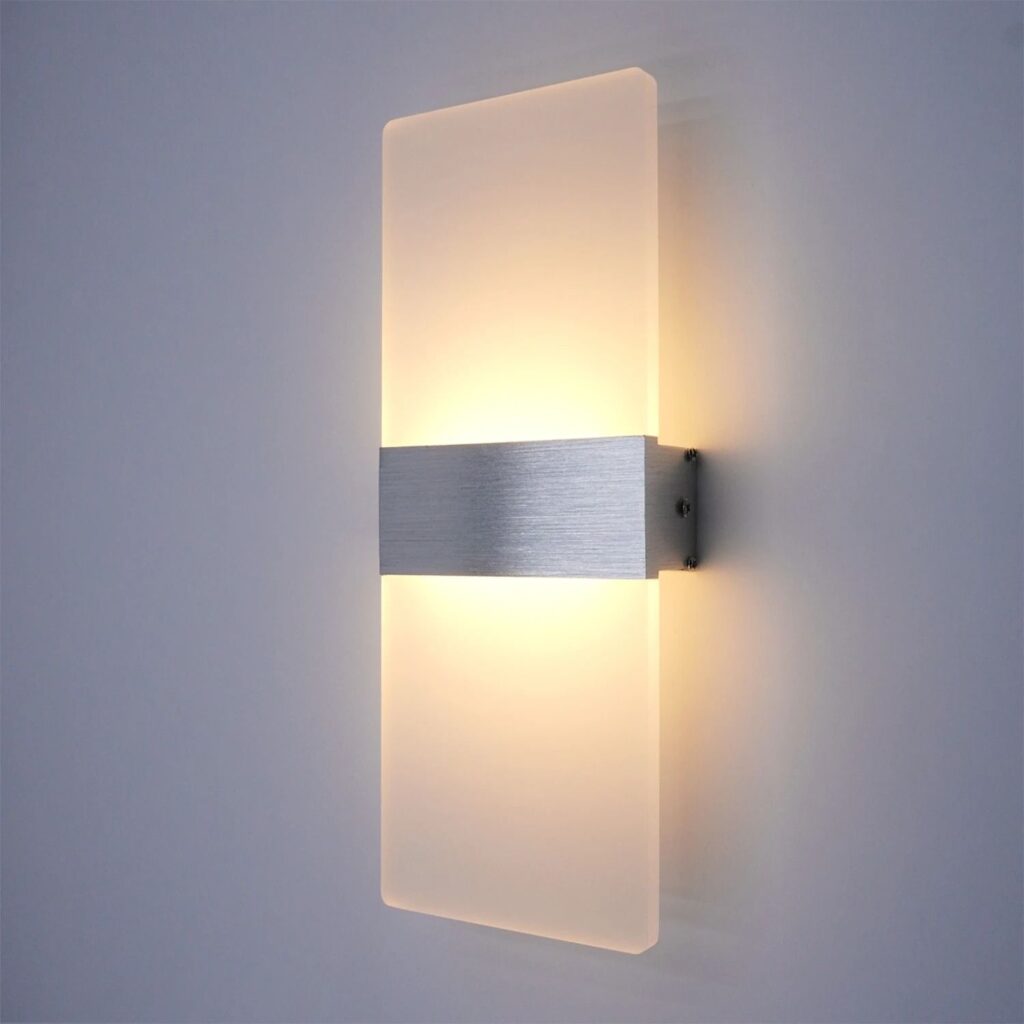 Aisha's pickBlack Bedside Lamps with Shade That Look Good Switched Off Too
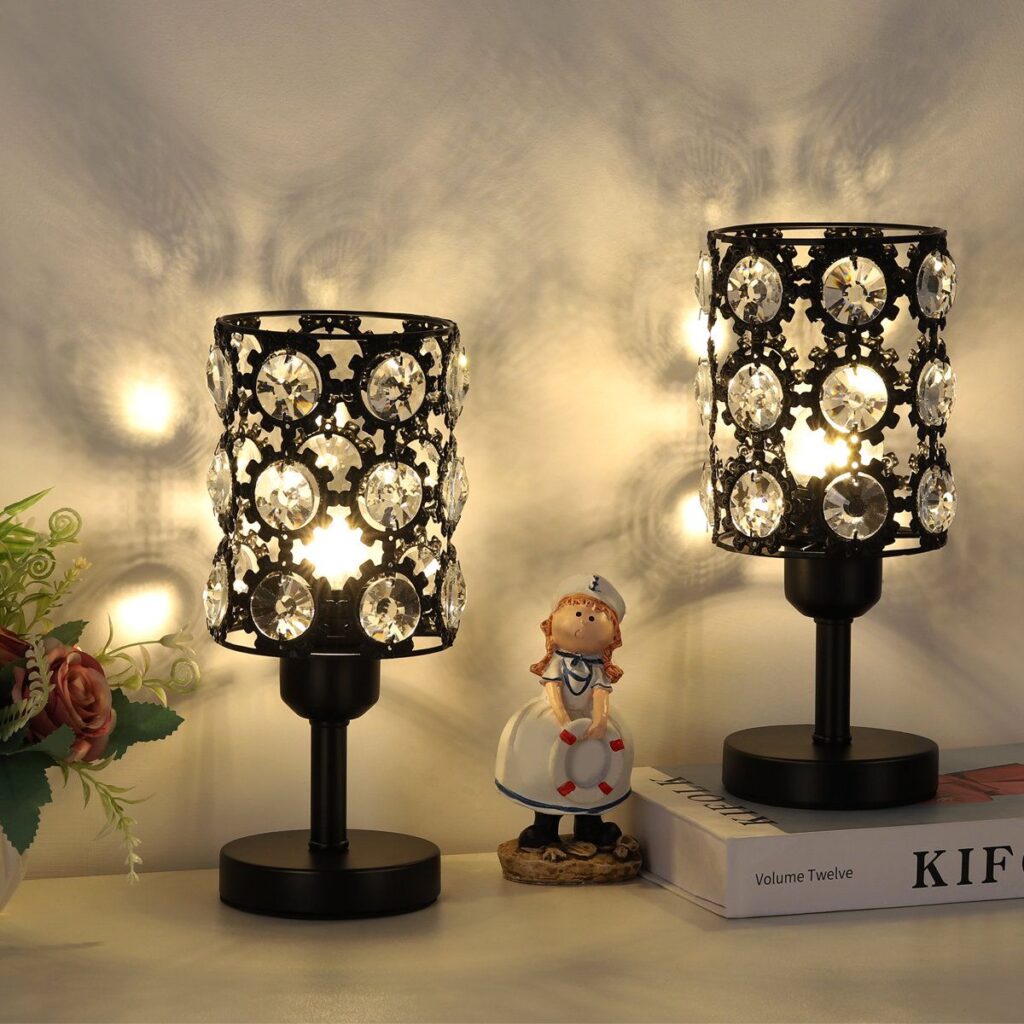
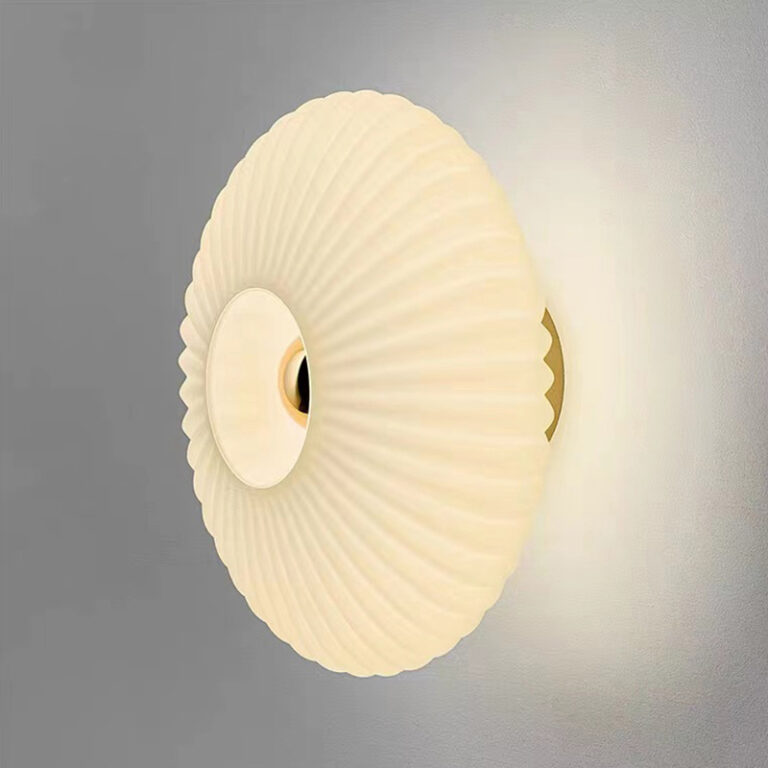 Aisha's pickGlass Wall Lamps with Shade That Look Better in Real Life
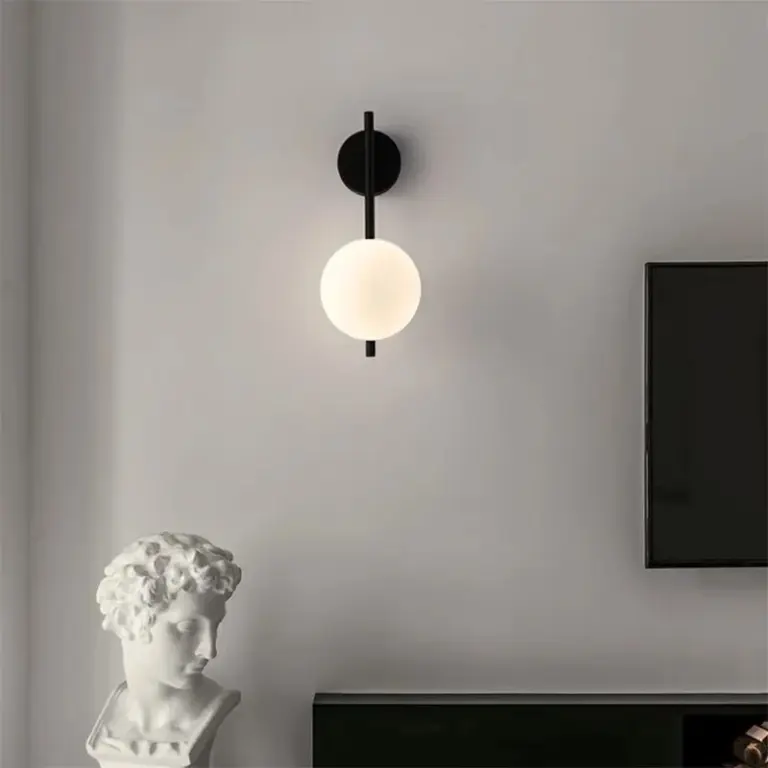
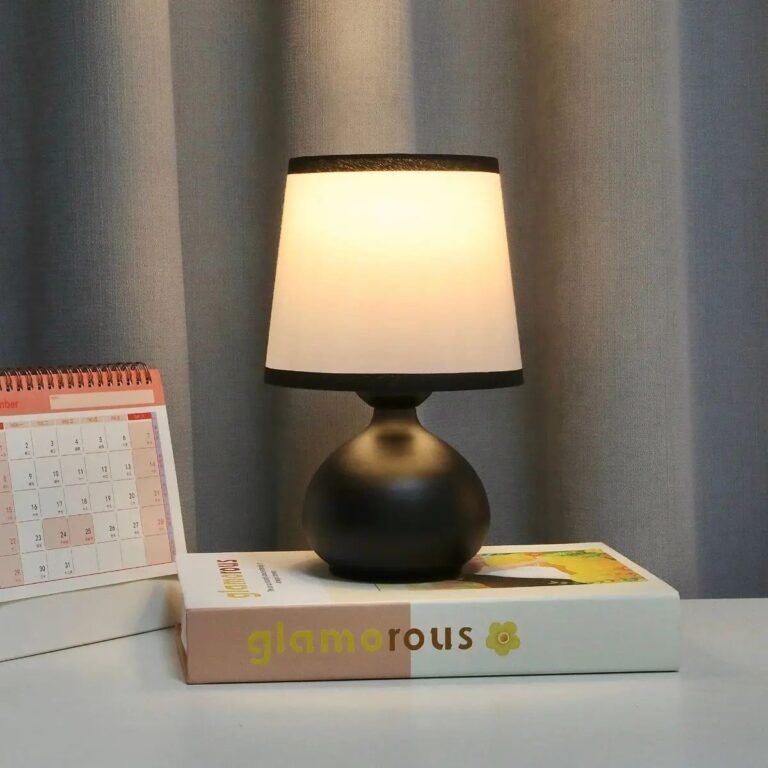 Aisha's pickTouch Table Lamps with Shade We Leave On All Evening
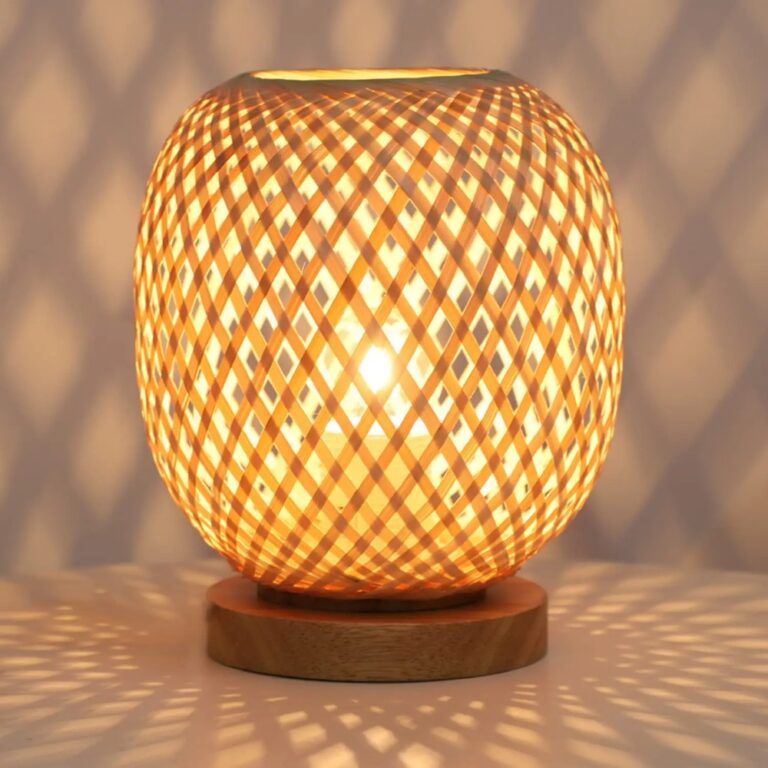
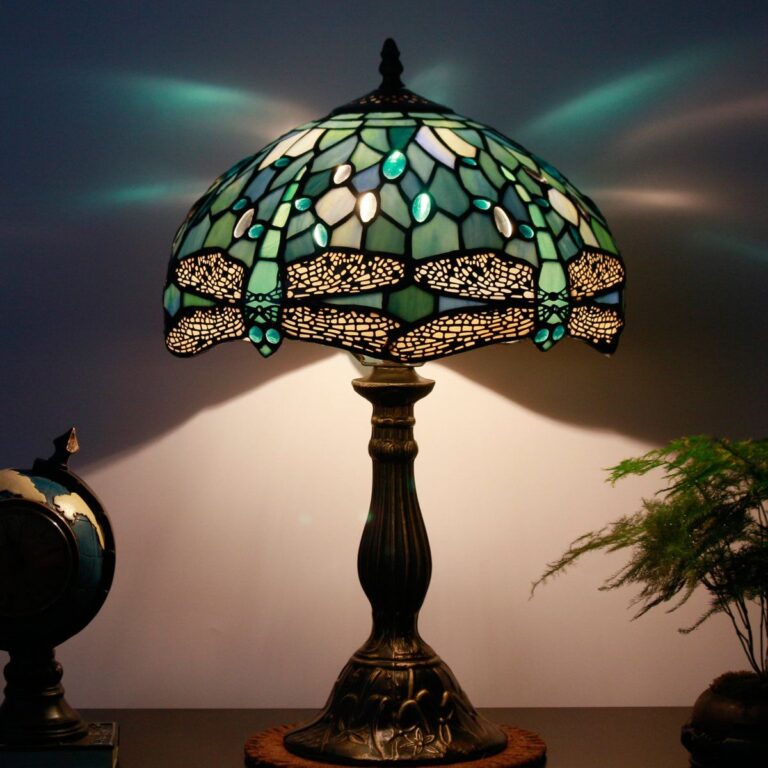 Aisha's pickBlack Table Lamps with Shade That Look Good Switched Off Too
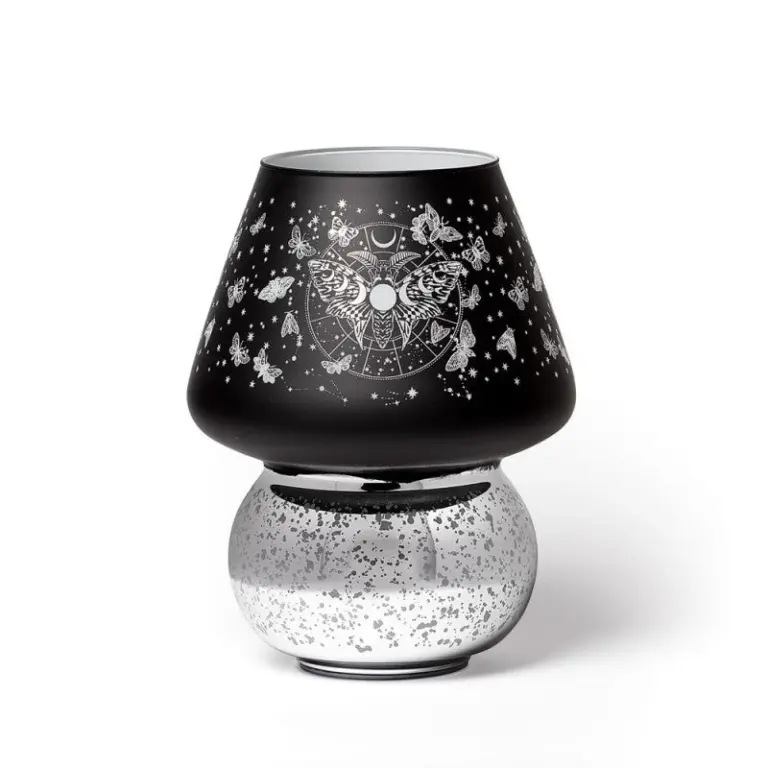
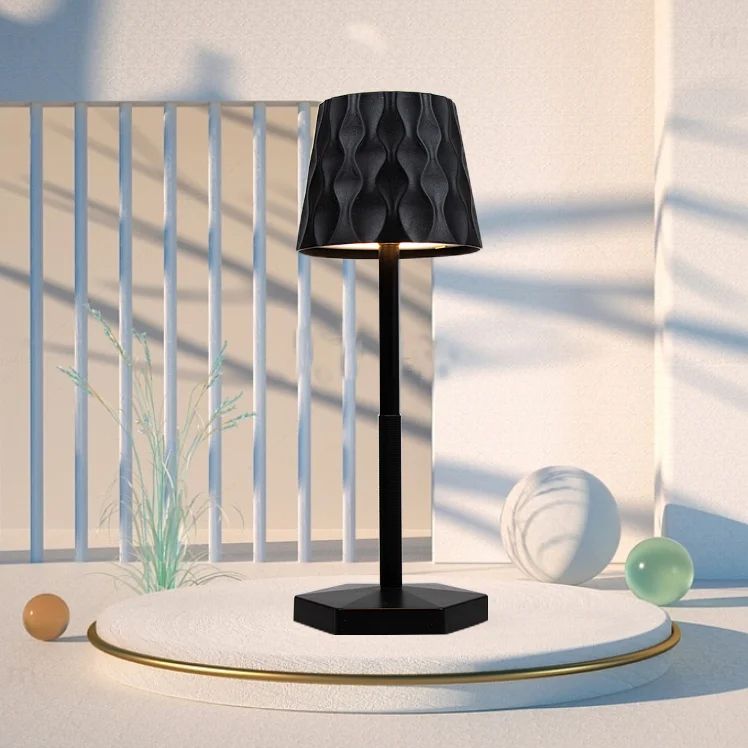 Aisha's pickGold Table Lamps with Shade That Look Better in Real Life

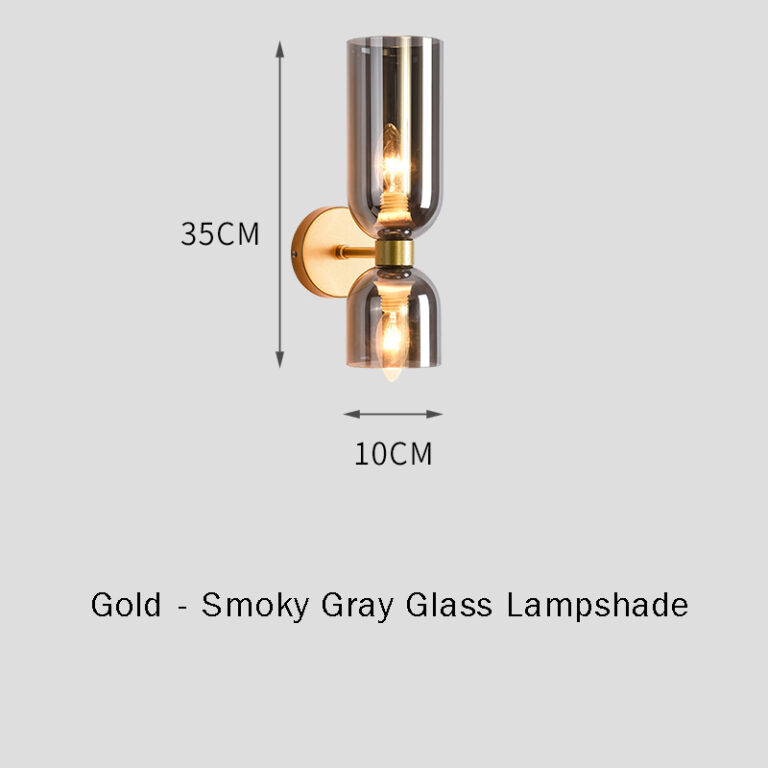 Aisha's pickWall Lamps with Shade That Give Off a Warm Glow
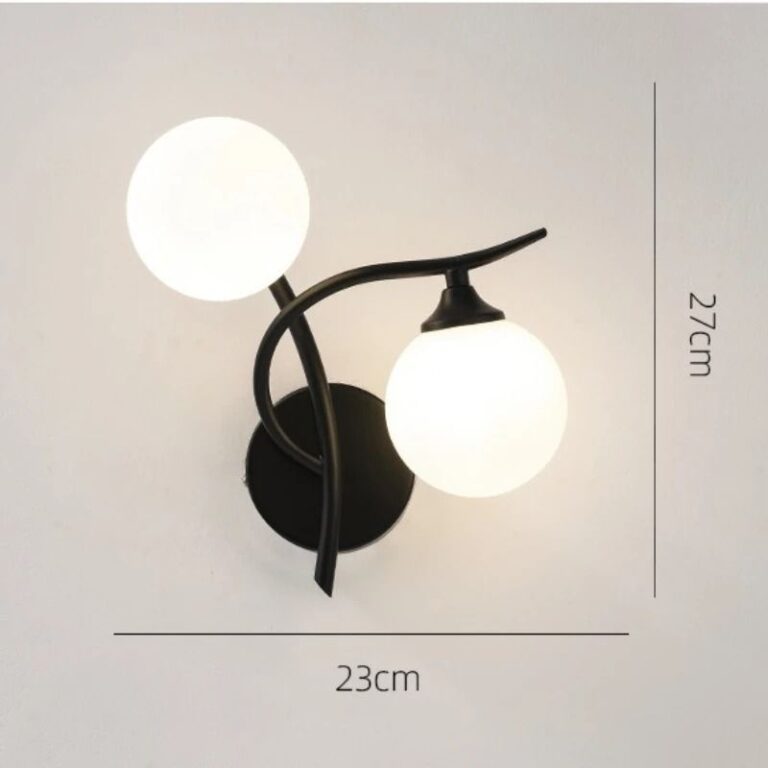
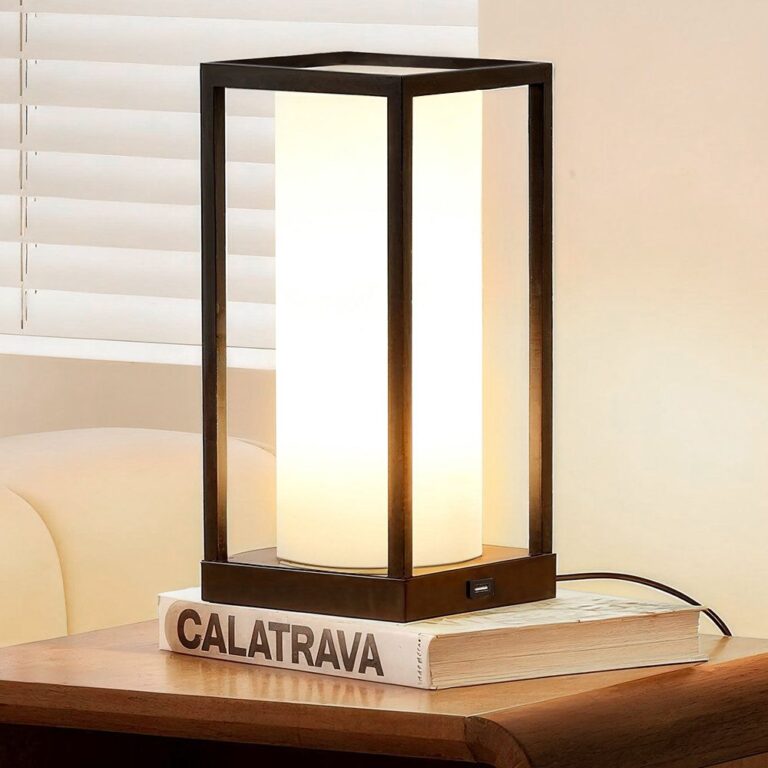 Aisha's pickDecent Black Touch Lamps with Shade Without the Hassle
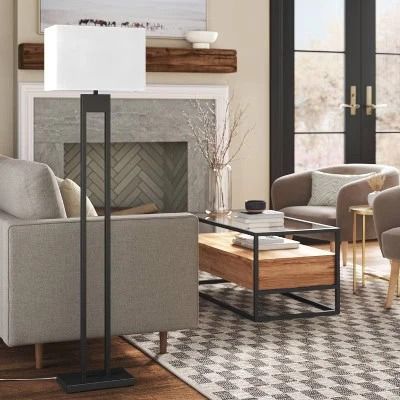
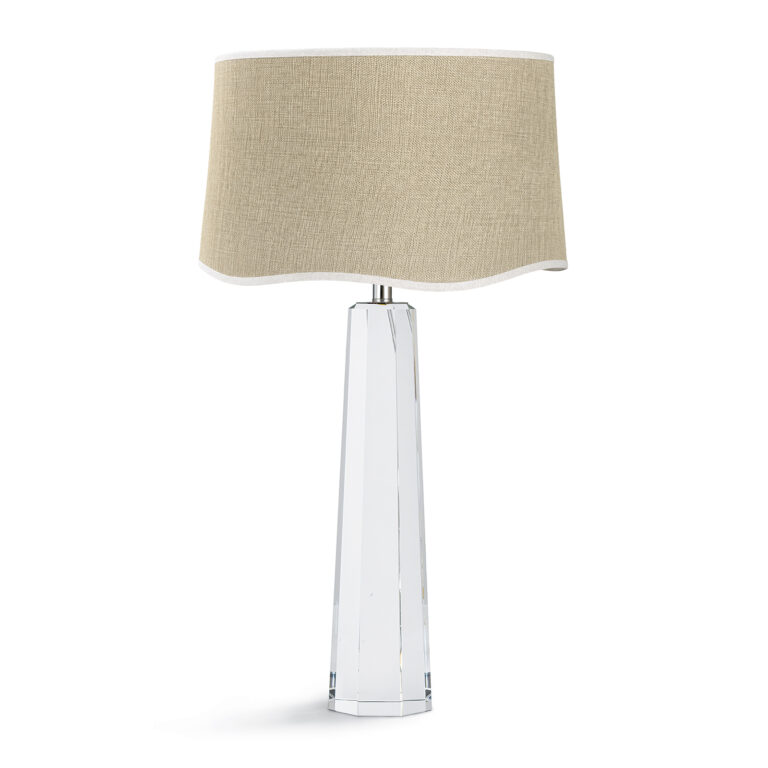 Aisha's pickLinen Table Lamps with Shade That Look Like They Cost More
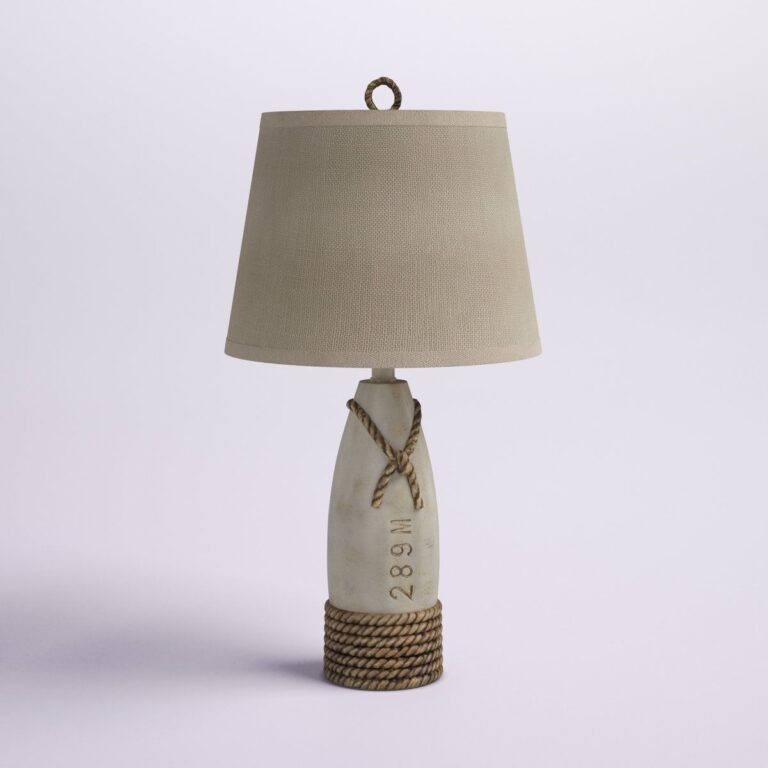
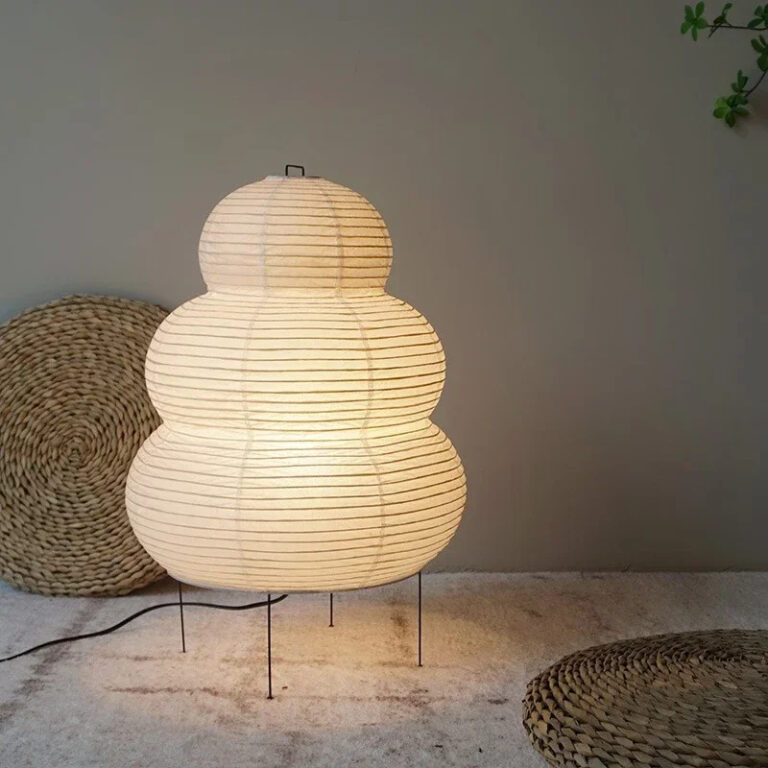 Aisha's pickWhite Floor Lamps with Shade That Change the Feel of a RoomAlso worth a lookWall LampsThe thing that catches people out with wall lamps is the electrical question, nobody thinks about it until…See the collections →
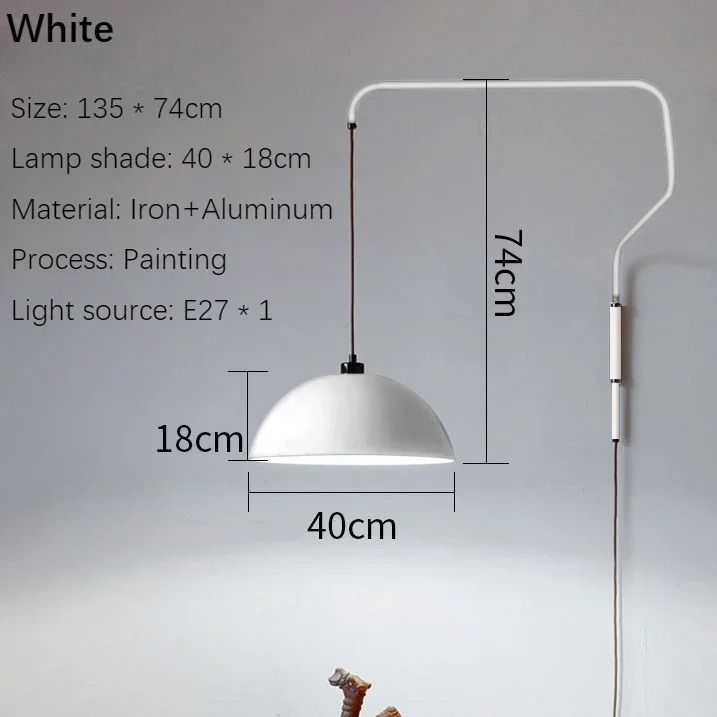
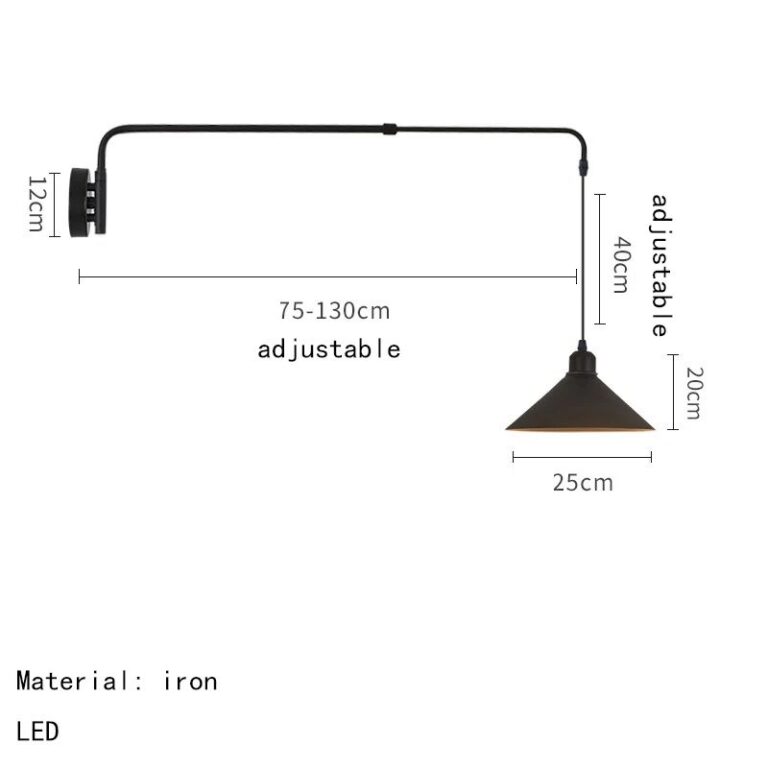 Aisha's pickBlack Wall Lamps with Shade That Give Off a Warm Glow

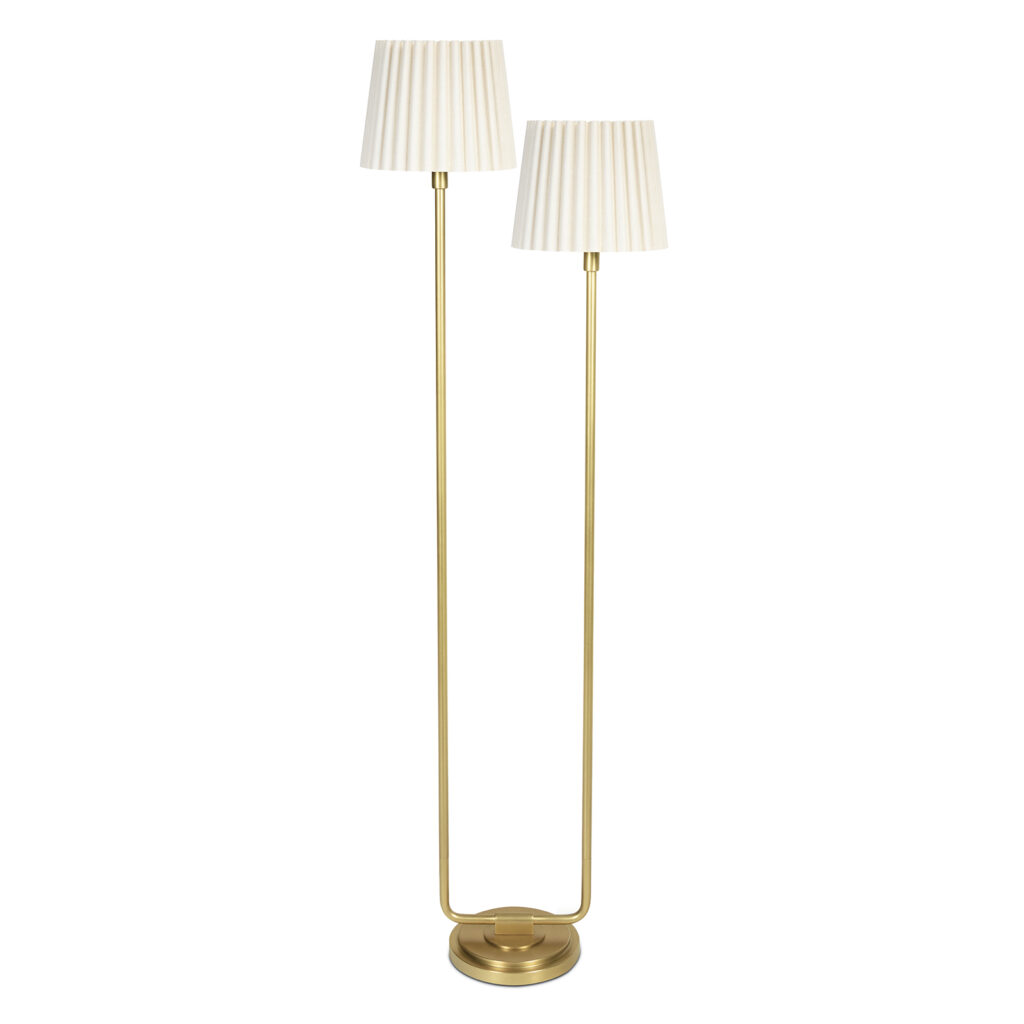 Aisha's pickLiving Room Floor Lamps with Shade You’ll Keep for Years
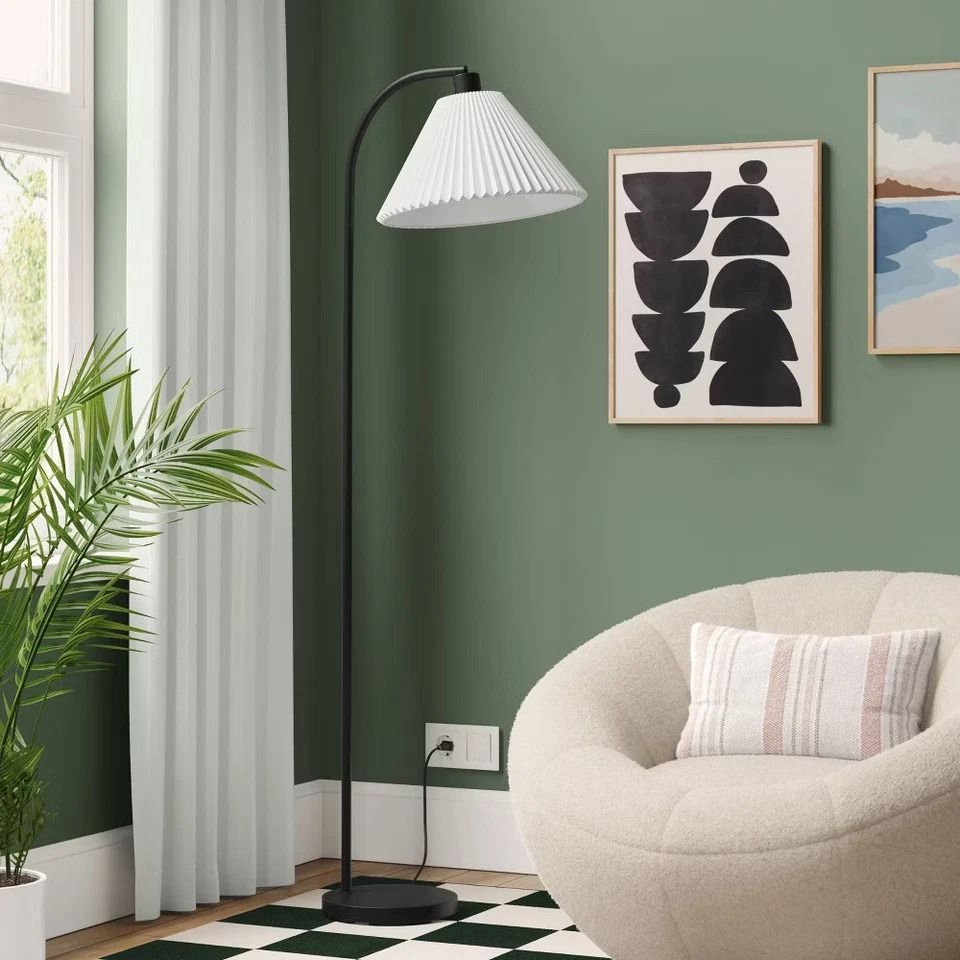
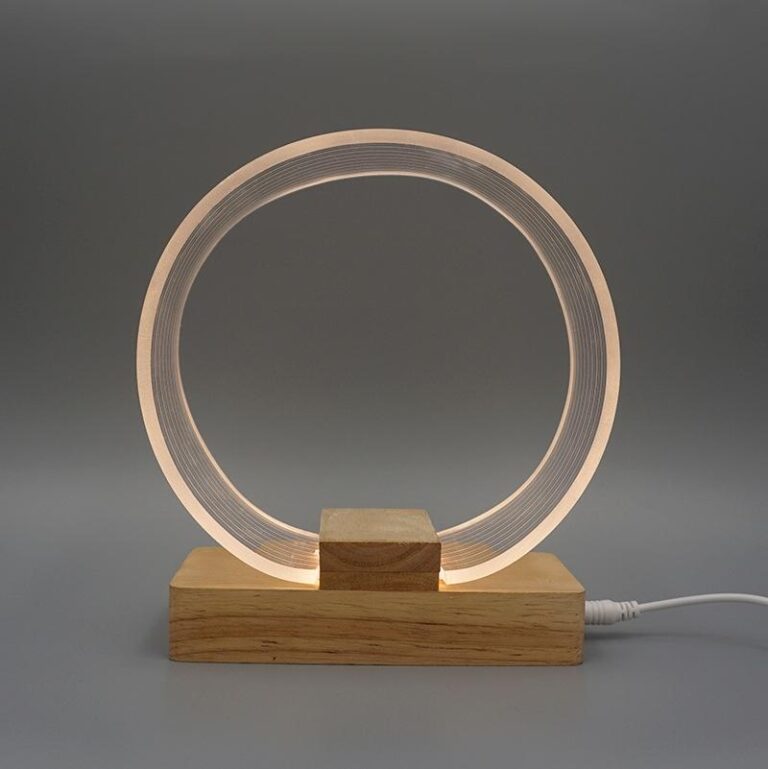 Aisha's pickWhite Table Lamps with Shade That Won’t Date in a Year
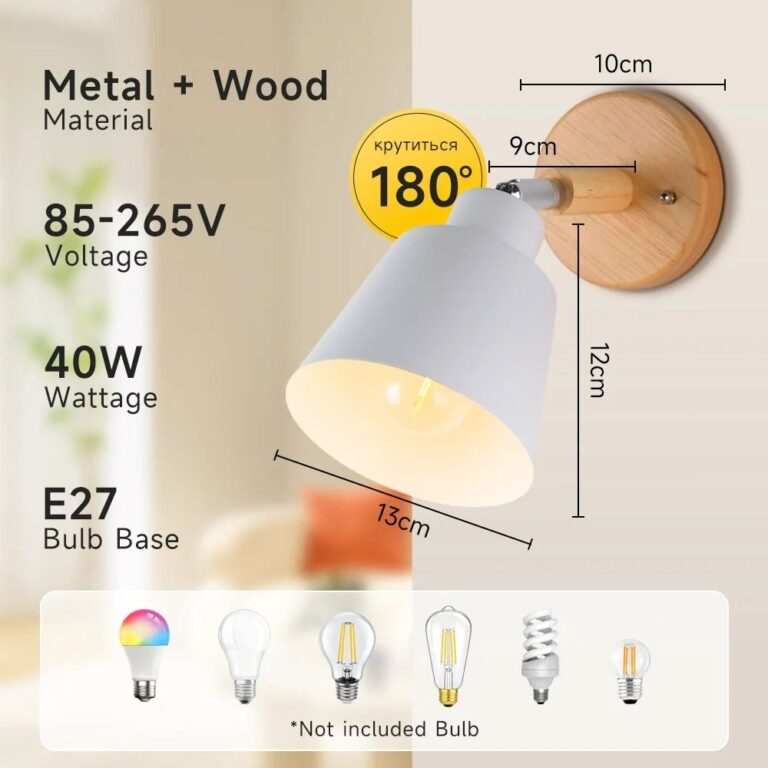
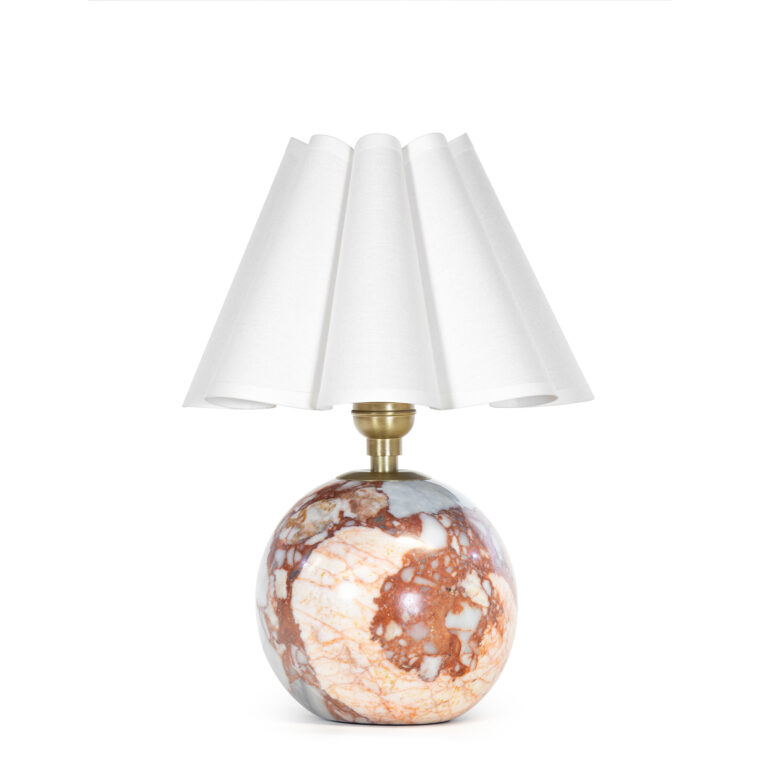 Aisha's pickBrass Table Lamps with Shade We’d Buy Again
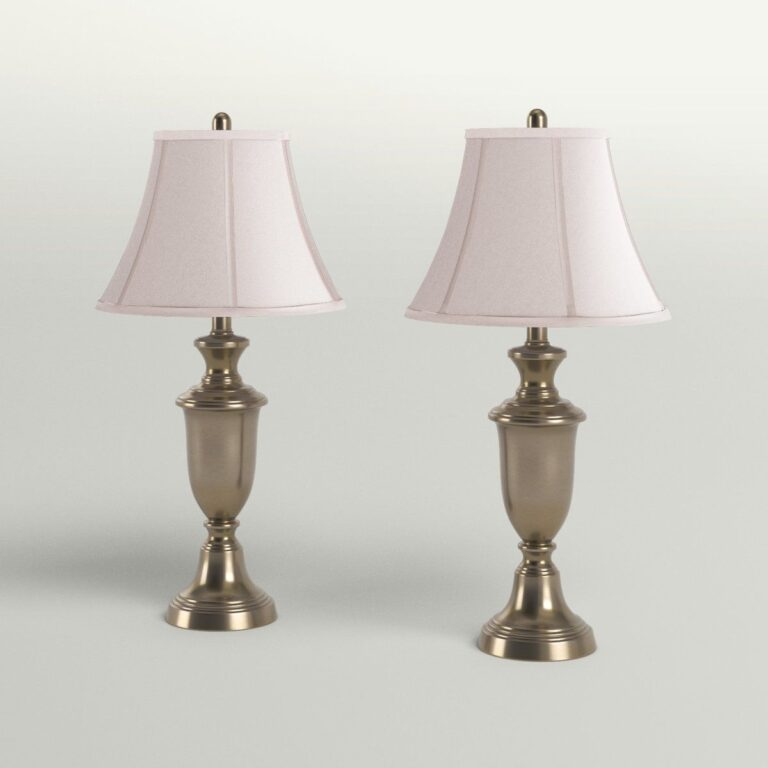
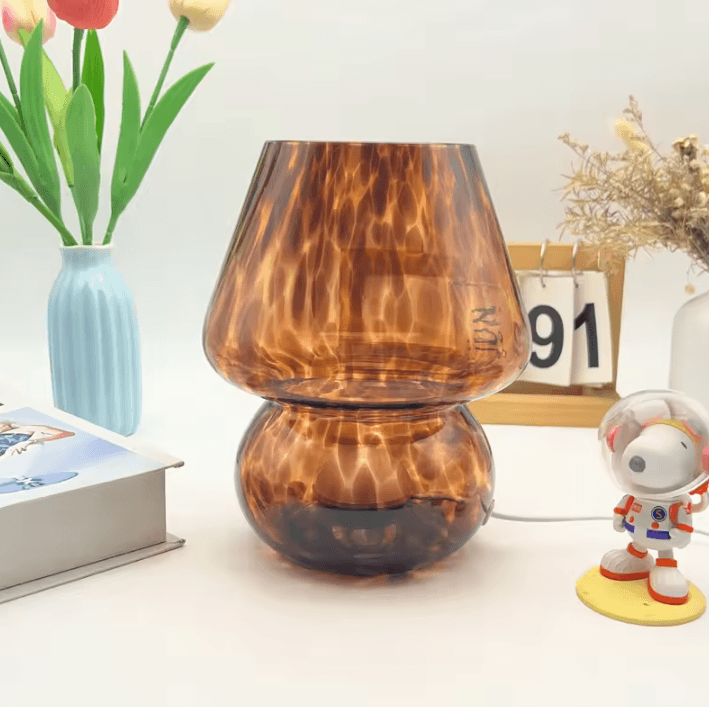 Aisha's pickLiving Room Table Lamps with Shade You Won’t Regret Buying
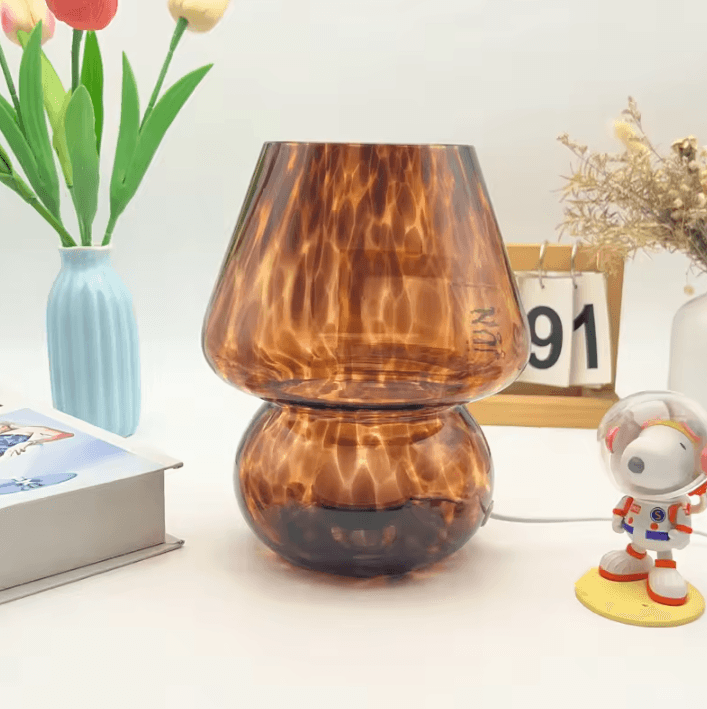
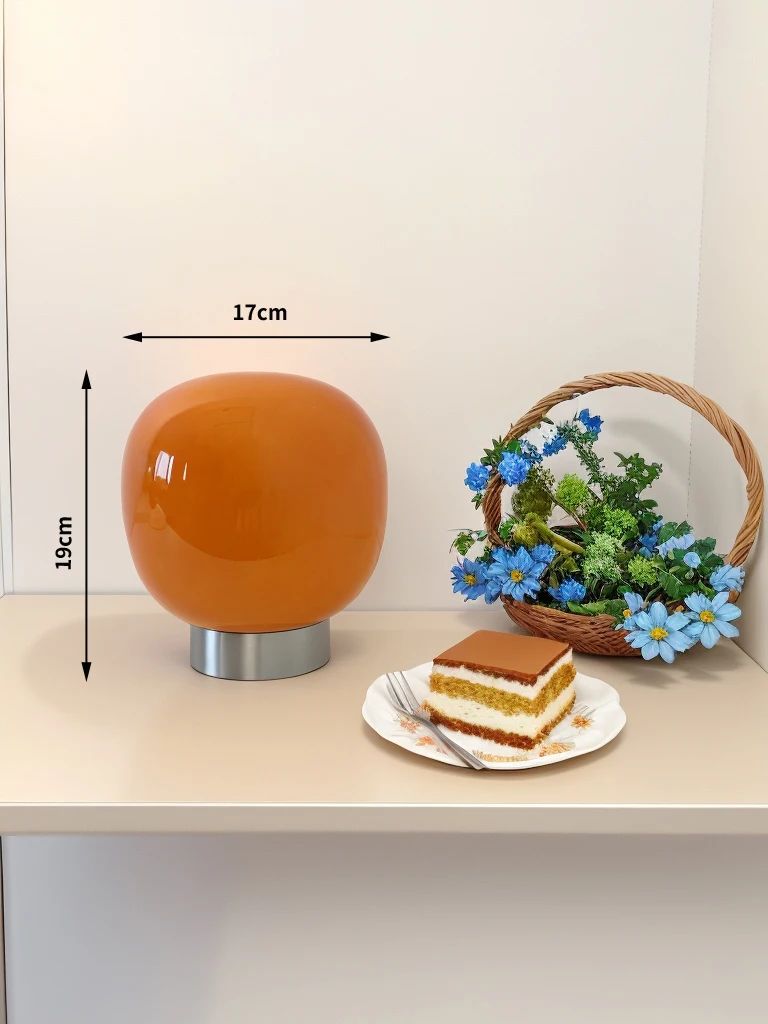 Aisha's pickWhite Touch Lamps with Shade That Look Good Switched Off Too
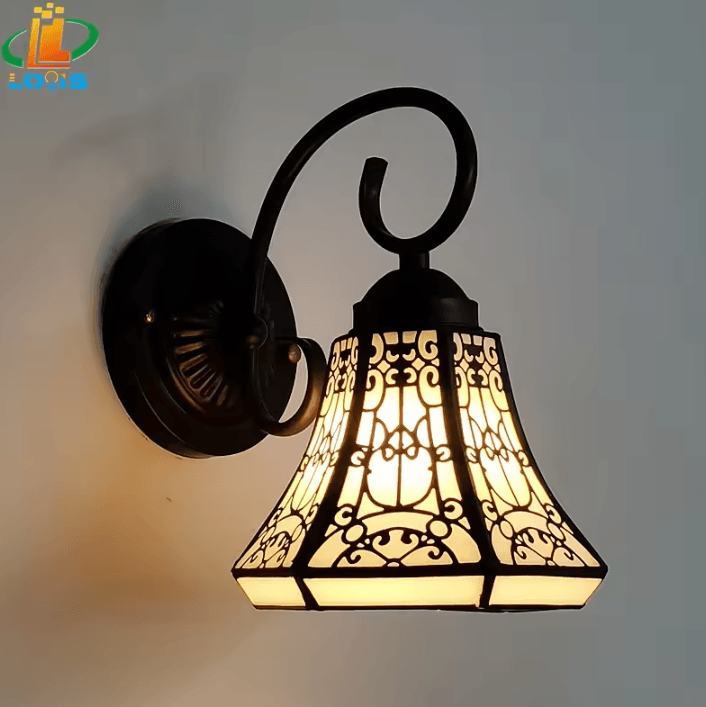
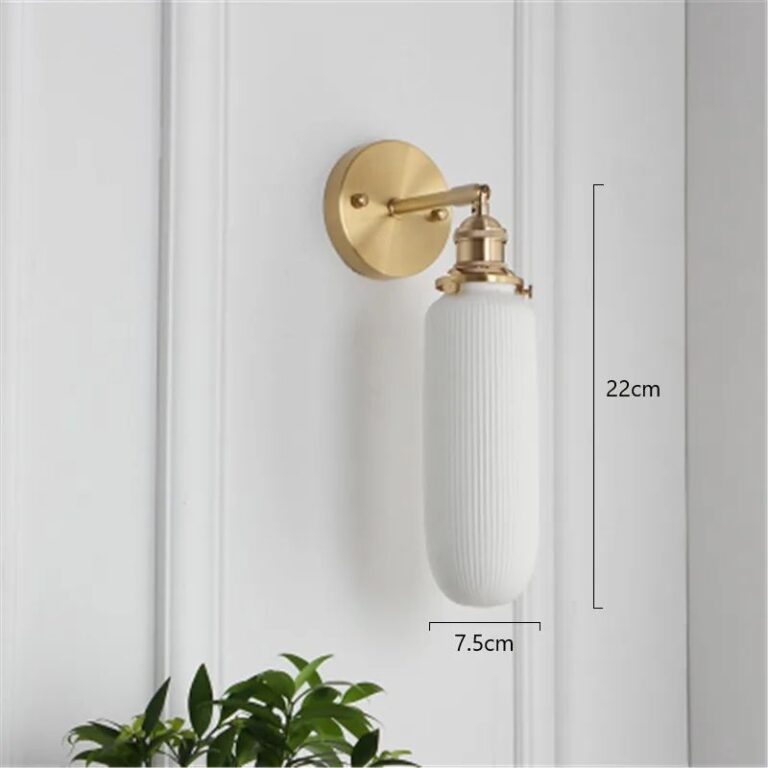 Aisha's pickShopping for Brass Touch Lamps with Shade? Start Here
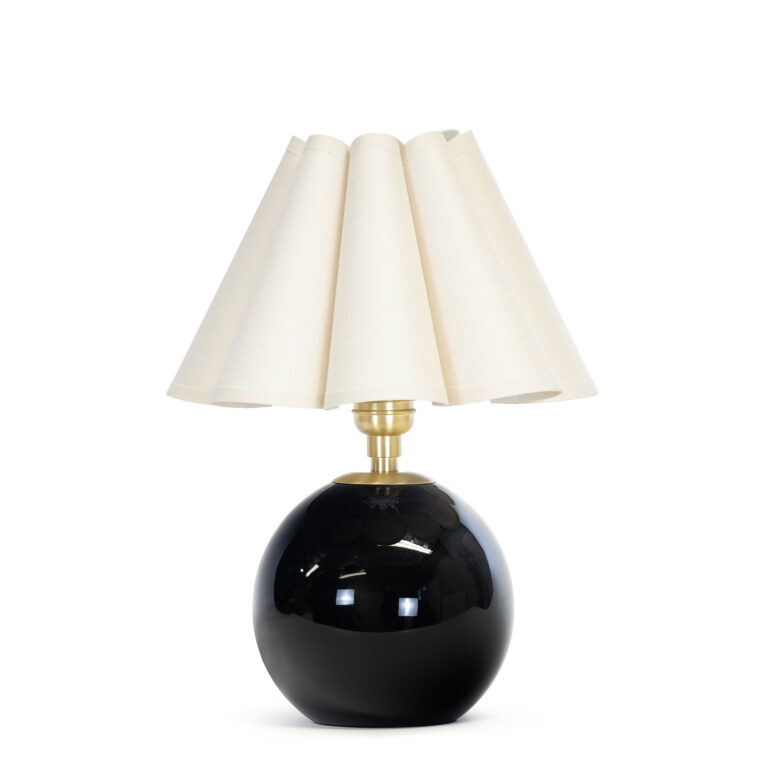
 Aisha's pickMetal Floor Lamps with Shade Picked by People Who Care Too Much

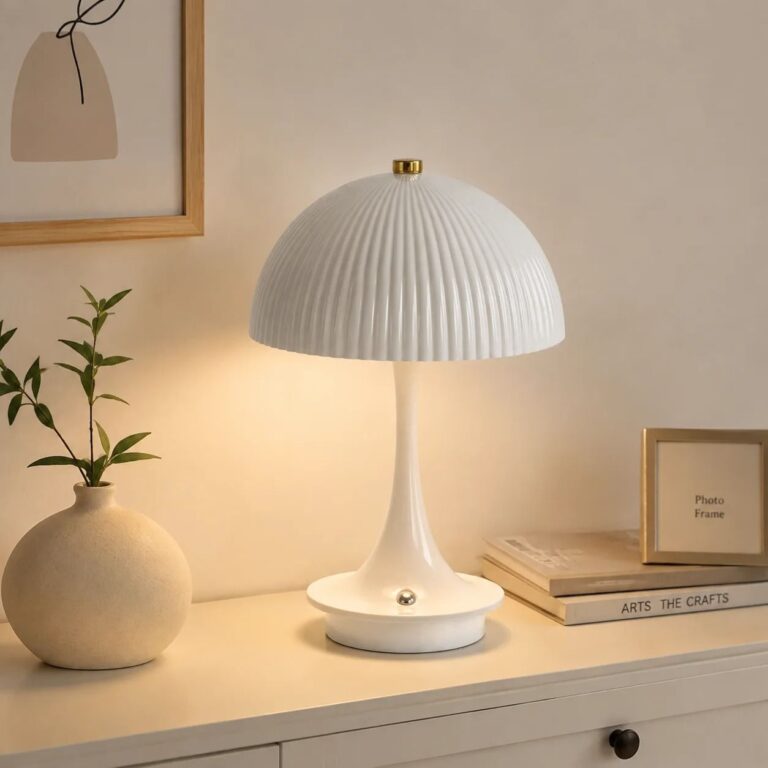 Aisha's pickWhite Wall Lamps with Shade That Make the Big Light RedundantAlso worth a lookBlack LampsA black lamp works in almost any room that already has some warmth in it, wood tones, a rug with pattern, a wall color that isn't stark white.See the collections →
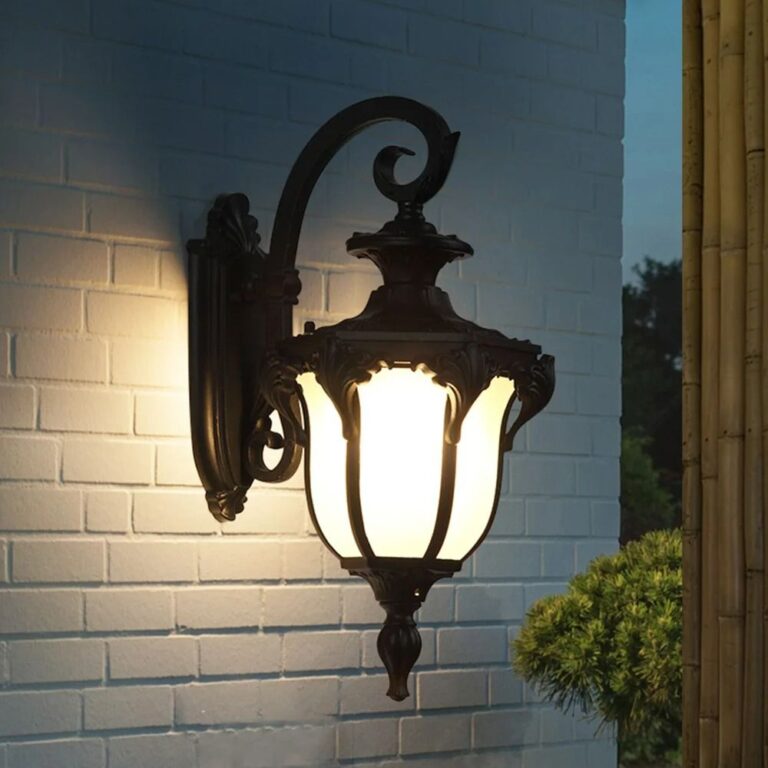
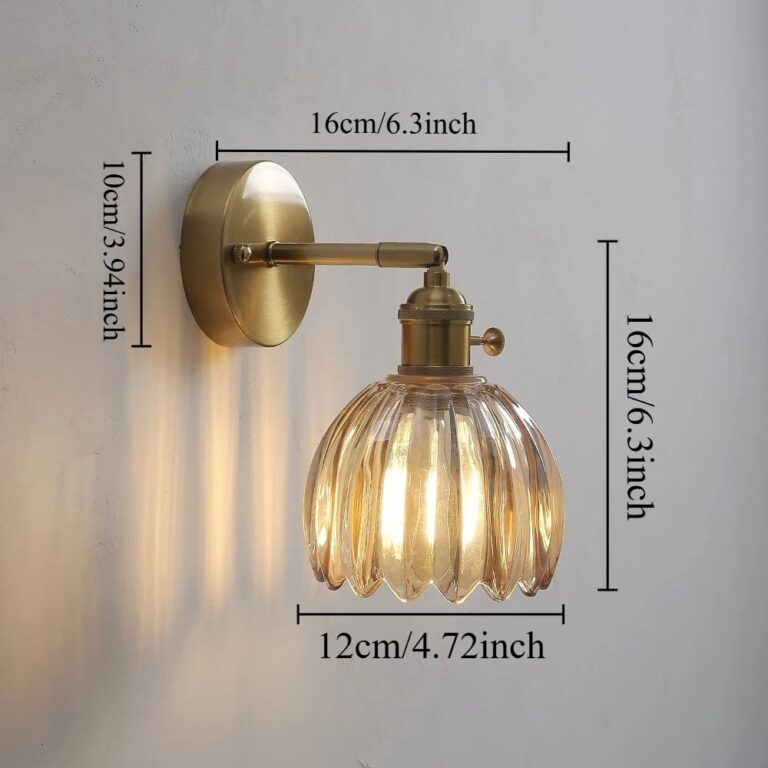 Aisha's pickBrass Wall Lamps with Shade That Make Rented Places Feel Like Home
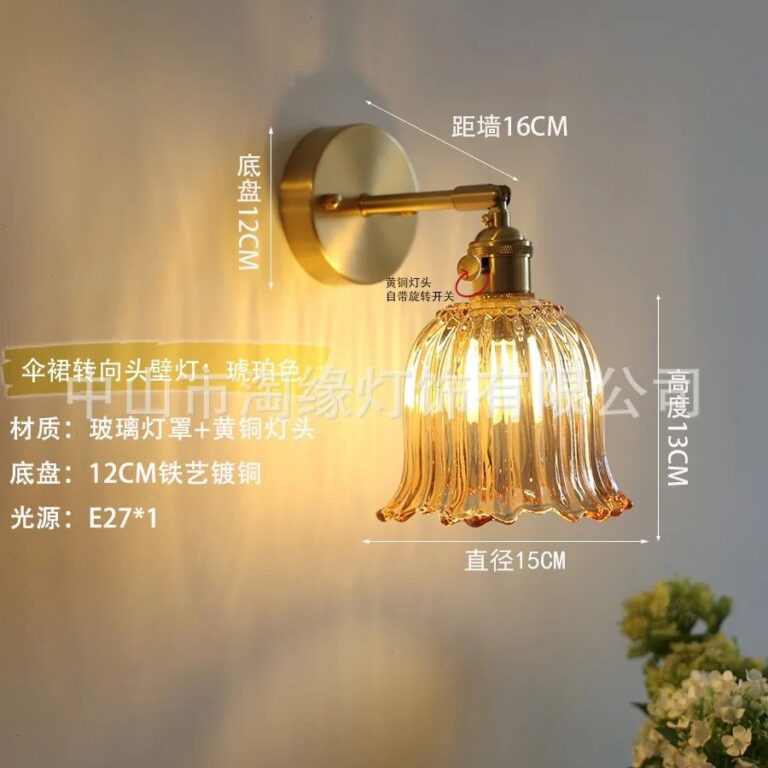
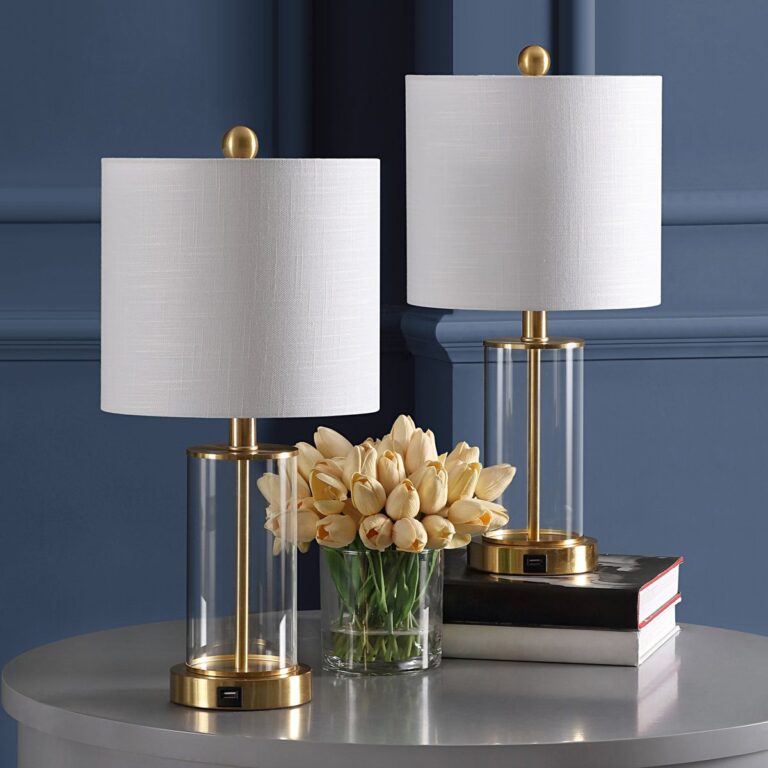 Aisha's pickMetal Table Lamps with Shade From Brands You Know and a Few You Won’t
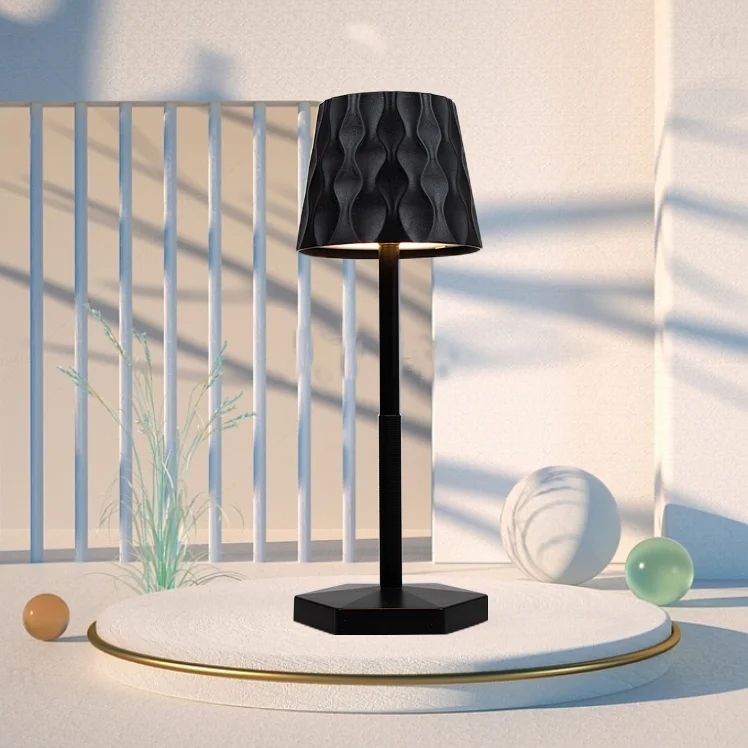
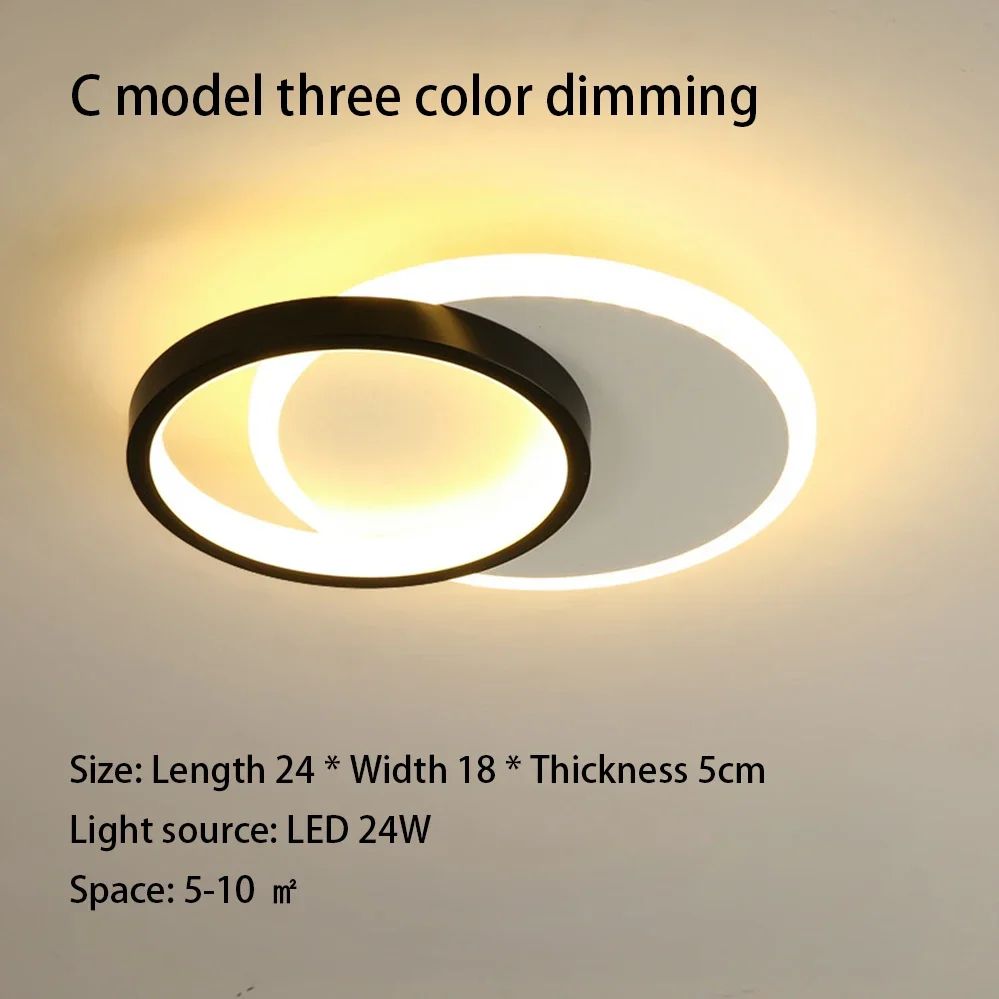 Aisha's pickCeiling Lamps with Shade That Change the Feel of a Room
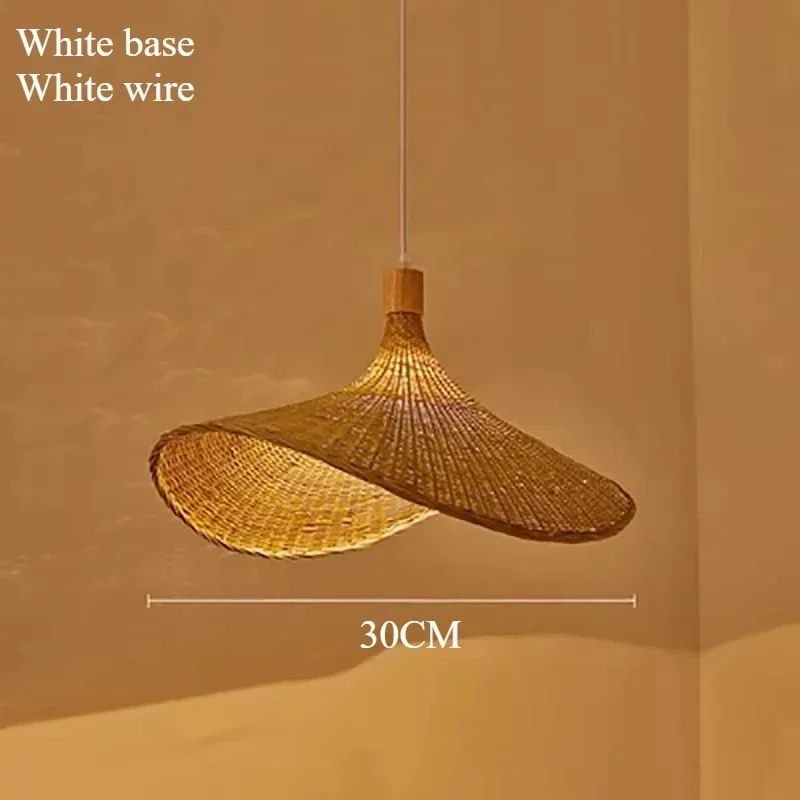
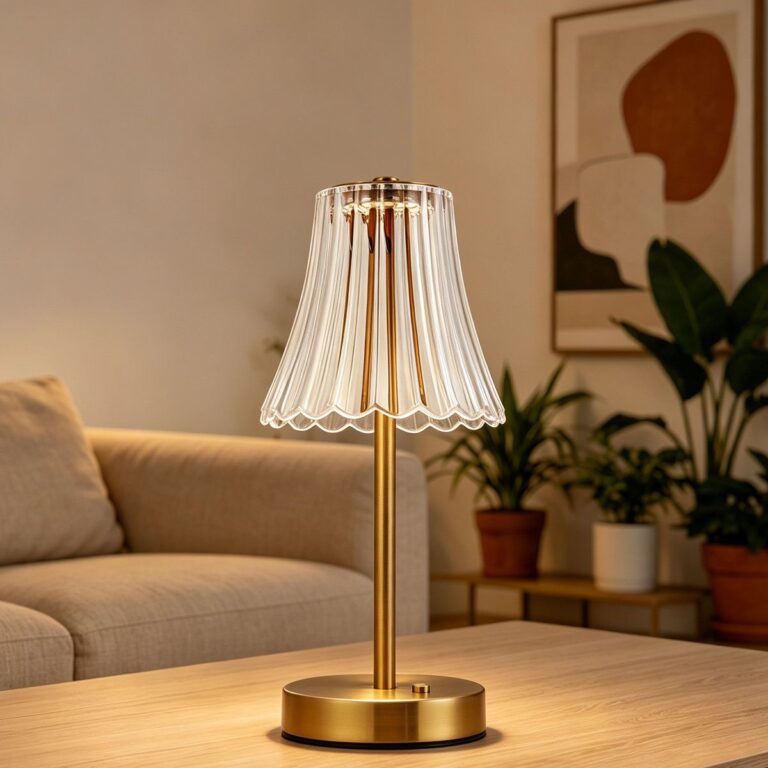 Aisha's pickMetal Touch Lamps with Shade That Look Like They Cost More
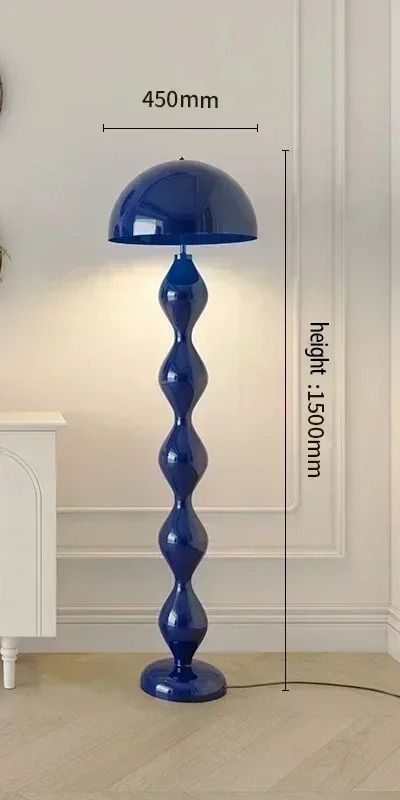
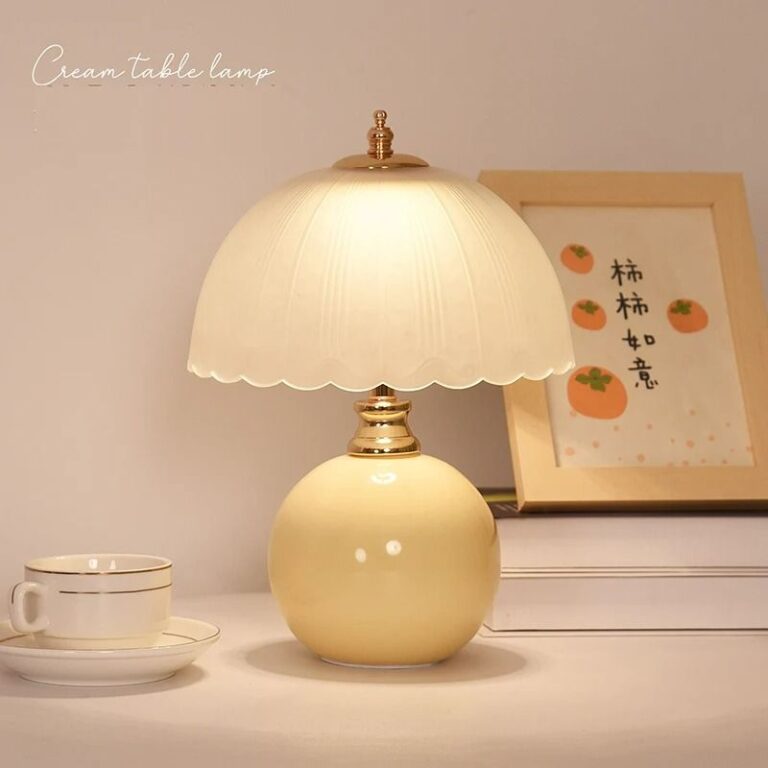 Aisha's pickCeramic Base Table Lamps with Shade Hunted Down So You Don’t Have To
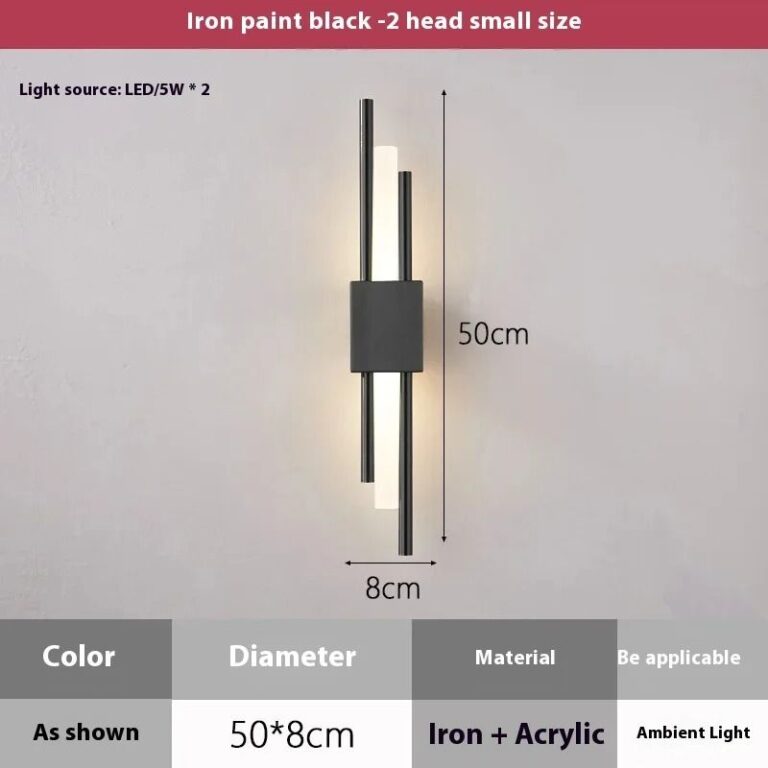
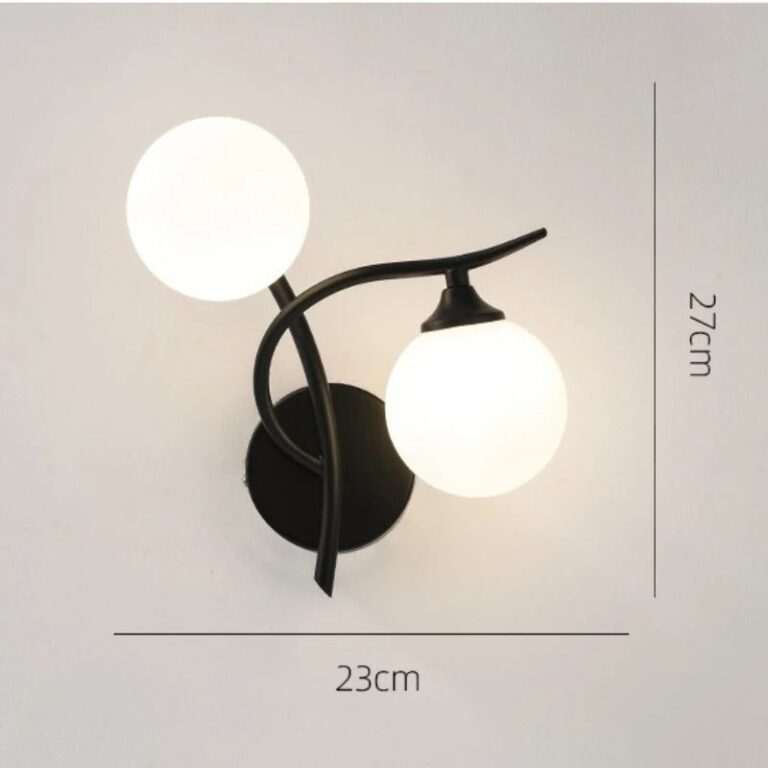 Aisha's pickSimple Metal Wall Lamps with Shade Done Well
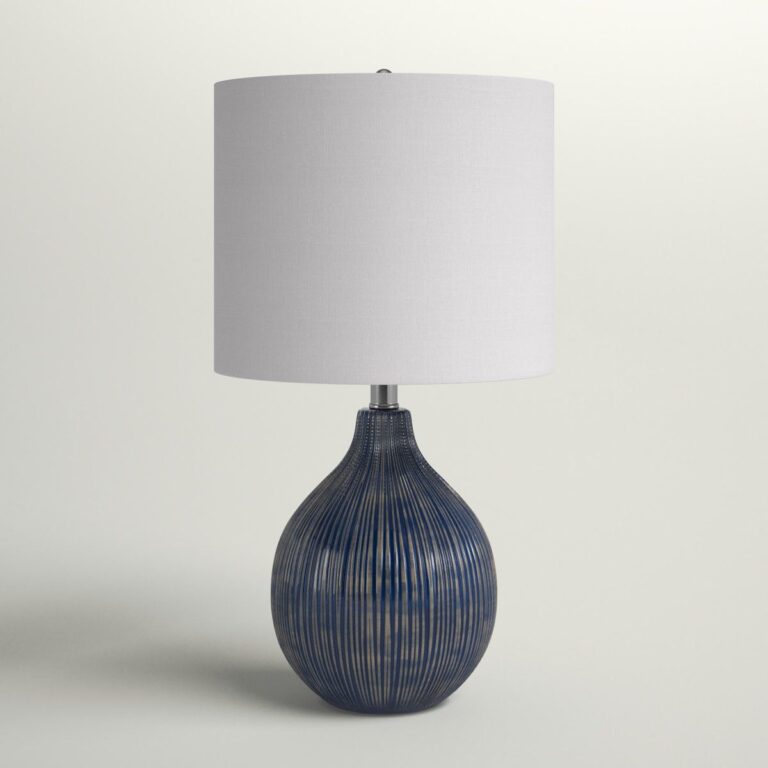
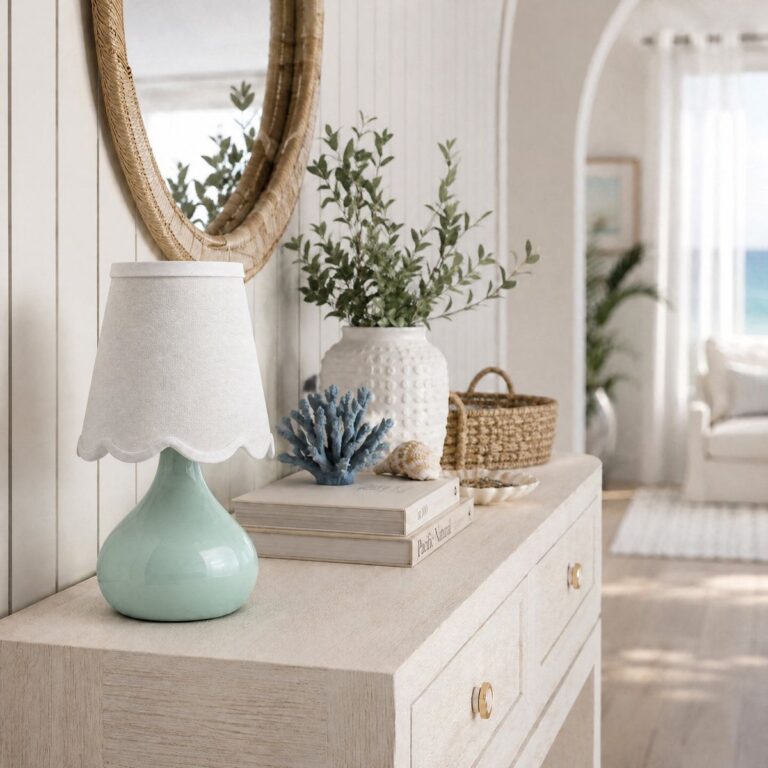 Aisha's pickCeramic Table Lamps with Shade Bright Enough Without the Glare
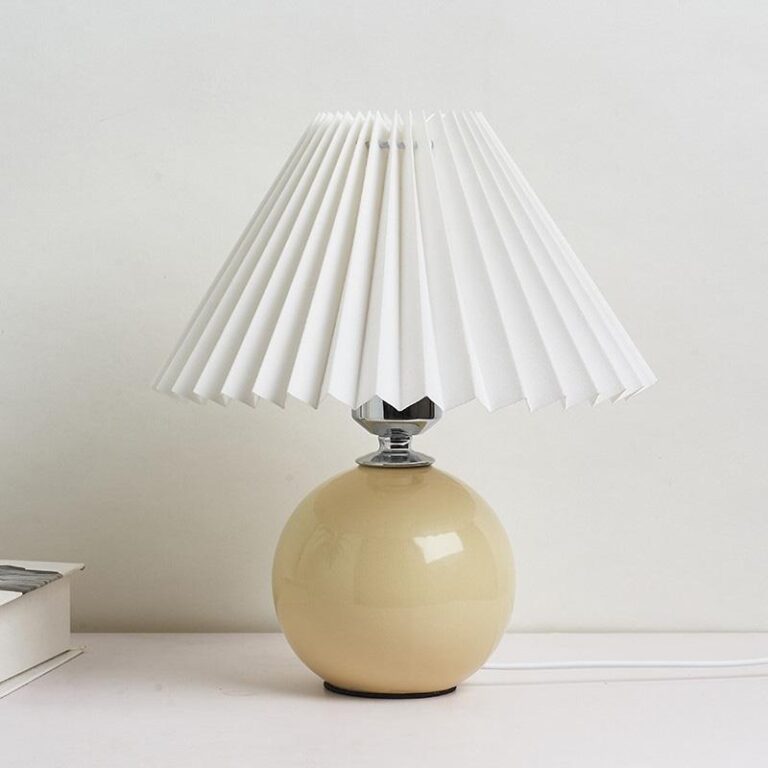
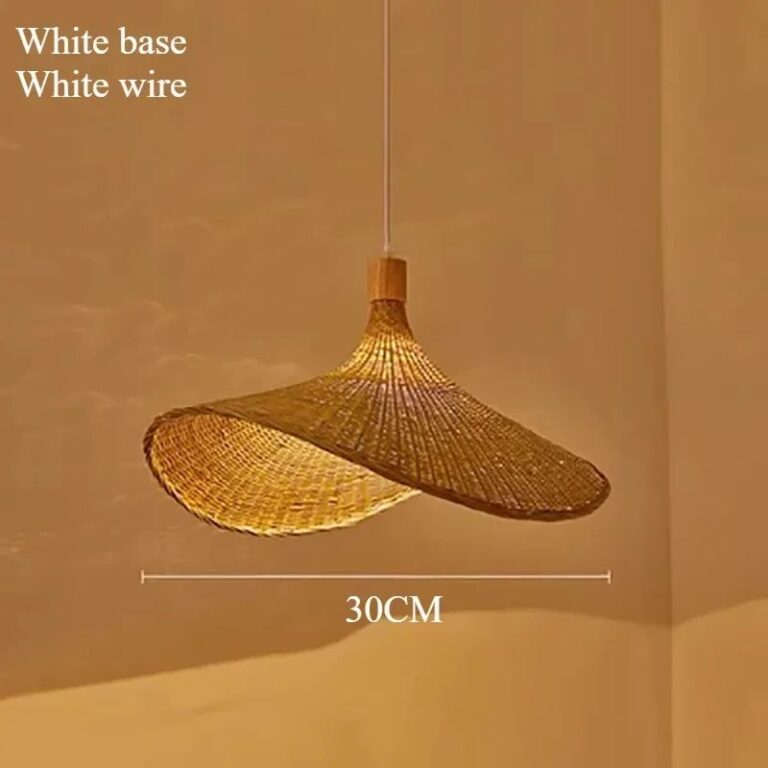 Aisha's pickPendant Lamps with Shade We Leave On All Evening
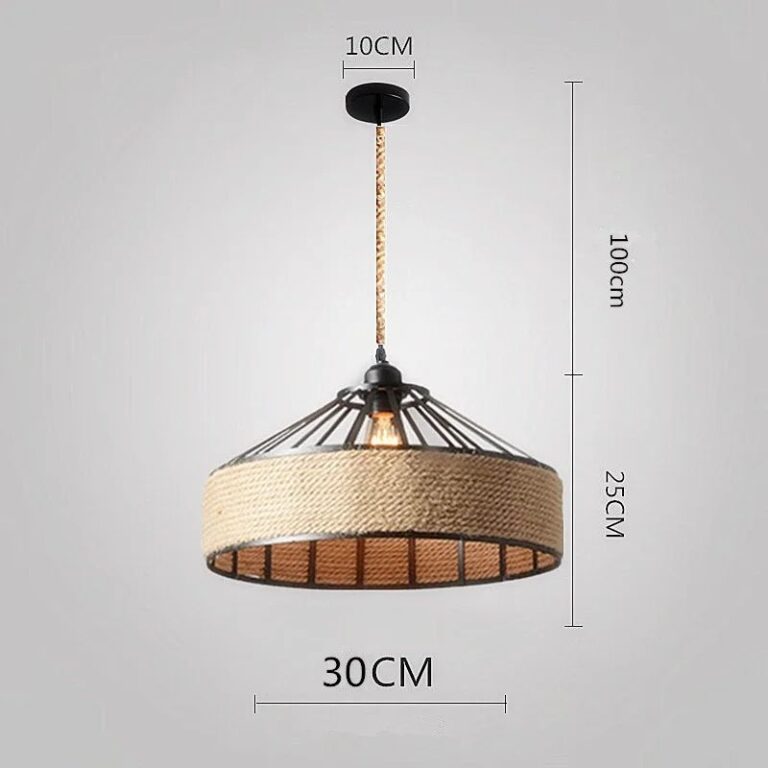
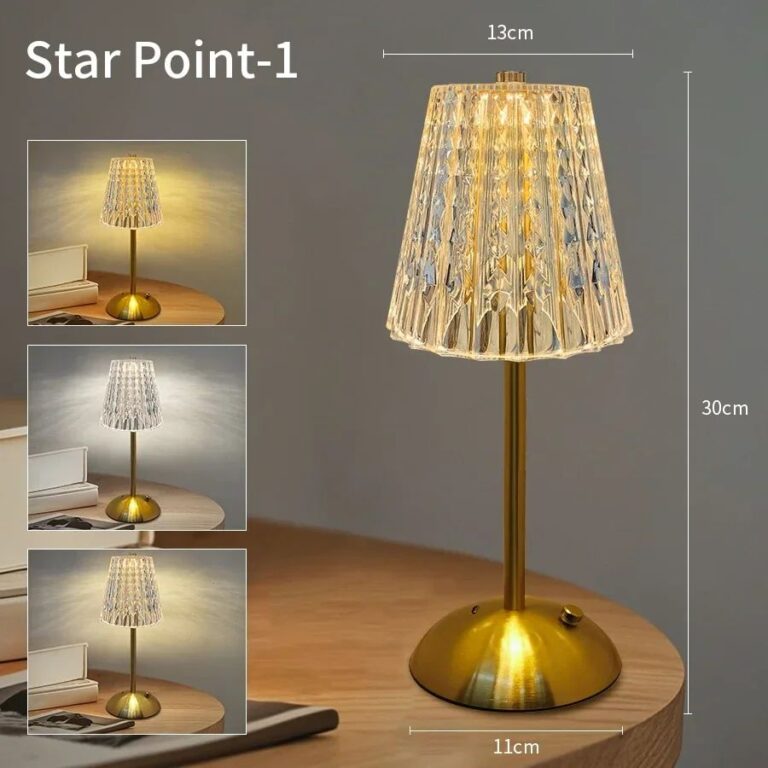 Aisha's pickCrystal Table Lamps with Shade That Look Like They Cost MoreAlso worth a lookLiving Room LampsIt's nine at night, the overhead light is off, and the only thing on in the room is…See the collections →
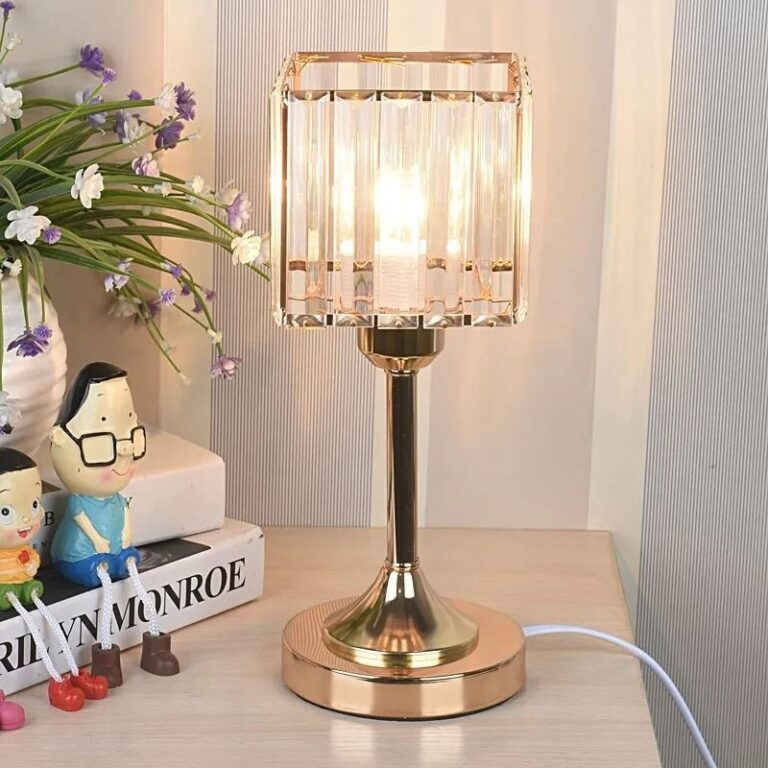
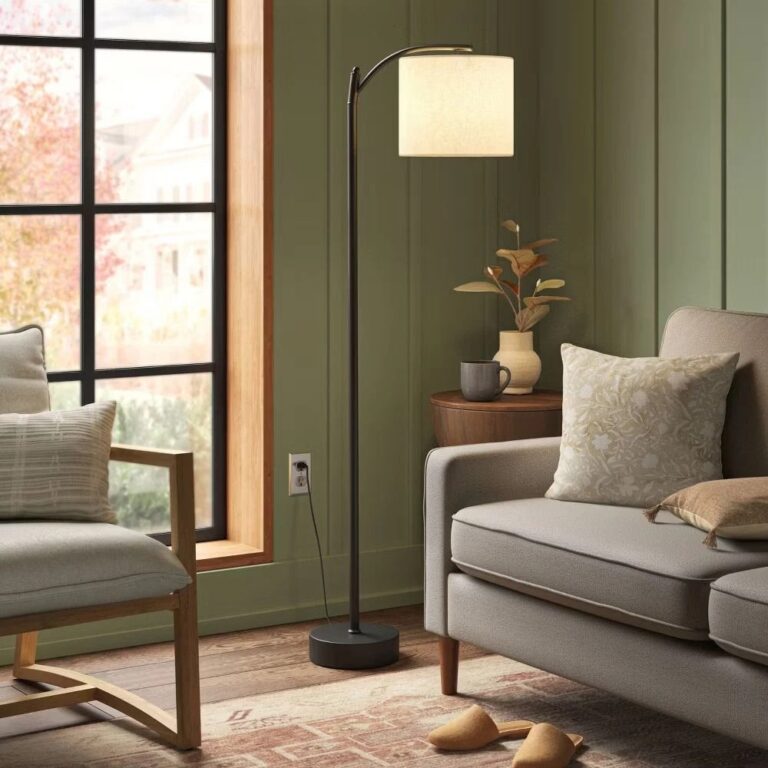 Aisha's pickReading Floor Lamps with Shade That Give Off a Warm Glow
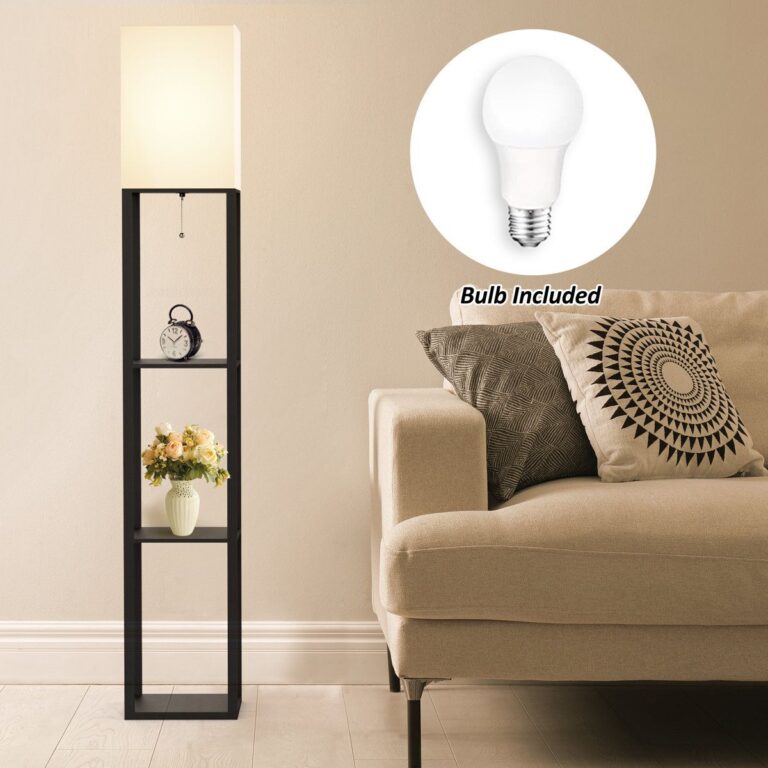
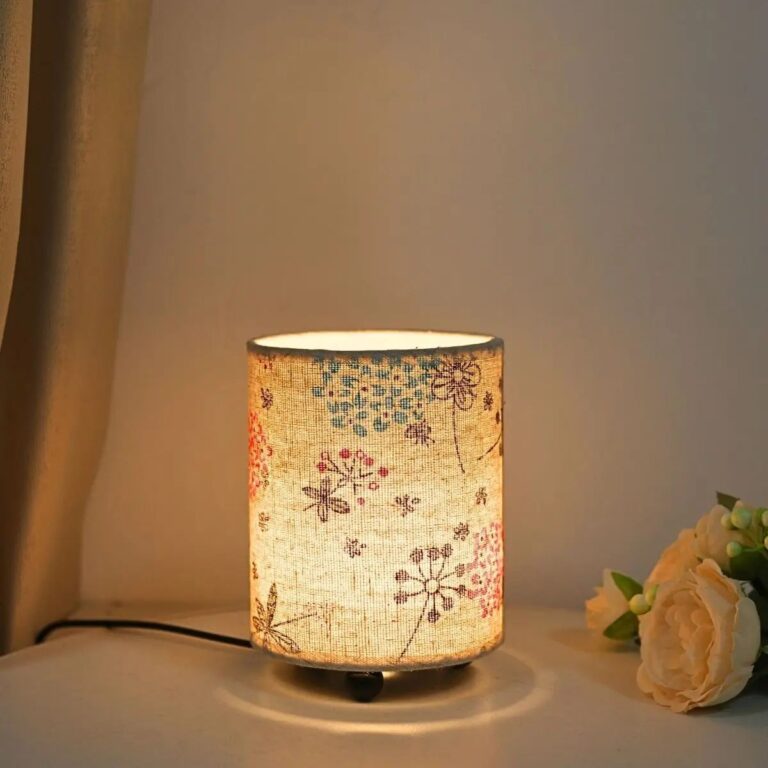 Aisha's pickGood Desk Lamps with Shade That Don’t Cost a Fortune
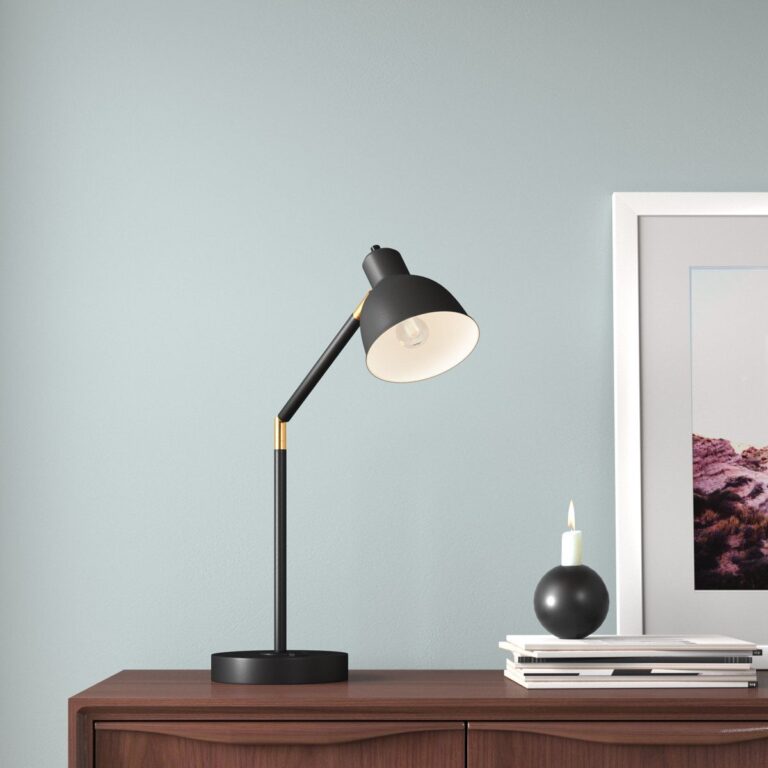
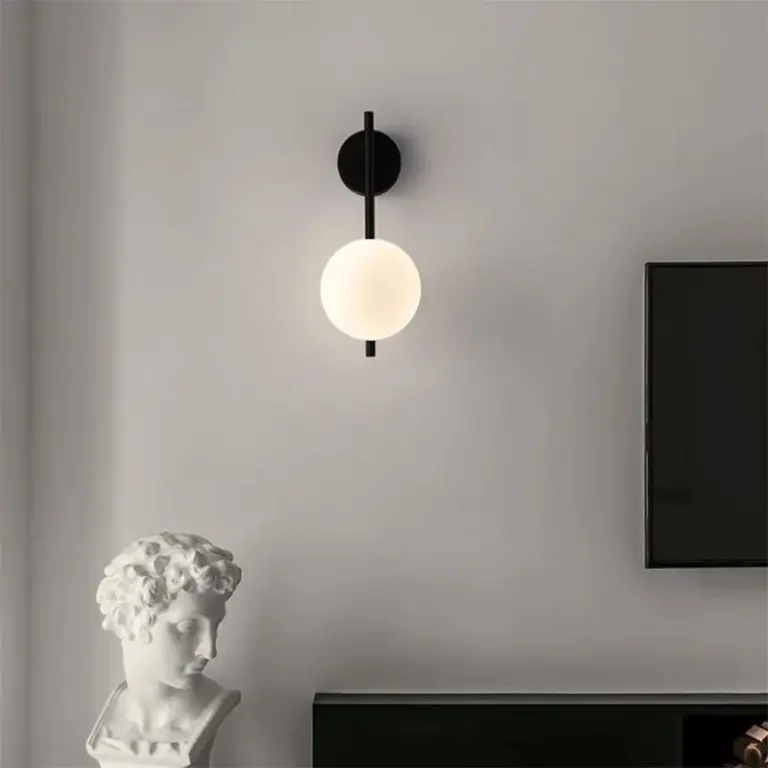 Aisha's pickReading Lamps with Shade Without the Silly Price Tag
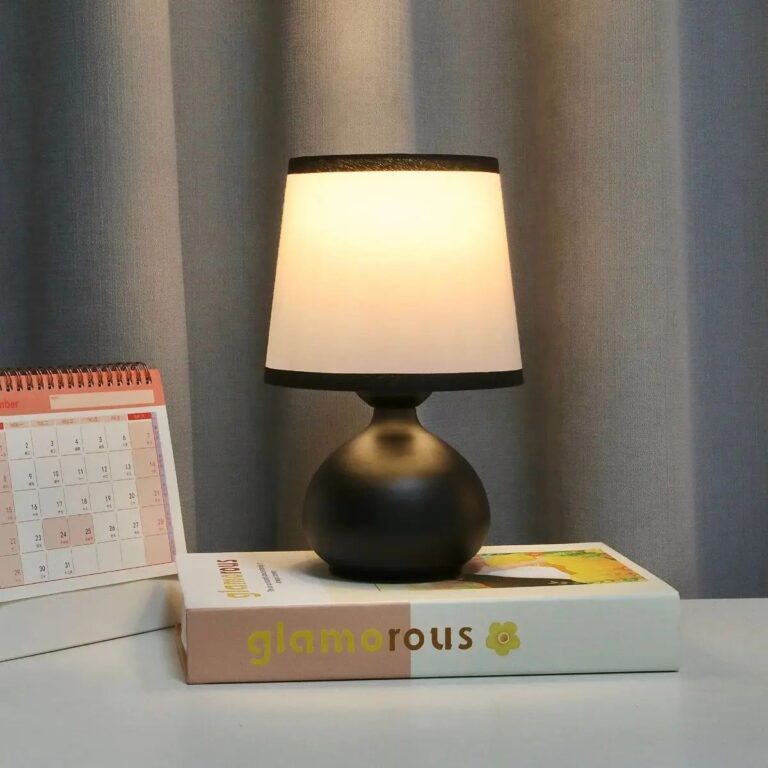
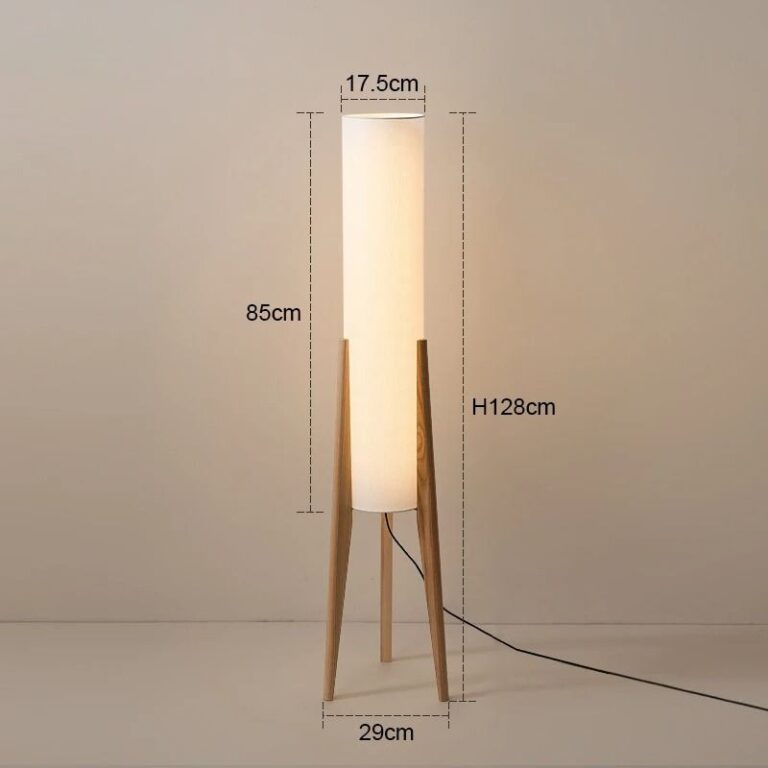 Aisha's pickFloor Lamps with Shade That Make the Big Light Redundant
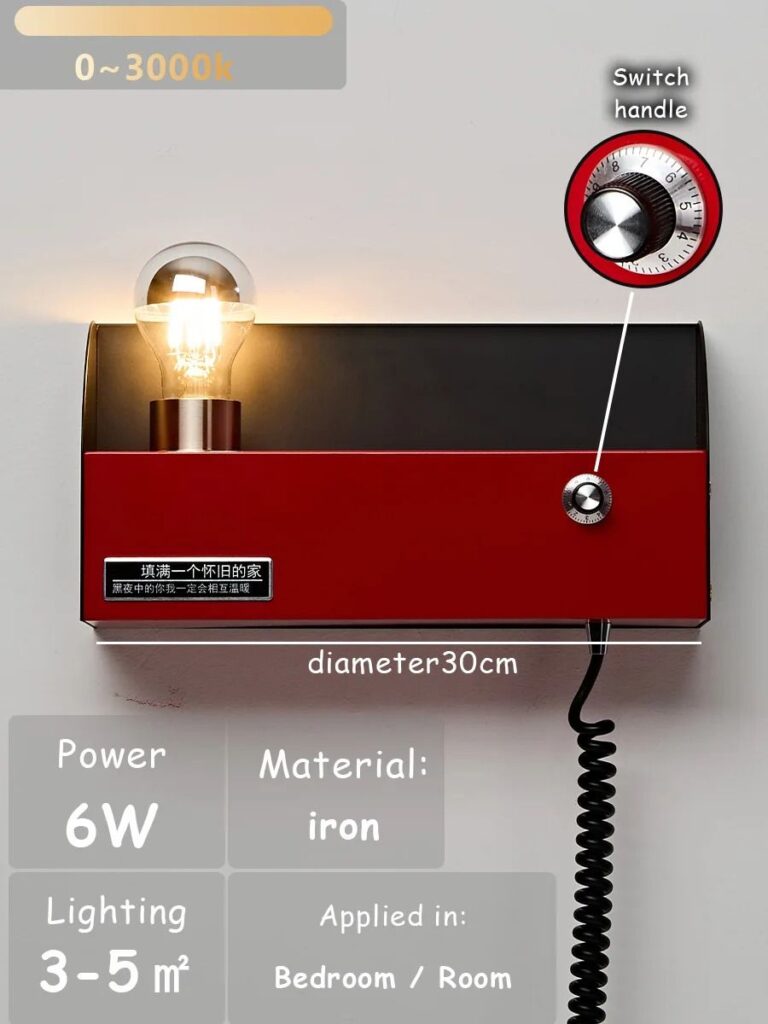
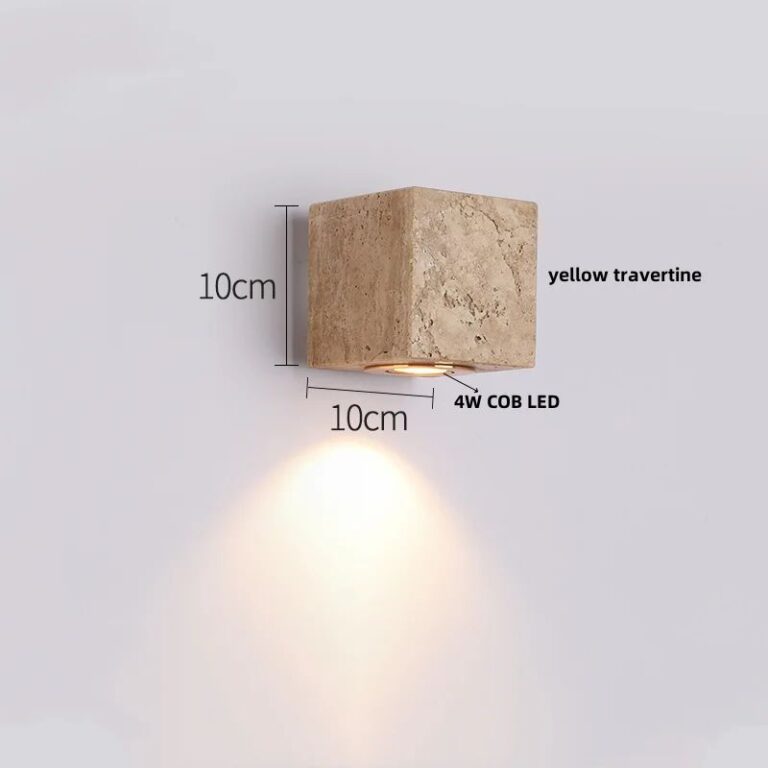 Aisha's pickStandard Lamps with Shade That Give Off a Warm Glow
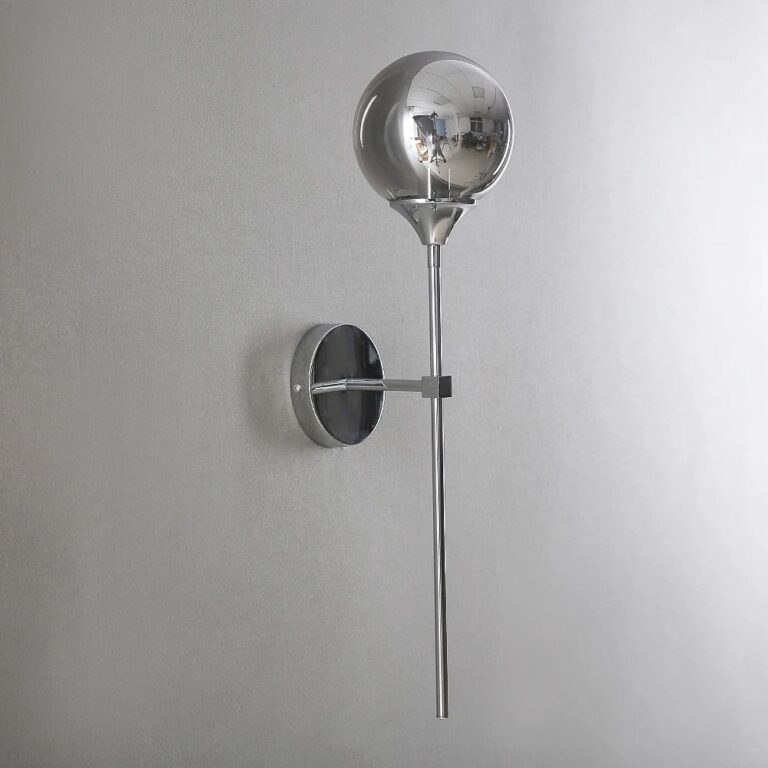
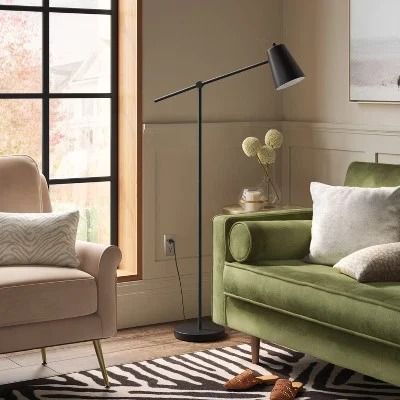 Aisha's pickBedroom Floor Lamps with Shade Picked by People Who Care Too Much
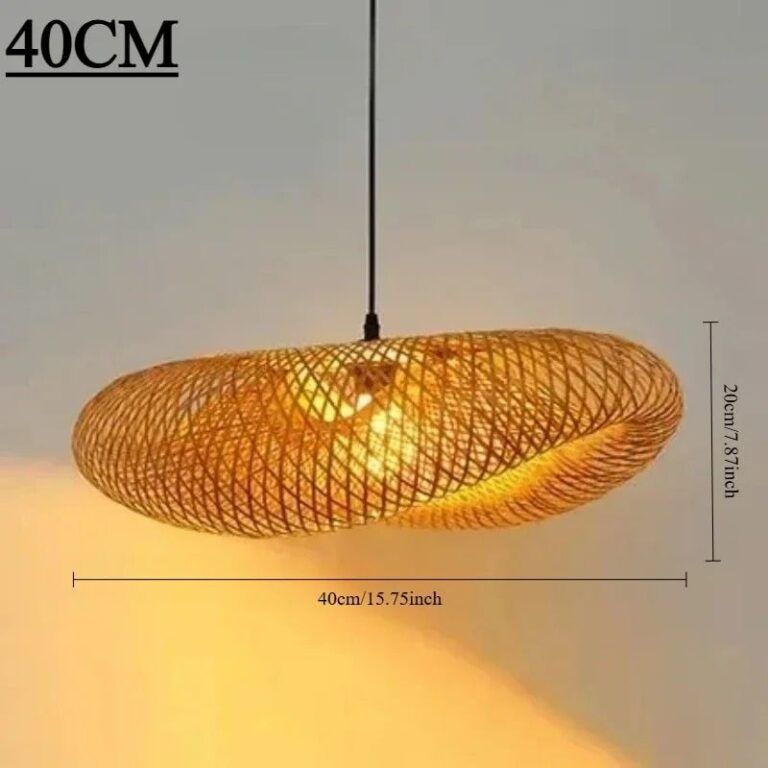
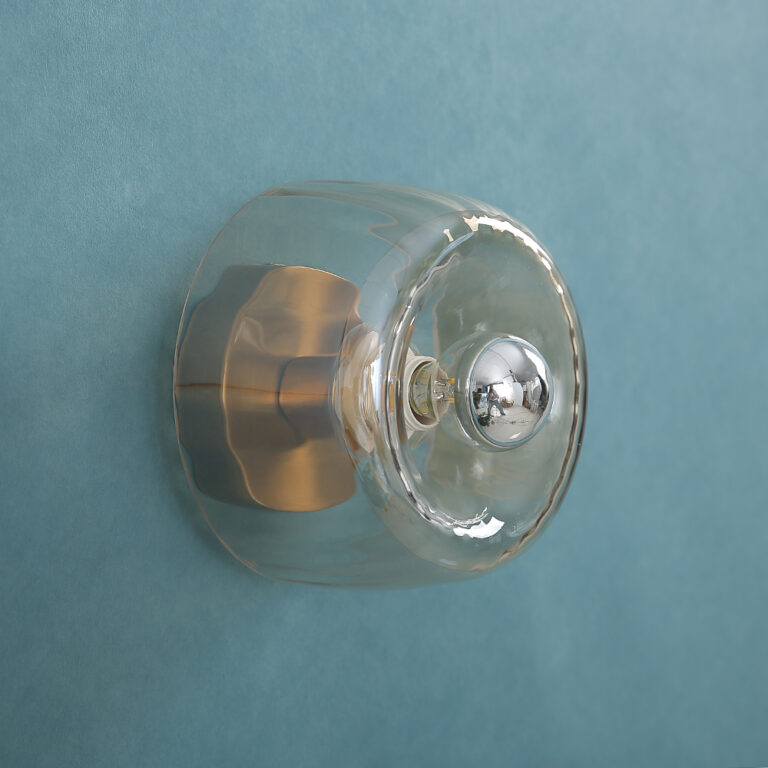 Aisha's pickGlass Standard Lamps with Shade That Light Up Gloomy Corners
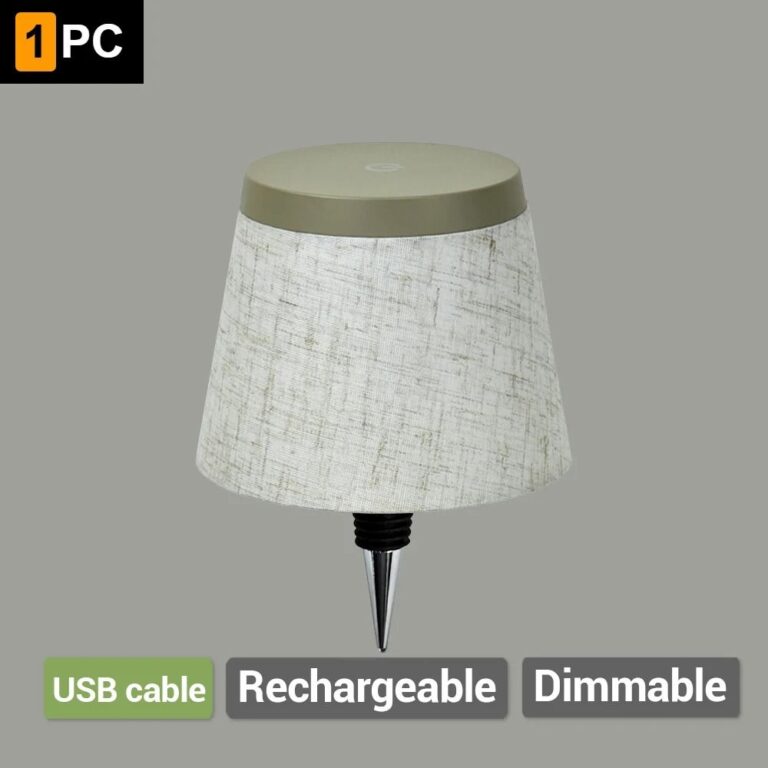
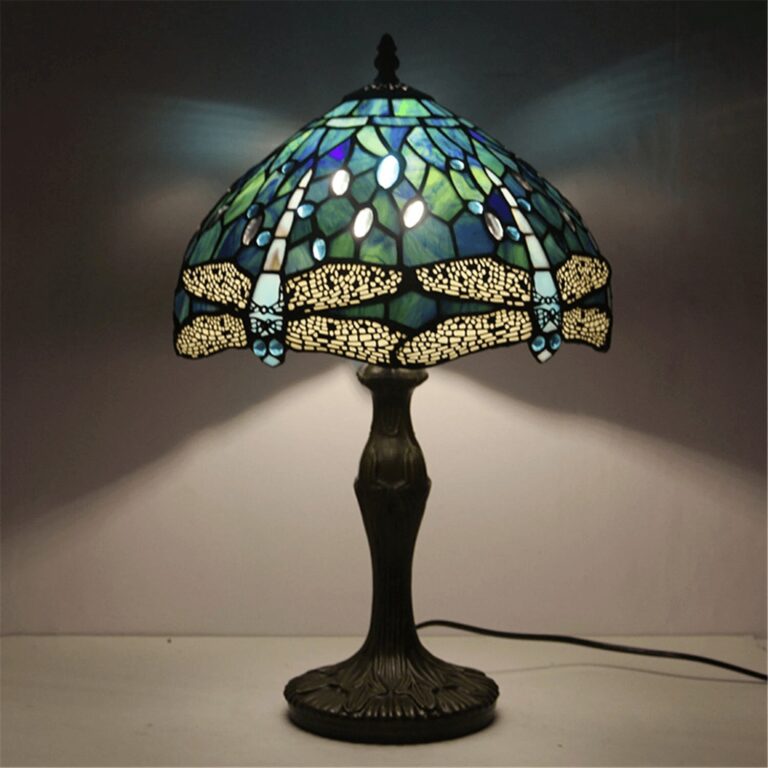 Aisha's pickTable Lamps with Shade We Leave On All Evening