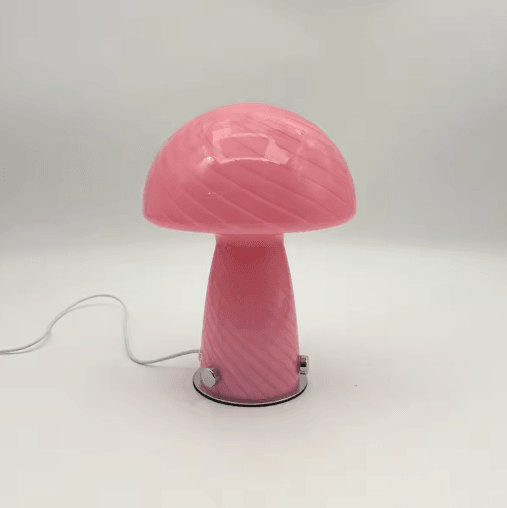
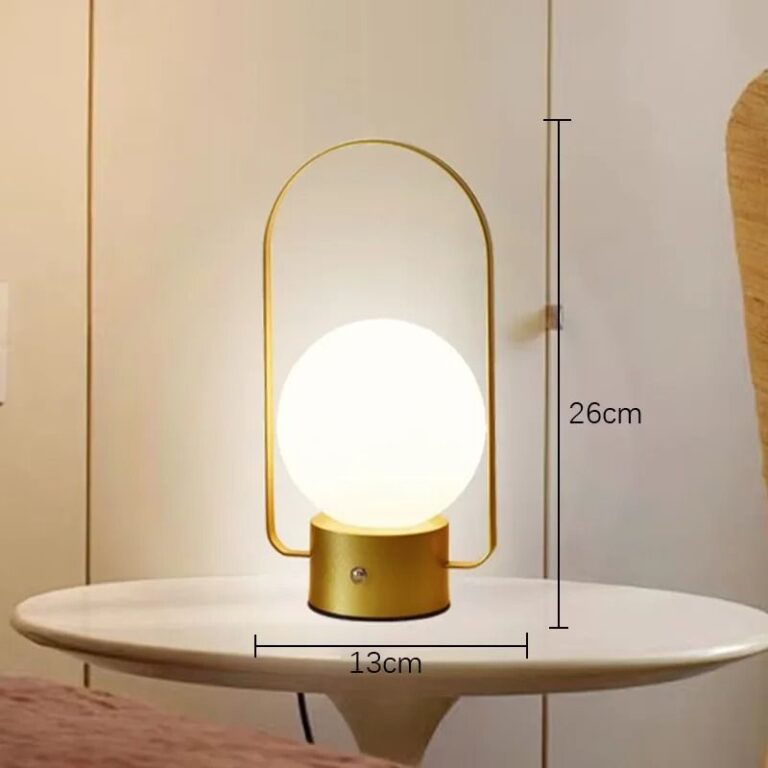
It's nine at night, the overhead light is off, and the only thing on in the room is a lamp throwing a warm circle over the couch while the television mutters in the background. That's the moment a living room lamp justifies itself. Overhead lighting gets everybody through dinner and homework, but it does nothing for the hour when you actually want to sit still in a room. A good lamp is the difference between a living room that feels like a waiting area and one that feels like somewhere you'd choose to be.
Where it goes wrong is putting a tall, busy lamp next to an already busy bookshelf or a gallery wall, suddenly the room has three things shouting at once and none of them land. If you've got nothing in the room yet, start with one table lamp near where people actually sit, not one tucked in a corner nobody uses, and a simple floor lamp behind a reading chair if you have one. That's it to start. You can add a second table lamp later once you know how the room behaves at night. The real split between a lamp that lasts and one that ends up at the curb is in the base and the socket, not the shade. Cheap ones have a stamped metal or hollow plastic base that feels light in a way that makes you nervous every time you walk past it, and a cord that starts fraying at the lamp end within a year. A well made one has real weight to the base, a harp and finial that actually screw down tight instead of wobbling, and a switch that clicks instead of grinding. Pick one up and turn it over. If the bottom is covered in a clean felt pad and the wiring entry looks neat, somebody cared. If you can see glue, you're going to be back shopping in eighteen months.
On finish, I've learned to stop overthinking it. Brushed brass, bronze, matte black and plain ceramic in a warm white all sit fine in rooms that have nothing else metal in them, and they age without looking dated the way shiny chrome or a trendy color glaze can. Shades matter more than people give them credit for, a plain linen or paper shade in cream or warm white will flatter a room every time, while a dark or patterned shade looks good in a photo and gloomy in person once the bulb is actually on. Warm bulbs, always, never the blue white ones meant for garages.
Buy the heavier lamp with the duller finish and the plain shade, it will still be lighting your living room long after the trendy one is in a closet somewhere.

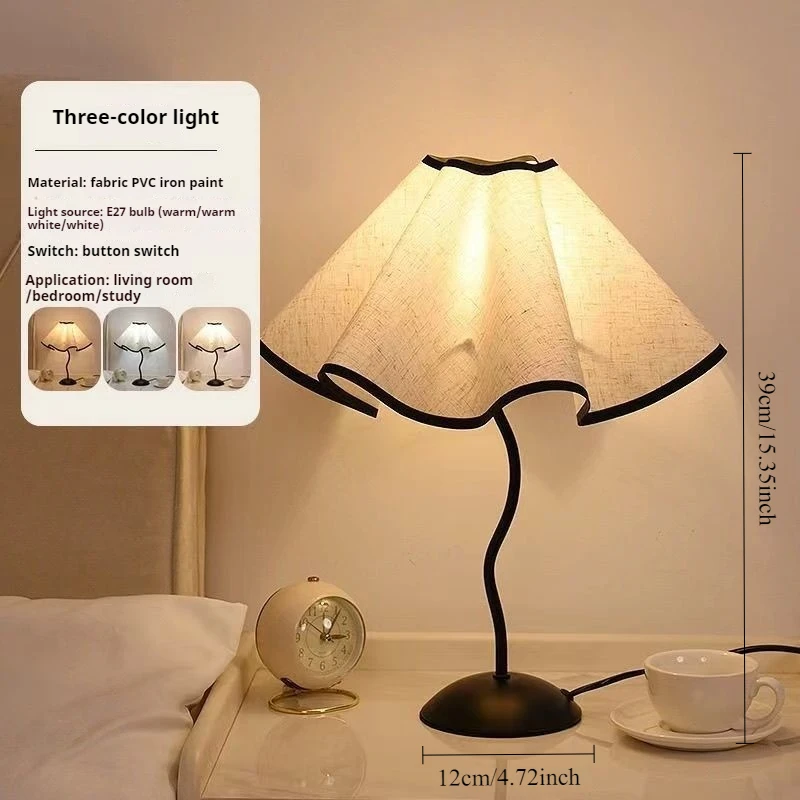 Aisha's pickBlack Living Room Table Lamps That Survive Kids and Pets
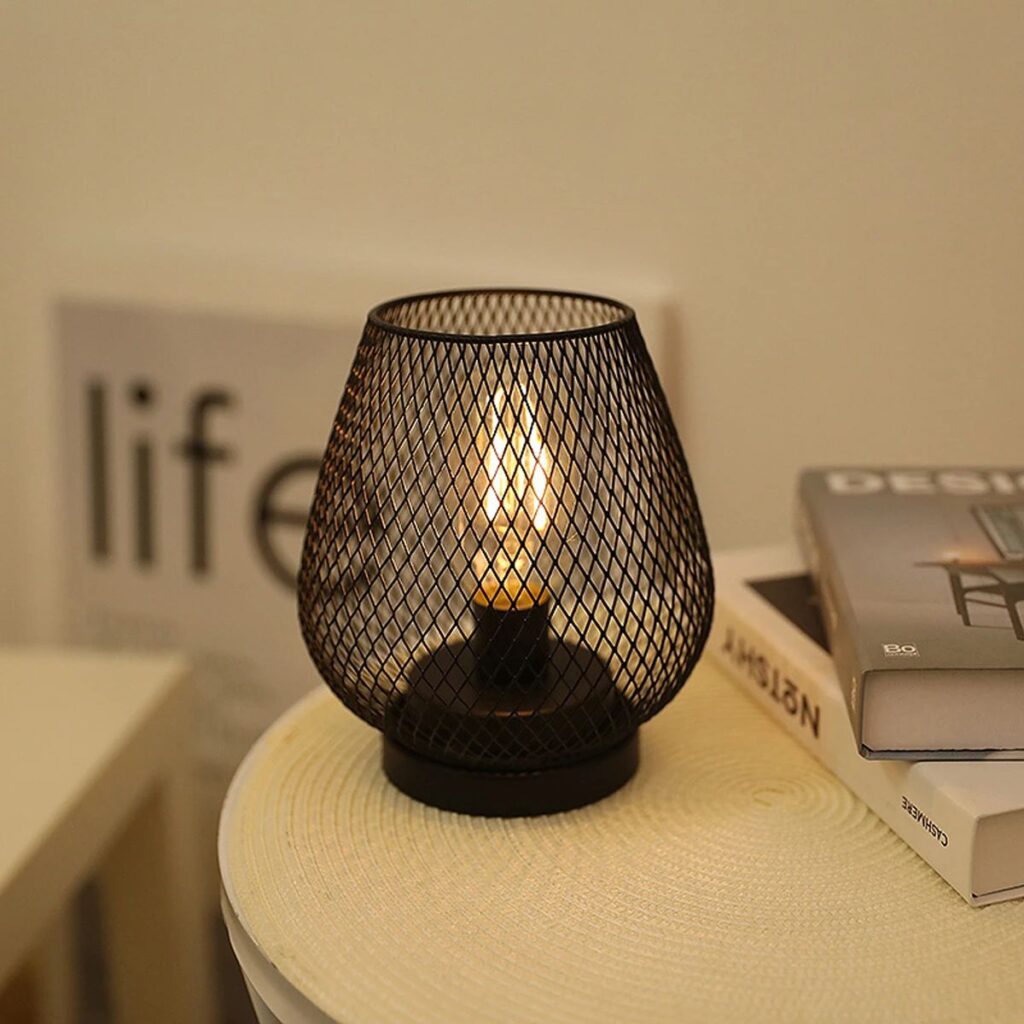
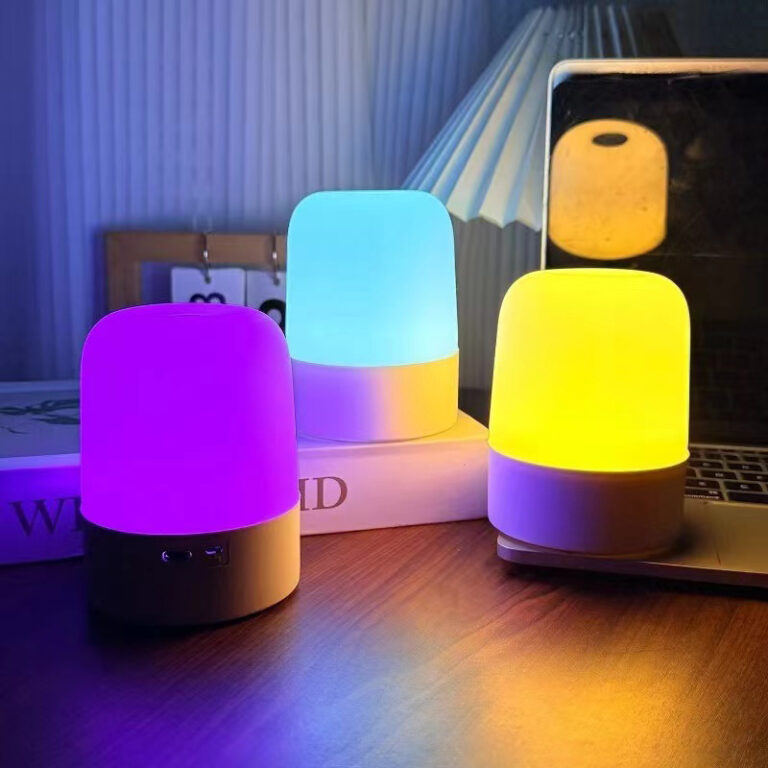 Aisha's pickLiving Room Table Lamps Picked From the Stores We Trust
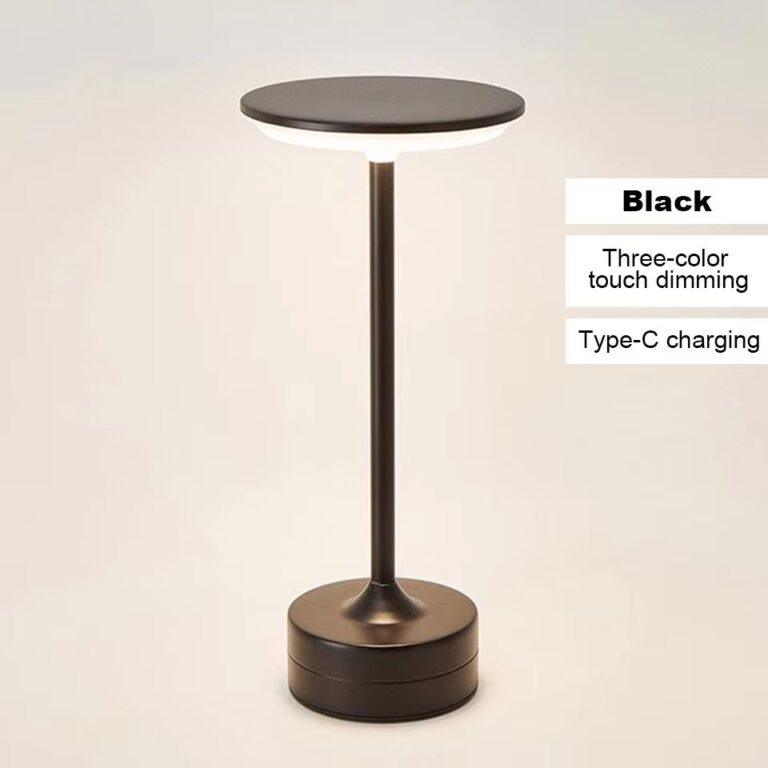
 Aisha's pickVintage Living Room Table Lamps We Leave On All Evening
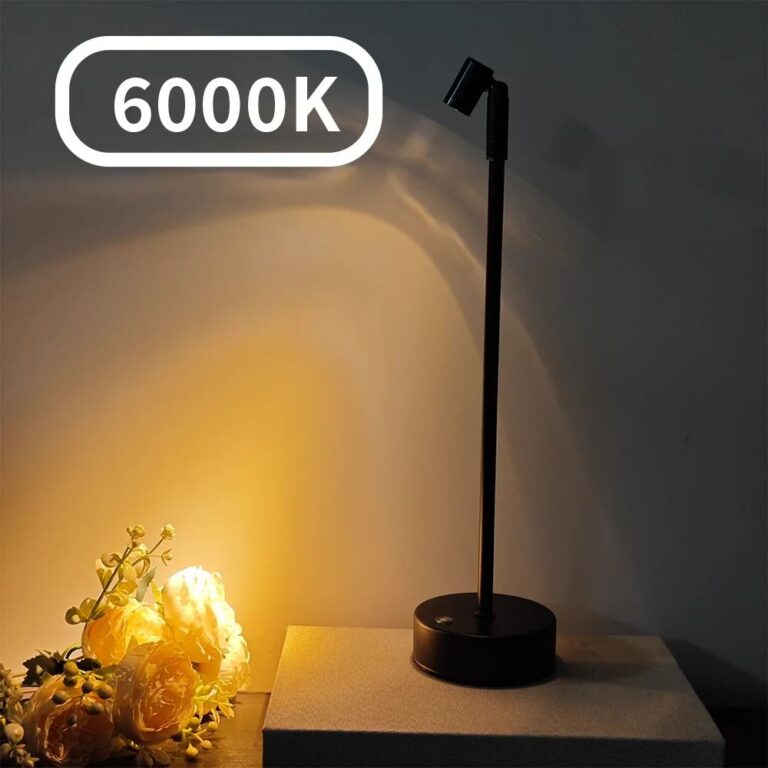
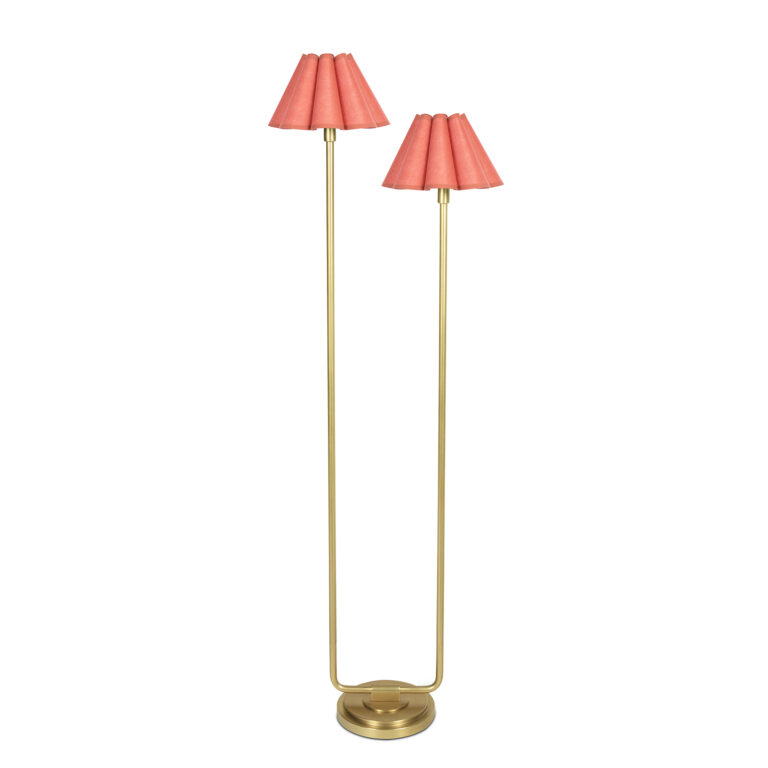 Aisha's pickBrass Living Room Floor Lamps for Movie Nights and Slow Sundays
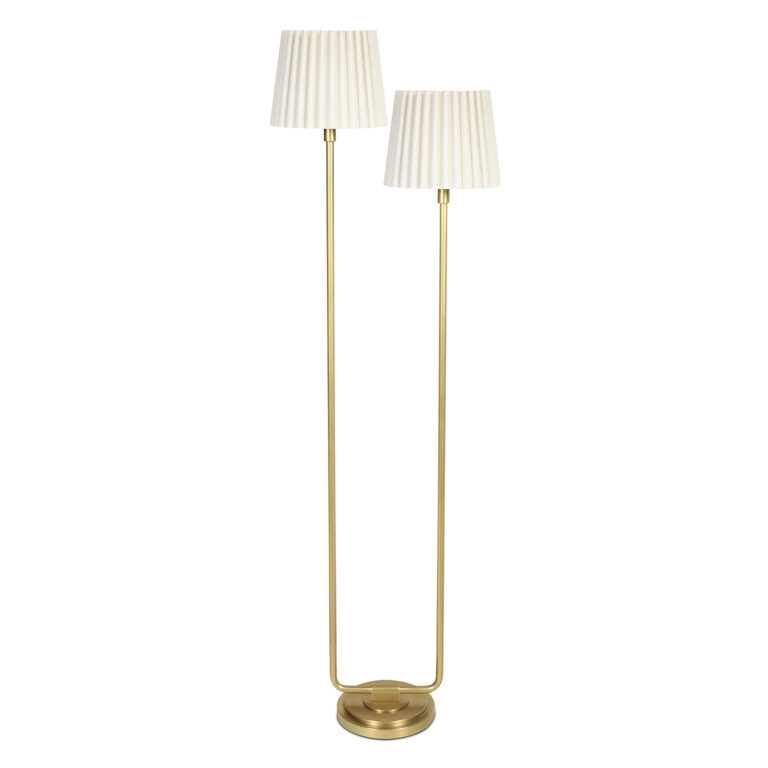
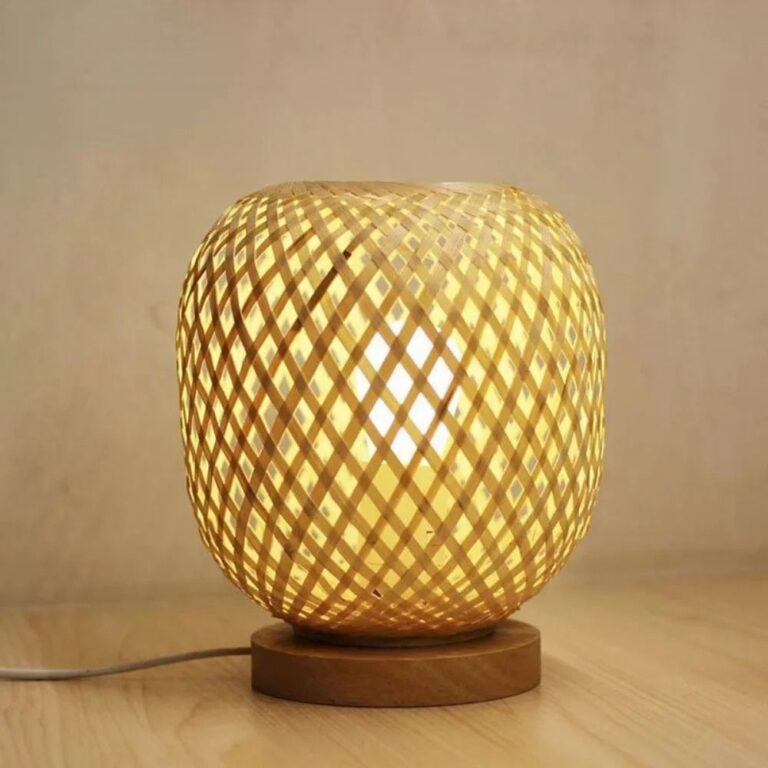 Aisha's pickLiving Room Table Lamps for Bedroom Without the Silly Price Tag
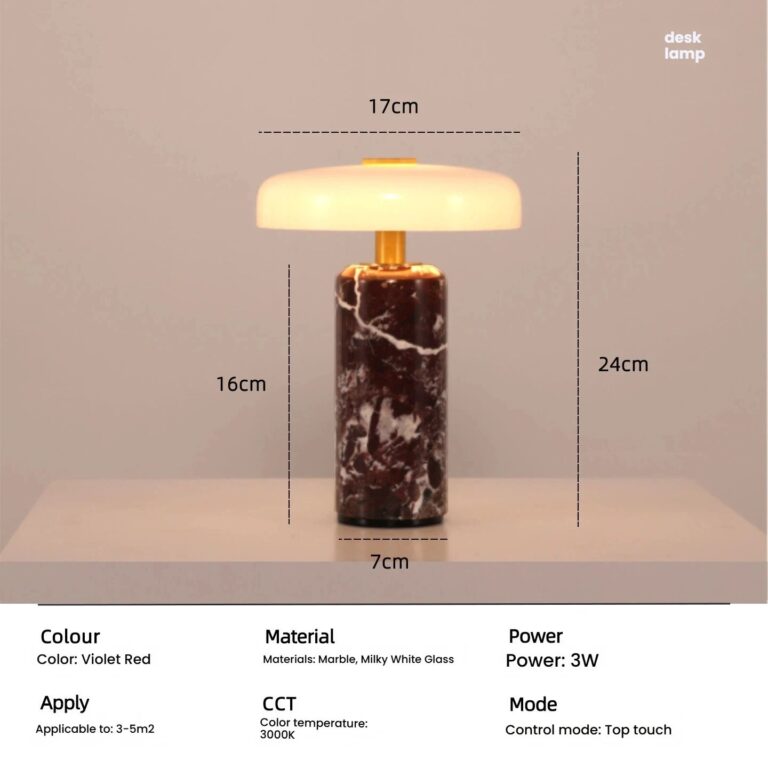
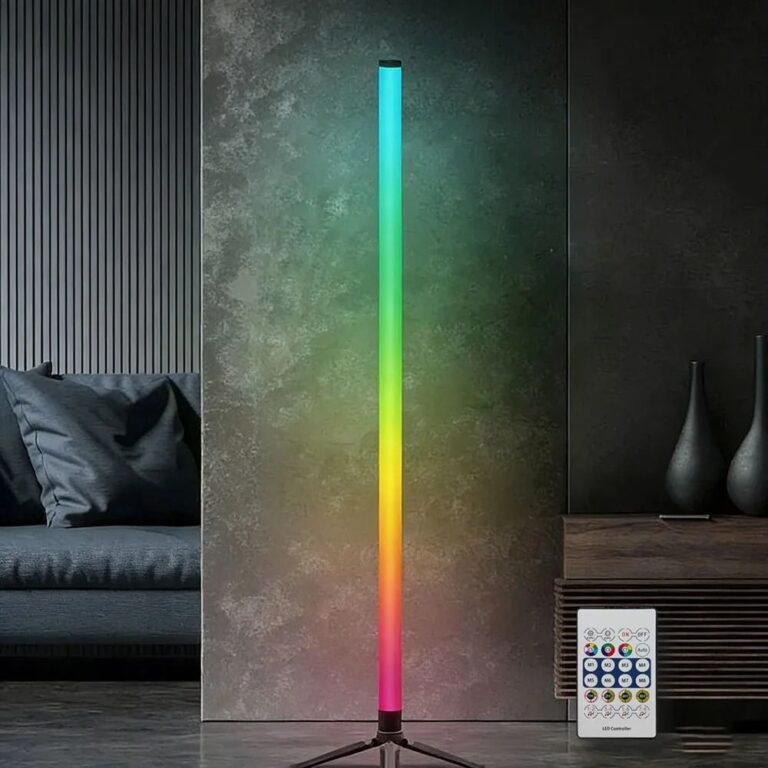 Aisha's pickWhite Living Room Floor Lamps That Make the Big Light Redundant
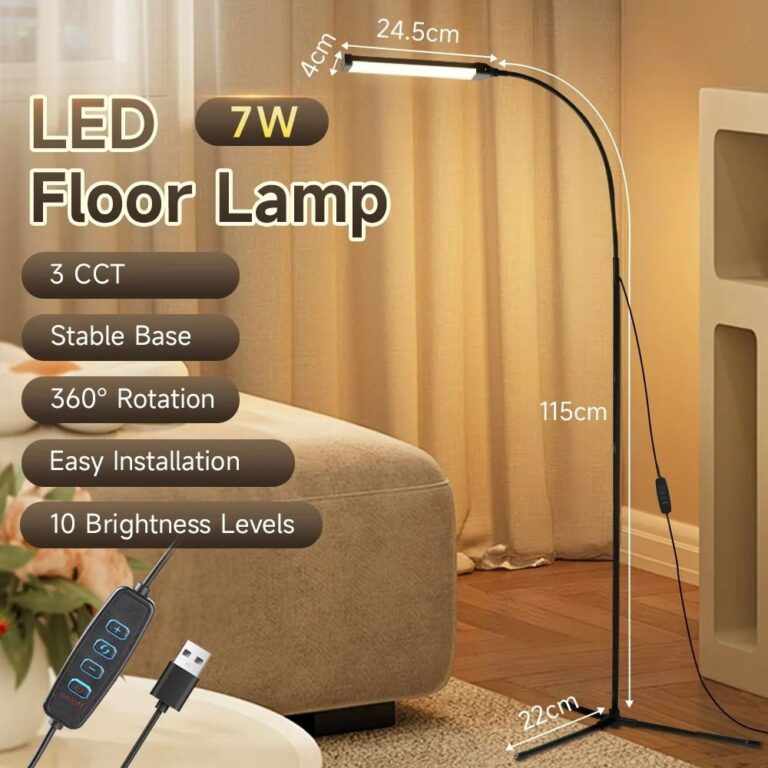
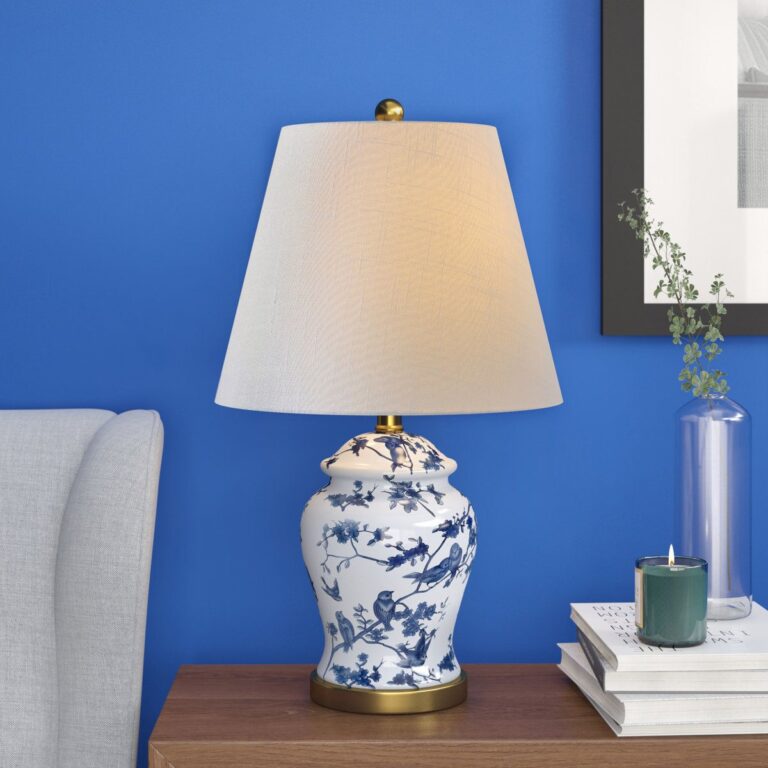 Aisha's pickBrass Living Room Table Lamps That Look Good Up Close
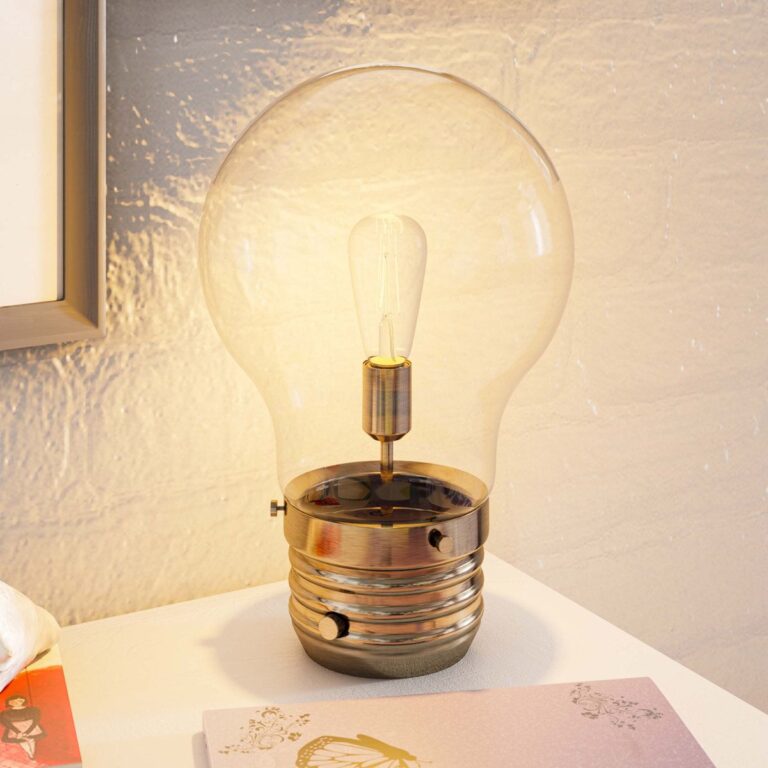
 Aisha's pickLiving Room Table Lamps for Office We Work Beside Every Day
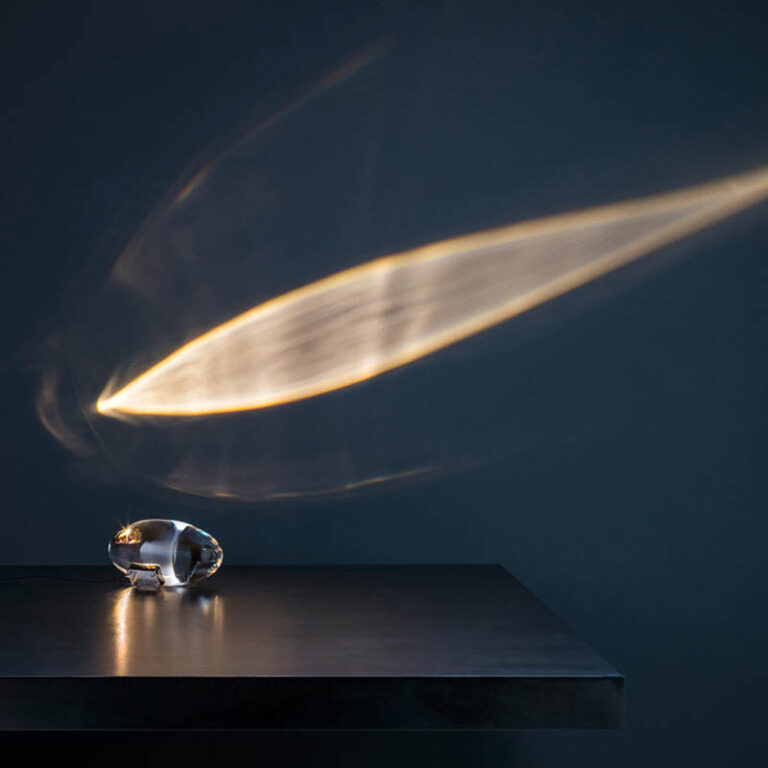
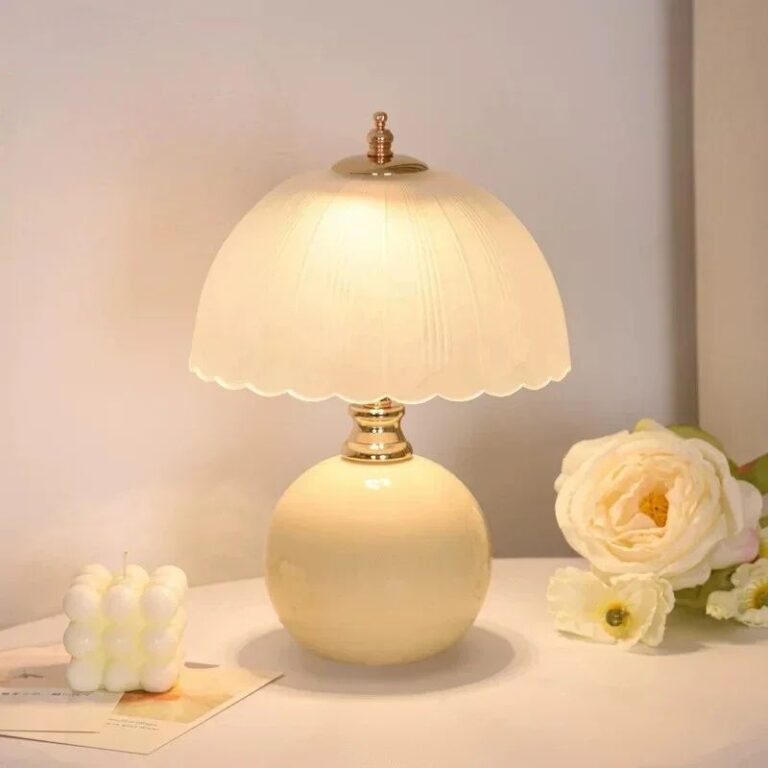 Aisha's pickWhite Living Room Table Lamps We Leave On All EveningAlso worth a lookWall LampsThe thing that catches people out with wall lamps is the electrical question, nobody thinks about it until…See the collections →
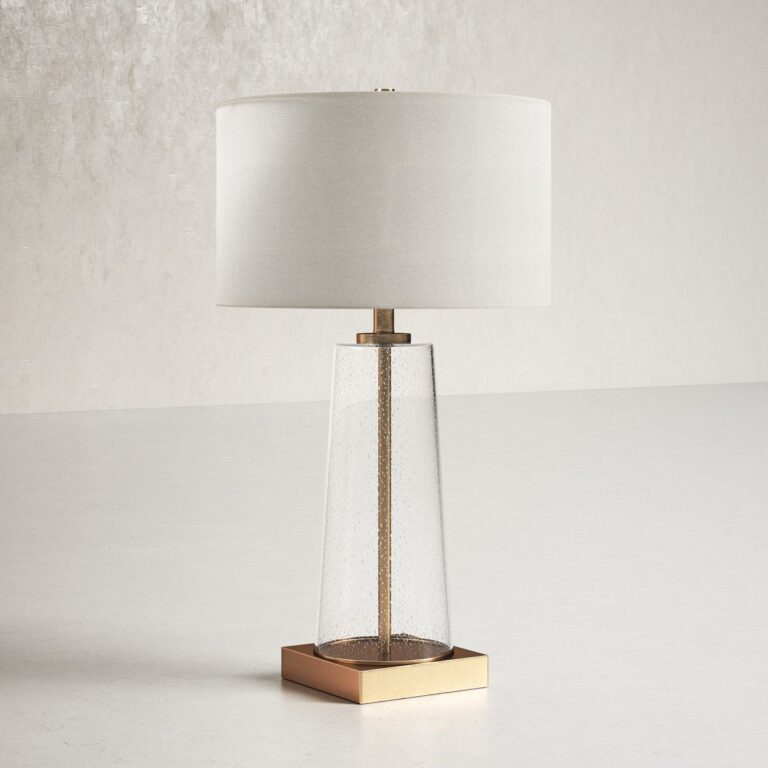
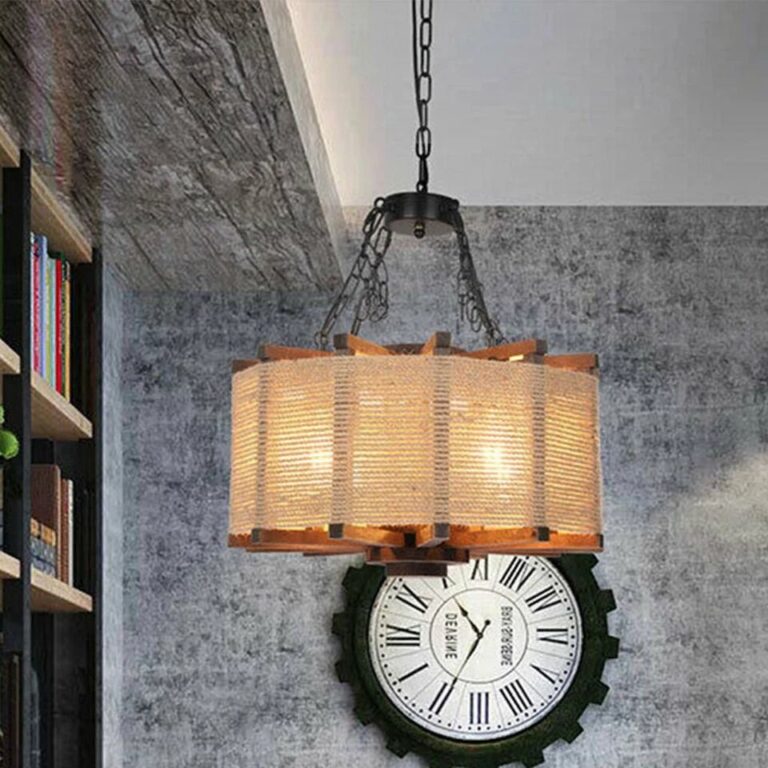 Aisha's pickCeiling Lamps for Living Room Picked by People Who Care Too Much
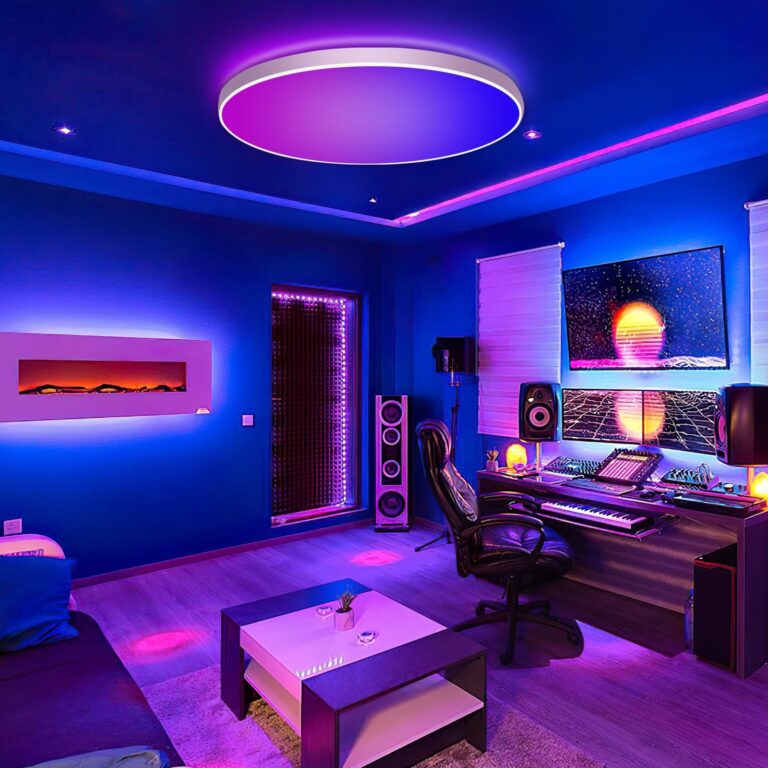
 Aisha's pickLiving Room Table Lamps with Shade You Won’t Regret Buying

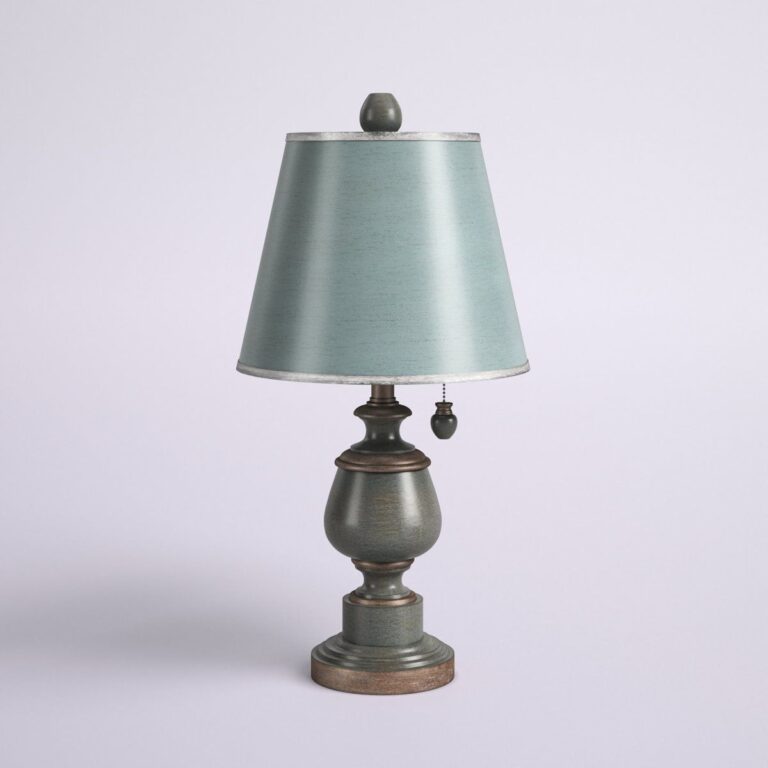 Aisha's pickConsole Table Lamps for Living Room That Earn Their Keep
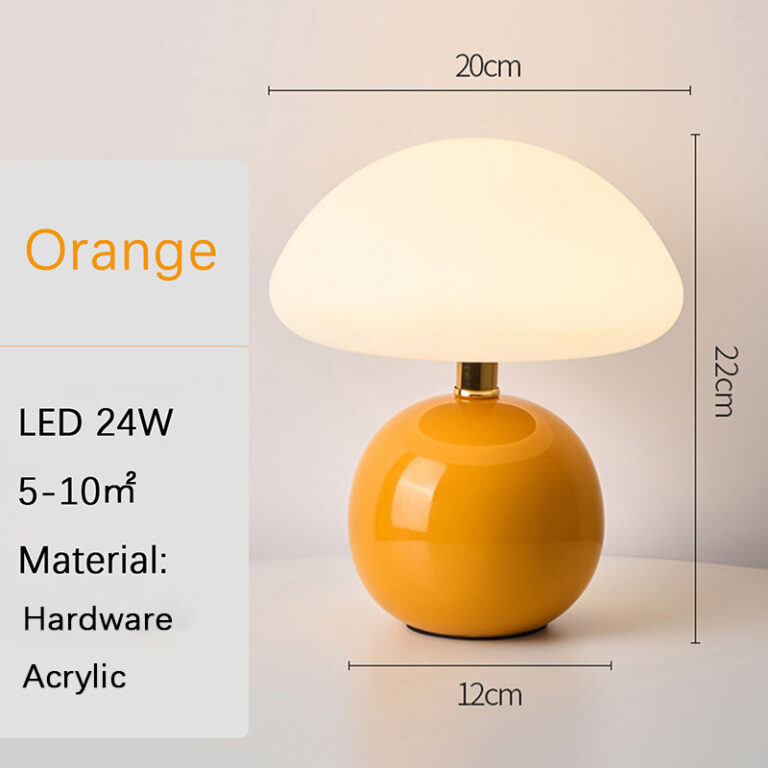
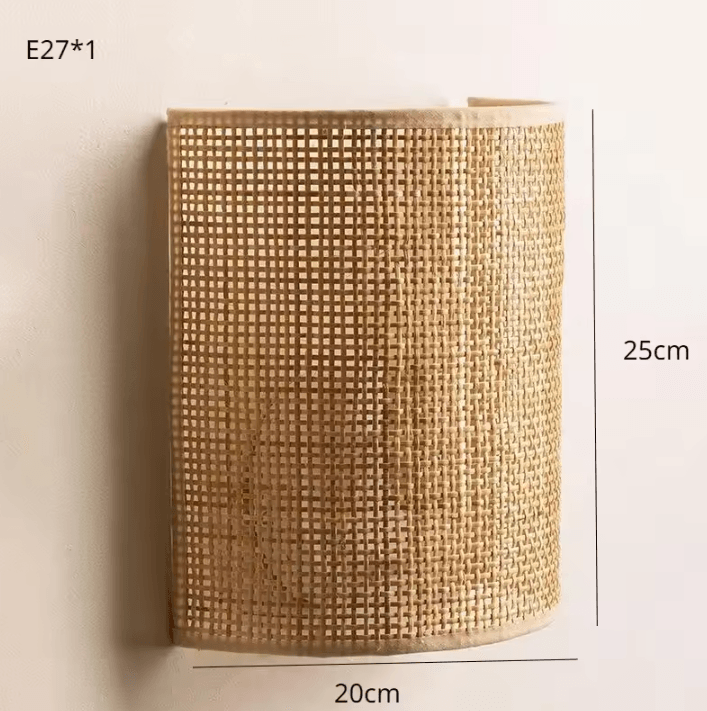 Aisha's pickMetal Living Room Floor Lamps That Earn Their Keep
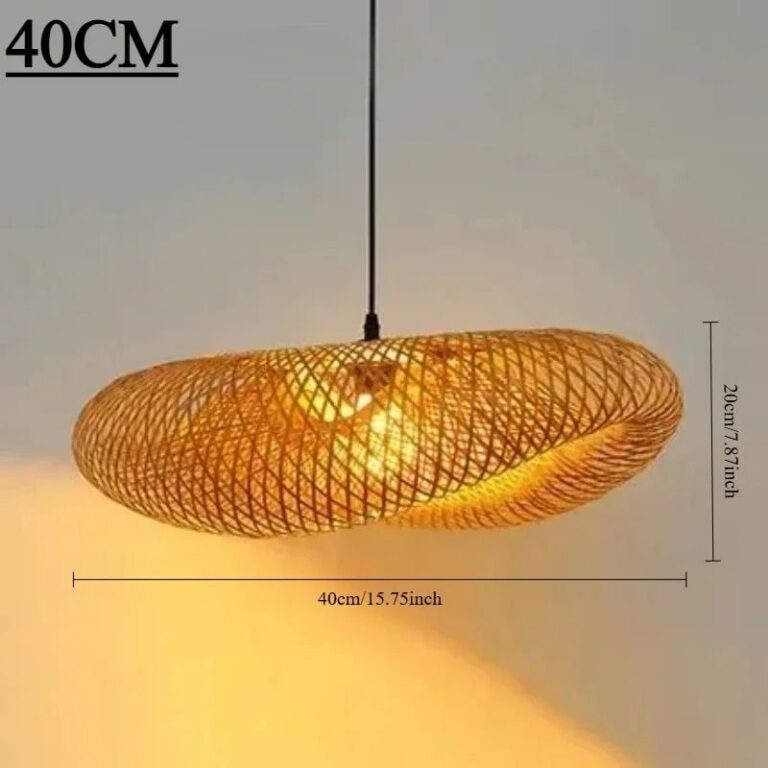
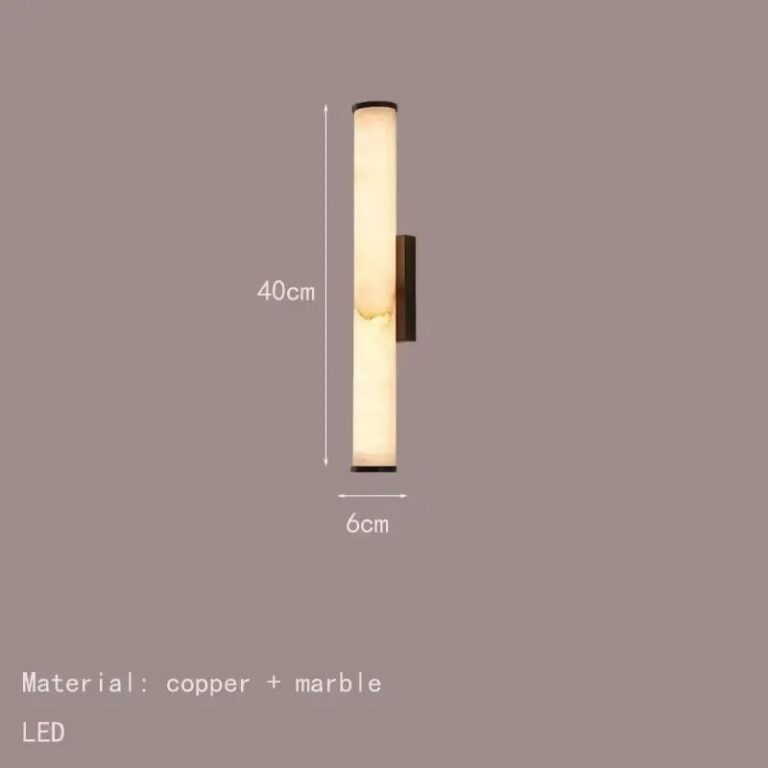 Aisha's pickContemporary Living Room Floor Lamps That Don’t Look Mass Produced
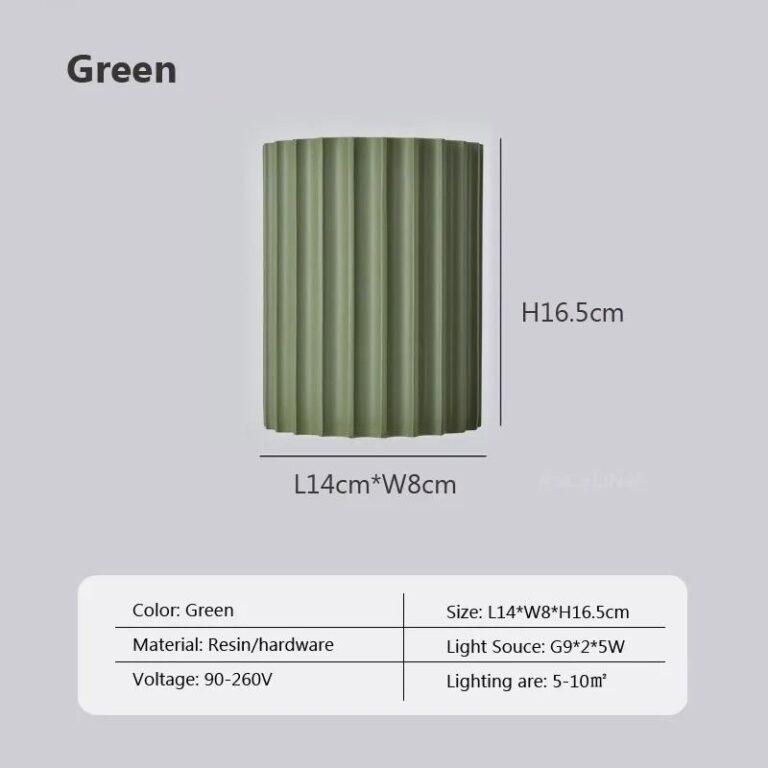
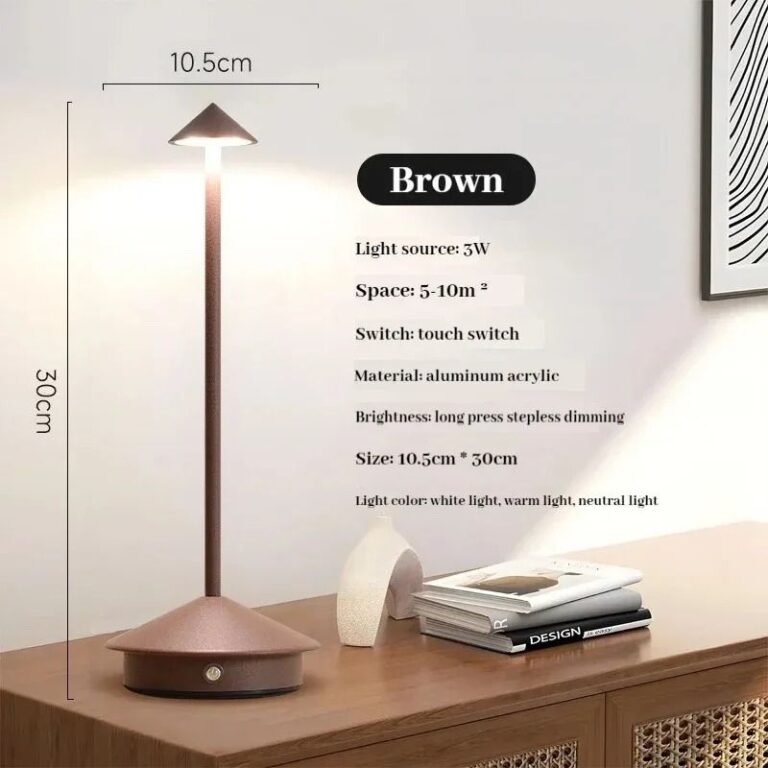 Aisha's pickMetal Living Room Table Lamps That Light Up Gloomy Corners
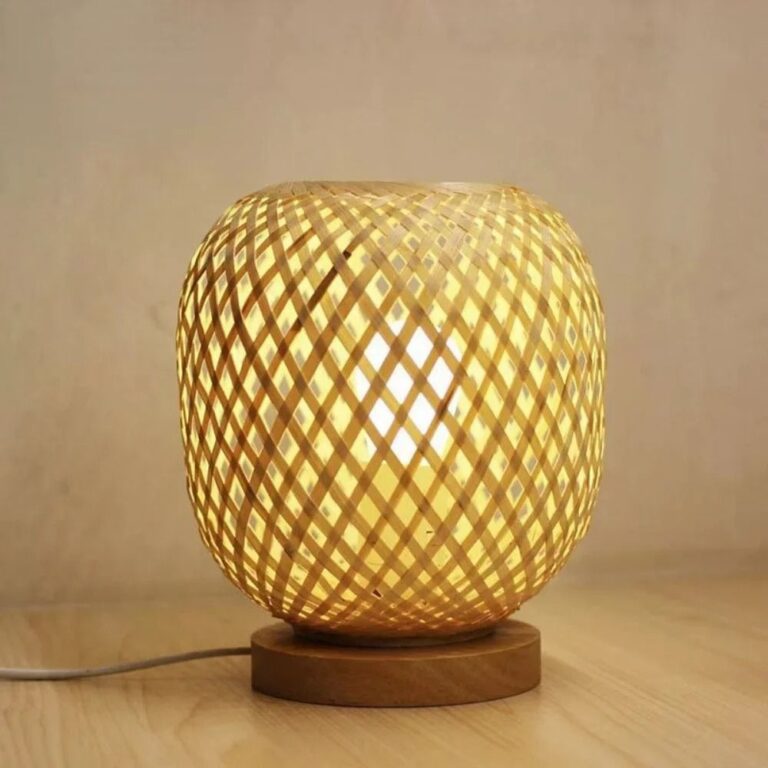
 Aisha's pickContemporary Living Room Table Lamps That Look Like They Cost More
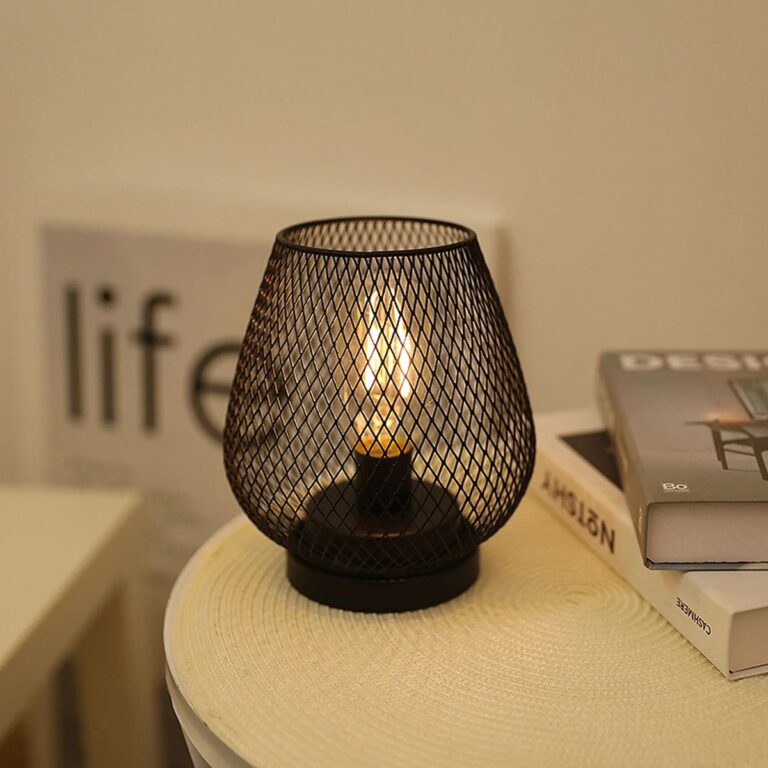
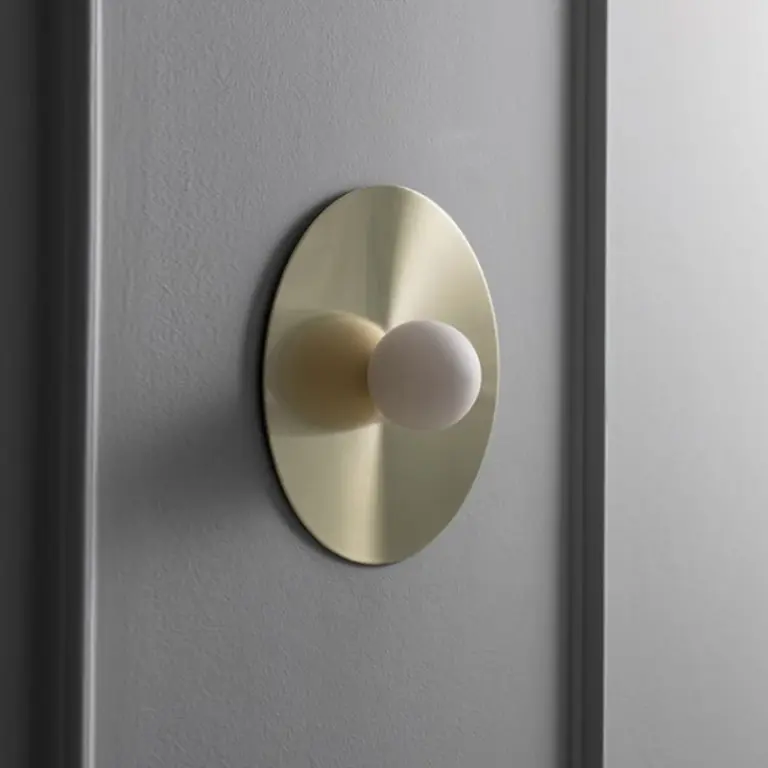 Aisha's pickSimple Modern Living Room Floor Lamps Done Well
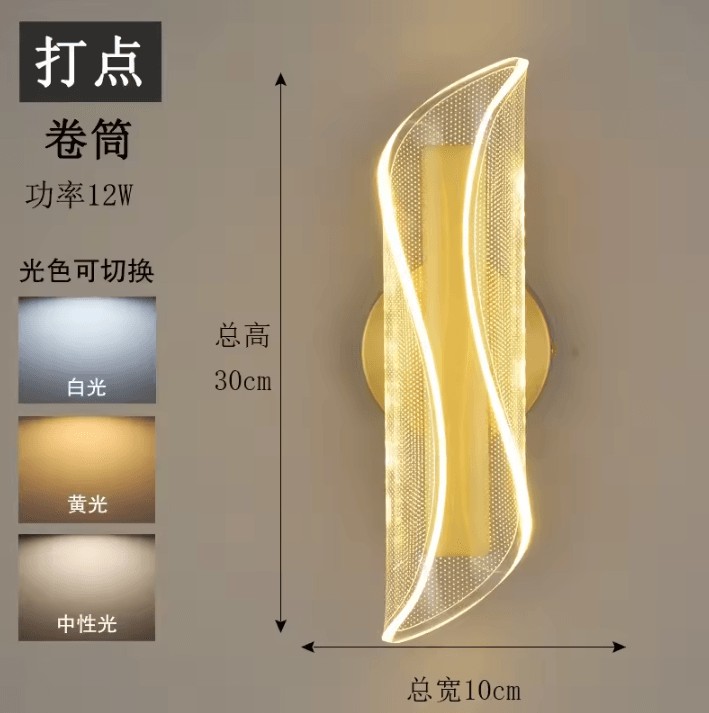
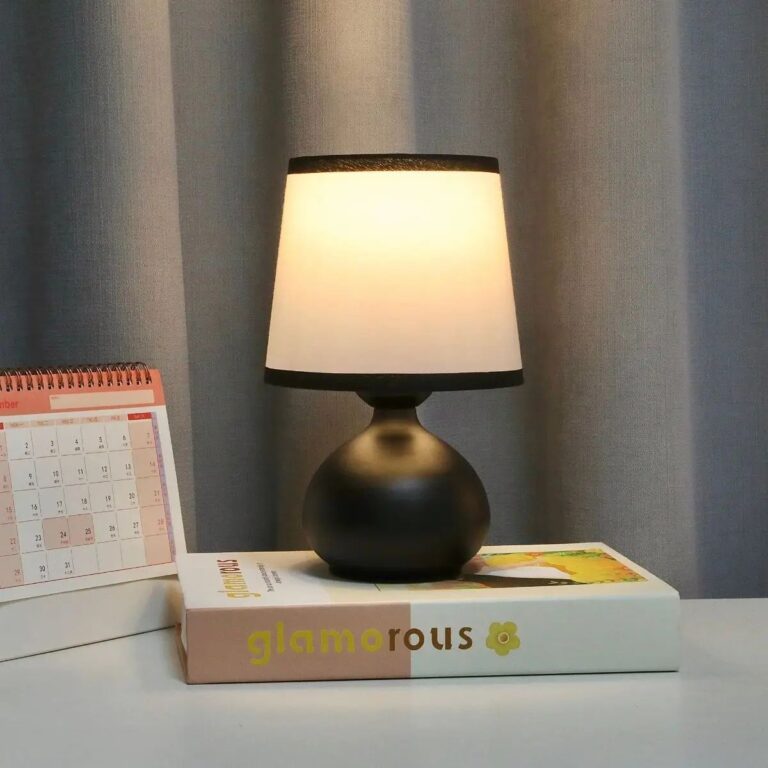 Aisha's pickDesk Lamps for Living Room That Don’t Look Mass ProducedAlso worth a lookLamps with ShadeA lamp with its shade already on it has a reputation for being the safe choice, the thing…See the collections →
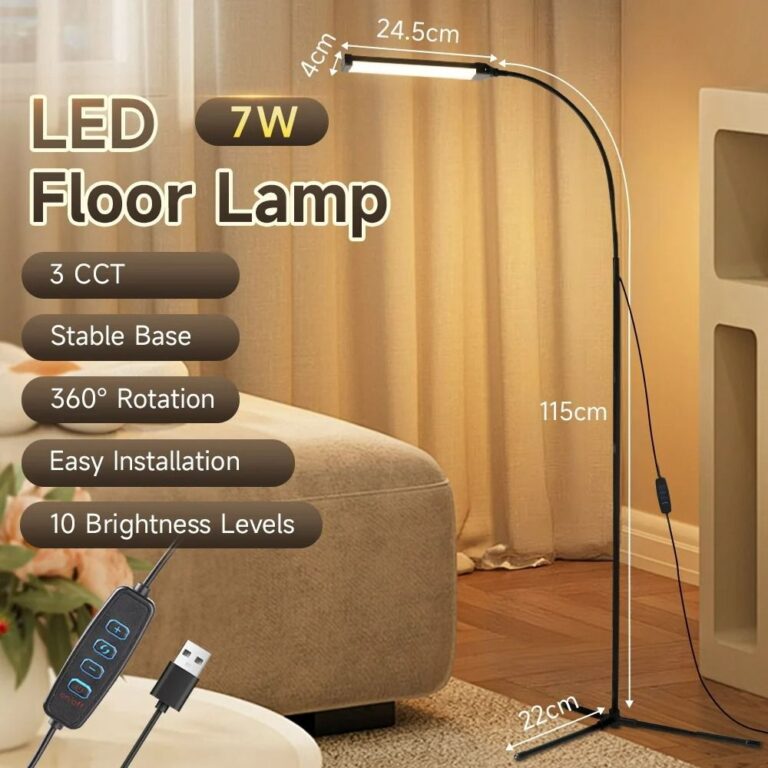
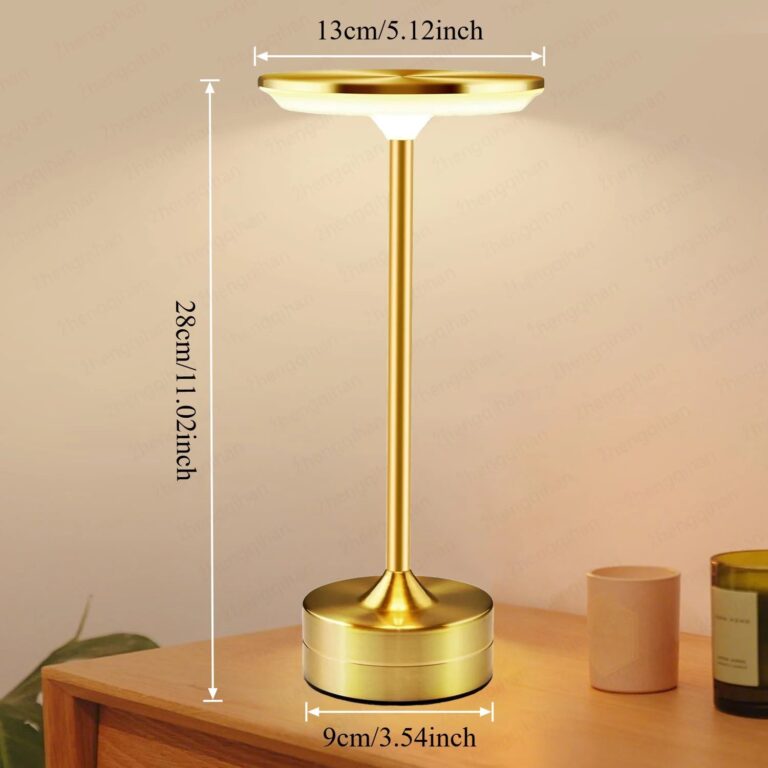 Aisha's pickModern Living Room Table Lamps That Make the Big Light Redundant

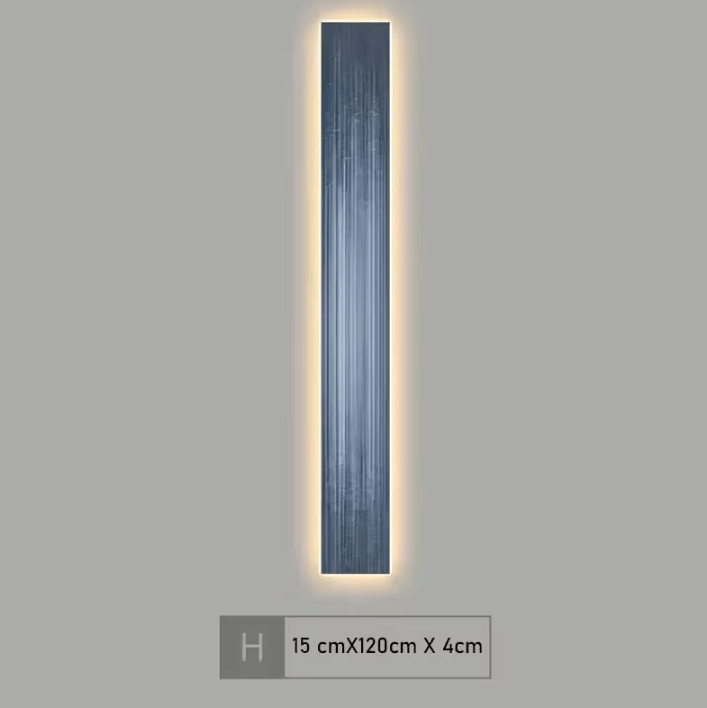 Aisha's pickFloor Lamps for Living Room That Light Up Gloomy Corners
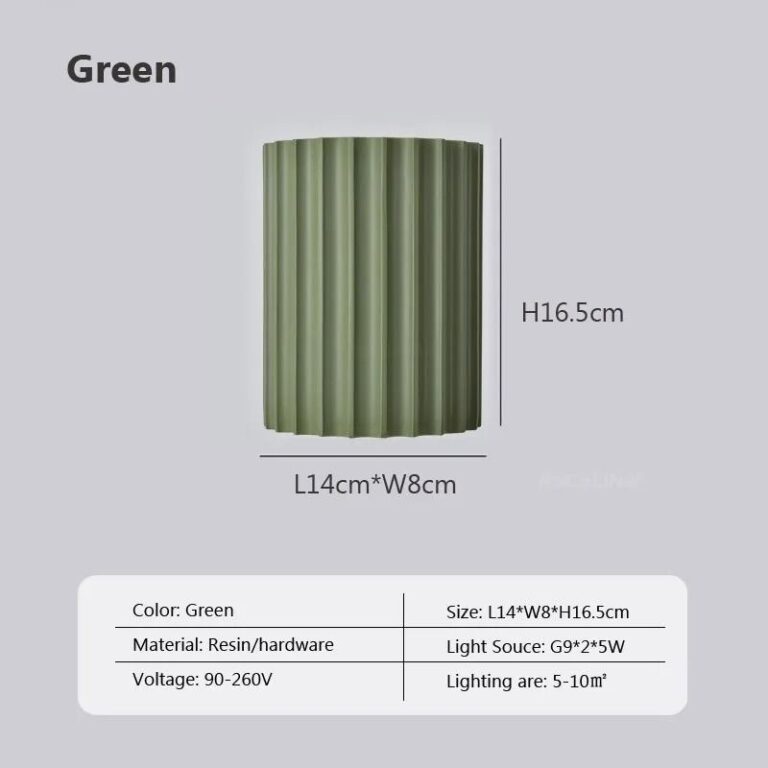
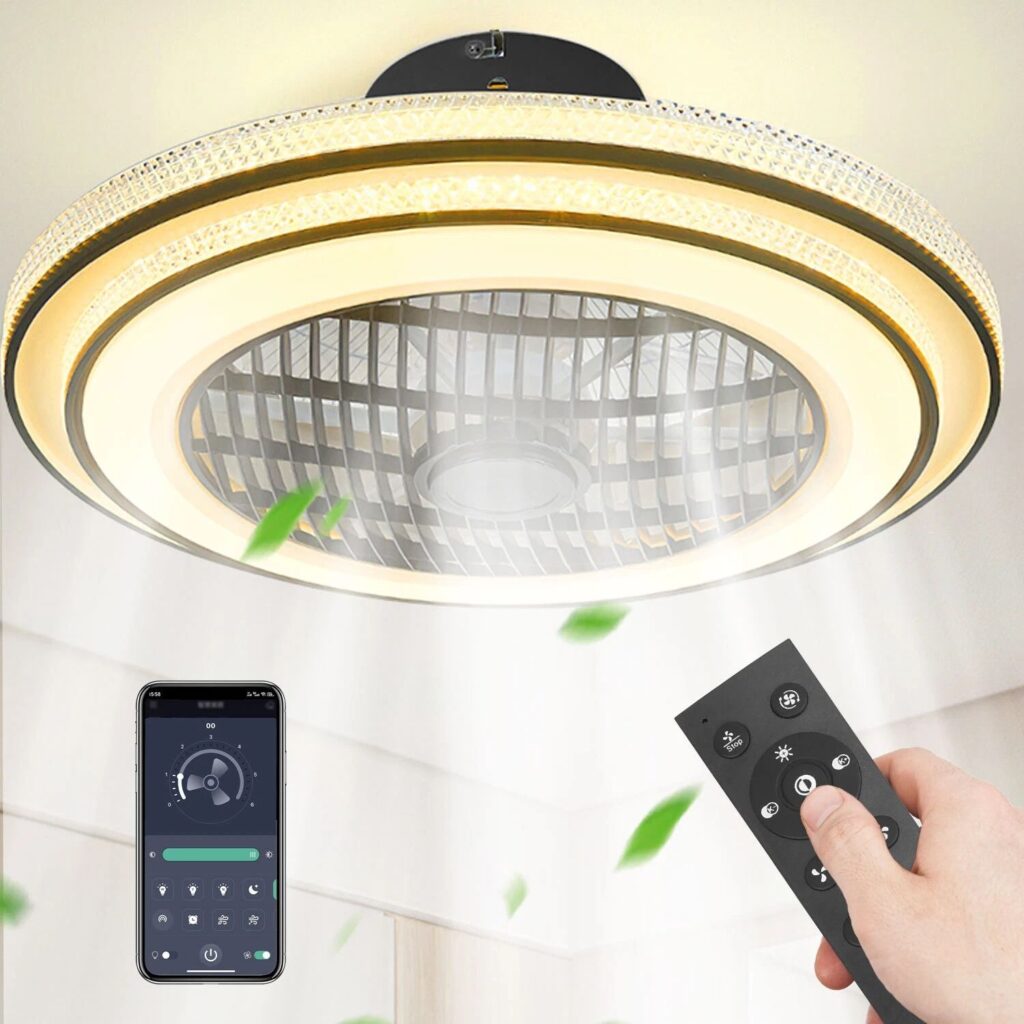 Aisha's pickPendant Lamps for Living Room That Look Better in Real Life
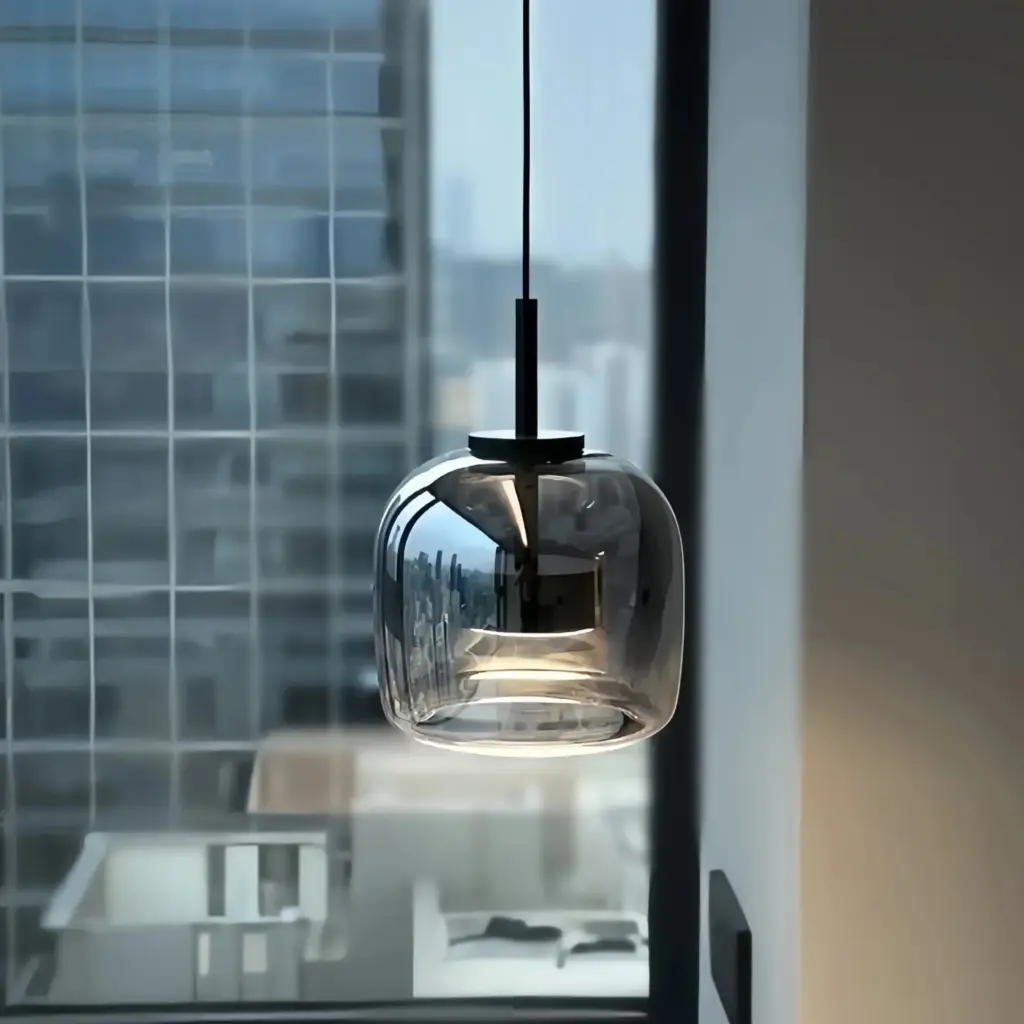
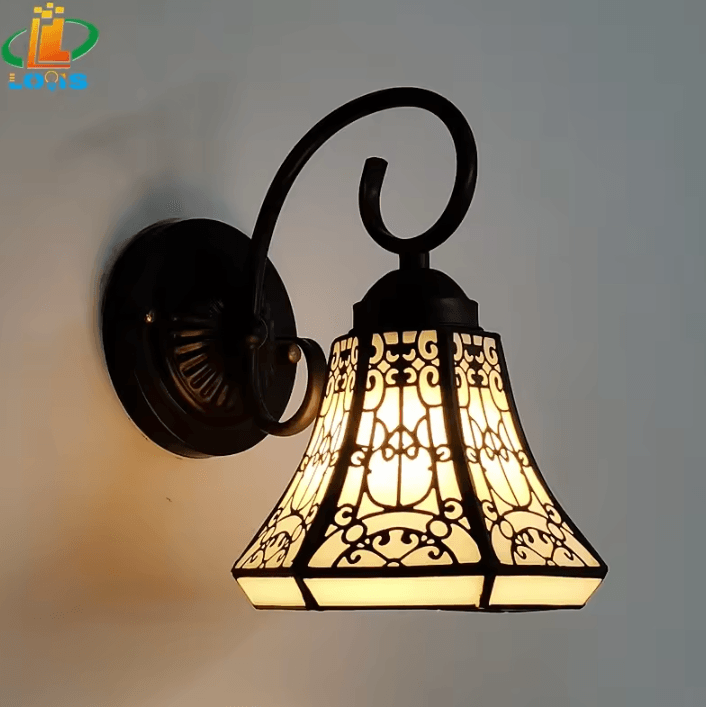 Aisha's pickGlass Living Room Floor Lamps for Movie Nights and Slow Sundays

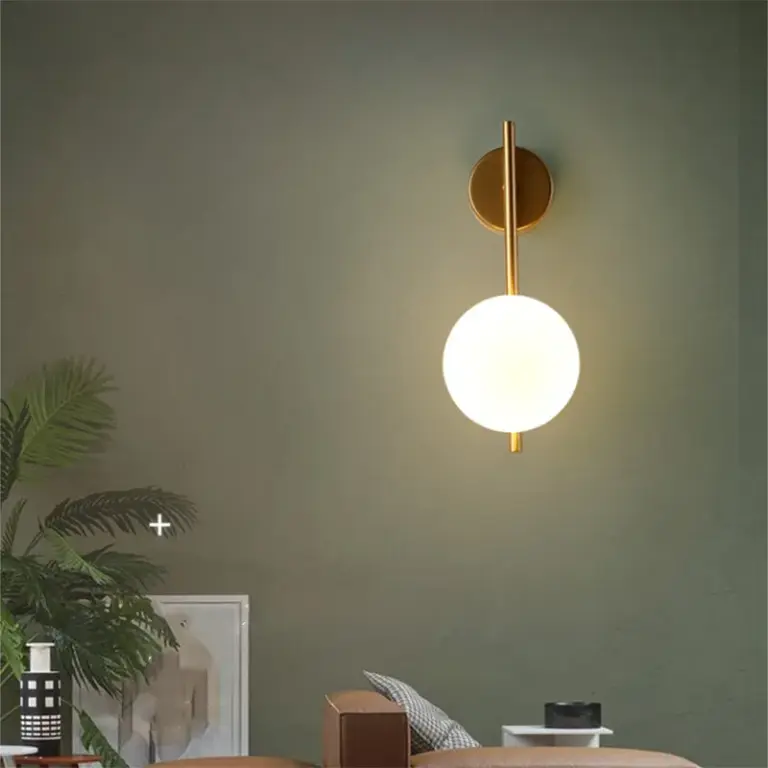 Aisha's pickDecent Reading Lamps for Living Room Without the Hassle
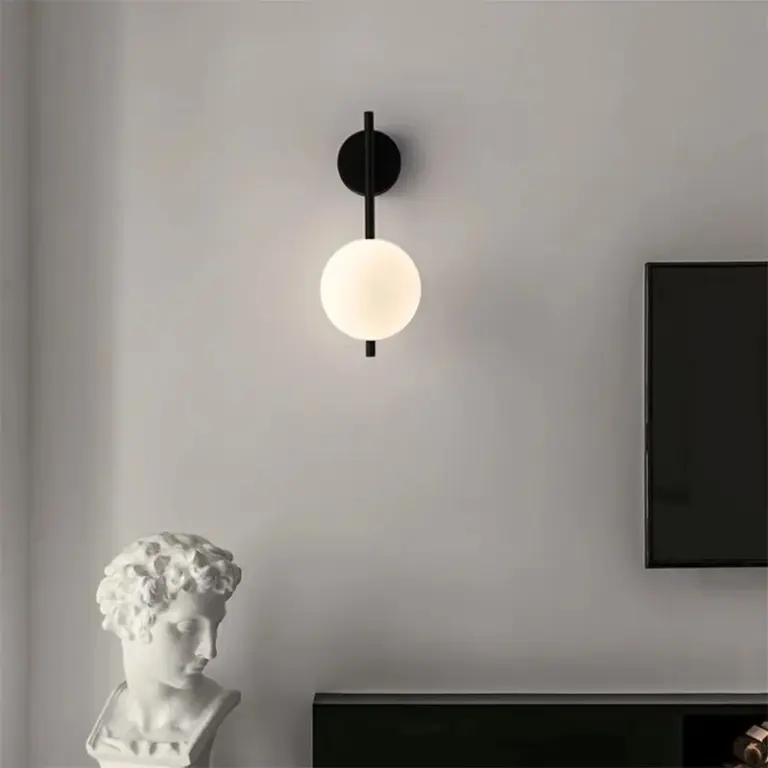
 Aisha's pickThe Glass Living Room Table Lamps Worth Your Cash
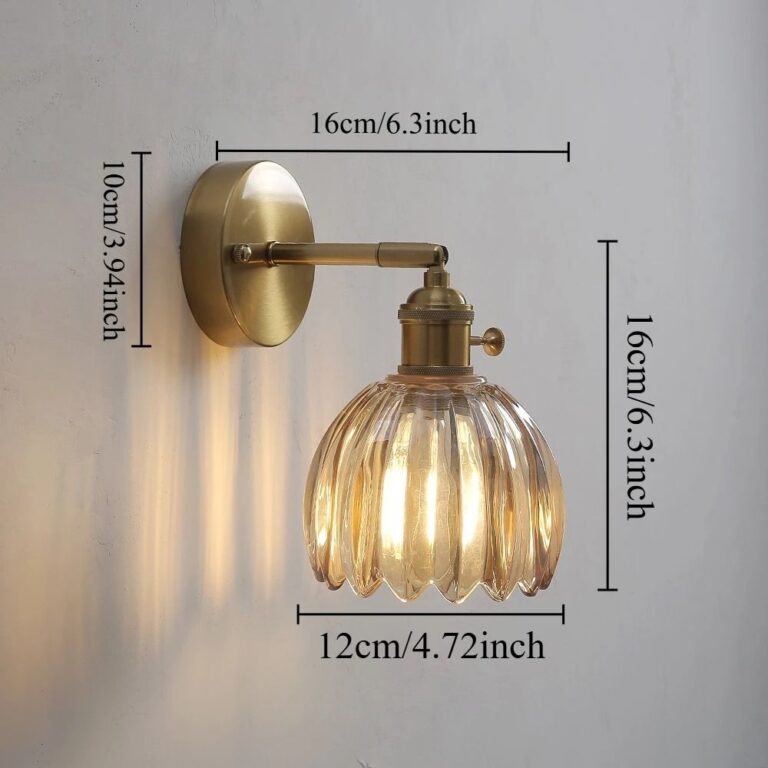
 Aisha's pickStandard Lamps for Living Room From Brands You Know and a Few You Won’t

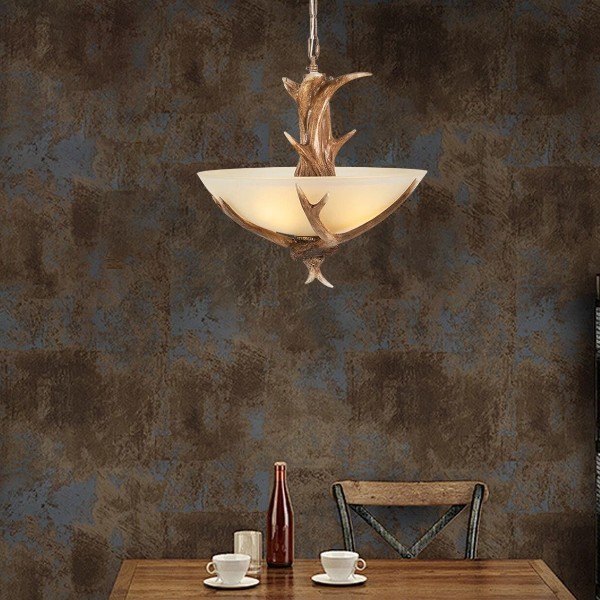 Aisha's pickLarge Living Room Table Lamps for Reading, Relaxing or Both
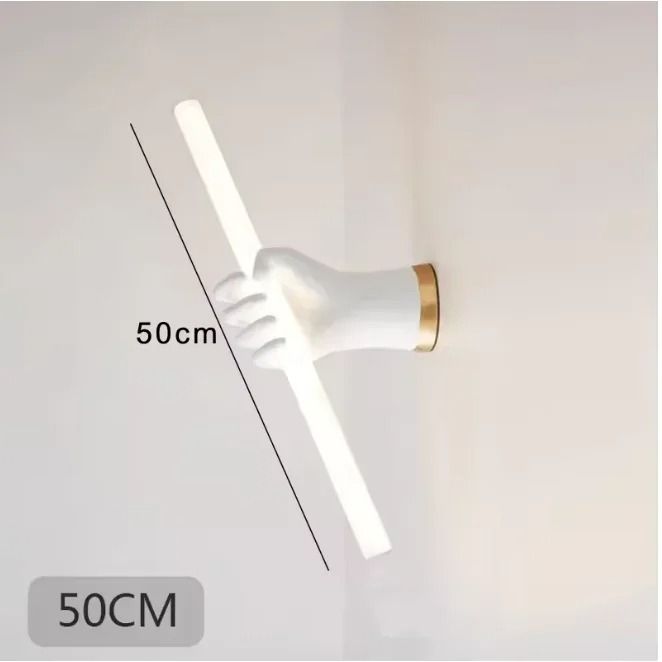
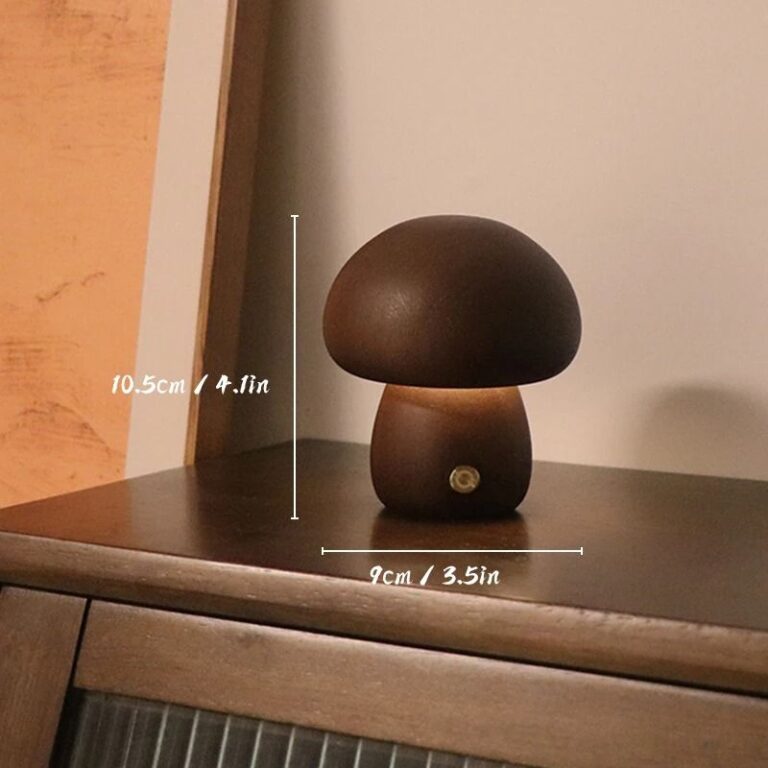 Aisha's pickStudy Lamps for Living Room That Work in Old Houses and New OnesAlso worth a lookBlack LampsA black lamp works in almost any room that already has some warmth in it, wood tones, a rug with pattern, a wall color that isn't stark white.See the collections →
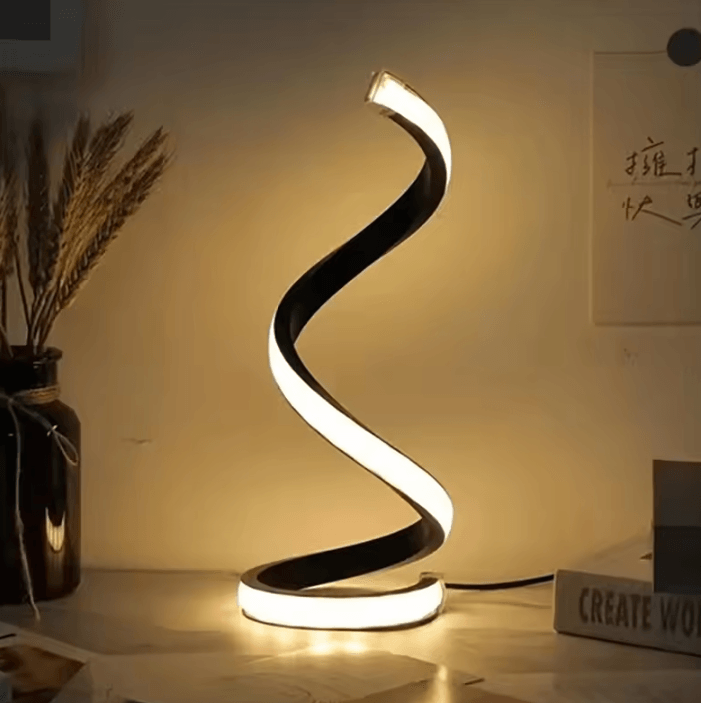
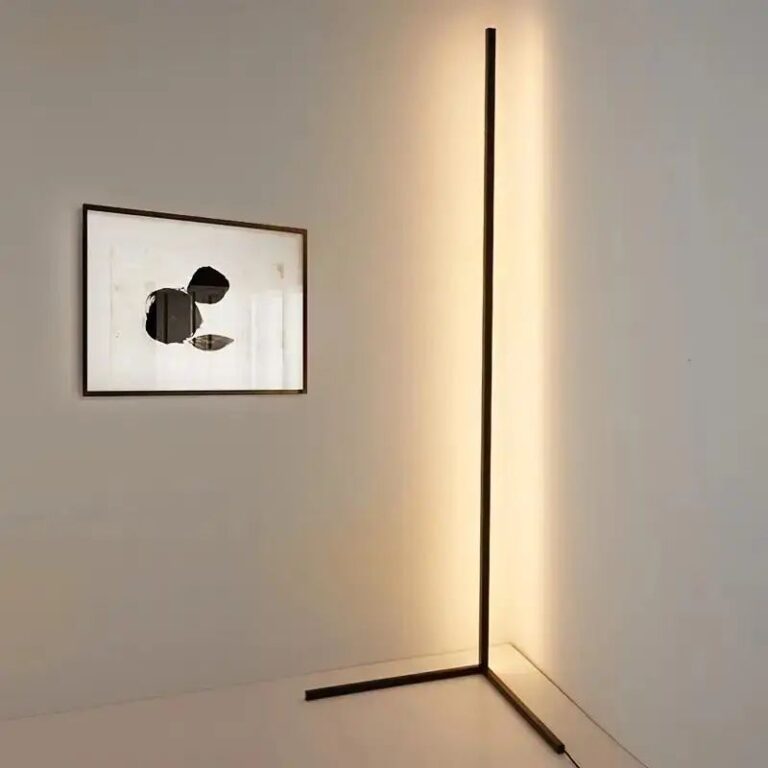 Aisha's pickLED Living Room Floor Lamps That Look Like They Cost More
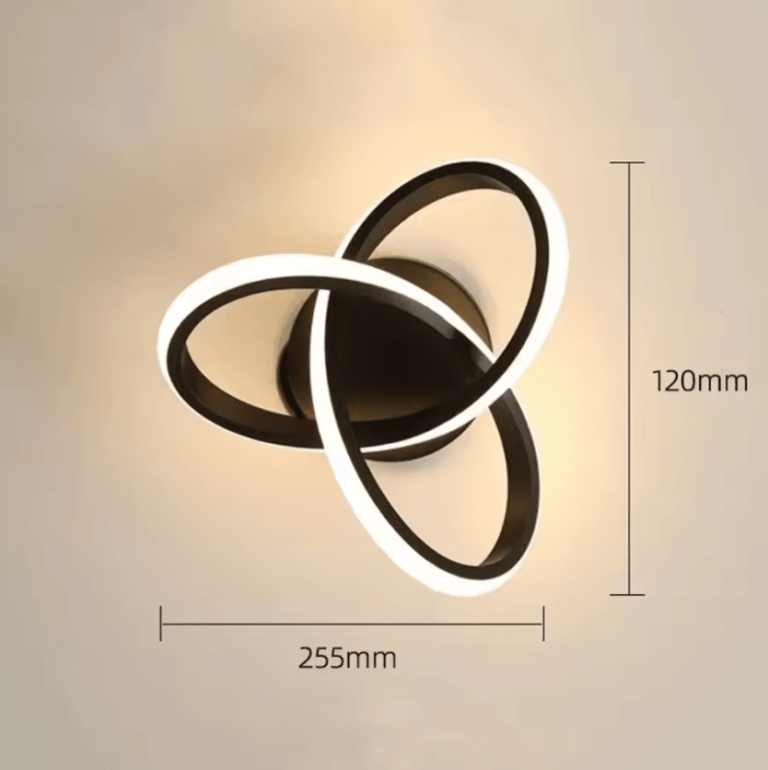
 Aisha's pickTable Lamps for Living Room Bright Enough Without the Glare
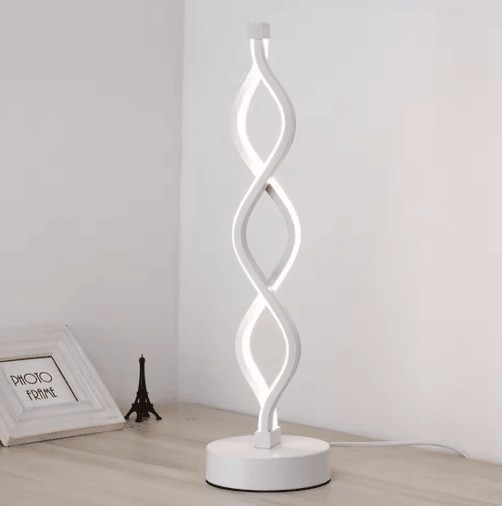
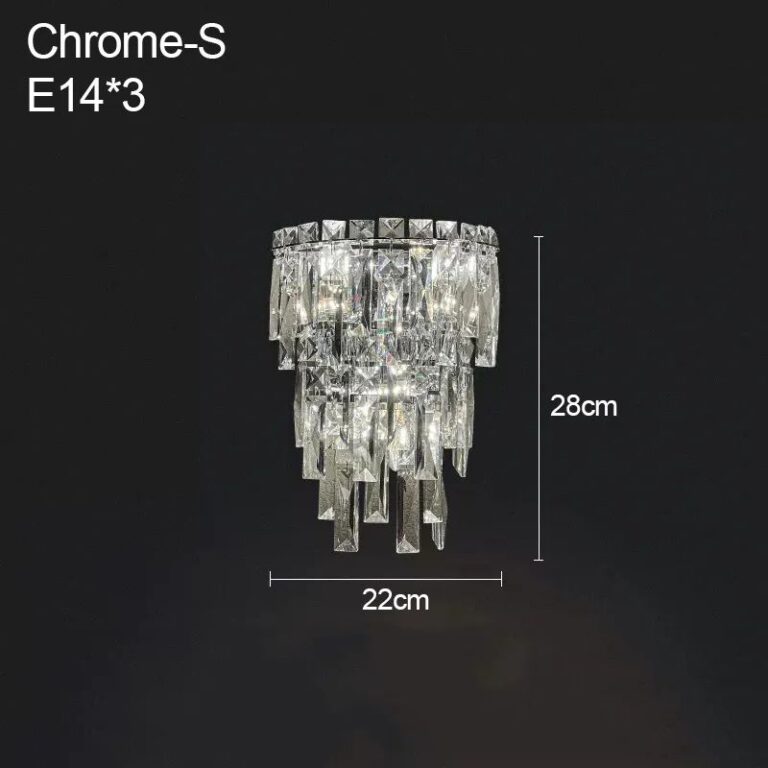 Aisha's pickBedroom Floor Lamps for Living Room Bright Enough Without the Glare
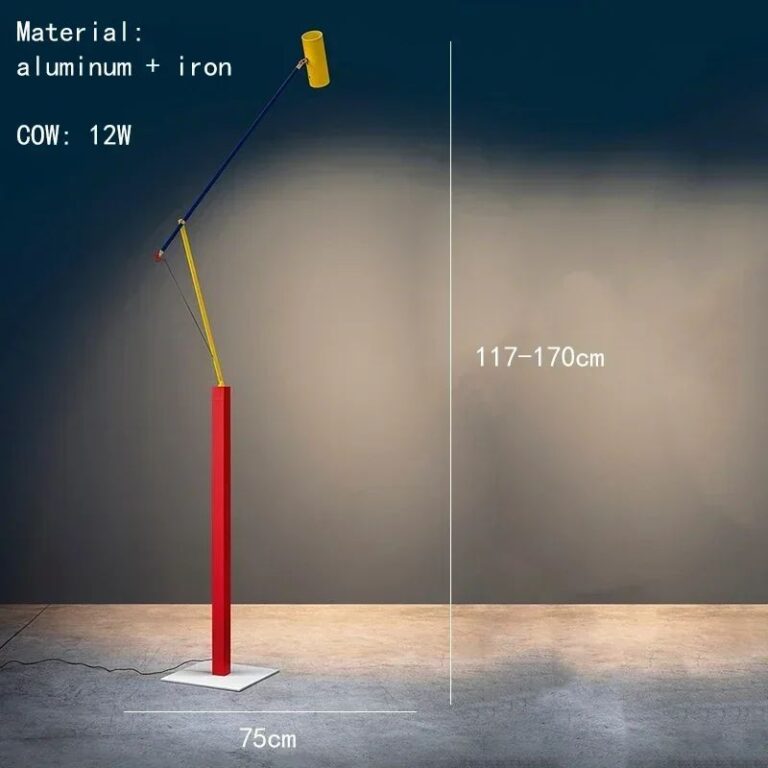
 Aisha's pickLED Living Room Table Lamps We Leave On All Evening
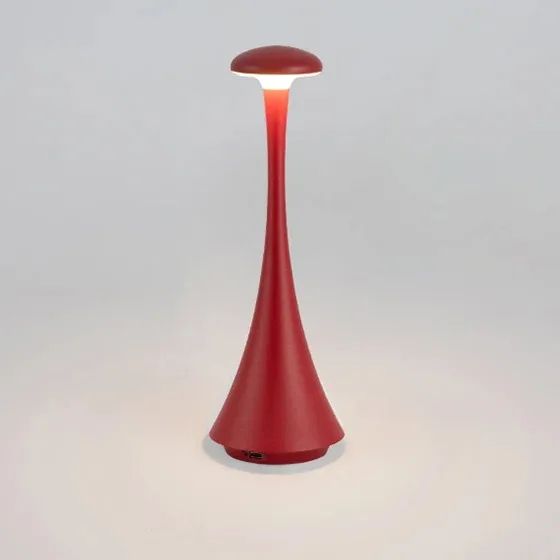
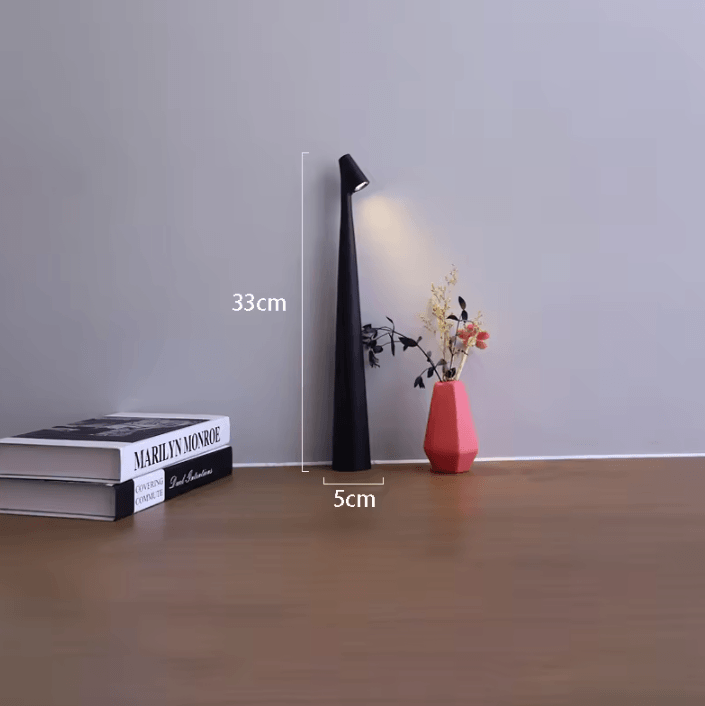 Aisha's pickTouch Lamps for Living Room That Give Off a Warm Glow
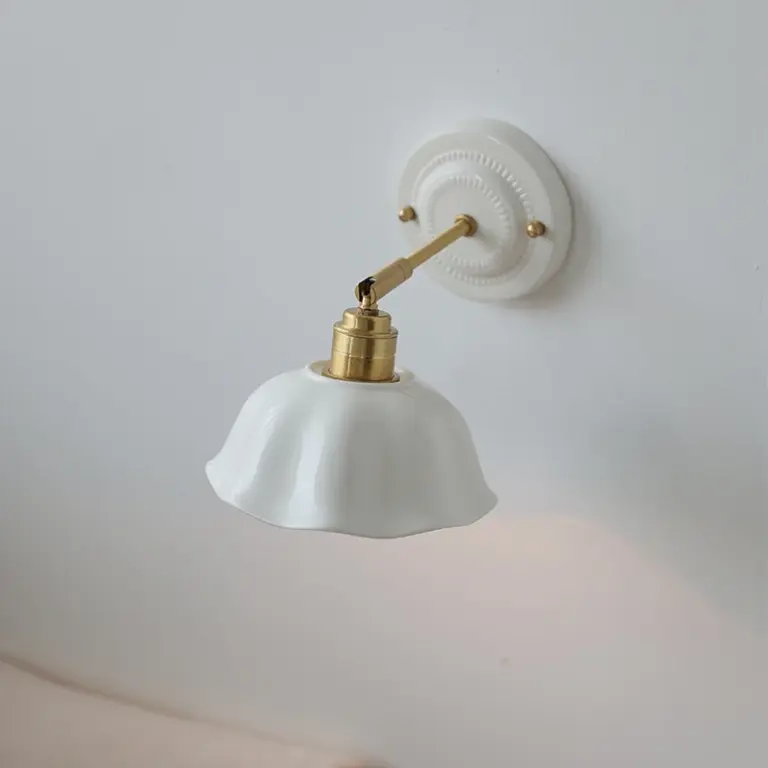
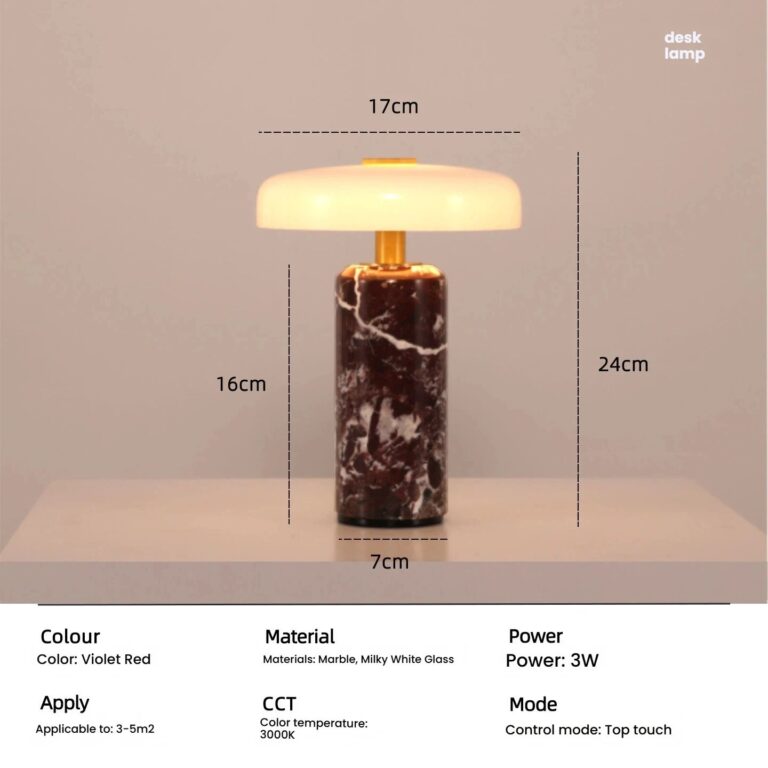 Aisha's pickBedside Lamps for Living Room That Make the Bedroom Feel Finished
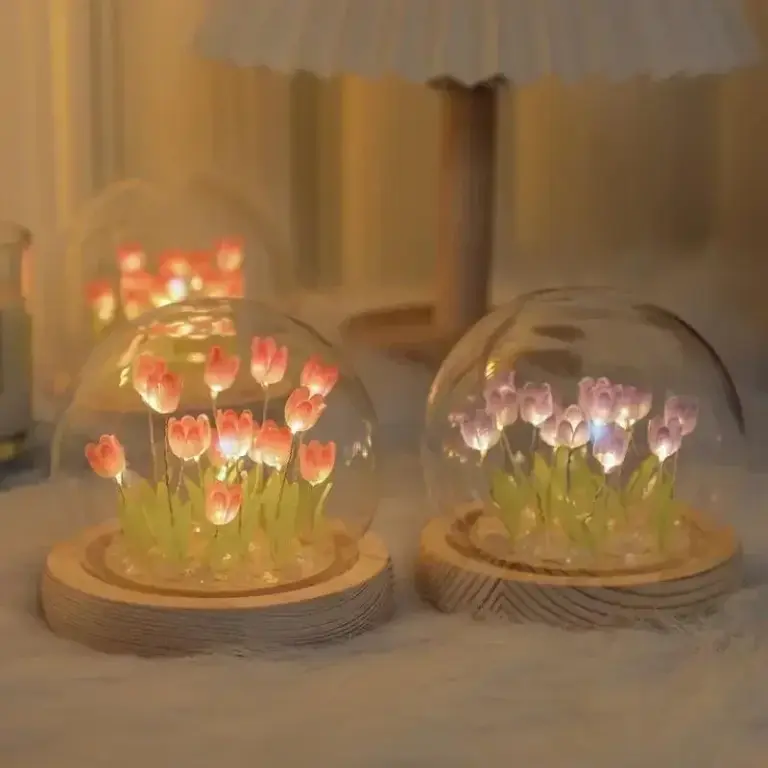
 Aisha's pickLiving Room Floor Lamps That Get Better With Age
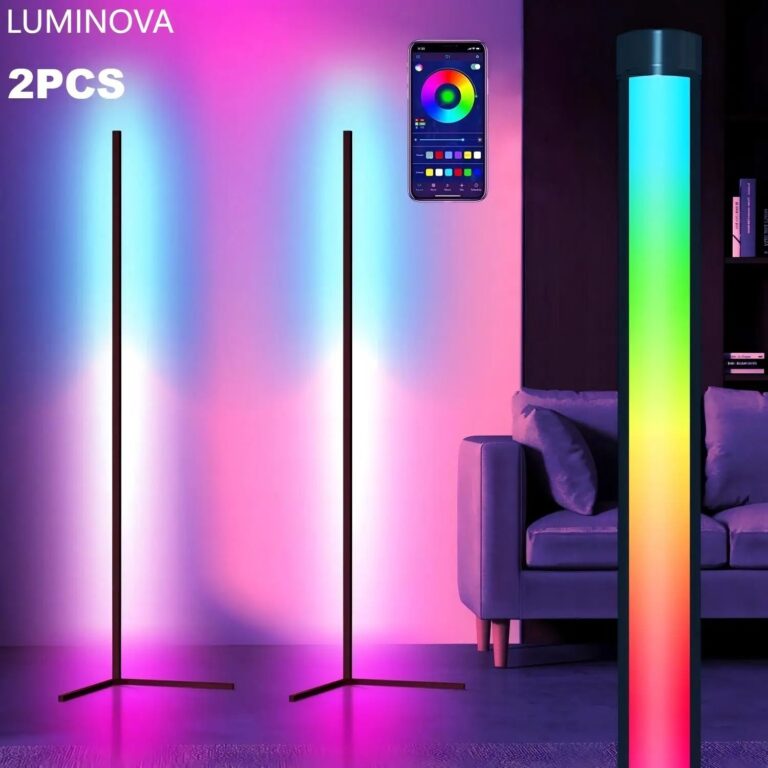
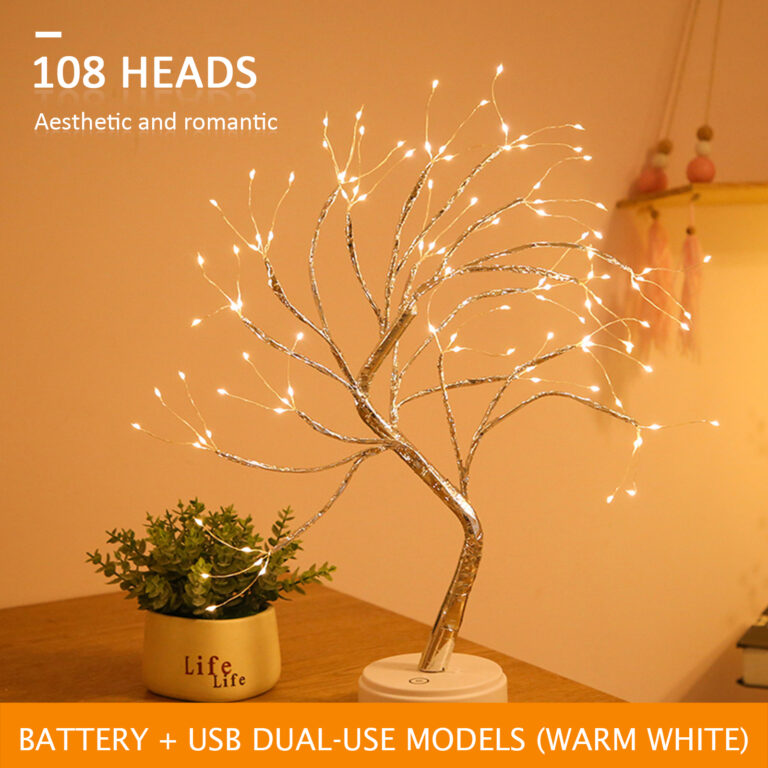 Aisha's pickTouch Living Room Table Lamps We Keep Coming Back To