A good pendant lamp sits still at exactly the right height, glows warm instead of harsh when you switch it on, and makes you want to sit under it a while longer, whether that's over a bowl of soup at the kitchen table or a book on the couch.
The honest limits are worth knowing before you fall for one online. A single pendant does not light a whole room, not a living room, not a big open kitchen, no matter how large the shade. It throws a warm pool of light down and out, which is wonderful for a table or an island, and nearly useless for reading in a corner or finding your keys by the door. If you need general room light, that job belongs to something else, a floor lamp, recessed lighting, a ceiling fixture built for spread, and the pendant is there for mood and focus, not for seeing your way around. It is also the wrong choice in a room with low ceilings and a lot of foot traffic. Anything under about seven and a half feet to the bottom of the shade and tall guests will be ducking around it, which gets old fast, and in a mudroom or hallway where people are moving through with their hands full, a low hanging shade is just something to knock your head on.
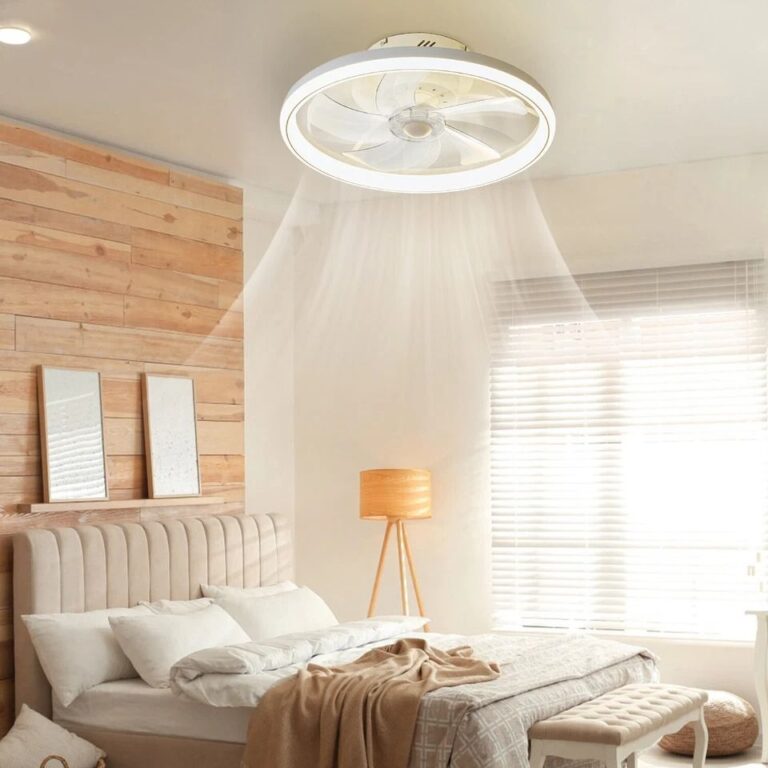
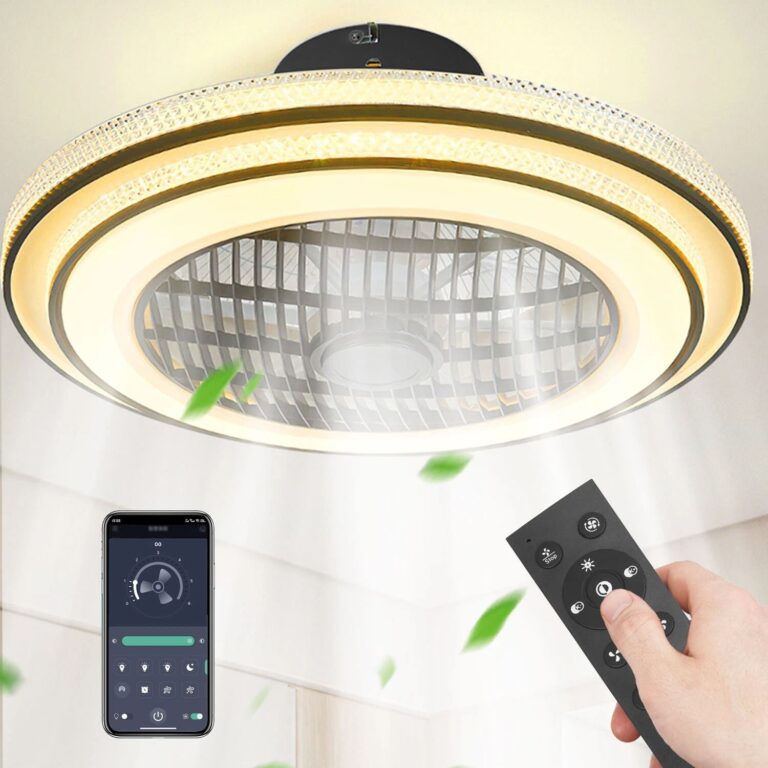
Where it clashes is less about style than about company. A pendant with a lot going on, heavy chain, oversized drum shade, an ornate finish, fights with a ceiling that already has its own thing happening, like exposed beams, a decorative medallion, or a ceiling fan it now has to share ceiling space with. Keep it simpler in a room that already has texture overhead, and save the bolder shapes for a plain flat ceiling that needs the interest. Sizing is where most people guess wrong, usually by going too small, the mistake of hanging a lamp that was sized for a nightstand over a dining table built for six. For a table, the shade width should run roughly a third to half the table's width, and it should hang so the bottom sits about thirty inches above the tabletop, closer to thirty-six if your ceilings run tall. Over a kitchen island, measure the same way but leave more headroom, thirty-two to thirty-six inches above the counter, since people stand and work there. For a general room diameter guide, add the room's length and width in feet, and that number in inches is roughly the shade diameter you want.
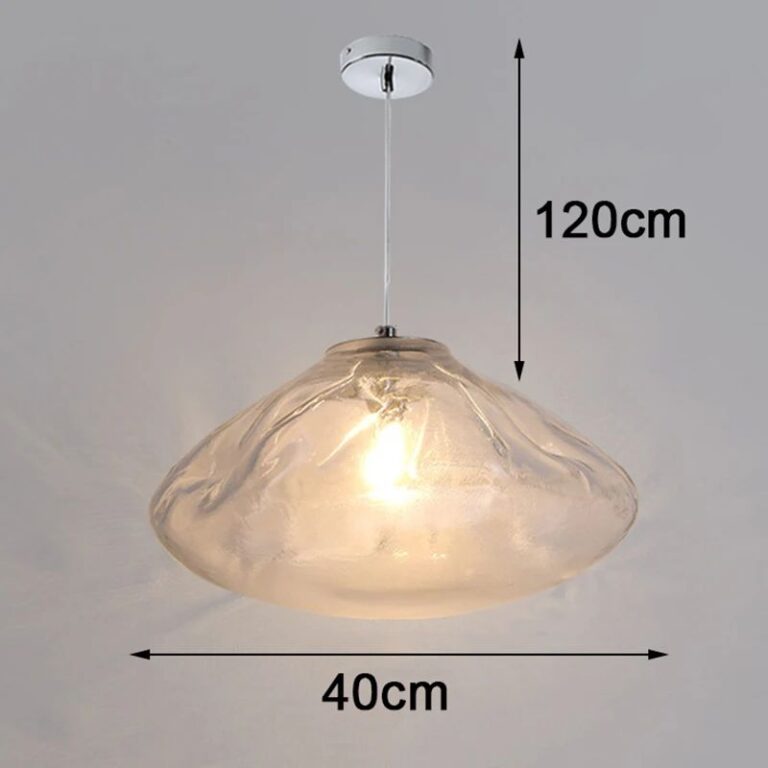
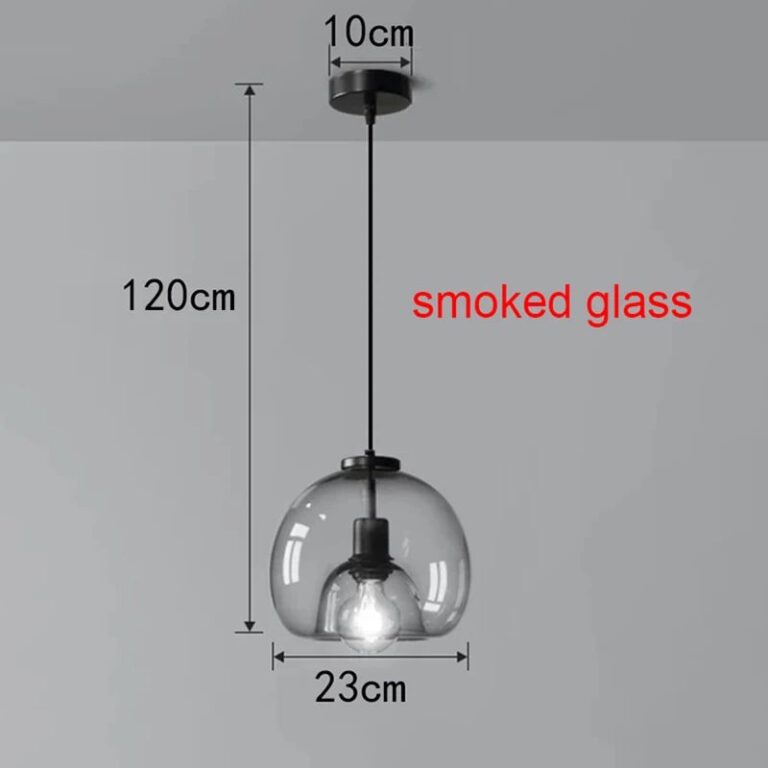
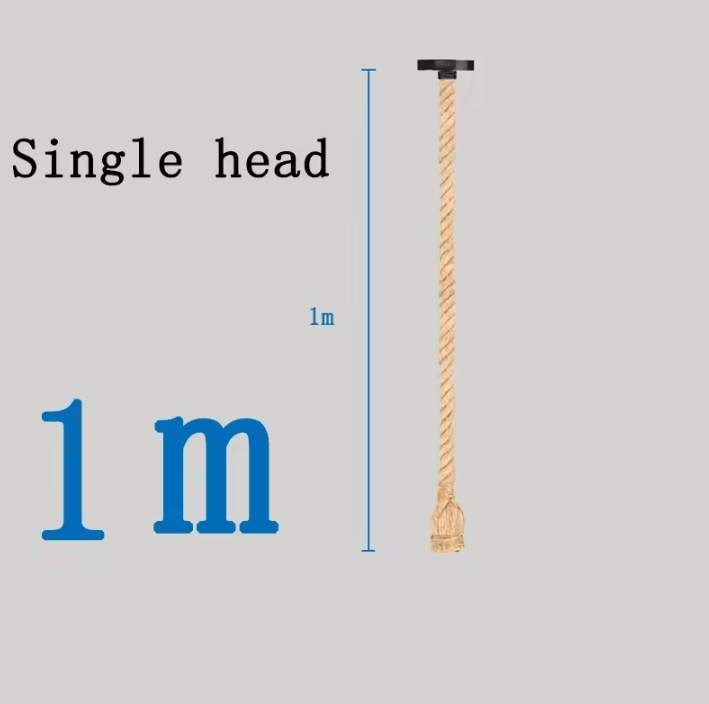
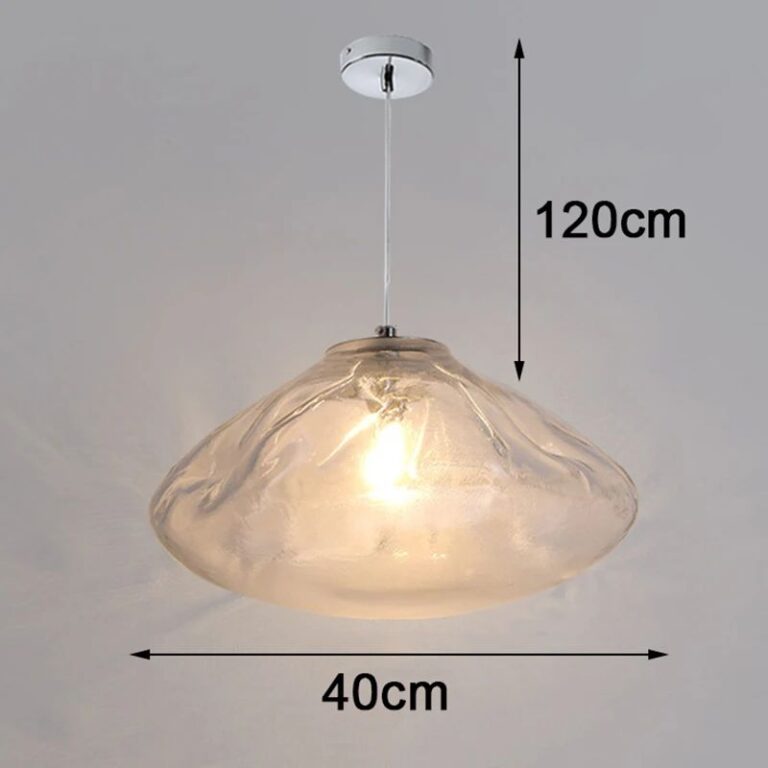
What to look for first is the hang height written on the listing, not the shade. Everything else about scale follows from that one number.
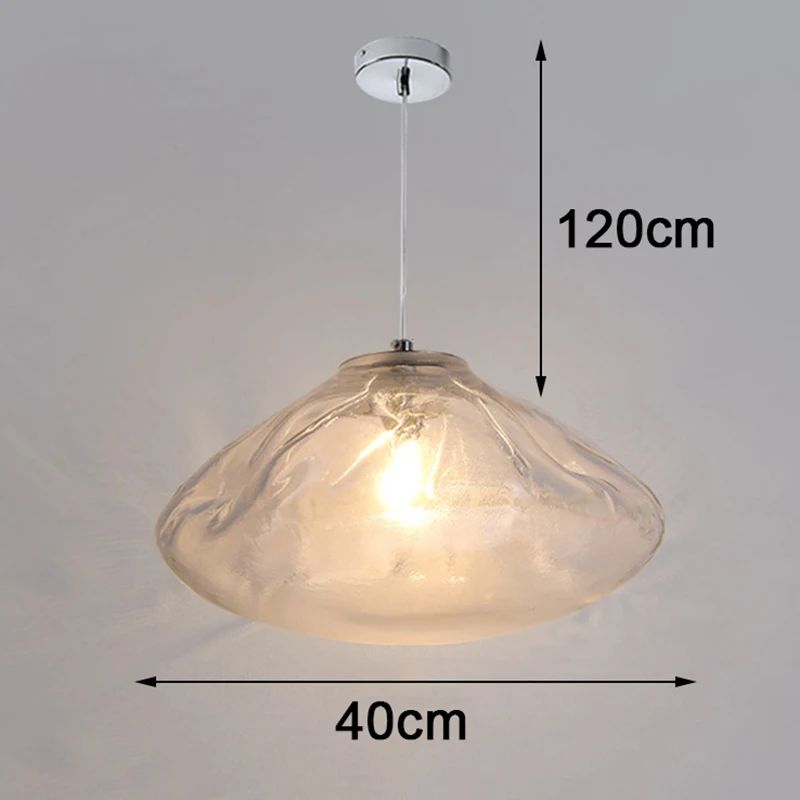
 Aisha's pickDecent Glass Pendant Lamps Without the Hassle
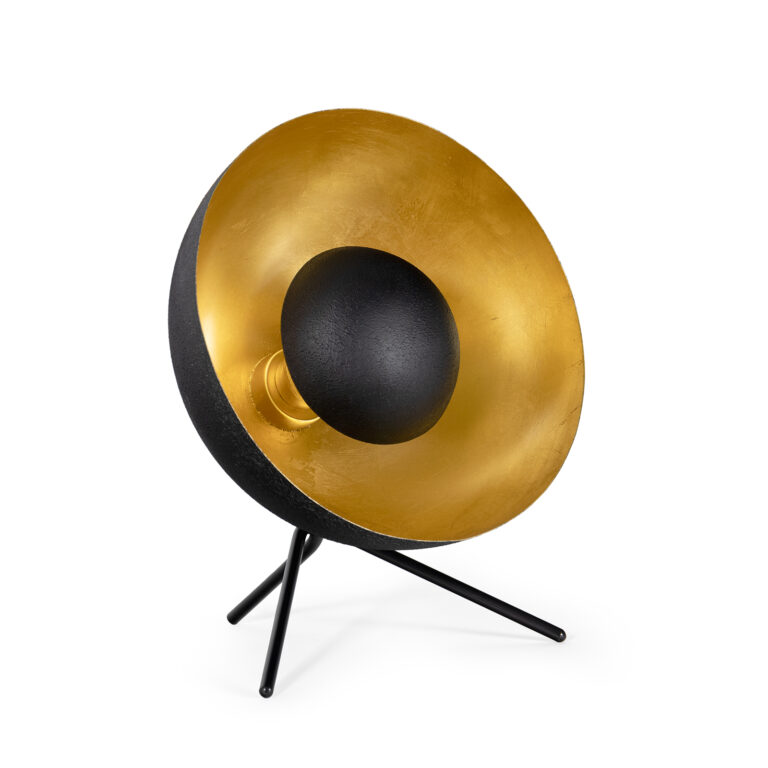
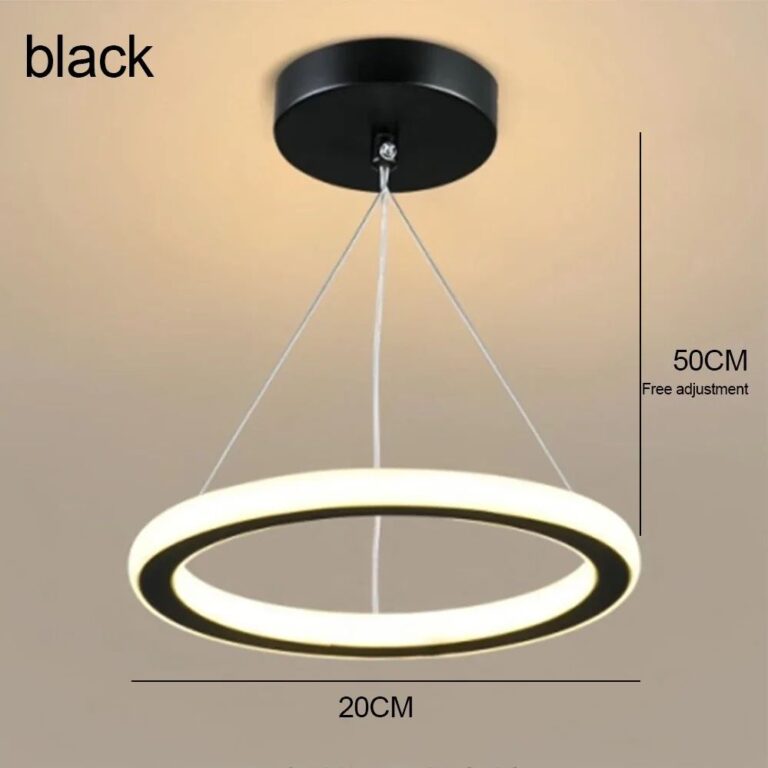 Aisha's pickGold Pendant Lamps That Light Up Gloomy Corners
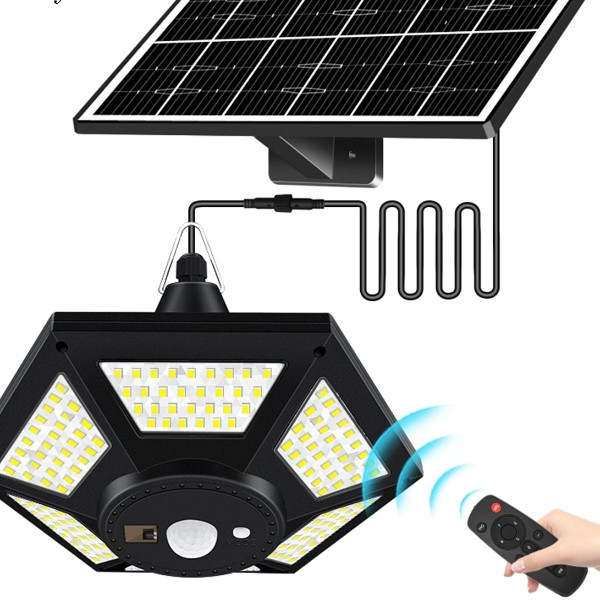 Aisha's pickLED Pendant Lamps for Reading, Relaxing or Both
 Aisha's pickMetal Pendant Lamps That Give Off a Warm Glow
 Aisha's pickModern Pendant Lamps That Look Good Switched Off Too
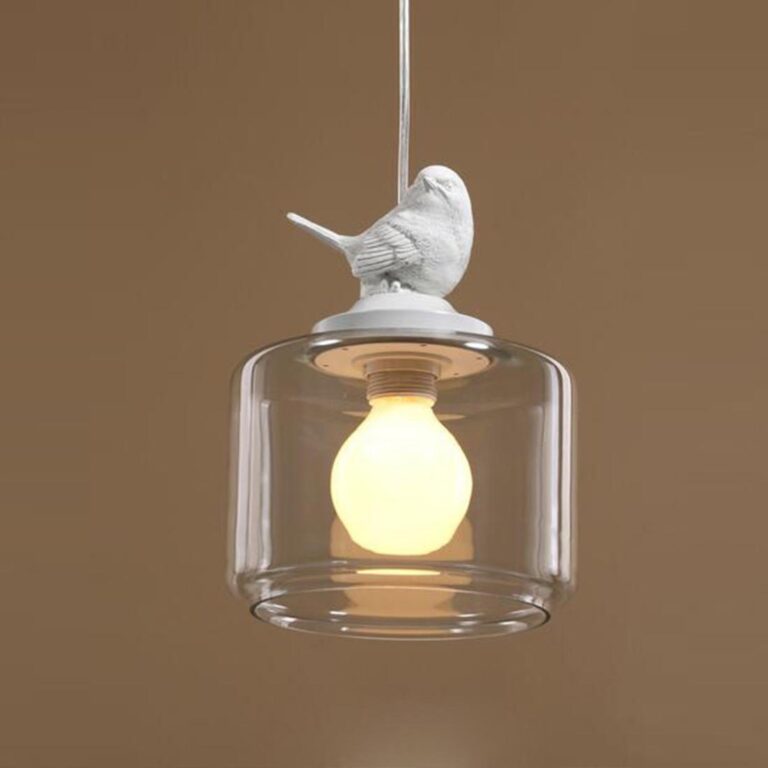
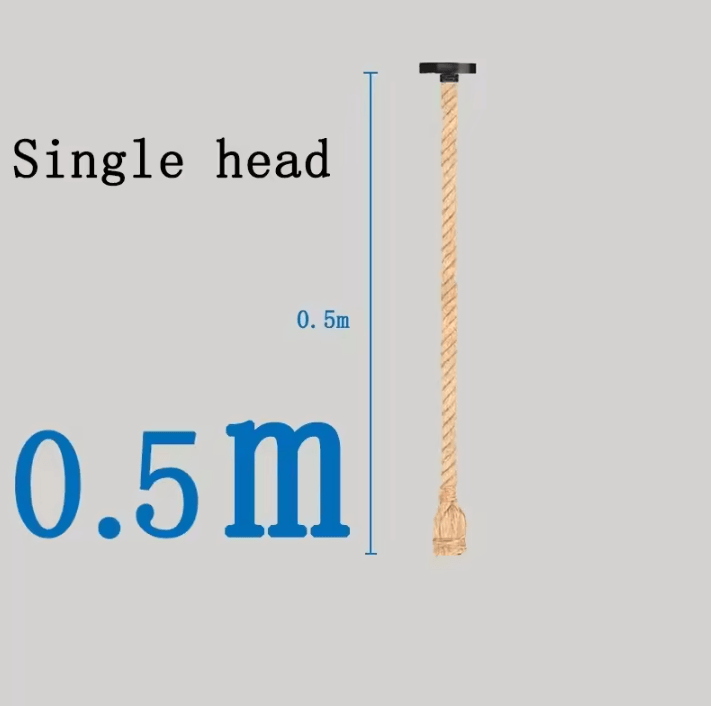 Aisha's pickNatural Pendant Lamps You Won’t Regret Buying
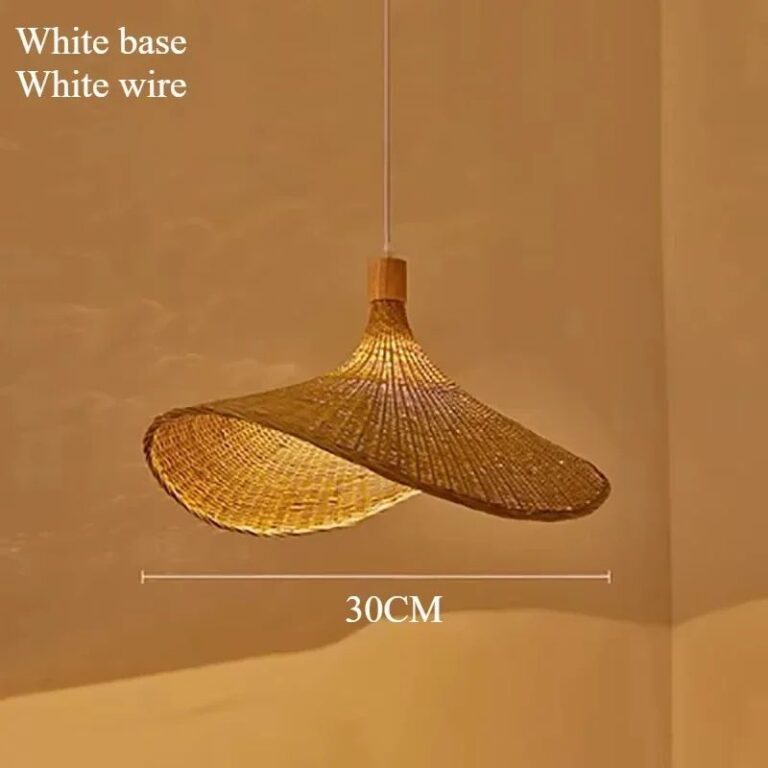
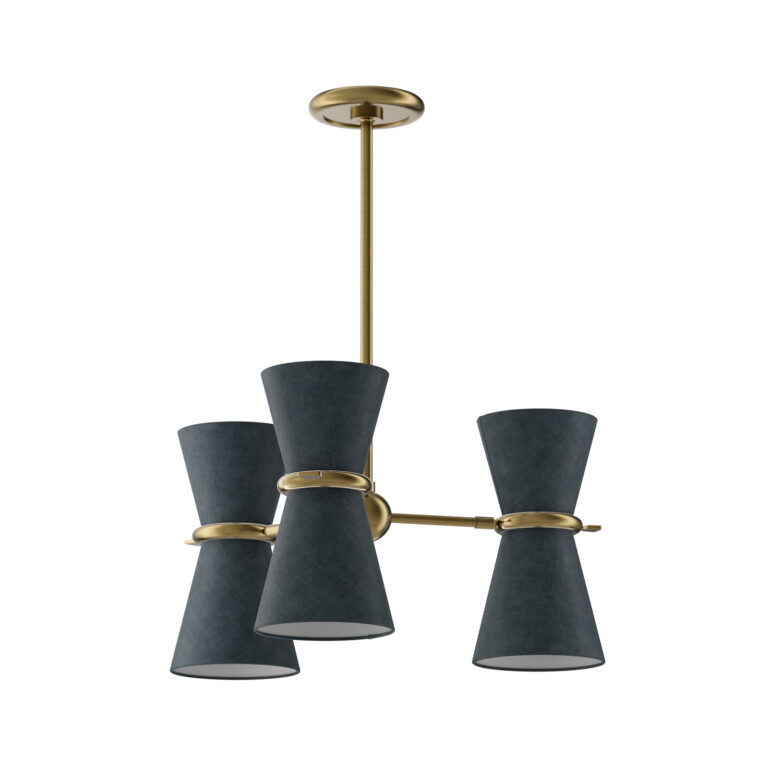 Aisha's pickNatural Pendant Shades That Earn Their Keep
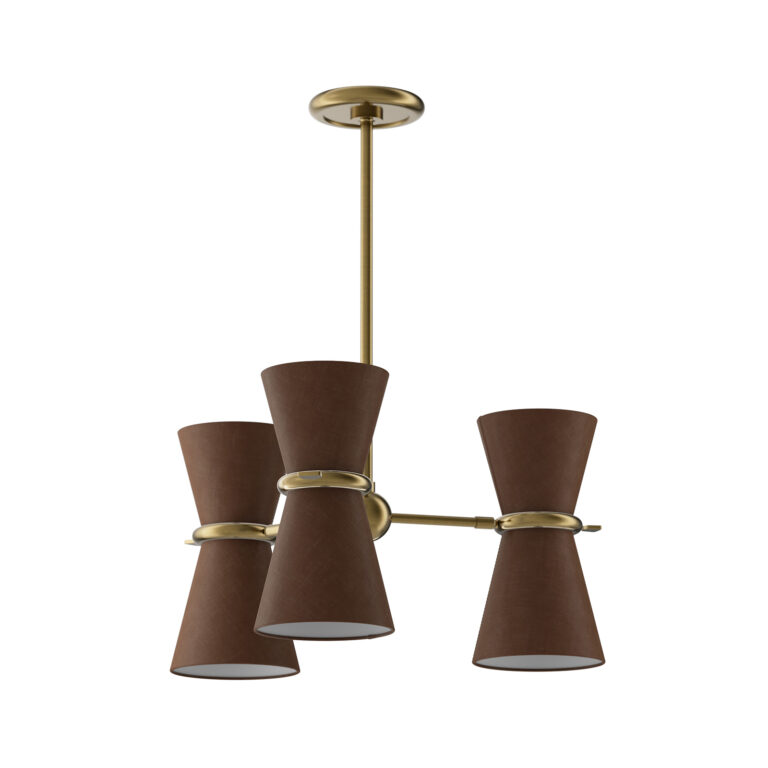
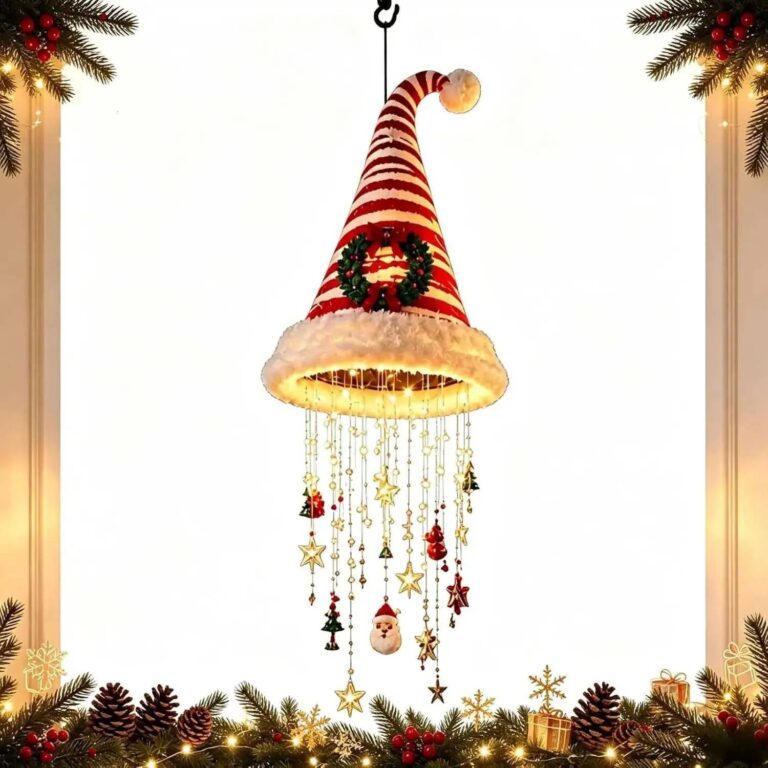 Aisha's pickPendant Lamps Pulled From Dozens of Stores

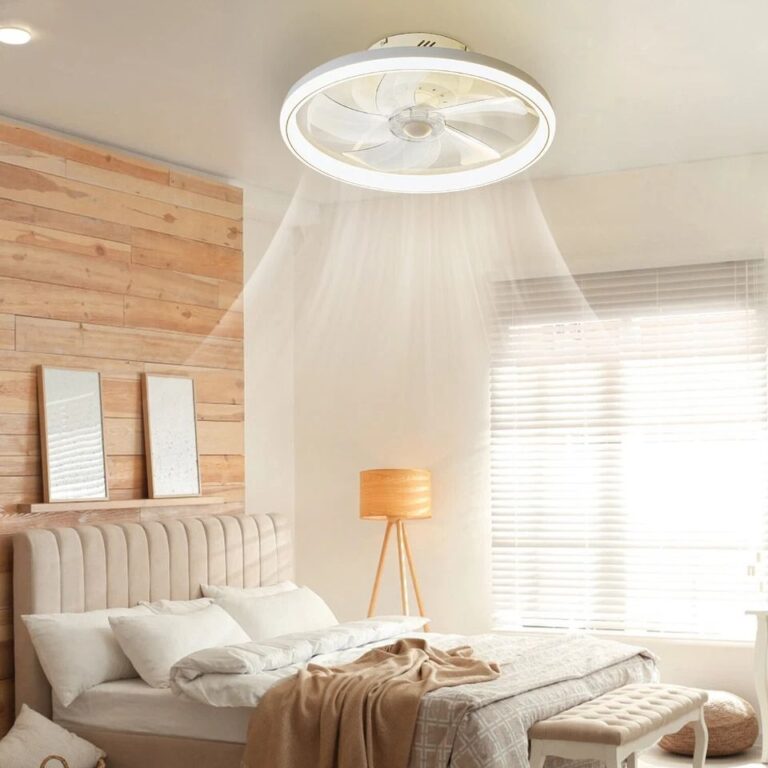 Aisha's pickPendant Lamps for Bedroom That Give Off a Warm GlowAlso worth a lookWall LampsThe thing that catches people out with wall lamps is the electrical question, nobody thinks about it until…See the collections →
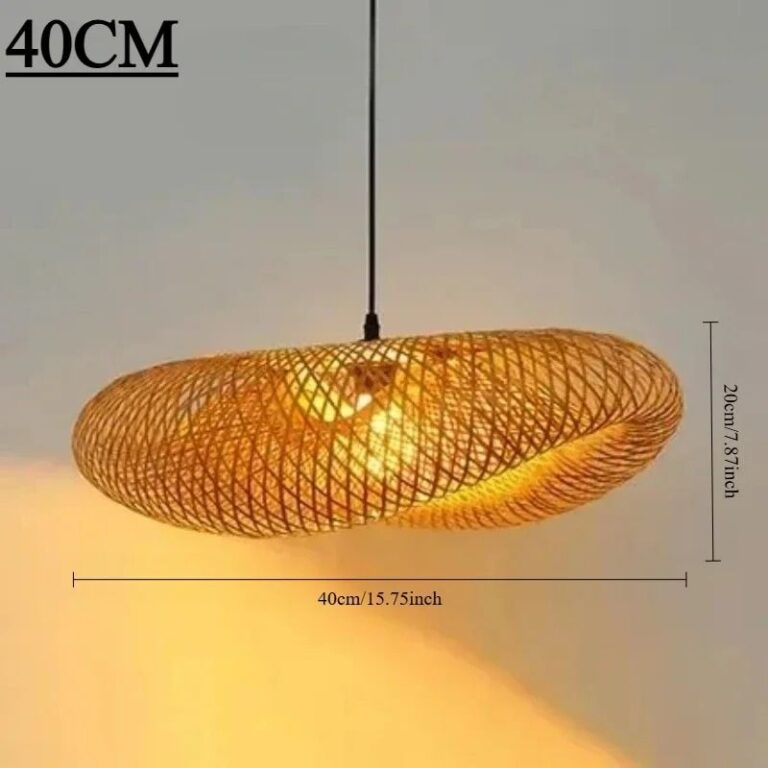
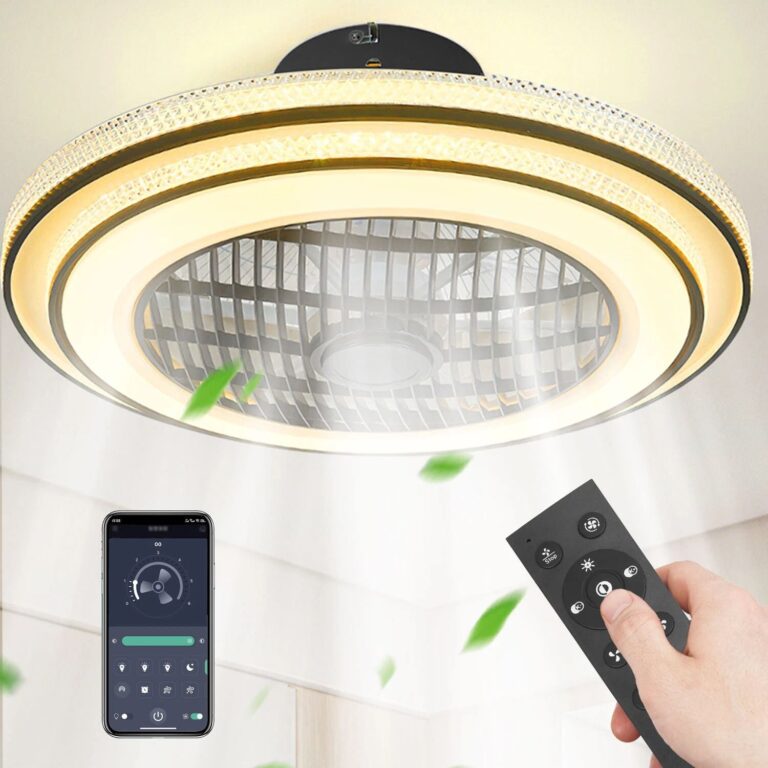 Aisha's pick3 Light Pendant Lamps for Reading, Relaxing or Both
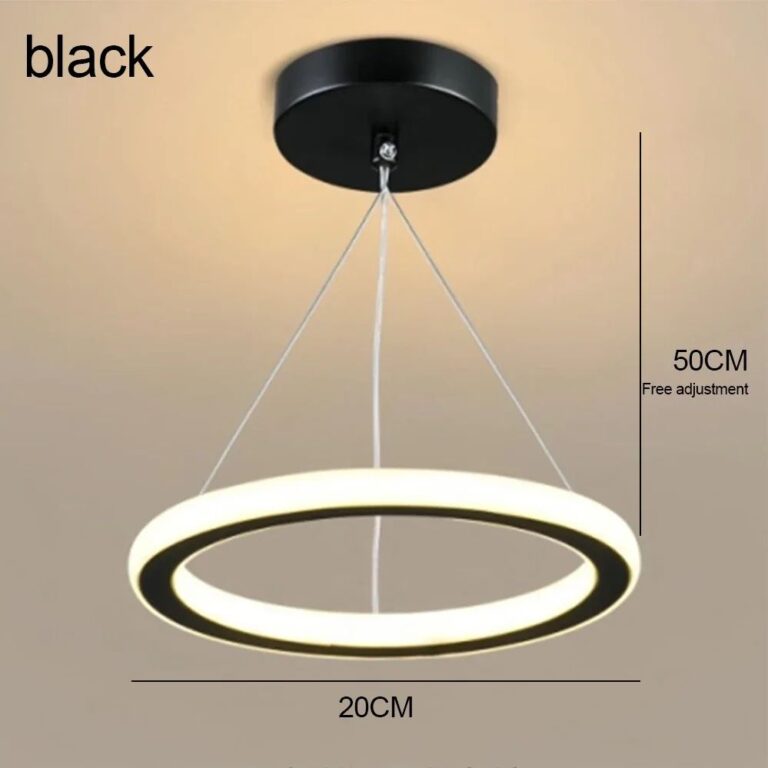
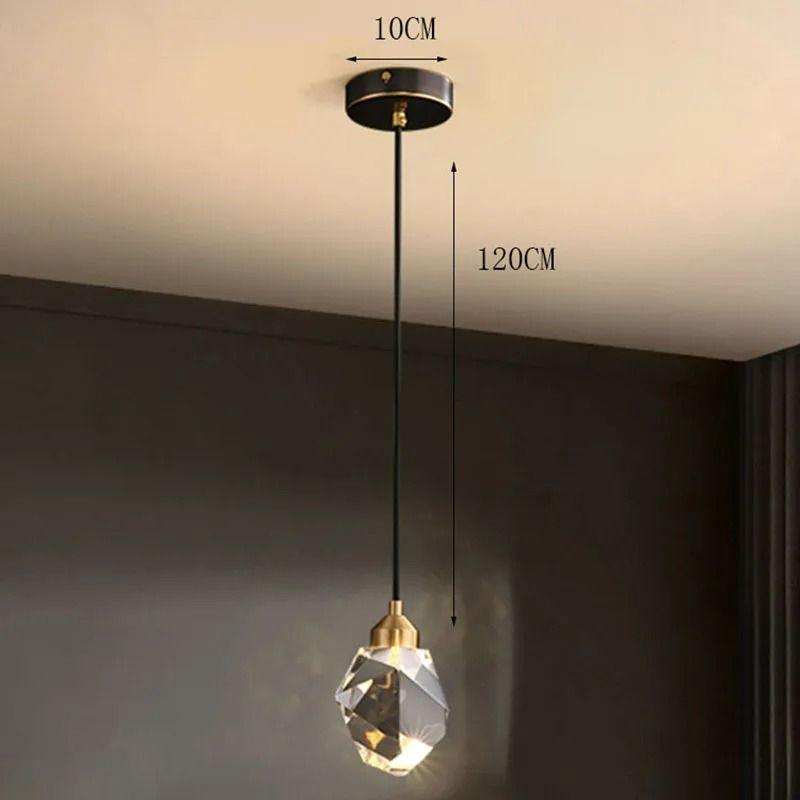 Aisha's pickPendant Lamps for Dining Table That Look Good Switched Off Too
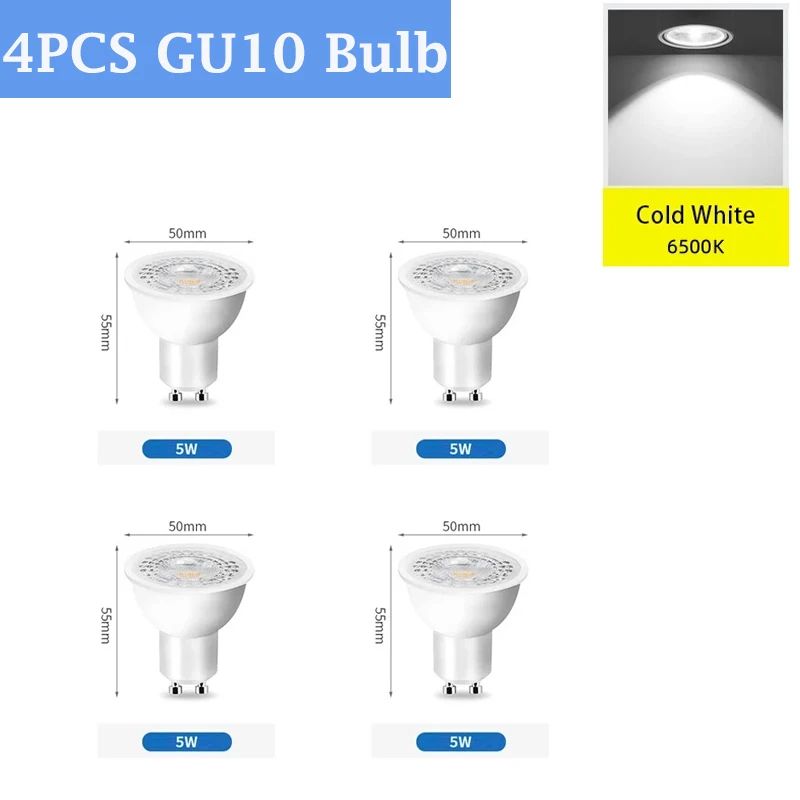
 Aisha's pick5 Light Pendant Lamps for Dark Winter Evenings
 Aisha's pickPendant Lamps for Living Room That Look Better in Real Life
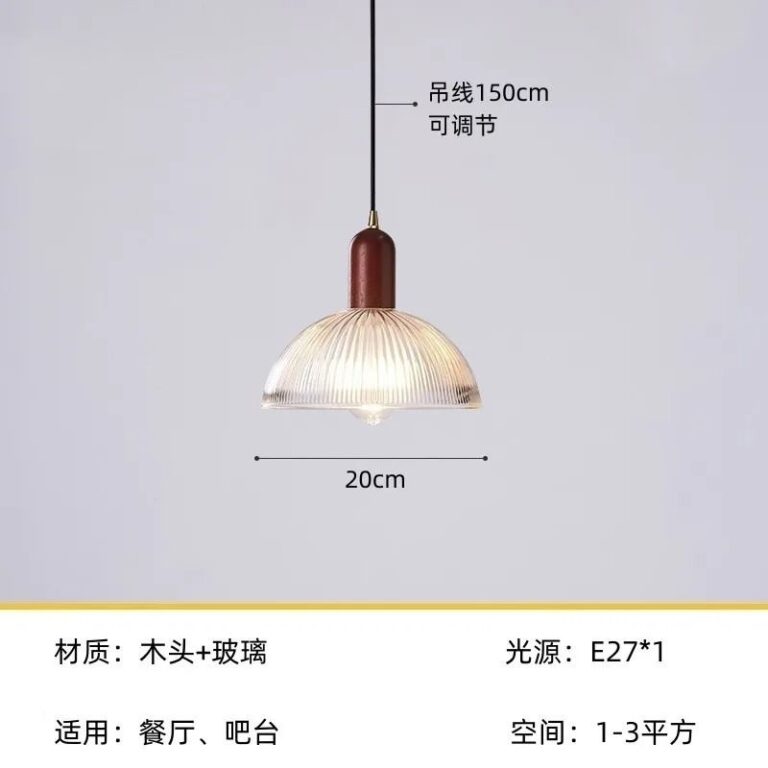 Aisha's pickAdjustable Pendant Lamps Hunted Down So You Don’t Have To
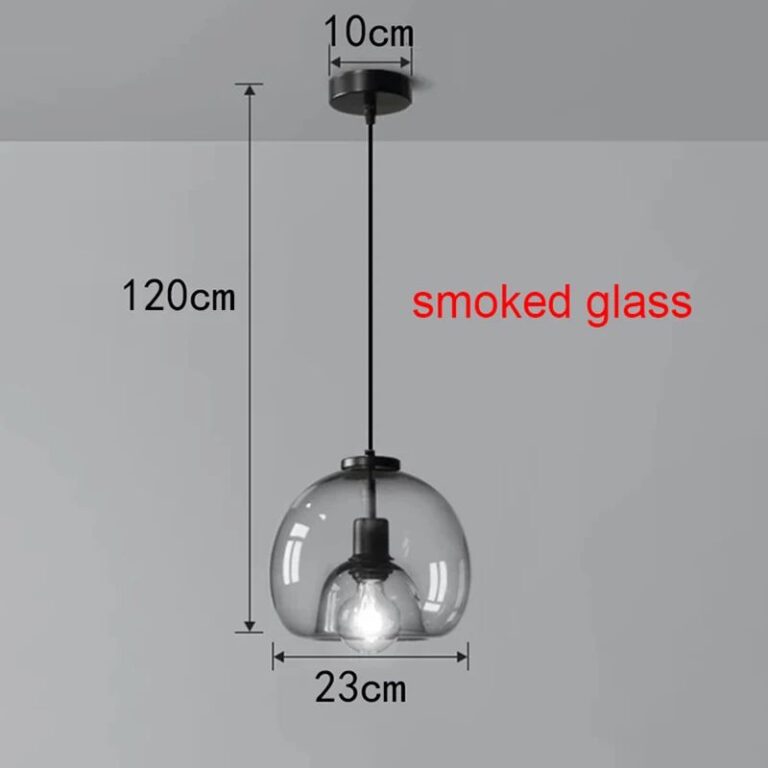
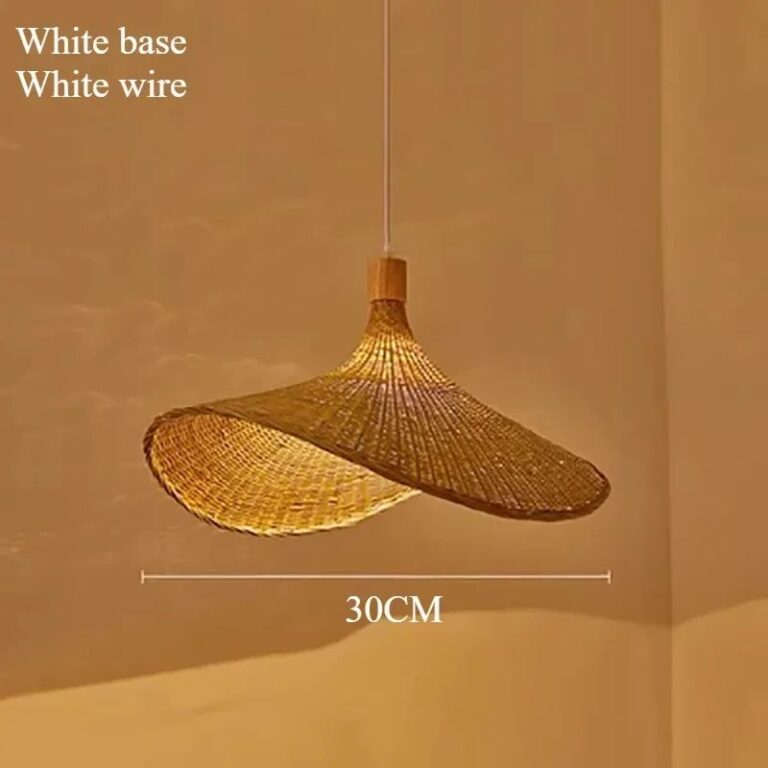 Aisha's pickPendant Lamps with Shade We Leave On All Evening
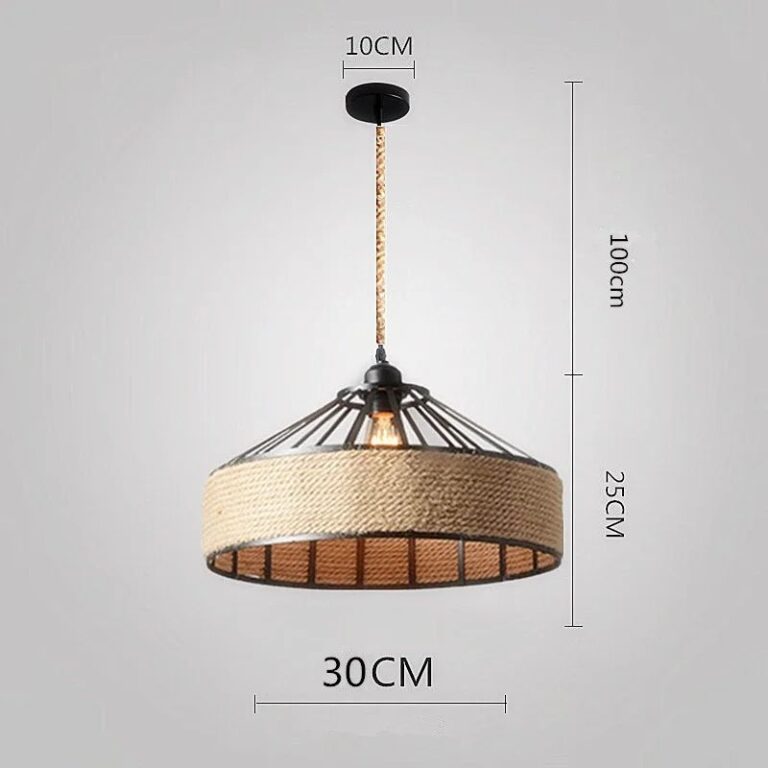
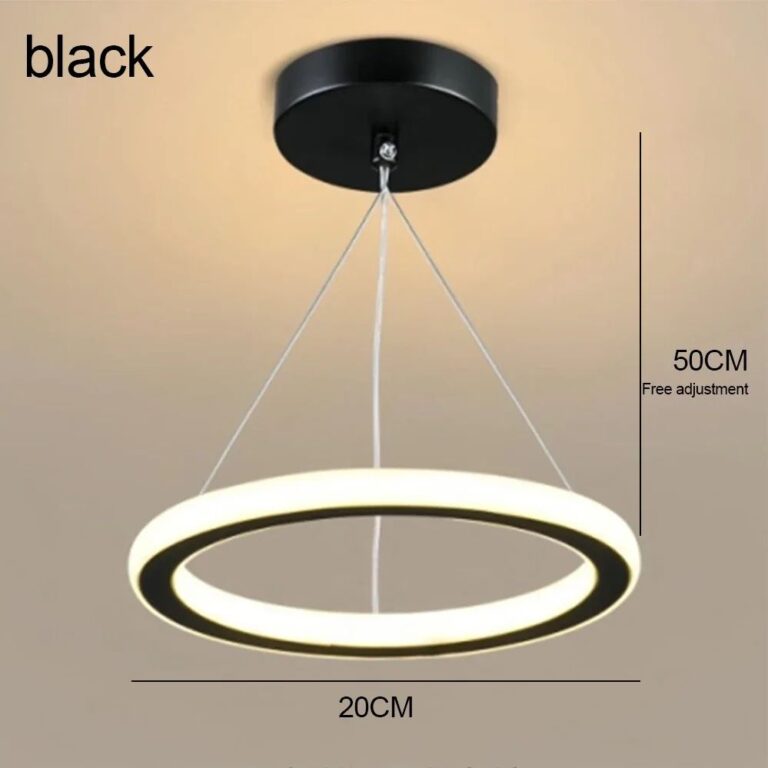 Aisha's pickBlack Pendant Lamps That Make the Big Light Redundant
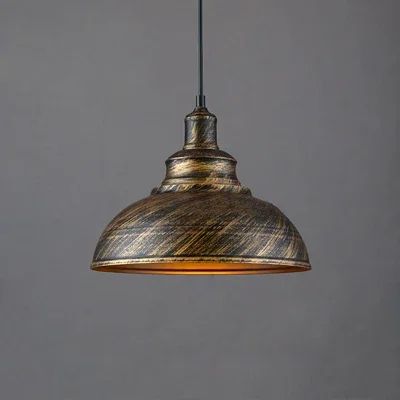
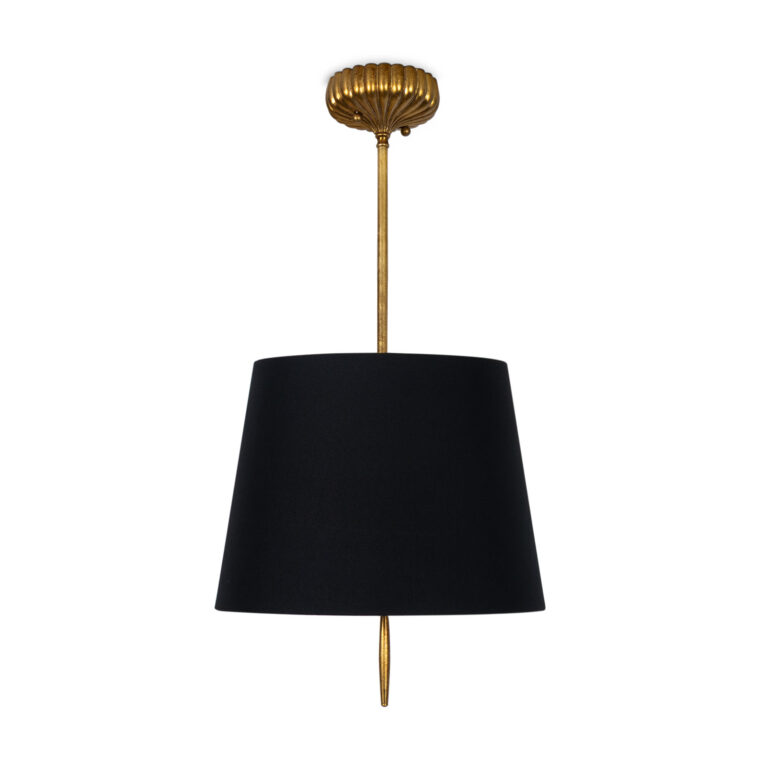 Aisha's pickPendant Shades for Making a House Feel Like Yours
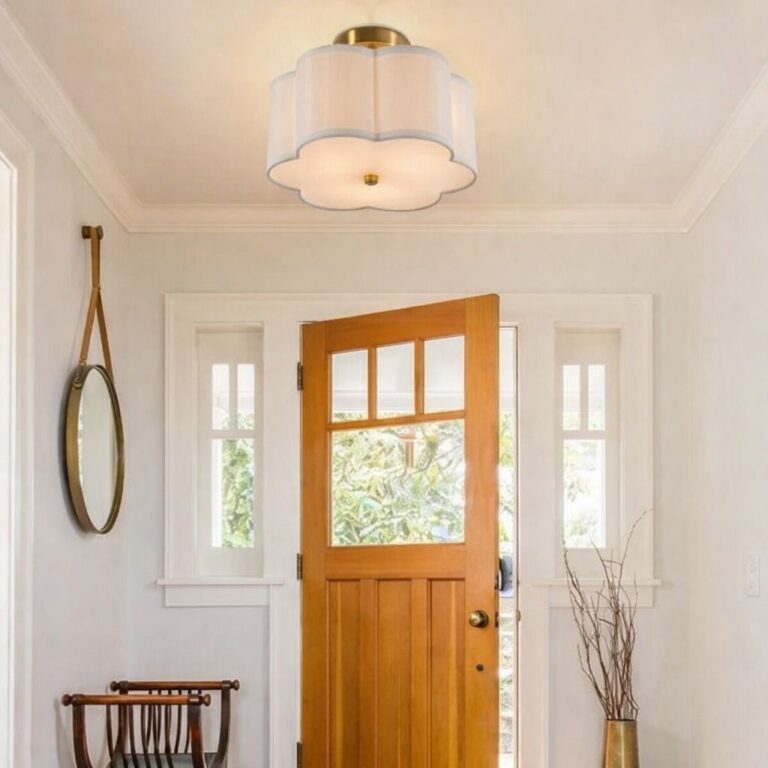
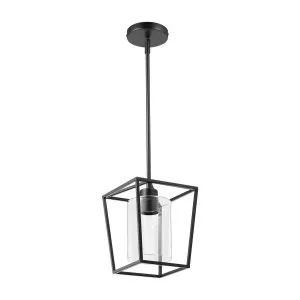 Aisha's pickBlack Pendant Shades That Get Better With AgeAlso worth a lookLamps with ShadeA lamp with its shade already on it has a reputation for being the safe choice, the thing…See the collections →
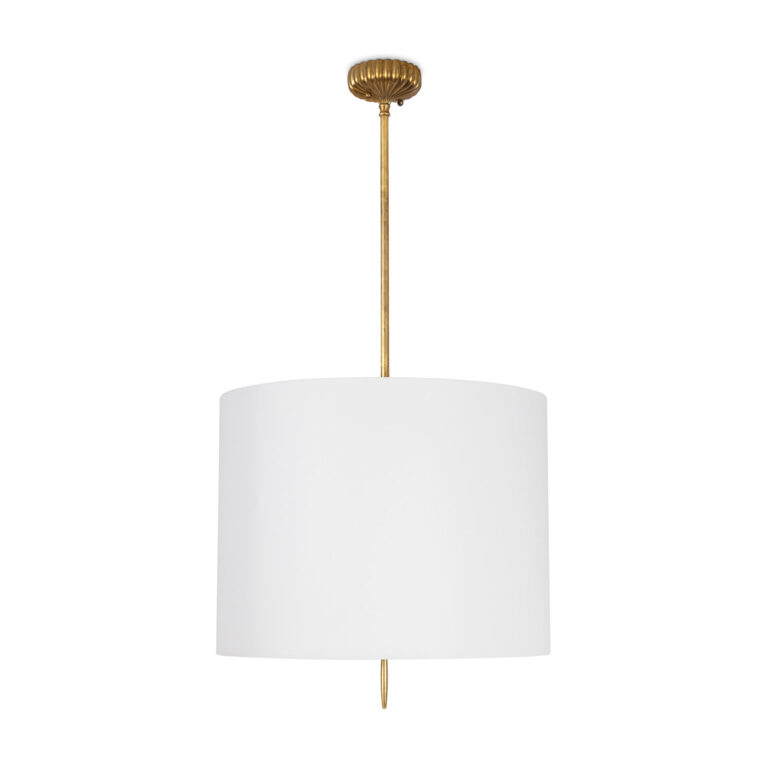
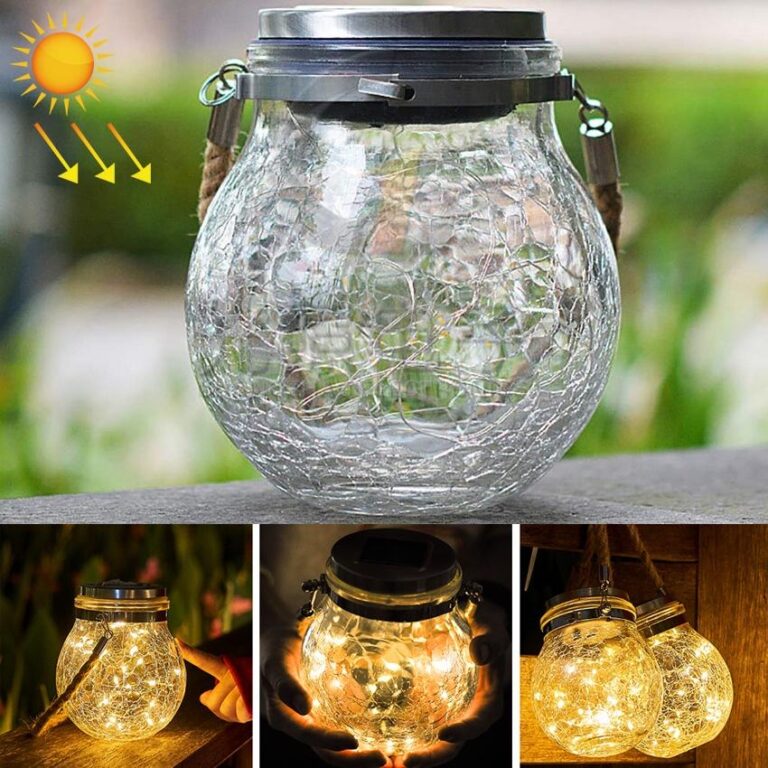 Aisha's pickTraditional Pendant Lamps We Leave On All Evening
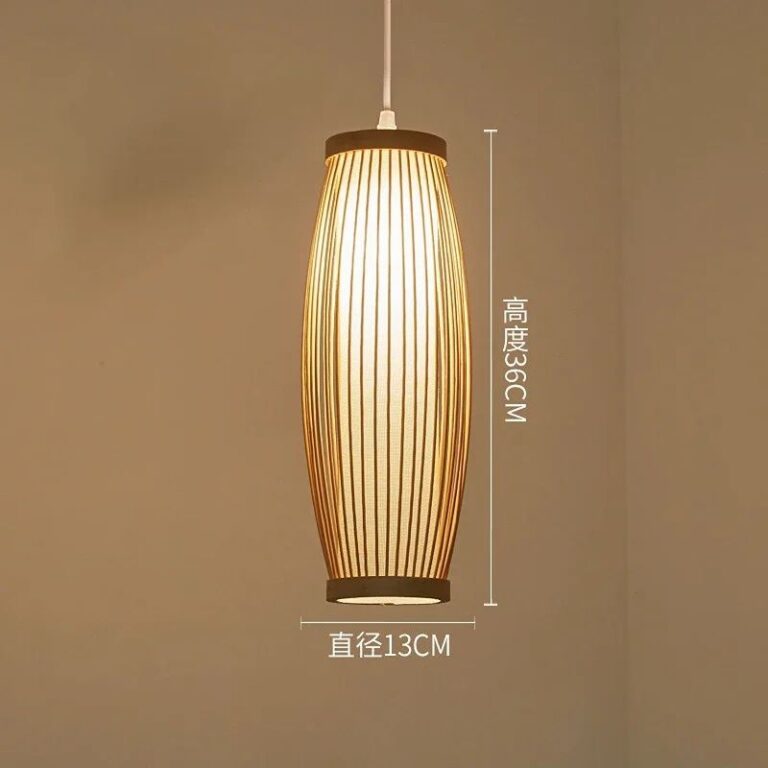
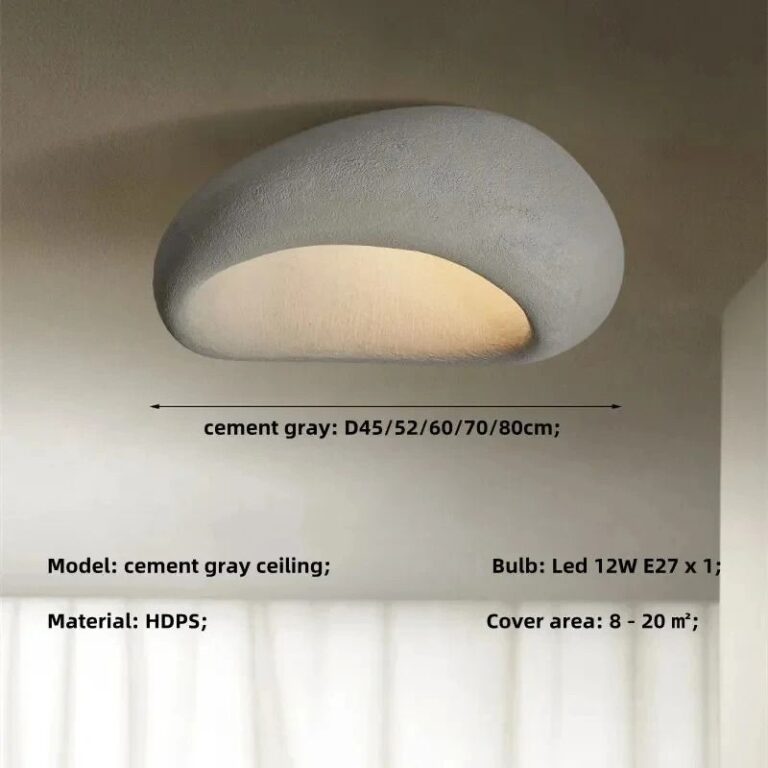 Aisha's pickContemporary Pendant Lamps That Won’t Let You Down