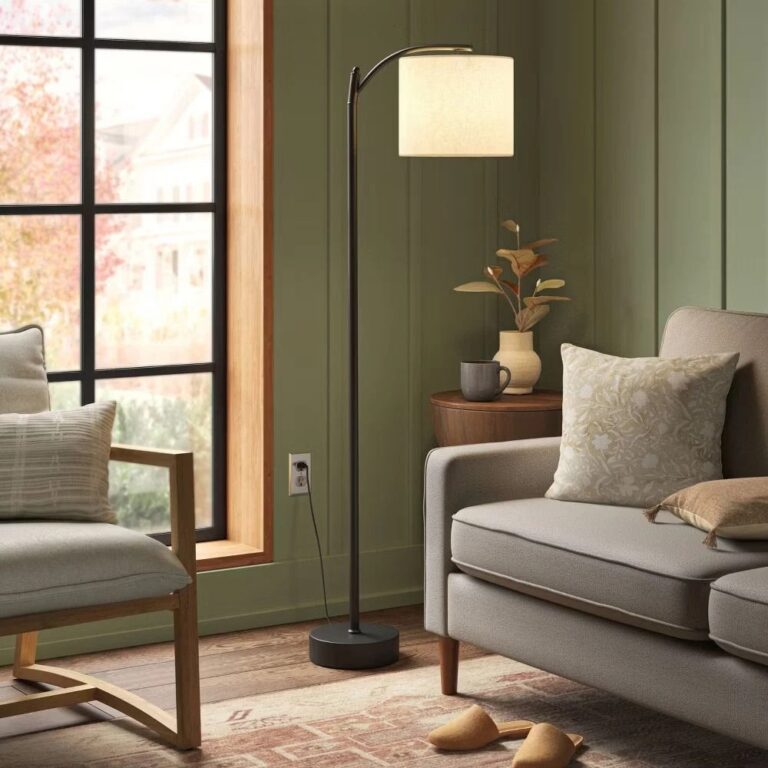
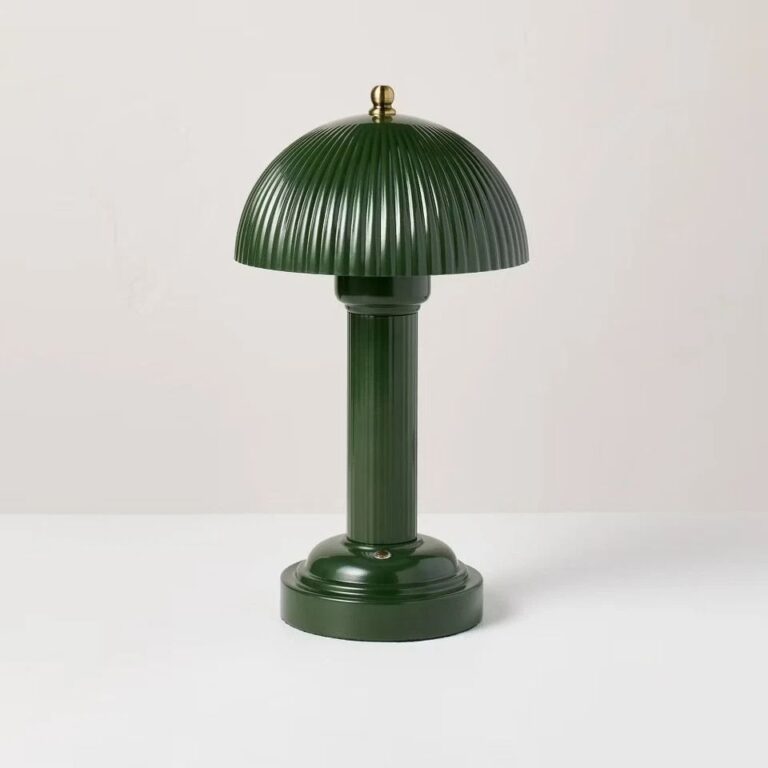
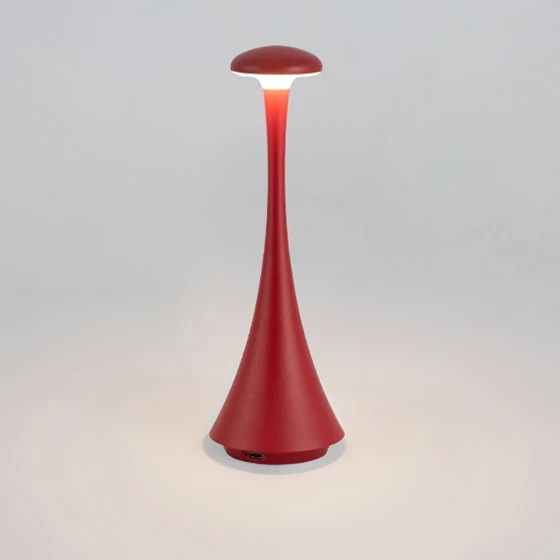
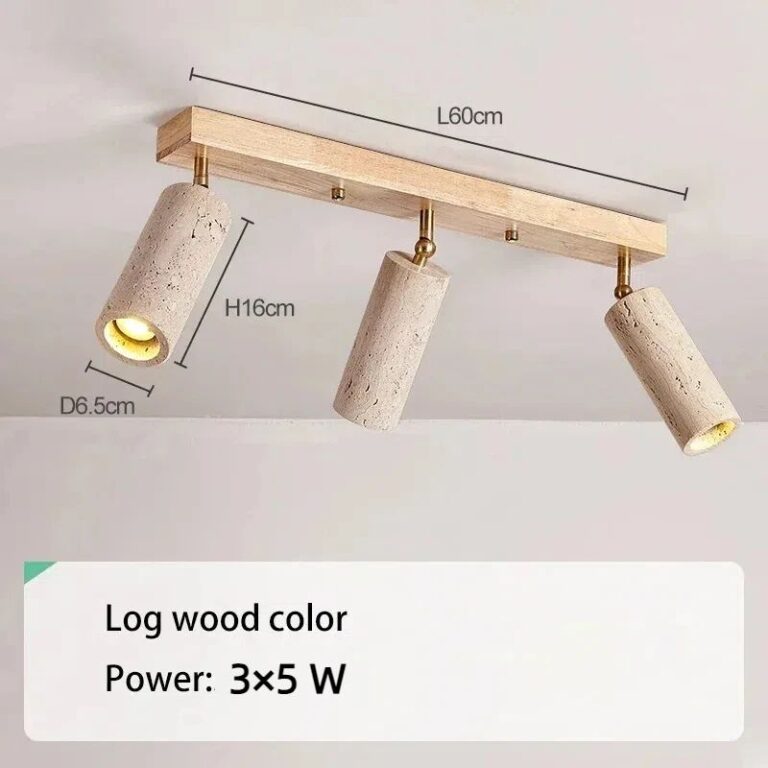
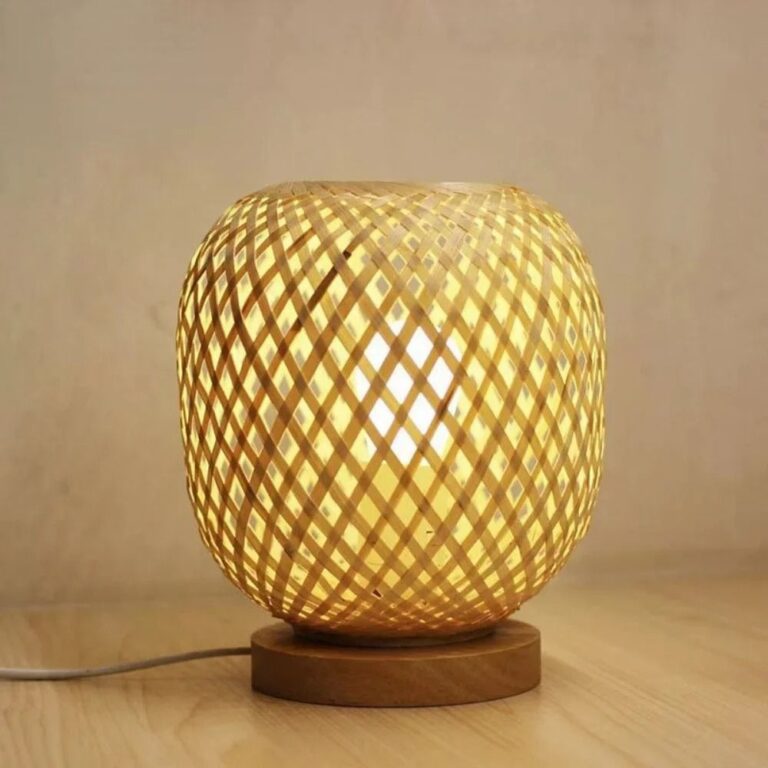
A good metal lamp has a certain weight to it when you pick it up to move it, a solidness that tells you it will stay put when you brush past the table on your way to answer the door. Flip the switch and there's no wobble, no rattle, just a clean click and light that lands exactly where the shade points it. Run a thumb down the base and you feel a seam or you don't, and that one detail tells you almost everything else about the thing.
Where metal falls short is anywhere you want softness, visually or otherwise. A bedroom that already leans cold, lots of gray linens and bare floors, doesn't need another hard surface throwing light around, and a metal lamp next to a bed you're trying to make feel warm can end up working against you. Metal also holds heat differently than ceramic or wood, so a base near a radiator or a sunny window can get surprisingly warm to the touch, worth knowing if you've got a toddler who grabs everything at eye level. And if the room already has a lot of metal, a shelving unit, a black framed mirror, exposed pipes, adding another chunk of it can tip a space from industrial into just plain cold.
The difference between a lamp that lasts and one that ends up in a donation pile usually comes down to what's happening at the joints, where the base meets the stem and where the stem meets the socket. Cheap ones use thin stamped metal and a single screw that loosens over a year of being switched on and off, so the shade starts to tilt no matter how many times you straighten it. Better ones are either solid cast metal, which has real heft, or a thicker gauge tube with welded or properly threaded joints, and you can usually feel the difference just by lifting the thing off a side table. Finish matters too. A painted finish can chip at the base where it gets knocked against furniture legs, while a true plated or powder coated surface shrugs off that kind of daily contact for years.
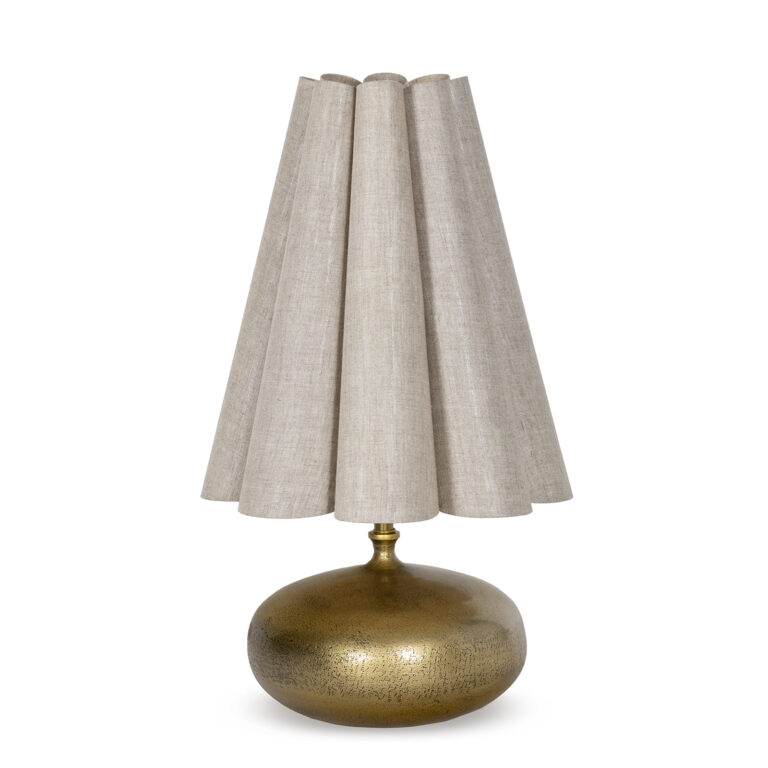
For living with it day to day, I've always found brass and warm bronze finishes the easiest, they catch light instead of just reflecting it flatly, and they read as warm even in a room with cooler colors elsewhere. Matte black is close behind, forgiving of fingerprints and dust in a way polished chrome never is. Chrome and nickel look sharp in photos but show every smudge, so they ask more of you than the others. A brushed finish in any of these tones will hide more daily wear than a high gloss one, which matters more than people expect once the lamp is actually living in your house and not just sitting in a showroom.
If you find one with good weight, tight joints and a finish that doesn't flinch at a little dust, it will likely still be switching on reliably long after the lampshade itself needs replacing.
 Aisha's pickMetal Hanging Lamps for Cozy Nights In

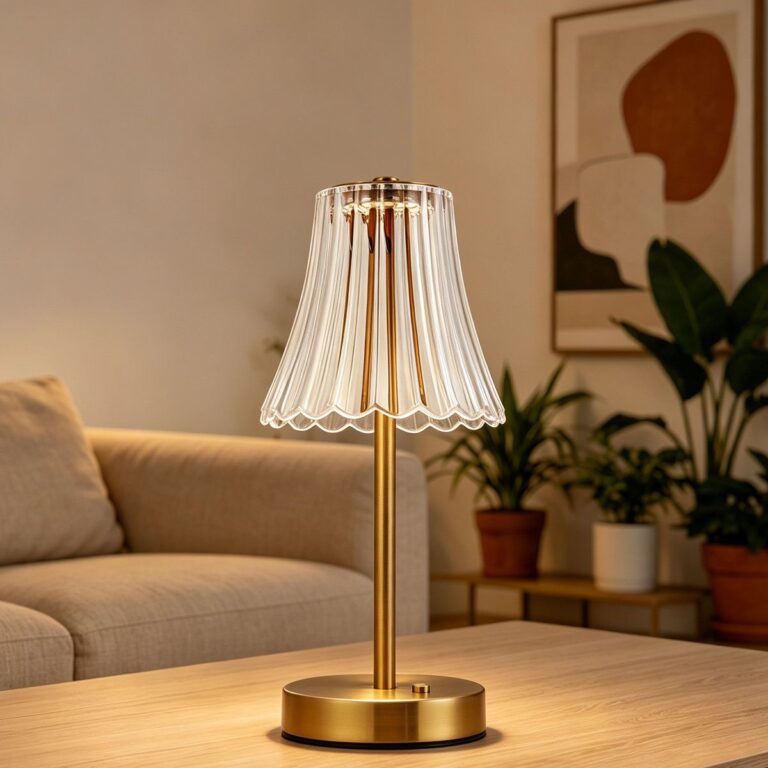 Aisha's pickMetal Touch Lamps with Shade That Look Like They Cost More
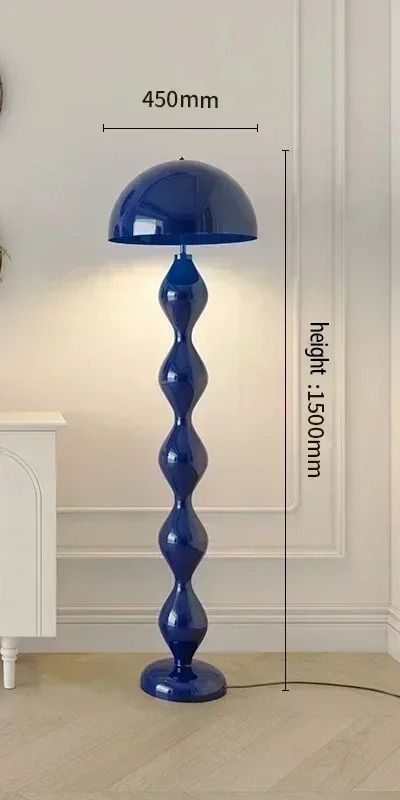
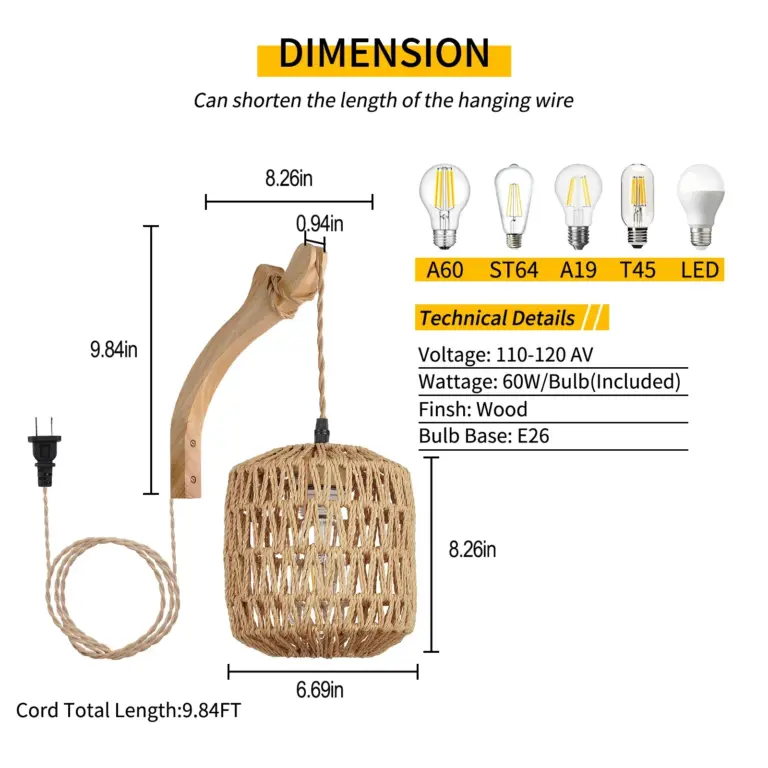 Aisha's pickMetal Lamp Bases That Look Like They Cost More
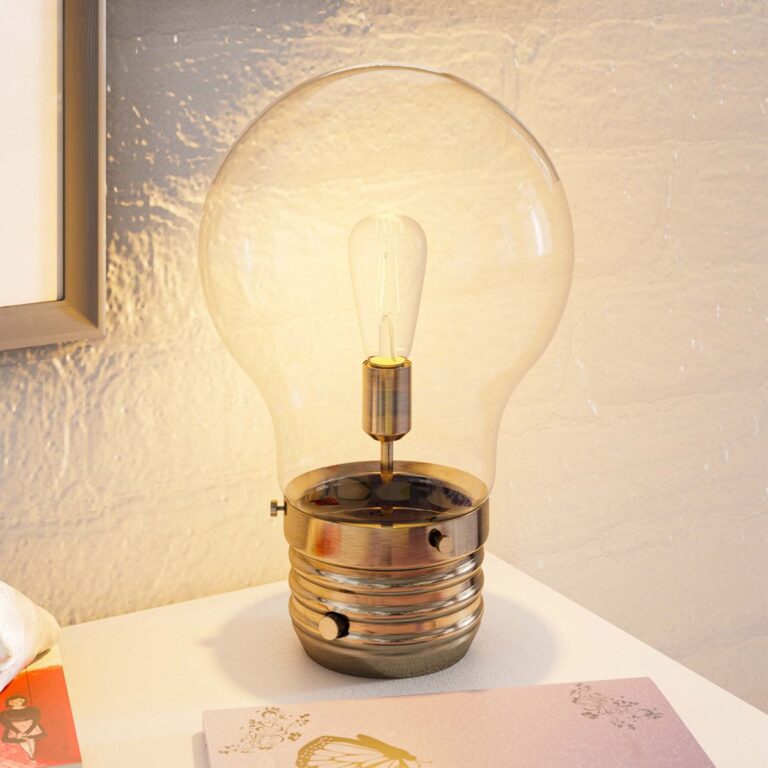
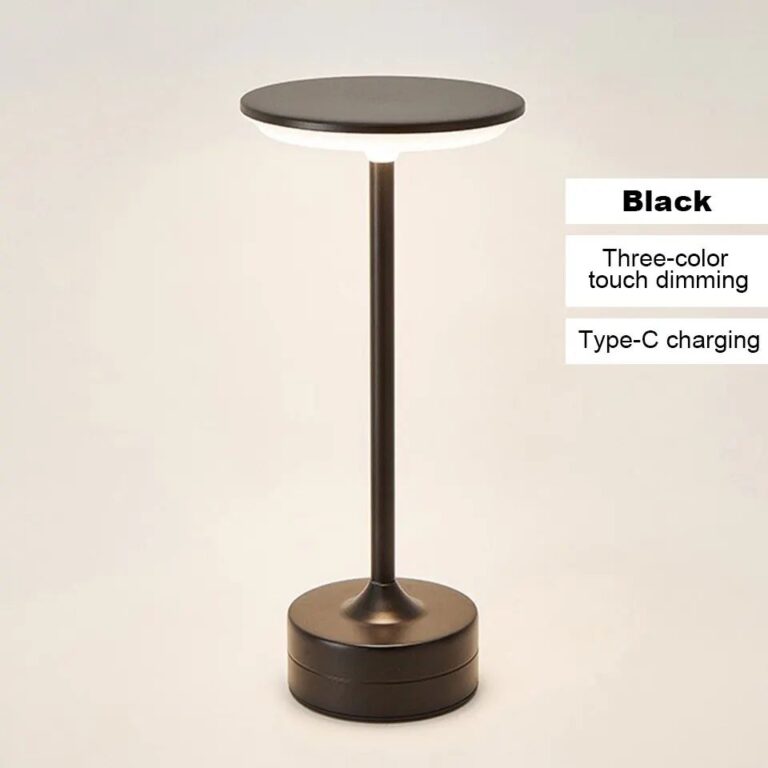 Aisha's pickMetal Touch Table Lamps That Change the Feel of a Room
 Aisha's pickMetal Lamp Shades Hunted Down So You Don’t Have To
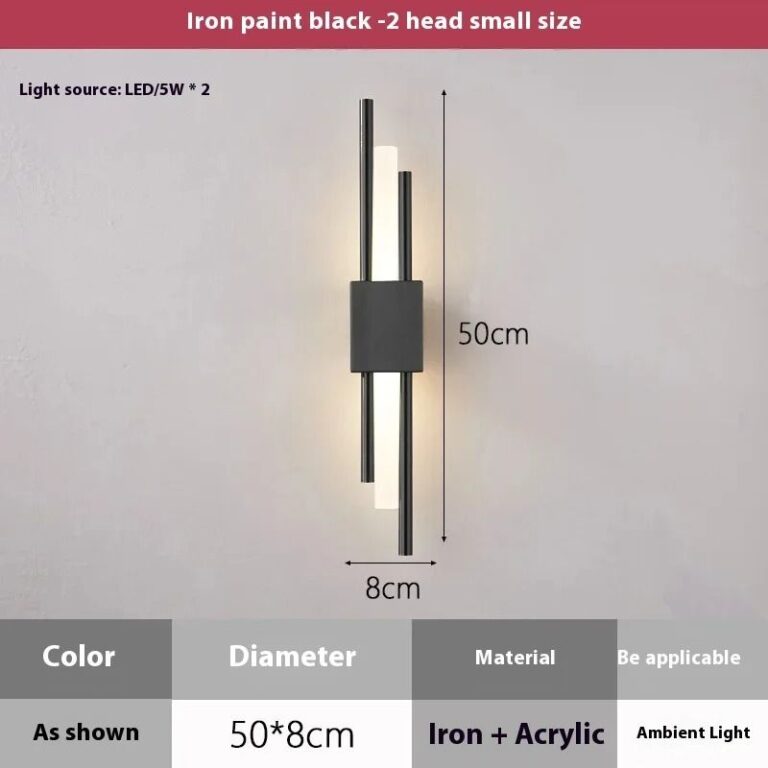
 Aisha's pickMetal Wall Lamps That Won’t Let You Down
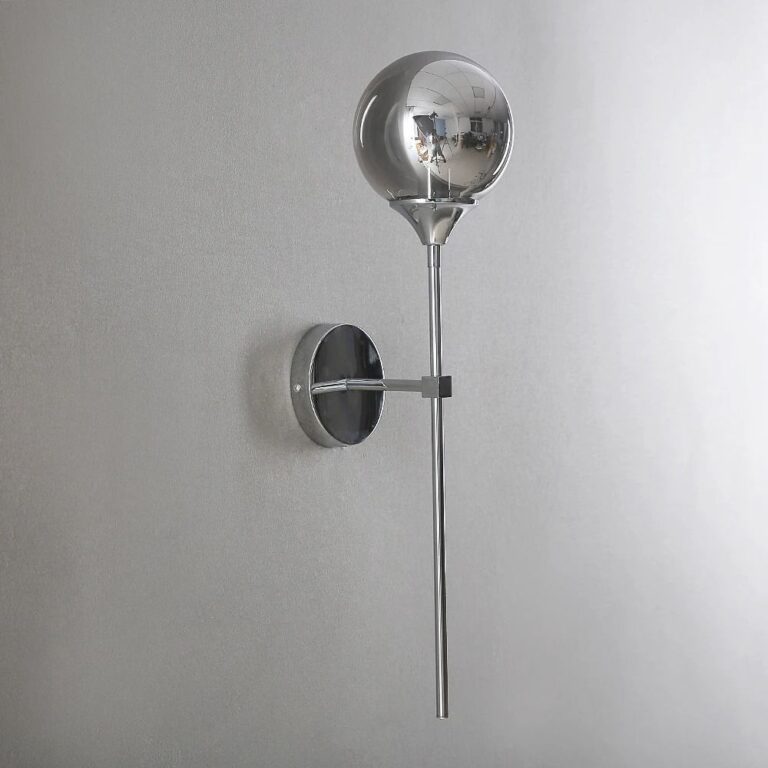
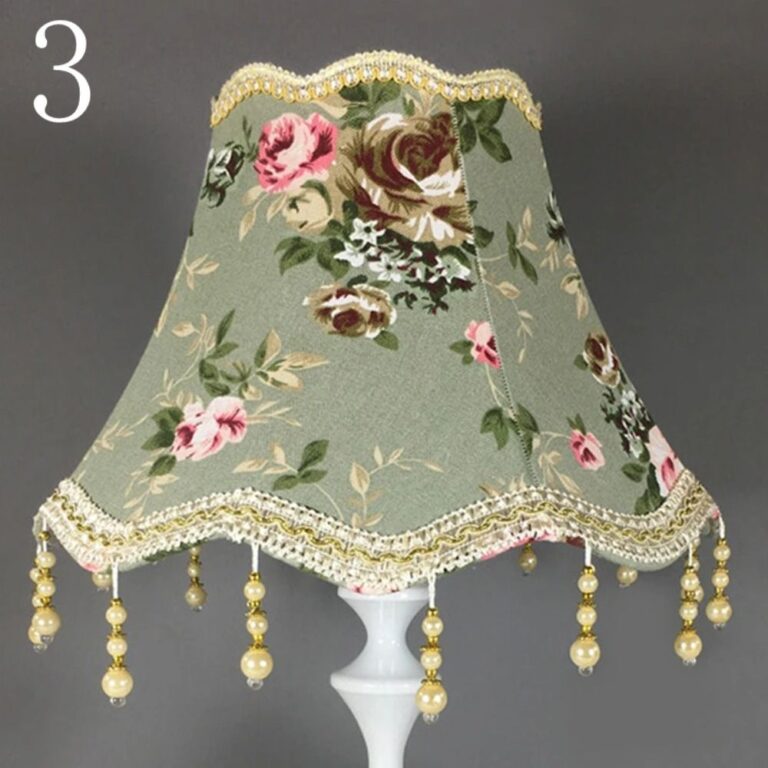 Aisha's pickMetal Lampshades That Fit Into Real Life
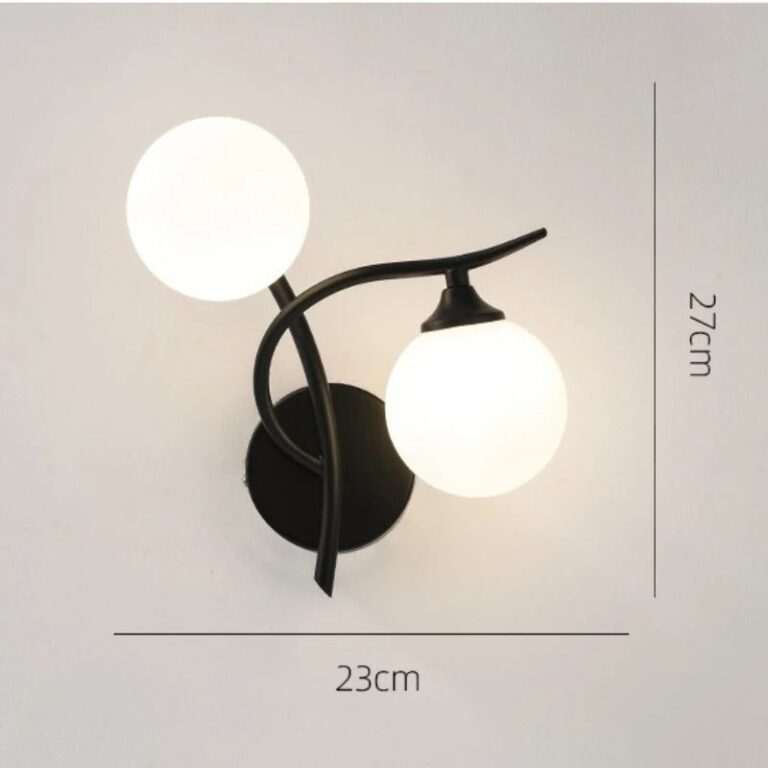 Aisha's pickSimple Metal Wall Lamps with Shade Done Well
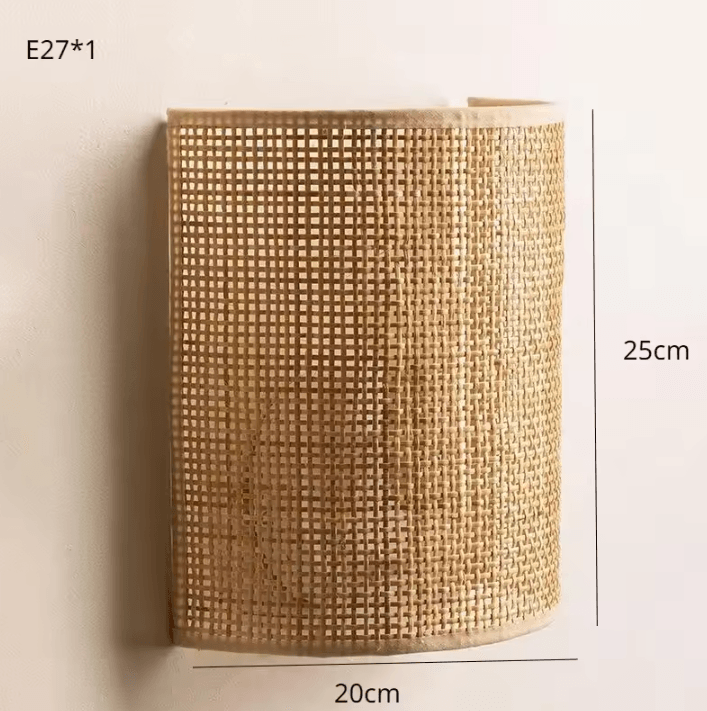 Aisha's pickMetal Living Room Floor Lamps That Earn Their KeepAlso worth a lookWall LampsThe thing that catches people out with wall lamps is the electrical question, nobody thinks about it until…See the collections →
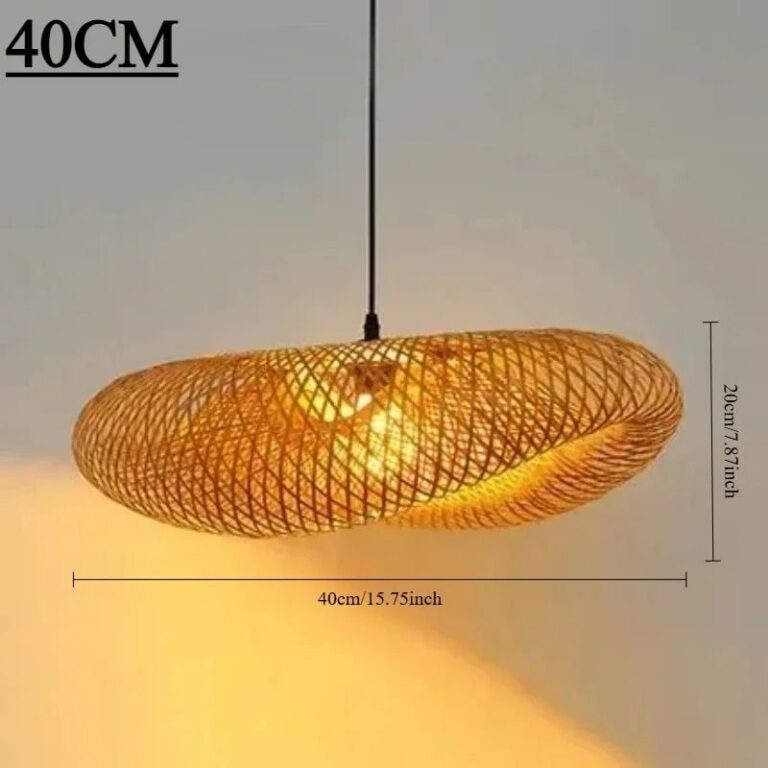
 Aisha's pickAdjustable Metal Floor Lamps That Don’t Shout About It
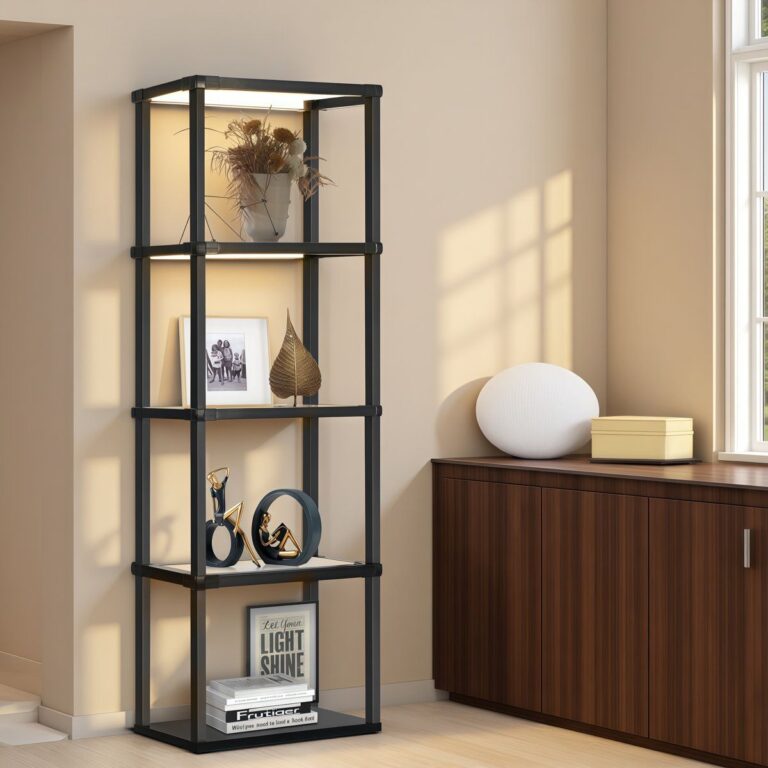
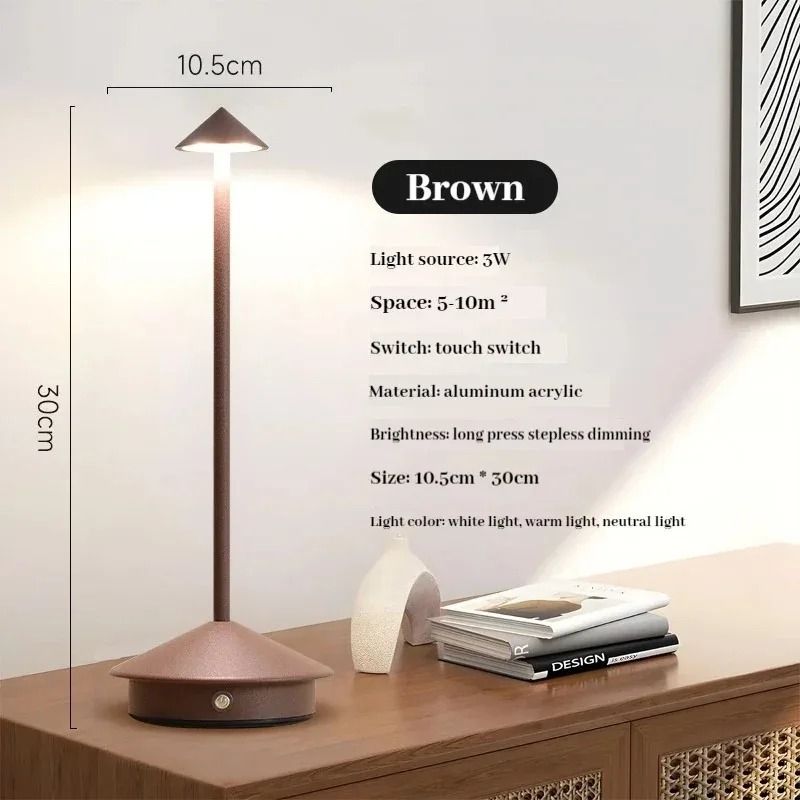 Aisha's pickMetal Living Room Table Lamps That Light Up Gloomy Corners
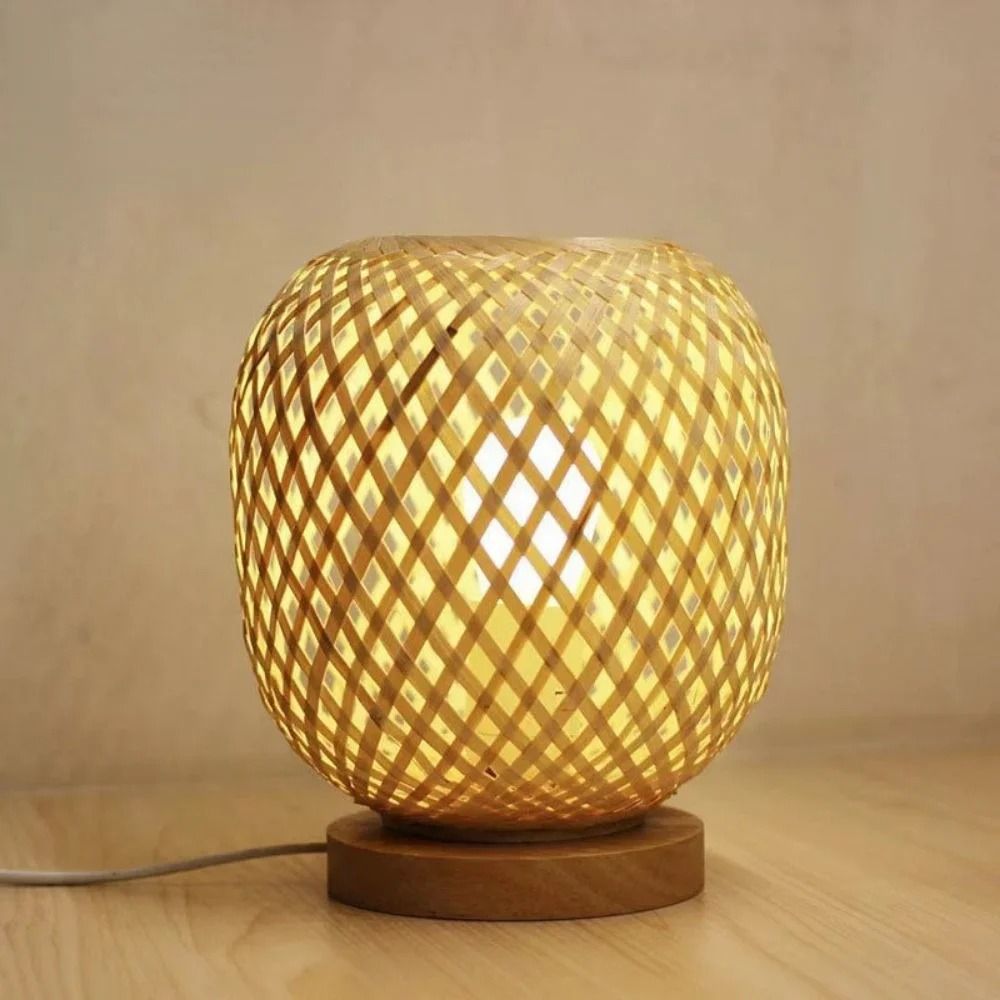
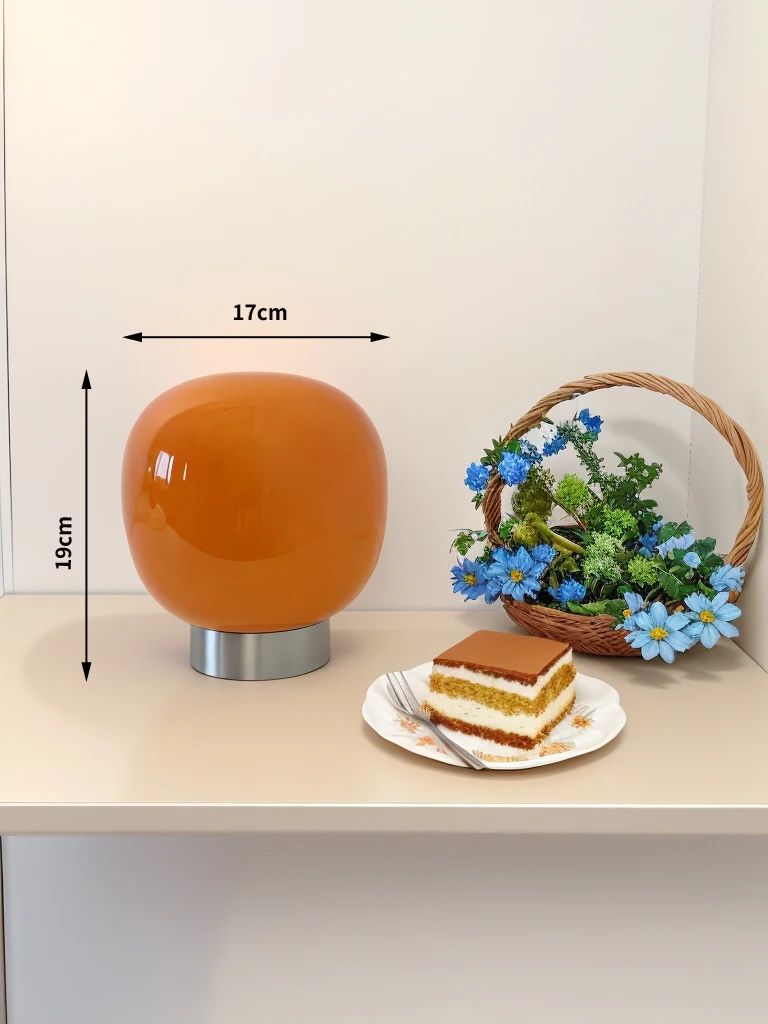 Aisha's pickAdjustable Metal Table Lamps for Reading, Relaxing or Both
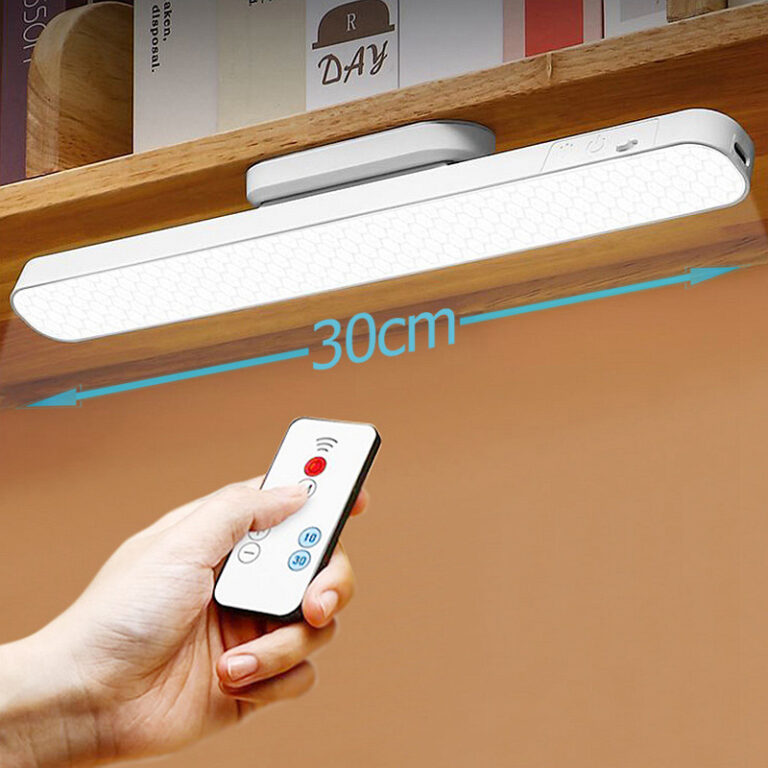
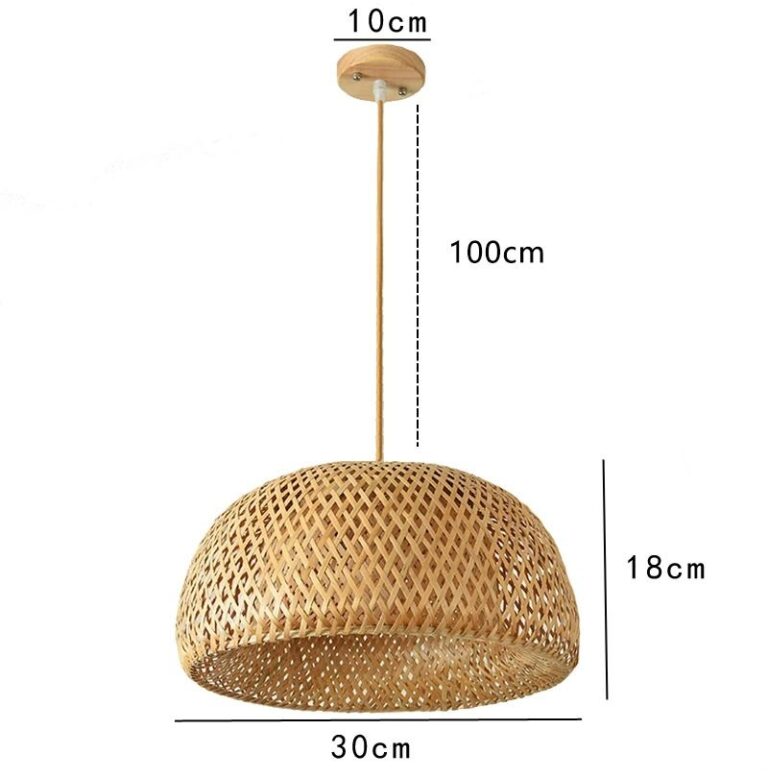 Aisha's pickMetal Pendant Lamps That Give Off a Warm Glow
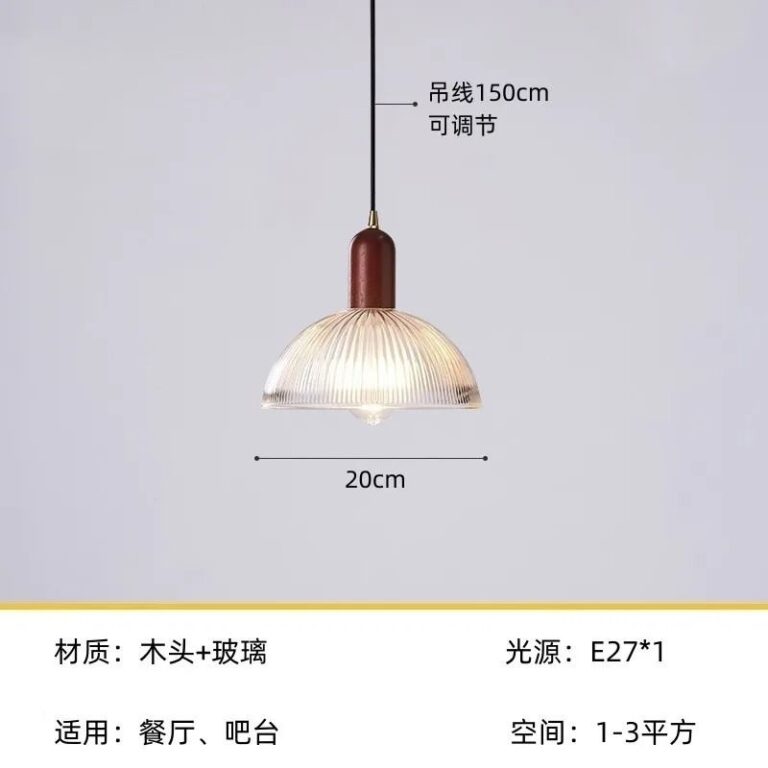
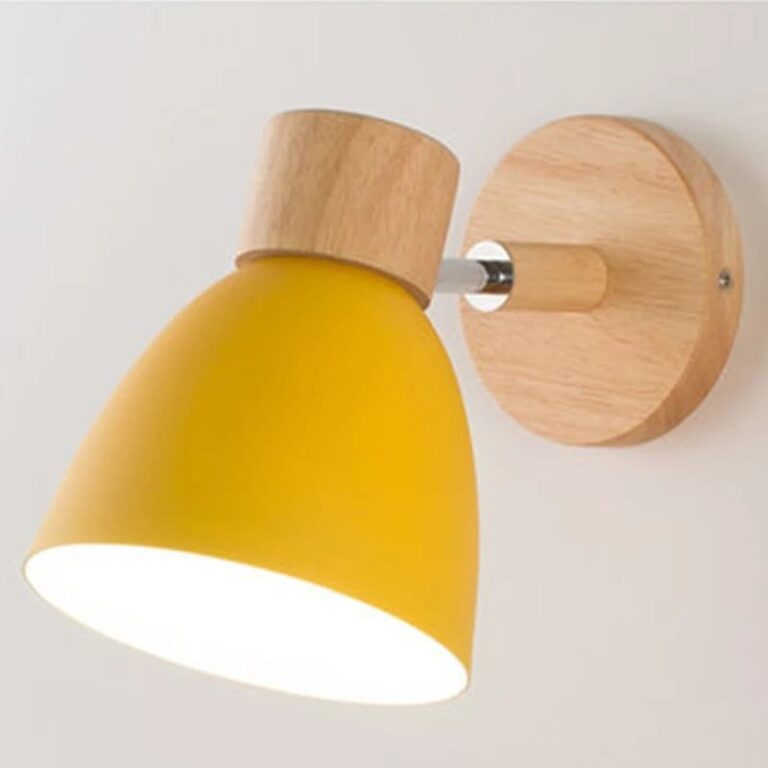 Aisha's pickAdjustable Metal Wall Lamps That Make the Big Light Redundant
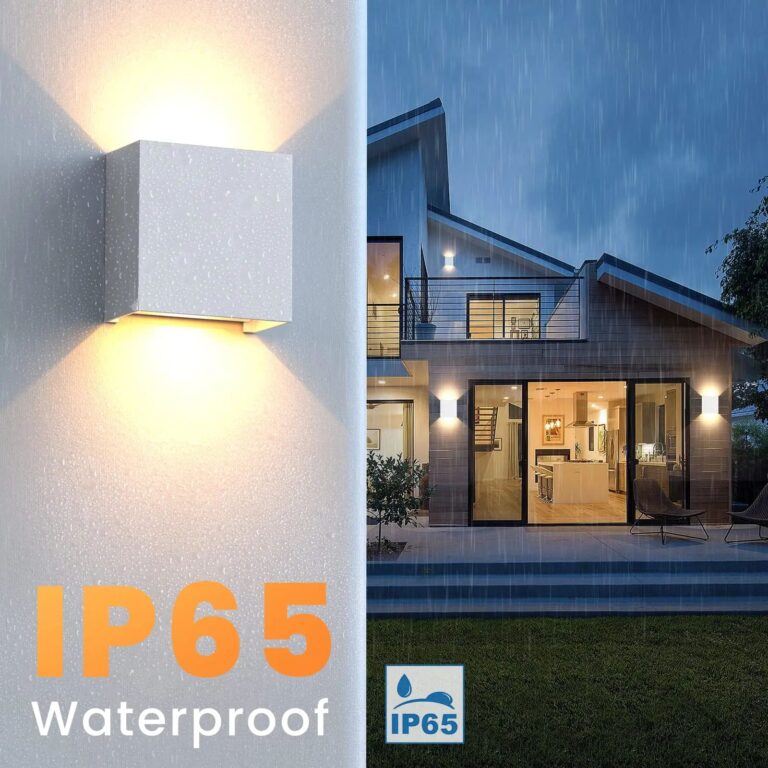
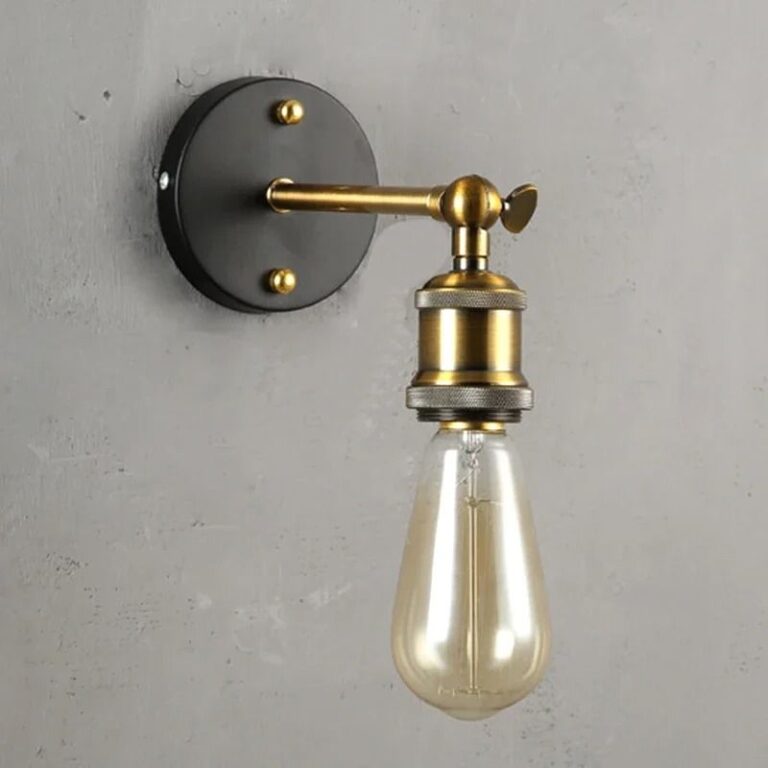 Aisha's pickMetal Reading Floor Lamps for Cozy Nights In
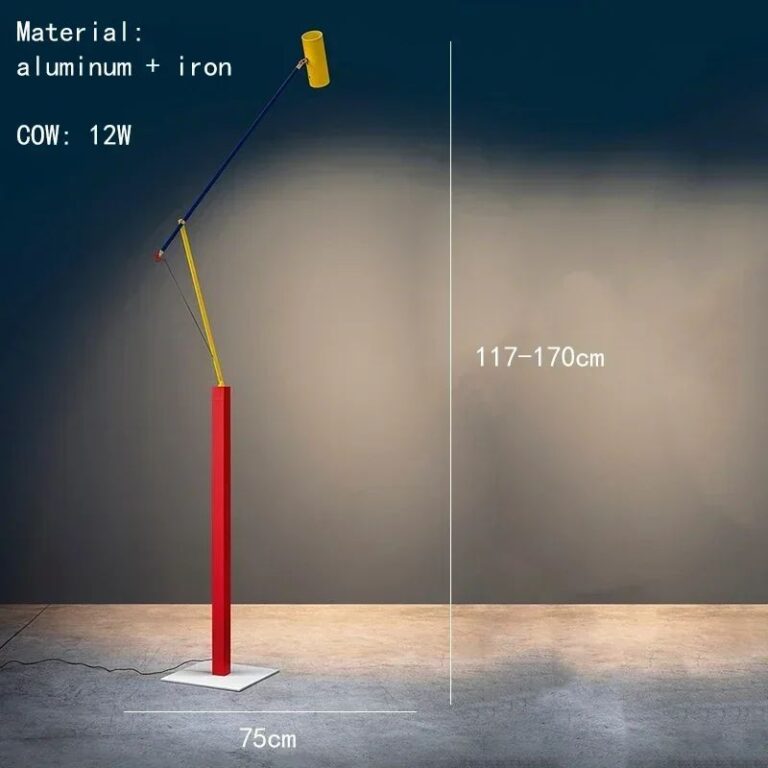
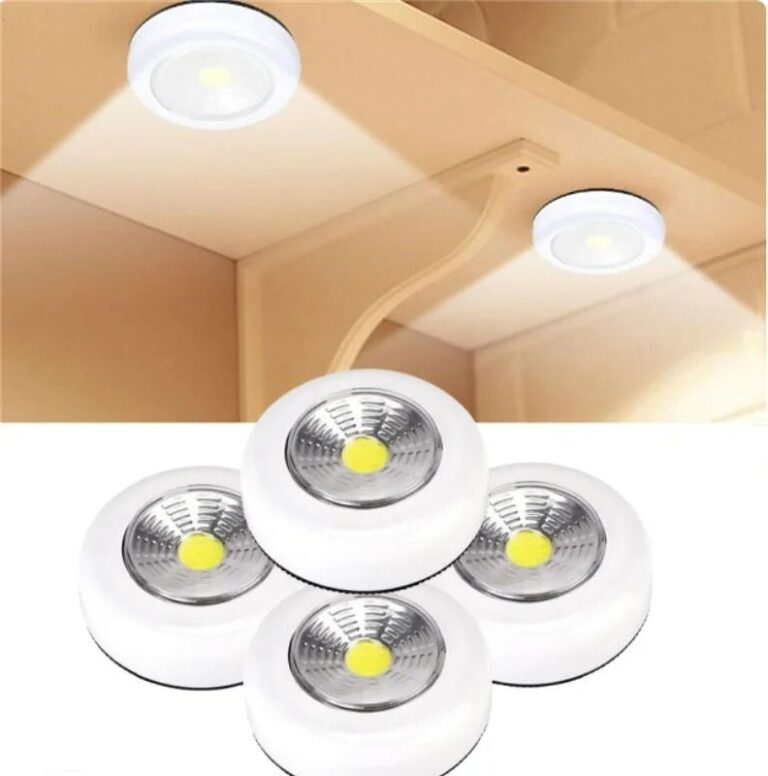 Aisha's pickMetal Bedside Lamps That Make the Bedroom Feel Finished
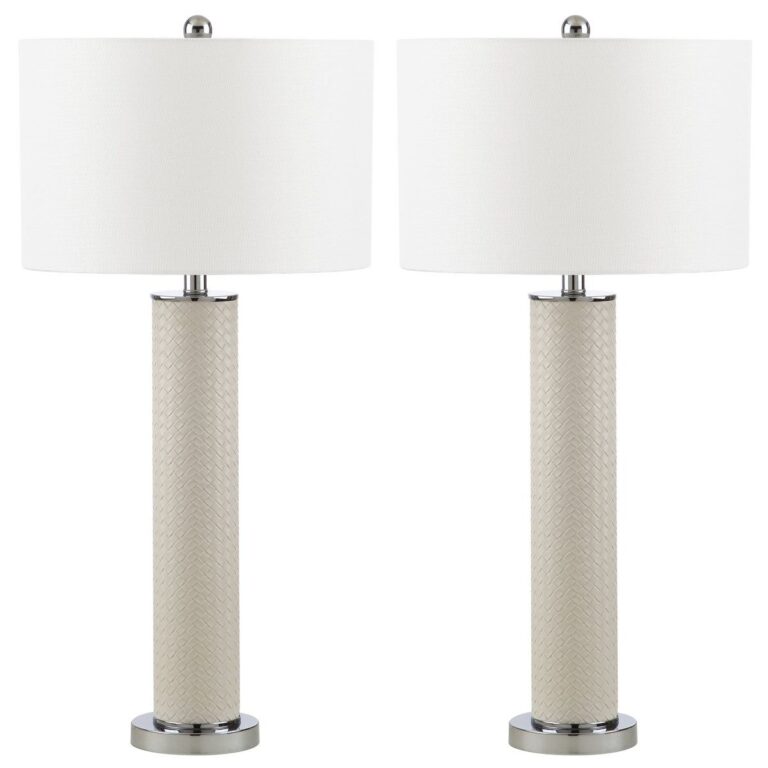
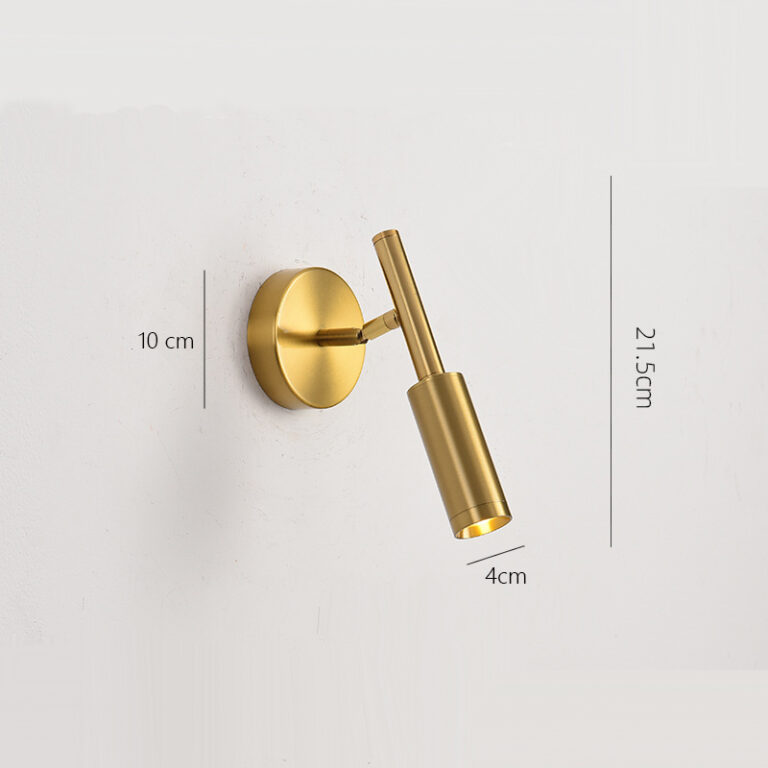 Aisha's pickMetal Reading Lamps That Look Good Switched Off Too
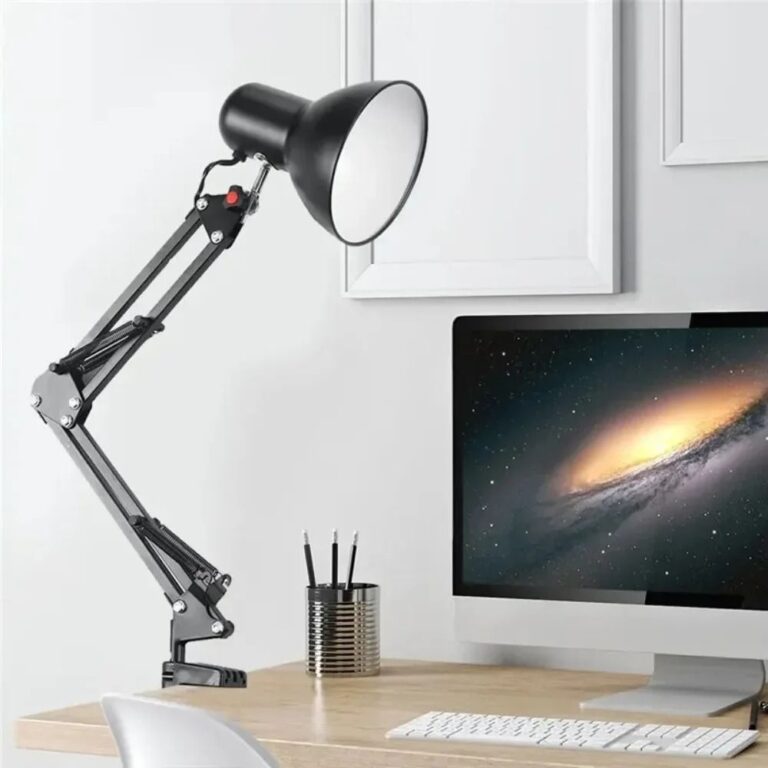
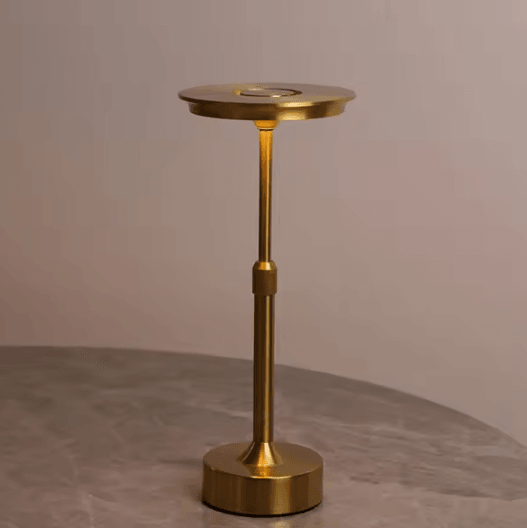 Aisha's pickMetal Nightstand Lamps That Make the Big Light RedundantAlso worth a lookLamps with ShadeA lamp with its shade already on it has a reputation for being the safe choice, the thing…See the collections →
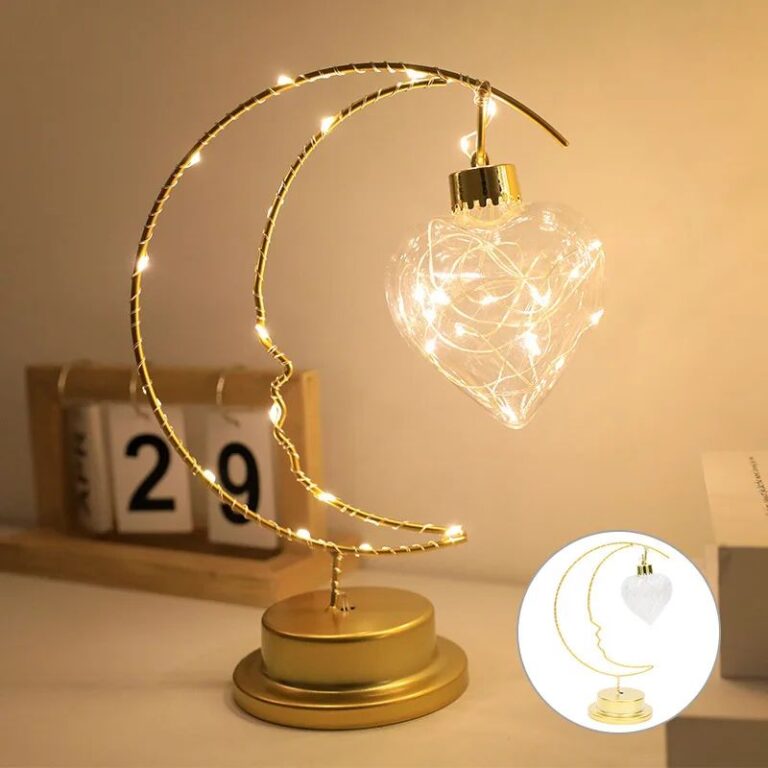
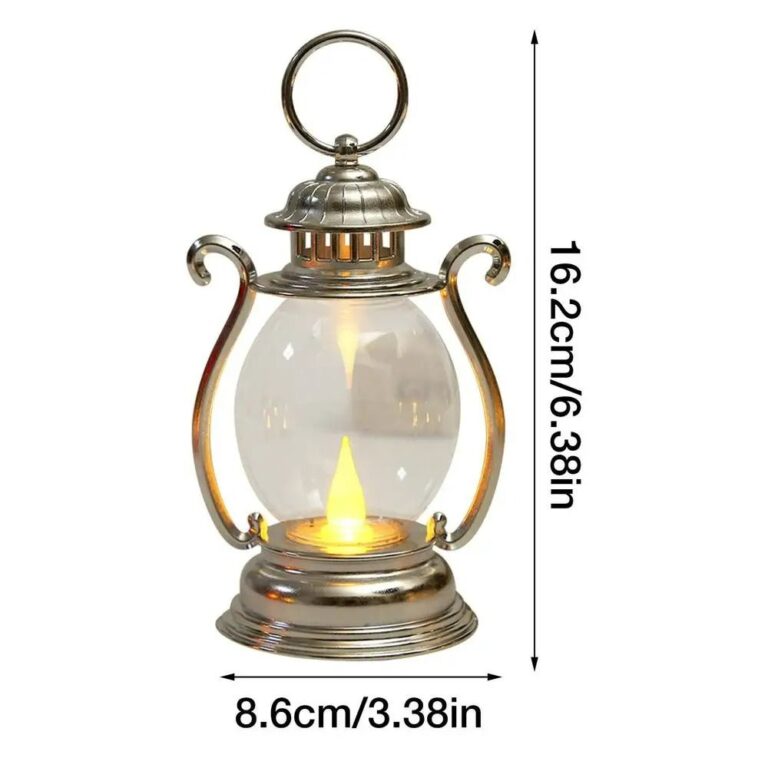 Aisha's pickMetal Standard Lamps That Go With Most Rooms

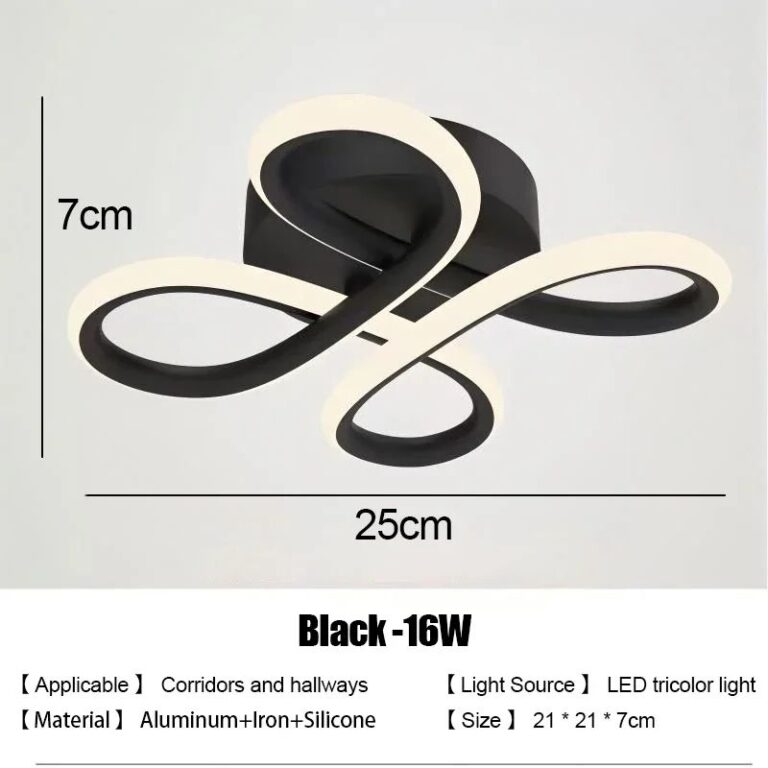 Aisha's pickMetal Ceiling Lamps That Light Up Gloomy Corners
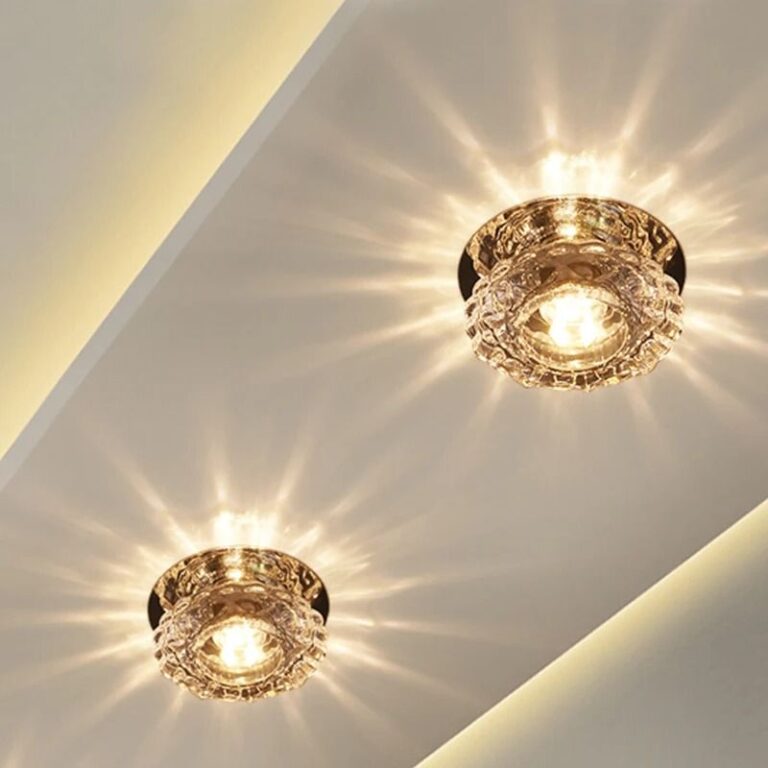
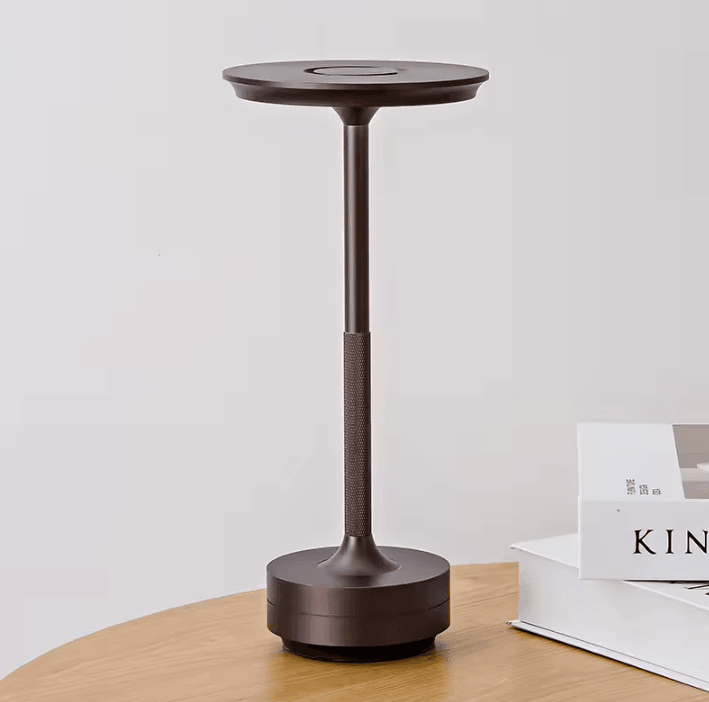 Aisha's pickMetal Table Lamps With Some Character
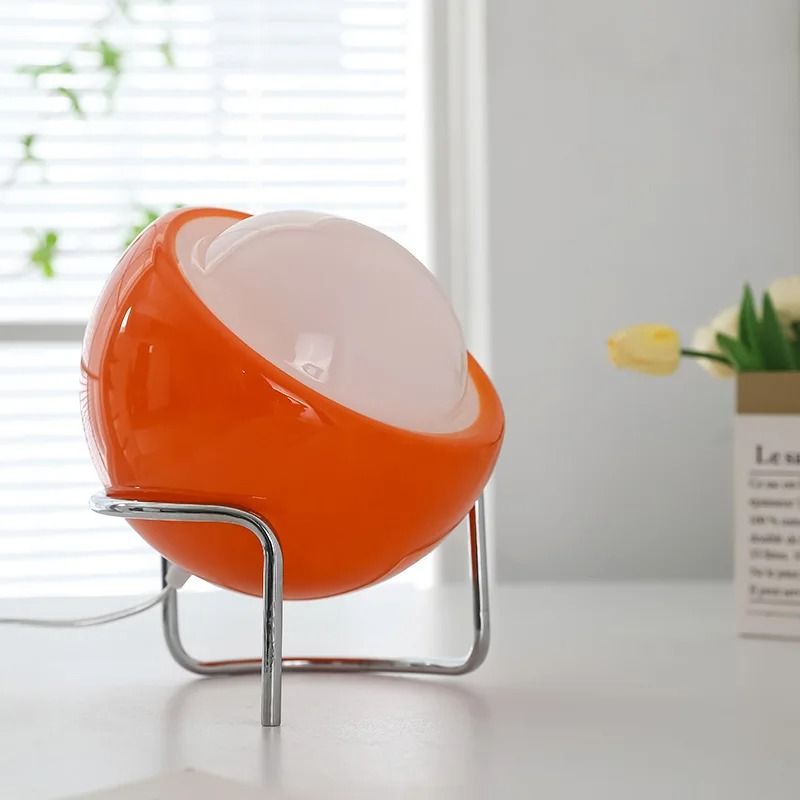
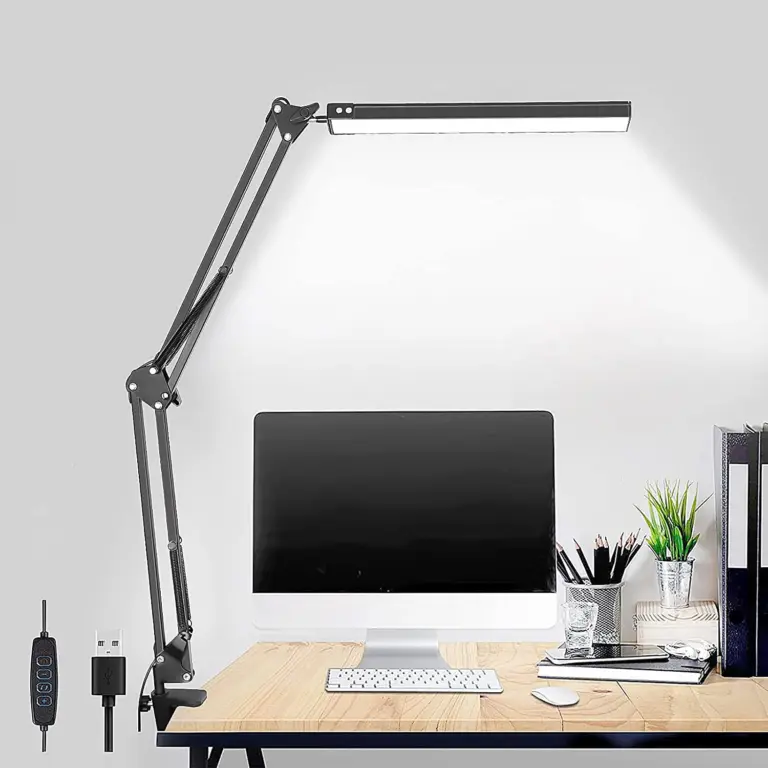 Aisha's pickMetal Desk Lamps You’ll Still Like in Five Years

 Aisha's pickMetal Table Lamp Bases for Reading, Relaxing or Both
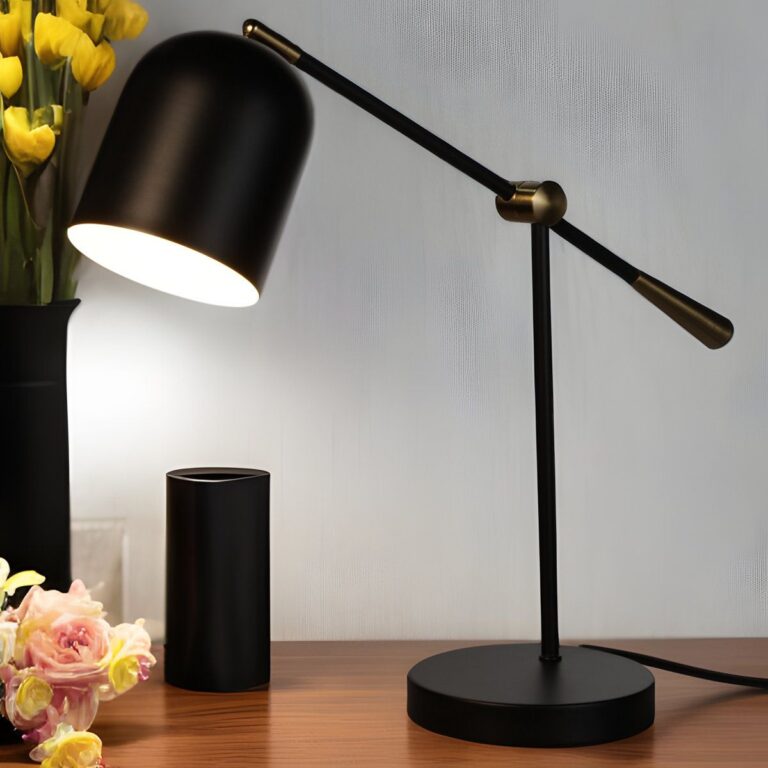
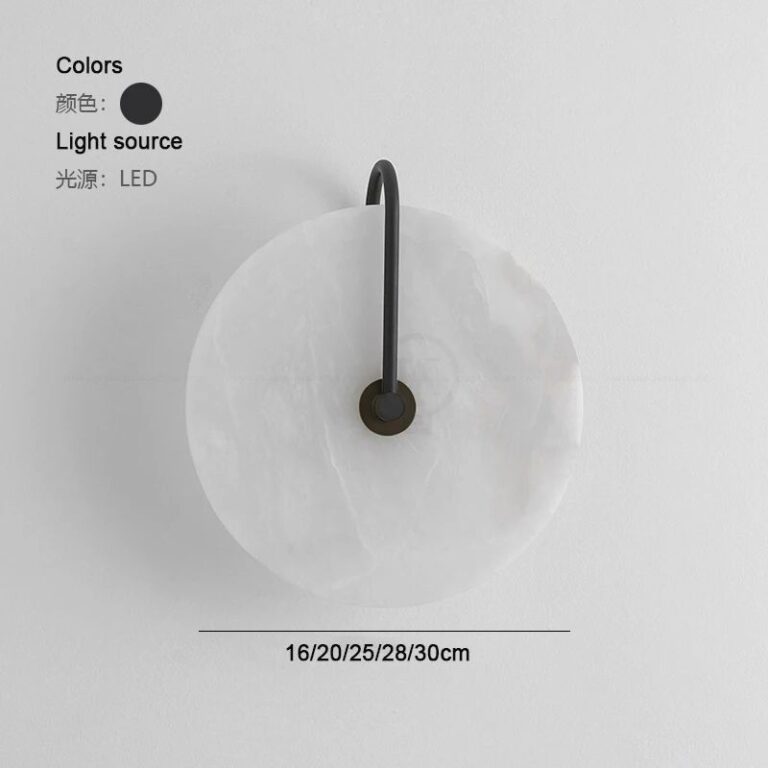 Aisha's pickMetal Floor Lamps With a Bit More About Them
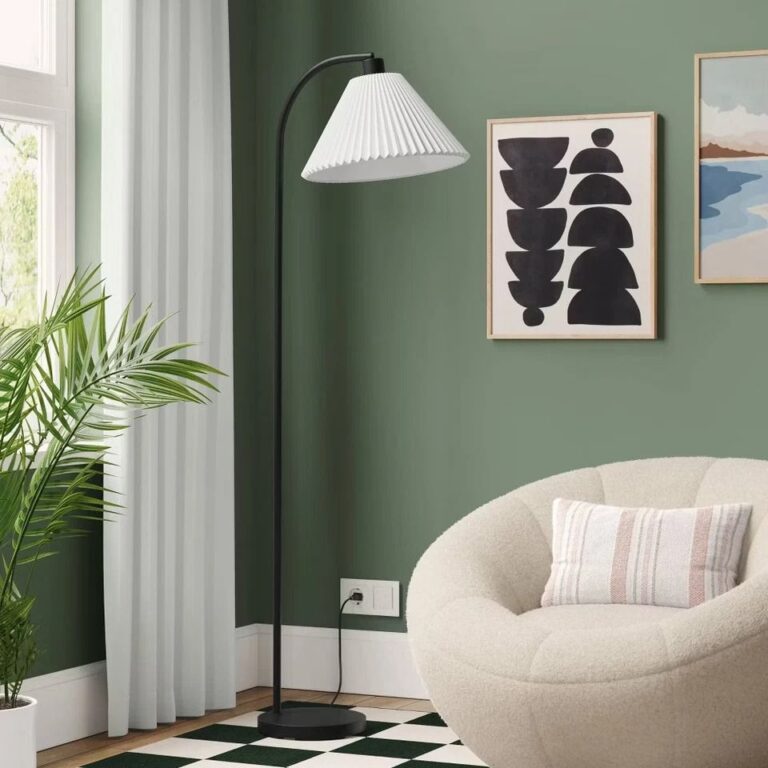
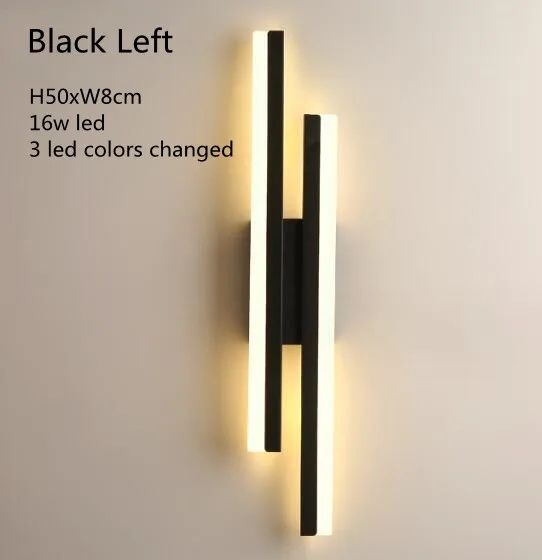 Aisha's pickMetal Table Lamp Shades That Make the Big Light Redundant
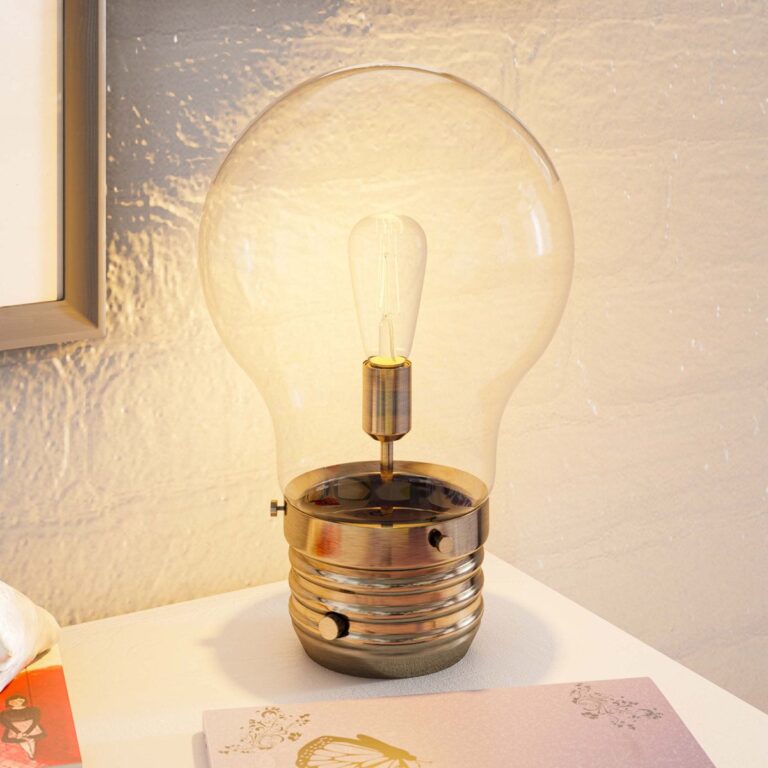
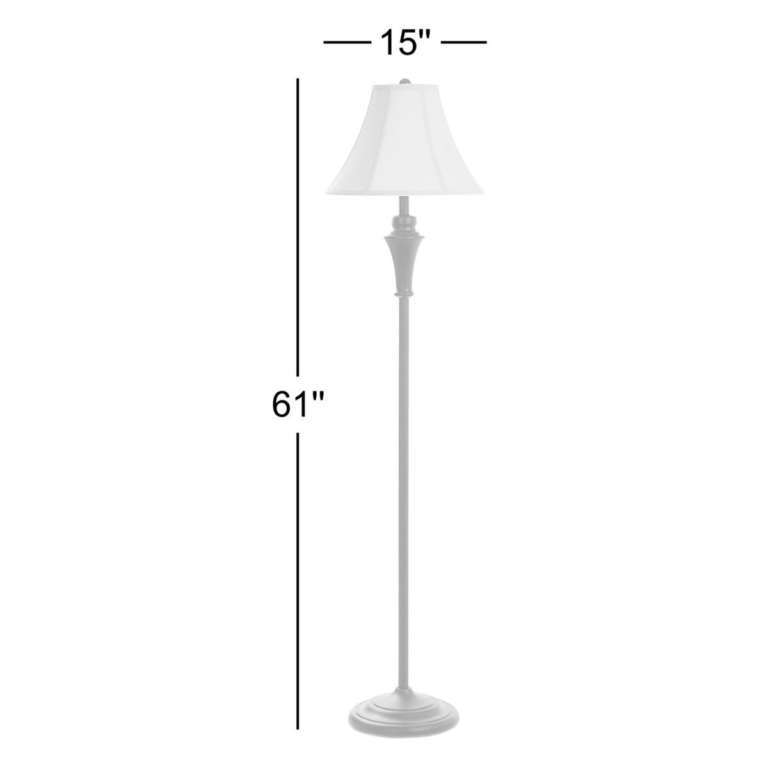 Aisha's pickMetal Floor Lamp Shades Bright Enough Without the Glare

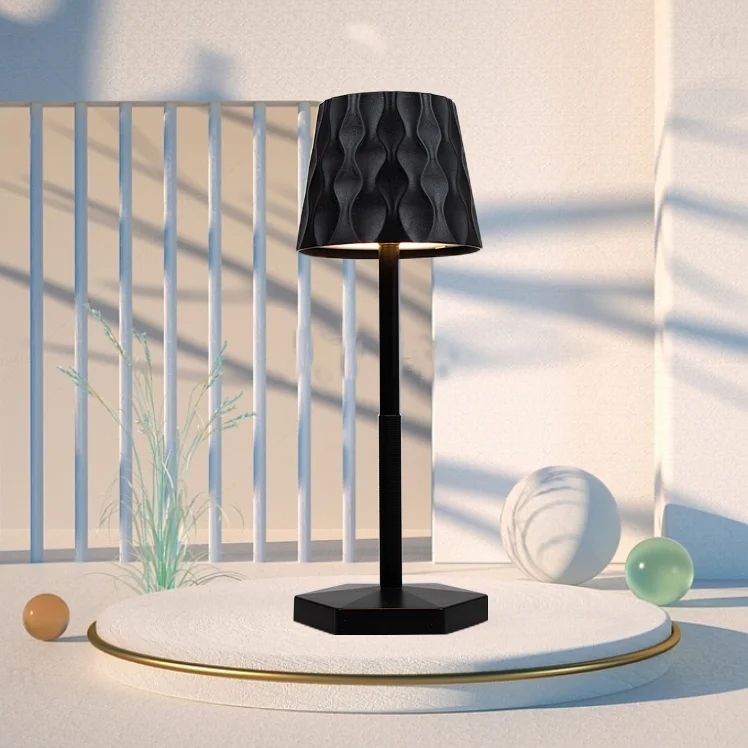
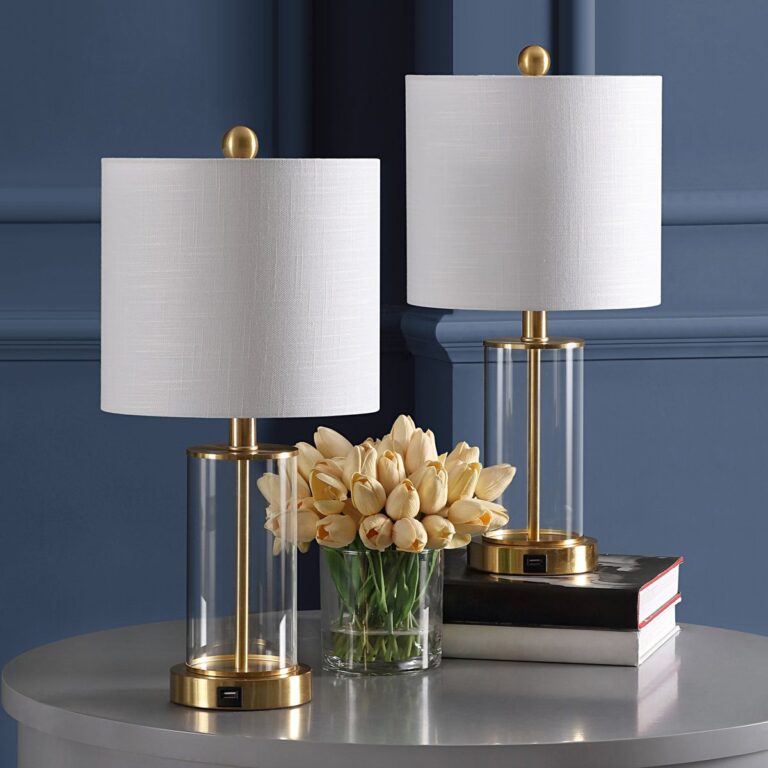 Aisha's pickMetal Table Lamps with Shade From Brands You Know and a Few You Won’tAlso worth a lookBlack LampsA black lamp works in almost any room that already has some warmth in it, wood tones, a rug with pattern, a wall color that isn't stark white.See the collections →
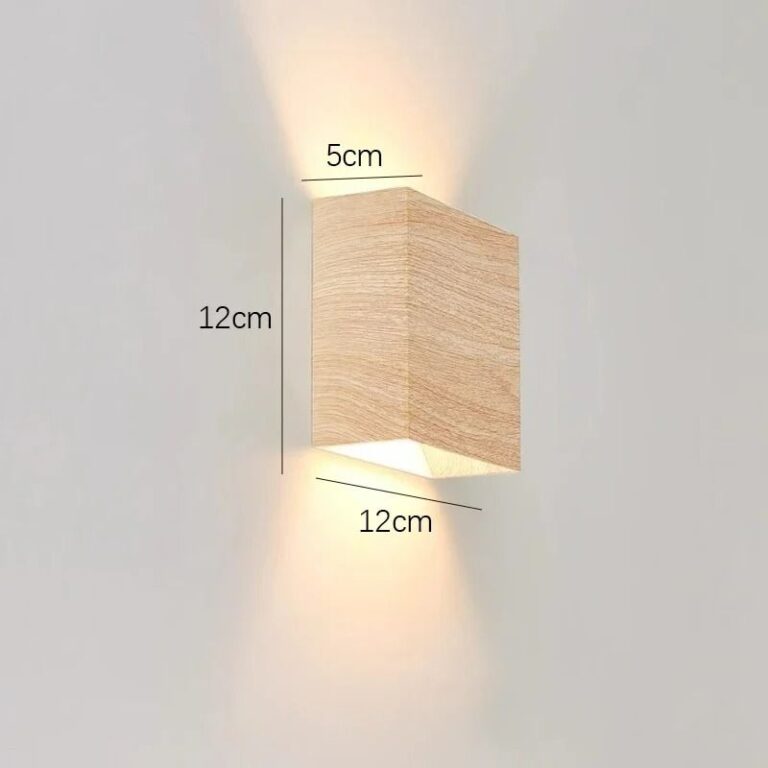 Aisha's pickMetal Floor Lamps with Reading Light From Stores Big and Small