The most useful thing to know about LED lamps before you buy one is that the color temperature matters more than the brand, the shape, or how nice it looks switched off. Look for the number in Kelvin, not just "warm" or "daylight" on the box. Anything around 2700 to 3000K reads like an old incandescent bulb, soft and a little yellow. Anything above 4000K starts to feel like an office, and in a living room at night that is almost always the wrong call.
Where LED lamps go wrong is when someone mixes temperatures in the same room without noticing, one lamp at 3000K next to another at 5000K, and the whole space feels slightly off without anyone being able to say why. They also clash with dimmers that weren't built for them, since a lot of LED bulbs buzz or flicker on older dimmer switches instead of fading smoothly, which is worse than no dimmer at all. Where they sit well is almost everywhere else, especially next to warmer materials, wood side tables, linen shades, brass bases, anything that softens the light rather than bouncing it around. A lamp on a table by a window does something nice through the afternoon too, barely noticeable at midday, then it starts to matter more as the light outside drops and the lamp becomes the thing actually doing the work in the room by early evening. Pair one with a dimmer switch built for LED and a warm bulb and you get something that feels like evening even in a room with no character to speak of.
If you own none of these yet, start with one simple table lamp with a warm, dimmable bulb in a room where you actually sit in the evening, not the entryway, not a room you pass through. That single lamp will teach you more about what you like than three fancy ones bought at once. I made that mistake once, bought a trio of matching lamps for a living room before I'd tested a single bulb in it, and ended up with a room that looked like a hotel lobby at 9 p.m., too bright, too even, no shadow anywhere for the eye to rest. One good lamp, warm light, something to dim it, and you learn the room before you spend more.
One sizing note worth keeping in mind: a lamp's shade should sit roughly at eye level when you're seated nearby, so measure from the arm of your chair or sofa up to where your eyes land, and match the lamp's total height to that.
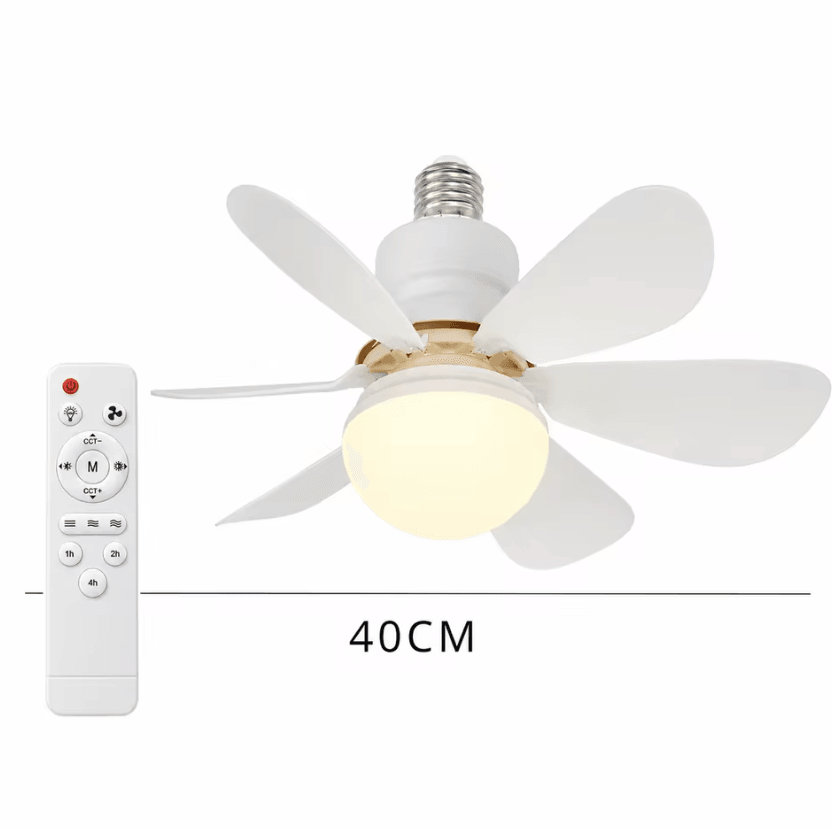 Aisha's pickLED Ceiling Lamps That Don’t Need Babying
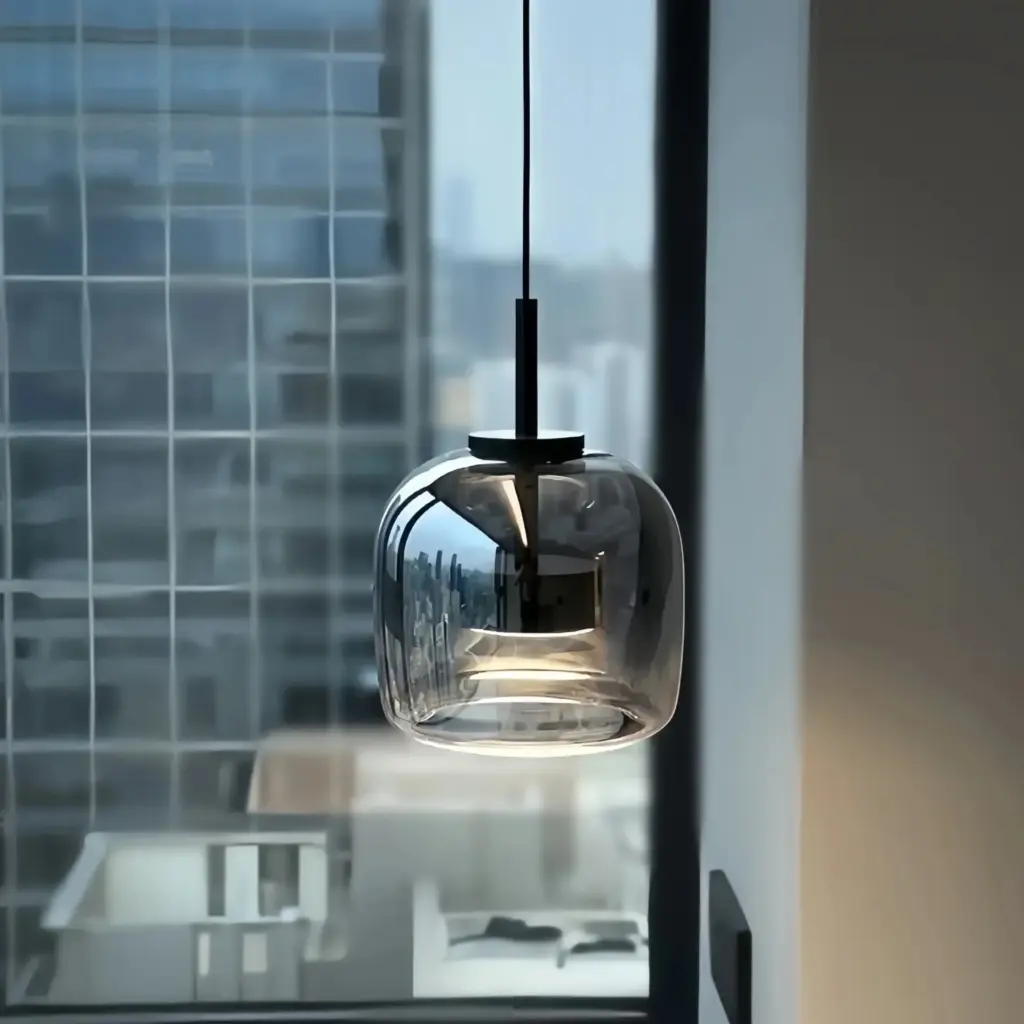
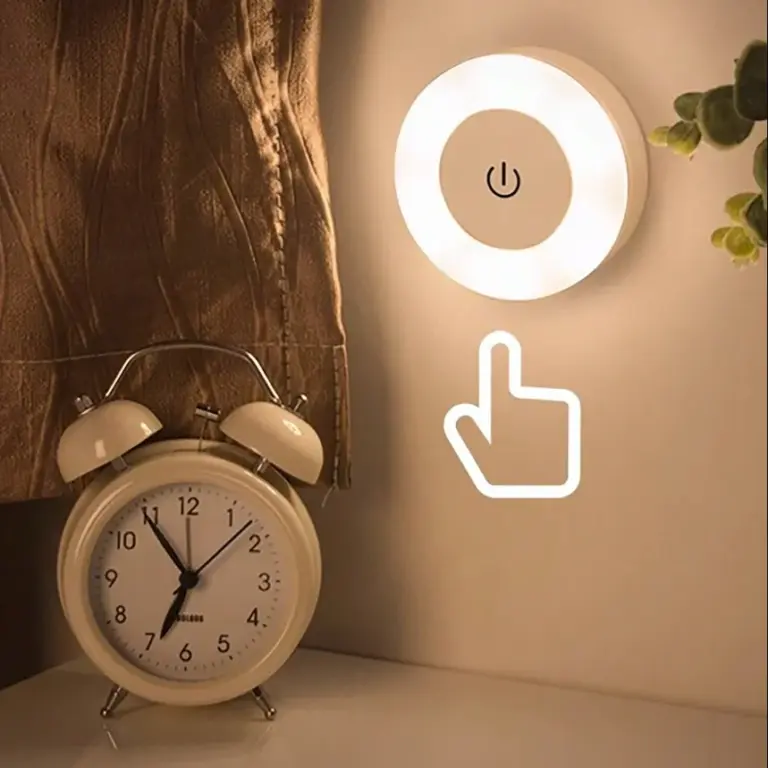 Aisha's pickLED Touch Lamps That Look Good Switched Off Too
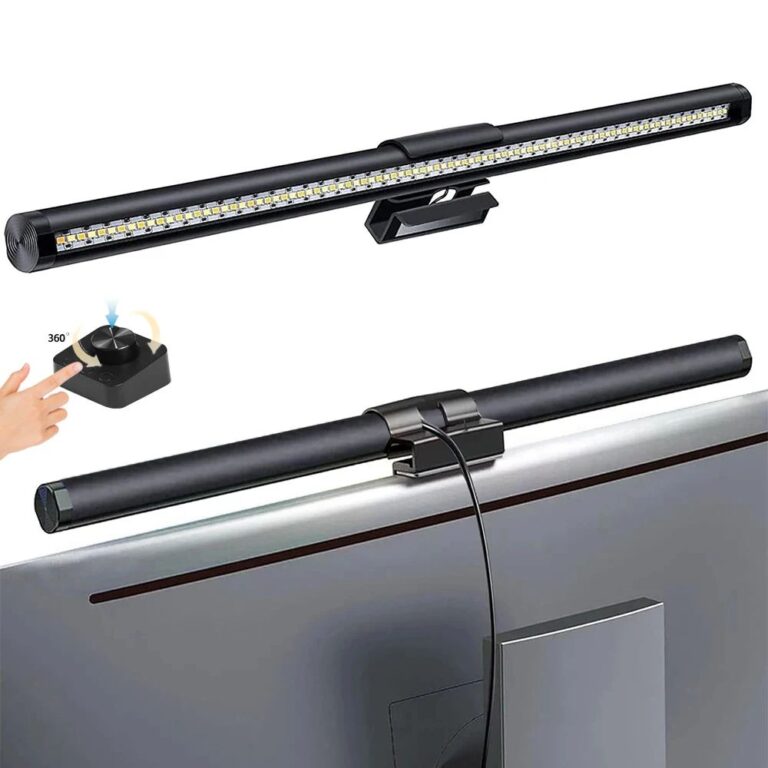
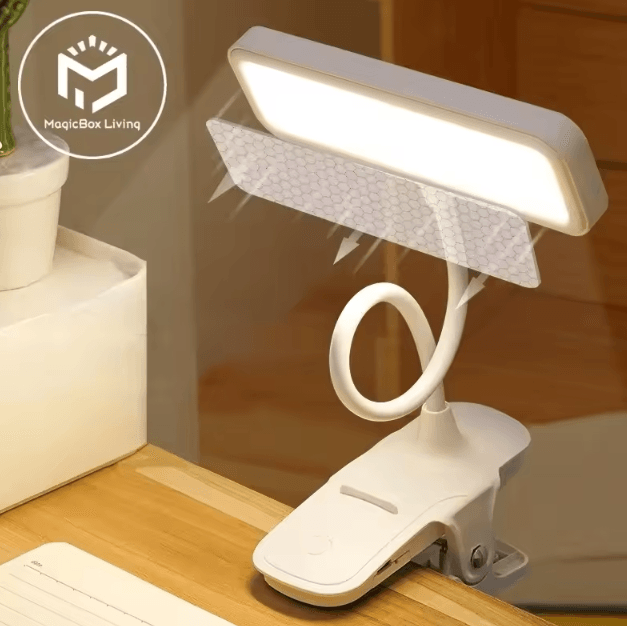
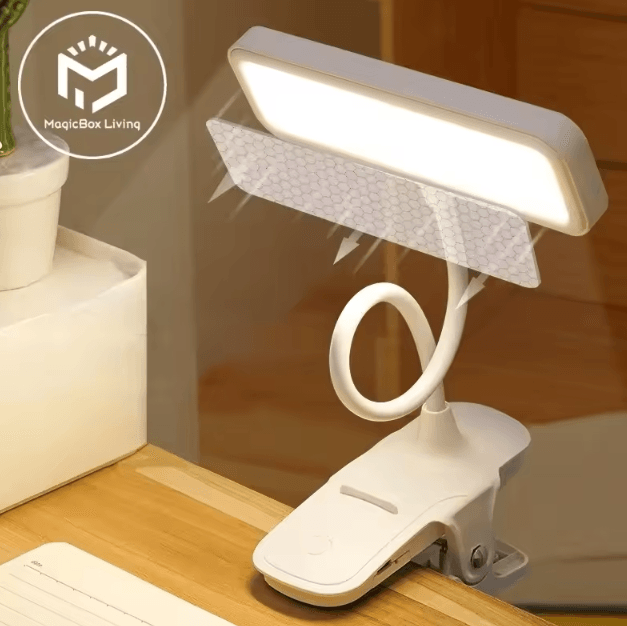 Aisha's pickLED Clip on Lamps That Give Off a Warm Glow
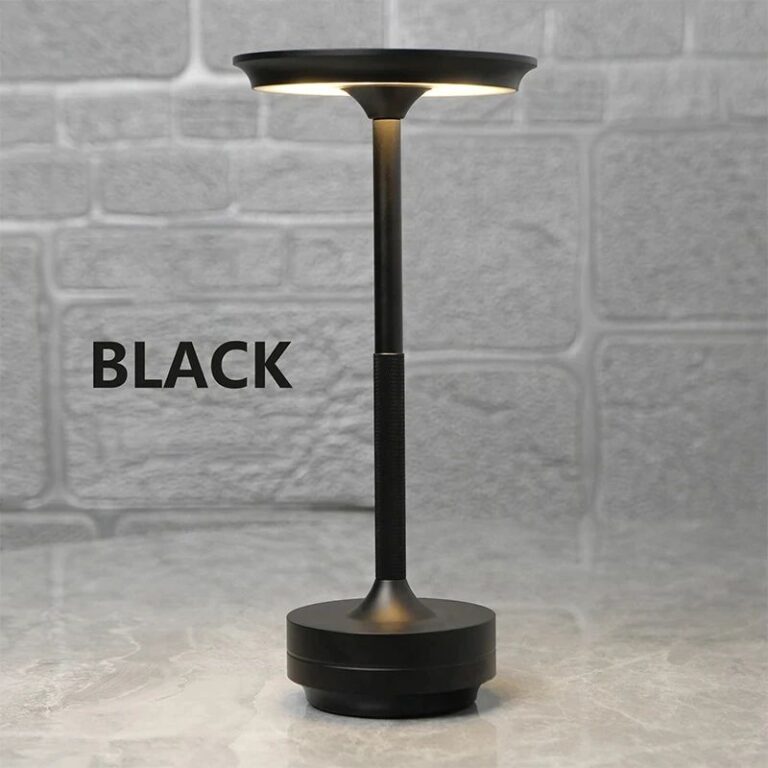 Aisha's pickLED Touch Table Lamps That Make the Big Light Redundant
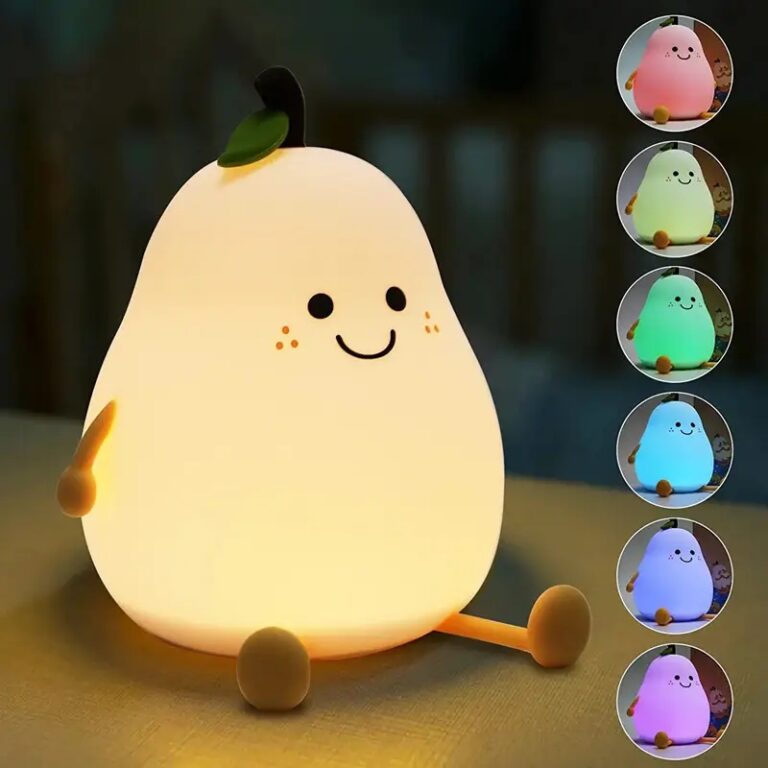
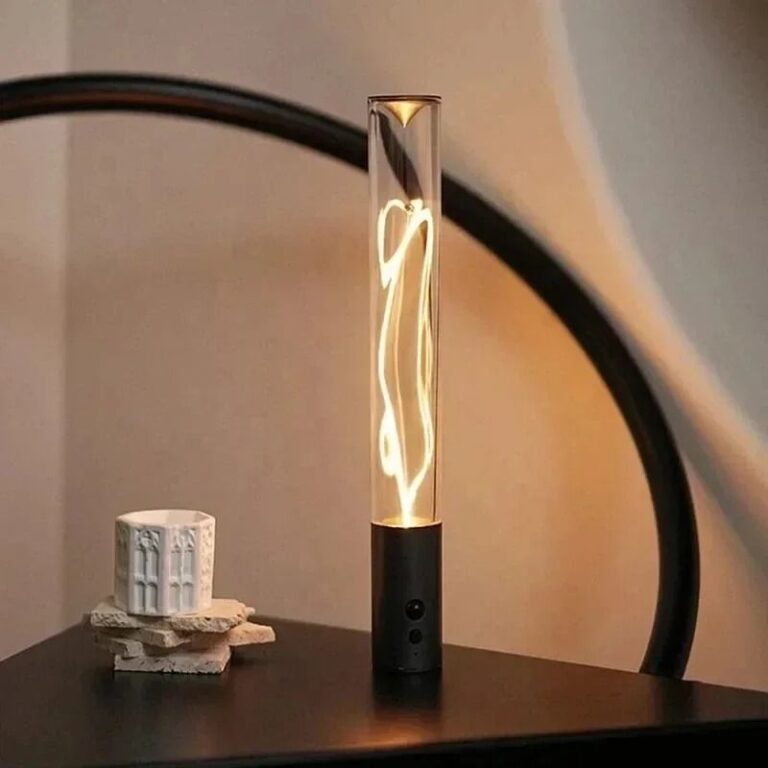 Aisha's pickLED Desk Lamps for a Home Office That Works
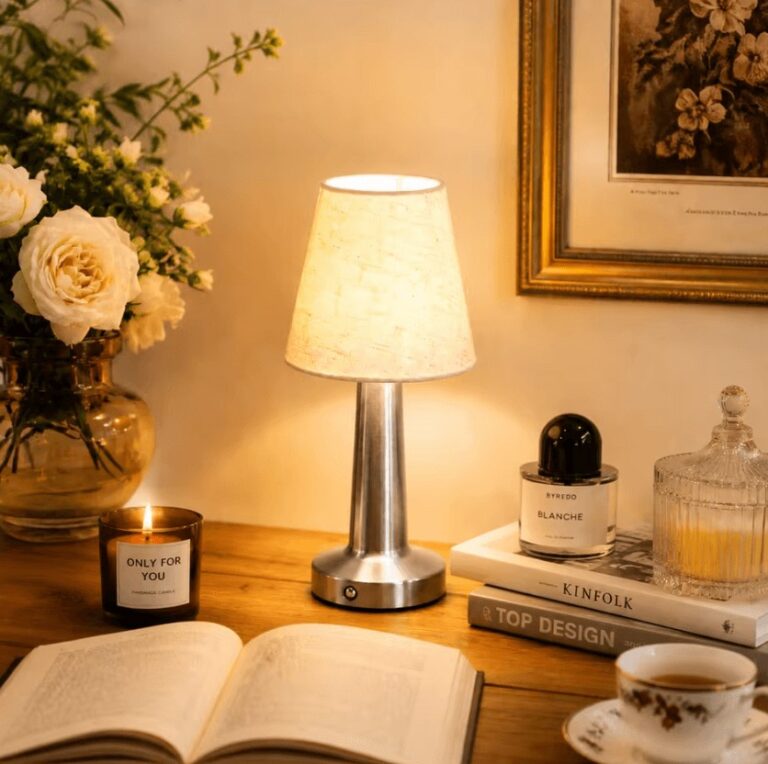
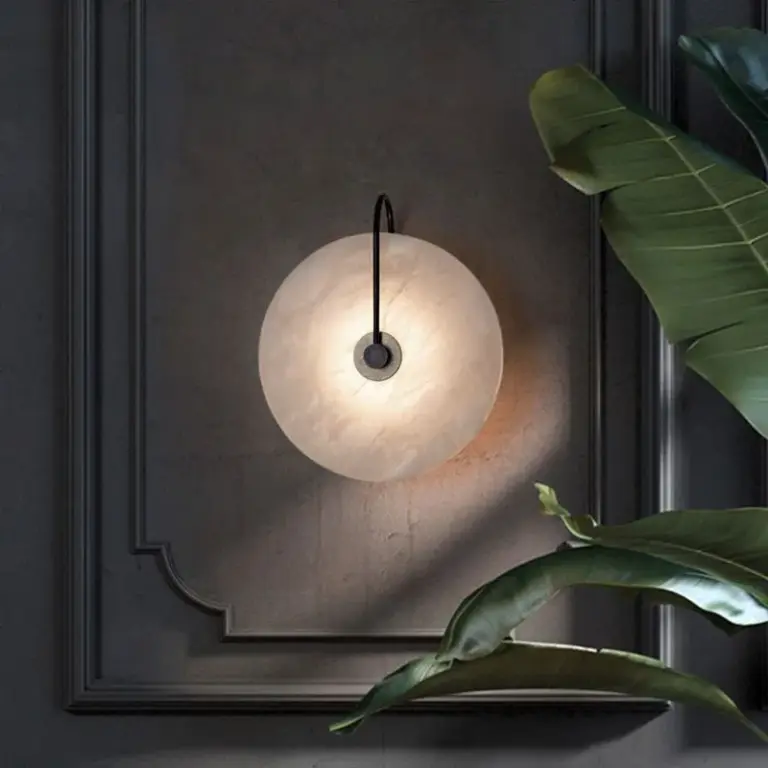 Aisha's pickLED Wall Lamps Worth Knowing About
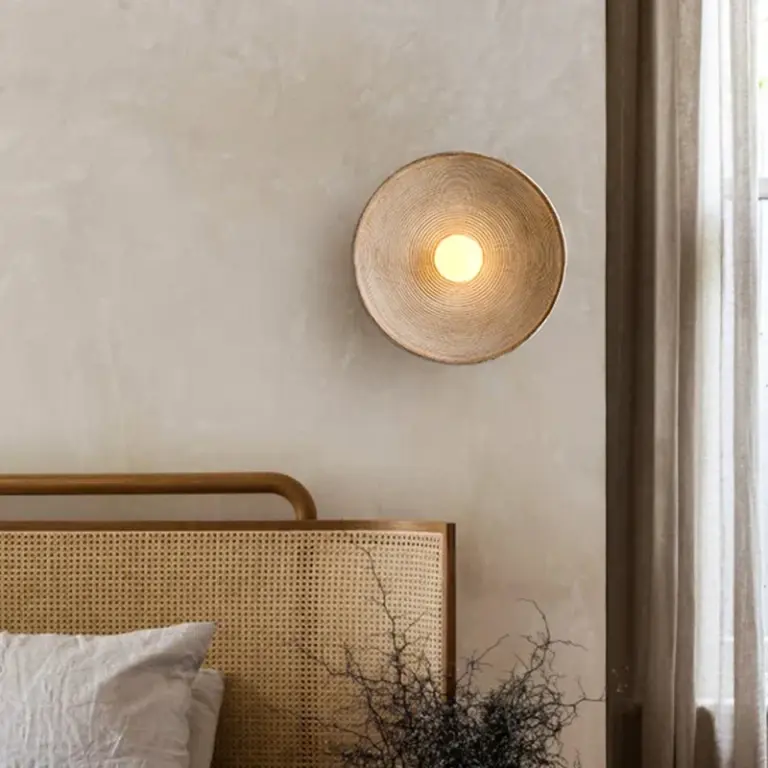
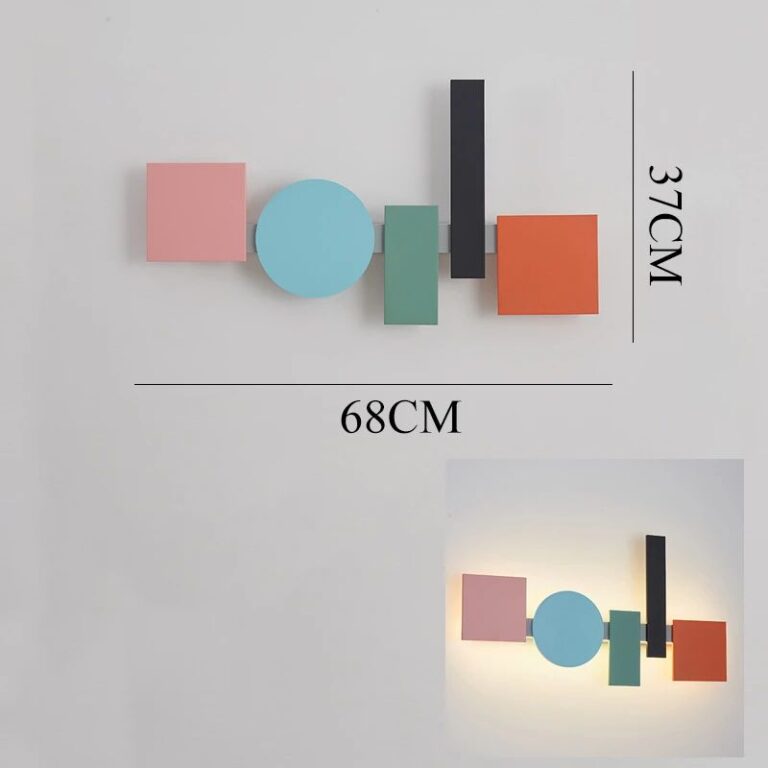 Aisha's pickLED Floor Lamps for Dark Winter Evenings
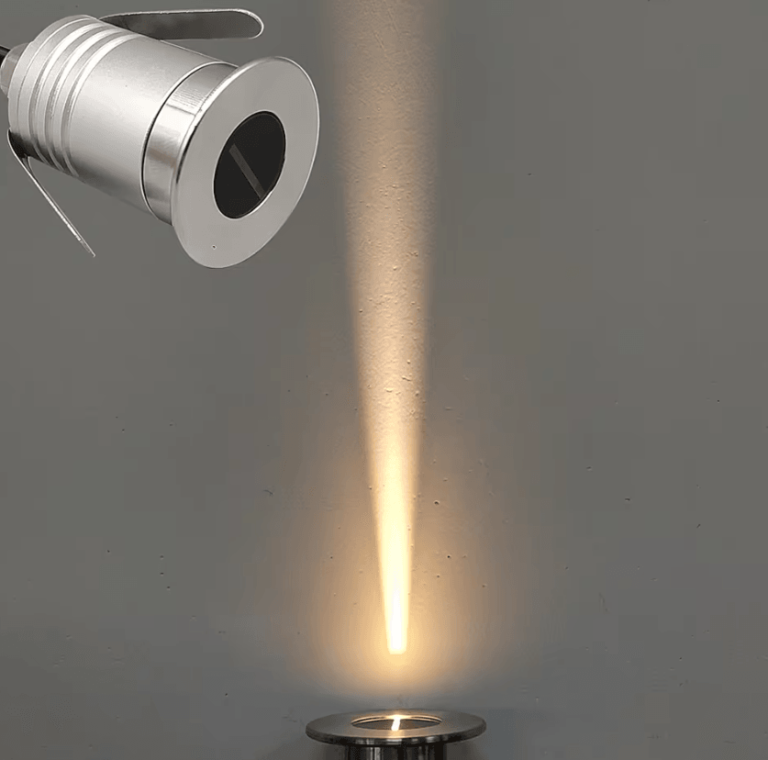
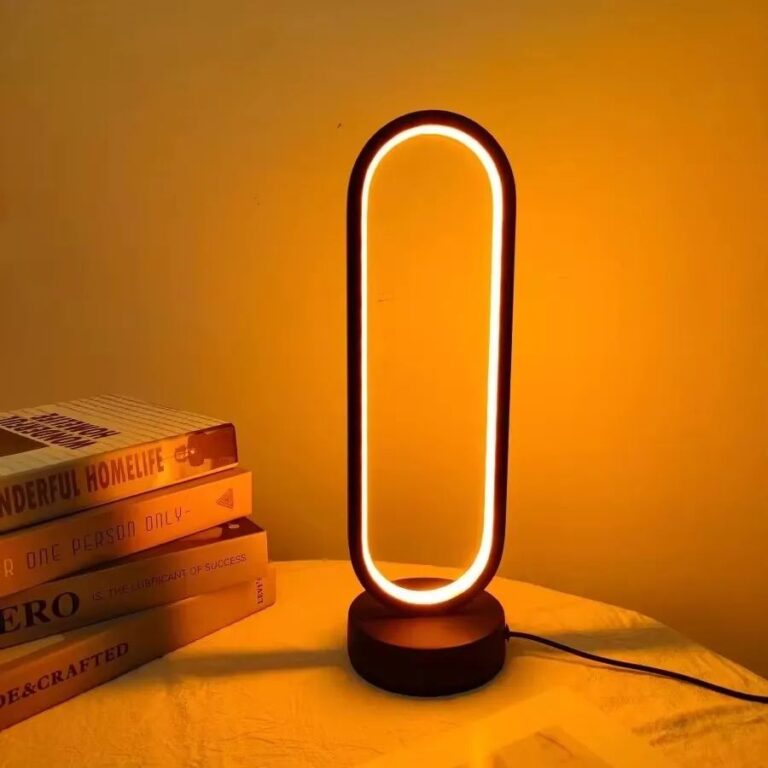 Aisha's pickWhite LED Bedside Lamps for a Calmer Bedroom
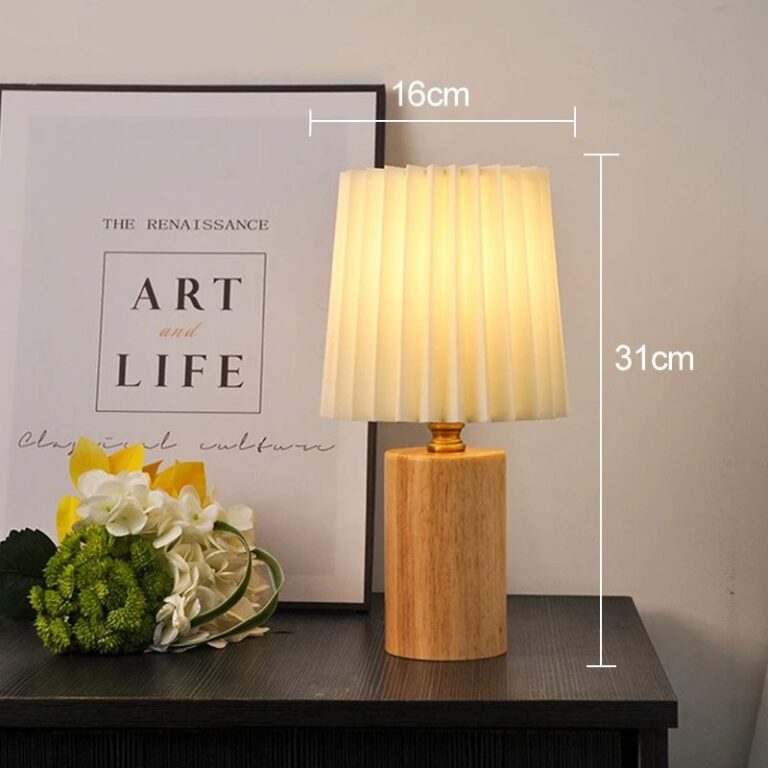
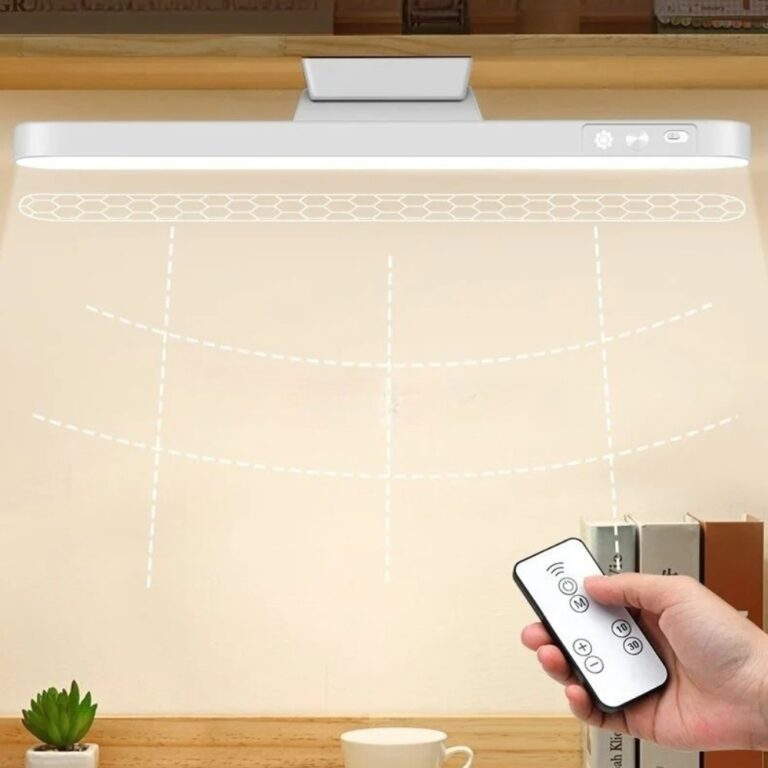 Aisha's pickLED Hanging Lamps That Do the Job RightAlso worth a lookWall LampsThe thing that catches people out with wall lamps is the electrical question, nobody thinks about it until…See the collections →
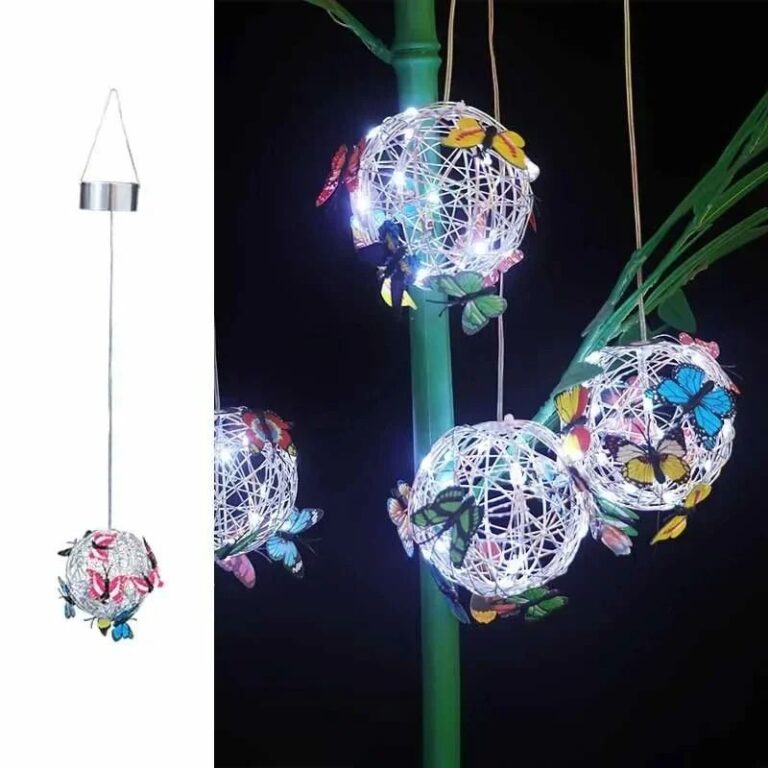
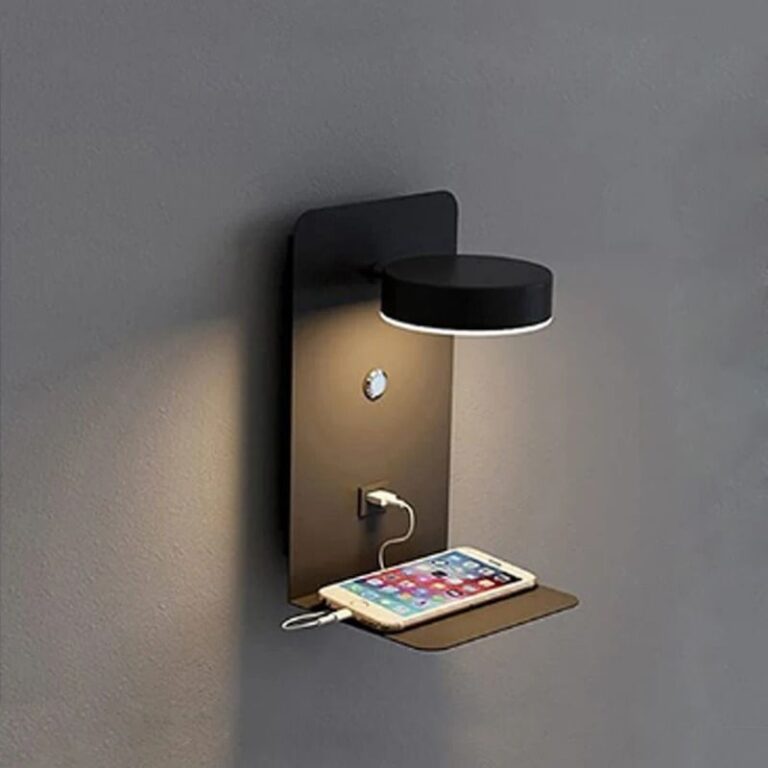 Aisha's pickWhite LED Desk Lamps for a Home Office That Works
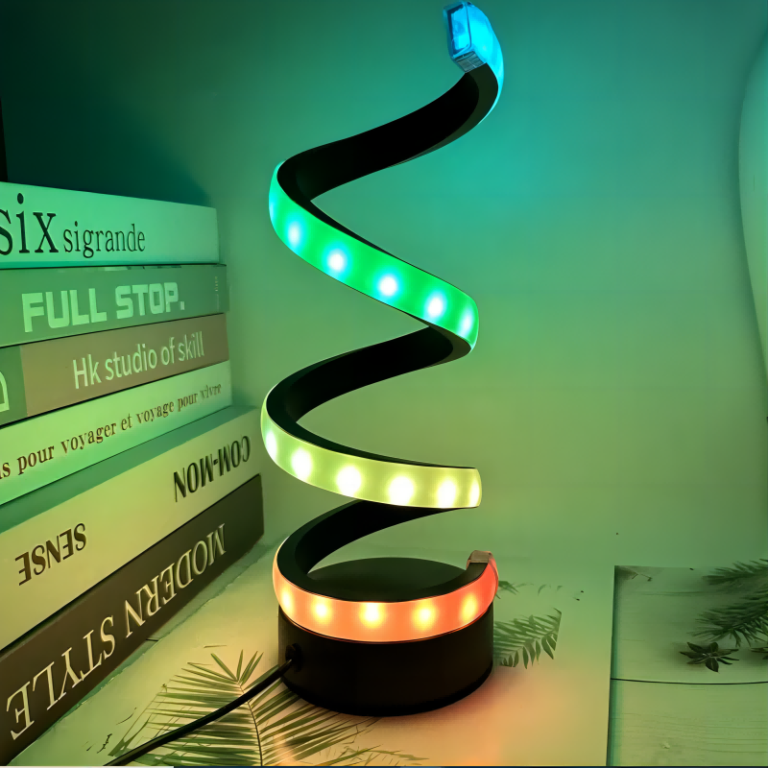
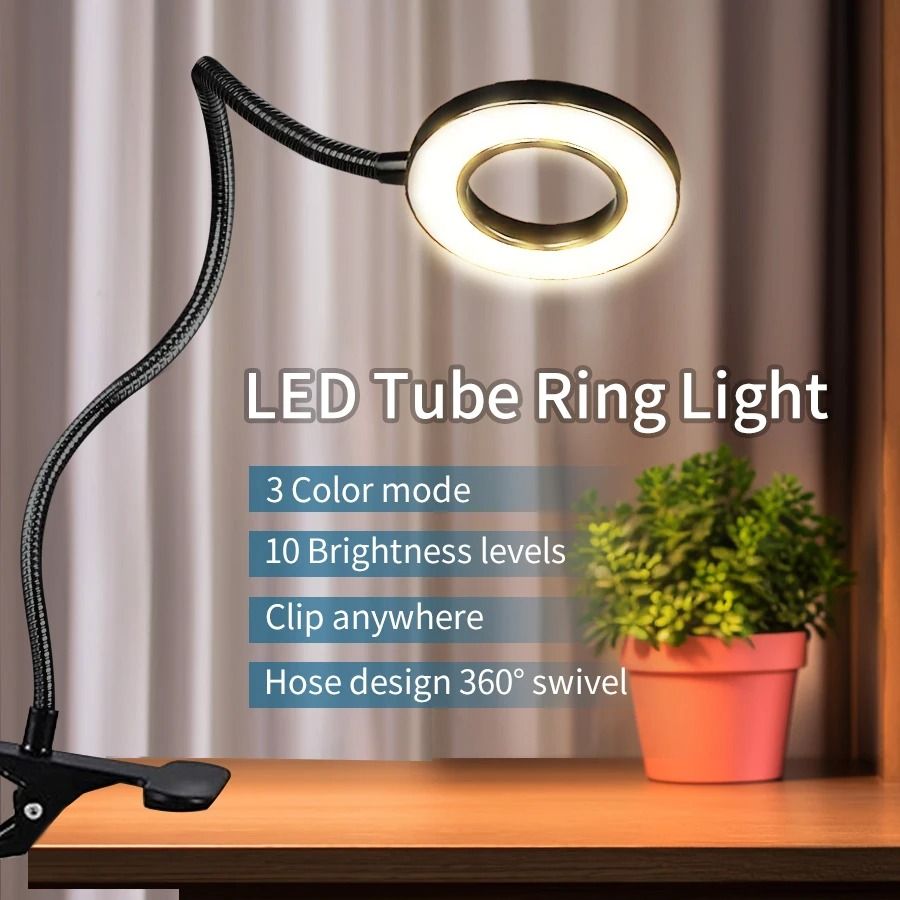 Aisha's pickShopping for Black LED Desk Lamps? Start Here
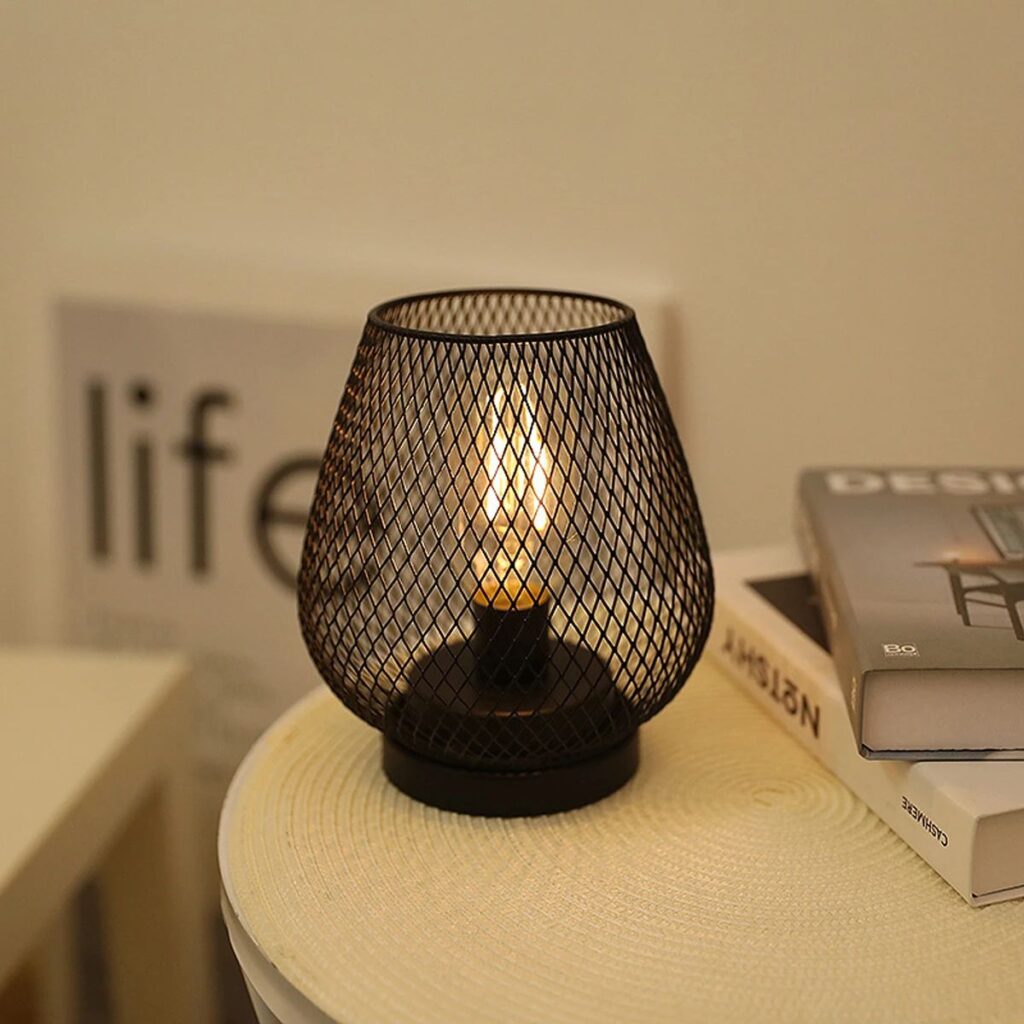
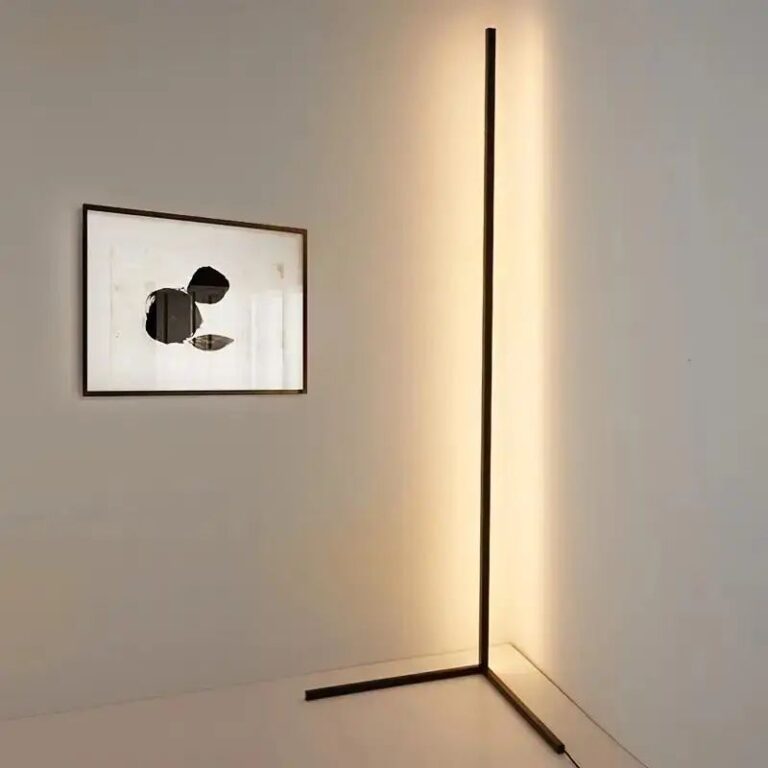 Aisha's pickLED Living Room Floor Lamps That Look Like They Cost More
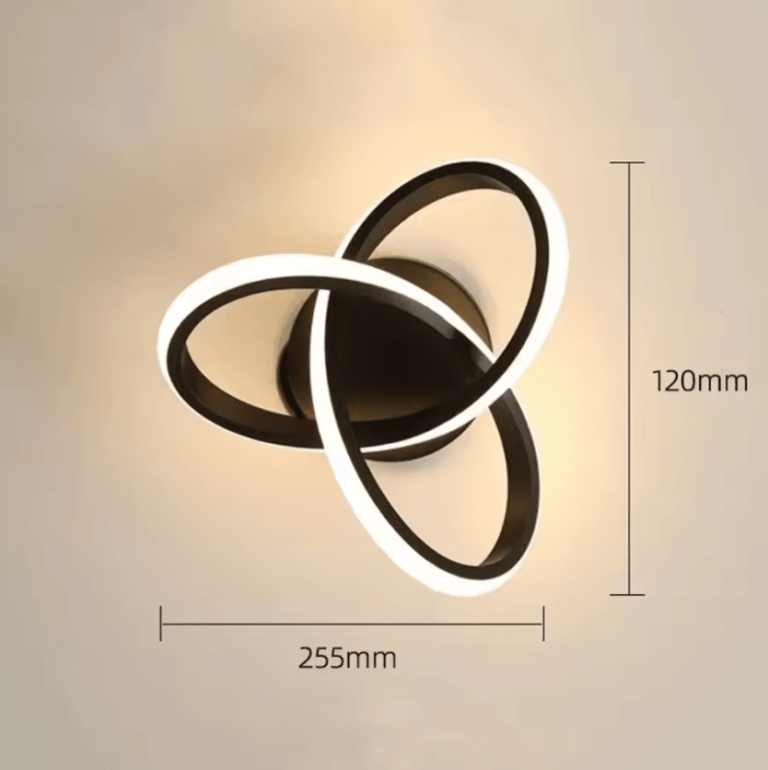
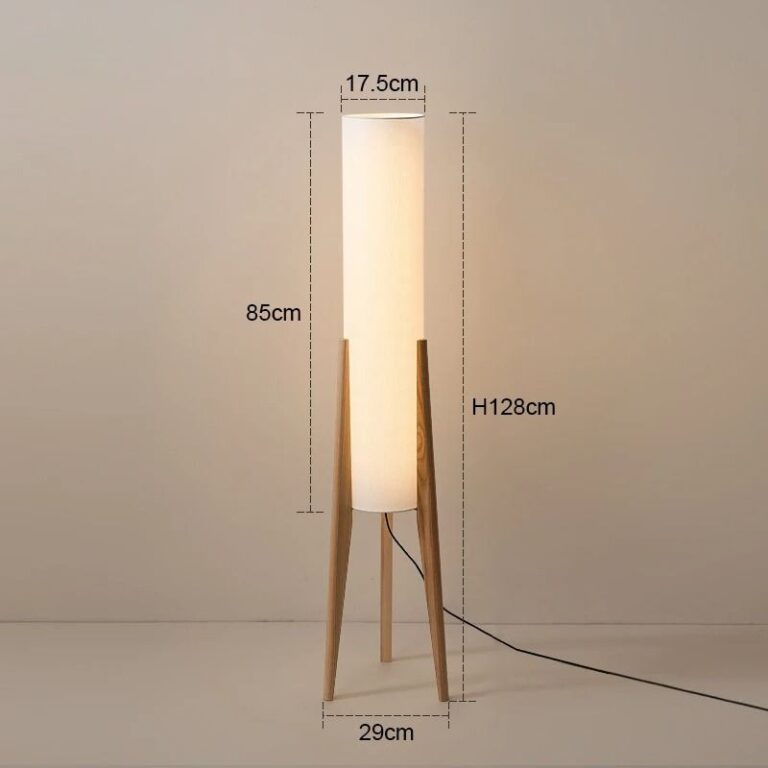 Aisha's pickThe White LED Floor Lamps Worth Your Cash

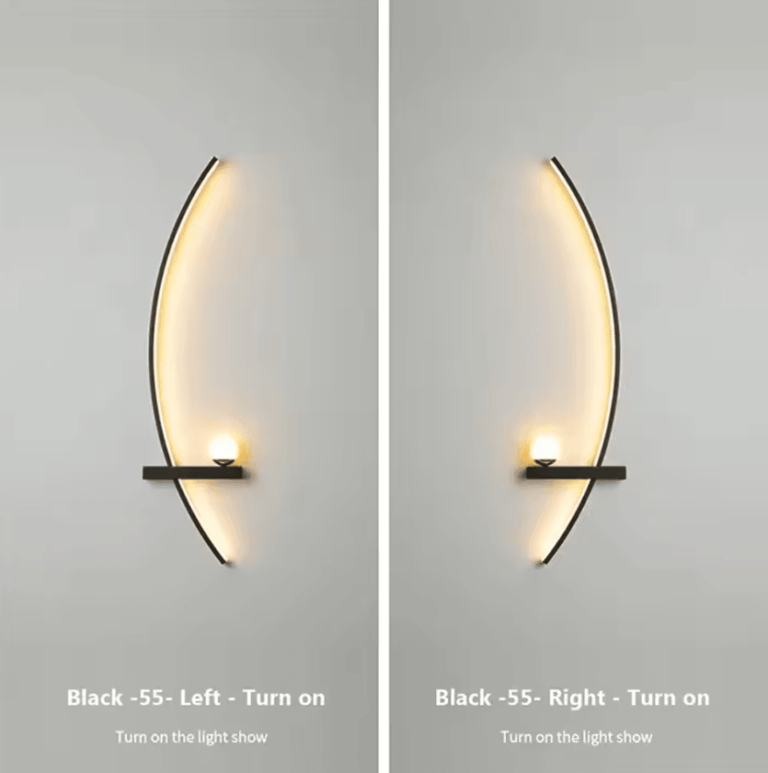 Aisha's pickBlack LED Floor Lamps Hunted Down So You Don’t Have To
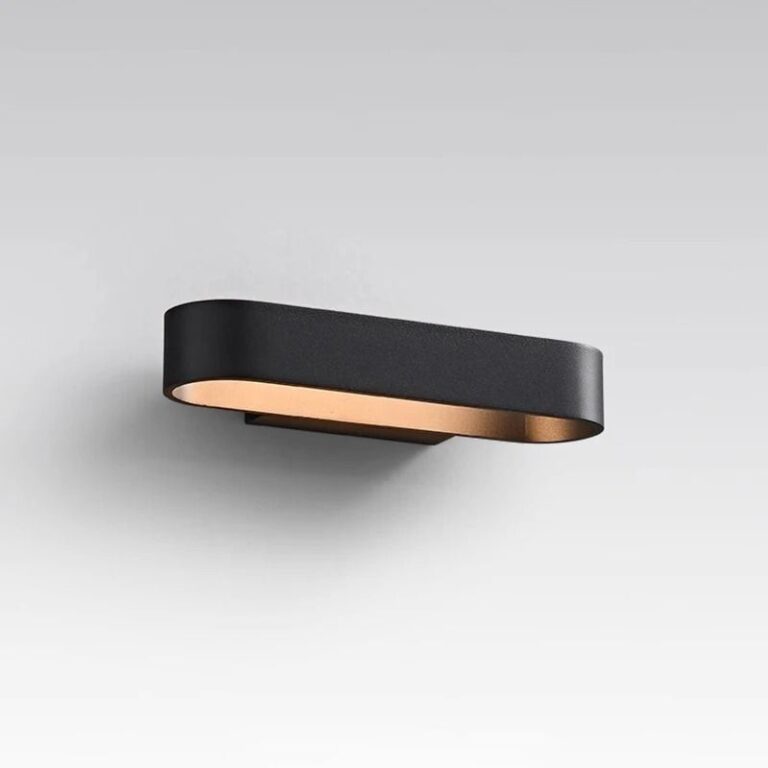
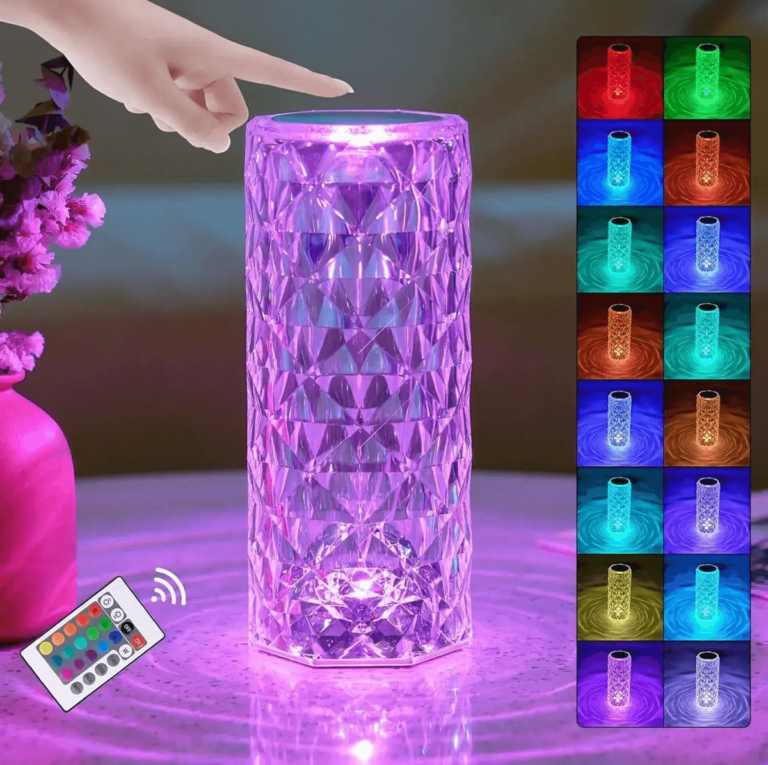 Aisha's pickLED Living Room Table Lamps We Leave On All Evening
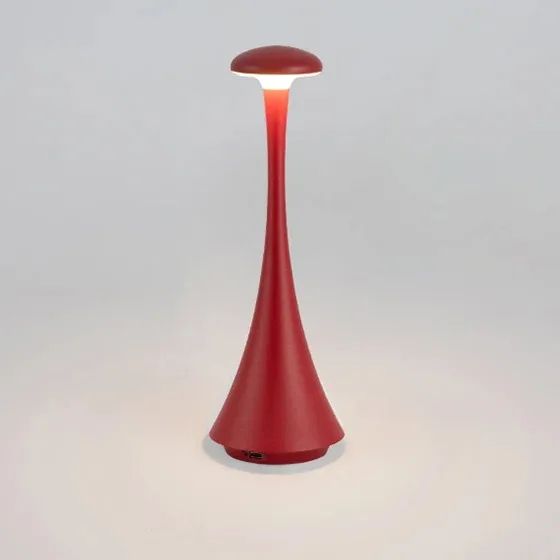
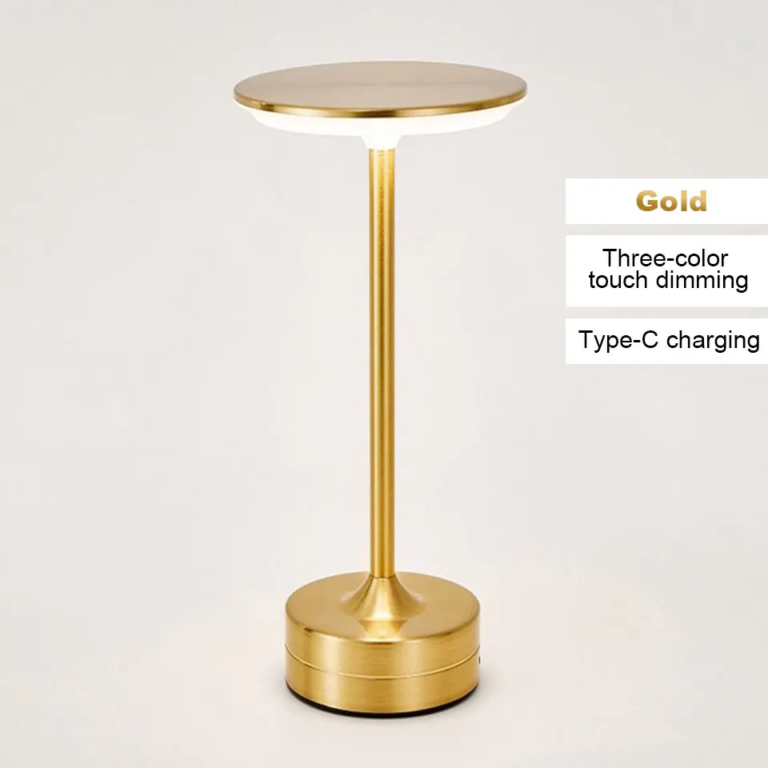 Aisha's pickWhite LED Table Lamps Worth Knowing About
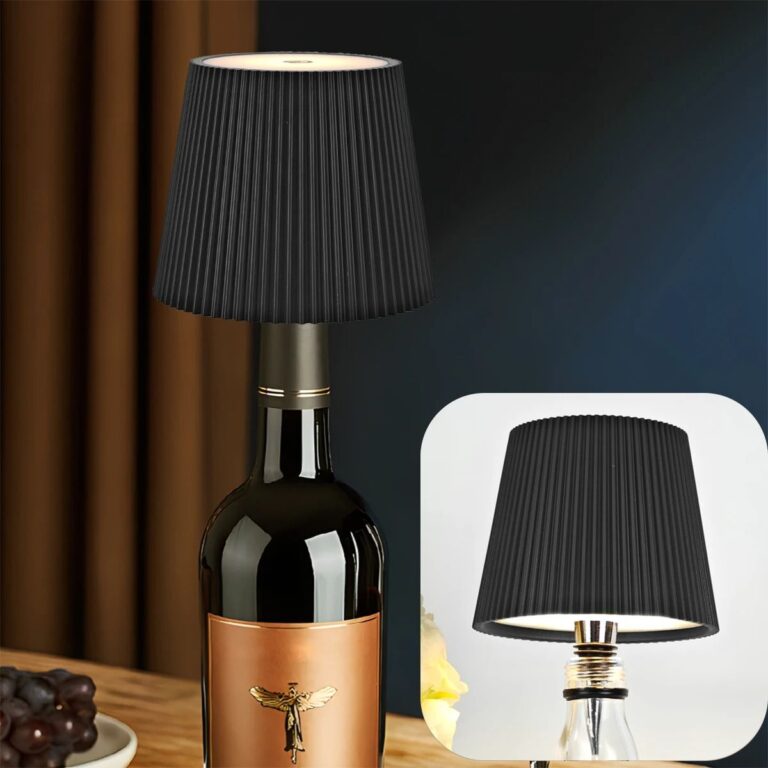
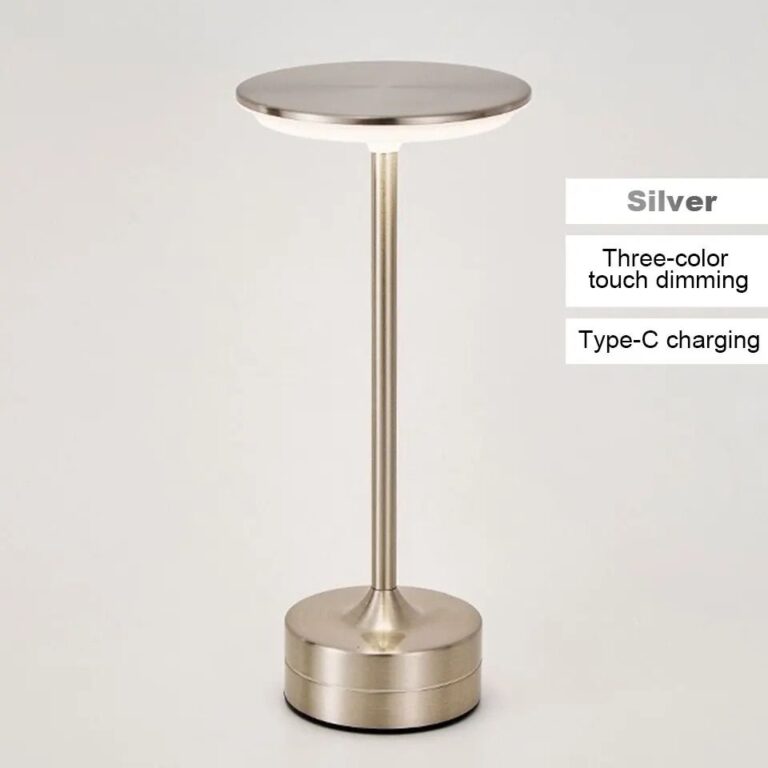 Aisha's pickBlack LED Table Lamps for Cozy Nights In
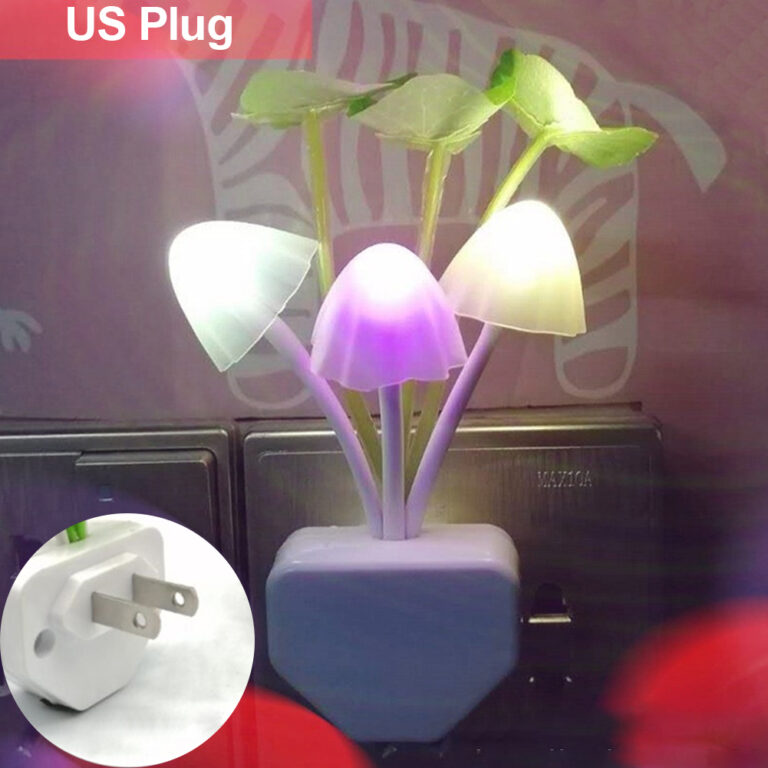 Aisha's pickLED Mushroom Lamps That Light Up Gloomy CornersAlso worth a lookLamps with ShadeA lamp with its shade already on it has a reputation for being the safe choice, the thing…See the collections →
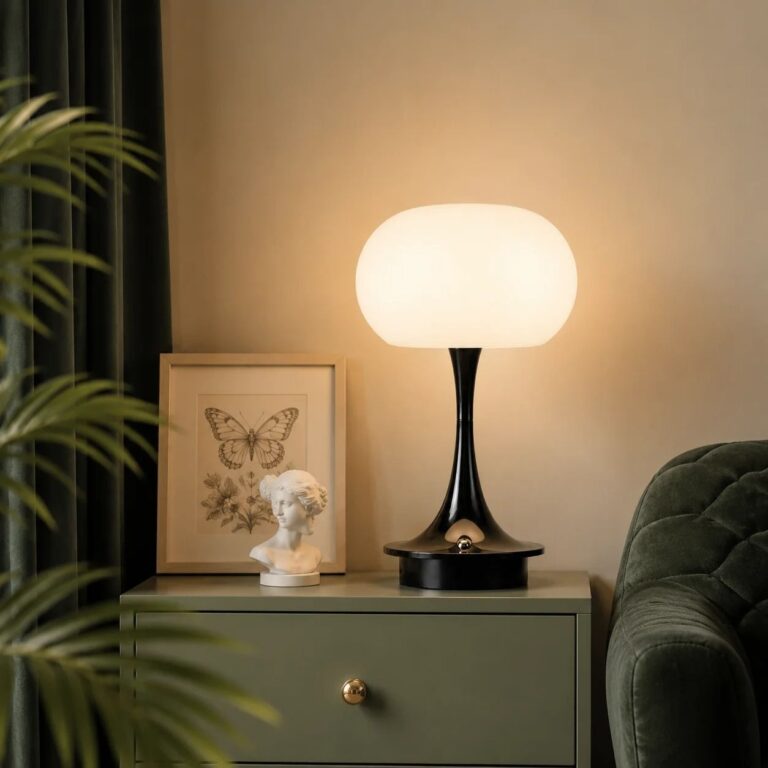
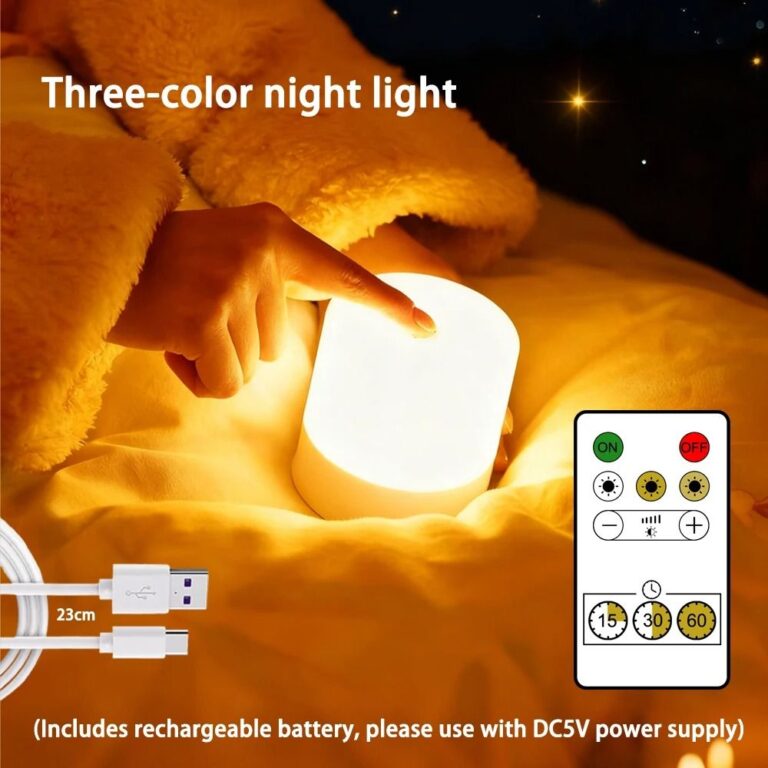 Aisha's pickWhite LED Touch Lamps That Light Up Gloomy Corners
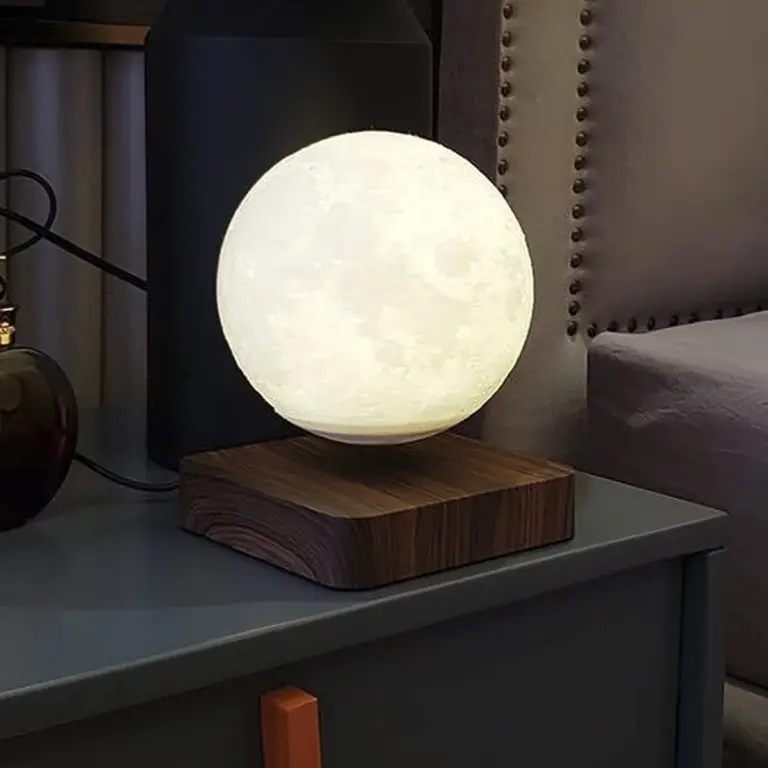
 Aisha's pickBlack LED Touch Lamps That Light Up Gloomy Corners
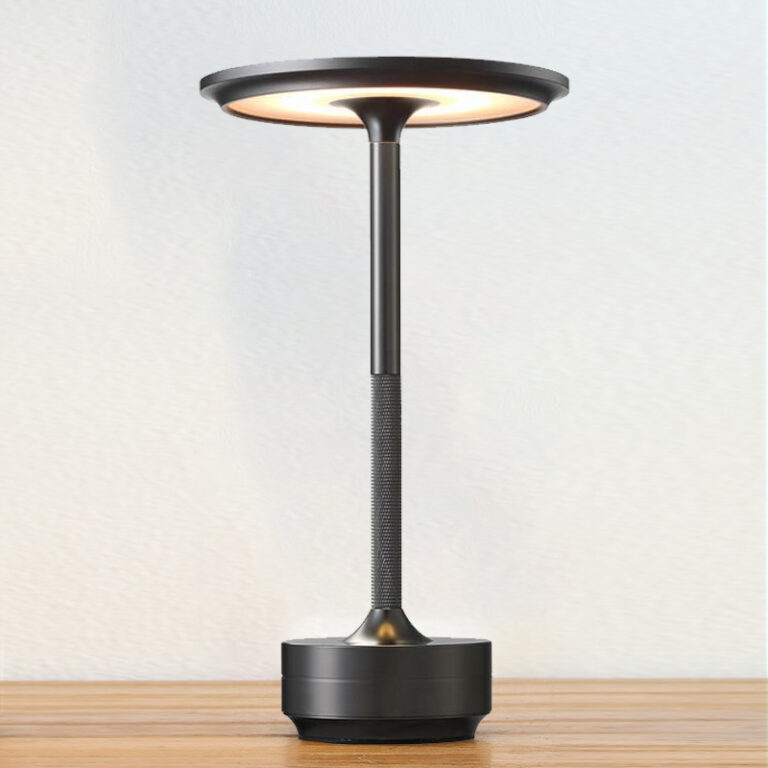
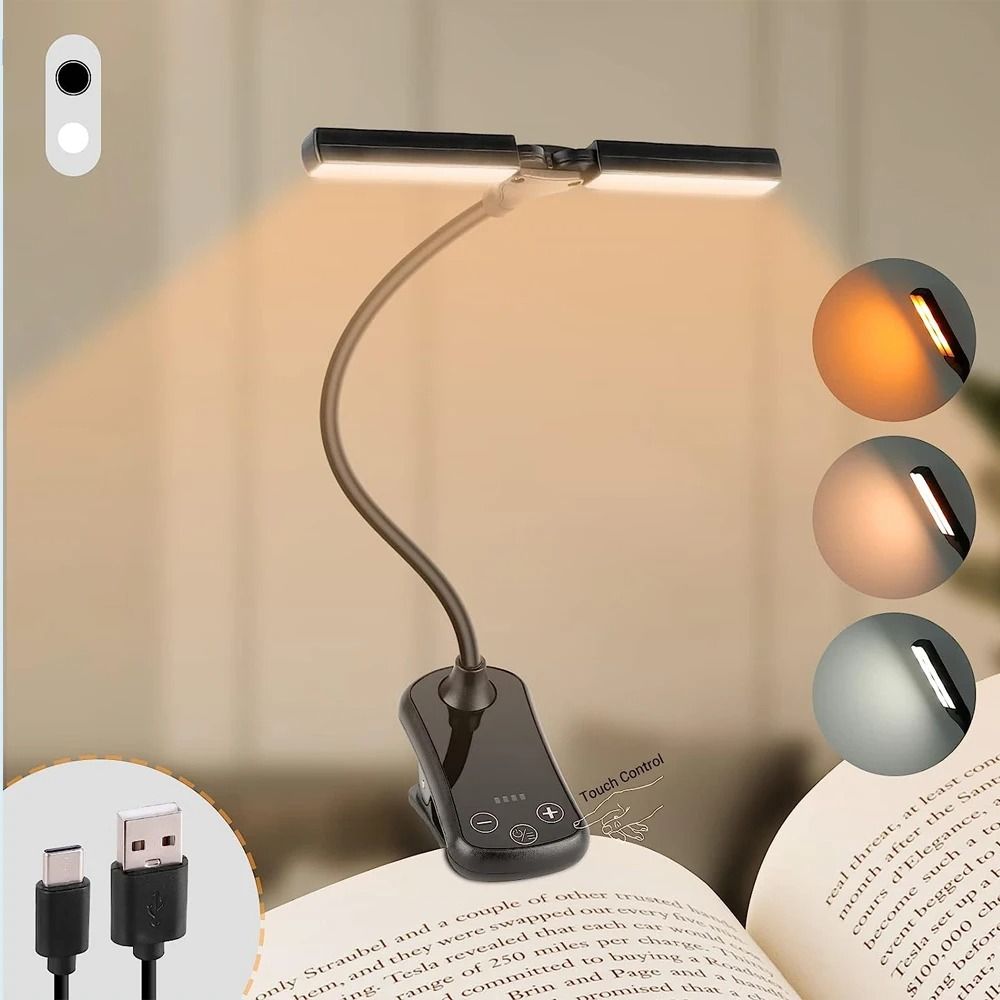 Aisha's pickLED Office Desk Lamps We Work Beside Every Day
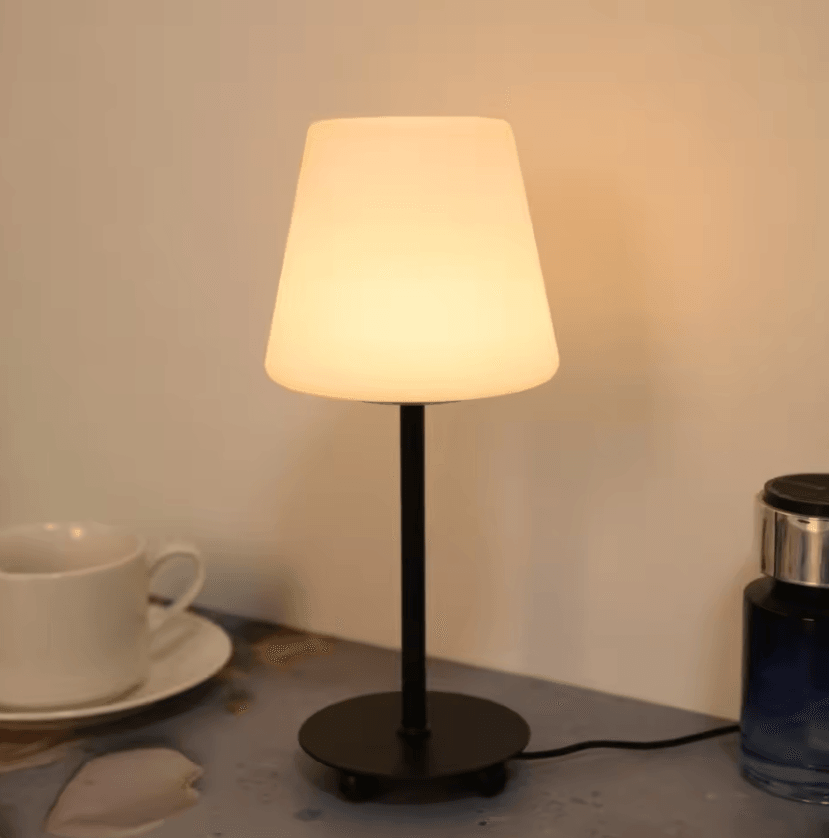
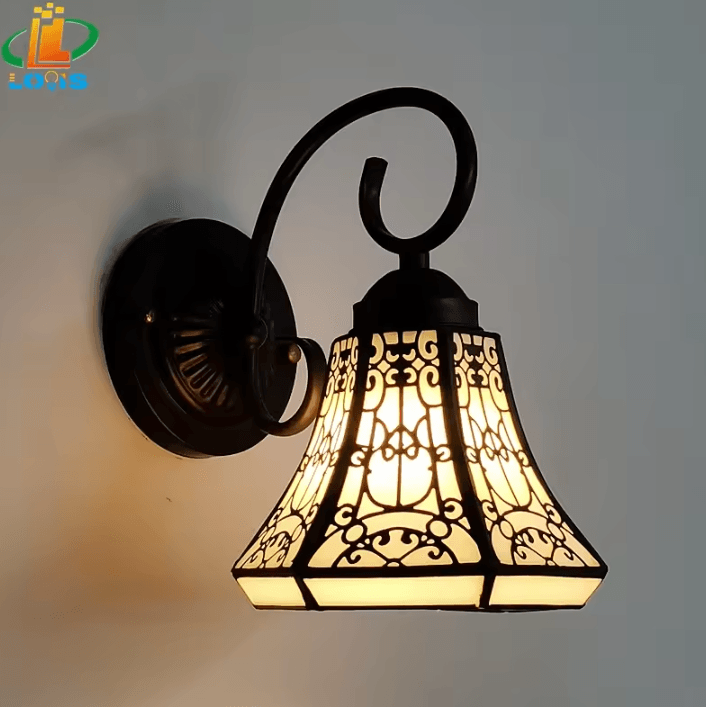 Aisha's pickWhite LED Wall Lamps That Change the Feel of a Room
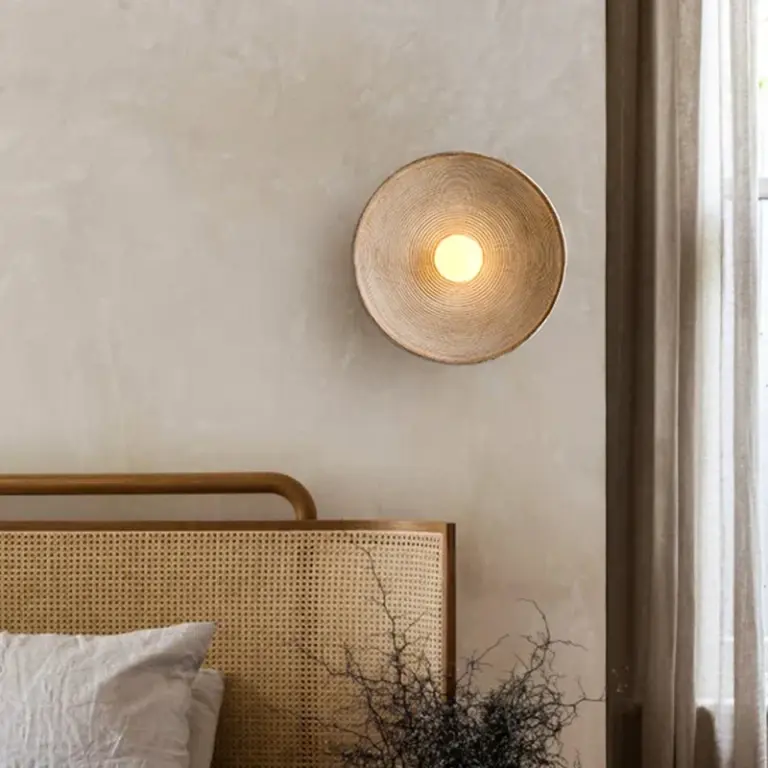
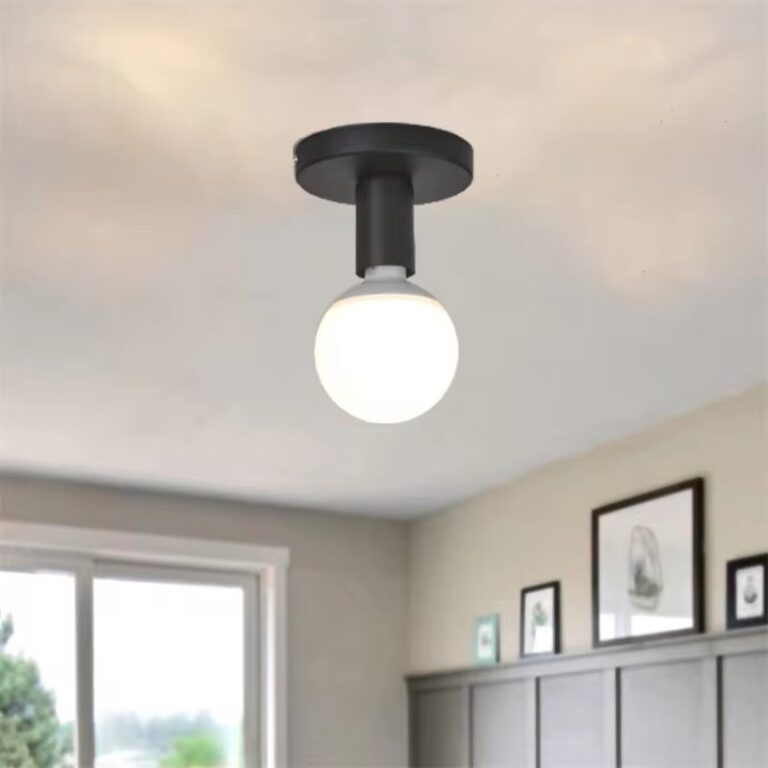 Aisha's pickBlack LED Wall Lamps for Reading, Relaxing or Both
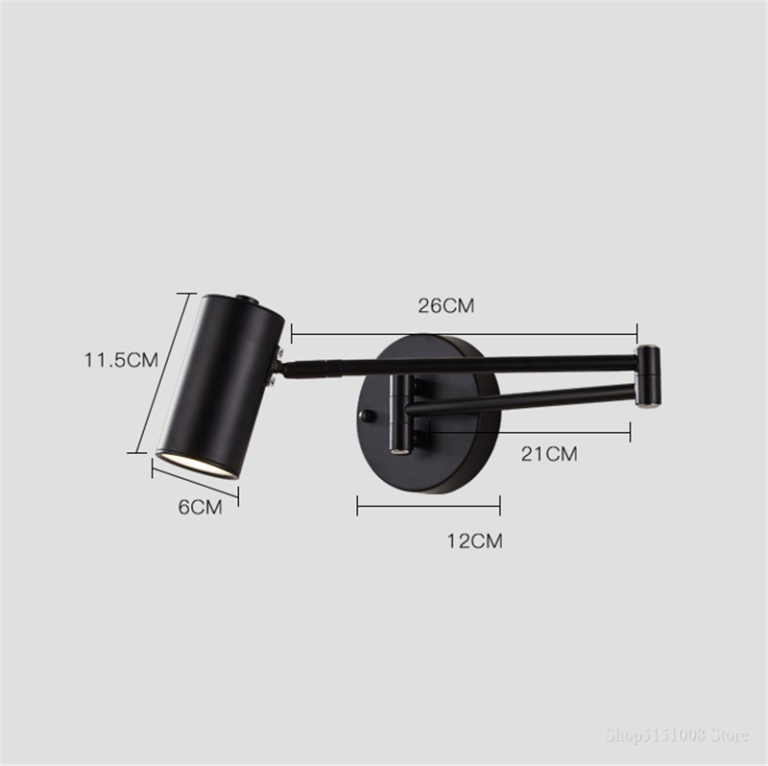
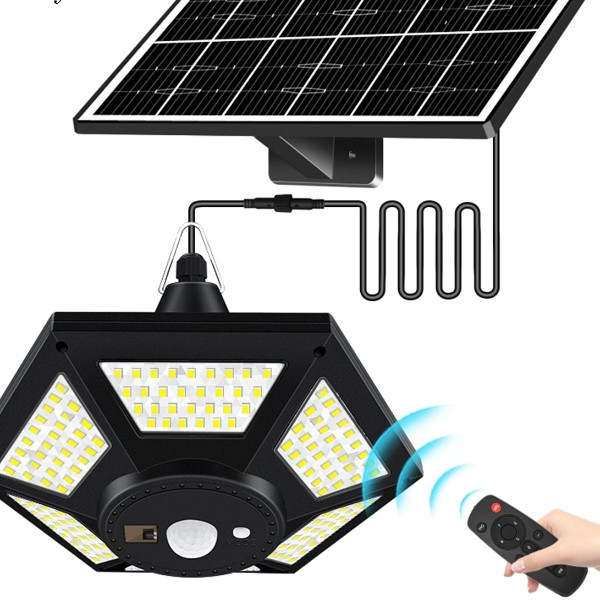 Aisha's pickLED Pendant Lamps for Reading, Relaxing or Both
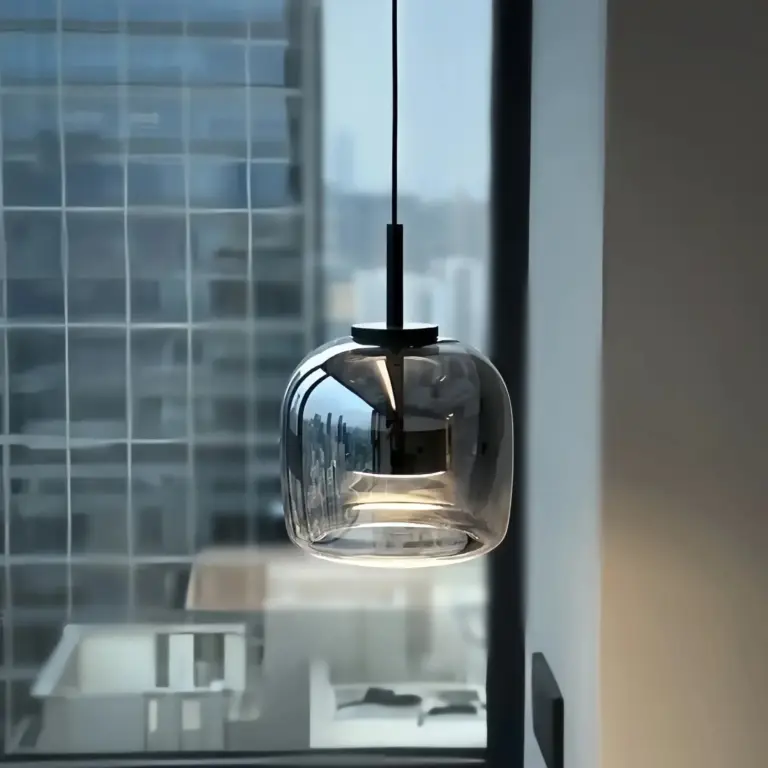
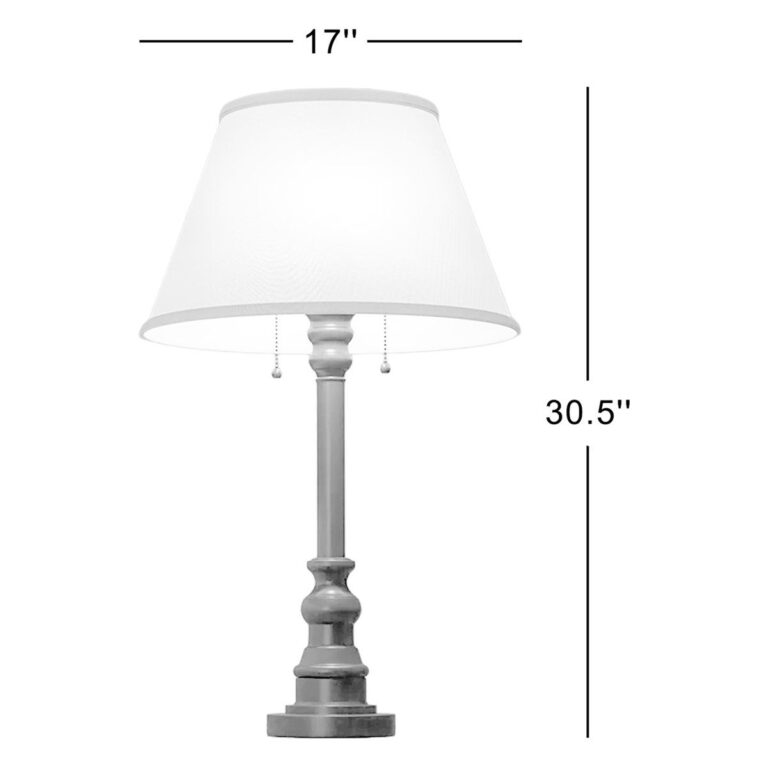 Aisha's pickBrass LED Table Lamps for Cozy Nights In
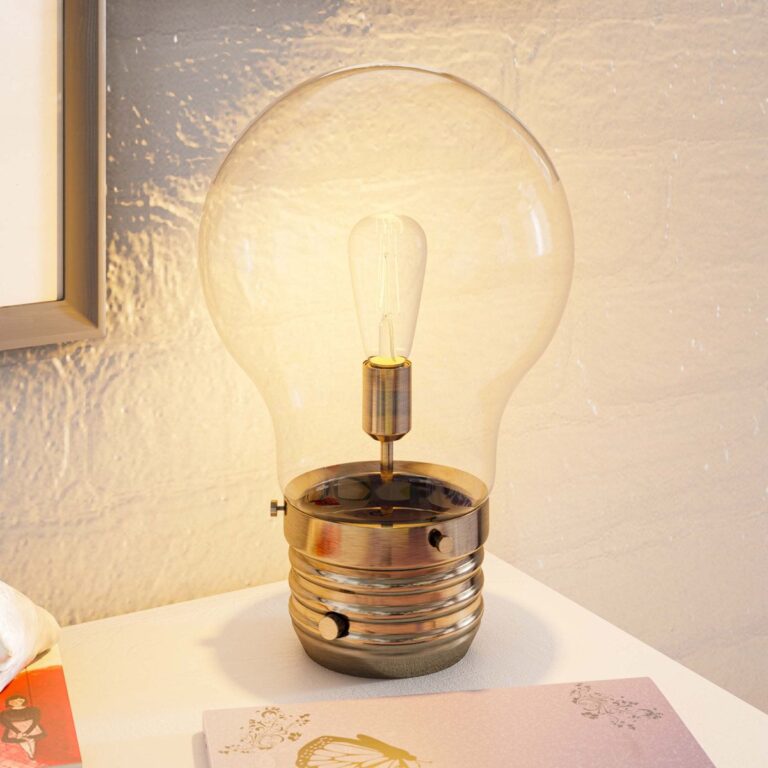
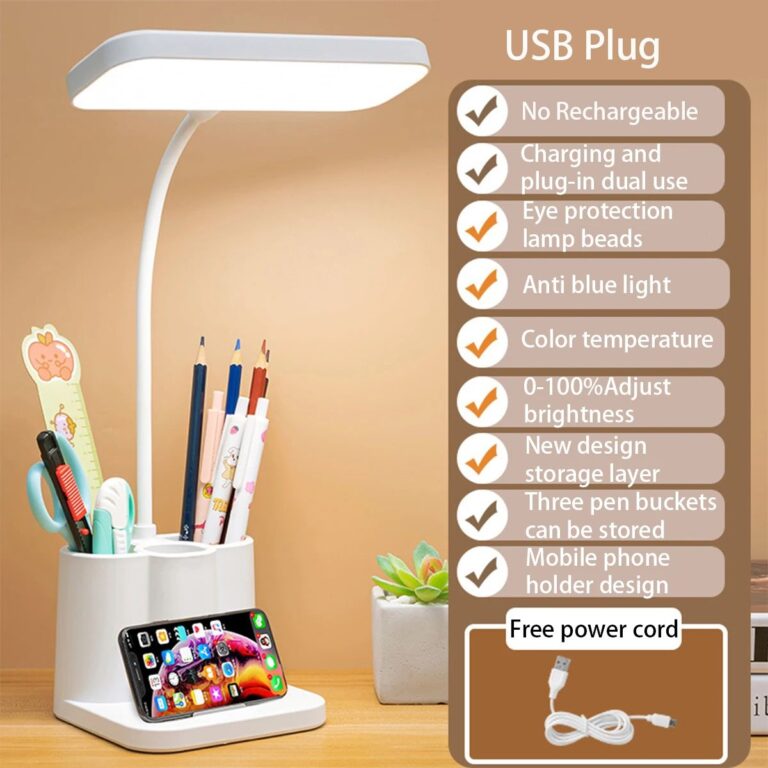 Aisha's pickLED Reading Lamps That Make the Big Light Redundant
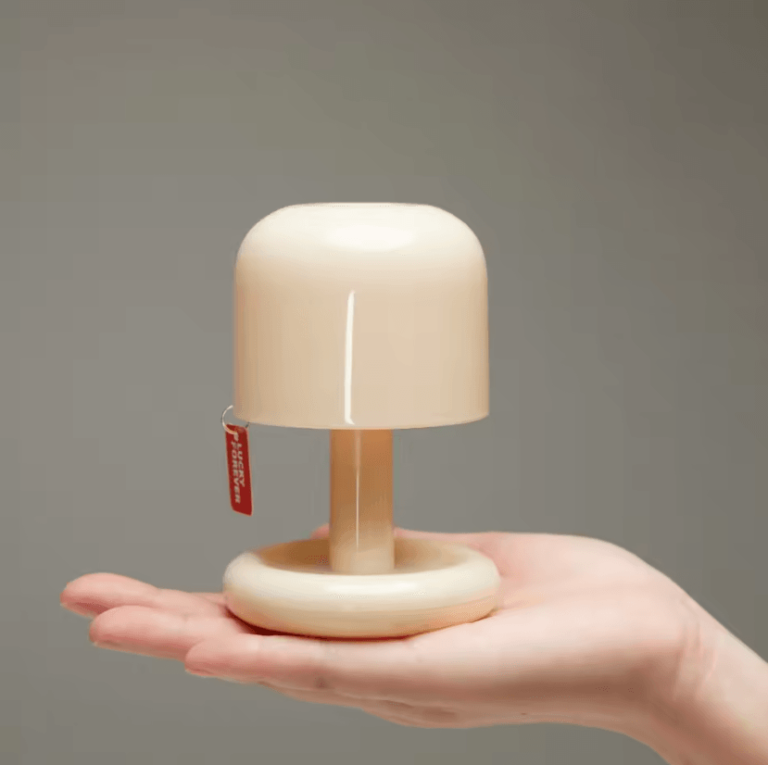
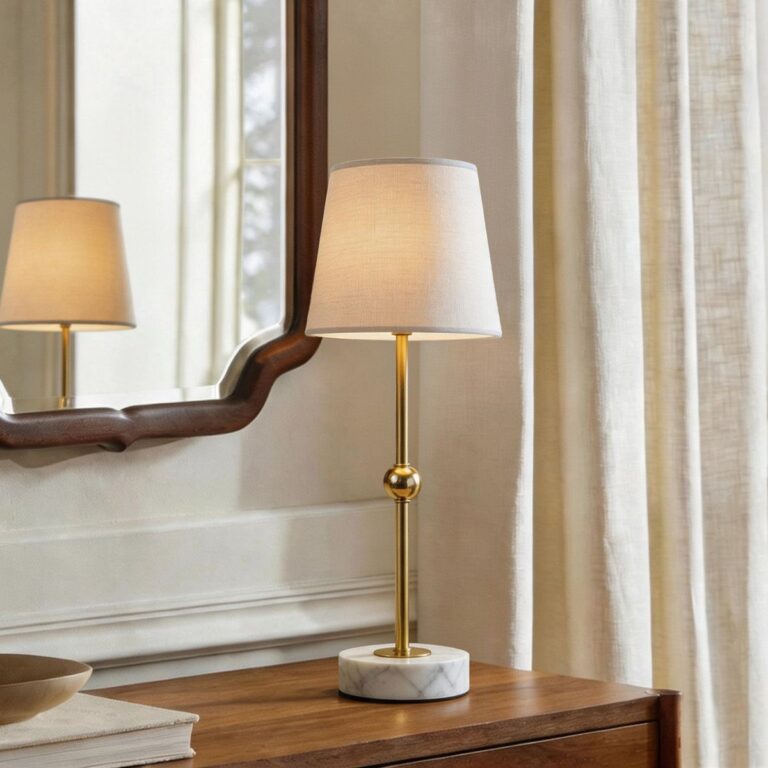 Aisha's pickBrass LED Touch Lamps That Make the Big Light RedundantAlso worth a lookBlack LampsA black lamp works in almost any room that already has some warmth in it, wood tones, a rug with pattern, a wall color that isn't stark white.See the collections →
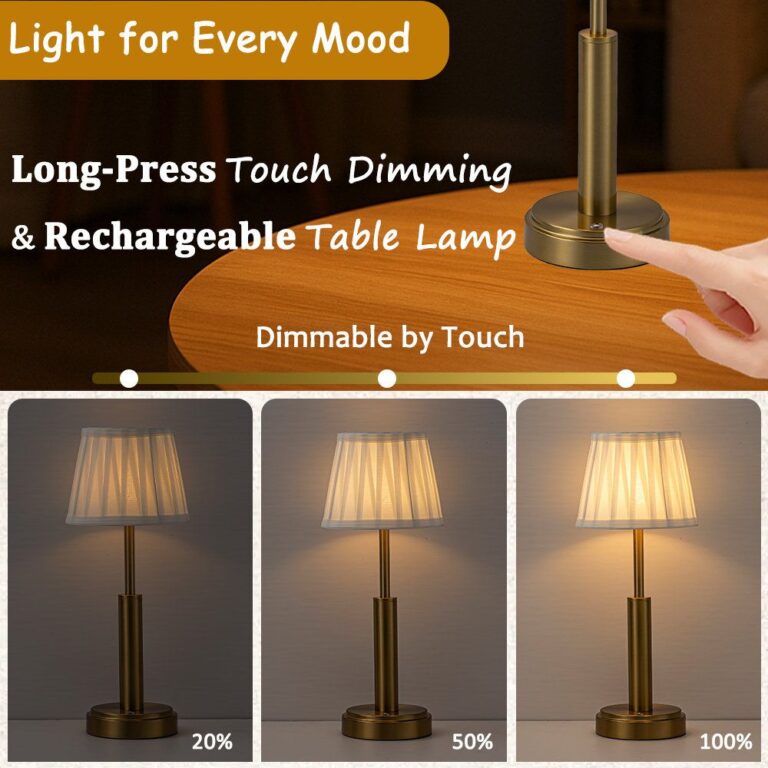
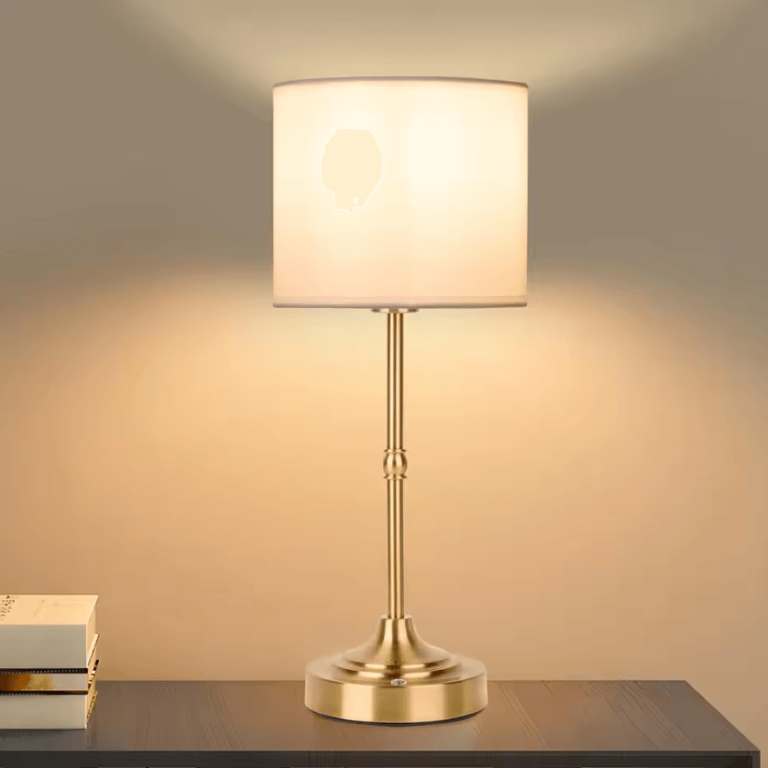 Aisha's pickLED Rechargeable Table Lamps We Leave On All Evening
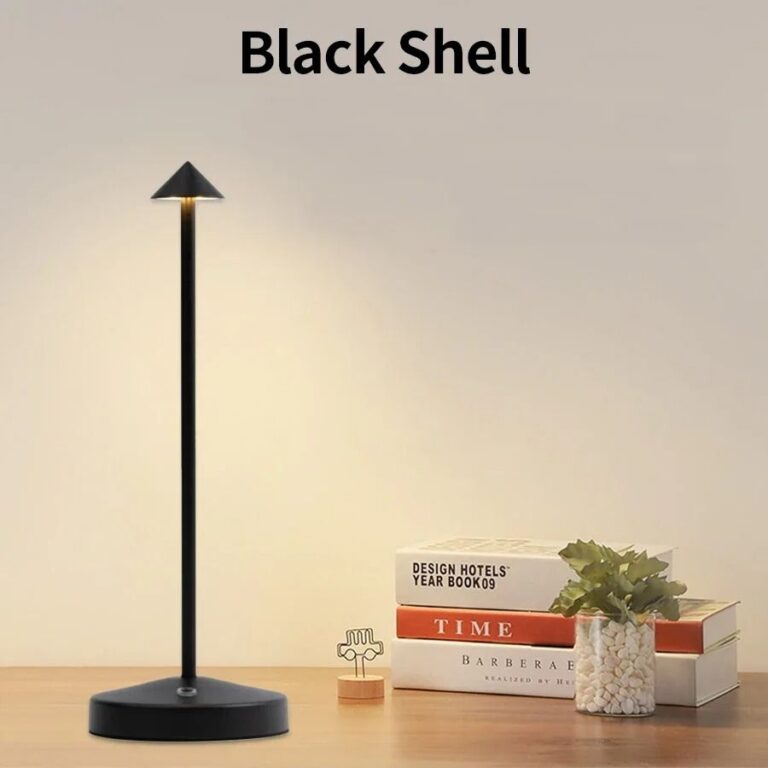
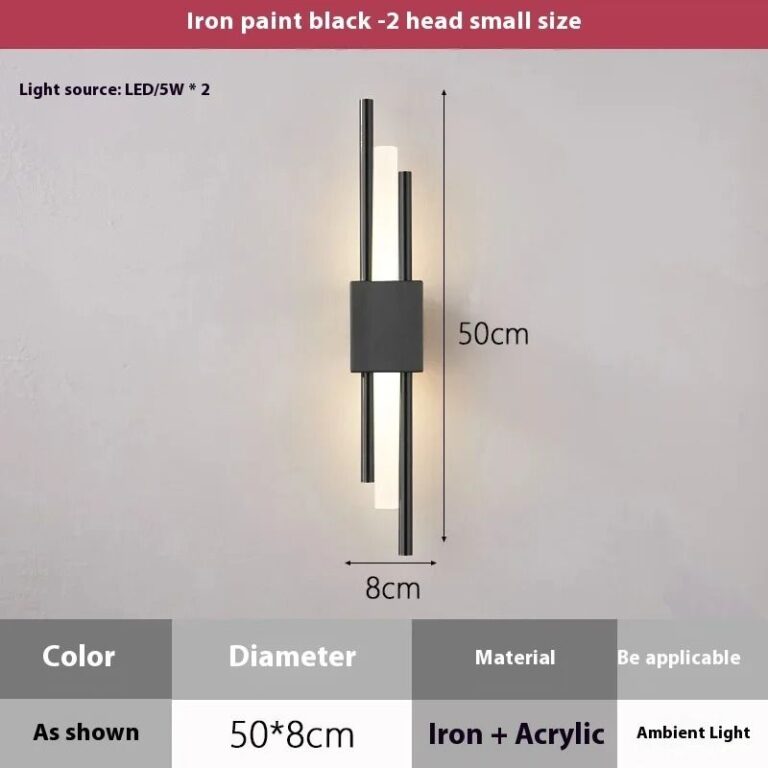 Aisha's pickBrass LED Wall Lamps Bright Enough Without the Glare
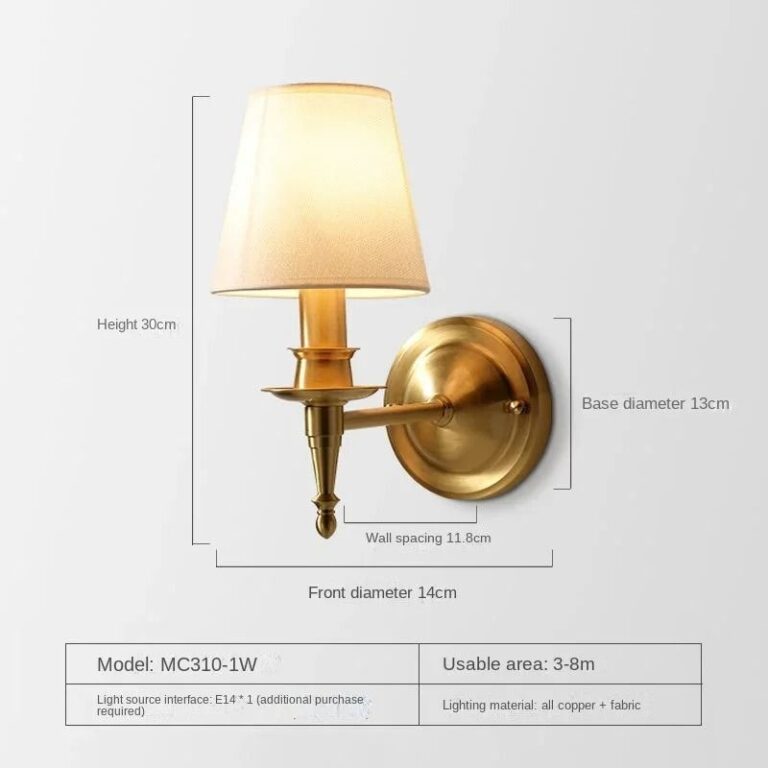
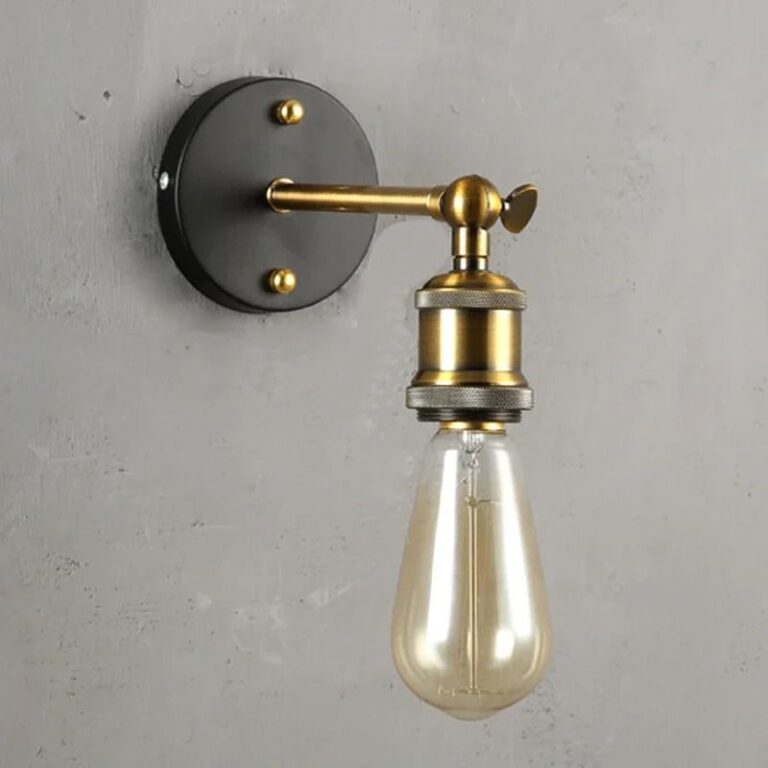 Aisha's pickLED Standard Lamps You Won’t Want to Hide Away

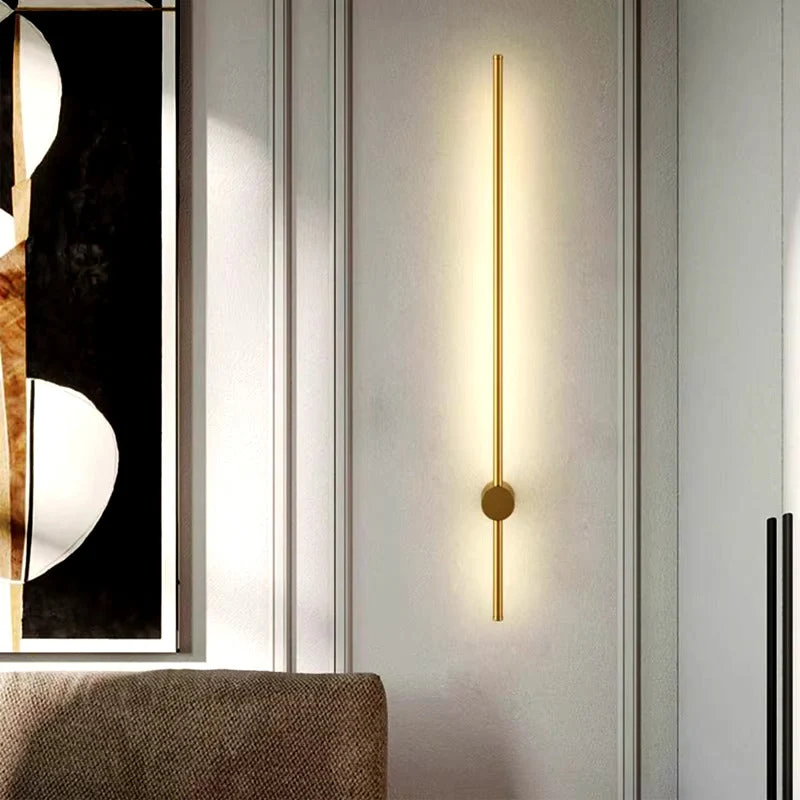 Aisha's pickGold LED Wall Lamps That Give Off a Warm Glow
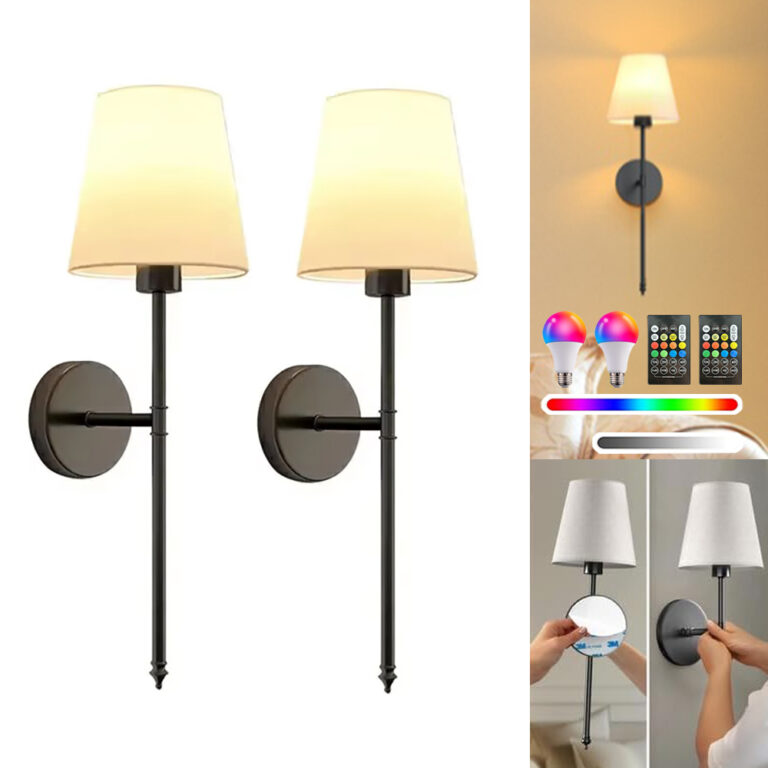
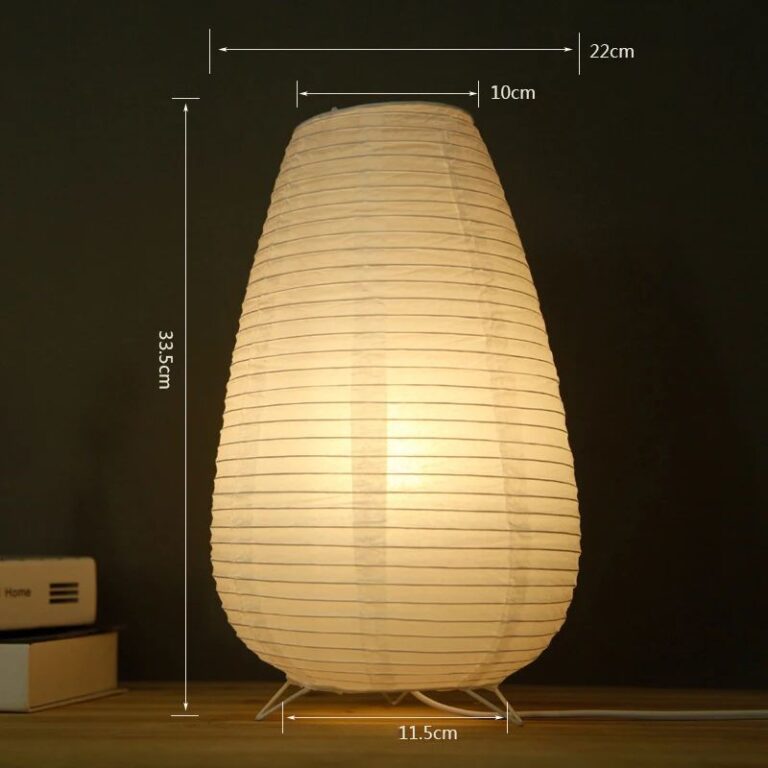 Aisha's pickLED Study Lamps We Work Beside Every Day
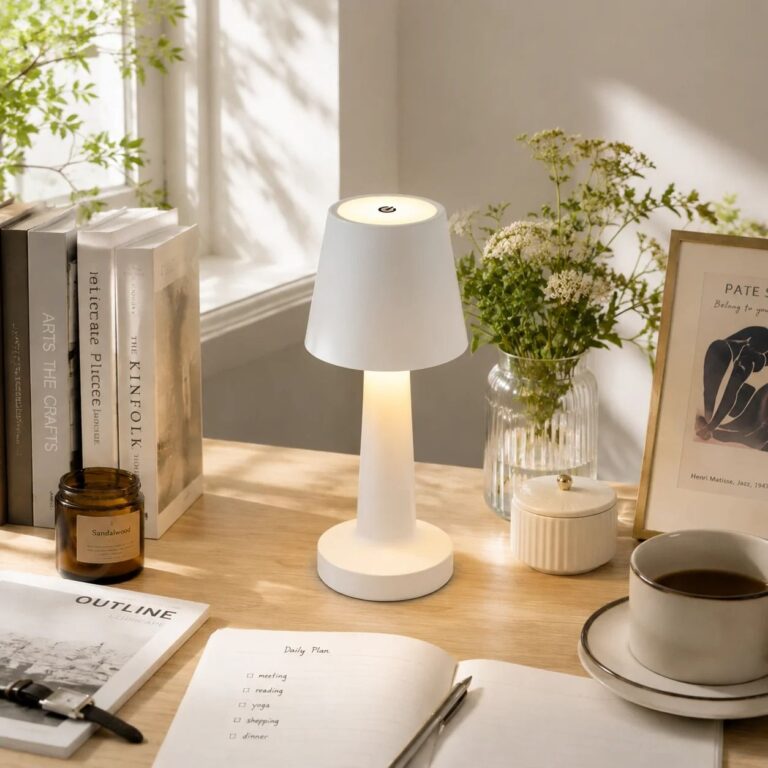
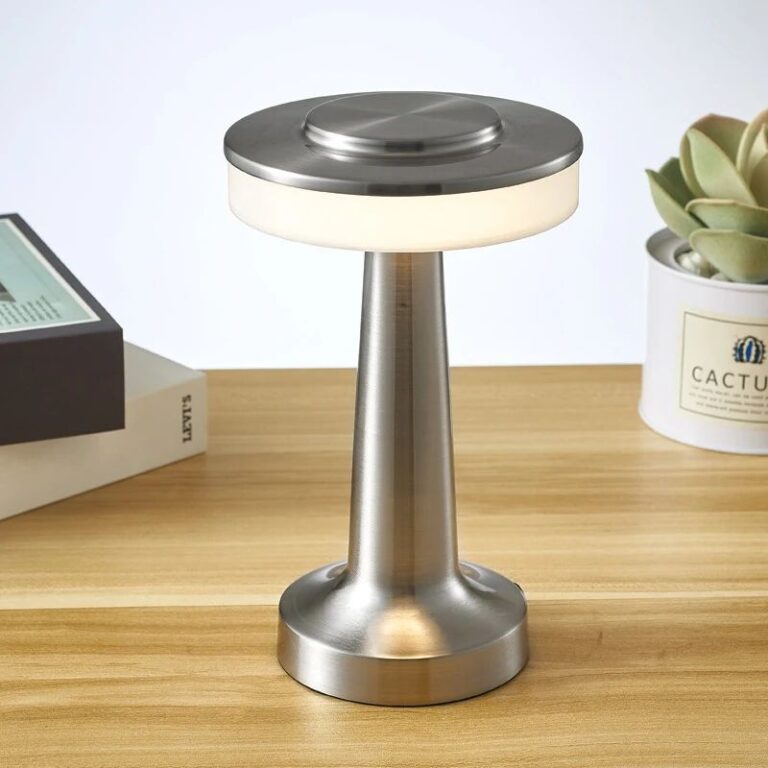 Aisha's pickLED Bedside Lamps for Bedrooms Big and Small
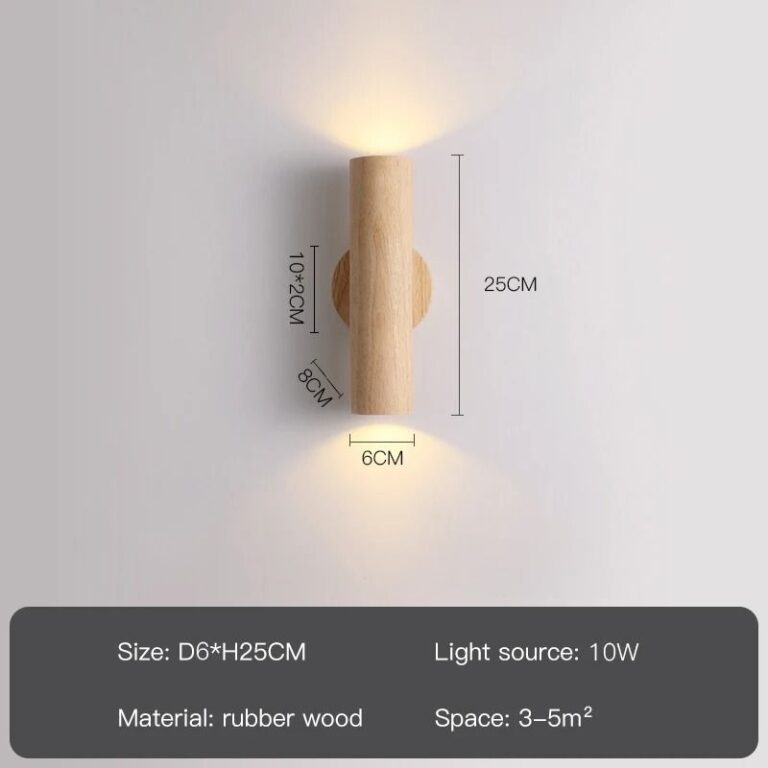
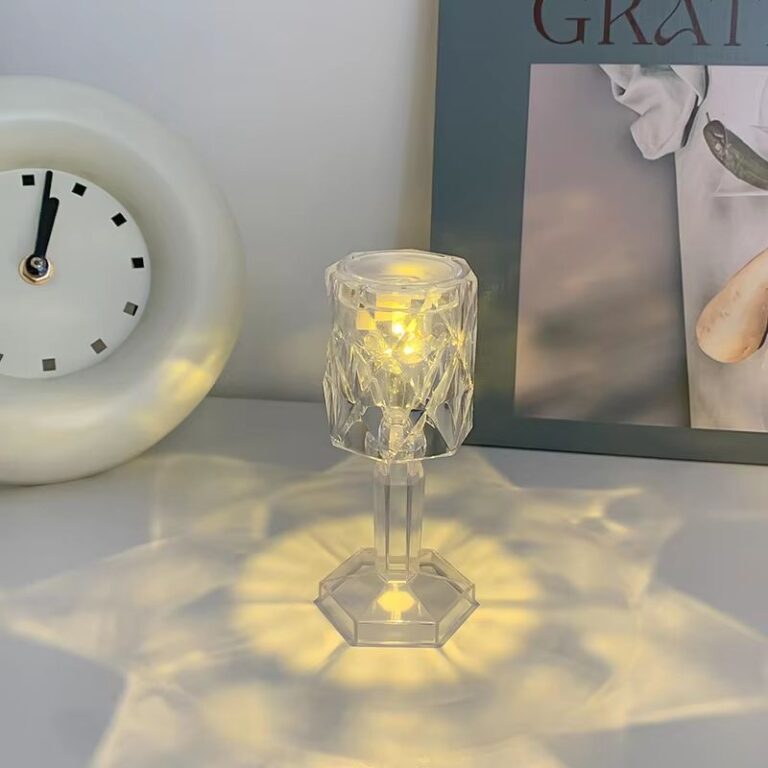 Aisha's pickLED Table Lamps for Cozy Nights In

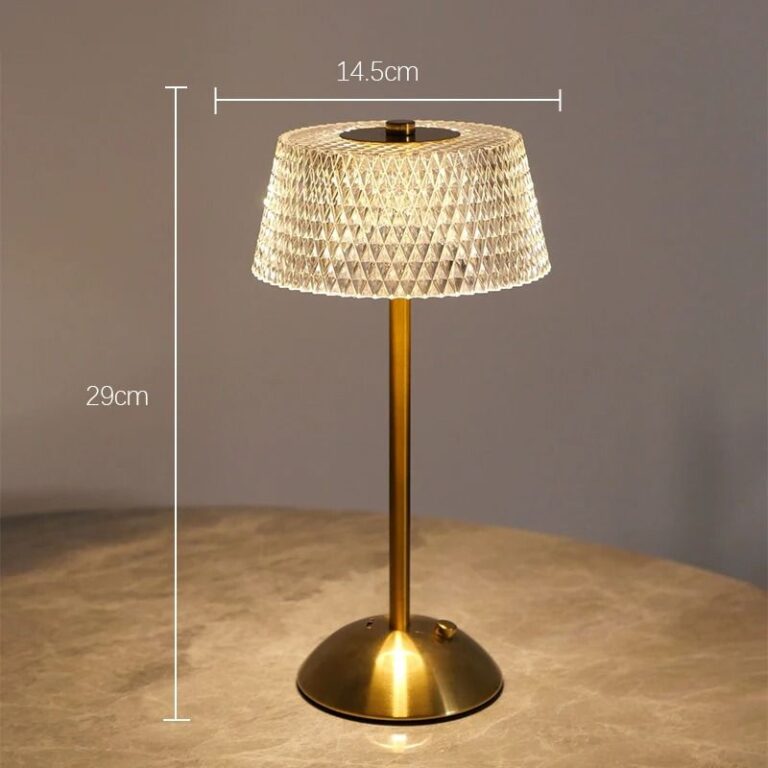 Aisha's pickLED Nightstand Lamps That Light Up Gloomy Corners