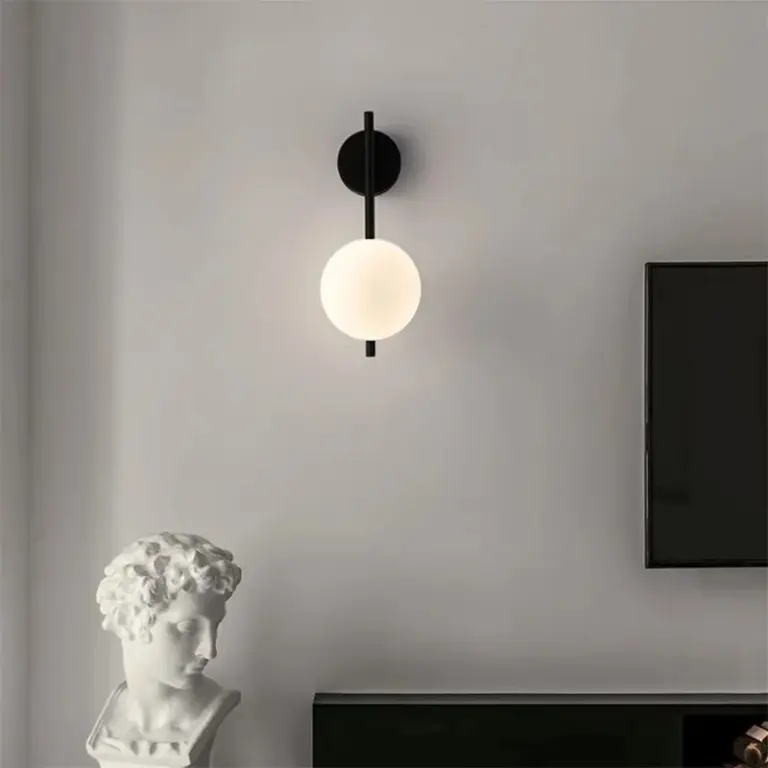
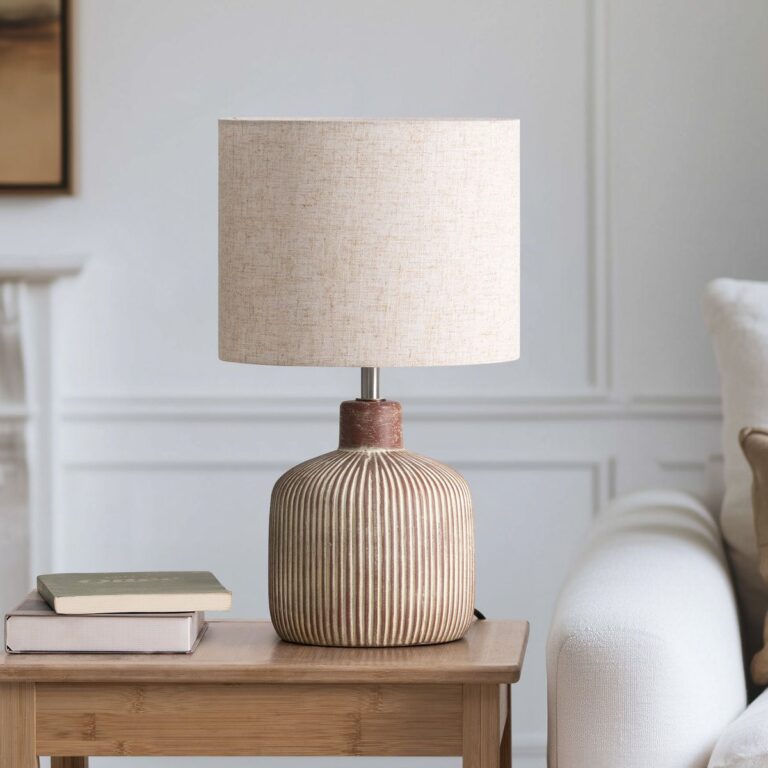
The thing nobody tells you about a lamp shade until you've lived under one for a while is that the color of the lining matters more than the color of the outside. A white or gold interior throws warm light down and out into the room, while a dark or patterned lining swallows half the glow and leaves you squinting at your book. You cannot tell this from a photo. You have to tip the shade up and look inside before you buy, every time.
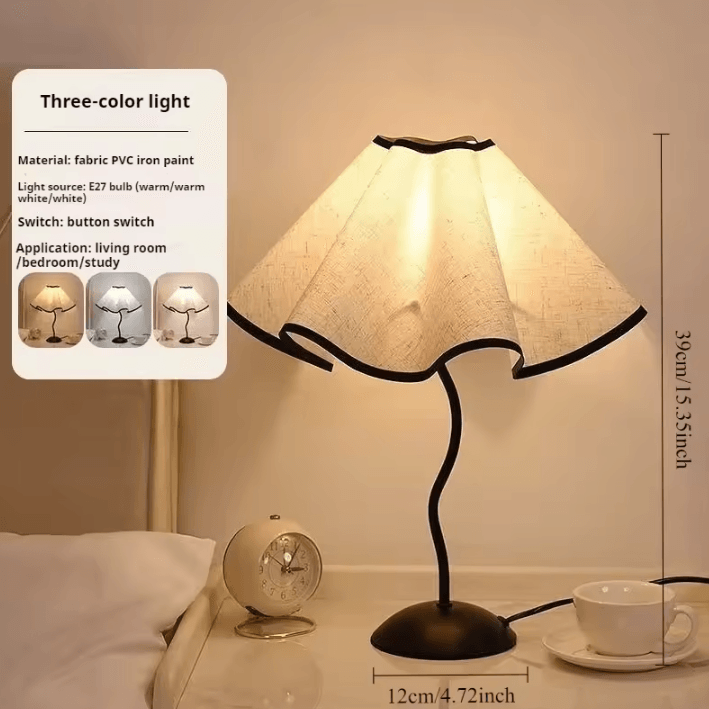
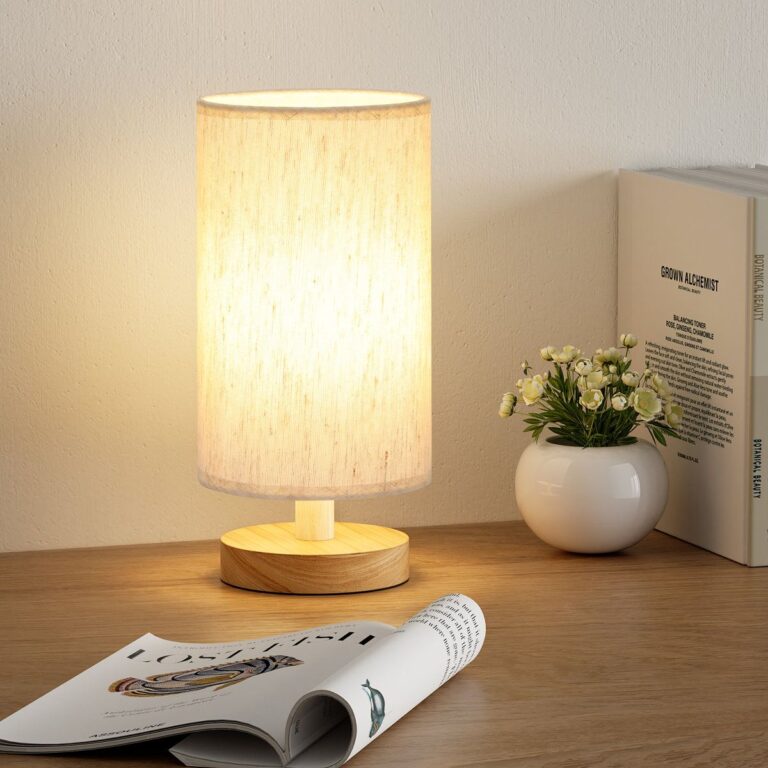
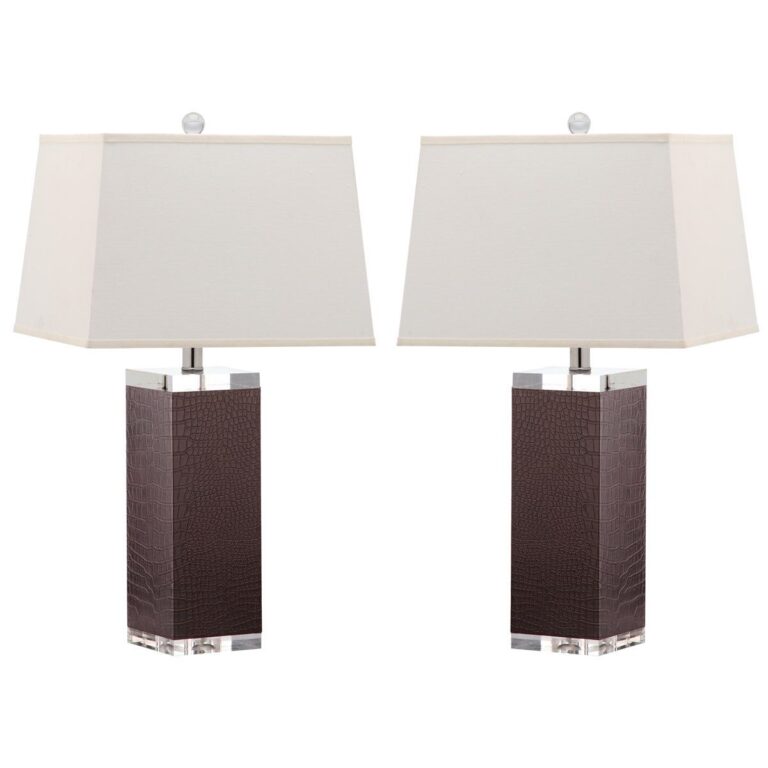
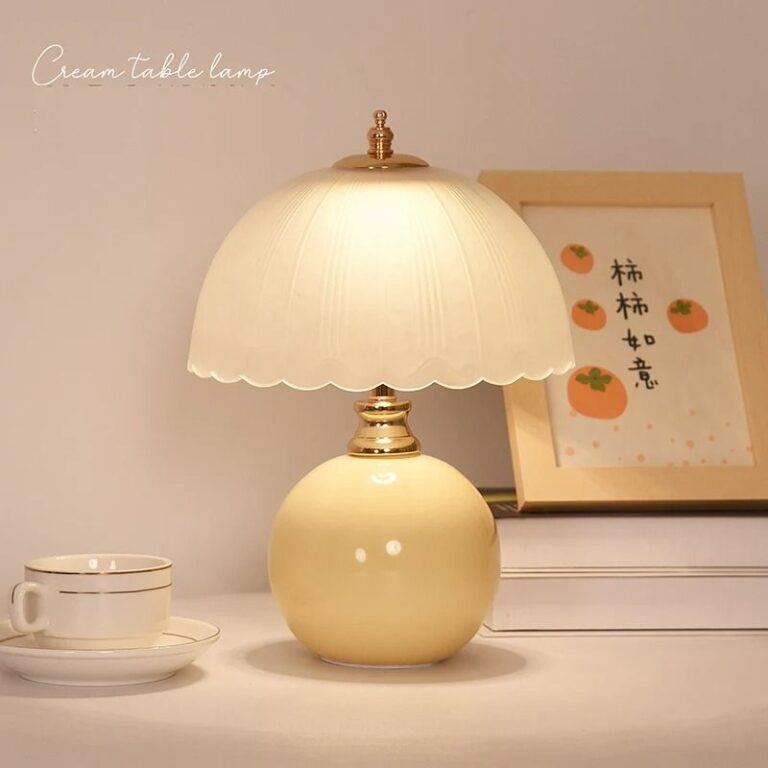
In an ordinary room, a shade works hardest when it is picking up something already there rather than trying to be the main event. A linen shade echoes a linen cushion, a shade with a little texture softens a room full of hard surfaces like a wood floor and a leather chair, and a plain white or cream shade is the thing that lets a strange or beloved lamp base actually show off. If the base has any personality at all, a busy shade on top just cancels it out. These earn their keep in bedrooms for the softness, in living rooms next to a sofa for reading light that doesn't fight the television, and in older homes with low ceilings and grim overhead fixtures, where a few good shades do more to warm up a room than almost anything else you could buy. They're less useful in a kitchen or a bathroom, where steam and grease will dull a fabric shade faster than you'd expect, and in rooms that get a lot of direct sun, where cheaper shades can yellow or fade unevenly on one side within a year or two.
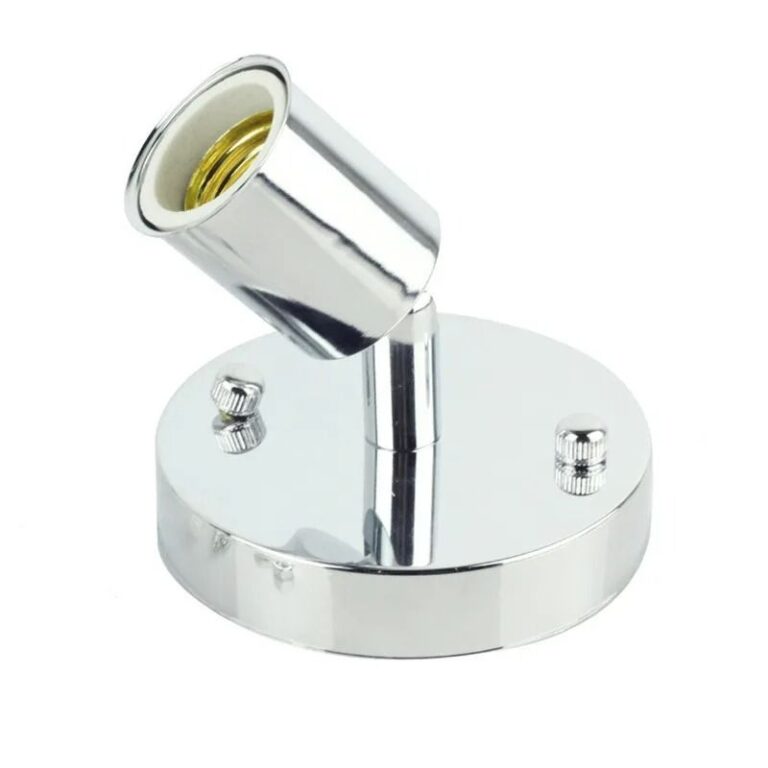
Check the fitting before anything else, since this is where people get caught out: a spider fitting sits on a harp and screw, a clip fitting grips the bulb itself, and the two are not interchangeable no matter how good the shade looks. Run your hand around the bottom rim too. It should feel stiff and even, not soft or slightly warped, because a shade that's gone soft at the edges was never built to hold its shape for long. Pleated and fabric shades will dull a little over the years, especially near a sunny window, and the fix is a soft brush or the lint attachment on a vacuum every month or so, never a damp cloth unless the label says it can take one. Paper and simple drum shades hold their shape better over time but scorch if a bulb sits too close, so give it an inch or two of breathing room.
A good shade is one of the cheapest ways to change how a whole room feels in the evening, and it is wildly underrated for exactly that reason.
 Aisha's pickCotton Lamp Bases You Won’t Want to Hide Away
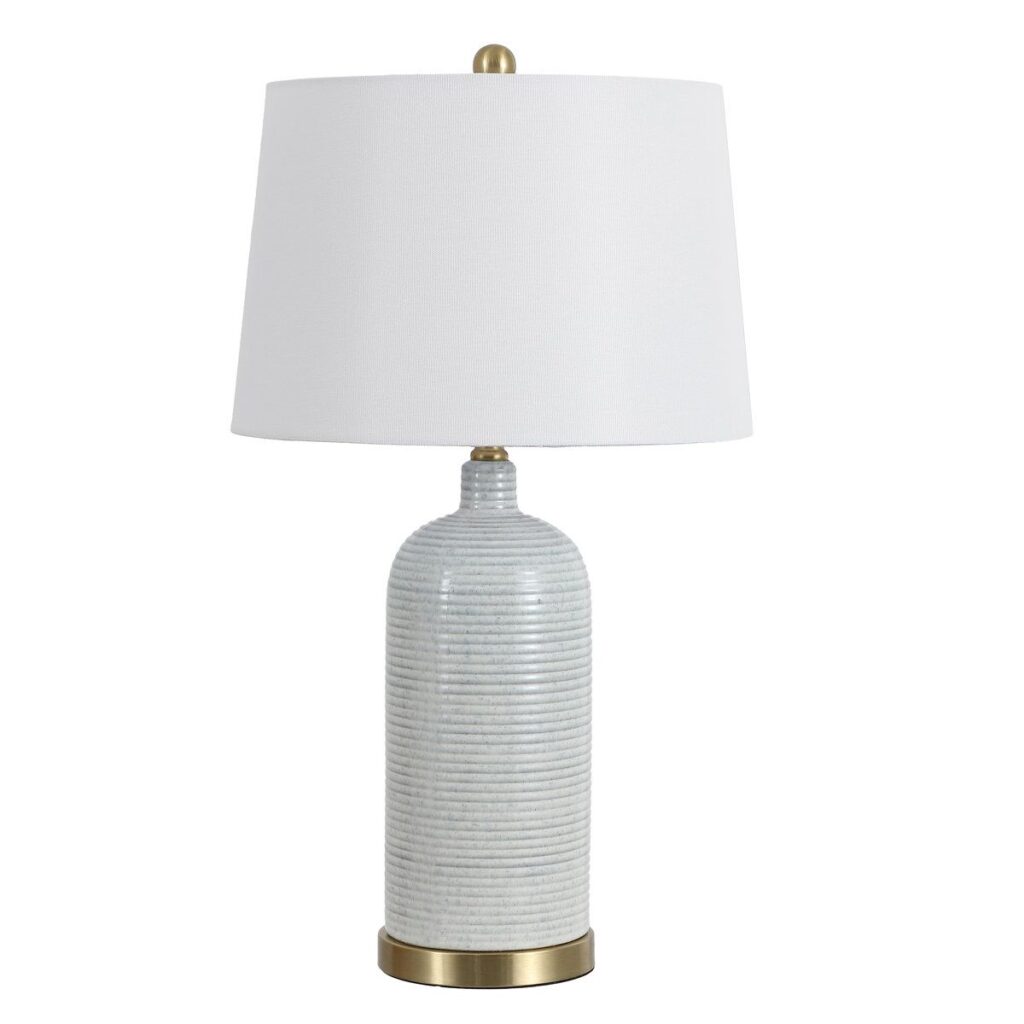
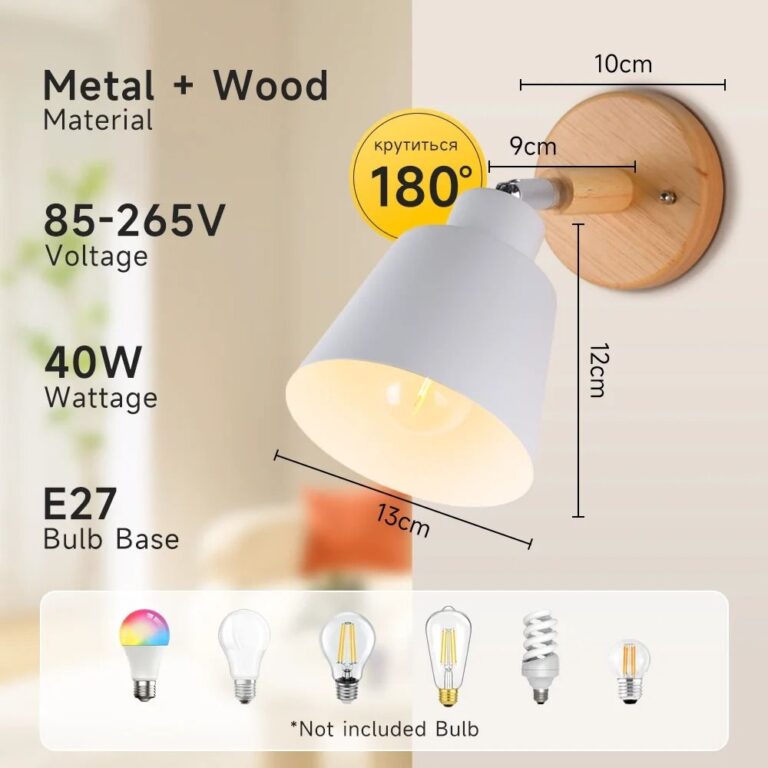 Aisha's pickSmall Lamp Bases Without the Silly Price Tag
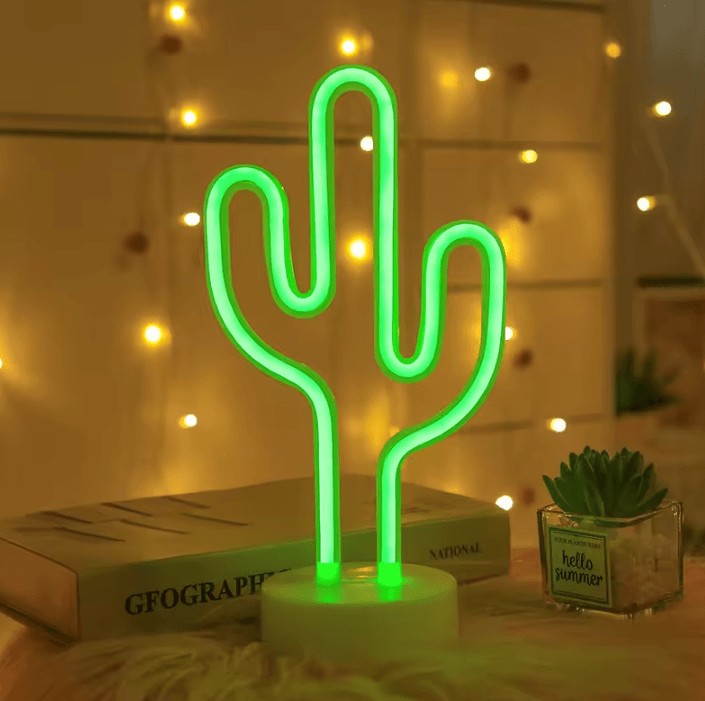
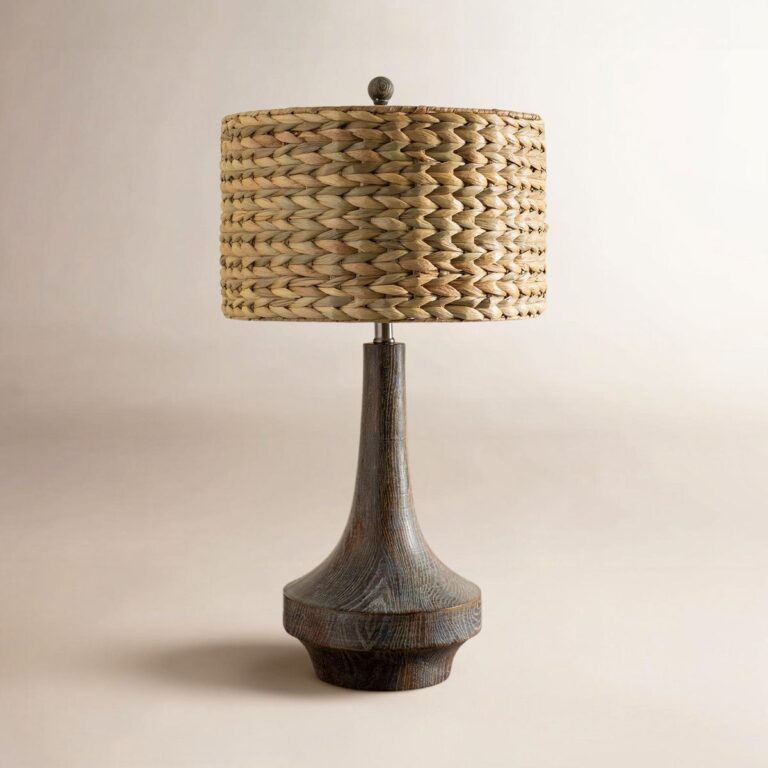 Aisha's pickNatural Lamp Shades at Every Price Point
 Aisha's pickFabric Lamp Bases That Change the Feel of a Room
 Aisha's pickTraditional Lamp Bases That Give Off a Warm Glow
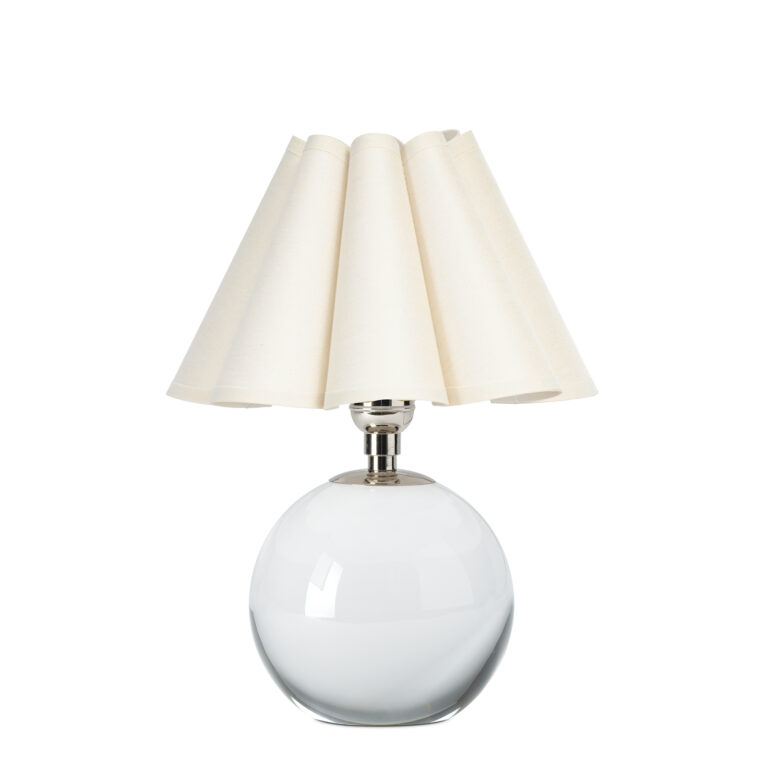 Aisha's pickNickel Lamp Shades That Won’t Date in a Year
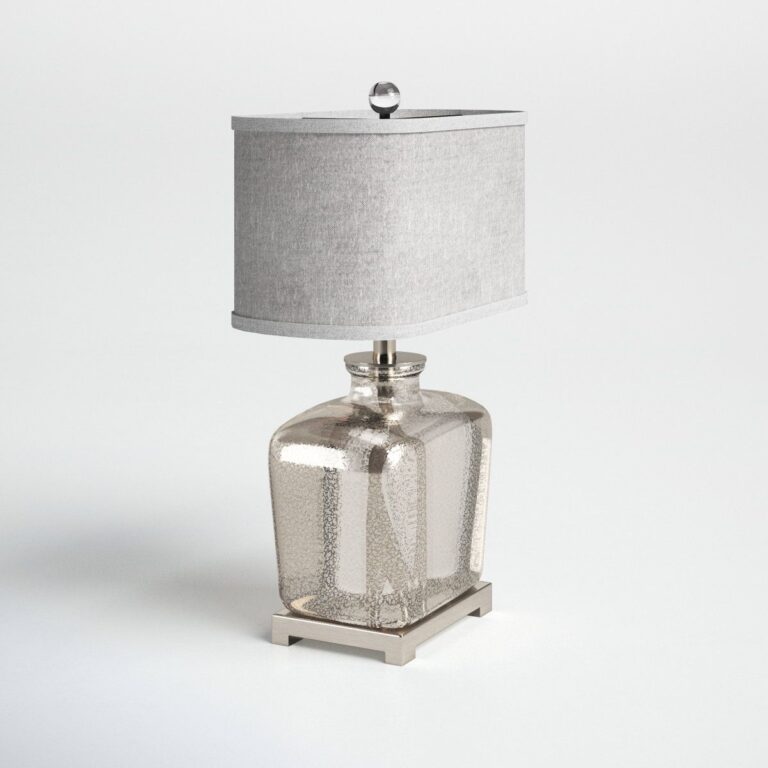
 Aisha's pickGlass Lamp Bases That Survive Kids and Pets

 Aisha's pickVintage Lamp Bases Bright Enough Without the Glare
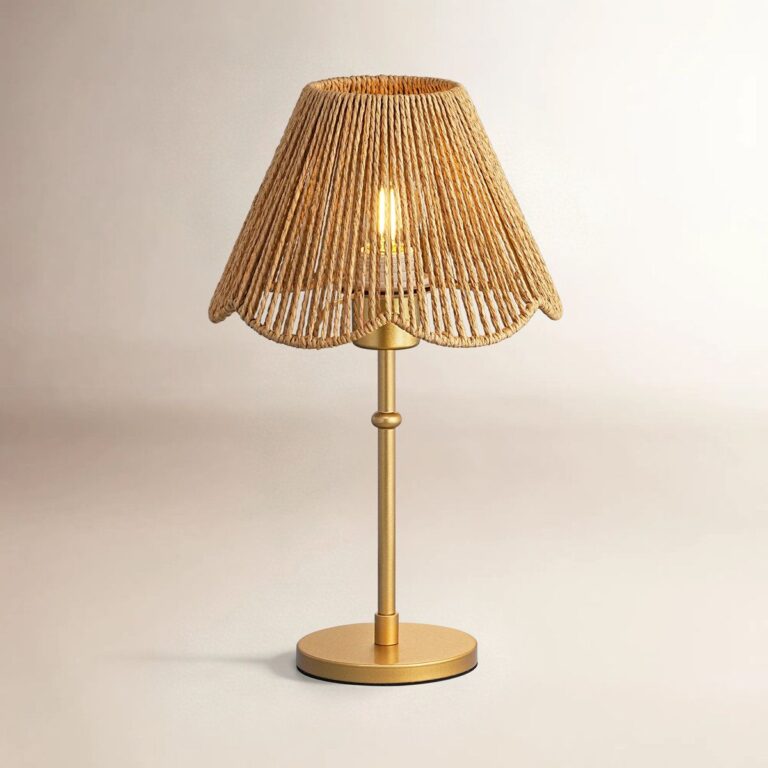 Aisha's pickRattan Lamp Shades Worth Knowing AboutAlso worth a lookLamp BasesThe thing nobody tells you about a lamp base is that you're buying a shape for the room, not just a thing to hold a bulb up.See the collections →
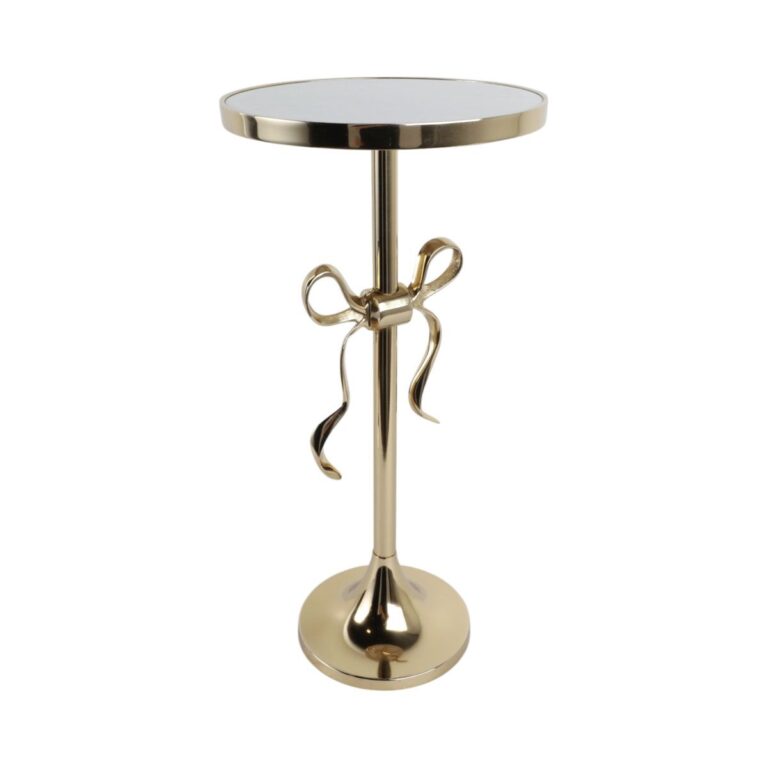 Aisha's pickGold Lamp Bases for Dark Winter Evenings
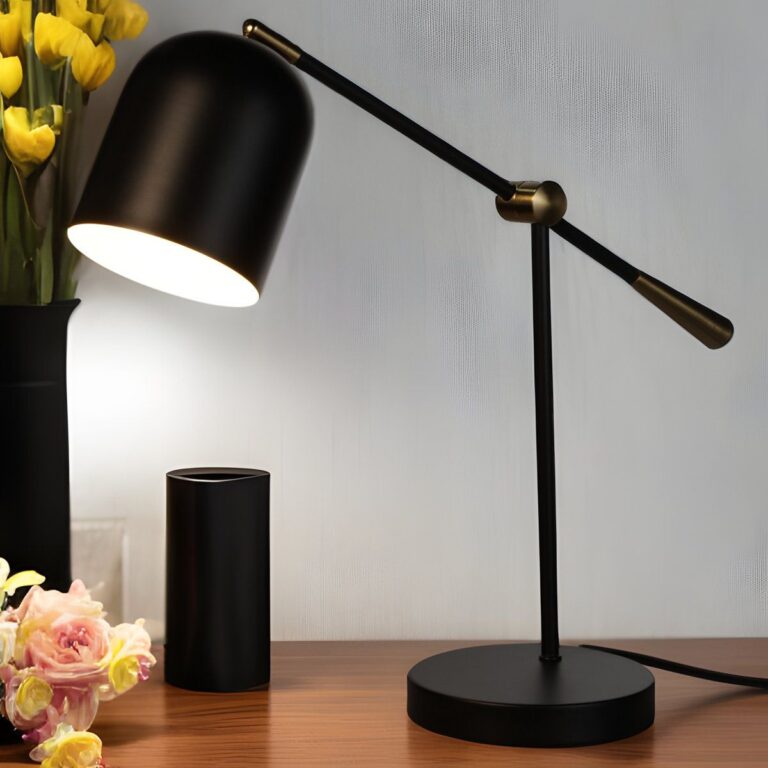
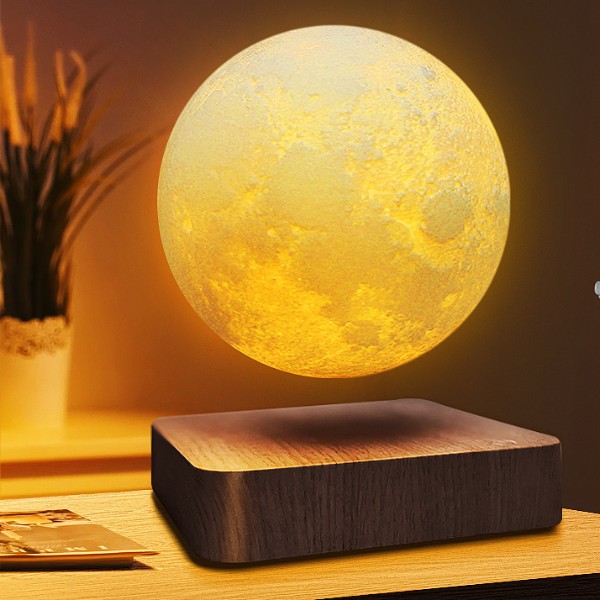 Aisha's pickWhite Lamp Bases That Go With Most Rooms
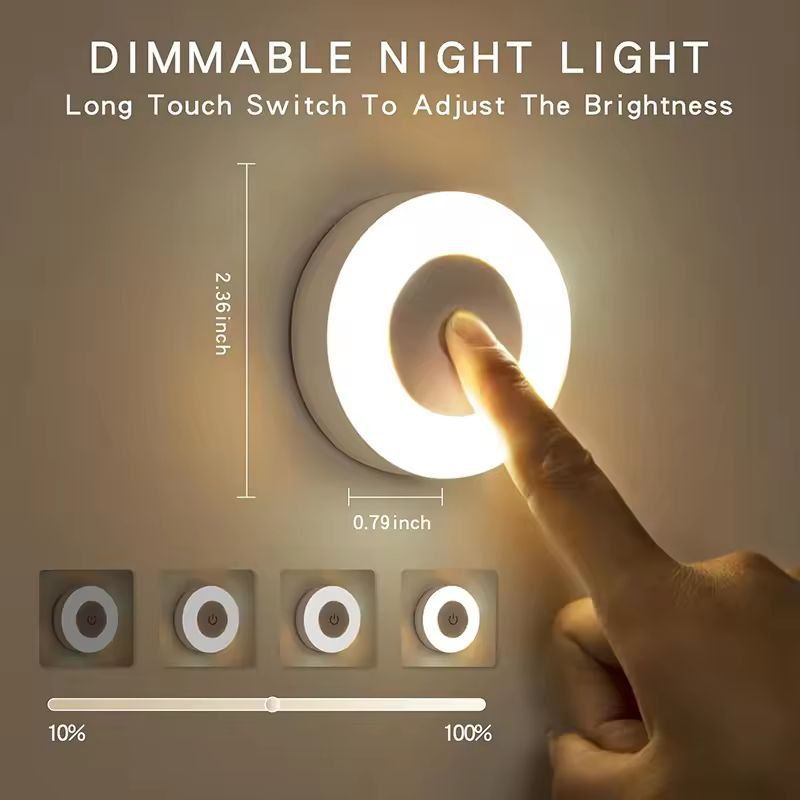
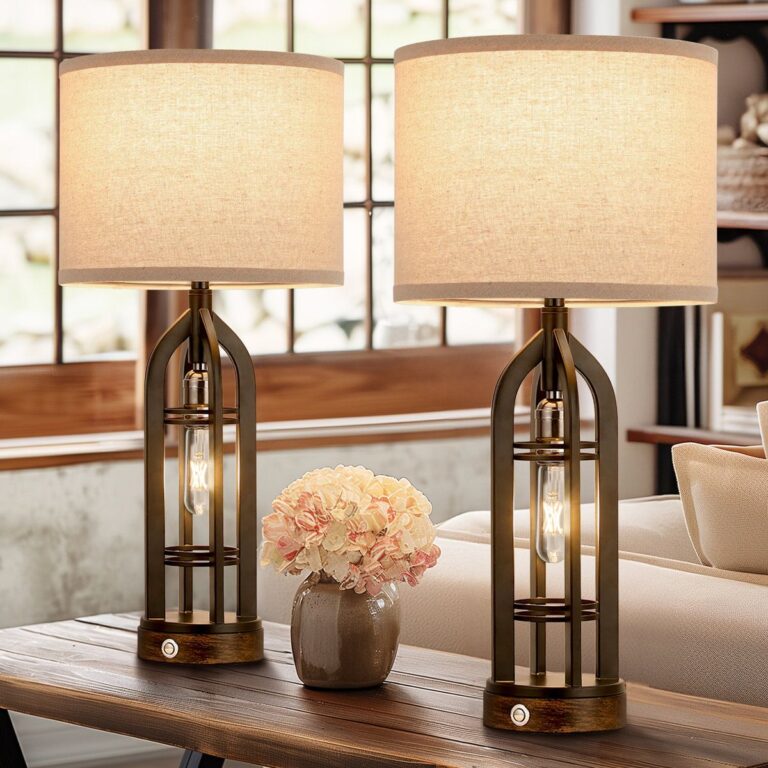 Aisha's pickSmall Lamp Shades for Reading, Relaxing or Both
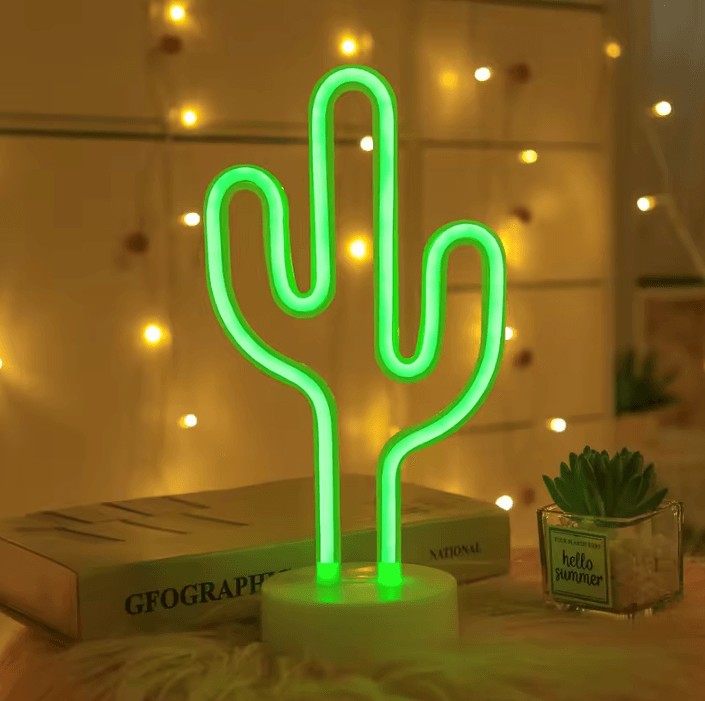 Aisha's pickGreen Lamp Bases for Cozy Nights In
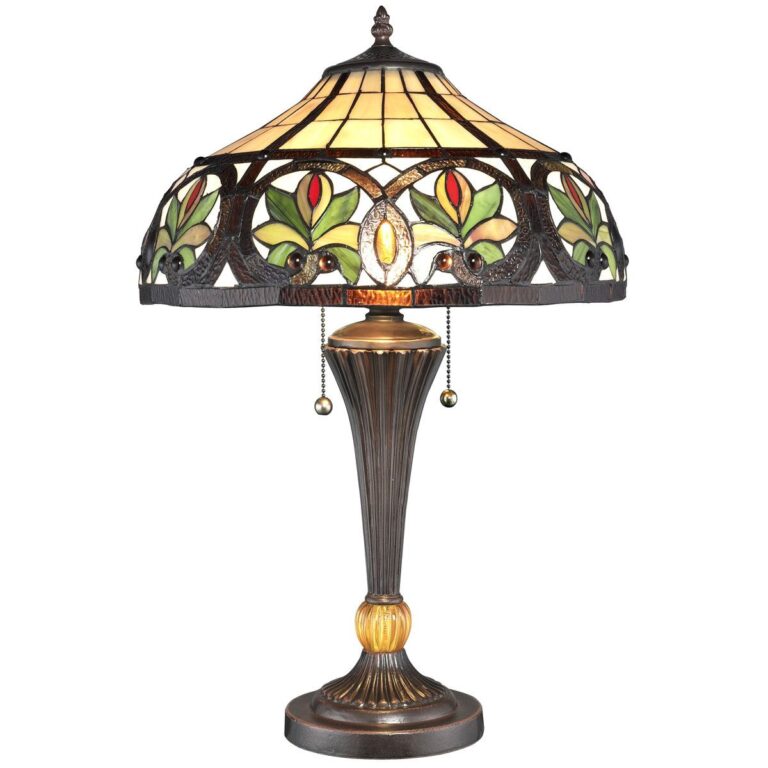
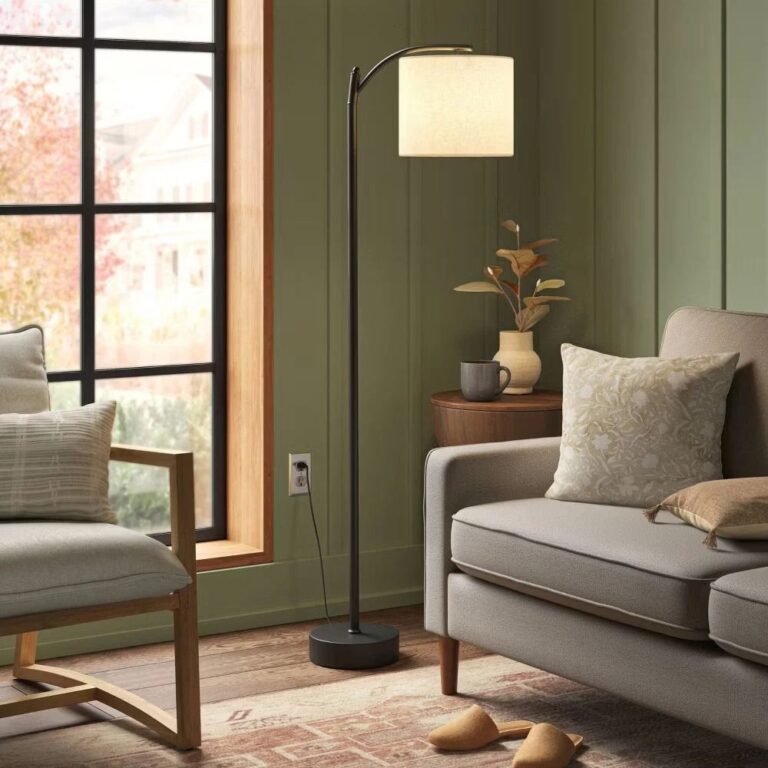 Aisha's pickBlack Lamp Shades That Make the Big Light Redundant
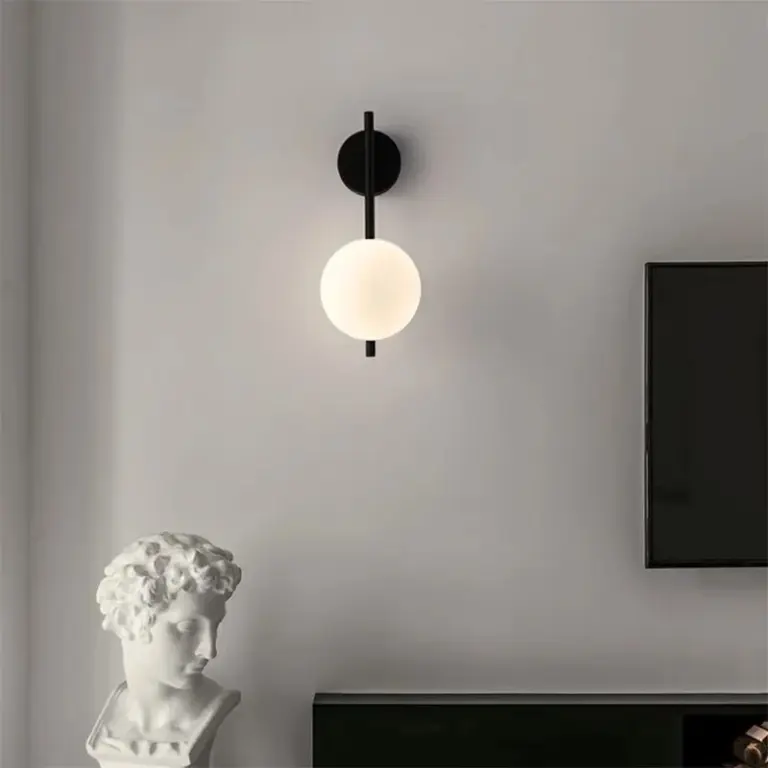
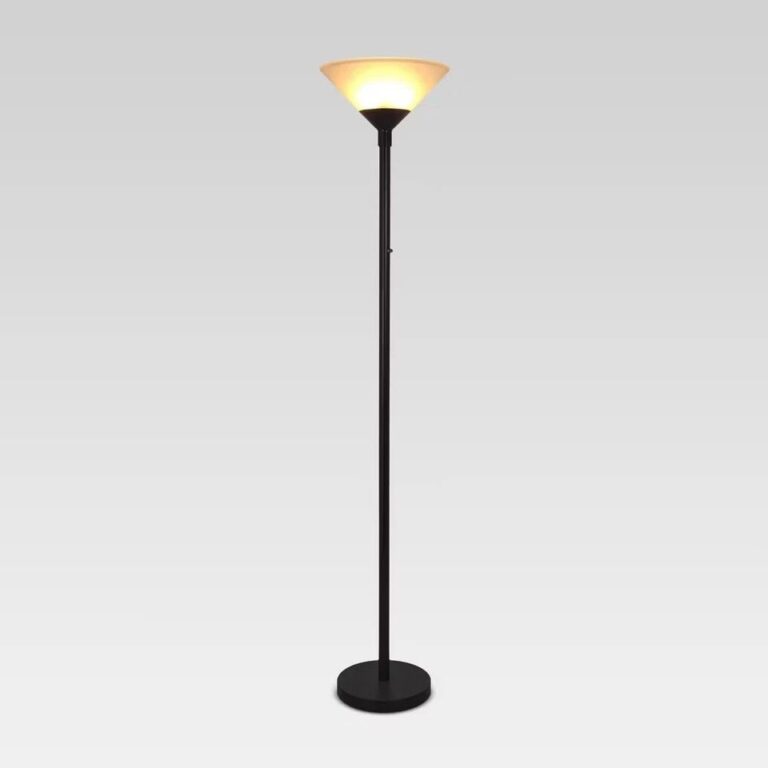 Aisha's pickTraditional Lamp Shades That Make a Room Feel Finished
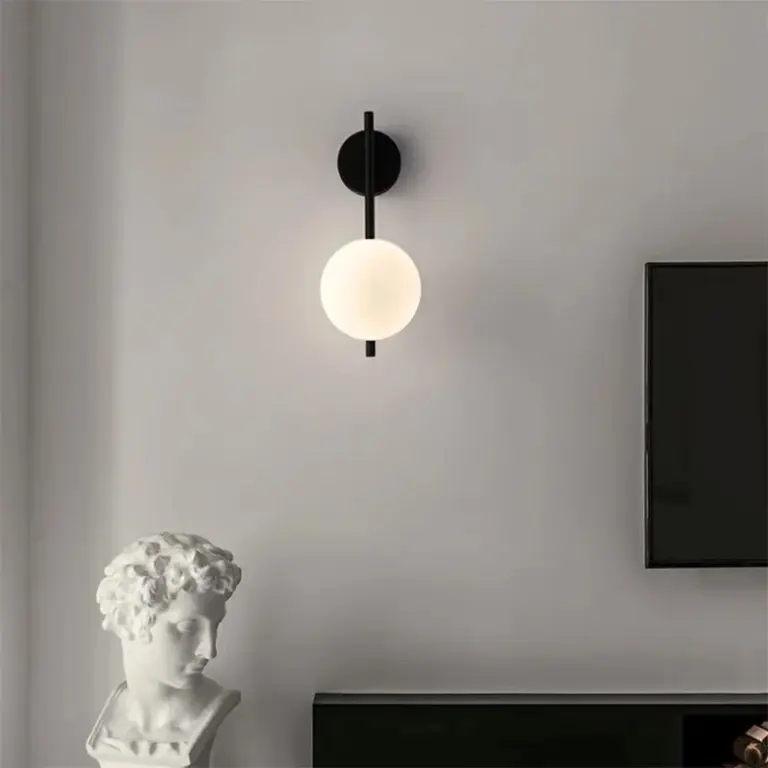
 Aisha's pickLamp Bases Picked by People Who Care Too Much
 Aisha's pickBrass Lamp Shades We Leave On All Evening
 Aisha's pickLamp Bases for Ceiling Light That Don’t Need BabyingAlso worth a lookWall LampsThe thing that catches people out with wall lamps is the electrical question, nobody thinks about it until…See the collections →
 Aisha's pickBronze Lamp Shades That Work in Old Houses and New Ones
 Aisha's pickLarge Lamp Bases That Light Up Gloomy Corners
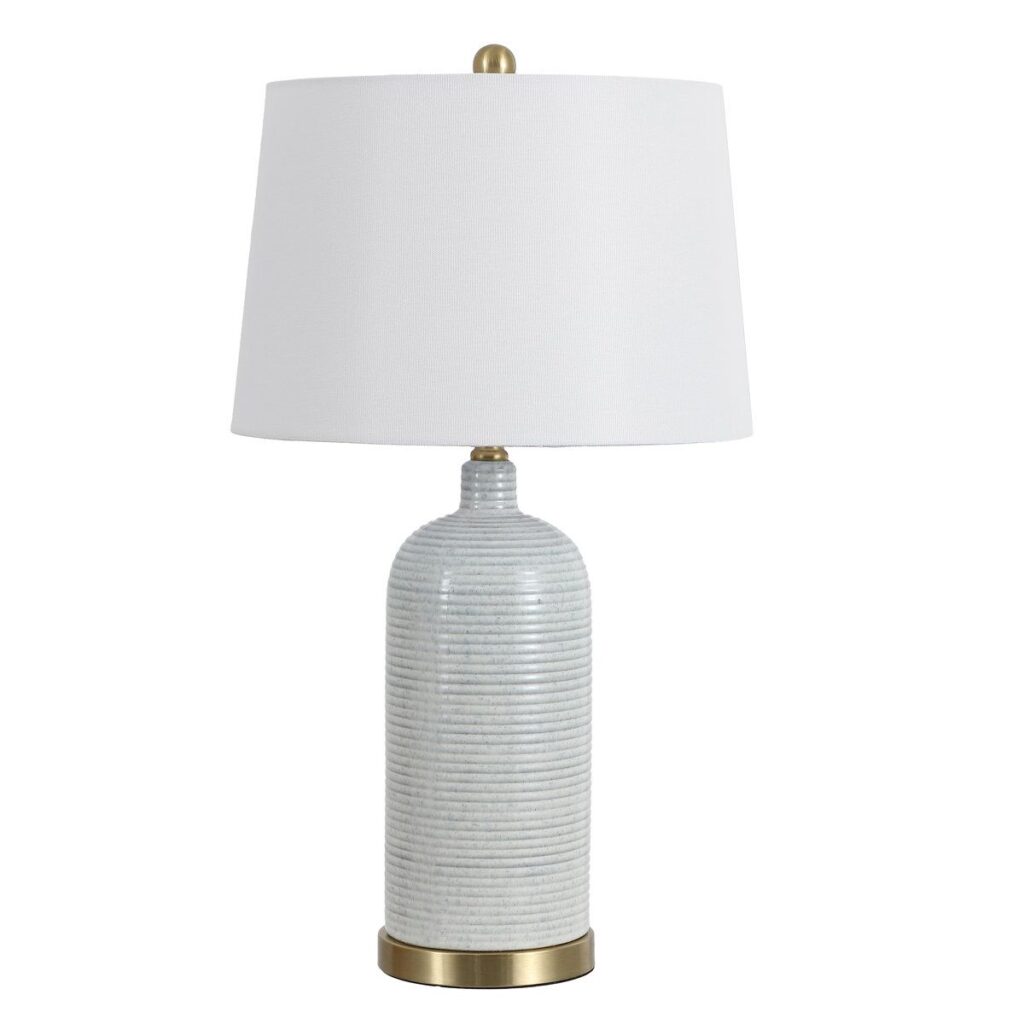 Aisha's pickCeramic Lamp Shades for Reading, Relaxing or Both
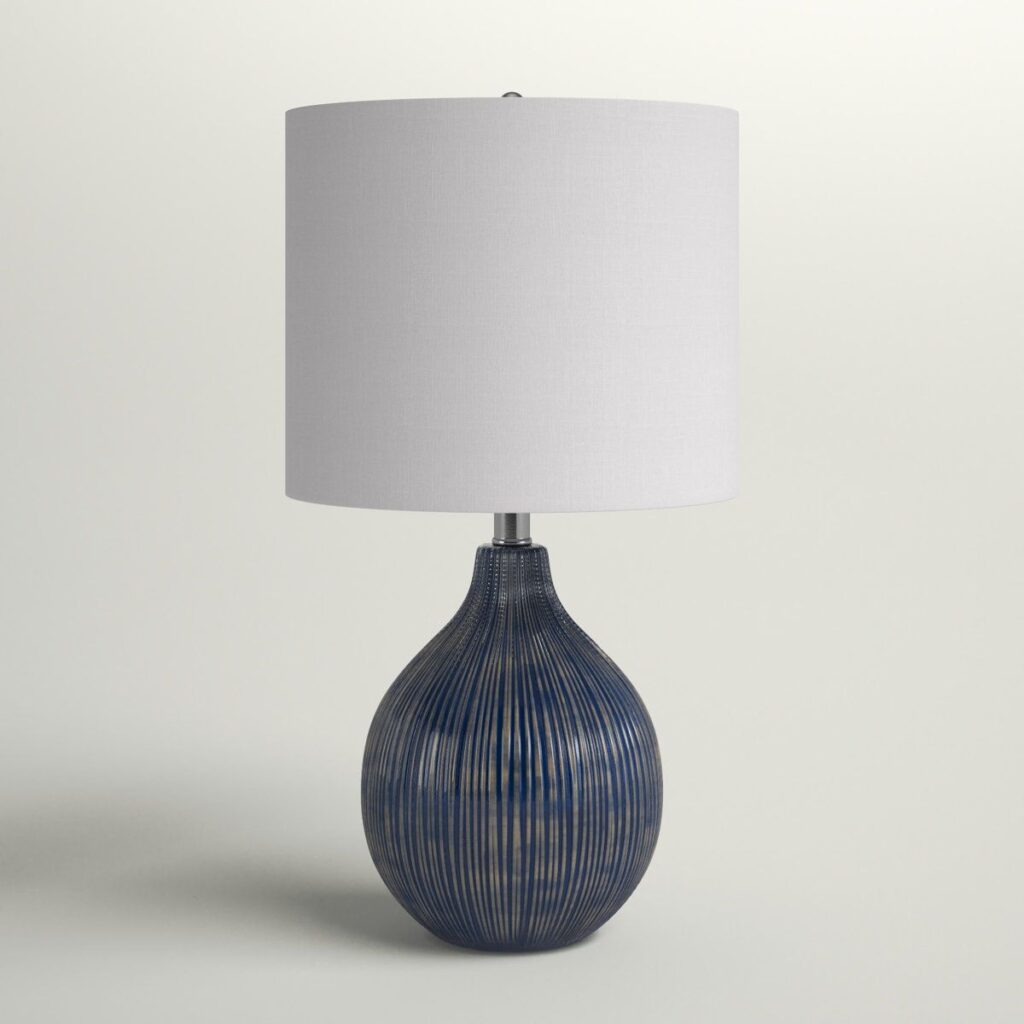
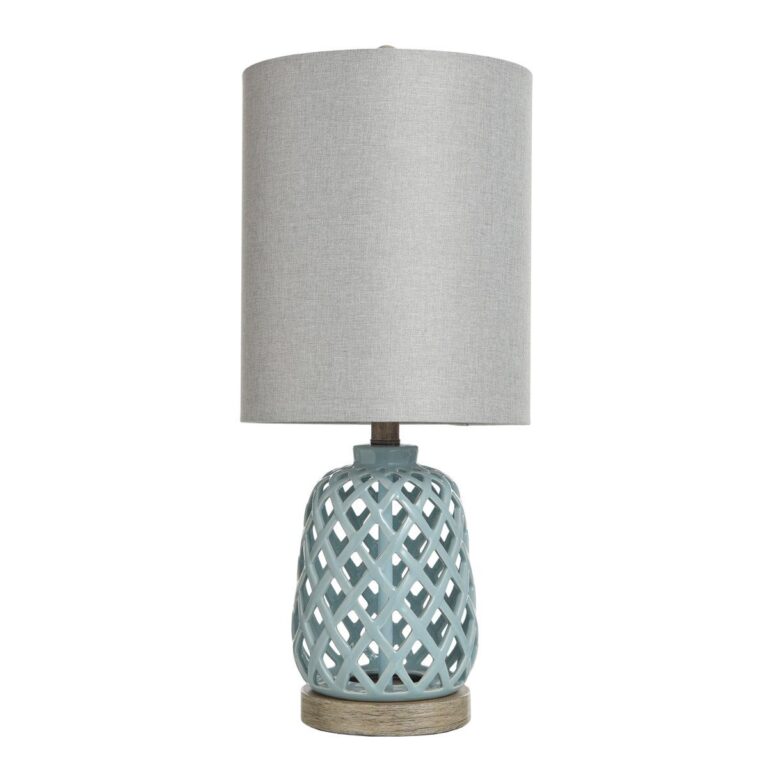 Aisha's pickLinen Ceramic Lamp Bases That Change the Feel of a Room
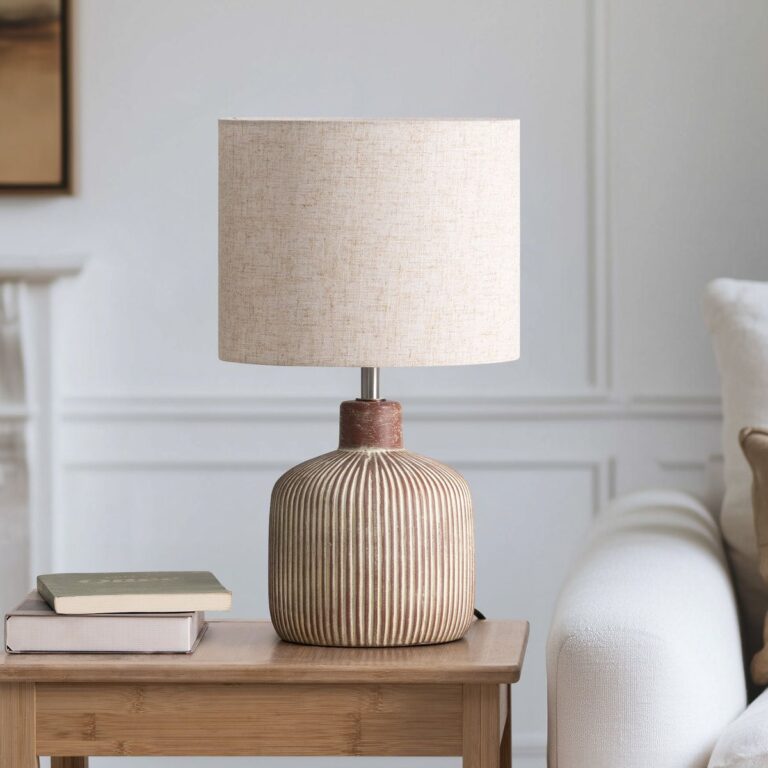
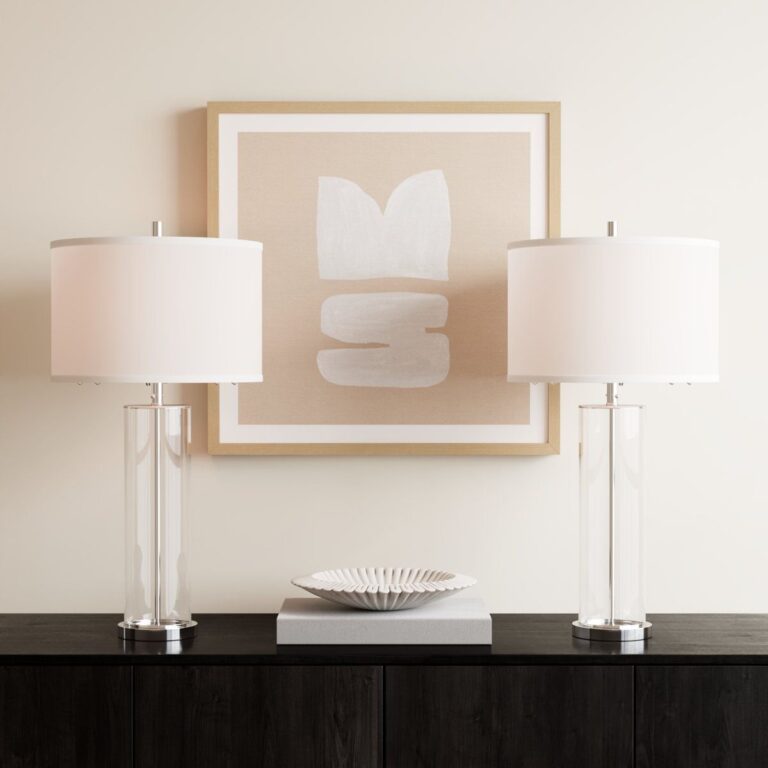 Aisha's pickChrome Lamp Shades That Light Up Gloomy Corners
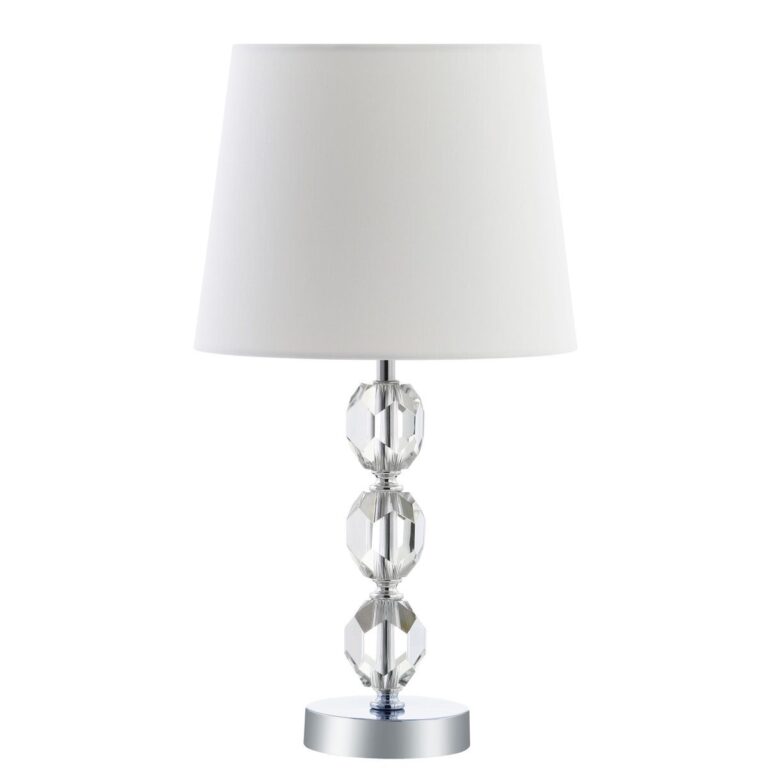
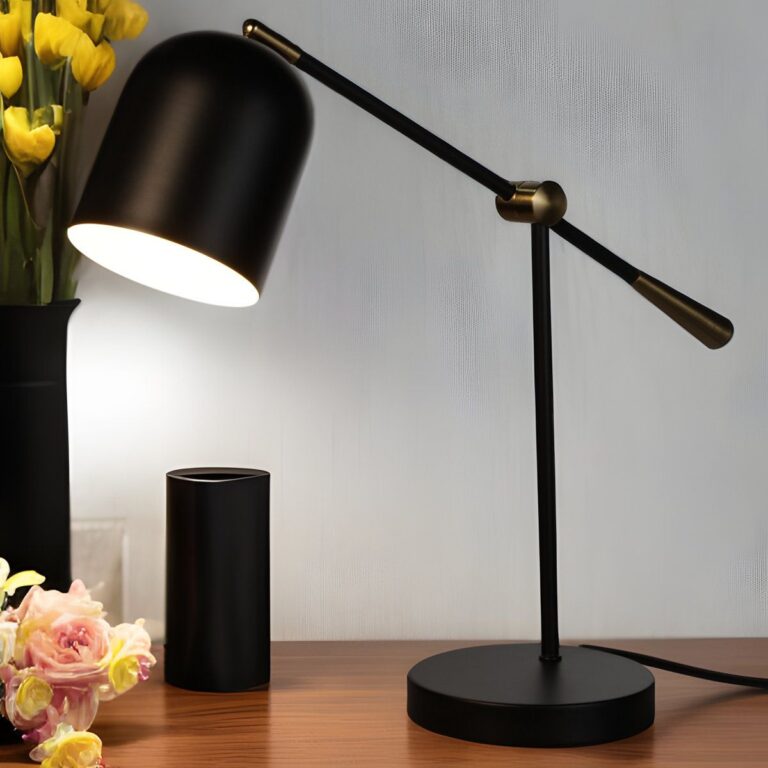 Aisha's pickBlack Lamp Bases That Give Off a Warm Glow
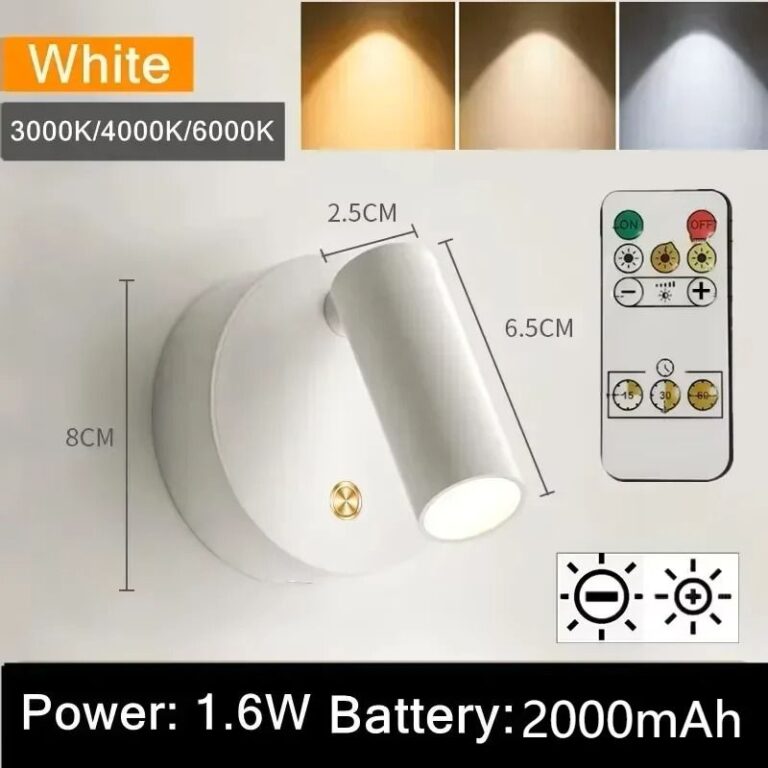
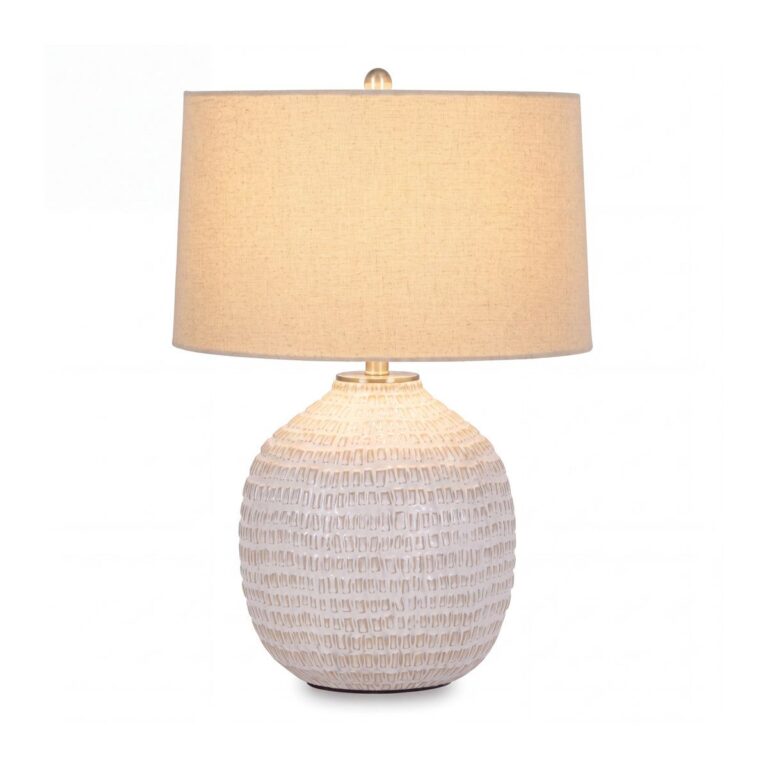 Aisha's pickLinen Lamp Bases That Look Good Switched Off Too
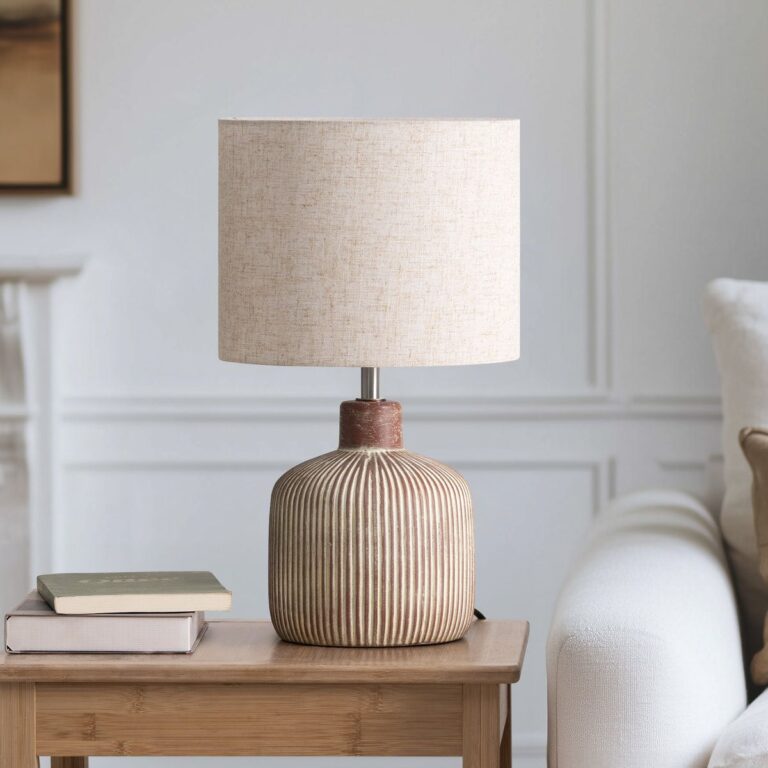
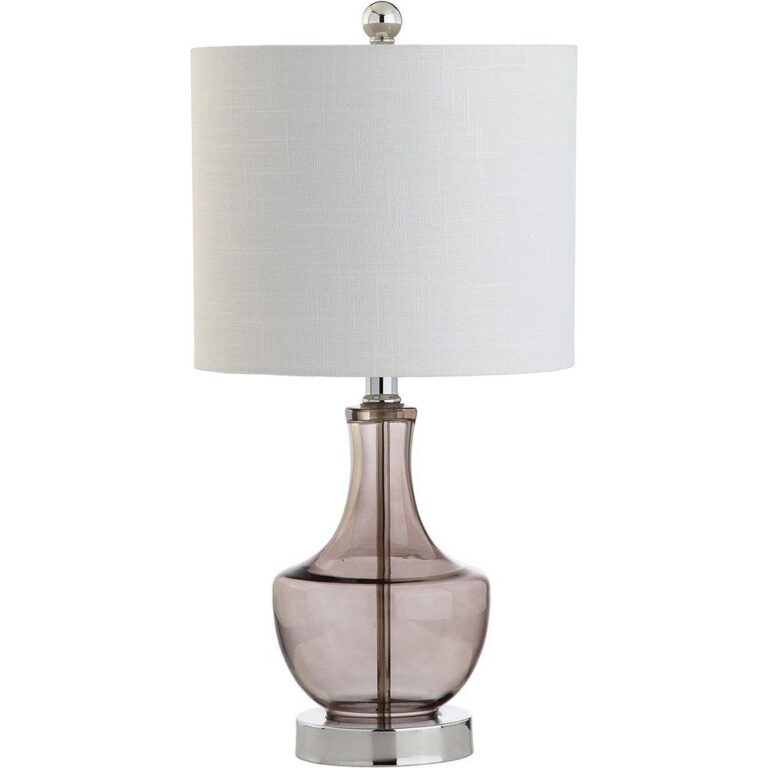 Aisha's pickDrum Lamp Shades That Light Up Gloomy Corners
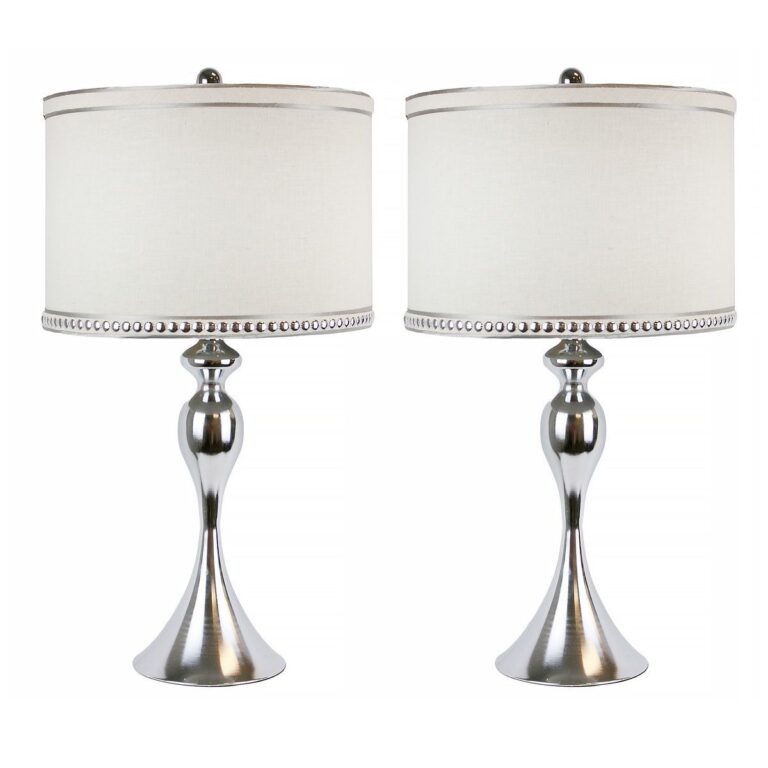
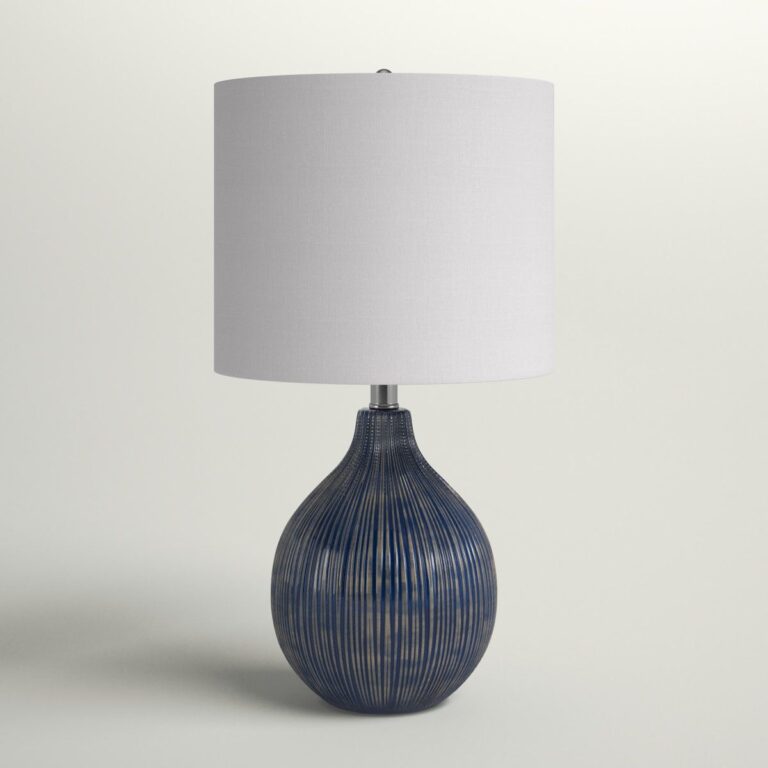 Aisha's pickBlue Lamp Bases That Look Good Switched Off TooAlso worth a lookLamps with ShadeA lamp with its shade already on it has a reputation for being the safe choice, the thing…See the collections →
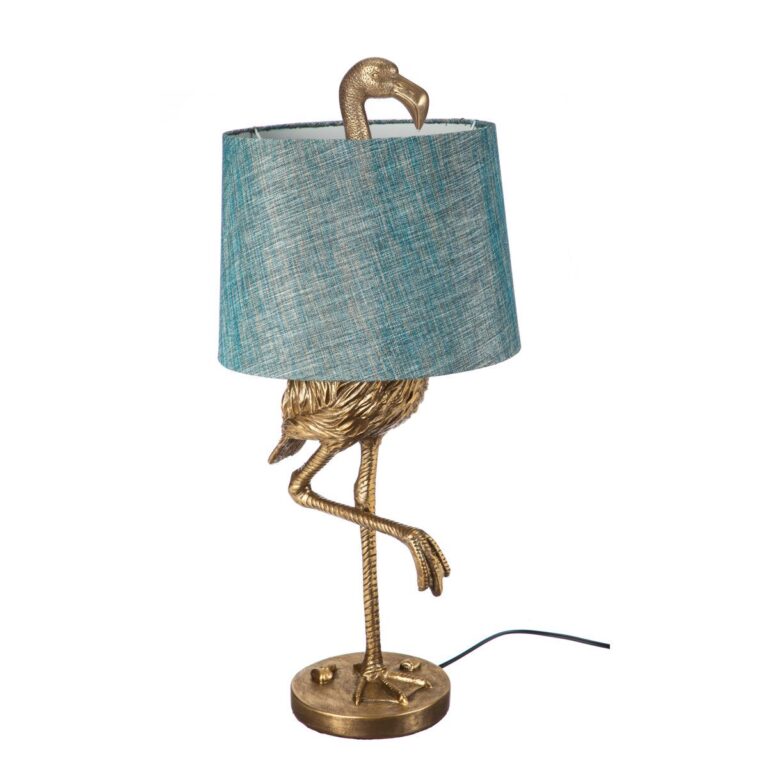
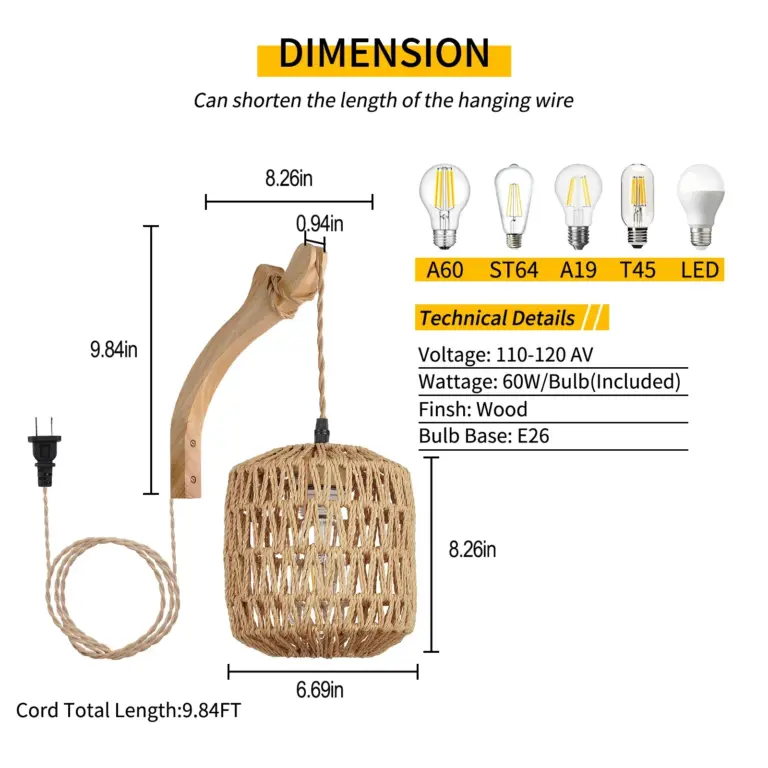 Aisha's pickMetal Lamp Bases That Look Like They Cost More
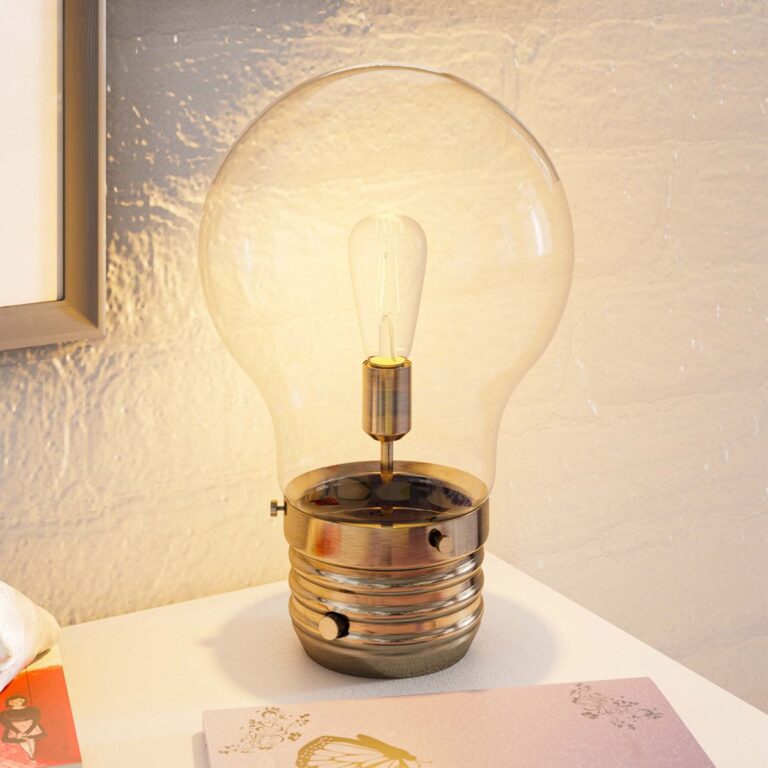
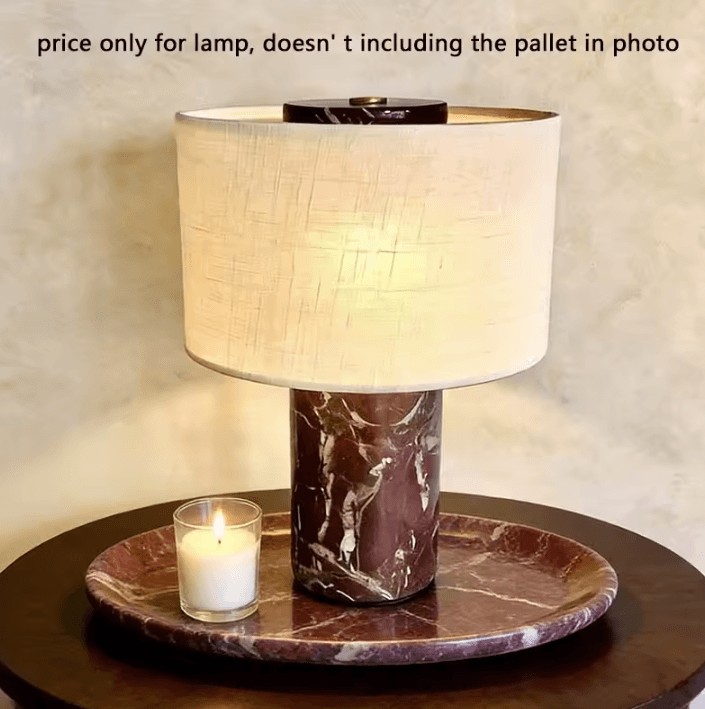 Aisha's pickFabric Lamp Shades Bright Enough Without the Glare
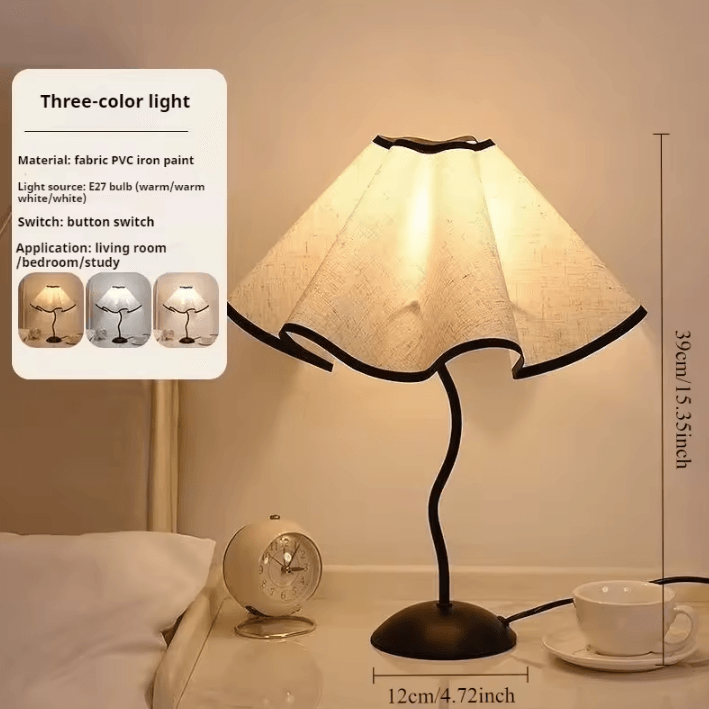
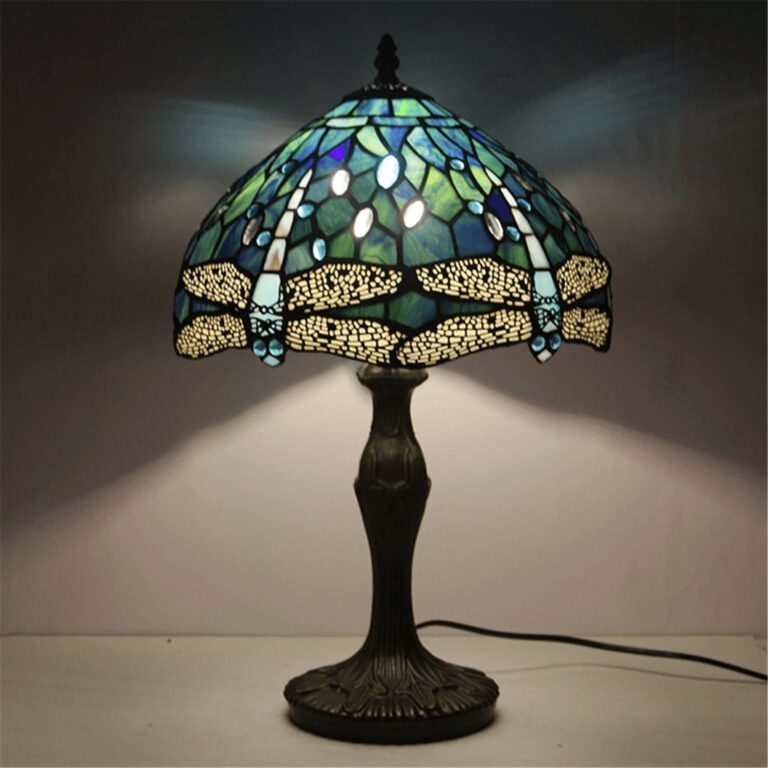 Aisha's pickBrass Lamp Bases That Give Off a Warm Glow
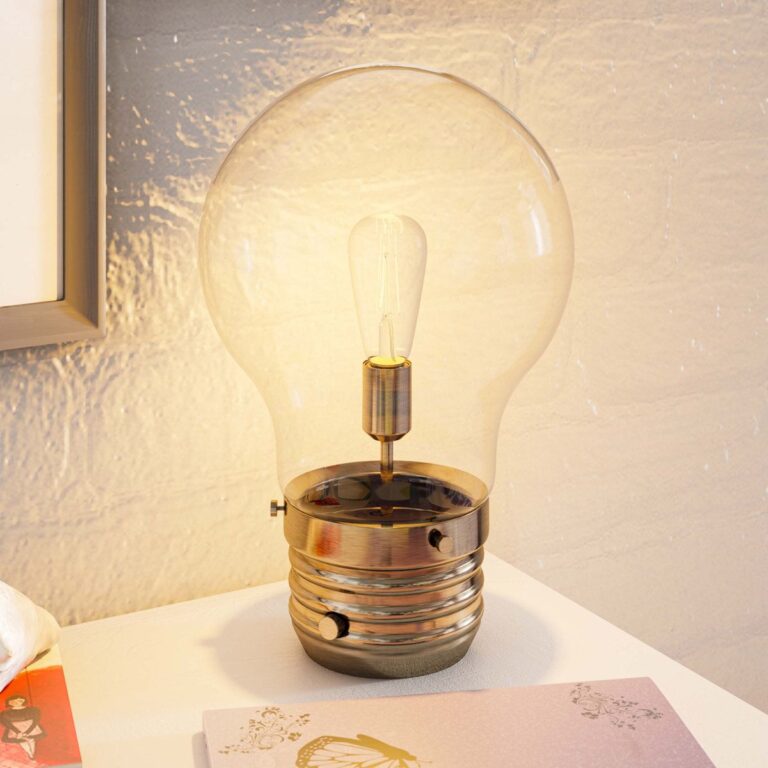
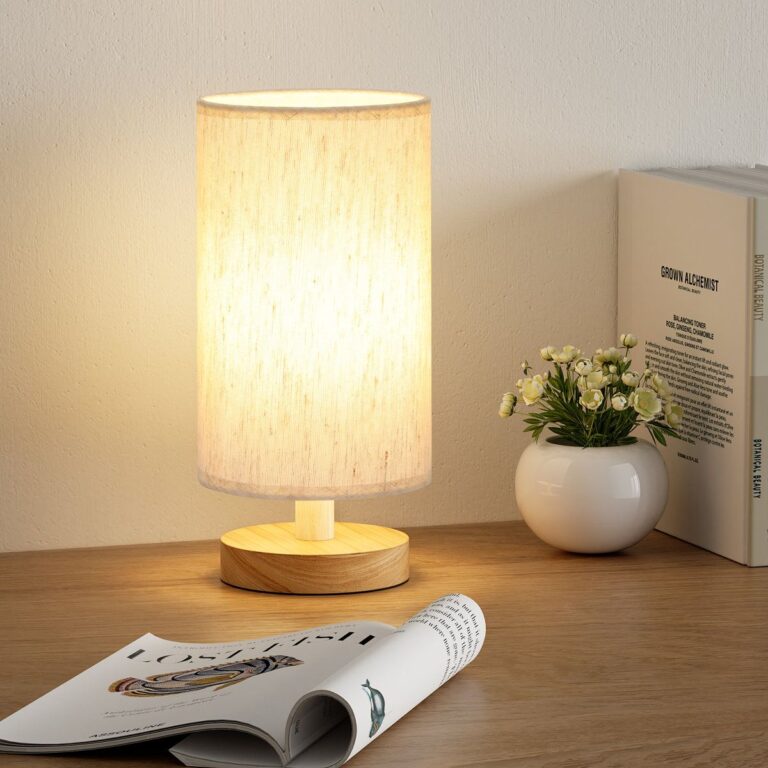 Aisha's pickModern Lamp Bases That Change the Feel of a Room
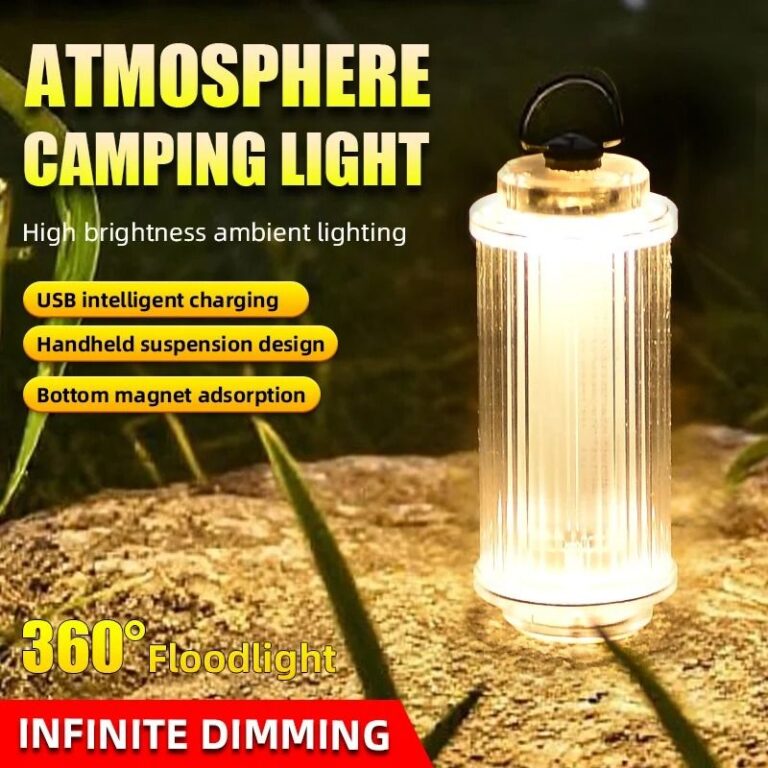
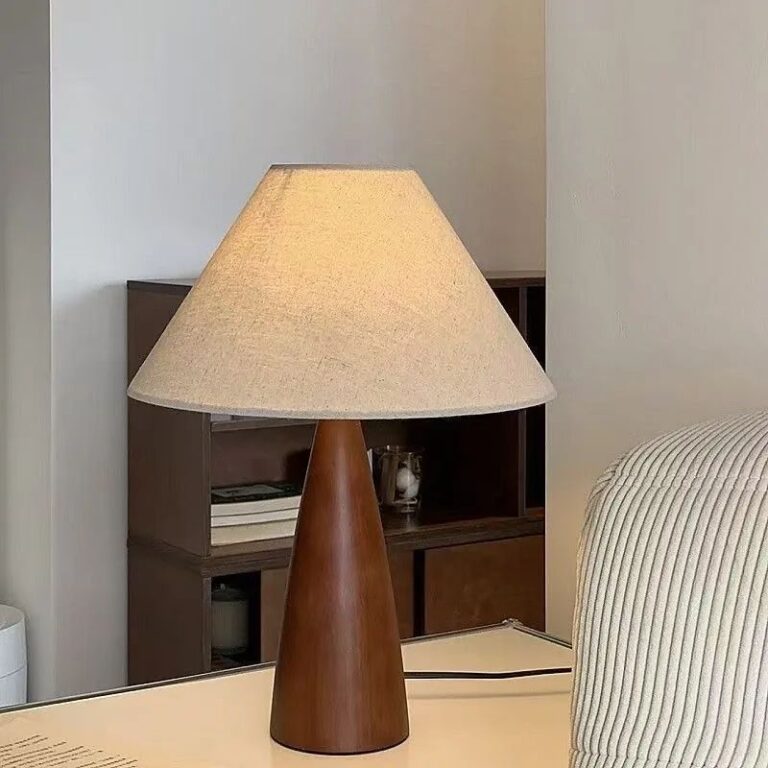 Aisha's pickShopping for Industrial Lamp Shades? Start Here
 Aisha's pickBronze Lamp Bases at Every Price Point
 Aisha's pickNatural Lamp Bases for Reading, Relaxing or Both
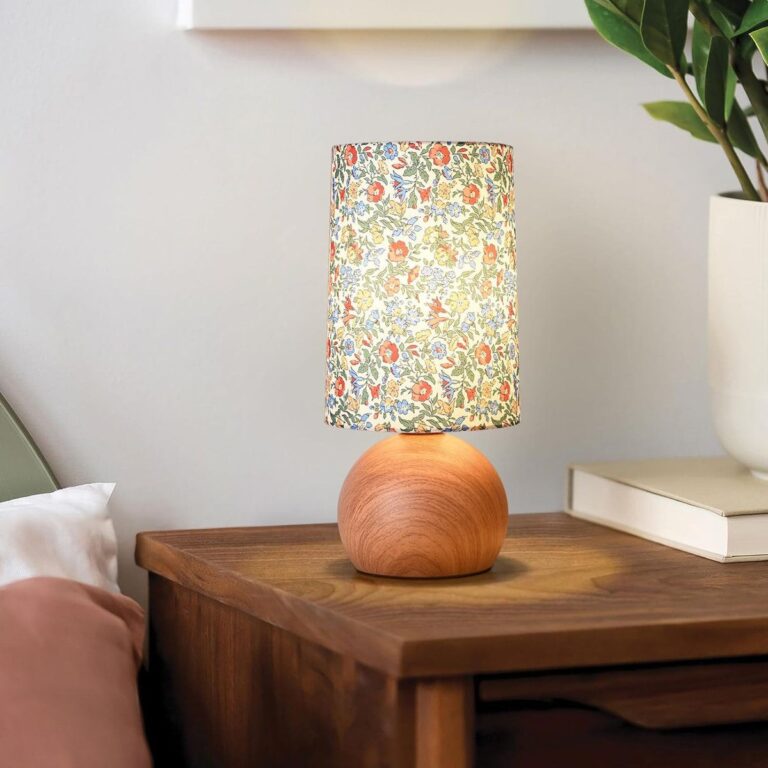 Aisha's pickLamp Shades That Make the Big Light Redundant