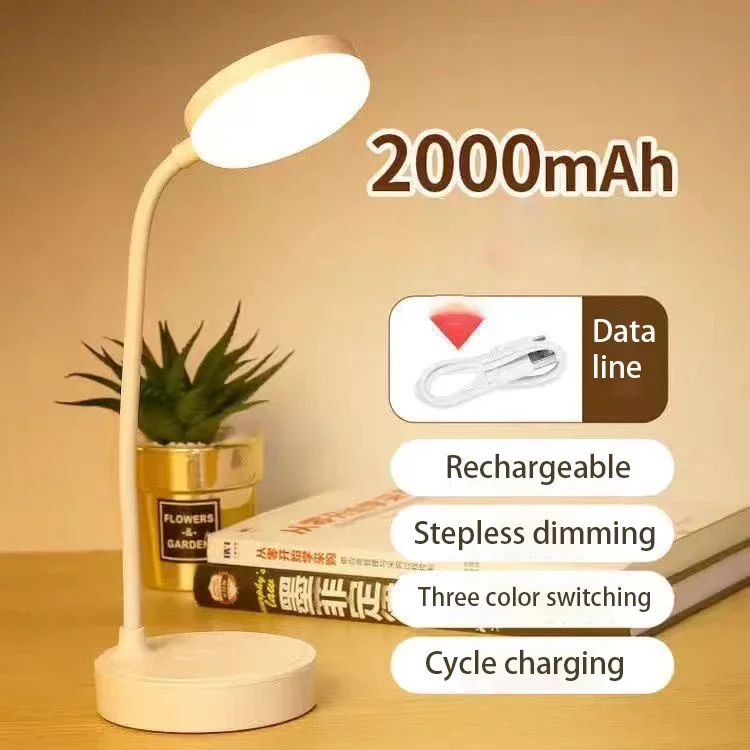
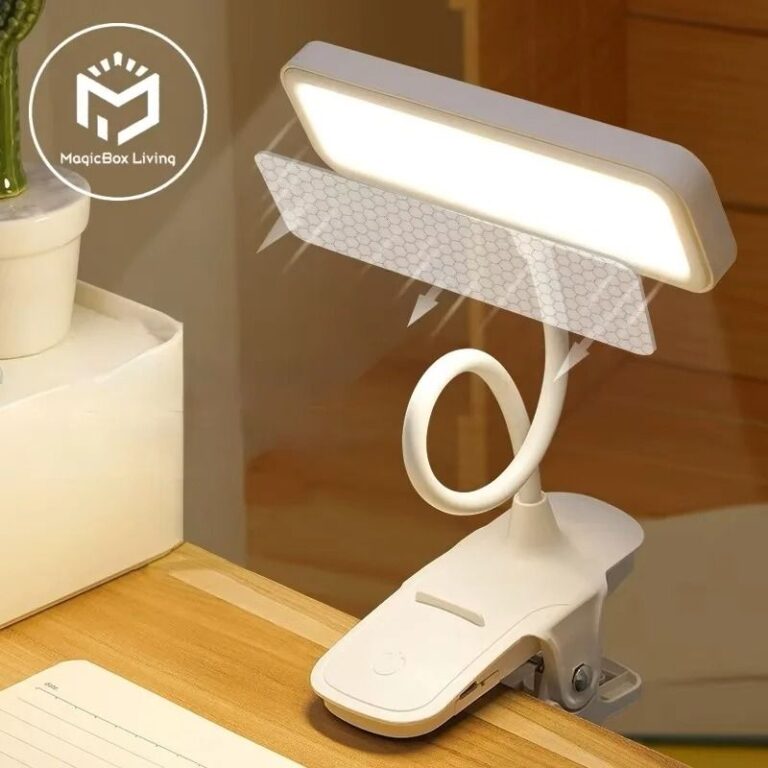
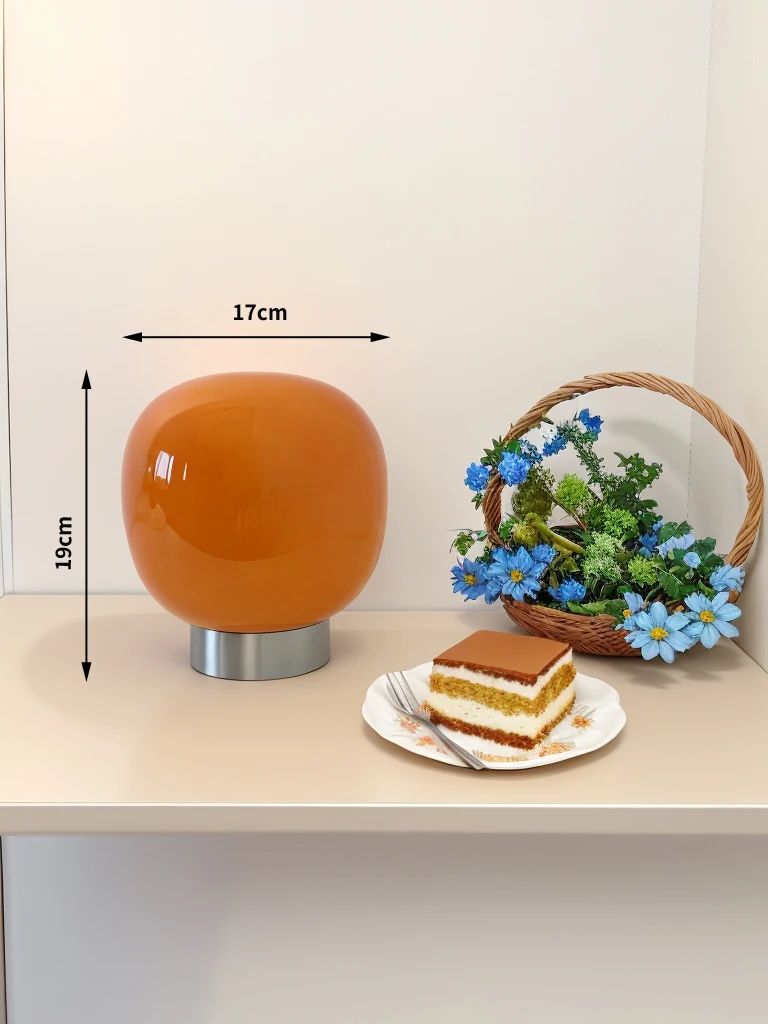
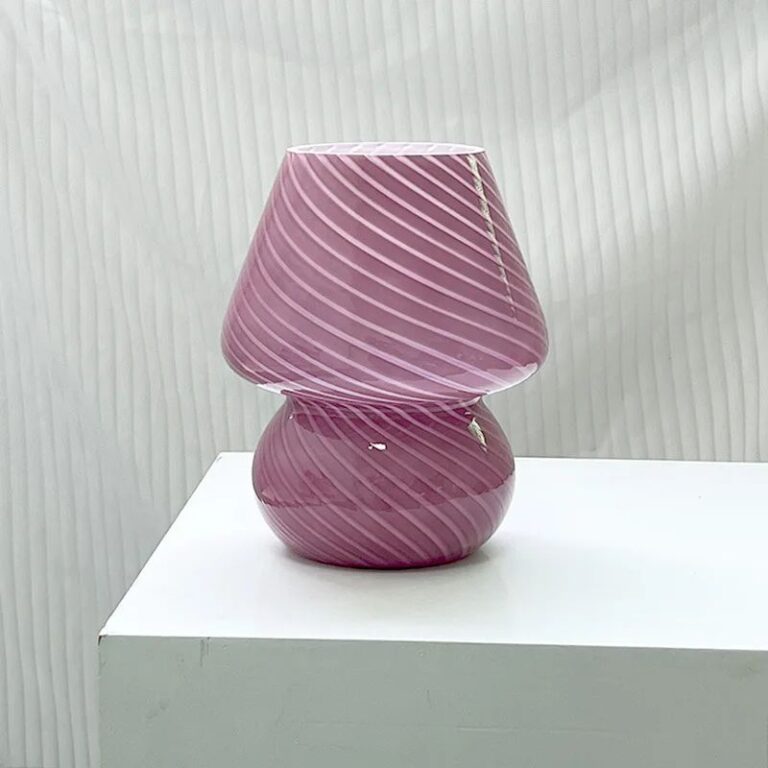
The moment it clicked for me was a corner of an old study, a wide pine desk with nothing on it but a laptop and too much overhead light making everyone look tired at seven in the evening. I set an old brass lamp with a green glass shade on the corner of that desk, pulled the overhead light off, and the whole room changed its posture. That's what a good desk lamp does. It gives a room one soft, aimed pool of light instead of one harsh flat one, and your eyes stop fighting the whole space just to read a letter.
If you've never owned one, start plain and start adjustable, something with an arm that moves and a shade that angles down rather than out, because a fixed lamp looks fine in a shop and becomes a nuisance the first time you need the light somewhere else on the desk. Brass or bronze with some age allowed to show, or a painted metal base with real weight to it, will sit easily with almost anything you already own, a rolltop desk inherited from a grandmother, a plain modern table from a big box store, a kitchen counter doing double duty as a workspace. I've put the same lamp style on a scarred oak desk in a rental and on a painted secretary that had been in the family three generations, and it looked right in both places, because good lamps borrow from old design even when they're brand new, and that borrowing is what lets them sit next to almost anything without an argument.
What separates a lamp that lasts from one that dies in a year comes down to the joints and the weight. Pick one up before you decide. A cheap one feels hollow and light, the arm wobbles at the joint, and the shade is glued rather than fitted with a proper harp or finial. A well made one has some heft in the base so it doesn't tip when the cord gets tugged, the swivel points are metal on metal rather than plastic sleeves, and the finish, whether it's brass, bronze, or painted steel, feels like it was meant to age rather than scratch through to bare metal the first week. The old ones I've rewired for clients still swivel smoother than lamps made last year, and that's not nostalgia talking, that's just better hardware.
The one mistake is buying on looks alone and skipping the test of moving the arm and shade through its full range right there before you buy it, because a lamp that can't actually point where you need it is just a sculpture that uses electricity.
 Aisha's pickDesk Lamps You’ll Still Like in Five Years
 Aisha's pickSmall Desk Lamps That Make the Spare Room Feel Like an Office
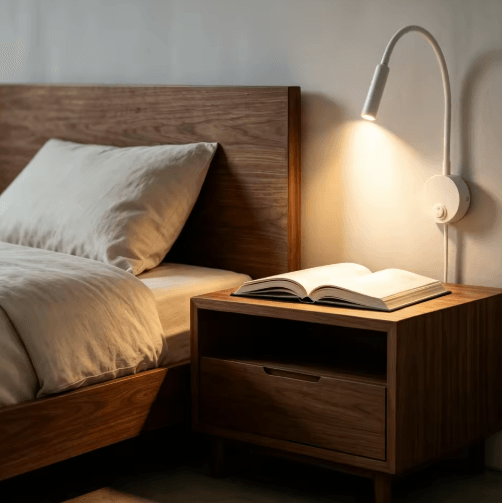
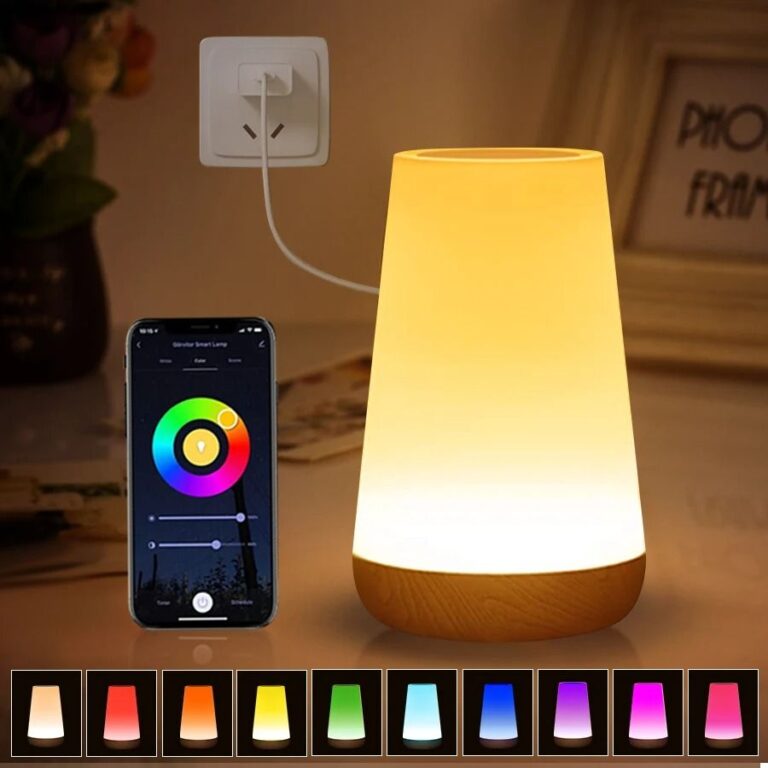 Aisha's pickDesk Lamps for Bedroom Worth Knowing About
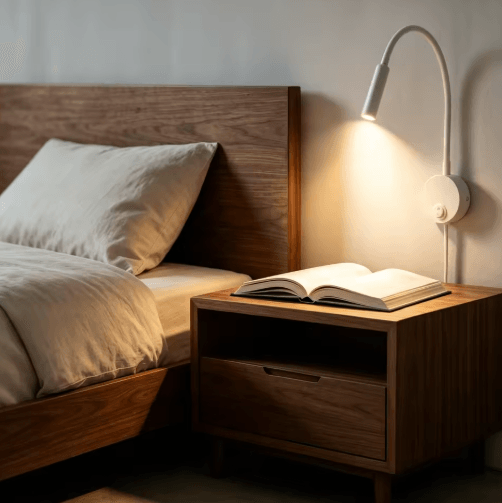
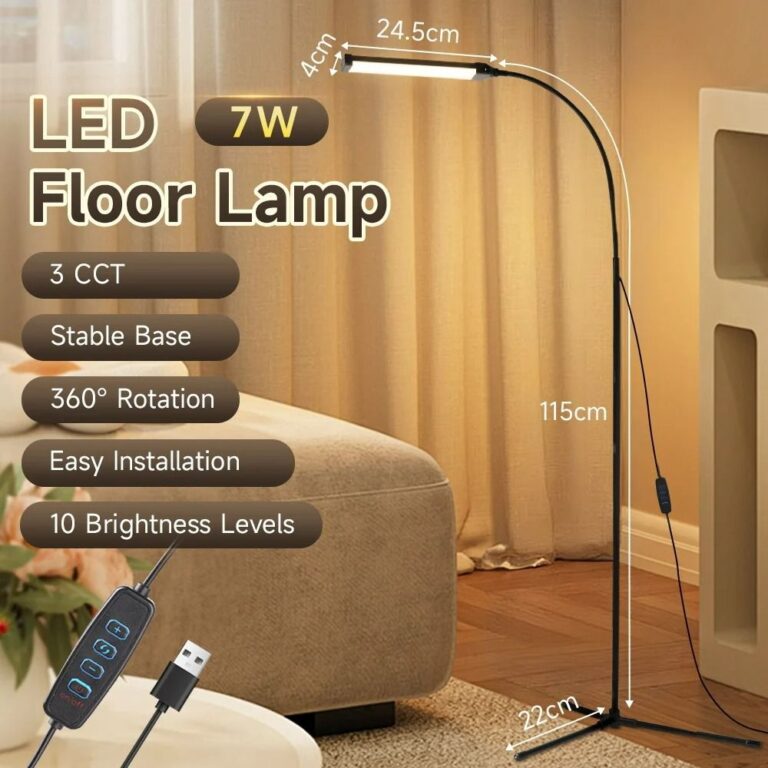 Aisha's pickTouch Desk Lamps That Don’t Shout About It
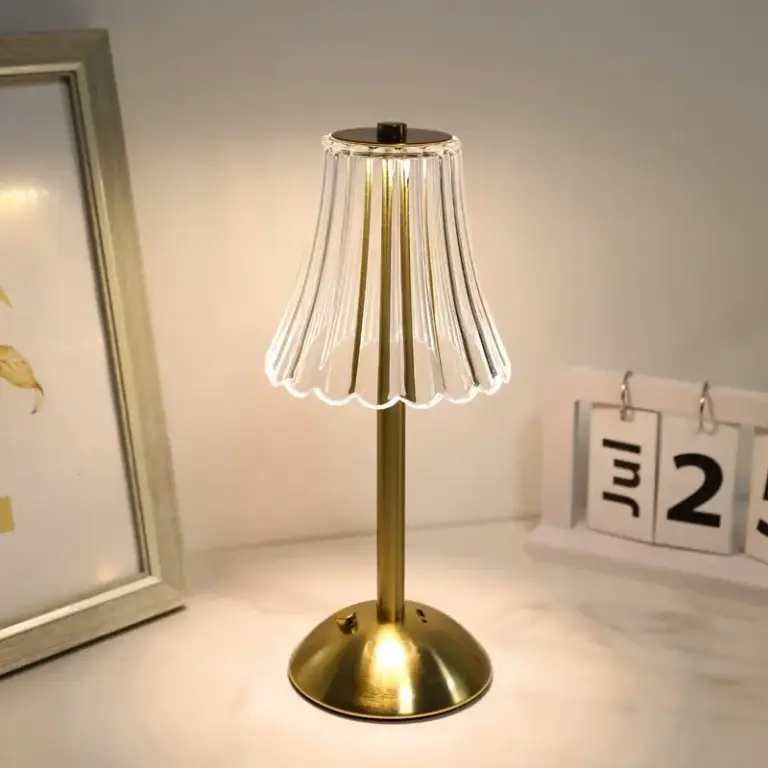
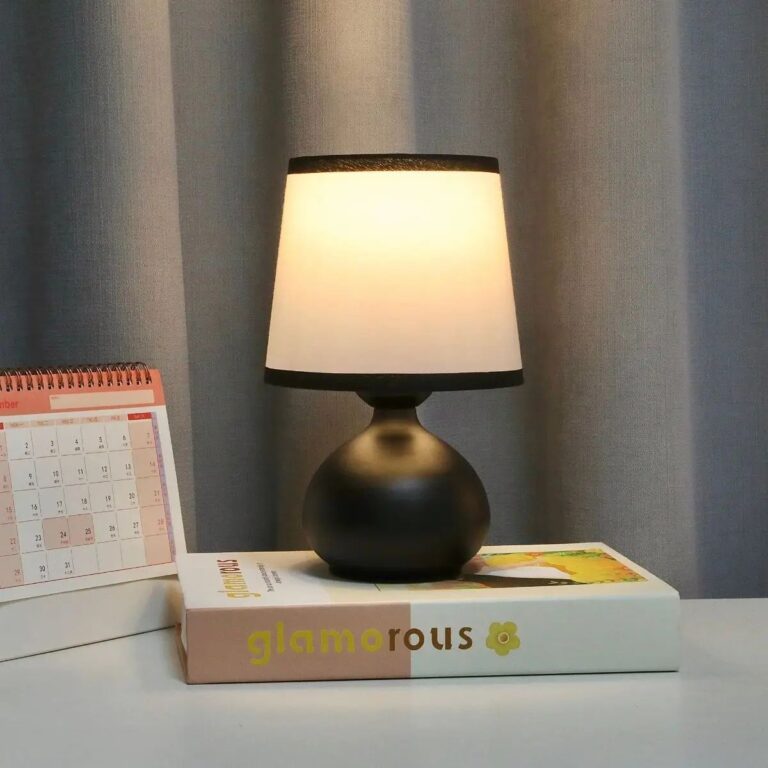 Aisha's pickDesk Lamps for Living Room That Don’t Look Mass Produced
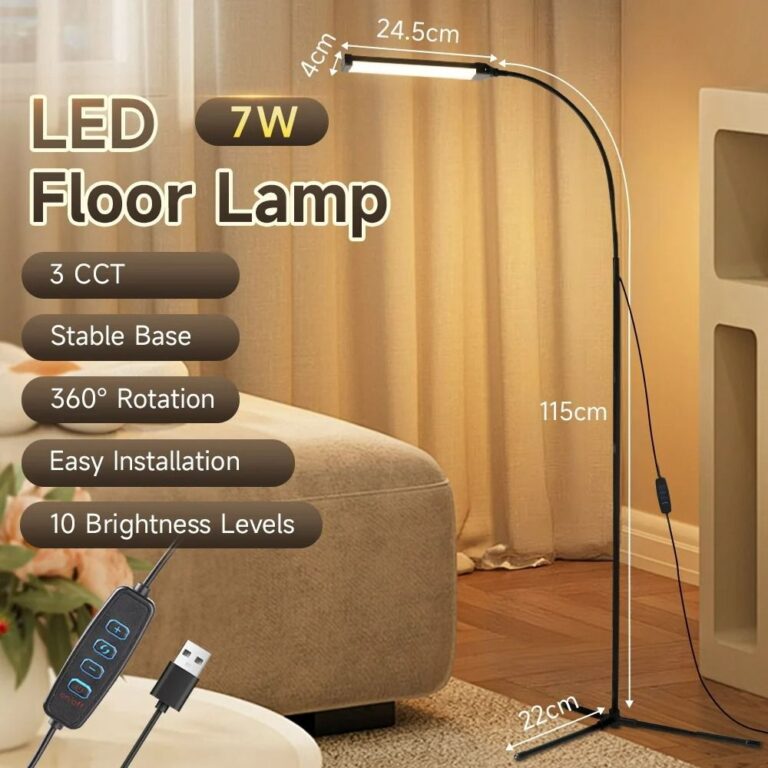
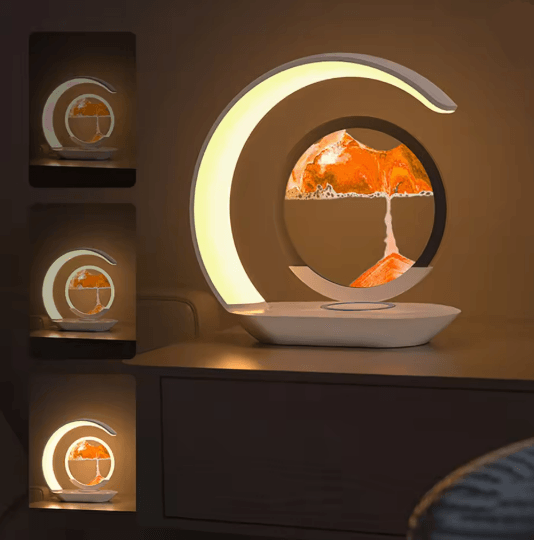 Aisha's pickTouch Glass Desk Lamps for Working From Home Without the Backache
 Aisha's pickDesk Lamps for Office That Earn Their Keep
 Aisha's pickVintage Desk Lamps You’ll Keep for Years
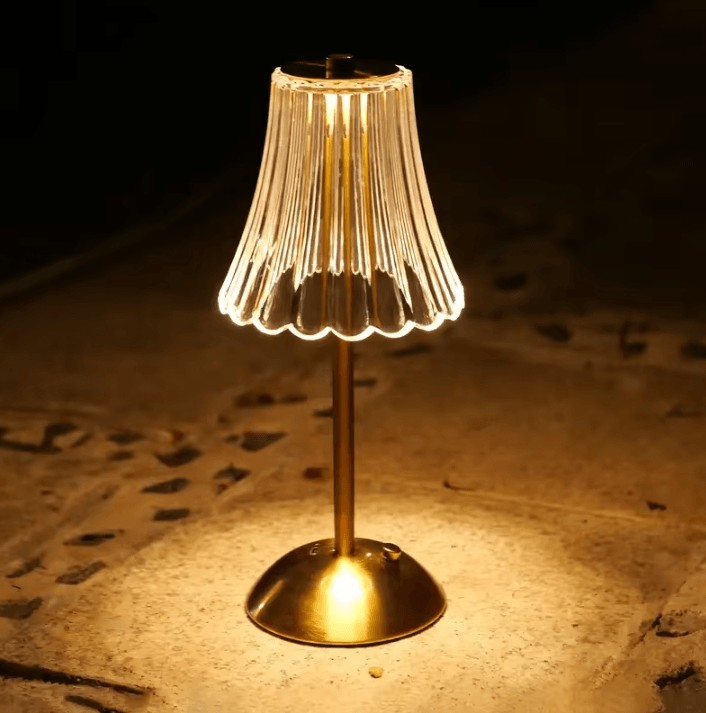
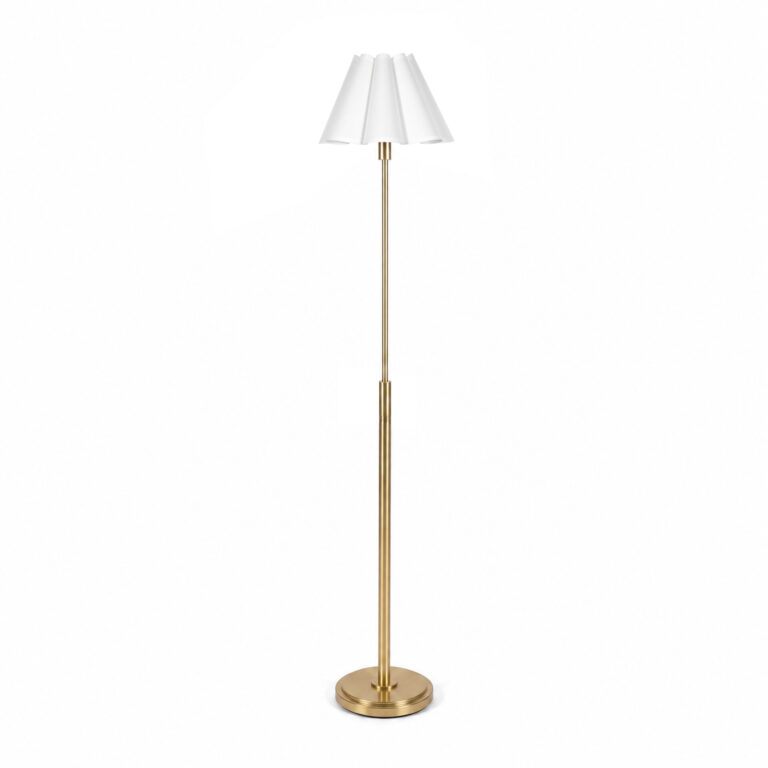 Aisha's pickDesk Lamps for Reading That Make the Spare Room Feel Like an OfficeAlso worth a lookWall LampsThe thing that catches people out with wall lamps is the electrical question, nobody thinks about it until…See the collections →

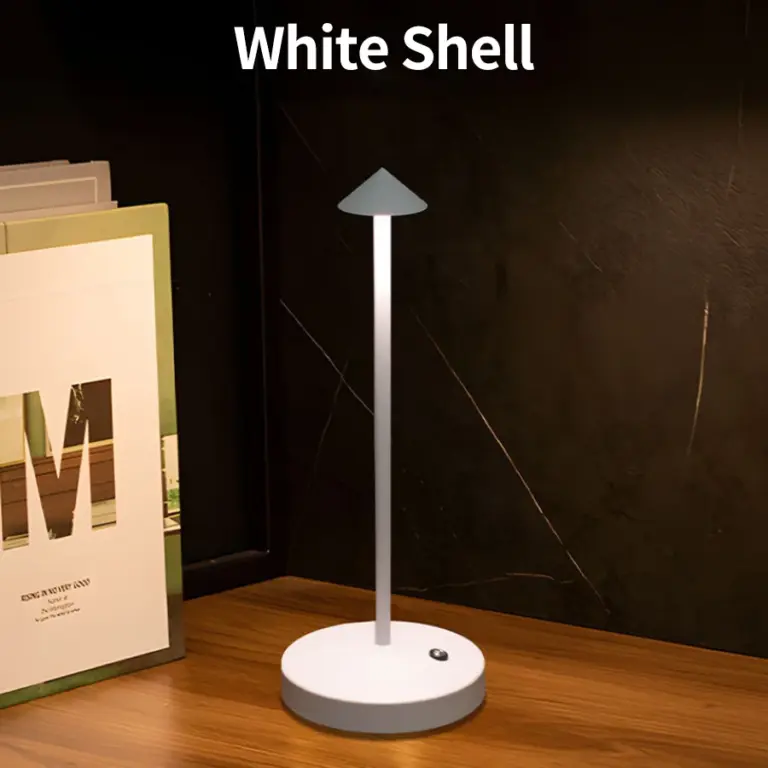 Aisha's pickWhite Desk Lamps for Working From Home Without the Backache
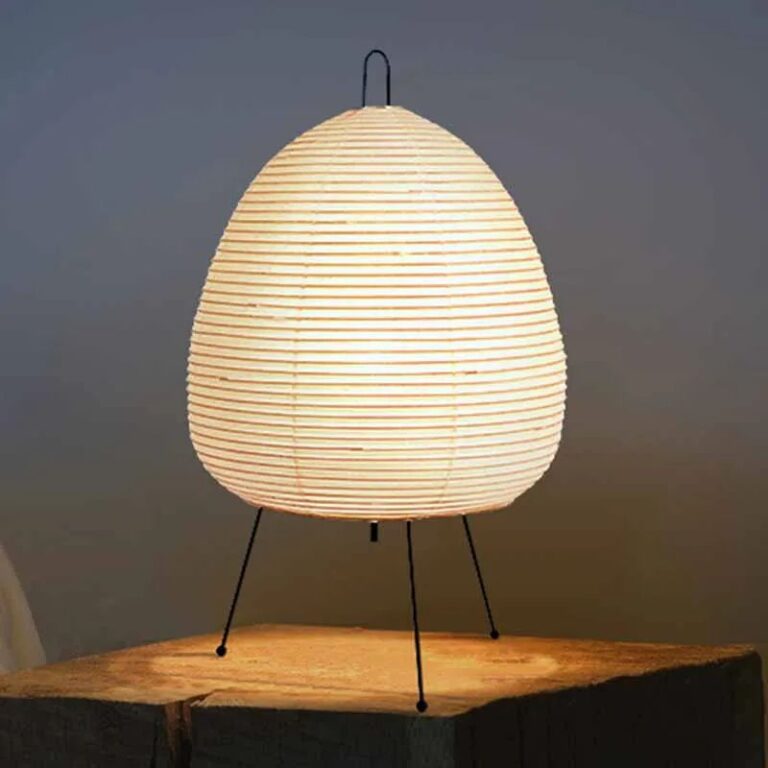
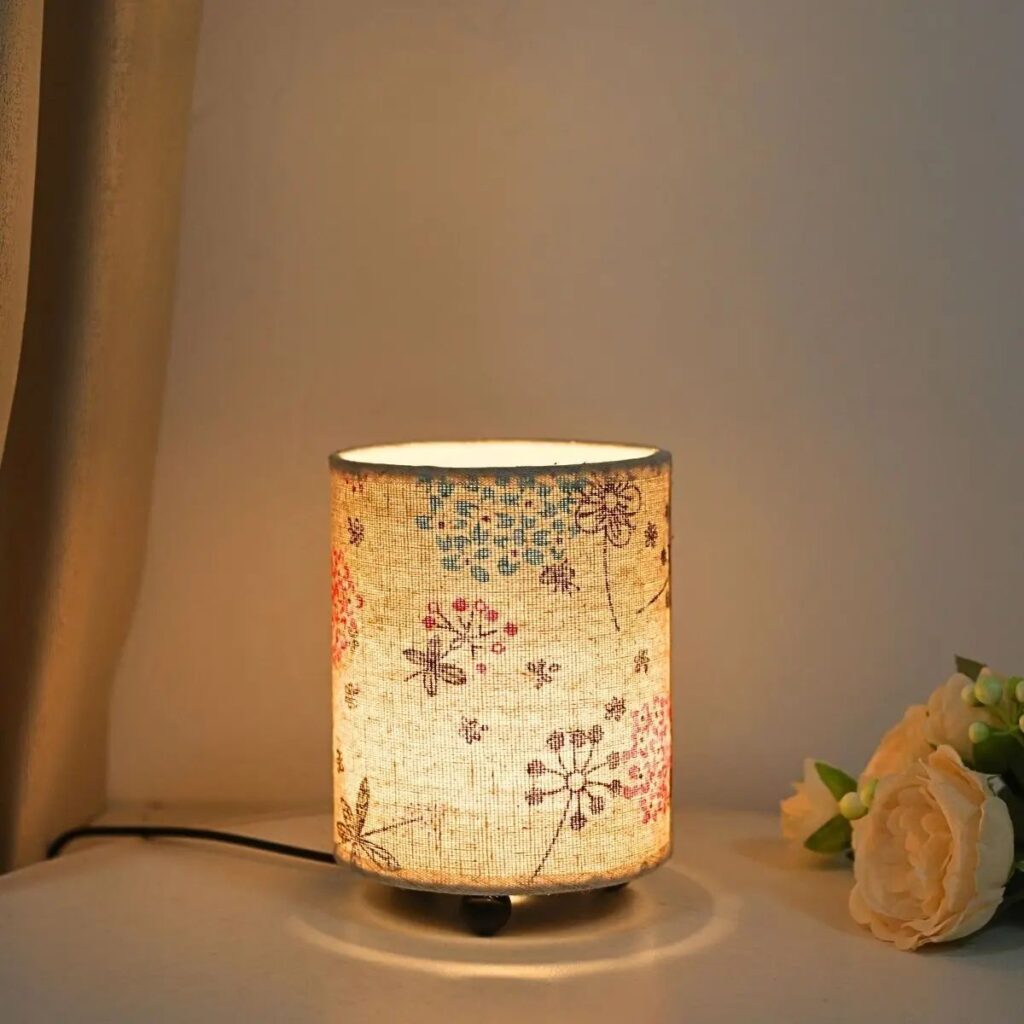 Aisha's pickGood Desk Lamps with Shade That Don’t Cost a Fortune
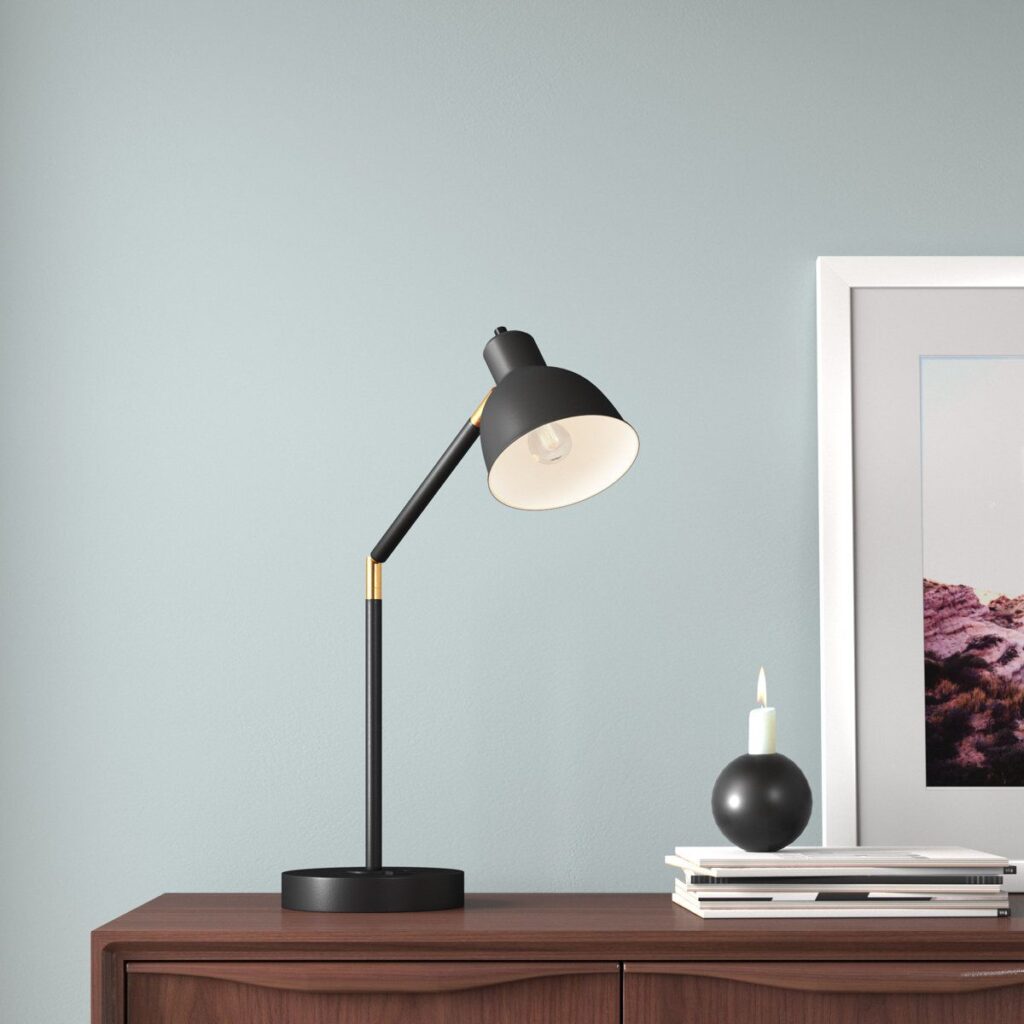
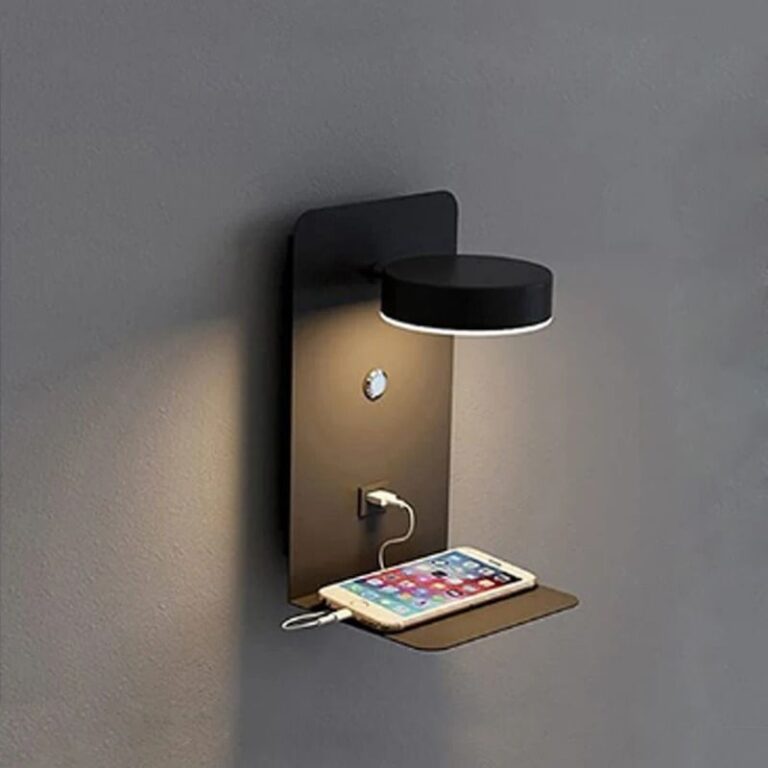 Aisha's pickWhite LED Desk Lamps for a Home Office That Works
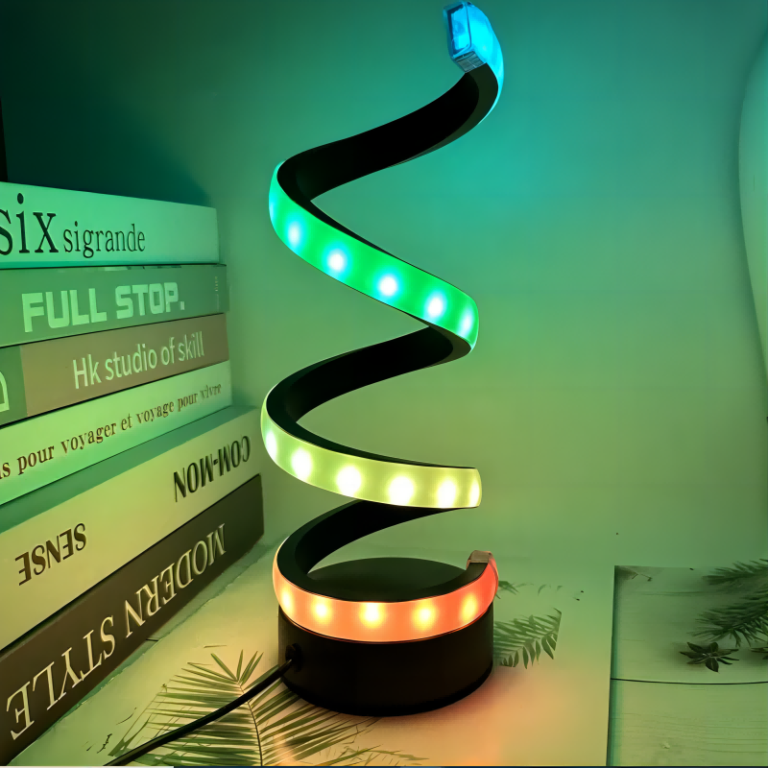
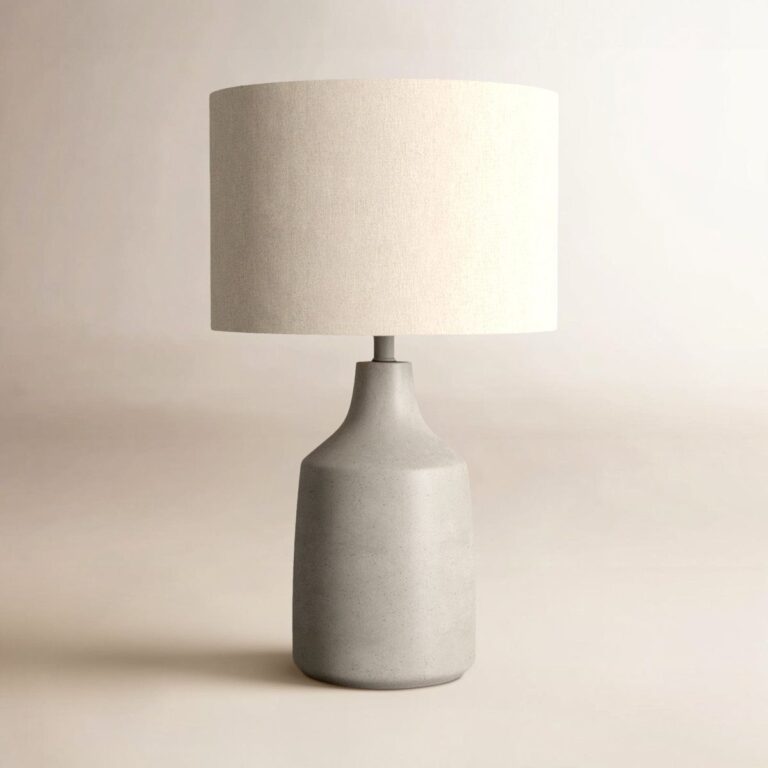 Aisha's pickFabric Desk Lamps We’d Buy Again
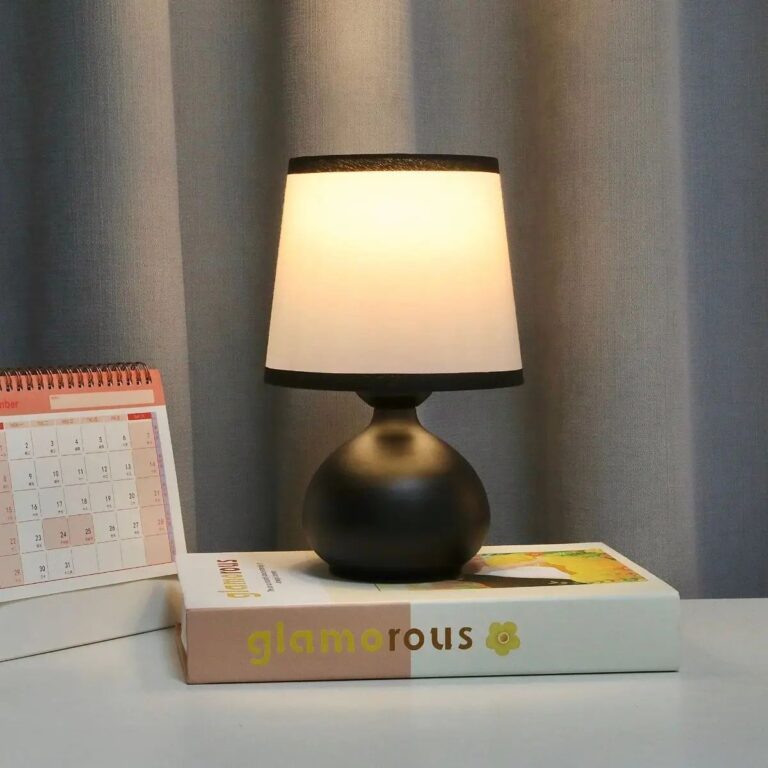
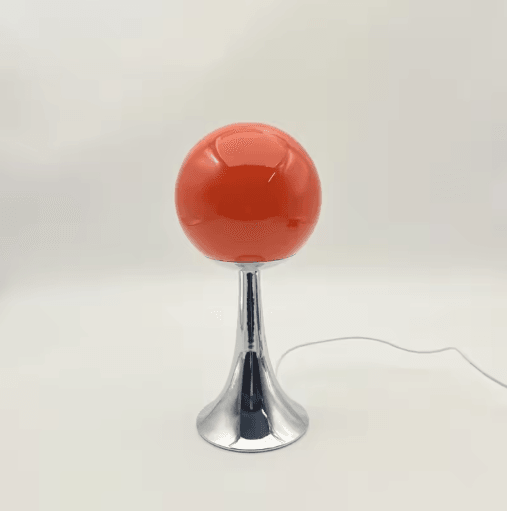 Aisha's pickGlass Desk Lamps for a Home Office That Works
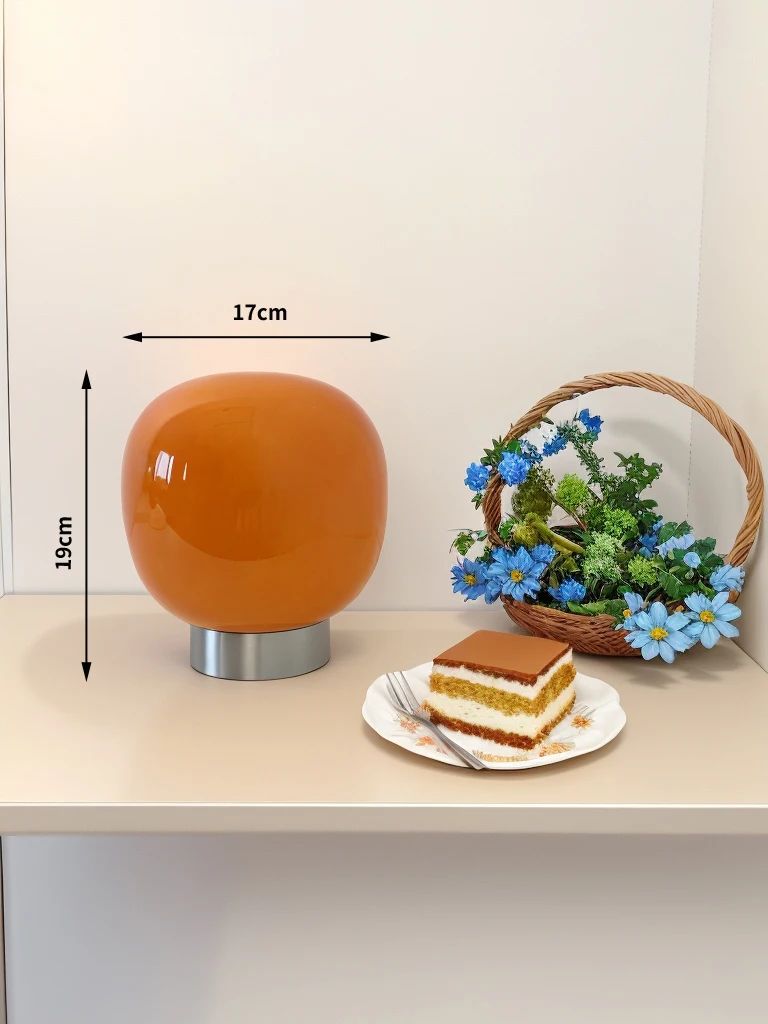
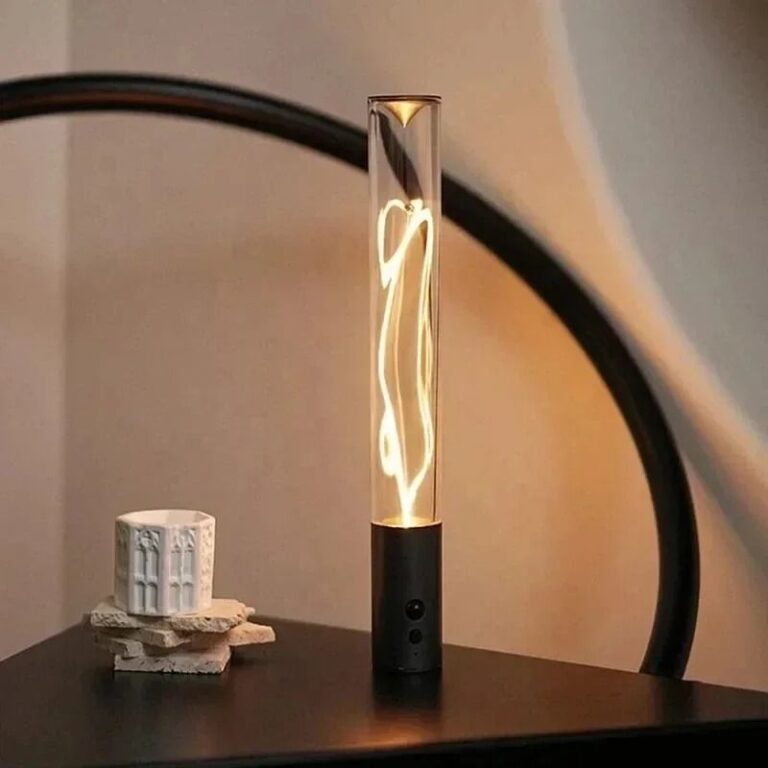 Aisha's pickLED Desk Lamps for a Home Office That Works
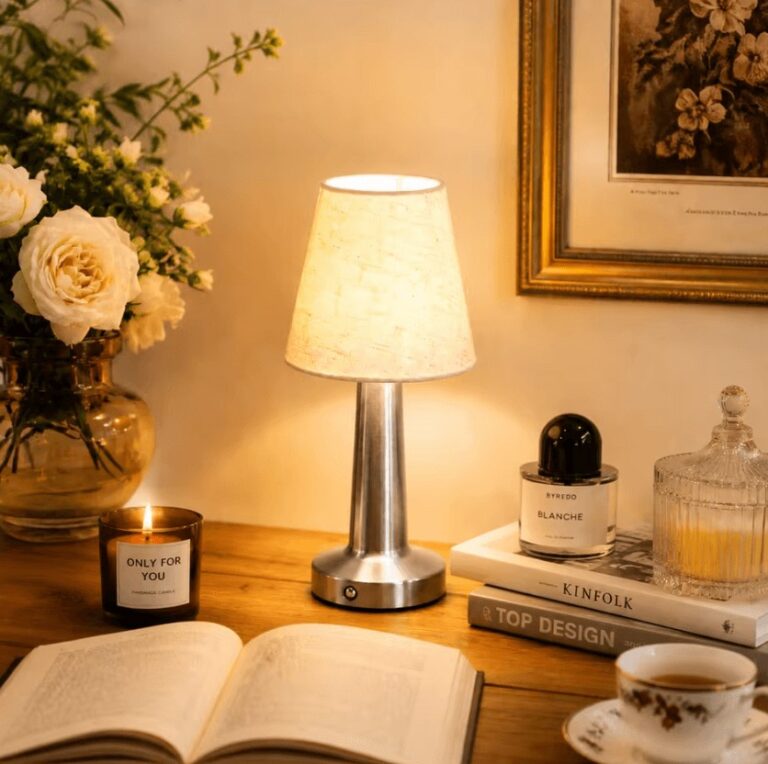
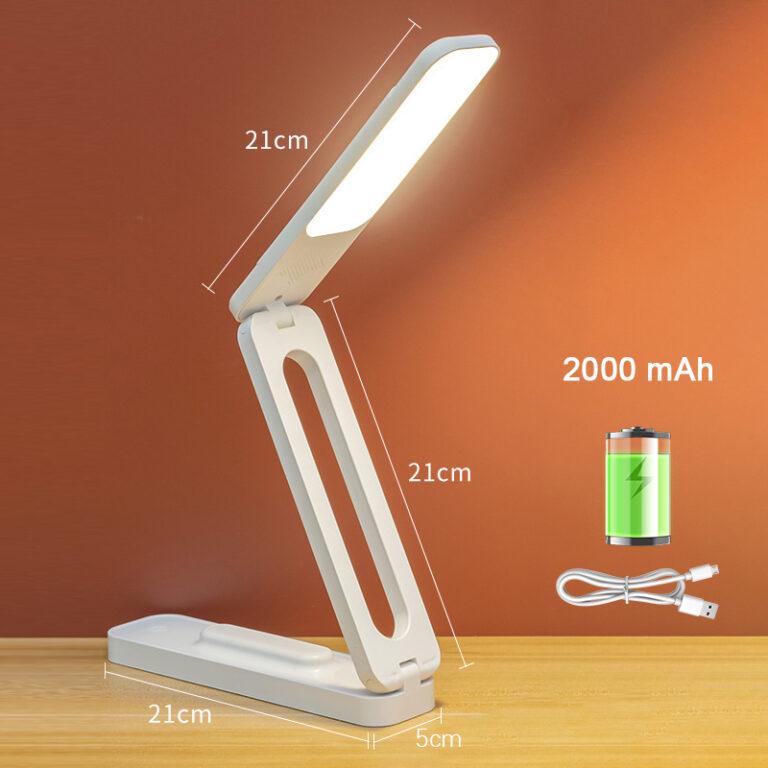 Aisha's pickAdjustable Desk Lamps We Work Beside Every Day
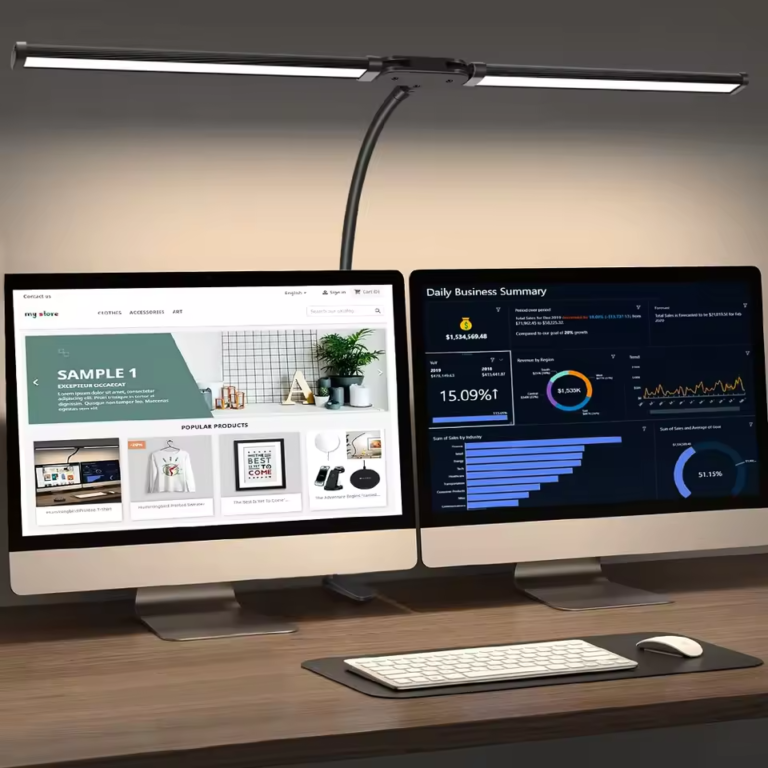
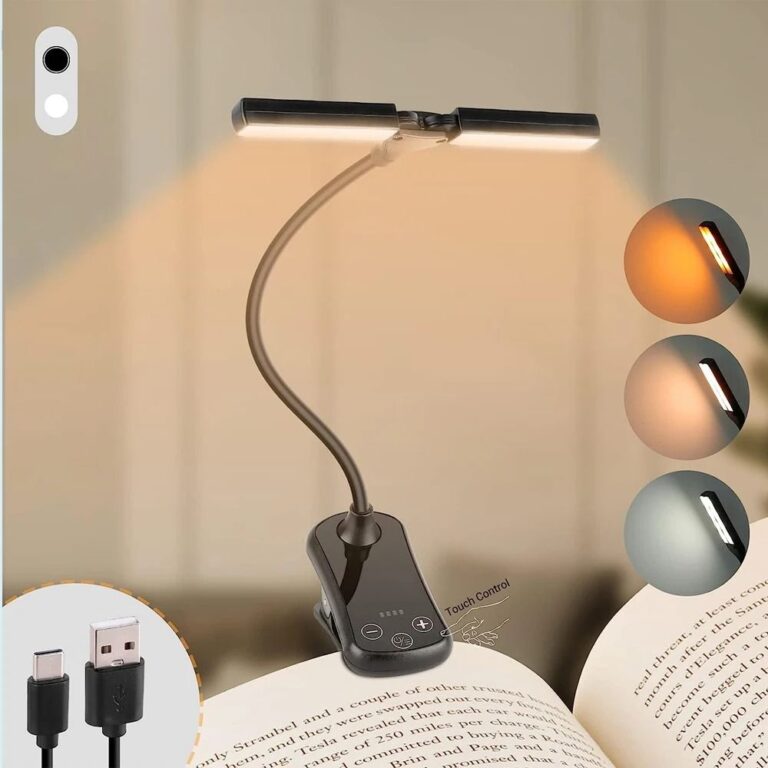 Aisha's pickLED Office Desk Lamps We Work Beside Every Day
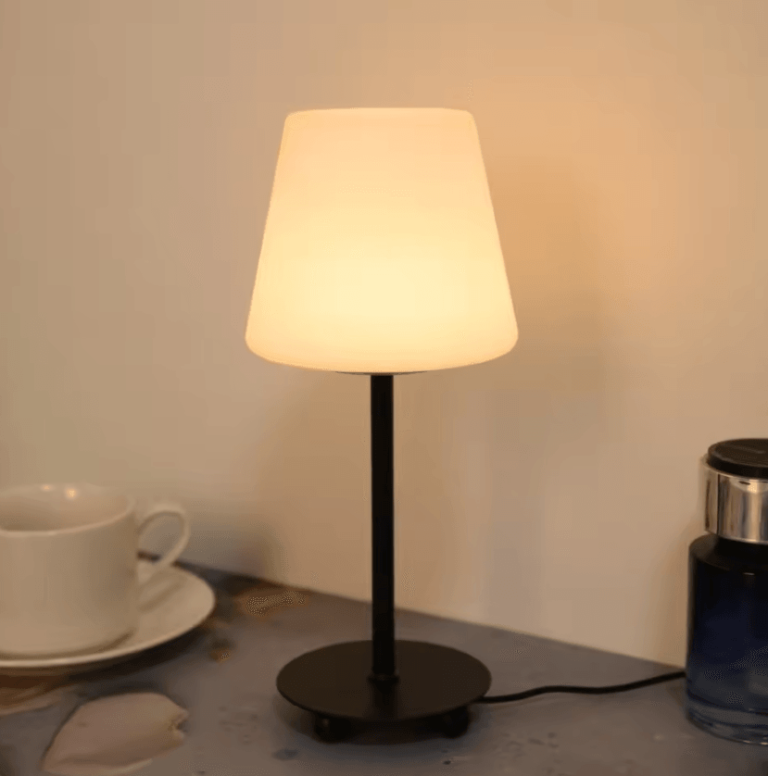
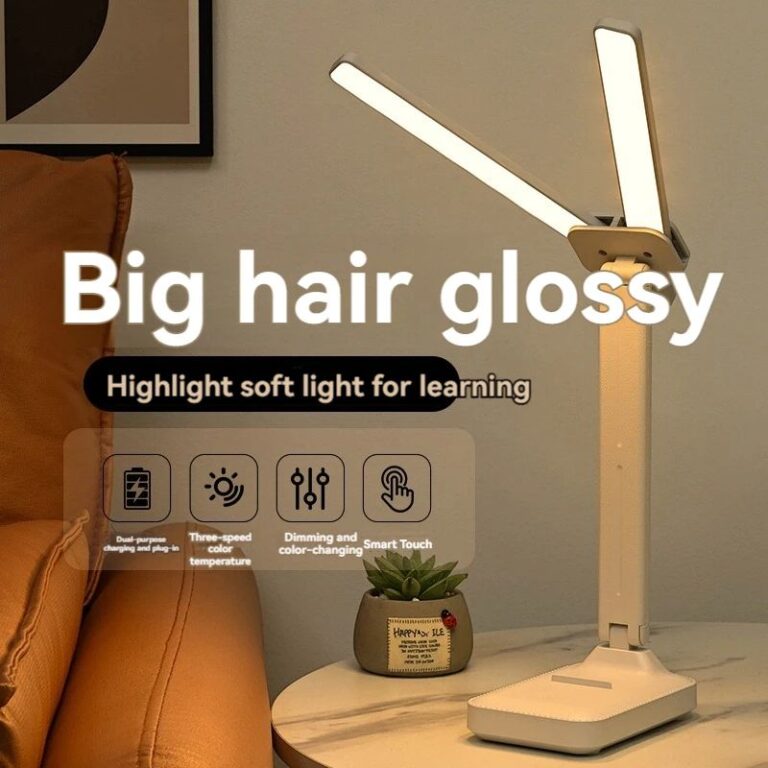 Aisha's pickAdjustable Office Desk Lamps That Do the Job RightAlso worth a lookLamps with ShadeA lamp with its shade already on it has a reputation for being the safe choice, the thing…See the collections →
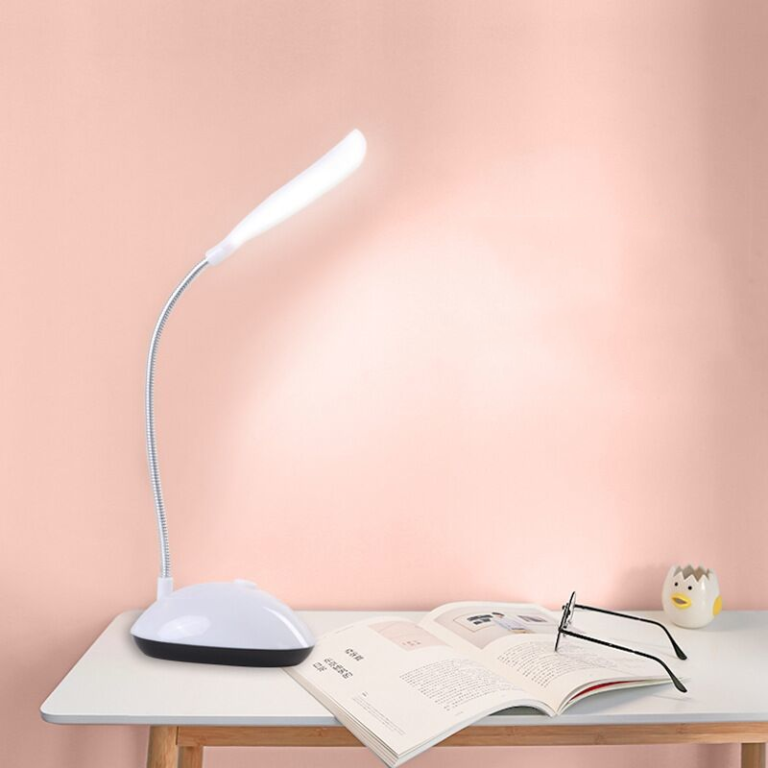
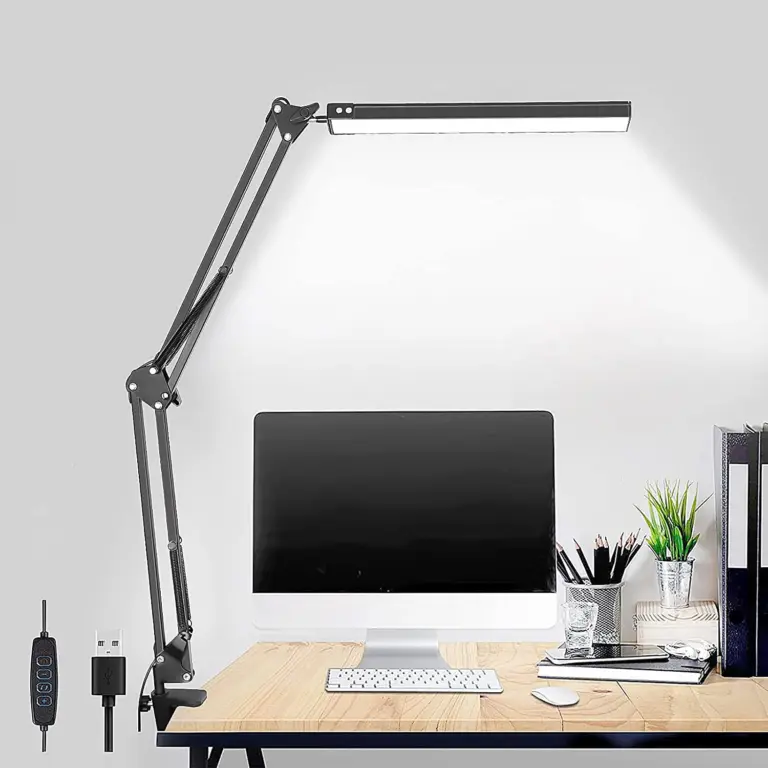 Aisha's pickMetal Desk Lamps You’ll Still Like in Five Years
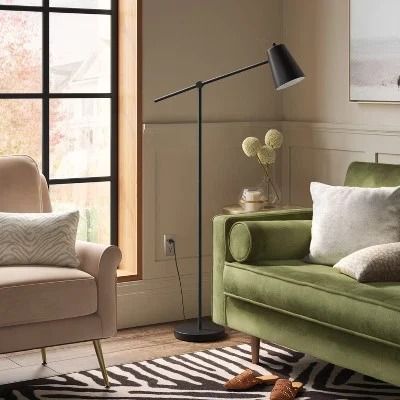
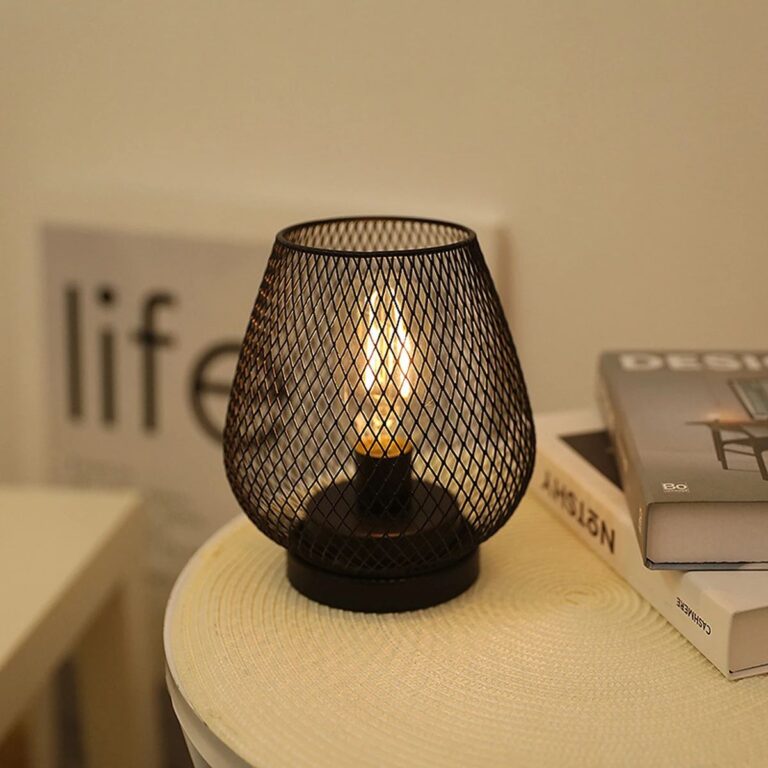 Aisha's pickBlack Desk Lamps You Won’t Want to Hide Away
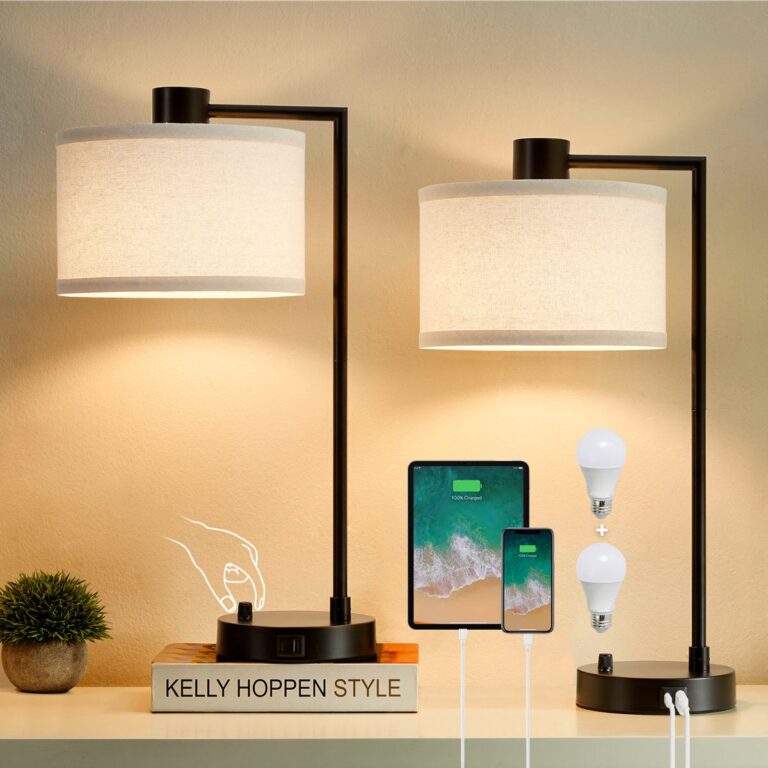
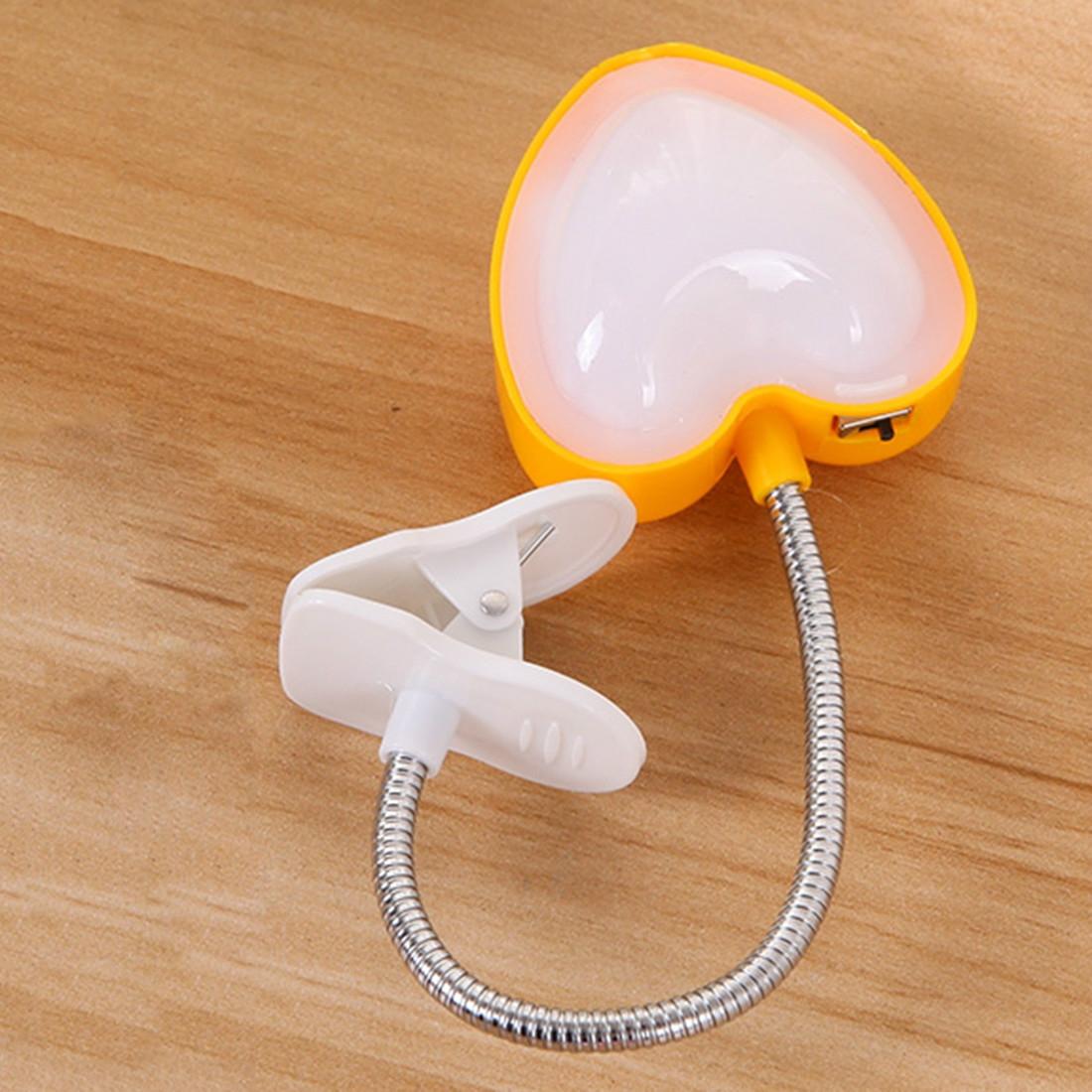 Aisha's pickMini Desk Lamps for a Home Office That Works
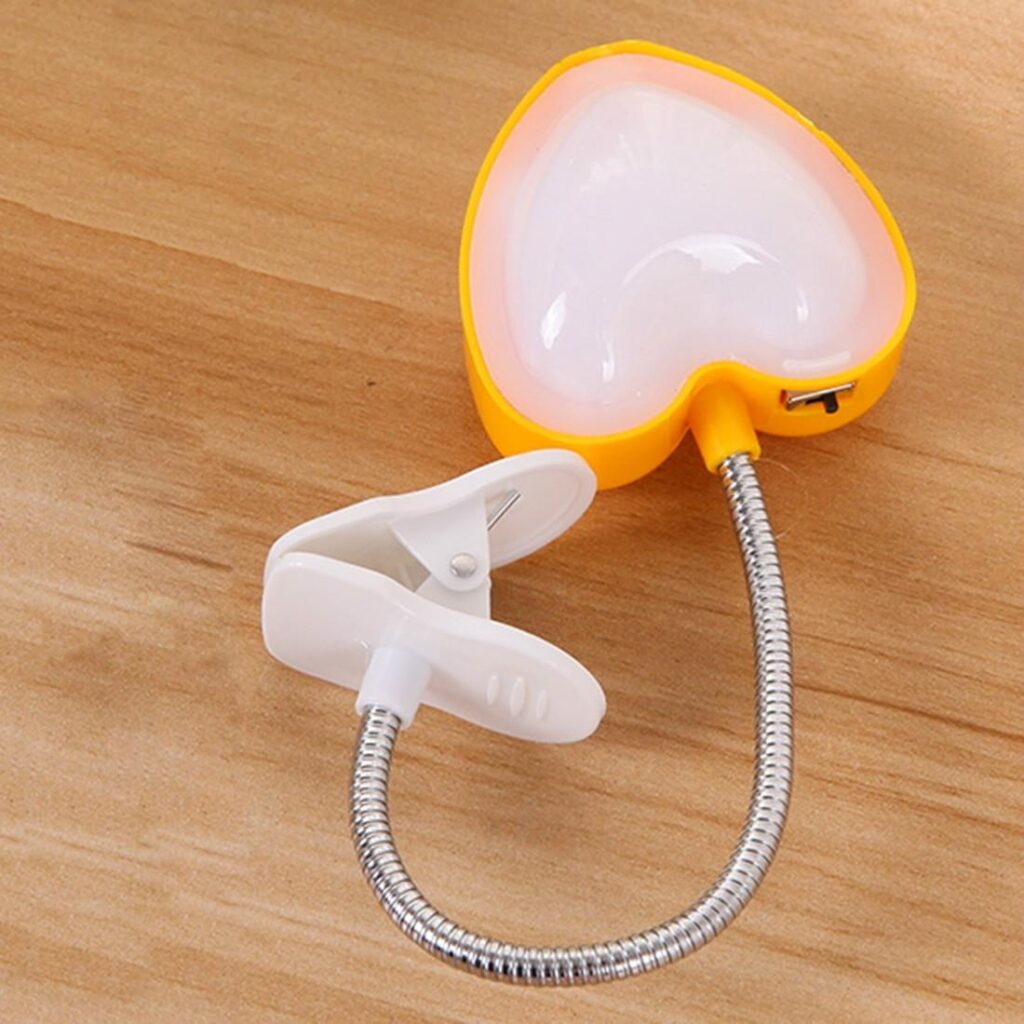
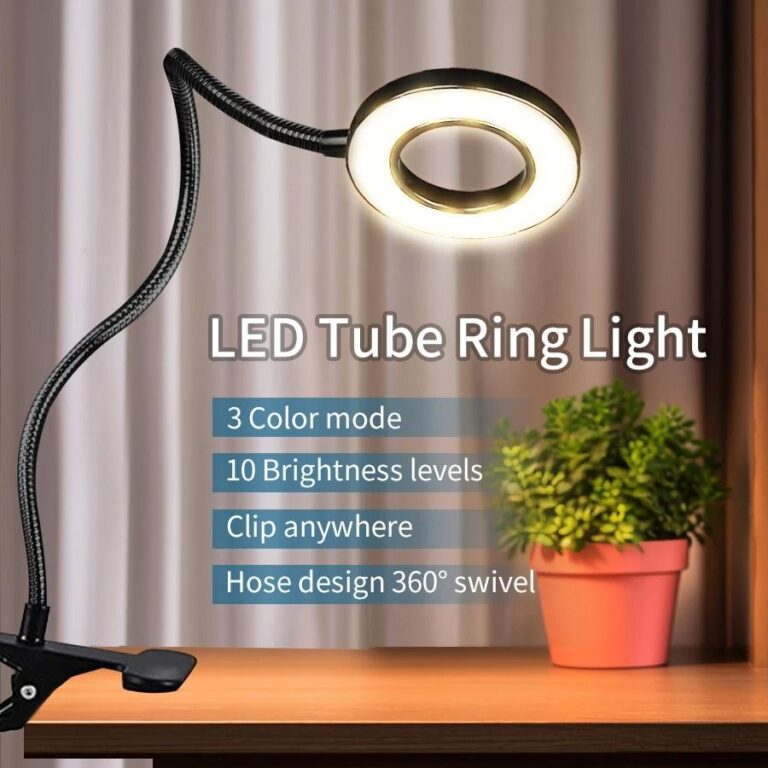 Aisha's pickShopping for Black LED Desk Lamps? Start Here
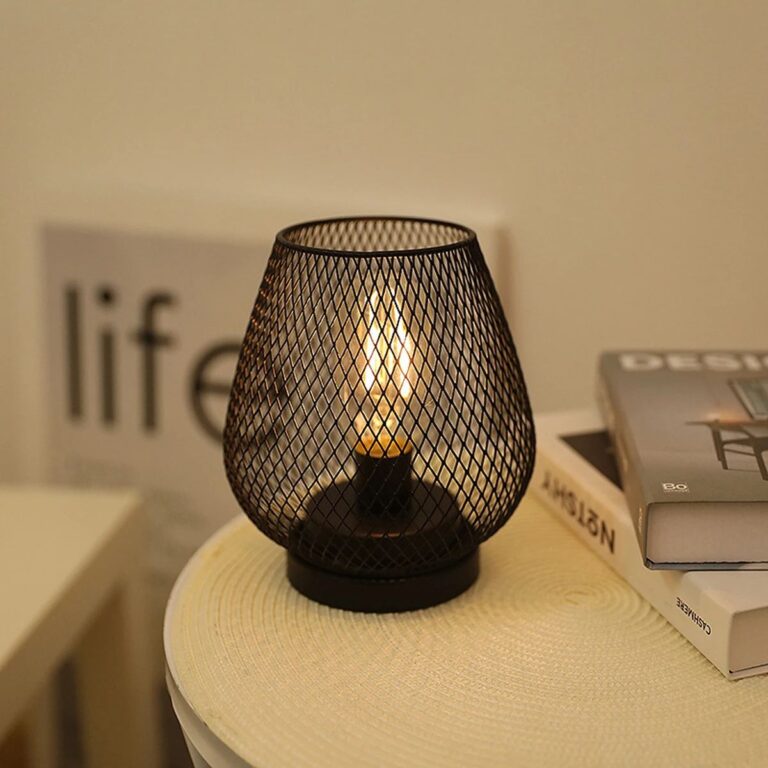
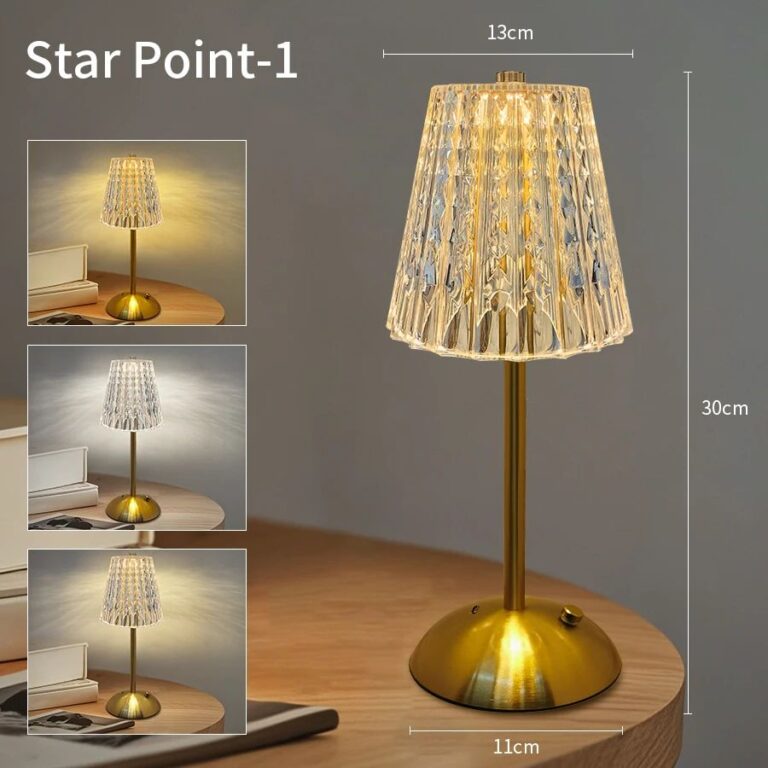 Aisha's pickModern Desk Lamps With Some Character
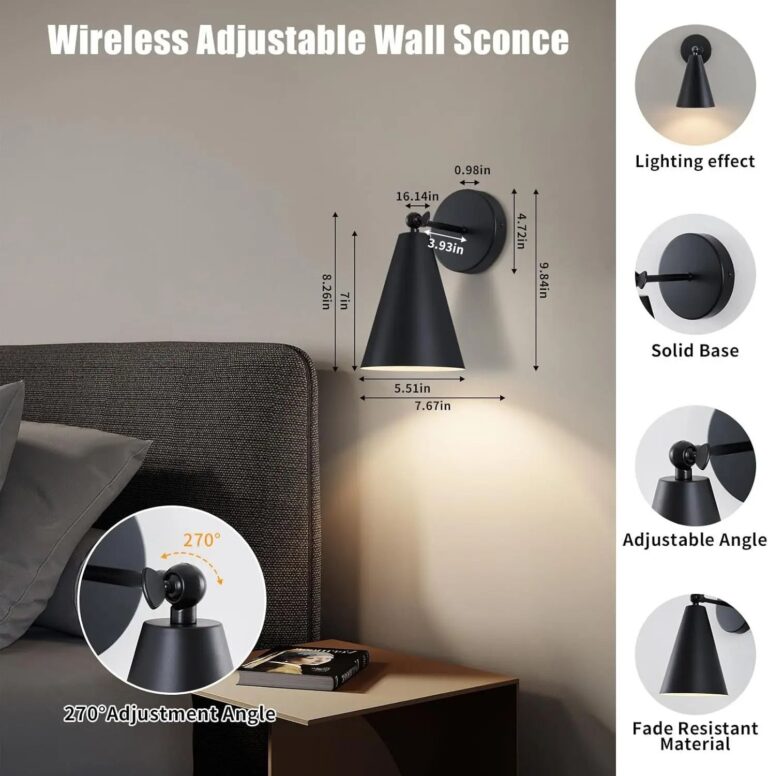
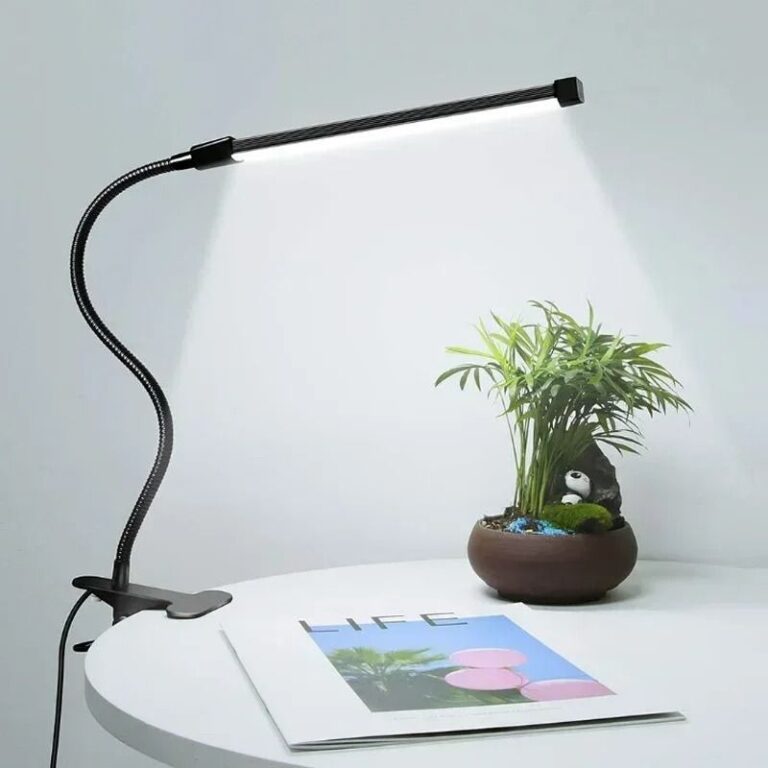 Aisha's pickBlack Touch Desk Lamps We Work Beside Every Day
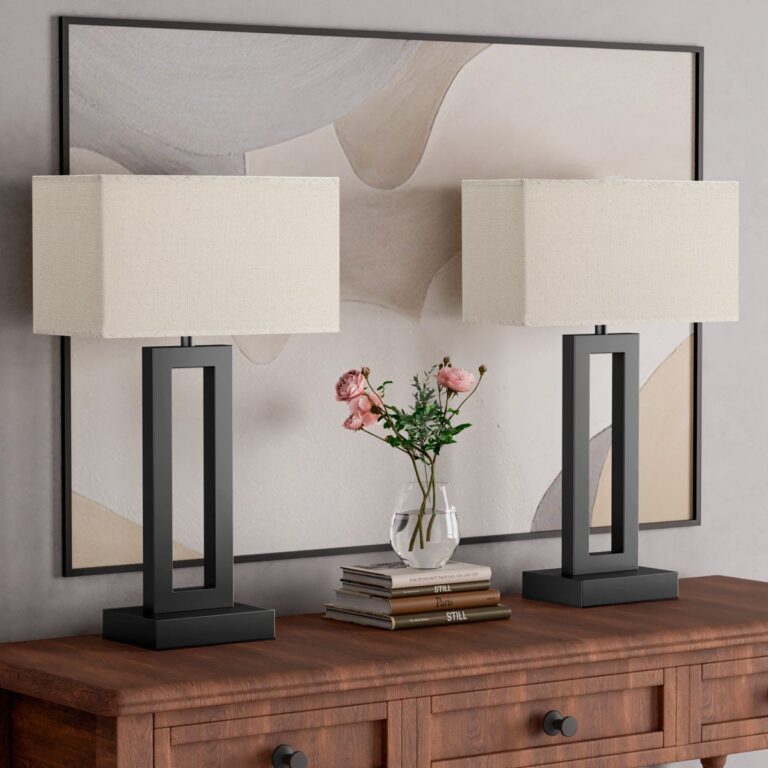
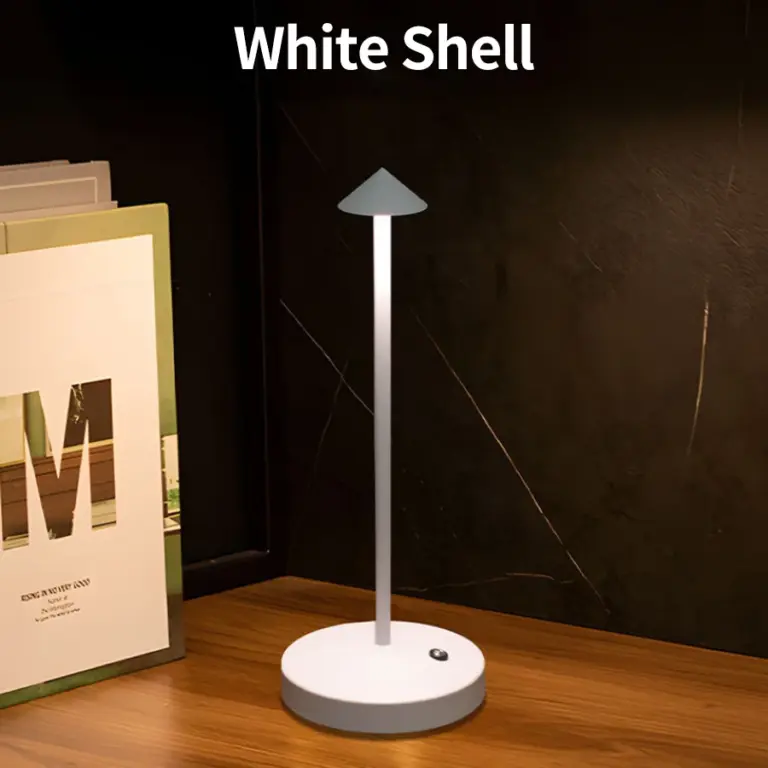 Aisha's pickNatural Desk Lamps We Work Beside Every Day
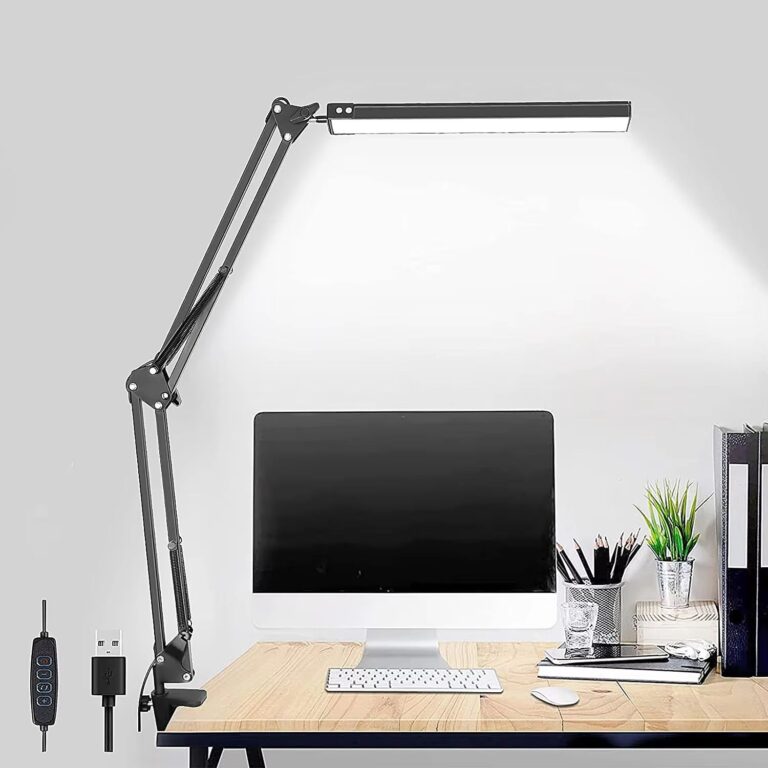
 Aisha's pickBrass Desk Lamps for Working From Home Without the Backache
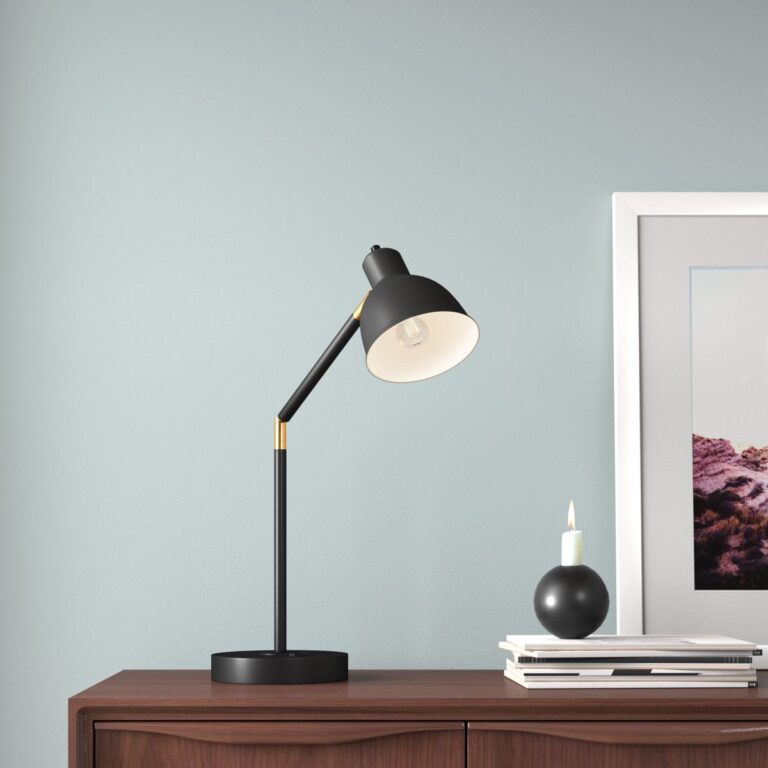
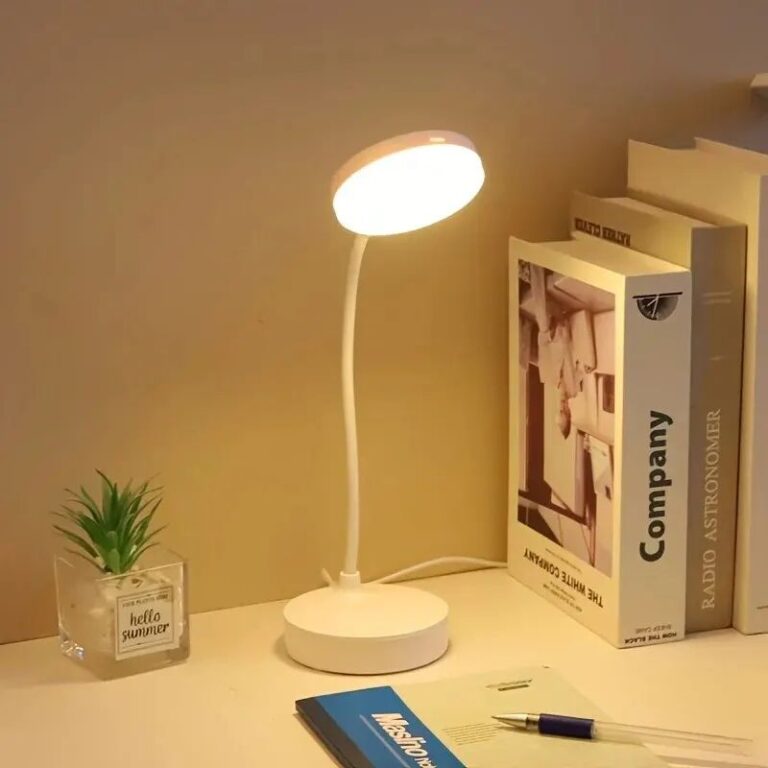 Aisha's pickOffice Desk Lamps You Won’t Regret BuyingAlso worth a lookBlack LampsA black lamp works in almost any room that already has some warmth in it, wood tones, a rug with pattern, a wall color that isn't stark white.See the collections →