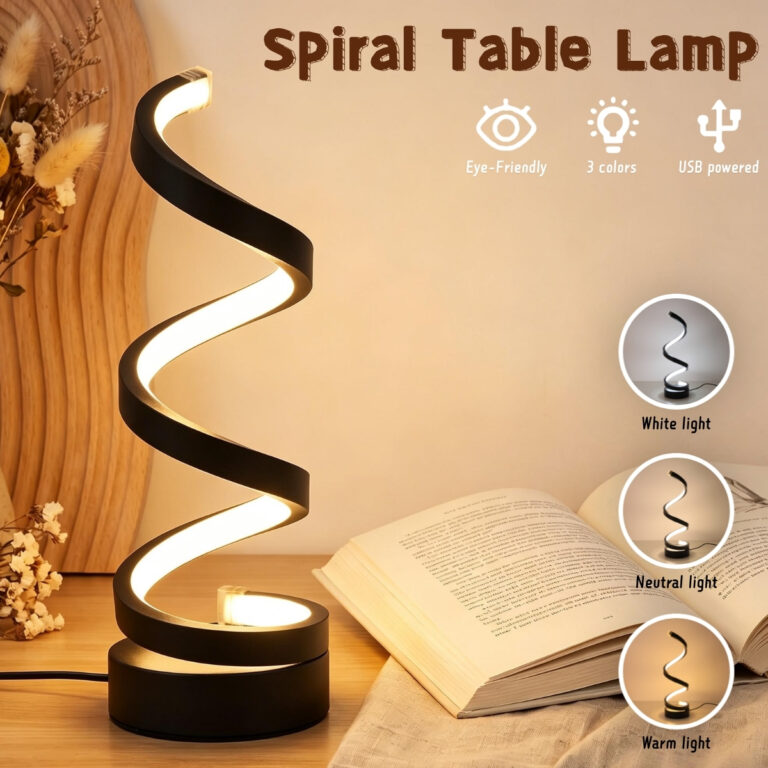
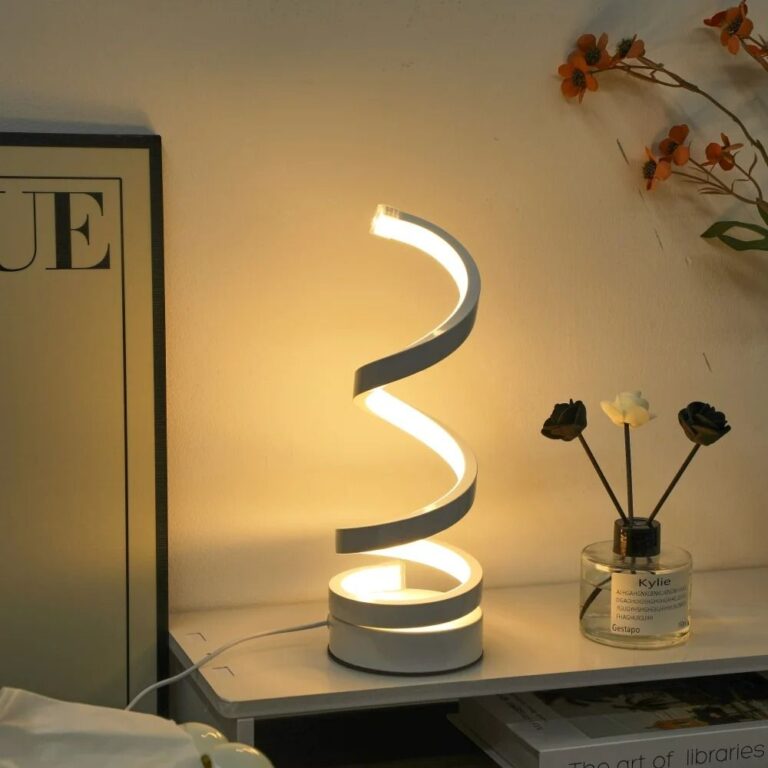
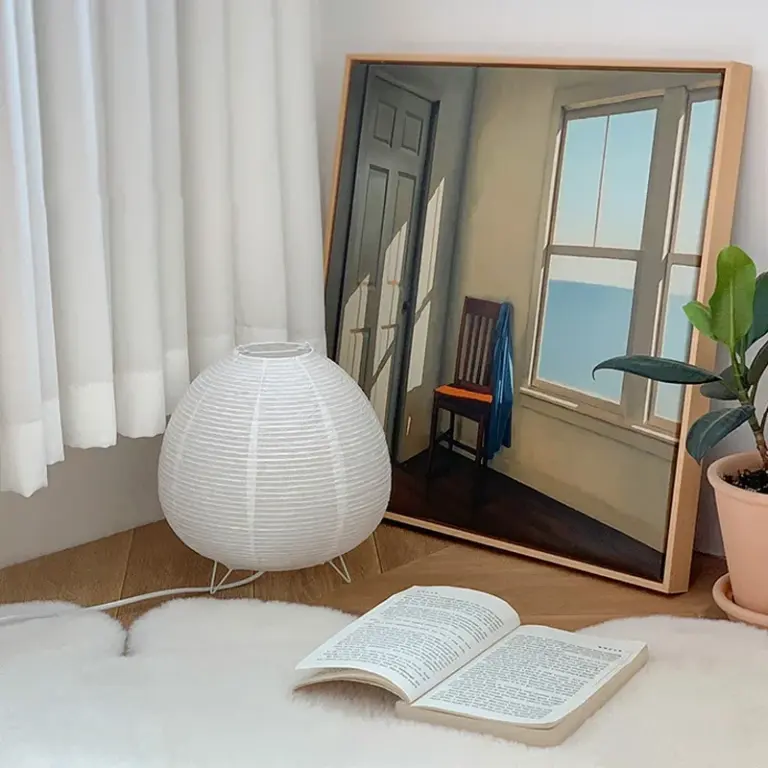
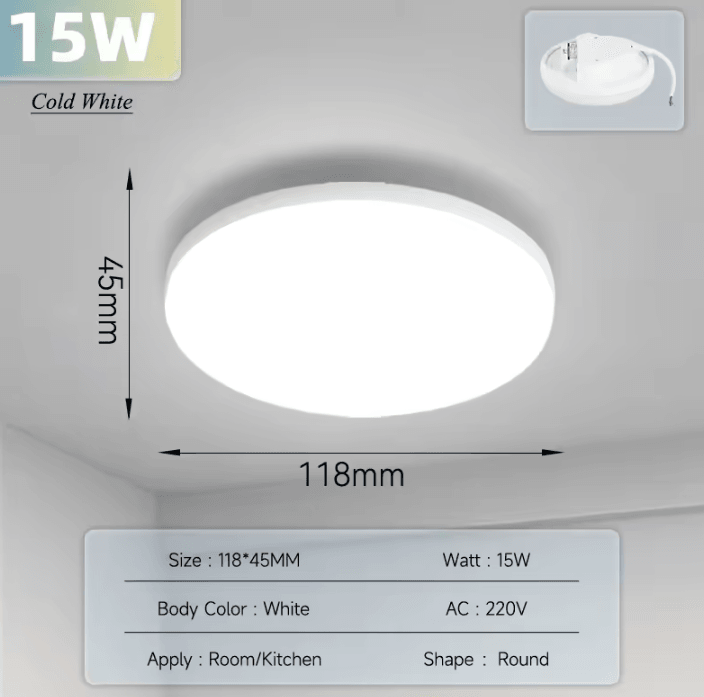
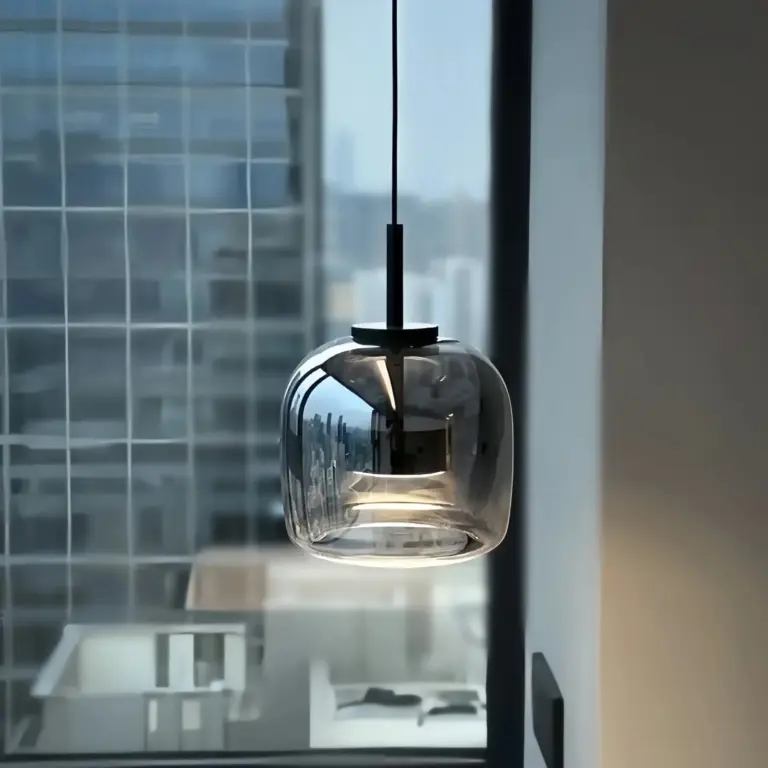
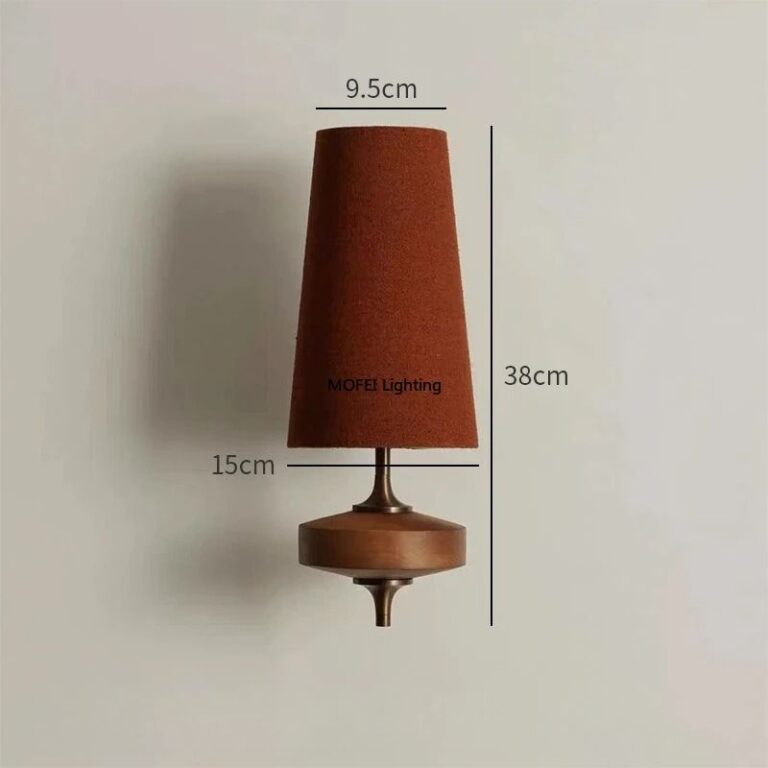
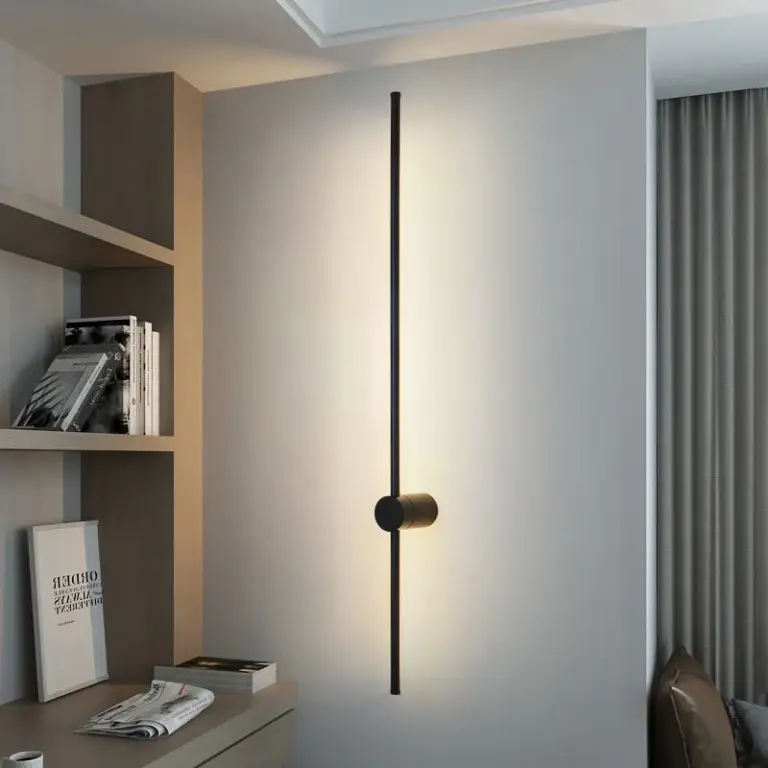
There's a particular hour on a winter evening, lights off outside by five, when a contemporary lamp either makes the room feel like somewhere you chose to live or like somewhere you're just waiting out the dark. That's when you notice whether the thing you bought was any good. Not in the store, not in daylight, but at six o'clock on a Tuesday when it's the only light doing any work.
A cheap version and a good one can look nearly identical in a photo, which is exactly the trap. The giveaway is always in the parts you don't think about until they fail: a base that's actual weighted metal versus one stuffed with sand and a sticker over the hole, a joint at the neck that stays where you bend it instead of drooping by week two, a switch that clicks instead of grinding. Run your hand along any seam where the shade meets the fitting. On a well made lamp that line is clean, almost invisible. On a bad one you'll feel a ridge of glue or a gap that lets light leak out the top in a way that looks like a mistake rather than a design choice. Contemporary lamps live or die on that kind of restraint, since there's no carved detail or fringe to distract you if the proportions are off. Where they're genuinely the wrong call is anywhere you want warmth and softness, a cozy reading corner, a nursery, a room full of older furniture with curves and detail. A sharp geometric lamp next to a chunky upholstered armchair just looks like it wandered in from a different house.
Scale is where most people trip, and I did too, buying a lamp online that looked substantial in the listing photo and turned out to be eleven inches tall, barely clearing the arm of the sofa next to it. The rule that actually works: the bottom of the shade should sit roughly at eye level when you're seated nearby, and the lamp overall should be about a third shorter than whatever table it's sitting on, not the same height, not taller. For a floor lamp, measure the gap you actually have, not the gap you wish you had, and leave at least six inches of breathing room on every side. On finish, matte black, brushed brass and warm white ceramic are the ones that keep working in a room long after the rest of your decor has changed its mind about itself. Glossy chrome and anything in a very specific trend color are the ones you'll be replacing in two years, usually right around the time you've also changed your mind about the couch.
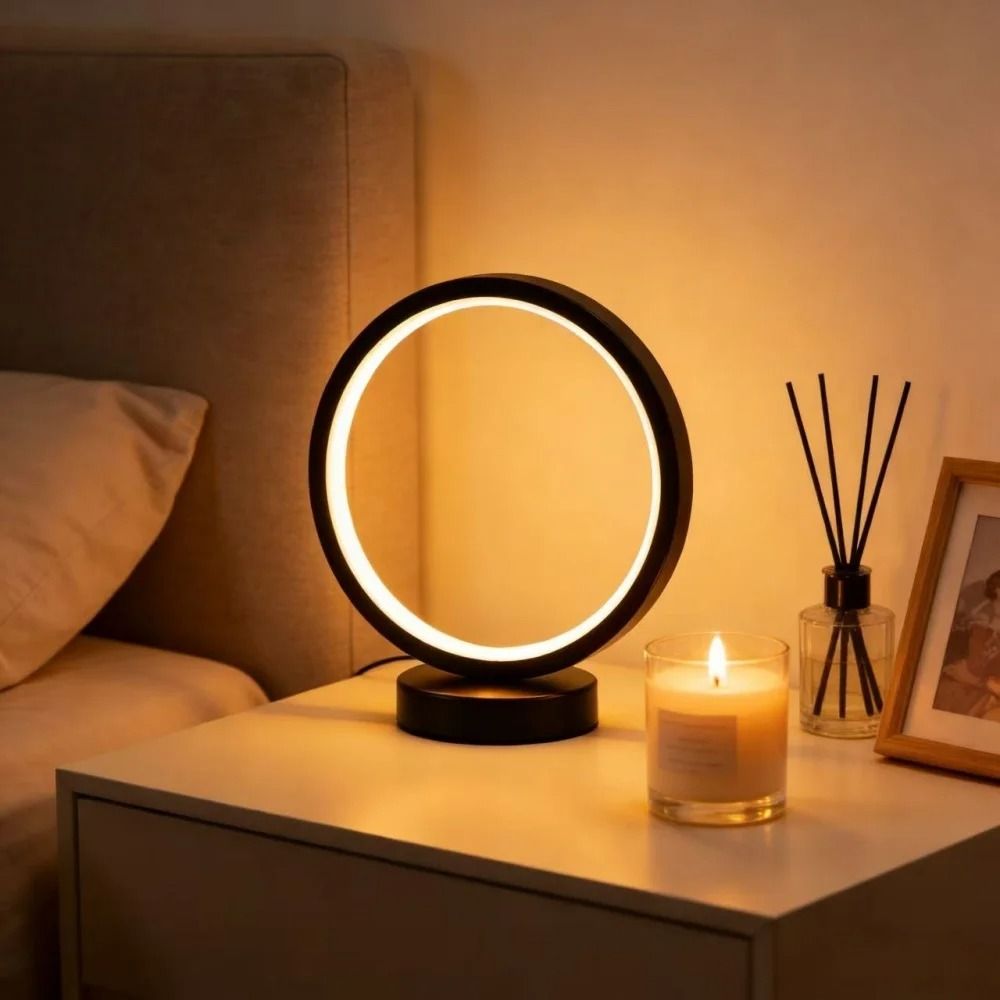 Aisha's pickContemporary Console Table Lamps That Make the Big Light Redundant
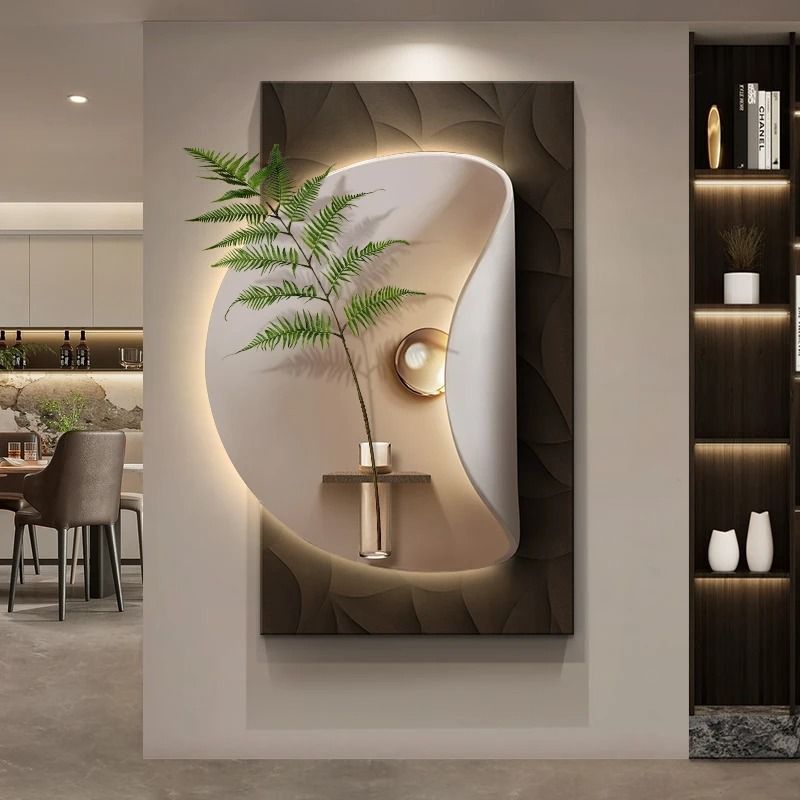
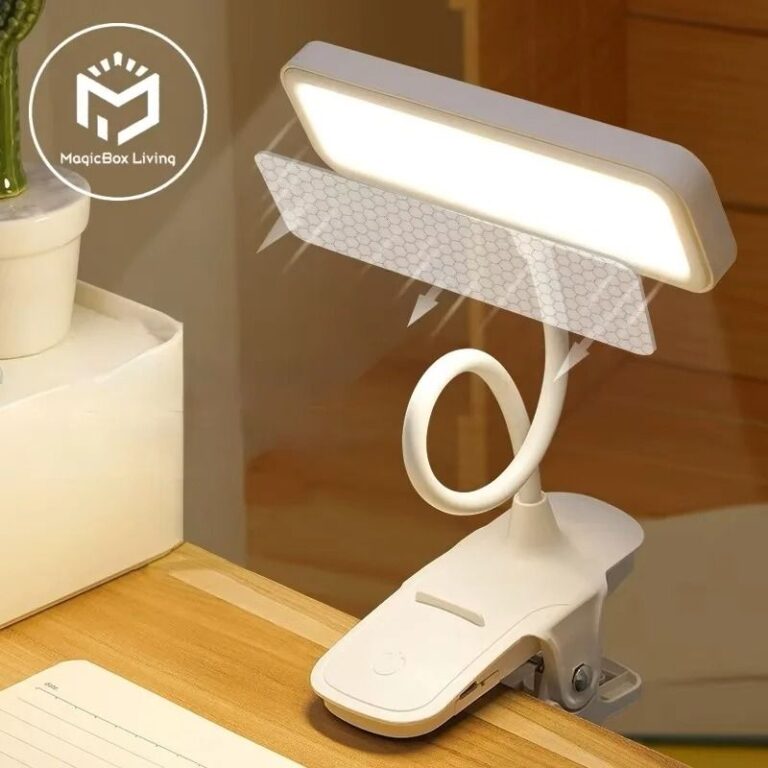 Aisha's pickContemporary Desk Lamps We Work Beside Every Day
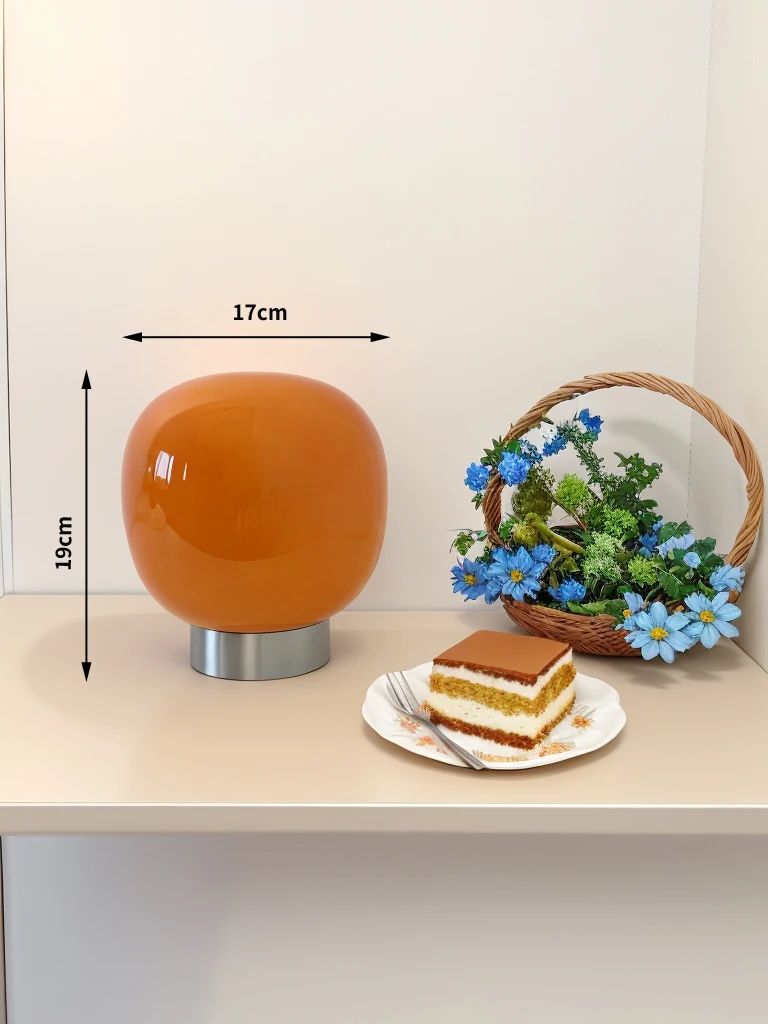
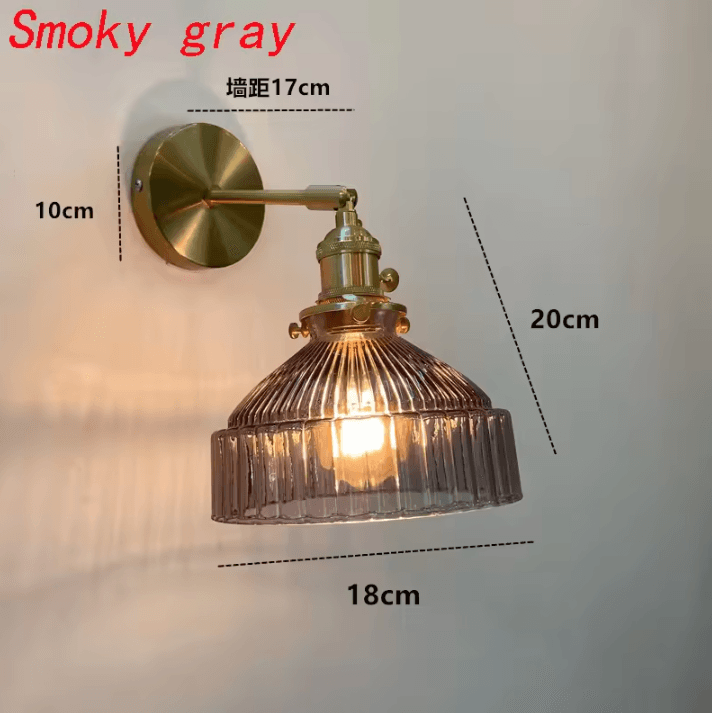 Aisha's pickContemporary Floor Lamps That Change the Feel of a Room
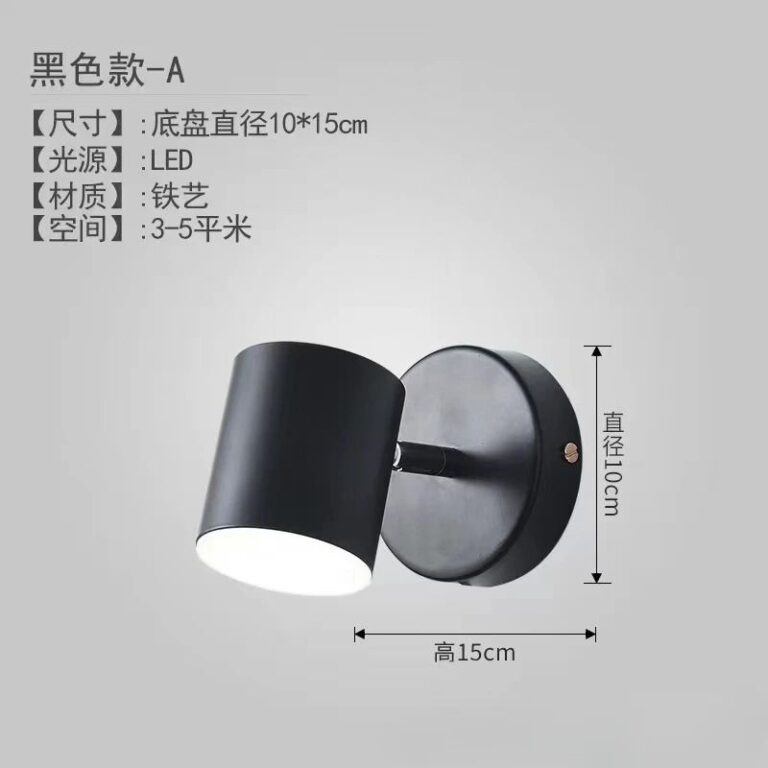
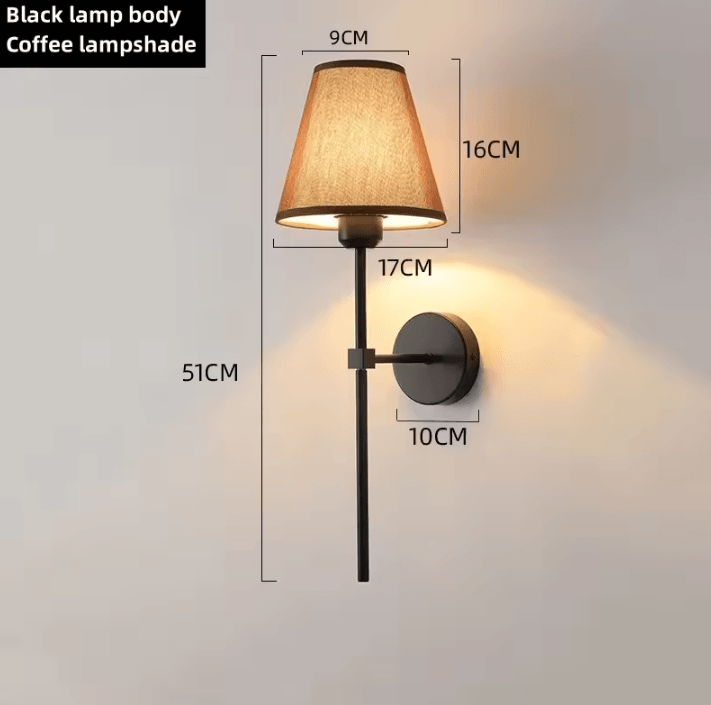 Aisha's pickContemporary Floor Lamp Shades With Some Character
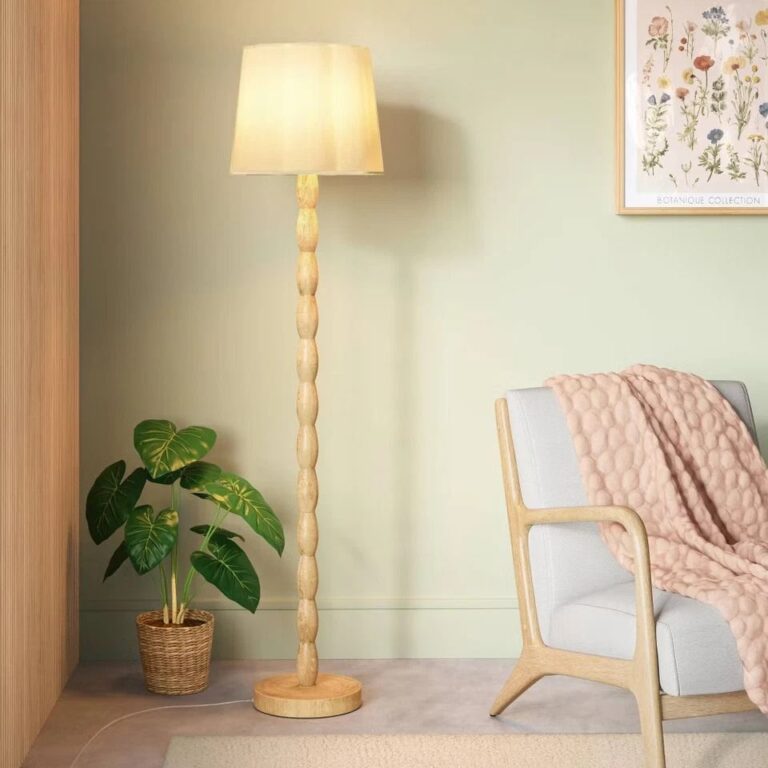
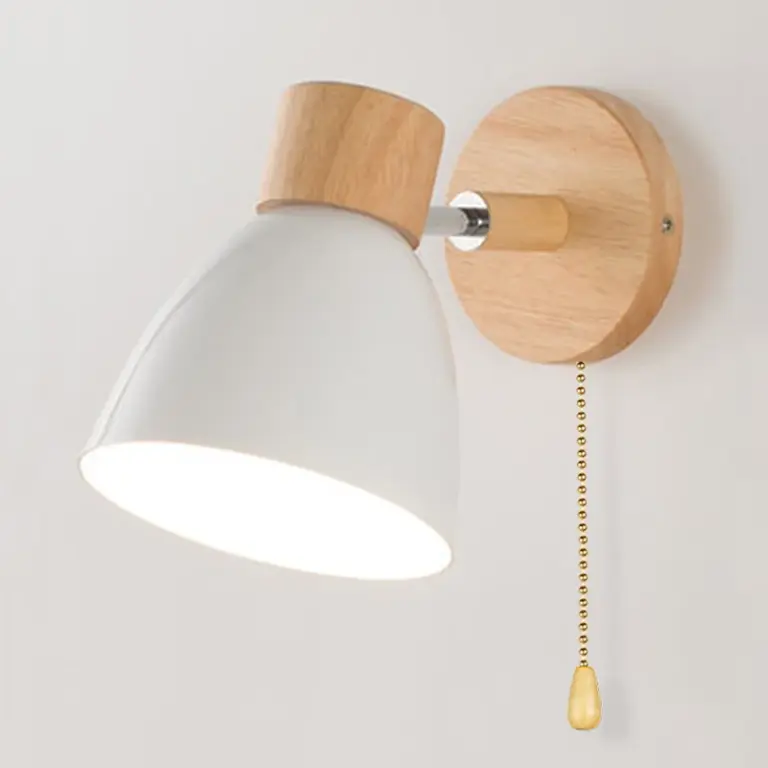 Aisha's pickContemporary Lamp Bases That Look Good Switched Off Too
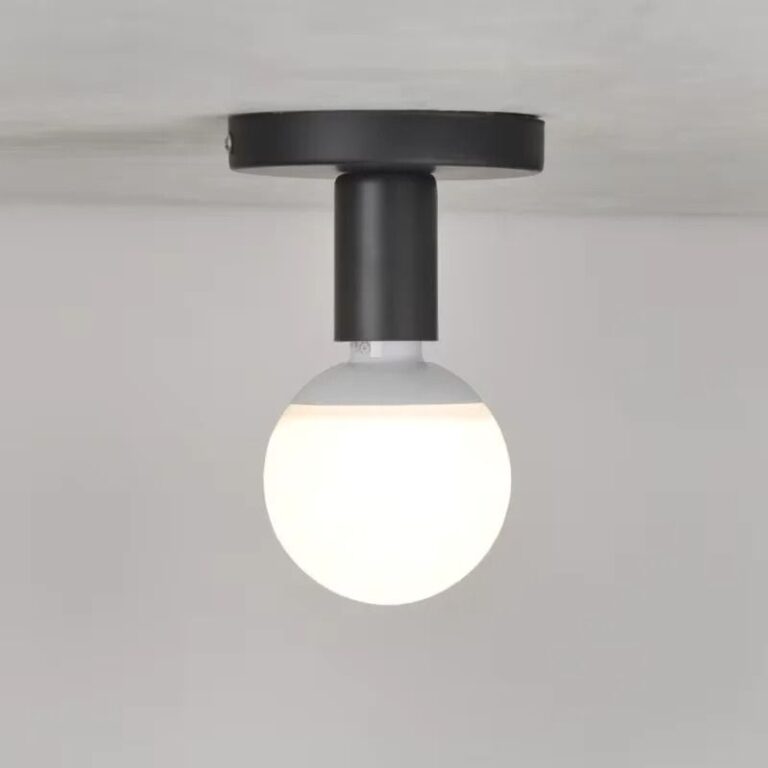
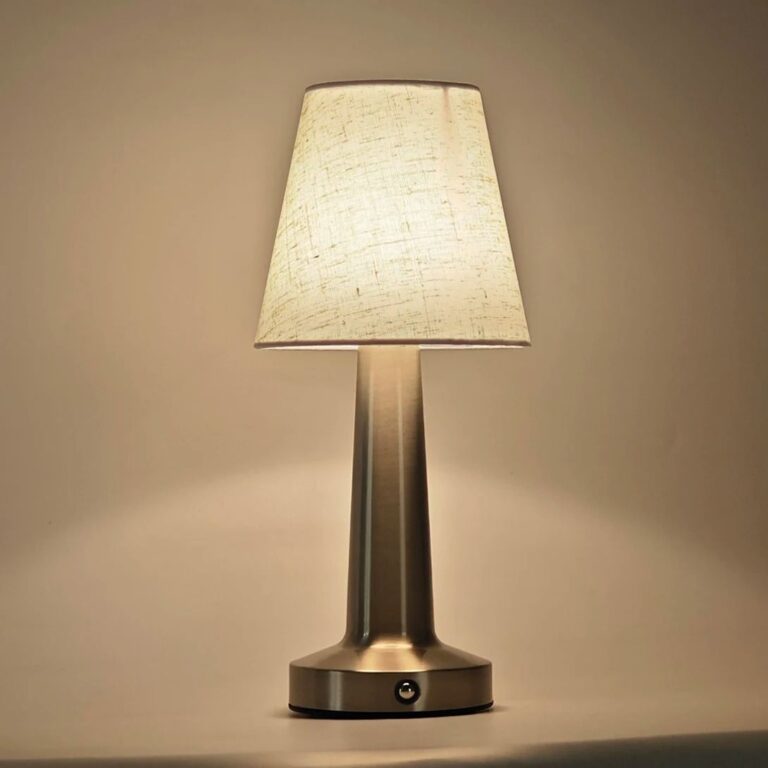 Aisha's pickContemporary Lamp Shades From Brands You Know and a Few You Won’t
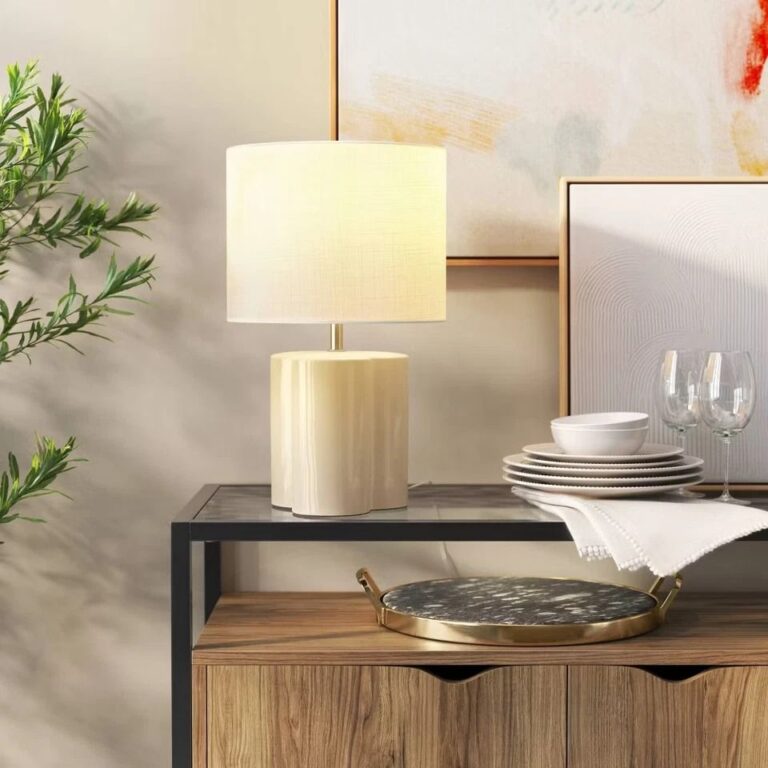
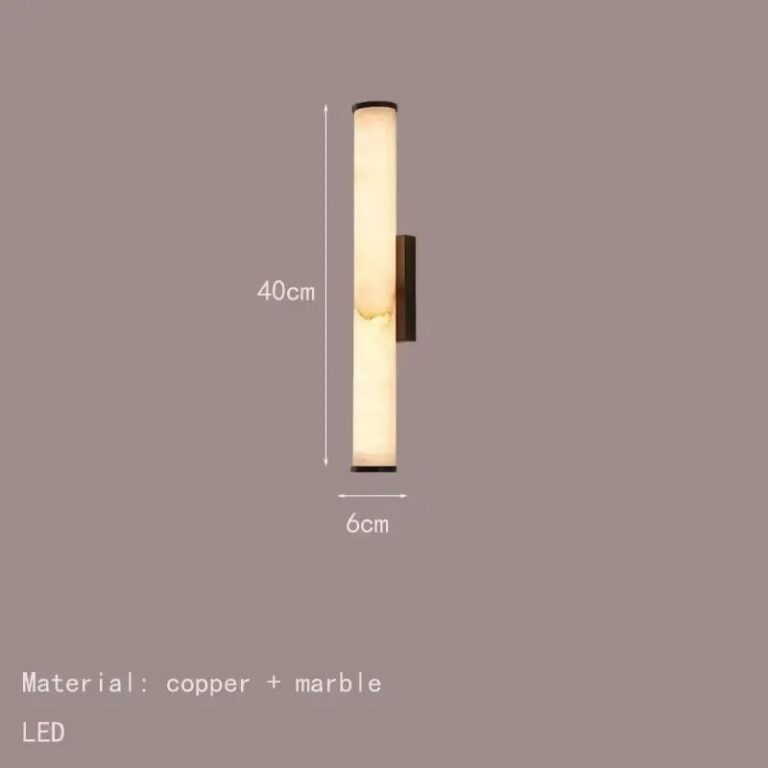 Aisha's pickContemporary Living Room Floor Lamps That Don’t Look Mass Produced
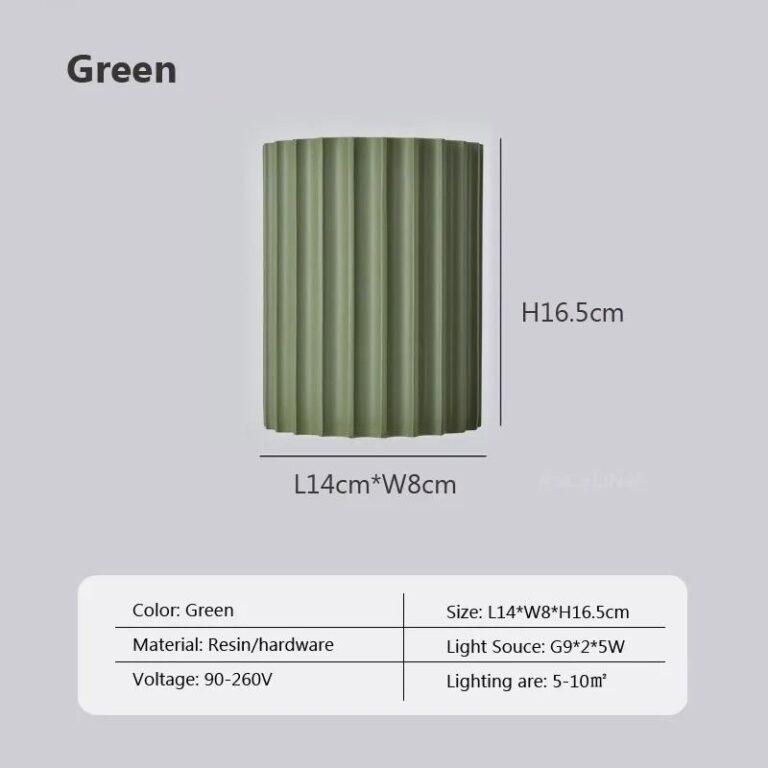
 Aisha's pickContemporary Living Room Table Lamps That Look Like They Cost More
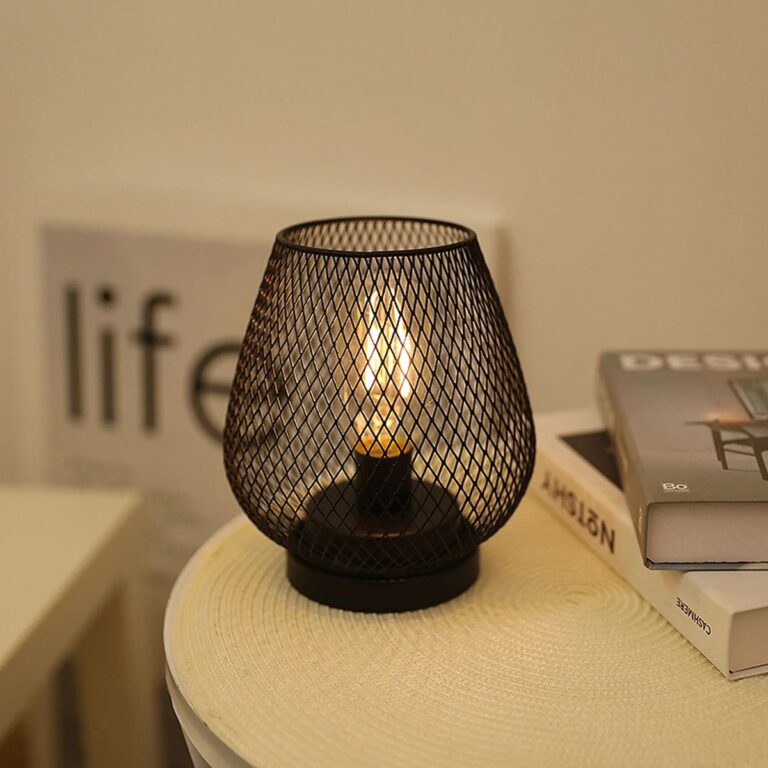
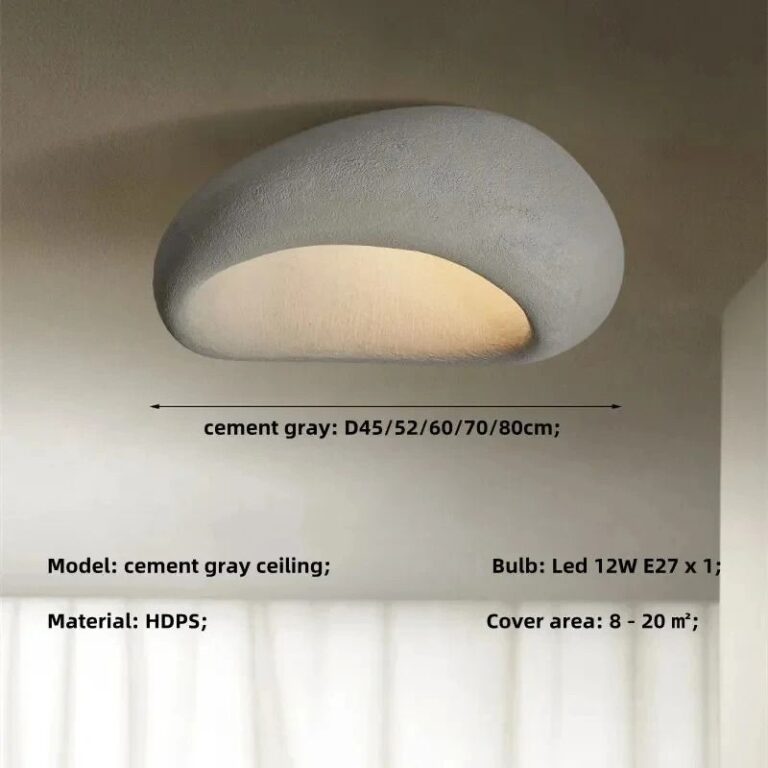 Aisha's pickContemporary Pendant Lamps That Won’t Let You DownAlso worth a lookWall LampsThe thing that catches people out with wall lamps is the electrical question, nobody thinks about it until…See the collections →
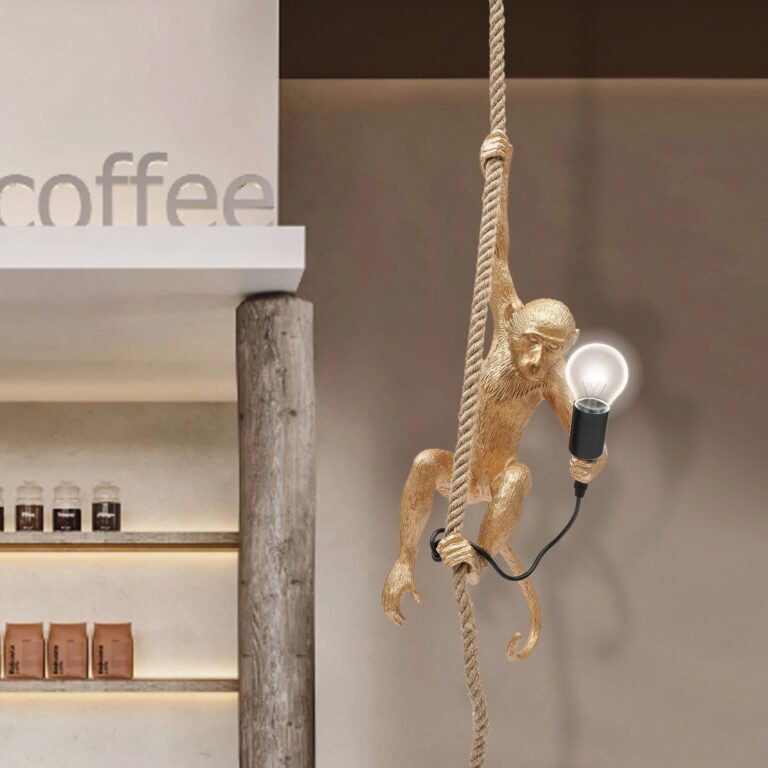
 Aisha's pickContemporary Reading Lamps That Make a Room Feel Finished
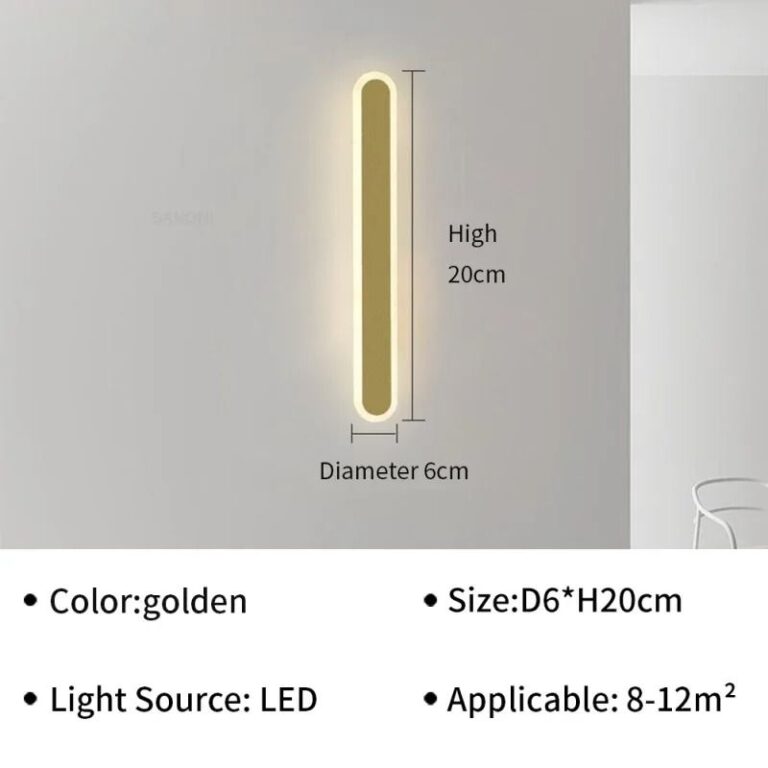
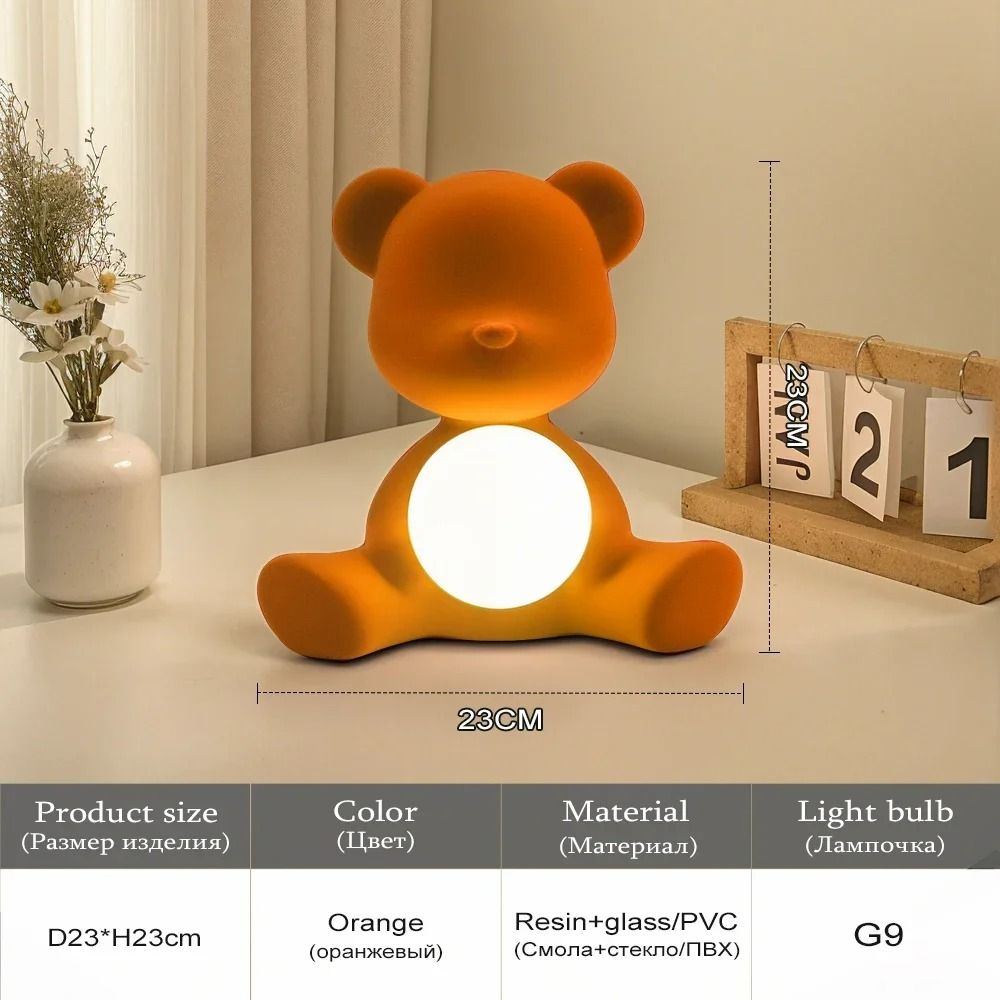 Aisha's pickContemporary Table Lamps That Make the Big Light Redundant
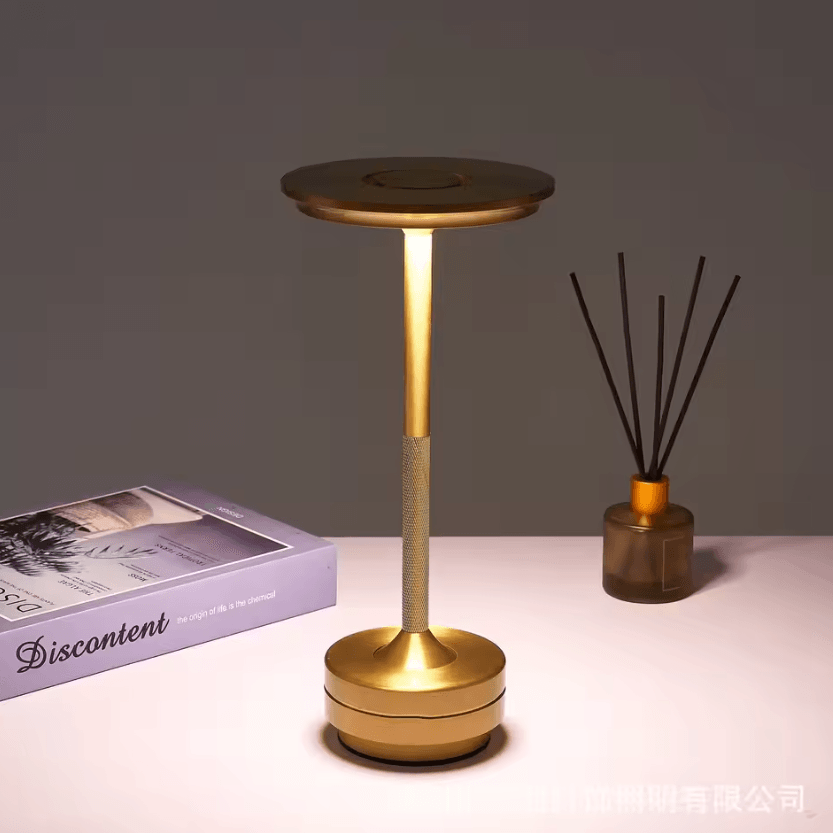
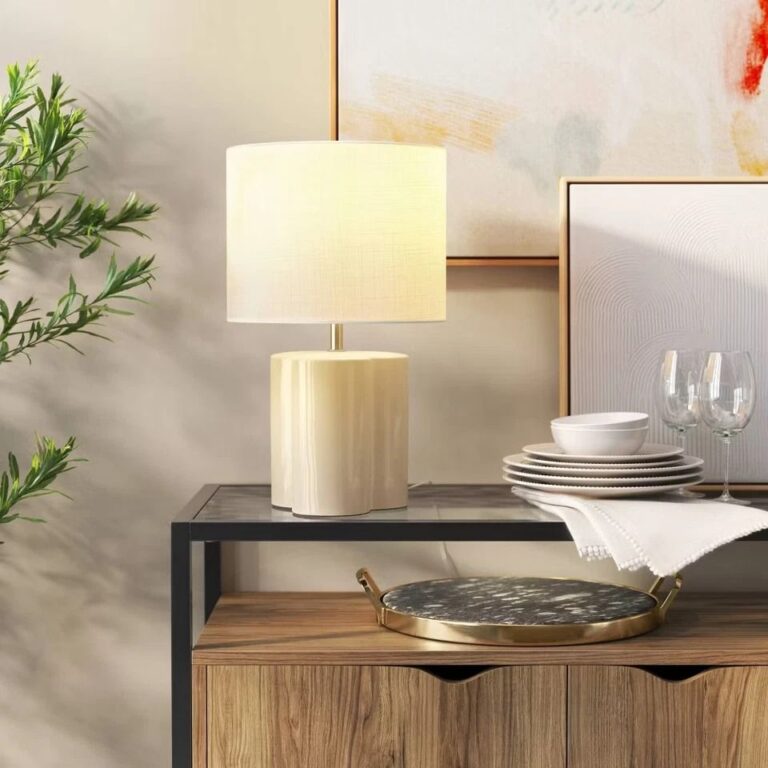 Aisha's pickContemporary Table Lamp Bases That Make Rented Places Feel Like Home
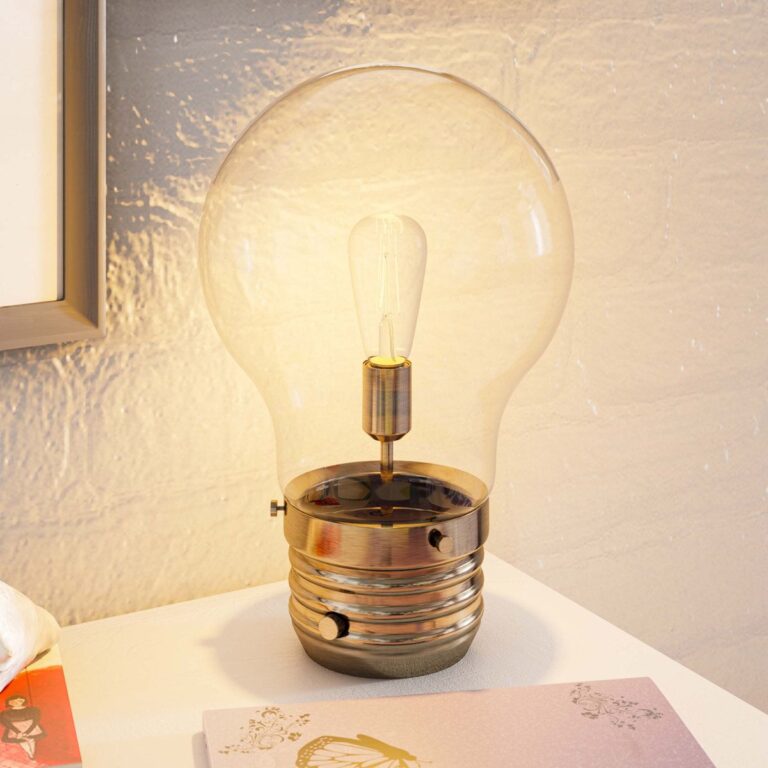
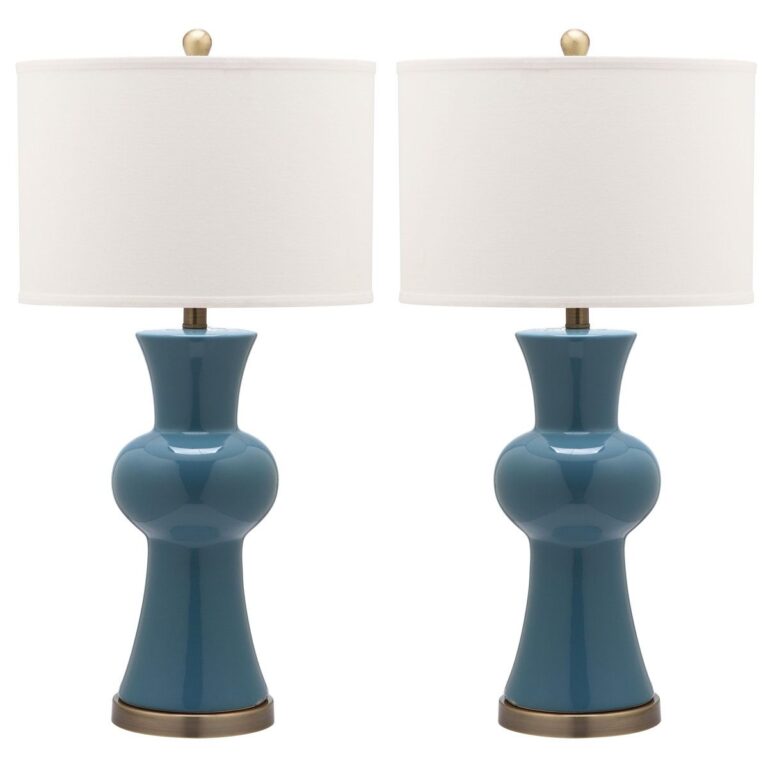 Aisha's pickContemporary Table Lamp Shades for Reading, Relaxing or Both
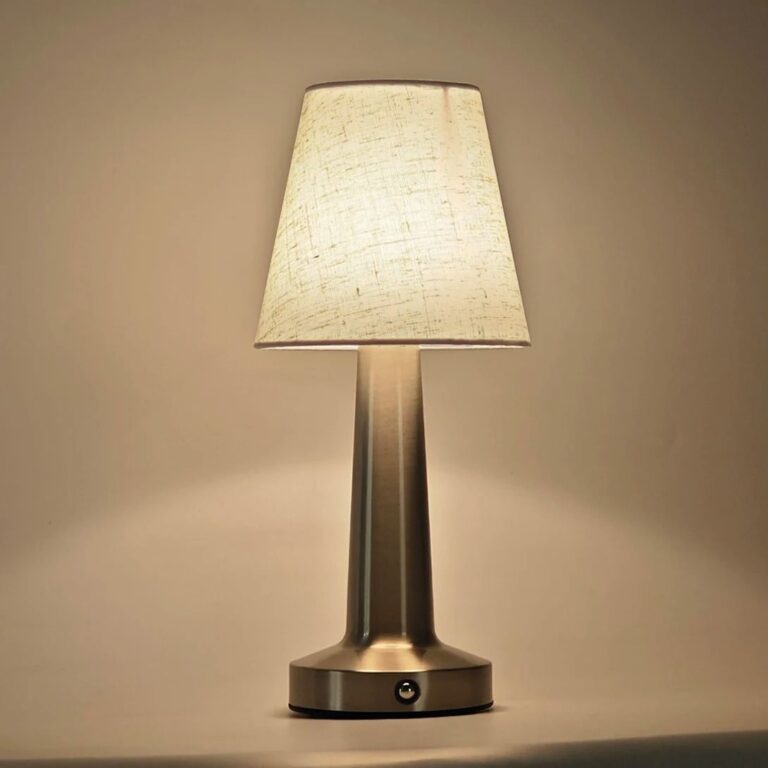
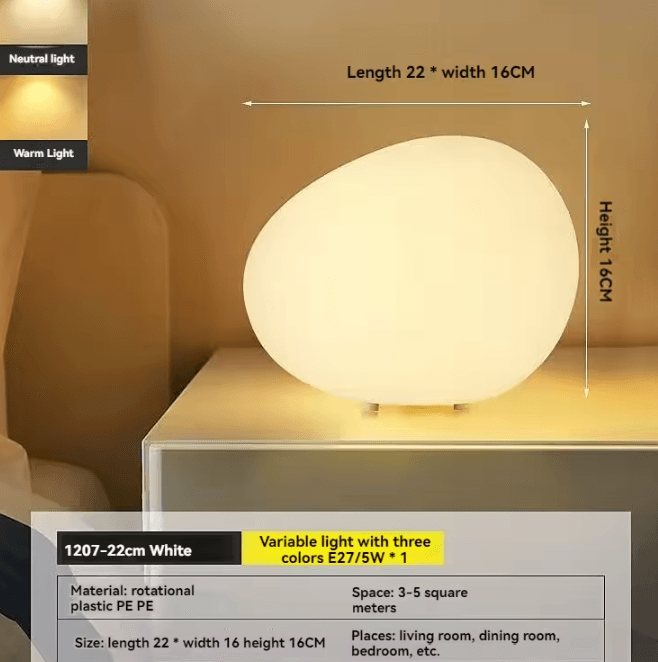 Aisha's pickContemporary Bedside Lamps at Every Price Point
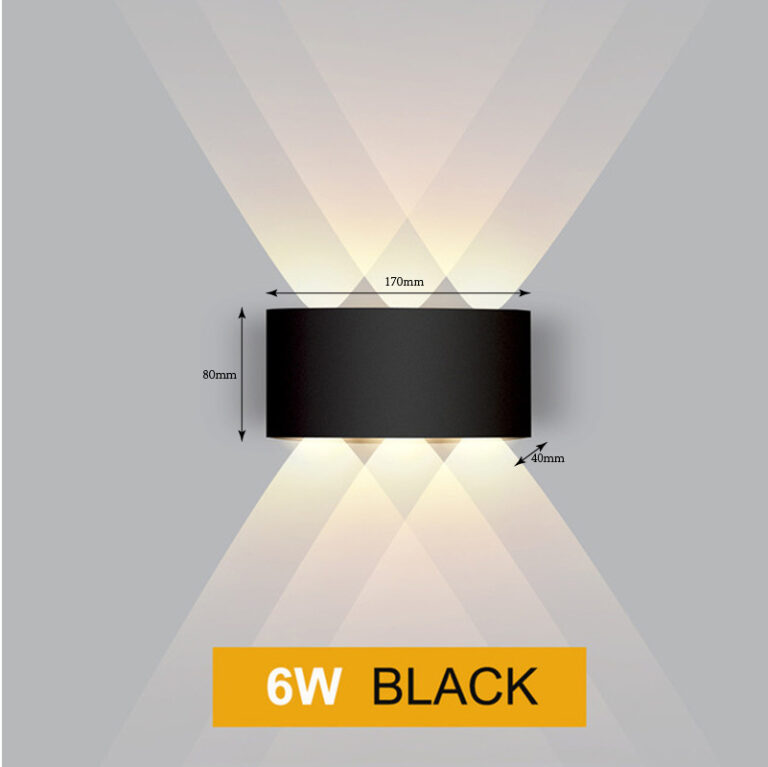
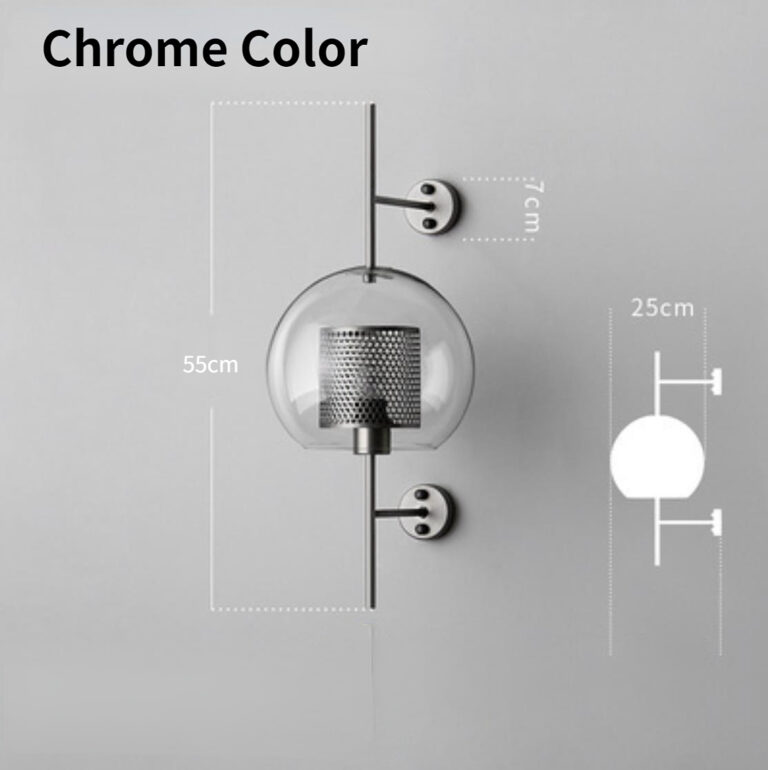 Aisha's pickContemporary Touch Lamps That Give Off a Warm Glow
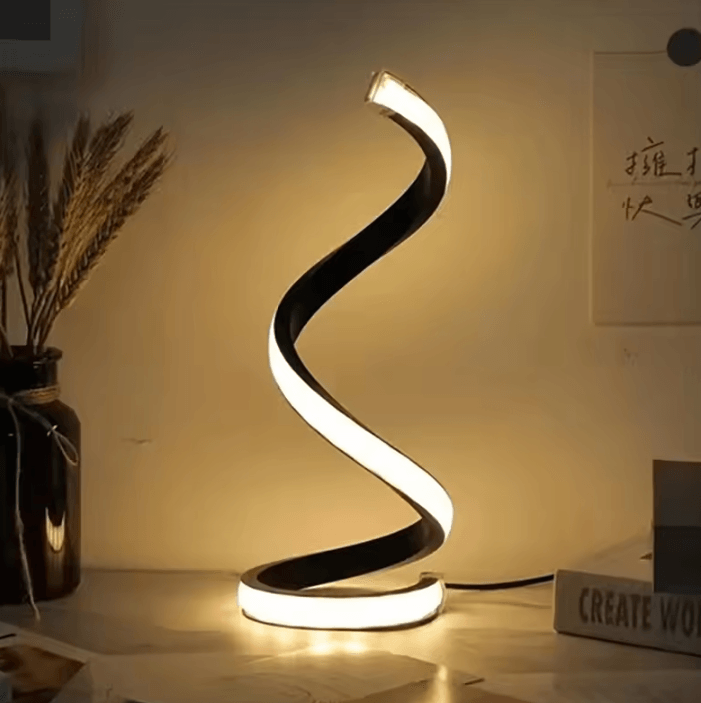
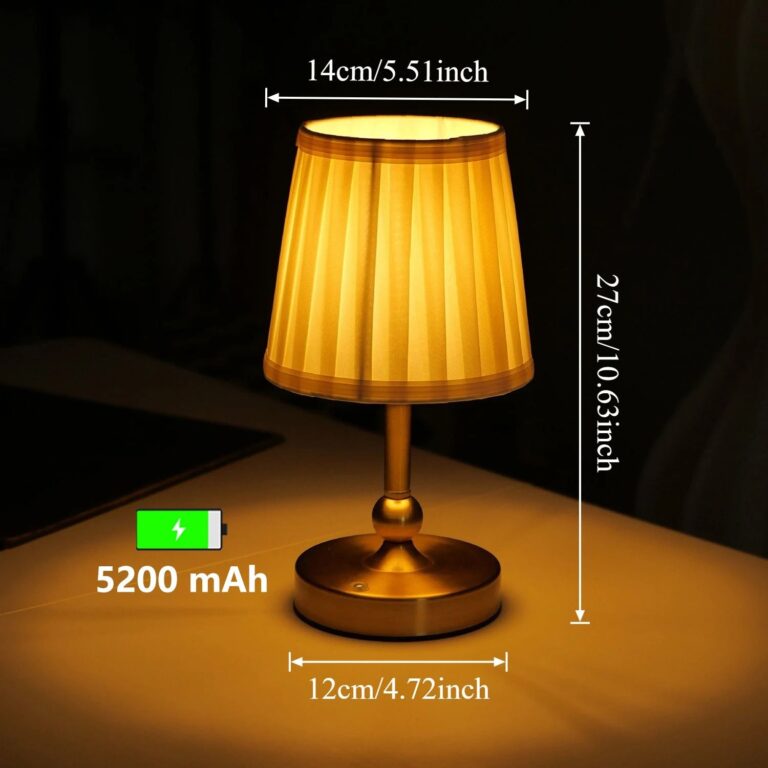 Aisha's pickDecent Contemporary Nightstand Lamps Without the HassleAlso worth a lookLamps with ShadeA lamp with its shade already on it has a reputation for being the safe choice, the thing…See the collections →