Stand in front of a wall of these things and the question to ask isn't how it looks switched off, it's how it moves. Grab the head and the arm and push it around like you mean it. If it drifts back down on its own, or the joints feel loose and wobbly rather than snug, put it back on the shelf. You want tension you can feel in your hand, a little resistance that tells you the thing will actually hold a position over a reading chair instead of slowly nodding toward your lap by page ten.
The good ones get better with use, honestly, in a way most lamps don't. The joints loosen just slightly over the first few months and then settle into a kind of easy give, the way a good pocketknife hinge does, and a spring armed one will develop a quiet give and take between the springs that somehow makes it move more smoothly than it did on day one. Dust the shade, wipe the arm down with a dry cloth now and then, and leave the tension screws alone unless something's actually gone slack, because over tightening them is how people strip them out. If you're starting with none of these in the house, get a simple clamp or weighted base desk lamp with a two or three point adjustment before you get fancy with floor models, it's the one that'll actually get used every single day at a desk or a nightstand, and it teaches you what good movement feels like so you're not fooled later.
What separates a good one from a sad one is almost always in the joints and the base. Cheap versions use thin stamped metal arms and plastic jointed knuckles that crack after a year of adjusting, and they sound hollow, a tinny rattle when you tap the shade. A well made one has real weight in the base, a cast or heavy stamped foot that won't tip when the arm's extended out over a desk, and metal joints with actual springs or a proper friction hinge, not a plastic sleeve pretending to be one. The cord matters too, a fabric braided cord feels sturdier and ages better than the thin rubber kind that goes brittle and cracks at the plug end in a couple of years. When it's delivered, check that the shade sits level and doesn't tilt on its own, run the arm through its full range before you even plug it in, and look at the welds or screw joints up close, there should be no gaps, no wobble, no sound of metal shifting against metal when you pick it up.
If you're picking a finish to start with, go with a warm brushed brass or bronze, it hides fingerprints and small scuffs far better than matte black, and it only looks better as it picks up a little honest wear.

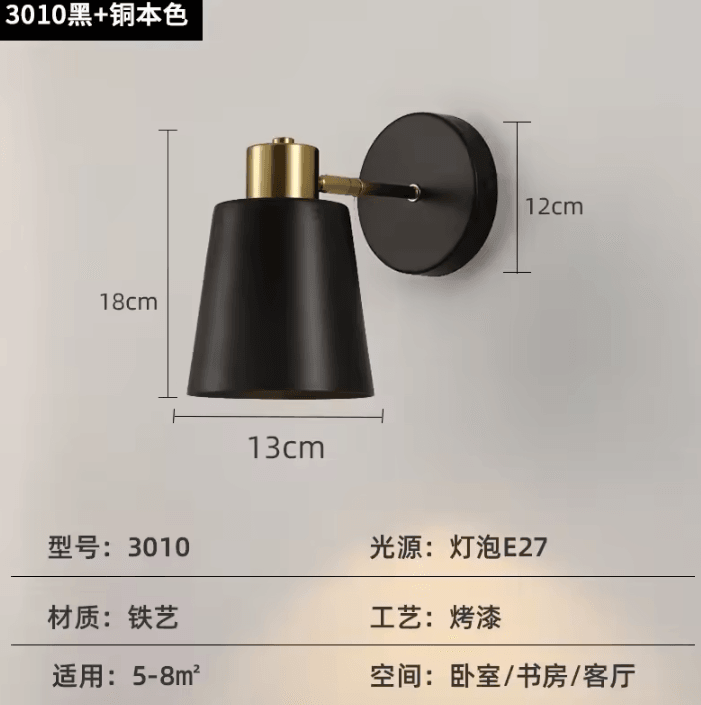
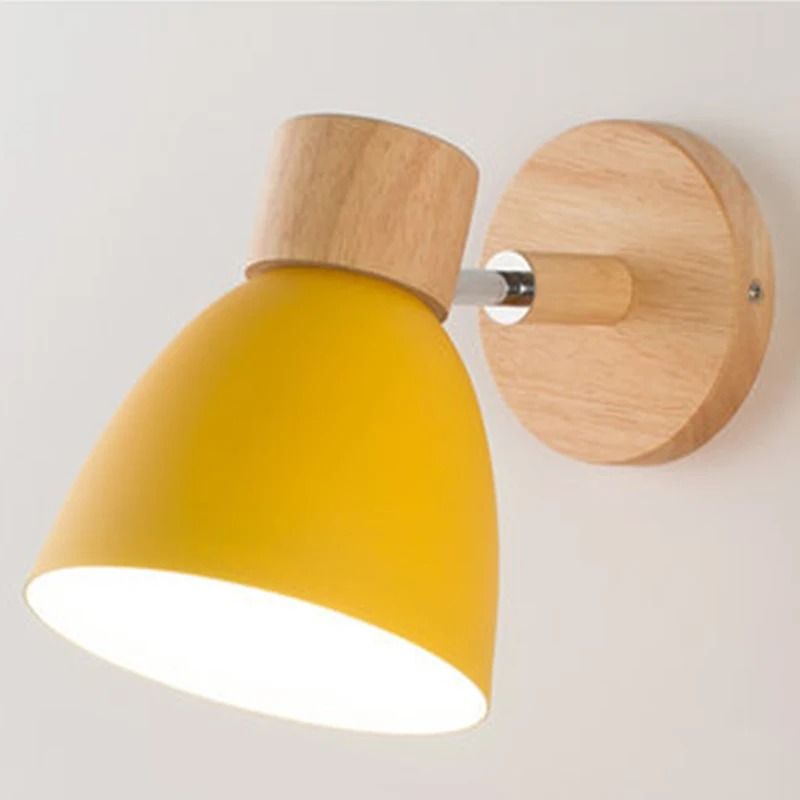 Aisha's pickAdjustable Metal Wall Lamps That Make the Big Light Redundant

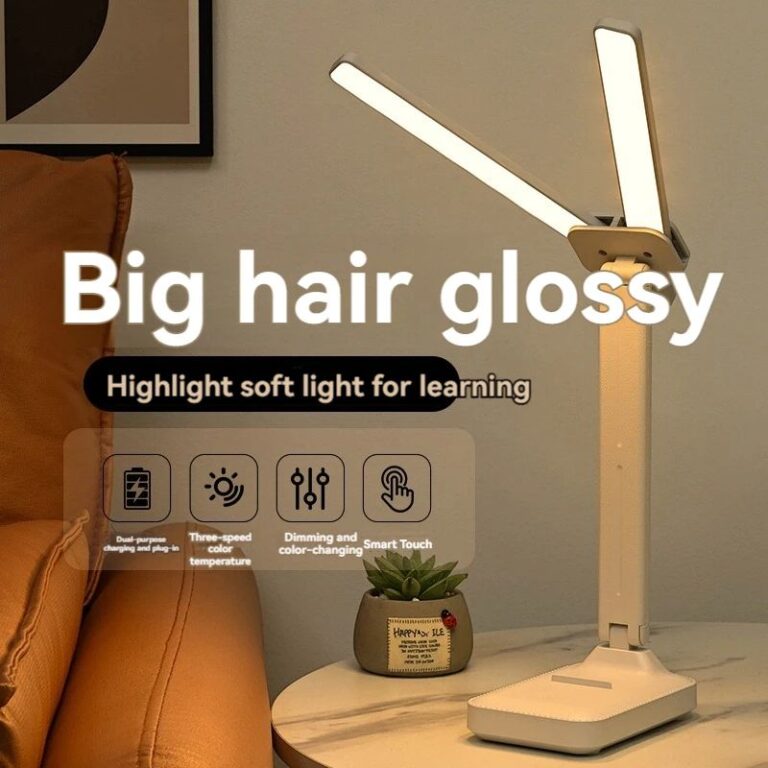 Aisha's pickAdjustable Office Desk Lamps That Do the Job Right
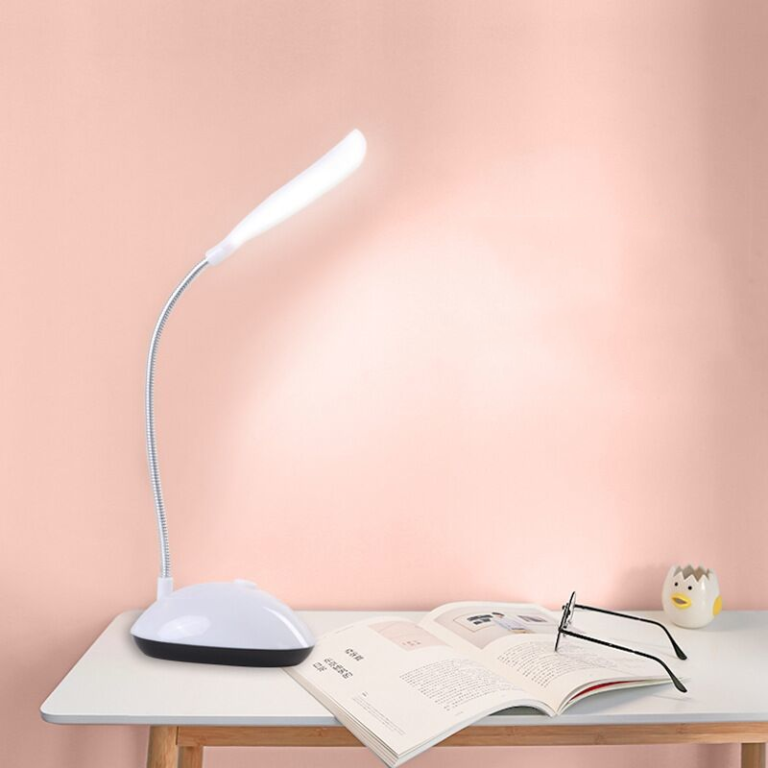
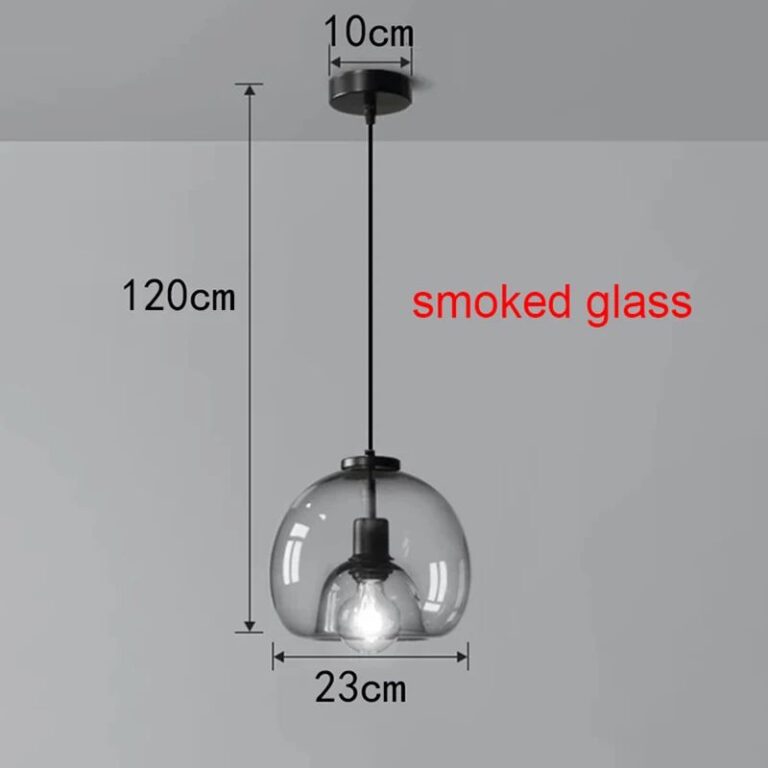
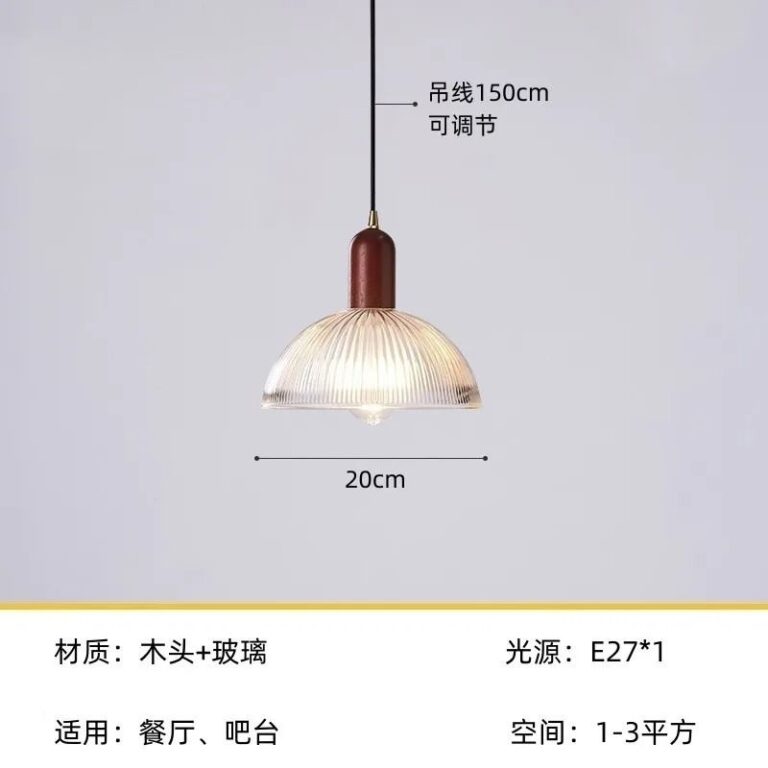 Aisha's pickAdjustable Pendant Lamps Hunted Down So You Don’t Have To
 Aisha's pickAdjustable Reading Floor Lamps for When the Old Ones Give Up

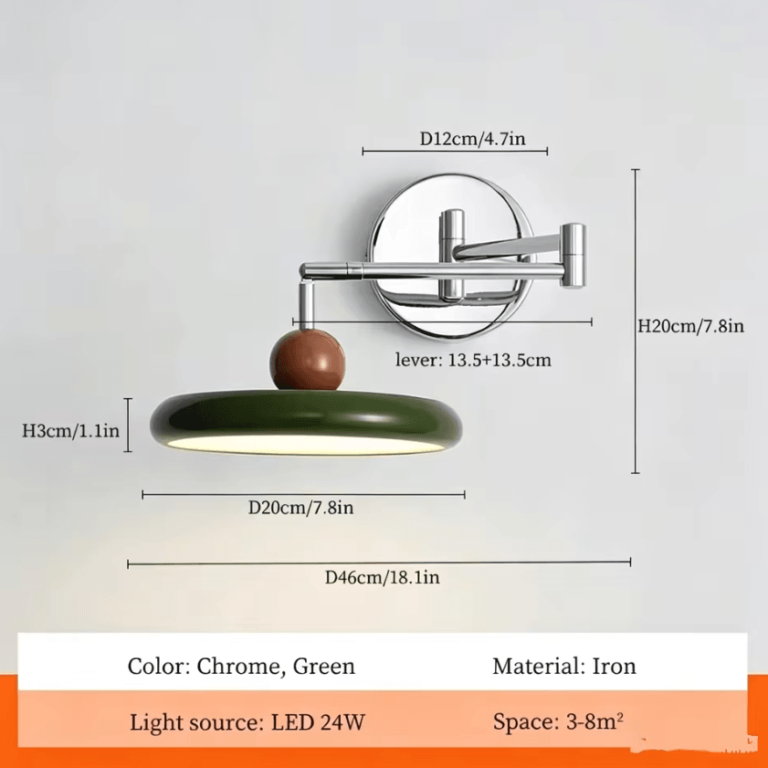 Aisha's pickAdjustable Reading Lamps That Light Up Gloomy Corners
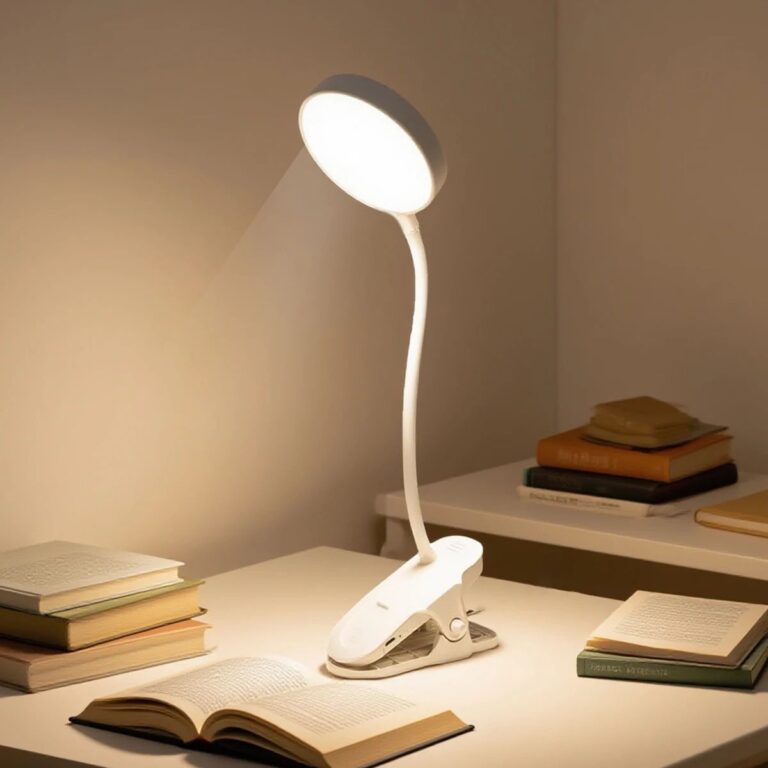
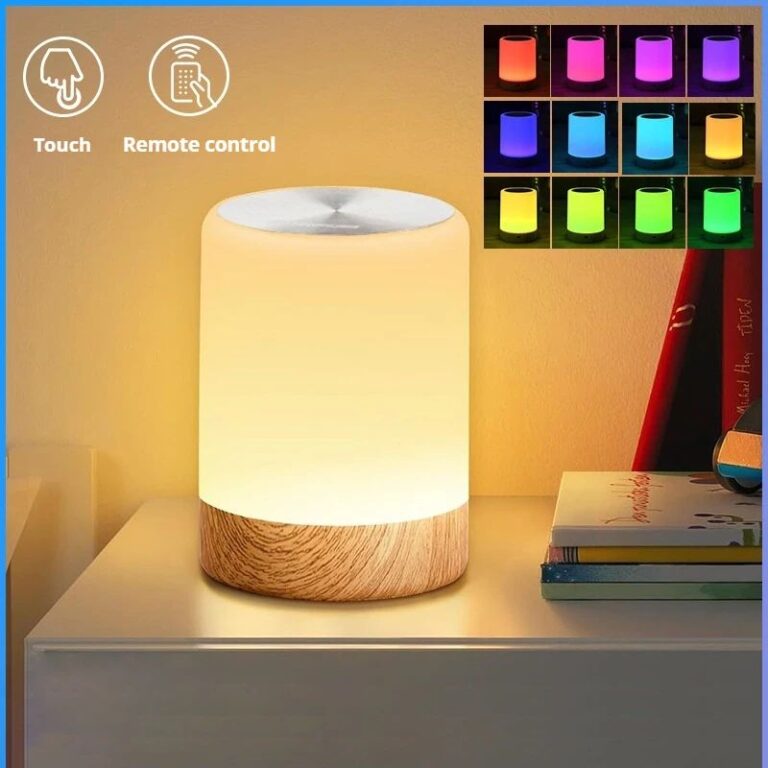 Aisha's pickAdjustable Standard Lamps We Leave On All Evening
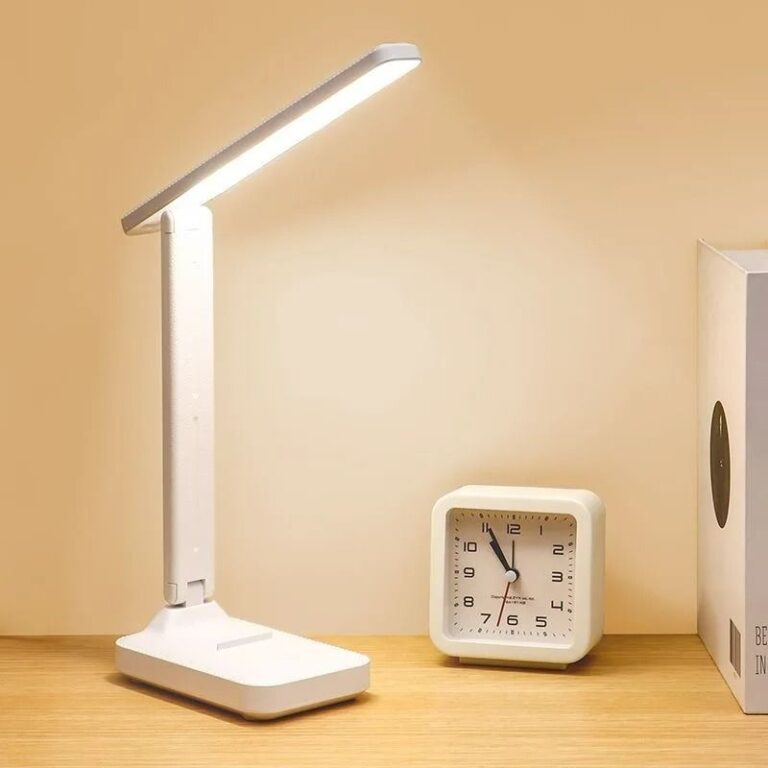
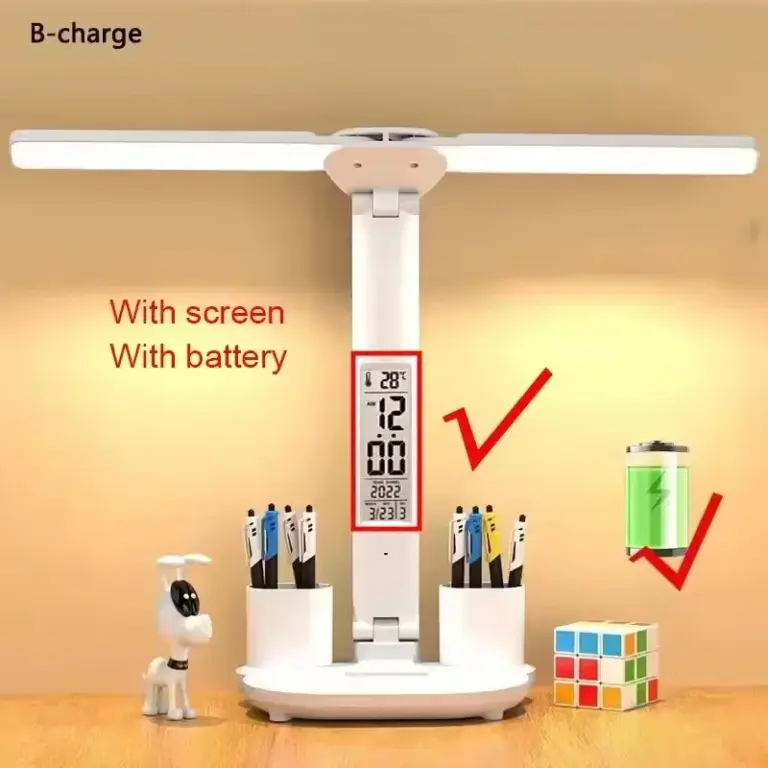 Aisha's pickAdjustable Table Lamps Picked by People Who Care Too Much
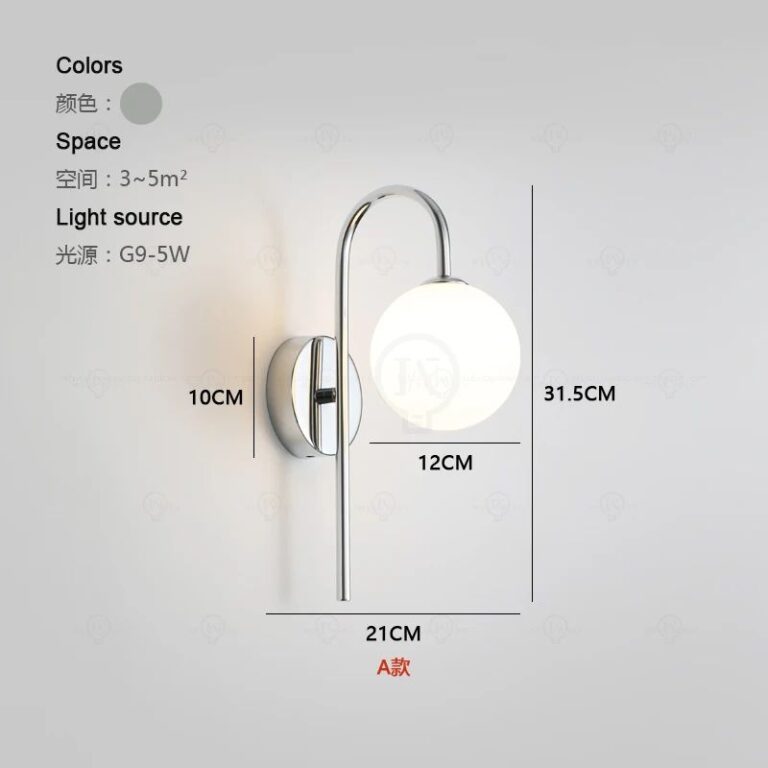
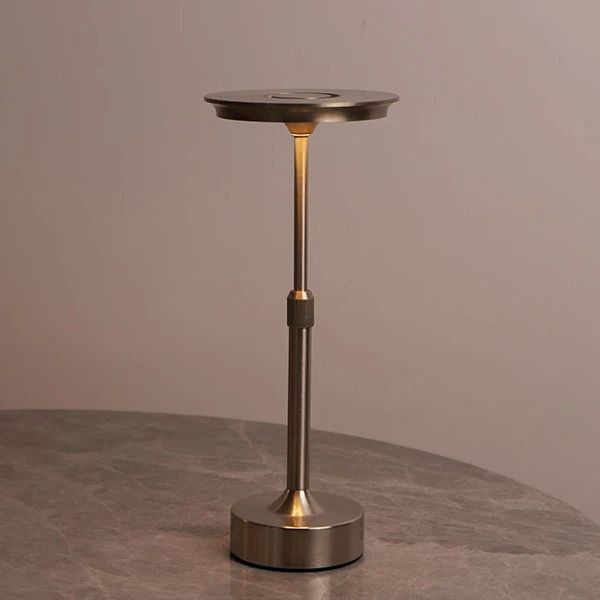 Aisha's pickAdjustable Task Lamps That Work in Old Houses and New Ones
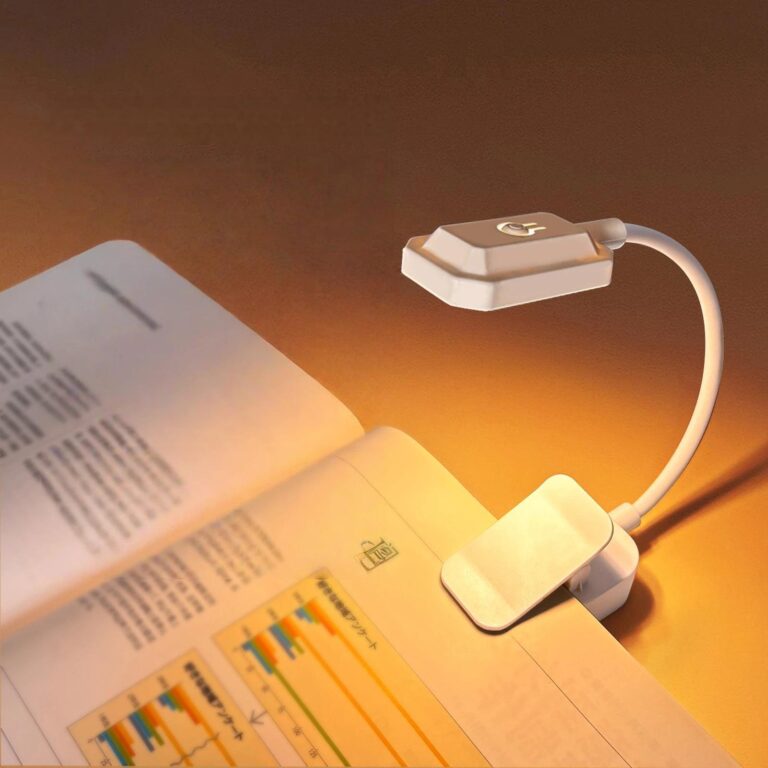
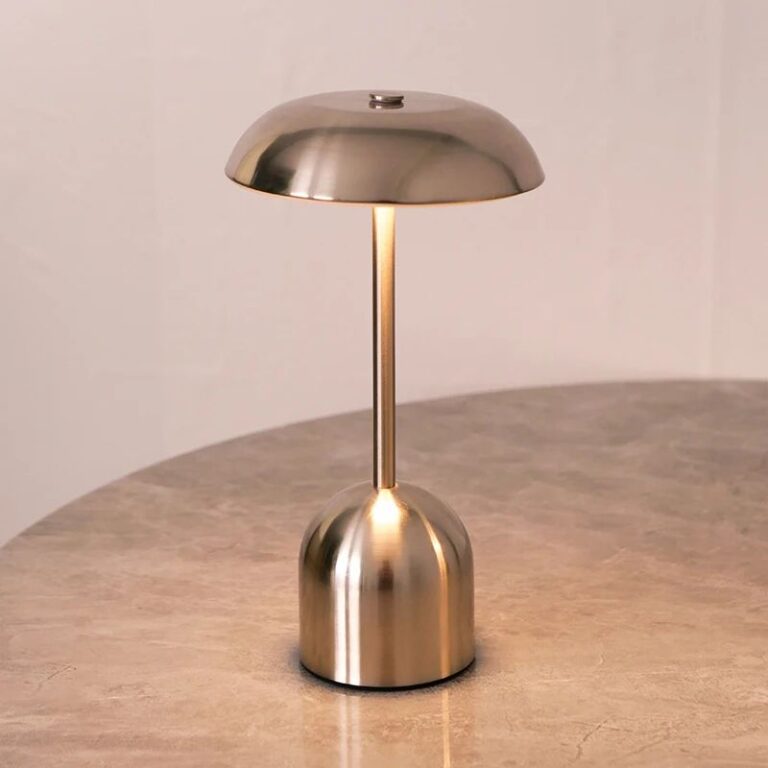 Aisha's pickAdjustable Touch Lamps Picked From the Stores We TrustAlso worth a lookWall LampsThe thing that catches people out with wall lamps is the electrical question, nobody thinks about it until…See the collections →

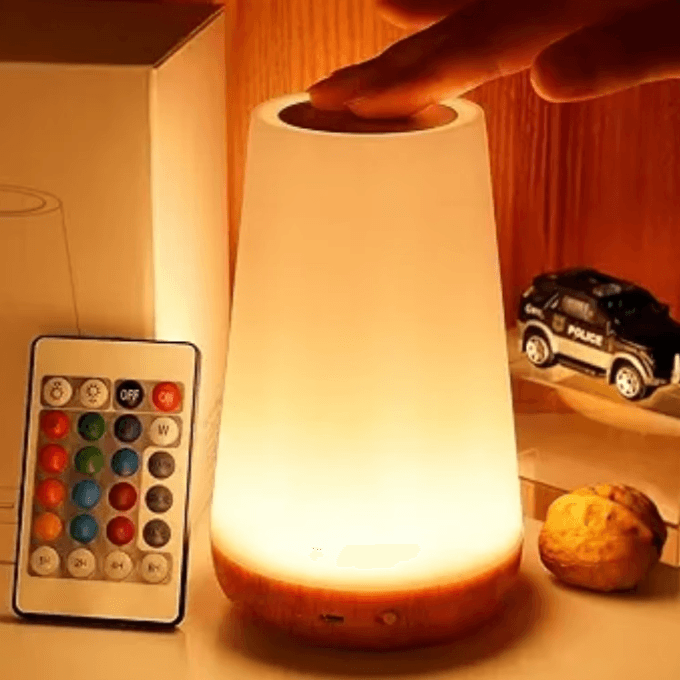 Aisha's pickAdjustable Bedside Lamps That Make the Bedroom Feel Finished
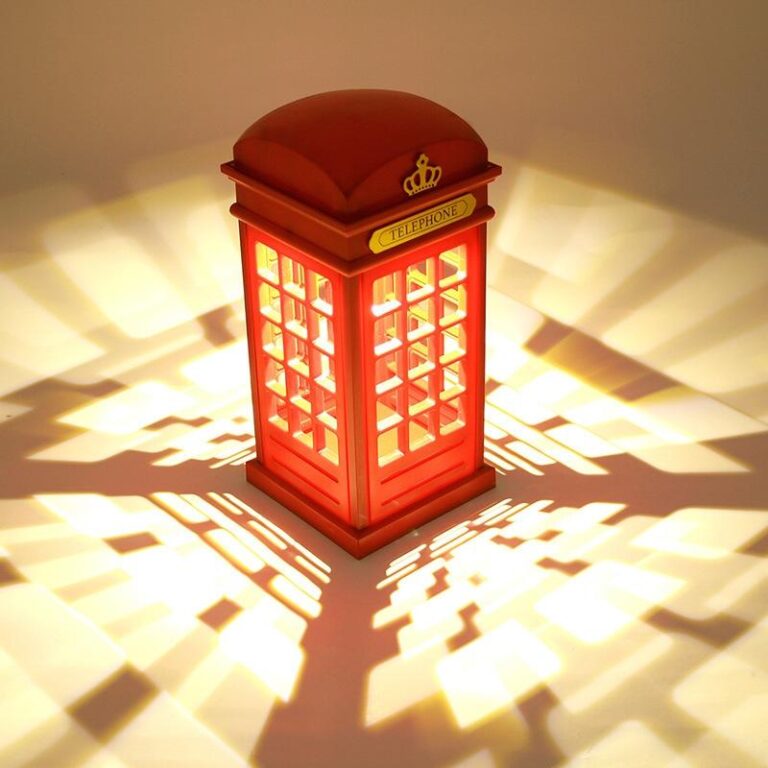
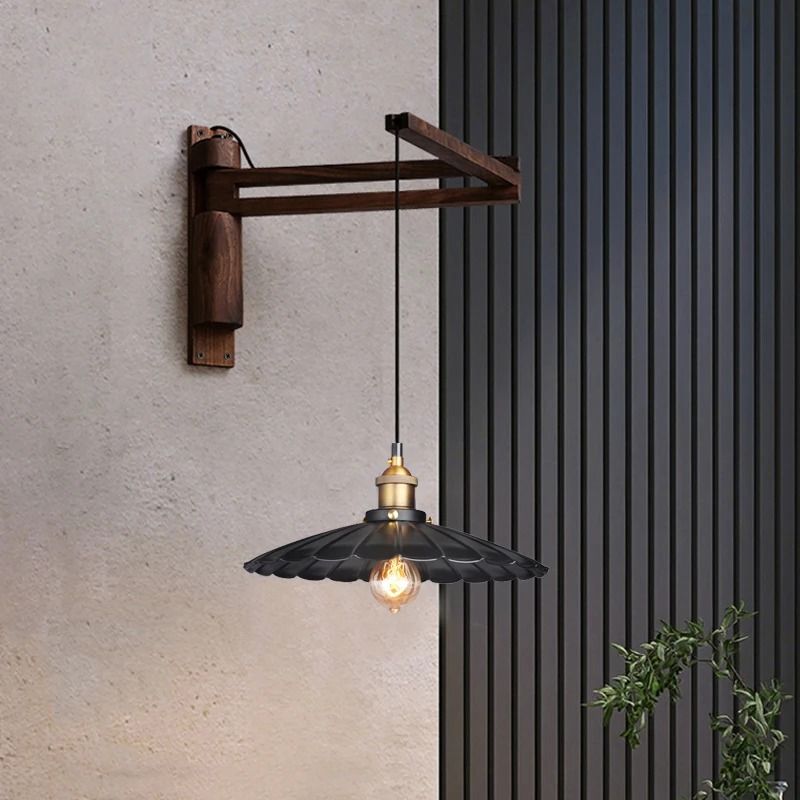 Aisha's pickAdjustable Wall Lamps for Dark Winter Evenings
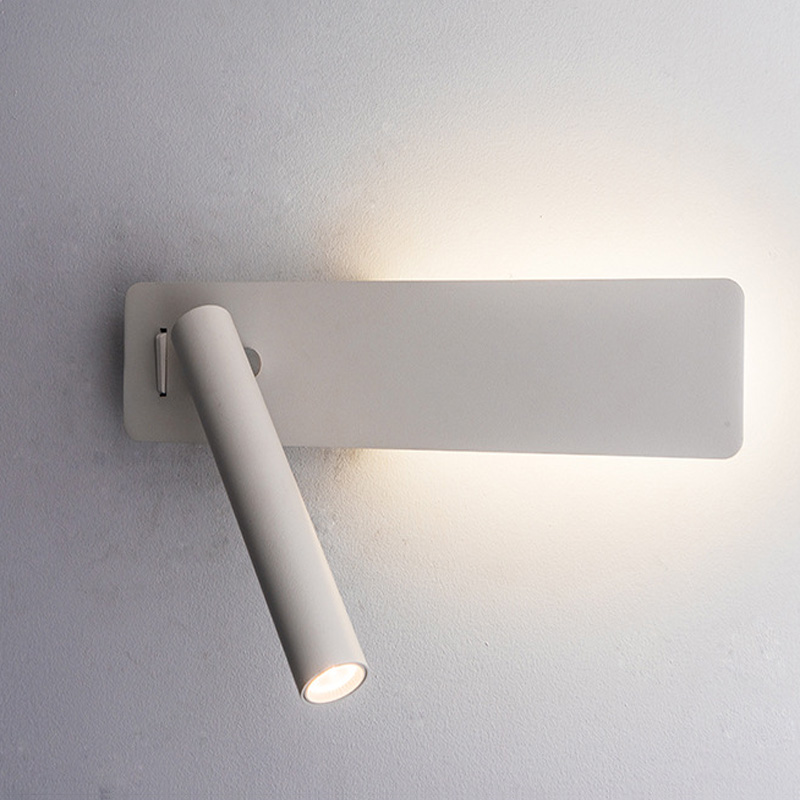
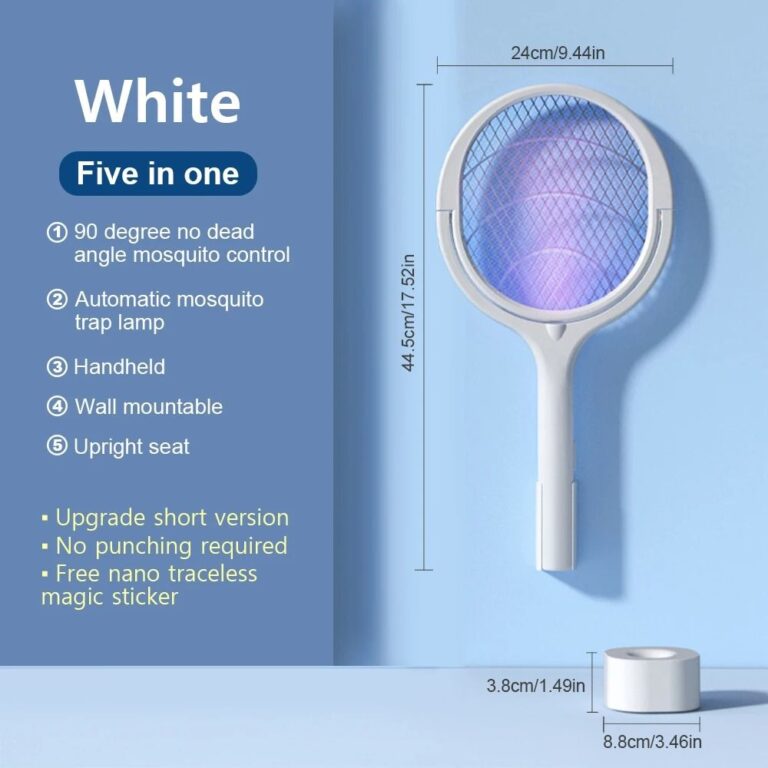 Aisha's pickAdjustable Ceiling Lamps That Light Up Gloomy Corners
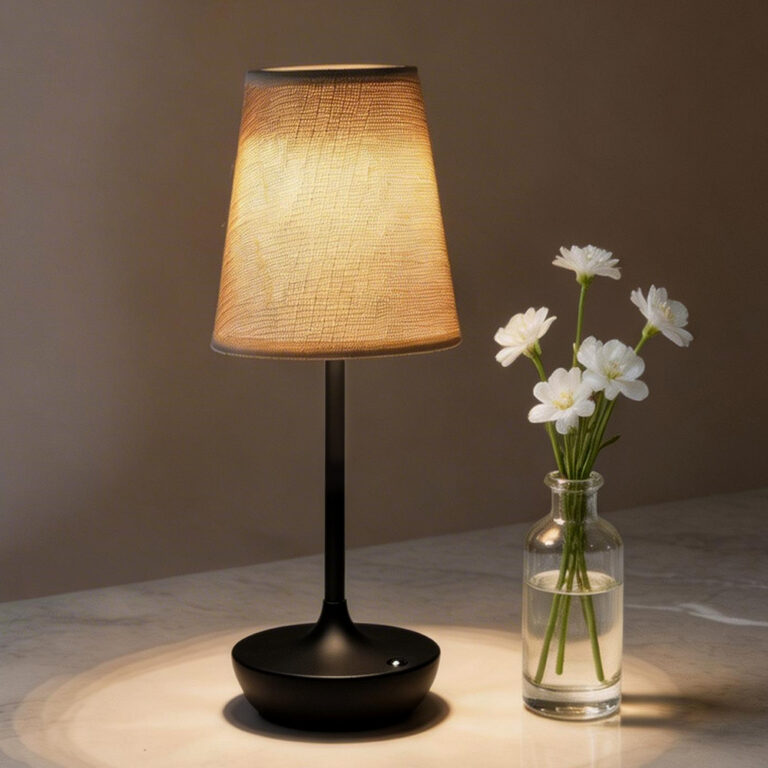 Aisha's pickBlack Adjustable Table Lamps You’ll Keep for Years
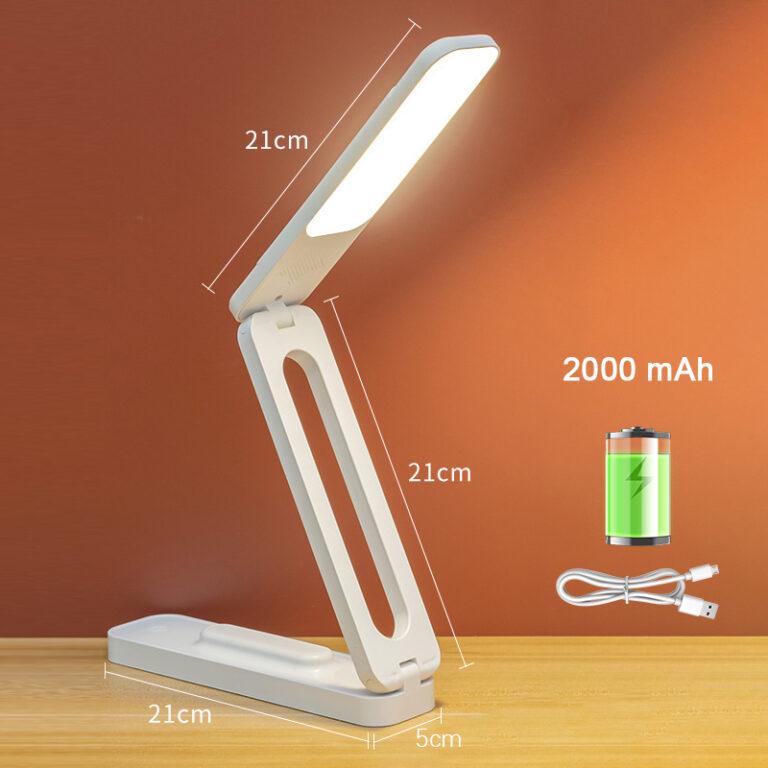 Aisha's pickAdjustable Desk Lamps We Work Beside Every Day
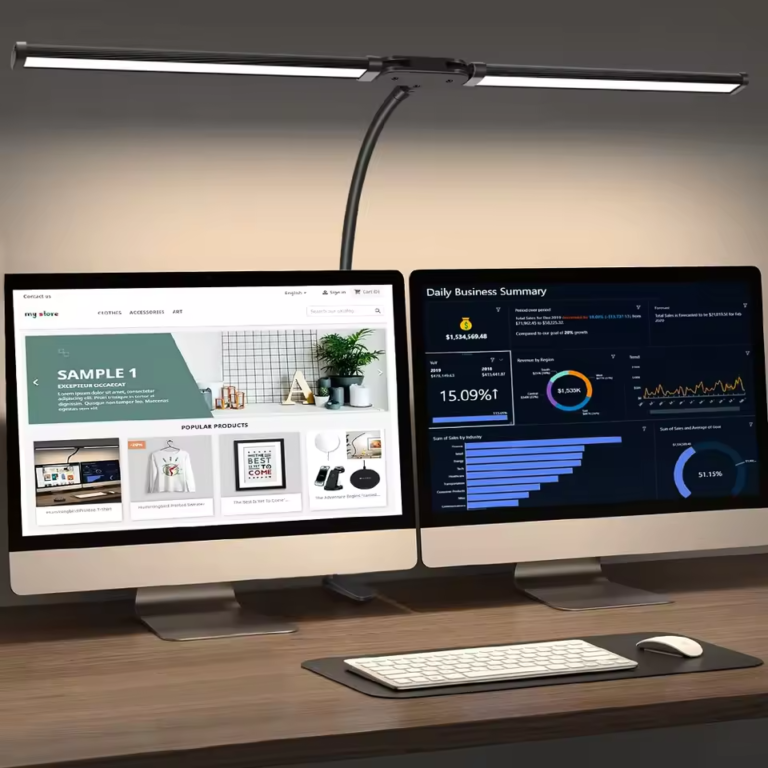
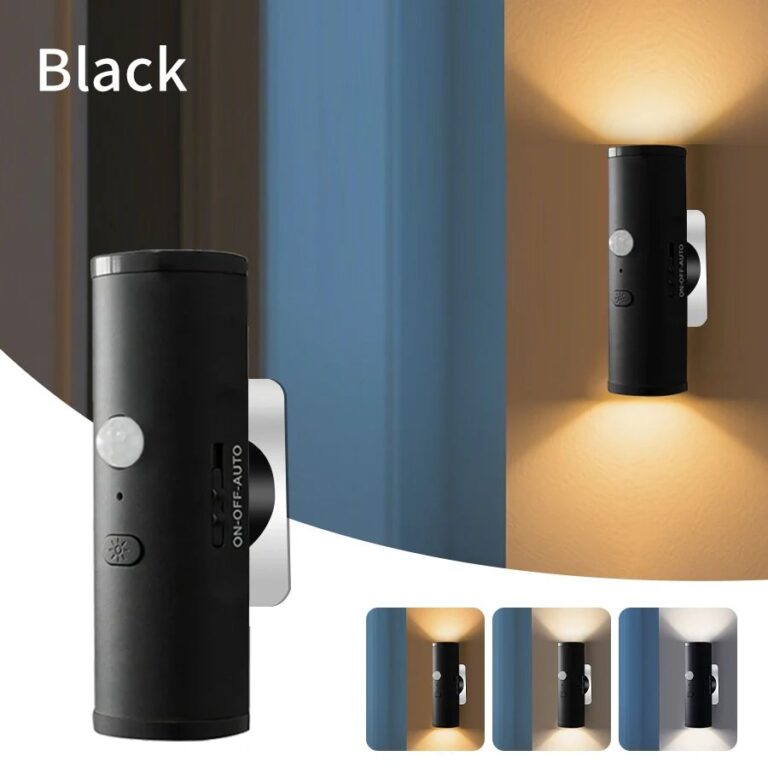 Aisha's pickBlack Adjustable Wall Lamps for Cozy Nights In
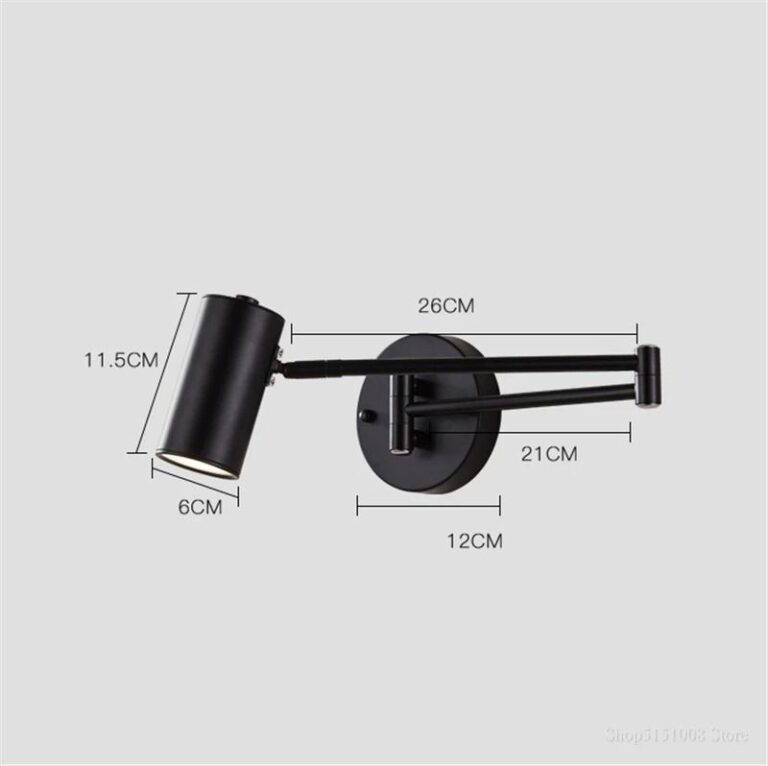
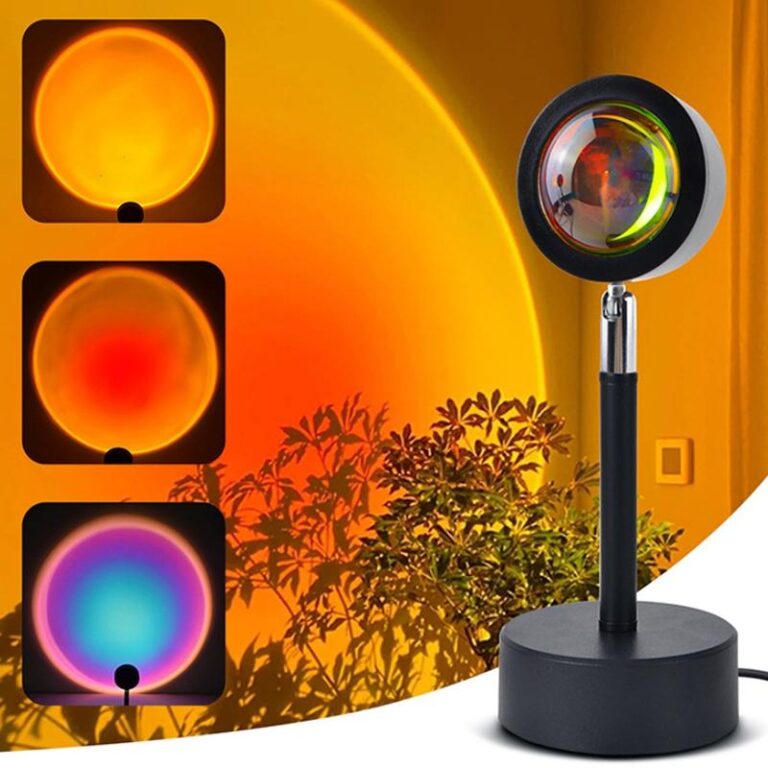 Aisha's pickAdjustable Floor Lamps That Look Good Switched Off Too
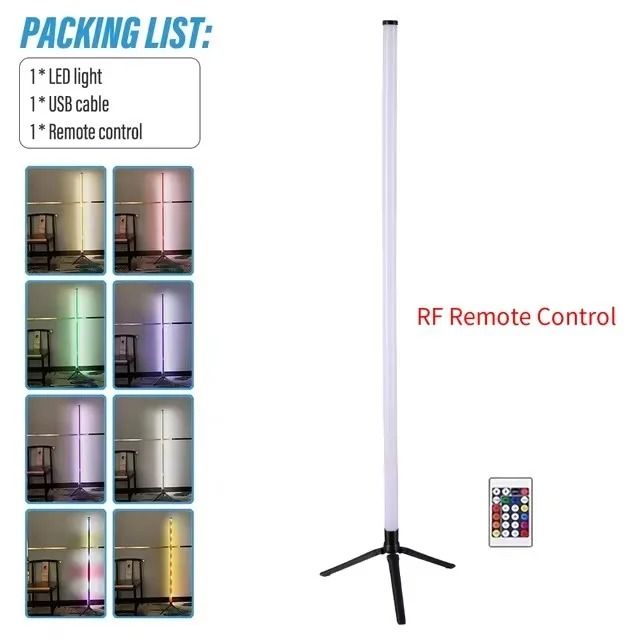
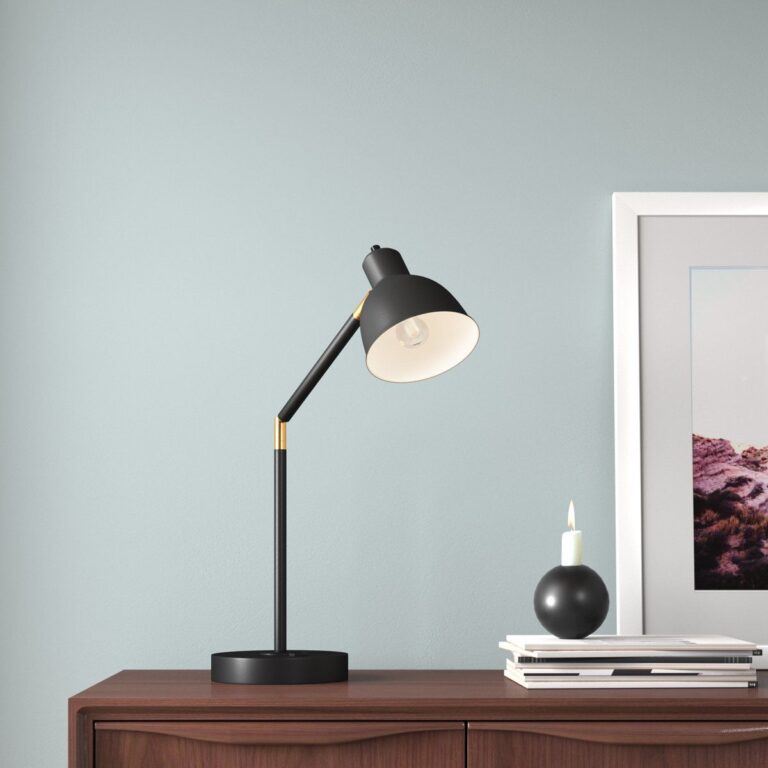 Aisha's pickBrass Adjustable Table Lamps That Make the Big Light Redundant
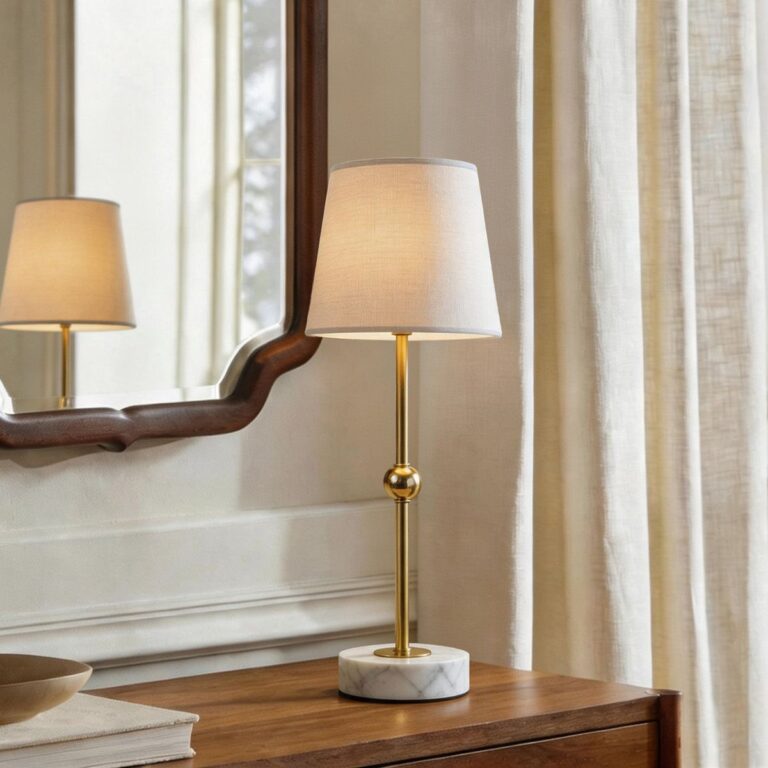
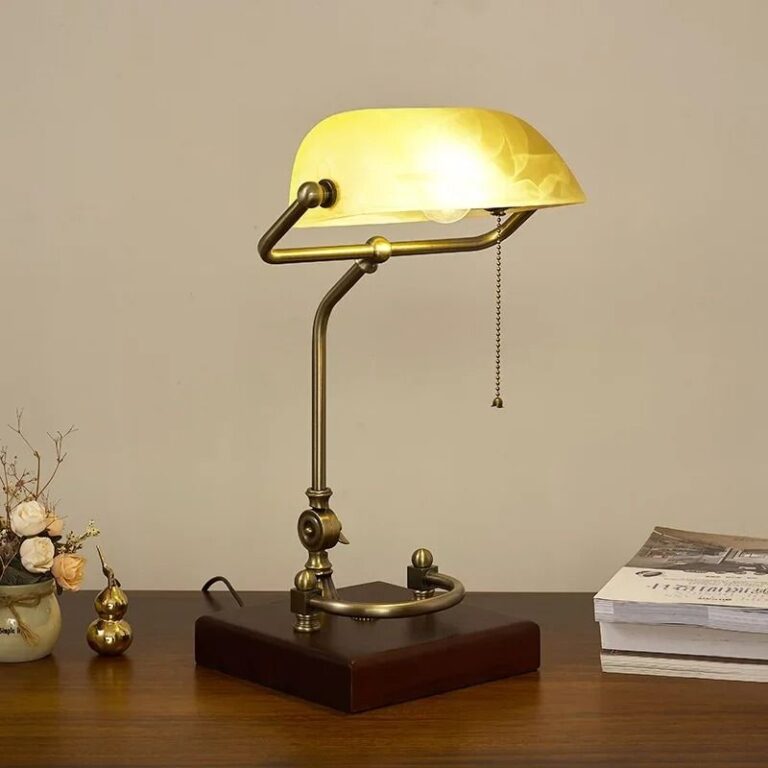 Aisha's pickAdjustable Glass Table Lamps That Won’t Let You DownAlso worth a lookLamps with ShadeA lamp with its shade already on it has a reputation for being the safe choice, the thing…See the collections →
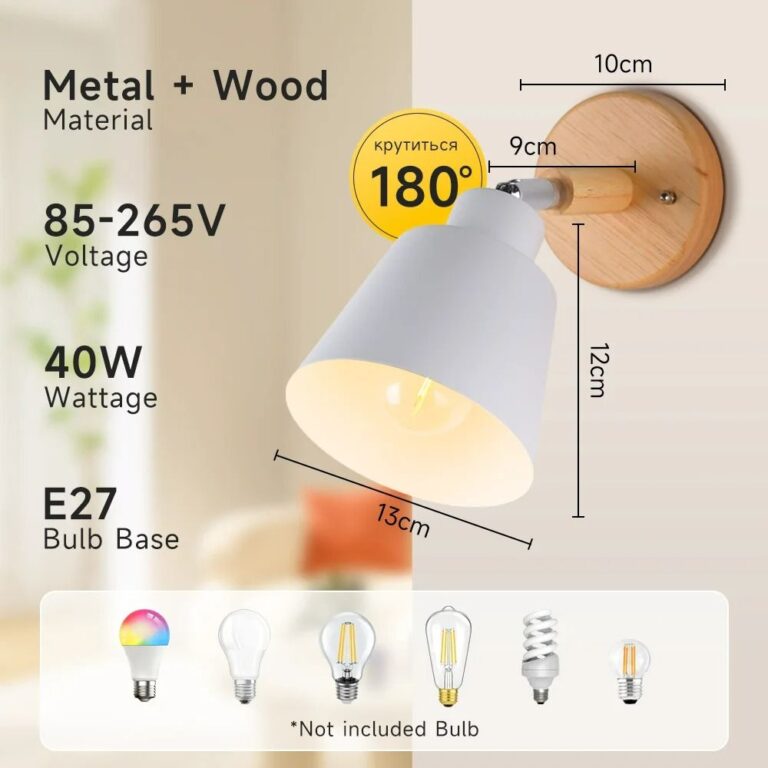
 Aisha's pickWhite Adjustable Wall Lamps That Make Rented Places Feel Like Home